About
About
Razaq Okoya The Billionaire Who Built an Empire from the Streets of Lagos
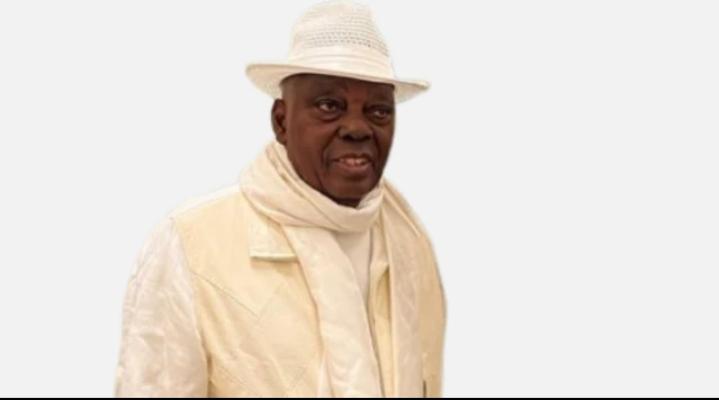
Razaq Okoya
In the noisy heart of Lagos Island, where traders shout prices and dreams are born in crowded markets, a young boy once stood watching the movement of money and merchandise. That boy would grow into one of Nigeria’s most respected industrialists. His name is Razaq Okoya.
Early Life and Humble Beginnings
Razaq Okoya was born on January 12, 1940, in Lagos, Nigeria. He grew up in a modest household on Lagos Island. His father was a tailor, and life was far from luxurious. But even as a child, Okoya showed signs of uncommon ambition.
While other children played, he observed traders. He studied how goods were displayed, how customers negotiated, and how profit was made. He attended Ansar-Ud-Deen Primary School but left formal education early to pursue business. For him, the classroom had shifted to the marketplace.
The First Steps into Trade
At a young age, Okoya began selling goods such as nylon and small household items. He would buy in bulk and sell in smaller quantities. He learned quickly that consistency and trust built customers. He traveled to neighboring West African countries, including Ghana and Ivory Coast, expanding his trading network.
In the 1960s, when Nigeria was still developing industrially, Okoya saw a gap. Instead of only importing goods, why not manufacture them locally?
That idea would change everything.
The Birth of Eleganza
In 1972, Okoya founded the Eleganza Group. What started as a small trading outfit grew into one of Nigeria’s largest conglomerates.
Eleganza Group became known for producing everyday household items such as coolers, chairs, tables, school bags, cutlery, and plastic products. At a time when imported goods dominated the market, Okoya invested heavily in local manufacturing.
He established factories in Lagos, creating thousands of jobs for Nigerians. His company became a symbol of industrial growth in Nigeria.
Eleganza was not just about selling products. It was about building capacity. Okoya imported advanced machinery and trained Nigerian workers to operate them. He believed that true wealth was created through production, not just trade.
Expanding the Empire
As the years passed, Eleganza expanded into multiple sectors. The group ventured into real estate, printing, cosmetics, and other consumer goods. Okoya built large industrial complexes in areas such as Isolo and Ibeju Lekki in Lagos.
His strategy was simple yet powerful. Produce quality goods at affordable prices for the mass market. Understand the everyday needs of Nigerians and meet them efficiently.
By the 1980s and 1990s, Razaq Okoya had become a household name in Nigeria’s business circle. His factories were thriving even during economic downturns.
Wealth and Recognition
Razaq Okoya is widely regarded as one of Nigeria’s wealthiest industrialists. His success brought national and international recognition. He received several awards for his contribution to industry and economic development.
He was honored with the national title of Commander of the Order of the Niger by the Nigerian government, recognizing his role in boosting local manufacturing.
His luxurious lifestyle also drew public attention. His mansion in Lagos became one of the most talked about private residences in the country. Yet behind the glamour is a man who built everything from the ground up.
Family and Legacy
Razaq Okoya is married to several wives, including his well known wife Shade Okoya, who plays an active role in the business. Together they have children, some of whom are involved in the management of the family enterprise.
Rather than building wealth that fades, Okoya focused on building a legacy. His children are being positioned to sustain and expand the business empire.
Philosophy of Success
Okoya often emphasizes discipline, persistence, and reinvestment. He believed in taking calculated risks. At a time when many relied solely on imports, he invested millions in manufacturing equipment. It was risky, but it paid off.
He once shared that business requires patience and courage. According to him, wealth is not built overnight. It grows through consistency and hard work.
Challenges Along the Way
Like many Nigerian industrialists, Okoya faced challenges such as unstable power supply, import restrictions, and fluctuating economic policies. Running factories in Nigeria is not easy. Production costs are high, and infrastructure can be unreliable.
Yet he continued to adapt. He invested in generators, alternative power solutions, and strategic sourcing. Instead of complaining about the system, he adjusted to survive within it.
Impact on Nigerian Industry
Razaq Okoya’s impact goes beyond personal wealth. He contributed to Nigeria’s industrialization. At a time when the country depended heavily on imports, he proved that local production could succeed.
Thousands of Nigerians have been employed by Eleganza over the decades. His factories have trained technicians, engineers, and managers who later contributed to other sectors of the economy.
He became a symbol of indigenous entrepreneurship.
A Living Example of Street to Success
The story of Razaq Okoya is not one of inherited wealth. It is a story of a boy from Lagos Island who watched traders carefully and turned observation into opportunity.
From selling nylon in small quantities to owning one of Nigeria’s biggest manufacturing groups, his journey reflects resilience.
He did not allow limited formal education to limit his ambition. Instead, he used practical knowledge, bold investments, and relentless determination to build an empire.
Today, when young Nigerian entrepreneurs look for inspiration, the name Razaq Okoya stands tall. His life reminds many that business greatness can begin in the simplest of places.
In the busy markets of Lagos where he once stood as a young boy, his legacy continues to inspire new dreamers who dare to build.

Categories
Read More
As Nigeria celebrates 26 years of uninterrupted democratic governance, the Nigeria Governors’ Forum (NGF) has commended the nation's progress, highlighting milestones achieved under civilian rule. In a recent statement, the Forum praised the leadership of Borno State Governor Babagana Zulum and Plateau State Governor Caleb Mutfwang for their transformative actions. Zulum’s targeted...
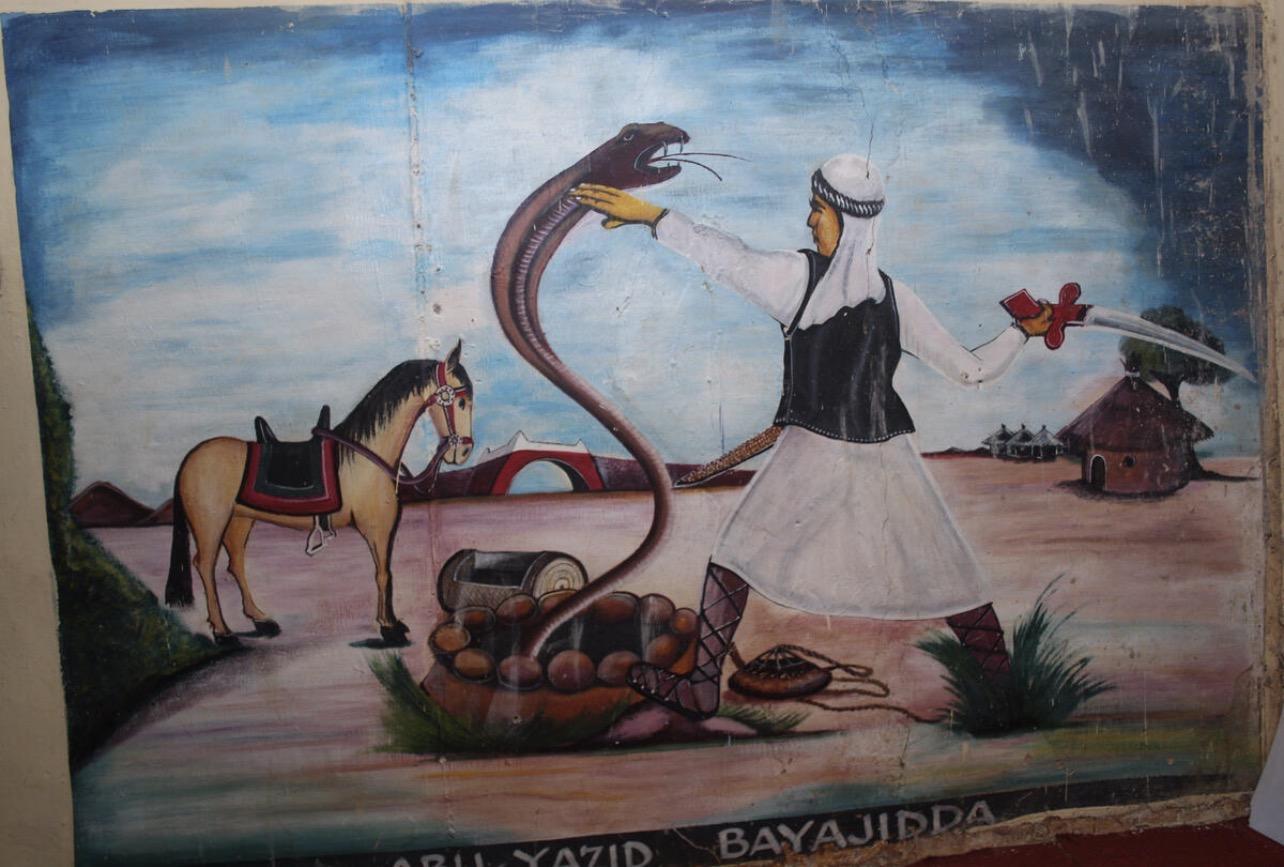
Bayajidda and the Well of Destiny Long before the map of Northern Nigeria and southern Niger was drawn the way people know it today, there lived in the memory of the Hausa people a hero whose name traveled farther than the dust of caravans and deeper than the old wells of the savanna. His name was Bayajidda, and in the origin stories of the Hausa states, he stands not just as a man,...
Dora Akunyili In the quiet town of Makurdi in 1954, a girl was born into a Nigeria still young and full of promise. She would grow up to confront one of the country’s deadliest silent enemies, fake drugs. Her name would become synonymous with courage, integrity, and reform. That girl was Dora Akunyili. Her story is not merely about public office. It is about personal pain...
The Great Walls of Kano Long before modern roads, cars, and concrete buildings transformed the city of Kano, there stood a magnificent barrier of earth and history surrounding one of the greatest cities in West Africa. These were the ancient city walls of Kano, a remarkable structure built centuries ago to protect a thriving kingdom, regulate trade, and symbolize the strength of a...

Christian Bale Christian Bale is a British actor widely regarded as one of the most talented and versatile performers in Hollywood. He is known for his intense dedication to roles, often undergoing dramatic physical transformations for his characters. Christian Charles Philip Bale was born on January 30, 1974, in Haverfordwest, Wales. Early Life and Background Christian Bale...