Sobre
Sobre
Equatorial Guinea From Island Kingdoms to Oil Wealth and a Nation in Transition
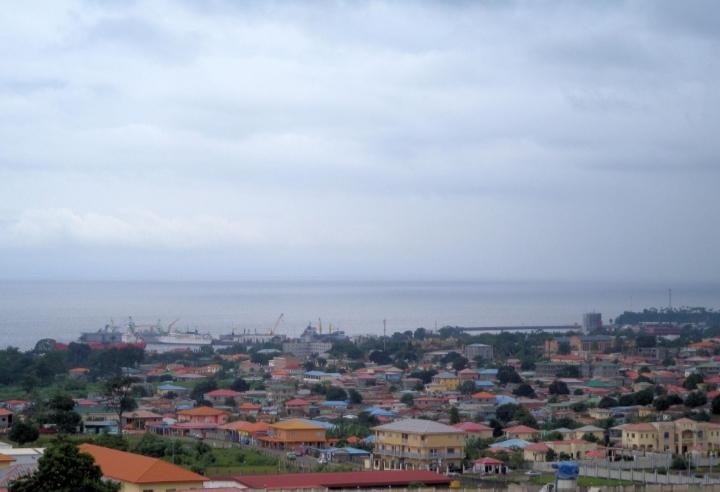
Equatorial Guinea
Equatorial Guinea is one of Africa’s smallest countries, yet its history stretches across islands, rainforests, and colonial empires. Located on the west coast of Central Africa, it is the only African country where Spanish is an official language. Its story moves from early Bantu migrations to European rivalry, from harsh dictatorship to oil driven transformation. It is a nation shaped by isolation, survival, and unexpected change.
The First Peoples
Long before European ships appeared along its coast, the land and islands of Equatorial Guinea were home to African communities who lived by farming, fishing, and hunting.
The mainland region, known today as Rio Muni, was settled by Bantu speaking groups centuries ago. Among them were the Fang people, who would later become the largest ethnic group in the country.
On the island of Bioko, the Bubi people developed a distinct culture. They likely migrated from the mainland many centuries ago and built communities based on agriculture and clan leadership.
The islands’ fertile volcanic soil supported crops such as yam and banana. Fishing and small scale trade connected communities across the Gulf of Guinea.
Portuguese Discovery and Spanish Rule
In 1472, Portuguese explorers reached the island of Bioko. They named it Formosa, meaning beautiful. Over time, Portugal established limited presence in the region.
In 1778, Portugal ceded the islands and mainland territory to Spain in exchange for lands in South America. The territory became part of the Spanish Empire.
Spain’s colonial control remained weak at first. However, during the nineteenth century, Spain strengthened its presence, especially on Bioko.
Plantations were established, producing cocoa and coffee. Laborers were brought from neighboring regions to work on farms. Spanish became the administrative language, setting Equatorial Guinea apart from its French and Portuguese speaking neighbors.
The colony was known as Spanish Guinea.
Colonial Life and Development
Under Spanish rule, infrastructure and schools were developed, particularly on Bioko. Compared to some African colonies, Spanish Guinea had relatively higher levels of formal education by the mid twentieth century.
However, political freedoms were limited. The colonial system maintained strict control over local populations.
The economy centered on cocoa production. Plantations on Bioko became some of the most productive in Africa.
Despite economic activity, many people remained rural farmers and fishermen.
The Road to Independence
After World War Two, independence movements spread across Africa. In Spanish Guinea, political organizations began demanding self rule.
Spain granted limited autonomy in the 1960s. Finally, on October 12, 1968, the country gained independence and became the Republic of Equatorial Guinea.
Francisco Macias Nguema became the first president.
A Dark Era
Independence did not bring stability. Macias Nguema soon established a brutal dictatorship. Political opponents were imprisoned or killed. Many educated citizens fled the country.
The economy collapsed as fear spread. Schools closed, and basic services deteriorated. Thousands of Equatoguineans went into exile.
In 1979, Macias was overthrown in a coup led by his nephew, Teodoro Obiang Nguema.
A New Government and Oil Discovery
Teodoro Obiang became president and remains one of Africa’s longest serving leaders.
In the 1990s, major oil reserves were discovered offshore. This transformed the country’s economy almost overnight.
Equatorial Guinea became one of sub Saharan Africa’s largest oil producers. Oil revenues dramatically increased national income.
New infrastructure projects began. Malabo, the capital on Bioko, and Bata on the mainland saw modern buildings, roads, and development.
However, despite oil wealth, much of the population continued to face poverty. International organizations criticized the government for corruption and limited political freedom.
Culture and Identity
Equatorial Guinea is culturally diverse. The Fang are the largest ethnic group, mainly on the mainland. The Bubi people maintain a strong presence on Bioko. Smaller groups such as the Ndowe and Annobonese add to the country’s diversity.
Spanish is the primary official language, making Equatorial Guinea unique in Africa. French and Portuguese are also recognized officially, reflecting regional ties.
Traditional music, dance, and storytelling remain important. Ritual ceremonies celebrate ancestry and community.
The country’s landscapes include dense rainforests, volcanic islands, and Atlantic coastlines rich in marine life.
Equatorial Guinea Today
Today, Equatorial Guinea stands at a crossroads. Oil has brought wealth and international attention, but economic dependence on petroleum remains a challenge.
Efforts have been made to diversify the economy and invest in infrastructure. The government has also hosted international events to raise its global profile.
However, political reform and broader distribution of wealth remain ongoing concerns.
A Small Nation with a Complex Story
From early Bantu migrations to Portuguese exploration, from Spanish colonization to independence and dictatorship, Equatorial Guinea’s path has been dramatic.
It is a country of contrasts. Rich in oil yet facing inequality. Small in size yet significant in history.
Equatorial Guinea’s journey reflects both the promise and the struggle of post colonial Africa.
Its future depends on how it balances resource wealth with human development, tradition with modern governance.
Though often overlooked, Equatorial Guinea remains a unique voice in Central Africa, shaped by island roots, Spanish heritage, and the enduring resilience of its people.

Categorias
Leia Mais
Aiyegunle The first time the strangers came, no one in the village of Aiyegunle thought much of it, because visitors were not new, traders had passed before, missionaries had come with books and strange songs, and even wanderers had rested under the old iroko tree, but these men were different, their boots were too heavy for the soft earth, their eyes too cold for a place that had...
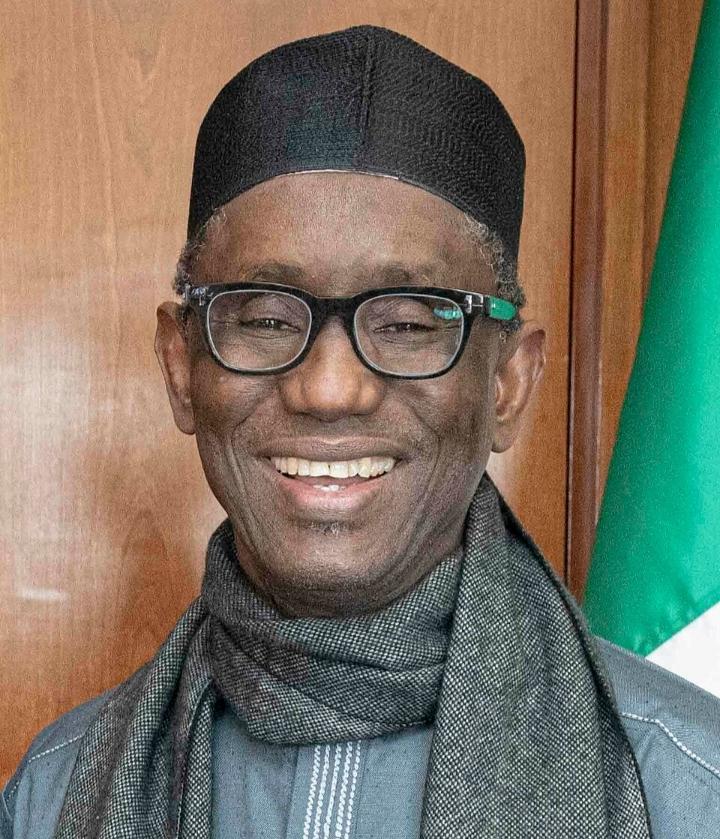
Nuhu Ribadu In a quiet part of Yola, Adamawa State, a boy was born on November 21, 1960. He grew up in Northern Nigeria at a time when the country was still shaping its post civil war identity. Discipline, faith, and education were central pillars of his upbringing. That boy would one day become one of Nigeria’s most recognized anti corruption figures, feared by the powerful and...
Adebimpe (POV) My body gave up before my spirit did. It started as a dull ache behind my eyes, the kind I could ignore if I worked slowly. Then my limbs grew heavy, as though the palace itself had climbed onto my back. Still, I swept. Still, I cleaned. Still, I served. Because in the palace, rest was a luxury slaves could not afford. That morning, when I tried to rise from my mat, the room...
Oro Masquerade In the deep heart of Yoruba land, when the sun begins to set and shadows stretch across the earth like ancient spirits waking from sleep, a silence unlike any other descends. It is not the peaceful silence of rest, nor the quiet of a sleeping village. It is a silence born from fear, respect, and something far older than memory. That silence belongs to Oro. Long before...
In a major intelligence-led operation, Nigerian troops of Operation Hadin Kai arrested three suspected ISWAP recruitment agents in Banki, Borno State. The suspects—Gajibo Kayama (23), Tahiru Modu (22), and Bulama Modu (24)—allegedly tried to recruit youths aged 17–20 for terrorist training in Adamawa State. Security sources revealed that the trio were former ISWAP members who...