About
About
AYINLA OMOWURA: Nigerian Legendary Apala Musician
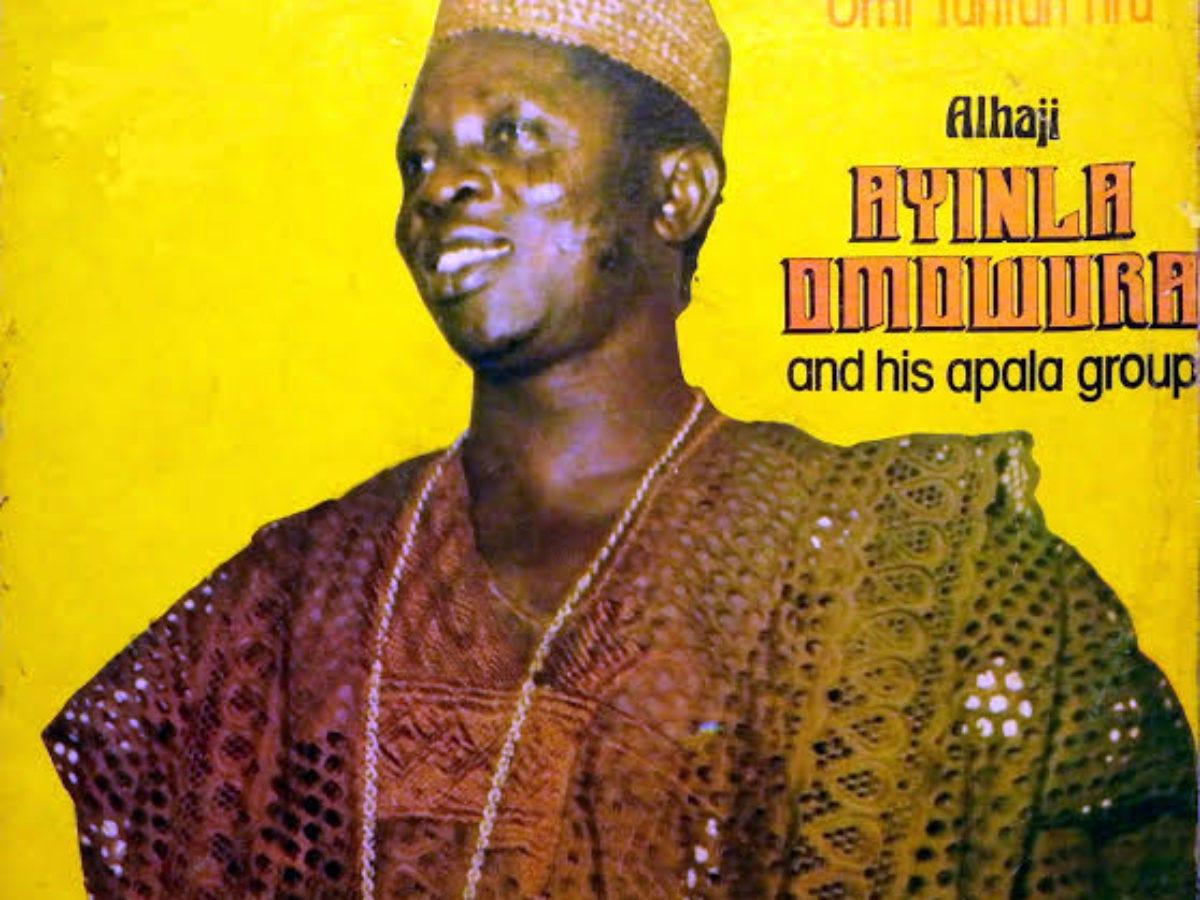
Ayinla Omowura
Ayinla Omowura remains one of the most influential and controversial figures in the history of Nigerian indigenous music. Born as Abdulrahman Ayinla in the 1940s in Abeokuta, Ogun State, he grew up in a culturally rich Yoruba environment where music, especially traditional chants and Islamic-inspired rhythms, played an important role in daily life. From a young age, Ayinla displayed a deep passion for music, often entertaining his peers with songs inspired by local happenings and community stories.
He began his musical journey with waka music, a genre closely associated with Islamic traditions among the Yoruba people. However, as the sound evolved in southwestern Nigeria, Ayinla transitioned into Fuji music, a genre that developed from Were music performed during Ramadan. Fuji music was gaining popularity at the time, and Ayinla Omowura quickly distinguished himself with his powerful voice, bold lyrics, and energetic delivery.
In the 1970s, Ayinla Omowura rose to national prominence. His music was deeply rooted in social commentary. He sang about politics, love, betrayal, community disputes, and everyday struggles. Unlike many artists who avoided controversy, Ayinla embraced it. His lyrics often mentioned real names, real conflicts, and real-life incidents happening in Abeokuta and beyond. This fearless approach earned him both admiration and enemies.
Ayinla Omowura became widely known for his rivalry with fellow Fuji musician Haruna Ishola. Though Haruna Ishola was more associated with Apala music, the competition between them symbolized the broader rivalry among indigenous music stars at the time. Ayinla’s aggressive style and bold stage presence made him stand out. His band was known for its vibrant percussion, dominated by talking drums and other traditional Yoruba instruments.
One of the most significant aspects of Ayinla Omowura’s music was his loyalty to the local political structure in Ogun State. He was known to align himself with influential political figures in Abeokuta, often praising his patrons in songs. This relationship with politics strengthened his influence but also added to the controversies surrounding his career.
Despite his fame, Ayinla’s life was not without trouble. His blunt style and habit of calling people out in his songs led to frequent disputes. He was known to have strong opinions and was not afraid to express them publicly. This boldness would eventually contribute to the tragic end of his life.
On May 6, 1980, Ayinla Omowura’s life was cut short in a shocking incident in Abeokuta. During a heated argument at a beer parlour, he was attacked and fatally stabbed by someone said to be close to him. The incident reportedly stemmed from a disagreement over money and band leadership issues. His sudden death sent shockwaves throughout Ogun State and Nigeria as a whole. He was at the peak of his career when he died, making the tragedy even more painful for his fans.
Ayinla Omowura’s burial attracted a massive crowd. Fans, fellow musicians, and political associates gathered to pay their last respects. His death marked a turning point in Fuji music history, highlighting both the intense rivalry and the volatile lifestyle associated with the industry at the time.
Even decades after his passing, Ayinla Omowura’s influence remains strong. His music continues to be played across southwestern Nigeria, especially in Ogun State. Many Fuji musicians who came after him adopted elements of his bold lyrical style. Artists like Wasiu Ayinde Marshal and Saheed Osupa have, in different ways, reflected the competitive and expressive spirit that Ayinla embodied.
Beyond music, Ayinla Omowura is remembered as a cultural icon of Abeokuta. His songs serve as historical records of the social and political climate of his era. Through his lyrics, one can understand community conflicts, leadership struggles, and the daily realities of the Yoruba people in the 1970s.
Though his life ended tragically, Ayinla Omowura’s legacy lives on. He remains a symbol of fearless artistic expression in Nigerian indigenous music. His story is both inspiring and cautionary a reminder of how talent, fame, rivalry, and human conflict can intertwine. Today, he is celebrated not just as a Fuji musician, but as a legend whose voice helped shape the sound and spirit of Yoruba contemporary music.

Categorii
Citeste mai mult
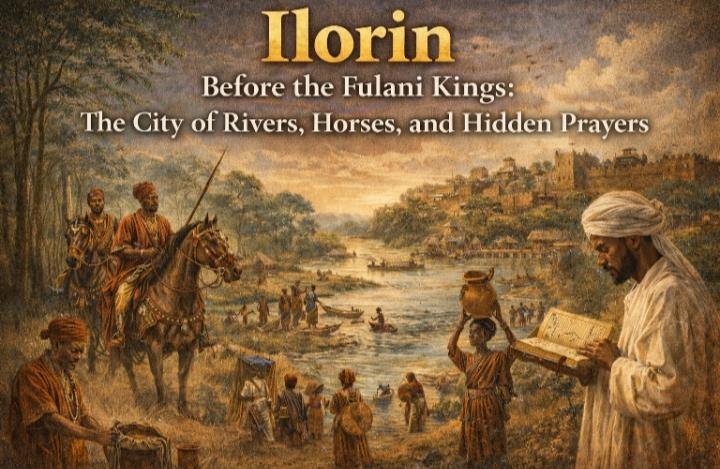
Ilorin Before the Fulani Kings: The City of Rivers, Horses, and Hidden Prayers Long before Ilorin became known for emirate councils, turbans, palace courtyards, and the strong influence of Fulani rule, it was first simply a frontier town. A place where forest met savannah. Where Yoruba farmers watched the grasslands like a doorway. Where traders from the north arrived with salt,...
HIV POSITIVE. I was known by everyone as the good girl the innocent, decent, intelligent, God-fearing lady who minded her business and worked hard. I had a stable job, dreams neatly planned, and a heart full of love. My fiancé adored me, my mother prayed for me daily, and my siblings looked up to me. Life felt safe. Predictable. Blessed. That illusion shattered the day my body...

Ned Nwoko Ned Nwoko is not a man who lives quietly. His life has unfolded in the public eye as a mixture of politics, law, wealth, culture, controversy, and ambition. From a young boy growing up in Delta State to becoming a billionaire lawyer, senator, and philanthropist, his story reflects influence built through education, strategic decisions, and strong traditional identity. But...

FIFA president Gianni Infantino says the Club World Cup, which kicks off on Saturday, marks a historic “new era” for the game, comparing it to the first World Cup held in 1930. In an interview with AFP, Infantino also took aim at critics of FIFA’s ticketing policy and said that skeptics who had questioned the need for the tournament would quickly change their minds. The...

No one really knew her name. Not the neighbors, not the teachers, not even the classmates she passed every day in the crowded corridors of Maplewood High. People only called her “the quiet girl,” or whispered, “She never speaks.” Her name was Lila, but she never corrected anyone. Words, she believed, were dangerous things they could betray you, wound you, or vanish...