Σχετικά
The Girl Who Stayed Silent

No one really knew her name. Not the neighbors, not the teachers, not even the classmates she passed every day in the crowded corridors of Maplewood High. People only called her “the quiet girl,” or whispered, “She never speaks.”
Her name was Lila, but she never corrected anyone. Words, she believed, were dangerous things they could betray you, wound you, or vanish before anyone understood their meaning. So, she stayed silent.
It wasn’t that Lila was shy. She had opinions, thoughts, dreams that filled her like wind in a sail. But after the night her father left, and her mother drowned herself in alcohol, words had failed her. They had no power to fix the world, no power to stop what was happening at home. Silence, she discovered, was safer.
At school, she became a ghost. Teachers noticed her grades top of her class but rarely saw her hand raised. Friends came and went, leaving whispered rumors behind. Some said she was strange; some said she was smart; some said she was lonely. Lila didn’t care what they said.
But one Monday morning, everything changed.
The first bell rang, and the corridors were buzzing louder than usual. A new student had arrived. His name was Nathan. He had a quiet confidence, the kind that made people notice without trying. When he passed Lila’s desk in first period, he paused and looked at her for longer than anyone had dared in years.
“You’re Lila, right?” he asked softly.
She didn’t answer. She simply looked down at her notebook.
Nathan smiled. That was it just a smile but it felt like an invitation.
Over the next few weeks, Nathan began to appear wherever she was. He didn’t push her, didn’t question her silence. He just shared small things: jokes written on scraps of paper, pieces of his lunch, stories about his old school. Slowly, Lila began to feel a strange warmth. She began to write notes back. One word at a time. Then sentences. Then short paragraphs.
But her silence outside of these notes remained absolute. Teachers called on her, classmates tried to talk to her, but she stayed mute. The world could not yet be trusted. Only Nathan had a key.
Then came the day the rumors started.
Someone had taken one of Lila’s notes, the one she had written for Nathan about her father leaving, and read it aloud in class. “She’s messed up in the head,” a student whispered. Others laughed. Some stared. Lila felt her chest tighten, the familiar urge to vanish. She remained silent, even as the tears threatened to fall.
Nathan stayed by her side that day. After school, he handed her a folded piece of paper. On it, he had written: “Your silence is your strength, not your weakness. Don’t let them take it away.”
That night, Lila went home, to the empty apartment that smelled faintly of burnt toast and forgotten meals. She sat at the kitchen table, staring at the note, realizing for the first time that silence could be a choice, not just a shield.
But silence alone was not enough. The world outside would continue to attack, to misinterpret, to take advantage of those who could not defend themselves. Lila decided it was time to speak—but only when she was ready, and only for what mattered.
The opportunity came sooner than expected.
A new principal had arrived at Maplewood High, determined to “fix discipline.” She singled Lila out during an assembly, calling her up to speak about teamwork and participation. The auditorium was packed, and the spotlight made Lila feel smaller than ever. For a moment, panic rose like a tide. Then she remembered Nathan’s note, remembered that silence was hers, but her voice could be too if she wanted it.
She opened her mouth.
The words that came were soft at first, hesitant: “I… I don’t speak because I… I choose when to.”
A few students snickered. A few leaned in, curious. She continued:
“My silence does not mean I am weak. I have thoughts. I have feelings. I… have survived things you cannot imagine. And now I decide who I share them with.”
The principal blinked, taken aback. The students were silent. Lila’s heart pounded, but she didn’t stop. She spoke for her father, for her mother, for the girl she had been who had learned that words sometimes fail. She spoke for herself.
When she finished, the auditorium remained quiet for a moment. Then, a few students clapped. Nathan stood in the back, grinning, tears shining in his eyes. Lila realized something: silence had been her shield, but words were her armor.
After that day, Lila spoke more, though selectively. She spoke in class discussions, sometimes in debates, and always in notes with Nathan that eventually became conversations. But she never forced herself to be someone she was not. She chose when and where her voice mattered.
Years later, when Lila left Maplewood High, she was no longer just the girl who stayed silent. She was the girl who had learned the power of choosing her words, who had learned that sometimes survival requires quiet, but courage requires voice.
Nathan walked beside her at graduation. He handed her a note one last time: “Silence is beautiful. So is your voice. Never let anyone take either away.”
Lila smiled, folding the note into her pocket. She didn’t need to speak now not yet. But she knew she could. And that made all the difference........

Κατηγορίες
Διαβάζω περισσότερα
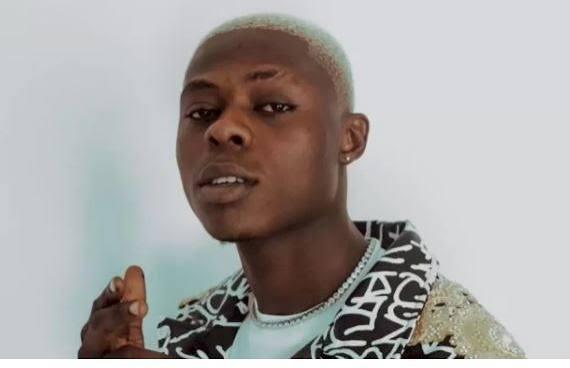
MohBad MohBad, whose real name was Ilerioluwa Oladimeji Aloba, was a Nigerian singer, rapper, and songwriter known for his street inspired Afrobeats sound and emotional delivery. Born on June 8, 1996, in Lagos State, Nigeria, MohBad rose to fame as part of Nigeria’s new wave of street pop artists before his untimely death in 2023 shocked the nation. Raised in...
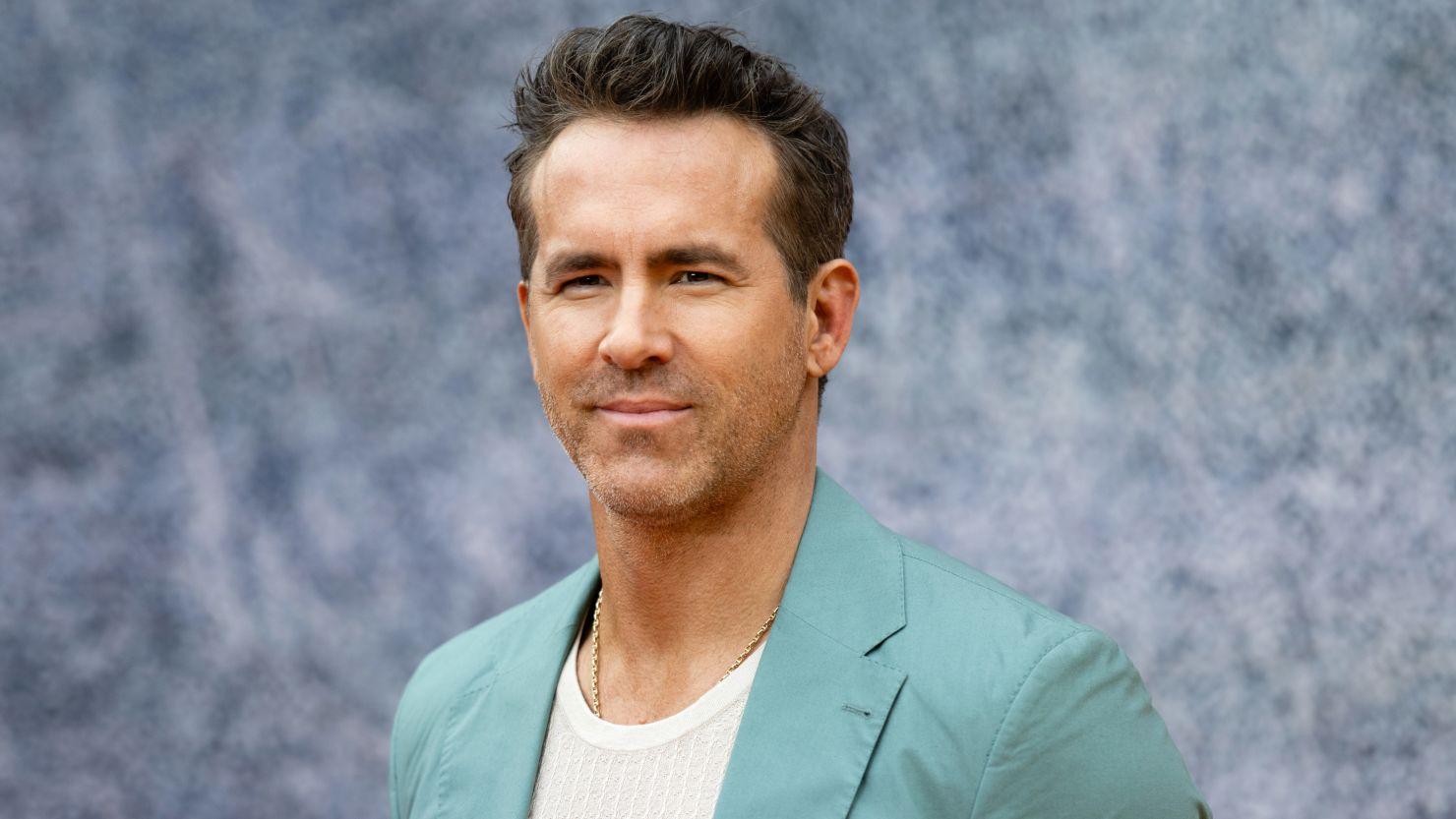
Ryan Reynolds Ryan Reynolds is a Canadian actor, producer, and entrepreneur known for his sharp humor, charismatic screen presence, and successful roles in both comedy and action films. He is especially famous for playing Deadpool in the Marvel film series. Ryan Rodney Reynolds was born on October 23, 1976, in Vancouver, British Columbia, Canada. Early Life and Background Ryan Reynolds...
Fasasi and Amina, both from Ilorin, Kwara State, had been in a loving relationship for years. They laughed together, shared dreams, and spoke often of a future filled with marriage and family. Fasasi, devoted and hardworking, always wanted to give Amina the best, but life had other plans. As the time for marriage approached, Fasasi found himself in a difficult situation. He had no steady job...

Ed Sheeran Ed Sheeran is one of the most successful and influential musicians of the 21st century, known for his heartfelt lyrics, acoustic sound, and genre-blending style. Born Edward Christopher Sheeran on February 17, 1991, in Halifax, West Yorkshire, England, he was raised in the nearby town of Framlingham in Suffolk. From a young age, Sheeran showed a deep interest in music,...

Omoni Oboli Omoni Oboli is a Nigerian actress, filmmaker, scriptwriter, producer, and director known for her versatility and strong influence in Nollywood. Over the years, she has grown from a young actress into one of the most respected female filmmakers in Nigeria. Early Life and Background Omoni Oboli was born on April 22, 1978, in Benin City, Edo State, Nigeria. She hails...