Sobre
Sobre
Naira Marley : The Rebel Who Built Marlian Nation
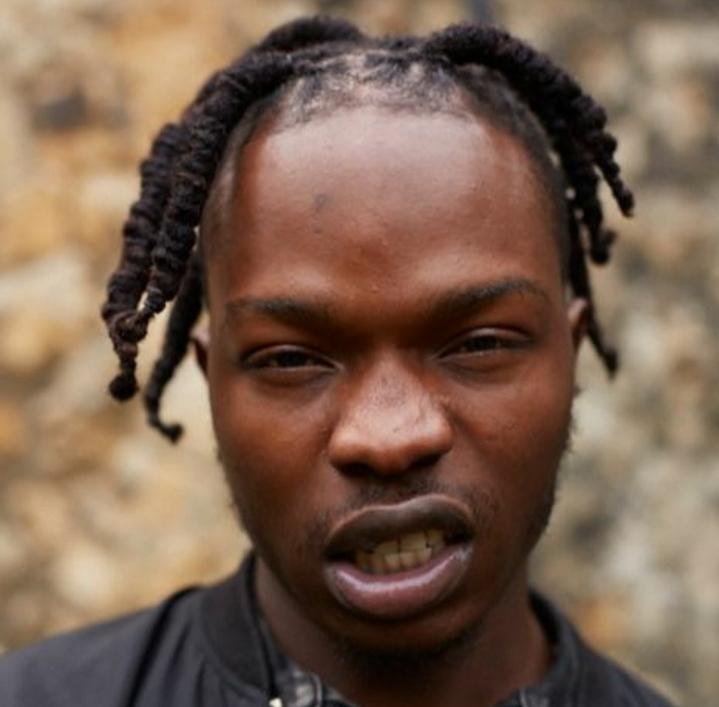
Azeez Adeshina Fashola
In the world of Nigerian street pop, few names spark as much reaction as Naira Marley. Some hear the name and think of rebellion. Others think of controversy. Many think of loyalty, street anthems, and an entire youth movement called Marlian Nation. But before the fame, before the headlines, and before the chants of “Marlians!”, there was a young boy named Azeez Adeshina Fashola trying to find his place in two very different worlds.
Growing Up in Agege
Azeez Adeshina Fashola was born on May 10, 1991, in Agege, Lagos State, Nigeria. Agege is not just a place; it is an attitude. It is noisy, energetic, competitive, and full of hustle. From early childhood, he was surrounded by the rhythm of Lagos life — Fuji music blasting from speakers, children playing football on dusty streets, and neighbors constantly interacting.
Growing up in a Yoruba household, he was exposed to cultural traditions, discipline, and community values. His early years were shaped by strong family influence and the realities of everyday Nigerian life. Though not born into wealth, he was born into resilience. Agege teaches survival early, and those lessons never left him.
As a child, Azeez was playful, observant, and bold. He was not necessarily the quiet type. Even at a young age, he carried a certain confidence that would later define his stage presence.
Moving to London at 11
At age 11, his life changed dramatically when his family relocated to the United Kingdom. They settled in Peckham, South London. The transition from Agege to Peckham was not easy. The culture, language, weather, and even the rhythm of life felt different.
Peckham in the early 2000s was a melting pot of cultures — African, Caribbean, British, and more. It was also known for its street culture and its connection to grime music. For young Azeez, this was an entirely new world.
He attended Walworth School and later Peckham Academy. In school, he adapted to the British system and slowly absorbed the UK urban culture around him. He later studied business and earned qualifications in Business Law. At one point, music was not even the plan. He once imagined managing artists rather than becoming one.
But the streets of Peckham, like the streets of Agege, have a way of shaping destinies.
Finding His Voice
Music entered his life gradually. Influenced by UK grime, hip hop, Afrobeats, and Nigerian Fuji sounds from his childhood, he began experimenting with songwriting. His sound was different — a blend of British street slang and Nigerian Yoruba expressions.
The name “Naira Marley” carried meaning. “Naira” represented Nigeria, his roots. “Marley” referenced the legendary Bob Marley — not because he made reggae, but because he admired the rebellious and cultural impact associated with the name.
Around 2014, he started releasing songs independently. Tracks like “Marry Juana” gained attention online. The song was controversial and unapologetic. But controversy would soon become part of his identity.
He was not trying to sound polished or politically correct. He sounded real, raw, and unfiltered.
Issa Goal and National Recognition
In 2017, his career took a major turn when he released “Issa Goal” featuring Olamide and Lil Kesh. The timing was perfect. Nigeria was caught up in World Cup excitement, and the song became a street anthem.
Suddenly, Naira Marley was no longer underground. The song was played everywhere — from parties to sports viewing centers. It was loud, energetic, and relatable.
But unlike many artists who try to clean up their image after success, Naira Marley leaned further into his rebellious persona.
The 2019 Arrest and Soapy Era
In 2019, Naira Marley made national headlines when he was arrested by Nigeria’s Economic and Financial Crimes Commission over alleged internet fraud charges. Social media exploded. While some criticized him, many young fans rallied around him.
During this period, he released “Soapy,” a song inspired by prison experiences. The dance move shocked many Nigerians. Religious leaders condemned it. Parents worried. But the youth embraced it.
He became a symbol — for some, a bad influence; for others, a misunderstood voice of the streets.
The phrase “Marlian” became a badge of identity. A Marlian was someone loyal, carefree, unapologetic, and resistant to societal pressure.
Building Marlian Nation
In 2019, he founded Marlian Music, a record label aimed at building a collective identity. Artists like Zinoleesky and Mohbad joined the label. Marlian Nation became more than just a fan base; it became a movement.
The brand was powerful. The concerts were packed. The chants were loud.
His influence stretched beyond music into fashion, slang, and youth culture. His fans copied his style, language, and even his bold online personality.
Music Evolution and Global Moves
As his career matured, Naira Marley began aiming for global reach. His 2022 album “God’s Timing’s the Best” showed a more international ambition. He collaborated with artists including Chris Brown, signaling a desire to expand beyond Nigeria.
Musically, he remained rooted in street pop but experimented with different sounds. His blend of Yoruba, Pidgin, and British slang became his signature.
He did not abandon his core identity. He remained controversial, outspoken, and unpredictable.
Controversy and Public Scrutiny
Naira Marley’s career has never been free of controversy. His association with internet fraud slang, his bold lyrics, and later the tragic circumstances surrounding Mohbad’s death brought intense public scrutiny.
The situation surrounding Mohbad in 2023 significantly impacted his public image. Online backlash was intense, and his name trended globally for reasons beyond music.
For the first time, his brand faced serious challenges. Questions were asked. Accusations circulated. Public opinion shifted.
But Naira Marley remained firm in defending himself, maintaining his stance amid criticism.
Personal Life and Fatherhood
Behind the public persona, Naira Marley is also a father. He occasionally shares moments with his children, revealing a softer side rarely seen in interviews.
Though often portrayed as reckless, those close to him describe him as strategic and business-minded. His education in business law reflects in how he built Marlian Music and controlled his brand.
He understands controversy as currency. He knows attention drives conversation.
The Cultural Impact
Love him or hate him, Naira Marley changed Nigerian street pop.
He created slang. He turned criticism into branding. He built a movement that united millions of young people who felt judged by society.
He represents dual identity — Nigerian roots mixed with British urban culture. His sound reflects that hybrid experience.
He challenged traditional expectations of what a Nigerian star should look like. He did not present himself as perfect. He presented himself as real.
The Ongoing Story
Naira Marley’s journey is still unfolding. From a young boy in Agege to a teenager adapting to London life, to a global Afrobeats figure commanding crowds, the transformation is undeniable.
His life story is not simple. It is layered with success, controversy, loyalty, ambition, and resilience.
Azeez Adeshina Fashola stepped into the world as Naira Marley and built Marlian Nation from the ground up. He became a voice for a generation that refuses to be silenced.
Time will judge his legacy. But one truth remains: he left an imprint on Nigerian pop culture that cannot be erased.
He is more than headlines. He is a product of Agege, Peckham, hustle, music, and the relentless desire to be heard.
And the chant still echoes.
Marlians.

Categorias
Leia Mais
Benson Idahosa
The day was already moving fast, and he suddenly remembered. His heart skipped. He did not want the day to pass with only an apology and ordinary words. He wanted to give her something simple, thoughtful, and full of love. Then he found the perfect gift. It was not just about the gift itself. It was about the feeling behind it. It showed that he cared, that he remembered, and that she truly...

Yesterday, October 9th, I arrived in Abuja from Rome, where I had attended a series of meetings earlier in the day. Upon arrival, I was informed by Dr. Moses Paul (@drmopaul), the African Democratic Congress (ADC) candidate for the upcoming AMAC Chairmanship election scheduled for February 21st, 2026, about the difficult situation facing a public primary school in Tungan Nasara, FCT —...

Antar Laniyan Antar Laniyan is a veteran Nigerian actor, director, and producer widely respected for his powerful performances in both Yoruba and English-language films. Known for his commanding voice and authoritative screen presence, he has built a long-standing career in Nollywood. Early Life and Background Antar Laniyan was born on May 26, 1960, in Osogbo, Osun...

In a rare and vulnerable moment, wellness coach and media personality Maje Ayida, ex-husband to Toke Makinwa, has spoken publicly about the emotional toll of their highly publicized divorce. In his heartfelt revelation, Maje admitted that the media frenzy surrounding the split left him feeling isolated, ashamed, and deeply affected. “I went through a divorce and it resulted in me being in...