About
About
June 12 and the Struggle for Democracy in Nigeria
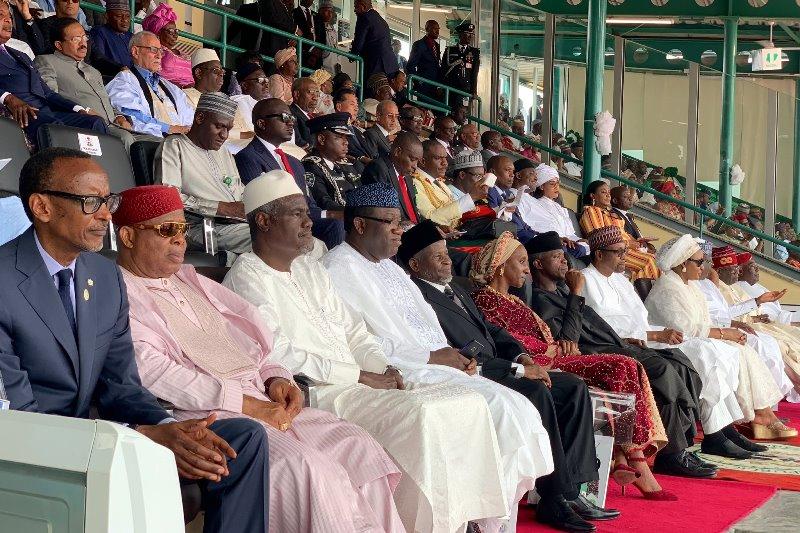
June 12 occupies a special place in Nigeria’s political memory because it marks the 12 June 1993 presidential election, widely regarded as the freest and fairest in the country’s history. It was a clear national vote for civilian rule—an election that was won but never allowed to stand. Its annulment triggered mass protests, repression, and a prolonged struggle that eventually reshaped Nigeria’s democracy.
The Road to June 12
For decades before 1993, Nigeria was ruled largely by the military, following a cycle of coups and short-lived transitions. In the late 1980s, Ibrahim Babangida initiated a lengthy transition programme intended to return the country to civilian government.
As part of this process, the military government created two political parties—the Social Democratic Party (SDP) and the National Republican Convention (NRC)—to contest national elections. After years of delays and shifting timelines, the country finally prepared for a presidential vote.
June 12, 1993: The Election Nigerians Remember
On 12 June 1993, Nigerians went to the polls to choose a president in a contest between:
-
M.K.O. Abiola of the SDP, with Baba Gana Kingibe as running mate
-
Bashir Tofa of the NRC, with Sylvester Ugoh as running mate
The election was peaceful and widely praised for its transparency. Though the final results were never officially announced, later evidence showed that Abiola won convincingly, securing about 58 percent of the vote across regions and religious lines.
The Annulment and the National Crisis
Before the electoral process could be completed, the Babangida government halted and annulled the election. The decision shocked the nation and immediately sparked:
-
Widespread protests, especially in the South-West
-
Strikes and organised civil resistance
-
Media censorship, arrests, and repression
The annulment created a deep legitimacy crisis and marked a decisive turning point in Nigeria’s struggle for democracy.
After June 12: From Interim Rule to Dictatorship
Under intense pressure, Babangida eventually “stepped aside,” handing power to an Interim National Government. The arrangement lacked popular support and institutional strength and lasted only a few months.
Later in 1993, Sani Abacha seized power. His regime ushered in a harsher period of military rule, further delaying the democratic hopes raised by June 12.
June 12 did not immediately deliver democracy, but it became a powerful symbol of a stolen mandate and the determination of Nigerians to defend their right to choose their leaders. The struggle it inspired would continue until civilian rule was finally restored years later.
Categorieën
Read More
Carter Efe didn't hold back yesterday as he confronted Peller over what he sees as misplaced priorities. In a blunt message, Carter criticized Peller for publicly lamenting the money he gives his parents, while regularly spending lavishly on Jarvis. "Shame. You give your parents a little money and come online to cry about it, yet you buy expensive things for Jarvis every day," Carter...

The father of three pupils abducted in Niger State has tragically passed away after suffering a heart attack. The development was confirmed by Rev. John Hayab, Chairman of the Christian Association of Nigeria (CAN) for the Northern Region and the Federal Capital Territory. Rev. Hayab explained that the man’s death was linked to the emotional trauma and distress he endured following the...
Peggy Ovire Peggy Ovire is a Nigerian actress and model known for her graceful screen presence and roles in romantic and family-centered Nollywood films. Over the years, she has steadily built a reputation as one of the elegant faces of contemporary Nigerian cinema. Early Life and Background Peggy Ovire was born on October 21, 1985, in Surulere, Lagos State, Nigeria. She hails...

Paul Sodo In many parts of Africa, daily life still revolves around the search for energy. Millions of families depend on firewood and charcoal to cook their meals. This dependence has contributed to deforestation, rising fuel costs, and dangerous indoor air pollution that affects the health of women and children the most. In Uganda, like many developing countries, cooking energy...
Episode Seventeen: The Day I Was Rejected and Accepted Again There was one place I thought would never turn its back on me. My school. Back when we were still with our former teacher, his wife worked in the school I attended. Because of that, I didn’t pay school fees. Everybody knew me there. The classrooms, the teachers, even the sound of the bell felt familiar. That school felt like...