


 About
About
The Ugandan Innovator Who Cooked with the Sun: The Inspiring Story of Paul Sodo and the MakSol Cooker
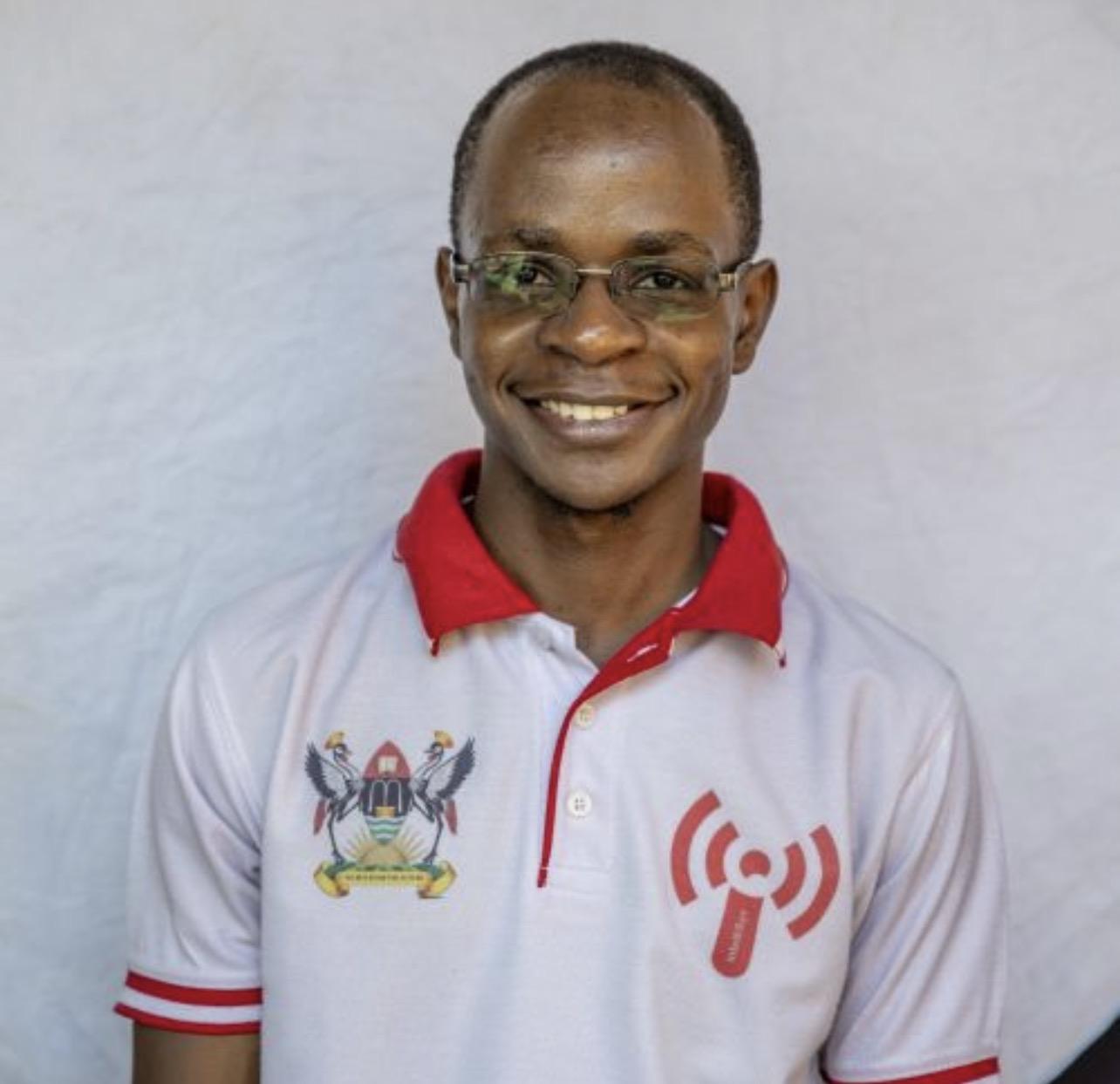
Paul Sodo
In many parts of Africa, daily life still revolves around the search for energy. Millions of families depend on firewood and charcoal to cook their meals. This dependence has contributed to deforestation, rising fuel costs, and dangerous indoor air pollution that affects the health of women and children the most. In Uganda, like many developing countries, cooking energy remains a serious challenge, especially in rural communities.
Yet from within this challenge came an innovative idea. A Ugandan inventor named Paul Sodo looked at the sun that shines brightly across East Africa and imagined something different. Instead of cutting trees for fuel, why not use the sun itself to cook food?
From that simple thought emerged a remarkable invention known as the MakSol Cooker, a solar powered cooking device designed to harness the power of sunlight to prepare meals without charcoal, firewood, or gas.
The journey of Paul Sodo and the MakSol Cooker is a story of creativity, persistence, and the belief that simple solutions can change the lives of many people.
Early Life and Background
Paul Sodo was born and raised in Uganda, a country located in East Africa known for its beautiful landscapes, fertile land, and vibrant communities. Like many children growing up in rural or semi urban parts of the country, he experienced firsthand the challenges that families faced when it came to cooking energy.
In many Ugandan households, cooking begins with gathering firewood or purchasing charcoal. Women and children often walk long distances to collect wood from forests. The process takes time and effort, and as forests become smaller, the task becomes even harder.
Inside the home, the smoke from cooking fires fills the air. Many families cook in small kitchens with limited ventilation. Over time, inhaling this smoke can lead to serious respiratory diseases.
As a young boy, Paul Sodo observed these realities closely. He saw how cooking affected daily life and how energy costs burdened families. But he also noticed something else.
Uganda receives abundant sunlight throughout the year.
The sun shines brightly across the country for many hours each day. To Sodo, this was more than just weather. It was energy waiting to be used.
Education and Curiosity
Paul Sodo developed an interest in technology and practical problem solving early in life. Like many inventors, his curiosity drove him to ask questions about how things work.
He was fascinated by simple mechanical systems and everyday tools. Instead of accepting problems as permanent, he believed solutions could be created with the right thinking and experimentation.
His educational path helped shape his interest in engineering ideas and sustainable technology. Even without large laboratories or expensive equipment, Sodo understood that innovation often begins with observation and creativity.
Across Africa, many inventors build solutions using locally available materials. This tradition of grassroots innovation influenced Sodo deeply. He believed technology should be simple, affordable, and accessible to ordinary people.
The Problem That Needed Solving
Before the MakSol Cooker was invented, cooking in many Ugandan homes depended heavily on charcoal and firewood.
This created several serious problems.
Environmental damage
Large amounts of trees were cut down for charcoal production. Over time, this contributed to deforestation and soil degradation.
Health risks
Cooking with firewood or charcoal releases smoke and harmful particles that damage lungs and cause respiratory illnesses.
High fuel costs
Charcoal prices continue to rise in many African cities. For low income families, cooking fuel can consume a significant portion of monthly income.
Time consumption
Collecting firewood can take hours each week, especially in rural communities.
Paul Sodo began thinking deeply about these issues. He asked a simple but powerful question.
What if cooking did not require firewood or charcoal at all?
What if sunlight could do the job?
The Birth of an Idea
Solar cooking was not entirely new in the world. Scientists and engineers had experimented with solar cookers for decades. However, many existing models were either expensive, fragile, or not suitable for everyday African cooking needs.
Sodo wanted something different.
He wanted a cooker that was practical, affordable, and designed specifically for African households.
The idea that formed in his mind was to build a device that could concentrate sunlight and convert it into heat strong enough to cook real meals.
This meant designing a system that could capture sunlight, direct it efficiently, and maintain enough heat to cook foods such as rice, beans, vegetables, and sauces.
After many experiments, adjustments, and prototypes, the concept eventually became the MakSol Cooker.
What the MakSol Cooker Is
The MakSol Cooker is a solar powered cooking device that uses reflective surfaces to capture sunlight and concentrate it onto a cooking pot.
Instead of burning fuel, the cooker relies entirely on solar energy.
The design typically includes reflective panels or mirrors that direct sunlight toward a central cooking area. As the sunlight gathers in one spot, it produces enough heat to cook food.
The cooker works best during sunny conditions, which are common in many parts of Africa.
Because the system uses sunlight, it produces no smoke and no harmful emissions.
How the MakSol Cooker Works
The basic science behind the MakSol Cooker is simple but powerful.
Sunlight contains energy. When sunlight hits reflective surfaces such as mirrors or polished metal panels, it can be redirected and concentrated.
The MakSol Cooker uses this principle to focus sunlight onto a cooking pot.
As the sunlight concentrates on the pot, the temperature rises steadily. Eventually it becomes hot enough to boil water, cook rice, simmer beans, or prepare many other meals.
The cooker often includes a stand that holds the pot in the correct position to receive maximum heat from the concentrated sunlight.
Users may adjust the position slightly during the day to follow the sun and maintain optimal heat levels.
The result is a clean, renewable cooking method powered entirely by nature.
Why the MakSol Cooker Matters
The MakSol Cooker represents more than just a cooking device. It represents a shift in how energy can be used in daily life.
Several key benefits make this invention important.
Environmental protection
By reducing the need for firewood and charcoal, solar cooking helps reduce deforestation. Trees remain standing, which protects ecosystems and prevents soil erosion.
Health improvement
Because the cooker produces no smoke, it eliminates the harmful indoor air pollution associated with traditional cooking fires.
Women and children benefit the most from cleaner air in kitchens.
Cost savings
Sunlight is free.
Families using a solar cooker spend far less money on charcoal or firewood. Over time, this can save significant amounts of money.
Time savings
Without the need to gather firewood, families save hours each week.
Climate impact
Solar cooking reduces carbon emissions that come from burning charcoal and wood.
In a world concerned about climate change, renewable cooking solutions are becoming increasingly important.
Challenges Along the Way
Like many innovators, Paul Sodo faced several challenges while developing and promoting the MakSol Cooker.
One challenge was awareness.
Many people were unfamiliar with solar cooking and skeptical about whether it could really cook food effectively.
Another challenge involved production and distribution.
Turning an invention into a widely available product requires funding, manufacturing capacity, and marketing.
In developing countries, inventors often struggle to secure financial support for their ideas.
Weather dependency also presented a limitation. Solar cookers work best in sunny conditions, meaning users may still need backup cooking methods during cloudy days or at night.
Despite these obstacles, Sodo remained committed to promoting the benefits of solar cooking.
Community Impact
In communities where solar cooking has been introduced, the benefits can be transformative.
Families spend less money on fuel.
Women gain more time for education, work, or family activities.
Children grow up in homes with cleaner air.
Forests experience less pressure from wood cutting.
The MakSol Cooker became part of a broader movement encouraging renewable energy solutions across Africa.
Across the continent, innovators are working on solar powered devices for lighting, water pumping, refrigeration, and cooking.
Paul Sodo’s invention fits into this larger vision of sustainable development.
Recognition and Influence
Innovations like the MakSol Cooker often attract attention from environmental organizations, development groups, and technology advocates who support clean energy solutions.
Inventors such as Paul Sodo help demonstrate that Africa is not only a consumer of technology but also a source of creative solutions.
Many African innovations come from individuals who understand local challenges deeply because they experience them personally.
This makes their solutions practical and effective.
Sodo’s work highlights the importance of supporting local inventors and encouraging homegrown technology.
The Future of Solar Cooking
Solar cooking continues to gain attention worldwide.
As the cost of traditional fuels rises and environmental concerns increase, renewable cooking technologies are becoming more attractive.
Modern solar cookers are becoming more efficient, durable, and portable.
Researchers are also working on hybrid systems that store solar heat for cooking even after sunset.
For Africa in particular, the future of solar cooking holds enormous potential because the continent receives some of the highest levels of sunlight on Earth.
If widely adopted, solar cooking could significantly reduce deforestation and improve public health.
Legacy of Paul Sodo
The story of Paul Sodo and the MakSol Cooker reminds us that innovation does not always require huge laboratories or multinational companies.
Sometimes it begins with a simple observation.
The sun shines every day.
From that observation came an invention capable of helping families cook meals while protecting forests and improving health.
Paul Sodo’s journey reflects the spirit of African ingenuity. It shows how creativity, determination, and a desire to solve real problems can produce powerful solutions.
In a world searching for sustainable energy alternatives, the MakSol Cooker stands as a symbol of what is possible when innovation meets necessity.
It is a reminder that the future of technology may not only come from large cities and advanced research centers but also from individuals who look at everyday challenges and imagine a better way forward.


Categories
Read More
Babatunde Fashola In the restless heartbeat of Lagos, where traffic never truly sleeps and ambition rises with the Atlantic breeze, a young lawyer once imagined a city that worked. A city where roads were smooth, refuse disappeared on time, and governance felt structured rather than chaotic. That young man would grow into one of Nigeria’s most recognized public administrators....
Abia – Umuahia Adamawa – Yola Akwa Ibom – Uyo Anambra – Awka Bauchi – Bauchi Bayelsa – Yenagoa Benue – Makurdi Borno – Maiduguri Cross River – Calabar Delta – Asaba Ebonyi – Abakaliki Edo – Benin City Ekiti – Ado-Ekiti Enugu – Enugu Gombe – Gombe Imo – Owerri Jigawa –...
EPISODE 1: THE CHILD HE REJECTED Baba Samuel was known in Apapa. A strong man. A tireless bricklayer. A man who worked from sunrise till late night, his hands permanently stained with cement and sweat. People admired him because he provided for his family. Five children already depended on him, and he never rested. But the truth was, Baba Samuel was tired. Tired of responsibility. Tired...

Amid rising national anger over renewed violence in Benue State, top security and political figures visited Yelwata, Guma LGA, on Monday following a deadly attack that left at least 59 residents dead and displaced more than 3,000 others. Chief of Defence Staff, General Christopher Musa; Inspector General of Police, Kayode Egbetokun; and Benue State Governor, Hyacinth Alia, visited the community...

One of the most significant and rapidly expanding of all Digital Advertising Market Opportunities lies within the burgeoning world of Connected TV (CTV) and Over-the-Top (OTT) streaming services. For decades, the massive budgets allocated to linear television advertising were largely inaccessible to the data-driven precision of digital marketing. As millions of households "cut the...

