Sobre
Sobre
The Call That Wasn’t Meant to Ring
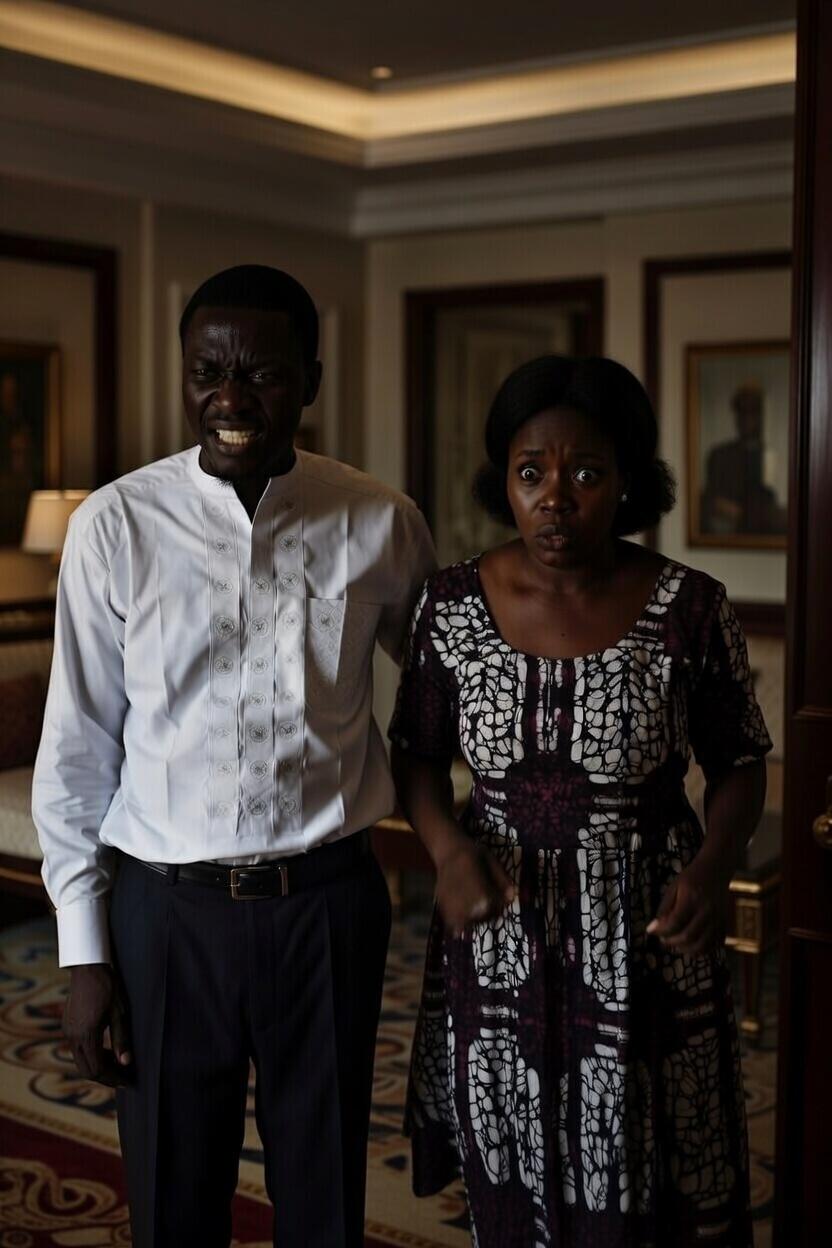
At 2:52 a.m. last Wednesday, my husband called me.
I know this because the call log said so—bright, undeniable, time-stamped like a verdict.
I also know this because I never heard it ring.
No vibration. No missed call. No voicemail. Just a digital ghost of a conversation that never happened at least not on my phone.
The number wasn’t his.
I found the phone three days later.
It was wrapped in nylon like contraband and wedged inside the toilet tank, balanced carefully so it wouldn’t rattle when flushed. The kind of hiding place you choose when you’re certain no one will ever look there. The kind of certainty that comes from living with someone long enough to believe you know their habits.
The phone was still on.
No password.
The battery was at 41%.
The last call outgoing was to me.
That night, Ibrahim had been home. He said he fell asleep watching football, the TV murmuring into the dark like it always did. I remembered stepping over his legs to turn off the light. Remembered the faint smell of menthol from the balm he used when his knees hurt.
I remembered thinking how far away he felt, even then.
For weeks, he had stopped touching me.
Not dramatically. Not cruelly. Just… absence. A hand that used to rest at my back now hovered and fell away. Conversations that ended too quickly. His phone ringing and him stepping outside “to take it properly,” as if the walls had ears.
I had told myself it was stress. Men carried their worries differently. Marriage had seasons.
I told myself many things.
The messages on the hidden phone took those lies and crushed them into something sharp.
There was only one contact.
Saved as R.
> R: Is it done?
Ibrahim: Not yet. She’s still here.
R: You promised.
Ibrahim: One more week.
I read it again. And again. Waiting for a meaning that didn’t feel like a knife.
This wasn’t cheating.
This was planning.
I called my cousin Musa, a police officer who had once taught me how to spot a tail when walking alone at night. I didn’t tell him everything at first. Just enough.
He listened without interrupting. Then he asked one question.
“Does your husband have life insurance on you?”
I sat down.
“Yes,” I said. “He’s the beneficiary.”
There was a pause on the line, heavy and deliberate.
“Do not confront him,” Musa said. “Do not let him know you found anything. Pack a bag. Come to my place. Now.”
That evening, Ibrahim came home smiling.
It was almost worse than anger would have been.
He greeted me the way he used to, kissed my cheek, asked what I made for dinner. I told him I wasn’t feeling well. He touched my forehead with the same hand that had hidden a phone inside our toilet.
Then he went to the bathroom.
I heard the tank lid scrape.
“Why is the toilet tank open?” he asked casually, like a man asking about the weather.
My body moved before my mind caught up.
I grabbed my bag the one Musa told me to keep ready and ran.
The investigation unraveled quietly, the way careful things do.
The woman R was real. Her name was Rukayat. She lived across town in a one-bedroom apartment that smelled of incense and bleach. She and Ibrahim had met through a business deal that went bad, then intimate, then desperate. Money was the thread that stitched everything together. Debt. Promises. A plan that hardened over time.
When the police searched her apartment, they found my photograph.
Pinned to the wall.
A red X slashed across my face.
Below it, a note in Ibrahim’s handwriting:
Make it look like an accident.
The details were precise. A fall. A faulty gas line. A story clean enough to survive questions.
What broke me wasn’t the note.
It was the handwriting.
The loops of the letters. The way he crossed his t’s. The same hand that once wrote me love notes on supermarket receipts.
Ibrahim was arrested at dawn.
He didn’t fight. Didn’t shout. Just stared at the floor while they read him his rights, like a man embarrassed by a mistake rather than exposed for a crime. When he looked up and saw me standing behind Musa, something flickered in his eyes.
Not remorse.
Calculation.
As if he were already revising the story.
The trial took months.
Rukayat testified first. She cried. She said she never meant for things to go that far. That she was afraid. That Ibrahim told her it was the only way out. The messages spoke for themselves.
Then it was my turn.
I stood in the witness box and told the truth. About the phone. The call. The marriage I thought I had. The moment I realized I was living with a stranger who knew my routines better than I knew his secrets.
I didn’t look at Ibrahim while I spoke.
When the verdict came guilty on all counts the room exhaled. Justice doesn’t always feel triumphant. Sometimes it feels like a door closing softly, finally.
Ibrahim was sentenced to life.
Rukayat took a plea deal.
The insurance policy was voided.
I live alone now.
I changed my number. Moved houses. Learned how to sleep without listening for footsteps. Sometimes, at night, my phone lights up with a spam call or a wrong number, and my heart still stutters.
Trust doesn’t come back all at once.
It arrives in fragments.
In mornings that are quiet and safe. In doors that lock from the inside. In the knowledge that I listened—to my fear, to the evidence, to the part of me that knew something was wrong.
People ask me how I didn’t know.
I tell them the truth.
You can live with someone for years and still never meet the person they are when you’re not in the room.
But you can survive them.
And sometimes, survival is the ending they never planned for.

Categorias
Leia mais
THE NAME THAT FELL OUT OF A SMILE On the fifth day, Esteban returned with the list. Alejandro read it slowly. Nurses. Doctors. Two physiotherapists. A hair stylist named Claudia. A pastor Alejandro’s aunt insisted on bringing. A charity organizer. Two cousins. A “friend” from Alejandro’s old neighborhood. A spiritual advisor Alejandro’s business partner...

In response to widespread speculation and online buzz, the Department of State Services (DSS) has officially debunked rumors of an impending arrest of renowned political economist Prof. Pat Utomi and other individuals linked to the so-called “shadow government” movement. Speaking through its spokesperson, Dr. Peter Afunanya, the DSS made it clear that there is “no truth...

Victoria’s Mother POV Abuja has a way of making silence feel heavy. The day Mr. Benson came to visit me, the harmattan air was dry and still. I welcomed him warmly, though something inside me felt unsettled. It had been many years since we last saw each other, yet the past walked in with him and sat quietly in my living room. After the usual greetings and memories, his...

Eniola Badmus Eniola Badmus is a Nigerian actress, producer, and social media personality widely known for her comic roles and vibrant personality in Nollywood. Over the years, she has evolved from being recognized mainly for her body size to becoming a versatile actress and influential public figure. Early Life and Background Eniola Badmus was born on September 7, 1982,...

Senator Barau Donates N200 Million Worth of Gadgets to Kano Market Fire Victims Deputy Senate President, Senator Barau Jibrin, on Sunday visited the Farm Centre phone market in Kano to commiserate with traders affected by a devastating fire that occurred on Friday. During the visit, Senator Barau announced a donation of gadgets valued at N200 million to support victims of the blaze. The...