


 Environ
The desk I had to defend

I met Juliet at the hotel where I worked as a receptionist. She was a cleaner quiet at first, always smiling, always greeting me warmly whenever our paths crossed. We started talking during break hours, sharing stories about work stress, low pay, and how hard life could be. In that place, she felt like a friend, maybe even a sister. I trusted her.
I had worked hard to earn my position at the front desk. Being a receptionist wasn’t just about sitting pretty; it required patience, professionalism, and handling difficult guests with calmness. I took pride in my job because it was honest work and it paid my bills.
Things began to feel strange when one of my colleagues quietly warned me one afternoon.
“Hold your position tight,” she said. “Someone wants your seat.”
I laughed it off. I didn’t think much of it. Who would want my job so badly? And why would anyone try to take it from me? I continued my work as usual, unaware that the threat was closer than I imagined.
It wasn’t until I started paying attention that the truth slowly revealed itself.
Each time I went on lunch break, Juliet would suddenly appear at the reception desk. She would answer calls, attend to customers, smile confidently, and act as if she belonged there. At first, I thought she was just helping. But it happened too often. And her behavior wasn’t innocent it was calculated.
She started dressing differently. Talking louder. Laughing unnecessarily whenever the manager walked by. I noticed the way she lingered around his office, the way her eyes followed him, the way she tried too hard to be seen. It became clear she wasn’t just ambitious she was desperate.
What hurt the most wasn’t her desire to move up. Everyone wants a better life. What hurt was how she chose to do it.
Juliet tried to seduce the manager.
I heard whispers. I saw the signs. She planted seeds of doubt about mesubtle lies, exaggerated mistakes, quiet suggestions that she could “do better” if given the chance. And after all that, she would still come to me, smiling sweetly, asking how my day went, pretending nothing was wrong.
That was the part I couldn’t understand.
How do you betray someone and still look them in the eye?
I questioned myself many nights. Was I too kind? Too trusting? Had my silence made her believe I was weak? I replayed our conversations, searching for where things went wrong. But some people don’t need a reason to compete they only need opportunity.
I decided to stop being naïve.
I became more focused at work. I arrived earlier, left later, documented my tasks, and kept my professionalism sharp. I stopped sharing personal details. I created boundaries. I didn’t confront Juliet not because I was afraid, but because I understood something important: people who plot in silence hate being defeated quietly.
Eventually, the manager noticed the tension. He noticed the difference between someone doing their job and someone acting a role. Juliet’s behavior exposed itself. Pretending can only last so long.
What I learned from that experience stayed with me.
Not everyone who smiles at you is your friend.
Not everyone who eats with you wants you to grow.
And sometimes, betrayal doesn’t come from enemies it comes from people who wish they were you.
I still don’t fully understand Juliet. But I understand myself better now.
I learned to guard my position, my peace, and my purpose. And I learned that kindness should never mean carelessness.
Some desks are earned.
And some battles are fought silently until you win.

Catégories
Lire la suite
There was a time I realized I was no longer scared of Kunle and that realization terrified me more than the bruises ever did. Fear had once kept me careful. It made me cautious with my words, slow with my movements. But after months of fighting, fear grew tired. It hardened into anger. I woke up angry. I slept angry. I carried rage like a second skin, tight and suffocating. Kunle...

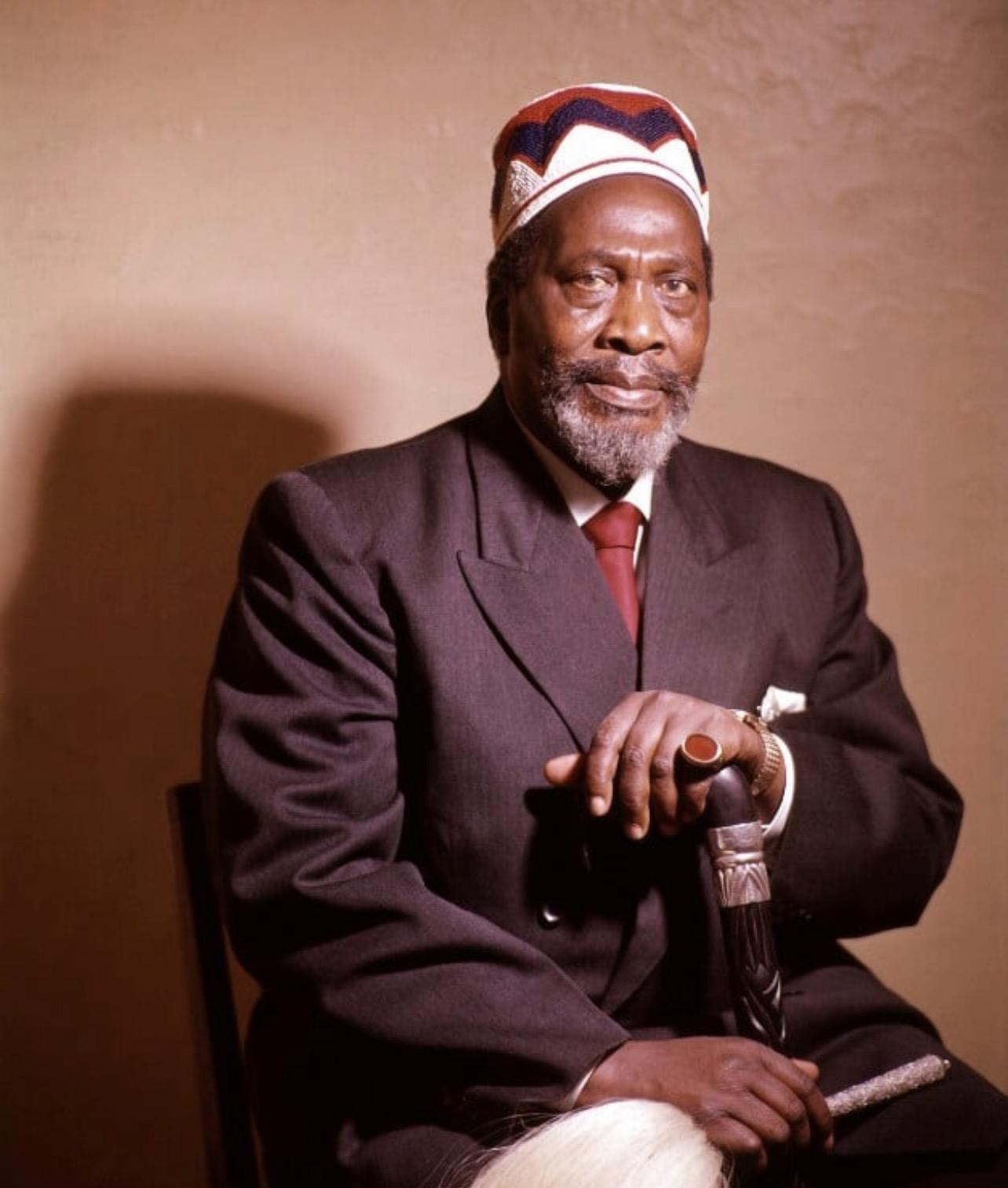
Jomo Kenyatta Early Life Jomo Kenyatta was born around 1897 in a small village called Gatundu in Kenya. His birth name was Kamau wa Ngengi. He grew up in a traditional Kikuyu community where life was simple but deeply rooted in culture and customs. As a young boy, Kamau learned the ways of his people. He listened to stories from elders, worked on farms, and understood the importance...
The first thing to do is to eat balanced diet.

Margaret Yainkain Mansaray In many homes across Sierra Leone, cooking has long been more than a daily routine. It has been a burden carried mostly by women and girls. Meals are prepared over charcoal and firewood, smoke fills kitchens and cooking spaces, eyes sting, lungs suffer, time disappears, and forests pay the price. For many families, this was simply normal life. It was...

Kim Chiu Kim Chiu is a Filipino actress, television host, singer, and model widely known for her success in Philippine television and film. Born Kimberly Sue Yap Chiu on April 19, 1990, in Tacloban City, Philippines, she rose to fame after winning the first teen edition of the reality show Pinoy Big Brother. Early Life and Background Kim Chiu was born to a Chinese Filipino...

