


 About
About
Jomo Kenyatta The Story of Kenya’s Founding Father and His Rise to Power
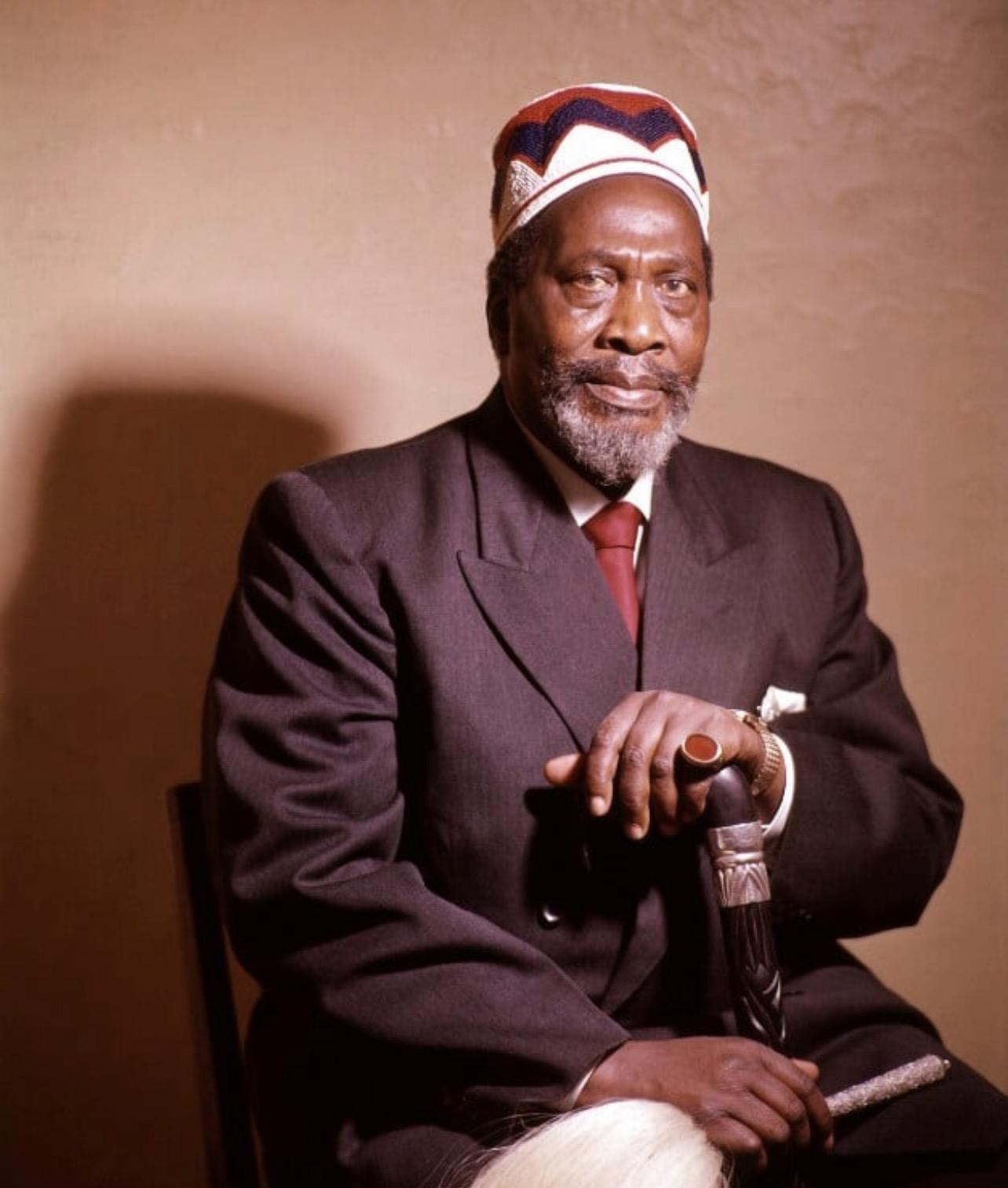
Jomo Kenyatta
Early Life
Jomo Kenyatta was born around 1897 in a small village called Gatundu in Kenya. His birth name was Kamau wa Ngengi. He grew up in a traditional Kikuyu community where life was simple but deeply rooted in culture and customs.
As a young boy, Kamau learned the ways of his people. He listened to stories from elders, worked on farms, and understood the importance of unity and respect. Life was not easy, but it shaped him into a strong and thoughtful person.
When his parents died, he had to grow up quickly. He moved to live with relatives and began to look for new opportunities beyond his village.
Education and Growth
Kenyatta’s life changed when he came in contact with Christian missionaries. He joined a mission school where he learned how to read and write. This was a big step because education opened a new world for him.
He was baptized and given the name Johnstone Kamau. Later, he adopted the name Jomo Kenyatta, which would become known across the world.
He worked different jobs, including as a carpenter and interpreter. Through these experiences, he began to see how colonial rule was affecting his people. Land was being taken, and Africans were being treated unfairly.
Journey Abroad
Jomo Kenyatta traveled to Europe to learn more and speak about the struggles of his people. He lived in countries like the United Kingdom and studied politics and economics.
While abroad, he wrote and spoke about African culture and the need for freedom. One of his famous works explained the traditions of the Kikuyu people and showed the world that Africans had rich and meaningful cultures.
He also met other African leaders and activists who were fighting for independence in their own countries. These connections helped him grow into a strong voice for change.
Fight for Independence
When Kenyatta returned to Kenya, the country was under British colonial rule. Many Africans were unhappy because they had lost their land and freedom.
Kenyatta became a leader in the struggle for independence. He spoke boldly and encouraged unity among his people. His message was simple: Kenya should belong to its people.
During this time, a movement known as the Mau Mau uprising began. Although Kenyatta denied being directly involved, the British government accused him of leading it.
He was arrested in 1952 and sent to prison for several years. Despite being locked away, his influence continued to grow. To many people, he became a symbol of resistance and hope.
Freedom and Leadership
After years in detention, Kenyatta was released in 1961. By then, the call for independence had become stronger than ever.
In 1963, Kenya finally gained independence. Jomo Kenyatta became the country’s first Prime Minister and later its first President.
As a leader, he focused on building the nation. He encouraged peace, unity, and development. His famous message was “Harambee,” which means pulling together.
He worked to improve education, agriculture, and the economy. Even though there were challenges, many people respected him for guiding Kenya through its early years as an independent nation.
Personal Life
Jomo Kenyatta had a family and was known to value tradition. He often dressed in a mix of modern and traditional clothing, showing pride in his roots.
He was also a strong speaker and could inspire large crowds. His words gave people hope during difficult times.
Legacy
Jomo Kenyatta is remembered as the founding father of Kenya. He played a key role in ending colonial rule and building a new nation.
His leadership helped shape modern Kenya, and his name remains important in African history.
Even today, many people see him as a symbol of strength, unity, and freedom. His story is one of struggle, courage, and determination to create a better future for his people.

Categories
Read More
A witness for the Department of State Services (DSS) has told the Federal High Court in Abuja that social media posts by activist and publisher, Omoyele Sowore, describing President Bola Ahmed Tinubu as a “criminal” posed a threat to Nigeria’s national security and public order. Testifying before the Abuja Judicial Division of the Federal High Court, an intelligence officer...
Gogo Dineo Ndlanzi Introduction In many parts of Africa, spirituality is not just a belief but a way of life. Among those who have embraced this path with courage and purpose is Gogo Dineo Ndlanzi. Her story is one of calling, struggle, acceptance, and transformation. She has become a known voice in traditional healing, helping many understand the world of ancestors and spiritual...
Osita Iheme Long before the memes, before viral comedy clips traveled across continents, and before his face became one of the most recognizable in African cinema, there was a young boy in Imo State whose height would never define his limit. The world knows him as Paw Paw mischievous, witty, unforgettable. But his story began as Osita Iheme, a determined child born into humble...

Sound and light indicators are versatile devices that combine auditory and visual cues to enhance workplace safety. They are widely used for machine status signaling, safety warnings, and emergency notifications. Innovations in LED technology and sound modulation have improved their effectiveness, reliability, and energy efficiency. In today’s fast-paced industrial and commercial...

Nelson Mandela Nelson Rolihlahla Mandela was born on July 18, 1918, in the small village of Mvezo in the Eastern Cape of South Africa. He was born into the Thembu royal family, and his father was a local chief. At birth, he was given the name Rolihlahla, meaning “troublemaker.” His English name, Nelson, was given to him by a teacher at school. From a young...

