Sobre
Sobre
Harvest After the Storm

Chinedu came to Lagos with nothing but stubborn hope and a small bag of dreams.
Ojuelegba was loud, unforgiving, and expensive. The city chewed up the weak and left them behind, but Chinedu refused to be weak. He started with a tiny roadside shop, sleeping on cartons at night, eating beans and bread for breakfast, lunch, and dinner.
Slowly, his hard work bore fruit. One shop became two. Two became three. Before long, he registered a company and employed people who once laughed at his dreams. Chinedu had climbed, step by painful step, and he carried his dignity like armor.
That was when he met Amaka.
Amaka was beautiful, stylish, and ambitious. She loved the comfort Chinedu provided and admired the man who had “made it.” They started dating. Soon, she moved in, claiming it was “to understand each other better.” Chinedu felt lucky.
But luck, he would learn, is not always what it seems.
Problems started quietly, like cracks in a wall. Each time Amaka got pregnant, she terminated it without discussion. When Chinedu tried to speak about children, she would snap:
“Not now.”
“Don’t pressure me.”
Gradually, respect disappeared. Amaka became sharp-tongued, dismissive, cold. Friends warned him.
“This woman doesn’t love you,” they said.
“She loves what you provide.”
He didn’t listen. He believed love could fix anything.
One night, everything shattered.
He overheard Amaka on the phone, laughing softly.
“I don’t want him like that,” she said.
“He’s just comfortable. When the time is right, I’ll leave.”
Chinedu’s chest felt hollow, but he stayed. He tried to believe she might change.
Years passed. No marriage. No children. Just routine, silence, and quiet pain. When he finally insisted on marriage, she agreed—but only to a court wedding. No celebration. No family involvement.
A month later, she filed for divorce.
She took half of everything—properties, money, assets. She walked away without a child, without regret. Soon after, she left Nigeria with a man who promised her a “bigger life abroad.”
But life has a way of humbling those who chase without planting.
The man scammed her. No papers. No protection. No way back. Amaka was stranded—alone, broke, forgotten.
Meanwhile, Chinedu lost everything except his dignity. Yet he refused to break.
He started again.
One ordinary evening, he met Rukayat. Quiet. Respectful. Steady. She didn’t admire his past wealth; she admired his resilience. They took their time. They healed together.
They married properly, with joy, with family, with celebration. They had children. They built again, this time on peace, honesty, and mutual respect.
Years later, Chinedu saw Amaka again.
Not in Ojuelegba.
Not in comfort.
But standing by the roadside, older, tired, asking for help.
He gave her transport money and walked away.
No insults.
No revenge.
Just closure.
Chinedu understood something essential:
Some people enter your life to enjoy the harvest they didn’t plant.
Others come to help you replant after the storm.
And some storms, no matter how fierce, cannot drown a heart that refuses to give up.


Categorias
Leia Mais
Ibrahim Maishunku When people say Ibrahim Maishunku, many Hausa film lovers remember a face that can look calm in one scene and dangerous in the next, a man whose presence feels like a warning and a promise at the same time. He is the kind of actor who does not need to shout before a room goes quiet. Yet behind the name that audiences know so well is his real name, Ibrahim Labaran...

From the Streets of Ketu to the Sound of the People: The Powerful Journey of Seyi Vibez In the crowded streets of Ketu, Lagos, where survival is a daily competition and dreams often feel too big for narrow roads, a young boy once walked with music playing in his head. He did not have luxury. He did not have industry connections. What he had was pain, faith, hunger, and a voice that carried the...

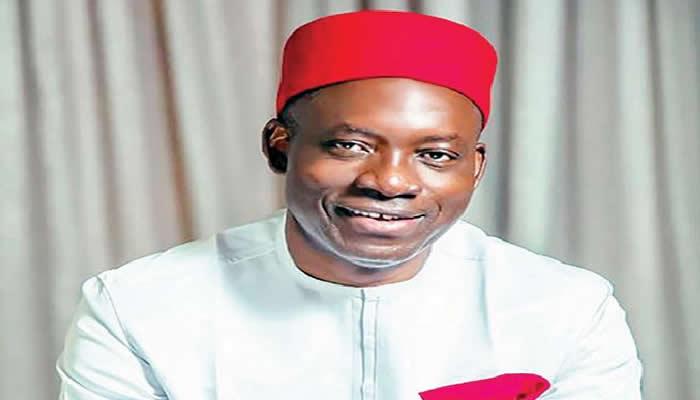
Anambra State Governor, Prof. Chukwuma Soludo, has awarded ₦1 million each to 39 soldiers injured during security operations in the South-East. These troops are part of the “Operation Udoka” taskforce, working to combat insecurity in the region. The announcement was made during a special Sallah luncheon held on Saturday at the 302 Artillery Regiment in Onitsha Military Cantonment....
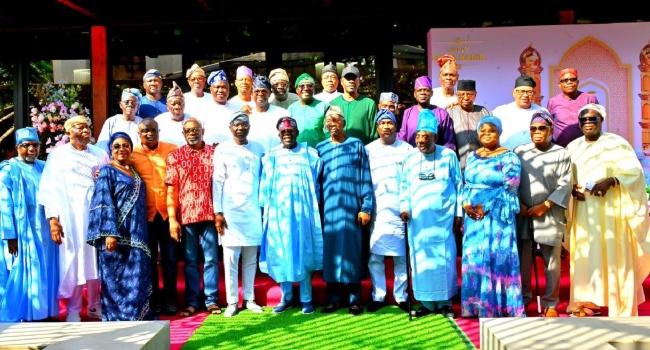
Sanwo-Olu, GAC Members Meet With Tinubu In Lagos There have been rumours of a perceived rift between the president and the governor, especially after the controversial removal of Mudashiru Obasa as Lagos speaker and his eventual reinstatement. Amid the unfolding political episodes in Lagos, Governor Babajide Sanwo-Olu on Sunday met with President Bola Tinubu at his Bourdillon residence in the...
Sa’adu Abubakar In the far northwest of Nigeria, where the sands of history meet the winds of faith, stands the ancient city of Sokoto. It is not just another northern town. It is the spiritual heart of millions of Muslims in Nigeria, the seat of the caliphate founded by Shehu Usman dan Fodio in the early nineteenth century. From this sacred soil emerged a man whose life...