• Is the ‘Christian Genocide’ in Nigeria a Political Narrative? Why Trump Admits Muslims Are Also Killed as Sowore Accuses the U.S. of Using Religion to Justify Power, Oil, and Military Influence

    Is the narrative of a “Christian genocide” in Nigeria an honest reflection of the country’s security crisis—or a political tool shaped by foreign interests? United States President Donald Trump has made a partial shift in his long-standing rhetoric on religious violence in Nigeria, acknowledging that Muslims are also being killed, even while maintaining that Christians remain the primary victims.

    Trump made the remarks during an interview with The New York Times following questions about Washington’s Christmas Day military strike in northwest Nigeria. The U.S. military said the operation, carried out at the request of the Nigerian government, targeted Islamic State West Africa Province (ISWAP), a Boko Haram splinter group responsible for years of deadly attacks across northern Nigeria.

    When asked about earlier comments from his own Africa adviser—who had stated that extremist groups in Nigeria kill more Muslims than Christians—Trump responded: “I think that Muslims are being killed also in Nigeria. But it’s mostly Christians.” The statement marked a rare acknowledgment that Nigeria’s victims of terrorism cut across religious lines, even as Trump continued to frame the conflict primarily through a Christian persecution lens.

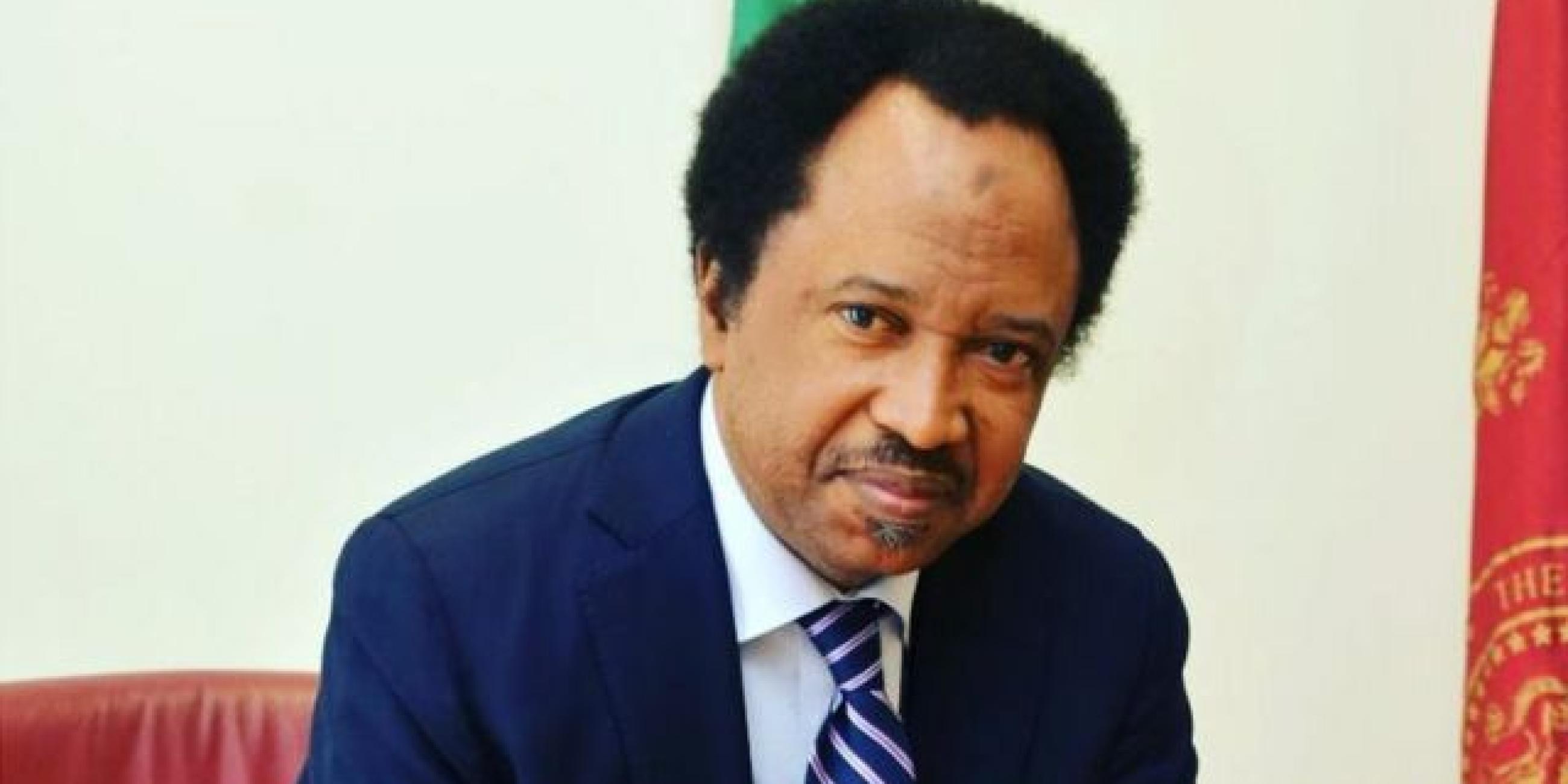
    The comments immediately drew a sharp response from Omoyele Sowore, former Nigerian presidential candidate and prominent human rights activist. In a series of posts on X (formerly Twitter), Sowore dismissed the “Christian genocide” narrative as a calculated political construct, arguing that it is designed to stir emotion, mobilize conservative audiences abroad, and provide moral cover for foreign military, economic, and geopolitical agendas.

    Sowore accused Trump of using religion as a rhetorical device while pursuing what he described as imperial interests tied to oil, rare earth minerals, and strategic dominance. “The narrative used to justify it is secondary,” Sowore wrote, adding that such framing only needs to “match the gullibility of the intended audience.” According to him, claims of systematic religious genocide in Nigeria are not grounded in objective reality but are deliberately shaped to occupy a powerful emotional space in Western political discourse.

    He further challenged Trump’s moral authority to speak on Christian values, asserting that the former U.S. president does not embody the compassion, humility, or solidarity central to the faith he frequently invokes. Sowore argued that Trump’s selective concern for religious identity masks a broader indifference to human suffering—both abroad and at home—unless it aligns with his political interests.

    The controversy highlights a deeper question: Is Nigeria’s complex security crisis being oversimplified into a religious conflict for international consumption? While jihadist groups like ISWAP and Boko Haram have undeniably targeted Christian communities, they have also killed thousands of Muslims, including traditional leaders, clerics, villagers, and security personnel. Analysts have long warned that framing the violence as exclusively anti-Christian risks distorting reality, inflaming sectarian tensions, and obscuring the political, economic, and territorial dimensions of the conflict.

    Trump’s admission that Muslims are also victims, even if partial, challenges his earlier absolutist framing. Yet his insistence that Christians remain the main targets continues to fuel debate about whether U.S. policy toward Nigeria is being shaped by faith-based narratives rather than nuanced security analysis.

    As Nigeria battles insurgency, banditry, and transnational terrorism, the exchange between Trump and Sowore underscores how global power politics, religious identity, and media narratives intersect in shaping international responses to African conflicts. The key question remains: is the world seeing Nigeria’s crisis as it truly is—or as it is most politically useful to portray?


    Is the ‘Christian Genocide’ in Nigeria a Political Narrative? Why Trump Admits Muslims Are Also Killed as Sowore Accuses the U.S. of Using Religion to Justify Power, Oil, and Military Influence Is the narrative of a “Christian genocide” in Nigeria an honest reflection of the country’s security crisis—or a political tool shaped by foreign interests? United States President Donald Trump has made a partial shift in his long-standing rhetoric on religious violence in Nigeria, acknowledging that Muslims are also being killed, even while maintaining that Christians remain the primary victims. Trump made the remarks during an interview with The New York Times following questions about Washington’s Christmas Day military strike in northwest Nigeria. The U.S. military said the operation, carried out at the request of the Nigerian government, targeted Islamic State West Africa Province (ISWAP), a Boko Haram splinter group responsible for years of deadly attacks across northern Nigeria. When asked about earlier comments from his own Africa adviser—who had stated that extremist groups in Nigeria kill more Muslims than Christians—Trump responded: “I think that Muslims are being killed also in Nigeria. But it’s mostly Christians.” The statement marked a rare acknowledgment that Nigeria’s victims of terrorism cut across religious lines, even as Trump continued to frame the conflict primarily through a Christian persecution lens. The comments immediately drew a sharp response from Omoyele Sowore, former Nigerian presidential candidate and prominent human rights activist. In a series of posts on X (formerly Twitter), Sowore dismissed the “Christian genocide” narrative as a calculated political construct, arguing that it is designed to stir emotion, mobilize conservative audiences abroad, and provide moral cover for foreign military, economic, and geopolitical agendas. Sowore accused Trump of using religion as a rhetorical device while pursuing what he described as imperial interests tied to oil, rare earth minerals, and strategic dominance. “The narrative used to justify it is secondary,” Sowore wrote, adding that such framing only needs to “match the gullibility of the intended audience.” According to him, claims of systematic religious genocide in Nigeria are not grounded in objective reality but are deliberately shaped to occupy a powerful emotional space in Western political discourse. He further challenged Trump’s moral authority to speak on Christian values, asserting that the former U.S. president does not embody the compassion, humility, or solidarity central to the faith he frequently invokes. Sowore argued that Trump’s selective concern for religious identity masks a broader indifference to human suffering—both abroad and at home—unless it aligns with his political interests. The controversy highlights a deeper question: Is Nigeria’s complex security crisis being oversimplified into a religious conflict for international consumption? While jihadist groups like ISWAP and Boko Haram have undeniably targeted Christian communities, they have also killed thousands of Muslims, including traditional leaders, clerics, villagers, and security personnel. Analysts have long warned that framing the violence as exclusively anti-Christian risks distorting reality, inflaming sectarian tensions, and obscuring the political, economic, and territorial dimensions of the conflict. Trump’s admission that Muslims are also victims, even if partial, challenges his earlier absolutist framing. Yet his insistence that Christians remain the main targets continues to fuel debate about whether U.S. policy toward Nigeria is being shaped by faith-based narratives rather than nuanced security analysis. As Nigeria battles insurgency, banditry, and transnational terrorism, the exchange between Trump and Sowore underscores how global power politics, religious identity, and media narratives intersect in shaping international responses to African conflicts. The key question remains: is the world seeing Nigeria’s crisis as it truly is—or as it is most politically useful to portray?
    0 Yorumlar ·0 hisse senetleri ·83 Views
  • Are Terrorists Fleeing U.S. Airstrikes in Sokoto Now Spreading Violence Into Benue? Why Agatu Council Chairman Says Armed Groups Have Infiltrated Communities, Forced Policy Reversals, and Triggered a New Security Crisis

    Are counterterrorism operations in one part of Nigeria unintentionally pushing violence into other states? That is the concern raised by the Chairman of Agatu Local Government Area in Benue State, James Melvin Ejeh, who says armed groups displaced by recent U.S.–Nigerian military airstrikes in Sokoto State are now infiltrating communities in his region.

    According to Ejeh, terrorists targeted in coordinated air operations in December have not been eliminated but instead relocated across state borders, spreading insecurity into rural Benue communities. He described a surge in attacks on Agatu villages, warning that innocent residents are now facing “unprecedented terror” as fleeing fighters establish new footholds.

    The council chairman said intelligence reports and local accounts indicate that the militants, after being dislodged from Sokoto, are moving into neighbouring states, with Agatu among the hardest hit. He stressed that what was intended as a strategic blow against terrorism may now be creating a dangerous spillover effect, exposing vulnerable farming communities to renewed violence.

    In response to the escalating attacks, Ejeh announced a decisive policy shift: the immediate cancellation of a 2017 grazing agreement that allowed herdsmen access to Adepati Island. He argued that the agreement, originally framed as a peacebuilding measure, had instead compromised community safety and enabled armed elements to operate within Agatu territory.

    Describing the pact as an arrangement made “under the guise of promoting peaceful coexistence,” Ejeh accused previous local administrations of placing diplomacy above the security of residents. He declared the agreement null and void, ordered all armed herders to vacate Agatu land, and emphasized that no portion of Agatu belongs to herders under any guise.

    Ejeh further revealed that security agencies have begun arrests and investigations, warning that anyone found collaborating with armed groups will face the full weight of the law. He maintained that the people of Agatu have reached a firm position: no future engagement with herders will occur unless it is conducted lawfully, transparently, and only after broad consultation with traditional rulers and community stakeholders.

    The development raises urgent national questions: Are military airstrikes merely displacing terrorists rather than dismantling their networks? Is Nigeria witnessing a dangerous redistribution of insecurity from one region to another? And can local governments withstand the security fallout without stronger federal coordination?

    As communities in Benue confront the consequences of a conflict they did not initiate, the Agatu chairman’s warning highlights a growing fear that counterterrorism victories in one state may be creating new frontlines elsewhere, leaving civilians trapped in the crossfire of shifting militant movements.

    Are Terrorists Fleeing U.S. Airstrikes in Sokoto Now Spreading Violence Into Benue? Why Agatu Council Chairman Says Armed Groups Have Infiltrated Communities, Forced Policy Reversals, and Triggered a New Security Crisis Are counterterrorism operations in one part of Nigeria unintentionally pushing violence into other states? That is the concern raised by the Chairman of Agatu Local Government Area in Benue State, James Melvin Ejeh, who says armed groups displaced by recent U.S.–Nigerian military airstrikes in Sokoto State are now infiltrating communities in his region. According to Ejeh, terrorists targeted in coordinated air operations in December have not been eliminated but instead relocated across state borders, spreading insecurity into rural Benue communities. He described a surge in attacks on Agatu villages, warning that innocent residents are now facing “unprecedented terror” as fleeing fighters establish new footholds. The council chairman said intelligence reports and local accounts indicate that the militants, after being dislodged from Sokoto, are moving into neighbouring states, with Agatu among the hardest hit. He stressed that what was intended as a strategic blow against terrorism may now be creating a dangerous spillover effect, exposing vulnerable farming communities to renewed violence. In response to the escalating attacks, Ejeh announced a decisive policy shift: the immediate cancellation of a 2017 grazing agreement that allowed herdsmen access to Adepati Island. He argued that the agreement, originally framed as a peacebuilding measure, had instead compromised community safety and enabled armed elements to operate within Agatu territory. Describing the pact as an arrangement made “under the guise of promoting peaceful coexistence,” Ejeh accused previous local administrations of placing diplomacy above the security of residents. He declared the agreement null and void, ordered all armed herders to vacate Agatu land, and emphasized that no portion of Agatu belongs to herders under any guise. Ejeh further revealed that security agencies have begun arrests and investigations, warning that anyone found collaborating with armed groups will face the full weight of the law. He maintained that the people of Agatu have reached a firm position: no future engagement with herders will occur unless it is conducted lawfully, transparently, and only after broad consultation with traditional rulers and community stakeholders. The development raises urgent national questions: Are military airstrikes merely displacing terrorists rather than dismantling their networks? Is Nigeria witnessing a dangerous redistribution of insecurity from one region to another? And can local governments withstand the security fallout without stronger federal coordination? As communities in Benue confront the consequences of a conflict they did not initiate, the Agatu chairman’s warning highlights a growing fear that counterterrorism victories in one state may be creating new frontlines elsewhere, leaving civilians trapped in the crossfire of shifting militant movements.
    0 Yorumlar ·0 hisse senetleri ·92 Views
  • Is the U.S. Turning Its Back on the United Nations? Why UN Chief Guterres Regrets Trump’s Withdrawal From Dozens of Global Bodies and What It Means for World Governance

    United Nations Secretary-General Antonio Guterres has expressed strong regret over the United States’ decision to withdraw from multiple international organisations, warning that financial obligations to the UN remain legally binding under international law. The reaction follows a sweeping policy directive signed by U.S. President Donald Trump, ordering American withdrawal from 66 international bodies, including 31 United Nations entities and 35 non-UN organisations.

    In a statement delivered by UN Spokesman Stéphane Dujarric, the Secretary-General described the decision as “regrettable” and stressed that assessed contributions to the UN’s regular and peacekeeping budgets are mandatory under the UN Charter for all member states, including the United States. “Assessed contributions… are a legal obligation under the UN Charter,” Dujarric said, adding that all UN agencies would continue implementing their mandates despite political or financial challenges.

    While the UN statement did not specify which bodies would be affected or the immediate financial consequences, officials have long warned that funding shortfalls could undermine peacekeeping operations, humanitarian assistance, development programmes, and human-rights initiatives worldwide.

    The development stems from a Presidential Memorandum issued by Trump, declaring that continued U.S. participation in the listed organisations no longer serves American interests. The directive follows a comprehensive review ordered under Executive Order 14199 in February 2025, which assessed U.S. involvement in all international organisations, treaties, and conventions receiving American funding or support. After reviewing the findings with his Cabinet, Trump ordered federal agencies to take “immediate steps” to withdraw, where legally permissible.

    Among the non-UN organisations affected are bodies dealing with climate change, energy, environmental protection, democracy promotion, cybersecurity, and regional cooperation, including the Intergovernmental Panel on Climate Change (IPCC), the International Renewable Energy Agency (IRENA), the International Union for Conservation of Nature (IUCN), and the Freedom Online Coalition. The order also targets several security and justice-focused groups, such as the Global Counterterrorism Forum and the International Institute for Justice and the Rule of Law.

    On the UN side, the memorandum directs the United States to cease participation in or funding for multiple agencies and programmes, including UN Women, the UN Population Fund (UNFPA), UN Conference on Trade and Development (UNCTAD), the UN Framework Convention on Climate Change (UNFCCC), and offices focused on peacebuilding, development, oceans, water, international law, and human rights. It also affects entities such as the Peacebuilding Fund, UN Water, UN Oceans, and the UN University system.

    Despite the decision, the UN leadership insists its mission will continue. “All United Nations entities will go on with the implementation of their mandates as given by Member States,” the statement said, underscoring the organisation’s responsibility to people worldwide who rely on its work.

    The move has intensified global debate: Can the United States legally withdraw while still bound to financial obligations? Will UN programmes suffer operational setbacks? Does this signal a broader retreat from multilateralism—or a recalibration of U.S. foreign policy priorities? As the review process remains ongoing, with more organisations potentially targeted, the episode raises urgent questions about the future of international cooperation, global governance, and the stability of multilateral institutions.

    Is the U.S. Turning Its Back on the United Nations? Why UN Chief Guterres Regrets Trump’s Withdrawal From Dozens of Global Bodies and What It Means for World Governance United Nations Secretary-General Antonio Guterres has expressed strong regret over the United States’ decision to withdraw from multiple international organisations, warning that financial obligations to the UN remain legally binding under international law. The reaction follows a sweeping policy directive signed by U.S. President Donald Trump, ordering American withdrawal from 66 international bodies, including 31 United Nations entities and 35 non-UN organisations. In a statement delivered by UN Spokesman Stéphane Dujarric, the Secretary-General described the decision as “regrettable” and stressed that assessed contributions to the UN’s regular and peacekeeping budgets are mandatory under the UN Charter for all member states, including the United States. “Assessed contributions… are a legal obligation under the UN Charter,” Dujarric said, adding that all UN agencies would continue implementing their mandates despite political or financial challenges. While the UN statement did not specify which bodies would be affected or the immediate financial consequences, officials have long warned that funding shortfalls could undermine peacekeeping operations, humanitarian assistance, development programmes, and human-rights initiatives worldwide. The development stems from a Presidential Memorandum issued by Trump, declaring that continued U.S. participation in the listed organisations no longer serves American interests. The directive follows a comprehensive review ordered under Executive Order 14199 in February 2025, which assessed U.S. involvement in all international organisations, treaties, and conventions receiving American funding or support. After reviewing the findings with his Cabinet, Trump ordered federal agencies to take “immediate steps” to withdraw, where legally permissible. Among the non-UN organisations affected are bodies dealing with climate change, energy, environmental protection, democracy promotion, cybersecurity, and regional cooperation, including the Intergovernmental Panel on Climate Change (IPCC), the International Renewable Energy Agency (IRENA), the International Union for Conservation of Nature (IUCN), and the Freedom Online Coalition. The order also targets several security and justice-focused groups, such as the Global Counterterrorism Forum and the International Institute for Justice and the Rule of Law. On the UN side, the memorandum directs the United States to cease participation in or funding for multiple agencies and programmes, including UN Women, the UN Population Fund (UNFPA), UN Conference on Trade and Development (UNCTAD), the UN Framework Convention on Climate Change (UNFCCC), and offices focused on peacebuilding, development, oceans, water, international law, and human rights. It also affects entities such as the Peacebuilding Fund, UN Water, UN Oceans, and the UN University system. Despite the decision, the UN leadership insists its mission will continue. “All United Nations entities will go on with the implementation of their mandates as given by Member States,” the statement said, underscoring the organisation’s responsibility to people worldwide who rely on its work. The move has intensified global debate: Can the United States legally withdraw while still bound to financial obligations? Will UN programmes suffer operational setbacks? Does this signal a broader retreat from multilateralism—or a recalibration of U.S. foreign policy priorities? As the review process remains ongoing, with more organisations potentially targeted, the episode raises urgent questions about the future of international cooperation, global governance, and the stability of multilateral institutions.
    0 Yorumlar ·0 hisse senetleri ·173 Views
  • Malami Delays Bail as DSS Besiege Kuje Prison Over Terrorism Financing Probe – Inside the High-Stakes Showdown

    Former Attorney General of the Federation, Abubakar Malami (SAN), has reportedly slowed the processing of his bail following a heavy deployment of Department of State Services (DSS) operatives at the Kuje Medium Security Custodial Centre (MSCC) in Abuja. Sources indicate that over 50 DSS officers established a perimeter around the prison, arriving in a convoy of approximately six Toyota Hilux vans, amid fears that Malami could be immediately rearrested in connection with an ongoing terrorism financing investigation.

    Malami, who was granted bail by the Federal High Court in Abuja in his N8.7 billion money laundering case, instructed his legal team to delay the release process, remaining in the VIP segregation cell of the prison, a section previously refurbished by former police intelligence chief Abba Kyari and known for housing high-profile detainees. His son, Abubakar Abdulaziz, and fourth wife, Hajia Bashir Asabe, remain at the facility, with Abdulaziz reportedly admitted to the prison clinic for observation after falling ill.

    The EFCC had arraigned Malami, Asabe, and Abdulaziz on a 16-count charge involving conspiracy, laundering, and concealment of unlawful proceeds totaling ₦8,713,923,759.49 under the Money Laundering (Prevention and Prohibition) Act, 2022. While terrorism financing is not part of the formal charges, security sources link ongoing investigations to Malami and other high-profile figures regarding the flow of Abacha loot recovered from Switzerland and the UK.

    Retired Army General Danjuma Ali-Keffi, former head of counter-terrorism Task Force Operation Service Wide (OSW), revealed that investigations into Boko Haram financiers exposed networks allegedly connected to senior military officers, top financial officials, and government figures, including Malami. Ali-Keffi claimed Malami interfered with these investigations by removing key prosecutors and influencing the release of certain suspects, actions that undermined anti-terrorism operations.

    This unfolding situation underscores heightened tensions between Nigerian law enforcement agencies and high-profile figures, highlighting the complex interplay of money laundering, terrorism financing probes, and political influence. Authorities remain on high alert as Malami’s legal maneuvering continues amid nationwide scrutiny of his activities.


    Malami Delays Bail as DSS Besiege Kuje Prison Over Terrorism Financing Probe – Inside the High-Stakes Showdown Former Attorney General of the Federation, Abubakar Malami (SAN), has reportedly slowed the processing of his bail following a heavy deployment of Department of State Services (DSS) operatives at the Kuje Medium Security Custodial Centre (MSCC) in Abuja. Sources indicate that over 50 DSS officers established a perimeter around the prison, arriving in a convoy of approximately six Toyota Hilux vans, amid fears that Malami could be immediately rearrested in connection with an ongoing terrorism financing investigation. Malami, who was granted bail by the Federal High Court in Abuja in his N8.7 billion money laundering case, instructed his legal team to delay the release process, remaining in the VIP segregation cell of the prison, a section previously refurbished by former police intelligence chief Abba Kyari and known for housing high-profile detainees. His son, Abubakar Abdulaziz, and fourth wife, Hajia Bashir Asabe, remain at the facility, with Abdulaziz reportedly admitted to the prison clinic for observation after falling ill. The EFCC had arraigned Malami, Asabe, and Abdulaziz on a 16-count charge involving conspiracy, laundering, and concealment of unlawful proceeds totaling ₦8,713,923,759.49 under the Money Laundering (Prevention and Prohibition) Act, 2022. While terrorism financing is not part of the formal charges, security sources link ongoing investigations to Malami and other high-profile figures regarding the flow of Abacha loot recovered from Switzerland and the UK. Retired Army General Danjuma Ali-Keffi, former head of counter-terrorism Task Force Operation Service Wide (OSW), revealed that investigations into Boko Haram financiers exposed networks allegedly connected to senior military officers, top financial officials, and government figures, including Malami. Ali-Keffi claimed Malami interfered with these investigations by removing key prosecutors and influencing the release of certain suspects, actions that undermined anti-terrorism operations. This unfolding situation underscores heightened tensions between Nigerian law enforcement agencies and high-profile figures, highlighting the complex interplay of money laundering, terrorism financing probes, and political influence. Authorities remain on high alert as Malami’s legal maneuvering continues amid nationwide scrutiny of his activities.
    0 Yorumlar ·0 hisse senetleri ·256 Views
  • Trump Orders U.S. Withdrawal From 66 International Organizations, Including 31 UN Bodies

    U.S. President Donald J. Trump has signed a Presidential Memorandum directing the United States to withdraw from 66 international organizations, including 31 United Nations bodies and 35 non-UN entities. The decision, part of Trump’s “America First” foreign policy, follows a review mandated under Executive Order 14199 on February 4, 2025, which tasked the Secretary of State with evaluating U.S. participation in all international intergovernmental organizations, conventions, and treaties receiving American support.

    According to the memorandum, the Secretary of State submitted findings, which were reviewed by the president and Cabinet, leading to the determination that continued membership in these organizations no longer aligns with U.S. interests. The memorandum instructs all executive departments and agencies to take “immediate steps” to implement withdrawals where legally permissible, including ceasing participation or funding for affected UN bodies.

    The withdrawal list encompasses a wide array of policy areas, from climate change, energy, and environmental conservation to human rights, peacebuilding, democracy promotion, and cybersecurity. Notable non-UN organizations affected include the Intergovernmental Panel on Climate Change, International Renewable Energy Agency, International Union for Conservation of Nature, and the Global Counterterrorism Forum.

    UN entities affected include major offices and programs such as the UN Framework Convention on Climate Change, UN Women, UN Population Fund, UN Conference on Trade and Development, UN Peacebuilding Fund, UN Oceans, and the UN University system.

    Trump emphasized that the review is ongoing, and additional organizations or agreements may be targeted in the future. The memorandum clarifies that this directive does not override existing legal authorities or budgetary controls and does not create enforceable legal rights for any party.

    The announcement marks one of the largest U.S. withdrawals from international institutions in modern history, reflecting a strategic pivot toward national sovereignty, cost reduction, and reevaluation of multilateral commitments. The State Department will oversee implementation and provide additional guidance to federal agencies.
    Trump Orders U.S. Withdrawal From 66 International Organizations, Including 31 UN Bodies U.S. President Donald J. Trump has signed a Presidential Memorandum directing the United States to withdraw from 66 international organizations, including 31 United Nations bodies and 35 non-UN entities. The decision, part of Trump’s “America First” foreign policy, follows a review mandated under Executive Order 14199 on February 4, 2025, which tasked the Secretary of State with evaluating U.S. participation in all international intergovernmental organizations, conventions, and treaties receiving American support. According to the memorandum, the Secretary of State submitted findings, which were reviewed by the president and Cabinet, leading to the determination that continued membership in these organizations no longer aligns with U.S. interests. The memorandum instructs all executive departments and agencies to take “immediate steps” to implement withdrawals where legally permissible, including ceasing participation or funding for affected UN bodies. The withdrawal list encompasses a wide array of policy areas, from climate change, energy, and environmental conservation to human rights, peacebuilding, democracy promotion, and cybersecurity. Notable non-UN organizations affected include the Intergovernmental Panel on Climate Change, International Renewable Energy Agency, International Union for Conservation of Nature, and the Global Counterterrorism Forum. UN entities affected include major offices and programs such as the UN Framework Convention on Climate Change, UN Women, UN Population Fund, UN Conference on Trade and Development, UN Peacebuilding Fund, UN Oceans, and the UN University system. Trump emphasized that the review is ongoing, and additional organizations or agreements may be targeted in the future. The memorandum clarifies that this directive does not override existing legal authorities or budgetary controls and does not create enforceable legal rights for any party. The announcement marks one of the largest U.S. withdrawals from international institutions in modern history, reflecting a strategic pivot toward national sovereignty, cost reduction, and reevaluation of multilateral commitments. The State Department will oversee implementation and provide additional guidance to federal agencies.
    0 Yorumlar ·0 hisse senetleri ·131 Views
  • DSS Deploys 50+ Operatives to Kuje Prison Amid Malami Bail in N8.7B Money Laundering Case

    The Department of State Services (DSS) has deployed more than 50 operatives to the Kuje Medium Security Custodial Centre (MSCC) in Abuja, following the granting of bail to former Attorney General of the Federation (AGF) Abubakar Malami. The deployment, which involved a convoy of six Toyota Hilux vans, reportedly aims to prevent Malami from evading ongoing investigations linked to terrorism financing, despite the Economic and Financial Crimes Commission (EFCC) charging him primarily with money laundering.

    Justice Emeka Nwite of the Federal High Court in Abuja granted Malami bail on Wednesday, January 8, 2026, with conditions including ₦500 million surety bonds, ownership of landed property in highbrow Abuja districts such as Asokoro, Maitama, or Gwarinpa, and deposit of travel documents with the court. Malami, his son Abdulaziz Malami, and his wife Bashir Asabe face a 16-count charge for allegedly laundering ₦8.7 billion. He was barred from leaving the country without prior court approval.

    Sources described a tense atmosphere at Kuje Prison, with DSS operatives taking strategic positions around the facility, monitoring all entries and exits, and enforcing heightened security measures. The intense deployment indicates the sensitive nature of the case and the perceived risks surrounding Malami’s custody.

    Background context reveals that Malami’s legal and financial activities have previously intersected with terrorism financing investigations under Operation Service Wide (OSW), led by retired Army General Danjuma Ali-Keffi. Launched in 2021, OSW sought to dismantle financial networks supporting Boko Haram. The operation identified alleged links between some high-profile Nigerians—including former Army Chiefs Tukur Yusuf Buratai and Faruk Yahaya, former CBN Governor Godwin Emefiele, and Malami—and suspects connected to terrorism financing.

    Ali-Keffi clarified that his revelations did not accuse Malami or others of terrorism financing but highlighted connections identified during investigations. He alleged that Malami interfered with OSW by removing a senior prosecution lawyer who refused to compromise on evidence against 48 terrorism financing suspects, potentially redirecting cases toward money laundering charges under the EFCC’s supervision.

    The DSS deployment at Kuje Prison, combined with strict bail conditions, underscores the high stakes surrounding Malami’s trial. The case exemplifies the intersection of corruption, terrorism financing, and accountability in Nigeria, with multiple agencies maintaining vigilance over proceedings involving senior political and security figures.

    DSS Deploys 50+ Operatives to Kuje Prison Amid Malami Bail in N8.7B Money Laundering Case The Department of State Services (DSS) has deployed more than 50 operatives to the Kuje Medium Security Custodial Centre (MSCC) in Abuja, following the granting of bail to former Attorney General of the Federation (AGF) Abubakar Malami. The deployment, which involved a convoy of six Toyota Hilux vans, reportedly aims to prevent Malami from evading ongoing investigations linked to terrorism financing, despite the Economic and Financial Crimes Commission (EFCC) charging him primarily with money laundering. Justice Emeka Nwite of the Federal High Court in Abuja granted Malami bail on Wednesday, January 8, 2026, with conditions including ₦500 million surety bonds, ownership of landed property in highbrow Abuja districts such as Asokoro, Maitama, or Gwarinpa, and deposit of travel documents with the court. Malami, his son Abdulaziz Malami, and his wife Bashir Asabe face a 16-count charge for allegedly laundering ₦8.7 billion. He was barred from leaving the country without prior court approval. Sources described a tense atmosphere at Kuje Prison, with DSS operatives taking strategic positions around the facility, monitoring all entries and exits, and enforcing heightened security measures. The intense deployment indicates the sensitive nature of the case and the perceived risks surrounding Malami’s custody. Background context reveals that Malami’s legal and financial activities have previously intersected with terrorism financing investigations under Operation Service Wide (OSW), led by retired Army General Danjuma Ali-Keffi. Launched in 2021, OSW sought to dismantle financial networks supporting Boko Haram. The operation identified alleged links between some high-profile Nigerians—including former Army Chiefs Tukur Yusuf Buratai and Faruk Yahaya, former CBN Governor Godwin Emefiele, and Malami—and suspects connected to terrorism financing. Ali-Keffi clarified that his revelations did not accuse Malami or others of terrorism financing but highlighted connections identified during investigations. He alleged that Malami interfered with OSW by removing a senior prosecution lawyer who refused to compromise on evidence against 48 terrorism financing suspects, potentially redirecting cases toward money laundering charges under the EFCC’s supervision. The DSS deployment at Kuje Prison, combined with strict bail conditions, underscores the high stakes surrounding Malami’s trial. The case exemplifies the intersection of corruption, terrorism financing, and accountability in Nigeria, with multiple agencies maintaining vigilance over proceedings involving senior political and security figures.
    0 Yorumlar ·0 hisse senetleri ·137 Views
  • DSS Deploys 50+ Operatives to Kuje Prison Amid Abubakar Malami Bail in N8.7B Money Laundering Case

    The Department of State Services (DSS) has deployed over 50 operatives to Kuje Medium Security Custodial Centre (MSCC) in Abuja, placing the prison under heavy security following the bail granted to former Attorney General of the Federation (AGF) Abubakar Malami. The move is reportedly a precautionary measure to ensure Malami does not evade investigations related to terrorism financing, despite the fact that the charges filed by the Economic and Financial Crimes Commission (EFCC) focus on money laundering.

    Malami, currently remanded at Kuje Prison, was granted bail on Wednesday, January 8, 2026, by Justice Emeka Nwite of the Federal High Court in Abuja. Bail conditions include ₦500 million surety bonds, ownership of landed property in highbrow districts such as Asokoro, Maitama, or Gwarinpa, deposit of travel documents, and an absolute ban on leaving Nigeria without prior court permission. The bail hearing was part of a 16-count charge filed against Malami, his son Abdulaziz Malami, and his wife Bashir Asabe, collectively accused of laundering ₦8.7 billion.

    Sources describe a tense atmosphere at Kuje, with DSS operatives stationed strategically, monitoring all entries and exits, using approximately six Toyota Hilux vans to maintain control over the prison perimeter. The deployment highlights the critical nature of the ongoing investigation.

    Background reports indicate that Malami’s legal and financial activities have previously intersected with broader terrorism financing investigations led by retired Nigerian Army General Danjuma Ali-Keffi under Operation Service Wide (OSW). The operation, initiated in 2021, aimed to track financial networks linked to Boko Haram and uncovered alleged links between some high-profile officials—including former Army Chiefs Tukur Yusuf Buratai and Faruk Yahaya, as well as Malami and former CBN Governor Godwin Emefiele—and suspects arrested for terrorism financing.

    Ali-Keffi clarified that he was not accusing these officials of terrorism financing but stated that investigations revealed connections between them and some suspects. He also alleged that Malami had interfered with the OSW investigation by removing a senior prosecution lawyer who had resisted compromises on cases involving 48 terrorism financing suspects.

    The DSS deployment, combined with the stringent bail conditions, reflects the high stakes and sensitivity surrounding Malami’s ongoing trial and the broader investigations into the alleged misuse of funds tied to insurgent activities.

    The unfolding situation has drawn attention to the intersection of high-level corruption, terrorism financing, and law enforcement accountability in Nigeria, signaling the continued involvement of multiple agencies in overseeing cases with national security implications.
    DSS Deploys 50+ Operatives to Kuje Prison Amid Abubakar Malami Bail in N8.7B Money Laundering Case The Department of State Services (DSS) has deployed over 50 operatives to Kuje Medium Security Custodial Centre (MSCC) in Abuja, placing the prison under heavy security following the bail granted to former Attorney General of the Federation (AGF) Abubakar Malami. The move is reportedly a precautionary measure to ensure Malami does not evade investigations related to terrorism financing, despite the fact that the charges filed by the Economic and Financial Crimes Commission (EFCC) focus on money laundering. Malami, currently remanded at Kuje Prison, was granted bail on Wednesday, January 8, 2026, by Justice Emeka Nwite of the Federal High Court in Abuja. Bail conditions include ₦500 million surety bonds, ownership of landed property in highbrow districts such as Asokoro, Maitama, or Gwarinpa, deposit of travel documents, and an absolute ban on leaving Nigeria without prior court permission. The bail hearing was part of a 16-count charge filed against Malami, his son Abdulaziz Malami, and his wife Bashir Asabe, collectively accused of laundering ₦8.7 billion. Sources describe a tense atmosphere at Kuje, with DSS operatives stationed strategically, monitoring all entries and exits, using approximately six Toyota Hilux vans to maintain control over the prison perimeter. The deployment highlights the critical nature of the ongoing investigation. Background reports indicate that Malami’s legal and financial activities have previously intersected with broader terrorism financing investigations led by retired Nigerian Army General Danjuma Ali-Keffi under Operation Service Wide (OSW). The operation, initiated in 2021, aimed to track financial networks linked to Boko Haram and uncovered alleged links between some high-profile officials—including former Army Chiefs Tukur Yusuf Buratai and Faruk Yahaya, as well as Malami and former CBN Governor Godwin Emefiele—and suspects arrested for terrorism financing. Ali-Keffi clarified that he was not accusing these officials of terrorism financing but stated that investigations revealed connections between them and some suspects. He also alleged that Malami had interfered with the OSW investigation by removing a senior prosecution lawyer who had resisted compromises on cases involving 48 terrorism financing suspects. The DSS deployment, combined with the stringent bail conditions, reflects the high stakes and sensitivity surrounding Malami’s ongoing trial and the broader investigations into the alleged misuse of funds tied to insurgent activities. The unfolding situation has drawn attention to the intersection of high-level corruption, terrorism financing, and law enforcement accountability in Nigeria, signaling the continued involvement of multiple agencies in overseeing cases with national security implications.
    0 Yorumlar ·0 hisse senetleri ·145 Views
  • Venezuela Confirms 100 Dead After U.S. Operation Captures President Maduro

    Venezuelan authorities have confirmed that at least 100 people died during the U.S. military operation that led to the capture of President Nicolás Maduro on Saturday, January 4, 2026. The announcement came from Venezuela’s Interior Minister Diosdado Cabello, marking the first official death toll since the controversial raid.

    Cabello revealed that a significant portion of Maduro’s security team was killed “in cold blood,” while Cuban military and intelligence personnel operating in Venezuela were also reportedly killed. Maduro’s wife, Cilia Flores, sustained a head injury, and Maduro himself suffered a leg injury during the attack.

    The operation occurred amid escalating tensions between the U.S. and Venezuela, following years of sanctions, political disputes, and accusations of governance and security failures by Maduro’s administration. The U.S. justified the raid by citing Maduro’s alleged involvement in drug trafficking and narco-terrorism, claiming his government shipped tons of cocaine into the United States.

    Following the operation, former U.S. President Donald Trump stated that the U.S. intended to take control of Venezuela’s oil industry, asserting that American investment originally built the infrastructure now under Maduro’s administration. Maduro, speaking publicly for the first time after being taken to the U.S., described himself as “kidnapped” and denied all allegations.

    Venezuelan authorities have declared a week of mourning for the military personnel killed, describing them as “courageous” for their role in defending the country. The operation has further strained international relations and intensified scrutiny on U.S. foreign interventions in Latin America.

    Venezuela Confirms 100 Dead After U.S. Operation Captures President Maduro Venezuelan authorities have confirmed that at least 100 people died during the U.S. military operation that led to the capture of President Nicolás Maduro on Saturday, January 4, 2026. The announcement came from Venezuela’s Interior Minister Diosdado Cabello, marking the first official death toll since the controversial raid. Cabello revealed that a significant portion of Maduro’s security team was killed “in cold blood,” while Cuban military and intelligence personnel operating in Venezuela were also reportedly killed. Maduro’s wife, Cilia Flores, sustained a head injury, and Maduro himself suffered a leg injury during the attack. The operation occurred amid escalating tensions between the U.S. and Venezuela, following years of sanctions, political disputes, and accusations of governance and security failures by Maduro’s administration. The U.S. justified the raid by citing Maduro’s alleged involvement in drug trafficking and narco-terrorism, claiming his government shipped tons of cocaine into the United States. Following the operation, former U.S. President Donald Trump stated that the U.S. intended to take control of Venezuela’s oil industry, asserting that American investment originally built the infrastructure now under Maduro’s administration. Maduro, speaking publicly for the first time after being taken to the U.S., described himself as “kidnapped” and denied all allegations. Venezuelan authorities have declared a week of mourning for the military personnel killed, describing them as “courageous” for their role in defending the country. The operation has further strained international relations and intensified scrutiny on U.S. foreign interventions in Latin America.
    0 Yorumlar ·0 hisse senetleri ·124 Views
  • Was Deadly Force Justified? Why an ICE Agent Shot a Motorist in Minneapolis During Immigration Raids—and How This Killing Is Reigniting America’s Immigration and Police Brutality Debate

    Was the fatal shooting of a motorist by a federal immigration agent in Minneapolis an act of self-defence—or a troubling escalation in America’s immigration crackdown? And how far is the U.S. government willing to go in enforcing immigration laws under the Trump administration?

    An Immigration and Customs Enforcement (ICE) agent shot and killed a woman during a federal immigration operation in Minneapolis after authorities said she attempted to drive her vehicle into law enforcement officers. The incident occurred in a residential neighbourhood as ICE carried out what the Department of Homeland Security (DHS) described as “targeted operations” connected to an ongoing nationwide enforcement surge.

    According to DHS spokesperson Tricia McLaughlin, the confrontation unfolded after protesters reportedly surrounded officers at the scene. She alleged that the woman “weaponized her vehicle” in an attempt to run over federal agents—calling the act “domestic terrorism.” The woman was shot inside her car, but as of Wednesday evening, authorities had not released her identity or confirmed whether body-camera footage would be made public.

    Why is this incident causing such outrage? The killing comes amid a dramatic expansion of federal immigration enforcement in major U.S. cities. Just one day earlier, DHS announced the deployment of approximately 2,000 federal agents to Minneapolis and St. Paul as part of a sweeping crackdown linked in part to alleged fraud involving members of the Somali community. The announcement immediately heightened tensions in a region already sensitive to aggressive immigration operations.

    Following the shooting, crowds of protesters flooded the area, chanting “Shame! Shame! Shame!” and “ICE out of Minnesota!”—slogans that have echoed across other U.S. cities experiencing similar raids. Civil rights advocates and community leaders have called for an independent investigation, demanding transparency around the use of deadly force by federal officers during immigration operations.

    Minneapolis Mayor Jacob Frey strongly condemned the federal presence, accusing ICE of destabilising the city. “Immigration agents are causing chaos in our city,” he said, insisting that federal authorities leave Minnesota and affirming the city’s support for immigrant and refugee communities.

    What does this mean for immigration enforcement in America? The shooting is being widely seen as a turning point in an already polarising national debate over immigration, policing, and the militarisation of federal law enforcement. With Minneapolis now emerging as a flashpoint—alongside cities like Los Angeles and Chicago—the incident raises urgent questions: Are ICE operations becoming more dangerous for both officers and civilians? Is the use of lethal force becoming normalised in immigration enforcement? And will federal authorities face greater scrutiny or legal challenges over how these operations are conducted?

    As investigations loom and public anger grows, the Minneapolis shooting is likely to intensify political battles over immigration policy, civil rights, and the limits of federal power—reshaping how America confronts one of its most divisive issues in the years ahead.

    Was Deadly Force Justified? Why an ICE Agent Shot a Motorist in Minneapolis During Immigration Raids—and How This Killing Is Reigniting America’s Immigration and Police Brutality Debate Was the fatal shooting of a motorist by a federal immigration agent in Minneapolis an act of self-defence—or a troubling escalation in America’s immigration crackdown? And how far is the U.S. government willing to go in enforcing immigration laws under the Trump administration? An Immigration and Customs Enforcement (ICE) agent shot and killed a woman during a federal immigration operation in Minneapolis after authorities said she attempted to drive her vehicle into law enforcement officers. The incident occurred in a residential neighbourhood as ICE carried out what the Department of Homeland Security (DHS) described as “targeted operations” connected to an ongoing nationwide enforcement surge. According to DHS spokesperson Tricia McLaughlin, the confrontation unfolded after protesters reportedly surrounded officers at the scene. She alleged that the woman “weaponized her vehicle” in an attempt to run over federal agents—calling the act “domestic terrorism.” The woman was shot inside her car, but as of Wednesday evening, authorities had not released her identity or confirmed whether body-camera footage would be made public. Why is this incident causing such outrage? The killing comes amid a dramatic expansion of federal immigration enforcement in major U.S. cities. Just one day earlier, DHS announced the deployment of approximately 2,000 federal agents to Minneapolis and St. Paul as part of a sweeping crackdown linked in part to alleged fraud involving members of the Somali community. The announcement immediately heightened tensions in a region already sensitive to aggressive immigration operations. Following the shooting, crowds of protesters flooded the area, chanting “Shame! Shame! Shame!” and “ICE out of Minnesota!”—slogans that have echoed across other U.S. cities experiencing similar raids. Civil rights advocates and community leaders have called for an independent investigation, demanding transparency around the use of deadly force by federal officers during immigration operations. Minneapolis Mayor Jacob Frey strongly condemned the federal presence, accusing ICE of destabilising the city. “Immigration agents are causing chaos in our city,” he said, insisting that federal authorities leave Minnesota and affirming the city’s support for immigrant and refugee communities. What does this mean for immigration enforcement in America? The shooting is being widely seen as a turning point in an already polarising national debate over immigration, policing, and the militarisation of federal law enforcement. With Minneapolis now emerging as a flashpoint—alongside cities like Los Angeles and Chicago—the incident raises urgent questions: Are ICE operations becoming more dangerous for both officers and civilians? Is the use of lethal force becoming normalised in immigration enforcement? And will federal authorities face greater scrutiny or legal challenges over how these operations are conducted? As investigations loom and public anger grows, the Minneapolis shooting is likely to intensify political battles over immigration policy, civil rights, and the limits of federal power—reshaping how America confronts one of its most divisive issues in the years ahead.
    0 Yorumlar ·0 hisse senetleri ·112 Views
  • Is Nigeria Now Leading the War in the Air? Why the U.S. Is Shifting to Intelligence Support After Christmas Day Strikes—and What This Means for Terrorism, Banditry, and Security in the North

    Is Nigeria taking full control of the aerial war against terrorism and banditry? Why has the United States stepped back from direct airstrikes to an intelligence and reconnaissance role? And what does this new security arrangement mean for the fight against jihadist groups and armed gangs across the country’s troubled regions?

    Following U.S. airstrikes carried out on Christmas Day in Sokoto State, the Nigerian Air Force is set to lead subsequent military air operations, as Washington shifts its role to intelligence, surveillance, and reconnaissance support. A Nigerian official familiar with the new Nigeria–U.S. security framework confirmed that while the United States will now rely mainly on reconnaissance flights, Nigeria remains open to further American strikes if necessary.

    What triggered the change? The Christmas night strikes targeted what U.S. officials described as Islamic State–linked sites in northwestern Nigeria. According to Nigerian authorities, the operation was aimed at militants cooperating with the Lakurawa jihadist group and criminal “bandit” networks that have destabilised large parts of the northwest and north-central regions. Both countries reported that an unspecified number of fighters were killed.

    But why is the U.S. stepping back now? In the weeks before the strikes, analysts had already noted increased American surveillance flights over Nigeria—activity that has continued since. However, U.S. officials later described the bombing as a “one-off event,” signalling a strategic shift away from direct military action toward intelligence-sharing and operational support for Nigerian forces.

    What role did diplomacy play? The strikes came after a tense period in bilateral relations, sparked by U.S. President Donald Trump’s claims in October that violence in Nigeria amounted to the “persecution” and “genocide” of Christians—assertions rejected by Abuja and independent analysts. Although Nigeria later said the dispute had been resolved and that the partnership had been “strengthened,” the unilateral announcement of the strikes by Trump reportedly caused unease in Abuja. Nigeria’s Foreign Minister, Yusuf Tuggar, subsequently described the operation as a joint effort.

    What does this new arrangement mean for Nigeria’s security strategy? Nigeria has battled jihadist insurgency since 2009, mainly in the northeast, while heavily armed criminal gangs have entrenched themselves in rural communities across the northwest and north-central regions. By assuming full responsibility for air operations—with U.S. intelligence support—Nigeria appears to be asserting greater operational sovereignty while maintaining strategic cooperation with Washington.

    However, critical questions remain: will intelligence-backed Nigerian air power be enough to contain Islamic State–linked fighters and bandit networks? Could the U.S. return to direct strikes if the threat escalates? And does this shift mark a long-term change in America’s military posture in West Africa—or merely a tactical pause?

    As reconnaissance flights continue and Nigeria leads future air operations, the evolving partnership signals both a test of Nigeria’s military capacity and a recalibration of U.S. involvement in the region’s counterterrorism fight.


    Is Nigeria Now Leading the War in the Air? Why the U.S. Is Shifting to Intelligence Support After Christmas Day Strikes—and What This Means for Terrorism, Banditry, and Security in the North Is Nigeria taking full control of the aerial war against terrorism and banditry? Why has the United States stepped back from direct airstrikes to an intelligence and reconnaissance role? And what does this new security arrangement mean for the fight against jihadist groups and armed gangs across the country’s troubled regions? Following U.S. airstrikes carried out on Christmas Day in Sokoto State, the Nigerian Air Force is set to lead subsequent military air operations, as Washington shifts its role to intelligence, surveillance, and reconnaissance support. A Nigerian official familiar with the new Nigeria–U.S. security framework confirmed that while the United States will now rely mainly on reconnaissance flights, Nigeria remains open to further American strikes if necessary. What triggered the change? The Christmas night strikes targeted what U.S. officials described as Islamic State–linked sites in northwestern Nigeria. According to Nigerian authorities, the operation was aimed at militants cooperating with the Lakurawa jihadist group and criminal “bandit” networks that have destabilised large parts of the northwest and north-central regions. Both countries reported that an unspecified number of fighters were killed. But why is the U.S. stepping back now? In the weeks before the strikes, analysts had already noted increased American surveillance flights over Nigeria—activity that has continued since. However, U.S. officials later described the bombing as a “one-off event,” signalling a strategic shift away from direct military action toward intelligence-sharing and operational support for Nigerian forces. What role did diplomacy play? The strikes came after a tense period in bilateral relations, sparked by U.S. President Donald Trump’s claims in October that violence in Nigeria amounted to the “persecution” and “genocide” of Christians—assertions rejected by Abuja and independent analysts. Although Nigeria later said the dispute had been resolved and that the partnership had been “strengthened,” the unilateral announcement of the strikes by Trump reportedly caused unease in Abuja. Nigeria’s Foreign Minister, Yusuf Tuggar, subsequently described the operation as a joint effort. What does this new arrangement mean for Nigeria’s security strategy? Nigeria has battled jihadist insurgency since 2009, mainly in the northeast, while heavily armed criminal gangs have entrenched themselves in rural communities across the northwest and north-central regions. By assuming full responsibility for air operations—with U.S. intelligence support—Nigeria appears to be asserting greater operational sovereignty while maintaining strategic cooperation with Washington. However, critical questions remain: will intelligence-backed Nigerian air power be enough to contain Islamic State–linked fighters and bandit networks? Could the U.S. return to direct strikes if the threat escalates? And does this shift mark a long-term change in America’s military posture in West Africa—or merely a tactical pause? As reconnaissance flights continue and Nigeria leads future air operations, the evolving partnership signals both a test of Nigeria’s military capacity and a recalibration of U.S. involvement in the region’s counterterrorism fight.
    0 Yorumlar ·0 hisse senetleri ·123 Views
  • US Seizes Oil Tanker Linked to Venezuela and Russia Over Sanctions Violation
    January 7, 2026 – International

    The United States has confirmed the seizure of an oil tanker accused of violating U.S. sanctions, marking a major enforcement action against vessels attempting to bypass American restrictions. The tanker, originally identified as M/V Bella 1, had been renamed Marinera and was operating under a Russian flag while sailing in the North Atlantic. Reports indicate that the vessel previously flew a Guyana flag before its re-registration under Russia.

    The U.S. European Command stated that the seizure was executed in coordination with multiple federal agencies, including the Department of Justice and the Department of Homeland Security. Tracking operations were supported by the U.S. Coast Guard cutter Munro. According to officials, the operation was carried out pursuant to a U.S. federal court warrant and reflects a “whole-of-government” approach to protecting U.S. interests and enforcing sanctions.

    “The seizure supports the President’s proclamation targeting sanctioned vessels that threaten security and stability in the Western Hemisphere,” the U.S. European Command noted. Officials emphasized that the action was carefully planned to avoid environmental damage and focused on recovering the tanker rather than sinking it.

    This operation follows recent diplomatic talks between U.S. and Venezuelan officials regarding potential exports of Venezuelan crude to American refineries along the Gulf Coast. U.S. refineries, which have historically processed Venezuela’s heavy crude, are reportedly capable of handling future imports once sanctions allow. Sources noted that the discussions come after years of restrictions that curtailed Venezuelan oil exports to the United States.

    The seizure also comes in the wake of a controversial U.S. military operation in Venezuela in early January 2026, which resulted in the capture of President Nicolás Maduro and his wife. The U.S. justified the operation by citing federal indictments accusing Maduro’s government of drug trafficking and narco-terrorism, alleging that the regime helped ship large quantities of cocaine into the United States. Following the operation, former President Donald Trump openly declared that the U.S. intended to take control of Venezuela’s oil industry, which he claimed was built with American investment and seized by Maduro.

    In his first public comments after being taken to the U.S., Maduro described himself as “kidnapped” and insisted on his innocence. The tanker seizure is seen as part of ongoing U.S. efforts to reassert influence over sanctioned energy exports and prevent regimes like Venezuela and Russia from profiting from illicit oil trade.

    Experts note that the operation highlights the strategic importance of maritime enforcement in the global energy market and underscores the U.S.’s commitment to sanctions enforcement. The tanker, part of what officials have described as a “shadow fleet” circumventing international regulations, was carefully monitored for weeks before the operation, demonstrating the complexity of tracking and intercepting high-value maritime targets.

    The U.S. emphasized that similar operations may continue against vessels suspected of violating sanctions, particularly those tied to sanctioned nations or illicit networks. The seizure reinforces the administration’s dual approach of diplomatic engagement and targeted enforcement to secure energy markets and uphold international sanctions.

    US Seizes Oil Tanker Linked to Venezuela and Russia Over Sanctions Violation January 7, 2026 – International The United States has confirmed the seizure of an oil tanker accused of violating U.S. sanctions, marking a major enforcement action against vessels attempting to bypass American restrictions. The tanker, originally identified as M/V Bella 1, had been renamed Marinera and was operating under a Russian flag while sailing in the North Atlantic. Reports indicate that the vessel previously flew a Guyana flag before its re-registration under Russia. The U.S. European Command stated that the seizure was executed in coordination with multiple federal agencies, including the Department of Justice and the Department of Homeland Security. Tracking operations were supported by the U.S. Coast Guard cutter Munro. According to officials, the operation was carried out pursuant to a U.S. federal court warrant and reflects a “whole-of-government” approach to protecting U.S. interests and enforcing sanctions. “The seizure supports the President’s proclamation targeting sanctioned vessels that threaten security and stability in the Western Hemisphere,” the U.S. European Command noted. Officials emphasized that the action was carefully planned to avoid environmental damage and focused on recovering the tanker rather than sinking it. This operation follows recent diplomatic talks between U.S. and Venezuelan officials regarding potential exports of Venezuelan crude to American refineries along the Gulf Coast. U.S. refineries, which have historically processed Venezuela’s heavy crude, are reportedly capable of handling future imports once sanctions allow. Sources noted that the discussions come after years of restrictions that curtailed Venezuelan oil exports to the United States. The seizure also comes in the wake of a controversial U.S. military operation in Venezuela in early January 2026, which resulted in the capture of President Nicolás Maduro and his wife. The U.S. justified the operation by citing federal indictments accusing Maduro’s government of drug trafficking and narco-terrorism, alleging that the regime helped ship large quantities of cocaine into the United States. Following the operation, former President Donald Trump openly declared that the U.S. intended to take control of Venezuela’s oil industry, which he claimed was built with American investment and seized by Maduro. In his first public comments after being taken to the U.S., Maduro described himself as “kidnapped” and insisted on his innocence. The tanker seizure is seen as part of ongoing U.S. efforts to reassert influence over sanctioned energy exports and prevent regimes like Venezuela and Russia from profiting from illicit oil trade. Experts note that the operation highlights the strategic importance of maritime enforcement in the global energy market and underscores the U.S.’s commitment to sanctions enforcement. The tanker, part of what officials have described as a “shadow fleet” circumventing international regulations, was carefully monitored for weeks before the operation, demonstrating the complexity of tracking and intercepting high-value maritime targets. The U.S. emphasized that similar operations may continue against vessels suspected of violating sanctions, particularly those tied to sanctioned nations or illicit networks. The seizure reinforces the administration’s dual approach of diplomatic engagement and targeted enforcement to secure energy markets and uphold international sanctions.
    0 Yorumlar ·0 hisse senetleri ·217 Views
  • Venezuela and U.S. Hold Talks to Resume Venezuelan Crude Exports to Gulf Coast Refineries Amid Sanctions Reversal and Maduro Capture

    Venezuela and United States officials are reportedly in discussions to resume the export of Venezuelan crude to U.S. refineries, particularly along the Gulf Coast, which have historically processed the country’s heavy crude. The talks come after years of sanctions restricted Venezuelan oil access to the U.S. market, imposed during the Trump administration.
    The renewed engagement follows a controversial U.S. military operation in early January 2026 that resulted in the capture of Venezuelan President Nicolás Maduro and his wife. The U.S. cited drug trafficking and narco-terrorism allegations against Maduro, while he described his capture as a “kidnapping” and denied wrongdoing.
    The potential resumption of exports is seen as part of broader U.S. efforts to reassert control over Venezuela’s oil industry. No formal agreement has been reached yet, and discussions are ongoing. Historically, U.S. sanctions and geopolitical tensions sharply curtailed Venezuela’s oil production and revenues, forcing the country to redirect shipments elsewhere.
    Venezuela and U.S. Hold Talks to Resume Venezuelan Crude Exports to Gulf Coast Refineries Amid Sanctions Reversal and Maduro Capture Venezuela and United States officials are reportedly in discussions to resume the export of Venezuelan crude to U.S. refineries, particularly along the Gulf Coast, which have historically processed the country’s heavy crude. The talks come after years of sanctions restricted Venezuelan oil access to the U.S. market, imposed during the Trump administration. The renewed engagement follows a controversial U.S. military operation in early January 2026 that resulted in the capture of Venezuelan President Nicolás Maduro and his wife. The U.S. cited drug trafficking and narco-terrorism allegations against Maduro, while he described his capture as a “kidnapping” and denied wrongdoing. The potential resumption of exports is seen as part of broader U.S. efforts to reassert control over Venezuela’s oil industry. No formal agreement has been reached yet, and discussions are ongoing. Historically, U.S. sanctions and geopolitical tensions sharply curtailed Venezuela’s oil production and revenues, forcing the country to redirect shipments elsewhere.
    0 Yorumlar ·0 hisse senetleri ·117 Views
  • Boko Haram/ISWAP Ambush in Gwoza, Borno State Kills One CJTF Operative as Security Forces Respond

    A member of the Civilian Joint Task Force (CJTF), Hamman Ibrahim, 40, was killed in a suspected ambush by Boko Haram and Islamic State West Africa Province (ISWAP) fighters along Warave–Bayan Dutse Road in Gwoza Local Government Area, Borno State, on January 5, 2026. The attack occurred during a routine patrol of CJTF members and local hunters in an area that remains volatile despite ongoing counterinsurgency operations.
    Following the ambush, troops from Operation HADIN KAI, alongside police officers and CJTF members, responded to the scene. Ibrahim was evacuated to the General Hospital in Gwoza, where he was pronounced dead on arrival. His body was released to his family for burial according to Islamic rites.
    The incident highlights persistent security challenges in southern Borno, where local vigilantes and CJTF members continue to play a crucial role in supporting military operations against insurgent groups. Authorities continue investigations into the ambush to prevent future attacks.

    #BornoState #CJTF #BokoHaram #ISWAP #NigeriaNews #GwozaAttack #SecurityUpdate #TerrorismInNigeria #NorthernNigeria
    Boko Haram/ISWAP Ambush in Gwoza, Borno State Kills One CJTF Operative as Security Forces Respond A member of the Civilian Joint Task Force (CJTF), Hamman Ibrahim, 40, was killed in a suspected ambush by Boko Haram and Islamic State West Africa Province (ISWAP) fighters along Warave–Bayan Dutse Road in Gwoza Local Government Area, Borno State, on January 5, 2026. The attack occurred during a routine patrol of CJTF members and local hunters in an area that remains volatile despite ongoing counterinsurgency operations. Following the ambush, troops from Operation HADIN KAI, alongside police officers and CJTF members, responded to the scene. Ibrahim was evacuated to the General Hospital in Gwoza, where he was pronounced dead on arrival. His body was released to his family for burial according to Islamic rites. The incident highlights persistent security challenges in southern Borno, where local vigilantes and CJTF members continue to play a crucial role in supporting military operations against insurgent groups. Authorities continue investigations into the ambush to prevent future attacks. #BornoState #CJTF #BokoHaram #ISWAP #NigeriaNews #GwozaAttack #SecurityUpdate #TerrorismInNigeria #NorthernNigeria
    0 Yorumlar ·0 hisse senetleri ·143 Views
  • US Justice Department Softens Drug Trafficking Case Against Ousted Venezuelan President Nicolás Maduro, Scales Back ‘Cartel de los Soles’ Claims in Revised Indictment

    The United States Justice Department has quietly retreated from one of its most high-profile allegations against ousted Venezuelan President Nicolás Maduro—that he led a powerful international drug cartel known as the Cartel de los Soles. A newly released, revised indictment significantly reduces references to the group and no longer portrays it as a formal criminal organization or identifies Maduro as its leader.

    Originally, a 2020 indictment during the first Trump administration depicted the Cartel de los Soles as a unified narcotics cartel headed by Maduro, accusing him of using cocaine trafficking as a “weapon” against the United States and of collaborating with Colombia’s FARC rebels. Those claims later formed the basis for escalated U.S. actions, including the Treasury Department’s 2025 designation of the cartel as a terrorist organization and a similar move by the State Department under Secretary of State Marco Rubio.

    However, crime experts and Latin American analysts have long disputed the existence of the Cartel de los Soles as a structured organization, describing it instead as media slang for corrupt officials who profit from drug trafficking. The revised indictment reflects this view, recharacterizing the cartel as a “patronage system” and “culture of corruption” rather than a concrete criminal entity. The term now appears only twice, compared with more than 30 mentions in the original filing.

    While prosecutors still accuse Maduro of participating in a drug trafficking conspiracy, they now allege that he protected and benefited from a corrupt network rather than commanding a formal cartel. Analysts, including Elizabeth Dickinson of the International Crisis Group, say the updated indictment aligns more closely with reality, though they question why earlier terrorism designations remain in place despite the lack of courtroom proof.

    The shift has also raised political and legal questions about the justification for previous U.S. actions. Notably, the Cartel de los Soles has never been identified as a major trafficking organization in reports by the DEA or the United Nations. Despite the revisions, Rubio has continued to publicly describe the cartel as a functioning criminal group, insisting that Maduro remains its leader.

    Overall, the development marks a significant recalibration of the U.S. government’s case against Maduro—undermining a central narrative used to justify sanctions and designations, while still maintaining accusations of involvement in drug trafficking and systemic corruption.
    US Justice Department Softens Drug Trafficking Case Against Ousted Venezuelan President Nicolás Maduro, Scales Back ‘Cartel de los Soles’ Claims in Revised Indictment The United States Justice Department has quietly retreated from one of its most high-profile allegations against ousted Venezuelan President Nicolás Maduro—that he led a powerful international drug cartel known as the Cartel de los Soles. A newly released, revised indictment significantly reduces references to the group and no longer portrays it as a formal criminal organization or identifies Maduro as its leader. Originally, a 2020 indictment during the first Trump administration depicted the Cartel de los Soles as a unified narcotics cartel headed by Maduro, accusing him of using cocaine trafficking as a “weapon” against the United States and of collaborating with Colombia’s FARC rebels. Those claims later formed the basis for escalated U.S. actions, including the Treasury Department’s 2025 designation of the cartel as a terrorist organization and a similar move by the State Department under Secretary of State Marco Rubio. However, crime experts and Latin American analysts have long disputed the existence of the Cartel de los Soles as a structured organization, describing it instead as media slang for corrupt officials who profit from drug trafficking. The revised indictment reflects this view, recharacterizing the cartel as a “patronage system” and “culture of corruption” rather than a concrete criminal entity. The term now appears only twice, compared with more than 30 mentions in the original filing. While prosecutors still accuse Maduro of participating in a drug trafficking conspiracy, they now allege that he protected and benefited from a corrupt network rather than commanding a formal cartel. Analysts, including Elizabeth Dickinson of the International Crisis Group, say the updated indictment aligns more closely with reality, though they question why earlier terrorism designations remain in place despite the lack of courtroom proof. The shift has also raised political and legal questions about the justification for previous U.S. actions. Notably, the Cartel de los Soles has never been identified as a major trafficking organization in reports by the DEA or the United Nations. Despite the revisions, Rubio has continued to publicly describe the cartel as a functioning criminal group, insisting that Maduro remains its leader. Overall, the development marks a significant recalibration of the U.S. government’s case against Maduro—undermining a central narrative used to justify sanctions and designations, while still maintaining accusations of involvement in drug trafficking and systemic corruption.
    0 Yorumlar ·0 hisse senetleri ·137 Views
  • BBC Bars Journalists From Using ‘Kidnapped’ to Describe Nicolas Maduro’s Arrest by US Forces, Sparks Global Media Ethics Debate After Trump Backs Term

    A controversy has erupted over the BBC’s editorial guidelines following the arrest of Venezuelan President Nicolás Maduro by United States forces. According to socialist commentator Owen Jones, BBC journalists were instructed through an internal memo not to describe the incident as a “kidnapping,” despite that term being used by Venezuelan officials and even accepted by U.S. President Donald Trump.

    The memo, circulated by the BBC News Editor, advised reporters to use terms such as “captured”—attributed to the U.S. account of events—or “seized” in the corporation’s own reporting, while explicitly cautioning: “Avoid using ‘Kidnapped.’” Jones shared the directive publicly, triggering widespread debate about editorial independence, language framing, and media neutrality in covering sensitive international operations.

    The backlash intensified after President Trump, speaking aboard Air Force One, said he had no objection to describing Maduro’s detention as a kidnapping, responding: “It’s alright. It’s not a bad term.” Trump confirmed that Maduro had been taken into U.S. custody and transferred to New York, following what U.S. authorities called a surprise operation. Venezuela’s then–Vice President Delcy Rodríguez, who has since been sworn in as interim president, had earlier labeled the action a “kidnapping.”

    In court, Maduro and his wife Cilia Flores pleaded not guilty to multiple charges, including narco-terrorism conspiracy, cocaine trafficking, and weapons-related offences. Maduro told the court he was “kidnapped” and “captured” from his Caracas residence, declaring himself a “prisoner of war.” The developments have intensified scrutiny of both U.S. actions in Venezuela and the BBC’s editorial choices, with critics arguing the language ban reflects political sensitivity, while defenders say it ensures accuracy and consistency.

    The episode has reignited global debate over media ethics, word choice in conflict reporting, and the power of language in shaping public perception of international crises.
    BBC Bars Journalists From Using ‘Kidnapped’ to Describe Nicolas Maduro’s Arrest by US Forces, Sparks Global Media Ethics Debate After Trump Backs Term A controversy has erupted over the BBC’s editorial guidelines following the arrest of Venezuelan President Nicolás Maduro by United States forces. According to socialist commentator Owen Jones, BBC journalists were instructed through an internal memo not to describe the incident as a “kidnapping,” despite that term being used by Venezuelan officials and even accepted by U.S. President Donald Trump. The memo, circulated by the BBC News Editor, advised reporters to use terms such as “captured”—attributed to the U.S. account of events—or “seized” in the corporation’s own reporting, while explicitly cautioning: “Avoid using ‘Kidnapped.’” Jones shared the directive publicly, triggering widespread debate about editorial independence, language framing, and media neutrality in covering sensitive international operations. The backlash intensified after President Trump, speaking aboard Air Force One, said he had no objection to describing Maduro’s detention as a kidnapping, responding: “It’s alright. It’s not a bad term.” Trump confirmed that Maduro had been taken into U.S. custody and transferred to New York, following what U.S. authorities called a surprise operation. Venezuela’s then–Vice President Delcy Rodríguez, who has since been sworn in as interim president, had earlier labeled the action a “kidnapping.” In court, Maduro and his wife Cilia Flores pleaded not guilty to multiple charges, including narco-terrorism conspiracy, cocaine trafficking, and weapons-related offences. Maduro told the court he was “kidnapped” and “captured” from his Caracas residence, declaring himself a “prisoner of war.” The developments have intensified scrutiny of both U.S. actions in Venezuela and the BBC’s editorial choices, with critics arguing the language ban reflects political sensitivity, while defenders say it ensures accuracy and consistency. The episode has reignited global debate over media ethics, word choice in conflict reporting, and the power of language in shaping public perception of international crises.
    0 Yorumlar ·0 hisse senetleri ·115 Views
  • Israel Offers Intelligence Sharing to Nigeria to Tackle Insecurity, Protect Vulnerable Christian Communities – Envoy

    Israel plans to support Nigeria in addressing insecurity and protecting Christian communities through intelligence sharing and strategic cooperation, according to Israel’s Ambassador to Nigeria, Michael Freeman. The initiative, outlined by Prime Minister Benjamin Netanyahu, emphasizes working in partnership with the Nigerian government and respecting national sovereignty.

    Freeman stated the support targets broader security challenges, including terrorism, insurgency, and violent extremism, not just threats against Christians. He highlighted Israel’s model of religious freedom, pointing to the thriving Christian population in Israel as an example.

    Amid growing concerns over attacks on Christians in Nigeria’s Middle Belt and northern regions, the Israeli involvement is intended as cooperation rather than unilateral action, with all sensitive operations guided by Abuja. The ambassador declined to speculate on potential U.S. unilateral interventions in Nigeria, emphasizing that Israel will act only with government approval.

    The announcement comes as Nigeria continues to face threats from Boko Haram, ISWAP, and bandits, with recurring calls for international support to safeguard vulnerable communities.
    Israel Offers Intelligence Sharing to Nigeria to Tackle Insecurity, Protect Vulnerable Christian Communities – Envoy Israel plans to support Nigeria in addressing insecurity and protecting Christian communities through intelligence sharing and strategic cooperation, according to Israel’s Ambassador to Nigeria, Michael Freeman. The initiative, outlined by Prime Minister Benjamin Netanyahu, emphasizes working in partnership with the Nigerian government and respecting national sovereignty. Freeman stated the support targets broader security challenges, including terrorism, insurgency, and violent extremism, not just threats against Christians. He highlighted Israel’s model of religious freedom, pointing to the thriving Christian population in Israel as an example. Amid growing concerns over attacks on Christians in Nigeria’s Middle Belt and northern regions, the Israeli involvement is intended as cooperation rather than unilateral action, with all sensitive operations guided by Abuja. The ambassador declined to speculate on potential U.S. unilateral interventions in Nigeria, emphasizing that Israel will act only with government approval. The announcement comes as Nigeria continues to face threats from Boko Haram, ISWAP, and bandits, with recurring calls for international support to safeguard vulnerable communities.
    0 Yorumlar ·0 hisse senetleri ·205 Views
  • Venezuelan President Nicolás Maduro Pleads Not Guilty in U.S. Court, Declares “I Am Still President” Amid Drug Trafficking and Weapons Charges

    Venezuelan leader Nicolás Maduro has pleaded not guilty to multiple criminal charges during his first appearance in a New York courtroom, using the moment to reaffirm his claim to the presidency. Facing allegations of narco-terrorism conspiracy, cocaine importation, and illegal possession of weapons, Maduro rejected the accusations, insisting on his innocence and political legitimacy.

    According to reports, the indictment includes four major counts, marking one of the most serious criminal cases ever brought against a sitting foreign leader in the United States. Outside the courthouse, supporters and protesters gathered, turning the proceedings into a political spectacle highlighting tensions over sovereignty, accountability, and international justice.

    Maduro’s wife, Cilia Flores, who was apprehended alongside him, also entered a not guilty plea to similar drug trafficking and weapons charges. The case follows an announcement by U.S. Attorney General Pamela Bondi, who confirmed that both were indicted in the Southern District of New York. As the trial moves forward, the case is set to test the reach of U.S. law while deepening the global political controversy surrounding Venezuela’s embattled leadership.
    Venezuelan President Nicolás Maduro Pleads Not Guilty in U.S. Court, Declares “I Am Still President” Amid Drug Trafficking and Weapons Charges Venezuelan leader Nicolás Maduro has pleaded not guilty to multiple criminal charges during his first appearance in a New York courtroom, using the moment to reaffirm his claim to the presidency. Facing allegations of narco-terrorism conspiracy, cocaine importation, and illegal possession of weapons, Maduro rejected the accusations, insisting on his innocence and political legitimacy. According to reports, the indictment includes four major counts, marking one of the most serious criminal cases ever brought against a sitting foreign leader in the United States. Outside the courthouse, supporters and protesters gathered, turning the proceedings into a political spectacle highlighting tensions over sovereignty, accountability, and international justice. Maduro’s wife, Cilia Flores, who was apprehended alongside him, also entered a not guilty plea to similar drug trafficking and weapons charges. The case follows an announcement by U.S. Attorney General Pamela Bondi, who confirmed that both were indicted in the Southern District of New York. As the trial moves forward, the case is set to test the reach of U.S. law while deepening the global political controversy surrounding Venezuela’s embattled leadership.
    0 Yorumlar ·0 hisse senetleri ·139 Views
  • Court Denies Bail to Bauchi State Finance Commissioner Yakubu Adamu and Three Others Over Alleged Terrorism Financing, Money Laundering Charges

    The Federal High Court in Abuja has denied bail to Bauchi State Commissioner for Finance, Yakubu Adamu, and three co-defendants arraigned by the EFCC over alleged terrorism financing and money laundering. Justice Emeka Nwite delivered the ruling on January 5, 2026, remanding the accused at Kuje Correctional Centre pending trial.

    The defendants, including Balarabe Abdullahi Ilelah, Aminu Mohammed Bose, and Kabiru Yahaya Mohammed, face ten-count charges involving conspiracy, conversion of public funds, and alleged financing of terrorist activities. One of the counts alleges that Adamu received USD 6,950,000 in cash outside financial institutions, while another claims USD 2,300,000 was provided to support terrorist activities connected to Bello Bodejo.

    All defendants pleaded “not guilty” to the charges. The EFCC has linked the offences to acts committed between January and May 2024, citing contraventions of the Money Laundering (Prevention and Prohibition) Act, 2022, and the Terrorism (Prevention and Prohibition) Act, 2022.

    Topics: #YakubuAdamu, #Bauchi State, #EFCC, #Terrorism Financing, #Money Laundering, Federal High Court, #Justice Emeka Nwite, Nigerian Legal System.
    Court Denies Bail to Bauchi State Finance Commissioner Yakubu Adamu and Three Others Over Alleged Terrorism Financing, Money Laundering Charges The Federal High Court in Abuja has denied bail to Bauchi State Commissioner for Finance, Yakubu Adamu, and three co-defendants arraigned by the EFCC over alleged terrorism financing and money laundering. Justice Emeka Nwite delivered the ruling on January 5, 2026, remanding the accused at Kuje Correctional Centre pending trial. The defendants, including Balarabe Abdullahi Ilelah, Aminu Mohammed Bose, and Kabiru Yahaya Mohammed, face ten-count charges involving conspiracy, conversion of public funds, and alleged financing of terrorist activities. One of the counts alleges that Adamu received USD 6,950,000 in cash outside financial institutions, while another claims USD 2,300,000 was provided to support terrorist activities connected to Bello Bodejo. All defendants pleaded “not guilty” to the charges. The EFCC has linked the offences to acts committed between January and May 2024, citing contraventions of the Money Laundering (Prevention and Prohibition) Act, 2022, and the Terrorism (Prevention and Prohibition) Act, 2022. Topics: #YakubuAdamu, #Bauchi State, #EFCC, #Terrorism Financing, #Money Laundering, Federal High Court, #Justice Emeka Nwite, Nigerian Legal System.
    0 Yorumlar ·0 hisse senetleri ·239 Views
  • Opinion: SKC Ogbonnia Exposes Tinubu’s Indifference to Nigeria’s Security Crisis Amid Trump Threat

    In a compelling opinion piece titled “Nigeria Is Dead”, political analyst Bayo Oluwasanmi and commentator SKC Ogbonnia criticize President Bola Ahmed Tinubu’s handling of Nigeria’s ongoing security crisis. The authors highlight widespread atrocities by Boko Haram, Fulani terrorists, and bandits, including reports of civilians witnessing family members being murdered.

    According to Ogbonnia, Tinubu prioritized politics over national security, focusing on propaganda, foreign trips, and protection of VIPs while neglecting citizens’ safety. The regime allegedly displayed complicity in the insurgency, with high-budget allocations failing to curb insecurity.

    The narrative shifted only after U.S. President Donald Trump threatened military action against Nigeria for failing to address terrorism effectively. Following Trump’s warning, Tinubu reportedly redirected resources, ordered redeployment of security personnel from VIP protection to national security duties, and initiated plans to tackle insurgent hideouts.

    Ogbonnia concludes that Tinubu’s prior inaction, political calculation, and indifference amount to a gross abuse of office, making his continued presidency an existential threat to Nigeria. The piece warns that without electoral reforms and accountability, the 2027 elections may favor Tinubu despite the country’s deep-seated crises.

    Author: SKC Ogbonnia, former APC Presidential Aspirant, Ugbo, Enugu State, Nigeria.
    Opinion: SKC Ogbonnia Exposes Tinubu’s Indifference to Nigeria’s Security Crisis Amid Trump Threat In a compelling opinion piece titled “Nigeria Is Dead”, political analyst Bayo Oluwasanmi and commentator SKC Ogbonnia criticize President Bola Ahmed Tinubu’s handling of Nigeria’s ongoing security crisis. The authors highlight widespread atrocities by Boko Haram, Fulani terrorists, and bandits, including reports of civilians witnessing family members being murdered. According to Ogbonnia, Tinubu prioritized politics over national security, focusing on propaganda, foreign trips, and protection of VIPs while neglecting citizens’ safety. The regime allegedly displayed complicity in the insurgency, with high-budget allocations failing to curb insecurity. The narrative shifted only after U.S. President Donald Trump threatened military action against Nigeria for failing to address terrorism effectively. Following Trump’s warning, Tinubu reportedly redirected resources, ordered redeployment of security personnel from VIP protection to national security duties, and initiated plans to tackle insurgent hideouts. Ogbonnia concludes that Tinubu’s prior inaction, political calculation, and indifference amount to a gross abuse of office, making his continued presidency an existential threat to Nigeria. The piece warns that without electoral reforms and accountability, the 2027 elections may favor Tinubu despite the country’s deep-seated crises. Author: SKC Ogbonnia, former APC Presidential Aspirant, Ugbo, Enugu State, Nigeria.
    0 Yorumlar ·0 hisse senetleri ·233 Views
  • Afghan National Sentenced to 15 Years in U.S. Prison for Plotting 2024 Election Day ISIS Terror Attack

    Abdullah Haji Zada, an Afghan national and lawful U.S. permanent resident, has been sentenced to 15 years in federal prison for conspiring with the Islamic State of Iraq and Syria (ISIS) to carry out a violent attack targeting the 2024 U.S. Election Day. Authorities revealed that Zada attempted to acquire two AK-47-style rifles and roughly 500 rounds of ammunition, intending to use them in a mass-casualty attack designed to disrupt the democratic process.

    The investigation was conducted by U.S. Immigration and Customs Enforcement (ICE) Homeland Security Investigations (HSI), which used intelligence and counterterrorism monitoring to identify Zada, execute search warrants, seize evidence, and prevent the plot. U.S. officials emphasized that ISIS continues to encourage attacks on American soil, particularly around symbolic events such as national elections.

    Following the completion of his sentence, Zada will be handed over to ICE Enforcement and Removal Operations for deportation to Afghanistan. This case underscores ongoing U.S. efforts to safeguard electoral processes and prevent terrorist threats, highlighting the critical role of ICE HSI in dismantling transnational extremist networks.
    Afghan National Sentenced to 15 Years in U.S. Prison for Plotting 2024 Election Day ISIS Terror Attack Abdullah Haji Zada, an Afghan national and lawful U.S. permanent resident, has been sentenced to 15 years in federal prison for conspiring with the Islamic State of Iraq and Syria (ISIS) to carry out a violent attack targeting the 2024 U.S. Election Day. Authorities revealed that Zada attempted to acquire two AK-47-style rifles and roughly 500 rounds of ammunition, intending to use them in a mass-casualty attack designed to disrupt the democratic process. The investigation was conducted by U.S. Immigration and Customs Enforcement (ICE) Homeland Security Investigations (HSI), which used intelligence and counterterrorism monitoring to identify Zada, execute search warrants, seize evidence, and prevent the plot. U.S. officials emphasized that ISIS continues to encourage attacks on American soil, particularly around symbolic events such as national elections. Following the completion of his sentence, Zada will be handed over to ICE Enforcement and Removal Operations for deportation to Afghanistan. This case underscores ongoing U.S. efforts to safeguard electoral processes and prevent terrorist threats, highlighting the critical role of ICE HSI in dismantling transnational extremist networks.
    0 Yorumlar ·0 hisse senetleri ·184 Views
Arama Sonuçları
Fintter https://fintter.com