• Petrol Subsidy Removal Rescued Nigeria From Bankruptcy – Emir of Kano Muhammad Sanusi.

    Muhammad Sanusi II, Emir of Kano and former Central Bank of Nigeria (CBN) governor, says scrapping petrol subsidy saved Nigeria from imminent bankruptcy.

    Speaking at the second edition of the Kano International Poetry Festival on Saturday, Sanusi described the subsidy system as wasteful and unsustainable, noting that it drained government finances through oil price fluctuations, exchange rate pressures, transport costs, and refining expenses.

    “Subsidy meant if petrol was N100, Nigerians paid N70 and government covered N30,” he explained. “But government went further, fixing petrol at N65 per litre regardless of global oil prices. Who paid the difference? Government. And that was always going to bankrupt Nigeria.”

    He faulted past governments for neglecting local refineries while spending billions on subsidies that enriched foreign refineries and cost Nigerians jobs. According to him, those funds should have been invested in production rather than consumption.

    The emir recalled warning as CBN governor in 2012 that the policy was like “a man running towards a ditch.” He said Nigeria eventually began borrowing to pay subsidies and later to service debts, making the arrangement unsustainable.

    Sanusi stressed that subsidy removal should be seen not just as an economic reform but also as a chance to rebuild a more resilient and self-reliant nation.
    Petrol Subsidy Removal Rescued Nigeria From Bankruptcy – Emir of Kano Muhammad Sanusi. Muhammad Sanusi II, Emir of Kano and former Central Bank of Nigeria (CBN) governor, says scrapping petrol subsidy saved Nigeria from imminent bankruptcy. Speaking at the second edition of the Kano International Poetry Festival on Saturday, Sanusi described the subsidy system as wasteful and unsustainable, noting that it drained government finances through oil price fluctuations, exchange rate pressures, transport costs, and refining expenses. “Subsidy meant if petrol was N100, Nigerians paid N70 and government covered N30,” he explained. “But government went further, fixing petrol at N65 per litre regardless of global oil prices. Who paid the difference? Government. And that was always going to bankrupt Nigeria.” He faulted past governments for neglecting local refineries while spending billions on subsidies that enriched foreign refineries and cost Nigerians jobs. According to him, those funds should have been invested in production rather than consumption. The emir recalled warning as CBN governor in 2012 that the policy was like “a man running towards a ditch.” He said Nigeria eventually began borrowing to pay subsidies and later to service debts, making the arrangement unsustainable. Sanusi stressed that subsidy removal should be seen not just as an economic reform but also as a chance to rebuild a more resilient and self-reliant nation.
    0 Comentários ·0 Compartilhamentos ·1K Visualizações
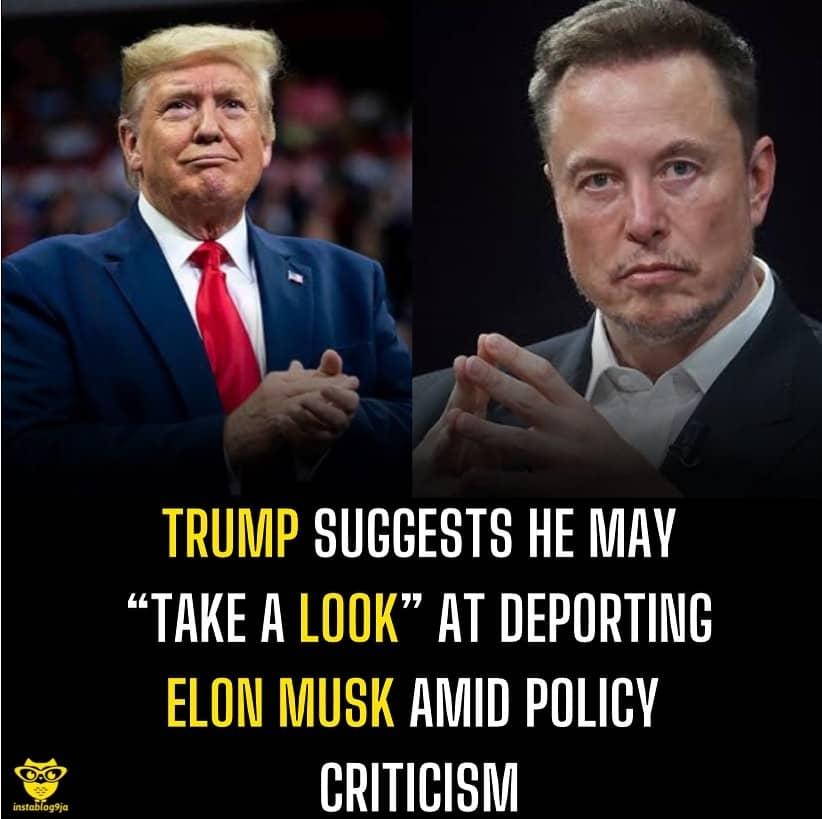
  • Trump Suggests He May “Take a Look” at Deporting Elon Musk Amid Policy Criticism Former U.S.

    President Donald Trump has hinted at the possibility of deporting Tesla and SpaceX CEO Elon Musk following Musk’s recent criticism of Trump’s sweeping tax and spending legislation, dubbed the One Big Beautiful Bill Act.

    Speaking to reporters on Tuesday before visiting an immigration facility in Florida, Trump was asked if Musk—originally from South Africa but now a naturalized American citizen—could face deportation over his opposition to the bill.

    “I don’t know,” Trump said. “We’ll have to take a look.” Trump also made a veiled thr+at involving the now-defunct Department of Government Efficiency (nicknamed DOGE), a quasi-agency Musk once led during the early months of Trump’s second term. “We might have to put Doge on Elon,” Trump said.

    “You know what Doge is? Doge is the m+nster that might have to go back and eat Elon.” Musk served as an unpaid government adviser leading DOGE, initially tasked with reducing costs.

    However, the agency soon became known for its aggressive dismantling of government programs—most notably, the abrupt shutdown of the U.S. Agency for International Development (USAID). Musk departed the role in May after his request to stay longer in that unpaid capacity was denied.

    Since returning to the private sector, Musk has become an outspoken critic of Trump’s spending bill, which he says increases national debt and funds partisan policies without bipartisan input. He has used his platform on X (formerly Twitter) to att+ck the bill and signal support for primary challenges against lawmakers who back it.

    Trump, in turn, accused Musk of opposing the bill out of self-interest, particularly over provisions that would end tax breaks for electric vehicles. “He’s upset that he’s losing his EV mandate,” Trump said. “But you know, he could lose a lot more than that.”

    Musk has so far avoided directly addressing Trump’s thr+ats, but in a cryptic response on X, he wrote, “So tempting to escalate this. So, so tempting. But I will refrain for now.”
    Trump Suggests He May “Take a Look” at Deporting Elon Musk Amid Policy Criticism Former U.S. President Donald Trump has hinted at the possibility of deporting Tesla and SpaceX CEO Elon Musk following Musk’s recent criticism of Trump’s sweeping tax and spending legislation, dubbed the One Big Beautiful Bill Act. Speaking to reporters on Tuesday before visiting an immigration facility in Florida, Trump was asked if Musk—originally from South Africa but now a naturalized American citizen—could face deportation over his opposition to the bill. “I don’t know,” Trump said. “We’ll have to take a look.” Trump also made a veiled thr+at involving the now-defunct Department of Government Efficiency (nicknamed DOGE), a quasi-agency Musk once led during the early months of Trump’s second term. “We might have to put Doge on Elon,” Trump said. “You know what Doge is? Doge is the m+nster that might have to go back and eat Elon.” Musk served as an unpaid government adviser leading DOGE, initially tasked with reducing costs. However, the agency soon became known for its aggressive dismantling of government programs—most notably, the abrupt shutdown of the U.S. Agency for International Development (USAID). Musk departed the role in May after his request to stay longer in that unpaid capacity was denied. Since returning to the private sector, Musk has become an outspoken critic of Trump’s spending bill, which he says increases national debt and funds partisan policies without bipartisan input. He has used his platform on X (formerly Twitter) to att+ck the bill and signal support for primary challenges against lawmakers who back it. Trump, in turn, accused Musk of opposing the bill out of self-interest, particularly over provisions that would end tax breaks for electric vehicles. “He’s upset that he’s losing his EV mandate,” Trump said. “But you know, he could lose a lot more than that.” Musk has so far avoided directly addressing Trump’s thr+ats, but in a cryptic response on X, he wrote, “So tempting to escalate this. So, so tempting. But I will refrain for now.”
    0 Comentários ·0 Compartilhamentos ·1K Visualizações
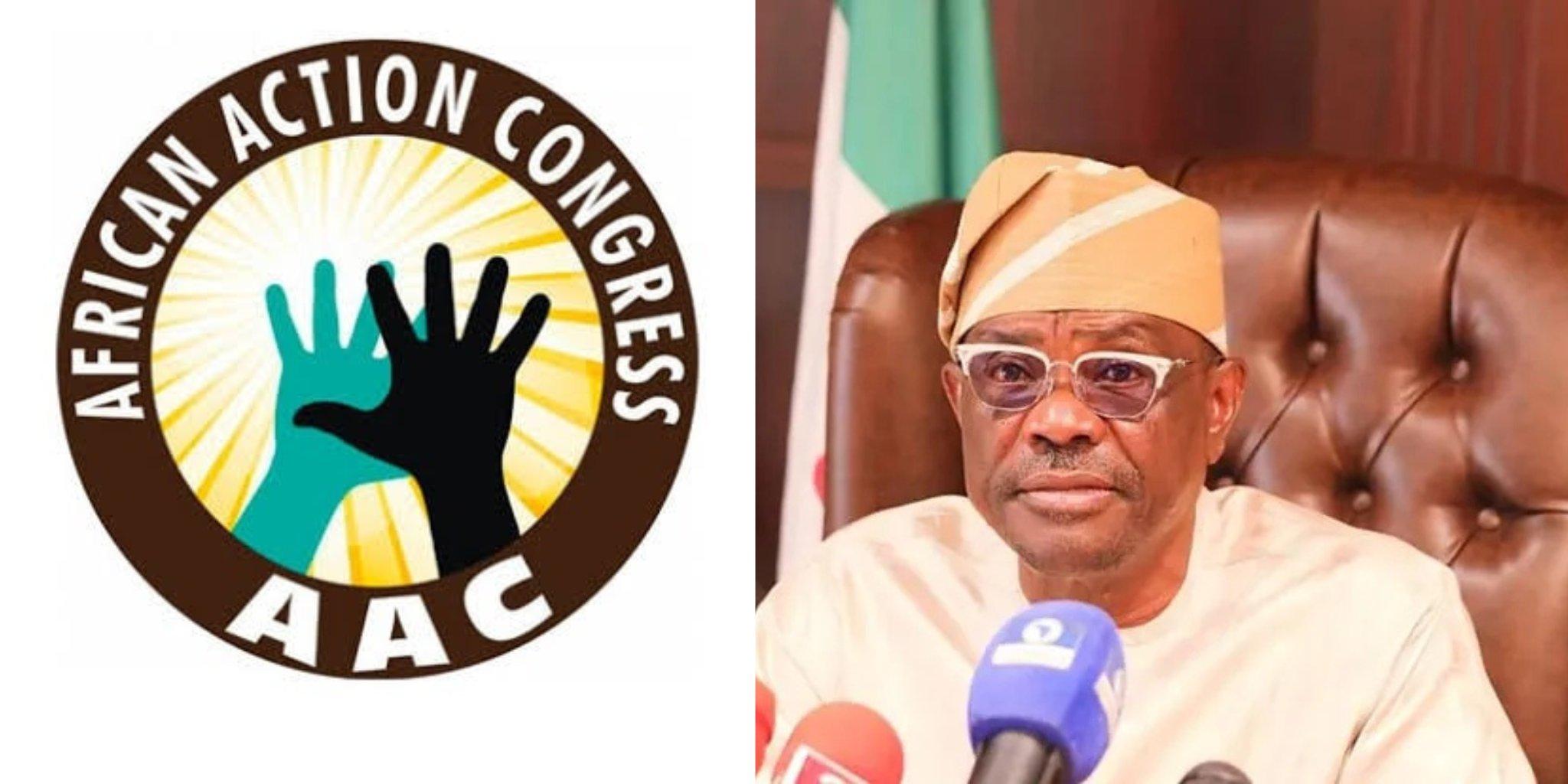
  • AAC Slams Wike-Led FCT Administration For Spending Billions On ICC While Teachers’ Strike Enters Day 90 Sahara Reporters
    AAC Slams Wike-Led FCT Administration For Spending Billions On ICC While Teachers’ Strike Enters Day 90 Sahara Reporters
    0 Comentários ·0 Compartilhamentos ·532 Visualizações
  • Musk Confirms Departure from U.S. Government Role
    Elon Musk has confirmed his departure from a special U.S. government role focused on cutting federal spending, marking a sharp turn in his collaboration with President Donald Trump following disagreements over a key spending bill.

    In a statement posted Wednesday on his platform X, Musk said, “As my scheduled time as a Special Government Employee comes to an end, I would like to thank President Donald Trump for the opportunity to reduce wasteful spending.” He added, “The DOGE mission will only strengthen over time as it becomes a way of life throughout the government.”

    DOGE — the Department of Government Efficiency — was Musk’s brainchild, created to streamline government operations and reduce payrolls. While the initiative led to the dismissal of tens of thousands of federal employees, Musk conceded earlier that it fell short of its broader goals.

    His departure comes on the heels of public criticism of Trump’s flagship “One Big, Beautiful Bill Act,” which Musk said undermines DOGE’s work and adds to the national deficit. “A bill can be big, or it can be beautiful. But I don’t know if it can be both,” Musk told CBS News in a preview of a full interview set to air Sunday.

    The legislation — a sweeping tax and spending package — recently passed the House and is the centerpiece of Trump’s domestic agenda. Critics warn it could slash healthcare funding and raise the national deficit by as much as $4 trillion over a decade.

    White House officials have downplayed the rift, with Deputy Chief of Staff Stephen Miller clarifying on X that DOGE-related cuts must be implemented through separate legislation due to Senate rules. “The Big Beautiful Bill is NOT an annual budget bill,” he said.

    Despite this, Musk’s criticism represents a rare public break from a president he strongly supported, including a reported $250 million donation to Trump’s 2024 re-election campaign.

    In interviews with The Washington Post and CBS News, Musk expressed frustration with entrenched bureaucracy and said DOGE had become a scapegoat for broader dissatisfaction with the administration. “DOGE is just becoming the whipping boy for everything,” he said from the SpaceX Starbase in Texas. “Something bad would happen anywhere, and we would get blamed for it even if we had nothing to do with it.”

    He also acknowledged that his lack of experience in Washington hindered the project. “The federal bureaucracy situation is much worse than I realized,” he admitted. “It’s an uphill battle trying to improve things in DC.”

    Musk’s tenure in government took a toll on his private ventures. Tesla faced backlash, including targeted protests and arson attacks on vehicles. “People were burning Teslas. Why would you do that? That’s really uncool,” he told The Post. Meanwhile, SpaceX faced its own struggles, with its latest Starship prototype exploding over the Indian Ocean just this week.

    With his departure, Musk plans to refocus on his companies and step back from political spending. “I’ve done my part,” he said, signaling a return to the private sector after a turbulent experiment in public service.
    Musk Confirms Departure from U.S. Government Role Elon Musk has confirmed his departure from a special U.S. government role focused on cutting federal spending, marking a sharp turn in his collaboration with President Donald Trump following disagreements over a key spending bill. In a statement posted Wednesday on his platform X, Musk said, “As my scheduled time as a Special Government Employee comes to an end, I would like to thank President Donald Trump for the opportunity to reduce wasteful spending.” He added, “The DOGE mission will only strengthen over time as it becomes a way of life throughout the government.” DOGE — the Department of Government Efficiency — was Musk’s brainchild, created to streamline government operations and reduce payrolls. While the initiative led to the dismissal of tens of thousands of federal employees, Musk conceded earlier that it fell short of its broader goals. His departure comes on the heels of public criticism of Trump’s flagship “One Big, Beautiful Bill Act,” which Musk said undermines DOGE’s work and adds to the national deficit. “A bill can be big, or it can be beautiful. But I don’t know if it can be both,” Musk told CBS News in a preview of a full interview set to air Sunday. The legislation — a sweeping tax and spending package — recently passed the House and is the centerpiece of Trump’s domestic agenda. Critics warn it could slash healthcare funding and raise the national deficit by as much as $4 trillion over a decade. White House officials have downplayed the rift, with Deputy Chief of Staff Stephen Miller clarifying on X that DOGE-related cuts must be implemented through separate legislation due to Senate rules. “The Big Beautiful Bill is NOT an annual budget bill,” he said. Despite this, Musk’s criticism represents a rare public break from a president he strongly supported, including a reported $250 million donation to Trump’s 2024 re-election campaign. In interviews with The Washington Post and CBS News, Musk expressed frustration with entrenched bureaucracy and said DOGE had become a scapegoat for broader dissatisfaction with the administration. “DOGE is just becoming the whipping boy for everything,” he said from the SpaceX Starbase in Texas. “Something bad would happen anywhere, and we would get blamed for it even if we had nothing to do with it.” He also acknowledged that his lack of experience in Washington hindered the project. “The federal bureaucracy situation is much worse than I realized,” he admitted. “It’s an uphill battle trying to improve things in DC.” Musk’s tenure in government took a toll on his private ventures. Tesla faced backlash, including targeted protests and arson attacks on vehicles. “People were burning Teslas. Why would you do that? That’s really uncool,” he told The Post. Meanwhile, SpaceX faced its own struggles, with its latest Starship prototype exploding over the Indian Ocean just this week. With his departure, Musk plans to refocus on his companies and step back from political spending. “I’ve done my part,” he said, signaling a return to the private sector after a turbulent experiment in public service.
    0 Comentários ·0 Compartilhamentos ·2K Visualizações
Fintter https://fintter.com