• JUST IN

    Doris Ogala Demands Answers From Pastor Chris Okafor Over Brother’s Death

    Doris Ogala has renewed her accusations against Pastor Chris Okafor, demanding answers over her brother’s death in January 2025.

    Claiming he died from poisoning, Ogala insists the cleric must explain what happened, reigniting public debate online.

    JUST IN 🔥🔥🔥 Doris Ogala Demands Answers From Pastor Chris Okafor Over Brother’s Death Doris Ogala has renewed her accusations against Pastor Chris Okafor, demanding answers over her brother’s death in January 2025. Claiming he died from poisoning, Ogala insists the cleric must explain what happened, reigniting public debate online.
    like
    love
    2
    · 0 Commenti ·0 condivisioni ·1K Views
  • Oyo State Records Over 100 Farmers-Herders Clashes Monthly – NSCDC Reports

    The Nigeria Security and Civil Defence Corps (NSCDC), Oyo State Command, has revealed that the state experiences up to 100 farmers-herders clashes every month. The NSCDC spokesperson, Samuel Opebiyi, cited causes such as grazing on farmlands, cattle poisoning, and related disputes.

    Opebiyi highlighted the efforts of the NSCDC Agro-Rangers unit, which has successfully prevented many conflicts from escalating. The corps uses Alternative Dispute Resolution (ADR) mechanisms to foster peaceful coexistence between farmers and herders, contributing to food security in the state.

    The clashes are most prevalent in Oluyole, Oke-Ogun, and Ibarapa regions, with the NSCDC noting that limited manpower has hindered full deployment of Agro-Rangers to all communities. Ongoing efforts aim to strengthen the unit and ensure safety for both farmers and herders.


    #OyoState #FarmersHerders #NSCDC”

    Oyo State Records Over 100 Farmers-Herders Clashes Monthly – NSCDC Reports The Nigeria Security and Civil Defence Corps (NSCDC), Oyo State Command, has revealed that the state experiences up to 100 farmers-herders clashes every month. The NSCDC spokesperson, Samuel Opebiyi, cited causes such as grazing on farmlands, cattle poisoning, and related disputes. Opebiyi highlighted the efforts of the NSCDC Agro-Rangers unit, which has successfully prevented many conflicts from escalating. The corps uses Alternative Dispute Resolution (ADR) mechanisms to foster peaceful coexistence between farmers and herders, contributing to food security in the state. The clashes are most prevalent in Oluyole, Oke-Ogun, and Ibarapa regions, with the NSCDC noting that limited manpower has hindered full deployment of Agro-Rangers to all communities. Ongoing efforts aim to strengthen the unit and ensure safety for both farmers and herders. #OyoState #FarmersHerders #NSCDC”
    0 Commenti ·0 condivisioni ·2K Views
  • Is Superstition Holding Nigerian Communities Hostage? How Fear of ‘Poison,’ Rituals, and Dog Poop Is Fueling Paranoia, Poverty, and Exploitation – By Leo Igwe

    Is superstition silently destroying communities in Nigeria—and why are fear, paranoia, and ritual beliefs still shaping how people interpret illness, death, and misfortune?

    In this powerful and unsettling account, Leo Igwe recounts his return to his hometown in southeastern Nigeria after decades away, where he encountered what he describes as the toxic grip of superstition and irrational fear on everyday life. From the moment he arrived, Igwe says he witnessed how ordinary health issues were being interpreted as the work of unseen enemies using “poison,” spiritual attacks, or occult forces.

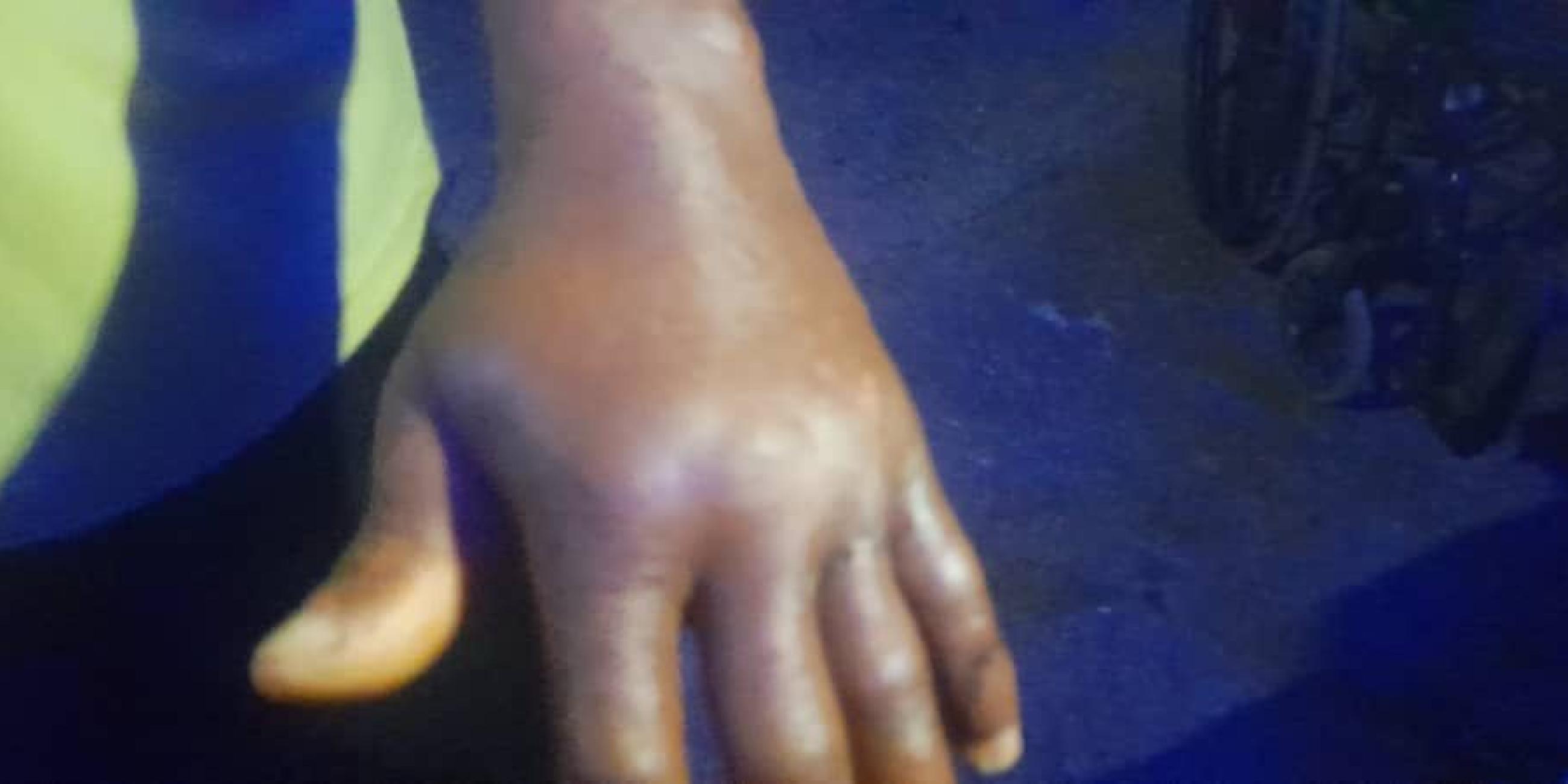
    A family housekeeper with a swollen hand claimed he had “picked up poison” while farming—an explanation widely accepted by community members, despite no one being able to describe what the poison was, how it worked, or where it came from. Rather than seeking medical help, the man was subjected to prayers, spiritual pressing, and ritual interventions, which only worsened the condition. For Igwe, this was a troubling reminder of how medical problems are often rebranded as spiritual attacks, delaying proper treatment and deepening fear.

    But why does this mindset persist? Igwe explains that in his community, no one is believed to die naturally. Death, illness, stroke, or paralysis are frequently attributed to enemies—often relatives or neighbors—who are accused of using occult means. Phrases like “they have killed him” or “they have finally gotten him” dominate conversations, reinforcing suspicion and tearing families apart. People live in constant fear that someone has planted spiritual “poisons” that they might step on or touch.

    Despite identifying as Christians, many residents, Igwe notes, move between churches, prophets, pastors, traditional priests, and ritual specialists. They pray to Jesus, invoke ancestors, hire “prayer warriors,” and perform sacrifices in an endless cycle of spiritual protection. But does this offer safety—or does it deepen exploitation? Igwe argues that this climate has created fertile ground for con artists, fake prophets, and self-styled spiritual practitioners who extract money in exchange for deliverance, exorcism, and supposed protection.

    One striking episode involved a roaming prayer man who went from house to house, collecting food or money after loud, theatrical prayers. In another home, Igwe witnessed a dramatic ritual in which sand was placed in people’s hands while God was commanded to “open doors,” even instructing someone to physically open the living room door to symbolize prosperity. To Igwe, this performance illustrated how faith is manipulated into spectacle while poverty remains unchanged.

    Perhaps the most disturbing moment came when a neighbor reported that dog feces found in their compound was not ordinary waste but a weapon of spiritual harm. The family believed it had been ritually placed to bring sickness or death—just as, they claimed, their parents had previously been killed. The response? Olive oil poured on it, urine used as a neutralizer, and the case escalated to village authorities. To Igwe, this episode captured how fear transforms harmless events into imagined threats, driving communities deeper into paranoia.

    Addressing a village meeting, Igwe warned of the dangerous consequences of baseless accusations, superstition, and occult blame, citing how such beliefs have destroyed families and communities across the region. He urged residents to free themselves from irrational fear and confront the social damage caused by suspicion, exploitation, and magical thinking.

    So what is the real cost of these beliefs? According to Igwe, communities trapped in superstition remain locked in poverty, fear, and manipulation, unable to address real health, economic, and social challenges. The essay ultimately asks a haunting question: Can communities break free from the cycle of fear before superstition consumes trust, development, and human dignity?

    Is Superstition Holding Nigerian Communities Hostage? How Fear of ‘Poison,’ Rituals, and Dog Poop Is Fueling Paranoia, Poverty, and Exploitation – By Leo Igwe Is superstition silently destroying communities in Nigeria—and why are fear, paranoia, and ritual beliefs still shaping how people interpret illness, death, and misfortune? In this powerful and unsettling account, Leo Igwe recounts his return to his hometown in southeastern Nigeria after decades away, where he encountered what he describes as the toxic grip of superstition and irrational fear on everyday life. From the moment he arrived, Igwe says he witnessed how ordinary health issues were being interpreted as the work of unseen enemies using “poison,” spiritual attacks, or occult forces. A family housekeeper with a swollen hand claimed he had “picked up poison” while farming—an explanation widely accepted by community members, despite no one being able to describe what the poison was, how it worked, or where it came from. Rather than seeking medical help, the man was subjected to prayers, spiritual pressing, and ritual interventions, which only worsened the condition. For Igwe, this was a troubling reminder of how medical problems are often rebranded as spiritual attacks, delaying proper treatment and deepening fear. But why does this mindset persist? Igwe explains that in his community, no one is believed to die naturally. Death, illness, stroke, or paralysis are frequently attributed to enemies—often relatives or neighbors—who are accused of using occult means. Phrases like “they have killed him” or “they have finally gotten him” dominate conversations, reinforcing suspicion and tearing families apart. People live in constant fear that someone has planted spiritual “poisons” that they might step on or touch. Despite identifying as Christians, many residents, Igwe notes, move between churches, prophets, pastors, traditional priests, and ritual specialists. They pray to Jesus, invoke ancestors, hire “prayer warriors,” and perform sacrifices in an endless cycle of spiritual protection. But does this offer safety—or does it deepen exploitation? Igwe argues that this climate has created fertile ground for con artists, fake prophets, and self-styled spiritual practitioners who extract money in exchange for deliverance, exorcism, and supposed protection. One striking episode involved a roaming prayer man who went from house to house, collecting food or money after loud, theatrical prayers. In another home, Igwe witnessed a dramatic ritual in which sand was placed in people’s hands while God was commanded to “open doors,” even instructing someone to physically open the living room door to symbolize prosperity. To Igwe, this performance illustrated how faith is manipulated into spectacle while poverty remains unchanged. Perhaps the most disturbing moment came when a neighbor reported that dog feces found in their compound was not ordinary waste but a weapon of spiritual harm. The family believed it had been ritually placed to bring sickness or death—just as, they claimed, their parents had previously been killed. The response? Olive oil poured on it, urine used as a neutralizer, and the case escalated to village authorities. To Igwe, this episode captured how fear transforms harmless events into imagined threats, driving communities deeper into paranoia. Addressing a village meeting, Igwe warned of the dangerous consequences of baseless accusations, superstition, and occult blame, citing how such beliefs have destroyed families and communities across the region. He urged residents to free themselves from irrational fear and confront the social damage caused by suspicion, exploitation, and magical thinking. So what is the real cost of these beliefs? According to Igwe, communities trapped in superstition remain locked in poverty, fear, and manipulation, unable to address real health, economic, and social challenges. The essay ultimately asks a haunting question: Can communities break free from the cycle of fear before superstition consumes trust, development, and human dignity?
    0 Commenti ·0 condivisioni ·3K Views
  • Appeal Court Affirms Death Sentence for Abdulmalik Tanko Over Murder of Five-Year-Old Kano Pupil Hanifa Abubakar, Upholds High Court Ruling

    The Court of Appeal sitting in Kano State has upheld the death sentence passed on Abdulmalik Tanko for the murder of five-year-old Hanifa Abubakar, one of Nigeria’s most shocking child murder cases in recent years. Delivering judgment, Justice A. R. Muhammad dismissed Tanko’s appeal and affirmed the ruling of the Kano State High Court, which sentenced him to death by hanging.

    The appellate court ruled that the trial court correctly applied the law and thoroughly evaluated the evidence presented by the prosecution. Justice Muhammad stated that Tanko failed to raise any credible issues capable of overturning his conviction, describing the prosecution’s case as strong, consistent, and persuasive. The court further held that there was no legal basis to interfere with either the findings or the sentence imposed by the lower court.

    The judge also noted that once Tanko exhausts all remaining legal options, the appropriate authorities should ensure that the judgment is fully enforced.

    Hanifa Abubakar was abducted in December 2021 from Noble Kids Academy in Nassarawa Local Government Area of Kano State, a school owned by Tanko. Investigations revealed that Tanko kidnapped the child, demanded a ₦6 million ransom from her parents, and later poisoned her with rat poison, leading to her death. The case sparked nationwide outrage due to the victim’s young age and the breach of trust by a school proprietor entrusted with children’s safety.

    Tanko was arraigned alongside Isyaku Hashim and Fatima Jibril in January 2022 on charges including criminal conspiracy, kidnapping, unlawful detention, and culpable homicide. In July 2022, the Kano State High Court sentenced Tanko and Hashim to death by hanging, while Fatima Jibril was sentenced to two years’ imprisonment for her role in the crime.
    Appeal Court Affirms Death Sentence for Abdulmalik Tanko Over Murder of Five-Year-Old Kano Pupil Hanifa Abubakar, Upholds High Court Ruling The Court of Appeal sitting in Kano State has upheld the death sentence passed on Abdulmalik Tanko for the murder of five-year-old Hanifa Abubakar, one of Nigeria’s most shocking child murder cases in recent years. Delivering judgment, Justice A. R. Muhammad dismissed Tanko’s appeal and affirmed the ruling of the Kano State High Court, which sentenced him to death by hanging. The appellate court ruled that the trial court correctly applied the law and thoroughly evaluated the evidence presented by the prosecution. Justice Muhammad stated that Tanko failed to raise any credible issues capable of overturning his conviction, describing the prosecution’s case as strong, consistent, and persuasive. The court further held that there was no legal basis to interfere with either the findings or the sentence imposed by the lower court. The judge also noted that once Tanko exhausts all remaining legal options, the appropriate authorities should ensure that the judgment is fully enforced. Hanifa Abubakar was abducted in December 2021 from Noble Kids Academy in Nassarawa Local Government Area of Kano State, a school owned by Tanko. Investigations revealed that Tanko kidnapped the child, demanded a ₦6 million ransom from her parents, and later poisoned her with rat poison, leading to her death. The case sparked nationwide outrage due to the victim’s young age and the breach of trust by a school proprietor entrusted with children’s safety. Tanko was arraigned alongside Isyaku Hashim and Fatima Jibril in January 2022 on charges including criminal conspiracy, kidnapping, unlawful detention, and culpable homicide. In July 2022, the Kano State High Court sentenced Tanko and Hashim to death by hanging, while Fatima Jibril was sentenced to two years’ imprisonment for her role in the crime.
    like
    1
    · 0 Commenti ·0 condivisioni ·1K Views
  • Man Allegedly Poisoned to Death in Kogi State as Wife Goes on the Run; Family Accuses Suspect, Police Launch Investigation

    A man identified as Abdul Kadir Nagazi has reportedly died after being allegedly poisoned in Okene, Kogi State, sparking a police investigation and renewed demands for justice from his family. According to relatives, Nagazi fell critically ill shortly after eating a meal and was rushed to a hospital, where he later died. Family members claim medical personnel informed them that poisoning was suspected, although authorities have not officially confirmed the cause of death.
    Nagazi’s wife, Favour Odoba, has been named as the prime suspect and is currently on the run. A cousin of the deceased, Abdulrazak Abdulrazeez, said the incident occurred after Odoba invited Nagazi to spend the night with her last Saturday. Family sources revealed that the couple had been married for nine years without children before Nagazi married a second wife, who reportedly gave birth to a baby boy last month—an event relatives believe intensified marital tensions.
    During Nagazi’s funeral, Abdulrazeez publicly accused Odoba of responsibility for the death and alleged that Nagazi had spent over ₦2 million setting up a shop for her before his demise. As of the time of reporting, the Kogi State Police Command has yet to issue an official statement on the case, while the suspect remains at large. The family has appealed to law enforcement agencies to intensify efforts to locate Odoba and ensure a thorough investigation into the circumstances surrounding the alleged poisoning.
    Man Allegedly Poisoned to Death in Kogi State as Wife Goes on the Run; Family Accuses Suspect, Police Launch Investigation A man identified as Abdul Kadir Nagazi has reportedly died after being allegedly poisoned in Okene, Kogi State, sparking a police investigation and renewed demands for justice from his family. According to relatives, Nagazi fell critically ill shortly after eating a meal and was rushed to a hospital, where he later died. Family members claim medical personnel informed them that poisoning was suspected, although authorities have not officially confirmed the cause of death. Nagazi’s wife, Favour Odoba, has been named as the prime suspect and is currently on the run. A cousin of the deceased, Abdulrazak Abdulrazeez, said the incident occurred after Odoba invited Nagazi to spend the night with her last Saturday. Family sources revealed that the couple had been married for nine years without children before Nagazi married a second wife, who reportedly gave birth to a baby boy last month—an event relatives believe intensified marital tensions. During Nagazi’s funeral, Abdulrazeez publicly accused Odoba of responsibility for the death and alleged that Nagazi had spent over ₦2 million setting up a shop for her before his demise. As of the time of reporting, the Kogi State Police Command has yet to issue an official statement on the case, while the suspect remains at large. The family has appealed to law enforcement agencies to intensify efforts to locate Odoba and ensure a thorough investigation into the circumstances surrounding the alleged poisoning.
    like
    1
    · 0 Commenti ·0 condivisioni ·488 Views
  • Aisha Buhari Reveals Pneumonia as Cause of Late President Buhari’s Death in New Book"

    Former First Lady, Aisha Buhari, has disclosed in her newly released book From Soldier to Statesman: The Legacy of Muhammadu Buhari that pneumonia was the immediate cause of her late husband’s death. She dismissed conspiracy theories suggesting poisoning or sabotage, stating that medical professionals clearly informed the family. Aisha Buhari also linked Buhari’s earlier health challenges to exhaustion and dietary imbalance. The book further reflects on governance challenges during his presidency, the DSS controversy, and her post-presidential humanitarian initiatives, including a cardiovascular and medical centre in Kano.

    #AishaBuhari #MuhammaduBuhari #BuhariDeath #Pneumonia #NigeriaPolitics #NigerianPresidency #Governance
    Aisha Buhari Reveals Pneumonia as Cause of Late President Buhari’s Death in New Book" Former First Lady, Aisha Buhari, has disclosed in her newly released book From Soldier to Statesman: The Legacy of Muhammadu Buhari that pneumonia was the immediate cause of her late husband’s death. She dismissed conspiracy theories suggesting poisoning or sabotage, stating that medical professionals clearly informed the family. Aisha Buhari also linked Buhari’s earlier health challenges to exhaustion and dietary imbalance. The book further reflects on governance challenges during his presidency, the DSS controversy, and her post-presidential humanitarian initiatives, including a cardiovascular and medical centre in Kano. #AishaBuhari #MuhammaduBuhari #BuhariDeath #Pneumonia #NigeriaPolitics #NigerianPresidency #Governance
    0 Commenti ·0 condivisioni ·2K Views
  • Odira Nwobu Autopsy Report Confirms Late Nollywood Actor Was Poisoned, Director Arthur Scott Reacts to Tragic Death

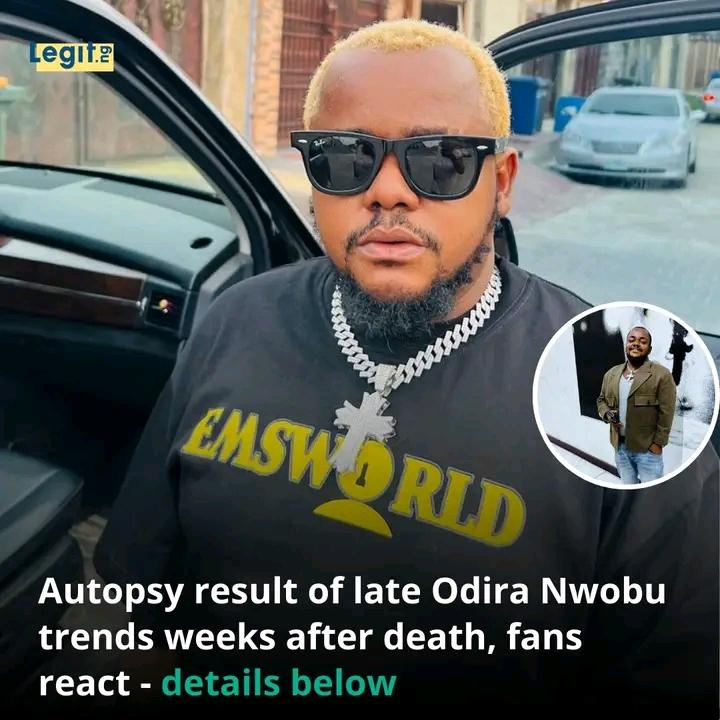
    The autopsy report of late Nollywood actor Odira Nwobu has confirmed that he died from poisoning while on vacation in South Africa, sparking widespread reactions from fans and colleagues. Initially, high blood pressure was cited as the cause of death, but further investigation revealed the presence of toxic substances. Arthur Scott, Nwobu’s director, confirmed the report in an exclusive statement, expressing confusion and dismay over the circumstances surrounding the actor’s death. Fans have speculated whether foul play was involved, while others suggest the poisoning could have been accidental due to substances his body could not tolerate. Questions have also arisen about Nwobu’s friends and the events leading up to his death. The revelation has reignited discussions about health risks, safety while abroad, and the need for proper investigations into celebrity deaths. The incident has left fans mourning and calling for accountability, highlighting the broader conversation around the welfare and protection of entertainers in Nigeria.
    Odira Nwobu Autopsy Report Confirms Late Nollywood Actor Was Poisoned, Director Arthur Scott Reacts to Tragic Death The autopsy report of late Nollywood actor Odira Nwobu has confirmed that he died from poisoning while on vacation in South Africa, sparking widespread reactions from fans and colleagues. Initially, high blood pressure was cited as the cause of death, but further investigation revealed the presence of toxic substances. Arthur Scott, Nwobu’s director, confirmed the report in an exclusive statement, expressing confusion and dismay over the circumstances surrounding the actor’s death. Fans have speculated whether foul play was involved, while others suggest the poisoning could have been accidental due to substances his body could not tolerate. Questions have also arisen about Nwobu’s friends and the events leading up to his death. The revelation has reignited discussions about health risks, safety while abroad, and the need for proper investigations into celebrity deaths. The incident has left fans mourning and calling for accountability, highlighting the broader conversation around the welfare and protection of entertainers in Nigeria.
    0 Commenti ·0 condivisioni ·550 Views
  • French ‘Doctor Death’ Sentenced to Life for Poisoning 30 Patients, Killing at Least 12

    A French court in Besançon has sentenced former anaesthetist Frédéric Péchier to life imprisonment for deliberately poisoning at least 30 patients between 2008 and 2017, resulting in the deaths of 12 individuals. Péchier, who contaminated infusion bags with toxic substances, targeted patients during routine procedures, including a four-year-old child who survived two cardiac arrests. The court rejected his defense, ordering a minimum of 22 years before parole eligibility. The case, described as one of the most disturbing medical crimes in recent French history, has raised serious concerns about hospital oversight and patient safety.
    French ‘Doctor Death’ Sentenced to Life for Poisoning 30 Patients, Killing at Least 12 A French court in Besançon has sentenced former anaesthetist Frédéric Péchier to life imprisonment for deliberately poisoning at least 30 patients between 2008 and 2017, resulting in the deaths of 12 individuals. Péchier, who contaminated infusion bags with toxic substances, targeted patients during routine procedures, including a four-year-old child who survived two cardiac arrests. The court rejected his defense, ordering a minimum of 22 years before parole eligibility. The case, described as one of the most disturbing medical crimes in recent French history, has raised serious concerns about hospital oversight and patient safety.
    0 Commenti ·0 condivisioni ·512 Views
  • Aisha Buhari Reveals Why Late President Buhari Locked His Room, Debunks Poison Rumours

    Former First Lady Aisha Buhari disclosed that her late husband, President Muhammadu Buhari, began locking his room after hearing false rumours that she was plotting to kill him. Speaking in the 600-page biography From Soldier to Statesman: The Legacy of Muhammadu Buhari by Dr. Charles Omole, she clarified that Buhari’s 2017 health challenges were due to disrupted nutrition and missed meals, not mysterious illness or poisoning.

    Aisha Buhari explained that she had meticulously managed the former president’s meals and supplements for years, a routine that was disrupted after misinformation circulated within Aso Rock. The disruption led to delayed meals and missed supplements, culminating in Buhari’s 154-day medical leave in the UK, where he received specialised care including blood transfusions.

    She refuted conspiracy theories, including claims of a body double, emphasizing that poor communication allowed minor events to spiral into rumours. The biography also highlights the climate of mistrust and surveillance within the presidency, showing how fear and misinformation affected Buhari’s health and personal life.
    Aisha Buhari Reveals Why Late President Buhari Locked His Room, Debunks Poison Rumours Former First Lady Aisha Buhari disclosed that her late husband, President Muhammadu Buhari, began locking his room after hearing false rumours that she was plotting to kill him. Speaking in the 600-page biography From Soldier to Statesman: The Legacy of Muhammadu Buhari by Dr. Charles Omole, she clarified that Buhari’s 2017 health challenges were due to disrupted nutrition and missed meals, not mysterious illness or poisoning. Aisha Buhari explained that she had meticulously managed the former president’s meals and supplements for years, a routine that was disrupted after misinformation circulated within Aso Rock. The disruption led to delayed meals and missed supplements, culminating in Buhari’s 154-day medical leave in the UK, where he received specialised care including blood transfusions. She refuted conspiracy theories, including claims of a body double, emphasizing that poor communication allowed minor events to spiral into rumours. The biography also highlights the climate of mistrust and surveillance within the presidency, showing how fear and misinformation affected Buhari’s health and personal life.
    0 Commenti ·0 condivisioni ·1K Views
  • Tiger Base Impunity: Autopsy Reveals Imo Businessman Levi Opara Died From Shock, Starvation, Injuries In Police Custody

    An autopsy report has contradicted police claims over the death of Imo businessman Levi Opara, revealing that the 49-year-old died from systemic shock caused by sepsis, starvation, and multiple injuries sustained while in detention at the notorious Tiger Base police facility. Conducted at the Federal Teaching Hospital, Owerri, the postmortem documented widespread bruises, lacerations, internal trauma, and an empty stomach, indicating prolonged physical abuse and neglect. Toxicology tests ruled out poisoning, while forensic findings confirmed severe systemic shock. Opara’s family has rejected police accounts of illness, insisting he was tortured and starved to death, and is demanding an independent investigation, suspension of implicated officers, and justice amid renewed outrage over alleged abuses at Tiger Base.
    Tiger Base Impunity: Autopsy Reveals Imo Businessman Levi Opara Died From Shock, Starvation, Injuries In Police Custody An autopsy report has contradicted police claims over the death of Imo businessman Levi Opara, revealing that the 49-year-old died from systemic shock caused by sepsis, starvation, and multiple injuries sustained while in detention at the notorious Tiger Base police facility. Conducted at the Federal Teaching Hospital, Owerri, the postmortem documented widespread bruises, lacerations, internal trauma, and an empty stomach, indicating prolonged physical abuse and neglect. Toxicology tests ruled out poisoning, while forensic findings confirmed severe systemic shock. Opara’s family has rejected police accounts of illness, insisting he was tortured and starved to death, and is demanding an independent investigation, suspension of implicated officers, and justice amid renewed outrage over alleged abuses at Tiger Base.
    0 Commenti ·0 condivisioni ·791 Views
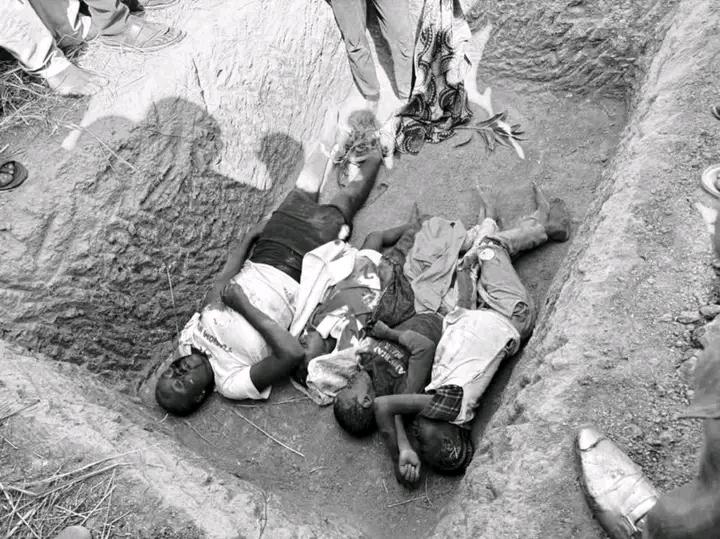
  • Four children were killed on Thursday in a reprisal attack allegedly carried out by armed Fulani herdsmen in Dorong village, Foron District of Barkin Ladi Local Government Area of Plateau State, amid rising tensions following recent attacks on herders and cattle rustling in the area.

    The victims were identified as Precious Joshuah, 17; Isa’ac Joshuah, 9; Mary Joshuah, 7; and Eve Sambo, 3.

    Sources told Zagazola Makama that the attack occurred less than 48 hours after coordinated assaults on pastoral communities in Barkin Ladi, Jos East and Riyom LGAs, during which no fewer than 168 cattle were rustled and several others poisoned.

    Zagazola reports that on Wednesday evening, Militia from plateau rustled 137 cattle around Nding community in Fan District of Barkin Ladi LGA, while another 34 cattle were driven away from Kukukah community in Jos East LGA, with only three later returning.

    Less than 24 hours later, nine cows reportedly died after grazing on poisoned substances around Kwi village in Riyom LGA, further heightening tension across the affected areas.

    A community leader in Foron District, who spoke on condition of anonymity, said the Dorong attack was carried out in the early hours of Thursday.

    “The atmosphere has been tense since the cattle rustling incidents. People have been living in fear, warning that reprisals were imminent if nothing was done. Sadly, those fears have now materialised,” the source said.

    Security sources confirmed the incident, adding that troops and other security operatives had been deployed to the area to prevent further escalation and restore calm.

    We therefore renewed calls on the Plateau State Government and concerned security agencies to urgently intervene, arrest perpetrators on all sides, and address the underlying causes of the recurring violence.

    Zagazola warned that without decisive action, including accountability for cattle rustling, livestock poisoning and retaliatory attacks, Plateau State risks sinking deeper into another cycle of reprisals that continues to claim innocent lives, particularly women and children.

    As of the time of filing this report, authorities were yet to issue an official statement on the Dorong incident.
    Four children were killed on Thursday in a reprisal attack allegedly carried out by armed Fulani herdsmen in Dorong village, Foron District of Barkin Ladi Local Government Area of Plateau State, amid rising tensions following recent attacks on herders and cattle rustling in the area. The victims were identified as Precious Joshuah, 17; Isa’ac Joshuah, 9; Mary Joshuah, 7; and Eve Sambo, 3. Sources told Zagazola Makama that the attack occurred less than 48 hours after coordinated assaults on pastoral communities in Barkin Ladi, Jos East and Riyom LGAs, during which no fewer than 168 cattle were rustled and several others poisoned. Zagazola reports that on Wednesday evening, Militia from plateau rustled 137 cattle around Nding community in Fan District of Barkin Ladi LGA, while another 34 cattle were driven away from Kukukah community in Jos East LGA, with only three later returning. Less than 24 hours later, nine cows reportedly died after grazing on poisoned substances around Kwi village in Riyom LGA, further heightening tension across the affected areas. A community leader in Foron District, who spoke on condition of anonymity, said the Dorong attack was carried out in the early hours of Thursday. “The atmosphere has been tense since the cattle rustling incidents. People have been living in fear, warning that reprisals were imminent if nothing was done. Sadly, those fears have now materialised,” the source said. Security sources confirmed the incident, adding that troops and other security operatives had been deployed to the area to prevent further escalation and restore calm. We therefore renewed calls on the Plateau State Government and concerned security agencies to urgently intervene, arrest perpetrators on all sides, and address the underlying causes of the recurring violence. Zagazola warned that without decisive action, including accountability for cattle rustling, livestock poisoning and retaliatory attacks, Plateau State risks sinking deeper into another cycle of reprisals that continues to claim innocent lives, particularly women and children. As of the time of filing this report, authorities were yet to issue an official statement on the Dorong incident.
    0 Commenti ·0 condivisioni ·844 Views
  • UK Issues Methanol Poisoning Warning to Nigerians Over Deadly Alcoholic Drinks

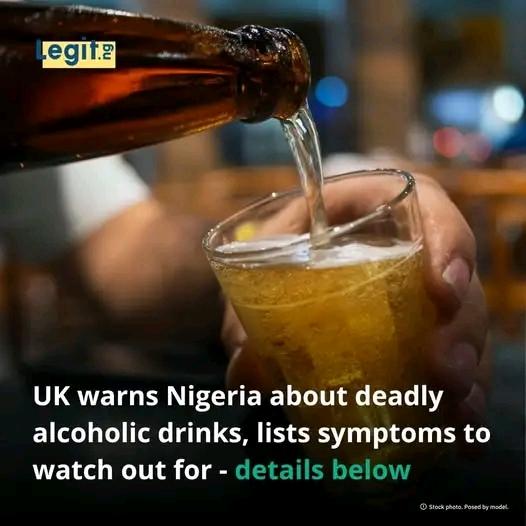
    The United Kingdom’s Foreign, Commonwealth & Development Office (FCDO) has warned Nigeria and several other countries about deadly methanol-laced alcoholic drinks, following reports of multiple deaths globally. Methanol, an industrial compound, becomes toxic when ingested, causing symptoms such as blurred vision, nausea, dizziness, and confusion, and can lead to coma, brain damage, or death. Travellers are advised to purchase only sealed beverages from licensed outlets and avoid homemade or unregulated alcohol. Health experts emphasize prompt medical attention for anyone showing symptoms after consuming alcohol.


    #MethanolPoisoning #AlcoholSafety #UKTravelAdvisory
    UK Issues Methanol Poisoning Warning to Nigerians Over Deadly Alcoholic Drinks The United Kingdom’s Foreign, Commonwealth & Development Office (FCDO) has warned Nigeria and several other countries about deadly methanol-laced alcoholic drinks, following reports of multiple deaths globally. Methanol, an industrial compound, becomes toxic when ingested, causing symptoms such as blurred vision, nausea, dizziness, and confusion, and can lead to coma, brain damage, or death. Travellers are advised to purchase only sealed beverages from licensed outlets and avoid homemade or unregulated alcohol. Health experts emphasize prompt medical attention for anyone showing symptoms after consuming alcohol. #MethanolPoisoning #AlcoholSafety #UKTravelAdvisory
    0 Commenti ·0 condivisioni ·1K Views

  • JUST IN: Nigeria Senate orders nationwide crackdown as lead poisoning hits Lagos
    JUST IN: Nigeria Senate orders nationwide crackdown as lead poisoning hits Lagos
    0 Commenti ·0 condivisioni ·235 Views
  • Europe's Banned Pesticides Are
    Poisoning Nigeria
    Chemicals barred by the EU are widely available across Africa, threatening food and water supplies.
    Europe's Banned Pesticides Are Poisoning Nigeria Chemicals barred by the EU are widely available across Africa, threatening food and water supplies.
    0 Commenti ·0 condivisioni ·249 Views
  • President Donald Trump at the United Nations on Venezuela’s trafficking networks led by Maduro: “To all the thugs bringing poisonous drugs into the United States, we will wipe you out of existence.”
    🇻🇪🇺🇸🚨 President Donald Trump at the United Nations on Venezuela’s trafficking networks led by Maduro: “To all the thugs bringing poisonous drugs into the United States, we will wipe you out of existence.”
    0 Commenti ·0 condivisioni ·527 Views
  • BREAKING: TRUMP JUST SENT A WARNING SHOT SOUTH — AND MADURO SHOULD BE VERY WORRIED

    Something major is shifting in the Western Hemisphere.

    President Trump didn’t announce a land invasion of Venezuela — but he did declare that the U.S. will begin land-based interdictions against Venezuelan drug traffickers “very soon.”

    That may sound technical.

    It isn’t.

    It means this:

    The era of Venezuelan cartel pipelines reaching the U.S. border is over.

    Under Biden, poison flowed freely.

    Under Trump, it ends.

    And here’s what the media won’t remind you:

    Nicolás Maduro currently has a $50 MILLION U.S. bounty on his head for narcoterrorism, corruption, and running the world’s most brazen state-sponsored drug network.

    The same regime whose traffickers Trump just warned:

    “Stop sending poison to our country.

    We will now stop you by land — very soon.”

    This isn’t about regime change.

    This is about national survival, border security, and destroying the criminal arteries that pump fentanyl, cocaine, and cartel cash into the United States.

    Trump has already shut down 85% of Venezuela’s maritime trafficking routes.

    Now he’s moving to cut off the remaining lifelines.

    Make no mistake:
    Maduro’s empire runs on narcotics.

    And America is coming for the supply chain.

    For the first time in years, Venezuela’s traffickers — and their dictator — are on notice.

    The Western Hemisphere just got a whole lot smaller for the people who profit from American deaths.

    More to come.
    BREAKING:🚨 TRUMP JUST SENT A WARNING SHOT SOUTH — AND MADURO SHOULD BE VERY WORRIED Something major is shifting in the Western Hemisphere. President Trump didn’t announce a land invasion of Venezuela — but he did declare that the U.S. will begin land-based interdictions against Venezuelan drug traffickers “very soon.” That may sound technical. It isn’t. It means this: The era of Venezuelan cartel pipelines reaching the U.S. border is over. Under Biden, poison flowed freely. Under Trump, it ends. And here’s what the media won’t remind you: Nicolás Maduro currently has a $50 MILLION U.S. bounty on his head for narcoterrorism, corruption, and running the world’s most brazen state-sponsored drug network. The same regime whose traffickers Trump just warned: “Stop sending poison to our country. We will now stop you by land — very soon.” This isn’t about regime change. This is about national survival, border security, and destroying the criminal arteries that pump fentanyl, cocaine, and cartel cash into the United States. Trump has already shut down 85% of Venezuela’s maritime trafficking routes. Now he’s moving to cut off the remaining lifelines. Make no mistake: Maduro’s empire runs on narcotics. And America is coming for the supply chain. For the first time in years, Venezuela’s traffickers — and their dictator — are on notice. The Western Hemisphere just got a whole lot smaller for the people who profit from American deaths. More to come.
    0 Commenti ·0 condivisioni ·476 Views
  • New York Times Highlights Severe Lead Poisoning In Ogun State
    New York Times Highlights Severe Lead Poisoning In Ogun State
    0 Commenti ·0 condivisioni ·340 Views
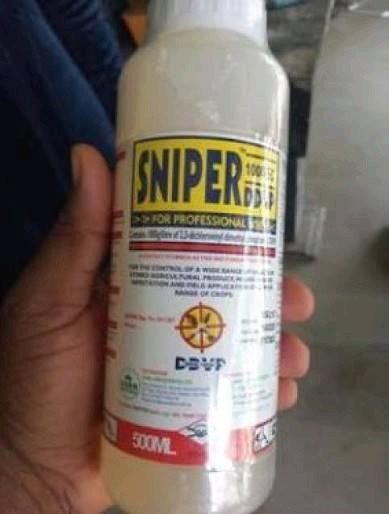
  • 28-Year-Old Man Allegedly Consumes Two Bottles of Sniper Poison After Mother Calls Him a Failure.

    In a distressing turn of events, a 28-year-old man in Ikorodu, Lagos, allegedly consumed two bottles of sniper, a highly toxic insecticide, in front of his mother. The incident, which has sent shockwaves through the community, is reportedly linked to ongoing parental pressure and comparisons with peers.

    According to local reports and social media circulating the video, the young man was driven to this extreme act due to his parents’ continuous criticism and comparison of his achievements with those of their friends’ children. The video, which has since gone viral, captures the moments leading up to the tragic event, showing the man in a state of distress amidst family members.

    Eyewitnesses and family sources revealed that despite attempts by those present to intervene, the young man refused help. The situation escalated as he consumed the poison, leading to a frantic response from family members who tried to administer first aid, including red oil and coconut water, in a desperate bid to save his life.

    The incident has reignited discussions on mental health, parental expectations, and the impact of social comparisons on young adults. Mental health experts have expressed concern over the rising cases of suicide linked to such pressures, urging parents to foster supportive environments rather than ones laden with unrealistic expectations.

    Local authorities have launched an investigation into the circumstances surrounding the incident. Community leaders and mental health advocates are calling for increased awareness and support systems for young adults facing similar pressures.

    This tragic event serves as a stark reminder of the profound effects that familial dynamics can have on mental well-being, prompting a broader conversation on how society can better support its youth in navigating these challenges.
    28-Year-Old Man Allegedly Consumes Two Bottles of Sniper Poison After Mother Calls Him a Failure. In a distressing turn of events, a 28-year-old man in Ikorodu, Lagos, allegedly consumed two bottles of sniper, a highly toxic insecticide, in front of his mother. The incident, which has sent shockwaves through the community, is reportedly linked to ongoing parental pressure and comparisons with peers. According to local reports and social media circulating the video, the young man was driven to this extreme act due to his parents’ continuous criticism and comparison of his achievements with those of their friends’ children. The video, which has since gone viral, captures the moments leading up to the tragic event, showing the man in a state of distress amidst family members. Eyewitnesses and family sources revealed that despite attempts by those present to intervene, the young man refused help. The situation escalated as he consumed the poison, leading to a frantic response from family members who tried to administer first aid, including red oil and coconut water, in a desperate bid to save his life. The incident has reignited discussions on mental health, parental expectations, and the impact of social comparisons on young adults. Mental health experts have expressed concern over the rising cases of suicide linked to such pressures, urging parents to foster supportive environments rather than ones laden with unrealistic expectations. Local authorities have launched an investigation into the circumstances surrounding the incident. Community leaders and mental health advocates are calling for increased awareness and support systems for young adults facing similar pressures. This tragic event serves as a stark reminder of the profound effects that familial dynamics can have on mental well-being, prompting a broader conversation on how society can better support its youth in navigating these challenges.
    0 Commenti ·0 condivisioni ·787 Views
  • UK Issues Fresh Travel Alert Over Fake Alcohol Risk in Nigeria, Seven Other Nations.

    The United Kingdom has issued a fresh travel advisory cautioning its citizens against the risk of methanol poisoning from counterfeit or contaminated alcoholic beverages in Nigeria and seven other countries.

    According to a report by the BBC on Tuesday, the UK Foreign Office updated its travel guidance to include Nigeria, Ecuador, Japan, Kenya, Mexico, Peru, Russia, and Uganda as countries with a high risk of methanol-related poisoning incidents involving British nationals.

    Previously, the list featured Thailand, Laos, Vietnam, Cambodia, Indonesia, Turkey, Costa Rica, and Fiji.

    The Foreign Office explained that methanol, a toxic industrial alcohol made from wood distillation, is sometimes illegally mixed with genuine spirit-based drinks and cocktails. Even in small quantities, it can be fatal.

    “Methanol is toxic even in small amounts. It can be found in products like antifreeze, fuel, and paint thinners,” the advisory stated.

    To stay safe, the UK warned its citizens to avoid consuming unlabelled, homemade, or streetside alcoholic drinks while travelling.
    “Avoid homemade or streetside alcohol. Don’t drink from unlabelled bottles. Local spirits or homemade alcohol are at high risk,” the Foreign Office advised.

    Travellers were also urged to stick to licensed liquor outlets, bars, and hotels, and to only consume sealed drinks with intact packaging. “Be cautious about spirits, cocktails, shots, and unusually cheap or free drinks,” the warning added, noting that pre-mixed cocktails served in buckets or jugs in tourist areas could be especially dangerous.
    UK Issues Fresh Travel Alert Over Fake Alcohol Risk in Nigeria, Seven Other Nations. The United Kingdom has issued a fresh travel advisory cautioning its citizens against the risk of methanol poisoning from counterfeit or contaminated alcoholic beverages in Nigeria and seven other countries. According to a report by the BBC on Tuesday, the UK Foreign Office updated its travel guidance to include Nigeria, Ecuador, Japan, Kenya, Mexico, Peru, Russia, and Uganda as countries with a high risk of methanol-related poisoning incidents involving British nationals. Previously, the list featured Thailand, Laos, Vietnam, Cambodia, Indonesia, Turkey, Costa Rica, and Fiji. The Foreign Office explained that methanol, a toxic industrial alcohol made from wood distillation, is sometimes illegally mixed with genuine spirit-based drinks and cocktails. Even in small quantities, it can be fatal. “Methanol is toxic even in small amounts. It can be found in products like antifreeze, fuel, and paint thinners,” the advisory stated. To stay safe, the UK warned its citizens to avoid consuming unlabelled, homemade, or streetside alcoholic drinks while travelling. “Avoid homemade or streetside alcohol. Don’t drink from unlabelled bottles. Local spirits or homemade alcohol are at high risk,” the Foreign Office advised. Travellers were also urged to stick to licensed liquor outlets, bars, and hotels, and to only consume sealed drinks with intact packaging. “Be cautious about spirits, cocktails, shots, and unusually cheap or free drinks,” the warning added, noting that pre-mixed cocktails served in buckets or jugs in tourist areas could be especially dangerous.
    0 Commenti ·0 condivisioni ·2K Views
  • Poisoned Cough Syrups: World Health Body, NAFDAC Issue Public Alert.

    The news of poisoned cough syrups in circulation, with all its clear health dangers is causing stirs in medical and family circles.

    It has also made relevant regulatory bodies to forewarn parents and healthcare industry professionals to be on the alert.

    Rumours over the Poisoned Cough Syrups in circulation has made the World Health Organisation (WHO) to issue what it calls a Medical Product Alert.

    WHO says the concerns centre on three substandard (contaminated) oral liquid medicines containing active ingredients commonly used to relieve symptoms of the common cold, flu, or cough.

    Although identified in India and reported to WHO on 8 October 2025, there are fears that without proper recall, and poisoned cough syrups may find their way to other countries, which receive medicine and drugs supplies from India.

    The Eagle reports that last May, the National Agency for Food and Drug Administration and Control (NAFDAC) said it was in receipt of information regarding substandard drugs from the India authorities, following result of analyzed drug samples picked from sales/distribution point.

    NAFDAC not only listed the affected drugs, but affirmed that some of the affected pharmaceutical companies were reported to have subsidiaries, partners and products in Nigeria.

    “Administering substandard medicines poses significant risks to patient health and public health.

    “These risks include poisoning, treatment failure, drug resistance, and even death. Substandard medicines may contain toxic substances, incorrect ingredients, or incorrect dosages, leading to severe adverse effects”, NAFDAC warned.
    Poisoned Cough Syrups: World Health Body, NAFDAC Issue Public Alert. The news of poisoned cough syrups in circulation, with all its clear health dangers is causing stirs in medical and family circles. It has also made relevant regulatory bodies to forewarn parents and healthcare industry professionals to be on the alert. Rumours over the Poisoned Cough Syrups in circulation has made the World Health Organisation (WHO) to issue what it calls a Medical Product Alert. WHO says the concerns centre on three substandard (contaminated) oral liquid medicines containing active ingredients commonly used to relieve symptoms of the common cold, flu, or cough. Although identified in India and reported to WHO on 8 October 2025, there are fears that without proper recall, and poisoned cough syrups may find their way to other countries, which receive medicine and drugs supplies from India. The Eagle reports that last May, the National Agency for Food and Drug Administration and Control (NAFDAC) said it was in receipt of information regarding substandard drugs from the India authorities, following result of analyzed drug samples picked from sales/distribution point. NAFDAC not only listed the affected drugs, but affirmed that some of the affected pharmaceutical companies were reported to have subsidiaries, partners and products in Nigeria. “Administering substandard medicines poses significant risks to patient health and public health. “These risks include poisoning, treatment failure, drug resistance, and even death. Substandard medicines may contain toxic substances, incorrect ingredients, or incorrect dosages, leading to severe adverse effects”, NAFDAC warned.
    0 Commenti ·0 condivisioni ·1K Views
Pagine in Evidenza
Fintter https://fintter.com