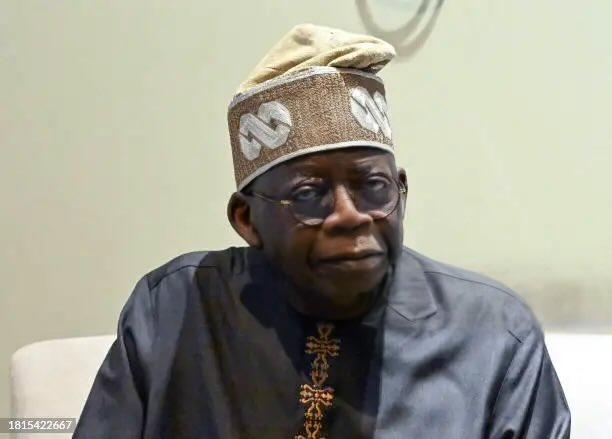
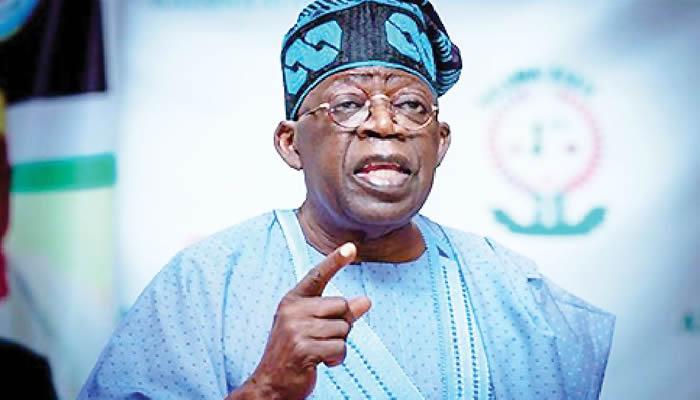
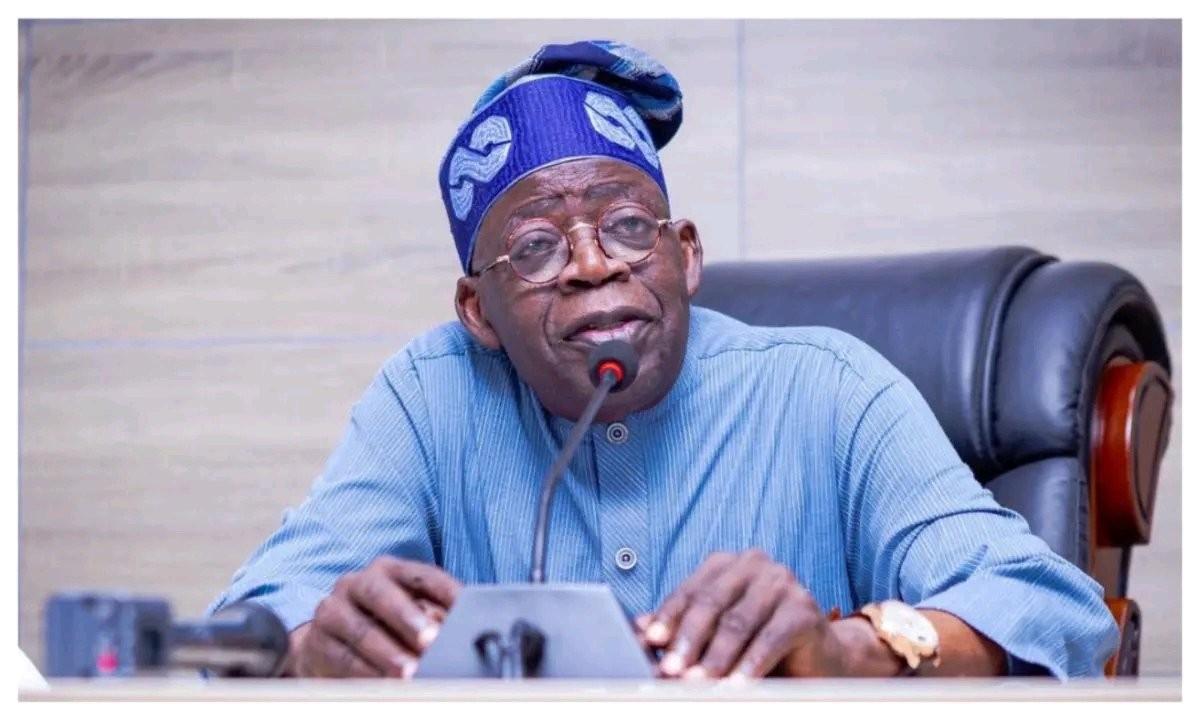
• Twenty-One Economic Miracles Currently Happening Under President Tinubu

    One: Our foreign reserves have crossed the $45 billion mark for the first time in six years. It is now the fourth-highest on the African continent.

    Two: The prudent management of our foreign reserves under President Tinubu has led to a 3.93% GDP growth in the immediate past quarter and 4.23% growth in the quarter before that (Q2, 2025).

    Three: Nigeria, under President Tinubu, has, within two years, moved from being Africa's biggest petrol importer to becoming West Africa's largest exporter of the same product.

    Four: For the first time in over a decade, Nigeria has overshot its OPEC quota for three consecutive months and is set to do the same for the fourth month, producing an average of 1.71 million barrels per day.

    Five: President Tinubu gave Nigerian airlines direct flights to London's Gatwick Airport, United Kingdom, London's Heathrow Airport, United Kingdom, São Paulo, Brazil, Bogotá, Colombia, Entebbe, Uganda, Dar es Salaam, Tanzania, Algiers, Algeria, and St. Kitts and Nevis in the Caribbean.

    Six: Oil theft has been reduced to less than 10,000 barrels per day, a sixteen-year low.

    Seven: Nigeria achieved its revenue target for the entire year in August, a first in our history.

    Eight: The Nigerian Stock Exchange rose above 130,000 All Share Index for the first time ever.

    Nine: Our economy expanded by $67 billion in just two years, moving Nigeria's GDP from a ₦269.29 trillion economy on May 29, 2023, when Asiwaju became President, to ₦372.8 trillion today.

    Ten: Between January and August 2025, non-oil tax revenue was ₦20.59 trillion, a 40.5% increase from the ₦14.6 trillion recorded in the corresponding period in 2024.

    Eleven: MTN Nigeria Limited hit a record valuation of ₦10 trillion, the first Nigerian company to do so.

    Twelve: Food prices have fallen significantly, resulting in a drop in inflation to 16.05% at present, down from 20.12% in August 2025, a 1.76% decline from July's 21.88%.

    Thirteen: Dangote and other retailers have crashed fuel prices below ₦1000.

    Fourteen: The Naira has stabilised and is now below ₦1500 to $, making it among the world's best-performing currencies, according to Fitch Ratings.

    Fifteen: Nigeria broke its power generation record with a peak generation of 5,801.84MW and maximum daily energyoutput of 128,370.75 megawatt-hours (MWh), the highest ever attained in the history of the electricity industry in Nigeria.

    Sixteen: After a record trade surplus last year, Nigeria appears set to beat its 2024 figure. Our trade surplus rose 44.3% in Q2 to ₦7.46 trillion, up from ₦5.17 trillion in Q1.

    Seventeen: In a sign of an improving economy, the Central Bank of Nigeria reduced interest rates by 50 basis points to 27%, the first time since the #COVID19 pandemic.

    Eighteen: Fitch and S&P Global Ratings upgraded Nigeria's economy to a Stable B.

    Nineteen: Two PhDs in economics, in the persons of Dr Ngozi Okonjo-Iweala, the Director-General of the World Trade Organisation, and the former Governor of the Central Bank of Nigeria, and incumbent Governor of Anambra, Dr Chukwuma Soludo, both confirmed that President Tinubu has "stabilised the economy".

    Twenty: Rail transport expanded in Nigeria by 43.08% in Q2 2025.

    Twenty-one: Road transport expanded by 24.50% in Q2 2025, driven by the ₦13 trillion 1,068-kilometre Illela-Sokoto-Badagry Superhighway, and the ₦15 trillion 750-kilometre Lagos-Calabar Coastal Highway, currently under construction.

    Bonus: Student loans were awarded to an unprecedented 500,000 students, with hundreds of thousands more awaiting their loans.

    Effective rebranding projects a positive image of what is happening. It is the best way to neutralise enemies of the nation who want to overwhelm the airwaves with negative information. If you are a patriot who loves Nigeria and wants your country to progress, please spread this truthful message.

    Reno Omokri
    Twenty-One Economic Miracles Currently Happening Under President Tinubu One: Our foreign reserves have crossed the $45 billion mark for the first time in six years. It is now the fourth-highest on the African continent. Two: The prudent management of our foreign reserves under President Tinubu has led to a 3.93% GDP growth in the immediate past quarter and 4.23% growth in the quarter before that (Q2, 2025). Three: Nigeria, under President Tinubu, has, within two years, moved from being Africa's biggest petrol importer to becoming West Africa's largest exporter of the same product. Four: For the first time in over a decade, Nigeria has overshot its OPEC quota for three consecutive months and is set to do the same for the fourth month, producing an average of 1.71 million barrels per day. Five: President Tinubu gave Nigerian airlines direct flights to London's Gatwick Airport, United Kingdom, London's Heathrow Airport, United Kingdom, São Paulo, Brazil, Bogotá, Colombia, Entebbe, Uganda, Dar es Salaam, Tanzania, Algiers, Algeria, and St. Kitts and Nevis in the Caribbean. Six: Oil theft has been reduced to less than 10,000 barrels per day, a sixteen-year low. Seven: Nigeria achieved its revenue target for the entire year in August, a first in our history. Eight: The Nigerian Stock Exchange rose above 130,000 All Share Index for the first time ever. Nine: Our economy expanded by $67 billion in just two years, moving Nigeria's GDP from a ₦269.29 trillion economy on May 29, 2023, when Asiwaju became President, to ₦372.8 trillion today. Ten: Between January and August 2025, non-oil tax revenue was ₦20.59 trillion, a 40.5% increase from the ₦14.6 trillion recorded in the corresponding period in 2024. Eleven: MTN Nigeria Limited hit a record valuation of ₦10 trillion, the first Nigerian company to do so. Twelve: Food prices have fallen significantly, resulting in a drop in inflation to 16.05% at present, down from 20.12% in August 2025, a 1.76% decline from July's 21.88%. Thirteen: Dangote and other retailers have crashed fuel prices below ₦1000. Fourteen: The Naira has stabilised and is now below ₦1500 to $, making it among the world's best-performing currencies, according to Fitch Ratings. Fifteen: Nigeria broke its power generation record with a peak generation of 5,801.84MW and maximum daily energyoutput of 128,370.75 megawatt-hours (MWh), the highest ever attained in the history of the electricity industry in Nigeria. Sixteen: After a record trade surplus last year, Nigeria appears set to beat its 2024 figure. Our trade surplus rose 44.3% in Q2 to ₦7.46 trillion, up from ₦5.17 trillion in Q1. Seventeen: In a sign of an improving economy, the Central Bank of Nigeria reduced interest rates by 50 basis points to 27%, the first time since the #COVID19 pandemic. Eighteen: Fitch and S&P Global Ratings upgraded Nigeria's economy to a Stable B. Nineteen: Two PhDs in economics, in the persons of Dr Ngozi Okonjo-Iweala, the Director-General of the World Trade Organisation, and the former Governor of the Central Bank of Nigeria, and incumbent Governor of Anambra, Dr Chukwuma Soludo, both confirmed that President Tinubu has "stabilised the economy". Twenty: Rail transport expanded in Nigeria by 43.08% in Q2 2025. Twenty-one: Road transport expanded by 24.50% in Q2 2025, driven by the ₦13 trillion 1,068-kilometre Illela-Sokoto-Badagry Superhighway, and the ₦15 trillion 750-kilometre Lagos-Calabar Coastal Highway, currently under construction. Bonus: Student loans were awarded to an unprecedented 500,000 students, with hundreds of thousands more awaiting their loans. Effective rebranding projects a positive image of what is happening. It is the best way to neutralise enemies of the nation who want to overwhelm the airwaves with negative information. If you are a patriot who loves Nigeria and wants your country to progress, please spread this truthful message. Reno Omokri
    0 Comments ·0 Shares ·107 Views
  • Why the CBN held interest rate at 27% - Paul Alaje, Senior Economist at SPM Professionals, breaks down Tuesday's MPC decision.
    Why the CBN held interest rate at 27% - Paul Alaje, Senior Economist at SPM Professionals, breaks down Tuesday's MPC decision.
    0 Comments ·0 Shares ·126 Views
  • Reps Approve Pres. Tinubu’s $2.35bn Loan Request, $500m International Sukuk for 2025 Budget

    The House of Representatives has approved President Bola Tinubu’s request to secure $2.35 billion in external loans to help finance part of Nigeria’s 2025 budget deficit. 

    The House also approved the issuance of a $500 million sovereign sukuk in the international market to support infrastructure development & diversify government funding sources.

    The approvals followed the adoption of a report by the House Committee on Aids, Loans & Debt Management during plenary on Wednesday.

    In line with the 2025 Appropriation Act, the House endorsed the implementation of N1.84 trillion in new external borrowing at a budget exchange rate of N1,500/$1, to partly fund the projected N9.28 trillion federal deficit.

    President Tinubu had earlier written to the National Assembly requesting approval, citing Sections 21(1) & 27(1) of the Debt Management Office Act, which require legislative consent for external borrowing.

    The President stated that the loans may be raised through Eurobonds, syndicated loans, or bridge financing, depending on market conditions. He noted that interest rates would likely align with current yields on Nigeria’s existing international bonds, which range from 6.8% to 9.3%.

    On the $500 million international sukuk, Tinubu explained that it would attract new investor groups, deepen Nigeria’s securities market, and fund critical infrastructure. 

    He added that Nigeria has already raised over N1.39 trillion through domestic sukuk issuances since 2017 for major road and capital projects, and the international sukuk would complement these efforts. Up to 25% of the funds may be used to refinance existing high-cost debt.

    The approvals clear the way for the Federal Government to proceed with the financing plans.
    Reps Approve Pres. Tinubu’s $2.35bn Loan Request, $500m International Sukuk for 2025 Budget The House of Representatives has approved President Bola Tinubu’s request to secure $2.35 billion in external loans to help finance part of Nigeria’s 2025 budget deficit.  The House also approved the issuance of a $500 million sovereign sukuk in the international market to support infrastructure development & diversify government funding sources. The approvals followed the adoption of a report by the House Committee on Aids, Loans & Debt Management during plenary on Wednesday. In line with the 2025 Appropriation Act, the House endorsed the implementation of N1.84 trillion in new external borrowing at a budget exchange rate of N1,500/$1, to partly fund the projected N9.28 trillion federal deficit. President Tinubu had earlier written to the National Assembly requesting approval, citing Sections 21(1) & 27(1) of the Debt Management Office Act, which require legislative consent for external borrowing. The President stated that the loans may be raised through Eurobonds, syndicated loans, or bridge financing, depending on market conditions. He noted that interest rates would likely align with current yields on Nigeria’s existing international bonds, which range from 6.8% to 9.3%. On the $500 million international sukuk, Tinubu explained that it would attract new investor groups, deepen Nigeria’s securities market, and fund critical infrastructure.  He added that Nigeria has already raised over N1.39 trillion through domestic sukuk issuances since 2017 for major road and capital projects, and the international sukuk would complement these efforts. Up to 25% of the funds may be used to refinance existing high-cost debt. The approvals clear the way for the Federal Government to proceed with the financing plans.
    0 Comments ·0 Shares ·547 Views
  • Nigeria Seeks UN Partnership for $10bn Long-Term Fund to Address Internal Displacement.

    The Federal Government has appealed to the United Nations for support in accessing a $10 billion long-term financing plan aimed at tackling the country’s growing internal displacement and humanitarian challenges.

    Minister of Budget and Economic Planning, Senator Abubakar Bagudu, made the appeal during a roundtable on “Humanitarian Development and Peacebuilding Approaches to Durable Solutions for Internally Displaced Persons” held in Abuja on Wednesday.

    Bagudu said the government could deploy such financing ideally at a four percent interest rate to create wealth among displaced populations while addressing the root causes of displacement. He noted that donor-based grants were shrinking and urged the UN to help Nigeria tap into the capital market for sustainable, long-term funds.

    He added that the government’s fiscal policies were designed to reduce waste, empower subnational governments, and promote inclusive development through programmes like the Renewed Hope Ward-Based Development Plan and Solutions for the Internally Displaced and Host Communities (SOLID) initiative, which maps economic opportunities across 8,809 wards nationwide.

    Minister of State for Humanitarian Affairs and Poverty Reduction, Dr. Yusuf Sununu, stressed that Nigeria’s humanitarian response must transition “from relief to resilience,” focusing on prevention, national leadership, and coordinated accountability.

    UN Resident and Humanitarian Coordinator, Mr. Mohammed Fall, commended Nigeria’s ongoing efforts in Borno, Yobe, and Adamawa, pledging continued UN support to help displaced persons “regain their dignity and rebuild their lives.”
    Nigeria Seeks UN Partnership for $10bn Long-Term Fund to Address Internal Displacement. The Federal Government has appealed to the United Nations for support in accessing a $10 billion long-term financing plan aimed at tackling the country’s growing internal displacement and humanitarian challenges. Minister of Budget and Economic Planning, Senator Abubakar Bagudu, made the appeal during a roundtable on “Humanitarian Development and Peacebuilding Approaches to Durable Solutions for Internally Displaced Persons” held in Abuja on Wednesday. Bagudu said the government could deploy such financing ideally at a four percent interest rate to create wealth among displaced populations while addressing the root causes of displacement. He noted that donor-based grants were shrinking and urged the UN to help Nigeria tap into the capital market for sustainable, long-term funds. He added that the government’s fiscal policies were designed to reduce waste, empower subnational governments, and promote inclusive development through programmes like the Renewed Hope Ward-Based Development Plan and Solutions for the Internally Displaced and Host Communities (SOLID) initiative, which maps economic opportunities across 8,809 wards nationwide. Minister of State for Humanitarian Affairs and Poverty Reduction, Dr. Yusuf Sununu, stressed that Nigeria’s humanitarian response must transition “from relief to resilience,” focusing on prevention, national leadership, and coordinated accountability. UN Resident and Humanitarian Coordinator, Mr. Mohammed Fall, commended Nigeria’s ongoing efforts in Borno, Yobe, and Adamawa, pledging continued UN support to help displaced persons “regain their dignity and rebuild their lives.”
    0 Comments ·0 Shares ·688 Views
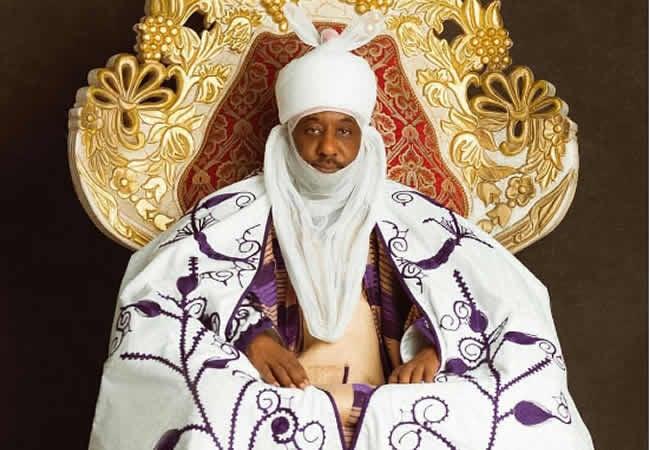
  • Nigeria Has Pulled Back From Economic Collapse — Emir of Kano, Muhammad Sanusi II Hails the CBN Reforms.

    Former Central Bank of Nigeria (CBN) Governor, Sanusi Muhammadu Sanusi, has praised the current leadership of the apex bank for what he described as a “remarkable turnaround” in Nigeria’s monetary and economic stability.

    Speaking on recent economic developments, Sanusi said he had “nothing but positive words” for the CBN’s policies, noting that the institution had successfully stabilized the exchange rate and curbed the reckless monetary expansion that once threatened the economy.

    “We came from a period of very high instability due to loose monetary policy and uncontrolled growth in money supply,” Sanusi stated. “In the last one year, the central bank has worked hard to mop up excess liquidity. Yes, interest rates are high, but the result is evident, we’ve stabilized the naira and pulled back from the brink of total economic collapse.”

    The former governor highlighted key economic improvements, including declining inflation, which he noted had fallen to around 20 percent, and a steady rise in foreign reserves now exceeding $40 billion.

    Sanusi also pointed out that Nigeria’s economy recorded growth of over 3 percent in the first quarter and more than 4 percent in the second quarter of the year, outpacing population growth for the first time in years.

    He described these gains as evidence that the CBN’s policy tightening and reform efforts are beginning to yield tangible results, restoring investor confidence and setting the economy on a path toward long-term stability.
    Nigeria Has Pulled Back From Economic Collapse — Emir of Kano, Muhammad Sanusi II Hails the CBN Reforms. Former Central Bank of Nigeria (CBN) Governor, Sanusi Muhammadu Sanusi, has praised the current leadership of the apex bank for what he described as a “remarkable turnaround” in Nigeria’s monetary and economic stability. Speaking on recent economic developments, Sanusi said he had “nothing but positive words” for the CBN’s policies, noting that the institution had successfully stabilized the exchange rate and curbed the reckless monetary expansion that once threatened the economy. “We came from a period of very high instability due to loose monetary policy and uncontrolled growth in money supply,” Sanusi stated. “In the last one year, the central bank has worked hard to mop up excess liquidity. Yes, interest rates are high, but the result is evident, we’ve stabilized the naira and pulled back from the brink of total economic collapse.” The former governor highlighted key economic improvements, including declining inflation, which he noted had fallen to around 20 percent, and a steady rise in foreign reserves now exceeding $40 billion. Sanusi also pointed out that Nigeria’s economy recorded growth of over 3 percent in the first quarter and more than 4 percent in the second quarter of the year, outpacing population growth for the first time in years. He described these gains as evidence that the CBN’s policy tightening and reform efforts are beginning to yield tangible results, restoring investor confidence and setting the economy on a path toward long-term stability.
    0 Comments ·0 Shares ·536 Views
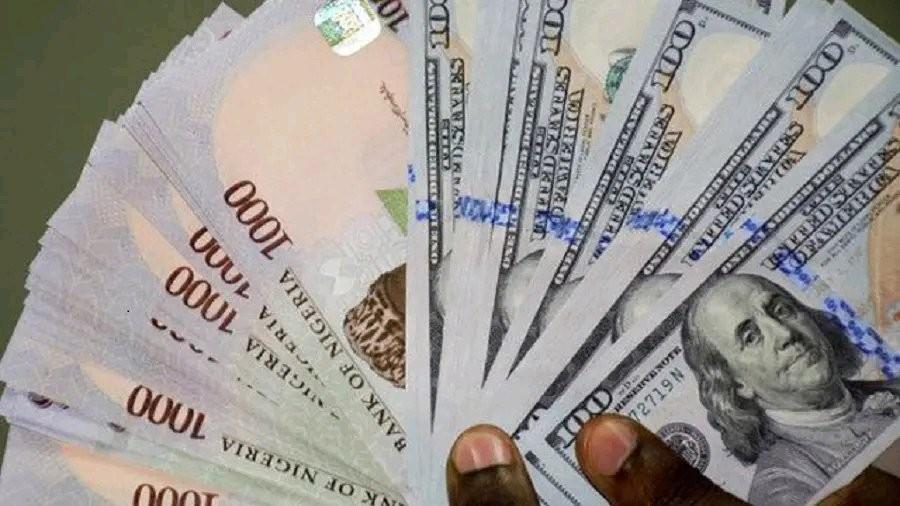
  • Naira appreciates massively against US dollar in the black market, highest in 15 months.

    The naira appreciated massively against the United States dollar at the parallel foreign exchange market.

    Abubakar Alhasan, a Bureau De Change operator in Wuse Zone, Abuja, told DAILY POST that the Naira strengthened significantly to N1,490 per dollar on Wednesday, up from N1,520 on Tuesday.

    “We buy at N1480 and sell at N1490 on Wednesday due to lower FX demand,” Alhasan confirmed.

    This means that the Naira gained N30 against the dollar on a day-to-day basis.

    The last time they were exchanged at this level in the black market was in June 2024.

    Meanwhile, at the official market, it dropped marginally by N1.19 to N1,488.56 per dollar on Wednesday, down from N1,487.37, according to data from the Central Bank of Nigeria.

    Analysing the trend at both markets, the difference between official and parallel markets has shrunk to 1.44.

    Recall that on Tuesday, the Naira appreciated across official and parallel foreign exchange markets upon an interest rate cut by the apex bank by 50 basis points to 27 per cent.
    Naira appreciates massively against US dollar in the black market, highest in 15 months. The naira appreciated massively against the United States dollar at the parallel foreign exchange market. Abubakar Alhasan, a Bureau De Change operator in Wuse Zone, Abuja, told DAILY POST that the Naira strengthened significantly to N1,490 per dollar on Wednesday, up from N1,520 on Tuesday. “We buy at N1480 and sell at N1490 on Wednesday due to lower FX demand,” Alhasan confirmed. This means that the Naira gained N30 against the dollar on a day-to-day basis. The last time they were exchanged at this level in the black market was in June 2024. Meanwhile, at the official market, it dropped marginally by N1.19 to N1,488.56 per dollar on Wednesday, down from N1,487.37, according to data from the Central Bank of Nigeria. Analysing the trend at both markets, the difference between official and parallel markets has shrunk to 1.44. Recall that on Tuesday, the Naira appreciated across official and parallel foreign exchange markets upon an interest rate cut by the apex bank by 50 basis points to 27 per cent.
    0 Comments ·0 Shares ·229 Views
  • CBN Cuts Interest Rate to 27% as Inflation Eases.

    The Central Bank of Nigeria (CBN) has reduced the Monetary Policy Rate (MPR) by 50 basis points, lowering it from 27.5% in July to 27%.

    The decision was reached at the 302nd meeting of the Monetary Policy Committee (MPC), held on September 22–23, 2025, with all 12 members in attendance. The asymmetric corridor around the MPR was retained at +260 and -250 basis points, reflecting the Bank’s cautious stance on market volatility and liquidity management.

    Briefing the press after the meeting, CBN Governor Olayemi Cardoso said the rate cut was informed by sustained disinflation over the past five months, projections of further inflation decline through 2025, and the need to sustain economic growth momentum.

    In addition, the MPC reduced the cash reserve requirement for commercial banks to 45%, while retaining that of merchant banks at 16%. It also introduced a 75% cash reserve requirement on non-TSA public sector deposits to strengthen liquidity management.

    To further enhance monetary policy transmission, the Committee adjusted the standing facilities corridor, while maintaining the liquidity ratio at 30%.
    CBN Cuts Interest Rate to 27% as Inflation Eases. The Central Bank of Nigeria (CBN) has reduced the Monetary Policy Rate (MPR) by 50 basis points, lowering it from 27.5% in July to 27%. The decision was reached at the 302nd meeting of the Monetary Policy Committee (MPC), held on September 22–23, 2025, with all 12 members in attendance. The asymmetric corridor around the MPR was retained at +260 and -250 basis points, reflecting the Bank’s cautious stance on market volatility and liquidity management. Briefing the press after the meeting, CBN Governor Olayemi Cardoso said the rate cut was informed by sustained disinflation over the past five months, projections of further inflation decline through 2025, and the need to sustain economic growth momentum. In addition, the MPC reduced the cash reserve requirement for commercial banks to 45%, while retaining that of merchant banks at 16%. It also introduced a 75% cash reserve requirement on non-TSA public sector deposits to strengthen liquidity management. To further enhance monetary policy transmission, the Committee adjusted the standing facilities corridor, while maintaining the liquidity ratio at 30%.
    0 Comments ·0 Shares ·476 Views
  • Asian Stocks Mixed After Fed Cuts Rates by 25 Points

    Asian markets were choppy on Thursday after the U.S. Federal Reserve cut interest rates by 25 basis points but left investors uncertain about the pace of future easing.

    The move, the Fed’s first reduction since December, came in response to weakening labor market data despite inflation remaining above the 2% target. Chair Jerome Powell said “labour demand has softened” and job creation is running below levels needed to stabilize unemployment.

    The Fed’s forecast showed a split outlook: a slim majority of policymakers anticipate two more cuts, while others see no further action this year. Powell stressed decisions would be made “meeting by meeting.”

    U.S. markets ended mixed, with the Dow edging higher while the S&P 500 and Nasdaq slipped. In Asia, Tokyo gained as a stronger dollar boosted exporters, while Hong Kong and Shanghai fluctuated. Seoul, Taipei, and Jakarta advanced, but Sydney, Singapore, Wellington, and Manila retreated.

    Gold held near $3,660 an ounce after hitting a record above $3,707 on Wednesday. Oil prices slipped, with Brent crude down 0.4% to $67.66.

    In corporate news, Australian energy firm Santos tumbled nearly 12% after a consortium led by Abu Dhabi’s state oil company withdrew a takeover bid.

    Key Figures (as of 0230 GMT):

    Tokyo (Nikkei 225): +1.1% at 45,277.43

    Hong Kong (Hang Seng): –0.4% at 26,813.58

    Shanghai Composite: +0.2% at 3,882.18

    Euro/dollar: $1.1816 (+0.0005)

    Pound/dollar: $1.3622 (–0.0004)

    Dollar/yen: ¥147.04 (+0.04)

    WTI Crude: –0.5% at $63.73

    Brent Crude: –0.4% at $67.66

    New York (Dow): +0.6% at 46,018.32 (close)

    London (FTSE 100): +0.1% at 9,208.37 (close)

    Source: Channels Television
    Asian Stocks Mixed After Fed Cuts Rates by 25 Points Asian markets were choppy on Thursday after the U.S. Federal Reserve cut interest rates by 25 basis points but left investors uncertain about the pace of future easing. The move, the Fed’s first reduction since December, came in response to weakening labor market data despite inflation remaining above the 2% target. Chair Jerome Powell said “labour demand has softened” and job creation is running below levels needed to stabilize unemployment. The Fed’s forecast showed a split outlook: a slim majority of policymakers anticipate two more cuts, while others see no further action this year. Powell stressed decisions would be made “meeting by meeting.” U.S. markets ended mixed, with the Dow edging higher while the S&P 500 and Nasdaq slipped. In Asia, Tokyo gained as a stronger dollar boosted exporters, while Hong Kong and Shanghai fluctuated. Seoul, Taipei, and Jakarta advanced, but Sydney, Singapore, Wellington, and Manila retreated. Gold held near $3,660 an ounce after hitting a record above $3,707 on Wednesday. Oil prices slipped, with Brent crude down 0.4% to $67.66. In corporate news, Australian energy firm Santos tumbled nearly 12% after a consortium led by Abu Dhabi’s state oil company withdrew a takeover bid. Key Figures (as of 0230 GMT): Tokyo (Nikkei 225): +1.1% at 45,277.43 Hong Kong (Hang Seng): –0.4% at 26,813.58 Shanghai Composite: +0.2% at 3,882.18 Euro/dollar: $1.1816 (+0.0005) Pound/dollar: $1.3622 (–0.0004) Dollar/yen: ¥147.04 (+0.04) WTI Crude: –0.5% at $63.73 Brent Crude: –0.4% at $67.66 New York (Dow): +0.6% at 46,018.32 (close) London (FTSE 100): +0.1% at 9,208.37 (close) Source: Channels Television
    0 Comments ·0 Shares ·873 Views
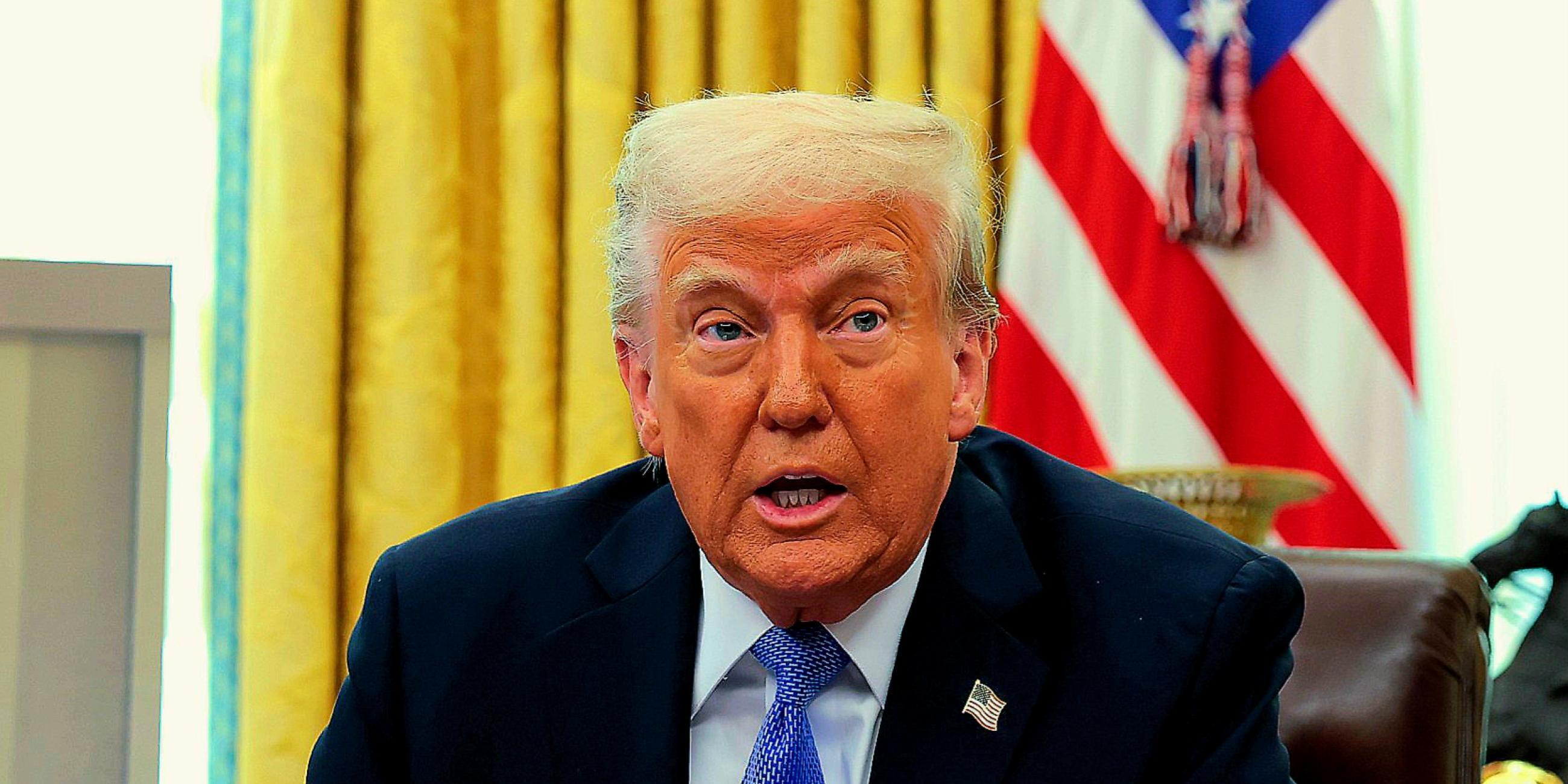
  • Trump Demands Fed Governor Lisa Cook Resign Over Mortgage Allegations

    U.S. President Donald Trump has called for the resignation of Federal Reserve Governor Lisa Cook over alleged mortgage irregularities tied to properties in Michigan and Georgia.

    The dispute surfaced after FHFA Director Bill Pulte claimed Cook listed both her Atlanta condo and Michigan home as primary residences—a designation that typically secures more favorable loan terms.

    The loans reportedly date back to 2021, before Cook was nominated by President Joe Biden and confirmed by the Senate in 2022. At the time, she was a professor at Michigan State University.

    Trump, amplifying the allegations on Truth Social, wrote: “Cook must resign, now!!!”

    The Justice Department is said to be taking the matter “very seriously,” according to Reuters.

    Cook is one of three Biden-appointed Fed governors whose terms extend beyond Trump’s current presidency, limiting his control over the central bank’s board.

    Currently, two of the six sitting governors—Christopher Waller and Michelle Bowman—were appointed by Trump.

    Trump has long criticised Fed Chair Jerome Powell, demanding deep interest rate cuts and even his resignation. However, the Fed’s independence prevents Trump from dismissing members for policy differences.

    Powell’s term as Chair expires in May 2026, though he could remain on the board as a governor until 2028.

    Trump recently gained one opening on the Fed board after Adriana Kugler’s resignation, nominating CEA Chairman Stephen Miran to replace her.

    #BreakingNews #Trump #FederalReserve #LisaCook #USPolitics #Economy
    Trump Demands Fed Governor Lisa Cook Resign Over Mortgage Allegations U.S. President Donald Trump has called for the resignation of Federal Reserve Governor Lisa Cook over alleged mortgage irregularities tied to properties in Michigan and Georgia. The dispute surfaced after FHFA Director Bill Pulte claimed Cook listed both her Atlanta condo and Michigan home as primary residences—a designation that typically secures more favorable loan terms. The loans reportedly date back to 2021, before Cook was nominated by President Joe Biden and confirmed by the Senate in 2022. At the time, she was a professor at Michigan State University. Trump, amplifying the allegations on Truth Social, wrote: “Cook must resign, now!!!” The Justice Department is said to be taking the matter “very seriously,” according to Reuters. Cook is one of three Biden-appointed Fed governors whose terms extend beyond Trump’s current presidency, limiting his control over the central bank’s board. Currently, two of the six sitting governors—Christopher Waller and Michelle Bowman—were appointed by Trump. Trump has long criticised Fed Chair Jerome Powell, demanding deep interest rate cuts and even his resignation. However, the Fed’s independence prevents Trump from dismissing members for policy differences. Powell’s term as Chair expires in May 2026, though he could remain on the board as a governor until 2028. Trump recently gained one opening on the Fed board after Adriana Kugler’s resignation, nominating CEA Chairman Stephen Miran to replace her. #BreakingNews #Trump #FederalReserve #LisaCook #USPolitics #Economy
    0 Comments ·0 Shares ·1K Views
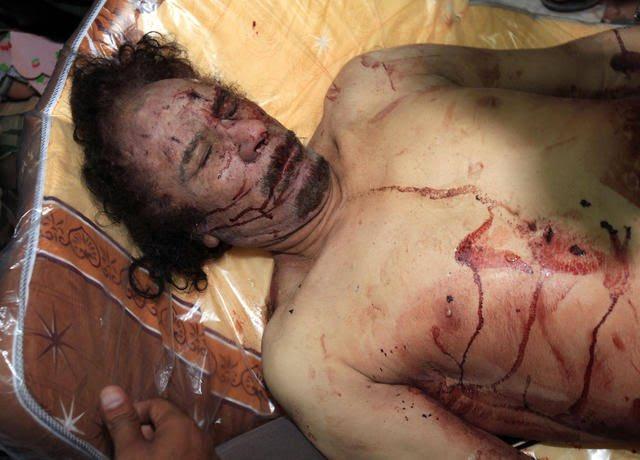
  • 16 real Reasons why Gaddafi was killed:

    1. Libya has no electricity bill, electricity came free of charge to all citizens.

    2. There were no interest rates on loans, the banks were state-owned, the loan of citizens by law 0%.

    3. Gaddafi promised not to buy a house for his parents until everyone in Libya owns a home.

    4. All newlywed couples in Libya received 60,000 dinars from the government & because of that they bought their own apartments & started their families.

    5. Education & medical treatment in Libya are free. Before Gaddafi there were only 25% readers, 83% during his reign

    6. If Libyans wanted to live on a farm, they received free household appliances, seeds and livestock.

    7. If they cannot receive treatment in Libya, the state would fund them $2300+ accommodation & travel for treatment abroad.

    8. If you buy a car, the government finances 50% of the price.

    9. The price of gasoline became $ 0.14 per liter.

    10. Libya had no external debt, and reserves were $150 Billion (now frozen worldwide)

    11. Since some Libyans can't find jobs after school, the government will pay the average salary when they can't find a job.

    12. Part of oil sales in Libya are directly linked to the bank accounts of all citizens.

    13. The mother who gave birth to the child will receive $5000

    14. 40 loaves of bread cost $0.15.

    15. 25% of Libyans had all Ilisna diplomas.

    16. Gaddafi has implemented the world's biggest irrigation project known as the "BIG MAN PROJECT" to ensure water availability in the desert.
    If this is called “DICTATORSHIP” I wonder what democracy is?
    16 real Reasons why Gaddafi was killed: 1. Libya has no electricity bill, electricity came free of charge to all citizens. 2. There were no interest rates on loans, the banks were state-owned, the loan of citizens by law 0%. 3. Gaddafi promised not to buy a house for his parents until everyone in Libya owns a home. 4. All newlywed couples in Libya received 60,000 dinars from the government & because of that they bought their own apartments & started their families. 5. Education & medical treatment in Libya are free. Before Gaddafi there were only 25% readers, 83% during his reign 6. If Libyans wanted to live on a farm, they received free household appliances, seeds and livestock. 7. If they cannot receive treatment in Libya, the state would fund them $2300+ accommodation & travel for treatment abroad. 8. If you buy a car, the government finances 50% of the price. 9. The price of gasoline became $ 0.14 per liter. 10. Libya had no external debt, and reserves were $150 Billion (now frozen worldwide) 11. Since some Libyans can't find jobs after school, the government will pay the average salary when they can't find a job. 12. Part of oil sales in Libya are directly linked to the bank accounts of all citizens. 13. The mother who gave birth to the child will receive $5000 14. 40 loaves of bread cost $0.15. 15. 25% of Libyans had all Ilisna diplomas. 16. Gaddafi has implemented the world's biggest irrigation project known as the "BIG MAN PROJECT" to ensure water availability in the desert. If this is called “DICTATORSHIP” I wonder what democracy is?
    0 Comments ·0 Shares ·772 Views
  • GDP Growth Not Enough If Nigerians Remain Unhappy — Rewane

    Renowned economist Bismarck Rewane has warned that Nigeria's economic progress must translate to real benefits for ordinary citizens, saying, “Happy statistics and unhappy people is not the goal.” His comment follows recent reports by the National Bureau of Statistics (NBS) that GDP grew by 3.13%, and the Central Bank of Nigeria (CBN) retained the interest rate at 27.5%.

    Rewane supported the CBN’s cautious approach but stressed that despite some economic gains—such as a marginal Naira appreciation and reduced logistics costs—the average Nigerian still faces high inflation and food insecurity.

    Citing rising prices of essential goods like rice, pepper, and transport, he argued that inclusive growth, job creation, and poverty reduction must take priority. He emphasized that for Nigeria to reach its $1 trillion economy target by 2030, growth must be both faster and people-centered.

    Rewane urged policymakers to “think outside the box” and focus on distributing economic gains to reduce hardship nationwide.#BismarckRewane #NigeriaGDP #CBNInterestRate #InflationInNigeria #FoodPrices #EconomicGrowth
    GDP Growth Not Enough If Nigerians Remain Unhappy — Rewane Renowned economist Bismarck Rewane has warned that Nigeria's economic progress must translate to real benefits for ordinary citizens, saying, “Happy statistics and unhappy people is not the goal.” His comment follows recent reports by the National Bureau of Statistics (NBS) that GDP grew by 3.13%, and the Central Bank of Nigeria (CBN) retained the interest rate at 27.5%. Rewane supported the CBN’s cautious approach but stressed that despite some economic gains—such as a marginal Naira appreciation and reduced logistics costs—the average Nigerian still faces high inflation and food insecurity. Citing rising prices of essential goods like rice, pepper, and transport, he argued that inclusive growth, job creation, and poverty reduction must take priority. He emphasized that for Nigeria to reach its $1 trillion economy target by 2030, growth must be both faster and people-centered. Rewane urged policymakers to “think outside the box” and focus on distributing economic gains to reduce hardship nationwide.#BismarckRewane #NigeriaGDP #CBNInterestRate #InflationInNigeria #FoodPrices #EconomicGrowth
    0 Comments ·0 Shares ·1K Views
  • Nigerian Banks Resume International Transactions on Naira Cards.

    Two major Nigerian banks — United Bank for Africa (UBA) and Wema Bank — have announced the resumption of international transactions on their naira debit cards, marking a significant shift nearly three years after such services were suspended due to foreign exchange (FX) constraints.

    UBA, in a message to customers, stated that all Premium Naira Cards — including Gold, Platinum, and World variants — are now enabled for global use. “You can now use your Premium Naira Card for everyday payments, online shopping, POS, and ATM transactions across the world,” the bank said, adding that customers can enjoy more ease and flexibility.

    Wema Bank made a similar announcement: “Your Wema Naira Mastercard just went global! Now you can pay in dollars on all your favourite international platforms — Amazon, eBay, AliExpress, Netflix, Spotify, YouTube.” The move follows recent improvements in Nigeria’s FX market.

    Ayokunle Olubunmi, head of financial institutions ratings at Agusto & Co, attributed the decision to increased FX liquidity, a reduced gap between official and parallel market rates, and fewer arbitrage opportunities.

    Charles Sanni, CEO of Cowry Treasurers, added that high interest rates have discouraged currency speculation, while the naira has appreciated against major currencies. He also pointed to increased diaspora remittances, improved investor confidence in FX management, and CBN policies that allow account openings for non-resident Nigerians.

    Sanni further cited other positive developments, including Nigeria’s improved credit rating, clearance of FX backlogs, the introduction of a new trading platform, rising oil prices, and better bank capitalisation.

    Previously, from mid-2022 to early 2023, several banks and fintech platforms had halted international naira card transactions due to dollar shortages. The recent resumption by UBA and Wema signals renewed confidence in Nigeria’s financial system and FX stability.
    Nigerian Banks Resume International Transactions on Naira Cards. Two major Nigerian banks — United Bank for Africa (UBA) and Wema Bank — have announced the resumption of international transactions on their naira debit cards, marking a significant shift nearly three years after such services were suspended due to foreign exchange (FX) constraints. UBA, in a message to customers, stated that all Premium Naira Cards — including Gold, Platinum, and World variants — are now enabled for global use. “You can now use your Premium Naira Card for everyday payments, online shopping, POS, and ATM transactions across the world,” the bank said, adding that customers can enjoy more ease and flexibility. Wema Bank made a similar announcement: “Your Wema Naira Mastercard just went global! Now you can pay in dollars on all your favourite international platforms — Amazon, eBay, AliExpress, Netflix, Spotify, YouTube.” The move follows recent improvements in Nigeria’s FX market. Ayokunle Olubunmi, head of financial institutions ratings at Agusto & Co, attributed the decision to increased FX liquidity, a reduced gap between official and parallel market rates, and fewer arbitrage opportunities. Charles Sanni, CEO of Cowry Treasurers, added that high interest rates have discouraged currency speculation, while the naira has appreciated against major currencies. He also pointed to increased diaspora remittances, improved investor confidence in FX management, and CBN policies that allow account openings for non-resident Nigerians. Sanni further cited other positive developments, including Nigeria’s improved credit rating, clearance of FX backlogs, the introduction of a new trading platform, rising oil prices, and better bank capitalisation. Previously, from mid-2022 to early 2023, several banks and fintech platforms had halted international naira card transactions due to dollar shortages. The recent resumption by UBA and Wema signals renewed confidence in Nigeria’s financial system and FX stability.
    0 Comments ·0 Shares ·511 Views
  • For those asking what recovery monies are used for

    - Part of the proceeds made last year was appropriated to NELFUND: N50Billion

    - 200,000 students have benefited so far from NELFUND

    - Also Credit Corporations where civil servants can easily go in and obtain credit probably in single digit interest rates

    These have positively impacted the Economy of our Nation.
    @OlaOlukoyede_


    #TheEaglecares
    #EFCCNigeria
    For those asking what recovery monies are used for - Part of the proceeds made last year was appropriated to NELFUND: N50Billion - 200,000 students have benefited so far from NELFUND - Also Credit Corporations where civil servants can easily go in and obtain credit probably in single digit interest rates These have positively impacted the Economy of our Nation. @OlaOlukoyede_ #TheEaglecares #EFCCNigeria
    1 Comments ·0 Shares ·1K Views ·0 Plays
  • For those asking what recovery monies are used for

    - Part of the proceeds made last year was appropriated to NELFUND: N50Billion

    - 200,000 students have benefited so far from NELFUND

    - Also Credit Corporations where civil servants can easily go in and obtain credit probably in single digit interest rates

    These have positively impacted the Economy of our Nation.
    @OlaOlukoyede_


    #TheEaglecares
    #EFCCNigeria
    For those asking what recovery monies are used for - Part of the proceeds made last year was appropriated to NELFUND: N50Billion - 200,000 students have benefited so far from NELFUND - Also Credit Corporations where civil servants can easily go in and obtain credit probably in single digit interest rates These have positively impacted the Economy of our Nation. @OlaOlukoyede_ #TheEaglecares #EFCCNigeria
    0 Comments ·0 Shares ·1K Views
Fintter https://fintter.com