-
· 0 Kommentare ·0 Geteilt ·594 Ansichten1
-
I’m Alive and Strong Actor Itele Finally Speaks as Sickbed Rumours, Emotional Video Trend Online
Nollywood actor and filmmaker Ibrahim Yekini, popularly known as Itele D Icon, has broken his silence following viral rumours that he was critically ill and confined to a sickbed. The rumours gained traction after an emotional video surfaced online showing his colleague, Kemity, crying and claiming the actor could no longer walk. Addressing the claims in a fresh video, Itele reassured fans that he is hale, healthy, and actively working. He clarified that the viral clip was recorded years ago during a previous illness and urged the public to ignore fake news spread for attention. His response brought relief to colleagues and fans across the entertainment industry.
#IteleDIcon, #NollywoodNews, #FakeNewsI’m Alive and Strong Actor Itele Finally Speaks as Sickbed Rumours, Emotional Video Trend Online Nollywood actor and filmmaker Ibrahim Yekini, popularly known as Itele D Icon, has broken his silence following viral rumours that he was critically ill and confined to a sickbed. The rumours gained traction after an emotional video surfaced online showing his colleague, Kemity, crying and claiming the actor could no longer walk. Addressing the claims in a fresh video, Itele reassured fans that he is hale, healthy, and actively working. He clarified that the viral clip was recorded years ago during a previous illness and urged the public to ignore fake news spread for attention. His response brought relief to colleagues and fans across the entertainment industry. #IteleDIcon, #NollywoodNews, #FakeNews· 0 Kommentare ·0 Geteilt ·517 Ansichten2
-
Is Temi Aware? Mr Eazi’s Savage Reply Shuts Down Viral Baby Rumours, Sparks Online Frenzy
Social media went agog after rumours claimed Nigerian singer Mr Eazi and his wife, Temi Otedola, had welcomed their first child. The buzz was fueled by AI-generated photos showing Temi with a newborn, prompting fans to flood the couple with congratulatory messages. However, Mr Eazi quickly shut down the claims with a sarcastic tweet asking if his wife was even aware she had given birth. His response instantly went viral, triggering mixed reactions online, from laughter to criticism over the spread of fake news. The incident once again highlights how unchecked social media rumours can spiral into nationwide conversations.
#MrEazi, #TemiOtedola, #CelebrityNewsIs Temi Aware? Mr Eazi’s Savage Reply Shuts Down Viral Baby Rumours, Sparks Online Frenzy Social media went agog after rumours claimed Nigerian singer Mr Eazi and his wife, Temi Otedola, had welcomed their first child. The buzz was fueled by AI-generated photos showing Temi with a newborn, prompting fans to flood the couple with congratulatory messages. However, Mr Eazi quickly shut down the claims with a sarcastic tweet asking if his wife was even aware she had given birth. His response instantly went viral, triggering mixed reactions online, from laughter to criticism over the spread of fake news. The incident once again highlights how unchecked social media rumours can spiral into nationwide conversations. #MrEazi, #TemiOtedola, #CelebrityNews· 0 Kommentare ·0 Geteilt ·621 Ansichten1
-
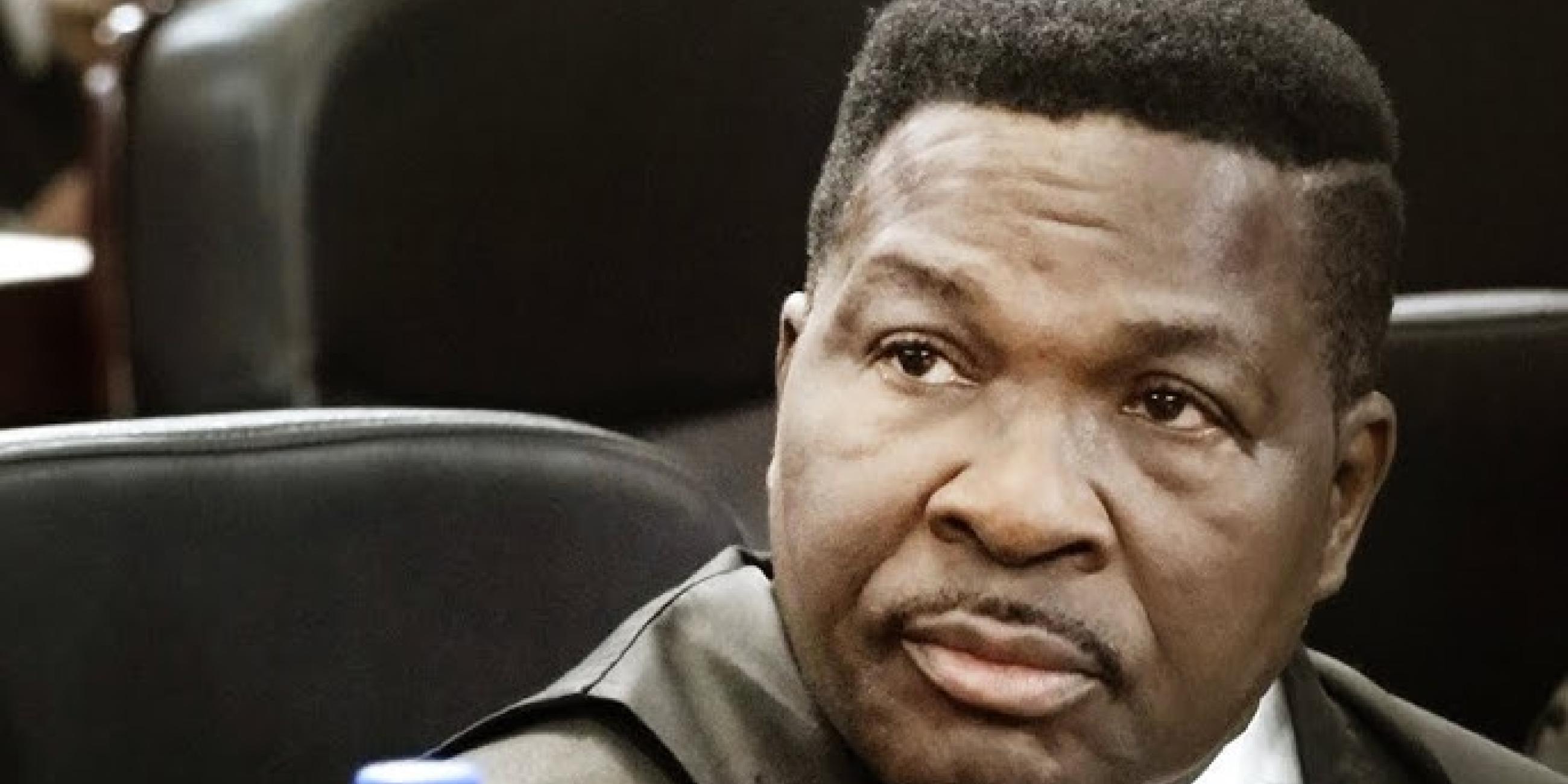
Nigerian Govt Charges Senior Advocate Mike Ozekhome With Fraud, Forgery Over Late Gen. Useni’s London Property
The Federal Government of Nigeria has filed a criminal case against Chief Mike Ozekhome, SAN, over alleged fraud, forgery, and use of a falsified Nigerian passport to claim ownership of a London property linked to the late General Jeremiah Useni. The High Court of FCT, Abuja, cited three counts, including receiving the property under false pretenses, creating a fake passport, and using it to substantiate the claim. UK tribunals previously ruled the property belonged to General Useni’s estate, dismissing Ozekhome’s claim and exposing fabricated identities and fraudulent documents in the process.
#MikeOzekhome #FraudCase #GeneralUseni #LondonProperty #NigeriaLawNigerian Govt Charges Senior Advocate Mike Ozekhome With Fraud, Forgery Over Late Gen. Useni’s London Property The Federal Government of Nigeria has filed a criminal case against Chief Mike Ozekhome, SAN, over alleged fraud, forgery, and use of a falsified Nigerian passport to claim ownership of a London property linked to the late General Jeremiah Useni. The High Court of FCT, Abuja, cited three counts, including receiving the property under false pretenses, creating a fake passport, and using it to substantiate the claim. UK tribunals previously ruled the property belonged to General Useni’s estate, dismissing Ozekhome’s claim and exposing fabricated identities and fraudulent documents in the process. #MikeOzekhome #FraudCase #GeneralUseni #LondonProperty #NigeriaLaw· 0 Kommentare ·0 Geteilt ·488 Ansichten1
-
Nigerians Lured Abroad for Jobs End Up Forced to Fight in Russia-Ukraine Conflict
Bankole Manchi, 36, left Lagos for a promised N500,000/month job but was handed over to armed men in Russia and forced to fight in Ukraine. Recruits from Nigeria, Ghana, Kenya, Uganda, and other countries report brutal military training, injuries, and near-starvation. Networks allegedly used fake job offers via companies like ST3 Metal LLC to lure young Africans. Human rights groups are demanding urgent investigations as some recruits remain missing or dead.
#NigeriaNews #AfricaAbused #RussiaUkraineWar #HumanRights #JapaCrisisNigerians Lured Abroad for Jobs End Up Forced to Fight in Russia-Ukraine Conflict Bankole Manchi, 36, left Lagos for a promised N500,000/month job but was handed over to armed men in Russia and forced to fight in Ukraine. Recruits from Nigeria, Ghana, Kenya, Uganda, and other countries report brutal military training, injuries, and near-starvation. Networks allegedly used fake job offers via companies like ST3 Metal LLC to lure young Africans. Human rights groups are demanding urgent investigations as some recruits remain missing or dead. #NigeriaNews #AfricaAbused #RussiaUkraineWar #HumanRights #JapaCrisis0 Kommentare ·0 Geteilt ·599 Ansichten -
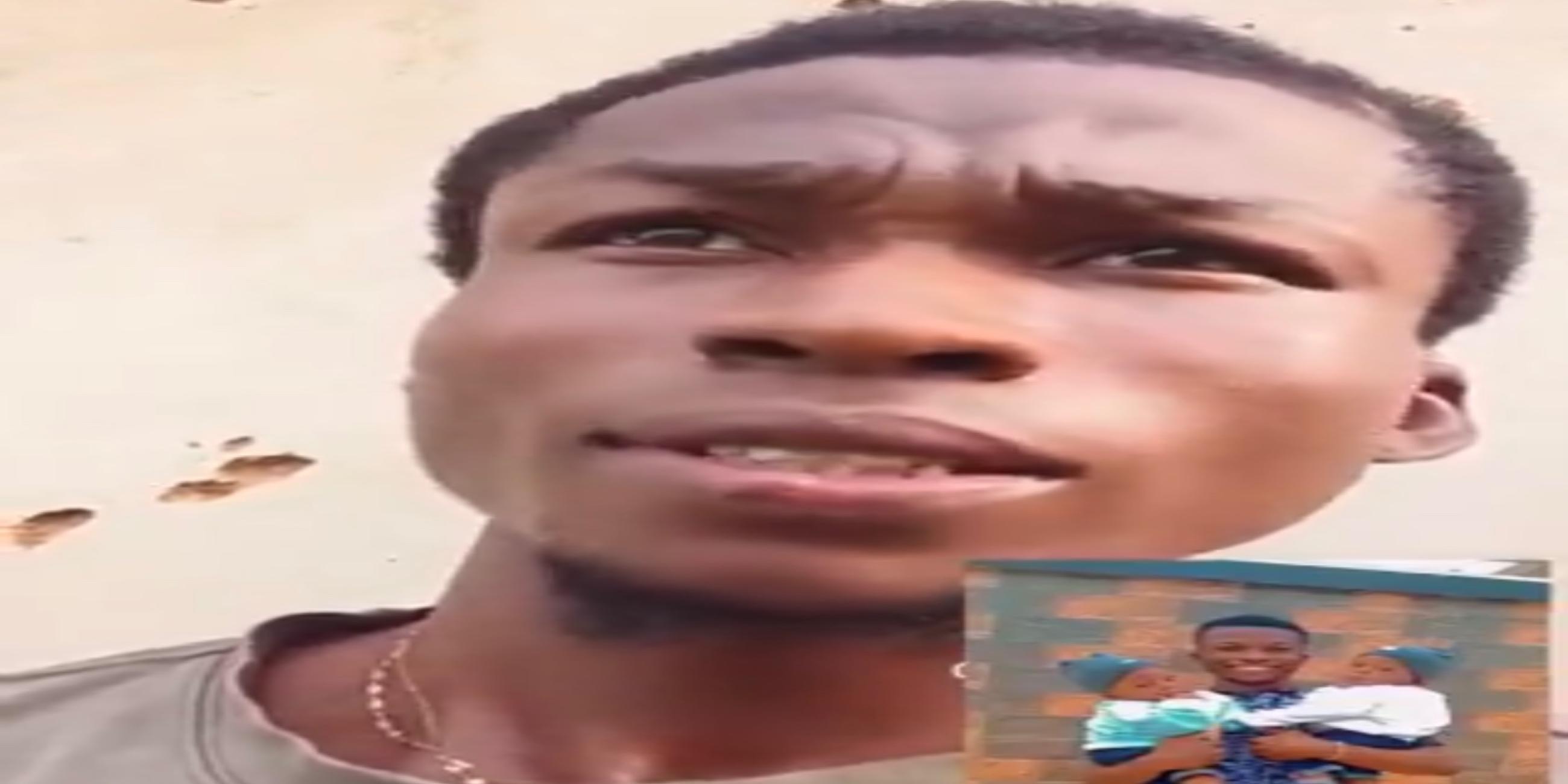
Tragedy at Lagos Govt Clinic: Father Claims Twin Babies Died After Fake Immunisation, Demands Justice
A Lagos resident has accused Ajangbadi Primary Health Centre of causing the deaths of his nine-month-old twin boys after routine immunisation on December 24, 2025. In a viral video, he alleged the children were given fake or inappropriate drugs, including worm medicine without consent, which left them weak and led to their deaths the next day. The grieving father is appealing for legal help and human rights intervention, fearing bias since the facility is government-run. He warns other parents to verify vaccines given to their children, while Lagos health authorities have yet to respond.
#LagosTragedy #FakeDrugsAlert #HealthJusticeTragedy at Lagos Govt Clinic: Father Claims Twin Babies Died After Fake Immunisation, Demands Justice A Lagos resident has accused Ajangbadi Primary Health Centre of causing the deaths of his nine-month-old twin boys after routine immunisation on December 24, 2025. In a viral video, he alleged the children were given fake or inappropriate drugs, including worm medicine without consent, which left them weak and led to their deaths the next day. The grieving father is appealing for legal help and human rights intervention, fearing bias since the facility is government-run. He warns other parents to verify vaccines given to their children, while Lagos health authorities have yet to respond. #LagosTragedy #FakeDrugsAlert #HealthJustice· 0 Kommentare ·0 Geteilt ·790 Ansichten1
-
Davido’s Alleged Daughter Fires Back: Questions Singer’s 5 DNA Test Claims, Alleges Fake Result
The paternity drama between Davido and teenager Anu Adeleke intensifies as Anu questions the singer’s claim of undergoing five DNA tests, alleging only one was done and that it was doctored. She expressed devastation over Davido’s public outbursts, claiming he cursed her and threatened her mother despite never meeting them. The singer insists all tests returned negative and vows to hold her mother accountable. Social media users are divided, with some urging a fresh test for closure, while others encourage Anu to focus on her future, highlighting the emotional toll the controversy has taken on the teenager.
Davido’s Alleged Daughter Fires Back: Questions Singer’s 5 DNA Test Claims, Alleges Fake Result The paternity drama between Davido and teenager Anu Adeleke intensifies as Anu questions the singer’s claim of undergoing five DNA tests, alleging only one was done and that it was doctored. She expressed devastation over Davido’s public outbursts, claiming he cursed her and threatened her mother despite never meeting them. The singer insists all tests returned negative and vows to hold her mother accountable. Social media users are divided, with some urging a fresh test for closure, while others encourage Anu to focus on her future, highlighting the emotional toll the controversy has taken on the teenager.0 Kommentare ·0 Geteilt ·435 Ansichten -
Fake Navy Captain Busted in Lagos: How Impostors Tried to Intimidate Residents in Oworonshoki
Lagos Task Force has arrested three men for allegedly posing as Nigerian Navy officers to defraud residents and obstruct government operations in Oworonshoki. The principal suspect, identified as James K. Robert, reportedly used a fake naval identity to intimidate officials, demand the release of seized vehicles and threaten confrontation. Suspicion arose after he failed to provide verifiable service details and wore a poorly arranged uniform. Naval Police later confirmed he was not a serving officer, leading to his arrest alongside two accomplices. Investigations are ongoing.
Fake Navy Captain Busted in Lagos: How Impostors Tried to Intimidate Residents in Oworonshoki Lagos Task Force has arrested three men for allegedly posing as Nigerian Navy officers to defraud residents and obstruct government operations in Oworonshoki. The principal suspect, identified as James K. Robert, reportedly used a fake naval identity to intimidate officials, demand the release of seized vehicles and threaten confrontation. Suspicion arose after he failed to provide verifiable service details and wore a poorly arranged uniform. Naval Police later confirmed he was not a serving officer, leading to his arrest alongside two accomplices. Investigations are ongoing.0 Kommentare ·0 Geteilt ·325 Ansichten -
JUST IN Davido don clear air over the wahala wey one young girl talk say na she be him first daughter. OBO talk say the claims no correct at all, and say the social media account wey dey push the story no be the girl own – na her mama dey control am. He emphasize say make people no carry fake gist follow body, say the matter don turn to misinformation. Davido beg fans make dem verify tori well before spreading am, as he no wan make innocent pikin enter online drama.
JUST IN‼️ Davido don clear air over the wahala wey one young girl talk say na she be him first daughter. OBO talk say the claims no correct at all, and say the social media account wey dey push the story no be the girl own – na her mama dey control am. He emphasize say make people no carry fake gist follow body, say the matter don turn to misinformation. Davido beg fans make dem verify tori well before spreading am, as he no wan make innocent pikin enter online drama.0 Kommentare ·0 Geteilt ·330 Ansichten -
Presidential Tax Committee Denies Suspension of New Tax Law Guidelines
The Nigerian Presidential Committee on Fiscal Policy and Tax Reforms, led by Taiwo Oyedele, has denied claims that the Tinubu administration paused implementation guidelines for new tax laws. Oyedele called the report “Fake News,” explaining that delays in issuing guidelines stem from difficulties accessing the final printed copies of the laws from the Government Printer. Social media reactions were mixed, with users demanding clarity on VAT, tax timelines, and warning against retrospective liabilities. The committee emphasized ongoing legislative review and transparency.
#NigeriaTax #FiscalPolicy #TaiwoOyedele #TaxLaws
Presidential Tax Committee Denies Suspension of New Tax Law Guidelines The Nigerian Presidential Committee on Fiscal Policy and Tax Reforms, led by Taiwo Oyedele, has denied claims that the Tinubu administration paused implementation guidelines for new tax laws. Oyedele called the report “Fake News,” explaining that delays in issuing guidelines stem from difficulties accessing the final printed copies of the laws from the Government Printer. Social media reactions were mixed, with users demanding clarity on VAT, tax timelines, and warning against retrospective liabilities. The committee emphasized ongoing legislative review and transparency. #NigeriaTax #FiscalPolicy #TaiwoOyedele #TaxLaws0 Kommentare ·0 Geteilt ·628 Ansichten -
Anambra Wahala: Man Arrested for Killing Girlfriend Over Infidelity, Faked Kidnap Letter Too!
Naija, this one dey shake everywhere! The Anambra State Police Command don arrest 26-year-old Anikpe Valentine Chibuike over the murder of his 35-year-old girlfriend, Ogechukwu Mmadubugwu, a single mother, in Ekwulobia, Aguata LGA.
According to the police, the suspect stabbed the woman in the neck around midnight on December 9, 2025, because he suspected her of infidelity. The killing has sparked serious public outrage and renewed conversations about domestic violence in the community.
Police said the man also tried to mislead investigators by planting a fake letter claiming he had been kidnapped by creditors, after going bankrupt while trying to start a business for the victim.
SP Tochukwu Ikenga, the Police Public Relations Officer, stressed that reports claiming the murder was linked to unpaid debts were false and misleading.
The case is ongoing, and the suspect will be charged to court once investigations are complete. Authorities are urging the public to resolve disputes peacefully and report any early signs of domestic violence to avoid such tragedies.
Naija people, this one na serious warning—love no suppose turn to wahala like this oo!
Anambra Wahala: Man Arrested for Killing Girlfriend Over Infidelity, Faked Kidnap Letter Too! Naija, this one dey shake everywhere! The Anambra State Police Command don arrest 26-year-old Anikpe Valentine Chibuike over the murder of his 35-year-old girlfriend, Ogechukwu Mmadubugwu, a single mother, in Ekwulobia, Aguata LGA. According to the police, the suspect stabbed the woman in the neck around midnight on December 9, 2025, because he suspected her of infidelity. The killing has sparked serious public outrage and renewed conversations about domestic violence in the community. Police said the man also tried to mislead investigators by planting a fake letter claiming he had been kidnapped by creditors, after going bankrupt while trying to start a business for the victim. SP Tochukwu Ikenga, the Police Public Relations Officer, stressed that reports claiming the murder was linked to unpaid debts were false and misleading. The case is ongoing, and the suspect will be charged to court once investigations are complete. Authorities are urging the public to resolve disputes peacefully and report any early signs of domestic violence to avoid such tragedies. Naija people, this one na serious warning—love no suppose turn to wahala like this oo!0 Kommentare ·0 Geteilt ·694 Ansichten -
Why Is Oyo Police Cracking Down on Unmarked Vehicles, Fake Number Plates and Face-Concealing Motorcyclists—Is This the End of Crime Through Disguise in the State?
Is Oyo State entering a new phase of security enforcement—and will it finally curb crimes committed through disguise and anonymity? The Oyo State Police Command has announced a statewide operation targeting unmarked vehicles, fake or defaced number plates, and motorcyclists who conceal their faces, as part of what it describes as a proactive and intelligence-led policing strategy.
Approved by the Commissioner of Police, Femi Haruna, the operation is scheduled to commence on Monday and will focus on vehicles without valid registration numbers, those using covered, blinded, defaced, fake, dealer’s, or unauthorized plates, as well as motorcyclists who wear hoods or masks to obscure their identities while riding.
According to the police, offenders will face arrest, vehicle impoundment, and prosecution following investigations. The Command explained that the crackdown is driven by intelligence reports showing that criminals increasingly exploit unmarked vehicles and concealed identities to evade detection, carry out robberies, kidnappings, and other violent crimes, and escape law enforcement scrutiny.
The announcement follows earlier engagements by CP Haruna with commercial motorcyclists across the state, where he issued warnings that any motorcycle linked to criminal activity would attract severe penalties. He also urged riders and residents to provide timely intelligence, assuring them of confidentiality and swift police response.
Beyond this specific enforcement drive, the police reaffirmed that routine stop-and-search operations, checkpoints, and intelligence-based patrols remain central to crime prevention in Oyo State. Residents were advised to stay vigilant, comply with vehicle and traffic regulations, and report suspicious movements or activities to the nearest police station.
As security challenges continue to evolve, the operation raises key questions: Will the removal of fake plates and masked riding close a major loophole criminals use to operate? Can stricter enforcement improve public safety without disrupting legitimate transport and commercial activity? For many residents, the coming weeks will determine whether this strategy marks a turning point in the fight against crime—or merely another short-term security campaign.
Why Is Oyo Police Cracking Down on Unmarked Vehicles, Fake Number Plates and Face-Concealing Motorcyclists—Is This the End of Crime Through Disguise in the State? Is Oyo State entering a new phase of security enforcement—and will it finally curb crimes committed through disguise and anonymity? The Oyo State Police Command has announced a statewide operation targeting unmarked vehicles, fake or defaced number plates, and motorcyclists who conceal their faces, as part of what it describes as a proactive and intelligence-led policing strategy. Approved by the Commissioner of Police, Femi Haruna, the operation is scheduled to commence on Monday and will focus on vehicles without valid registration numbers, those using covered, blinded, defaced, fake, dealer’s, or unauthorized plates, as well as motorcyclists who wear hoods or masks to obscure their identities while riding. According to the police, offenders will face arrest, vehicle impoundment, and prosecution following investigations. The Command explained that the crackdown is driven by intelligence reports showing that criminals increasingly exploit unmarked vehicles and concealed identities to evade detection, carry out robberies, kidnappings, and other violent crimes, and escape law enforcement scrutiny. The announcement follows earlier engagements by CP Haruna with commercial motorcyclists across the state, where he issued warnings that any motorcycle linked to criminal activity would attract severe penalties. He also urged riders and residents to provide timely intelligence, assuring them of confidentiality and swift police response. Beyond this specific enforcement drive, the police reaffirmed that routine stop-and-search operations, checkpoints, and intelligence-based patrols remain central to crime prevention in Oyo State. Residents were advised to stay vigilant, comply with vehicle and traffic regulations, and report suspicious movements or activities to the nearest police station. As security challenges continue to evolve, the operation raises key questions: Will the removal of fake plates and masked riding close a major loophole criminals use to operate? Can stricter enforcement improve public safety without disrupting legitimate transport and commercial activity? For many residents, the coming weeks will determine whether this strategy marks a turning point in the fight against crime—or merely another short-term security campaign.0 Kommentare ·0 Geteilt ·419 Ansichten -
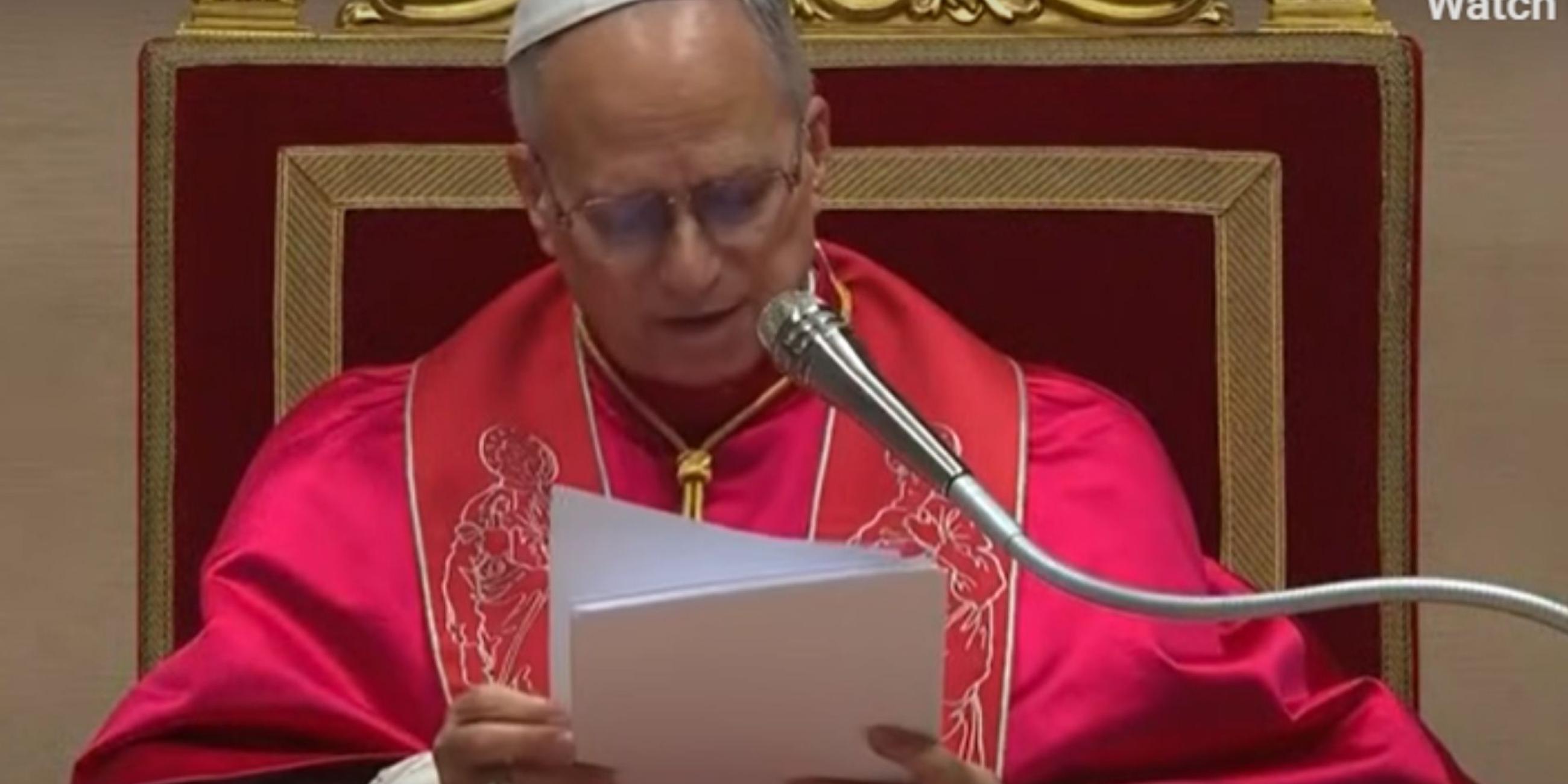
Is Abortion ‘Fake Compassion’? Why Pope Leo’s First Major Vatican Speech Condemning Abortion, Surrogacy and Euthanasia Is Reigniting a Global Moral Debate
Is the world redefining compassion in a way that undermines human dignity? In his first major address at the Vatican, Pope Leo has taken a firm stance against abortion, surrogacy, and euthanasia, branding them as practices that distort the true meaning of compassion and threaten the sanctity of human life.
Speaking on issues ranging from justice and prisoners’ rights to family life and the protection of vulnerable groups, the new pontiff described abortion as a direct rejection of life, stating that it “cuts short a growing life and refuses to welcome the gift of life.” He warned against what he called “deceptive forms of compassion” promoted by modern societies, arguing that true compassion must defend life rather than eliminate it.
Pope Leo framed his message within a broader reflection on human dignity, emphasizing that human beings are created in the image and likeness of God and are called to love. According to him, this calling finds its clearest expression within the family—an institution he said is now under sustained pressure worldwide. He identified two major challenges facing families today: neglect by international systems and the rise of fragile, broken households afflicted by internal struggles, including domestic violence.
Stressing the moral responsibility toward unborn children, the Pope said the union between a man and a woman carries an ethical obligation to protect life. He condemned growing international efforts to expand access to abortion across borders, expressing deep concern over projects that fund “cross-border mobility” for what he described as the “so-called right to safe abortion.” He called it “deplorable” that public resources are used to suppress life rather than support mothers and families, insisting that governments should prioritize protecting unborn children while providing concrete assistance to women facing difficult pregnancies.
Beyond abortion, Pope Leo also denounced surrogacy, describing it as a practice that strips both women and children of dignity by turning pregnancy into a negotiable service. He argued that such arrangements reduce children to commodities and exploit women’s bodies, distorting the natural and relational foundation of the family.
The pontiff further criticized euthanasia, again labeling it a misleading form of compassion, and urged states to invest in palliative care and authentic solidarity instead of policies that hasten death. In the same address, he spoke out on prisoners’ rights, political detainees, migrants, and the abolition of the death penalty, which he described as a punishment that “destroys all hope of forgiveness and renewal.”
The speech marks the clearest articulation yet of Pope Leo’s moral priorities and signals what many observers see as a continuation—and possible intensification—of the Vatican’s opposition to abortion, surrogacy, and euthanasia. As governments, activists, and faith communities worldwide remain sharply divided on reproductive rights and end-of-life policies, the Pope’s remarks have reignited a global conversation: Is modern society redefining compassion in ways that contradict the protection of life, or is the Vatican standing against changing realities of human rights and personal choice?
Is Abortion ‘Fake Compassion’? Why Pope Leo’s First Major Vatican Speech Condemning Abortion, Surrogacy and Euthanasia Is Reigniting a Global Moral Debate Is the world redefining compassion in a way that undermines human dignity? In his first major address at the Vatican, Pope Leo has taken a firm stance against abortion, surrogacy, and euthanasia, branding them as practices that distort the true meaning of compassion and threaten the sanctity of human life. Speaking on issues ranging from justice and prisoners’ rights to family life and the protection of vulnerable groups, the new pontiff described abortion as a direct rejection of life, stating that it “cuts short a growing life and refuses to welcome the gift of life.” He warned against what he called “deceptive forms of compassion” promoted by modern societies, arguing that true compassion must defend life rather than eliminate it. Pope Leo framed his message within a broader reflection on human dignity, emphasizing that human beings are created in the image and likeness of God and are called to love. According to him, this calling finds its clearest expression within the family—an institution he said is now under sustained pressure worldwide. He identified two major challenges facing families today: neglect by international systems and the rise of fragile, broken households afflicted by internal struggles, including domestic violence. Stressing the moral responsibility toward unborn children, the Pope said the union between a man and a woman carries an ethical obligation to protect life. He condemned growing international efforts to expand access to abortion across borders, expressing deep concern over projects that fund “cross-border mobility” for what he described as the “so-called right to safe abortion.” He called it “deplorable” that public resources are used to suppress life rather than support mothers and families, insisting that governments should prioritize protecting unborn children while providing concrete assistance to women facing difficult pregnancies. Beyond abortion, Pope Leo also denounced surrogacy, describing it as a practice that strips both women and children of dignity by turning pregnancy into a negotiable service. He argued that such arrangements reduce children to commodities and exploit women’s bodies, distorting the natural and relational foundation of the family. The pontiff further criticized euthanasia, again labeling it a misleading form of compassion, and urged states to invest in palliative care and authentic solidarity instead of policies that hasten death. In the same address, he spoke out on prisoners’ rights, political detainees, migrants, and the abolition of the death penalty, which he described as a punishment that “destroys all hope of forgiveness and renewal.” The speech marks the clearest articulation yet of Pope Leo’s moral priorities and signals what many observers see as a continuation—and possible intensification—of the Vatican’s opposition to abortion, surrogacy, and euthanasia. As governments, activists, and faith communities worldwide remain sharply divided on reproductive rights and end-of-life policies, the Pope’s remarks have reignited a global conversation: Is modern society redefining compassion in ways that contradict the protection of life, or is the Vatican standing against changing realities of human rights and personal choice?0 Kommentare ·0 Geteilt ·625 Ansichten -
Is Nigeria’s Army Under Digital Attack? Nigerian Army Hunts Operators of Fake Social Media Accounts Impersonating the Chief of Army Staff
The Nigerian Army has sounded the alarm over what it describes as a growing digital threat: the proliferation of fake social media accounts falsely claiming to be operated by or affiliated with the Chief of Army Staff (COAS), Lieutenant General Waidi Shaibu. The development has raised concerns about online fraud, misinformation, and the misuse of military authority in cyberspace.
In a press statement issued on January 9, 2026, the Acting Director of Army Public Relations, Colonel Appolonia Anele, described the trend as “disturbing,” warning that unscrupulous individuals are creating and running these accounts to mislead the public. According to the Army, the impostor profiles are being used to solicit funds, defraud unsuspecting citizens, and circulate false information in the name of the COAS and the Nigerian Army.
The Army categorically clarified that Lieutenant General Waidi Shaibu does not operate or maintain any official social media account on any platform. This statement directly contradicts the claims made by the fake profiles, which present themselves as authoritative voices of the Army’s top leadership.
Colonel Anele urged Nigerians to exercise extreme caution online and avoid engaging with, responding to, or sharing content from any account claiming to represent the Chief of Army Staff. The public was advised to remain vigilant and report suspicious pages, as interaction with such accounts could expose users to financial scams, identity theft, or the spread of dangerous misinformation.
Beyond public awareness, the Army confirmed that it is actively pursuing the operators behind these accounts. It stated that necessary steps are being taken to identify, apprehend, and prosecute those responsible in accordance with existing laws. The move underscores a broader effort by the military to combat cyber-enabled crimes that exploit public trust in state institutions.
The development highlights growing concerns about digital impersonation and information warfare in Nigeria, particularly as social media becomes an increasingly powerful tool for influence, deception, and criminal activity. By issuing a formal warning and launching a manhunt for the perpetrators, the Nigerian Army is signaling its determination to protect both its institutional credibility and the public from online exploitation.
As authorities intensify their investigation, Nigerians are being reminded that not every account bearing official names or military symbols is legitimate. The episode serves as a stark reminder of how easily digital platforms can be weaponised—and why vigilance, verification, and accountability are more critical than ever in the age of social media.
Is Nigeria’s Army Under Digital Attack? Nigerian Army Hunts Operators of Fake Social Media Accounts Impersonating the Chief of Army Staff The Nigerian Army has sounded the alarm over what it describes as a growing digital threat: the proliferation of fake social media accounts falsely claiming to be operated by or affiliated with the Chief of Army Staff (COAS), Lieutenant General Waidi Shaibu. The development has raised concerns about online fraud, misinformation, and the misuse of military authority in cyberspace. In a press statement issued on January 9, 2026, the Acting Director of Army Public Relations, Colonel Appolonia Anele, described the trend as “disturbing,” warning that unscrupulous individuals are creating and running these accounts to mislead the public. According to the Army, the impostor profiles are being used to solicit funds, defraud unsuspecting citizens, and circulate false information in the name of the COAS and the Nigerian Army. The Army categorically clarified that Lieutenant General Waidi Shaibu does not operate or maintain any official social media account on any platform. This statement directly contradicts the claims made by the fake profiles, which present themselves as authoritative voices of the Army’s top leadership. Colonel Anele urged Nigerians to exercise extreme caution online and avoid engaging with, responding to, or sharing content from any account claiming to represent the Chief of Army Staff. The public was advised to remain vigilant and report suspicious pages, as interaction with such accounts could expose users to financial scams, identity theft, or the spread of dangerous misinformation. Beyond public awareness, the Army confirmed that it is actively pursuing the operators behind these accounts. It stated that necessary steps are being taken to identify, apprehend, and prosecute those responsible in accordance with existing laws. The move underscores a broader effort by the military to combat cyber-enabled crimes that exploit public trust in state institutions. The development highlights growing concerns about digital impersonation and information warfare in Nigeria, particularly as social media becomes an increasingly powerful tool for influence, deception, and criminal activity. By issuing a formal warning and launching a manhunt for the perpetrators, the Nigerian Army is signaling its determination to protect both its institutional credibility and the public from online exploitation. As authorities intensify their investigation, Nigerians are being reminded that not every account bearing official names or military symbols is legitimate. The episode serves as a stark reminder of how easily digital platforms can be weaponised—and why vigilance, verification, and accountability are more critical than ever in the age of social media.0 Kommentare ·0 Geteilt ·565 Ansichten -
Is Superstition Holding Nigerian Communities Hostage? How Fear of ‘Poison,’ Rituals, and Dog Poop Is Fueling Paranoia, Poverty, and Exploitation – By Leo Igwe
Is superstition silently destroying communities in Nigeria—and why are fear, paranoia, and ritual beliefs still shaping how people interpret illness, death, and misfortune?
In this powerful and unsettling account, Leo Igwe recounts his return to his hometown in southeastern Nigeria after decades away, where he encountered what he describes as the toxic grip of superstition and irrational fear on everyday life. From the moment he arrived, Igwe says he witnessed how ordinary health issues were being interpreted as the work of unseen enemies using “poison,” spiritual attacks, or occult forces.
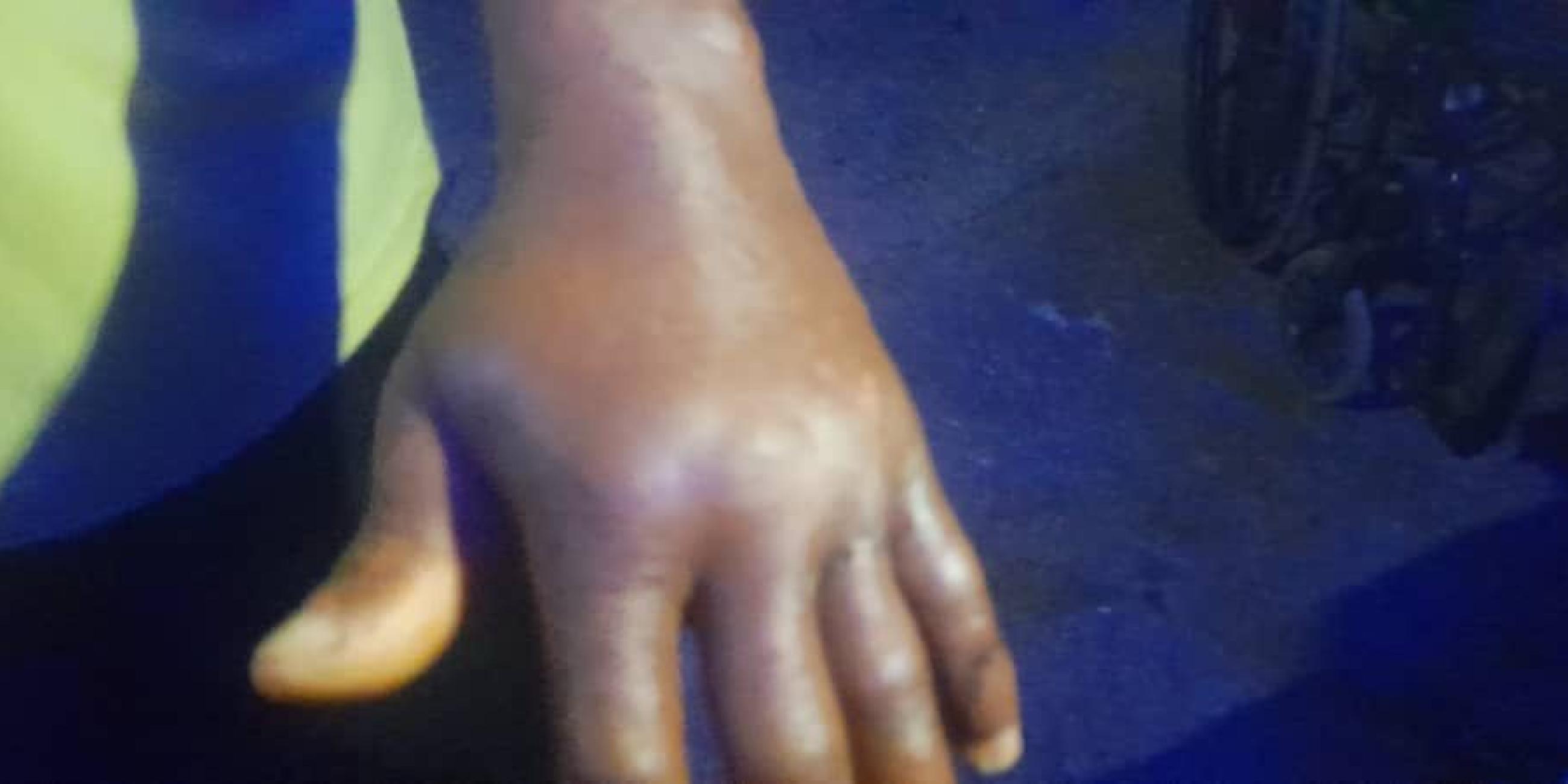
A family housekeeper with a swollen hand claimed he had “picked up poison” while farming—an explanation widely accepted by community members, despite no one being able to describe what the poison was, how it worked, or where it came from. Rather than seeking medical help, the man was subjected to prayers, spiritual pressing, and ritual interventions, which only worsened the condition. For Igwe, this was a troubling reminder of how medical problems are often rebranded as spiritual attacks, delaying proper treatment and deepening fear.
But why does this mindset persist? Igwe explains that in his community, no one is believed to die naturally. Death, illness, stroke, or paralysis are frequently attributed to enemies—often relatives or neighbors—who are accused of using occult means. Phrases like “they have killed him” or “they have finally gotten him” dominate conversations, reinforcing suspicion and tearing families apart. People live in constant fear that someone has planted spiritual “poisons” that they might step on or touch.
Despite identifying as Christians, many residents, Igwe notes, move between churches, prophets, pastors, traditional priests, and ritual specialists. They pray to Jesus, invoke ancestors, hire “prayer warriors,” and perform sacrifices in an endless cycle of spiritual protection. But does this offer safety—or does it deepen exploitation? Igwe argues that this climate has created fertile ground for con artists, fake prophets, and self-styled spiritual practitioners who extract money in exchange for deliverance, exorcism, and supposed protection.
One striking episode involved a roaming prayer man who went from house to house, collecting food or money after loud, theatrical prayers. In another home, Igwe witnessed a dramatic ritual in which sand was placed in people’s hands while God was commanded to “open doors,” even instructing someone to physically open the living room door to symbolize prosperity. To Igwe, this performance illustrated how faith is manipulated into spectacle while poverty remains unchanged.
Perhaps the most disturbing moment came when a neighbor reported that dog feces found in their compound was not ordinary waste but a weapon of spiritual harm. The family believed it had been ritually placed to bring sickness or death—just as, they claimed, their parents had previously been killed. The response? Olive oil poured on it, urine used as a neutralizer, and the case escalated to village authorities. To Igwe, this episode captured how fear transforms harmless events into imagined threats, driving communities deeper into paranoia.
Addressing a village meeting, Igwe warned of the dangerous consequences of baseless accusations, superstition, and occult blame, citing how such beliefs have destroyed families and communities across the region. He urged residents to free themselves from irrational fear and confront the social damage caused by suspicion, exploitation, and magical thinking.
So what is the real cost of these beliefs? According to Igwe, communities trapped in superstition remain locked in poverty, fear, and manipulation, unable to address real health, economic, and social challenges. The essay ultimately asks a haunting question: Can communities break free from the cycle of fear before superstition consumes trust, development, and human dignity?
Is Superstition Holding Nigerian Communities Hostage? How Fear of ‘Poison,’ Rituals, and Dog Poop Is Fueling Paranoia, Poverty, and Exploitation – By Leo Igwe Is superstition silently destroying communities in Nigeria—and why are fear, paranoia, and ritual beliefs still shaping how people interpret illness, death, and misfortune? In this powerful and unsettling account, Leo Igwe recounts his return to his hometown in southeastern Nigeria after decades away, where he encountered what he describes as the toxic grip of superstition and irrational fear on everyday life. From the moment he arrived, Igwe says he witnessed how ordinary health issues were being interpreted as the work of unseen enemies using “poison,” spiritual attacks, or occult forces. A family housekeeper with a swollen hand claimed he had “picked up poison” while farming—an explanation widely accepted by community members, despite no one being able to describe what the poison was, how it worked, or where it came from. Rather than seeking medical help, the man was subjected to prayers, spiritual pressing, and ritual interventions, which only worsened the condition. For Igwe, this was a troubling reminder of how medical problems are often rebranded as spiritual attacks, delaying proper treatment and deepening fear. But why does this mindset persist? Igwe explains that in his community, no one is believed to die naturally. Death, illness, stroke, or paralysis are frequently attributed to enemies—often relatives or neighbors—who are accused of using occult means. Phrases like “they have killed him” or “they have finally gotten him” dominate conversations, reinforcing suspicion and tearing families apart. People live in constant fear that someone has planted spiritual “poisons” that they might step on or touch. Despite identifying as Christians, many residents, Igwe notes, move between churches, prophets, pastors, traditional priests, and ritual specialists. They pray to Jesus, invoke ancestors, hire “prayer warriors,” and perform sacrifices in an endless cycle of spiritual protection. But does this offer safety—or does it deepen exploitation? Igwe argues that this climate has created fertile ground for con artists, fake prophets, and self-styled spiritual practitioners who extract money in exchange for deliverance, exorcism, and supposed protection. One striking episode involved a roaming prayer man who went from house to house, collecting food or money after loud, theatrical prayers. In another home, Igwe witnessed a dramatic ritual in which sand was placed in people’s hands while God was commanded to “open doors,” even instructing someone to physically open the living room door to symbolize prosperity. To Igwe, this performance illustrated how faith is manipulated into spectacle while poverty remains unchanged. Perhaps the most disturbing moment came when a neighbor reported that dog feces found in their compound was not ordinary waste but a weapon of spiritual harm. The family believed it had been ritually placed to bring sickness or death—just as, they claimed, their parents had previously been killed. The response? Olive oil poured on it, urine used as a neutralizer, and the case escalated to village authorities. To Igwe, this episode captured how fear transforms harmless events into imagined threats, driving communities deeper into paranoia. Addressing a village meeting, Igwe warned of the dangerous consequences of baseless accusations, superstition, and occult blame, citing how such beliefs have destroyed families and communities across the region. He urged residents to free themselves from irrational fear and confront the social damage caused by suspicion, exploitation, and magical thinking. So what is the real cost of these beliefs? According to Igwe, communities trapped in superstition remain locked in poverty, fear, and manipulation, unable to address real health, economic, and social challenges. The essay ultimately asks a haunting question: Can communities break free from the cycle of fear before superstition consumes trust, development, and human dignity?0 Kommentare ·0 Geteilt ·792 Ansichten -
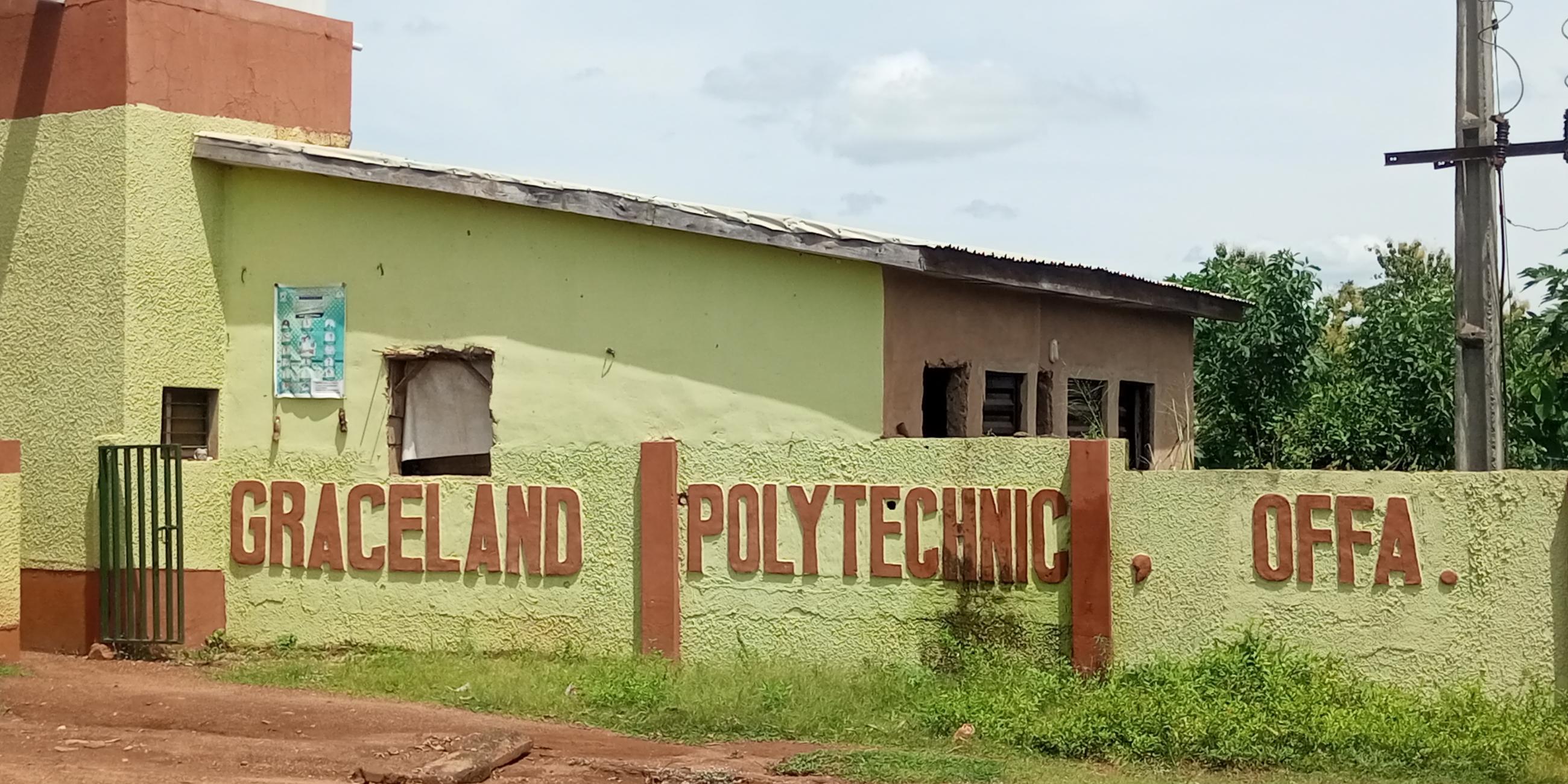
Did Graceland Polytechnic Scam Its Graduates? How Fake Admissions, Missing JAMB Records and Delayed Accreditation Are Destroying Students’ Futures in Kwara State
How can a student graduate with a Distinction and a CGPA of 3.72—only to be told years later that his admission never officially existed? This troubling question now surrounds Graceland Polytechnic, Offa, Kwara State, where dozens of National Diploma (ND) graduates say their academic journeys have been invalidated by alleged fake admissions and unaccredited programmes.
One Mass Communication graduate, who completed his studies in 2022, believed his strong performance would naturally lead to HND or Direct Entry admission into a university. But when he visited the Joint Admissions and Matriculation Board (JAMB) office in Ilorin, he was shocked to learn that his name was missing from CAPS and all official admission platforms. According to JAMB officials, the polytechnic had never uploaded his admission for validation—meaning, on paper, he had never been admitted at all.
Was this an administrative oversight—or a systemic failure that misled students for years? The graduate said repeated attempts to seek clarification from his department and ICT unit led nowhere, forcing him to abandon his dream of further education.
Other graduates tell similar stories. A student identified as Stephen described years of fear, uncertainty, and emotional exhaustion as his future remained frozen. Another, Kenny, said he gave up entirely on academics after realizing that his ND certificate lacked recognition, choosing business over a degree that institutions would not accept.
The crisis appears to go beyond one department. Graduates from Science and Laboratory Technology (SLT) revealed that accreditation was only granted after many students had already graduated or attempted to progress, rendering their certificates useless for further studies. Students allege that despite repeated assurances from management that programmes such as Mass Communication, SLT, Accountancy, and Computer Science were fully accredited, many were not.
Did students unknowingly spend years paying fees for programmes that had no official standing? A leaked audio recording deepened concerns, with a former Head of Department allegedly advising students to abandon hopes of HND or Direct Entry and to use their ND only for employment—or start afresh through JAMB.
While the school was approved by the National Board for Technical Education (NBTE) in 2019 after being founded in 2013, the Registrar has admitted that accreditation for some courses only came in early 2025, excluding earlier graduates. He acknowledged the students’ suffering but described the situation as one inherited from past management.
For affected graduates, the issue goes beyond paperwork. They speak of stolen years, broken trust, wasted finances, and futures unfairly placed on hold. Many are now calling on regulatory authorities to investigate the institution, warning that without accountability, more young Nigerians may fall victim to what they describe as an education scam disguised as opportunity.
Is this merely a case of poor administration—or a deeper failure in Nigeria’s education oversight system?
Did Graceland Polytechnic Scam Its Graduates? How Fake Admissions, Missing JAMB Records and Delayed Accreditation Are Destroying Students’ Futures in Kwara State How can a student graduate with a Distinction and a CGPA of 3.72—only to be told years later that his admission never officially existed? This troubling question now surrounds Graceland Polytechnic, Offa, Kwara State, where dozens of National Diploma (ND) graduates say their academic journeys have been invalidated by alleged fake admissions and unaccredited programmes. One Mass Communication graduate, who completed his studies in 2022, believed his strong performance would naturally lead to HND or Direct Entry admission into a university. But when he visited the Joint Admissions and Matriculation Board (JAMB) office in Ilorin, he was shocked to learn that his name was missing from CAPS and all official admission platforms. According to JAMB officials, the polytechnic had never uploaded his admission for validation—meaning, on paper, he had never been admitted at all. Was this an administrative oversight—or a systemic failure that misled students for years? The graduate said repeated attempts to seek clarification from his department and ICT unit led nowhere, forcing him to abandon his dream of further education. Other graduates tell similar stories. A student identified as Stephen described years of fear, uncertainty, and emotional exhaustion as his future remained frozen. Another, Kenny, said he gave up entirely on academics after realizing that his ND certificate lacked recognition, choosing business over a degree that institutions would not accept. The crisis appears to go beyond one department. Graduates from Science and Laboratory Technology (SLT) revealed that accreditation was only granted after many students had already graduated or attempted to progress, rendering their certificates useless for further studies. Students allege that despite repeated assurances from management that programmes such as Mass Communication, SLT, Accountancy, and Computer Science were fully accredited, many were not. Did students unknowingly spend years paying fees for programmes that had no official standing? A leaked audio recording deepened concerns, with a former Head of Department allegedly advising students to abandon hopes of HND or Direct Entry and to use their ND only for employment—or start afresh through JAMB. While the school was approved by the National Board for Technical Education (NBTE) in 2019 after being founded in 2013, the Registrar has admitted that accreditation for some courses only came in early 2025, excluding earlier graduates. He acknowledged the students’ suffering but described the situation as one inherited from past management. For affected graduates, the issue goes beyond paperwork. They speak of stolen years, broken trust, wasted finances, and futures unfairly placed on hold. Many are now calling on regulatory authorities to investigate the institution, warning that without accountability, more young Nigerians may fall victim to what they describe as an education scam disguised as opportunity. Is this merely a case of poor administration—or a deeper failure in Nigeria’s education oversight system?0 Kommentare ·0 Geteilt ·555 Ansichten -
“Tinubu Government Cites Fiscal Challenges for Delayed Support to Nigerian Scholars in Morocco”
The Bola Tinubu-led Nigerian government has addressed allegations that Nigerian students studying in Morocco under federal scholarships have been abandoned, attributing delays to “temporary fiscal challenges.” This response comes amid claims by several students that they were left without financial support, shelter, or medical care over several years, with some facing life-threatening situations.
One final-year medical student reported that scholarship beneficiaries, recruited to train as future doctors for Nigeria, were struggling to meet basic needs. Another case involved a student named Umar, who suffered from appendicitis requiring urgent surgery, highlighting the serious risks faced by the scholars.
In a statement released by the Federal Ministry of Education, Director of Press Boriowo Folasade quoted Education Minister Dr. Maruf Alausa, who confirmed that no Nigerian student on a valid Federal Government scholarship has been abandoned. The ministry explained that students enrolled under the Bilateral Education Scholarship Programme prior to 2024 received funding up to the 2024 budget year. Any delays in payments were attributed to fiscal constraints, with ongoing coordination between the Ministries of Education and Finance to resolve outstanding issues.
The ministry further clarified that no new bilateral scholarships were awarded in 2025, dismissing circulating documents as “fake and unauthenticated.” According to the government, overseas scholarships have been scaled down following a policy review, citing sufficient capacity in Nigerian universities, polytechnics, and colleges of education to accommodate affected programs locally. Under the new framework, only scholarships fully funded by host foreign governments are supported.
Despite these changes, the government reiterated its commitment to students already enrolled abroad, promising continued support until they complete their studies. Students wishing to discontinue overseas programs may return to Nigerian institutions, with the Federal Government covering return travel costs. The ministry justified the reforms as a measure to reduce avoidable financial burdens on public resources while strengthening domestic educational capacity.
The government concluded by rejecting what it described as misinformation or attempts to undermine policies, emphasizing that it remains dedicated to the welfare and academic progress of Nigerian students abroad.“Tinubu Government Cites Fiscal Challenges for Delayed Support to Nigerian Scholars in Morocco” The Bola Tinubu-led Nigerian government has addressed allegations that Nigerian students studying in Morocco under federal scholarships have been abandoned, attributing delays to “temporary fiscal challenges.” This response comes amid claims by several students that they were left without financial support, shelter, or medical care over several years, with some facing life-threatening situations. One final-year medical student reported that scholarship beneficiaries, recruited to train as future doctors for Nigeria, were struggling to meet basic needs. Another case involved a student named Umar, who suffered from appendicitis requiring urgent surgery, highlighting the serious risks faced by the scholars. In a statement released by the Federal Ministry of Education, Director of Press Boriowo Folasade quoted Education Minister Dr. Maruf Alausa, who confirmed that no Nigerian student on a valid Federal Government scholarship has been abandoned. The ministry explained that students enrolled under the Bilateral Education Scholarship Programme prior to 2024 received funding up to the 2024 budget year. Any delays in payments were attributed to fiscal constraints, with ongoing coordination between the Ministries of Education and Finance to resolve outstanding issues. The ministry further clarified that no new bilateral scholarships were awarded in 2025, dismissing circulating documents as “fake and unauthenticated.” According to the government, overseas scholarships have been scaled down following a policy review, citing sufficient capacity in Nigerian universities, polytechnics, and colleges of education to accommodate affected programs locally. Under the new framework, only scholarships fully funded by host foreign governments are supported. Despite these changes, the government reiterated its commitment to students already enrolled abroad, promising continued support until they complete their studies. Students wishing to discontinue overseas programs may return to Nigerian institutions, with the Federal Government covering return travel costs. The ministry justified the reforms as a measure to reduce avoidable financial burdens on public resources while strengthening domestic educational capacity. The government concluded by rejecting what it described as misinformation or attempts to undermine policies, emphasizing that it remains dedicated to the welfare and academic progress of Nigerian students abroad.0 Kommentare ·0 Geteilt ·482 Ansichten -
INEC Denies Releasing 2027 General Elections Timetable, Warns Nigerians Against Fake Schedule Circulating on Social Media
The Independent National Electoral Commission (INEC) has dismissed reports claiming it has released the timetable and schedule of activities for Nigeria’s 2027 general elections, describing the information as false and misleading. In a statement issued on January 2, 2026, INEC clarified that no official timetable has been published and stressed that any document circulating online did not originate from the Commission. INEC explained that under Section 28(1) of the Electoral Act, 2022, a Notice of Election can only be issued not later than 360 days before the election date. The Commission assured Nigerians that the authentic timetable would be released in due course through its verified channels and urged the public and media to disregard unverified reports and rely solely on official INEC communications.INEC Denies Releasing 2027 General Elections Timetable, Warns Nigerians Against Fake Schedule Circulating on Social Media The Independent National Electoral Commission (INEC) has dismissed reports claiming it has released the timetable and schedule of activities for Nigeria’s 2027 general elections, describing the information as false and misleading. In a statement issued on January 2, 2026, INEC clarified that no official timetable has been published and stressed that any document circulating online did not originate from the Commission. INEC explained that under Section 28(1) of the Electoral Act, 2022, a Notice of Election can only be issued not later than 360 days before the election date. The Commission assured Nigerians that the authentic timetable would be released in due course through its verified channels and urged the public and media to disregard unverified reports and rely solely on official INEC communications.0 Kommentare ·0 Geteilt ·386 Ansichten -
Wabara Denies Dumping PDP for ADC Amid 2027 Election Speculations
Adolphus Wabara, Chairman of the Board of Trustees (BoT) of the Peoples Democratic Party (PDP), has denied claims that he defected to the African Democratic Congress (ADC) ahead of the 2027 elections. The rumours stemmed from a viral photo of Wabara with Peter Obi and ex-President Olusegun Obasanjo, which circulated on social media. Wabara clarified that the image was taken in 2025 at Obasanjo’s Abeokuta residence and unrelated to any recent political event in Enugu. He accused detractors of spreading “fake news” to undermine him but reaffirmed his loyalty to the PDP, pledging to work toward restoring the party as the ruling national party in 2027. The incident highlights ongoing confusion and factional disputes surrounding Peter Obi’s defection from the Labour Party to the ADC.Wabara Denies Dumping PDP for ADC Amid 2027 Election Speculations Adolphus Wabara, Chairman of the Board of Trustees (BoT) of the Peoples Democratic Party (PDP), has denied claims that he defected to the African Democratic Congress (ADC) ahead of the 2027 elections. The rumours stemmed from a viral photo of Wabara with Peter Obi and ex-President Olusegun Obasanjo, which circulated on social media. Wabara clarified that the image was taken in 2025 at Obasanjo’s Abeokuta residence and unrelated to any recent political event in Enugu. He accused detractors of spreading “fake news” to undermine him but reaffirmed his loyalty to the PDP, pledging to work toward restoring the party as the ruling national party in 2027. The incident highlights ongoing confusion and factional disputes surrounding Peter Obi’s defection from the Labour Party to the ADC.0 Kommentare ·0 Geteilt ·594 Ansichten -
Anambra Government Declares Chieftaincy Title Conferred on Minister Bianca Ojukwu Fake
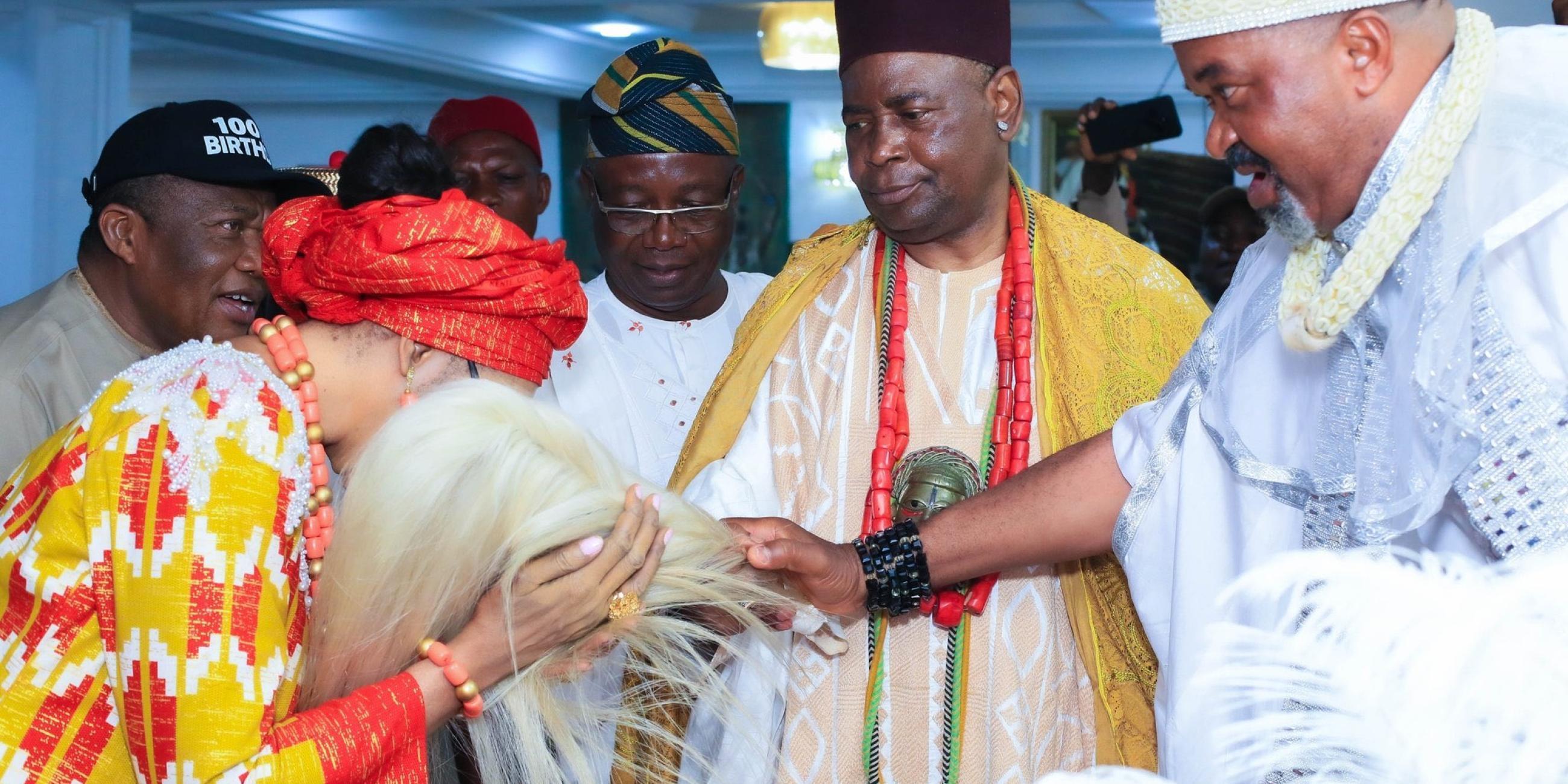
The Anambra State government has disowned the chieftaincy title of ‘Anyanwu N’Awalu Ora’ reportedly given to Minister of State for Foreign Affairs, Bianca Ojukwu, stating it was conferred by an impostor, Chief Austin C. Ndigwe, who is not a recognized traditional ruler in Awka or Anambra State.
In a letter dated December 31, 2025, the Commissioner for Local Government, Chieftaincy and Community Affairs, TonyCollins Nwabunwanne, emphasized that official chieftaincy titles are conferred only by recognized traditional rulers following proper procedures. The government described Ojukwu’s social media announcement of the title as misleading and disrespectful to Anambra’s culture and the legitimate Eze Uzu II of Awka, HRH Gibson Nwabueze Nwosu.
Residents were reassured that the government will uphold law, tradition, and culture, and Ojukwu was advised to desist from using the unrecognized title.
:
#AnambraState #BiancaOjukwu #ChieftaincyTitle #FakeTitle #TraditionalRulers #Awka #NigeriaNews #CultureAndTraditionAnambra Government Declares Chieftaincy Title Conferred on Minister Bianca Ojukwu Fake The Anambra State government has disowned the chieftaincy title of ‘Anyanwu N’Awalu Ora’ reportedly given to Minister of State for Foreign Affairs, Bianca Ojukwu, stating it was conferred by an impostor, Chief Austin C. Ndigwe, who is not a recognized traditional ruler in Awka or Anambra State. In a letter dated December 31, 2025, the Commissioner for Local Government, Chieftaincy and Community Affairs, TonyCollins Nwabunwanne, emphasized that official chieftaincy titles are conferred only by recognized traditional rulers following proper procedures. The government described Ojukwu’s social media announcement of the title as misleading and disrespectful to Anambra’s culture and the legitimate Eze Uzu II of Awka, HRH Gibson Nwabueze Nwosu. Residents were reassured that the government will uphold law, tradition, and culture, and Ojukwu was advised to desist from using the unrecognized title. : #AnambraState #BiancaOjukwu #ChieftaincyTitle #FakeTitle #TraditionalRulers #Awka #NigeriaNews #CultureAndTradition0 Kommentare ·0 Geteilt ·530 Ansichten
Weitere Ergebnisse