• The Court of Appeal in Ilorin, Kwara State, has upheld the death sentences of five men convicted for their roles in the 2018 Offa bank robbery.

    The appellate court dismissed their appeals, ruling that they lacked merit, and unanimously affirmed the earlier judgment of the Kwara State High Court, which sentenced the convicts to death by hanging.

    The decision was delivered by a three-member panel comprising Justices Ridwan Maiwada Abdullahi, Gabriel Kolawole, and Abdul Dogo.

    According to the Director of Public Prosecution, Mohammed Akande, the court confirmed the sentences against Niyi Ogundiran, Salawu Azeez, Ibikunle Ogunleye, Ayoade Akinnibosun, and Adeola Adeola Abraham.

    Despite the ruling, the convicts still retain the legal right to approach the Supreme Court for a final appeal.

    #Nigeria #OffaRobbery #CourtOfAppeal #Justice
    The Court of Appeal in Ilorin, Kwara State, has upheld the death sentences of five men convicted for their roles in the 2018 Offa bank robbery. The appellate court dismissed their appeals, ruling that they lacked merit, and unanimously affirmed the earlier judgment of the Kwara State High Court, which sentenced the convicts to death by hanging. The decision was delivered by a three-member panel comprising Justices Ridwan Maiwada Abdullahi, Gabriel Kolawole, and Abdul Dogo. According to the Director of Public Prosecution, Mohammed Akande, the court confirmed the sentences against Niyi Ogundiran, Salawu Azeez, Ibikunle Ogunleye, Ayoade Akinnibosun, and Adeola Adeola Abraham. Despite the ruling, the convicts still retain the legal right to approach the Supreme Court for a final appeal. #Nigeria #OffaRobbery #CourtOfAppeal #Justice
    love
    1
    · 0 Comentários ·0 Compartilhamentos ·1KB Visualizações
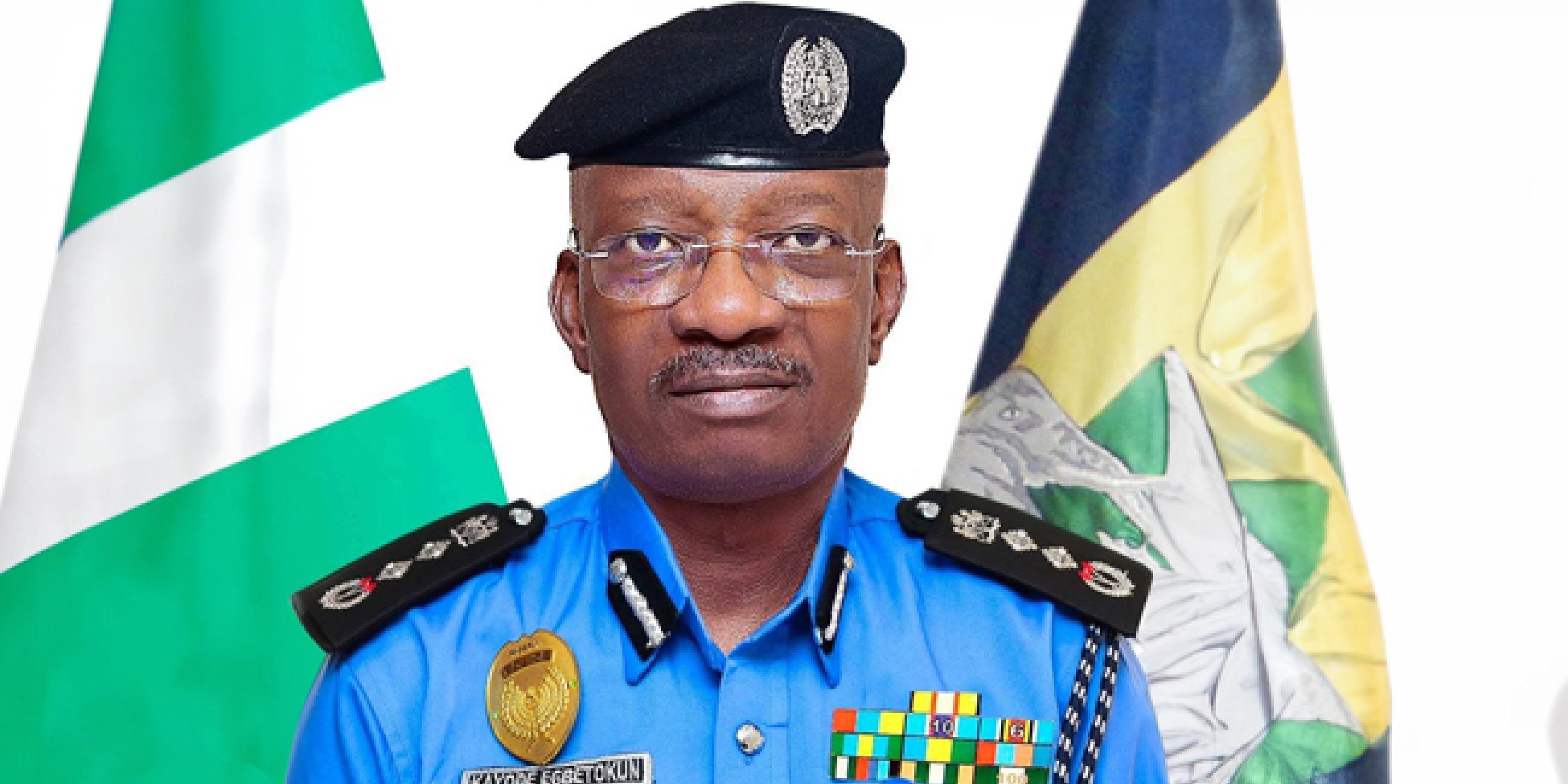
  • EXCLUSIVE: IGP Egbetokun Defies Tinubu, Approves Police Escorts for INEC Officials Nationwide

    Inspector-General of Police, Usman Alkali Egbetokun, has reportedly approved police escorts for all INEC officials, including National Commissioners, Resident Electoral Commissioners (RECs), the Acting Director-General of the Electoral Institute, and other Directors of the Commission across the country.

    The approval comes despite a directive from President Bola Tinubu ordering the withdrawal of police security personnel from VIPs and government officials. The decision has raised questions about protocol, security, and the independence of law enforcement in electoral matters, especially as preparations for upcoming elections intensify.

    Documents obtained by SaharaReporters confirm that the continued deployment of police officers to INEC officials has been officially sanctioned by the IGP. No statement has yet been issued by the IGP’s office or the presidency regarding the matter.

    #IGPControversy #Tinubu #INECSecurity #NigeriaPolitics
    EXCLUSIVE: IGP Egbetokun Defies Tinubu, Approves Police Escorts for INEC Officials Nationwide Inspector-General of Police, Usman Alkali Egbetokun, has reportedly approved police escorts for all INEC officials, including National Commissioners, Resident Electoral Commissioners (RECs), the Acting Director-General of the Electoral Institute, and other Directors of the Commission across the country. The approval comes despite a directive from President Bola Tinubu ordering the withdrawal of police security personnel from VIPs and government officials. The decision has raised questions about protocol, security, and the independence of law enforcement in electoral matters, especially as preparations for upcoming elections intensify. Documents obtained by SaharaReporters confirm that the continued deployment of police officers to INEC officials has been officially sanctioned by the IGP. No statement has yet been issued by the IGP’s office or the presidency regarding the matter. #IGPControversy #Tinubu #INECSecurity #NigeriaPolitics
    0 Comentários ·0 Compartilhamentos ·1KB Visualizações
  • BREAKING: Libyan authorities have rescued 221 abducted migrants after raiding a human trafficking camp in the Kufra area of southeastern Libya.

    The migrants were freed from an underground prison, where they said they had been held for over two years in sub-human conditions. More than 10 victims in critical condition were rushed to hospital for urgent treatment.

    The operation was carried out jointly by the Directorate for Combating Illegal Migration (DCIM) and the Sabil al-Salam Border Protection Battalion.

    #BreakingNews #Libya #HumanTrafficking #Migrants #Africa #WorldNews
    🚨 BREAKING: Libyan authorities have rescued 221 abducted migrants after raiding a human trafficking camp in the Kufra area of southeastern Libya. The migrants were freed from an underground prison, where they said they had been held for over two years in sub-human conditions. More than 10 victims in critical condition were rushed to hospital for urgent treatment. The operation was carried out jointly by the Directorate for Combating Illegal Migration (DCIM) and the Sabil al-Salam Border Protection Battalion. #BreakingNews #Libya #HumanTrafficking #Migrants #Africa #WorldNews
    love
    1
    · 0 Comentários ·0 Compartilhamentos ·837 Visualizações
  • Wahala no dey finish oo! Industrial Court Order Enugu Neuro Hospital Make Dem Reinstate Sacked MD, Declare Sack Illegal

    The National Industrial Court, Abuja Division, don order the immediate reinstatement of Professor Monday Igwe as Medical Director of the Federal Neuropsychiatric Hospital, Enugu, after ruling that his removal was unlawful, null and void. Justice Emmanuel Subilim give the judgement in the suit between Prof. Igwe and seven defendants, also voiding the appointment of Dr. Unaogu Nneka as substantive MD during the pendency of the case, describing the action as overreaching and illegal. The court hold say Prof. Igwe don successfully prove his case and order make he return to office to complete the remaining three years and five months of his tenure. Justice Subilim also direct the defendants to pay all his outstanding emoluments from September 2023 till the date of judgement. The court further rule that the procedure used to terminate his appointment was arbitrary, illegal and a clear breach of statutory regulations guiding his employment. In addition, the court award ₦3 million in damages in favour of Prof. Igwe. Wahala oo, court don scatter the sack.

    Wahala no dey finish oo! Industrial Court Order Enugu Neuro Hospital Make Dem Reinstate Sacked MD, Declare Sack Illegal The National Industrial Court, Abuja Division, don order the immediate reinstatement of Professor Monday Igwe as Medical Director of the Federal Neuropsychiatric Hospital, Enugu, after ruling that his removal was unlawful, null and void. Justice Emmanuel Subilim give the judgement in the suit between Prof. Igwe and seven defendants, also voiding the appointment of Dr. Unaogu Nneka as substantive MD during the pendency of the case, describing the action as overreaching and illegal. The court hold say Prof. Igwe don successfully prove his case and order make he return to office to complete the remaining three years and five months of his tenure. Justice Subilim also direct the defendants to pay all his outstanding emoluments from September 2023 till the date of judgement. The court further rule that the procedure used to terminate his appointment was arbitrary, illegal and a clear breach of statutory regulations guiding his employment. In addition, the court award ₦3 million in damages in favour of Prof. Igwe. Wahala oo, court don scatter the sack.
    like
    love
    2
    · 0 Comentários ·0 Compartilhamentos ·296 Visualizações
  • Wahala Don Set Oo! Kano Rights Group Alleges Plot to Arrest Activist Over Community Transformer Dispute

    Wahala don burst for Kano oo! A human rights group has raised alarm over an alleged plot to arrest a community activist in Minjibir Local Government Area after he opposed the removal of a community-owned electricity transformer.

    The Centre for Human Rights and Social Advancement (CEFSAN) says the activist, Comrade Habu Hassan Abdullahi from Kunya community, is now being targeted simply because he questioned the decision of the Minjibir LG Chairman to allegedly remove the transformer without consulting residents.

    According to a statement issued by CEFSAN’s Executive Director, Yusha’u Sani Yankuzo, Esq, the incident happened on January 8, 2026, when local government officials allegedly ordered the removal of the transformer without notice, explanation, or community engagement.

    Residents reportedly became worried, recalling past incidents where public facilities like transformers and engines allegedly “disappeared” after being taken away.

    CEFSAN said Abdullahi only exercised his constitutional right to speak up and represent his people, but that his action allegedly angered the authorities.

    > “Comrade Habu Hassan Abdullahi, in the exercise of his constitutional right to freedom of expression and peaceful participation in community affairs, openly objected to the removal of the transformer,” the group stated.


    But instead of dialogue, CEFSAN alleged that the Minjibir Local Government Chairman connived with the Dambatta Police Area Command to arrange his arrest and detention without due process.

    Wahala con turn serious. The rights group said it later received information that Abdullahi was about to be arrested, forcing him to flee his community for safety.

    > “Upon receiving confidential information suggesting an imminent arrest, Comrade Habu was forced to flee his community for fear of his life and personal safety,” CEFSAN said.


    Police officers were reportedly sent to pick him up but could not locate him, raising further concerns about intimidation and possible persecution.

    CEFSAN strongly condemned what it described as the use of security agencies to silence community voices.

    > “We strongly condemn any attempt to use state security apparatus to intimidate activists or criminalize peaceful civic engagement,” the group said, warning that such actions violate both Nigeria’s Constitution and international human rights standards.


    The organisation demanded:

    Immediate end to all forms of harassment against Abdullahi,

    Public clarification on why the Kunya community transformer was allegedly removed, and

    An independent investigation into the role of the LG Chairman and the Dambatta Police Command in the alleged arrest plot.


    CEFSAN also called on authorities to guarantee the safety of Abdullahi and protect the rights of Kunya residents, stressing that decisions affecting public utilities must involve consultation, transparency, and accountability.

    > “Any harm to Comrade Habu Hassan Abdullahi will be strongly resisted and pursued through all lawful national and international human rights mechanisms,” the group warned.


    As at the time of filing the report, the Kano State Police Command and Minjibir Local Government authorities had not responded to the allegations.

    Wahala don set oo — because to talk for your community now dey turn crime? Nigerians dey watch.

    Wahala Don Set Oo! Kano Rights Group Alleges Plot to Arrest Activist Over Community Transformer Dispute Wahala don burst for Kano oo! A human rights group has raised alarm over an alleged plot to arrest a community activist in Minjibir Local Government Area after he opposed the removal of a community-owned electricity transformer. The Centre for Human Rights and Social Advancement (CEFSAN) says the activist, Comrade Habu Hassan Abdullahi from Kunya community, is now being targeted simply because he questioned the decision of the Minjibir LG Chairman to allegedly remove the transformer without consulting residents. According to a statement issued by CEFSAN’s Executive Director, Yusha’u Sani Yankuzo, Esq, the incident happened on January 8, 2026, when local government officials allegedly ordered the removal of the transformer without notice, explanation, or community engagement. Residents reportedly became worried, recalling past incidents where public facilities like transformers and engines allegedly “disappeared” after being taken away. CEFSAN said Abdullahi only exercised his constitutional right to speak up and represent his people, but that his action allegedly angered the authorities. > “Comrade Habu Hassan Abdullahi, in the exercise of his constitutional right to freedom of expression and peaceful participation in community affairs, openly objected to the removal of the transformer,” the group stated. But instead of dialogue, CEFSAN alleged that the Minjibir Local Government Chairman connived with the Dambatta Police Area Command to arrange his arrest and detention without due process. Wahala con turn serious. The rights group said it later received information that Abdullahi was about to be arrested, forcing him to flee his community for safety. > “Upon receiving confidential information suggesting an imminent arrest, Comrade Habu was forced to flee his community for fear of his life and personal safety,” CEFSAN said. Police officers were reportedly sent to pick him up but could not locate him, raising further concerns about intimidation and possible persecution. CEFSAN strongly condemned what it described as the use of security agencies to silence community voices. > “We strongly condemn any attempt to use state security apparatus to intimidate activists or criminalize peaceful civic engagement,” the group said, warning that such actions violate both Nigeria’s Constitution and international human rights standards. The organisation demanded: Immediate end to all forms of harassment against Abdullahi, Public clarification on why the Kunya community transformer was allegedly removed, and An independent investigation into the role of the LG Chairman and the Dambatta Police Command in the alleged arrest plot. CEFSAN also called on authorities to guarantee the safety of Abdullahi and protect the rights of Kunya residents, stressing that decisions affecting public utilities must involve consultation, transparency, and accountability. > “Any harm to Comrade Habu Hassan Abdullahi will be strongly resisted and pursued through all lawful national and international human rights mechanisms,” the group warned. As at the time of filing the report, the Kano State Police Command and Minjibir Local Government authorities had not responded to the allegations. Wahala don set oo — because to talk for your community now dey turn crime? Nigerians dey watch.
    love
    1
    · 0 Comentários ·0 Compartilhamentos ·785 Visualizações
  • Wahala Don Sup! FCCPC Targets 103 Digital Loan Apps as Registration Deadline Expires

    Wahala don really sup for Nigeria’s digital loan space! The Federal Competition and Consumer Protection Commission (FCCPC) has now set its eyes firmly on 103 digital lending apps after the January 5, 2026, registration deadline passed. These apps, operated by companies that didn’t register with the commission, are now on a strict regulatory watchlist and could face heavy fines, delisting from platforms, or even prosecution.

    In total, 521 digital lenders in Nigeria are now under FCCPC supervision. Out of these, 457 have received full approval to operate, while 35 were given conditional approval. Additionally, 29 lenders licensed by the Central Bank of Nigeria (CBN) also fall under FCCPC oversight. The commission’s move comes as part of its ongoing effort to bring order to the fast-growing digital lending market, which has often faced criticism for harassment of borrowers and unethical practices.

    The 2025 Digital Lending Regulations are at the heart of this crackdown. They require all digital lenders—whether online, app-based, or non-traditional—to register, provide clear loan disclosures, protect borrower data, charge fair interest rates, and adopt ethical recovery methods. Apps are also prohibited from pre-authorised lending or accessing borrowers’ personal data like photos, contacts, and transaction history without consent. These rules aim to ensure that consumers are protected and that lenders operate fairly.

    Industry stakeholders, however, have expressed concerns about the FCCPC’s capacity to supervise such a huge number of players. Gbemi Adelekan, president of the Money Lenders Association, noted that while the commission is engaging actively with lenders, monitoring over 500 registered lenders alongside hundreds of illegal operators could stretch resources thin. Still, early results show that borrower complaints have already started reducing since the regulations took effect, suggesting that sanity is slowly returning to the sector.

    The FCCPC’s enforcement is now official. Non-compliant apps risk fines of up to N100 million or 19% of turnover, and company directors could face up to five years of disqualification. Analysts say this crackdown could be a game-changer for Nigeria’s digital credit market, helping build consumer confidence and encouraging responsible lending.

    As the dust settles, one thing is clear: wahala don sup for these loan apps, and Nigerians are watching closely to see which apps survive the regulatory storm.

    Wahala Don Sup! FCCPC Targets 103 Digital Loan Apps as Registration Deadline Expires Wahala don really sup for Nigeria’s digital loan space! The Federal Competition and Consumer Protection Commission (FCCPC) has now set its eyes firmly on 103 digital lending apps after the January 5, 2026, registration deadline passed. These apps, operated by companies that didn’t register with the commission, are now on a strict regulatory watchlist and could face heavy fines, delisting from platforms, or even prosecution. In total, 521 digital lenders in Nigeria are now under FCCPC supervision. Out of these, 457 have received full approval to operate, while 35 were given conditional approval. Additionally, 29 lenders licensed by the Central Bank of Nigeria (CBN) also fall under FCCPC oversight. The commission’s move comes as part of its ongoing effort to bring order to the fast-growing digital lending market, which has often faced criticism for harassment of borrowers and unethical practices. The 2025 Digital Lending Regulations are at the heart of this crackdown. They require all digital lenders—whether online, app-based, or non-traditional—to register, provide clear loan disclosures, protect borrower data, charge fair interest rates, and adopt ethical recovery methods. Apps are also prohibited from pre-authorised lending or accessing borrowers’ personal data like photos, contacts, and transaction history without consent. These rules aim to ensure that consumers are protected and that lenders operate fairly. Industry stakeholders, however, have expressed concerns about the FCCPC’s capacity to supervise such a huge number of players. Gbemi Adelekan, president of the Money Lenders Association, noted that while the commission is engaging actively with lenders, monitoring over 500 registered lenders alongside hundreds of illegal operators could stretch resources thin. Still, early results show that borrower complaints have already started reducing since the regulations took effect, suggesting that sanity is slowly returning to the sector. The FCCPC’s enforcement is now official. Non-compliant apps risk fines of up to N100 million or 19% of turnover, and company directors could face up to five years of disqualification. Analysts say this crackdown could be a game-changer for Nigeria’s digital credit market, helping build consumer confidence and encouraging responsible lending. As the dust settles, one thing is clear: wahala don sup for these loan apps, and Nigerians are watching closely to see which apps survive the regulatory storm.
    0 Comentários ·0 Compartilhamentos ·997 Visualizações
  • Wahala Don Dey Oo! SERAP Drag INEC to Court Over ₦55.9B “Vanished” for 2019 Elections

    Bros and sis, na serious gbege don show face! SERAP don sue INEC because ₦55.9 billion wey suppose buy smart card readers, ballot papers, and other election wahala materials for 2019 don disappear.

    Na the Federal High Court, Abuja, dem carry matter go last Friday (FHC/ABJ/CS/38/2026). SERAP dey yan say:

    Make INEC show us how dem spend the ₦55.9B

    Make dem drop contractor names, directors, and shareholders


    The Auditor-General don yan tori wey go make you open mouth:

    ₦5.3B for smart card readers—paid but no proof say dem deliver am

    ₦4.5B for ballot papers—no documentation

    ₦41B printing election papers—contractor eligibility? Zero

    ₦297M for 4 Land Cruisers—market price? Maximum N50M each. Who dey approve this?


    SERAP dey yan say: “If INEC no clean their hands, how dem go run free and fair election again? Na wah oo! Nigerians need answer sharp sharp!”

    Court no don fix date yet, but wahala don really dey oo, people dey vex, and social media go soon scatter


    Wahala Don Dey Oo! SERAP Drag INEC to Court Over ₦55.9B “Vanished” for 2019 Elections 😳💸 Bros and sis, na serious gbege don show face! SERAP don sue INEC because ₦55.9 billion wey suppose buy smart card readers, ballot papers, and other election wahala materials for 2019 don disappear. Na the Federal High Court, Abuja, dem carry matter go last Friday (FHC/ABJ/CS/38/2026). SERAP dey yan say: Make INEC show us how dem spend the ₦55.9B Make dem drop contractor names, directors, and shareholders The Auditor-General don yan tori wey go make you open mouth: ₦5.3B for smart card readers—paid but no proof say dem deliver am 😱 ₦4.5B for ballot papers—no documentation ₦41B printing election papers—contractor eligibility? Zero ₦297M for 4 Land Cruisers—market price? Maximum N50M each. Who dey approve this? 🤯 SERAP dey yan say: “If INEC no clean their hands, how dem go run free and fair election again? Na wah oo! Nigerians need answer sharp sharp!” Court no don fix date yet, but wahala don really dey oo, people dey vex, and social media go soon scatter 🔥💥
    like
    1
    · 0 Comentários ·0 Compartilhamentos ·818 Visualizações
  • Are Nigeria’s Airstrikes Finally Turning the Tide? Nigerian Air Force Bombs Terrorist Hideouts in Borno’s Timbuktu Triangle Under Operation Hadin Kai

    Is Nigeria’s intensified air campaign beginning to weaken terrorist strongholds in the North-East? The Nigerian Air Force (NAF) has confirmed a major air interdiction operation targeting terrorist locations at AbbagaJiri in the Timbuktu Triangle of Borno State, carried out under the joint task force Operation Hadin Kai.

    According to a statement by the NAF Director of Public Relations and Information, Air Commodore Ehimen Ejodame, the mission followed multi-source intelligence that confirmed active terrorist presence, fortified structures, and concealed logistics facilities in the area. Based on this intelligence, NAF air assets were deployed for integrated surveillance and precision strikes on identified targets.

    The Air Force said the operation was carefully designed to degrade terrorist capabilities, deny them sanctuary, and shape the battlespace for advancing ground forces, while strictly adhering to rules of engagement and protecting non-combatants. Targeted structures believed to be used by terrorist elements were destroyed, while a follow-up strike neutralised armed fighters observed converging on the location.

    Speaking on the mission, the Chief of the Air Staff, Air Marshal Sunday Aneke, described the operation as evidence of the Air Force’s determination to deliver precise and decisive airpower in support of ground troops. He stated that NAF would continue to deny terrorists freedom of movement, hideouts, and logistics wherever they attempt to regroup.

    “Our operations are intelligence-led and carefully planned to achieve maximum impact on hostile elements while safeguarding innocent civilians,” Aneke said, reaffirming that pressure will be sustained until terrorist networks are completely dismantled. Ground troops who later advanced into the area reportedly confirmed the effectiveness of the airstrikes, validating the success of the joint air-land operation.

    The Borno operation follows a similar strike in December 2025, when NAF targeted bandit camps in Tsafe Local Government Area of Zamfara State under Operation Fansan Yamma, destroying positions linked to a notorious bandit leader, Kachalla Dogo Sule. Those strikes were also based on what NAF described as credible, multi-source intelligence.

    As Nigeria continues to battle insurgency and banditry across multiple regions, the latest operation raises key questions: Are precision airstrikes beginning to weaken terrorist networks? Can sustained intelligence-driven operations finally deny extremists safe havens? And will joint air-ground campaigns restore security to communities long terrorised by violence?

    Are Nigeria’s Airstrikes Finally Turning the Tide? Nigerian Air Force Bombs Terrorist Hideouts in Borno’s Timbuktu Triangle Under Operation Hadin Kai Is Nigeria’s intensified air campaign beginning to weaken terrorist strongholds in the North-East? The Nigerian Air Force (NAF) has confirmed a major air interdiction operation targeting terrorist locations at AbbagaJiri in the Timbuktu Triangle of Borno State, carried out under the joint task force Operation Hadin Kai. According to a statement by the NAF Director of Public Relations and Information, Air Commodore Ehimen Ejodame, the mission followed multi-source intelligence that confirmed active terrorist presence, fortified structures, and concealed logistics facilities in the area. Based on this intelligence, NAF air assets were deployed for integrated surveillance and precision strikes on identified targets. The Air Force said the operation was carefully designed to degrade terrorist capabilities, deny them sanctuary, and shape the battlespace for advancing ground forces, while strictly adhering to rules of engagement and protecting non-combatants. Targeted structures believed to be used by terrorist elements were destroyed, while a follow-up strike neutralised armed fighters observed converging on the location. Speaking on the mission, the Chief of the Air Staff, Air Marshal Sunday Aneke, described the operation as evidence of the Air Force’s determination to deliver precise and decisive airpower in support of ground troops. He stated that NAF would continue to deny terrorists freedom of movement, hideouts, and logistics wherever they attempt to regroup. “Our operations are intelligence-led and carefully planned to achieve maximum impact on hostile elements while safeguarding innocent civilians,” Aneke said, reaffirming that pressure will be sustained until terrorist networks are completely dismantled. Ground troops who later advanced into the area reportedly confirmed the effectiveness of the airstrikes, validating the success of the joint air-land operation. The Borno operation follows a similar strike in December 2025, when NAF targeted bandit camps in Tsafe Local Government Area of Zamfara State under Operation Fansan Yamma, destroying positions linked to a notorious bandit leader, Kachalla Dogo Sule. Those strikes were also based on what NAF described as credible, multi-source intelligence. As Nigeria continues to battle insurgency and banditry across multiple regions, the latest operation raises key questions: Are precision airstrikes beginning to weaken terrorist networks? Can sustained intelligence-driven operations finally deny extremists safe havens? And will joint air-ground campaigns restore security to communities long terrorised by violence?
    0 Comentários ·0 Compartilhamentos ·1KB Visualizações


  • Why Did Uba Sani’s Campaign Director-General Quit APC for ADC? Does Prof Muhammad Sani Bello’s Resignation Signal a Growing Crack in Kaduna Politics Ahead of Future Elections?

    Is the All Progressives Congress (APC) beginning to lose key political figures in Kaduna State? That question has taken center stage following the resignation of Prof. Muhammad Sani Bello, the former Director-General of Governor Uba Sani’s 2023 Campaign Council, who has formally defected from the APC to the African Democratic Congress (ADC).

    Bello, a respected academic and former Commissioner of Education and Commissioner of Communications in Kaduna State, announced his decision in a resignation letter dated January 7, 2026, addressed to the APC Chairman of Dogarawa Ward, Sabon Gari Local Government Area. In the letter, he stated unequivocally: “This is to let you know of my decision to withdraw my membership of the APC with immediate effect.”

    Despite his exit, Bello maintained a diplomatic tone, expressing appreciation for his time in the party and describing his relationship with the APC as “mutually beneficial.” He concluded the letter with formal courtesies, signaling a calculated and orderly departure rather than a public confrontation.

    His defection is politically significant. Bello was not only a former commissioner but also a central strategist in Governor Uba Sani’s 2023 election victory, making his exit one of the most high-profile departures from the ruling party in Kaduna in recent times. Observers see the move as more than a routine party switch—it raises deeper questions about internal cohesion, loyalty, and ideological direction within the APC at the state level.

    Why did such a prominent figure abandon the ruling party for the ADC, a smaller but increasingly vocal opposition platform? While Bello did not publicly disclose his reasons beyond the formal resignation, analysts suggest the move may reflect growing dissatisfaction among some party elites, strategic realignment ahead of future elections, or concerns over political inclusion and governance style.

    The development also underscores the ADC’s quiet efforts to attract influential politicians, potentially reshaping opposition politics in Kaduna. With Bello’s credentials in governance, education, and communications, his presence could strengthen the ADC’s structure and messaging, especially in urban and intellectual circles.

    Politically, the defection fuels speculation about possible cracks within the APC’s power base in the state. Could more high-ranking members follow? Does this mark the beginning of a broader realignment ahead of upcoming electoral cycles? And what impact might this have on Governor Uba Sani’s political machinery?

    As Kaduna’s political landscape continues to evolve, Bello’s resignation from the APC and entry into the ADC signals a moment of uncertainty—and opportunity. Whether this move becomes a catalyst for wider shifts or remains an isolated defection will shape the balance of power in the state’s future political battles.


    Why Did Uba Sani’s Campaign Director-General Quit APC for ADC? Does Prof Muhammad Sani Bello’s Resignation Signal a Growing Crack in Kaduna Politics Ahead of Future Elections? Is the All Progressives Congress (APC) beginning to lose key political figures in Kaduna State? That question has taken center stage following the resignation of Prof. Muhammad Sani Bello, the former Director-General of Governor Uba Sani’s 2023 Campaign Council, who has formally defected from the APC to the African Democratic Congress (ADC). Bello, a respected academic and former Commissioner of Education and Commissioner of Communications in Kaduna State, announced his decision in a resignation letter dated January 7, 2026, addressed to the APC Chairman of Dogarawa Ward, Sabon Gari Local Government Area. In the letter, he stated unequivocally: “This is to let you know of my decision to withdraw my membership of the APC with immediate effect.” Despite his exit, Bello maintained a diplomatic tone, expressing appreciation for his time in the party and describing his relationship with the APC as “mutually beneficial.” He concluded the letter with formal courtesies, signaling a calculated and orderly departure rather than a public confrontation. His defection is politically significant. Bello was not only a former commissioner but also a central strategist in Governor Uba Sani’s 2023 election victory, making his exit one of the most high-profile departures from the ruling party in Kaduna in recent times. Observers see the move as more than a routine party switch—it raises deeper questions about internal cohesion, loyalty, and ideological direction within the APC at the state level. Why did such a prominent figure abandon the ruling party for the ADC, a smaller but increasingly vocal opposition platform? While Bello did not publicly disclose his reasons beyond the formal resignation, analysts suggest the move may reflect growing dissatisfaction among some party elites, strategic realignment ahead of future elections, or concerns over political inclusion and governance style. The development also underscores the ADC’s quiet efforts to attract influential politicians, potentially reshaping opposition politics in Kaduna. With Bello’s credentials in governance, education, and communications, his presence could strengthen the ADC’s structure and messaging, especially in urban and intellectual circles. Politically, the defection fuels speculation about possible cracks within the APC’s power base in the state. Could more high-ranking members follow? Does this mark the beginning of a broader realignment ahead of upcoming electoral cycles? And what impact might this have on Governor Uba Sani’s political machinery? As Kaduna’s political landscape continues to evolve, Bello’s resignation from the APC and entry into the ADC signals a moment of uncertainty—and opportunity. Whether this move becomes a catalyst for wider shifts or remains an isolated defection will shape the balance of power in the state’s future political battles.
    0 Comentários ·0 Compartilhamentos ·906 Visualizações
  • Amnesty International Condemns U.S. Withdrawal From 66 International Treaties, Calls Move ‘Reckless

    Amnesty International has strongly criticized the United States’ decision to withdraw from 66 international organisations, conventions, and treaties, calling the move “a vindictive and reckless assault” on the legitimacy of the United Nations and the multilateral system.

    In a statement, Erika Guevara Rosas, Amnesty’s Senior Director of Research, Advocacy, Policy and Campaigns, accused the Trump administration of deliberately undermining global cooperation and international law, including agreements on climate change, human rights, and gender equality.

    She highlighted the withdrawals from critical bodies such as the UN Population Fund (UNFPA), the UN Framework Convention on Climate Change, and the UN Permanent Forum on People of African Descent, warning that these actions could worsen global instability, deepen human rights abuses, and disproportionately affect marginalized communities worldwide.

    Amnesty urged UN member states and international institutions to take immediate action to defend the multilateral system, preserve accountability, and protect human rights globally.

    #HumanRights #UN #ClimateAction”
    Amnesty International Condemns U.S. Withdrawal From 66 International Treaties, Calls Move ‘Reckless Amnesty International has strongly criticized the United States’ decision to withdraw from 66 international organisations, conventions, and treaties, calling the move “a vindictive and reckless assault” on the legitimacy of the United Nations and the multilateral system. In a statement, Erika Guevara Rosas, Amnesty’s Senior Director of Research, Advocacy, Policy and Campaigns, accused the Trump administration of deliberately undermining global cooperation and international law, including agreements on climate change, human rights, and gender equality. She highlighted the withdrawals from critical bodies such as the UN Population Fund (UNFPA), the UN Framework Convention on Climate Change, and the UN Permanent Forum on People of African Descent, warning that these actions could worsen global instability, deepen human rights abuses, and disproportionately affect marginalized communities worldwide. Amnesty urged UN member states and international institutions to take immediate action to defend the multilateral system, preserve accountability, and protect human rights globally. #HumanRights #UN #ClimateAction”
    0 Comentários ·0 Compartilhamentos ·890 Visualizações
  • Is Nigeria’s Army Under Digital Attack? Nigerian Army Hunts Operators of Fake Social Media Accounts Impersonating the Chief of Army Staff

    The Nigerian Army has sounded the alarm over what it describes as a growing digital threat: the proliferation of fake social media accounts falsely claiming to be operated by or affiliated with the Chief of Army Staff (COAS), Lieutenant General Waidi Shaibu. The development has raised concerns about online fraud, misinformation, and the misuse of military authority in cyberspace.

    In a press statement issued on January 9, 2026, the Acting Director of Army Public Relations, Colonel Appolonia Anele, described the trend as “disturbing,” warning that unscrupulous individuals are creating and running these accounts to mislead the public. According to the Army, the impostor profiles are being used to solicit funds, defraud unsuspecting citizens, and circulate false information in the name of the COAS and the Nigerian Army.

    The Army categorically clarified that Lieutenant General Waidi Shaibu does not operate or maintain any official social media account on any platform. This statement directly contradicts the claims made by the fake profiles, which present themselves as authoritative voices of the Army’s top leadership.

    Colonel Anele urged Nigerians to exercise extreme caution online and avoid engaging with, responding to, or sharing content from any account claiming to represent the Chief of Army Staff. The public was advised to remain vigilant and report suspicious pages, as interaction with such accounts could expose users to financial scams, identity theft, or the spread of dangerous misinformation.

    Beyond public awareness, the Army confirmed that it is actively pursuing the operators behind these accounts. It stated that necessary steps are being taken to identify, apprehend, and prosecute those responsible in accordance with existing laws. The move underscores a broader effort by the military to combat cyber-enabled crimes that exploit public trust in state institutions.

    The development highlights growing concerns about digital impersonation and information warfare in Nigeria, particularly as social media becomes an increasingly powerful tool for influence, deception, and criminal activity. By issuing a formal warning and launching a manhunt for the perpetrators, the Nigerian Army is signaling its determination to protect both its institutional credibility and the public from online exploitation.

    As authorities intensify their investigation, Nigerians are being reminded that not every account bearing official names or military symbols is legitimate. The episode serves as a stark reminder of how easily digital platforms can be weaponised—and why vigilance, verification, and accountability are more critical than ever in the age of social media.


    Is Nigeria’s Army Under Digital Attack? Nigerian Army Hunts Operators of Fake Social Media Accounts Impersonating the Chief of Army Staff The Nigerian Army has sounded the alarm over what it describes as a growing digital threat: the proliferation of fake social media accounts falsely claiming to be operated by or affiliated with the Chief of Army Staff (COAS), Lieutenant General Waidi Shaibu. The development has raised concerns about online fraud, misinformation, and the misuse of military authority in cyberspace. In a press statement issued on January 9, 2026, the Acting Director of Army Public Relations, Colonel Appolonia Anele, described the trend as “disturbing,” warning that unscrupulous individuals are creating and running these accounts to mislead the public. According to the Army, the impostor profiles are being used to solicit funds, defraud unsuspecting citizens, and circulate false information in the name of the COAS and the Nigerian Army. The Army categorically clarified that Lieutenant General Waidi Shaibu does not operate or maintain any official social media account on any platform. This statement directly contradicts the claims made by the fake profiles, which present themselves as authoritative voices of the Army’s top leadership. Colonel Anele urged Nigerians to exercise extreme caution online and avoid engaging with, responding to, or sharing content from any account claiming to represent the Chief of Army Staff. The public was advised to remain vigilant and report suspicious pages, as interaction with such accounts could expose users to financial scams, identity theft, or the spread of dangerous misinformation. Beyond public awareness, the Army confirmed that it is actively pursuing the operators behind these accounts. It stated that necessary steps are being taken to identify, apprehend, and prosecute those responsible in accordance with existing laws. The move underscores a broader effort by the military to combat cyber-enabled crimes that exploit public trust in state institutions. The development highlights growing concerns about digital impersonation and information warfare in Nigeria, particularly as social media becomes an increasingly powerful tool for influence, deception, and criminal activity. By issuing a formal warning and launching a manhunt for the perpetrators, the Nigerian Army is signaling its determination to protect both its institutional credibility and the public from online exploitation. As authorities intensify their investigation, Nigerians are being reminded that not every account bearing official names or military symbols is legitimate. The episode serves as a stark reminder of how easily digital platforms can be weaponised—and why vigilance, verification, and accountability are more critical than ever in the age of social media.
    0 Comentários ·0 Compartilhamentos ·812 Visualizações
  • Did Abdulfatah Ahmed Divert ₦5.78 Billion UBEC Funds? Why Kwara Court Adjourned Ex-Governor’s Fraud Trial to February 16

    A Kwara State High Court sitting in Ilorin has adjourned the ₦5.78 billion alleged fraud trial of former Governor Abdulfatah Ahmed and his former Commissioner for Finance, Ademola Banu, raising fresh questions about how public education funds were allegedly diverted under the previous administration. The case, which resumed before Justice Mahmud Abdulgafar, was postponed to February 16, 2026, following legal objections during the presentation of evidence by the prosecution.

    The Economic and Financial Crimes Commission (EFCC), through its Ilorin Zonal Directorate, is prosecuting the former officials over claims that funds meant for educational development were unlawfully redirected. According to the EFCC, the defendants approved the use of Universal Basic Education Commission (UBEC) matching grants—money specifically allocated for building and upgrading primary and junior secondary schools across Kwara’s 16 local government areas—to pay civil servants’ salaries, contrary to the conditions attached to the funds.

    During the latest hearing, the prosecution called its sixth witness, Stanley Ujilibo, who told the court that the EFCC obtained bank statements from Polaris Bank (formerly Skye Bank) and Guaranty Trust Bank as part of its investigation. He explained that official letters dated August 1, 2025, were sent to both banks requesting records of Kwara State Government accounts. The banks acknowledged the requests and provided the statements, which were admitted as exhibits by the court.

    The trial further revisited earlier testimony by a former Accountant-General of Kwara State, Suleiman Oluwadare Ishola, who stated that ₦1 billion from UBEC matching grants was borrowed in 2015 by the Ahmed administration to pay salaries and pensions. This revelation has intensified public scrutiny over whether funds intended for school infrastructure were systematically diverted for recurrent government expenses.

    However, proceedings were briefly stalled when the EFCC attempted to tender additional documents from the Ministry of Finance and the Office of the Accountant-General. Defence counsel, led by Kamaldeen Ajibade, objected on procedural grounds, arguing that the documents had not been properly highlighted for clarity and reference. Justice Abdulgafar upheld the objection and consequently adjourned the case.

    The adjournment has sparked debate across Kwara State and beyond: Was public education funding sacrificed to cover salary obligations? Did the former administration violate the terms governing UBEC grants? And will the evidence presented be enough to establish criminal responsibility?

    As the trial continues, the case stands as a major test of accountability in Nigeria’s anti-corruption efforts, particularly regarding the management of education funds and the prosecution of high-profile political figures.


    Did Abdulfatah Ahmed Divert ₦5.78 Billion UBEC Funds? Why Kwara Court Adjourned Ex-Governor’s Fraud Trial to February 16 A Kwara State High Court sitting in Ilorin has adjourned the ₦5.78 billion alleged fraud trial of former Governor Abdulfatah Ahmed and his former Commissioner for Finance, Ademola Banu, raising fresh questions about how public education funds were allegedly diverted under the previous administration. The case, which resumed before Justice Mahmud Abdulgafar, was postponed to February 16, 2026, following legal objections during the presentation of evidence by the prosecution. The Economic and Financial Crimes Commission (EFCC), through its Ilorin Zonal Directorate, is prosecuting the former officials over claims that funds meant for educational development were unlawfully redirected. According to the EFCC, the defendants approved the use of Universal Basic Education Commission (UBEC) matching grants—money specifically allocated for building and upgrading primary and junior secondary schools across Kwara’s 16 local government areas—to pay civil servants’ salaries, contrary to the conditions attached to the funds. During the latest hearing, the prosecution called its sixth witness, Stanley Ujilibo, who told the court that the EFCC obtained bank statements from Polaris Bank (formerly Skye Bank) and Guaranty Trust Bank as part of its investigation. He explained that official letters dated August 1, 2025, were sent to both banks requesting records of Kwara State Government accounts. The banks acknowledged the requests and provided the statements, which were admitted as exhibits by the court. The trial further revisited earlier testimony by a former Accountant-General of Kwara State, Suleiman Oluwadare Ishola, who stated that ₦1 billion from UBEC matching grants was borrowed in 2015 by the Ahmed administration to pay salaries and pensions. This revelation has intensified public scrutiny over whether funds intended for school infrastructure were systematically diverted for recurrent government expenses. However, proceedings were briefly stalled when the EFCC attempted to tender additional documents from the Ministry of Finance and the Office of the Accountant-General. Defence counsel, led by Kamaldeen Ajibade, objected on procedural grounds, arguing that the documents had not been properly highlighted for clarity and reference. Justice Abdulgafar upheld the objection and consequently adjourned the case. The adjournment has sparked debate across Kwara State and beyond: Was public education funding sacrificed to cover salary obligations? Did the former administration violate the terms governing UBEC grants? And will the evidence presented be enough to establish criminal responsibility? As the trial continues, the case stands as a major test of accountability in Nigeria’s anti-corruption efforts, particularly regarding the management of education funds and the prosecution of high-profile political figures.
    0 Comentários ·0 Compartilhamentos ·876 Visualizações
  • Jigawa Court Orders Arrest of DSS Officer Over Alleged Crimes Against Minor, Directs Police Investigation

    A Magistrate Court in Hadejia, Jigawa State, has ordered the arrest of a Department of State Services (DSS) officer, Ifeanyi Festus, and directed the Nigeria Police Force to investigate alleged offences against a minor, following a petition filed by Abdulhadi Ibrahim. The court’s order, issued in Suit No: DCC/01/2026 and signed by His Worship Sadisu Musa Esq., signals the seriousness of the allegations and underscores the judiciary’s commitment to protecting vulnerable citizens.

    The application for the arrest and investigation was moved by Mr. Kabiru Adamu Esq., alongside Babangida Garba Esq., acting as counsel to the applicant. They urged the court to invoke its powers under Section 125 and Section 102(5) of the Administration of Criminal Justice Law (ACJL) to compel immediate action against the DSS officer.

    In granting the application, the court directed the Commissioner of Police, Jigawa State Police Command, or the Deputy Director-General of the DSS to arrest the respondent. It also specifically mandated the Nigeria Police Force, Jigawa State Command, to conduct a discreet investigation into the alleged offences.

    The court further issued an urgent directive to the DSS to immediately release the victim, identified as Walida Abdulhadi, and reunite her with her parents, emphasizing the protection of the minor as a matter of priority. The ruling highlights the legal mechanisms available to hold security personnel accountable when allegations of misconduct arise, even against agencies with high-level authority like the DSS.

    Observers say the case raises critical questions about accountability, child protection, and oversight of security agencies in Nigeria. It also demonstrates the judiciary’s willingness to intervene in sensitive matters involving minors and ensure adherence to the law, regardless of the accused’s position or rank.

    As of the time of reporting, there has been no official statement from the DSS or the Jigawa State Police Command regarding the implementation of the arrest or investigation orders. Legal analysts suggest that swift compliance with the court’s directives will be a litmus test for both the DSS and police in upholding justice in cases involving vulnerable citizens.

    The case continues to attract public attention, underlining the growing demand for transparency, rule of law, and protection of minors in Nigeria’s criminal justice system.

    Jigawa Court Orders Arrest of DSS Officer Over Alleged Crimes Against Minor, Directs Police Investigation A Magistrate Court in Hadejia, Jigawa State, has ordered the arrest of a Department of State Services (DSS) officer, Ifeanyi Festus, and directed the Nigeria Police Force to investigate alleged offences against a minor, following a petition filed by Abdulhadi Ibrahim. The court’s order, issued in Suit No: DCC/01/2026 and signed by His Worship Sadisu Musa Esq., signals the seriousness of the allegations and underscores the judiciary’s commitment to protecting vulnerable citizens. The application for the arrest and investigation was moved by Mr. Kabiru Adamu Esq., alongside Babangida Garba Esq., acting as counsel to the applicant. They urged the court to invoke its powers under Section 125 and Section 102(5) of the Administration of Criminal Justice Law (ACJL) to compel immediate action against the DSS officer. In granting the application, the court directed the Commissioner of Police, Jigawa State Police Command, or the Deputy Director-General of the DSS to arrest the respondent. It also specifically mandated the Nigeria Police Force, Jigawa State Command, to conduct a discreet investigation into the alleged offences. The court further issued an urgent directive to the DSS to immediately release the victim, identified as Walida Abdulhadi, and reunite her with her parents, emphasizing the protection of the minor as a matter of priority. The ruling highlights the legal mechanisms available to hold security personnel accountable when allegations of misconduct arise, even against agencies with high-level authority like the DSS. Observers say the case raises critical questions about accountability, child protection, and oversight of security agencies in Nigeria. It also demonstrates the judiciary’s willingness to intervene in sensitive matters involving minors and ensure adherence to the law, regardless of the accused’s position or rank. As of the time of reporting, there has been no official statement from the DSS or the Jigawa State Police Command regarding the implementation of the arrest or investigation orders. Legal analysts suggest that swift compliance with the court’s directives will be a litmus test for both the DSS and police in upholding justice in cases involving vulnerable citizens. The case continues to attract public attention, underlining the growing demand for transparency, rule of law, and protection of minors in Nigeria’s criminal justice system.
    0 Comentários ·0 Compartilhamentos ·763 Visualizações
  • Can a Business Owner Detain Drivers Without a Court Order? How an Abia Solar Panel Dispute Turned Into Alleged Illegal Detention, Vehicle Seizure and a Growing Human Rights Outcry

    A commercial disagreement over damaged solar panels has escalated into a potential human rights controversy in Bende, Abia State, after two drivers were allegedly held for more than 10 days without a court order by a company executive demanding compensation. The case has raised troubling questions about the legality of “self-help” in business disputes and whether private citizens can lawfully restrict movement or seize property outside the courts.

    The drivers, Michael and Mutiu Ade, say they have been confined since December 28, 2025, at the private residence of Martin Mbaka, Managing Director and CEO of Quietstorm Group, after seven solar panels delivered to the premises were found cracked. They allege their vehicle—belonging to Dr. Adeleke Oshin—was immobilised, tyres deflated, keys taken, and that they were forced to sleep inside the bus under harsh conditions, with their freedom of movement restricted.

    According to the drivers, the panels were already cracked during loading in Lagos, and they were assured by the sender that the owner was aware. However, upon arrival in Abia, they claim the gate was locked after offloading and they were told they would not be allowed to leave unless the damaged panels were replaced or paid for. “This is a civil issue, but we are being detained like criminals,” Michael said, adding that appeals, pleas and even attempts at police intervention have not secured their release.

    Mr. Mbaka confirmed that the vehicle remains in his custody, insisting that ₦840,000 must be paid or replacement panels provided before it is released. His personal assistant, Franklin Azubike, rejected allegations of unlawful detention, arguing that the transporter was negligent, that the solar equipment was worth ₦30–40 million, and that the damaged panels resulted from improper loading alongside other goods. The company says it merely seeks compensation for losses and denies any wrongdoing.

    However, human rights lawyers and civil society advocates strongly dispute that position. Legal experts stress that no private individual has the authority to detain another person, restrict movement, or seize property over a civil dispute. Claims for damages, they argue, must be pursued through the courts, not by force or confinement. The drivers maintain that they do not own the vehicle and should not be punished for a disagreement between buyer and sender.

    As of the time of reporting, there has been no official statement from the Abia State Police Command on whether the continued detention is under investigation. Rights groups are now calling for urgent intervention to secure the drivers’ freedom and ensure that any compensation claims are resolved strictly within the law.

    The case has sparked wider concern about a dangerous trend of turning business disputes into extrajudicial punishment. It raises critical questions: Can a company executive legally hold people and property over a commercial disagreement? Where does civil liability end and unlawful detention begin? And what protections exist for ordinary workers caught between powerful interests? As the drivers continue to plead for their liberty, the incident has become a test of rule of law, personal freedom, and accountability in Nigeria’s commercial and security landscape.


    Can a Business Owner Detain Drivers Without a Court Order? How an Abia Solar Panel Dispute Turned Into Alleged Illegal Detention, Vehicle Seizure and a Growing Human Rights Outcry A commercial disagreement over damaged solar panels has escalated into a potential human rights controversy in Bende, Abia State, after two drivers were allegedly held for more than 10 days without a court order by a company executive demanding compensation. The case has raised troubling questions about the legality of “self-help” in business disputes and whether private citizens can lawfully restrict movement or seize property outside the courts. The drivers, Michael and Mutiu Ade, say they have been confined since December 28, 2025, at the private residence of Martin Mbaka, Managing Director and CEO of Quietstorm Group, after seven solar panels delivered to the premises were found cracked. They allege their vehicle—belonging to Dr. Adeleke Oshin—was immobilised, tyres deflated, keys taken, and that they were forced to sleep inside the bus under harsh conditions, with their freedom of movement restricted. According to the drivers, the panels were already cracked during loading in Lagos, and they were assured by the sender that the owner was aware. However, upon arrival in Abia, they claim the gate was locked after offloading and they were told they would not be allowed to leave unless the damaged panels were replaced or paid for. “This is a civil issue, but we are being detained like criminals,” Michael said, adding that appeals, pleas and even attempts at police intervention have not secured their release. Mr. Mbaka confirmed that the vehicle remains in his custody, insisting that ₦840,000 must be paid or replacement panels provided before it is released. His personal assistant, Franklin Azubike, rejected allegations of unlawful detention, arguing that the transporter was negligent, that the solar equipment was worth ₦30–40 million, and that the damaged panels resulted from improper loading alongside other goods. The company says it merely seeks compensation for losses and denies any wrongdoing. However, human rights lawyers and civil society advocates strongly dispute that position. Legal experts stress that no private individual has the authority to detain another person, restrict movement, or seize property over a civil dispute. Claims for damages, they argue, must be pursued through the courts, not by force or confinement. The drivers maintain that they do not own the vehicle and should not be punished for a disagreement between buyer and sender. As of the time of reporting, there has been no official statement from the Abia State Police Command on whether the continued detention is under investigation. Rights groups are now calling for urgent intervention to secure the drivers’ freedom and ensure that any compensation claims are resolved strictly within the law. The case has sparked wider concern about a dangerous trend of turning business disputes into extrajudicial punishment. It raises critical questions: Can a company executive legally hold people and property over a commercial disagreement? Where does civil liability end and unlawful detention begin? And what protections exist for ordinary workers caught between powerful interests? As the drivers continue to plead for their liberty, the incident has become a test of rule of law, personal freedom, and accountability in Nigeria’s commercial and security landscape.
    0 Comentários ·0 Compartilhamentos ·569 Visualizações
  • Did an Ondo DPO Assault a Lawyer at a Police Station? Why a Law Firm Has Petitioned the IGP and Police Service Commission Over Alleged Abuse of Power

    A Lagos- and Ondo-based law firm, Tope Temokun Chambers, has petitioned the Inspector-General of Police (IGP), the Police Service Commission (PSC), and other oversight bodies over allegations of assault, intimidation, abuse of office, and obstruction of justice involving the Divisional Police Officer (DPO) of Ore Division in Ondo State, Mr. Moses Adeduro.

    According to the petitions, the incident occurred on January 8, 2026, when one of the firm’s lawyers, Adedotun Emmanuel Adegoroye, Esq., accompanied a client—Mrs. Stella Oluwasegun, Managing Director of Niret Marketing Product Company Limited—to the Ore Divisional Police Station to formally report a case of alleged stealing and criminal conversion of company goods valued at about ₦20.4 million.

    The firm stated that the complaint followed the discovery that some employees of the company, allegedly acting in collaboration with a supplier’s staff and a driver, unlawfully removed and sold company goods. It added that some receivers of the allegedly stolen items had already been arrested prior to the visit.

    However, the law firm alleged that upon arrival at the police station, officers attempted to coerce the complainant into an informal settlement without first taking her statement or properly documenting the complaint. When their counsel reportedly objected and insisted on due process, he was directed to see the DPO.

    What happened next, according to the petition, escalated into intimidation and physical assault. The firm alleged that the DPO dismissed the presence of legal representation, reportedly stating that lawyers were not needed at the police station, and ordered that the lawyer be forcibly removed from his office. In the process, a police officer was said to have physically grabbed and ejected the lawyer.

    Tope Temokun Chambers described the alleged conduct as a grave abuse of office, an unlawful assault on a legal practitioner, and a deliberate attempt to obstruct justice. The firm argued that the actions violated multiple laws, including the 1999 Constitution (as amended), the Police Act and Regulations, and the Legal Practitioners Act, all of which guarantee citizens’ right to legal representation and protect lawyers in the lawful discharge of their duties.

    In its petitions, the firm demanded:

    An immediate and thorough investigation into the conduct of the DPO and other officers involved, with appropriate disciplinary measures if the allegations are proven;

    A formal written apology to the affected lawyer; and

    That the underlying criminal complaint be taken over by higher police authorities to ensure impartial investigation and public confidence.


    The firm further claimed it had been reliably informed of similar complaints of misconduct previously made against the same DPO, raising concerns about a possible pattern of abuse of authority.

    Emphasising that the petitions were filed in the interest of justice and professionalism, the firm stressed that lawyers must be allowed to perform their duties without fear of harassment, violence, or intimidation, urging authorities to act decisively to uphold the rule of law and restore confidence in the Nigeria Police Force.

    Did an Ondo DPO Assault a Lawyer at a Police Station? Why a Law Firm Has Petitioned the IGP and Police Service Commission Over Alleged Abuse of Power A Lagos- and Ondo-based law firm, Tope Temokun Chambers, has petitioned the Inspector-General of Police (IGP), the Police Service Commission (PSC), and other oversight bodies over allegations of assault, intimidation, abuse of office, and obstruction of justice involving the Divisional Police Officer (DPO) of Ore Division in Ondo State, Mr. Moses Adeduro. According to the petitions, the incident occurred on January 8, 2026, when one of the firm’s lawyers, Adedotun Emmanuel Adegoroye, Esq., accompanied a client—Mrs. Stella Oluwasegun, Managing Director of Niret Marketing Product Company Limited—to the Ore Divisional Police Station to formally report a case of alleged stealing and criminal conversion of company goods valued at about ₦20.4 million. The firm stated that the complaint followed the discovery that some employees of the company, allegedly acting in collaboration with a supplier’s staff and a driver, unlawfully removed and sold company goods. It added that some receivers of the allegedly stolen items had already been arrested prior to the visit. However, the law firm alleged that upon arrival at the police station, officers attempted to coerce the complainant into an informal settlement without first taking her statement or properly documenting the complaint. When their counsel reportedly objected and insisted on due process, he was directed to see the DPO. What happened next, according to the petition, escalated into intimidation and physical assault. The firm alleged that the DPO dismissed the presence of legal representation, reportedly stating that lawyers were not needed at the police station, and ordered that the lawyer be forcibly removed from his office. In the process, a police officer was said to have physically grabbed and ejected the lawyer. Tope Temokun Chambers described the alleged conduct as a grave abuse of office, an unlawful assault on a legal practitioner, and a deliberate attempt to obstruct justice. The firm argued that the actions violated multiple laws, including the 1999 Constitution (as amended), the Police Act and Regulations, and the Legal Practitioners Act, all of which guarantee citizens’ right to legal representation and protect lawyers in the lawful discharge of their duties. In its petitions, the firm demanded: An immediate and thorough investigation into the conduct of the DPO and other officers involved, with appropriate disciplinary measures if the allegations are proven; A formal written apology to the affected lawyer; and That the underlying criminal complaint be taken over by higher police authorities to ensure impartial investigation and public confidence. The firm further claimed it had been reliably informed of similar complaints of misconduct previously made against the same DPO, raising concerns about a possible pattern of abuse of authority. Emphasising that the petitions were filed in the interest of justice and professionalism, the firm stressed that lawyers must be allowed to perform their duties without fear of harassment, violence, or intimidation, urging authorities to act decisively to uphold the rule of law and restore confidence in the Nigeria Police Force.
    0 Comentários ·0 Compartilhamentos ·868 Visualizações
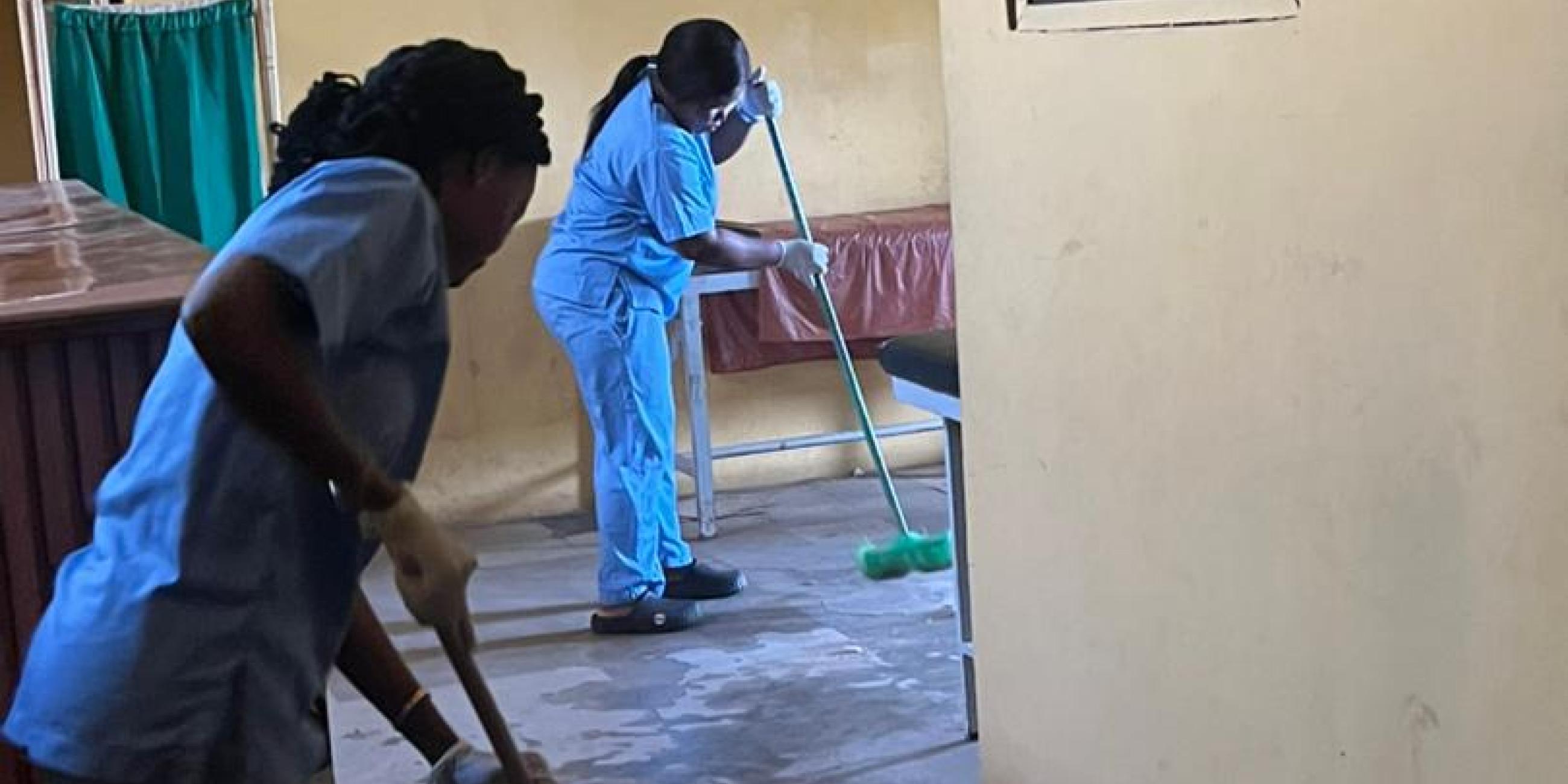
  • Why Are Nigerian Nurses Being Forced to Do Cleaners’ Jobs? Are Hospital CMDs Exploiting Strikes to Intimidate Health Workers Across the Country?

    A growing controversy is shaking Nigeria’s healthcare sector after the Elegant Nurses Forum accused hospital managements across the country of forcing nurses to perform cleaning and other menial duties, a practice the group describes as unethical, unlawful, and professionally degrading.

    In a press statement signed by Nurse Thomas Abiodun Olamide, the forum said it had received multiple complaints from health institutions nationwide, alleging that some Chief Medical Directors (CMDs) are exploiting the ongoing strike by hospital cleaners under the Joint Health Sector Unions (JOHESU) to compel nurses to take over sanitation work.

    According to the forum, this practice violates professional ethics, international best practices, and the legal framework governing nursing in Nigeria. It warned that compelling nurses to abandon clinical responsibilities for cleaning duties not only demeans the profession but also endangers patient safety and healthcare quality.

    The group disclosed that over ten days ago, nurses at the Federal Medical Centre (FMC), Makurdi, Benue State, formally complained of threats and coercion to assume cleaners’ duties. Similar complaints were later received from the Olabisi Onabanjo University Teaching Hospital (OOUTH), Sagamu, Ogun State, along with reports from other tertiary and secondary health facilities nationwide.

    The forum expressed particular concern over the leadership at OOUTH, alleging a persistent pattern of intimidation and harassment of nurses by the hospital’s CMD. According to the statement, nurses were reportedly threatened with job loss, with allegations that political connections were being used to exert pressure. The forum described this as a gross abuse of office, questioning the competence, temperament, and ethical standing of such leadership.

    It further alleged that political interference rather than merit has influenced some CMD appointments, warning that hospitals were being transformed into “tools of oppression” instead of institutions dedicated to patient-centred care.

    Emphasising the professional role of nurses, the forum stated that nurses are trained healthcare practitioners whose duties include patient care, disease prevention, health promotion, and clinical management—not sanitation. Forcing them into menial tasks, it said, devalues their expertise, undermines healthcare delivery, and weakens the entire system.

    In its demands, the Elegant Nurses Forum called for:

    Immediate cessation of all intimidation, threats, and coercion of nurses into non-nursing duties;

    Clear directives from federal and state health ministries prohibiting the assignment of cleaning or other unrelated tasks to nurses;

    Independent investigations and disciplinary action against erring CMDs and administrators;

    Protection of nurses from victimisation and harassment; and

    Transparent, merit-based appointments to hospital leadership positions free from political interference.


    The forum vowed it would not remain silent while nurses are treated as expendable labour and stripped of their professional identity. “Healthcare leadership must be about service, competence, and accountability—not intimidation, arrogance, and abuse of power,” the statement concluded.

    As the allegations spread across multiple states, the central question remains: are hospital authorities protecting patient care—or sacrificing professionalism for power?
    Why Are Nigerian Nurses Being Forced to Do Cleaners’ Jobs? Are Hospital CMDs Exploiting Strikes to Intimidate Health Workers Across the Country? A growing controversy is shaking Nigeria’s healthcare sector after the Elegant Nurses Forum accused hospital managements across the country of forcing nurses to perform cleaning and other menial duties, a practice the group describes as unethical, unlawful, and professionally degrading. In a press statement signed by Nurse Thomas Abiodun Olamide, the forum said it had received multiple complaints from health institutions nationwide, alleging that some Chief Medical Directors (CMDs) are exploiting the ongoing strike by hospital cleaners under the Joint Health Sector Unions (JOHESU) to compel nurses to take over sanitation work. According to the forum, this practice violates professional ethics, international best practices, and the legal framework governing nursing in Nigeria. It warned that compelling nurses to abandon clinical responsibilities for cleaning duties not only demeans the profession but also endangers patient safety and healthcare quality. The group disclosed that over ten days ago, nurses at the Federal Medical Centre (FMC), Makurdi, Benue State, formally complained of threats and coercion to assume cleaners’ duties. Similar complaints were later received from the Olabisi Onabanjo University Teaching Hospital (OOUTH), Sagamu, Ogun State, along with reports from other tertiary and secondary health facilities nationwide. The forum expressed particular concern over the leadership at OOUTH, alleging a persistent pattern of intimidation and harassment of nurses by the hospital’s CMD. According to the statement, nurses were reportedly threatened with job loss, with allegations that political connections were being used to exert pressure. The forum described this as a gross abuse of office, questioning the competence, temperament, and ethical standing of such leadership. It further alleged that political interference rather than merit has influenced some CMD appointments, warning that hospitals were being transformed into “tools of oppression” instead of institutions dedicated to patient-centred care. Emphasising the professional role of nurses, the forum stated that nurses are trained healthcare practitioners whose duties include patient care, disease prevention, health promotion, and clinical management—not sanitation. Forcing them into menial tasks, it said, devalues their expertise, undermines healthcare delivery, and weakens the entire system. In its demands, the Elegant Nurses Forum called for: Immediate cessation of all intimidation, threats, and coercion of nurses into non-nursing duties; Clear directives from federal and state health ministries prohibiting the assignment of cleaning or other unrelated tasks to nurses; Independent investigations and disciplinary action against erring CMDs and administrators; Protection of nurses from victimisation and harassment; and Transparent, merit-based appointments to hospital leadership positions free from political interference. The forum vowed it would not remain silent while nurses are treated as expendable labour and stripped of their professional identity. “Healthcare leadership must be about service, competence, and accountability—not intimidation, arrogance, and abuse of power,” the statement concluded. As the allegations spread across multiple states, the central question remains: are hospital authorities protecting patient care—or sacrificing professionalism for power?
    0 Comentários ·0 Compartilhamentos ·1KB Visualizações
  • Was Ondo Governor’s Security Compromised? Protocol Chiefs Accused of Swapping Convoy Drivers Without Clearance Amid Rising Safety Fears

    A serious security controversy has emerged within the Ondo State Government following allegations that top protocol officials authorized a change of drivers in the governor’s convoy without security clearance, a move insiders describe as a dangerous breach of established procedure. The incident has reportedly heightened tension inside Government House and raised concerns about vulnerabilities in the governor’s protective arrangements.

    According to multiple security sources, the Chief of Protocol (CoP), Mr. Olasanya Abayomi, and the Director of Protocol (DoP), Barr. Asonja George, allegedly ordered the replacement of convoy drivers without informing the Chief Security Officer (CSO) or the Aide-de-Camp (ADC)—the two officers legally responsible for coordinating the governor’s personal security.

    Security experts within the government described the action as a “grave breach of protocol,” stressing that no driver attached to the governor’s convoy should be changed without clearance from the CSO and ADC. One senior official told SaharaReporters that bypassing this chain of command constitutes a serious security violation, especially at a time of heightened national security concerns.

    The development is said to have unsettled junior officers and deepened mistrust among senior officials, with insiders warning that internal lapses of this nature could weaken confidence in the state’s security architecture. Some officials expressed fears that overlapping authority between protocol and security units could create confusion and expose the governor to potential risks.

    More troubling are allegations that the Chief of Protocol may be acting in concert with unnamed individuals to politically undermine the governor’s security structure. Although no concrete evidence has been made public, the claims have intensified calls for an independent investigation, with sources insisting that the governor’s safety must not be subjected to internal power struggles or administrative shortcuts.

    Stakeholders are now urging the Ondo State Commissioner of Police and the Department of State Services (DSS) to urgently probe the incident, determine accountability, and restore confidence in the state’s protective operations. Civil society actors have also called for the two officials involved to step aside pending investigations, arguing that doing so would reassure the public and demonstrate institutional accountability.

    However, the state government has pushed back against claims of a security breach. The governor’s Chief Press Secretary, Mr. Ebenezer Adeniyan, denied that the governor’s safety was compromised, confirming instead that the driver changes were part of a routine annual reshuffle. He explained that all drivers fall under the supervision of the Chief of Protocol and that similar reassignments also affected other units, including the media and ambulance services.

    Despite this official explanation, security analysts argue that the episode highlights a deeper structural issue: the need for clear coordination between protocol and security departments. Experts warn that when protocol functions override established security procedures, it can create vulnerabilities that may be exploited.

    As the controversy continues, one key question remains: Was the governor’s security genuinely compromised, or was this merely an administrative routine that was misinterpreted? The answer may depend on the outcome of any investigation and whether the state government moves to review and strengthen its internal security and protocol processes.
    Was Ondo Governor’s Security Compromised? Protocol Chiefs Accused of Swapping Convoy Drivers Without Clearance Amid Rising Safety Fears A serious security controversy has emerged within the Ondo State Government following allegations that top protocol officials authorized a change of drivers in the governor’s convoy without security clearance, a move insiders describe as a dangerous breach of established procedure. The incident has reportedly heightened tension inside Government House and raised concerns about vulnerabilities in the governor’s protective arrangements. According to multiple security sources, the Chief of Protocol (CoP), Mr. Olasanya Abayomi, and the Director of Protocol (DoP), Barr. Asonja George, allegedly ordered the replacement of convoy drivers without informing the Chief Security Officer (CSO) or the Aide-de-Camp (ADC)—the two officers legally responsible for coordinating the governor’s personal security. Security experts within the government described the action as a “grave breach of protocol,” stressing that no driver attached to the governor’s convoy should be changed without clearance from the CSO and ADC. One senior official told SaharaReporters that bypassing this chain of command constitutes a serious security violation, especially at a time of heightened national security concerns. The development is said to have unsettled junior officers and deepened mistrust among senior officials, with insiders warning that internal lapses of this nature could weaken confidence in the state’s security architecture. Some officials expressed fears that overlapping authority between protocol and security units could create confusion and expose the governor to potential risks. More troubling are allegations that the Chief of Protocol may be acting in concert with unnamed individuals to politically undermine the governor’s security structure. Although no concrete evidence has been made public, the claims have intensified calls for an independent investigation, with sources insisting that the governor’s safety must not be subjected to internal power struggles or administrative shortcuts. Stakeholders are now urging the Ondo State Commissioner of Police and the Department of State Services (DSS) to urgently probe the incident, determine accountability, and restore confidence in the state’s protective operations. Civil society actors have also called for the two officials involved to step aside pending investigations, arguing that doing so would reassure the public and demonstrate institutional accountability. However, the state government has pushed back against claims of a security breach. The governor’s Chief Press Secretary, Mr. Ebenezer Adeniyan, denied that the governor’s safety was compromised, confirming instead that the driver changes were part of a routine annual reshuffle. He explained that all drivers fall under the supervision of the Chief of Protocol and that similar reassignments also affected other units, including the media and ambulance services. Despite this official explanation, security analysts argue that the episode highlights a deeper structural issue: the need for clear coordination between protocol and security departments. Experts warn that when protocol functions override established security procedures, it can create vulnerabilities that may be exploited. As the controversy continues, one key question remains: Was the governor’s security genuinely compromised, or was this merely an administrative routine that was misinterpreted? The answer may depend on the outcome of any investigation and whether the state government moves to review and strengthen its internal security and protocol processes.
    0 Comentários ·0 Compartilhamentos ·677 Visualizações
  • NAF ACCELERATES ACQUISITION OF 12 AH-1Z ATTACK HELICOPTERS TO ENHANCE SECURITY

    In a strategic move to enhance the operational capacity of the Nigerian Air Force the Chief of the Air Staff Air Marshal Sunday Aneke, led a Programme Management Review meeting with senior United States Government officials and representatives of Messrs Bell Textron in San Diego, California, USA.

    The engagement focused on fast-tracking the acquisition of 12 AH-1Z attack helicopters, a critical capability enhance professional, and mission-ready force capable of delivering decisive airpower in attainment of national security objectives.

    A Statement by the Director of Public Relations and Information, Air Commodore Ehimen Ejodame indicates that Air Marshal Aneke expressed appreciation to the United States Government and Messrs Bell Textron for their continued cooperation, professionalism, and transparency in the execution of the helicopter acquisition programme.

    The Air Chief noted that the acquisition of the AH-1Z helicopters represents more than a platform upgrade, describing it as a reflection of the enduring defence cooperation between Nigeria and the United States.

    Reaffirming the NAF’s sense of urgency and commitment, Air Marshal Aneke assured the US team that his administration would take all necessary measures to ensure the helicopters are delivered in the shortest possible time while expressing gratitude to president Bola Tinubu for his unwavering support to the Nigerian Airforce as regards platform acquisition

    Air Marshal Sunday Aneke reassured Nigerians of the NAF’s unwavering commitment to eliminating terrorist and criminal threats with professionalism, restraint, and accountability, while sustaining public trust and confidence in the Service’s operations.
    NAF ACCELERATES ACQUISITION OF 12 AH-1Z ATTACK HELICOPTERS TO ENHANCE SECURITY In a strategic move to enhance the operational capacity of the Nigerian Air Force the Chief of the Air Staff Air Marshal Sunday Aneke, led a Programme Management Review meeting with senior United States Government officials and representatives of Messrs Bell Textron in San Diego, California, USA. The engagement focused on fast-tracking the acquisition of 12 AH-1Z attack helicopters, a critical capability enhance professional, and mission-ready force capable of delivering decisive airpower in attainment of national security objectives. A Statement by the Director of Public Relations and Information, Air Commodore Ehimen Ejodame indicates that Air Marshal Aneke expressed appreciation to the United States Government and Messrs Bell Textron for their continued cooperation, professionalism, and transparency in the execution of the helicopter acquisition programme. The Air Chief noted that the acquisition of the AH-1Z helicopters represents more than a platform upgrade, describing it as a reflection of the enduring defence cooperation between Nigeria and the United States. Reaffirming the NAF’s sense of urgency and commitment, Air Marshal Aneke assured the US team that his administration would take all necessary measures to ensure the helicopters are delivered in the shortest possible time while expressing gratitude to president Bola Tinubu for his unwavering support to the Nigerian Airforce as regards platform acquisition Air Marshal Sunday Aneke reassured Nigerians of the NAF’s unwavering commitment to eliminating terrorist and criminal threats with professionalism, restraint, and accountability, while sustaining public trust and confidence in the Service’s operations.
    like
    1
    · 0 Comentários ·0 Compartilhamentos ·557 Visualizações
  • Will Wike Have to Bow to Fubara in APC? Why the Party Says the FCT Minister Must Follow Rivers Governor—and What This Power Shift Means for 2027 Politics

    Is Nyesom Wike’s political influence in Rivers State finally being clipped? If the Federal Capital Territory (FCT) Minister decides to join the All Progressives Congress (APC), will he really be forced to operate under his successor, Governor Siminalayi Fubara? And what does this internal power struggle reveal about the battle for 2027?

    The APC has made its position unmistakably clear: if Wike defects to the ruling party, he will not assume a dominant leadership role over the sitting Rivers State governor. According to the party’s Director of Information, Bala Ibrahim, leadership within the APC is tied strictly to current political office—not past power. While Wike would be “given a position” within the party, Ibrahim stressed that he would “certainly be under” Governor Fubara, who currently holds the highest elective office in Rivers State.

    Why such a firm stance? Ibrahim explained that political authority follows office, not personality. “When he was the governor, he was followed. Now that he’s not the governor, he must follow,” he said, underscoring that once a leader vacates a seat, they no longer retain its power. In other words, past influence cannot override present authority in the APC’s hierarchy.

    But is this just about party protocol—or something deeper? Reports suggest that Wike’s alleged efforts to undermine Fubara’s 2027 re-election bid have suffered a major blow. Several APC governors are said to have rallied behind Fubara, signaling growing support for the Rivers governor at the highest levels of the party. Party sources indicate that renewed tensions between the two men were triggered after top APC figures openly endorsed Fubara for a second term—an outcome Wike is reportedly opposed to.

    What changed inside the APC? Insiders say the party leadership has become increasingly impressed with Fubara’s governance style and development projects, earning him favor among key decision-makers. This apparent shift in loyalty is being interpreted as a strategic move to consolidate power around the sitting governor while weakening Wike’s influence in his home state.

    The conflict reportedly deepened when Wike’s allies attempted to push a preferred candidate for the Imo governorship without consulting the APC Governors’ Chairman, Governor Hope Uzodimma. Party officials claim this move backfired, prompting APC governors to close ranks around Fubara as part of a broader effort to curb Wike’s political reach. Some insiders even suggest that powerful figures within the Tinubu administration no longer see Wike as a favored ally.

    So what does this mean going forward? If Wike eventually joins the APC, he may find himself navigating a party structure where authority is no longer shaped by his past dominance but by current officeholders—chief among them Governor Fubara. The unfolding drama raises critical questions: Is Wike’s era of control in Rivers coming to an end? Will Fubara emerge as the undisputed political force ahead of 2027? And is the APC deliberately re-engineering power in Rivers to sideline one of Nigeria’s most formidable political figures?

    As endorsements mount and party leadership draws firm lines, one thing is clear: Rivers State politics is entering a decisive phase—and the outcome could reshape the state’s political landscape for years to come.
    Will Wike Have to Bow to Fubara in APC? Why the Party Says the FCT Minister Must Follow Rivers Governor—and What This Power Shift Means for 2027 Politics Is Nyesom Wike’s political influence in Rivers State finally being clipped? If the Federal Capital Territory (FCT) Minister decides to join the All Progressives Congress (APC), will he really be forced to operate under his successor, Governor Siminalayi Fubara? And what does this internal power struggle reveal about the battle for 2027? The APC has made its position unmistakably clear: if Wike defects to the ruling party, he will not assume a dominant leadership role over the sitting Rivers State governor. According to the party’s Director of Information, Bala Ibrahim, leadership within the APC is tied strictly to current political office—not past power. While Wike would be “given a position” within the party, Ibrahim stressed that he would “certainly be under” Governor Fubara, who currently holds the highest elective office in Rivers State. Why such a firm stance? Ibrahim explained that political authority follows office, not personality. “When he was the governor, he was followed. Now that he’s not the governor, he must follow,” he said, underscoring that once a leader vacates a seat, they no longer retain its power. In other words, past influence cannot override present authority in the APC’s hierarchy. But is this just about party protocol—or something deeper? Reports suggest that Wike’s alleged efforts to undermine Fubara’s 2027 re-election bid have suffered a major blow. Several APC governors are said to have rallied behind Fubara, signaling growing support for the Rivers governor at the highest levels of the party. Party sources indicate that renewed tensions between the two men were triggered after top APC figures openly endorsed Fubara for a second term—an outcome Wike is reportedly opposed to. What changed inside the APC? Insiders say the party leadership has become increasingly impressed with Fubara’s governance style and development projects, earning him favor among key decision-makers. This apparent shift in loyalty is being interpreted as a strategic move to consolidate power around the sitting governor while weakening Wike’s influence in his home state. The conflict reportedly deepened when Wike’s allies attempted to push a preferred candidate for the Imo governorship without consulting the APC Governors’ Chairman, Governor Hope Uzodimma. Party officials claim this move backfired, prompting APC governors to close ranks around Fubara as part of a broader effort to curb Wike’s political reach. Some insiders even suggest that powerful figures within the Tinubu administration no longer see Wike as a favored ally. So what does this mean going forward? If Wike eventually joins the APC, he may find himself navigating a party structure where authority is no longer shaped by his past dominance but by current officeholders—chief among them Governor Fubara. The unfolding drama raises critical questions: Is Wike’s era of control in Rivers coming to an end? Will Fubara emerge as the undisputed political force ahead of 2027? And is the APC deliberately re-engineering power in Rivers to sideline one of Nigeria’s most formidable political figures? As endorsements mount and party leadership draws firm lines, one thing is clear: Rivers State politics is entering a decisive phase—and the outcome could reshape the state’s political landscape for years to come.
    0 Comentários ·0 Compartilhamentos ·887 Visualizações
  • NYSC DG Stresses Safety, Security, and Dignity in Corps Members’ Deployment
    January 7, 2026 – Abuja / Nigeria

    The Director-General of the National Youth Service Corps (NYSC), Brig.-Gen. Olakunle Nafiu, emphasized that corps members’ deployment must prioritize security conditions, welfare, and dignity. He spoke at the 2026 Batch A Pre-Mobilisation Workshop themed “Enhancing Service Delivery Across the NYSC Mobilisation Value Chain.”

    Key points from his address:

    Deployment decisions should follow current security realities, government policies, and principles of fairness, equity, and transparency.

    Any mobilisation process that compromises corps members’ safety or dignity undermines the essence of national service.

    Operational challenges persist across Corps Producing Institutions (CPIs) and the NYSC, including unqualified uploads, data discrepancies, weak verification, inconsistent application of guidelines, and undue human interference in automated processes.

    He highlighted the importance of technology and data management, calling for better digital systems, audits, capacity building, and minimal human interference.

    Stakeholder coordination and communication gaps were identified as bottlenecks needing stronger inter-agency collaboration and data-driven decision-making.

    Nafiu called for a shift from routine compliance to service excellence, ensuring mobilisation is efficient, transparent, accountable, and people-focused.


    The DG assured that NYSC management is committed to improving the mobilisation process, enhancing professionalism, ethical conduct, and responsiveness to the needs of prospective corps members.

    NYSC DG Stresses Safety, Security, and Dignity in Corps Members’ Deployment January 7, 2026 – Abuja / Nigeria The Director-General of the National Youth Service Corps (NYSC), Brig.-Gen. Olakunle Nafiu, emphasized that corps members’ deployment must prioritize security conditions, welfare, and dignity. He spoke at the 2026 Batch A Pre-Mobilisation Workshop themed “Enhancing Service Delivery Across the NYSC Mobilisation Value Chain.” Key points from his address: Deployment decisions should follow current security realities, government policies, and principles of fairness, equity, and transparency. Any mobilisation process that compromises corps members’ safety or dignity undermines the essence of national service. Operational challenges persist across Corps Producing Institutions (CPIs) and the NYSC, including unqualified uploads, data discrepancies, weak verification, inconsistent application of guidelines, and undue human interference in automated processes. He highlighted the importance of technology and data management, calling for better digital systems, audits, capacity building, and minimal human interference. Stakeholder coordination and communication gaps were identified as bottlenecks needing stronger inter-agency collaboration and data-driven decision-making. Nafiu called for a shift from routine compliance to service excellence, ensuring mobilisation is efficient, transparent, accountable, and people-focused. The DG assured that NYSC management is committed to improving the mobilisation process, enhancing professionalism, ethical conduct, and responsiveness to the needs of prospective corps members.
    0 Comentários ·0 Compartilhamentos ·399 Visualizações
Páginas impulsionada
Fintter https://fintter.com