• NAFDAC to Enforce Ban on Small-Packaged Alcohol from January 2026.

    The National Agency for Food and Drug Administration and Control (NAFDAC) has announced a firm December 2025 deadline for the prohibition of alcoholic beverages sold in sachets and bottles under 200 millilitres, with full enforcement set to begin in January 2026.

    Prof. Mojisola Adeyeye, the agency’s Director-General, emphasized that there will be no further extensions of the ban, urging manufacturers, distributors, and retailers to comply fully.

    Supported by the Senate and the Federal Ministry of Health and Social Welfare, the ban aims to protect children, adolescents, and young adults from the harmful effects of alcohol abuse.

    Adeyeye highlighted that small, cheap, and easily concealable alcoholic drinks contribute to addiction and have fueled social vices, including road accidents, domestic violence, school dropouts, and other forms of insecurity. “This ban is protective, not punitive. The health of our nation, especially our children, is more important than short-term economic gain,” she stated.

    Prof. Adeyeye underscored that the ban aligns with Nigeria’s commitment to the World Health Organization’s Global Strategy to Reduce the Harmful Use of Alcohol. She also urged Nigerians to view the measure as a collective responsibility, emphasizing that alcohol misuse among children poses a long-term threat to the nation’s security and workforce.

    “The decision is grounded in science, public health, and national interest. Protecting our children and ensuring the stability of our future workforce is not just NAFDAC’s duty it is a responsibility for all Nigerians,” she concluded.

    NAFDAC to Enforce Ban on Small-Packaged Alcohol from January 2026. The National Agency for Food and Drug Administration and Control (NAFDAC) has announced a firm December 2025 deadline for the prohibition of alcoholic beverages sold in sachets and bottles under 200 millilitres, with full enforcement set to begin in January 2026. Prof. Mojisola Adeyeye, the agency’s Director-General, emphasized that there will be no further extensions of the ban, urging manufacturers, distributors, and retailers to comply fully. Supported by the Senate and the Federal Ministry of Health and Social Welfare, the ban aims to protect children, adolescents, and young adults from the harmful effects of alcohol abuse. Adeyeye highlighted that small, cheap, and easily concealable alcoholic drinks contribute to addiction and have fueled social vices, including road accidents, domestic violence, school dropouts, and other forms of insecurity. “This ban is protective, not punitive. The health of our nation, especially our children, is more important than short-term economic gain,” she stated. Prof. Adeyeye underscored that the ban aligns with Nigeria’s commitment to the World Health Organization’s Global Strategy to Reduce the Harmful Use of Alcohol. She also urged Nigerians to view the measure as a collective responsibility, emphasizing that alcohol misuse among children poses a long-term threat to the nation’s security and workforce. “The decision is grounded in science, public health, and national interest. Protecting our children and ensuring the stability of our future workforce is not just NAFDAC’s duty it is a responsibility for all Nigerians,” she concluded.
    0 Commentaires ·0 Parts ·682 Vue
  • 42 Dead In Latest Ebola Outbreak In DR Congo WHO
    The highly contagious haemorrhagic fever has killed some 15,000 people in Africa over the past 50 years.

    An Ebola outbreak declared in the DR Congo in early September has caused 42 deaths out of 64 confirmed cases.

    The risk of it spreading in the region is moderate, the WHO said Wednesday.

    Health authorities in DR Congo began rolling out a vaccine programme against the often fatal virus two weeks ago.

    The highly contagious haemorrhagic fever has killed some 15,000 people in Africa over the past 50 years.

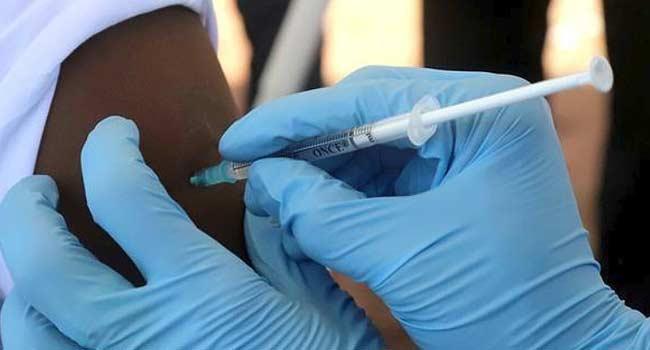
    A nurse holds a vial of the Ebola Sudan vaccine during the launch of an Ebola trial vaccination campaign at Mulago Referral Hospital in Kampala on February 3, 2025. (Photo by Badru Katumba / AFP)
    The deadliest Ebola outbreak in the DRC, between 2018 and 2020, killed nearly 2,300 people.

    Last month’s vaccination campaign followed the announcement of a resurgence of the disease in the central province of Kasai.

    ‘Increased Risk Of Spread’
    World Health Organization chief Tedros Adhanom Ghebreyesus posted on X that “at this time, 64 people have had Ebola in the DRC, of which 42 have died.”

    He added that the UN health agency and its partners are supporting the government-led response.

    The WHO estimates a risk of further spread as high on a national level but moderate in the wider region.

    It says the outbreak is fuelled by insufficient protective equipment, incomplete contact tracing, late detection, and unsafe burial practices.

    It added that high population mobility in the country and reliance on traditional healers, increased the risk of spread.
    42 Dead In Latest Ebola Outbreak In DR Congo WHO The highly contagious haemorrhagic fever has killed some 15,000 people in Africa over the past 50 years. An Ebola outbreak declared in the DR Congo in early September has caused 42 deaths out of 64 confirmed cases. The risk of it spreading in the region is moderate, the WHO said Wednesday. Health authorities in DR Congo began rolling out a vaccine programme against the often fatal virus two weeks ago. The highly contagious haemorrhagic fever has killed some 15,000 people in Africa over the past 50 years. A nurse holds a vial of the Ebola Sudan vaccine during the launch of an Ebola trial vaccination campaign at Mulago Referral Hospital in Kampala on February 3, 2025. (Photo by Badru Katumba / AFP) The deadliest Ebola outbreak in the DRC, between 2018 and 2020, killed nearly 2,300 people. Last month’s vaccination campaign followed the announcement of a resurgence of the disease in the central province of Kasai. ‘Increased Risk Of Spread’ World Health Organization chief Tedros Adhanom Ghebreyesus posted on X that “at this time, 64 people have had Ebola in the DRC, of which 42 have died.” He added that the UN health agency and its partners are supporting the government-led response. The WHO estimates a risk of further spread as high on a national level but moderate in the wider region. It says the outbreak is fuelled by insufficient protective equipment, incomplete contact tracing, late detection, and unsafe burial practices. It added that high population mobility in the country and reliance on traditional healers, increased the risk of spread.
    0 Commentaires ·0 Parts ·610 Vue
  • WHO Warns Nearly One Billion People Live With Mental Health Conditions.

    The World Health Organization (WHO) has warned that nearly one billion people globally are living with mental health conditions and urged governments to take urgent action to address the crisis.

    WHO Director-General, Dr. Tedros Ghebreyesus, issued the warning ahead of the High-Level Meeting on Noncommunicable Diseases (NCDs) and Mental Health scheduled for September 25. He cautioned that inaction would cost millions of lives while placing severe strain on economies.

    “Noncommunicable diseases account for seven of the world’s top 10 causes of death. Alongside this, almost one billion people face mental health challenges, with suicide ranking as the third leading cause of death among young people,” he said.

    Dr. Ghebreyesus stressed that beyond personal tragedies, the impact of NCDs and mental health conditions carries devastating social and economic consequences. “These illnesses shorten lives, devastate families, and drive up health care and economic costs,” he added.

    Globally, suicide ranks as the fourth leading cause of death among people aged 15–29, with 73% of cases occurring in low- and middle-income countries. In Nigeria, as of January 2024, the submortality rate stood at 3.5 per 100,000, translating to about 15,000 deaths annually.

    The WHO chief revealed that countries have been negotiating a political declaration over the past year, which will be finalised at the UN General Assembly. The draft sets ambitious global targets for 2030, including cutting tobacco use by 150 million people, expanding mental health care access for another 150 million, and ensuring 150 million more achieve control of hypertension.
    WHO Warns Nearly One Billion People Live With Mental Health Conditions. The World Health Organization (WHO) has warned that nearly one billion people globally are living with mental health conditions and urged governments to take urgent action to address the crisis. WHO Director-General, Dr. Tedros Ghebreyesus, issued the warning ahead of the High-Level Meeting on Noncommunicable Diseases (NCDs) and Mental Health scheduled for September 25. He cautioned that inaction would cost millions of lives while placing severe strain on economies. “Noncommunicable diseases account for seven of the world’s top 10 causes of death. Alongside this, almost one billion people face mental health challenges, with suicide ranking as the third leading cause of death among young people,” he said. Dr. Ghebreyesus stressed that beyond personal tragedies, the impact of NCDs and mental health conditions carries devastating social and economic consequences. “These illnesses shorten lives, devastate families, and drive up health care and economic costs,” he added. Globally, suicide ranks as the fourth leading cause of death among people aged 15–29, with 73% of cases occurring in low- and middle-income countries. In Nigeria, as of January 2024, the submortality rate stood at 3.5 per 100,000, translating to about 15,000 deaths annually. The WHO chief revealed that countries have been negotiating a political declaration over the past year, which will be finalised at the UN General Assembly. The draft sets ambitious global targets for 2030, including cutting tobacco use by 150 million people, expanding mental health care access for another 150 million, and ensuring 150 million more achieve control of hypertension.
    0 Commentaires ·0 Parts ·587 Vue
  • NCDC Issues Advisory As Ebola Outbreak In DR Congo Claims 15 Lives

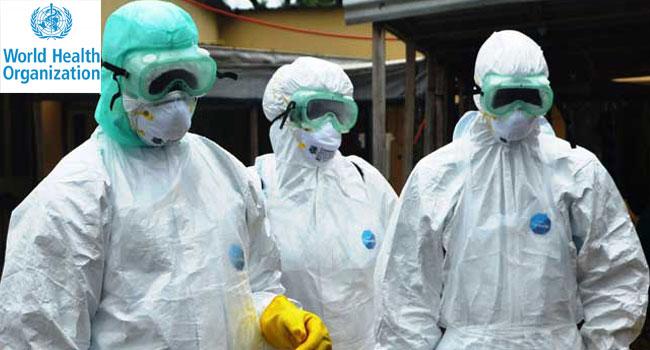
    The Nigeria Centre for Disease Control and Prevention (NCDC) has issued a public health advisory following an Ebola outbreak in the Democratic Republic of Congo (DRC), where 28 suspected cases and 15 deaths — including four health workers — have been confirmed as of September 4.

    NCDC Director General, Dr. Jide Idris, said no cases have been reported in Nigeria but surveillance has been heightened at airports, borders, health facilities, and communities.

    The outbreak, linked to the Ebola Zaire strain, is affecting the Bulape and Mweka health zones in Kasai Province. Authorities in the DRC have activated emergency response measures with support from the World Health Organization.

    Idris reminded Nigerians that an approved vaccine, Ervebo, is effective against the strain. He urged citizens to practice good hygiene, avoid contact with suspected cases, and promptly report symptoms such as fever, vomiting, diarrhoea, or unexplained bleeding to health authorities by calling 6232.

    The NCDC also advised healthcare workers to maintain strict infection prevention protocols and Nigerians to avoid non-essential travel to affected areas.
    NCDC Issues Advisory As Ebola Outbreak In DR Congo Claims 15 Lives The Nigeria Centre for Disease Control and Prevention (NCDC) has issued a public health advisory following an Ebola outbreak in the Democratic Republic of Congo (DRC), where 28 suspected cases and 15 deaths — including four health workers — have been confirmed as of September 4. NCDC Director General, Dr. Jide Idris, said no cases have been reported in Nigeria but surveillance has been heightened at airports, borders, health facilities, and communities. The outbreak, linked to the Ebola Zaire strain, is affecting the Bulape and Mweka health zones in Kasai Province. Authorities in the DRC have activated emergency response measures with support from the World Health Organization. Idris reminded Nigerians that an approved vaccine, Ervebo, is effective against the strain. He urged citizens to practice good hygiene, avoid contact with suspected cases, and promptly report symptoms such as fever, vomiting, diarrhoea, or unexplained bleeding to health authorities by calling 6232. The NCDC also advised healthcare workers to maintain strict infection prevention protocols and Nigerians to avoid non-essential travel to affected areas.
    love
    1
    · 0 Commentaires ·0 Parts ·494 Vue
  • WHO Confirms New Ebola Outbreak in DR Congo, 15 Dead Including Health Workers.

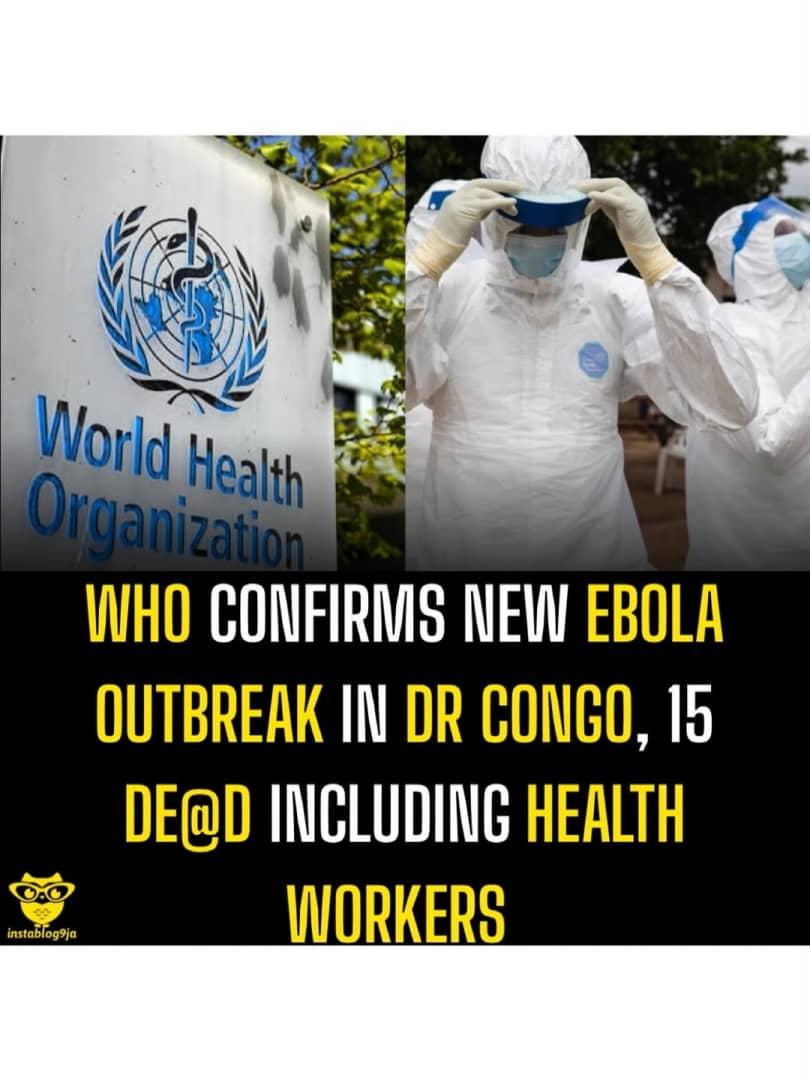
    The Democratic Republic of the Congo (DRC) has declared a new outbreak of Ebola virus disease in Kasai Province, with at least 28 suspected cases and 15 deaths, including four health workers, confirmed as of September 4, 2025.

    The World Health Organization (WHO), in a statement on Thursday, said the outbreak was detected in Bulape and Mweka health zones, where patients showed symptoms such as fever, diarrhoea, vomiting, and haemorrhage. Tests conducted on September 3 at the National Institute of Biomedical Research in Kinshasa confirmed the Ebola Zaire strain, the deadliest form of the virus.

    A national Rapid Response Team, supported by WHO experts in epidemiology, infection control, laboratory analysis, and case management, has been deployed to Kasai. WHO has also sent two tonnes of medical supplies, including protective equipment and mobile lab kits, to aid the response.

    Despite the swift deployment, the agency warned that Kasai’s remote location, with limited road and air access, poses major challenges. Dr. Mohamed Janabi, WHO Regional Director for Africa, said authorities are racing to contain the outbreak.

    “We’re acting with determination to halt the spread and protect communities,” he stated, highlighting DRC’s experience in managing viral outbreaks.

    Health workers are tracing contacts and providing treatment for suspected cases, while 2,000 doses of the Ervebo Ebola vaccine already stockpiled in Kinshasa will be rushed to Kasai to protect frontline workers and high-risk individuals. Kasai previously experienced deadly Ebola outbreaks in 2007 and 2008.
    WHO Confirms New Ebola Outbreak in DR Congo, 15 Dead Including Health Workers. The Democratic Republic of the Congo (DRC) has declared a new outbreak of Ebola virus disease in Kasai Province, with at least 28 suspected cases and 15 deaths, including four health workers, confirmed as of September 4, 2025. The World Health Organization (WHO), in a statement on Thursday, said the outbreak was detected in Bulape and Mweka health zones, where patients showed symptoms such as fever, diarrhoea, vomiting, and haemorrhage. Tests conducted on September 3 at the National Institute of Biomedical Research in Kinshasa confirmed the Ebola Zaire strain, the deadliest form of the virus. A national Rapid Response Team, supported by WHO experts in epidemiology, infection control, laboratory analysis, and case management, has been deployed to Kasai. WHO has also sent two tonnes of medical supplies, including protective equipment and mobile lab kits, to aid the response. Despite the swift deployment, the agency warned that Kasai’s remote location, with limited road and air access, poses major challenges. Dr. Mohamed Janabi, WHO Regional Director for Africa, said authorities are racing to contain the outbreak. “We’re acting with determination to halt the spread and protect communities,” he stated, highlighting DRC’s experience in managing viral outbreaks. Health workers are tracing contacts and providing treatment for suspected cases, while 2,000 doses of the Ervebo Ebola vaccine already stockpiled in Kinshasa will be rushed to Kasai to protect frontline workers and high-risk individuals. Kasai previously experienced deadly Ebola outbreaks in 2007 and 2008.
    0 Commentaires ·0 Parts ·771 Vue
  • UNICEF, WHO, World Bank Raise Alarm Over Rising Child Stunting in Africa


    A joint report by UNICEF, the World Health Organization (WHO), and the World Bank Group has revealed a worrying increase in child stunting across Africa, signaling a deepening public health and nutrition emergency.

    The report calls for urgent investment in child nutrition, healthcare access, and poverty alleviation to reverse the disturbing trend affecting millions of African children’s physical and cognitive development.

    #ChildHealthCrisis #StuntingInAfrica #UNICEF #WHO #WorldBankReport

    🚨 UNICEF, WHO, World Bank Raise Alarm Over Rising Child Stunting in Africa A joint report by UNICEF, the World Health Organization (WHO), and the World Bank Group has revealed a worrying increase in child stunting across Africa, signaling a deepening public health and nutrition emergency. The report calls for urgent investment in child nutrition, healthcare access, and poverty alleviation to reverse the disturbing trend affecting millions of African children’s physical and cognitive development. #ChildHealthCrisis #StuntingInAfrica #UNICEF #WHO #WorldBankReport
    0 Commentaires ·0 Parts ·2KB Vue
  • "Protecting parents from deceptive digital marketing is essential to safeguarding infant health — truth in advertising must extend to every screen."
    — According to the World Health Organization, countries at #WHA78 have agreed to expand the International Code of Marketing of Breast-milk Substitutes to address the digital marketing of formula milk and baby foods.
    "Protecting parents from deceptive digital marketing is essential to safeguarding infant health — truth in advertising must extend to every screen." — According to the World Health Organization, countries at #WHA78 have agreed to expand the International Code of Marketing of Breast-milk Substitutes to address the digital marketing of formula milk and baby foods.
    0 Commentaires ·0 Parts ·464 Vue
Fintter https://fintter.com