• Why Are Nigerians Being Killed Abroad? Did New Year Violence in the UK and Canada Expose Growing Dangers for Nigerians in the Diaspora, as NiDCOM Mourns Two Victims?

    Are Nigerians in the diaspora becoming increasingly unsafe? The Nigerians in Diaspora Commission (NiDCOM) has expressed deep sorrow over the killing of two Nigerians in separate violent incidents in the United Kingdom and Canada in the early days of the new year, raising renewed concerns about the security of Nigerians living abroad.

    In a statement issued on behalf of the Commission’s Chairman and Chief Executive Officer, Abike Dabiri-Erewa, NiDCOM described the deaths as shocking and deeply troubling. The Commission noted that the incidents highlight growing fears over the vulnerability of Nigerians in foreign countries, even in societies often perceived as safer.

    Dabiri-Erewa extended heartfelt condolences to the families, friends, and loved ones of the victims, urging them to remain strong in the face of the tragic loss. While commending the prompt actions of the UK Metropolitan Police and the Toronto Police Service, she called for thorough, transparent, and timely investigations to ensure that those responsible are identified and brought to justice.

    According to reports, one of the victims, John Temitope Onetufo, a 23-year-old Nigerian, was fatally stabbed on New Year’s Eve in the Lewisham area of London. In a separate incident, Osemwengie Irorere, a 46-year-old Nigerian, was shot and killed at the Yorkdale GO Bus Terminal in Toronto, Canada, on Sunday, January 4. Both cases occurred within days of each other, amplifying anxiety within Nigerian communities abroad.

    NiDCOM further assured the public that it would work closely with the Nigerian High Commissions in the United Kingdom and Canada to provide all necessary support to the bereaved families, in line with the Commission’s mandate to safeguard the welfare and interests of Nigerians living outside the country.

    Beyond condolences, the tragedy has reignited a critical national conversation: Are existing diplomatic and consular protections enough to keep Nigerians abroad safe? Human rights advocates and diaspora groups argue that recurring reports of violent deaths, discrimination, and insecurity demand stronger international engagement, improved community policing partnerships, and better support systems for Nigerians facing risks overseas.

    As investigations continue, many Nigerians are asking whether these killings are isolated criminal acts—or part of a disturbing pattern affecting Africans and immigrants in Western societies. For families left behind and a diaspora already on edge, the pressing question remains: What more can be done to ensure that Nigerians seeking opportunity abroad do not pay the ultimate price?

    Why Are Nigerians Being Killed Abroad? Did New Year Violence in the UK and Canada Expose Growing Dangers for Nigerians in the Diaspora, as NiDCOM Mourns Two Victims? Are Nigerians in the diaspora becoming increasingly unsafe? The Nigerians in Diaspora Commission (NiDCOM) has expressed deep sorrow over the killing of two Nigerians in separate violent incidents in the United Kingdom and Canada in the early days of the new year, raising renewed concerns about the security of Nigerians living abroad. In a statement issued on behalf of the Commission’s Chairman and Chief Executive Officer, Abike Dabiri-Erewa, NiDCOM described the deaths as shocking and deeply troubling. The Commission noted that the incidents highlight growing fears over the vulnerability of Nigerians in foreign countries, even in societies often perceived as safer. Dabiri-Erewa extended heartfelt condolences to the families, friends, and loved ones of the victims, urging them to remain strong in the face of the tragic loss. While commending the prompt actions of the UK Metropolitan Police and the Toronto Police Service, she called for thorough, transparent, and timely investigations to ensure that those responsible are identified and brought to justice. According to reports, one of the victims, John Temitope Onetufo, a 23-year-old Nigerian, was fatally stabbed on New Year’s Eve in the Lewisham area of London. In a separate incident, Osemwengie Irorere, a 46-year-old Nigerian, was shot and killed at the Yorkdale GO Bus Terminal in Toronto, Canada, on Sunday, January 4. Both cases occurred within days of each other, amplifying anxiety within Nigerian communities abroad. NiDCOM further assured the public that it would work closely with the Nigerian High Commissions in the United Kingdom and Canada to provide all necessary support to the bereaved families, in line with the Commission’s mandate to safeguard the welfare and interests of Nigerians living outside the country. Beyond condolences, the tragedy has reignited a critical national conversation: Are existing diplomatic and consular protections enough to keep Nigerians abroad safe? Human rights advocates and diaspora groups argue that recurring reports of violent deaths, discrimination, and insecurity demand stronger international engagement, improved community policing partnerships, and better support systems for Nigerians facing risks overseas. As investigations continue, many Nigerians are asking whether these killings are isolated criminal acts—or part of a disturbing pattern affecting Africans and immigrants in Western societies. For families left behind and a diaspora already on edge, the pressing question remains: What more can be done to ensure that Nigerians seeking opportunity abroad do not pay the ultimate price?
    0 التعليقات ·0 المشاركات ·67 مشاهدة
  • Is IGP Kayode Egbetokun Headed to Prison? Can Nigeria’s Police Chief Be Jailed for Defying Court Orders Over SARS Abduction and Disappearance of Lagos Resident?

    Is Nigeria’s top police officer facing imprisonment for ignoring a federal court? The Inspector-General of Police, Kayode Egbetokun, now risks being committed to Kuje Correctional Centre after allegedly refusing to comply with binding court orders concerning the abduction and disappearance of John Chukwuemeka Anozie, a Lagos resident taken from his Lekki home in June 2017.

    Legal action was initiated by Vincent Adodo, counsel to Anozie’s wife, who has filed contempt proceedings against the IGP for what he describes as persistent disobedience of a subsisting judgment of the Federal High Court, Abuja. The ruling, delivered on September 24, 2025 by Justice Binta Nyako, arose from a Freedom of Information (FOI) suit filed by Mrs. Nnenna Anozie after years of unanswered requests for investigation records relating to her husband’s disappearance.

    In its judgment, the court ordered the IGP—who failed to file any defence—to produce for prosecution former officers of the now-defunct Special Anti-Robbery Squad (SARS) from Akwuzu, Anambra State, accused of abducting Anozie. The court further awarded ₦2 million in damages against the IGP for refusing to release investigation reports and directed him to forward both the police investigation file and the legal opinion recommending prosecution to the Attorney General of the Federation.

    The judgment explicitly noted that police authorities had failed to prosecute the officers despite an internal legal opinion recommending criminal charges. Those listed include ASP Anthony Obiozor Ikechukwu, Sgt. Uzochukwu Emeana, John Eze, Oriole (aka T-Boy), and SP Sunday Okpe.

    Yet months after being served with the court order in October 2025, the IGP has allegedly neither prosecuted the officers nor paid the ₦2 million damages. In response, Anozie’s lawyer triggered enforcement by serving the police chief with Form 48 (Notice of Consequences of Disobedience) and Form 49 (Notice of Committal to Prison)—legal steps that can result in imprisonment for contempt of court.

    Court filings now show that Mrs. Anozie is seeking an order to commit the IGP to prison until he obeys the court by releasing certified investigation reports, transmitting the case file to the Attorney General, handing over the indicted officers for prosecution, and paying the damages awarded.

    The matter is scheduled for hearing on February 9, 2025, when the IGP is expected to “show cause” why he should not be jailed for contempt.

    Beyond the personal tragedy of a family still searching for answers after eight years, the case raises a larger constitutional question: Can Nigeria’s most powerful police officer be held personally accountable for disobeying court orders? The outcome could set a critical precedent for rule of law, police accountability, and victims’ access to justice in cases of alleged state abuse.

    As the hearing approaches, legal observers, human rights advocates, and the public are watching closely: Will the judiciary enforce its authority against the nation’s police chief—or will impunity prevail once again?
    Is IGP Kayode Egbetokun Headed to Prison? Can Nigeria’s Police Chief Be Jailed for Defying Court Orders Over SARS Abduction and Disappearance of Lagos Resident? Is Nigeria’s top police officer facing imprisonment for ignoring a federal court? The Inspector-General of Police, Kayode Egbetokun, now risks being committed to Kuje Correctional Centre after allegedly refusing to comply with binding court orders concerning the abduction and disappearance of John Chukwuemeka Anozie, a Lagos resident taken from his Lekki home in June 2017. Legal action was initiated by Vincent Adodo, counsel to Anozie’s wife, who has filed contempt proceedings against the IGP for what he describes as persistent disobedience of a subsisting judgment of the Federal High Court, Abuja. The ruling, delivered on September 24, 2025 by Justice Binta Nyako, arose from a Freedom of Information (FOI) suit filed by Mrs. Nnenna Anozie after years of unanswered requests for investigation records relating to her husband’s disappearance. In its judgment, the court ordered the IGP—who failed to file any defence—to produce for prosecution former officers of the now-defunct Special Anti-Robbery Squad (SARS) from Akwuzu, Anambra State, accused of abducting Anozie. The court further awarded ₦2 million in damages against the IGP for refusing to release investigation reports and directed him to forward both the police investigation file and the legal opinion recommending prosecution to the Attorney General of the Federation. The judgment explicitly noted that police authorities had failed to prosecute the officers despite an internal legal opinion recommending criminal charges. Those listed include ASP Anthony Obiozor Ikechukwu, Sgt. Uzochukwu Emeana, John Eze, Oriole (aka T-Boy), and SP Sunday Okpe. Yet months after being served with the court order in October 2025, the IGP has allegedly neither prosecuted the officers nor paid the ₦2 million damages. In response, Anozie’s lawyer triggered enforcement by serving the police chief with Form 48 (Notice of Consequences of Disobedience) and Form 49 (Notice of Committal to Prison)—legal steps that can result in imprisonment for contempt of court. Court filings now show that Mrs. Anozie is seeking an order to commit the IGP to prison until he obeys the court by releasing certified investigation reports, transmitting the case file to the Attorney General, handing over the indicted officers for prosecution, and paying the damages awarded. The matter is scheduled for hearing on February 9, 2025, when the IGP is expected to “show cause” why he should not be jailed for contempt. Beyond the personal tragedy of a family still searching for answers after eight years, the case raises a larger constitutional question: Can Nigeria’s most powerful police officer be held personally accountable for disobeying court orders? The outcome could set a critical precedent for rule of law, police accountability, and victims’ access to justice in cases of alleged state abuse. As the hearing approaches, legal observers, human rights advocates, and the public are watching closely: Will the judiciary enforce its authority against the nation’s police chief—or will impunity prevail once again?
    0 التعليقات ·0 المشاركات ·79 مشاهدة
  • Why Were At Least 17 Dubai–Iran Flights Suddenly Cancelled? Are Tehran Protests and a Nationwide Internet Blackout Disrupting Regional Travel?

    Why are flights between Dubai and Iran being abruptly cancelled—and what does it reveal about the growing unrest inside the Islamic Republic? At least 17 Flydubai flights scheduled for Friday between Dubai and major Iranian cities, including Tehran, Shiraz, and Mashhad, were called off without prior notice, raising alarm among passengers and underscoring the widening impact of Iran’s escalating political crisis.

    Data published on the Dubai Airports website confirmed the cancellations, showing multiple outbound and inbound routes affected. The disruption comes as Iran faces intensifying nationwide protests and a near-total internet blackout, reportedly imposed by authorities in an effort to restrict communication and contain the spread of demonstrations.

    Iran has been gripped by widespread unrest since late December, driven by worsening economic conditions, soaring inflation, and deepening hardship for ordinary citizens. What began as localized protests has rapidly expanded across several cities, prompting a heavy security response from the government. Observers say the communication shutdown reflects growing concern within the Iranian authorities over the speed at which information—and dissent—is spreading.

    A Flydubai spokesperson confirmed that all scheduled flights to Iran on Friday were cancelled, stating that the airline would “continue to monitor the situation” and adjust operations as needed. However, no specific reasons were publicly provided, leaving travelers uncertain about safety conditions, regulatory restrictions, and how long the disruption might last.

    The cancellations were not limited to Flydubai. Turkish media reported that Turkish Airlines cancelled at least 17 flights to Iranian destinations, while Ajet reportedly suspended six flights. Pegasus Airlines was also said to have cancelled several routes. In the Gulf region, at least two flights between Doha and Tehran were reportedly cancelled, according to updates from Hamad International Airport.

    The wave of suspensions points to a broader regional response to instability inside Iran. Airlines are increasingly forced to weigh passenger safety, operational risks, and regulatory uncertainty as protests grow and communication channels remain restricted.

    The key question remains: Are these flight cancellations a temporary precaution—or an early sign of deeper regional disruption tied to Iran’s internal crisis? For travelers, airlines, and neighboring countries, the unfolding situation highlights how domestic unrest in one nation can quickly ripple across international transport, commerce, and security.

    As protests persist and the blackout continues, aviation disruptions may expand further, signaling that Iran’s political turmoil is no longer confined within its borders but is now reshaping regional connectivity in real time.

    Why Were At Least 17 Dubai–Iran Flights Suddenly Cancelled? Are Tehran Protests and a Nationwide Internet Blackout Disrupting Regional Travel? Why are flights between Dubai and Iran being abruptly cancelled—and what does it reveal about the growing unrest inside the Islamic Republic? At least 17 Flydubai flights scheduled for Friday between Dubai and major Iranian cities, including Tehran, Shiraz, and Mashhad, were called off without prior notice, raising alarm among passengers and underscoring the widening impact of Iran’s escalating political crisis. Data published on the Dubai Airports website confirmed the cancellations, showing multiple outbound and inbound routes affected. The disruption comes as Iran faces intensifying nationwide protests and a near-total internet blackout, reportedly imposed by authorities in an effort to restrict communication and contain the spread of demonstrations. Iran has been gripped by widespread unrest since late December, driven by worsening economic conditions, soaring inflation, and deepening hardship for ordinary citizens. What began as localized protests has rapidly expanded across several cities, prompting a heavy security response from the government. Observers say the communication shutdown reflects growing concern within the Iranian authorities over the speed at which information—and dissent—is spreading. A Flydubai spokesperson confirmed that all scheduled flights to Iran on Friday were cancelled, stating that the airline would “continue to monitor the situation” and adjust operations as needed. However, no specific reasons were publicly provided, leaving travelers uncertain about safety conditions, regulatory restrictions, and how long the disruption might last. The cancellations were not limited to Flydubai. Turkish media reported that Turkish Airlines cancelled at least 17 flights to Iranian destinations, while Ajet reportedly suspended six flights. Pegasus Airlines was also said to have cancelled several routes. In the Gulf region, at least two flights between Doha and Tehran were reportedly cancelled, according to updates from Hamad International Airport. The wave of suspensions points to a broader regional response to instability inside Iran. Airlines are increasingly forced to weigh passenger safety, operational risks, and regulatory uncertainty as protests grow and communication channels remain restricted. The key question remains: Are these flight cancellations a temporary precaution—or an early sign of deeper regional disruption tied to Iran’s internal crisis? For travelers, airlines, and neighboring countries, the unfolding situation highlights how domestic unrest in one nation can quickly ripple across international transport, commerce, and security. As protests persist and the blackout continues, aviation disruptions may expand further, signaling that Iran’s political turmoil is no longer confined within its borders but is now reshaping regional connectivity in real time.
    0 التعليقات ·0 المشاركات ·78 مشاهدة
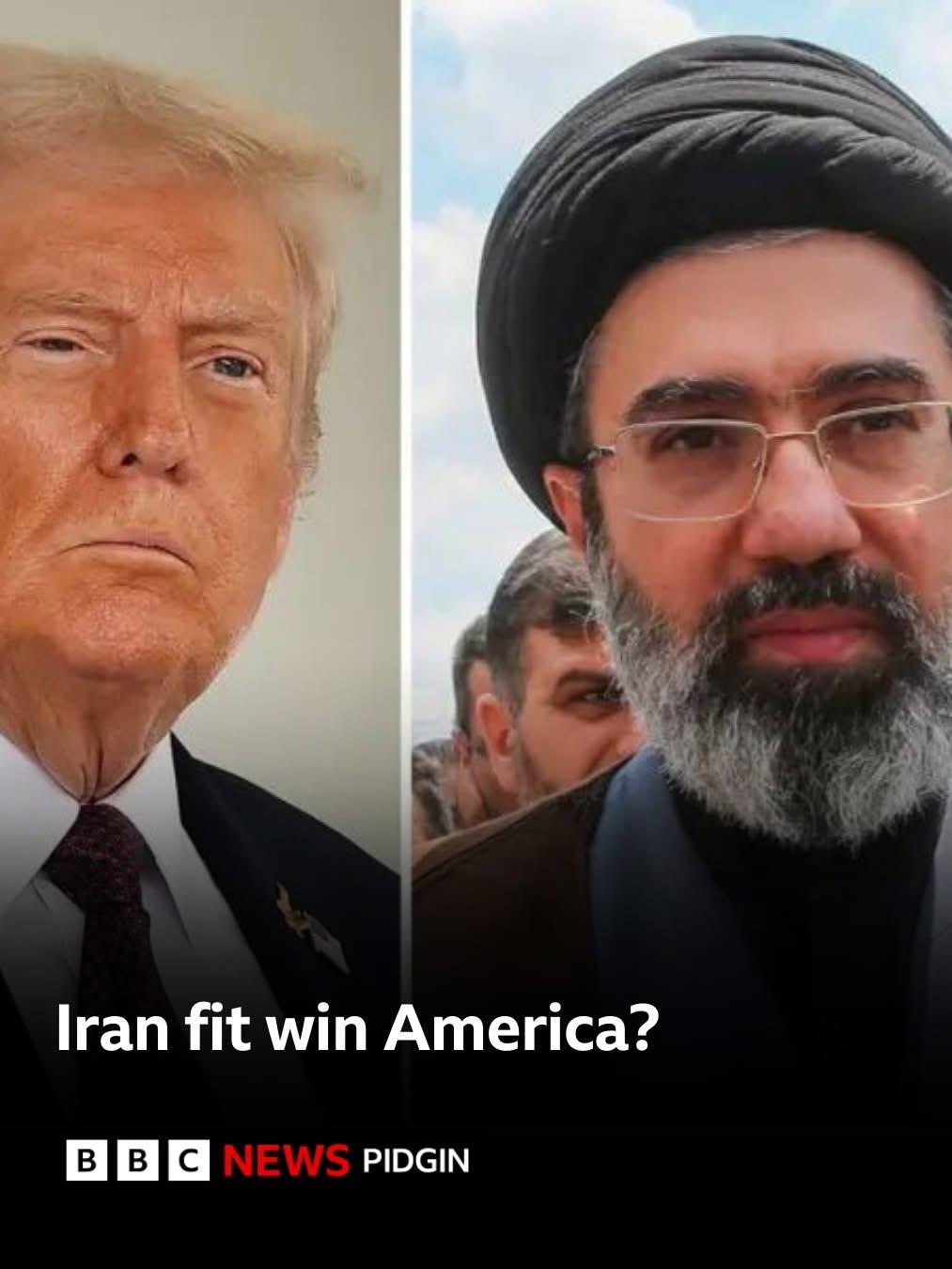
  • Is Trump Becoming the Next “Fallen Despot”? Why Iran’s Supreme Leader Khamenei Compared Him to Pharaoh, Nimrod and the Shah Amid Rising U.S.–Iran Tensions

    Is Donald Trump being cast as the next ruler destined for historical downfall? Iran’s Supreme Leader, Ayatollah Ali Khamenei, has launched a sharp ideological attack on the U.S. president, accusing him of “tyrannical” leadership and warning that, like infamous rulers of the past, he too could ultimately fall from power.

    In a post shared on X (formerly Twitter), Khamenei condemned what he described as Trump’s habit of judging the world with arrogance, arguing that history offers repeated lessons about leaders who rule through hubris. Drawing striking parallels, the Iranian leader invoked figures such as Pharaoh, Nimrod, and Mohammad Reza Pahlavi—rulers who, he said, collapsed at the height of their authority after overreaching their power.

    “The US President who judges arrogantly about the whole world should know that tyrants and arrogant rulers of the world… saw their downfall when they were at the peak of their hubris. He too will fall,” Khamenei wrote. The message framed Trump not merely as a political rival, but as part of a long lineage of leaders whose dominance, according to Khamenei, eventually gave way to decline.

    The comments come amid deepening hostility between Tehran and Washington, defined by sanctions, military posturing, and public exchanges between senior officials. Khamenei, Iran’s highest authority, has consistently portrayed U.S. foreign policy as imperialistic, often embedding his criticisms within historical and religious narratives aimed at reinforcing Iran’s resistance ideology.

    Tensions intensified further following reports that Trump praised Israeli military strikes on Iran in June 2025. According to ABC News Chief Washington Correspondent Jonathan Karl, Trump described the attack as “excellent,” adding that Iran had been given a chance to change course but failed to do so—and warning that “there’s more to come, a lot more.” His remarks coincided with a series of escalating confrontations between Israel and Iran, including strikes on Iranian territory, some reportedly reaching as far as Tehran.

    Iran’s Foreign Ministry condemned the attacks as a “blatant act of aggression,” while regional analysts warned that rhetoric from both sides risks further destabilizing an already volatile Middle East. Against this backdrop, Khamenei’s comparison of Trump to fallen despots appears not only symbolic but strategic—seeking to frame U.S. pressure as morally bankrupt and historically doomed.

    The episode raises broader questions: Is Khamenei merely engaging in ideological posturing, or is Iran signaling that it sees Trump’s leadership style as unsustainable in the long run? And does invoking ancient and modern tyrants reflect a deeper effort to mobilize domestic and regional opinion against American influence?

    As U.S.–Iran relations continue to harden, the clash of narratives—Trump’s warnings of force and Khamenei’s predictions of downfall—underscores how geopolitical conflict today is fought not only with sanctions and weapons, but with history, symbolism, and the power of storytelling. Whether Trump’s approach will reinforce U.S. dominance or mirror the fate of leaders Khamenei cited remains a question shaping global attention.


    Is Trump Becoming the Next “Fallen Despot”? Why Iran’s Supreme Leader Khamenei Compared Him to Pharaoh, Nimrod and the Shah Amid Rising U.S.–Iran Tensions Is Donald Trump being cast as the next ruler destined for historical downfall? Iran’s Supreme Leader, Ayatollah Ali Khamenei, has launched a sharp ideological attack on the U.S. president, accusing him of “tyrannical” leadership and warning that, like infamous rulers of the past, he too could ultimately fall from power. In a post shared on X (formerly Twitter), Khamenei condemned what he described as Trump’s habit of judging the world with arrogance, arguing that history offers repeated lessons about leaders who rule through hubris. Drawing striking parallels, the Iranian leader invoked figures such as Pharaoh, Nimrod, and Mohammad Reza Pahlavi—rulers who, he said, collapsed at the height of their authority after overreaching their power. “The US President who judges arrogantly about the whole world should know that tyrants and arrogant rulers of the world… saw their downfall when they were at the peak of their hubris. He too will fall,” Khamenei wrote. The message framed Trump not merely as a political rival, but as part of a long lineage of leaders whose dominance, according to Khamenei, eventually gave way to decline. The comments come amid deepening hostility between Tehran and Washington, defined by sanctions, military posturing, and public exchanges between senior officials. Khamenei, Iran’s highest authority, has consistently portrayed U.S. foreign policy as imperialistic, often embedding his criticisms within historical and religious narratives aimed at reinforcing Iran’s resistance ideology. Tensions intensified further following reports that Trump praised Israeli military strikes on Iran in June 2025. According to ABC News Chief Washington Correspondent Jonathan Karl, Trump described the attack as “excellent,” adding that Iran had been given a chance to change course but failed to do so—and warning that “there’s more to come, a lot more.” His remarks coincided with a series of escalating confrontations between Israel and Iran, including strikes on Iranian territory, some reportedly reaching as far as Tehran. Iran’s Foreign Ministry condemned the attacks as a “blatant act of aggression,” while regional analysts warned that rhetoric from both sides risks further destabilizing an already volatile Middle East. Against this backdrop, Khamenei’s comparison of Trump to fallen despots appears not only symbolic but strategic—seeking to frame U.S. pressure as morally bankrupt and historically doomed. The episode raises broader questions: Is Khamenei merely engaging in ideological posturing, or is Iran signaling that it sees Trump’s leadership style as unsustainable in the long run? And does invoking ancient and modern tyrants reflect a deeper effort to mobilize domestic and regional opinion against American influence? As U.S.–Iran relations continue to harden, the clash of narratives—Trump’s warnings of force and Khamenei’s predictions of downfall—underscores how geopolitical conflict today is fought not only with sanctions and weapons, but with history, symbolism, and the power of storytelling. Whether Trump’s approach will reinforce U.S. dominance or mirror the fate of leaders Khamenei cited remains a question shaping global attention.
    0 التعليقات ·0 المشاركات ·83 مشاهدة
  • Is the ‘Christian Genocide’ in Nigeria a Political Narrative? Why Trump Admits Muslims Are Also Killed as Sowore Accuses the U.S. of Using Religion to Justify Power, Oil, and Military Influence

    Is the narrative of a “Christian genocide” in Nigeria an honest reflection of the country’s security crisis—or a political tool shaped by foreign interests? United States President Donald Trump has made a partial shift in his long-standing rhetoric on religious violence in Nigeria, acknowledging that Muslims are also being killed, even while maintaining that Christians remain the primary victims.

    Trump made the remarks during an interview with The New York Times following questions about Washington’s Christmas Day military strike in northwest Nigeria. The U.S. military said the operation, carried out at the request of the Nigerian government, targeted Islamic State West Africa Province (ISWAP), a Boko Haram splinter group responsible for years of deadly attacks across northern Nigeria.

    When asked about earlier comments from his own Africa adviser—who had stated that extremist groups in Nigeria kill more Muslims than Christians—Trump responded: “I think that Muslims are being killed also in Nigeria. But it’s mostly Christians.” The statement marked a rare acknowledgment that Nigeria’s victims of terrorism cut across religious lines, even as Trump continued to frame the conflict primarily through a Christian persecution lens.

    The comments immediately drew a sharp response from Omoyele Sowore, former Nigerian presidential candidate and prominent human rights activist. In a series of posts on X (formerly Twitter), Sowore dismissed the “Christian genocide” narrative as a calculated political construct, arguing that it is designed to stir emotion, mobilize conservative audiences abroad, and provide moral cover for foreign military, economic, and geopolitical agendas.

    Sowore accused Trump of using religion as a rhetorical device while pursuing what he described as imperial interests tied to oil, rare earth minerals, and strategic dominance. “The narrative used to justify it is secondary,” Sowore wrote, adding that such framing only needs to “match the gullibility of the intended audience.” According to him, claims of systematic religious genocide in Nigeria are not grounded in objective reality but are deliberately shaped to occupy a powerful emotional space in Western political discourse.

    He further challenged Trump’s moral authority to speak on Christian values, asserting that the former U.S. president does not embody the compassion, humility, or solidarity central to the faith he frequently invokes. Sowore argued that Trump’s selective concern for religious identity masks a broader indifference to human suffering—both abroad and at home—unless it aligns with his political interests.

    The controversy highlights a deeper question: Is Nigeria’s complex security crisis being oversimplified into a religious conflict for international consumption? While jihadist groups like ISWAP and Boko Haram have undeniably targeted Christian communities, they have also killed thousands of Muslims, including traditional leaders, clerics, villagers, and security personnel. Analysts have long warned that framing the violence as exclusively anti-Christian risks distorting reality, inflaming sectarian tensions, and obscuring the political, economic, and territorial dimensions of the conflict.

    Trump’s admission that Muslims are also victims, even if partial, challenges his earlier absolutist framing. Yet his insistence that Christians remain the main targets continues to fuel debate about whether U.S. policy toward Nigeria is being shaped by faith-based narratives rather than nuanced security analysis.

    As Nigeria battles insurgency, banditry, and transnational terrorism, the exchange between Trump and Sowore underscores how global power politics, religious identity, and media narratives intersect in shaping international responses to African conflicts. The key question remains: is the world seeing Nigeria’s crisis as it truly is—or as it is most politically useful to portray?


    Is the ‘Christian Genocide’ in Nigeria a Political Narrative? Why Trump Admits Muslims Are Also Killed as Sowore Accuses the U.S. of Using Religion to Justify Power, Oil, and Military Influence Is the narrative of a “Christian genocide” in Nigeria an honest reflection of the country’s security crisis—or a political tool shaped by foreign interests? United States President Donald Trump has made a partial shift in his long-standing rhetoric on religious violence in Nigeria, acknowledging that Muslims are also being killed, even while maintaining that Christians remain the primary victims. Trump made the remarks during an interview with The New York Times following questions about Washington’s Christmas Day military strike in northwest Nigeria. The U.S. military said the operation, carried out at the request of the Nigerian government, targeted Islamic State West Africa Province (ISWAP), a Boko Haram splinter group responsible for years of deadly attacks across northern Nigeria. When asked about earlier comments from his own Africa adviser—who had stated that extremist groups in Nigeria kill more Muslims than Christians—Trump responded: “I think that Muslims are being killed also in Nigeria. But it’s mostly Christians.” The statement marked a rare acknowledgment that Nigeria’s victims of terrorism cut across religious lines, even as Trump continued to frame the conflict primarily through a Christian persecution lens. The comments immediately drew a sharp response from Omoyele Sowore, former Nigerian presidential candidate and prominent human rights activist. In a series of posts on X (formerly Twitter), Sowore dismissed the “Christian genocide” narrative as a calculated political construct, arguing that it is designed to stir emotion, mobilize conservative audiences abroad, and provide moral cover for foreign military, economic, and geopolitical agendas. Sowore accused Trump of using religion as a rhetorical device while pursuing what he described as imperial interests tied to oil, rare earth minerals, and strategic dominance. “The narrative used to justify it is secondary,” Sowore wrote, adding that such framing only needs to “match the gullibility of the intended audience.” According to him, claims of systematic religious genocide in Nigeria are not grounded in objective reality but are deliberately shaped to occupy a powerful emotional space in Western political discourse. He further challenged Trump’s moral authority to speak on Christian values, asserting that the former U.S. president does not embody the compassion, humility, or solidarity central to the faith he frequently invokes. Sowore argued that Trump’s selective concern for religious identity masks a broader indifference to human suffering—both abroad and at home—unless it aligns with his political interests. The controversy highlights a deeper question: Is Nigeria’s complex security crisis being oversimplified into a religious conflict for international consumption? While jihadist groups like ISWAP and Boko Haram have undeniably targeted Christian communities, they have also killed thousands of Muslims, including traditional leaders, clerics, villagers, and security personnel. Analysts have long warned that framing the violence as exclusively anti-Christian risks distorting reality, inflaming sectarian tensions, and obscuring the political, economic, and territorial dimensions of the conflict. Trump’s admission that Muslims are also victims, even if partial, challenges his earlier absolutist framing. Yet his insistence that Christians remain the main targets continues to fuel debate about whether U.S. policy toward Nigeria is being shaped by faith-based narratives rather than nuanced security analysis. As Nigeria battles insurgency, banditry, and transnational terrorism, the exchange between Trump and Sowore underscores how global power politics, religious identity, and media narratives intersect in shaping international responses to African conflicts. The key question remains: is the world seeing Nigeria’s crisis as it truly is—or as it is most politically useful to portray?
    0 التعليقات ·0 المشاركات ·91 مشاهدة
  • Why Is the UAE Cutting Scholarships for UK Universities? Is Fear of Islamist Radicalisation on British Campuses Redefining Emirati Foreign Policy, Student Mobility, and UK–Gulf Relations?

    Is the United Arab Emirates quietly reshaping global student mobility—and sending a political message to Britain in the process? The UAE has begun restricting state-funded scholarships for students seeking to study in the United Kingdom, citing concerns that some British university campuses are being influenced or “radicalised” by Islamist groups.

    Officials in Abu Dhabi confirmed to the Financial Times and The Times that federal funding for Emirati citizens planning to enrol in UK universities has been curtailed. The move reflects deepening unease within the UAE over what it views as the growing ideological presence of Islamist networks on British campuses, particularly those allegedly linked to the Muslim Brotherhood, which the UAE designates as a terrorist organisation.

    While the UAE has not imposed an outright ban on studying in the UK, the policy change marks a significant shift. Wealthier families can still send students abroad using private funds, and government scholarships remain available for studies in other countries. However, the restriction is already affecting numbers: UK student visa data show a sharp decline in Emirati enrolment, with only 213 UAE students granted UK study visas in the year ending September 2025—a 27% drop from the previous year and a 55% fall compared to 2022. This is particularly striking given that the Emirati student population in the UK had doubled between 2017 and 2024 to around 8,500 students, with major concentrations at institutions such as King’s College London, University College London, the University of Manchester, the University of Leeds, and the University of Central Lancashire.

    At the heart of the decision lies long-standing political tension between Abu Dhabi and London. The UAE has repeatedly urged Britain to ban the Muslim Brotherhood, a group it considers a security threat. However, successive UK governments have declined to proscribe the organisation. A 2014 inquiry ordered by then-Prime Minister David Cameron, led by former ambassador Sir John Jenkins, concluded that the Brotherhood’s beliefs were incompatible with British values but found insufficient legal grounds for a ban. More recently, Reform UK leader Nigel Farage has said he would proscribe the group if elected, underscoring how the issue has become embedded in British political debate.

    Concerns in Britain about alleged Islamist influence on university campuses have also fueled controversy. Student organisations have faced scrutiny for hosting speakers accused of promoting extremist ideologies, with critics warning that academic spaces may be vulnerable to ideological recruitment. For the UAE, which has previously jailed suspected Brotherhood members and strongly supported Egypt’s 2013 military ouster of President Mohammed Morsi, the presence of any perceived Brotherhood influence abroad is seen as a direct security risk.

    A Middle East expert quoted by The Times suggested that the Emirati leadership is “obsessed” with the Brotherhood, describing it as more of an ideological movement than a tightly organised group. According to the source, the scholarship restrictions function as a “warning shot” to students, signalling that engagement with Islamist networks abroad could carry consequences back home.

    Beyond education policy, the move raises broader geopolitical questions. Is the UAE using scholarships as a diplomatic lever to pressure the UK? Will other Gulf states follow suit? And what does this mean for Britain’s position as a global education hub, especially at a time when international student numbers are critical to university funding?

    As Emirati students increasingly turn to alternative destinations, the policy may reshape academic exchange, economic ties, and cultural diplomacy between the Gulf and the UK. More fundamentally, it highlights how security concerns, ideological conflict, and foreign policy priorities are now directly influencing where young people are allowed—or encouraged—to study abroad.


    Why Is the UAE Cutting Scholarships for UK Universities? Is Fear of Islamist Radicalisation on British Campuses Redefining Emirati Foreign Policy, Student Mobility, and UK–Gulf Relations? Is the United Arab Emirates quietly reshaping global student mobility—and sending a political message to Britain in the process? The UAE has begun restricting state-funded scholarships for students seeking to study in the United Kingdom, citing concerns that some British university campuses are being influenced or “radicalised” by Islamist groups. Officials in Abu Dhabi confirmed to the Financial Times and The Times that federal funding for Emirati citizens planning to enrol in UK universities has been curtailed. The move reflects deepening unease within the UAE over what it views as the growing ideological presence of Islamist networks on British campuses, particularly those allegedly linked to the Muslim Brotherhood, which the UAE designates as a terrorist organisation. While the UAE has not imposed an outright ban on studying in the UK, the policy change marks a significant shift. Wealthier families can still send students abroad using private funds, and government scholarships remain available for studies in other countries. However, the restriction is already affecting numbers: UK student visa data show a sharp decline in Emirati enrolment, with only 213 UAE students granted UK study visas in the year ending September 2025—a 27% drop from the previous year and a 55% fall compared to 2022. This is particularly striking given that the Emirati student population in the UK had doubled between 2017 and 2024 to around 8,500 students, with major concentrations at institutions such as King’s College London, University College London, the University of Manchester, the University of Leeds, and the University of Central Lancashire. At the heart of the decision lies long-standing political tension between Abu Dhabi and London. The UAE has repeatedly urged Britain to ban the Muslim Brotherhood, a group it considers a security threat. However, successive UK governments have declined to proscribe the organisation. A 2014 inquiry ordered by then-Prime Minister David Cameron, led by former ambassador Sir John Jenkins, concluded that the Brotherhood’s beliefs were incompatible with British values but found insufficient legal grounds for a ban. More recently, Reform UK leader Nigel Farage has said he would proscribe the group if elected, underscoring how the issue has become embedded in British political debate. Concerns in Britain about alleged Islamist influence on university campuses have also fueled controversy. Student organisations have faced scrutiny for hosting speakers accused of promoting extremist ideologies, with critics warning that academic spaces may be vulnerable to ideological recruitment. For the UAE, which has previously jailed suspected Brotherhood members and strongly supported Egypt’s 2013 military ouster of President Mohammed Morsi, the presence of any perceived Brotherhood influence abroad is seen as a direct security risk. A Middle East expert quoted by The Times suggested that the Emirati leadership is “obsessed” with the Brotherhood, describing it as more of an ideological movement than a tightly organised group. According to the source, the scholarship restrictions function as a “warning shot” to students, signalling that engagement with Islamist networks abroad could carry consequences back home. Beyond education policy, the move raises broader geopolitical questions. Is the UAE using scholarships as a diplomatic lever to pressure the UK? Will other Gulf states follow suit? And what does this mean for Britain’s position as a global education hub, especially at a time when international student numbers are critical to university funding? As Emirati students increasingly turn to alternative destinations, the policy may reshape academic exchange, economic ties, and cultural diplomacy between the Gulf and the UK. More fundamentally, it highlights how security concerns, ideological conflict, and foreign policy priorities are now directly influencing where young people are allowed—or encouraged—to study abroad.
    0 التعليقات ·0 المشاركات ·83 مشاهدة


  • Why Did Uba Sani’s Campaign Director-General Quit APC for ADC? Does Prof Muhammad Sani Bello’s Resignation Signal a Growing Crack in Kaduna Politics Ahead of Future Elections?

    Is the All Progressives Congress (APC) beginning to lose key political figures in Kaduna State? That question has taken center stage following the resignation of Prof. Muhammad Sani Bello, the former Director-General of Governor Uba Sani’s 2023 Campaign Council, who has formally defected from the APC to the African Democratic Congress (ADC).

    Bello, a respected academic and former Commissioner of Education and Commissioner of Communications in Kaduna State, announced his decision in a resignation letter dated January 7, 2026, addressed to the APC Chairman of Dogarawa Ward, Sabon Gari Local Government Area. In the letter, he stated unequivocally: “This is to let you know of my decision to withdraw my membership of the APC with immediate effect.”

    Despite his exit, Bello maintained a diplomatic tone, expressing appreciation for his time in the party and describing his relationship with the APC as “mutually beneficial.” He concluded the letter with formal courtesies, signaling a calculated and orderly departure rather than a public confrontation.

    His defection is politically significant. Bello was not only a former commissioner but also a central strategist in Governor Uba Sani’s 2023 election victory, making his exit one of the most high-profile departures from the ruling party in Kaduna in recent times. Observers see the move as more than a routine party switch—it raises deeper questions about internal cohesion, loyalty, and ideological direction within the APC at the state level.

    Why did such a prominent figure abandon the ruling party for the ADC, a smaller but increasingly vocal opposition platform? While Bello did not publicly disclose his reasons beyond the formal resignation, analysts suggest the move may reflect growing dissatisfaction among some party elites, strategic realignment ahead of future elections, or concerns over political inclusion and governance style.

    The development also underscores the ADC’s quiet efforts to attract influential politicians, potentially reshaping opposition politics in Kaduna. With Bello’s credentials in governance, education, and communications, his presence could strengthen the ADC’s structure and messaging, especially in urban and intellectual circles.

    Politically, the defection fuels speculation about possible cracks within the APC’s power base in the state. Could more high-ranking members follow? Does this mark the beginning of a broader realignment ahead of upcoming electoral cycles? And what impact might this have on Governor Uba Sani’s political machinery?

    As Kaduna’s political landscape continues to evolve, Bello’s resignation from the APC and entry into the ADC signals a moment of uncertainty—and opportunity. Whether this move becomes a catalyst for wider shifts or remains an isolated defection will shape the balance of power in the state’s future political battles.


    Why Did Uba Sani’s Campaign Director-General Quit APC for ADC? Does Prof Muhammad Sani Bello’s Resignation Signal a Growing Crack in Kaduna Politics Ahead of Future Elections? Is the All Progressives Congress (APC) beginning to lose key political figures in Kaduna State? That question has taken center stage following the resignation of Prof. Muhammad Sani Bello, the former Director-General of Governor Uba Sani’s 2023 Campaign Council, who has formally defected from the APC to the African Democratic Congress (ADC). Bello, a respected academic and former Commissioner of Education and Commissioner of Communications in Kaduna State, announced his decision in a resignation letter dated January 7, 2026, addressed to the APC Chairman of Dogarawa Ward, Sabon Gari Local Government Area. In the letter, he stated unequivocally: “This is to let you know of my decision to withdraw my membership of the APC with immediate effect.” Despite his exit, Bello maintained a diplomatic tone, expressing appreciation for his time in the party and describing his relationship with the APC as “mutually beneficial.” He concluded the letter with formal courtesies, signaling a calculated and orderly departure rather than a public confrontation. His defection is politically significant. Bello was not only a former commissioner but also a central strategist in Governor Uba Sani’s 2023 election victory, making his exit one of the most high-profile departures from the ruling party in Kaduna in recent times. Observers see the move as more than a routine party switch—it raises deeper questions about internal cohesion, loyalty, and ideological direction within the APC at the state level. Why did such a prominent figure abandon the ruling party for the ADC, a smaller but increasingly vocal opposition platform? While Bello did not publicly disclose his reasons beyond the formal resignation, analysts suggest the move may reflect growing dissatisfaction among some party elites, strategic realignment ahead of future elections, or concerns over political inclusion and governance style. The development also underscores the ADC’s quiet efforts to attract influential politicians, potentially reshaping opposition politics in Kaduna. With Bello’s credentials in governance, education, and communications, his presence could strengthen the ADC’s structure and messaging, especially in urban and intellectual circles. Politically, the defection fuels speculation about possible cracks within the APC’s power base in the state. Could more high-ranking members follow? Does this mark the beginning of a broader realignment ahead of upcoming electoral cycles? And what impact might this have on Governor Uba Sani’s political machinery? As Kaduna’s political landscape continues to evolve, Bello’s resignation from the APC and entry into the ADC signals a moment of uncertainty—and opportunity. Whether this move becomes a catalyst for wider shifts or remains an isolated defection will shape the balance of power in the state’s future political battles.
    0 التعليقات ·0 المشاركات ·94 مشاهدة
  • Are Terrorists Fleeing U.S. Airstrikes in Sokoto Now Spreading Violence Into Benue? Why Agatu Council Chairman Says Armed Groups Have Infiltrated Communities, Forced Policy Reversals, and Triggered a New Security Crisis

    Are counterterrorism operations in one part of Nigeria unintentionally pushing violence into other states? That is the concern raised by the Chairman of Agatu Local Government Area in Benue State, James Melvin Ejeh, who says armed groups displaced by recent U.S.–Nigerian military airstrikes in Sokoto State are now infiltrating communities in his region.

    According to Ejeh, terrorists targeted in coordinated air operations in December have not been eliminated but instead relocated across state borders, spreading insecurity into rural Benue communities. He described a surge in attacks on Agatu villages, warning that innocent residents are now facing “unprecedented terror” as fleeing fighters establish new footholds.

    The council chairman said intelligence reports and local accounts indicate that the militants, after being dislodged from Sokoto, are moving into neighbouring states, with Agatu among the hardest hit. He stressed that what was intended as a strategic blow against terrorism may now be creating a dangerous spillover effect, exposing vulnerable farming communities to renewed violence.

    In response to the escalating attacks, Ejeh announced a decisive policy shift: the immediate cancellation of a 2017 grazing agreement that allowed herdsmen access to Adepati Island. He argued that the agreement, originally framed as a peacebuilding measure, had instead compromised community safety and enabled armed elements to operate within Agatu territory.

    Describing the pact as an arrangement made “under the guise of promoting peaceful coexistence,” Ejeh accused previous local administrations of placing diplomacy above the security of residents. He declared the agreement null and void, ordered all armed herders to vacate Agatu land, and emphasized that no portion of Agatu belongs to herders under any guise.

    Ejeh further revealed that security agencies have begun arrests and investigations, warning that anyone found collaborating with armed groups will face the full weight of the law. He maintained that the people of Agatu have reached a firm position: no future engagement with herders will occur unless it is conducted lawfully, transparently, and only after broad consultation with traditional rulers and community stakeholders.

    The development raises urgent national questions: Are military airstrikes merely displacing terrorists rather than dismantling their networks? Is Nigeria witnessing a dangerous redistribution of insecurity from one region to another? And can local governments withstand the security fallout without stronger federal coordination?

    As communities in Benue confront the consequences of a conflict they did not initiate, the Agatu chairman’s warning highlights a growing fear that counterterrorism victories in one state may be creating new frontlines elsewhere, leaving civilians trapped in the crossfire of shifting militant movements.

    Are Terrorists Fleeing U.S. Airstrikes in Sokoto Now Spreading Violence Into Benue? Why Agatu Council Chairman Says Armed Groups Have Infiltrated Communities, Forced Policy Reversals, and Triggered a New Security Crisis Are counterterrorism operations in one part of Nigeria unintentionally pushing violence into other states? That is the concern raised by the Chairman of Agatu Local Government Area in Benue State, James Melvin Ejeh, who says armed groups displaced by recent U.S.–Nigerian military airstrikes in Sokoto State are now infiltrating communities in his region. According to Ejeh, terrorists targeted in coordinated air operations in December have not been eliminated but instead relocated across state borders, spreading insecurity into rural Benue communities. He described a surge in attacks on Agatu villages, warning that innocent residents are now facing “unprecedented terror” as fleeing fighters establish new footholds. The council chairman said intelligence reports and local accounts indicate that the militants, after being dislodged from Sokoto, are moving into neighbouring states, with Agatu among the hardest hit. He stressed that what was intended as a strategic blow against terrorism may now be creating a dangerous spillover effect, exposing vulnerable farming communities to renewed violence. In response to the escalating attacks, Ejeh announced a decisive policy shift: the immediate cancellation of a 2017 grazing agreement that allowed herdsmen access to Adepati Island. He argued that the agreement, originally framed as a peacebuilding measure, had instead compromised community safety and enabled armed elements to operate within Agatu territory. Describing the pact as an arrangement made “under the guise of promoting peaceful coexistence,” Ejeh accused previous local administrations of placing diplomacy above the security of residents. He declared the agreement null and void, ordered all armed herders to vacate Agatu land, and emphasized that no portion of Agatu belongs to herders under any guise. Ejeh further revealed that security agencies have begun arrests and investigations, warning that anyone found collaborating with armed groups will face the full weight of the law. He maintained that the people of Agatu have reached a firm position: no future engagement with herders will occur unless it is conducted lawfully, transparently, and only after broad consultation with traditional rulers and community stakeholders. The development raises urgent national questions: Are military airstrikes merely displacing terrorists rather than dismantling their networks? Is Nigeria witnessing a dangerous redistribution of insecurity from one region to another? And can local governments withstand the security fallout without stronger federal coordination? As communities in Benue confront the consequences of a conflict they did not initiate, the Agatu chairman’s warning highlights a growing fear that counterterrorism victories in one state may be creating new frontlines elsewhere, leaving civilians trapped in the crossfire of shifting militant movements.
    0 التعليقات ·0 المشاركات ·103 مشاهدة
  • CAPTI Declines Nigeria Police Meeting Over Human Rights Violations by Imo ‘Tiger Base’ Unit

    The Coalition Against Police Tigerbase Impunity (CAPTI) has declined a scheduled meeting with the Nigeria Police Force’s Police Monitoring Unit at Force Headquarters, Abuja. The coalition cited practical, logistical, and substantive constraints, emphasizing that the short notice and travel requirements made attendance impossible.

    In a letter signed by Sanyaolu Juwon, CAPTI Coordinator, the group acknowledged the police’s willingness to engage but stressed that any meeting must include victims and their families, many of whom reside in Imo State or are held at Owerri Correctional Centre. CAPTI noted that meaningful engagement requires proper planning, sufficient notice, and clear mechanisms for victim testimonies and accountability.

    The coalition remains open to dialogue but requested a mutually convenient date with arrangements allowing for inclusive participation of victims and civil society observers. CAPTI has been vocal about alleged abuses by the Tiger Base anti-kidnapping unit, advocating for transparency, accountability, and respect for human rights in Nigerian policing.

    #CAPTI #TigerBase #HumanRights”
    CAPTI Declines Nigeria Police Meeting Over Human Rights Violations by Imo ‘Tiger Base’ Unit The Coalition Against Police Tigerbase Impunity (CAPTI) has declined a scheduled meeting with the Nigeria Police Force’s Police Monitoring Unit at Force Headquarters, Abuja. The coalition cited practical, logistical, and substantive constraints, emphasizing that the short notice and travel requirements made attendance impossible. In a letter signed by Sanyaolu Juwon, CAPTI Coordinator, the group acknowledged the police’s willingness to engage but stressed that any meeting must include victims and their families, many of whom reside in Imo State or are held at Owerri Correctional Centre. CAPTI noted that meaningful engagement requires proper planning, sufficient notice, and clear mechanisms for victim testimonies and accountability. The coalition remains open to dialogue but requested a mutually convenient date with arrangements allowing for inclusive participation of victims and civil society observers. CAPTI has been vocal about alleged abuses by the Tiger Base anti-kidnapping unit, advocating for transparency, accountability, and respect for human rights in Nigerian policing. #CAPTI #TigerBase #HumanRights”
    0 التعليقات ·0 المشاركات ·87 مشاهدة
  • Oyo State Records Over 100 Farmers-Herders Clashes Monthly – NSCDC Reports

    The Nigeria Security and Civil Defence Corps (NSCDC), Oyo State Command, has revealed that the state experiences up to 100 farmers-herders clashes every month. The NSCDC spokesperson, Samuel Opebiyi, cited causes such as grazing on farmlands, cattle poisoning, and related disputes.

    Opebiyi highlighted the efforts of the NSCDC Agro-Rangers unit, which has successfully prevented many conflicts from escalating. The corps uses Alternative Dispute Resolution (ADR) mechanisms to foster peaceful coexistence between farmers and herders, contributing to food security in the state.

    The clashes are most prevalent in Oluyole, Oke-Ogun, and Ibarapa regions, with the NSCDC noting that limited manpower has hindered full deployment of Agro-Rangers to all communities. Ongoing efforts aim to strengthen the unit and ensure safety for both farmers and herders.


    #OyoState #FarmersHerders #NSCDC”

    Oyo State Records Over 100 Farmers-Herders Clashes Monthly – NSCDC Reports The Nigeria Security and Civil Defence Corps (NSCDC), Oyo State Command, has revealed that the state experiences up to 100 farmers-herders clashes every month. The NSCDC spokesperson, Samuel Opebiyi, cited causes such as grazing on farmlands, cattle poisoning, and related disputes. Opebiyi highlighted the efforts of the NSCDC Agro-Rangers unit, which has successfully prevented many conflicts from escalating. The corps uses Alternative Dispute Resolution (ADR) mechanisms to foster peaceful coexistence between farmers and herders, contributing to food security in the state. The clashes are most prevalent in Oluyole, Oke-Ogun, and Ibarapa regions, with the NSCDC noting that limited manpower has hindered full deployment of Agro-Rangers to all communities. Ongoing efforts aim to strengthen the unit and ensure safety for both farmers and herders. #OyoState #FarmersHerders #NSCDC”
    0 التعليقات ·0 المشاركات ·91 مشاهدة
  • Nigeria Police Summon Rights Group CAPTI Over Alleged Human Rights Abuses by Imo ‘Tiger Base’ Operatives

    The Nigeria Police Force, through its Police Monitoring Unit at Force Headquarters, Abuja, has summoned the Coalition Against Police Tigerbase Impunity (CAPTI) following a petition detailing alleged torture and human rights abuses by operatives of the Imo State Tiger Base Anti-Kidnapping Unit.

    The invitation, issued under Reference No: CR: 3000/1GP.SEC/PMU/OPS/ABJ/VOL:/261/78 on January 8, 2026, requested CAPTI representatives and victims’ relatives to attend an interview on January 12, 2026, to provide further details on the allegations.

    CAPTI, citing short notice, logistical constraints, and the need for adequate preparation, informed the police that it could not attend the scheduled meeting. The rights group, headquartered in Lagos, expressed its commitment to constructive engagement with the Nigeria Police Force while highlighting challenges in mobilizing stakeholders on short notice for a meeting in Abuja.

    The coalition emphasized the importance of accountability, justice, and protection of citizens’ fundamental rights, while acknowledging the police’s willingness to engage with civil society on matters of public concern.

    #NigeriaPolice #HumanRights #CAPTI”


    Nigeria Police Summon Rights Group CAPTI Over Alleged Human Rights Abuses by Imo ‘Tiger Base’ Operatives The Nigeria Police Force, through its Police Monitoring Unit at Force Headquarters, Abuja, has summoned the Coalition Against Police Tigerbase Impunity (CAPTI) following a petition detailing alleged torture and human rights abuses by operatives of the Imo State Tiger Base Anti-Kidnapping Unit. The invitation, issued under Reference No: CR: 3000/1GP.SEC/PMU/OPS/ABJ/VOL:/261/78 on January 8, 2026, requested CAPTI representatives and victims’ relatives to attend an interview on January 12, 2026, to provide further details on the allegations. CAPTI, citing short notice, logistical constraints, and the need for adequate preparation, informed the police that it could not attend the scheduled meeting. The rights group, headquartered in Lagos, expressed its commitment to constructive engagement with the Nigeria Police Force while highlighting challenges in mobilizing stakeholders on short notice for a meeting in Abuja. The coalition emphasized the importance of accountability, justice, and protection of citizens’ fundamental rights, while acknowledging the police’s willingness to engage with civil society on matters of public concern. #NigeriaPolice #HumanRights #CAPTI”
    0 التعليقات ·0 المشاركات ·93 مشاهدة
  • Oyo Police Arrest 49-Year-Old Man for Alleged 2022 Defilement of 13-Year-Old Girl in Ibadan

    The Oyo State Command of the Nigeria Police Force has arrested 49-year-old Peter Adubi for the alleged defilement of a 13-year-old girl in 2022. The arrest followed a report by the minor’s guardian, who noticed unusual sexualized behavior in the girl.

    Upon questioning, the minor disclosed that the abuse occurred while she was living with her mother in the Molade area of Ibadan. Medical examinations confirmed sexual abuse, providing critical evidence for the investigation.

    The case has now been transferred to the State Criminal Investigation Department (SCID), Gender Desk for a discreet and thorough investigation. The police assured the public that justice will be diligently pursued and encouraged citizens to report incidents of sexual abuse to protect children.

    #OyoPolice #ChildProtection #NigeriaCrime”

    Oyo Police Arrest 49-Year-Old Man for Alleged 2022 Defilement of 13-Year-Old Girl in Ibadan The Oyo State Command of the Nigeria Police Force has arrested 49-year-old Peter Adubi for the alleged defilement of a 13-year-old girl in 2022. The arrest followed a report by the minor’s guardian, who noticed unusual sexualized behavior in the girl. Upon questioning, the minor disclosed that the abuse occurred while she was living with her mother in the Molade area of Ibadan. Medical examinations confirmed sexual abuse, providing critical evidence for the investigation. The case has now been transferred to the State Criminal Investigation Department (SCID), Gender Desk for a discreet and thorough investigation. The police assured the public that justice will be diligently pursued and encouraged citizens to report incidents of sexual abuse to protect children. #OyoPolice #ChildProtection #NigeriaCrime”
    0 التعليقات ·0 المشاركات ·104 مشاهدة
  • Delta Police Redeploy Jesse DPO, Detain Constable Over ₦2.5M Extortion Allegations

    The Delta State Police Command has redeployed CSP Chidi Nwabuzor, DPO of Jesse Division, and detained a constable following allegations of extorting ₦2.5 million from a woman seeking her brother’s release from custody.

    The allegations surfaced in a viral video implicating the DPO and two officers, Bright and Usman, in the extortion. The victim’s brother, 20-year-old Israel Onojeruo, was initially arrested on January 1, 2026, after being implicated by another suspect. Both were later transferred to the State Anti-Cult Unit (SACU).

    In response, CP Aina Adesola ordered an immediate investigation by the Anti-Corruption (X-Squad) Unit. The constable, Bright, was detained at command headquarters, while the DPO was redeployed pending investigation due to prior complaints of unprofessional conduct.

    The Police assured the public that any officer found guilty would be decisively dealt with under the Police Act. Citizens can report misconduct through the Complaint Response Unit via numbers: 09011112311, 09155570008, 09064308018, 09066575187.

    #DeltaPolice #Extortion #NigeriaNews”

    Delta Police Redeploy Jesse DPO, Detain Constable Over ₦2.5M Extortion Allegations The Delta State Police Command has redeployed CSP Chidi Nwabuzor, DPO of Jesse Division, and detained a constable following allegations of extorting ₦2.5 million from a woman seeking her brother’s release from custody. The allegations surfaced in a viral video implicating the DPO and two officers, Bright and Usman, in the extortion. The victim’s brother, 20-year-old Israel Onojeruo, was initially arrested on January 1, 2026, after being implicated by another suspect. Both were later transferred to the State Anti-Cult Unit (SACU). In response, CP Aina Adesola ordered an immediate investigation by the Anti-Corruption (X-Squad) Unit. The constable, Bright, was detained at command headquarters, while the DPO was redeployed pending investigation due to prior complaints of unprofessional conduct. The Police assured the public that any officer found guilty would be decisively dealt with under the Police Act. Citizens can report misconduct through the Complaint Response Unit via numbers: 09011112311, 09155570008, 09064308018, 09066575187. #DeltaPolice #Extortion #NigeriaNews”
    0 التعليقات ·0 المشاركات ·101 مشاهدة
  • Delta Police Redeploy Jesse DPO, Detain Constable Over ₦2.5M Extortion Allegations

    The Delta State Police Command has redeployed CSP Chidi Nwabuzor, DPO of Jesse Division, and detained a constable following allegations of extorting ₦2.5 million from a woman seeking her brother’s release from custody.

    The allegations surfaced in a viral video implicating the DPO and two officers, Bright and Usman, in the extortion. The victim’s brother, 20-year-old Israel Onojeruo, was initially arrested on January 1, 2026, after being implicated by another suspect. Both were later transferred to the State Anti-Cult Unit (SACU).

    In response, CP Aina Adesola ordered an immediate investigation by the Anti-Corruption (X-Squad) Unit. The constable, Bright, was detained at command headquarters, while the DPO was redeployed pending investigation due to prior complaints of unprofessional conduct.

    The Police assured the public that any officer found guilty would be decisively dealt with under the Police Act. Citizens can report misconduct through the Complaint Response Unit via numbers: 09011112311, 09155570008, 09064308018, 09066575187.


    #DeltaPolice #Extortion #NigeriaNews”

    Delta Police Redeploy Jesse DPO, Detain Constable Over ₦2.5M Extortion Allegations The Delta State Police Command has redeployed CSP Chidi Nwabuzor, DPO of Jesse Division, and detained a constable following allegations of extorting ₦2.5 million from a woman seeking her brother’s release from custody. The allegations surfaced in a viral video implicating the DPO and two officers, Bright and Usman, in the extortion. The victim’s brother, 20-year-old Israel Onojeruo, was initially arrested on January 1, 2026, after being implicated by another suspect. Both were later transferred to the State Anti-Cult Unit (SACU). In response, CP Aina Adesola ordered an immediate investigation by the Anti-Corruption (X-Squad) Unit. The constable, Bright, was detained at command headquarters, while the DPO was redeployed pending investigation due to prior complaints of unprofessional conduct. The Police assured the public that any officer found guilty would be decisively dealt with under the Police Act. Citizens can report misconduct through the Complaint Response Unit via numbers: 09011112311, 09155570008, 09064308018, 09066575187. #DeltaPolice #Extortion #NigeriaNews”
    0 التعليقات ·0 المشاركات ·101 مشاهدة

  • Tinubu Govt Allocates N6B for Presidential Jet Engine Overhaul, N1.5B for Aviation Fuel in 2026 Budget

    The Tinubu-led Nigerian government has earmarked N6 billion for overhauling aircraft engines in the Presidential Air Fleet under the 2026 budget. A breakdown of the expenditure reveals that the presidential jet, 5N-FGW (Gulfstream G550), will cost N3.859 billion for engine overhaul, while two Falcon 7X aircraft will require N2.19 billion for maintenance.

    In addition, N1.2 billion is budgeted for general aircraft maintenance, and N1.5 billion is allocated for aviation fuel. Other allocations include N375 million for foodstuffs and catering supplies for presidential operations.

    The budget review also highlights planned travel expenses: President Bola Tinubu has set aside N6.1 billion for international trips, while Vice President Kashim Shettima plans to spend N1.3 billion on foreign travels, totaling N7.4 billion. The President is scheduled to attend the Abu Dhabi Sustainability Week Summit (ADSW 2026) following his European break.

    Historical data shows the Tinubu administration spent N36.3 billion on international travel in 2024 and significant sums on local transport, underscoring the continued high cost of State House operations.

    #NigeriaBudget2026 #Tinubu #PresidentialAirFleet”

    Tinubu Govt Allocates N6B for Presidential Jet Engine Overhaul, N1.5B for Aviation Fuel in 2026 Budget The Tinubu-led Nigerian government has earmarked N6 billion for overhauling aircraft engines in the Presidential Air Fleet under the 2026 budget. A breakdown of the expenditure reveals that the presidential jet, 5N-FGW (Gulfstream G550), will cost N3.859 billion for engine overhaul, while two Falcon 7X aircraft will require N2.19 billion for maintenance. In addition, N1.2 billion is budgeted for general aircraft maintenance, and N1.5 billion is allocated for aviation fuel. Other allocations include N375 million for foodstuffs and catering supplies for presidential operations. The budget review also highlights planned travel expenses: President Bola Tinubu has set aside N6.1 billion for international trips, while Vice President Kashim Shettima plans to spend N1.3 billion on foreign travels, totaling N7.4 billion. The President is scheduled to attend the Abu Dhabi Sustainability Week Summit (ADSW 2026) following his European break. Historical data shows the Tinubu administration spent N36.3 billion on international travel in 2024 and significant sums on local transport, underscoring the continued high cost of State House operations. #NigeriaBudget2026 #Tinubu #PresidentialAirFleet”
    0 التعليقات ·0 المشاركات ·109 مشاهدة
  • EFCC Arraigns Austrian National Over Undeclared $800,585 and €651,505 at Lagos Airport

    The Economic and Financial Crimes Commission (EFCC) has arraigned Austrian national Kavlak Onal for allegedly failing to declare large sums of foreign currency at Murtala Muhammed International Airport, Lagos.

    Onal was intercepted by the Nigeria Customs Service while attempting to travel to Dubai, with $800,585 and €651,505 in his possession, reportedly concealed and undeclared. He was subsequently handed over to the EFCC for investigation and prosecution.

    The Head of the Foreign Exchange Malpractices Section, ACE II Adejumo Richard, commended the Customs Service for their cooperation in the arrest, emphasizing the importance of synergy between security agencies in combating financial crimes.

    This incident follows previous cases involving undeclared foreign currencies at Nigerian airports, including the interception of $6.1 million from passengers suspected to be couriers for politically exposed persons (PEPs).

    The EFCC continues to intensify efforts against financial crimes, highlighting its commitment to enforcing compliance with Nigeria’s foreign currency declaration laws.


    #EFCC #FinancialCrime #NigeriaSecurity”

    EFCC Arraigns Austrian National Over Undeclared $800,585 and €651,505 at Lagos Airport The Economic and Financial Crimes Commission (EFCC) has arraigned Austrian national Kavlak Onal for allegedly failing to declare large sums of foreign currency at Murtala Muhammed International Airport, Lagos. Onal was intercepted by the Nigeria Customs Service while attempting to travel to Dubai, with $800,585 and €651,505 in his possession, reportedly concealed and undeclared. He was subsequently handed over to the EFCC for investigation and prosecution. The Head of the Foreign Exchange Malpractices Section, ACE II Adejumo Richard, commended the Customs Service for their cooperation in the arrest, emphasizing the importance of synergy between security agencies in combating financial crimes. This incident follows previous cases involving undeclared foreign currencies at Nigerian airports, including the interception of $6.1 million from passengers suspected to be couriers for politically exposed persons (PEPs). The EFCC continues to intensify efforts against financial crimes, highlighting its commitment to enforcing compliance with Nigeria’s foreign currency declaration laws. #EFCC #FinancialCrime #NigeriaSecurity”
    0 التعليقات ·0 المشاركات ·113 مشاهدة
  • Amnesty International Condemns U.S. Withdrawal From 66 International Treaties, Calls Move ‘Reckless

    Amnesty International has strongly criticized the United States’ decision to withdraw from 66 international organisations, conventions, and treaties, calling the move “a vindictive and reckless assault” on the legitimacy of the United Nations and the multilateral system.

    In a statement, Erika Guevara Rosas, Amnesty’s Senior Director of Research, Advocacy, Policy and Campaigns, accused the Trump administration of deliberately undermining global cooperation and international law, including agreements on climate change, human rights, and gender equality.

    She highlighted the withdrawals from critical bodies such as the UN Population Fund (UNFPA), the UN Framework Convention on Climate Change, and the UN Permanent Forum on People of African Descent, warning that these actions could worsen global instability, deepen human rights abuses, and disproportionately affect marginalized communities worldwide.

    Amnesty urged UN member states and international institutions to take immediate action to defend the multilateral system, preserve accountability, and protect human rights globally.

    #HumanRights #UN #ClimateAction”
    Amnesty International Condemns U.S. Withdrawal From 66 International Treaties, Calls Move ‘Reckless Amnesty International has strongly criticized the United States’ decision to withdraw from 66 international organisations, conventions, and treaties, calling the move “a vindictive and reckless assault” on the legitimacy of the United Nations and the multilateral system. In a statement, Erika Guevara Rosas, Amnesty’s Senior Director of Research, Advocacy, Policy and Campaigns, accused the Trump administration of deliberately undermining global cooperation and international law, including agreements on climate change, human rights, and gender equality. She highlighted the withdrawals from critical bodies such as the UN Population Fund (UNFPA), the UN Framework Convention on Climate Change, and the UN Permanent Forum on People of African Descent, warning that these actions could worsen global instability, deepen human rights abuses, and disproportionately affect marginalized communities worldwide. Amnesty urged UN member states and international institutions to take immediate action to defend the multilateral system, preserve accountability, and protect human rights globally. #HumanRights #UN #ClimateAction”
    0 التعليقات ·0 المشاركات ·108 مشاهدة
  • UK Shadow Foreign Secretary Priti Patel Urges Action Over Killing of Hindus in Bangladesh

    The UK Shadow Foreign Secretary, Rt Hon Priti Patel MP, has written to the U.K. Foreign Secretary raising alarm over the killing of at least six Hindus in Bangladesh within 18 days, calling the violence “unacceptable.”

    Patel requested details on the UK government’s actions over the past year, including monitoring and diplomatic engagement to protect Hindu communities. She also asked about recent contacts with Bangladeshi authorities, efforts to safeguard minorities, and the use of the UK’s diplomatic influence to bring stability in the region.

    Highlighting the interests of the UK diaspora with family in Bangladesh, Patel inquired whether the government will make a statement to the House of Commons regarding steps taken to address the surge in attacks on Hindu communities.

    The move follows prior parliamentary discussions, including an Urgent Question in December 2024, and emphasizes continued concern over religious minority protection in Bangladesh.


    #Bangladesh #ReligiousFreedom #HumanRights”
    UK Shadow Foreign Secretary Priti Patel Urges Action Over Killing of Hindus in Bangladesh The UK Shadow Foreign Secretary, Rt Hon Priti Patel MP, has written to the U.K. Foreign Secretary raising alarm over the killing of at least six Hindus in Bangladesh within 18 days, calling the violence “unacceptable.” Patel requested details on the UK government’s actions over the past year, including monitoring and diplomatic engagement to protect Hindu communities. She also asked about recent contacts with Bangladeshi authorities, efforts to safeguard minorities, and the use of the UK’s diplomatic influence to bring stability in the region. Highlighting the interests of the UK diaspora with family in Bangladesh, Patel inquired whether the government will make a statement to the House of Commons regarding steps taken to address the surge in attacks on Hindu communities. The move follows prior parliamentary discussions, including an Urgent Question in December 2024, and emphasizes continued concern over religious minority protection in Bangladesh. #Bangladesh #ReligiousFreedom #HumanRights”
    0 التعليقات ·0 المشاركات ·116 مشاهدة
  • Bandits Kill Two, Loot Homes in Katsina Community Despite Peace Deal

    Bandits attacked Kwatangiri community in Funtua LGA, Katsina State, on Thursday night, killing at least two residents and looting multiple homes, SaharaReporters has learned. The incident has left the community in fear, highlighting the vulnerability of rural areas even amid ongoing peace initiatives.

    The attack raises questions about the effectiveness of a recent peace deal reportedly brokered between local officials and some bandit groups. Security expert Malam Bakatsine confirmed the attack, noting the sparse security presence in the region.

    Earlier reports revealed controversy surrounding the Katsina State government’s attempt to secure the release of detained bandits as a condition for sustaining peace. A “SECRET” letter dated January 2, 2026, from the Ministry of Justice to the Chief Judge disclosed that 48 suspects facing various banditry-related charges had been proposed for release under the peace accord. Another list of 22 inmates awaiting High Court trials was also included.

    The Ministry of Justice argued that these actions fall under the powers of the Criminal Justice Monitoring Committee as outlined in the Katsina State Administration of Criminal Justice Law, 2021. As of the report, no official statement had been issued by the Katsina State government or security agencies regarding the attack.

    #KatsinaInsecurity #NigeriaNews #Banditry”

    Bandits Kill Two, Loot Homes in Katsina Community Despite Peace Deal Bandits attacked Kwatangiri community in Funtua LGA, Katsina State, on Thursday night, killing at least two residents and looting multiple homes, SaharaReporters has learned. The incident has left the community in fear, highlighting the vulnerability of rural areas even amid ongoing peace initiatives. The attack raises questions about the effectiveness of a recent peace deal reportedly brokered between local officials and some bandit groups. Security expert Malam Bakatsine confirmed the attack, noting the sparse security presence in the region. Earlier reports revealed controversy surrounding the Katsina State government’s attempt to secure the release of detained bandits as a condition for sustaining peace. A “SECRET” letter dated January 2, 2026, from the Ministry of Justice to the Chief Judge disclosed that 48 suspects facing various banditry-related charges had been proposed for release under the peace accord. Another list of 22 inmates awaiting High Court trials was also included. The Ministry of Justice argued that these actions fall under the powers of the Criminal Justice Monitoring Committee as outlined in the Katsina State Administration of Criminal Justice Law, 2021. As of the report, no official statement had been issued by the Katsina State government or security agencies regarding the attack. #KatsinaInsecurity #NigeriaNews #Banditry”
    0 التعليقات ·0 المشاركات ·116 مشاهدة
  • Nigerian Soldiers Accuse Commander of Withholding Operation Allowances Amid Boko Haram Fight

    Nigerian soldiers deployed in the North-East to fight Boko Haram under Operation Hadin Kai have accused their commander of withholding their operation allowances, SaharaReporters has learned. The affected troops claim that thousands of soldiers, along with personnel from the Mobile Police and NSCDC, have been stranded in the field, facing declining morale as they continue counter-insurgency operations without proper support.

    The soldiers allege that their allowances, meant to sustain them while deployed, are irregularly paid. Each soldier is entitled to N1,500 per day, amounting to N46,500 per month, but payments have reportedly been skipped since Major General Abubakar took over as Theatre Commander.

    Operation Hadin Kai spans multiple sectors in Borno, Yobe, and Adamawa states, where troops face constant threats from insurgents. Soldiers argue that even though the allowance is modest, it is essential for their welfare in the field. Previous complaints to army authorities have reportedly been met with threats rather than solutions.

    The soldiers have appealed for urgent intervention, warning that continued non-payment could further demoralize troops risking their lives daily. Efforts to get a comment from the Nigerian Army were unsuccessful at the time of reporting.

    #NigeriaNews #BokoHaram #MilitaryCrisis”
    Nigerian Soldiers Accuse Commander of Withholding Operation Allowances Amid Boko Haram Fight Nigerian soldiers deployed in the North-East to fight Boko Haram under Operation Hadin Kai have accused their commander of withholding their operation allowances, SaharaReporters has learned. The affected troops claim that thousands of soldiers, along with personnel from the Mobile Police and NSCDC, have been stranded in the field, facing declining morale as they continue counter-insurgency operations without proper support. The soldiers allege that their allowances, meant to sustain them while deployed, are irregularly paid. Each soldier is entitled to N1,500 per day, amounting to N46,500 per month, but payments have reportedly been skipped since Major General Abubakar took over as Theatre Commander. Operation Hadin Kai spans multiple sectors in Borno, Yobe, and Adamawa states, where troops face constant threats from insurgents. Soldiers argue that even though the allowance is modest, it is essential for their welfare in the field. Previous complaints to army authorities have reportedly been met with threats rather than solutions. The soldiers have appealed for urgent intervention, warning that continued non-payment could further demoralize troops risking their lives daily. Efforts to get a comment from the Nigerian Army were unsuccessful at the time of reporting. #NigeriaNews #BokoHaram #MilitaryCrisis”
    0 التعليقات ·0 المشاركات ·119 مشاهدة
الصفحات المعززة
Fintter https://fintter.com