• Senator Ndume Urges Tinubu to Suspend Tax Reform Laws Amid Forgery Allegations

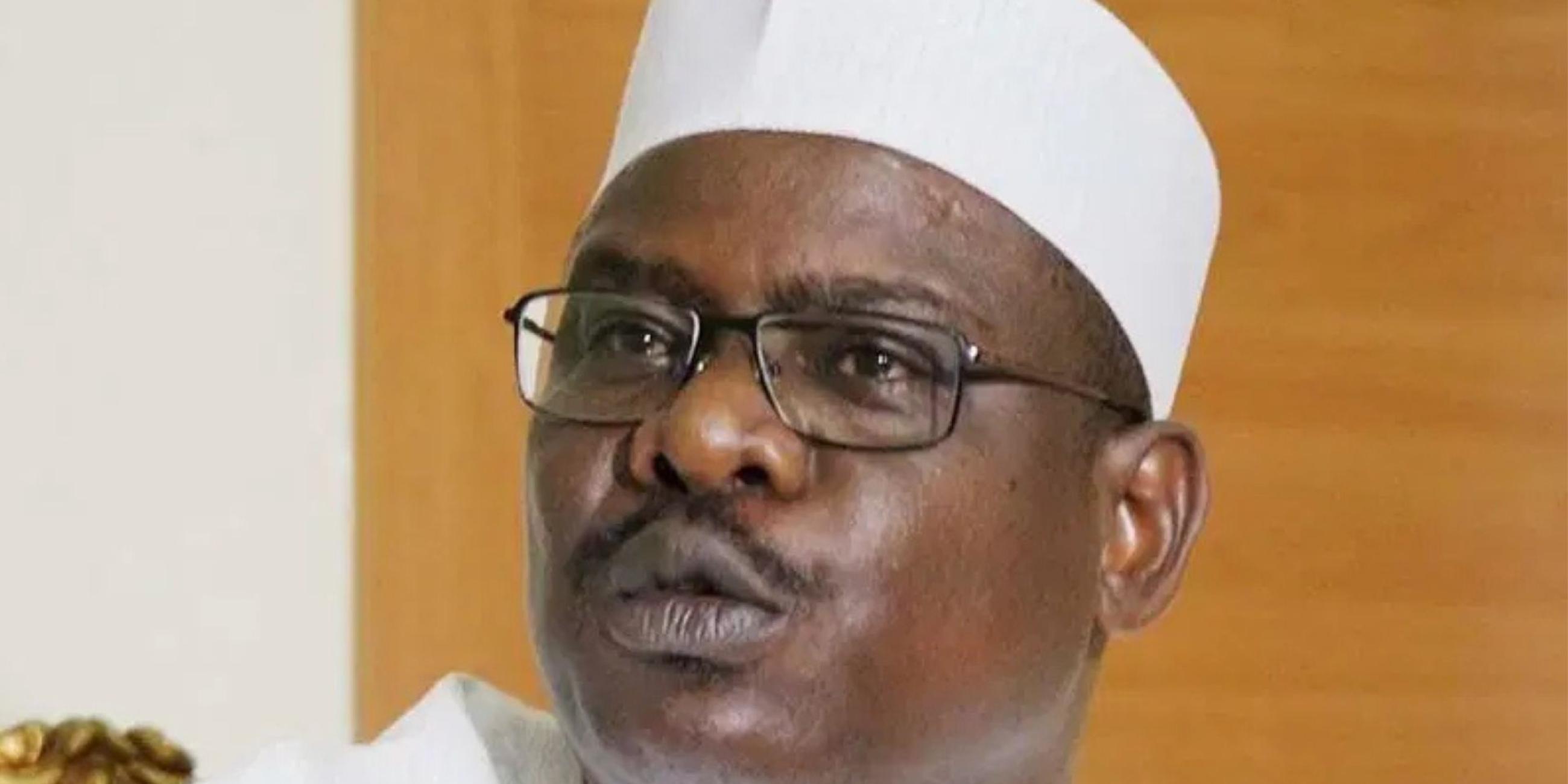
    Former Senate Leader Ali Ndume has called on President Bola Tinubu to suspend the implementation of controversial Tax Reform Acts set to take effect in January. The call follows allegations that the laws were altered after being passed by the National Assembly. Ndume urged the President to set up an ad hoc committee to verify the authenticity of the laws and investigate claims of forgery. Opposition groups, civil society organisations, and the Nigerian Bar Association have also demanded a halt to implementation pending investigation, warning that failure to act could undermine public trust and legislative credibility.

    #NigeriaNews #TaxReform #AliNdume #BolaTinubu #NigerianBarAssociation
    Senator Ndume Urges Tinubu to Suspend Tax Reform Laws Amid Forgery Allegations Former Senate Leader Ali Ndume has called on President Bola Tinubu to suspend the implementation of controversial Tax Reform Acts set to take effect in January. The call follows allegations that the laws were altered after being passed by the National Assembly. Ndume urged the President to set up an ad hoc committee to verify the authenticity of the laws and investigate claims of forgery. Opposition groups, civil society organisations, and the Nigerian Bar Association have also demanded a halt to implementation pending investigation, warning that failure to act could undermine public trust and legislative credibility. #NigeriaNews #TaxReform #AliNdume #BolaTinubu #NigerianBarAssociation
    like
    1
    · 0 Commentaires ·0 Parts ·566 Vue
  • Altered Tax Act Sparks Constitutional Crisis for President Tinubu, Warns Dr. Nasiru Aminu

    Dr. Nasiru Aminu raises alarm over alleged unconstitutional alterations to the Nigeria Tax Bill by the Executive under President Tinubu. Originally transmitted to the National Assembly in October 2024, the bill, covering the Tax Administration Act, Revenue Service Act, and Joint Revenue Board Act, was reportedly modified without legislative approval. Key changes include alterations to tax administration powers, reporting requirements, appeal processes, and enforcement provisions, undermining legislative oversight and constitutional checks and balances. The author warns that if the President knowingly assented to a doctored bill, it could trigger personal accountability, ministerial resignations, and even impeachment proceedings.

    #NigeriaTaxAct #Tinubu #ConstitutionalCrisis #LegislativeOversight #TaxReform
    Altered Tax Act Sparks Constitutional Crisis for President Tinubu, Warns Dr. Nasiru Aminu Dr. Nasiru Aminu raises alarm over alleged unconstitutional alterations to the Nigeria Tax Bill by the Executive under President Tinubu. Originally transmitted to the National Assembly in October 2024, the bill, covering the Tax Administration Act, Revenue Service Act, and Joint Revenue Board Act, was reportedly modified without legislative approval. Key changes include alterations to tax administration powers, reporting requirements, appeal processes, and enforcement provisions, undermining legislative oversight and constitutional checks and balances. The author warns that if the President knowingly assented to a doctored bill, it could trigger personal accountability, ministerial resignations, and even impeachment proceedings. #NigeriaTaxAct #Tinubu #ConstitutionalCrisis #LegislativeOversight #TaxReform
    0 Commentaires ·0 Parts ·569 Vue
  • Atiku Accuses Tinubu Administration of Forging Tax Reform Law, Labels It “Act of Treason”

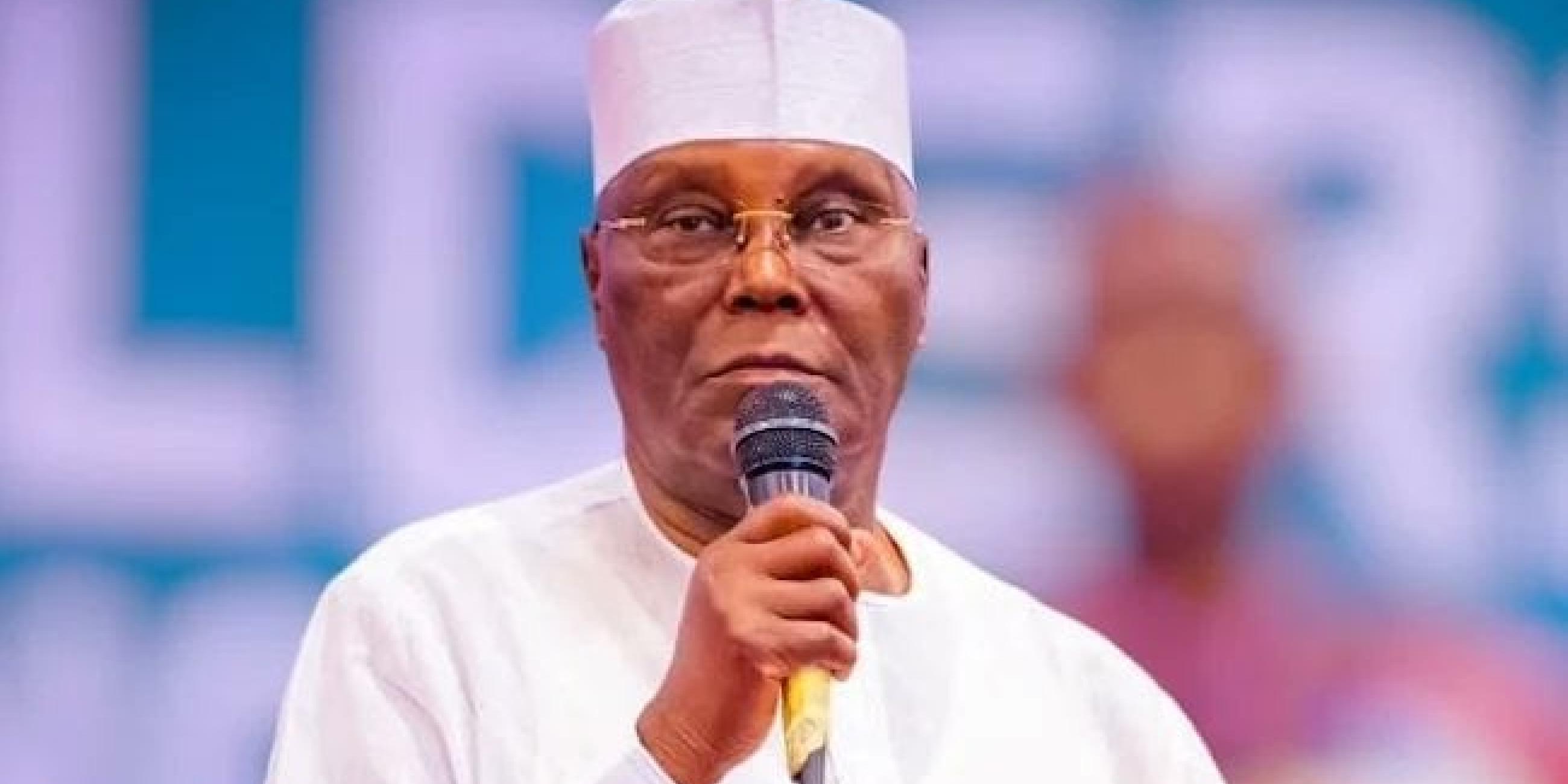
    Former Vice President Atiku Abubakar has accused President Bola Tinubu’s administration of illegally altering Nigeria’s tax reform legislation after it was passed by the National Assembly, calling it a “brazen act of treason.” Atiku claimed the alleged modifications undermine legislative supremacy, strip Nigerians of due process, and impose excessive financial burdens on citizens and businesses. He highlighted provisions such as arrest powers for tax authorities, property seizure without court orders, and forced USD computation for petroleum operations. Atiku urged the Executive to suspend the law, called on the National Assembly to correct the changes, and appealed to the judiciary and civil society to uphold constitutional governance.

    #AtikuAbubakar
    #TinubuAdministration
    #TaxReformNigeria
    #LegislativeSupremacy
    #ConstitutionalBreach
    #EconomicPolicy
    #NigerianPolitics
    Atiku Accuses Tinubu Administration of Forging Tax Reform Law, Labels It “Act of Treason” Former Vice President Atiku Abubakar has accused President Bola Tinubu’s administration of illegally altering Nigeria’s tax reform legislation after it was passed by the National Assembly, calling it a “brazen act of treason.” Atiku claimed the alleged modifications undermine legislative supremacy, strip Nigerians of due process, and impose excessive financial burdens on citizens and businesses. He highlighted provisions such as arrest powers for tax authorities, property seizure without court orders, and forced USD computation for petroleum operations. Atiku urged the Executive to suspend the law, called on the National Assembly to correct the changes, and appealed to the judiciary and civil society to uphold constitutional governance. #AtikuAbubakar #TinubuAdministration #TaxReformNigeria #LegislativeSupremacy #ConstitutionalBreach #EconomicPolicy #NigerianPolitics
    0 Commentaires ·0 Parts ·1KB Vue
  • Nigerian Government to Make Tax Identification Number Mandatory for Bank Accounts From January 2026

    The Federal Government has announced that all taxable Nigerians must have a Tax Identification Number (TIN) to operate a bank account starting January 1, 2026. The chairman of the Presidential Committee on Fiscal Policy and Tax Reforms, Taiwo Oyedele, confirmed the policy, noting that it applies only to individuals and businesses that earn income. Students and non-earners are exempt. Backed by the Nigerian Tax Administration Act taking effect next month, the requirement strengthens the tax reform laws President Tinubu signed in 2025 aimed at improving revenue collection, protecting low-income households, and expanding disposable income for workers.


    #TINRequirement #NigeriaTaxReforms #BankingPolicy
    Nigerian Government to Make Tax Identification Number Mandatory for Bank Accounts From January 2026 The Federal Government has announced that all taxable Nigerians must have a Tax Identification Number (TIN) to operate a bank account starting January 1, 2026. The chairman of the Presidential Committee on Fiscal Policy and Tax Reforms, Taiwo Oyedele, confirmed the policy, noting that it applies only to individuals and businesses that earn income. Students and non-earners are exempt. Backed by the Nigerian Tax Administration Act taking effect next month, the requirement strengthens the tax reform laws President Tinubu signed in 2025 aimed at improving revenue collection, protecting low-income households, and expanding disposable income for workers. #TINRequirement #NigeriaTaxReforms #BankingPolicy
    like
    1
    · 0 Commentaires ·0 Parts ·422 Vue
  • Nigeria’s Legislative Chambers Approve Comprehensive Tax Reforms

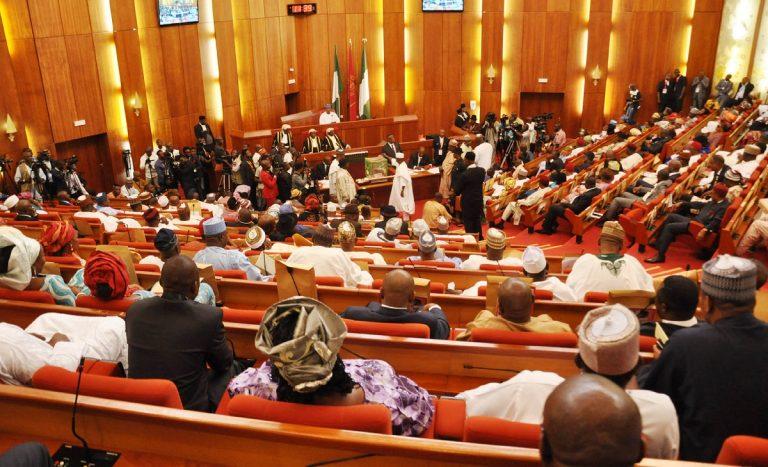
    In a significant stride towards overhauling Nigeria’s fiscal framework, the National Assembly has passed four harmonized tax reform bills, now poised for President Bola Ahmed Tinubu’s assent. This legislative milestone marks a pivotal moment in the administration’s agenda to modernize the country’s tax system and enhance revenue generation.

    The approved bills include:
    1. Joint Revenue Board (Establishment) Bill, 2025 (SB. 583)
    2. Nigeria Revenue Service (Establishment) Bill, 2025 (SB. 584)
    3. Nigeria Tax Administration Bill, 2025 (SB. 585)
    4. Nigeria Tax Bill, 2025 (SB. 586)   

    These bills, initially transmitted to the National Assembly in November 2024, underwent meticulous scrutiny and reconciliation by a joint conference committee comprising members from both the Senate and the House of Representatives. The committee addressed and harmonized discrepancies between the versions passed by each chamber, ensuring a unified legislative package ready for executive consideration.  

    Senator Mohammed Sani Musa, Chairman of the Senate Committee on Finance, highlighted the significance of these reforms, stating that they aim to “modernize and harmonize Nigeria’s tax architecture to ensure greater revenue mobilization and accountability.” 

    Key provisions within the harmonized bills include:
    • Imposition of a 4% development levy on assessable profits of all companies, excluding small and non-resident companies. The levy is to be collected by the Nigeria Revenue Service and allocated to various development funds. 
    • Introduction of a 5% surcharge on chargeable fossil fuel products, aimed at promoting environmental sustainability and generating additional revenue. 
    • Reorganization of tax collection responsibilities, transferring certain fiscal duties, such as royalty and petroleum profit tax collection, to the newly proposed Nigeria Revenue Service. 

    The passage of these bills is anticipated to streamline tax administration, reduce redundancies, and foster a more transparent and efficient tax system in Nigeria. As the nation awaits President Tinubu’s assent, stakeholders express optimism that these reforms will catalyze economic growth and enhance public service delivery.

    ⸻According to Nigeriaobserver
    #Nigeria #TaxReform #NationalAssembly #PresidentTinubu
    Nigeria’s Legislative Chambers Approve Comprehensive Tax Reforms In a significant stride towards overhauling Nigeria’s fiscal framework, the National Assembly has passed four harmonized tax reform bills, now poised for President Bola Ahmed Tinubu’s assent. This legislative milestone marks a pivotal moment in the administration’s agenda to modernize the country’s tax system and enhance revenue generation. The approved bills include: 1. Joint Revenue Board (Establishment) Bill, 2025 (SB. 583) 2. Nigeria Revenue Service (Establishment) Bill, 2025 (SB. 584) 3. Nigeria Tax Administration Bill, 2025 (SB. 585) 4. Nigeria Tax Bill, 2025 (SB. 586)    These bills, initially transmitted to the National Assembly in November 2024, underwent meticulous scrutiny and reconciliation by a joint conference committee comprising members from both the Senate and the House of Representatives. The committee addressed and harmonized discrepancies between the versions passed by each chamber, ensuring a unified legislative package ready for executive consideration.   Senator Mohammed Sani Musa, Chairman of the Senate Committee on Finance, highlighted the significance of these reforms, stating that they aim to “modernize and harmonize Nigeria’s tax architecture to ensure greater revenue mobilization and accountability.”  Key provisions within the harmonized bills include: • Imposition of a 4% development levy on assessable profits of all companies, excluding small and non-resident companies. The levy is to be collected by the Nigeria Revenue Service and allocated to various development funds.  • Introduction of a 5% surcharge on chargeable fossil fuel products, aimed at promoting environmental sustainability and generating additional revenue.  • Reorganization of tax collection responsibilities, transferring certain fiscal duties, such as royalty and petroleum profit tax collection, to the newly proposed Nigeria Revenue Service.  The passage of these bills is anticipated to streamline tax administration, reduce redundancies, and foster a more transparent and efficient tax system in Nigeria. As the nation awaits President Tinubu’s assent, stakeholders express optimism that these reforms will catalyze economic growth and enhance public service delivery. ⸻According to Nigeriaobserver #Nigeria #TaxReform #NationalAssembly #PresidentTinubu
    0 Commentaires ·0 Parts ·1KB Vue
Fintter https://fintter.com