• Tax Reforms: Bank Accounts May Be Restricted for Nigerians Without Tax ID from 2026 — Oyedele

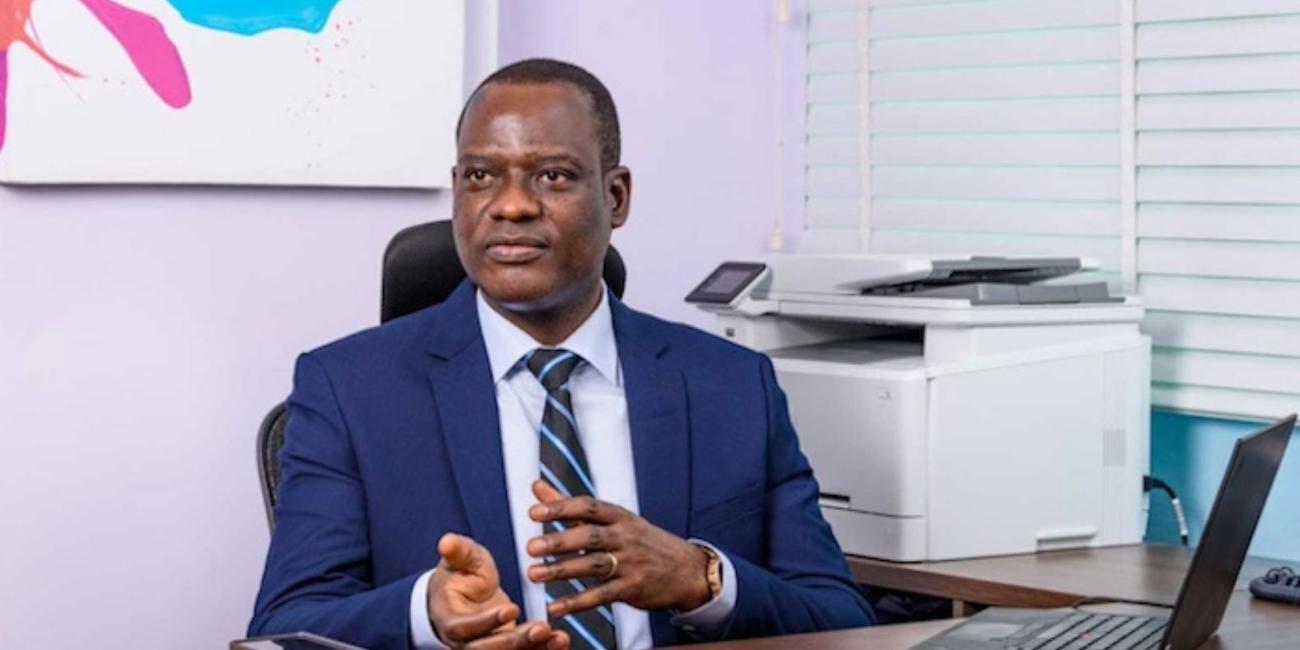
    According to Taiwo Oyedele, chairman of the Presidential Committee on Fiscal Policy and Tax Reforms, financial institutions will be required to verify Tax Identification Numbers for all taxable Nigerians as part of the new tax system President Bola Tinubu is implementing from January 1, 2026.

    “Any taxable entity without a tax ID may have difficulty running their bank account in the near future,” Mr Oyedele warned during an interview.
    Tax Reforms: Bank Accounts May Be Restricted for Nigerians Without Tax ID from 2026 — Oyedele According to Taiwo Oyedele, chairman of the Presidential Committee on Fiscal Policy and Tax Reforms, financial institutions will be required to verify Tax Identification Numbers for all taxable Nigerians as part of the new tax system President Bola Tinubu is implementing from January 1, 2026. “Any taxable entity without a tax ID may have difficulty running their bank account in the near future,” Mr Oyedele warned during an interview.
    0 Comments ·0 Shares ·74 Views
  • Nigerian Government to Make Tax Identification Number Mandatory for Bank Accounts From January 2026

    The Federal Government has announced that all taxable Nigerians must have a Tax Identification Number (TIN) to operate a bank account starting January 1, 2026. The chairman of the Presidential Committee on Fiscal Policy and Tax Reforms, Taiwo Oyedele, confirmed the policy, noting that it applies only to individuals and businesses that earn income. Students and non-earners are exempt. Backed by the Nigerian Tax Administration Act taking effect next month, the requirement strengthens the tax reform laws President Tinubu signed in 2025 aimed at improving revenue collection, protecting low-income households, and expanding disposable income for workers.


    #TINRequirement #NigeriaTaxReforms #BankingPolicy
    Nigerian Government to Make Tax Identification Number Mandatory for Bank Accounts From January 2026 The Federal Government has announced that all taxable Nigerians must have a Tax Identification Number (TIN) to operate a bank account starting January 1, 2026. The chairman of the Presidential Committee on Fiscal Policy and Tax Reforms, Taiwo Oyedele, confirmed the policy, noting that it applies only to individuals and businesses that earn income. Students and non-earners are exempt. Backed by the Nigerian Tax Administration Act taking effect next month, the requirement strengthens the tax reform laws President Tinubu signed in 2025 aimed at improving revenue collection, protecting low-income households, and expanding disposable income for workers. #TINRequirement #NigeriaTaxReforms #BankingPolicy
    0 Comments ·0 Shares ·72 Views

  • Nigerians, Bola Ahmed Tinubu is about to hand our taxes and economic data to France.

    Yesterday, December 10, the FIRS signed a Memorandum of Understanding with France’s tax authority at the French Embassy in Abuja.

    France will provide AI audits, automated compliance, real-time analytics, and cybersecurity tools. In return, Nigeria will share insights from our digital economy and tax system, including international taxation issues like transfer pricing, profit shifting, and multinational compliance.

    The government claims no raw taxpayer files will leave the country, but sensitive aggregated data will.

    The truth is, this data can reveal key financial patterns and give France visibility into our economy. Once it leaves, we can’t get it back, putting our national economic sovereignty at risk.

    France has been losing influence across West Africa, with Mali, Burkina Faso, and Niger pushing back. Now, while those doors close, Nigeria appears ready to open a new one, putting our fiscal independence at risk.

    This MoU could compromise our control over our revenue system, expose sensitive economic data, and weaken Nigeria’s fiscal independence. We are big enough to manage our own tax system and employ our own experts.

    This deal should be paused or renegotiated to protect Nigerian taxpayers and safeguard the sovereignty of our economy.
    🇳🇬 Nigerians, Bola Ahmed Tinubu is about to hand our taxes and economic data to France. Yesterday, December 10, the FIRS signed a Memorandum of Understanding with France’s tax authority at the French Embassy in Abuja. France will provide AI audits, automated compliance, real-time analytics, and cybersecurity tools. In return, Nigeria will share insights from our digital economy and tax system, including international taxation issues like transfer pricing, profit shifting, and multinational compliance. The government claims no raw taxpayer files will leave the country, but sensitive aggregated data will. The truth is, this data can reveal key financial patterns and give France visibility into our economy. Once it leaves, we can’t get it back, putting our national economic sovereignty at risk. France has been losing influence across West Africa, with Mali, Burkina Faso, and Niger pushing back. Now, while those doors close, Nigeria appears ready to open a new one, putting our fiscal independence at risk. This MoU could compromise our control over our revenue system, expose sensitive economic data, and weaken Nigeria’s fiscal independence. We are big enough to manage our own tax system and employ our own experts. This deal should be paused or renegotiated to protect Nigerian taxpayers and safeguard the sovereignty of our economy.
    1 Comments ·0 Shares ·62 Views
  • Hike in Airfares: Reps seek reduction of 50% in airport charges and auxiliary taxes

    The Federal Government through the Ministry of Aviation has been asked to intervene in the exorbitant cost of domestic air tickets by effecting a fifty percent reduction in airport charges and auxiliary taxes.

    The House of Representatives which passed the resolution at Thursday's plenary is hoping that this will translate to a significant reduction in airfares to enable Nigerians take advantage of air travel during the Yuletide.

    Adopting a motion by Representative Obinna Aguocha, the House called for a transparent assessment mechanism by the Ministry of Aviation to determine the actual operational costs for airlines during the Yuletide.

    The House also drew attention to the plight of retirees and contributors under the Nigerian National Petroleum Corporation Pension Fund Limited, who are facing delayed payment of their pension and gratuities, while calling for action.
    Hike in Airfares: Reps seek reduction of 50% in airport charges and auxiliary taxes The Federal Government through the Ministry of Aviation has been asked to intervene in the exorbitant cost of domestic air tickets by effecting a fifty percent reduction in airport charges and auxiliary taxes. The House of Representatives which passed the resolution at Thursday's plenary is hoping that this will translate to a significant reduction in airfares to enable Nigerians take advantage of air travel during the Yuletide. Adopting a motion by Representative Obinna Aguocha, the House called for a transparent assessment mechanism by the Ministry of Aviation to determine the actual operational costs for airlines during the Yuletide. The House also drew attention to the plight of retirees and contributors under the Nigerian National Petroleum Corporation Pension Fund Limited, who are facing delayed payment of their pension and gratuities, while calling for action.
    0 Comments ·0 Shares ·92 Views
  • New Nigeria Tax Law 2026: What Every Salary Earner Must Know Before January

    Nigeria’s new Tax Act 2025 will take effect on January 1, 2026, introducing major changes for salary earners, freelancers, and mixed-income workers. The reform expands the tax base, clarifies taxable income, and sets new rules for deductions. Workers earning the national minimum wage (₦800,000 yearly or less) and military personnel are exempt. Taxable income now includes salaries, bonuses, allowances, and certain benefits-in-kind such as housing and cars.
    The Act provides clearer deductions for both employees and freelancers, including pension, NHF, insurance, and business expenses for self-employed individuals. Taxes will be applied progressively across income bands, and individuals with both salary and business income must consolidate all earnings before taxation. Experts say the reform aims to simplify compliance, encourage proper record-keeping, and ensure fairness across income levels.
    With the new rules, salary earners must verify payroll deductions, while freelancers should maintain proper financial records to avoid penalties. The government has also provided digital platforms to make tax payment easier nationwide.
    New Nigeria Tax Law 2026: What Every Salary Earner Must Know Before January Nigeria’s new Tax Act 2025 will take effect on January 1, 2026, introducing major changes for salary earners, freelancers, and mixed-income workers. The reform expands the tax base, clarifies taxable income, and sets new rules for deductions. Workers earning the national minimum wage (₦800,000 yearly or less) and military personnel are exempt. Taxable income now includes salaries, bonuses, allowances, and certain benefits-in-kind such as housing and cars. The Act provides clearer deductions for both employees and freelancers, including pension, NHF, insurance, and business expenses for self-employed individuals. Taxes will be applied progressively across income bands, and individuals with both salary and business income must consolidate all earnings before taxation. Experts say the reform aims to simplify compliance, encourage proper record-keeping, and ensure fairness across income levels. With the new rules, salary earners must verify payroll deductions, while freelancers should maintain proper financial records to avoid penalties. The government has also provided digital platforms to make tax payment easier nationwide.
    0 Comments ·0 Shares ·102 Views
  • BREAKING NEWS: The Federal Inland Revenue Service has signed a landmark cooperation pact with France aimed at modernising Nigeria’s tax administration through digital transformation, capacity development and improved cross-border enforcement.

    The agreement comes barely weeks before the formal transition into the Nigeria Revenue Service by January 2026.
    BREAKING NEWS: The Federal Inland Revenue Service has signed a landmark cooperation pact with France aimed at modernising Nigeria’s tax administration through digital transformation, capacity development and improved cross-border enforcement. The agreement comes barely weeks before the formal transition into the Nigeria Revenue Service by January 2026.
    0 Comments ·0 Shares ·224 Views
  • ECOWAS Slashes Air Travel Taxes and Charges to Boost Regional Connectivity

    West African leaders have taken a major step to make flying within the region significantly cheaper, adopting measures that will abolish multiple air transport taxes and cut passenger and security charges by 25 percent starting 1 January 2026.

    The decision was reached at the ECOWAS Heads of State and Government Summit held in Abuja in December 2024, where leaders signed a Supplementary Act on Aviation Charges, Taxes and Fees aimed at tackling one of the biggest barriers to regional integration: the high cost of intra-African air travel.

    For years, West Africa has had some of the world’s most expensive airfares relative to distance, largely due to a web of taxes, fuel surcharges, security fees and other levies imposed by individual countries.

    The new policy requires all 15 ECOWAS member states to eliminate designated air transport taxes entirely and reduce remaining passenger service and security charges by a quarter.

    The move is expected to lower ticket prices, stimulate tourism and business travel, strengthen local airlines and support trade, and advance the free movement of people and goods – a core objective of the ECOWAS Treaty.

    To ensure compliance, the ECOWAS Commission will oversee implementation through a newly established Regional Air Transport Economic Oversight Mechanism.

    Regional aviation stakeholders have welcomed the decision, describing it as a game-changer for West Africa’s Africa’s chronically under-served air transport market.

    The reforms will take effect on 1 January 2026, giving airlines and national authorities one year to adjust systems and regulations.
    ECOWAS Slashes Air Travel Taxes and Charges to Boost Regional Connectivity West African leaders have taken a major step to make flying within the region significantly cheaper, adopting measures that will abolish multiple air transport taxes and cut passenger and security charges by 25 percent starting 1 January 2026. The decision was reached at the ECOWAS Heads of State and Government Summit held in Abuja in December 2024, where leaders signed a Supplementary Act on Aviation Charges, Taxes and Fees aimed at tackling one of the biggest barriers to regional integration: the high cost of intra-African air travel. For years, West Africa has had some of the world’s most expensive airfares relative to distance, largely due to a web of taxes, fuel surcharges, security fees and other levies imposed by individual countries. The new policy requires all 15 ECOWAS member states to eliminate designated air transport taxes entirely and reduce remaining passenger service and security charges by a quarter. The move is expected to lower ticket prices, stimulate tourism and business travel, strengthen local airlines and support trade, and advance the free movement of people and goods – a core objective of the ECOWAS Treaty. To ensure compliance, the ECOWAS Commission will oversee implementation through a newly established Regional Air Transport Economic Oversight Mechanism. Regional aviation stakeholders have welcomed the decision, describing it as a game-changer for West Africa’s Africa’s chronically under-served air transport market. The reforms will take effect on 1 January 2026, giving airlines and national authorities one year to adjust systems and regulations.
    0 Comments ·0 Shares ·248 Views
  • Lagos Seals Shoprite Ikeja Over Tax Default as LIRS Warns Against Tampering With Seal

    The Lagos State Internal Revenue Service (LIRS) has shut down the Shoprite outlet at Ikeja City Mall over alleged refusal to comply with mandatory tax obligations. A notice placed at the entrance stated that Shoprite violated Section 94 of the Personal Income Tax Act (PITA) 2011, an offence punishable by fines and imprisonment. LIRS also warned that breaking its seal without approval is a criminal act. The incident adds to the ongoing struggles of Shoprite’s Nigerian operations under Ketron Investment Limited, which has faced multiple store closures across Abuja, Kano, Ilorin, and Ibadan amid worsening economic conditions and dwindling product availability nationwide.
    Lagos Seals Shoprite Ikeja Over Tax Default as LIRS Warns Against Tampering With Seal The Lagos State Internal Revenue Service (LIRS) has shut down the Shoprite outlet at Ikeja City Mall over alleged refusal to comply with mandatory tax obligations. A notice placed at the entrance stated that Shoprite violated Section 94 of the Personal Income Tax Act (PITA) 2011, an offence punishable by fines and imprisonment. LIRS also warned that breaking its seal without approval is a criminal act. The incident adds to the ongoing struggles of Shoprite’s Nigerian operations under Ketron Investment Limited, which has faced multiple store closures across Abuja, Kano, Ilorin, and Ibadan amid worsening economic conditions and dwindling product availability nationwide.
    0 Comments ·0 Shares ·131 Views
  • Twenty-One Economic Miracles Currently Happening Under President Tinubu

    One: Our foreign reserves have crossed the $45 billion mark for the first time in six years. It is now the fourth-highest on the African continent.

    Two: The prudent management of our foreign reserves under President Tinubu has led to a 3.93% GDP growth in the immediate past quarter and 4.23% growth in the quarter before that (Q2, 2025).

    Three: Nigeria, under President Tinubu, has, within two years, moved from being Africa's biggest petrol importer to becoming West Africa's largest exporter of the same product.

    Four: For the first time in over a decade, Nigeria has overshot its OPEC quota for three consecutive months and is set to do the same for the fourth month, producing an average of 1.71 million barrels per day.

    Five: President Tinubu gave Nigerian airlines direct flights to London's Gatwick Airport, United Kingdom, London's Heathrow Airport, United Kingdom, São Paulo, Brazil, Bogotá, Colombia, Entebbe, Uganda, Dar es Salaam, Tanzania, Algiers, Algeria, and St. Kitts and Nevis in the Caribbean.

    Six: Oil theft has been reduced to less than 10,000 barrels per day, a sixteen-year low.

    Seven: Nigeria achieved its revenue target for the entire year in August, a first in our history.

    Eight: The Nigerian Stock Exchange rose above 130,000 All Share Index for the first time ever.

    Nine: Our economy expanded by $67 billion in just two years, moving Nigeria's GDP from a ₦269.29 trillion economy on May 29, 2023, when Asiwaju became President, to ₦372.8 trillion today.

    Ten: Between January and August 2025, non-oil tax revenue was ₦20.59 trillion, a 40.5% increase from the ₦14.6 trillion recorded in the corresponding period in 2024.

    Eleven: MTN Nigeria Limited hit a record valuation of ₦10 trillion, the first Nigerian company to do so.

    Twelve: Food prices have fallen significantly, resulting in a drop in inflation to 16.05% at present, down from 20.12% in August 2025, a 1.76% decline from July's 21.88%.

    Thirteen: Dangote and other retailers have crashed fuel prices below ₦1000.

    Fourteen: The Naira has stabilised and is now below ₦1500 to $, making it among the world's best-performing currencies, according to Fitch Ratings.

    Fifteen: Nigeria broke its power generation record with a peak generation of 5,801.84MW and maximum daily energyoutput of 128,370.75 megawatt-hours (MWh), the highest ever attained in the history of the electricity industry in Nigeria.

    Sixteen: After a record trade surplus last year, Nigeria appears set to beat its 2024 figure. Our trade surplus rose 44.3% in Q2 to ₦7.46 trillion, up from ₦5.17 trillion in Q1.

    Seventeen: In a sign of an improving economy, the Central Bank of Nigeria reduced interest rates by 50 basis points to 27%, the first time since the #COVID19 pandemic.

    Eighteen: Fitch and S&P Global Ratings upgraded Nigeria's economy to a Stable B.

    Nineteen: Two PhDs in economics, in the persons of Dr Ngozi Okonjo-Iweala, the Director-General of the World Trade Organisation, and the former Governor of the Central Bank of Nigeria, and incumbent Governor of Anambra, Dr Chukwuma Soludo, both confirmed that President Tinubu has "stabilised the economy".

    Twenty: Rail transport expanded in Nigeria by 43.08% in Q2 2025.

    Twenty-one: Road transport expanded by 24.50% in Q2 2025, driven by the ₦13 trillion 1,068-kilometre Illela-Sokoto-Badagry Superhighway, and the ₦15 trillion 750-kilometre Lagos-Calabar Coastal Highway, currently under construction.

    Bonus: Student loans were awarded to an unprecedented 500,000 students, with hundreds of thousands more awaiting their loans.

    Effective rebranding projects a positive image of what is happening. It is the best way to neutralise enemies of the nation who want to overwhelm the airwaves with negative information. If you are a patriot who loves Nigeria and wants your country to progress, please spread this truthful message.

    Reno Omokri
    Twenty-One Economic Miracles Currently Happening Under President Tinubu One: Our foreign reserves have crossed the $45 billion mark for the first time in six years. It is now the fourth-highest on the African continent. Two: The prudent management of our foreign reserves under President Tinubu has led to a 3.93% GDP growth in the immediate past quarter and 4.23% growth in the quarter before that (Q2, 2025). Three: Nigeria, under President Tinubu, has, within two years, moved from being Africa's biggest petrol importer to becoming West Africa's largest exporter of the same product. Four: For the first time in over a decade, Nigeria has overshot its OPEC quota for three consecutive months and is set to do the same for the fourth month, producing an average of 1.71 million barrels per day. Five: President Tinubu gave Nigerian airlines direct flights to London's Gatwick Airport, United Kingdom, London's Heathrow Airport, United Kingdom, São Paulo, Brazil, Bogotá, Colombia, Entebbe, Uganda, Dar es Salaam, Tanzania, Algiers, Algeria, and St. Kitts and Nevis in the Caribbean. Six: Oil theft has been reduced to less than 10,000 barrels per day, a sixteen-year low. Seven: Nigeria achieved its revenue target for the entire year in August, a first in our history. Eight: The Nigerian Stock Exchange rose above 130,000 All Share Index for the first time ever. Nine: Our economy expanded by $67 billion in just two years, moving Nigeria's GDP from a ₦269.29 trillion economy on May 29, 2023, when Asiwaju became President, to ₦372.8 trillion today. Ten: Between January and August 2025, non-oil tax revenue was ₦20.59 trillion, a 40.5% increase from the ₦14.6 trillion recorded in the corresponding period in 2024. Eleven: MTN Nigeria Limited hit a record valuation of ₦10 trillion, the first Nigerian company to do so. Twelve: Food prices have fallen significantly, resulting in a drop in inflation to 16.05% at present, down from 20.12% in August 2025, a 1.76% decline from July's 21.88%. Thirteen: Dangote and other retailers have crashed fuel prices below ₦1000. Fourteen: The Naira has stabilised and is now below ₦1500 to $, making it among the world's best-performing currencies, according to Fitch Ratings. Fifteen: Nigeria broke its power generation record with a peak generation of 5,801.84MW and maximum daily energyoutput of 128,370.75 megawatt-hours (MWh), the highest ever attained in the history of the electricity industry in Nigeria. Sixteen: After a record trade surplus last year, Nigeria appears set to beat its 2024 figure. Our trade surplus rose 44.3% in Q2 to ₦7.46 trillion, up from ₦5.17 trillion in Q1. Seventeen: In a sign of an improving economy, the Central Bank of Nigeria reduced interest rates by 50 basis points to 27%, the first time since the #COVID19 pandemic. Eighteen: Fitch and S&P Global Ratings upgraded Nigeria's economy to a Stable B. Nineteen: Two PhDs in economics, in the persons of Dr Ngozi Okonjo-Iweala, the Director-General of the World Trade Organisation, and the former Governor of the Central Bank of Nigeria, and incumbent Governor of Anambra, Dr Chukwuma Soludo, both confirmed that President Tinubu has "stabilised the economy". Twenty: Rail transport expanded in Nigeria by 43.08% in Q2 2025. Twenty-one: Road transport expanded by 24.50% in Q2 2025, driven by the ₦13 trillion 1,068-kilometre Illela-Sokoto-Badagry Superhighway, and the ₦15 trillion 750-kilometre Lagos-Calabar Coastal Highway, currently under construction. Bonus: Student loans were awarded to an unprecedented 500,000 students, with hundreds of thousands more awaiting their loans. Effective rebranding projects a positive image of what is happening. It is the best way to neutralise enemies of the nation who want to overwhelm the airwaves with negative information. If you are a patriot who loves Nigeria and wants your country to progress, please spread this truthful message. Reno Omokri
    0 Comments ·0 Shares ·134 Views

  • NEW: Enugu Govt to Restrict Tricycles, Yellow Buses From Major Highways as BRT Rollout Begins Soon

    The Enugu State Government has announced plans to restrict the operation of tricycles (Keke), yellow buses, and minibuses from five major highways across Enugu city, paving the way for the smooth implementation of the state’s Bus Rapid Transit (BRT) system.

    This was made known by the Commissioner for Transport, Dr. Obi Ozor, during a consultative meeting with transport unions and stakeholders at the ministry’s headquarters in Enugu on Monday.

    Dr. Ozor listed the affected traffic corridors as Okpara Avenue–Abakaliki Road–New Haven Junction–Naira Triangle–Emene Airport; Ogui Road–Chime Avenue–Naira Triangle; and New Haven Junction–Bisala Road–Rangers Avenue–WAEC–Nkpokiti–Zik’s Avenue.

    Others are Ogui Road–Presidential Road–WAEC–Nkpokiti and the entire Agbani Road stretch.

    According to the commissioner, these will become dedicated BRT routes in line with Governor Peter Mbah’s vision to reposition Enugu as a modern, multimodal and globally competitive city. He however stresed that taxis will be also allowed to ply the BRT routes.

    He noted that tricycles were never designed for high-speed highways, stressing that their presence on such routes disrupts traffic flow and puts lives at risk.

    “We must be open to change. This reform is not about taking anyone’s job. It is about reorganizing the system so that BRT buses operate on the primary roads, yellow buses serve the secondary routes, and tricycles provide last-mile connectivity. Everyone has a place in the value chain,” he stated.

    Dr. Ozor observed that the government has procured 200 CNG-powered BRT buses, alongside 4,000 electric taxis to be assembled locally at ANAMMCO in Enugu, with the first 1,000 taxis ready within three months.

    He said the Mbah administration has also built 84 new bus shelters across the city, forming the backbone of a modern transit network designed around safety, comfort, and affordability.

    He stated that Enugu, with an estimated two million daily commuters, requires at least 8,000 buses to meet mobility demands. The new BRT buses, he added, are equipped with padded seats, functional air-conditioning, WiFi, and strict safety features.

    “Passengers do not stand in these buses, and every vehicle is tracked and monitored from our central command and control centre. The BRT fare now comes with a 47 percent discount to cushion transportation costs for citizens,” he said.

    Dr. Ozor also announced some key resolutions reached at the meeting. He said that transport unions interested in participating in BRT bus or terminal operations are to submit proposals, including financial models, for government evaluation.

    He further explained that the Ije Card, the state’s electronic fare payment system designed to make commuting faster, cashless, and more convenient, will be decentralized so that sales points reach five million residents within 90 days.

    He added that the government regrets delays in allocating loading bays at the new transport terminals, noting that proposals are under review and would be finalized soon.

    He encouraged the transport unions to access financial facilities to procure their own buses or to participate in the BRT operations space.

    “There are enormous investment opportunities as Enugu expands its connectivity to other cities,” he said.

    Stakeholders across the transport unions expressed their support for the state’s transport transformation agenda, saying they recognized the long-term benefits for commuters, operators, and the economy of the state.

    The Enugu State Chairman of the Road Transport Employers Association of Nigeria (RTEAN), Comrade Chidiebere Aniagu, stated that the union was not opposed to the reforms and shares the government’s vision for a safer and more efficient transportation ecosystem. He appealed to the government to address the concerns of their members.
    NEW: Enugu Govt to Restrict Tricycles, Yellow Buses From Major Highways as BRT Rollout Begins Soon The Enugu State Government has announced plans to restrict the operation of tricycles (Keke), yellow buses, and minibuses from five major highways across Enugu city, paving the way for the smooth implementation of the state’s Bus Rapid Transit (BRT) system. This was made known by the Commissioner for Transport, Dr. Obi Ozor, during a consultative meeting with transport unions and stakeholders at the ministry’s headquarters in Enugu on Monday. Dr. Ozor listed the affected traffic corridors as Okpara Avenue–Abakaliki Road–New Haven Junction–Naira Triangle–Emene Airport; Ogui Road–Chime Avenue–Naira Triangle; and New Haven Junction–Bisala Road–Rangers Avenue–WAEC–Nkpokiti–Zik’s Avenue. Others are Ogui Road–Presidential Road–WAEC–Nkpokiti and the entire Agbani Road stretch. According to the commissioner, these will become dedicated BRT routes in line with Governor Peter Mbah’s vision to reposition Enugu as a modern, multimodal and globally competitive city. He however stresed that taxis will be also allowed to ply the BRT routes. He noted that tricycles were never designed for high-speed highways, stressing that their presence on such routes disrupts traffic flow and puts lives at risk. “We must be open to change. This reform is not about taking anyone’s job. It is about reorganizing the system so that BRT buses operate on the primary roads, yellow buses serve the secondary routes, and tricycles provide last-mile connectivity. Everyone has a place in the value chain,” he stated. Dr. Ozor observed that the government has procured 200 CNG-powered BRT buses, alongside 4,000 electric taxis to be assembled locally at ANAMMCO in Enugu, with the first 1,000 taxis ready within three months. He said the Mbah administration has also built 84 new bus shelters across the city, forming the backbone of a modern transit network designed around safety, comfort, and affordability. He stated that Enugu, with an estimated two million daily commuters, requires at least 8,000 buses to meet mobility demands. The new BRT buses, he added, are equipped with padded seats, functional air-conditioning, WiFi, and strict safety features. “Passengers do not stand in these buses, and every vehicle is tracked and monitored from our central command and control centre. The BRT fare now comes with a 47 percent discount to cushion transportation costs for citizens,” he said. Dr. Ozor also announced some key resolutions reached at the meeting. He said that transport unions interested in participating in BRT bus or terminal operations are to submit proposals, including financial models, for government evaluation. He further explained that the Ije Card, the state’s electronic fare payment system designed to make commuting faster, cashless, and more convenient, will be decentralized so that sales points reach five million residents within 90 days. He added that the government regrets delays in allocating loading bays at the new transport terminals, noting that proposals are under review and would be finalized soon. He encouraged the transport unions to access financial facilities to procure their own buses or to participate in the BRT operations space. “There are enormous investment opportunities as Enugu expands its connectivity to other cities,” he said. Stakeholders across the transport unions expressed their support for the state’s transport transformation agenda, saying they recognized the long-term benefits for commuters, operators, and the economy of the state. The Enugu State Chairman of the Road Transport Employers Association of Nigeria (RTEAN), Comrade Chidiebere Aniagu, stated that the union was not opposed to the reforms and shares the government’s vision for a safer and more efficient transportation ecosystem. He appealed to the government to address the concerns of their members.
    0 Comments ·0 Shares ·111 Views
  • Over 40,000 Enugu Commercial Drivers Protest Planned Ban as Government Prepares BRT Rollout

    More than 40,000 commercial motorists in Enugu—including keke riders, yellow bus operators, and mini-bus drivers—are protesting the state government’s plan to restrict their operations in favour of a Bus Rapid Transit (BRT) system. Drivers say the policy amounts to a total ban without alternatives and could push over 200,000 dependents into poverty.

    The government has marked major city routes as exclusive BRT corridors, a move drivers argue will force them off the roads in favour of politically connected investors. Although officials insist tricycles and yellow buses will retain secondary and last-mile roles, operators say nearly all major routes have been taken.

    The state has procured 200 CNG BRT buses, 4,000 electric taxis, and new infrastructure, but commercial drivers—already burdened by steep taxes—insist the reform is an anti-poor policy. They demand dedicated BRT lanes, job security, and inclusion in the new transport scheme. With no compromise yet, a major confrontation appears imminent.

    Over 40,000 Enugu Commercial Drivers Protest Planned Ban as Government Prepares BRT Rollout More than 40,000 commercial motorists in Enugu—including keke riders, yellow bus operators, and mini-bus drivers—are protesting the state government’s plan to restrict their operations in favour of a Bus Rapid Transit (BRT) system. Drivers say the policy amounts to a total ban without alternatives and could push over 200,000 dependents into poverty. The government has marked major city routes as exclusive BRT corridors, a move drivers argue will force them off the roads in favour of politically connected investors. Although officials insist tricycles and yellow buses will retain secondary and last-mile roles, operators say nearly all major routes have been taken. The state has procured 200 CNG BRT buses, 4,000 electric taxis, and new infrastructure, but commercial drivers—already burdened by steep taxes—insist the reform is an anti-poor policy. They demand dedicated BRT lanes, job security, and inclusion in the new transport scheme. With no compromise yet, a major confrontation appears imminent.
    0 Comments ·0 Shares ·132 Views
  • Enugu Government Moves to Restrict Keke and Buses Ahead of New BRT Transport System

    The Enugu State government has announced plans to restrict tricycles, yellow buses, and minibuses from major highways as it prepares to launch a new Bus Rapid Transit (BRT) system. Commissioner for Transport, Dr. Obi Ozor, said the reform is part of Governor Peter Mbah’s agenda to modernize Enugu into a multimodal, globally competitive city. Several major routes will become dedicated BRT corridors, with tricycles and smaller buses reassigned to secondary and last-mile routes. The state has procured 200 CNG BRT buses and 4,000 electric taxis to be assembled locally, while 84 bus shelters have already been completed. Ozor noted that the system will feature air-conditioned buses with WiFi, electronic fare payments, real-time tracking, and a 47% fare discount. Transport unions expressed support but urged the government to consider operators’ livelihoods. A joint review committee has been set up to finalize operations before the official rollout date.
    Enugu Government Moves to Restrict Keke and Buses Ahead of New BRT Transport System The Enugu State government has announced plans to restrict tricycles, yellow buses, and minibuses from major highways as it prepares to launch a new Bus Rapid Transit (BRT) system. Commissioner for Transport, Dr. Obi Ozor, said the reform is part of Governor Peter Mbah’s agenda to modernize Enugu into a multimodal, globally competitive city. Several major routes will become dedicated BRT corridors, with tricycles and smaller buses reassigned to secondary and last-mile routes. The state has procured 200 CNG BRT buses and 4,000 electric taxis to be assembled locally, while 84 bus shelters have already been completed. Ozor noted that the system will feature air-conditioned buses with WiFi, electronic fare payments, real-time tracking, and a 47% fare discount. Transport unions expressed support but urged the government to consider operators’ livelihoods. A joint review committee has been set up to finalize operations before the official rollout date.
    0 Comments ·0 Shares ·102 Views
  • Nigeria’s 2025 Tax Reforms Boost Competitiveness, Simplify Levies, and Protect Investors — Tope Fasua

    Dr. Tope Fasua has clarified public misconceptions surrounding Nigeria’s new tax administration laws set to take effect in January 2026. Contrary to fears of investor flight and high tax burdens, he explains that the Nigeria Tax Act (NTA) and Nigeria Tax Administration Act (NTAA) modernize the system, streamline levies, and align Nigeria with global standards. A key change is the 4% Development Levy, which replaces multiple fragmented taxes like TETFund, NITDA, NASENI, and Police Trust Fund levies—reducing compliance costs and improving predictability for businesses. The reforms also preserve Free Trade Zone incentives while curbing misuse, introduce a globally approved 15% minimum tax for large multinationals, and ensure fair competition with large domestic firms. Fasua argues the reforms ultimately enhance investor confidence, revenue stability, and Nigeria’s economic competitiveness.
    Nigeria’s 2025 Tax Reforms Boost Competitiveness, Simplify Levies, and Protect Investors — Tope Fasua Dr. Tope Fasua has clarified public misconceptions surrounding Nigeria’s new tax administration laws set to take effect in January 2026. Contrary to fears of investor flight and high tax burdens, he explains that the Nigeria Tax Act (NTA) and Nigeria Tax Administration Act (NTAA) modernize the system, streamline levies, and align Nigeria with global standards. A key change is the 4% Development Levy, which replaces multiple fragmented taxes like TETFund, NITDA, NASENI, and Police Trust Fund levies—reducing compliance costs and improving predictability for businesses. The reforms also preserve Free Trade Zone incentives while curbing misuse, introduce a globally approved 15% minimum tax for large multinationals, and ensure fair competition with large domestic firms. Fasua argues the reforms ultimately enhance investor confidence, revenue stability, and Nigeria’s economic competitiveness.
    0 Comments ·0 Shares ·104 Views
  • Reps Committee Summons NNPCL GCEO Bayo Ojulari Over 2021 Audit Queries, Demands Documents by Dec 15

    The House of Representatives Public Accounts Committee has ordered NNPCL’s Group CEO, Bayo Ojulari, to appear before lawmakers on December 15, 2025, over unresolved audit queries from the Auditor-General’s 2021 report. PAC Chairman Bamidele Salam condemned NNPCL’s repeated failure to provide documents or honour earlier invitations, describing the conduct as disrespectful to the National Assembly.
    Ojulari’s absence—explained as a result of a “critical engagement” at the Presidential Villa—angered committee members. The lawmakers warned that no agency, including NNPCL, is exempt from oversight, as the audit queries involve abandoned projects, irregular payments, tax violations, and unaccounted funds. The committee insists on full compliance to strengthen accountability across MDAs.


    #NNPCL

    #AuditQueries

    #HouseOfReps
    Reps Committee Summons NNPCL GCEO Bayo Ojulari Over 2021 Audit Queries, Demands Documents by Dec 15 The House of Representatives Public Accounts Committee has ordered NNPCL’s Group CEO, Bayo Ojulari, to appear before lawmakers on December 15, 2025, over unresolved audit queries from the Auditor-General’s 2021 report. PAC Chairman Bamidele Salam condemned NNPCL’s repeated failure to provide documents or honour earlier invitations, describing the conduct as disrespectful to the National Assembly. Ojulari’s absence—explained as a result of a “critical engagement” at the Presidential Villa—angered committee members. The lawmakers warned that no agency, including NNPCL, is exempt from oversight, as the audit queries involve abandoned projects, irregular payments, tax violations, and unaccounted funds. The committee insists on full compliance to strengthen accountability across MDAs. #NNPCL #AuditQueries #HouseOfReps
    0 Comments ·0 Shares ·235 Views
  • Nigeria Earns $62 Million from Airline Ticket Taxes in 2024 — IATA

    Newly released data from the International Air Transport Association (IATA) shows that Nigeria generated $62 million from airline ticket taxes in 2024. The country’s earnings are part of the global $60.3 billion ticket-tax revenue recorded worldwide, and of the broader $1.97 billion collected across Africa during the period.
    Nigeria Earns $62 Million from Airline Ticket Taxes in 2024 — IATA Newly released data from the International Air Transport Association (IATA) shows that Nigeria generated $62 million from airline ticket taxes in 2024. The country’s earnings are part of the global $60.3 billion ticket-tax revenue recorded worldwide, and of the broader $1.97 billion collected across Africa during the period.
    0 Comments ·0 Shares ·169 Views
  • JAPA: If you’re earning a good salary in Nigeria, it’s better to stay than move the U.K for a job you’ll despise — DJ DSF

    On a recent episode of Jay On Air Podcast, media personality Ms DSF shed light on the realities of working abroad, cautioning that not all opportunities overseas are as lucrative as they appear.

    “People think you’re abroad and you’re making pounds. They could be abroad doing a cleaner job, making however much per hour. You probably have better opportunities here in Nigeria,” she said, stressing that a good salary at home may outweigh taking a job abroad that one dislikes.

    Ms DSF highlighted the high cost of living in the UK, noting, “Do you know how much rent is in the UK? Do you know how much public transport is there? Before you even make your salary, let’s say you’re doing cleaner work or driving a taxi.”

    Sharing a personal example, she recounted her father’s experience: “When my dad first went, he was a taxi driver. Imagine what he was making while trying to take care of his whole family me, my brother, all my siblings, my mum. He was working 9 to 5, then 5 to 9… taxi driver, security, accountant just to make a little money.”

    Ms DSF concluded by acknowledging that earning abroad can be appealing but comes with challenges: “I get it, like if you make it in the UK it’s great because pounds are stronger and it’s nice to make pounds, but it’s not like that you really have to hustle to build your way up.”
    JAPA: If you’re earning a good salary in Nigeria, it’s better to stay than move the U.K for a job you’ll despise — DJ DSF On a recent episode of Jay On Air Podcast, media personality Ms DSF shed light on the realities of working abroad, cautioning that not all opportunities overseas are as lucrative as they appear. “People think you’re abroad and you’re making pounds. They could be abroad doing a cleaner job, making however much per hour. You probably have better opportunities here in Nigeria,” she said, stressing that a good salary at home may outweigh taking a job abroad that one dislikes. Ms DSF highlighted the high cost of living in the UK, noting, “Do you know how much rent is in the UK? Do you know how much public transport is there? Before you even make your salary, let’s say you’re doing cleaner work or driving a taxi.” Sharing a personal example, she recounted her father’s experience: “When my dad first went, he was a taxi driver. Imagine what he was making while trying to take care of his whole family me, my brother, all my siblings, my mum. He was working 9 to 5, then 5 to 9… taxi driver, security, accountant just to make a little money.” Ms DSF concluded by acknowledging that earning abroad can be appealing but comes with challenges: “I get it, like if you make it in the UK it’s great because pounds are stronger and it’s nice to make pounds, but it’s not like that you really have to hustle to build your way up.”
    0 Comments ·0 Shares ·110 Views
  • Tinubu Govt Shortlists 20 Top Nigerian Content Creators for Training on New Tax Reform Laws

    The Fiscal Policy and Tax Reforms Committee under President Bola Tinubu has shortlisted 20 leading Nigerian content creators from over 8,500 public nominations for a specialised training programme on Nigeria’s new tax reform laws. The creators—ranked by their combined social media influence—will be trained to deliver clearer, more balanced information on ongoing fiscal reforms. The committee has set December 8, 2025, as the deadline for nominees to confirm participation and has invited Nigerians to suggest key tax areas for inclusion in the training.

    Tinubu Govt Shortlists 20 Top Nigerian Content Creators for Training on New Tax Reform Laws The Fiscal Policy and Tax Reforms Committee under President Bola Tinubu has shortlisted 20 leading Nigerian content creators from over 8,500 public nominations for a specialised training programme on Nigeria’s new tax reform laws. The creators—ranked by their combined social media influence—will be trained to deliver clearer, more balanced information on ongoing fiscal reforms. The committee has set December 8, 2025, as the deadline for nominees to confirm participation and has invited Nigerians to suggest key tax areas for inclusion in the training.
    0 Comments ·0 Shares ·141 Views
  • Nigeria Targets Stronger Domestic Funding to Achieve Universal Health Coverage

    The Nigerian government has announced plans to bolster domestic resource mobilization for healthcare as international grants and donor aid continue to decline, emphasizing the need for greater local ownership to attain Universal Health Coverage (UHC).

    Speaking at the 9th Annual Health Conference of the Association of Nigerian Health Journalists (ANHeJ), Dr. Salma Ibrahim Anas, Special Adviser to the President on Health, said sustainable financing must come primarily from within the country to ensure accountability and long-term progress.
    Key measures highlighted include:

    Strengthening the Basic Health Care Provision Fund (BHCPF);

    Expanding financial protection mechanisms under the National Health Insurance Authority (NHIA) Act;

    Introducing innovative revenue streams, such as the Sugar-Sweetened Beverages (SSB) Tax.

    Stakeholders at the conference stressed that state governments must take greater responsibility for health financing.

    They renewed calls for states to meet the Abuja Declaration commitment of allocating at least 15% of their annual budgets to the health sector.
    With external funding becoming increasingly unpredictable, experts warn that without urgent and substantial increases in domestic investment, Nigeria risks falling further behind on its UHC goals.
    Nigeria Targets Stronger Domestic Funding to Achieve Universal Health Coverage The Nigerian government has announced plans to bolster domestic resource mobilization for healthcare as international grants and donor aid continue to decline, emphasizing the need for greater local ownership to attain Universal Health Coverage (UHC). Speaking at the 9th Annual Health Conference of the Association of Nigerian Health Journalists (ANHeJ), Dr. Salma Ibrahim Anas, Special Adviser to the President on Health, said sustainable financing must come primarily from within the country to ensure accountability and long-term progress. Key measures highlighted include: Strengthening the Basic Health Care Provision Fund (BHCPF); Expanding financial protection mechanisms under the National Health Insurance Authority (NHIA) Act; Introducing innovative revenue streams, such as the Sugar-Sweetened Beverages (SSB) Tax. Stakeholders at the conference stressed that state governments must take greater responsibility for health financing. They renewed calls for states to meet the Abuja Declaration commitment of allocating at least 15% of their annual budgets to the health sector. With external funding becoming increasingly unpredictable, experts warn that without urgent and substantial increases in domestic investment, Nigeria risks falling further behind on its UHC goals.
    0 Comments ·0 Shares ·150 Views
  • New Tax Law: Nigerian Man Breaks Down After Seeing 2026 Salary Deductions

    A Nigerian man, Onyedika Justice, has gone viral after revealing he burst into tears upon calculating how much the federal government’s new tax law will deduct from his salary starting January 2026. His reaction comes amid growing public outrage over the revised tax bill, which Legit.ng recently explained along with exemptions. Onyedika warned that the policy will “unite all tribes,” as everyone—regardless of ethnicity—will feel its impact. Social media users also expressed frustration, criticising rising taxes, borrowing, and economic hardship under President Tinubu’s administration.
    New Tax Law: Nigerian Man Breaks Down After Seeing 2026 Salary Deductions A Nigerian man, Onyedika Justice, has gone viral after revealing he burst into tears upon calculating how much the federal government’s new tax law will deduct from his salary starting January 2026. His reaction comes amid growing public outrage over the revised tax bill, which Legit.ng recently explained along with exemptions. Onyedika warned that the policy will “unite all tribes,” as everyone—regardless of ethnicity—will feel its impact. Social media users also expressed frustration, criticising rising taxes, borrowing, and economic hardship under President Tinubu’s administration.
    0 Comments ·0 Shares ·163 Views
  • Air Peace CEO Warns New 2026 Tax Law Will Cripple Nigerian Airline

    Air Peace Chairman and AON leader, Allen Onyema, has warned that the proposed tax law scheduled to take effect on January 1, 2026, will devastate Nigeria’s aviation industry if implemented. Speaking at the 100 years of Aviation celebration in Abuja, Onyema said the sector—already struggling—would “crumble” under the new tax regime and urged the National Assembly and President Tinubu to intervene.
    He praised the current administration’s support for the aviation sector but stressed that multiple taxes remain a major burden on airlines. Aviation Minister Festus Keyamo also honoured industry veterans at the event, acknowledging past contributions and pledging continued reforms.
    Air Peace CEO Warns New 2026 Tax Law Will Cripple Nigerian Airline Air Peace Chairman and AON leader, Allen Onyema, has warned that the proposed tax law scheduled to take effect on January 1, 2026, will devastate Nigeria’s aviation industry if implemented. Speaking at the 100 years of Aviation celebration in Abuja, Onyema said the sector—already struggling—would “crumble” under the new tax regime and urged the National Assembly and President Tinubu to intervene. He praised the current administration’s support for the aviation sector but stressed that multiple taxes remain a major burden on airlines. Aviation Minister Festus Keyamo also honoured industry veterans at the event, acknowledging past contributions and pledging continued reforms.
    0 Comments ·0 Shares ·166 Views
More Results
Fintter https://fintter.com