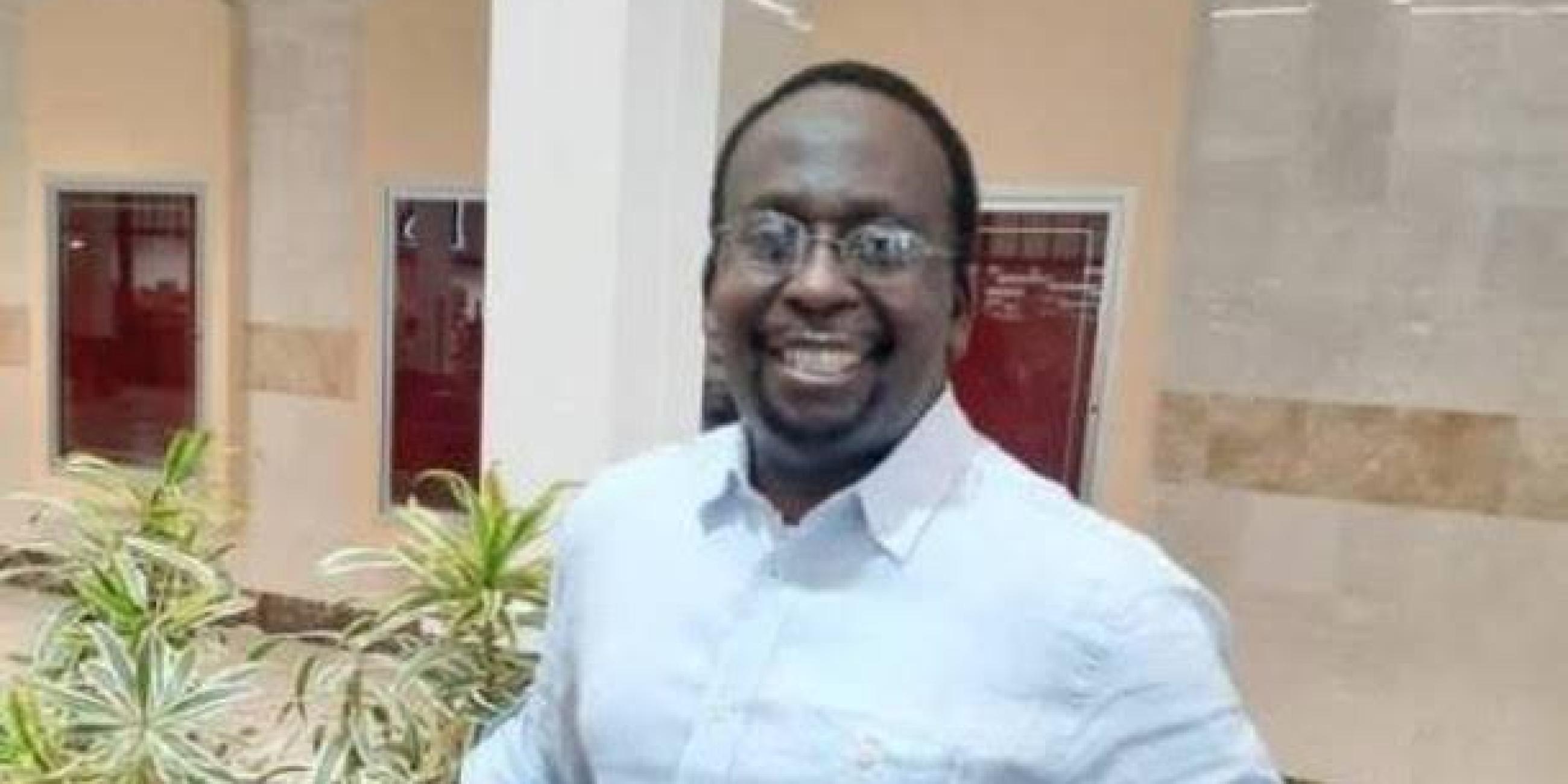
• #OpEd: My Prediction – Why Nigeria Will Be the Greatest Country in 2026, By Bayo Oluwasanmi

    In this satirical New Year opinion piece, Bayo Oluwasanmi predicts that 2026 will be a transformative year for Nigeria, blending humor with sharp critique of the nation’s political and social landscape. He foresees a “deranged, narcissistic dictator” leading the country, a National Assembly enacting bizarre laws, and foreign-managed healthcare systems. Oluwasanmi humorously suggests radical reforms, including new countries within Nigeria, palm oil-powered lanterns replacing electricity, and K-9 police replacing human officers.

    Through satire, he highlights corruption, inefficiency, insecurity, and the failures of government while urging Nigerians to confront the truth and work toward solutions. The piece blends wit, irony, and political commentary to provoke reflection on the state of the nation.

    :
    #Nigeria2026 #BayoOluwasanmi #Satire #OpEdNigeria #NigerianPolitics #Corruption #PoliticalHumor #NewYearPredictions
    #OpEd: My Prediction – Why Nigeria Will Be the Greatest Country in 2026, By Bayo Oluwasanmi In this satirical New Year opinion piece, Bayo Oluwasanmi predicts that 2026 will be a transformative year for Nigeria, blending humor with sharp critique of the nation’s political and social landscape. He foresees a “deranged, narcissistic dictator” leading the country, a National Assembly enacting bizarre laws, and foreign-managed healthcare systems. Oluwasanmi humorously suggests radical reforms, including new countries within Nigeria, palm oil-powered lanterns replacing electricity, and K-9 police replacing human officers. Through satire, he highlights corruption, inefficiency, insecurity, and the failures of government while urging Nigerians to confront the truth and work toward solutions. The piece blends wit, irony, and political commentary to provoke reflection on the state of the nation. : #Nigeria2026 #BayoOluwasanmi #Satire #OpEdNigeria #NigerianPolitics #Corruption #PoliticalHumor #NewYearPredictions
    0 Commentarii ·0 Distribuiri ·197 Views
  • What’s the Cost of a Merry Christmas? Azu Ishiekwene Reflects on Power, Politics and Personal Choices

    In this reflective Christmas opinion piece, Azu Ishiekwene departs from conventional year-end predictions to examine the deeper personal, political, and social costs of seeking a “merry” Christmas in a turbulent world. Writing against the backdrop of a chaotic global year marked by political disruption, Ishiekwene curates and revisits some of his most unusual and thought-provoking articles published in 2025.
    Through humour, satire, and introspection, he reflects on Nigeria’s everyday frustrations—such as incomprehensible airport flight announcements—and broader continental issues, including the rise of algorithm-driven populism around Burkina Faso’s military leader, Ibrahim Traoré. He questions the substance behind viral political hero-worship and warns against mistaking online fantasy for real governance and reform.
    The article also takes a deeply personal turn as Ishiekwene honours mentors and colleagues who shaped his journalism journey, highlighting how small acts of faith and guidance can define a lifetime. From tributes to seasoned journalists to reflections on career choices, love, regret, and ambition, he underscores the idea that life is lived forward, not in hindsight.
    Politically, Ishiekwene revisits his controversial analysis of Peter Obi’s political future, cautioning against alliances that could undermine long-term ambition. He closes with a sober reminder that Christmas cheer should not come at the cost of critical thinking, moral clarity, or personal authenticity—urging readers to celebrate thoughtfully as they step into the New Year.
    What’s the Cost of a Merry Christmas? Azu Ishiekwene Reflects on Power, Politics and Personal Choices In this reflective Christmas opinion piece, Azu Ishiekwene departs from conventional year-end predictions to examine the deeper personal, political, and social costs of seeking a “merry” Christmas in a turbulent world. Writing against the backdrop of a chaotic global year marked by political disruption, Ishiekwene curates and revisits some of his most unusual and thought-provoking articles published in 2025. Through humour, satire, and introspection, he reflects on Nigeria’s everyday frustrations—such as incomprehensible airport flight announcements—and broader continental issues, including the rise of algorithm-driven populism around Burkina Faso’s military leader, Ibrahim Traoré. He questions the substance behind viral political hero-worship and warns against mistaking online fantasy for real governance and reform. The article also takes a deeply personal turn as Ishiekwene honours mentors and colleagues who shaped his journalism journey, highlighting how small acts of faith and guidance can define a lifetime. From tributes to seasoned journalists to reflections on career choices, love, regret, and ambition, he underscores the idea that life is lived forward, not in hindsight. Politically, Ishiekwene revisits his controversial analysis of Peter Obi’s political future, cautioning against alliances that could undermine long-term ambition. He closes with a sober reminder that Christmas cheer should not come at the cost of critical thinking, moral clarity, or personal authenticity—urging readers to celebrate thoughtfully as they step into the New Year.
    0 Commentarii ·0 Distribuiri ·297 Views
  • T-Pain and Other Nicknames Nigerians Call President Tinubu – And What They Mean

    President Bola Ahmed Tinubu, Nigeria's 16th president, has acquired several nicknames over the years, each reflecting public perception, political influence, and his evolving leadership style. These names arise from admiration, satire, or criticism, and they highlight the complex relationship between Tinubu and the Nigerian people.

    Recently, a new nickname — T-Pain — has gained traction. This latest moniker underscores the economic struggles many Nigerians are currently experiencing.

    1. T-Pain

    The most recent nickname, T-Pain, is a play on the name of the American singer and combines the letter “T” (for Tinubu) with “Pain.” It reflects the frustration of many Nigerians who are grappling with economic hardship, especially following the removal of fuel subsidies. The rising cost of living, inflation, and unemployment have deepened public discontent.

    While the name began as a critique, some of Tinubu's supporters have attempted to rebrand it positively — interpreting it as "Temporary Pain" — in line with his “Renewed Hope” manifesto, suggesting that current difficulties are necessary steps toward a better future.

    2. Jagaban

    One of Tinubu’s most enduring titles, Jagaban, translates loosely to “leader of warriors.” Originating from the Hausa words ja (to pull) and gaba (front), it implies someone who leads from the front. “Jagaban Borgu” specifically refers to the Chief Warrior of the Borgu Kingdom, a title Tinubu holds. It signifies his dominance in Nigerian politics, especially in Lagos, where he is considered a political kingmaker.

    3. Asiwaju

    A Yoruba term meaning “leader” or “forerunner,” Asiwaju emphasizes Tinubu’s trailblazing role in Nigerian politics. His strategic political moves and ability to shape the political landscape have cemented this title among supporters and critics alike.

    4. City Boy

    The nickname City Boy reflects Tinubu’s deep ties to Lagos, Nigeria’s commercial hub. It highlights both his influence in urban politics and his central role in transforming Lagos during his tenure as governor. The name evokes admiration from some and criticism from others, depending on one's view of his legacy in the city.

    5. Emilokan

    Emilokan, a Yoruba phrase meaning “It’s my turn,” became Tinubu’s rallying cry during the 2023 presidential campaign. It captured his ambition and belief that, after years of political groundwork, he had earned the right to lead Nigeria. The phrase resonated widely and became symbolic of his determination and political resilience.

    Political Reactions

    Political analyst Dr. 'Toks Oguntuga has noted that the T-Pain nickname, though humorous on the surface, is a serious emotional outlet for citizens grappling with economic pressure. He argues that such names reflect public sentiment and should not be dismissed as mere social media banter.

    As President Tinubu navigates his term, these nicknames — both flattering and critical — will continue to serve as barometers of his public perception.
    T-Pain and Other Nicknames Nigerians Call President Tinubu – And What They Mean President Bola Ahmed Tinubu, Nigeria's 16th president, has acquired several nicknames over the years, each reflecting public perception, political influence, and his evolving leadership style. These names arise from admiration, satire, or criticism, and they highlight the complex relationship between Tinubu and the Nigerian people. Recently, a new nickname — T-Pain — has gained traction. This latest moniker underscores the economic struggles many Nigerians are currently experiencing. 1. T-Pain The most recent nickname, T-Pain, is a play on the name of the American singer and combines the letter “T” (for Tinubu) with “Pain.” It reflects the frustration of many Nigerians who are grappling with economic hardship, especially following the removal of fuel subsidies. The rising cost of living, inflation, and unemployment have deepened public discontent. While the name began as a critique, some of Tinubu's supporters have attempted to rebrand it positively — interpreting it as "Temporary Pain" — in line with his “Renewed Hope” manifesto, suggesting that current difficulties are necessary steps toward a better future. 2. Jagaban One of Tinubu’s most enduring titles, Jagaban, translates loosely to “leader of warriors.” Originating from the Hausa words ja (to pull) and gaba (front), it implies someone who leads from the front. “Jagaban Borgu” specifically refers to the Chief Warrior of the Borgu Kingdom, a title Tinubu holds. It signifies his dominance in Nigerian politics, especially in Lagos, where he is considered a political kingmaker. 3. Asiwaju A Yoruba term meaning “leader” or “forerunner,” Asiwaju emphasizes Tinubu’s trailblazing role in Nigerian politics. His strategic political moves and ability to shape the political landscape have cemented this title among supporters and critics alike. 4. City Boy The nickname City Boy reflects Tinubu’s deep ties to Lagos, Nigeria’s commercial hub. It highlights both his influence in urban politics and his central role in transforming Lagos during his tenure as governor. The name evokes admiration from some and criticism from others, depending on one's view of his legacy in the city. 5. Emilokan Emilokan, a Yoruba phrase meaning “It’s my turn,” became Tinubu’s rallying cry during the 2023 presidential campaign. It captured his ambition and belief that, after years of political groundwork, he had earned the right to lead Nigeria. The phrase resonated widely and became symbolic of his determination and political resilience. Political Reactions Political analyst Dr. 'Toks Oguntuga has noted that the T-Pain nickname, though humorous on the surface, is a serious emotional outlet for citizens grappling with economic pressure. He argues that such names reflect public sentiment and should not be dismissed as mere social media banter. As President Tinubu navigates his term, these nicknames — both flattering and critical — will continue to serve as barometers of his public perception.
    Like
    1
    · 0 Commentarii ·0 Distribuiri ·980 Views
  • JUST IN: NOA Slams Sarkin Mota Over Viral Car Video — “This Can Trigger Desperation”

    In a surprising twist, the National Orientation Agency (NOA) has issued a cautionary message to popular skit maker and influencer Sarkin Mota over a recent video in which he questioned whether civil servants could afford a luxury car he showcased. According to the NOA, such content could potentially spark “get-rich-at-all-cost” mindsets among young Nigerians.

    In the viral clip, Sarkin Mota is seen admiring an expensive car and sarcastically asking whether civil servants—who represent a large segment of Nigeria’s working population—could genuinely afford such a vehicle. While some viewers saw the post as satire highlighting income disparity, the NOA saw a deeper issue.

    The agency argued that videos like these can undermine national values by encouraging “corrupt or illegal shortcuts to wealth.” In a formal notice, it expressed concern that such portrayals could fuel societal pressure, envy, and reckless ambition, especially among Nigerian youth already grappling with economic hardship.

    Online, reactions have been mixed.
    Some Nigerians agree with the NOA, saying the video glamorizes wealth without context and could breed unhealthy comparisons. Others argue that influencers like Sarkin Mota are simply reflecting the harsh realities of Nigeria’s economy and expressing frustration through humor.

    “Is it not the truth?” one commenter wrote. “We all know civil servants can’t afford such cars without side hustles or something shady. Why pretend?”

    Another added: “Instead of going after comedians, the NOA should address the real issue — poor remuneration and accountability.”

    ⸻According to Nigeria stories


    #SarkinMota #NOA #NigeriaNews #CivilServants #YouthPressure #LuxuryLifestyle

    For the video: https://t.co/jJKTrAdfSi?ssr=true
    JUST IN: NOA Slams Sarkin Mota Over Viral Car Video — “This Can Trigger Desperation” In a surprising twist, the National Orientation Agency (NOA) has issued a cautionary message to popular skit maker and influencer Sarkin Mota over a recent video in which he questioned whether civil servants could afford a luxury car he showcased. According to the NOA, such content could potentially spark “get-rich-at-all-cost” mindsets among young Nigerians. In the viral clip, Sarkin Mota is seen admiring an expensive car and sarcastically asking whether civil servants—who represent a large segment of Nigeria’s working population—could genuinely afford such a vehicle. While some viewers saw the post as satire highlighting income disparity, the NOA saw a deeper issue. The agency argued that videos like these can undermine national values by encouraging “corrupt or illegal shortcuts to wealth.” In a formal notice, it expressed concern that such portrayals could fuel societal pressure, envy, and reckless ambition, especially among Nigerian youth already grappling with economic hardship. Online, reactions have been mixed. Some Nigerians agree with the NOA, saying the video glamorizes wealth without context and could breed unhealthy comparisons. Others argue that influencers like Sarkin Mota are simply reflecting the harsh realities of Nigeria’s economy and expressing frustration through humor. “Is it not the truth?” one commenter wrote. “We all know civil servants can’t afford such cars without side hustles or something shady. Why pretend?” Another added: “Instead of going after comedians, the NOA should address the real issue — poor remuneration and accountability.” ⸻According to Nigeria stories #SarkinMota #NOA #NigeriaNews #CivilServants #YouthPressure #LuxuryLifestyle For the video: https://t.co/jJKTrAdfSi?ssr=true
    0 Commentarii ·0 Distribuiri ·2K Views
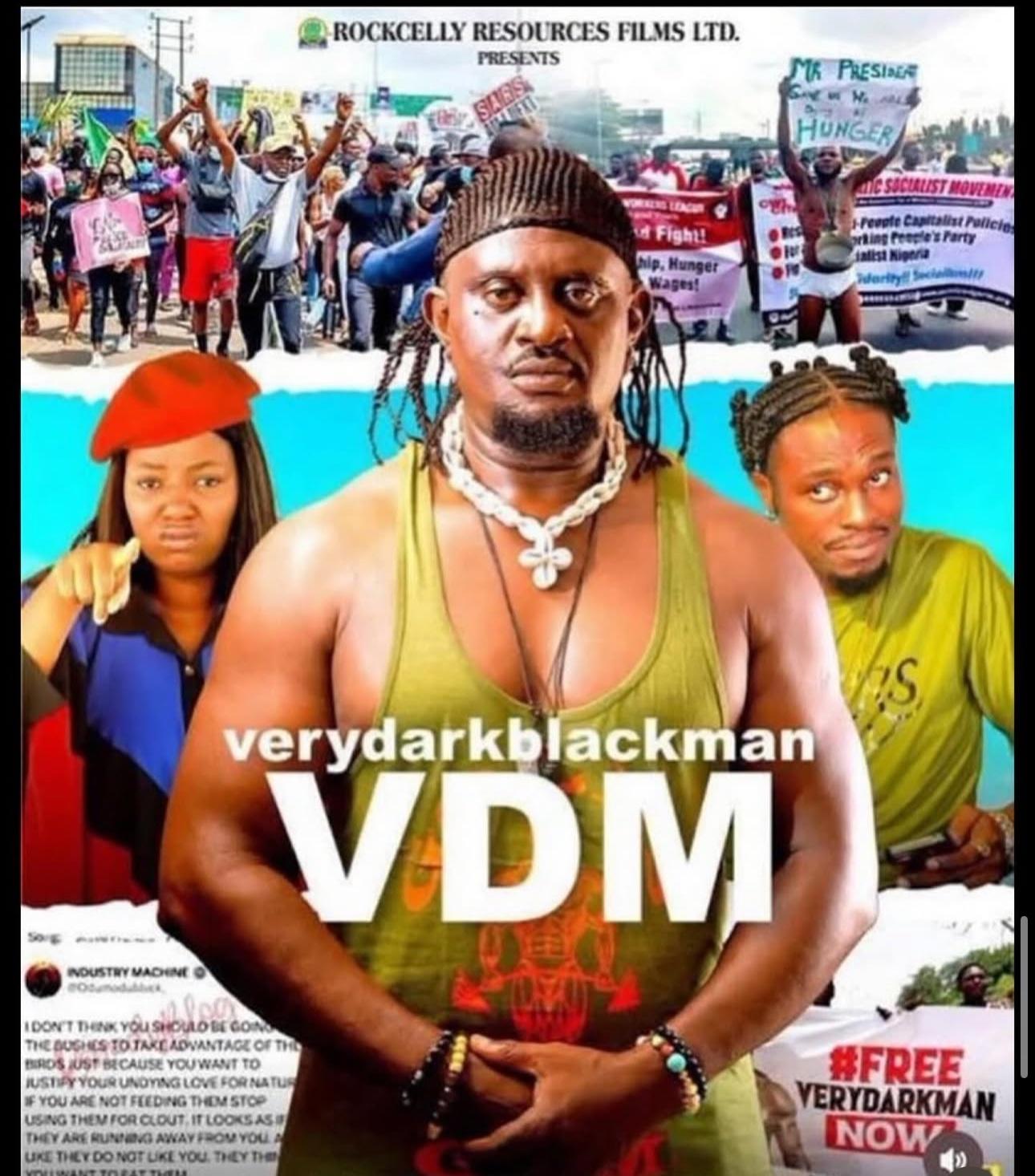
  • Nollywood has released a new film titled Verydarkblackman, inspired by the controversial social media activist VeryDarkMan (VDM). The movie features veteran actor Gentle Jack portraying the outspoken critic, capturing his distinctive mannerisms and attire.

    #VeryDarkMan #VDM #Nollywood #Verydarkblackman #GentleJack #NigerianCinema #SocialMediaSatire
    Nollywood has released a new film titled Verydarkblackman, inspired by the controversial social media activist VeryDarkMan (VDM). The movie features veteran actor Gentle Jack portraying the outspoken critic, capturing his distinctive mannerisms and attire. #VeryDarkMan #VDM #Nollywood #Verydarkblackman #GentleJack #NigerianCinema #SocialMediaSatire
    0 Commentarii ·0 Distribuiri ·1K Views
Fintter https://fintter.com