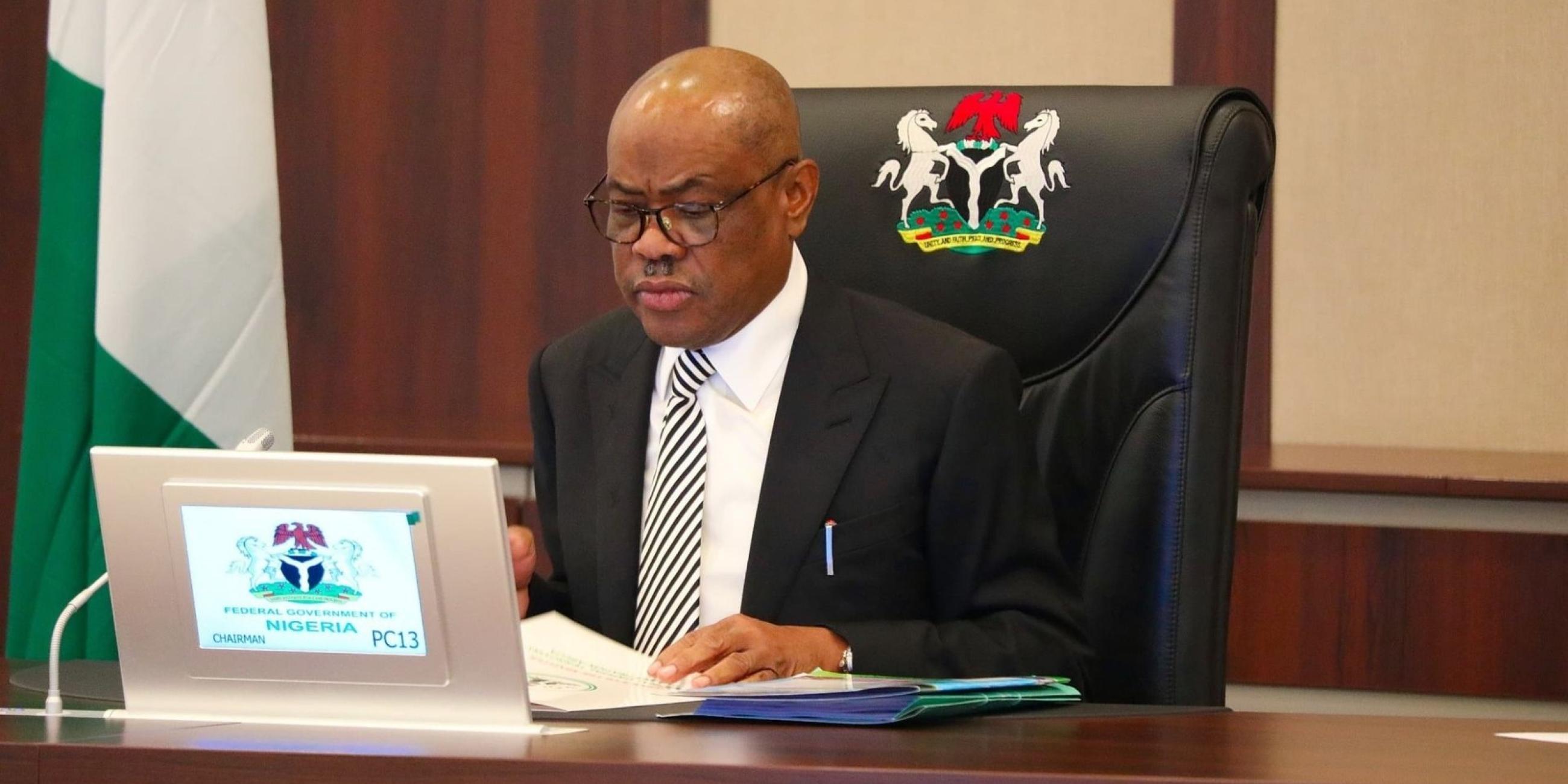
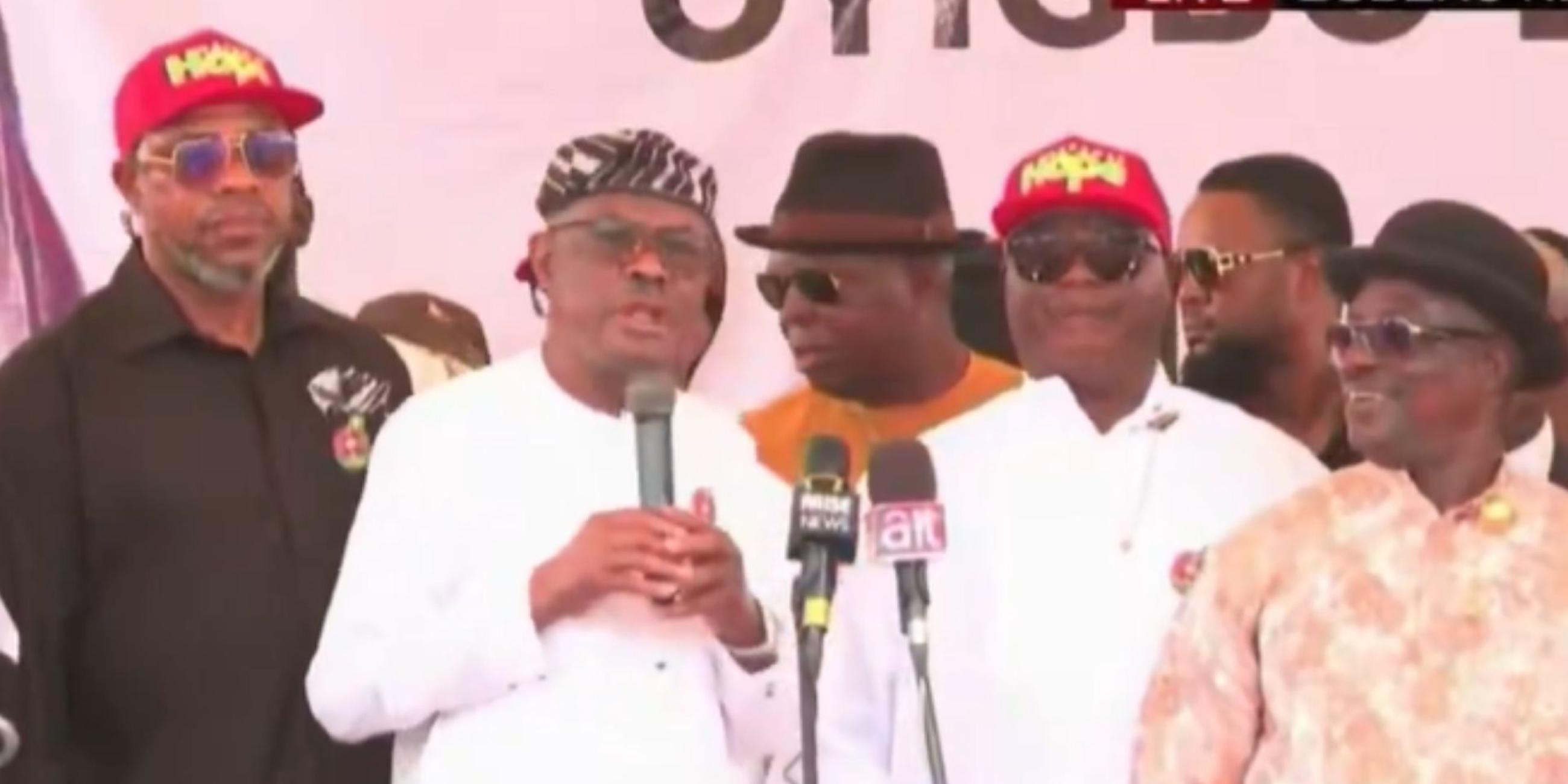
• Did Wike Admit Using the Judiciary for APC’s Political Battles? Why the FCT Minister Says He Helped Kill Osun’s LG Funds Case—and What It Means for Democracy in Nigeria

    Nigeria’s political space was thrown into controversy after Minister of the Federal Capital Territory (FCT), Nyesom Wike, openly claimed that he helped influential figures within the ruling All Progressives Congress (APC) use the judiciary to frustrate the Osun State local government funds lawsuit. Speaking in a video circulating online, Wike boasted that the court actions that led to the withholding of Osun’s local government allocations were not accidental but carefully engineered by powerful political actors working behind the scenes.

    Addressing a crowd in Port Harcourt, the former Rivers State governor accused APC National Secretary, Senator Ajibola Basiru, of enjoying the political benefits of judicial decisions against the Osun State Government without acknowledging those who made them possible. According to Wike, the lawsuit—widely viewed as targeting Governor Ademola Adeleke’s administration—was part of a broader political strategy rather than a purely legal process.

    Wike warned APC leaders against what he described as ingratitude, insisting that their current advantage in Osun was the result of unseen political manoeuvres. “Today, you are enjoying in Osun. You don’t know those who did the work,” he said, cautioning party leaders not to “take our support for Mr President for granted.” His remarks appeared to be a direct response to Basiru’s criticism of his involvement in Rivers State politics.

    The political clash follows Basiru’s demand that Wike resign as FCT minister, arguing that he is not a member of the APC and therefore has no standing to interfere in the party’s internal affairs. Basiru maintained that his comments were aimed at defending party structure and respecting sitting governors, adding that Wike’s response was inappropriate for a member of the Federal Executive Council.

    The controversy also reopens debate surrounding the Supreme Court’s December 2025 ruling on the Osun local government funds dispute. While the Court faulted the Federal Government for withholding funds, it also ruled that the Osun Attorney General lacked the authority to sue on behalf of the local councils without proper authorisation. A minority judgment, however, criticised the Federal Government’s action as harmful to local governance.

    Wike’s admission has triggered intense reactions across political and civil society circles, raising troubling questions about judicial independence, political influence over court processes, and the weaponisation of legal institutions for partisan gain. If court outcomes can be “worked out” through political connections, critics ask, what does this mean for democracy, federalism, and the rule of law in Nigeria?

    As tensions escalate between Wike and APC leadership, the episode underscores a deeper struggle over power, loyalty, and accountability within Nigeria’s political system—one that could reshape party alliances, governance in Osun and Rivers States, and public trust in the judiciary.

    Did Wike Admit Using the Judiciary for APC’s Political Battles? Why the FCT Minister Says He Helped Kill Osun’s LG Funds Case—and What It Means for Democracy in Nigeria Nigeria’s political space was thrown into controversy after Minister of the Federal Capital Territory (FCT), Nyesom Wike, openly claimed that he helped influential figures within the ruling All Progressives Congress (APC) use the judiciary to frustrate the Osun State local government funds lawsuit. Speaking in a video circulating online, Wike boasted that the court actions that led to the withholding of Osun’s local government allocations were not accidental but carefully engineered by powerful political actors working behind the scenes. Addressing a crowd in Port Harcourt, the former Rivers State governor accused APC National Secretary, Senator Ajibola Basiru, of enjoying the political benefits of judicial decisions against the Osun State Government without acknowledging those who made them possible. According to Wike, the lawsuit—widely viewed as targeting Governor Ademola Adeleke’s administration—was part of a broader political strategy rather than a purely legal process. Wike warned APC leaders against what he described as ingratitude, insisting that their current advantage in Osun was the result of unseen political manoeuvres. “Today, you are enjoying in Osun. You don’t know those who did the work,” he said, cautioning party leaders not to “take our support for Mr President for granted.” His remarks appeared to be a direct response to Basiru’s criticism of his involvement in Rivers State politics. The political clash follows Basiru’s demand that Wike resign as FCT minister, arguing that he is not a member of the APC and therefore has no standing to interfere in the party’s internal affairs. Basiru maintained that his comments were aimed at defending party structure and respecting sitting governors, adding that Wike’s response was inappropriate for a member of the Federal Executive Council. The controversy also reopens debate surrounding the Supreme Court’s December 2025 ruling on the Osun local government funds dispute. While the Court faulted the Federal Government for withholding funds, it also ruled that the Osun Attorney General lacked the authority to sue on behalf of the local councils without proper authorisation. A minority judgment, however, criticised the Federal Government’s action as harmful to local governance. Wike’s admission has triggered intense reactions across political and civil society circles, raising troubling questions about judicial independence, political influence over court processes, and the weaponisation of legal institutions for partisan gain. If court outcomes can be “worked out” through political connections, critics ask, what does this mean for democracy, federalism, and the rule of law in Nigeria? As tensions escalate between Wike and APC leadership, the episode underscores a deeper struggle over power, loyalty, and accountability within Nigeria’s political system—one that could reshape party alliances, governance in Osun and Rivers States, and public trust in the judiciary.

    like
    1
    · 0 Commentarii ·0 Distribuiri ·4K Views
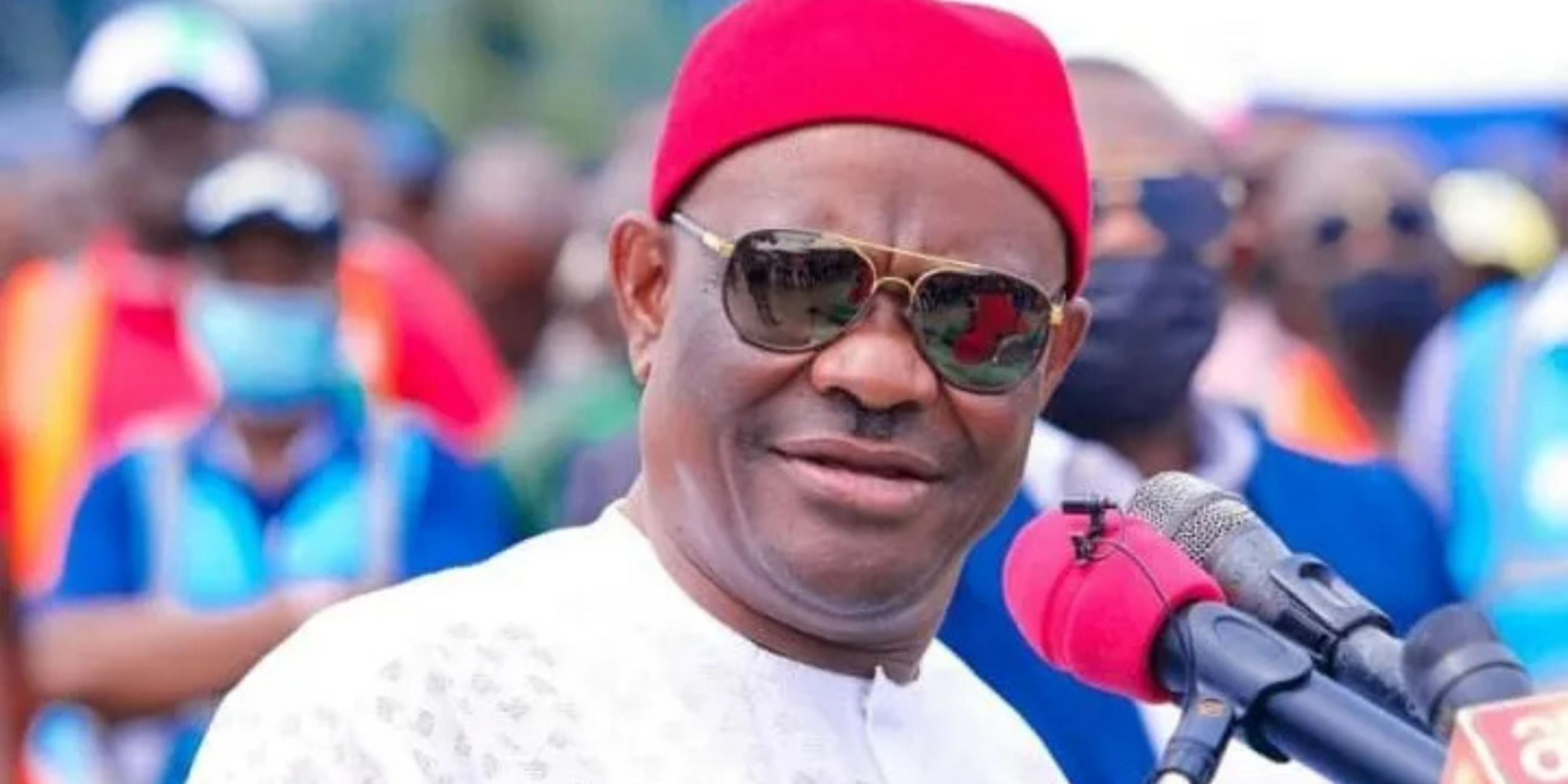
  • Will Wike Have to Bow to Fubara in APC? Why the Party Says the FCT Minister Must Follow Rivers Governor—and What This Power Shift Means for 2027 Politics

    Is Nyesom Wike’s political influence in Rivers State finally being clipped? If the Federal Capital Territory (FCT) Minister decides to join the All Progressives Congress (APC), will he really be forced to operate under his successor, Governor Siminalayi Fubara? And what does this internal power struggle reveal about the battle for 2027?

    The APC has made its position unmistakably clear: if Wike defects to the ruling party, he will not assume a dominant leadership role over the sitting Rivers State governor. According to the party’s Director of Information, Bala Ibrahim, leadership within the APC is tied strictly to current political office—not past power. While Wike would be “given a position” within the party, Ibrahim stressed that he would “certainly be under” Governor Fubara, who currently holds the highest elective office in Rivers State.

    Why such a firm stance? Ibrahim explained that political authority follows office, not personality. “When he was the governor, he was followed. Now that he’s not the governor, he must follow,” he said, underscoring that once a leader vacates a seat, they no longer retain its power. In other words, past influence cannot override present authority in the APC’s hierarchy.

    But is this just about party protocol—or something deeper? Reports suggest that Wike’s alleged efforts to undermine Fubara’s 2027 re-election bid have suffered a major blow. Several APC governors are said to have rallied behind Fubara, signaling growing support for the Rivers governor at the highest levels of the party. Party sources indicate that renewed tensions between the two men were triggered after top APC figures openly endorsed Fubara for a second term—an outcome Wike is reportedly opposed to.

    What changed inside the APC? Insiders say the party leadership has become increasingly impressed with Fubara’s governance style and development projects, earning him favor among key decision-makers. This apparent shift in loyalty is being interpreted as a strategic move to consolidate power around the sitting governor while weakening Wike’s influence in his home state.

    The conflict reportedly deepened when Wike’s allies attempted to push a preferred candidate for the Imo governorship without consulting the APC Governors’ Chairman, Governor Hope Uzodimma. Party officials claim this move backfired, prompting APC governors to close ranks around Fubara as part of a broader effort to curb Wike’s political reach. Some insiders even suggest that powerful figures within the Tinubu administration no longer see Wike as a favored ally.

    So what does this mean going forward? If Wike eventually joins the APC, he may find himself navigating a party structure where authority is no longer shaped by his past dominance but by current officeholders—chief among them Governor Fubara. The unfolding drama raises critical questions: Is Wike’s era of control in Rivers coming to an end? Will Fubara emerge as the undisputed political force ahead of 2027? And is the APC deliberately re-engineering power in Rivers to sideline one of Nigeria’s most formidable political figures?

    As endorsements mount and party leadership draws firm lines, one thing is clear: Rivers State politics is entering a decisive phase—and the outcome could reshape the state’s political landscape for years to come.
    Will Wike Have to Bow to Fubara in APC? Why the Party Says the FCT Minister Must Follow Rivers Governor—and What This Power Shift Means for 2027 Politics Is Nyesom Wike’s political influence in Rivers State finally being clipped? If the Federal Capital Territory (FCT) Minister decides to join the All Progressives Congress (APC), will he really be forced to operate under his successor, Governor Siminalayi Fubara? And what does this internal power struggle reveal about the battle for 2027? The APC has made its position unmistakably clear: if Wike defects to the ruling party, he will not assume a dominant leadership role over the sitting Rivers State governor. According to the party’s Director of Information, Bala Ibrahim, leadership within the APC is tied strictly to current political office—not past power. While Wike would be “given a position” within the party, Ibrahim stressed that he would “certainly be under” Governor Fubara, who currently holds the highest elective office in Rivers State. Why such a firm stance? Ibrahim explained that political authority follows office, not personality. “When he was the governor, he was followed. Now that he’s not the governor, he must follow,” he said, underscoring that once a leader vacates a seat, they no longer retain its power. In other words, past influence cannot override present authority in the APC’s hierarchy. But is this just about party protocol—or something deeper? Reports suggest that Wike’s alleged efforts to undermine Fubara’s 2027 re-election bid have suffered a major blow. Several APC governors are said to have rallied behind Fubara, signaling growing support for the Rivers governor at the highest levels of the party. Party sources indicate that renewed tensions between the two men were triggered after top APC figures openly endorsed Fubara for a second term—an outcome Wike is reportedly opposed to. What changed inside the APC? Insiders say the party leadership has become increasingly impressed with Fubara’s governance style and development projects, earning him favor among key decision-makers. This apparent shift in loyalty is being interpreted as a strategic move to consolidate power around the sitting governor while weakening Wike’s influence in his home state. The conflict reportedly deepened when Wike’s allies attempted to push a preferred candidate for the Imo governorship without consulting the APC Governors’ Chairman, Governor Hope Uzodimma. Party officials claim this move backfired, prompting APC governors to close ranks around Fubara as part of a broader effort to curb Wike’s political reach. Some insiders even suggest that powerful figures within the Tinubu administration no longer see Wike as a favored ally. So what does this mean going forward? If Wike eventually joins the APC, he may find himself navigating a party structure where authority is no longer shaped by his past dominance but by current officeholders—chief among them Governor Fubara. The unfolding drama raises critical questions: Is Wike’s era of control in Rivers coming to an end? Will Fubara emerge as the undisputed political force ahead of 2027? And is the APC deliberately re-engineering power in Rivers to sideline one of Nigeria’s most formidable political figures? As endorsements mount and party leadership draws firm lines, one thing is clear: Rivers State politics is entering a decisive phase—and the outcome could reshape the state’s political landscape for years to come.
    0 Commentarii ·0 Distribuiri ·2K Views
  • What Will Be the End of Nyesom Wike? Analysis of His Political Influence and Future Prospects”

    In this incisive opinion piece, Pelumi Olajengbesi, Esq., examines the political trajectory and future of Nyesom Wike, one of Nigeria’s most influential and polarizing politicians. Wike, formerly instrumental in shaping the emergence of President Tinubu, has long dominated Rivers State politics, pushing aside rivals and asserting a near-absolute influence over his political domain. His style, a combination of strategic brilliance, territorial control, and relentless confrontation, has both earned him admiration and created friction with allies and the opposition alike.
    Wike’s political approach has been defined by territorial command—he defines the political space, punishes disloyalty, and keeps opponents uncertain. This method proved highly effective when he fully controlled Rivers politics, yet the shifting political terrain has begun to challenge his authority. The analysis highlights that when his former protégé, Governor Fubara, aligned with the APC, Wike’s influence began to face constraints, illustrating that political power dependent on perception and intimidation can be fragile.
    Olajengbesi notes that Wike’s predicament is heightened by his dual position as both a useful ally and an outsider within the ruling party. While his support for Tinubu and his ability to destabilize opposition calculations have made him relevant at the federal level, his independence and confrontational style are increasingly perceived as a threat to party discipline and structure. As the ruling party prepares for the next political cycle, Wike’s influence risks erosion if it continues to undermine institutional hierarchy.
    The opinion piece predicts several possible outcomes for Wike: gradual isolation, where his access and influence diminish quietly; neutralisation, where he retains office but loses political leverage; or forced realignment, requiring him to fully submit to party structures, sacrificing the independence that has defined his political brand. However, Wike’s experience and strategic acumen suggest he may yet adapt, potentially transitioning from territorial dominance to coalition management, balancing influence with accommodation.
    Ultimately, Olajengbesi portrays Wike as a fascinating case study of power, strategy, and political survival, highlighting that his future depends not only on strength but on his capacity to navigate institutional politics without alienating the structures that sustain it. The piece underscores that in Nigerian politics, influence without institutional belonging is potent but precarious, and Wike’s next moves will determine whether his story ends in decline or reinvention.
    What Will Be the End of Nyesom Wike? Analysis of His Political Influence and Future Prospects” In this incisive opinion piece, Pelumi Olajengbesi, Esq., examines the political trajectory and future of Nyesom Wike, one of Nigeria’s most influential and polarizing politicians. Wike, formerly instrumental in shaping the emergence of President Tinubu, has long dominated Rivers State politics, pushing aside rivals and asserting a near-absolute influence over his political domain. His style, a combination of strategic brilliance, territorial control, and relentless confrontation, has both earned him admiration and created friction with allies and the opposition alike. Wike’s political approach has been defined by territorial command—he defines the political space, punishes disloyalty, and keeps opponents uncertain. This method proved highly effective when he fully controlled Rivers politics, yet the shifting political terrain has begun to challenge his authority. The analysis highlights that when his former protégé, Governor Fubara, aligned with the APC, Wike’s influence began to face constraints, illustrating that political power dependent on perception and intimidation can be fragile. Olajengbesi notes that Wike’s predicament is heightened by his dual position as both a useful ally and an outsider within the ruling party. While his support for Tinubu and his ability to destabilize opposition calculations have made him relevant at the federal level, his independence and confrontational style are increasingly perceived as a threat to party discipline and structure. As the ruling party prepares for the next political cycle, Wike’s influence risks erosion if it continues to undermine institutional hierarchy. The opinion piece predicts several possible outcomes for Wike: gradual isolation, where his access and influence diminish quietly; neutralisation, where he retains office but loses political leverage; or forced realignment, requiring him to fully submit to party structures, sacrificing the independence that has defined his political brand. However, Wike’s experience and strategic acumen suggest he may yet adapt, potentially transitioning from territorial dominance to coalition management, balancing influence with accommodation. Ultimately, Olajengbesi portrays Wike as a fascinating case study of power, strategy, and political survival, highlighting that his future depends not only on strength but on his capacity to navigate institutional politics without alienating the structures that sustain it. The piece underscores that in Nigerian politics, influence without institutional belonging is potent but precarious, and Wike’s next moves will determine whether his story ends in decline or reinvention.
    like
    1
    · 0 Commentarii ·0 Distribuiri ·3K Views
  • APC National Secretary Basiru Tells FCT Minister Wike to Resign Over Rivers State Politics Interference

    Senator Ajibola Basiru, National Secretary of the All Progressives Congress (APC), has called on FCT Minister Nyesom Wike to resign immediately, accusing him of meddling in Rivers State politics while serving in an APC-led government.

    Basiru argued that Wike, a non-APC member, has no right to interfere in the party’s affairs and dismissed allegations of corruption involving Rivers APC as “cheap blackmail.” He described Wike’s actions as an attempt to import PDP-style politics into the APC and destabilize party structures.

    The APC secretary emphasized that peaceful party operations must be respected and warned that continued interference could lead to legal action. Basiru stressed that Wike’s support for President Tinubu does not confer APC membership and reiterated that party governance should remain free from external disruption.
    APC National Secretary Basiru Tells FCT Minister Wike to Resign Over Rivers State Politics Interference Senator Ajibola Basiru, National Secretary of the All Progressives Congress (APC), has called on FCT Minister Nyesom Wike to resign immediately, accusing him of meddling in Rivers State politics while serving in an APC-led government. Basiru argued that Wike, a non-APC member, has no right to interfere in the party’s affairs and dismissed allegations of corruption involving Rivers APC as “cheap blackmail.” He described Wike’s actions as an attempt to import PDP-style politics into the APC and destabilize party structures. The APC secretary emphasized that peaceful party operations must be respected and warned that continued interference could lead to legal action. Basiru stressed that Wike’s support for President Tinubu does not confer APC membership and reiterated that party governance should remain free from external disruption.
    like
    1
    · 0 Commentarii ·0 Distribuiri ·1K Views
  • FCT Minister Wike Warns APC National Secretary Basiru Against Meddling in Rivers State Politics

    Federal Capital Territory (FCT) Minister Nyesom Wike has threatened APC National Secretary Ajibola Basiru, warning him to stop interfering in Rivers State politics. Speaking at a rally in Oyigbo, Wike accused Basiru of commenting on matters outside his jurisdiction, particularly concerning the N600 billion funds in Rivers State.

    Wike cautioned Basiru against taking Rivers State’s support for President Bola Tinubu for granted and threatened to brief the President about the issue. He emphasized that anyone interfering with Rivers State affairs would face consequences, stating, “Anything you see, take it.”

    The tension follows Basiru’s earlier criticism of an APC official who referred to Rivers Governor Siminalayi Fubara as a “so-called governor,” noting that elected offices must be respected regardless of political differences. Wike, however, remains determined to prevent Fubara from securing a second term in office.
    FCT Minister Wike Warns APC National Secretary Basiru Against Meddling in Rivers State Politics Federal Capital Territory (FCT) Minister Nyesom Wike has threatened APC National Secretary Ajibola Basiru, warning him to stop interfering in Rivers State politics. Speaking at a rally in Oyigbo, Wike accused Basiru of commenting on matters outside his jurisdiction, particularly concerning the N600 billion funds in Rivers State. Wike cautioned Basiru against taking Rivers State’s support for President Bola Tinubu for granted and threatened to brief the President about the issue. He emphasized that anyone interfering with Rivers State affairs would face consequences, stating, “Anything you see, take it.” The tension follows Basiru’s earlier criticism of an APC official who referred to Rivers Governor Siminalayi Fubara as a “so-called governor,” noting that elected offices must be respected regardless of political differences. Wike, however, remains determined to prevent Fubara from securing a second term in office.
    0 Commentarii ·0 Distribuiri ·1K Views
  • Rivers Crisis Deepens as Governor Fubara Declares Himself “Number One” After APC Defection, Fires Back at Wike-Loyal Lawmakers

    Rivers State Governor Siminalayi Fubara has stirred fresh political controversy after declaring himself the “number one” person in the state following his defection from the PDP to the ruling APC. Speaking at an event in Port Harcourt, Fubara revealed that his APC membership form carries the number 001, which he said symbolises his position as the state’s leader. His remarks came amid renewed accusations from lawmakers loyal to his predecessor, Nyesom Wike, who alleged that the governor failed to honour agreements and misled the public about engagements with the House of Assembly. The declaration further escalates the long-running political battle between Fubara and the Wike camp, highlighting deepening tensions in Rivers State politics ahead of the 2027 elections.
    Rivers Crisis Deepens as Governor Fubara Declares Himself “Number One” After APC Defection, Fires Back at Wike-Loyal Lawmakers Rivers State Governor Siminalayi Fubara has stirred fresh political controversy after declaring himself the “number one” person in the state following his defection from the PDP to the ruling APC. Speaking at an event in Port Harcourt, Fubara revealed that his APC membership form carries the number 001, which he said symbolises his position as the state’s leader. His remarks came amid renewed accusations from lawmakers loyal to his predecessor, Nyesom Wike, who alleged that the governor failed to honour agreements and misled the public about engagements with the House of Assembly. The declaration further escalates the long-running political battle between Fubara and the Wike camp, highlighting deepening tensions in Rivers State politics ahead of the 2027 elections.
    0 Commentarii ·0 Distribuiri ·722 Views
Fintter https://fintter.com