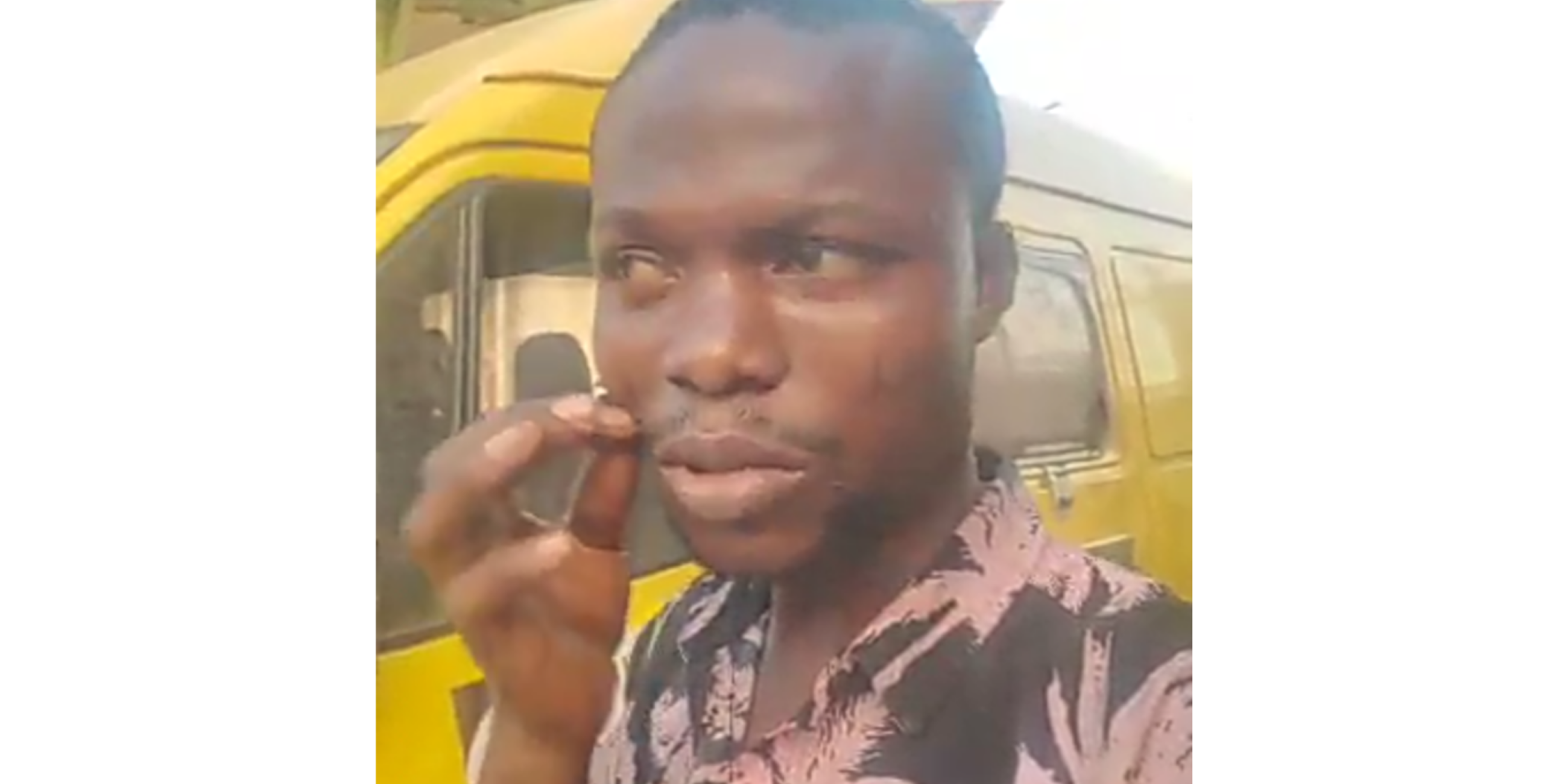
• TikToker Peller Gains University Admission in Lagos, Silences Critics

    Popular TikToker Peller has finally proved his critics wrong after securing admission into a university in Lagos. The social media personality shared the news online, sparking congratulatory messages from fans who praised his determination and achievement, describing it as a reminder that content creators can also pursue formal education.
    TikToker Peller Gains University Admission in Lagos, Silences Critics Popular TikToker Peller has finally proved his critics wrong after securing admission into a university in Lagos. The social media personality shared the news online, sparking congratulatory messages from fans who praised his determination and achievement, describing it as a reminder that content creators can also pursue formal education.
    love
    like
    Dislike
    4
    · 1 Comments ·0 Shares ·2K Views ·2 Plays
  • Abdullah Trained Amina Through School — Then Watched Her Marry Another Man

    Abdullah was not a wealthy man, but he was hardworking and hopeful. When he met Amina, she was young, focused, and determined to change her life through education. He saw potential in her long before others did, and he chose to stand by her.

    From secondary school through higher education, Abdullah paid Amina’s school fees, bought her books, and supported her daily needs. He made sacrifices quietly, often putting his own dreams on hold so she could pursue hers. To Abdullah, it was more than support — it was love, commitment, and belief in a future they would share.

    As the years passed and Amina approached graduation, things slowly began to change. The warmth in their conversations faded. Messages became less frequent. The bond that once felt unbreakable began to feel distant.

    Not long after Amina completed her studies, the news reached Abdullah — she was getting married to another man. There was no warning, no honest conversation beforehand. The announcement came like a sudden storm, leaving Abdullah with questions that had no answers.

    To Amina, her decision may have been shaped by personal reasons, family expectations, or a different vision for her life. To Abdullah, it felt like a deep betrayal — not just of love, but of the years of sacrifice he made with sincere intentions.

    This story is not only about heartbreak; it is about expectations and unspoken assumptions. It reminds us that support, no matter how genuine, does not guarantee commitment. Love must be freely chosen, not implied through sacrifice.

    In the end, Abdullah learned a painful but necessary lesson: helping someone rise does not always mean they will remain by your side. Sometimes, you are part of someone’s journey, not their destination.

    He walked away hurt, wiser, and stronger — carrying a truth many discover too late: true love is built on mutual choice, not obligation.
    Abdullah Trained Amina Through School — Then Watched Her Marry Another Man Abdullah was not a wealthy man, but he was hardworking and hopeful. When he met Amina, she was young, focused, and determined to change her life through education. He saw potential in her long before others did, and he chose to stand by her. From secondary school through higher education, Abdullah paid Amina’s school fees, bought her books, and supported her daily needs. He made sacrifices quietly, often putting his own dreams on hold so she could pursue hers. To Abdullah, it was more than support — it was love, commitment, and belief in a future they would share. As the years passed and Amina approached graduation, things slowly began to change. The warmth in their conversations faded. Messages became less frequent. The bond that once felt unbreakable began to feel distant. Not long after Amina completed her studies, the news reached Abdullah — she was getting married to another man. There was no warning, no honest conversation beforehand. The announcement came like a sudden storm, leaving Abdullah with questions that had no answers. To Amina, her decision may have been shaped by personal reasons, family expectations, or a different vision for her life. To Abdullah, it felt like a deep betrayal — not just of love, but of the years of sacrifice he made with sincere intentions. This story is not only about heartbreak; it is about expectations and unspoken assumptions. It reminds us that support, no matter how genuine, does not guarantee commitment. Love must be freely chosen, not implied through sacrifice. In the end, Abdullah learned a painful but necessary lesson: helping someone rise does not always mean they will remain by your side. Sometimes, you are part of someone’s journey, not their destination. He walked away hurt, wiser, and stronger — carrying a truth many discover too late: true love is built on mutual choice, not obligation.
    love
    1
    · 0 Comments ·0 Shares ·4K Views
  • Any Man Who Calls Himself Biggest Is Not Big” — Wizkid Faces Viral Clapback……


    Nigerian music star Wizkid has stirred social media reactions after tweeting “Biggest,” a post many fans saw as a bold self-affirmation. However, a user identified as Ruth replied, saying, “Any man who calls himself biggest is not big,” which quickly went viral. The exchange triggered mixed reactions online, with fans defending Wizkid’s confidence while others debated humility versus self-praise in the entertainment industry. The moment has since become another trending topic among Nigerian social media users.

    #Fintternews
    Any Man Who Calls Himself Biggest Is Not Big” — Wizkid Faces Viral Clapback…… Nigerian music star Wizkid has stirred social media reactions after tweeting “Biggest,” a post many fans saw as a bold self-affirmation. However, a user identified as Ruth replied, saying, “Any man who calls himself biggest is not big,” which quickly went viral. The exchange triggered mixed reactions online, with fans defending Wizkid’s confidence while others debated humility versus self-praise in the entertainment industry. The moment has since become another trending topic among Nigerian social media users. #Fintternews
    love
    1
    · 1 Comments ·0 Shares ·1K Views
  • “Remove my name and picture immediately” — Actor Emeka Ike calls out Jaruma over video involving his son

    Veteran Nollywood actor Emeka Ike has publicly distanced himself from a viral video involving his son and popular sex therapist Jaruma.

    In a lengthy Instagram post, the actor expressed anger over his name and photo being linked to what he described as “disgusting” and indecent content, insisting he has nothing to do with Jaruma or her products.
    Emeka Ike also addressed his son directly, recounting how he once supported his education, planned a future abroad for him, and insisted he finish school before pursuing fame. He lamented that those plans were abandoned, saying he no longer recognises the person his son has become…..
    “Remove my name and picture immediately” — Actor Emeka Ike calls out Jaruma over video involving his son Veteran Nollywood actor Emeka Ike has publicly distanced himself from a viral video involving his son and popular sex therapist Jaruma. In a lengthy Instagram post, the actor expressed anger over his name and photo being linked to what he described as “disgusting” and indecent content, insisting he has nothing to do with Jaruma or her products. Emeka Ike also addressed his son directly, recounting how he once supported his education, planned a future abroad for him, and insisted he finish school before pursuing fame. He lamented that those plans were abandoned, saying he no longer recognises the person his son has become…..
    love
    1
    · 0 Comments ·0 Shares ·2K Views
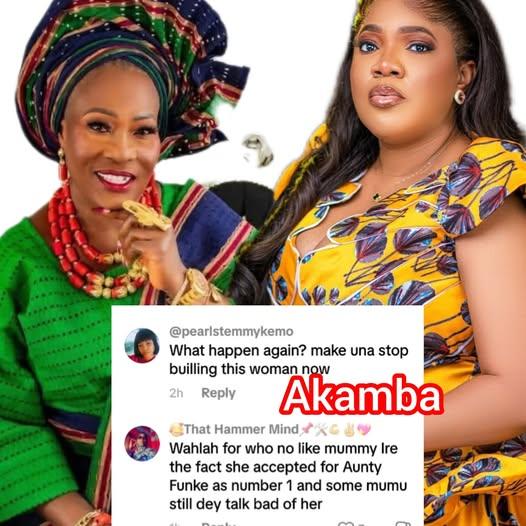
  • Toyin Abraham Warns Online Trolls, Vows Legal Action Over Bullying and False Allegations
    Nollywood actress Toyin Abraham has issued a strong warning against online bullying directed at her, her husband, and her children.

    Speaking on Dr Esabod’s platform, the filmmaker stated that at this stage of her life and career, she will no longer tolerate harassment or false allegations. Toyin emphasized that she is currently the second highest-grossing filmmaker in Africa and is prepared to pursue legal action against anyone, whether in Nigeria or abroad, who bullies or makes defamatory claims against her family.

    She warned social media users against using her pictures or those of her children to attack others, stressing that while she can tolerate insults, she will not accept curses or attacks targeted at her children.

    Toyin concluded by urging for peace, while reminding fans that her movie Oversabi Aunty is still showing in cinemas nationwide.#ToyinAbraham #NollywoodNews #CelebrityNews #OnlineBullying #EntertainmentNews
    ~Akamba Rich tv2
    Toyin Abraham Warns Online Trolls, Vows Legal Action Over Bullying and False Allegations Nollywood actress Toyin Abraham has issued a strong warning against online bullying directed at her, her husband, and her children. Speaking on Dr Esabod’s platform, the filmmaker stated that at this stage of her life and career, she will no longer tolerate harassment or false allegations. Toyin emphasized that she is currently the second highest-grossing filmmaker in Africa and is prepared to pursue legal action against anyone, whether in Nigeria or abroad, who bullies or makes defamatory claims against her family. She warned social media users against using her pictures or those of her children to attack others, stressing that while she can tolerate insults, she will not accept curses or attacks targeted at her children. Toyin concluded by urging for peace, while reminding fans that her movie Oversabi Aunty is still showing in cinemas nationwide.#ToyinAbraham #NollywoodNews #CelebrityNews #OnlineBullying #EntertainmentNews ~Akamba Rich tv2
    Dislike
    1
    · 0 Comments ·0 Shares ·3K Views
  • JUST IN: Daddy Freeze Responds to Anu’s Mother

    Daddy Freeze has reacted to Anu’s mother, urging her to handle the situation privately and focus on raising her child. He said Anu is like a daughter to him because her father was once his lecturer, and advised her to do everything possible to ensure the child becomes successful. He asked if she would not still raise the child if the father were dead.

    He warned her to take the matter off social media, stating that nobody can force Davido to undergo a DNA test. According to him, Davido could even file a harassment case, which may lead to a restraining order. He added that she could pursue the matter legally if she chooses, recommending lawyers like Femi Falana or Afe Babalola for possible pro bono services.

    Daddy Freeze also criticised her decision to go public, saying announcing that the child resulted from a one-night stand does not reflect well on her. He noted that her claim of being a waitress who agreed to sex when approached does not present her in a good light.

    #DaddyFreeze #Davido #NigeriaEntertainment #TrendingNews
    JUST IN: Daddy Freeze Responds to Anu’s Mother Daddy Freeze has reacted to Anu’s mother, urging her to handle the situation privately and focus on raising her child. He said Anu is like a daughter to him because her father was once his lecturer, and advised her to do everything possible to ensure the child becomes successful. He asked if she would not still raise the child if the father were dead. He warned her to take the matter off social media, stating that nobody can force Davido to undergo a DNA test. According to him, Davido could even file a harassment case, which may lead to a restraining order. He added that she could pursue the matter legally if she chooses, recommending lawyers like Femi Falana or Afe Babalola for possible pro bono services. Daddy Freeze also criticised her decision to go public, saying announcing that the child resulted from a one-night stand does not reflect well on her. He noted that her claim of being a waitress who agreed to sex when approached does not present her in a good light. #DaddyFreeze #Davido #NigeriaEntertainment #TrendingNews
    love
    1
    · 1 Comments ·0 Shares ·2K Views
  • Nigeria Approves $9m US Lobbying Deal To Ease Tensions With Trump Administration Over Christian Killings, Insecurity, and Travel Restrictions

    The administration of President Bola Tinubu has approved a controversial $9 million lobbying contract with Washington-based DCI Group to persuade the Trump administration and key U.S. lawmakers that Nigeria is taking concrete action against insecurity, including the killings of Christians in northern Nigeria. U.S. Justice Department filings show an initial $4.5 million payment was made in December 2025, with another $4.5 million due by July 2026. The deal follows Trump’s redesignation of Nigeria as a “country of particular concern,” a partial U.S. travel ban, and a U.S. military airstrike in Sokoto targeting insurgent hideouts. The lobbying effort, facilitated by National Security Adviser Nuhu Ribadu through Aster Legal, aims to maintain U.S. support against jihadist groups and improve strained diplomatic relations. Additional outreach included a letter from Senate President Godswill Akpabio inviting U.S. lawmakers to visit Abuja. Analysts say the contract signals urgency by Tinubu’s government to reset ties with Washington.
    Nigeria Approves $9m US Lobbying Deal To Ease Tensions With Trump Administration Over Christian Killings, Insecurity, and Travel Restrictions The administration of President Bola Tinubu has approved a controversial $9 million lobbying contract with Washington-based DCI Group to persuade the Trump administration and key U.S. lawmakers that Nigeria is taking concrete action against insecurity, including the killings of Christians in northern Nigeria. U.S. Justice Department filings show an initial $4.5 million payment was made in December 2025, with another $4.5 million due by July 2026. The deal follows Trump’s redesignation of Nigeria as a “country of particular concern,” a partial U.S. travel ban, and a U.S. military airstrike in Sokoto targeting insurgent hideouts. The lobbying effort, facilitated by National Security Adviser Nuhu Ribadu through Aster Legal, aims to maintain U.S. support against jihadist groups and improve strained diplomatic relations. Additional outreach included a letter from Senate President Godswill Akpabio inviting U.S. lawmakers to visit Abuja. Analysts say the contract signals urgency by Tinubu’s government to reset ties with Washington.
    love
    1
    · 0 Comments ·0 Shares ·2K Views
  • “I had sex with Carter Efe just three days ago, so I don’t understand why he’s saying he’s been single for over a year - Carter Efe's Babymama opens up.

    Emmanuella, Carter Efe's baby mama, has finally opened up and spoken her side of the story just few hours after her partner, Carter called off their relationship acccsing her of preventing him from seeing their daughter and trying to get at him by p0!soning their daughter.

    In her words;

    “I had s3kx with Carter Efe just three days ago, so I don’t understand why he’s saying he’s been single for over a year. He’s claiming we’ve been apart that long, but we were int!mate recently. This morning, he even called me saying he gave me a platform and is about to take it away.”

    “Carter Efe is someone who doesn’t allow me to do anything. He doesn’t want me to work or do anything. I want to be an actress, I have a background in MEDICAL ANATOMY, but he stopped me from pursuing acting and even from taking jobs, saying he’s scared I’ll sl33p with my employer.”

    ~ senior pikin
    “I had sex with Carter Efe just three days ago, so I don’t understand why he’s saying he’s been single for over a year - Carter Efe's Babymama opens up. Emmanuella, Carter Efe's baby mama, has finally opened up and spoken her side of the story just few hours after her partner, Carter called off their relationship acccsing her of preventing him from seeing their daughter and trying to get at him by p0!soning their daughter. In her words; “I had s3kx with Carter Efe just three days ago, so I don’t understand why he’s saying he’s been single for over a year. He’s claiming we’ve been apart that long, but we were int!mate recently. This morning, he even called me saying he gave me a platform and is about to take it away.” “Carter Efe is someone who doesn’t allow me to do anything. He doesn’t want me to work or do anything. I want to be an actress, I have a background in MEDICAL ANATOMY, but he stopped me from pursuing acting and even from taking jobs, saying he’s scared I’ll sl33p with my employer.” ~ senior pikin
    like
    love
    2
    · 0 Comments ·0 Shares ·1K Views
  • Wahala Don Set Oo! Kano Rights Group Alleges Plot to Arrest Activist Over Community Transformer Dispute

    Wahala don burst for Kano oo! A human rights group has raised alarm over an alleged plot to arrest a community activist in Minjibir Local Government Area after he opposed the removal of a community-owned electricity transformer.

    The Centre for Human Rights and Social Advancement (CEFSAN) says the activist, Comrade Habu Hassan Abdullahi from Kunya community, is now being targeted simply because he questioned the decision of the Minjibir LG Chairman to allegedly remove the transformer without consulting residents.

    According to a statement issued by CEFSAN’s Executive Director, Yusha’u Sani Yankuzo, Esq, the incident happened on January 8, 2026, when local government officials allegedly ordered the removal of the transformer without notice, explanation, or community engagement.

    Residents reportedly became worried, recalling past incidents where public facilities like transformers and engines allegedly “disappeared” after being taken away.

    CEFSAN said Abdullahi only exercised his constitutional right to speak up and represent his people, but that his action allegedly angered the authorities.

    > “Comrade Habu Hassan Abdullahi, in the exercise of his constitutional right to freedom of expression and peaceful participation in community affairs, openly objected to the removal of the transformer,” the group stated.


    But instead of dialogue, CEFSAN alleged that the Minjibir Local Government Chairman connived with the Dambatta Police Area Command to arrange his arrest and detention without due process.

    Wahala con turn serious. The rights group said it later received information that Abdullahi was about to be arrested, forcing him to flee his community for safety.

    > “Upon receiving confidential information suggesting an imminent arrest, Comrade Habu was forced to flee his community for fear of his life and personal safety,” CEFSAN said.


    Police officers were reportedly sent to pick him up but could not locate him, raising further concerns about intimidation and possible persecution.

    CEFSAN strongly condemned what it described as the use of security agencies to silence community voices.

    > “We strongly condemn any attempt to use state security apparatus to intimidate activists or criminalize peaceful civic engagement,” the group said, warning that such actions violate both Nigeria’s Constitution and international human rights standards.


    The organisation demanded:

    Immediate end to all forms of harassment against Abdullahi,

    Public clarification on why the Kunya community transformer was allegedly removed, and

    An independent investigation into the role of the LG Chairman and the Dambatta Police Command in the alleged arrest plot.


    CEFSAN also called on authorities to guarantee the safety of Abdullahi and protect the rights of Kunya residents, stressing that decisions affecting public utilities must involve consultation, transparency, and accountability.

    > “Any harm to Comrade Habu Hassan Abdullahi will be strongly resisted and pursued through all lawful national and international human rights mechanisms,” the group warned.


    As at the time of filing the report, the Kano State Police Command and Minjibir Local Government authorities had not responded to the allegations.

    Wahala don set oo — because to talk for your community now dey turn crime? Nigerians dey watch.

    Wahala Don Set Oo! Kano Rights Group Alleges Plot to Arrest Activist Over Community Transformer Dispute Wahala don burst for Kano oo! A human rights group has raised alarm over an alleged plot to arrest a community activist in Minjibir Local Government Area after he opposed the removal of a community-owned electricity transformer. The Centre for Human Rights and Social Advancement (CEFSAN) says the activist, Comrade Habu Hassan Abdullahi from Kunya community, is now being targeted simply because he questioned the decision of the Minjibir LG Chairman to allegedly remove the transformer without consulting residents. According to a statement issued by CEFSAN’s Executive Director, Yusha’u Sani Yankuzo, Esq, the incident happened on January 8, 2026, when local government officials allegedly ordered the removal of the transformer without notice, explanation, or community engagement. Residents reportedly became worried, recalling past incidents where public facilities like transformers and engines allegedly “disappeared” after being taken away. CEFSAN said Abdullahi only exercised his constitutional right to speak up and represent his people, but that his action allegedly angered the authorities. > “Comrade Habu Hassan Abdullahi, in the exercise of his constitutional right to freedom of expression and peaceful participation in community affairs, openly objected to the removal of the transformer,” the group stated. But instead of dialogue, CEFSAN alleged that the Minjibir Local Government Chairman connived with the Dambatta Police Area Command to arrange his arrest and detention without due process. Wahala con turn serious. The rights group said it later received information that Abdullahi was about to be arrested, forcing him to flee his community for safety. > “Upon receiving confidential information suggesting an imminent arrest, Comrade Habu was forced to flee his community for fear of his life and personal safety,” CEFSAN said. Police officers were reportedly sent to pick him up but could not locate him, raising further concerns about intimidation and possible persecution. CEFSAN strongly condemned what it described as the use of security agencies to silence community voices. > “We strongly condemn any attempt to use state security apparatus to intimidate activists or criminalize peaceful civic engagement,” the group said, warning that such actions violate both Nigeria’s Constitution and international human rights standards. The organisation demanded: Immediate end to all forms of harassment against Abdullahi, Public clarification on why the Kunya community transformer was allegedly removed, and An independent investigation into the role of the LG Chairman and the Dambatta Police Command in the alleged arrest plot. CEFSAN also called on authorities to guarantee the safety of Abdullahi and protect the rights of Kunya residents, stressing that decisions affecting public utilities must involve consultation, transparency, and accountability. > “Any harm to Comrade Habu Hassan Abdullahi will be strongly resisted and pursued through all lawful national and international human rights mechanisms,” the group warned. As at the time of filing the report, the Kano State Police Command and Minjibir Local Government authorities had not responded to the allegations. Wahala don set oo — because to talk for your community now dey turn crime? Nigerians dey watch.
    love
    1
    · 0 Comments ·0 Shares ·2K Views
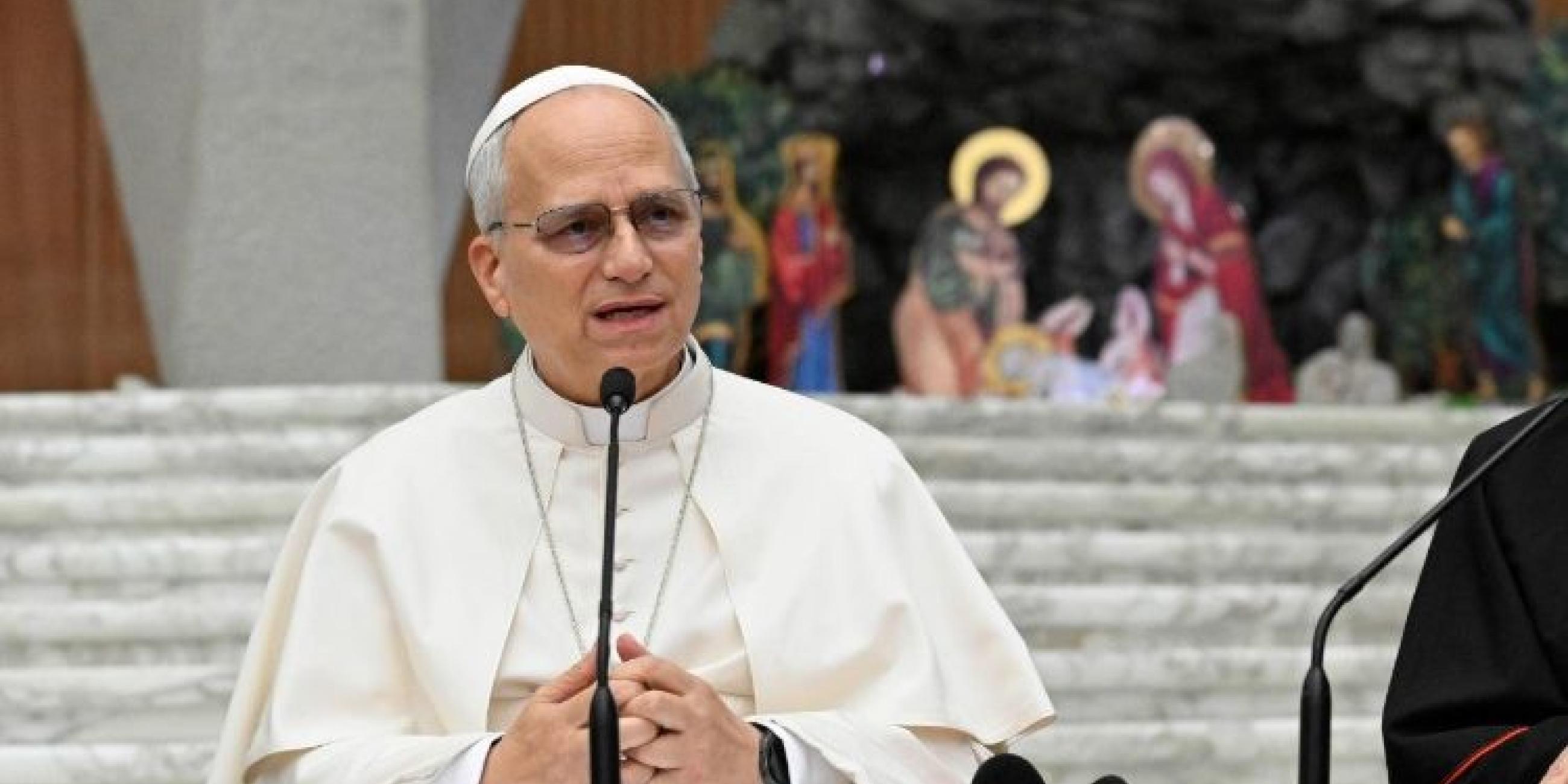
  • Pope Leo XIV Warns “War Is Back in Vogue,” Urges Global Leaders to Choose Dialogue Over Force

    In a blunt address to the Diplomatic Corps, Pope Leo XIV has warned that “war is back in vogue” as nations increasingly pursue peace through military force instead of diplomacy, justice, and dialogue. The pontiff expressed deep concern over rising geopolitical tensions, the erosion of multilateral institutions, and the growing culture of unilateralism, stressing that innocent civilians always bear the highest cost of armed conflicts.

    The Pope called on world leaders to embrace humility, dialogue, and compromise, emphasizing that lasting peace cannot be imposed by force but must be patiently built through justice, listening, and cooperation. He also highlighted the crucial role of global institutions in mediating conflicts, even as the world faces challenges like wars, displacement, economic inequality, and climate crises.

    Diplomats at the address described it as one of the strongest critiques of contemporary international politics by the Holy See, underscoring the Vatican’s role as a moral voice for peace. Pope Leo XIV concluded by urging leaders to resist the temptation of violence and “have the courage to choose peace, even when it is difficult.”


    Pope Leo XIV Warns “War Is Back in Vogue,” Urges Global Leaders to Choose Dialogue Over Force In a blunt address to the Diplomatic Corps, Pope Leo XIV has warned that “war is back in vogue” as nations increasingly pursue peace through military force instead of diplomacy, justice, and dialogue. The pontiff expressed deep concern over rising geopolitical tensions, the erosion of multilateral institutions, and the growing culture of unilateralism, stressing that innocent civilians always bear the highest cost of armed conflicts. The Pope called on world leaders to embrace humility, dialogue, and compromise, emphasizing that lasting peace cannot be imposed by force but must be patiently built through justice, listening, and cooperation. He also highlighted the crucial role of global institutions in mediating conflicts, even as the world faces challenges like wars, displacement, economic inequality, and climate crises. Diplomats at the address described it as one of the strongest critiques of contemporary international politics by the Holy See, underscoring the Vatican’s role as a moral voice for peace. Pope Leo XIV concluded by urging leaders to resist the temptation of violence and “have the courage to choose peace, even when it is difficult.”
    0 Comments ·0 Shares ·2K Views
  • Is the ‘Christian Genocide’ in Nigeria a Political Narrative? Why Trump Admits Muslims Are Also Killed as Sowore Accuses the U.S. of Using Religion to Justify Power, Oil, and Military Influence

    Is the narrative of a “Christian genocide” in Nigeria an honest reflection of the country’s security crisis—or a political tool shaped by foreign interests? United States President Donald Trump has made a partial shift in his long-standing rhetoric on religious violence in Nigeria, acknowledging that Muslims are also being killed, even while maintaining that Christians remain the primary victims.

    Trump made the remarks during an interview with The New York Times following questions about Washington’s Christmas Day military strike in northwest Nigeria. The U.S. military said the operation, carried out at the request of the Nigerian government, targeted Islamic State West Africa Province (ISWAP), a Boko Haram splinter group responsible for years of deadly attacks across northern Nigeria.

    When asked about earlier comments from his own Africa adviser—who had stated that extremist groups in Nigeria kill more Muslims than Christians—Trump responded: “I think that Muslims are being killed also in Nigeria. But it’s mostly Christians.” The statement marked a rare acknowledgment that Nigeria’s victims of terrorism cut across religious lines, even as Trump continued to frame the conflict primarily through a Christian persecution lens.

    The comments immediately drew a sharp response from Omoyele Sowore, former Nigerian presidential candidate and prominent human rights activist. In a series of posts on X (formerly Twitter), Sowore dismissed the “Christian genocide” narrative as a calculated political construct, arguing that it is designed to stir emotion, mobilize conservative audiences abroad, and provide moral cover for foreign military, economic, and geopolitical agendas.

    Sowore accused Trump of using religion as a rhetorical device while pursuing what he described as imperial interests tied to oil, rare earth minerals, and strategic dominance. “The narrative used to justify it is secondary,” Sowore wrote, adding that such framing only needs to “match the gullibility of the intended audience.” According to him, claims of systematic religious genocide in Nigeria are not grounded in objective reality but are deliberately shaped to occupy a powerful emotional space in Western political discourse.

    He further challenged Trump’s moral authority to speak on Christian values, asserting that the former U.S. president does not embody the compassion, humility, or solidarity central to the faith he frequently invokes. Sowore argued that Trump’s selective concern for religious identity masks a broader indifference to human suffering—both abroad and at home—unless it aligns with his political interests.

    The controversy highlights a deeper question: Is Nigeria’s complex security crisis being oversimplified into a religious conflict for international consumption? While jihadist groups like ISWAP and Boko Haram have undeniably targeted Christian communities, they have also killed thousands of Muslims, including traditional leaders, clerics, villagers, and security personnel. Analysts have long warned that framing the violence as exclusively anti-Christian risks distorting reality, inflaming sectarian tensions, and obscuring the political, economic, and territorial dimensions of the conflict.

    Trump’s admission that Muslims are also victims, even if partial, challenges his earlier absolutist framing. Yet his insistence that Christians remain the main targets continues to fuel debate about whether U.S. policy toward Nigeria is being shaped by faith-based narratives rather than nuanced security analysis.

    As Nigeria battles insurgency, banditry, and transnational terrorism, the exchange between Trump and Sowore underscores how global power politics, religious identity, and media narratives intersect in shaping international responses to African conflicts. The key question remains: is the world seeing Nigeria’s crisis as it truly is—or as it is most politically useful to portray?


    Is the ‘Christian Genocide’ in Nigeria a Political Narrative? Why Trump Admits Muslims Are Also Killed as Sowore Accuses the U.S. of Using Religion to Justify Power, Oil, and Military Influence Is the narrative of a “Christian genocide” in Nigeria an honest reflection of the country’s security crisis—or a political tool shaped by foreign interests? United States President Donald Trump has made a partial shift in his long-standing rhetoric on religious violence in Nigeria, acknowledging that Muslims are also being killed, even while maintaining that Christians remain the primary victims. Trump made the remarks during an interview with The New York Times following questions about Washington’s Christmas Day military strike in northwest Nigeria. The U.S. military said the operation, carried out at the request of the Nigerian government, targeted Islamic State West Africa Province (ISWAP), a Boko Haram splinter group responsible for years of deadly attacks across northern Nigeria. When asked about earlier comments from his own Africa adviser—who had stated that extremist groups in Nigeria kill more Muslims than Christians—Trump responded: “I think that Muslims are being killed also in Nigeria. But it’s mostly Christians.” The statement marked a rare acknowledgment that Nigeria’s victims of terrorism cut across religious lines, even as Trump continued to frame the conflict primarily through a Christian persecution lens. The comments immediately drew a sharp response from Omoyele Sowore, former Nigerian presidential candidate and prominent human rights activist. In a series of posts on X (formerly Twitter), Sowore dismissed the “Christian genocide” narrative as a calculated political construct, arguing that it is designed to stir emotion, mobilize conservative audiences abroad, and provide moral cover for foreign military, economic, and geopolitical agendas. Sowore accused Trump of using religion as a rhetorical device while pursuing what he described as imperial interests tied to oil, rare earth minerals, and strategic dominance. “The narrative used to justify it is secondary,” Sowore wrote, adding that such framing only needs to “match the gullibility of the intended audience.” According to him, claims of systematic religious genocide in Nigeria are not grounded in objective reality but are deliberately shaped to occupy a powerful emotional space in Western political discourse. He further challenged Trump’s moral authority to speak on Christian values, asserting that the former U.S. president does not embody the compassion, humility, or solidarity central to the faith he frequently invokes. Sowore argued that Trump’s selective concern for religious identity masks a broader indifference to human suffering—both abroad and at home—unless it aligns with his political interests. The controversy highlights a deeper question: Is Nigeria’s complex security crisis being oversimplified into a religious conflict for international consumption? While jihadist groups like ISWAP and Boko Haram have undeniably targeted Christian communities, they have also killed thousands of Muslims, including traditional leaders, clerics, villagers, and security personnel. Analysts have long warned that framing the violence as exclusively anti-Christian risks distorting reality, inflaming sectarian tensions, and obscuring the political, economic, and territorial dimensions of the conflict. Trump’s admission that Muslims are also victims, even if partial, challenges his earlier absolutist framing. Yet his insistence that Christians remain the main targets continues to fuel debate about whether U.S. policy toward Nigeria is being shaped by faith-based narratives rather than nuanced security analysis. As Nigeria battles insurgency, banditry, and transnational terrorism, the exchange between Trump and Sowore underscores how global power politics, religious identity, and media narratives intersect in shaping international responses to African conflicts. The key question remains: is the world seeing Nigeria’s crisis as it truly is—or as it is most politically useful to portray?
    0 Comments ·0 Shares ·5K Views
  • Oyo Police Arrest 49-Year-Old Man for Alleged 2022 Defilement of 13-Year-Old Girl in Ibadan

    The Oyo State Command of the Nigeria Police Force has arrested 49-year-old Peter Adubi for the alleged defilement of a 13-year-old girl in 2022. The arrest followed a report by the minor’s guardian, who noticed unusual sexualized behavior in the girl.

    Upon questioning, the minor disclosed that the abuse occurred while she was living with her mother in the Molade area of Ibadan. Medical examinations confirmed sexual abuse, providing critical evidence for the investigation.

    The case has now been transferred to the State Criminal Investigation Department (SCID), Gender Desk for a discreet and thorough investigation. The police assured the public that justice will be diligently pursued and encouraged citizens to report incidents of sexual abuse to protect children.

    #OyoPolice #ChildProtection #NigeriaCrime”

    Oyo Police Arrest 49-Year-Old Man for Alleged 2022 Defilement of 13-Year-Old Girl in Ibadan The Oyo State Command of the Nigeria Police Force has arrested 49-year-old Peter Adubi for the alleged defilement of a 13-year-old girl in 2022. The arrest followed a report by the minor’s guardian, who noticed unusual sexualized behavior in the girl. Upon questioning, the minor disclosed that the abuse occurred while she was living with her mother in the Molade area of Ibadan. Medical examinations confirmed sexual abuse, providing critical evidence for the investigation. The case has now been transferred to the State Criminal Investigation Department (SCID), Gender Desk for a discreet and thorough investigation. The police assured the public that justice will be diligently pursued and encouraged citizens to report incidents of sexual abuse to protect children. #OyoPolice #ChildProtection #NigeriaCrime”
    like
    1
    · 0 Comments ·0 Shares ·2K Views

  • Enugu Doctor Killed After Kidnapping and Shooting, Raising Alarm Over Medical Professionals’ Safety

    Dr. Andrew Orovwigho, a consultant neuro-psychiatrist at the Federal Neuro-Psychiatric Hospital, Enugu, has died following a harrowing sequence of attacks, highlighting growing security risks for medical professionals in Nigeria.

    According to reports, Dr. Orovwigho was first abducted on December 30, 2025, outside his residence and shot during the kidnapping. He was released by his captors on January 1, 2026, but tragically, he was attacked again shortly afterward. The assailants allegedly shot him a second time and abandoned him by the roadside.

    A passerby rushed him to a nearby hospital, where he succumbed to his injuries on January 2, 2026. Colleagues described Dr. Orovwigho as a dedicated mental health specialist committed to the care of vulnerable patients. His death has sent shockwaves through the medical community in Enugu and nationwide.

    Dr. Sunny Ken Okafor, Chairman of the Nigerian Medical Association, Enugu State chapter, confirmed the incident and said an emergency meeting of doctors had been scheduled to address the escalating threats to healthcare professionals. Many in the medical community have expressed concern that doctors and nurses are increasingly becoming targets of violent attacks, making their work environment highly dangerous.

    Tributes have poured in from colleagues, patients, and professional organizations, mourning what they describe as a devastating and preventable loss in the fight against mental health challenges in Nigeria.


    #NigeriaNews #DoctorsUnderThreat #EnuguTragedy”


    Enugu Doctor Killed After Kidnapping and Shooting, Raising Alarm Over Medical Professionals’ Safety Dr. Andrew Orovwigho, a consultant neuro-psychiatrist at the Federal Neuro-Psychiatric Hospital, Enugu, has died following a harrowing sequence of attacks, highlighting growing security risks for medical professionals in Nigeria. According to reports, Dr. Orovwigho was first abducted on December 30, 2025, outside his residence and shot during the kidnapping. He was released by his captors on January 1, 2026, but tragically, he was attacked again shortly afterward. The assailants allegedly shot him a second time and abandoned him by the roadside. A passerby rushed him to a nearby hospital, where he succumbed to his injuries on January 2, 2026. Colleagues described Dr. Orovwigho as a dedicated mental health specialist committed to the care of vulnerable patients. His death has sent shockwaves through the medical community in Enugu and nationwide. Dr. Sunny Ken Okafor, Chairman of the Nigerian Medical Association, Enugu State chapter, confirmed the incident and said an emergency meeting of doctors had been scheduled to address the escalating threats to healthcare professionals. Many in the medical community have expressed concern that doctors and nurses are increasingly becoming targets of violent attacks, making their work environment highly dangerous. Tributes have poured in from colleagues, patients, and professional organizations, mourning what they describe as a devastating and preventable loss in the fight against mental health challenges in Nigeria. #NigeriaNews #DoctorsUnderThreat #EnuguTragedy”
    0 Comments ·0 Shares ·2K Views
  • Is Nigeria’s Army Under Digital Attack? Nigerian Army Hunts Operators of Fake Social Media Accounts Impersonating the Chief of Army Staff

    The Nigerian Army has sounded the alarm over what it describes as a growing digital threat: the proliferation of fake social media accounts falsely claiming to be operated by or affiliated with the Chief of Army Staff (COAS), Lieutenant General Waidi Shaibu. The development has raised concerns about online fraud, misinformation, and the misuse of military authority in cyberspace.

    In a press statement issued on January 9, 2026, the Acting Director of Army Public Relations, Colonel Appolonia Anele, described the trend as “disturbing,” warning that unscrupulous individuals are creating and running these accounts to mislead the public. According to the Army, the impostor profiles are being used to solicit funds, defraud unsuspecting citizens, and circulate false information in the name of the COAS and the Nigerian Army.

    The Army categorically clarified that Lieutenant General Waidi Shaibu does not operate or maintain any official social media account on any platform. This statement directly contradicts the claims made by the fake profiles, which present themselves as authoritative voices of the Army’s top leadership.

    Colonel Anele urged Nigerians to exercise extreme caution online and avoid engaging with, responding to, or sharing content from any account claiming to represent the Chief of Army Staff. The public was advised to remain vigilant and report suspicious pages, as interaction with such accounts could expose users to financial scams, identity theft, or the spread of dangerous misinformation.

    Beyond public awareness, the Army confirmed that it is actively pursuing the operators behind these accounts. It stated that necessary steps are being taken to identify, apprehend, and prosecute those responsible in accordance with existing laws. The move underscores a broader effort by the military to combat cyber-enabled crimes that exploit public trust in state institutions.

    The development highlights growing concerns about digital impersonation and information warfare in Nigeria, particularly as social media becomes an increasingly powerful tool for influence, deception, and criminal activity. By issuing a formal warning and launching a manhunt for the perpetrators, the Nigerian Army is signaling its determination to protect both its institutional credibility and the public from online exploitation.

    As authorities intensify their investigation, Nigerians are being reminded that not every account bearing official names or military symbols is legitimate. The episode serves as a stark reminder of how easily digital platforms can be weaponised—and why vigilance, verification, and accountability are more critical than ever in the age of social media.


    Is Nigeria’s Army Under Digital Attack? Nigerian Army Hunts Operators of Fake Social Media Accounts Impersonating the Chief of Army Staff The Nigerian Army has sounded the alarm over what it describes as a growing digital threat: the proliferation of fake social media accounts falsely claiming to be operated by or affiliated with the Chief of Army Staff (COAS), Lieutenant General Waidi Shaibu. The development has raised concerns about online fraud, misinformation, and the misuse of military authority in cyberspace. In a press statement issued on January 9, 2026, the Acting Director of Army Public Relations, Colonel Appolonia Anele, described the trend as “disturbing,” warning that unscrupulous individuals are creating and running these accounts to mislead the public. According to the Army, the impostor profiles are being used to solicit funds, defraud unsuspecting citizens, and circulate false information in the name of the COAS and the Nigerian Army. The Army categorically clarified that Lieutenant General Waidi Shaibu does not operate or maintain any official social media account on any platform. This statement directly contradicts the claims made by the fake profiles, which present themselves as authoritative voices of the Army’s top leadership. Colonel Anele urged Nigerians to exercise extreme caution online and avoid engaging with, responding to, or sharing content from any account claiming to represent the Chief of Army Staff. The public was advised to remain vigilant and report suspicious pages, as interaction with such accounts could expose users to financial scams, identity theft, or the spread of dangerous misinformation. Beyond public awareness, the Army confirmed that it is actively pursuing the operators behind these accounts. It stated that necessary steps are being taken to identify, apprehend, and prosecute those responsible in accordance with existing laws. The move underscores a broader effort by the military to combat cyber-enabled crimes that exploit public trust in state institutions. The development highlights growing concerns about digital impersonation and information warfare in Nigeria, particularly as social media becomes an increasingly powerful tool for influence, deception, and criminal activity. By issuing a formal warning and launching a manhunt for the perpetrators, the Nigerian Army is signaling its determination to protect both its institutional credibility and the public from online exploitation. As authorities intensify their investigation, Nigerians are being reminded that not every account bearing official names or military symbols is legitimate. The episode serves as a stark reminder of how easily digital platforms can be weaponised—and why vigilance, verification, and accountability are more critical than ever in the age of social media.
    0 Comments ·0 Shares ·2K Views
  • Can a Business Owner Detain Drivers Without a Court Order? How an Abia Solar Panel Dispute Turned Into Alleged Illegal Detention, Vehicle Seizure and a Growing Human Rights Outcry

    A commercial disagreement over damaged solar panels has escalated into a potential human rights controversy in Bende, Abia State, after two drivers were allegedly held for more than 10 days without a court order by a company executive demanding compensation. The case has raised troubling questions about the legality of “self-help” in business disputes and whether private citizens can lawfully restrict movement or seize property outside the courts.

    The drivers, Michael and Mutiu Ade, say they have been confined since December 28, 2025, at the private residence of Martin Mbaka, Managing Director and CEO of Quietstorm Group, after seven solar panels delivered to the premises were found cracked. They allege their vehicle—belonging to Dr. Adeleke Oshin—was immobilised, tyres deflated, keys taken, and that they were forced to sleep inside the bus under harsh conditions, with their freedom of movement restricted.

    According to the drivers, the panels were already cracked during loading in Lagos, and they were assured by the sender that the owner was aware. However, upon arrival in Abia, they claim the gate was locked after offloading and they were told they would not be allowed to leave unless the damaged panels were replaced or paid for. “This is a civil issue, but we are being detained like criminals,” Michael said, adding that appeals, pleas and even attempts at police intervention have not secured their release.

    Mr. Mbaka confirmed that the vehicle remains in his custody, insisting that ₦840,000 must be paid or replacement panels provided before it is released. His personal assistant, Franklin Azubike, rejected allegations of unlawful detention, arguing that the transporter was negligent, that the solar equipment was worth ₦30–40 million, and that the damaged panels resulted from improper loading alongside other goods. The company says it merely seeks compensation for losses and denies any wrongdoing.

    However, human rights lawyers and civil society advocates strongly dispute that position. Legal experts stress that no private individual has the authority to detain another person, restrict movement, or seize property over a civil dispute. Claims for damages, they argue, must be pursued through the courts, not by force or confinement. The drivers maintain that they do not own the vehicle and should not be punished for a disagreement between buyer and sender.

    As of the time of reporting, there has been no official statement from the Abia State Police Command on whether the continued detention is under investigation. Rights groups are now calling for urgent intervention to secure the drivers’ freedom and ensure that any compensation claims are resolved strictly within the law.

    The case has sparked wider concern about a dangerous trend of turning business disputes into extrajudicial punishment. It raises critical questions: Can a company executive legally hold people and property over a commercial disagreement? Where does civil liability end and unlawful detention begin? And what protections exist for ordinary workers caught between powerful interests? As the drivers continue to plead for their liberty, the incident has become a test of rule of law, personal freedom, and accountability in Nigeria’s commercial and security landscape.


    Can a Business Owner Detain Drivers Without a Court Order? How an Abia Solar Panel Dispute Turned Into Alleged Illegal Detention, Vehicle Seizure and a Growing Human Rights Outcry A commercial disagreement over damaged solar panels has escalated into a potential human rights controversy in Bende, Abia State, after two drivers were allegedly held for more than 10 days without a court order by a company executive demanding compensation. The case has raised troubling questions about the legality of “self-help” in business disputes and whether private citizens can lawfully restrict movement or seize property outside the courts. The drivers, Michael and Mutiu Ade, say they have been confined since December 28, 2025, at the private residence of Martin Mbaka, Managing Director and CEO of Quietstorm Group, after seven solar panels delivered to the premises were found cracked. They allege their vehicle—belonging to Dr. Adeleke Oshin—was immobilised, tyres deflated, keys taken, and that they were forced to sleep inside the bus under harsh conditions, with their freedom of movement restricted. According to the drivers, the panels were already cracked during loading in Lagos, and they were assured by the sender that the owner was aware. However, upon arrival in Abia, they claim the gate was locked after offloading and they were told they would not be allowed to leave unless the damaged panels were replaced or paid for. “This is a civil issue, but we are being detained like criminals,” Michael said, adding that appeals, pleas and even attempts at police intervention have not secured their release. Mr. Mbaka confirmed that the vehicle remains in his custody, insisting that ₦840,000 must be paid or replacement panels provided before it is released. His personal assistant, Franklin Azubike, rejected allegations of unlawful detention, arguing that the transporter was negligent, that the solar equipment was worth ₦30–40 million, and that the damaged panels resulted from improper loading alongside other goods. The company says it merely seeks compensation for losses and denies any wrongdoing. However, human rights lawyers and civil society advocates strongly dispute that position. Legal experts stress that no private individual has the authority to detain another person, restrict movement, or seize property over a civil dispute. Claims for damages, they argue, must be pursued through the courts, not by force or confinement. The drivers maintain that they do not own the vehicle and should not be punished for a disagreement between buyer and sender. As of the time of reporting, there has been no official statement from the Abia State Police Command on whether the continued detention is under investigation. Rights groups are now calling for urgent intervention to secure the drivers’ freedom and ensure that any compensation claims are resolved strictly within the law. The case has sparked wider concern about a dangerous trend of turning business disputes into extrajudicial punishment. It raises critical questions: Can a company executive legally hold people and property over a commercial disagreement? Where does civil liability end and unlawful detention begin? And what protections exist for ordinary workers caught between powerful interests? As the drivers continue to plead for their liberty, the incident has become a test of rule of law, personal freedom, and accountability in Nigeria’s commercial and security landscape.
    0 Comments ·0 Shares ·1K Views
  • Did Heaven’s Gate Founder Apostle Chikere Ship Her Lexus to Nigeria and Claim It Was Stolen? How an Ex-Husband Says £17,000 Was Collected From UK Insurers and What This Means for Accountability

    A major controversy has erupted around Apostle Chikere Nwafor, founder of Heaven’s Gateway Ministries, following allegations by her ex-husband, Martin Ogbulu, that she shipped her luxury Lexus SUV from the United Kingdom to Nigeria and later reported the vehicle as stolen to her insurance company—allegedly collecting nearly £17,000 in compensation.

    Speaking to SaharaReporters, Martin detailed a sequence of events he claims exposed what he describes as a calculated scheme. According to him, the first warning sign appeared when the Lexus, normally parked in its usual space in the UK, suddenly disappeared. When he questioned Chikere, she reportedly told him her cousins had borrowed the car for a family event, an explanation he initially found believable.

    Weeks later, Martin said Chikere contacted him in a panic from Nigeria, pleading for help and warning that her insurance company would soon reach out to him. She allegedly told him that she had already filed reports and emails claiming the vehicle had been stolen. When insurers later contacted him to ask whether the car was at home, Martin said he simply told them he had not seen the vehicle, unaware at the time that it had allegedly been shipped abroad.

    According to Martin, the insurance company subsequently paid Chikere close to £17,000. He later realised, he claimed, that the same Lexus RX450h she reported as stolen was already in Nigeria and in use. He alleged that he possesses photographs showing the vehicle in the UK before shipping and later in Nigeria, insisting that “the car didn’t disappear—it was moved.”

    Martin further alleged that this was not an isolated incident but part of what he described as a pattern of deceptive behaviour, claiming that Chikere used influence and connections to manipulate situations. He said the timeline suggested the car was shipped shortly before Chikere travelled to Nigeria, after which the insurance claim was made.

    As of the time of publication, Apostle Chikere had not responded to repeated requests for comment from SaharaReporters.

    The allegations also revive earlier controversies surrounding the cleric, including claims that she orchestrated the arrest and prolonged detention of a former church caretaker, Alfred Morris Oyawari, over alleged missing building materials. According to Martin, Alfred—who earned just ₦40,000 monthly and managed multiple construction projects for years—was arrested in April 2025 and has remained in custody at Ikoyi Prison, with allegations of police influence, court delays, and pressure on relatives not to pursue legal action.

    Together, the claims raise troubling questions about abuse of power, accountability, and the treatment of vulnerable individuals by influential religious figures. If proven, the Lexus insurance allegation would not only implicate possible fraud but also deepen public scrutiny of how authority and privilege can be used to evade responsibility.


    Did Heaven’s Gate Founder Apostle Chikere Ship Her Lexus to Nigeria and Claim It Was Stolen? How an Ex-Husband Says £17,000 Was Collected From UK Insurers and What This Means for Accountability A major controversy has erupted around Apostle Chikere Nwafor, founder of Heaven’s Gateway Ministries, following allegations by her ex-husband, Martin Ogbulu, that she shipped her luxury Lexus SUV from the United Kingdom to Nigeria and later reported the vehicle as stolen to her insurance company—allegedly collecting nearly £17,000 in compensation. Speaking to SaharaReporters, Martin detailed a sequence of events he claims exposed what he describes as a calculated scheme. According to him, the first warning sign appeared when the Lexus, normally parked in its usual space in the UK, suddenly disappeared. When he questioned Chikere, she reportedly told him her cousins had borrowed the car for a family event, an explanation he initially found believable. Weeks later, Martin said Chikere contacted him in a panic from Nigeria, pleading for help and warning that her insurance company would soon reach out to him. She allegedly told him that she had already filed reports and emails claiming the vehicle had been stolen. When insurers later contacted him to ask whether the car was at home, Martin said he simply told them he had not seen the vehicle, unaware at the time that it had allegedly been shipped abroad. According to Martin, the insurance company subsequently paid Chikere close to £17,000. He later realised, he claimed, that the same Lexus RX450h she reported as stolen was already in Nigeria and in use. He alleged that he possesses photographs showing the vehicle in the UK before shipping and later in Nigeria, insisting that “the car didn’t disappear—it was moved.” Martin further alleged that this was not an isolated incident but part of what he described as a pattern of deceptive behaviour, claiming that Chikere used influence and connections to manipulate situations. He said the timeline suggested the car was shipped shortly before Chikere travelled to Nigeria, after which the insurance claim was made. As of the time of publication, Apostle Chikere had not responded to repeated requests for comment from SaharaReporters. The allegations also revive earlier controversies surrounding the cleric, including claims that she orchestrated the arrest and prolonged detention of a former church caretaker, Alfred Morris Oyawari, over alleged missing building materials. According to Martin, Alfred—who earned just ₦40,000 monthly and managed multiple construction projects for years—was arrested in April 2025 and has remained in custody at Ikoyi Prison, with allegations of police influence, court delays, and pressure on relatives not to pursue legal action. Together, the claims raise troubling questions about abuse of power, accountability, and the treatment of vulnerable individuals by influential religious figures. If proven, the Lexus insurance allegation would not only implicate possible fraud but also deepen public scrutiny of how authority and privilege can be used to evade responsibility.
    like
    1
    · 0 Comments ·0 Shares ·983 Views
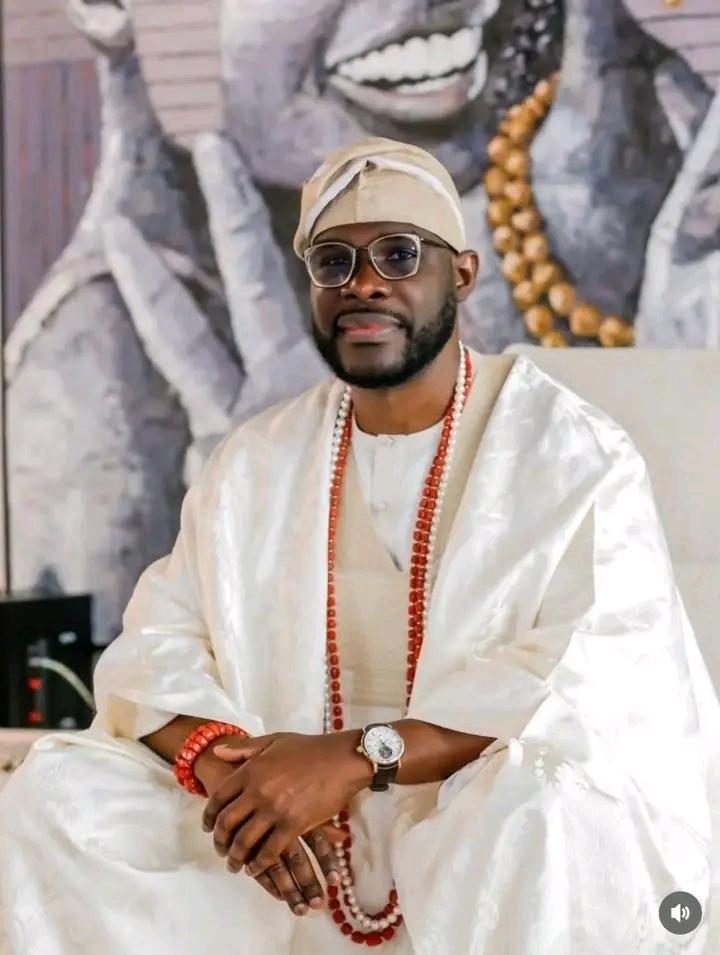
  • From Harvard with love: Why Ijebuland Is Blessed With a Strong Choice.

    Education has long been one of the defining strengths of the Awùjalẹ̀ institution in Ijebuland. The immediate past Awùjalẹ̀, Oba Sikiru Kayode Adetona, was widely respected not only for the length of his reign but also for his intellectual depth, discipline, and exposure. His solid formal education and broad worldview shaped a reign marked by courage, clarity, and principled leadership. Under him, Ijebuland benefited from a ruler who could engage confidently with governments, institutions, and global audiences while remaining firmly rooted in tradition. It is therefore unsurprising that education remains a central consideration as conversations continue about the next Awùjalẹ̀.
    Within this context, Omoọba Abímbọ́lá Onabanjo’s educational background has drawn considerable attention (@omoobagg) . He holds a Bachelor of Science Honours degree in Banking and Finance from Lagos State University, a discipline that provided him with strong foundations in economics, financial systems, and organizational discipline. Beyond this, he pursued advanced executive education at some of the world’s most respected institutions including Harvard Business School, the Wharton School, and Columbia Business School, where he refined his understanding of leadership, international strategy, corporate governance, and global capital markets. This level of exposure places him firmly within the long standing tradition of educated Ijebu leadership.
    From Harvard with love: Why Ijebuland Is Blessed With a Strong Choice. Education has long been one of the defining strengths of the Awùjalẹ̀ institution in Ijebuland. The immediate past Awùjalẹ̀, Oba Sikiru Kayode Adetona, was widely respected not only for the length of his reign but also for his intellectual depth, discipline, and exposure. His solid formal education and broad worldview shaped a reign marked by courage, clarity, and principled leadership. Under him, Ijebuland benefited from a ruler who could engage confidently with governments, institutions, and global audiences while remaining firmly rooted in tradition. It is therefore unsurprising that education remains a central consideration as conversations continue about the next Awùjalẹ̀. Within this context, Omoọba Abímbọ́lá Onabanjo’s educational background has drawn considerable attention (@omoobagg) . He holds a Bachelor of Science Honours degree in Banking and Finance from Lagos State University, a discipline that provided him with strong foundations in economics, financial systems, and organizational discipline. Beyond this, he pursued advanced executive education at some of the world’s most respected institutions including Harvard Business School, the Wharton School, and Columbia Business School, where he refined his understanding of leadership, international strategy, corporate governance, and global capital markets. This level of exposure places him firmly within the long standing tradition of educated Ijebu leadership.
    0 Comments ·0 Shares ·873 Views
  • Zamfara Govt Accuses Defence Minister Matawalle of Using NSA Office to Target Opposition Figures

    The Zamfara State Government has accused the Minister of State for Defence, Bello Matawalle, of allegedly using the Office of the National Security Adviser (NSA) to intimidate and harass opposition figures in the state. The claim was made in a press statement by Sulaiman Bala Idris, spokesperson for the Zamfara Governor, highlighting concerns over the politicisation of national security institutions.

    The government alleged that Saleem Abubakar, a Technical Assistant in the Zamfara Governor’s office, was abducted in Abuja by operatives linked to the NSA without an arrest warrant. According to the statement, Abubakar was moved between undisclosed locations, raising fears of a deliberate attempt to conceal his whereabouts.

    Zamfara officials described the alleged actions as a dangerous abuse of power and a threat to democratic norms, warning that such incidents could tarnish Nigeria’s democratic credentials and international reputation. The statement urged President Bola Ahmed Tinubu to intervene and ensure due process is followed, stressing that legal charges should be preferred over illegal abductions.

    The state government vowed to monitor the situation closely, promising to pursue justice and hold accountable any parties involved in what it termed federal impunity. This development has intensified debates around the intersection of politics and national security in Nigeria, highlighting rising concerns over the misuse of security agencies for political purposes.


    Zamfara Govt Accuses Defence Minister Matawalle of Using NSA Office to Target Opposition Figures The Zamfara State Government has accused the Minister of State for Defence, Bello Matawalle, of allegedly using the Office of the National Security Adviser (NSA) to intimidate and harass opposition figures in the state. The claim was made in a press statement by Sulaiman Bala Idris, spokesperson for the Zamfara Governor, highlighting concerns over the politicisation of national security institutions. The government alleged that Saleem Abubakar, a Technical Assistant in the Zamfara Governor’s office, was abducted in Abuja by operatives linked to the NSA without an arrest warrant. According to the statement, Abubakar was moved between undisclosed locations, raising fears of a deliberate attempt to conceal his whereabouts. Zamfara officials described the alleged actions as a dangerous abuse of power and a threat to democratic norms, warning that such incidents could tarnish Nigeria’s democratic credentials and international reputation. The statement urged President Bola Ahmed Tinubu to intervene and ensure due process is followed, stressing that legal charges should be preferred over illegal abductions. The state government vowed to monitor the situation closely, promising to pursue justice and hold accountable any parties involved in what it termed federal impunity. This development has intensified debates around the intersection of politics and national security in Nigeria, highlighting rising concerns over the misuse of security agencies for political purposes.
    0 Comments ·0 Shares ·2K Views
  • Peter Obi Allegedly Recruited Bwala via Obasanjo to Join 2023 Presidential Campaign – Tinubu Adviser Speaks

    Daniel Bwala, Special Adviser to President Bola Tinubu on Policy Communication, has revealed that Peter Obi, the Labour Party’s 2023 presidential candidate, reportedly reached out to former President Olusegun Obasanjo to persuade him to join Obi’s campaign. Bwala made the disclosure during an interview on The Clarity Zone podcast while responding to remarks allegedly made by Obi, who had reportedly described Bwala as a “character.”

    Bwala dismissed the description as inoffensive, turning it around to describe Obi himself as the “character-in-chief,” accusing the former Anambra State governor of political theatrics. He further alleged that Obi’s supporters became disillusioned after the 2023 elections when their “fantasy” of his leadership collapsed, leading to aggressive social media attacks on critics.

    Criticizing Obi’s record as governor, Bwala claimed that doctors in Anambra State went on strike due to poor funding and working conditions, and accused Obi of prioritizing personal financial savings over infrastructure development. He also alleged that Obi avoided clarifying whether he benefitted from dividends from a bank where he served as chairman.

    On the claim that he had never visited Anambra, Bwala insisted he was well-acquainted with the area, naming roads and communities in the South-East to prove his familiarity. He detailed that Obasanjo had personally contacted him while he was abroad in London, urging him to join Obi’s campaign, with the communication facilitated by a named ambassador.

    Bwala concluded that his claims were verifiable and that he remained unbothered by Obi’s remarks, emphasizing that his criticisms were based on substantive facts rather than personal attacks.

    This revelation highlights lingering tensions and controversies from Nigeria’s 2023 elections, providing insight into behind-the-scenes political maneuvers and the dynamics between major political figures in the country.
    Peter Obi Allegedly Recruited Bwala via Obasanjo to Join 2023 Presidential Campaign – Tinubu Adviser Speaks Daniel Bwala, Special Adviser to President Bola Tinubu on Policy Communication, has revealed that Peter Obi, the Labour Party’s 2023 presidential candidate, reportedly reached out to former President Olusegun Obasanjo to persuade him to join Obi’s campaign. Bwala made the disclosure during an interview on The Clarity Zone podcast while responding to remarks allegedly made by Obi, who had reportedly described Bwala as a “character.” Bwala dismissed the description as inoffensive, turning it around to describe Obi himself as the “character-in-chief,” accusing the former Anambra State governor of political theatrics. He further alleged that Obi’s supporters became disillusioned after the 2023 elections when their “fantasy” of his leadership collapsed, leading to aggressive social media attacks on critics. Criticizing Obi’s record as governor, Bwala claimed that doctors in Anambra State went on strike due to poor funding and working conditions, and accused Obi of prioritizing personal financial savings over infrastructure development. He also alleged that Obi avoided clarifying whether he benefitted from dividends from a bank where he served as chairman. On the claim that he had never visited Anambra, Bwala insisted he was well-acquainted with the area, naming roads and communities in the South-East to prove his familiarity. He detailed that Obasanjo had personally contacted him while he was abroad in London, urging him to join Obi’s campaign, with the communication facilitated by a named ambassador. Bwala concluded that his claims were verifiable and that he remained unbothered by Obi’s remarks, emphasizing that his criticisms were based on substantive facts rather than personal attacks. This revelation highlights lingering tensions and controversies from Nigeria’s 2023 elections, providing insight into behind-the-scenes political maneuvers and the dynamics between major political figures in the country.
    0 Comments ·0 Shares ·2K Views
  • US Seizes Oil Tanker Linked to Venezuela and Russia Over Sanctions Violation
    January 7, 2026 – International

    The United States has confirmed the seizure of an oil tanker accused of violating U.S. sanctions, marking a major enforcement action against vessels attempting to bypass American restrictions. The tanker, originally identified as M/V Bella 1, had been renamed Marinera and was operating under a Russian flag while sailing in the North Atlantic. Reports indicate that the vessel previously flew a Guyana flag before its re-registration under Russia.

    The U.S. European Command stated that the seizure was executed in coordination with multiple federal agencies, including the Department of Justice and the Department of Homeland Security. Tracking operations were supported by the U.S. Coast Guard cutter Munro. According to officials, the operation was carried out pursuant to a U.S. federal court warrant and reflects a “whole-of-government” approach to protecting U.S. interests and enforcing sanctions.

    “The seizure supports the President’s proclamation targeting sanctioned vessels that threaten security and stability in the Western Hemisphere,” the U.S. European Command noted. Officials emphasized that the action was carefully planned to avoid environmental damage and focused on recovering the tanker rather than sinking it.

    This operation follows recent diplomatic talks between U.S. and Venezuelan officials regarding potential exports of Venezuelan crude to American refineries along the Gulf Coast. U.S. refineries, which have historically processed Venezuela’s heavy crude, are reportedly capable of handling future imports once sanctions allow. Sources noted that the discussions come after years of restrictions that curtailed Venezuelan oil exports to the United States.

    The seizure also comes in the wake of a controversial U.S. military operation in Venezuela in early January 2026, which resulted in the capture of President Nicolás Maduro and his wife. The U.S. justified the operation by citing federal indictments accusing Maduro’s government of drug trafficking and narco-terrorism, alleging that the regime helped ship large quantities of cocaine into the United States. Following the operation, former President Donald Trump openly declared that the U.S. intended to take control of Venezuela’s oil industry, which he claimed was built with American investment and seized by Maduro.

    In his first public comments after being taken to the U.S., Maduro described himself as “kidnapped” and insisted on his innocence. The tanker seizure is seen as part of ongoing U.S. efforts to reassert influence over sanctioned energy exports and prevent regimes like Venezuela and Russia from profiting from illicit oil trade.

    Experts note that the operation highlights the strategic importance of maritime enforcement in the global energy market and underscores the U.S.’s commitment to sanctions enforcement. The tanker, part of what officials have described as a “shadow fleet” circumventing international regulations, was carefully monitored for weeks before the operation, demonstrating the complexity of tracking and intercepting high-value maritime targets.

    The U.S. emphasized that similar operations may continue against vessels suspected of violating sanctions, particularly those tied to sanctioned nations or illicit networks. The seizure reinforces the administration’s dual approach of diplomatic engagement and targeted enforcement to secure energy markets and uphold international sanctions.

    US Seizes Oil Tanker Linked to Venezuela and Russia Over Sanctions Violation January 7, 2026 – International The United States has confirmed the seizure of an oil tanker accused of violating U.S. sanctions, marking a major enforcement action against vessels attempting to bypass American restrictions. The tanker, originally identified as M/V Bella 1, had been renamed Marinera and was operating under a Russian flag while sailing in the North Atlantic. Reports indicate that the vessel previously flew a Guyana flag before its re-registration under Russia. The U.S. European Command stated that the seizure was executed in coordination with multiple federal agencies, including the Department of Justice and the Department of Homeland Security. Tracking operations were supported by the U.S. Coast Guard cutter Munro. According to officials, the operation was carried out pursuant to a U.S. federal court warrant and reflects a “whole-of-government” approach to protecting U.S. interests and enforcing sanctions. “The seizure supports the President’s proclamation targeting sanctioned vessels that threaten security and stability in the Western Hemisphere,” the U.S. European Command noted. Officials emphasized that the action was carefully planned to avoid environmental damage and focused on recovering the tanker rather than sinking it. This operation follows recent diplomatic talks between U.S. and Venezuelan officials regarding potential exports of Venezuelan crude to American refineries along the Gulf Coast. U.S. refineries, which have historically processed Venezuela’s heavy crude, are reportedly capable of handling future imports once sanctions allow. Sources noted that the discussions come after years of restrictions that curtailed Venezuelan oil exports to the United States. The seizure also comes in the wake of a controversial U.S. military operation in Venezuela in early January 2026, which resulted in the capture of President Nicolás Maduro and his wife. The U.S. justified the operation by citing federal indictments accusing Maduro’s government of drug trafficking and narco-terrorism, alleging that the regime helped ship large quantities of cocaine into the United States. Following the operation, former President Donald Trump openly declared that the U.S. intended to take control of Venezuela’s oil industry, which he claimed was built with American investment and seized by Maduro. In his first public comments after being taken to the U.S., Maduro described himself as “kidnapped” and insisted on his innocence. The tanker seizure is seen as part of ongoing U.S. efforts to reassert influence over sanctioned energy exports and prevent regimes like Venezuela and Russia from profiting from illicit oil trade. Experts note that the operation highlights the strategic importance of maritime enforcement in the global energy market and underscores the U.S.’s commitment to sanctions enforcement. The tanker, part of what officials have described as a “shadow fleet” circumventing international regulations, was carefully monitored for weeks before the operation, demonstrating the complexity of tracking and intercepting high-value maritime targets. The U.S. emphasized that similar operations may continue against vessels suspected of violating sanctions, particularly those tied to sanctioned nations or illicit networks. The seizure reinforces the administration’s dual approach of diplomatic engagement and targeted enforcement to secure energy markets and uphold international sanctions.
    0 Comments ·0 Shares ·2K Views
More Results
Fintter https://fintter.com