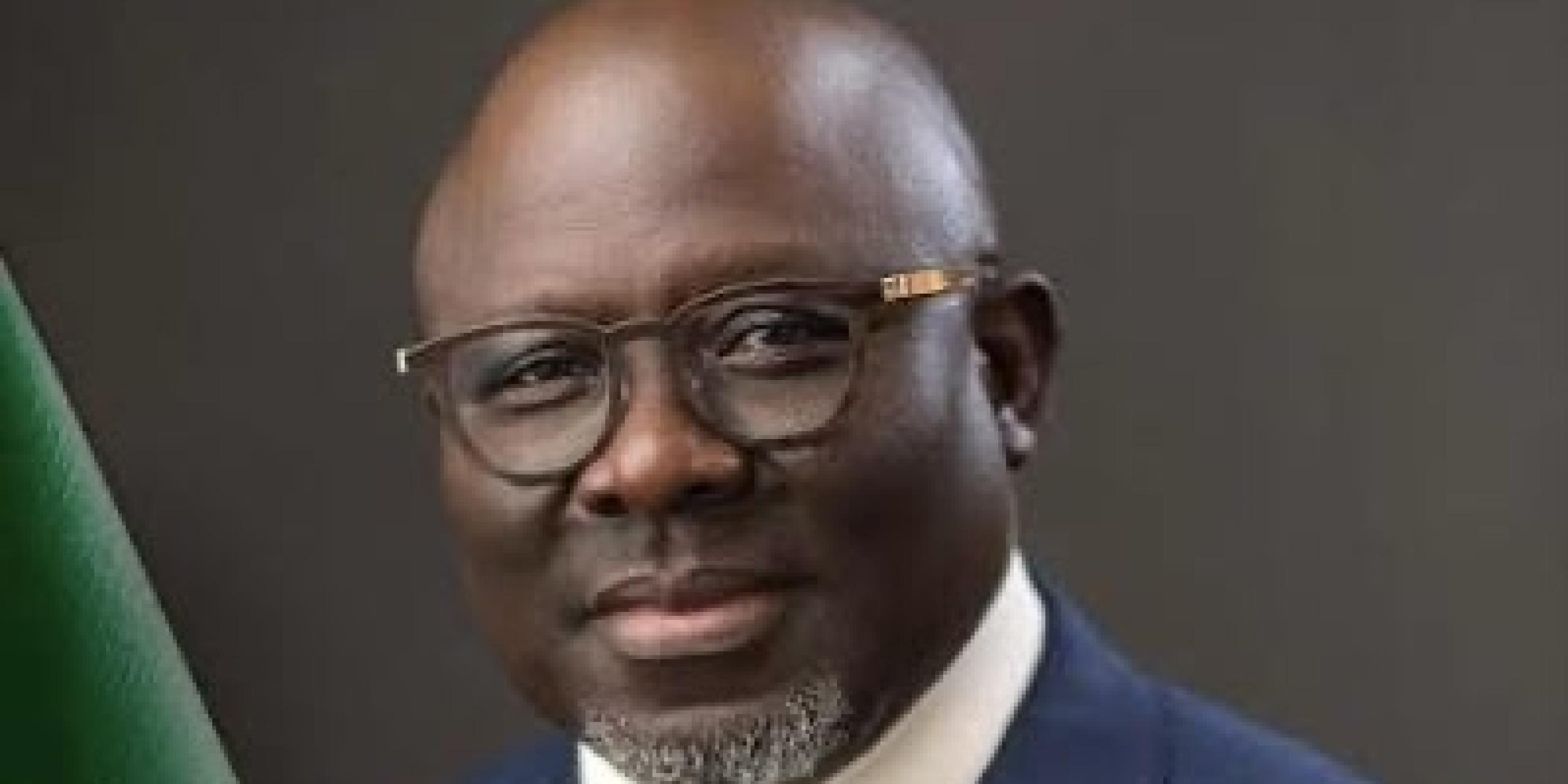
• Kaduna Abductions: US Urges Nigeria To Strengthen Protection For Christians

    The United States has called on the Nigerian government to step up efforts to protect Christian communities amid continued abductions and attacks, particularly in parts of Kaduna State.

    Reacting to the concerns, the National Security Adviser, Nuhu Ribadu, said the Federal Government has taken deliberate and decisive actions to tackle insecurity. According to him, security agencies are carrying out intensified joint operations across affected areas to restore safety and prevent further attacks.

    The call by the US comes as pressure mounts on authorities to ensure the safety of vulnerable communities and bring perpetrators to justice.

    #Kaduna #InsecurityInNigeria #USNigeriaRelations #NationalSecurity
    Kaduna Abductions: US Urges Nigeria To Strengthen Protection For Christians The United States has called on the Nigerian government to step up efforts to protect Christian communities amid continued abductions and attacks, particularly in parts of Kaduna State. Reacting to the concerns, the National Security Adviser, Nuhu Ribadu, said the Federal Government has taken deliberate and decisive actions to tackle insecurity. According to him, security agencies are carrying out intensified joint operations across affected areas to restore safety and prevent further attacks. The call by the US comes as pressure mounts on authorities to ensure the safety of vulnerable communities and bring perpetrators to justice. #Kaduna #InsecurityInNigeria #USNigeriaRelations #NationalSecurity
    love
    1
    · 1 Comments ·0 Shares ·665 Views
  • Global Wound Type Current Transformer Market Trends and Business Opportunities 2032
    The Wound Type Current Transformer Market is a critical component of modern electrical infrastructure, enabling precise current measurement, system protection, and efficient energy management across a wide range of applications. Wound type current transformers (CTs) are widely used in power generation, transmission, and industrial systems due to their high accuracy and reliability. In 2024, the market was valued at US$ 1,250.43 million and is expected to expand at a CAGR of 5.99% from 2025 to 2032, driven by growing investments in power infrastructure and grid modernization initiatives worldwide.

    https://analystviewmarketinsights.com/reports/report-highlight-wound-type-current-transformer-market
    Global Wound Type Current Transformer Market Trends and Business Opportunities 2032 The Wound Type Current Transformer Market is a critical component of modern electrical infrastructure, enabling precise current measurement, system protection, and efficient energy management across a wide range of applications. Wound type current transformers (CTs) are widely used in power generation, transmission, and industrial systems due to their high accuracy and reliability. In 2024, the market was valued at US$ 1,250.43 million and is expected to expand at a CAGR of 5.99% from 2025 to 2032, driven by growing investments in power infrastructure and grid modernization initiatives worldwide. https://analystviewmarketinsights.com/reports/report-highlight-wound-type-current-transformer-market
    0 Comments ·0 Shares ·415 Views
  • BREAKING: Boko Haram Strikes Adamawa Governor Fintiri’s Hometown, Kills 2 Forest Guards, Abducts Another

    Suspected Boko Haram terrorists launched a deadly midnight raid on Kirchinga, Madagali LGA, Adamawa State, the hometown of Governor Ahmadu Umaru Fintiri. Two newly established Forest Guards, Njidda Maradi and Yuguda Abasaryu, were killed, and a third was abducted. Witnesses reported that the attackers had camped near a local burial ground before the assault. Security forces were alerted, but the assailants escaped, highlighting ongoing gaps in protection across conflict-hit Northeast Nigeria.
    #BokoHaramAttack #AdamawaSecurity #ForestGuards
    BREAKING: Boko Haram Strikes Adamawa Governor Fintiri’s Hometown, Kills 2 Forest Guards, Abducts Another Suspected Boko Haram terrorists launched a deadly midnight raid on Kirchinga, Madagali LGA, Adamawa State, the hometown of Governor Ahmadu Umaru Fintiri. Two newly established Forest Guards, Njidda Maradi and Yuguda Abasaryu, were killed, and a third was abducted. Witnesses reported that the attackers had camped near a local burial ground before the assault. Security forces were alerted, but the assailants escaped, highlighting ongoing gaps in protection across conflict-hit Northeast Nigeria. #BokoHaramAttack #AdamawaSecurity #ForestGuards
    love
    1
    · 0 Comments ·0 Shares ·551 Views
  • BREAKING: Libyan authorities have rescued 221 abducted migrants after raiding a human trafficking camp in the Kufra area of southeastern Libya.

    The migrants were freed from an underground prison, where they said they had been held for over two years in sub-human conditions. More than 10 victims in critical condition were rushed to hospital for urgent treatment.

    The operation was carried out jointly by the Directorate for Combating Illegal Migration (DCIM) and the Sabil al-Salam Border Protection Battalion.

    #BreakingNews #Libya #HumanTrafficking #Migrants #Africa #WorldNews
    🚨 BREAKING: Libyan authorities have rescued 221 abducted migrants after raiding a human trafficking camp in the Kufra area of southeastern Libya. The migrants were freed from an underground prison, where they said they had been held for over two years in sub-human conditions. More than 10 victims in critical condition were rushed to hospital for urgent treatment. The operation was carried out jointly by the Directorate for Combating Illegal Migration (DCIM) and the Sabil al-Salam Border Protection Battalion. #BreakingNews #Libya #HumanTrafficking #Migrants #Africa #WorldNews
    love
    1
    · 0 Comments ·0 Shares ·441 Views
  • Davido I’ve Taken Five DNA Tests, I Am Not Your Father

    Afrobeats star Davido has broken his silence after a viral claim linked him to a 13-year-old girl, Anu Adeleke, who asked for a DNA test. In a clear message shared via Instagram, the singer stated that he has already taken five DNA tests, all of which were negative, insisting he is not the girl’s father. Davido urged that such sensitive matters, especially involving minors, be handled responsibly and without public speculation, stressing the need for truth, privacy, and protection of everyone involved.

    #Davido #DNAClaim #NaijaNews

    Davido I’ve Taken Five DNA Tests, I Am Not Your Father Afrobeats star Davido has broken his silence after a viral claim linked him to a 13-year-old girl, Anu Adeleke, who asked for a DNA test. In a clear message shared via Instagram, the singer stated that he has already taken five DNA tests, all of which were negative, insisting he is not the girl’s father. Davido urged that such sensitive matters, especially involving minors, be handled responsibly and without public speculation, stressing the need for truth, privacy, and protection of everyone involved. #Davido #DNAClaim #NaijaNews
    0 Comments ·0 Shares ·413 Views
  • PDP Slams Tinubu Govt Over ‘Shameful’ $9m U.S. Lobbying Deal, Says Citizens Need Protection—Not PR

    The Peoples Democratic Party (PDP) has condemned the Tinubu-led Federal Government over a reported $9 million contract with U.S. lobbying firm, DCI Group, aimed at influencing the Trump administration and U.S. lawmakers on Nigeria’s insecurity challenges.

    The deal, allegedly facilitated through Aster Legal, is said to focus on convincing U.S. authorities that Nigeria is taking concrete steps to curb insecurity, particularly the killings of Christians in the northern region.

    In a statement dated Wednesday, January 14, 2026, and signed by its National Publicity Secretary, Comrade Ini Ememobong, the PDP described the contract as “defective and deceptive,” arguing that the government should prioritise protecting lives at home rather than spending millions on foreign image management.

    Question: Should Nigeria be paying $9 million for lobbying abroad while citizens remain unsafe at home?

    #NigeriaPolitics #Tinubu #PDP #Insecurity
    PDP Slams Tinubu Govt Over ‘Shameful’ $9m U.S. Lobbying Deal, Says Citizens Need Protection—Not PR The Peoples Democratic Party (PDP) has condemned the Tinubu-led Federal Government over a reported $9 million contract with U.S. lobbying firm, DCI Group, aimed at influencing the Trump administration and U.S. lawmakers on Nigeria’s insecurity challenges. The deal, allegedly facilitated through Aster Legal, is said to focus on convincing U.S. authorities that Nigeria is taking concrete steps to curb insecurity, particularly the killings of Christians in the northern region. In a statement dated Wednesday, January 14, 2026, and signed by its National Publicity Secretary, Comrade Ini Ememobong, the PDP described the contract as “defective and deceptive,” arguing that the government should prioritise protecting lives at home rather than spending millions on foreign image management. Question: Should Nigeria be paying $9 million for lobbying abroad while citizens remain unsafe at home? #NigeriaPolitics #Tinubu #PDP #Insecurity
    love
    1
    · 0 Comments ·0 Shares ·314 Views
  • Anambra Gov Cry Out: Dem Use 35 Small Girls for Ashawo Work for Brothel

    Serious gbege don burst for Anambra as state government don strongly condemn alleged child trafficking and sexual exploitation after police rescue 35 underage girls from one brothel for Aguleri area of Anambra State. The girls, wey dem say traffick come from Ebonyi State, allegedly dey use for prostitution.

    Police PRO, SP Tochukwu Ikenga, talk say Rapid Response Squad (RRS) storm the building after relatives report say three girls—Divine Mbam (14), Nwagu Favour (15), and Oke Blessing (18)—missing since September 2025. After investigation, police arrest one woman, Ifeoma Success Anthony (37), and rescue 33 girls, while property owner Mrs Ngozi Nnanyelugo (45) still dey run.

    Preliminary findings show say the building dey operate as hub for child trafficking and prostitution. Reacting, Anambra Government, through Information Commissioner Law Mefor, describe the matter as disturbing and unacceptable, say dem no go tolerate any form of child abuse or exploitation.

    Government don order full investigation, protection of the victims, sealing of any place involved, and prosecution of all culprits. Dem also urge residents to report suspicious activities through emergency line 5111, promising confidentiality, while reaffirming commitment to protect children and vulnerable persons.
    Anambra Gov Cry Out: Dem Use 35 Small Girls for Ashawo Work for Brothel Serious gbege don burst for Anambra as state government don strongly condemn alleged child trafficking and sexual exploitation after police rescue 35 underage girls from one brothel for Aguleri area of Anambra State. The girls, wey dem say traffick come from Ebonyi State, allegedly dey use for prostitution. Police PRO, SP Tochukwu Ikenga, talk say Rapid Response Squad (RRS) storm the building after relatives report say three girls—Divine Mbam (14), Nwagu Favour (15), and Oke Blessing (18)—missing since September 2025. After investigation, police arrest one woman, Ifeoma Success Anthony (37), and rescue 33 girls, while property owner Mrs Ngozi Nnanyelugo (45) still dey run. Preliminary findings show say the building dey operate as hub for child trafficking and prostitution. Reacting, Anambra Government, through Information Commissioner Law Mefor, describe the matter as disturbing and unacceptable, say dem no go tolerate any form of child abuse or exploitation. Government don order full investigation, protection of the victims, sealing of any place involved, and prosecution of all culprits. Dem also urge residents to report suspicious activities through emergency line 5111, promising confidentiality, while reaffirming commitment to protect children and vulnerable persons.
    0 Comments ·0 Shares ·342 Views
  • Dem Run Out of Food: Group Blast Delta Govt Over How Dem Abandon Abused Small Girls, No Do Promised Surgery

    Serious wahala don burst as civil society group, Talakawa’s Parliament (Delta Chapter), accuse Delta State Government of neglecting two small girls, age 8 and 10, wey suffer heavy abuse from their stepmother.

    For statement wey Comrade Aghatise Raphael sign, the group say dem shock say after government collect the children through Ministry of Women Affairs, dem no plan well for their care. According to them, Nigerians donate money for treatment, food, school and counselling, and some people even volunteer to pay for plastic surgery for the younger girl, Uriel.

    After public pressure, government take custody and move the girls from one hospital wey support dey come to government hospital for Asaba. The group say access to the children come tight, even to people wey dey fund their care. Later, dem claim say the girls run out of food because the donations for the former hospital don finish and government no release money.

    Talakawa’s Parliament talk say despite promise, government discharge the girls on January 9, 2026, without doing the surgery, and hand them over to their maternal family without clear plan. The group demand explanation, accountability, and proper welfare and medical arrangement for the children, warning say child protection no be politics, na moral and legal duty.
    Dem Run Out of Food: Group Blast Delta Govt Over How Dem Abandon Abused Small Girls, No Do Promised Surgery Serious wahala don burst as civil society group, Talakawa’s Parliament (Delta Chapter), accuse Delta State Government of neglecting two small girls, age 8 and 10, wey suffer heavy abuse from their stepmother. For statement wey Comrade Aghatise Raphael sign, the group say dem shock say after government collect the children through Ministry of Women Affairs, dem no plan well for their care. According to them, Nigerians donate money for treatment, food, school and counselling, and some people even volunteer to pay for plastic surgery for the younger girl, Uriel. After public pressure, government take custody and move the girls from one hospital wey support dey come to government hospital for Asaba. The group say access to the children come tight, even to people wey dey fund their care. Later, dem claim say the girls run out of food because the donations for the former hospital don finish and government no release money. Talakawa’s Parliament talk say despite promise, government discharge the girls on January 9, 2026, without doing the surgery, and hand them over to their maternal family without clear plan. The group demand explanation, accountability, and proper welfare and medical arrangement for the children, warning say child protection no be politics, na moral and legal duty.
    0 Comments ·0 Shares ·487 Views
  • BREAKING NEWS: Alleged Privacy Invasion: Lagos Court Rules In Falana’s Favour, Awards $25,000 Damages Against Meta

    A Lagos State High Court sitting at Tafawa Balewa Square has awarded $25,000 in damages in favour of renowned human rights lawyer Femi Falana (SAN) against Meta Platforms Inc., the U.S.-based tech giant owned by Mark Zuckerberg, over alleged invasion of privacy.

    In a judgment delivered on Tuesday, Justice Olalekan Oresanya held that Meta, as a global technology company that hosts and monetises content, owes a duty of care to individuals affected by materials published on its platform.

    Falana, through his lawyer Olumide Babalola, accused Meta of publishing motion images and a voice caption titled “AfriCare Health Centre” on Facebook, falsely suggesting that he was suffering from prostatitis. He argued that the publication violated his constitutional right to privacy under Section 37 of the 1999 Constitution, as well as provisions of the Nigeria Data Protection Act 2023.

    The court agreed that the publication amounted to an unlawful intrusion into Falana’s private life, despite his status as a public figure, and ruled in his favour in the $5 million suit.
    BREAKING NEWS: Alleged Privacy Invasion: Lagos Court Rules In Falana’s Favour, Awards $25,000 Damages Against Meta A Lagos State High Court sitting at Tafawa Balewa Square has awarded $25,000 in damages in favour of renowned human rights lawyer Femi Falana (SAN) against Meta Platforms Inc., the U.S.-based tech giant owned by Mark Zuckerberg, over alleged invasion of privacy. In a judgment delivered on Tuesday, Justice Olalekan Oresanya held that Meta, as a global technology company that hosts and monetises content, owes a duty of care to individuals affected by materials published on its platform. Falana, through his lawyer Olumide Babalola, accused Meta of publishing motion images and a voice caption titled “AfriCare Health Centre” on Facebook, falsely suggesting that he was suffering from prostatitis. He argued that the publication violated his constitutional right to privacy under Section 37 of the 1999 Constitution, as well as provisions of the Nigeria Data Protection Act 2023. The court agreed that the publication amounted to an unlawful intrusion into Falana’s private life, despite his status as a public figure, and ruled in his favour in the $5 million suit.
    0 Comments ·0 Shares ·440 Views
  • Canadian Police Arrest Nigerian Caregiver Over Alleged Assault On Vulnerable Adults

    Omo, gbege dey oo! Oghenemaro Dave Ejerua, 38, Nigerian based for Toronto, don arrested by Canadian police after him allegedly dey beat residents for a group home.

    The wahala start from November 2025, but police only act after report on December 10, 2025. Dem say him assaulted vulnerable adults multiple times. Ejerua face seven counts of assault and him court date don set for January 7, 2026 at Ontario Court of Justice, Toronto.

    Police dey urge anybody wey get info to contact 55 Division or drop tip anonymously through Crime Stoppers. Dem also remind say protection of vulnerable members na top priority.

    Canadian Police Arrest Nigerian Caregiver Over Alleged Assault On Vulnerable Adults Omo, gbege dey oo! Oghenemaro Dave Ejerua, 38, Nigerian based for Toronto, don arrested by Canadian police after him allegedly dey beat residents for a group home. The wahala start from November 2025, but police only act after report on December 10, 2025. Dem say him assaulted vulnerable adults multiple times. Ejerua face seven counts of assault and him court date don set for January 7, 2026 at Ontario Court of Justice, Toronto. Police dey urge anybody wey get info to contact 55 Division or drop tip anonymously through Crime Stoppers. Dem also remind say protection of vulnerable members na top priority.
    0 Comments ·0 Shares ·212 Views
  • LAUTECH Nurses Drag EFCC, ICPC Over ₦18m Extortion, Withheld Results – SOS Petition

    Omo, wahala dey oo! Some concerned nurses from LAUTECH Open Learning don shout SOS to EFCC and ICPC over serious gbege. Dem claim say from 200 Level reach 500 Level, class executives dey collect huge levies for vague purposes, sometimes pay into personal accounts, without receipts or transparency.

    Dem talk say ₦18 million don vanish, some students been dey pay for projects, sports, entertainment, and final exams, but still results dey withheld. Some even get exemption letters, others dey suffer in academic limbo.

    Nurses demand full investigation, audit of all funds collected, protection for affected students, and immediate release of their results. Dem call am SOS – no more fear, no more intimidation.

    LAUTECH Nurses Drag EFCC, ICPC Over ₦18m Extortion, Withheld Results – SOS Petition Omo, wahala dey oo! Some concerned nurses from LAUTECH Open Learning don shout SOS to EFCC and ICPC over serious gbege. Dem claim say from 200 Level reach 500 Level, class executives dey collect huge levies for vague purposes, sometimes pay into personal accounts, without receipts or transparency. Dem talk say ₦18 million don vanish, some students been dey pay for projects, sports, entertainment, and final exams, but still results dey withheld. Some even get exemption letters, others dey suffer in academic limbo. Nurses demand full investigation, audit of all funds collected, protection for affected students, and immediate release of their results. Dem call am SOS – no more fear, no more intimidation.
    0 Comments ·0 Shares ·504 Views
  • DSS Kill Enugu Woman for Custody, RULAAC Dey Call for Justice

    Gobe don burst oo! Mrs. Calista Ifedi, wey DSS carry go Wawa Barracks, Abuja, don die while in their custody. RULAAC yan say dis na serious abuse of power and clear violation of Constitution, because na DSS suppose protect life, no be destroy am.

    Calista arrest together with her husband, Sunday Ifedi, for Enugu on 23 Nov 2021. Reason? People from IPOB reportedly buy food for her restaurant. She dey detained without charge, denied court access, and husband never see her again from March 2022 till her death.

    RULAAC talk say she dey complain chest pain many times, but DSS just dey give small medicine, dey mock her, no proper medical care. Even when civil society dey ask, DSS deny say dem dey hold her. Husband reportedly dey warned make e no talk publicly.

    RULAAC dey demand immediate investigation, free autopsy, closure of Wawa Barracks as detention centre, and protection for Ifedi family. As dem talk, “Justice delayed no go mean justice denied.”


    DSS Kill Enugu Woman for Custody, RULAAC Dey Call for Justice Gobe don burst oo! Mrs. Calista Ifedi, wey DSS carry go Wawa Barracks, Abuja, don die while in their custody. RULAAC yan say dis na serious abuse of power and clear violation of Constitution, because na DSS suppose protect life, no be destroy am. Calista arrest together with her husband, Sunday Ifedi, for Enugu on 23 Nov 2021. Reason? People from IPOB reportedly buy food for her restaurant. She dey detained without charge, denied court access, and husband never see her again from March 2022 till her death. RULAAC talk say she dey complain chest pain many times, but DSS just dey give small medicine, dey mock her, no proper medical care. Even when civil society dey ask, DSS deny say dem dey hold her. Husband reportedly dey warned make e no talk publicly. RULAAC dey demand immediate investigation, free autopsy, closure of Wawa Barracks as detention centre, and protection for Ifedi family. As dem talk, “Justice delayed no go mean justice denied.”
    0 Comments ·0 Shares ·321 Views
  • Bello Turji Gang Storm Sokoto Village, Kidnap Over 20 People, Residents Scatter for Night

    Gobe don burst for Sokoto oo! Terrorists wey dey under notorious bandit Bello Turji attack Gajit community, Lajinge District, Sabon Birni LGA. Over 20 people don disappear, and at least two people injure as di gang enter community in big number for Tuesday night.

    Bakatsine security alert confirm say dis na part of many attacks wey Turji loyalists dey do for Sokoto East Senatorial District. Na so dem begin Tidibale village, Isa LGA, few days before, as dem carry fear come inside community. Villagers dem run, dem leave house for middle of night go hide for neighbouring areas.

    Before now, Bargaja village for Isa LGA don feel Turji wahala too. Despite authorities promise better protection, communities dey suffer attack, abduction, and forced movement because of bandit gangs wey dey terrorize Sokoto and nearby areas. People dey beg government make dem act fast, else the yawa go scatter more.


    Bello Turji Gang Storm Sokoto Village, Kidnap Over 20 People, Residents Scatter for Night Gobe don burst for Sokoto oo! Terrorists wey dey under notorious bandit Bello Turji attack Gajit community, Lajinge District, Sabon Birni LGA. Over 20 people don disappear, and at least two people injure as di gang enter community in big number for Tuesday night. Bakatsine security alert confirm say dis na part of many attacks wey Turji loyalists dey do for Sokoto East Senatorial District. Na so dem begin Tidibale village, Isa LGA, few days before, as dem carry fear come inside community. Villagers dem run, dem leave house for middle of night go hide for neighbouring areas. Before now, Bargaja village for Isa LGA don feel Turji wahala too. Despite authorities promise better protection, communities dey suffer attack, abduction, and forced movement because of bandit gangs wey dey terrorize Sokoto and nearby areas. People dey beg government make dem act fast, else the yawa go scatter more.
    0 Comments ·0 Shares ·332 Views
  • Wahala Burst for Edo Oo! Ekpoma DPO Under Fire Over ‘Hausa Officer Who Won’t Listen’ Remark Amid Protest

    Wahala don set for Edo State oo! A Divisional Police Officer (DPO) in Ekpoma, Esan West Local Government Area, is currently facing heavy backlash after a video surfaced online in which he allegedly made an ethnically charged statement while addressing protesters.

    In the viral footage circulating on social media, the officer—whose identity is yet to be officially confirmed—is heard telling demonstrators:
    “Don’t worry, I will leave Ekpoma, and they will bring a Hausa officer who won’t listen to anybody.”

    The remark was reportedly made during a protest sparked by the killing of a young medical graduate, who was abducted and later murdered by kidnappers even after a ransom had been paid. The tragic incident had triggered anger and frustration among residents, who took to the streets to demand improved security and accountability.

    However, instead of calming tensions, the DPO’s comment has now set social media on fire, with many Nigerians describing it as insensitive, divisive, and ethnically provocative.

    Nigerians React: “This One No Pure At All”

    Following the video’s circulation, reactions poured in from across the country, with many users condemning what they described as ethnic stereotyping and unprofessional conduct by a senior police officer.

    One X user, Mr Gerald (@Mr_Gerrie01), wrote:

    > “A very insensitive police officer.”


    Another user, Everything Politics (@Everypolitics1), said:

    > “This statement is troubling because it unfairly stereotypes and dehumanises Hausa people, implying they are incapable of empathy or dialogue. Ethnicity should never be used as a threat or a tool of intimidation.”


    Ekong De Superstar (@EkongGodson) added:

    > “Imagine what a supposed DPO is spewing. Protecting the lives of the people you swore to serve has now turned to ethnic tirade.”


    Similarly, Mister Balo (@MubarakBalogun) described the comment as irresponsible, while Iamowolabi (@Iamowolabi01) urged the officer to focus on his duty:

    > “Oga, do your job to protect people, no deh threaten them.”


    “We Need Security, Not Ethnic Talk”

    Other Nigerians acknowledged the emotional tension surrounding the protest but insisted that bringing ethnicity into the matter only worsens divisions.

    Hephzibah Behulah (@HephzibaBehulah) wrote:

    > “No one should have to live in fear of kidnapping every day, especially students just trying to get an education. That case where the young medical graduate was killed even after ransom was paid is tragic and shows how bad things have gotten.”


    She added that while the DPO may have sounded frustrated, invoking ethnicity was unnecessary and harmful:

    > “The protesters are right to demand better security. Threatening to replace one officer with another who ‘won’t listen’ doesn’t solve the real problem.”


    Calls for Accountability Grow Louder

    As the controversy continues, many Nigerians are now calling on the Edo State Police Command and the Nigeria Police Force headquarters to address the matter, investigate the officer’s conduct, and reaffirm their commitment to professionalism and unity.

    For many observers, the incident reflects a deeper frustration with insecurity, police-community relations, and the handling of public anger over kidnappings and violent crime.

    Wahala don burst oo — because when people dey cry for protection, na unity dem expect, not ethnic threats. Nigerians dey watch wetin go happen next.

    Wahala Burst for Edo Oo! Ekpoma DPO Under Fire Over ‘Hausa Officer Who Won’t Listen’ Remark Amid Protest Wahala don set for Edo State oo! A Divisional Police Officer (DPO) in Ekpoma, Esan West Local Government Area, is currently facing heavy backlash after a video surfaced online in which he allegedly made an ethnically charged statement while addressing protesters. In the viral footage circulating on social media, the officer—whose identity is yet to be officially confirmed—is heard telling demonstrators: “Don’t worry, I will leave Ekpoma, and they will bring a Hausa officer who won’t listen to anybody.” The remark was reportedly made during a protest sparked by the killing of a young medical graduate, who was abducted and later murdered by kidnappers even after a ransom had been paid. The tragic incident had triggered anger and frustration among residents, who took to the streets to demand improved security and accountability. However, instead of calming tensions, the DPO’s comment has now set social media on fire, with many Nigerians describing it as insensitive, divisive, and ethnically provocative. Nigerians React: “This One No Pure At All” Following the video’s circulation, reactions poured in from across the country, with many users condemning what they described as ethnic stereotyping and unprofessional conduct by a senior police officer. One X user, Mr Gerald (@Mr_Gerrie01), wrote: > “A very insensitive police officer.” Another user, Everything Politics (@Everypolitics1), said: > “This statement is troubling because it unfairly stereotypes and dehumanises Hausa people, implying they are incapable of empathy or dialogue. Ethnicity should never be used as a threat or a tool of intimidation.” Ekong De Superstar (@EkongGodson) added: > “Imagine what a supposed DPO is spewing. Protecting the lives of the people you swore to serve has now turned to ethnic tirade.” Similarly, Mister Balo (@MubarakBalogun) described the comment as irresponsible, while Iamowolabi (@Iamowolabi01) urged the officer to focus on his duty: > “Oga, do your job to protect people, no deh threaten them.” “We Need Security, Not Ethnic Talk” Other Nigerians acknowledged the emotional tension surrounding the protest but insisted that bringing ethnicity into the matter only worsens divisions. Hephzibah Behulah (@HephzibaBehulah) wrote: > “No one should have to live in fear of kidnapping every day, especially students just trying to get an education. That case where the young medical graduate was killed even after ransom was paid is tragic and shows how bad things have gotten.” She added that while the DPO may have sounded frustrated, invoking ethnicity was unnecessary and harmful: > “The protesters are right to demand better security. Threatening to replace one officer with another who ‘won’t listen’ doesn’t solve the real problem.” Calls for Accountability Grow Louder As the controversy continues, many Nigerians are now calling on the Edo State Police Command and the Nigeria Police Force headquarters to address the matter, investigate the officer’s conduct, and reaffirm their commitment to professionalism and unity. For many observers, the incident reflects a deeper frustration with insecurity, police-community relations, and the handling of public anger over kidnappings and violent crime. Wahala don burst oo — because when people dey cry for protection, na unity dem expect, not ethnic threats. Nigerians dey watch wetin go happen next.
    0 Comments ·0 Shares ·797 Views
  • Wahala Don Sup! FCCPC Targets 103 Digital Loan Apps as Registration Deadline Expires

    Wahala don really sup for Nigeria’s digital loan space! The Federal Competition and Consumer Protection Commission (FCCPC) has now set its eyes firmly on 103 digital lending apps after the January 5, 2026, registration deadline passed. These apps, operated by companies that didn’t register with the commission, are now on a strict regulatory watchlist and could face heavy fines, delisting from platforms, or even prosecution.

    In total, 521 digital lenders in Nigeria are now under FCCPC supervision. Out of these, 457 have received full approval to operate, while 35 were given conditional approval. Additionally, 29 lenders licensed by the Central Bank of Nigeria (CBN) also fall under FCCPC oversight. The commission’s move comes as part of its ongoing effort to bring order to the fast-growing digital lending market, which has often faced criticism for harassment of borrowers and unethical practices.

    The 2025 Digital Lending Regulations are at the heart of this crackdown. They require all digital lenders—whether online, app-based, or non-traditional—to register, provide clear loan disclosures, protect borrower data, charge fair interest rates, and adopt ethical recovery methods. Apps are also prohibited from pre-authorised lending or accessing borrowers’ personal data like photos, contacts, and transaction history without consent. These rules aim to ensure that consumers are protected and that lenders operate fairly.

    Industry stakeholders, however, have expressed concerns about the FCCPC’s capacity to supervise such a huge number of players. Gbemi Adelekan, president of the Money Lenders Association, noted that while the commission is engaging actively with lenders, monitoring over 500 registered lenders alongside hundreds of illegal operators could stretch resources thin. Still, early results show that borrower complaints have already started reducing since the regulations took effect, suggesting that sanity is slowly returning to the sector.

    The FCCPC’s enforcement is now official. Non-compliant apps risk fines of up to N100 million or 19% of turnover, and company directors could face up to five years of disqualification. Analysts say this crackdown could be a game-changer for Nigeria’s digital credit market, helping build consumer confidence and encouraging responsible lending.

    As the dust settles, one thing is clear: wahala don sup for these loan apps, and Nigerians are watching closely to see which apps survive the regulatory storm.

    Wahala Don Sup! FCCPC Targets 103 Digital Loan Apps as Registration Deadline Expires Wahala don really sup for Nigeria’s digital loan space! The Federal Competition and Consumer Protection Commission (FCCPC) has now set its eyes firmly on 103 digital lending apps after the January 5, 2026, registration deadline passed. These apps, operated by companies that didn’t register with the commission, are now on a strict regulatory watchlist and could face heavy fines, delisting from platforms, or even prosecution. In total, 521 digital lenders in Nigeria are now under FCCPC supervision. Out of these, 457 have received full approval to operate, while 35 were given conditional approval. Additionally, 29 lenders licensed by the Central Bank of Nigeria (CBN) also fall under FCCPC oversight. The commission’s move comes as part of its ongoing effort to bring order to the fast-growing digital lending market, which has often faced criticism for harassment of borrowers and unethical practices. The 2025 Digital Lending Regulations are at the heart of this crackdown. They require all digital lenders—whether online, app-based, or non-traditional—to register, provide clear loan disclosures, protect borrower data, charge fair interest rates, and adopt ethical recovery methods. Apps are also prohibited from pre-authorised lending or accessing borrowers’ personal data like photos, contacts, and transaction history without consent. These rules aim to ensure that consumers are protected and that lenders operate fairly. Industry stakeholders, however, have expressed concerns about the FCCPC’s capacity to supervise such a huge number of players. Gbemi Adelekan, president of the Money Lenders Association, noted that while the commission is engaging actively with lenders, monitoring over 500 registered lenders alongside hundreds of illegal operators could stretch resources thin. Still, early results show that borrower complaints have already started reducing since the regulations took effect, suggesting that sanity is slowly returning to the sector. The FCCPC’s enforcement is now official. Non-compliant apps risk fines of up to N100 million or 19% of turnover, and company directors could face up to five years of disqualification. Analysts say this crackdown could be a game-changer for Nigeria’s digital credit market, helping build consumer confidence and encouraging responsible lending. As the dust settles, one thing is clear: wahala don sup for these loan apps, and Nigerians are watching closely to see which apps survive the regulatory storm.
    0 Comments ·0 Shares ·769 Views
  • Did a Detainee Die Unlawfully in NSCDC Custody? Kano Command Removes Fagge Divisional Officer as Police Launch Investigation Into Custodial Death

    Did the death of a suspect inside a security facility point to deeper issues of accountability within Nigeria’s law enforcement system? The Nigeria Security and Civil Defence Corps (NSCDC) in Kano State has removed the Divisional Officer in charge of the Fagge office after a suspect reportedly died while in custody, triggering a formal investigation and public scrutiny.

    According to the NSCDC’s spokesperson, Ibrahim Abdullahi, the officer in charge, SC Amina Musa Kolawale, was relieved of her position following the incident. All officers and personnel who were on duty at the time of the suspect’s death have also been handed over to the Nigerian Police, Kano State Command, for further investigation and possible disciplinary or legal action.

    The NSCDC Commandant in Kano, Mohammed Hassan Agalama, approved the removal after setting up a panel of inquiry to conduct what the agency described as a discreet, fair, and impartial investigation into the circumstances surrounding the death. A new divisional head, CSC Bashir Isa Abubakar, has since been appointed to take over leadership at the Fagge office.

    In a public appeal, the NSCDC urged residents to remain calm, reaffirming its commitment to the sanctity of life, human rights, professionalism, standard operating procedures, integrity, and the rule of law. The Corps stressed that it would not shield any officer found culpable and that accountability would guide the outcome of the probe.

    The case has reignited concerns about custodial deaths in Nigeria, the treatment of suspects, and whether security agencies are doing enough to ensure due process and protection of fundamental rights. As investigations proceed under police oversight, many Nigerians are asking critical questions: What caused the suspect’s death? Were proper procedures followed? And will this action mark a turning point for transparency and reform within the security services?


    Did a Detainee Die Unlawfully in NSCDC Custody? Kano Command Removes Fagge Divisional Officer as Police Launch Investigation Into Custodial Death Did the death of a suspect inside a security facility point to deeper issues of accountability within Nigeria’s law enforcement system? The Nigeria Security and Civil Defence Corps (NSCDC) in Kano State has removed the Divisional Officer in charge of the Fagge office after a suspect reportedly died while in custody, triggering a formal investigation and public scrutiny. According to the NSCDC’s spokesperson, Ibrahim Abdullahi, the officer in charge, SC Amina Musa Kolawale, was relieved of her position following the incident. All officers and personnel who were on duty at the time of the suspect’s death have also been handed over to the Nigerian Police, Kano State Command, for further investigation and possible disciplinary or legal action. The NSCDC Commandant in Kano, Mohammed Hassan Agalama, approved the removal after setting up a panel of inquiry to conduct what the agency described as a discreet, fair, and impartial investigation into the circumstances surrounding the death. A new divisional head, CSC Bashir Isa Abubakar, has since been appointed to take over leadership at the Fagge office. In a public appeal, the NSCDC urged residents to remain calm, reaffirming its commitment to the sanctity of life, human rights, professionalism, standard operating procedures, integrity, and the rule of law. The Corps stressed that it would not shield any officer found culpable and that accountability would guide the outcome of the probe. The case has reignited concerns about custodial deaths in Nigeria, the treatment of suspects, and whether security agencies are doing enough to ensure due process and protection of fundamental rights. As investigations proceed under police oversight, many Nigerians are asking critical questions: What caused the suspect’s death? Were proper procedures followed? And will this action mark a turning point for transparency and reform within the security services?
    0 Comments ·0 Shares ·778 Views
  • Is Nigeria’s Health System Heading for Shutdown? JOHESU Orders Total Work Stoppage Over Tinubu Government’s ‘No Work, No Pay’ Policy

    Is Nigeria on the brink of another nationwide healthcare crisis? The Joint Health Sector Unions (JOHESU) has directed its members across federal health institutions to withdraw their services indefinitely, escalating its standoff with the Tinubu administration over a newly enforced “No Work, No Pay” directive from the Federal Ministry of Health.

    According to a statement issued by JOHESU leader Comrade Abubakar Sani Aminu, the policy was introduced without consultation or dialogue, a move the union describes as a direct violation of workers’ rights and collective bargaining principles. Why, the union asks, would the government impose such a far-reaching directive at a time when negotiations are still ongoing?

    JOHESU says hospital chief executives have been instructed to enforce the policy, which the union believes is a deliberate attempt to weaken organised labour and fracture solidarity among health workers. Aminu warned members that the directive represents “the final weapon” being deployed by the government to break the union’s resolve. Could this mark a turning point in labour relations within Nigeria’s health sector?

    In response, the union has ordered a total work stoppage, explicitly rejecting skeleton services, partial compliance, or compromise of any kind. “There should be no skeleton services, no attempt to help out, or compromise in any way,” the statement declared. JOHESU insists that only collective action can protect workers’ rights and prevent what it calls a dangerous precedent that could affect future industrial disputes.

    What does this mean for patients and public hospitals already struggling with limited resources? While the full impact on healthcare delivery remains uncertain, past JOHESU strikes have caused widespread disruptions across federal medical institutions, raising fears of another wave of service paralysis.

    The union has reaffirmed its commitment to what it describes as a fight for fair treatment, respect for dialogue, and protection of labour rights, urging members nationwide to remain united until its demands are addressed. As of the time of reporting, the Federal Ministry of Health has not issued an official response.

    Will the government reconsider its stance, or is Nigeria heading toward another prolonged healthcare shutdown? And in a sector where lives depend on continuity of care, who ultimately bears the cost of this policy standoff—workers, patients, or the state itself?

    Is Nigeria’s Health System Heading for Shutdown? JOHESU Orders Total Work Stoppage Over Tinubu Government’s ‘No Work, No Pay’ Policy Is Nigeria on the brink of another nationwide healthcare crisis? The Joint Health Sector Unions (JOHESU) has directed its members across federal health institutions to withdraw their services indefinitely, escalating its standoff with the Tinubu administration over a newly enforced “No Work, No Pay” directive from the Federal Ministry of Health. According to a statement issued by JOHESU leader Comrade Abubakar Sani Aminu, the policy was introduced without consultation or dialogue, a move the union describes as a direct violation of workers’ rights and collective bargaining principles. Why, the union asks, would the government impose such a far-reaching directive at a time when negotiations are still ongoing? JOHESU says hospital chief executives have been instructed to enforce the policy, which the union believes is a deliberate attempt to weaken organised labour and fracture solidarity among health workers. Aminu warned members that the directive represents “the final weapon” being deployed by the government to break the union’s resolve. Could this mark a turning point in labour relations within Nigeria’s health sector? In response, the union has ordered a total work stoppage, explicitly rejecting skeleton services, partial compliance, or compromise of any kind. “There should be no skeleton services, no attempt to help out, or compromise in any way,” the statement declared. JOHESU insists that only collective action can protect workers’ rights and prevent what it calls a dangerous precedent that could affect future industrial disputes. What does this mean for patients and public hospitals already struggling with limited resources? While the full impact on healthcare delivery remains uncertain, past JOHESU strikes have caused widespread disruptions across federal medical institutions, raising fears of another wave of service paralysis. The union has reaffirmed its commitment to what it describes as a fight for fair treatment, respect for dialogue, and protection of labour rights, urging members nationwide to remain united until its demands are addressed. As of the time of reporting, the Federal Ministry of Health has not issued an official response. Will the government reconsider its stance, or is Nigeria heading toward another prolonged healthcare shutdown? And in a sector where lives depend on continuity of care, who ultimately bears the cost of this policy standoff—workers, patients, or the state itself?
    0 Comments ·0 Shares ·550 Views
  • Why Did the Trump Administration Freeze $129 Million in USDA Funds to Minnesota and Minneapolis Over Fraud Allegations, and Who Is Accountable for the Feeding Our Future Scandal?

    The Trump administration has taken decisive action against Minnesota and Minneapolis, suspending over $129 million in USDA federal funding amid allegations of “widespread and systemic fraud.” U.S. Secretary of Agriculture Brooke L. Rollins cited repeated failures in federal program oversight, including mismanagement of programs like Child and Adult Care Food Program (CACFP), Summer Food Service Program (SFSP), and the Supplemental Nutrition Assistance Program (SNAP).

    The decision follows revelations from the Feeding Our Future scandal, in which a Minneapolis nonprofit allegedly defrauded taxpayers of nearly $250 million intended to feed children during the COVID-19 pandemic. Rollins described the fraud as “industrial-scale”, involving 78 defendants charged in what the Department of Justice calls the largest COVID-19 fraud scheme in the U.S.

    In her letter to Minnesota Governor Tim Walz and Minneapolis Mayor Jacob Frey, Rollins highlighted additional alleged abuses in the Paycheck Protection Program, housing assistance schemes, and SNAP misreporting. Officials who resisted federal oversight and challenged USDA directives were also called out for enabling continued fraud.

    As a result, all active and future USDA awards to Minnesota and Minneapolis—totaling $129.18 million—are suspended immediately. Authorities have 30 days to provide detailed payment justifications; failure to comply could extend the suspension. Rollins emphasized that this action represents the administration’s zero-tolerance policy on fraud, waste, and abuse, protecting American taxpayers and ensuring funds reach those who need them.

    This unprecedented suspension raises urgent questions: How did fraud reach such scale in Minnesota’s federal programs? Who is responsible for oversight failures? Will federal authorities enforce accountability, and how will affected programs recover? The frozen funds underscore a growing national focus on transparency, stewardship, and integrity in public funding.


    Why Did the Trump Administration Freeze $129 Million in USDA Funds to Minnesota and Minneapolis Over Fraud Allegations, and Who Is Accountable for the Feeding Our Future Scandal? The Trump administration has taken decisive action against Minnesota and Minneapolis, suspending over $129 million in USDA federal funding amid allegations of “widespread and systemic fraud.” U.S. Secretary of Agriculture Brooke L. Rollins cited repeated failures in federal program oversight, including mismanagement of programs like Child and Adult Care Food Program (CACFP), Summer Food Service Program (SFSP), and the Supplemental Nutrition Assistance Program (SNAP). The decision follows revelations from the Feeding Our Future scandal, in which a Minneapolis nonprofit allegedly defrauded taxpayers of nearly $250 million intended to feed children during the COVID-19 pandemic. Rollins described the fraud as “industrial-scale”, involving 78 defendants charged in what the Department of Justice calls the largest COVID-19 fraud scheme in the U.S. In her letter to Minnesota Governor Tim Walz and Minneapolis Mayor Jacob Frey, Rollins highlighted additional alleged abuses in the Paycheck Protection Program, housing assistance schemes, and SNAP misreporting. Officials who resisted federal oversight and challenged USDA directives were also called out for enabling continued fraud. As a result, all active and future USDA awards to Minnesota and Minneapolis—totaling $129.18 million—are suspended immediately. Authorities have 30 days to provide detailed payment justifications; failure to comply could extend the suspension. Rollins emphasized that this action represents the administration’s zero-tolerance policy on fraud, waste, and abuse, protecting American taxpayers and ensuring funds reach those who need them. This unprecedented suspension raises urgent questions: How did fraud reach such scale in Minnesota’s federal programs? Who is responsible for oversight failures? Will federal authorities enforce accountability, and how will affected programs recover? The frozen funds underscore a growing national focus on transparency, stewardship, and integrity in public funding.
    0 Comments ·0 Shares ·692 Views
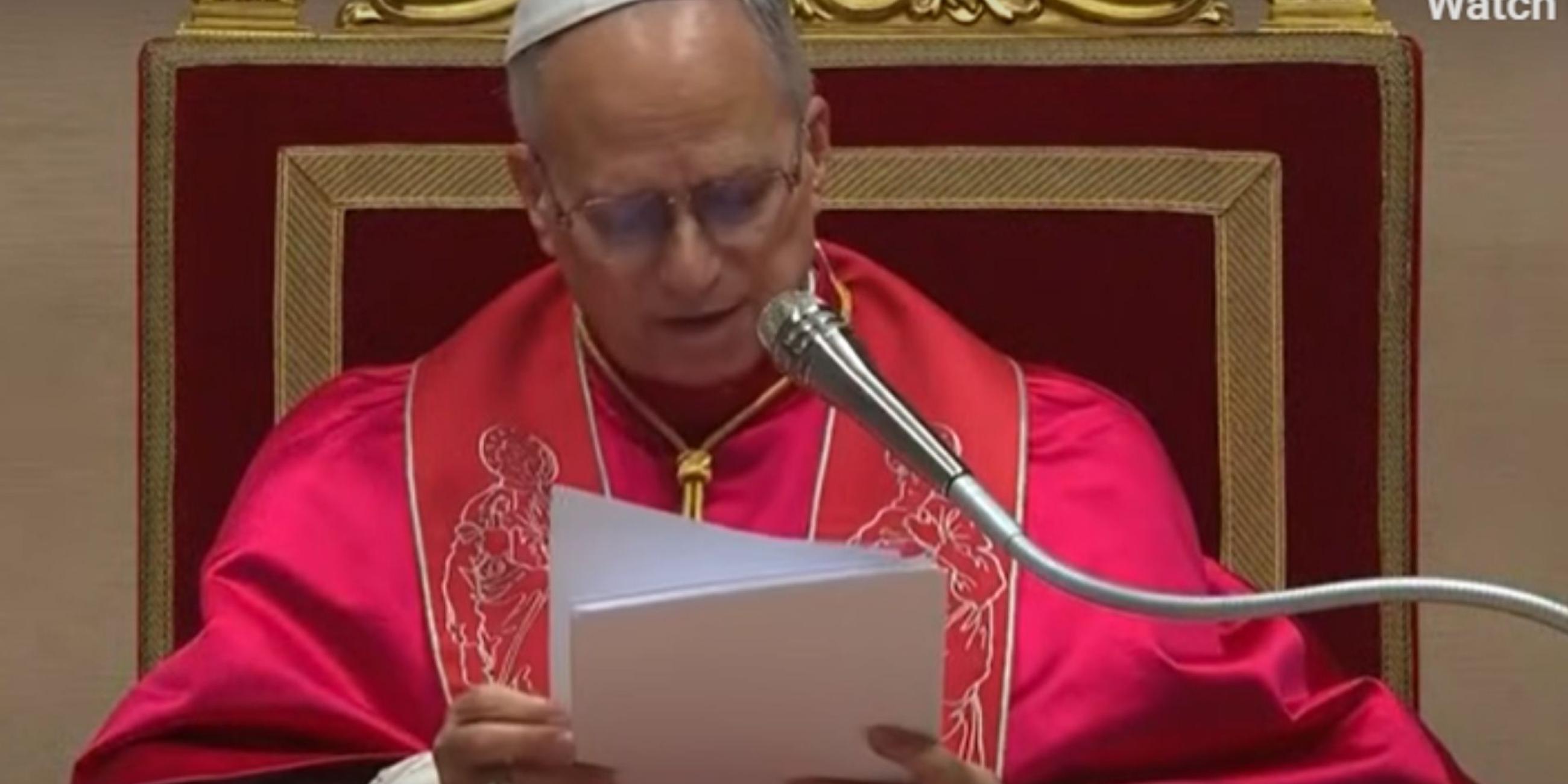
  • Is Abortion ‘Fake Compassion’? Why Pope Leo’s First Major Vatican Speech Condemning Abortion, Surrogacy and Euthanasia Is Reigniting a Global Moral Debate

    Is the world redefining compassion in a way that undermines human dignity? In his first major address at the Vatican, Pope Leo has taken a firm stance against abortion, surrogacy, and euthanasia, branding them as practices that distort the true meaning of compassion and threaten the sanctity of human life.

    Speaking on issues ranging from justice and prisoners’ rights to family life and the protection of vulnerable groups, the new pontiff described abortion as a direct rejection of life, stating that it “cuts short a growing life and refuses to welcome the gift of life.” He warned against what he called “deceptive forms of compassion” promoted by modern societies, arguing that true compassion must defend life rather than eliminate it.

    Pope Leo framed his message within a broader reflection on human dignity, emphasizing that human beings are created in the image and likeness of God and are called to love. According to him, this calling finds its clearest expression within the family—an institution he said is now under sustained pressure worldwide. He identified two major challenges facing families today: neglect by international systems and the rise of fragile, broken households afflicted by internal struggles, including domestic violence.

    Stressing the moral responsibility toward unborn children, the Pope said the union between a man and a woman carries an ethical obligation to protect life. He condemned growing international efforts to expand access to abortion across borders, expressing deep concern over projects that fund “cross-border mobility” for what he described as the “so-called right to safe abortion.” He called it “deplorable” that public resources are used to suppress life rather than support mothers and families, insisting that governments should prioritize protecting unborn children while providing concrete assistance to women facing difficult pregnancies.

    Beyond abortion, Pope Leo also denounced surrogacy, describing it as a practice that strips both women and children of dignity by turning pregnancy into a negotiable service. He argued that such arrangements reduce children to commodities and exploit women’s bodies, distorting the natural and relational foundation of the family.

    The pontiff further criticized euthanasia, again labeling it a misleading form of compassion, and urged states to invest in palliative care and authentic solidarity instead of policies that hasten death. In the same address, he spoke out on prisoners’ rights, political detainees, migrants, and the abolition of the death penalty, which he described as a punishment that “destroys all hope of forgiveness and renewal.”

    The speech marks the clearest articulation yet of Pope Leo’s moral priorities and signals what many observers see as a continuation—and possible intensification—of the Vatican’s opposition to abortion, surrogacy, and euthanasia. As governments, activists, and faith communities worldwide remain sharply divided on reproductive rights and end-of-life policies, the Pope’s remarks have reignited a global conversation: Is modern society redefining compassion in ways that contradict the protection of life, or is the Vatican standing against changing realities of human rights and personal choice?


    Is Abortion ‘Fake Compassion’? Why Pope Leo’s First Major Vatican Speech Condemning Abortion, Surrogacy and Euthanasia Is Reigniting a Global Moral Debate Is the world redefining compassion in a way that undermines human dignity? In his first major address at the Vatican, Pope Leo has taken a firm stance against abortion, surrogacy, and euthanasia, branding them as practices that distort the true meaning of compassion and threaten the sanctity of human life. Speaking on issues ranging from justice and prisoners’ rights to family life and the protection of vulnerable groups, the new pontiff described abortion as a direct rejection of life, stating that it “cuts short a growing life and refuses to welcome the gift of life.” He warned against what he called “deceptive forms of compassion” promoted by modern societies, arguing that true compassion must defend life rather than eliminate it. Pope Leo framed his message within a broader reflection on human dignity, emphasizing that human beings are created in the image and likeness of God and are called to love. According to him, this calling finds its clearest expression within the family—an institution he said is now under sustained pressure worldwide. He identified two major challenges facing families today: neglect by international systems and the rise of fragile, broken households afflicted by internal struggles, including domestic violence. Stressing the moral responsibility toward unborn children, the Pope said the union between a man and a woman carries an ethical obligation to protect life. He condemned growing international efforts to expand access to abortion across borders, expressing deep concern over projects that fund “cross-border mobility” for what he described as the “so-called right to safe abortion.” He called it “deplorable” that public resources are used to suppress life rather than support mothers and families, insisting that governments should prioritize protecting unborn children while providing concrete assistance to women facing difficult pregnancies. Beyond abortion, Pope Leo also denounced surrogacy, describing it as a practice that strips both women and children of dignity by turning pregnancy into a negotiable service. He argued that such arrangements reduce children to commodities and exploit women’s bodies, distorting the natural and relational foundation of the family. The pontiff further criticized euthanasia, again labeling it a misleading form of compassion, and urged states to invest in palliative care and authentic solidarity instead of policies that hasten death. In the same address, he spoke out on prisoners’ rights, political detainees, migrants, and the abolition of the death penalty, which he described as a punishment that “destroys all hope of forgiveness and renewal.” The speech marks the clearest articulation yet of Pope Leo’s moral priorities and signals what many observers see as a continuation—and possible intensification—of the Vatican’s opposition to abortion, surrogacy, and euthanasia. As governments, activists, and faith communities worldwide remain sharply divided on reproductive rights and end-of-life policies, the Pope’s remarks have reignited a global conversation: Is modern society redefining compassion in ways that contradict the protection of life, or is the Vatican standing against changing realities of human rights and personal choice?
    0 Comments ·0 Shares ·625 Views
  • Why Are Nigerians Being Killed Abroad? Did New Year Violence in the UK and Canada Expose Growing Dangers for Nigerians in the Diaspora, as NiDCOM Mourns Two Victims?

    Are Nigerians in the diaspora becoming increasingly unsafe? The Nigerians in Diaspora Commission (NiDCOM) has expressed deep sorrow over the killing of two Nigerians in separate violent incidents in the United Kingdom and Canada in the early days of the new year, raising renewed concerns about the security of Nigerians living abroad.

    In a statement issued on behalf of the Commission’s Chairman and Chief Executive Officer, Abike Dabiri-Erewa, NiDCOM described the deaths as shocking and deeply troubling. The Commission noted that the incidents highlight growing fears over the vulnerability of Nigerians in foreign countries, even in societies often perceived as safer.

    Dabiri-Erewa extended heartfelt condolences to the families, friends, and loved ones of the victims, urging them to remain strong in the face of the tragic loss. While commending the prompt actions of the UK Metropolitan Police and the Toronto Police Service, she called for thorough, transparent, and timely investigations to ensure that those responsible are identified and brought to justice.

    According to reports, one of the victims, John Temitope Onetufo, a 23-year-old Nigerian, was fatally stabbed on New Year’s Eve in the Lewisham area of London. In a separate incident, Osemwengie Irorere, a 46-year-old Nigerian, was shot and killed at the Yorkdale GO Bus Terminal in Toronto, Canada, on Sunday, January 4. Both cases occurred within days of each other, amplifying anxiety within Nigerian communities abroad.

    NiDCOM further assured the public that it would work closely with the Nigerian High Commissions in the United Kingdom and Canada to provide all necessary support to the bereaved families, in line with the Commission’s mandate to safeguard the welfare and interests of Nigerians living outside the country.

    Beyond condolences, the tragedy has reignited a critical national conversation: Are existing diplomatic and consular protections enough to keep Nigerians abroad safe? Human rights advocates and diaspora groups argue that recurring reports of violent deaths, discrimination, and insecurity demand stronger international engagement, improved community policing partnerships, and better support systems for Nigerians facing risks overseas.

    As investigations continue, many Nigerians are asking whether these killings are isolated criminal acts—or part of a disturbing pattern affecting Africans and immigrants in Western societies. For families left behind and a diaspora already on edge, the pressing question remains: What more can be done to ensure that Nigerians seeking opportunity abroad do not pay the ultimate price?

    Why Are Nigerians Being Killed Abroad? Did New Year Violence in the UK and Canada Expose Growing Dangers for Nigerians in the Diaspora, as NiDCOM Mourns Two Victims? Are Nigerians in the diaspora becoming increasingly unsafe? The Nigerians in Diaspora Commission (NiDCOM) has expressed deep sorrow over the killing of two Nigerians in separate violent incidents in the United Kingdom and Canada in the early days of the new year, raising renewed concerns about the security of Nigerians living abroad. In a statement issued on behalf of the Commission’s Chairman and Chief Executive Officer, Abike Dabiri-Erewa, NiDCOM described the deaths as shocking and deeply troubling. The Commission noted that the incidents highlight growing fears over the vulnerability of Nigerians in foreign countries, even in societies often perceived as safer. Dabiri-Erewa extended heartfelt condolences to the families, friends, and loved ones of the victims, urging them to remain strong in the face of the tragic loss. While commending the prompt actions of the UK Metropolitan Police and the Toronto Police Service, she called for thorough, transparent, and timely investigations to ensure that those responsible are identified and brought to justice. According to reports, one of the victims, John Temitope Onetufo, a 23-year-old Nigerian, was fatally stabbed on New Year’s Eve in the Lewisham area of London. In a separate incident, Osemwengie Irorere, a 46-year-old Nigerian, was shot and killed at the Yorkdale GO Bus Terminal in Toronto, Canada, on Sunday, January 4. Both cases occurred within days of each other, amplifying anxiety within Nigerian communities abroad. NiDCOM further assured the public that it would work closely with the Nigerian High Commissions in the United Kingdom and Canada to provide all necessary support to the bereaved families, in line with the Commission’s mandate to safeguard the welfare and interests of Nigerians living outside the country. Beyond condolences, the tragedy has reignited a critical national conversation: Are existing diplomatic and consular protections enough to keep Nigerians abroad safe? Human rights advocates and diaspora groups argue that recurring reports of violent deaths, discrimination, and insecurity demand stronger international engagement, improved community policing partnerships, and better support systems for Nigerians facing risks overseas. As investigations continue, many Nigerians are asking whether these killings are isolated criminal acts—or part of a disturbing pattern affecting Africans and immigrants in Western societies. For families left behind and a diaspora already on edge, the pressing question remains: What more can be done to ensure that Nigerians seeking opportunity abroad do not pay the ultimate price?
    0 Comments ·0 Shares ·850 Views
More Results
Fintter https://fintter.com