• Wahala Hit Network as Fela 2 Cries Out Over TikTok Suspension

    Drama erupted online after popular content creator Fela 2 raised alarm over the suspension of his TikTok account. According to him, the action followed multiple reports allegedly made by members of Wizkid FC. The sudden takedown sparked reactions on social media, with fans debating free expression, fandom wars, and the growing influence of online reporting.

    #TikTokDrama, #WizkidFC, #EntertainmentGist
    Wahala Hit Network as Fela 2 Cries Out Over TikTok Suspension Drama erupted online after popular content creator Fela 2 raised alarm over the suspension of his TikTok account. According to him, the action followed multiple reports allegedly made by members of Wizkid FC. The sudden takedown sparked reactions on social media, with fans debating free expression, fandom wars, and the growing influence of online reporting. #TikTokDrama, #WizkidFC, #EntertainmentGist
    love
    2
    · 0 Commenti ·0 condivisioni ·2K Views ·1 Plays
  • NLC Shuts Down Abuja, Backs Indefinite FCTA Workers’ Strike……


    Abuja was largely paralysed as the Nigeria Labour Congress (NLC) backed the indefinite strike by Federal Capital Territory Administration (FCTA) workers, accusing the administration of withholding wages, pension and housing funds and intimidating staff. The NLC ordered a citywide shutdown and mass mobilisation ahead of a court hearing amid rising tensions. 
    NLC Shuts Down Abuja, Backs Indefinite FCTA Workers’ Strike…… Abuja was largely paralysed as the Nigeria Labour Congress (NLC) backed the indefinite strike by Federal Capital Territory Administration (FCTA) workers, accusing the administration of withholding wages, pension and housing funds and intimidating staff. The NLC ordered a citywide shutdown and mass mobilisation ahead of a court hearing amid rising tensions. 
    love
    2
    · 0 Commenti ·0 condivisioni ·2K Views
  • FCTA Workers Shut Down Abuja Government Offices, Begin Indefinite Strike Over Unpaid Wages, Welfare Disputes

    Government offices across Abuja were deserted on Monday as workers under the Federal Capital Territory Administration (FCTA) commenced an indefinite strike, demanding resolution of long-standing labour and welfare issues. Declared by the Joint Union Action Congress (JUAC), the strike follows the expiration of a seven-day ultimatum to FCTA management. Key grievances include unpaid wage awards, promotion arrears, delayed promotions, retention of retired officials, unpaid pension contributions, and worsening working conditions. JUAC has vowed to maintain the strike until all demands are met, warning of continued paralysis of administrative activities across the territory.
    #fcta #Abuja
    FCTA Workers Shut Down Abuja Government Offices, Begin Indefinite Strike Over Unpaid Wages, Welfare Disputes Government offices across Abuja were deserted on Monday as workers under the Federal Capital Territory Administration (FCTA) commenced an indefinite strike, demanding resolution of long-standing labour and welfare issues. Declared by the Joint Union Action Congress (JUAC), the strike follows the expiration of a seven-day ultimatum to FCTA management. Key grievances include unpaid wage awards, promotion arrears, delayed promotions, retention of retired officials, unpaid pension contributions, and worsening working conditions. JUAC has vowed to maintain the strike until all demands are met, warning of continued paralysis of administrative activities across the territory. #fcta #Abuja
    love
    1
    · 0 Commenti ·0 condivisioni ·2K Views
  • Lagos Teachers Petition NUT Over Retired Treasurer’s Continued Stay in Office

    Concerned Lagos teachers have petitioned the National President of the Nigeria Union of Teachers (NUT) over the continued tenure of National Treasurer Comrade Adesegun Ganiu Raheem, who retired from the Lagos State Teaching Service on July 16, 2025. Citing constitutional provisions, the petition demands his replacement and warns against violations with moral and legal consequences. Lawyers representing retired members also called for a forensic audit, suspension of the treasurer, and review of union properties, threatening to approach the National Industrial Court if their demands are ignored.

    #LagosTeachers #NUTCrisis #UnionAccountability
    Lagos Teachers Petition NUT Over Retired Treasurer’s Continued Stay in Office Concerned Lagos teachers have petitioned the National President of the Nigeria Union of Teachers (NUT) over the continued tenure of National Treasurer Comrade Adesegun Ganiu Raheem, who retired from the Lagos State Teaching Service on July 16, 2025. Citing constitutional provisions, the petition demands his replacement and warns against violations with moral and legal consequences. Lawyers representing retired members also called for a forensic audit, suspension of the treasurer, and review of union properties, threatening to approach the National Industrial Court if their demands are ignored. #LagosTeachers #NUTCrisis #UnionAccountability
    love
    1
    · 0 Commenti ·0 condivisioni ·2K Views
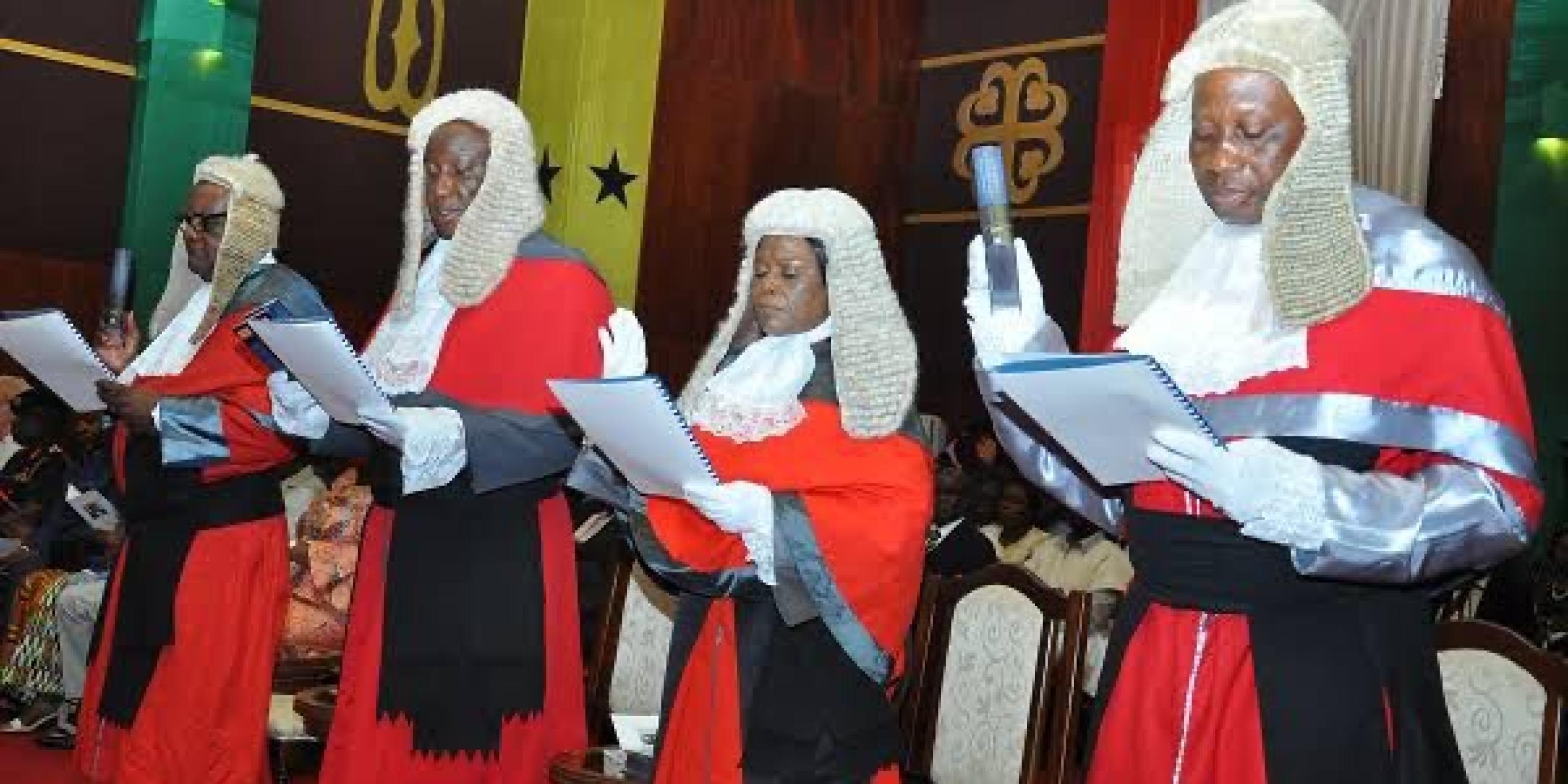
  • Retired Kogi Judges Cry Out Over Years of Neglect, Demand Immediate Payment of Outstanding Entitlements

    Retired judges of Kogi State have raised alarms over years of neglect, urging the government to immediately pay their unpaid pensions, gratuities, allowances, and vehicle allocations. Having served decades and retired between 2021 and 2023, the judges described the non-payment as unjust, humiliating, and a violation of constitutional provisions. They warned that continued inaction undermines judicial dignity and independence, urging Governor Ahmed Usman Ododo to intervene. Among the retirees are former Chief Judge John Bayo Olowosegun and ex-President of the Customary Court of Appeal, Yunusa Musa.

    Retired Kogi Judges Cry Out Over Years of Neglect, Demand Immediate Payment of Outstanding Entitlements Retired judges of Kogi State have raised alarms over years of neglect, urging the government to immediately pay their unpaid pensions, gratuities, allowances, and vehicle allocations. Having served decades and retired between 2021 and 2023, the judges described the non-payment as unjust, humiliating, and a violation of constitutional provisions. They warned that continued inaction undermines judicial dignity and independence, urging Governor Ahmed Usman Ododo to intervene. Among the retirees are former Chief Judge John Bayo Olowosegun and ex-President of the Customary Court of Appeal, Yunusa Musa.
    0 Commenti ·0 condivisioni ·2K Views
  • Presidential Tax Committee Denies Suspension of New Tax Law Guidelines

    The Nigerian Presidential Committee on Fiscal Policy and Tax Reforms, led by Taiwo Oyedele, has denied claims that the Tinubu administration paused implementation guidelines for new tax laws. Oyedele called the report “Fake News,” explaining that delays in issuing guidelines stem from difficulties accessing the final printed copies of the laws from the Government Printer. Social media reactions were mixed, with users demanding clarity on VAT, tax timelines, and warning against retrospective liabilities. The committee emphasized ongoing legislative review and transparency.

    #NigeriaTax #FiscalPolicy #TaiwoOyedele #TaxLaws

    Presidential Tax Committee Denies Suspension of New Tax Law Guidelines The Nigerian Presidential Committee on Fiscal Policy and Tax Reforms, led by Taiwo Oyedele, has denied claims that the Tinubu administration paused implementation guidelines for new tax laws. Oyedele called the report “Fake News,” explaining that delays in issuing guidelines stem from difficulties accessing the final printed copies of the laws from the Government Printer. Social media reactions were mixed, with users demanding clarity on VAT, tax timelines, and warning against retrospective liabilities. The committee emphasized ongoing legislative review and transparency. #NigeriaTax #FiscalPolicy #TaiwoOyedele #TaxLaws
    0 Commenti ·0 condivisioni ·2K Views
  • Nigerian SGF George Akume Plans to Spend N496 Million on Photocopiers and Office Furniture in 2026

    The Office of the Secretary to the Government of the Federation (OSGF), headed by George Akume, has earmarked ₦496 million in the 2026 budget for the purchase and installation of three heavy-duty photocopy machines and office furniture for the Cabinet Affairs Office.

    In context, Akume’s office has previously allocated substantial funds for empowerment initiatives:

    ₦100 million for grinding machines in Ifako-Ijaiye, Lagos State, and another ₦100 million for Bonny/Degema, Rivers State, in 2025.

    ₦200 million for grinding machines in Kaduna South Federal Constituency.

    Totaling ₦400 million for empowerment via grinding machines in 2025.


    Additionally, the Nigerian Institute of Transport Technology budgeted ₦195 million for grinding machines in Kebbi, Aliero, and Maiyama.

    The SGF’s office also drew attention in 2023 for spending ₦9.6 million on branded towels for Akume’s 70th birthday celebration, raising concerns over budget priorities and public fund usage.

    Meanwhile, civil society groups like Voice of the Voiceless Nigerian have called for Akume’s suspension, citing allegations of involvement in an N80 billion fraud, highlighting growing scrutiny of government spending practices.

    Nigerian SGF George Akume Plans to Spend N496 Million on Photocopiers and Office Furniture in 2026 The Office of the Secretary to the Government of the Federation (OSGF), headed by George Akume, has earmarked ₦496 million in the 2026 budget for the purchase and installation of three heavy-duty photocopy machines and office furniture for the Cabinet Affairs Office. In context, Akume’s office has previously allocated substantial funds for empowerment initiatives: ₦100 million for grinding machines in Ifako-Ijaiye, Lagos State, and another ₦100 million for Bonny/Degema, Rivers State, in 2025. ₦200 million for grinding machines in Kaduna South Federal Constituency. Totaling ₦400 million for empowerment via grinding machines in 2025. Additionally, the Nigerian Institute of Transport Technology budgeted ₦195 million for grinding machines in Kebbi, Aliero, and Maiyama. The SGF’s office also drew attention in 2023 for spending ₦9.6 million on branded towels for Akume’s 70th birthday celebration, raising concerns over budget priorities and public fund usage. Meanwhile, civil society groups like Voice of the Voiceless Nigerian have called for Akume’s suspension, citing allegations of involvement in an N80 billion fraud, highlighting growing scrutiny of government spending practices.
    like
    1
    · 0 Commenti ·0 condivisioni ·2K Views
  • Wahala Don Happen Oo! Resident Doctors Suspend Strike After Talks With FG, But Say Matter Never Finish

    Wahala don happen for Nigeria’s health sector as the Association of Resident Doctors (ARD) has suspended its planned nationwide strike earlier fixed for Monday, January 12, 2026. The decision followed fresh engagements with the Federal Government, with the North-Central caucus of the association announcing the suspension in the interest of patients while discussions continue. However, caucus leader, Dr Fanen Dogoh, stressed that the issues that led to the strike threat remain unresolved. The doctors had planned industrial action over the government’s failure to honour a Memorandum of Understanding with NARD. Key demands include the reinstatement of doctors sacked from Federal Teaching Hospital, Lokoja, over union activities, and payment of outstanding salaries and allowances, including 18 months’ arrears owed in institutions such as FTH Makurdi and UITH Ilorin. Other grievances include delayed entry salaries, unpaid promotion arrears and non-implementation of reviewed professional allowances. The association warned it may resume the strike if concrete action is not taken.

    Wahala Don Happen Oo! Resident Doctors Suspend Strike After Talks With FG, But Say Matter Never Finish Wahala don happen for Nigeria’s health sector as the Association of Resident Doctors (ARD) has suspended its planned nationwide strike earlier fixed for Monday, January 12, 2026. The decision followed fresh engagements with the Federal Government, with the North-Central caucus of the association announcing the suspension in the interest of patients while discussions continue. However, caucus leader, Dr Fanen Dogoh, stressed that the issues that led to the strike threat remain unresolved. The doctors had planned industrial action over the government’s failure to honour a Memorandum of Understanding with NARD. Key demands include the reinstatement of doctors sacked from Federal Teaching Hospital, Lokoja, over union activities, and payment of outstanding salaries and allowances, including 18 months’ arrears owed in institutions such as FTH Makurdi and UITH Ilorin. Other grievances include delayed entry salaries, unpaid promotion arrears and non-implementation of reviewed professional allowances. The association warned it may resume the strike if concrete action is not taken.
    love
    1
    · 0 Commenti ·0 condivisioni ·2K Views
  • Wahala Don End: FG Finally Signs Deal With ASUU, Approves 40% Pay Rise & Full Pensions for Professors!

    Abeg, wahala don end for Nigerian universities! The Federal Government and ASUU (Academic Staff Union of Universities) are set to shake hands on a historic agreement this Wednesday, January 14, 2026, that promises to change the game for lecturers across the country.

    The official signing will hold at 11am in Abuja, according to a circular from the Ministry of Education sent to vice-chancellors and registrars of federal universities nationwide. And yes, attendance is mandatory!

    So, what’s in the bag? First, a juicy 40% salary increase for academic staff and beefed-up pension benefits. Under the new pension plan, professors will retire at 70 on pensions equivalent to their full annual salaries—a major win that ASUU has been fighting for years.

    The deal also introduces a new university funding model with dedicated allocations for research, libraries, labs, equipment, and staff development. Plus, a National Research Council will now fund research with at least 1% of Nigeria’s GDP.

    The agreement comes after years of tension. In December 2025, FG and ASUU finally concluded renegotiations of the 2009 FGN-ASUU agreement, ending a crisis that stalled talks for over 16 years. The new deal takes effect from January 1, 2026, with a three-year review plan.

    The Ministry says this milestone shows the government’s commitment to industrial peace, better teaching conditions, and sustainable growth in education, all in line with the President’s Renewed Hope Agenda.

    Na so! Nigerian lecturers finally get proper pay and pension benefits, while students can breathe a sigh of relief knowing that strikes might finally reduce.


    Wahala Don End: FG Finally Signs Deal With ASUU, Approves 40% Pay Rise & Full Pensions for Professors! Abeg, wahala don end for Nigerian universities! The Federal Government and ASUU (Academic Staff Union of Universities) are set to shake hands on a historic agreement this Wednesday, January 14, 2026, that promises to change the game for lecturers across the country. The official signing will hold at 11am in Abuja, according to a circular from the Ministry of Education sent to vice-chancellors and registrars of federal universities nationwide. And yes, attendance is mandatory! So, what’s in the bag? First, a juicy 40% salary increase for academic staff and beefed-up pension benefits. Under the new pension plan, professors will retire at 70 on pensions equivalent to their full annual salaries—a major win that ASUU has been fighting for years. The deal also introduces a new university funding model with dedicated allocations for research, libraries, labs, equipment, and staff development. Plus, a National Research Council will now fund research with at least 1% of Nigeria’s GDP. The agreement comes after years of tension. In December 2025, FG and ASUU finally concluded renegotiations of the 2009 FGN-ASUU agreement, ending a crisis that stalled talks for over 16 years. The new deal takes effect from January 1, 2026, with a three-year review plan. The Ministry says this milestone shows the government’s commitment to industrial peace, better teaching conditions, and sustainable growth in education, all in line with the President’s Renewed Hope Agenda. Na so! Nigerian lecturers finally get proper pay and pension benefits, while students can breathe a sigh of relief knowing that strikes might finally reduce.
    0 Commenti ·0 condivisioni ·1K Views
  • Ondo State Judiciary Paralyzed: Governor Aiyedatiwa Accused of Budget Cuts, Half-Autonomy, and Welfare Neglect Amid Ongoing Court Strike

    The Ondo State judiciary has come to a near-total halt as Governor Lucky Aiyedatiwa faces accusations of deliberately strangling the courts through severe budget cuts, partial financial autonomy, and neglect of judicial welfare. The state’s judiciary budget was slashed from ₦17 billion in 2025 to ₦9.5 billion in 2026, nearly a 45% reduction, prompting concerns over staff salaries, court operations, and infrastructure decay.

    Judicial workers allege that the governor granted only 80% autonomy limited to recurrent expenditure, leaving capital projects unfunded. Courtrooms reportedly leak during rainfall, forcing the suspension of hearings, while magistrates and officers rely on commercial motorcycles (okada) or shared rides with litigants due to lack of official vehicles.

    Despite repeated appeals, ₦400 million previously approved for judicial needs remains unpaid, worsening the crisis. The situation has triggered an indefinite strike by magistrates, legal officers, and members of the Judiciary Staff Union of Nigeria (JUSUN), physically locking judges out of court premises in Akure.

    Observers warn that the prolonged paralysis undermines judicial independence, public confidence in the justice system, and rule of law in Ondo State. Legal analysts describe the governor’s approach as a systematic humiliation and underfunding of the judiciary, drawing parallels with similar crises in other Nigerian states.

    With courts shut, staff unions united, and the public left without access to justice, pressure is mounting on Governor Aiyedatiwa to restore full financial autonomy, fund infrastructure projects, and address welfare challenges to prevent further erosion of democratic governance in the state.


    Ondo State Judiciary Paralyzed: Governor Aiyedatiwa Accused of Budget Cuts, Half-Autonomy, and Welfare Neglect Amid Ongoing Court Strike The Ondo State judiciary has come to a near-total halt as Governor Lucky Aiyedatiwa faces accusations of deliberately strangling the courts through severe budget cuts, partial financial autonomy, and neglect of judicial welfare. The state’s judiciary budget was slashed from ₦17 billion in 2025 to ₦9.5 billion in 2026, nearly a 45% reduction, prompting concerns over staff salaries, court operations, and infrastructure decay. Judicial workers allege that the governor granted only 80% autonomy limited to recurrent expenditure, leaving capital projects unfunded. Courtrooms reportedly leak during rainfall, forcing the suspension of hearings, while magistrates and officers rely on commercial motorcycles (okada) or shared rides with litigants due to lack of official vehicles. Despite repeated appeals, ₦400 million previously approved for judicial needs remains unpaid, worsening the crisis. The situation has triggered an indefinite strike by magistrates, legal officers, and members of the Judiciary Staff Union of Nigeria (JUSUN), physically locking judges out of court premises in Akure. Observers warn that the prolonged paralysis undermines judicial independence, public confidence in the justice system, and rule of law in Ondo State. Legal analysts describe the governor’s approach as a systematic humiliation and underfunding of the judiciary, drawing parallels with similar crises in other Nigerian states. With courts shut, staff unions united, and the public left without access to justice, pressure is mounting on Governor Aiyedatiwa to restore full financial autonomy, fund infrastructure projects, and address welfare challenges to prevent further erosion of democratic governance in the state.
    like
    1
    · 0 Commenti ·0 condivisioni ·2K Views
  • Why Did the Trump Administration Freeze $129 Million in USDA Funds to Minnesota and Minneapolis Over Fraud Allegations, and Who Is Accountable for the Feeding Our Future Scandal?

    The Trump administration has taken decisive action against Minnesota and Minneapolis, suspending over $129 million in USDA federal funding amid allegations of “widespread and systemic fraud.” U.S. Secretary of Agriculture Brooke L. Rollins cited repeated failures in federal program oversight, including mismanagement of programs like Child and Adult Care Food Program (CACFP), Summer Food Service Program (SFSP), and the Supplemental Nutrition Assistance Program (SNAP).

    The decision follows revelations from the Feeding Our Future scandal, in which a Minneapolis nonprofit allegedly defrauded taxpayers of nearly $250 million intended to feed children during the COVID-19 pandemic. Rollins described the fraud as “industrial-scale”, involving 78 defendants charged in what the Department of Justice calls the largest COVID-19 fraud scheme in the U.S.

    In her letter to Minnesota Governor Tim Walz and Minneapolis Mayor Jacob Frey, Rollins highlighted additional alleged abuses in the Paycheck Protection Program, housing assistance schemes, and SNAP misreporting. Officials who resisted federal oversight and challenged USDA directives were also called out for enabling continued fraud.

    As a result, all active and future USDA awards to Minnesota and Minneapolis—totaling $129.18 million—are suspended immediately. Authorities have 30 days to provide detailed payment justifications; failure to comply could extend the suspension. Rollins emphasized that this action represents the administration’s zero-tolerance policy on fraud, waste, and abuse, protecting American taxpayers and ensuring funds reach those who need them.

    This unprecedented suspension raises urgent questions: How did fraud reach such scale in Minnesota’s federal programs? Who is responsible for oversight failures? Will federal authorities enforce accountability, and how will affected programs recover? The frozen funds underscore a growing national focus on transparency, stewardship, and integrity in public funding.


    Why Did the Trump Administration Freeze $129 Million in USDA Funds to Minnesota and Minneapolis Over Fraud Allegations, and Who Is Accountable for the Feeding Our Future Scandal? The Trump administration has taken decisive action against Minnesota and Minneapolis, suspending over $129 million in USDA federal funding amid allegations of “widespread and systemic fraud.” U.S. Secretary of Agriculture Brooke L. Rollins cited repeated failures in federal program oversight, including mismanagement of programs like Child and Adult Care Food Program (CACFP), Summer Food Service Program (SFSP), and the Supplemental Nutrition Assistance Program (SNAP). The decision follows revelations from the Feeding Our Future scandal, in which a Minneapolis nonprofit allegedly defrauded taxpayers of nearly $250 million intended to feed children during the COVID-19 pandemic. Rollins described the fraud as “industrial-scale”, involving 78 defendants charged in what the Department of Justice calls the largest COVID-19 fraud scheme in the U.S. In her letter to Minnesota Governor Tim Walz and Minneapolis Mayor Jacob Frey, Rollins highlighted additional alleged abuses in the Paycheck Protection Program, housing assistance schemes, and SNAP misreporting. Officials who resisted federal oversight and challenged USDA directives were also called out for enabling continued fraud. As a result, all active and future USDA awards to Minnesota and Minneapolis—totaling $129.18 million—are suspended immediately. Authorities have 30 days to provide detailed payment justifications; failure to comply could extend the suspension. Rollins emphasized that this action represents the administration’s zero-tolerance policy on fraud, waste, and abuse, protecting American taxpayers and ensuring funds reach those who need them. This unprecedented suspension raises urgent questions: How did fraud reach such scale in Minnesota’s federal programs? Who is responsible for oversight failures? Will federal authorities enforce accountability, and how will affected programs recover? The frozen funds underscore a growing national focus on transparency, stewardship, and integrity in public funding.
    0 Commenti ·0 condivisioni ·3K Views
  • Is Governor Fubara Really Facing Impeachment? Why Rivers Assembly Insists the Process Is Ongoing, Denies Suspension Reports, and Cites the Constitution

    Is the impeachment of Rivers State Governor Siminalayi Fubara actually underway—or has the process been quietly halted? The Rivers State House of Assembly has moved to clear the air, insisting that the impeachment proceedings against the governor and his deputy, Prof. Ngozi Nma Odu, are active, constitutional, and ongoing, despite widespread reports suggesting the exercise has been suspended.

    In a statement released on Friday and signed by Dr. Enemi Alabo George, Chairman of the House Committee on Information, Petitions and Complaints, the Assembly said the process formally began on Thursday, January 8, 2026, and is being conducted strictly in line with Section 188 of the 1999 Constitution of the Federal Republic of Nigeria (as amended).

    According to the lawmakers, two separate notices of allegations of gross misconduct have already been prepared and transmitted to Governor Fubara and Deputy Governor Odu by the Speaker of the House. The Assembly disclosed that it is now awaiting their formal responses, which is a mandatory step before proceeding to the next phase of the constitutional impeachment process.

    The House stressed that it is acting within its constitutional authority to check executive infractions and safeguard democratic governance in the state. It emphasized that the legislature is empowered by law to intervene where there are alleged violations by the governor, deputy governor, or any other state official.

    Dismissing reports that the process has been suspended, the Assembly accused unnamed individuals and media platforms of deliberately spreading false and misleading narratives aimed at confusing the public and creating tension between the House and citizens. Dr. George said such claims were designed to cause disaffection and undermine the credibility of the legislature.

    Calling on the public to disregard the reports, the House reaffirmed that the impeachment process remains “on track” and would not be derailed by what it described as blackmail, threats, or external pressure. The lawmakers vowed to remain focused on their constitutional responsibilities, insisting that they would not be intimidated by forces they believe do not have the best interests of Rivers State or Nigeria’s democracy at heart.

    At the same time, the Assembly expressed gratitude to residents of Rivers State for their prayers and support since the process began and thanked political leaders and stakeholders for their engagement. The statement concluded with a message of appreciation to “all democrats who believe in the Nigerian project.”

    As political tension continues to mount in the state, the key questions remain: Will the governor and his deputy respond to the allegations? Will the process advance to the investigative stage outlined in the Constitution—or could political negotiations alter the outcome? For now, the Rivers State House of Assembly says the impeachment of Governor Fubara is neither paused nor abandoned—and Nigerians are watching closely as the constitutional process unfolds.

    Is Governor Fubara Really Facing Impeachment? Why Rivers Assembly Insists the Process Is Ongoing, Denies Suspension Reports, and Cites the Constitution Is the impeachment of Rivers State Governor Siminalayi Fubara actually underway—or has the process been quietly halted? The Rivers State House of Assembly has moved to clear the air, insisting that the impeachment proceedings against the governor and his deputy, Prof. Ngozi Nma Odu, are active, constitutional, and ongoing, despite widespread reports suggesting the exercise has been suspended. In a statement released on Friday and signed by Dr. Enemi Alabo George, Chairman of the House Committee on Information, Petitions and Complaints, the Assembly said the process formally began on Thursday, January 8, 2026, and is being conducted strictly in line with Section 188 of the 1999 Constitution of the Federal Republic of Nigeria (as amended). According to the lawmakers, two separate notices of allegations of gross misconduct have already been prepared and transmitted to Governor Fubara and Deputy Governor Odu by the Speaker of the House. The Assembly disclosed that it is now awaiting their formal responses, which is a mandatory step before proceeding to the next phase of the constitutional impeachment process. The House stressed that it is acting within its constitutional authority to check executive infractions and safeguard democratic governance in the state. It emphasized that the legislature is empowered by law to intervene where there are alleged violations by the governor, deputy governor, or any other state official. Dismissing reports that the process has been suspended, the Assembly accused unnamed individuals and media platforms of deliberately spreading false and misleading narratives aimed at confusing the public and creating tension between the House and citizens. Dr. George said such claims were designed to cause disaffection and undermine the credibility of the legislature. Calling on the public to disregard the reports, the House reaffirmed that the impeachment process remains “on track” and would not be derailed by what it described as blackmail, threats, or external pressure. The lawmakers vowed to remain focused on their constitutional responsibilities, insisting that they would not be intimidated by forces they believe do not have the best interests of Rivers State or Nigeria’s democracy at heart. At the same time, the Assembly expressed gratitude to residents of Rivers State for their prayers and support since the process began and thanked political leaders and stakeholders for their engagement. The statement concluded with a message of appreciation to “all democrats who believe in the Nigerian project.” As political tension continues to mount in the state, the key questions remain: Will the governor and his deputy respond to the allegations? Will the process advance to the investigative stage outlined in the Constitution—or could political negotiations alter the outcome? For now, the Rivers State House of Assembly says the impeachment of Governor Fubara is neither paused nor abandoned—and Nigerians are watching closely as the constitutional process unfolds.
    0 Commenti ·0 condivisioni ·2K Views
  • Why Were At Least 17 Dubai–Iran Flights Suddenly Cancelled? Are Tehran Protests and a Nationwide Internet Blackout Disrupting Regional Travel?

    Why are flights between Dubai and Iran being abruptly cancelled—and what does it reveal about the growing unrest inside the Islamic Republic? At least 17 Flydubai flights scheduled for Friday between Dubai and major Iranian cities, including Tehran, Shiraz, and Mashhad, were called off without prior notice, raising alarm among passengers and underscoring the widening impact of Iran’s escalating political crisis.

    Data published on the Dubai Airports website confirmed the cancellations, showing multiple outbound and inbound routes affected. The disruption comes as Iran faces intensifying nationwide protests and a near-total internet blackout, reportedly imposed by authorities in an effort to restrict communication and contain the spread of demonstrations.

    Iran has been gripped by widespread unrest since late December, driven by worsening economic conditions, soaring inflation, and deepening hardship for ordinary citizens. What began as localized protests has rapidly expanded across several cities, prompting a heavy security response from the government. Observers say the communication shutdown reflects growing concern within the Iranian authorities over the speed at which information—and dissent—is spreading.

    A Flydubai spokesperson confirmed that all scheduled flights to Iran on Friday were cancelled, stating that the airline would “continue to monitor the situation” and adjust operations as needed. However, no specific reasons were publicly provided, leaving travelers uncertain about safety conditions, regulatory restrictions, and how long the disruption might last.

    The cancellations were not limited to Flydubai. Turkish media reported that Turkish Airlines cancelled at least 17 flights to Iranian destinations, while Ajet reportedly suspended six flights. Pegasus Airlines was also said to have cancelled several routes. In the Gulf region, at least two flights between Doha and Tehran were reportedly cancelled, according to updates from Hamad International Airport.

    The wave of suspensions points to a broader regional response to instability inside Iran. Airlines are increasingly forced to weigh passenger safety, operational risks, and regulatory uncertainty as protests grow and communication channels remain restricted.

    The key question remains: Are these flight cancellations a temporary precaution—or an early sign of deeper regional disruption tied to Iran’s internal crisis? For travelers, airlines, and neighboring countries, the unfolding situation highlights how domestic unrest in one nation can quickly ripple across international transport, commerce, and security.

    As protests persist and the blackout continues, aviation disruptions may expand further, signaling that Iran’s political turmoil is no longer confined within its borders but is now reshaping regional connectivity in real time.

    Why Were At Least 17 Dubai–Iran Flights Suddenly Cancelled? Are Tehran Protests and a Nationwide Internet Blackout Disrupting Regional Travel? Why are flights between Dubai and Iran being abruptly cancelled—and what does it reveal about the growing unrest inside the Islamic Republic? At least 17 Flydubai flights scheduled for Friday between Dubai and major Iranian cities, including Tehran, Shiraz, and Mashhad, were called off without prior notice, raising alarm among passengers and underscoring the widening impact of Iran’s escalating political crisis. Data published on the Dubai Airports website confirmed the cancellations, showing multiple outbound and inbound routes affected. The disruption comes as Iran faces intensifying nationwide protests and a near-total internet blackout, reportedly imposed by authorities in an effort to restrict communication and contain the spread of demonstrations. Iran has been gripped by widespread unrest since late December, driven by worsening economic conditions, soaring inflation, and deepening hardship for ordinary citizens. What began as localized protests has rapidly expanded across several cities, prompting a heavy security response from the government. Observers say the communication shutdown reflects growing concern within the Iranian authorities over the speed at which information—and dissent—is spreading. A Flydubai spokesperson confirmed that all scheduled flights to Iran on Friday were cancelled, stating that the airline would “continue to monitor the situation” and adjust operations as needed. However, no specific reasons were publicly provided, leaving travelers uncertain about safety conditions, regulatory restrictions, and how long the disruption might last. The cancellations were not limited to Flydubai. Turkish media reported that Turkish Airlines cancelled at least 17 flights to Iranian destinations, while Ajet reportedly suspended six flights. Pegasus Airlines was also said to have cancelled several routes. In the Gulf region, at least two flights between Doha and Tehran were reportedly cancelled, according to updates from Hamad International Airport. The wave of suspensions points to a broader regional response to instability inside Iran. Airlines are increasingly forced to weigh passenger safety, operational risks, and regulatory uncertainty as protests grow and communication channels remain restricted. The key question remains: Are these flight cancellations a temporary precaution—or an early sign of deeper regional disruption tied to Iran’s internal crisis? For travelers, airlines, and neighboring countries, the unfolding situation highlights how domestic unrest in one nation can quickly ripple across international transport, commerce, and security. As protests persist and the blackout continues, aviation disruptions may expand further, signaling that Iran’s political turmoil is no longer confined within its borders but is now reshaping regional connectivity in real time.
    0 Commenti ·0 condivisioni ·2K Views
  • Did Abdulfatah Ahmed Divert ₦5.78 Billion UBEC Funds? Why Kwara Court Adjourned Ex-Governor’s Fraud Trial to February 16

    A Kwara State High Court sitting in Ilorin has adjourned the ₦5.78 billion alleged fraud trial of former Governor Abdulfatah Ahmed and his former Commissioner for Finance, Ademola Banu, raising fresh questions about how public education funds were allegedly diverted under the previous administration. The case, which resumed before Justice Mahmud Abdulgafar, was postponed to February 16, 2026, following legal objections during the presentation of evidence by the prosecution.

    The Economic and Financial Crimes Commission (EFCC), through its Ilorin Zonal Directorate, is prosecuting the former officials over claims that funds meant for educational development were unlawfully redirected. According to the EFCC, the defendants approved the use of Universal Basic Education Commission (UBEC) matching grants—money specifically allocated for building and upgrading primary and junior secondary schools across Kwara’s 16 local government areas—to pay civil servants’ salaries, contrary to the conditions attached to the funds.

    During the latest hearing, the prosecution called its sixth witness, Stanley Ujilibo, who told the court that the EFCC obtained bank statements from Polaris Bank (formerly Skye Bank) and Guaranty Trust Bank as part of its investigation. He explained that official letters dated August 1, 2025, were sent to both banks requesting records of Kwara State Government accounts. The banks acknowledged the requests and provided the statements, which were admitted as exhibits by the court.

    The trial further revisited earlier testimony by a former Accountant-General of Kwara State, Suleiman Oluwadare Ishola, who stated that ₦1 billion from UBEC matching grants was borrowed in 2015 by the Ahmed administration to pay salaries and pensions. This revelation has intensified public scrutiny over whether funds intended for school infrastructure were systematically diverted for recurrent government expenses.

    However, proceedings were briefly stalled when the EFCC attempted to tender additional documents from the Ministry of Finance and the Office of the Accountant-General. Defence counsel, led by Kamaldeen Ajibade, objected on procedural grounds, arguing that the documents had not been properly highlighted for clarity and reference. Justice Abdulgafar upheld the objection and consequently adjourned the case.

    The adjournment has sparked debate across Kwara State and beyond: Was public education funding sacrificed to cover salary obligations? Did the former administration violate the terms governing UBEC grants? And will the evidence presented be enough to establish criminal responsibility?

    As the trial continues, the case stands as a major test of accountability in Nigeria’s anti-corruption efforts, particularly regarding the management of education funds and the prosecution of high-profile political figures.


    Did Abdulfatah Ahmed Divert ₦5.78 Billion UBEC Funds? Why Kwara Court Adjourned Ex-Governor’s Fraud Trial to February 16 A Kwara State High Court sitting in Ilorin has adjourned the ₦5.78 billion alleged fraud trial of former Governor Abdulfatah Ahmed and his former Commissioner for Finance, Ademola Banu, raising fresh questions about how public education funds were allegedly diverted under the previous administration. The case, which resumed before Justice Mahmud Abdulgafar, was postponed to February 16, 2026, following legal objections during the presentation of evidence by the prosecution. The Economic and Financial Crimes Commission (EFCC), through its Ilorin Zonal Directorate, is prosecuting the former officials over claims that funds meant for educational development were unlawfully redirected. According to the EFCC, the defendants approved the use of Universal Basic Education Commission (UBEC) matching grants—money specifically allocated for building and upgrading primary and junior secondary schools across Kwara’s 16 local government areas—to pay civil servants’ salaries, contrary to the conditions attached to the funds. During the latest hearing, the prosecution called its sixth witness, Stanley Ujilibo, who told the court that the EFCC obtained bank statements from Polaris Bank (formerly Skye Bank) and Guaranty Trust Bank as part of its investigation. He explained that official letters dated August 1, 2025, were sent to both banks requesting records of Kwara State Government accounts. The banks acknowledged the requests and provided the statements, which were admitted as exhibits by the court. The trial further revisited earlier testimony by a former Accountant-General of Kwara State, Suleiman Oluwadare Ishola, who stated that ₦1 billion from UBEC matching grants was borrowed in 2015 by the Ahmed administration to pay salaries and pensions. This revelation has intensified public scrutiny over whether funds intended for school infrastructure were systematically diverted for recurrent government expenses. However, proceedings were briefly stalled when the EFCC attempted to tender additional documents from the Ministry of Finance and the Office of the Accountant-General. Defence counsel, led by Kamaldeen Ajibade, objected on procedural grounds, arguing that the documents had not been properly highlighted for clarity and reference. Justice Abdulgafar upheld the objection and consequently adjourned the case. The adjournment has sparked debate across Kwara State and beyond: Was public education funding sacrificed to cover salary obligations? Did the former administration violate the terms governing UBEC grants? And will the evidence presented be enough to establish criminal responsibility? As the trial continues, the case stands as a major test of accountability in Nigeria’s anti-corruption efforts, particularly regarding the management of education funds and the prosecution of high-profile political figures.
    0 Commenti ·0 condivisioni ·3K Views
  • Ekiti Assembly to Spend ₦1.2 Billion on Chairs, Tables and Vehicles in 2026—While Key Ministries Get Zero Funding: Is This Governance or Misplaced Priorities?

    A review of the Ekiti State House of Assembly’s 2026 budget estimates by SaharaReporters has revealed a controversial plan to spend ₦1.2 billion on executive chairs, tables, cabinets and office furniture, despite the fact that ₦470 million was already spent on similar items in 2025. The proposed expenditure includes 700 executive chairs, 600 tables, 200 chamber tables, 100 cabinets, 50 office shelves and 12 chair sets, raising questions about fiscal responsibility and government priorities.

    In addition to furniture, the Assembly is seeking ₦800 million to procure three 2025 Toyota Land Cruiser Prado SUVs and 30 Toyota Corolla vehicles, further fueling concerns about luxury spending amid economic challenges facing the state.

    This development follows earlier revelations that ₦300 million was budgeted for the construction of a governor’s and deputy governor’s lodge in Asokoro, Abuja, even though ₦470 million had already been spent on similar projects between January and September 2025. Another contract worth ₦320 million was reportedly awarded for the construction of a guest house chalet within the Government House, allegedly to a permanent secretary, raising transparency concerns.

    While billions are allocated to official residences, vehicles and office furniture, a review of Ekiti State’s audited financial statements for 2024 shows that 35 government agencies received zero funding for capital projects, despite having a combined capital budget of ₦3.3 billion. Affected institutions include the Ministry of Education, Science and Technology, Ekiti State Pensions Board, Civil Service Commission, Housing Corporation, Fiscal Responsibility Commission, Office of Public Defender, Teaching Service Commission, University Teaching Hospital, and several others critical to governance, education, healthcare and public welfare.

    The report also highlights a troubling pattern in public procurement, with multiple contracts worth billions of naira reportedly awarded to individuals listed as “Permanent Secretary.” These include airport-related projects such as the ₦3.3 billion Instrument Landing System, electrification works, transformer installations, floodlight systems, and road extensions, along with smaller procurements like buses and motorcycles.

    Critics argue that the growing gap between lavish government spending and the chronic underfunding of essential agencies reflects a governance crisis. As calls for transparency, accountability and prudent use of public funds intensify, the question remains: Why are billions being committed to furniture, vehicles and government lodges while critical ministries and public institutions are left unfunded?

    This controversy has once again placed Ekiti State’s budgeting priorities under national scrutiny, raising fundamental concerns about public trust, fiscal discipline and whether state resources are truly being used in the best interest of citizens.


    Ekiti Assembly to Spend ₦1.2 Billion on Chairs, Tables and Vehicles in 2026—While Key Ministries Get Zero Funding: Is This Governance or Misplaced Priorities? A review of the Ekiti State House of Assembly’s 2026 budget estimates by SaharaReporters has revealed a controversial plan to spend ₦1.2 billion on executive chairs, tables, cabinets and office furniture, despite the fact that ₦470 million was already spent on similar items in 2025. The proposed expenditure includes 700 executive chairs, 600 tables, 200 chamber tables, 100 cabinets, 50 office shelves and 12 chair sets, raising questions about fiscal responsibility and government priorities. In addition to furniture, the Assembly is seeking ₦800 million to procure three 2025 Toyota Land Cruiser Prado SUVs and 30 Toyota Corolla vehicles, further fueling concerns about luxury spending amid economic challenges facing the state. This development follows earlier revelations that ₦300 million was budgeted for the construction of a governor’s and deputy governor’s lodge in Asokoro, Abuja, even though ₦470 million had already been spent on similar projects between January and September 2025. Another contract worth ₦320 million was reportedly awarded for the construction of a guest house chalet within the Government House, allegedly to a permanent secretary, raising transparency concerns. While billions are allocated to official residences, vehicles and office furniture, a review of Ekiti State’s audited financial statements for 2024 shows that 35 government agencies received zero funding for capital projects, despite having a combined capital budget of ₦3.3 billion. Affected institutions include the Ministry of Education, Science and Technology, Ekiti State Pensions Board, Civil Service Commission, Housing Corporation, Fiscal Responsibility Commission, Office of Public Defender, Teaching Service Commission, University Teaching Hospital, and several others critical to governance, education, healthcare and public welfare. The report also highlights a troubling pattern in public procurement, with multiple contracts worth billions of naira reportedly awarded to individuals listed as “Permanent Secretary.” These include airport-related projects such as the ₦3.3 billion Instrument Landing System, electrification works, transformer installations, floodlight systems, and road extensions, along with smaller procurements like buses and motorcycles. Critics argue that the growing gap between lavish government spending and the chronic underfunding of essential agencies reflects a governance crisis. As calls for transparency, accountability and prudent use of public funds intensify, the question remains: Why are billions being committed to furniture, vehicles and government lodges while critical ministries and public institutions are left unfunded? This controversy has once again placed Ekiti State’s budgeting priorities under national scrutiny, raising fundamental concerns about public trust, fiscal discipline and whether state resources are truly being used in the best interest of citizens.
    like
    1
    · 0 Commenti ·0 condivisioni ·2K Views
  • Tinubu’s Information Minister Suspends Aide Over Unauthorised 2027 Niger Election Write-Up
    January 7, 2026 – Politics

    Nigeria’s Minister of Information and National Orientation, Mohammed Idris Malagi, has suspended his aide, Sa’idu Enagi, for publishing an unauthorised political article discussing the 2027 Niger State governorship election. The write-up, titled “Malagi 2027”, circulated without the Minister’s approval, prompting the Ministry to clarify that it does not represent Malagi’s views.

    In a statement, Malagi’s Special Assistant on Media, Rabiu Ibrahim, urged the public to disregard the publication. He confirmed that Malagi had initiated an immediate investigation and disciplined the aide by issuing a suspension letter with immediate effect.

    The Ministry emphasized that Malagi maintains a positive relationship with Niger State Governor Mohammed Umaru Bago, highlighting that speculation about the 2027 elections could undermine their collaborative efforts for the state. Malagi remains focused on his federal responsibilities at the Ministry of Information.

    Prior to his ministerial appointment in August 2023 by President Bola Ahmed Tinubu, Malagi had contested the Niger State governorship under the All Progressives Congress (APC) but lost the primary to Umar Bago.
    Tinubu’s Information Minister Suspends Aide Over Unauthorised 2027 Niger Election Write-Up January 7, 2026 – Politics Nigeria’s Minister of Information and National Orientation, Mohammed Idris Malagi, has suspended his aide, Sa’idu Enagi, for publishing an unauthorised political article discussing the 2027 Niger State governorship election. The write-up, titled “Malagi 2027”, circulated without the Minister’s approval, prompting the Ministry to clarify that it does not represent Malagi’s views. In a statement, Malagi’s Special Assistant on Media, Rabiu Ibrahim, urged the public to disregard the publication. He confirmed that Malagi had initiated an immediate investigation and disciplined the aide by issuing a suspension letter with immediate effect. The Ministry emphasized that Malagi maintains a positive relationship with Niger State Governor Mohammed Umaru Bago, highlighting that speculation about the 2027 elections could undermine their collaborative efforts for the state. Malagi remains focused on his federal responsibilities at the Ministry of Information. Prior to his ministerial appointment in August 2023 by President Bola Ahmed Tinubu, Malagi had contested the Niger State governorship under the All Progressives Congress (APC) but lost the primary to Umar Bago.
    0 Commenti ·0 condivisioni ·2K Views
  • “US Imposes $15,000 Visa Bonds on Nigerians for Business and Tourist Travel – New Travel Restrictions Explained”

    The United States government has introduced stringent new visa requirements that may affect Nigerians and other nationals from high-risk countries seeking B1/B2 business and tourist visas. According to an official notice on the US Department of State website (Travel.State.Gov), applicants may now be required to post visa bonds of $5,000, $10,000, or $15,000, depending on individual circumstances assessed during visa interviews. Payment of the bond does not guarantee visa issuance, and any fees paid without a consular officer’s direction will not be refunded.
    This directive, effective January 21, 2026, for Nigeria, affects 38 countries worldwide, with 24 African nations included. Visa bonds act as financial guarantees for nationals from countries classified as high-risk, ensuring compliance with visa regulations and departure requirements. Applicants must submit the Department of Homeland Security Form I-352 and make payments via the US Treasury’s Pay.gov platform. Bond holders are also required to enter the US only through designated airports such as Boston Logan, JFK in New York, and Washington Dulles.
    The new restrictions follow a partial travel suspension imposed on Nigeria on December 16, 2025, due to security concerns linked to Boko Haram and Islamic State activities, alongside high visa overstay rates—5.56% for B1/B2 visas and 11.90% for student and exchange visas (F, M, and J categories). The US government emphasized that bonds are refundable only when a visa holder departs on time, does not travel before visa expiration, or is denied admission at a port of entry.
    This move is part of broader US efforts to tighten travel compliance for nationals from countries with security, immigration, or overstay concerns, highlighting the increasing scrutiny facing Nigerian travelers seeking entry to the United States.
    “US Imposes $15,000 Visa Bonds on Nigerians for Business and Tourist Travel – New Travel Restrictions Explained” The United States government has introduced stringent new visa requirements that may affect Nigerians and other nationals from high-risk countries seeking B1/B2 business and tourist visas. According to an official notice on the US Department of State website (Travel.State.Gov), applicants may now be required to post visa bonds of $5,000, $10,000, or $15,000, depending on individual circumstances assessed during visa interviews. Payment of the bond does not guarantee visa issuance, and any fees paid without a consular officer’s direction will not be refunded. This directive, effective January 21, 2026, for Nigeria, affects 38 countries worldwide, with 24 African nations included. Visa bonds act as financial guarantees for nationals from countries classified as high-risk, ensuring compliance with visa regulations and departure requirements. Applicants must submit the Department of Homeland Security Form I-352 and make payments via the US Treasury’s Pay.gov platform. Bond holders are also required to enter the US only through designated airports such as Boston Logan, JFK in New York, and Washington Dulles. The new restrictions follow a partial travel suspension imposed on Nigeria on December 16, 2025, due to security concerns linked to Boko Haram and Islamic State activities, alongside high visa overstay rates—5.56% for B1/B2 visas and 11.90% for student and exchange visas (F, M, and J categories). The US government emphasized that bonds are refundable only when a visa holder departs on time, does not travel before visa expiration, or is denied admission at a port of entry. This move is part of broader US efforts to tighten travel compliance for nationals from countries with security, immigration, or overstay concerns, highlighting the increasing scrutiny facing Nigerian travelers seeking entry to the United States.
    like
    1
    · 0 Commenti ·0 condivisioni ·2K Views
  • Bauchi State Pensioners Suffer Delays as Auditor-General Reveals ₦1.2 Billion in Undocumented Payments Across Ministries

    Bauchi State pensioners continue to face severe financial hardship as delays in pension and gratuity payments persist. Danjuma Babaji, who retired in November 2022, went nine months without salary or pension, surviving on subsistence farming and livestock rearing. While he eventually began receiving monthly pension in July 2023, his ₦3.7 million gratuity remains unpaid. Similarly, Adamu Ibrahim, retired in 2017, endured months without income and now relies on his children for support.
    An analysis of the Bauchi State Auditor-General’s 2024 report reveals widespread failures in financial accountability, with millions of naira spent across ministries without proper documentation, approval, or authorisation. Notable figures include ₦182.8 million spent without supporting documents, ₦104.5 million paid without approval, and ₦261.7 million disbursed without Accounting Officer authorisation. Ministries affected include the Office of the Chief of Staff, Finance, Budget, Women Affairs, Religious Affairs, Education, and Housing & Environment, with the largest undocumented payment totaling ₦565 million in the latter.
    The findings underscore systemic lapses in public finance management, leaving pensioners and citizens unable to hold officials accountable and raising further questions about corruption and institutional oversight in Bauchi State.
    Bauchi State Pensioners Suffer Delays as Auditor-General Reveals ₦1.2 Billion in Undocumented Payments Across Ministries Bauchi State pensioners continue to face severe financial hardship as delays in pension and gratuity payments persist. Danjuma Babaji, who retired in November 2022, went nine months without salary or pension, surviving on subsistence farming and livestock rearing. While he eventually began receiving monthly pension in July 2023, his ₦3.7 million gratuity remains unpaid. Similarly, Adamu Ibrahim, retired in 2017, endured months without income and now relies on his children for support. An analysis of the Bauchi State Auditor-General’s 2024 report reveals widespread failures in financial accountability, with millions of naira spent across ministries without proper documentation, approval, or authorisation. Notable figures include ₦182.8 million spent without supporting documents, ₦104.5 million paid without approval, and ₦261.7 million disbursed without Accounting Officer authorisation. Ministries affected include the Office of the Chief of Staff, Finance, Budget, Women Affairs, Religious Affairs, Education, and Housing & Environment, with the largest undocumented payment totaling ₦565 million in the latter. The findings underscore systemic lapses in public finance management, leaving pensioners and citizens unable to hold officials accountable and raising further questions about corruption and institutional oversight in Bauchi State.
    like
    1
    · 0 Commenti ·0 condivisioni ·1K Views
  • Christians in Borno State Warned Not to Be Fooled by Governor Zulum’s Rhetoric on Religious Tolerance

    An opinion piece by Ishaya Malgwi warns Christians in Borno State against being swayed by Governor Babagana Umara Zulum’s public gestures promoting religious tolerance. Despite claims of harmony, Christians continue to face systemic marginalization under Zulum’s administration, including denial of Christian Religious Knowledge in schools, political exclusion, neglect of displaced persons, and restrictions on NGO aid in Christian communities.
    The article stresses that symbolic acts like sponsoring pilgrimages or visiting Christian refugees cannot substitute for meaningful policy changes. Advocates call for equal access to education, fair resettlement of displaced Christians, political representation, prompt payment of pensions, and unhindered humanitarian assistance.

    #BornoState #ChristianRights #ReligiousTolerance #GovernorZulum #NigeriaPolitics #HumanRights #ReligiousFreedom #IDPs #SocialJustice #NigeriaNews
    Christians in Borno State Warned Not to Be Fooled by Governor Zulum’s Rhetoric on Religious Tolerance An opinion piece by Ishaya Malgwi warns Christians in Borno State against being swayed by Governor Babagana Umara Zulum’s public gestures promoting religious tolerance. Despite claims of harmony, Christians continue to face systemic marginalization under Zulum’s administration, including denial of Christian Religious Knowledge in schools, political exclusion, neglect of displaced persons, and restrictions on NGO aid in Christian communities. The article stresses that symbolic acts like sponsoring pilgrimages or visiting Christian refugees cannot substitute for meaningful policy changes. Advocates call for equal access to education, fair resettlement of displaced Christians, political representation, prompt payment of pensions, and unhindered humanitarian assistance. #BornoState #ChristianRights #ReligiousTolerance #GovernorZulum #NigeriaPolitics #HumanRights #ReligiousFreedom #IDPs #SocialJustice #NigeriaNews
    0 Commenti ·0 condivisioni ·3K Views
  • Federal Ministry of Steel Development Suspends 58 NMDC Staff in Jos Over Alleged Protest Participation, Establishes Investigative Committee Amid Accusations of Corruption and Mismanagement

    The Federal Ministry of Steel Development has suspended 58 staff members of the National Metallurgical Development Centre (NMDC), Jos, following protests and alleged disruptions of official duties. The suspensions, which include senior officials and technical personnel such as Michael Philip Mahelia, Jamil Baba, Henry Muanleng, Ucheji Nwancho, and Emma Fada, have sparked anger and disquiet within the agency. Minister Shuaibu Audu has set up a disciplinary and investigative committee to review staff conduct and recommend measures to restore normal operations. Suspended staff may be called for interrogation and are required to provide contact information to facilitate communication. Management instructed all suspended personnel to leave the agency premises immediately, warning of further action if compliance is not met, as the investigation continues.

    #NMDCJos #StaffSuspension #SteelMinistry #PublicService #JosNews #LaborRights
    Federal Ministry of Steel Development Suspends 58 NMDC Staff in Jos Over Alleged Protest Participation, Establishes Investigative Committee Amid Accusations of Corruption and Mismanagement The Federal Ministry of Steel Development has suspended 58 staff members of the National Metallurgical Development Centre (NMDC), Jos, following protests and alleged disruptions of official duties. The suspensions, which include senior officials and technical personnel such as Michael Philip Mahelia, Jamil Baba, Henry Muanleng, Ucheji Nwancho, and Emma Fada, have sparked anger and disquiet within the agency. Minister Shuaibu Audu has set up a disciplinary and investigative committee to review staff conduct and recommend measures to restore normal operations. Suspended staff may be called for interrogation and are required to provide contact information to facilitate communication. Management instructed all suspended personnel to leave the agency premises immediately, warning of further action if compliance is not met, as the investigation continues. #NMDCJos #StaffSuspension #SteelMinistry #PublicService #JosNews #LaborRights
    0 Commenti ·0 condivisioni ·1K Views
Pagine in Evidenza
Fintter https://fintter.com