• Brigadier General Archibong Don Dey Detain Over Links To Retired Gen. Ali-Keffi, Weh Don Blow Buratai Case

    Na serious gbege dey oo! Brig. Gen. Gabriel Archibong don dey held incommunicado for over 10 days by Army. Him family and lawyers no fit see am. Sources yan say e arrest connect with how Archibong dey gist plenty with retired Gen. Ali-Keffi, wey don expose wahala of terrorists finance wey involve Buratai and other top oga dem.

    Ali-Keffi head Operation Service Wide (OSW), wey dey track terrorist financiers, yan say some big suspects wey dem arrest dey linked to Buratai, Emefiele, Malami, and Yahaya. But dem all release under “suspicious circumstances.” Archibong allegedly no dey cooperate with Army, so dem carry am go Army Special Investigation Bureau, seize him laptop and phone, even search him house.

    Military sources dey fear say this fit spoil Archibong career and wellbeing. Dem yan say Buratai dey behind the gbege, dey use Army protect himself, make e no face wahala for his past. Ali-Keffi don sue Army for billions over unlawful detention, torture, and forced retirement. Na serious power play between retired and serving generals dem dey oo!
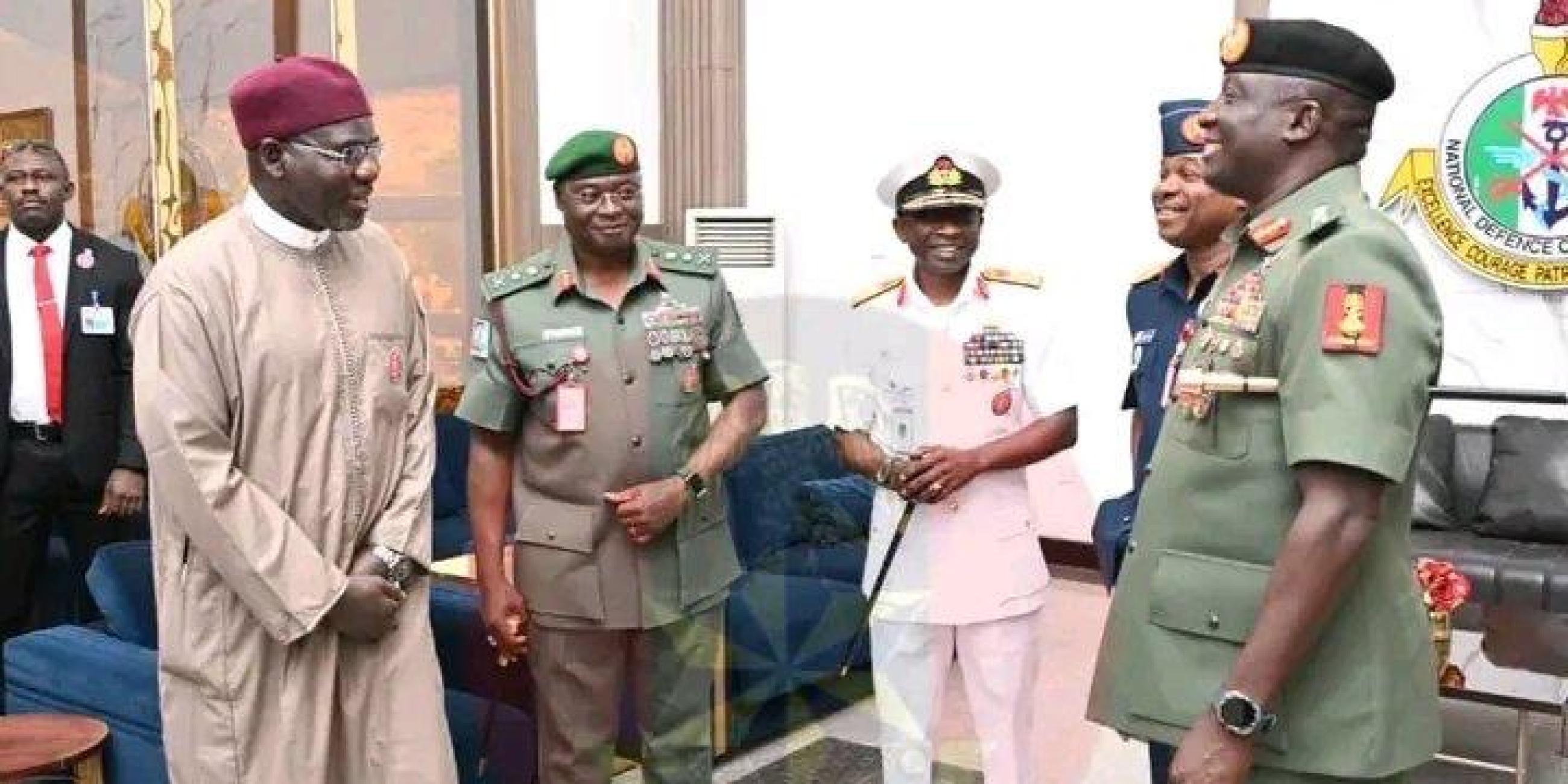
    Brigadier General Archibong Don Dey Detain Over Links To Retired Gen. Ali-Keffi, Weh Don Blow Buratai Case Na serious gbege dey oo! Brig. Gen. Gabriel Archibong don dey held incommunicado for over 10 days by Army. Him family and lawyers no fit see am. Sources yan say e arrest connect with how Archibong dey gist plenty with retired Gen. Ali-Keffi, wey don expose wahala of terrorists finance wey involve Buratai and other top oga dem. Ali-Keffi head Operation Service Wide (OSW), wey dey track terrorist financiers, yan say some big suspects wey dem arrest dey linked to Buratai, Emefiele, Malami, and Yahaya. But dem all release under “suspicious circumstances.” Archibong allegedly no dey cooperate with Army, so dem carry am go Army Special Investigation Bureau, seize him laptop and phone, even search him house. Military sources dey fear say this fit spoil Archibong career and wellbeing. Dem yan say Buratai dey behind the gbege, dey use Army protect himself, make e no face wahala for his past. Ali-Keffi don sue Army for billions over unlawful detention, torture, and forced retirement. Na serious power play between retired and serving generals dem dey oo!
    like
    1
    · 0 Comentários ·0 Compartilhamentos ·1K Visualizações
  • Military authorities have arrested and detained a serving Brigadier General over his alleged association with retired Major General Danjuma Hamisu Ali-Keffi. The detention is believed to be connected to Ali-Keffi’s legal and public dispute with former Chief of Army Staff, Lt. Gen. Tukur Buratai (rtd).

    Ali-Keffi, appointed in October 2020 by former President Muhammadu Buhari to lead the covert Presidential Task Force, Operation Service Wide, has repeatedly accused officials of releasing terrorism-financing suspects while they were in military custody. The task force was responsible for arresting, investigating, and prosecuting financiers and collaborators of terrorist groups and targeting their leaders.

    According to military sources, Brigadier General Gabriel E. Archibong was arrested more than 10 days ago and is currently being held at the Army’s Special Investigation Bureau. His arrest was reportedly linked to frequent communication with Ali-Keffi and claims that he was not cooperating with authorities.

    After his arrest, soldiers searched his Lugbe residence for several hours. Nothing incriminating was found, but his phones and laptop were seized. Archibong, an officer serving at the Training and Doctrine Command (TRADOC) in Minna, Niger State, is feared to face serious career and personal consequences from the detention, despite sources insisting he has done nothing wrong.
    Military authorities have arrested and detained a serving Brigadier General over his alleged association with retired Major General Danjuma Hamisu Ali-Keffi. The detention is believed to be connected to Ali-Keffi’s legal and public dispute with former Chief of Army Staff, Lt. Gen. Tukur Buratai (rtd). Ali-Keffi, appointed in October 2020 by former President Muhammadu Buhari to lead the covert Presidential Task Force, Operation Service Wide, has repeatedly accused officials of releasing terrorism-financing suspects while they were in military custody. The task force was responsible for arresting, investigating, and prosecuting financiers and collaborators of terrorist groups and targeting their leaders. According to military sources, Brigadier General Gabriel E. Archibong was arrested more than 10 days ago and is currently being held at the Army’s Special Investigation Bureau. His arrest was reportedly linked to frequent communication with Ali-Keffi and claims that he was not cooperating with authorities. After his arrest, soldiers searched his Lugbe residence for several hours. Nothing incriminating was found, but his phones and laptop were seized. Archibong, an officer serving at the Training and Doctrine Command (TRADOC) in Minna, Niger State, is feared to face serious career and personal consequences from the detention, despite sources insisting he has done nothing wrong.
    love
    2
    · 0 Comentários ·0 Compartilhamentos ·2K Visualizações
  • Malami Delays Bail as DSS Besiege Kuje Prison Over Terrorism Financing Probe – Inside the High-Stakes Showdown

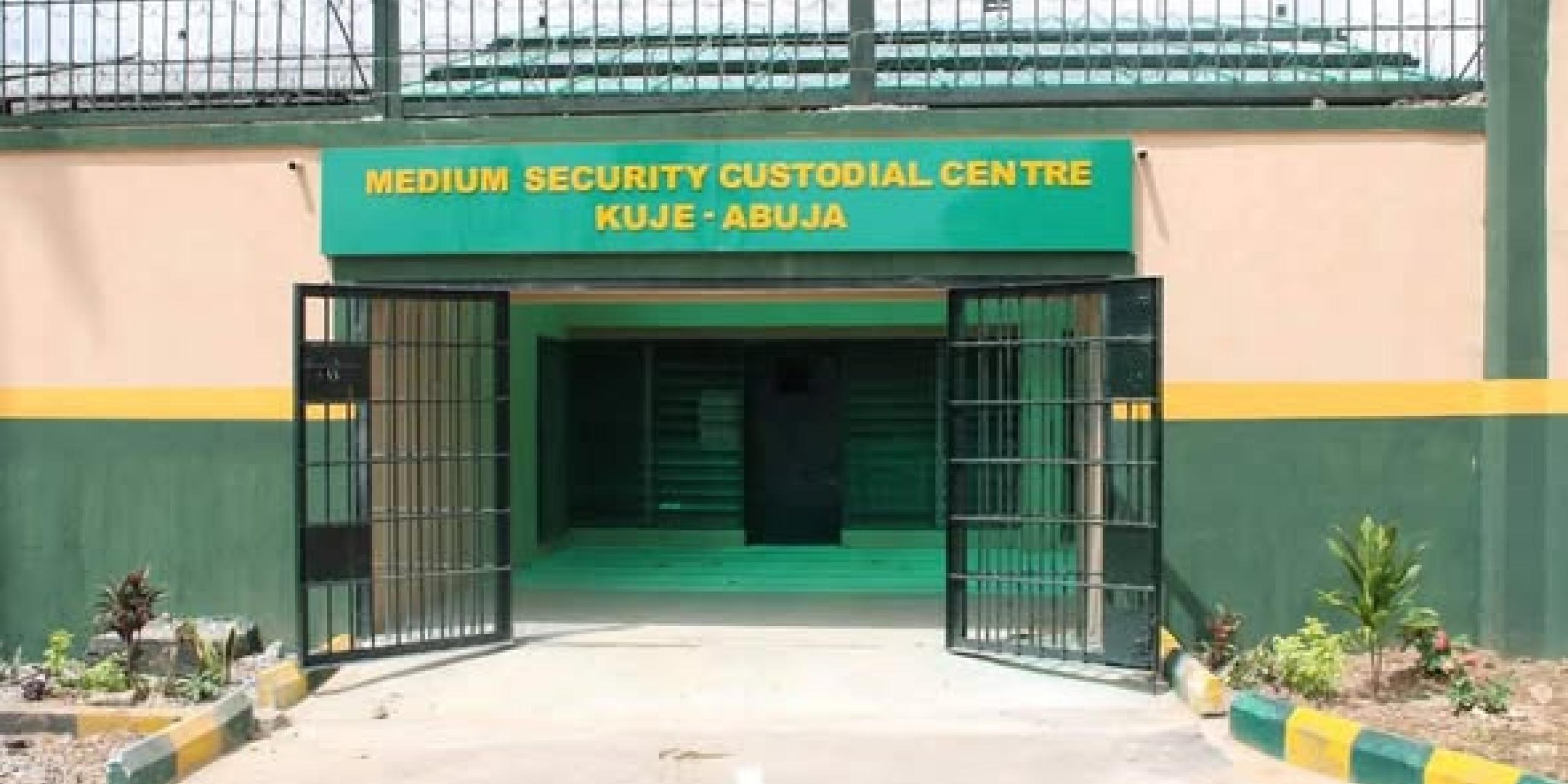
    Former Attorney General of the Federation, Abubakar Malami (SAN), has reportedly slowed the processing of his bail following a heavy deployment of Department of State Services (DSS) operatives at the Kuje Medium Security Custodial Centre (MSCC) in Abuja. Sources indicate that over 50 DSS officers established a perimeter around the prison, arriving in a convoy of approximately six Toyota Hilux vans, amid fears that Malami could be immediately rearrested in connection with an ongoing terrorism financing investigation.

    Malami, who was granted bail by the Federal High Court in Abuja in his N8.7 billion money laundering case, instructed his legal team to delay the release process, remaining in the VIP segregation cell of the prison, a section previously refurbished by former police intelligence chief Abba Kyari and known for housing high-profile detainees. His son, Abubakar Abdulaziz, and fourth wife, Hajia Bashir Asabe, remain at the facility, with Abdulaziz reportedly admitted to the prison clinic for observation after falling ill.

    The EFCC had arraigned Malami, Asabe, and Abdulaziz on a 16-count charge involving conspiracy, laundering, and concealment of unlawful proceeds totaling ₦8,713,923,759.49 under the Money Laundering (Prevention and Prohibition) Act, 2022. While terrorism financing is not part of the formal charges, security sources link ongoing investigations to Malami and other high-profile figures regarding the flow of Abacha loot recovered from Switzerland and the UK.

    Retired Army General Danjuma Ali-Keffi, former head of counter-terrorism Task Force Operation Service Wide (OSW), revealed that investigations into Boko Haram financiers exposed networks allegedly connected to senior military officers, top financial officials, and government figures, including Malami. Ali-Keffi claimed Malami interfered with these investigations by removing key prosecutors and influencing the release of certain suspects, actions that undermined anti-terrorism operations.

    This unfolding situation underscores heightened tensions between Nigerian law enforcement agencies and high-profile figures, highlighting the complex interplay of money laundering, terrorism financing probes, and political influence. Authorities remain on high alert as Malami’s legal maneuvering continues amid nationwide scrutiny of his activities.


    Malami Delays Bail as DSS Besiege Kuje Prison Over Terrorism Financing Probe – Inside the High-Stakes Showdown Former Attorney General of the Federation, Abubakar Malami (SAN), has reportedly slowed the processing of his bail following a heavy deployment of Department of State Services (DSS) operatives at the Kuje Medium Security Custodial Centre (MSCC) in Abuja. Sources indicate that over 50 DSS officers established a perimeter around the prison, arriving in a convoy of approximately six Toyota Hilux vans, amid fears that Malami could be immediately rearrested in connection with an ongoing terrorism financing investigation. Malami, who was granted bail by the Federal High Court in Abuja in his N8.7 billion money laundering case, instructed his legal team to delay the release process, remaining in the VIP segregation cell of the prison, a section previously refurbished by former police intelligence chief Abba Kyari and known for housing high-profile detainees. His son, Abubakar Abdulaziz, and fourth wife, Hajia Bashir Asabe, remain at the facility, with Abdulaziz reportedly admitted to the prison clinic for observation after falling ill. The EFCC had arraigned Malami, Asabe, and Abdulaziz on a 16-count charge involving conspiracy, laundering, and concealment of unlawful proceeds totaling ₦8,713,923,759.49 under the Money Laundering (Prevention and Prohibition) Act, 2022. While terrorism financing is not part of the formal charges, security sources link ongoing investigations to Malami and other high-profile figures regarding the flow of Abacha loot recovered from Switzerland and the UK. Retired Army General Danjuma Ali-Keffi, former head of counter-terrorism Task Force Operation Service Wide (OSW), revealed that investigations into Boko Haram financiers exposed networks allegedly connected to senior military officers, top financial officials, and government figures, including Malami. Ali-Keffi claimed Malami interfered with these investigations by removing key prosecutors and influencing the release of certain suspects, actions that undermined anti-terrorism operations. This unfolding situation underscores heightened tensions between Nigerian law enforcement agencies and high-profile figures, highlighting the complex interplay of money laundering, terrorism financing probes, and political influence. Authorities remain on high alert as Malami’s legal maneuvering continues amid nationwide scrutiny of his activities.
    0 Comentários ·0 Compartilhamentos ·2K Visualizações
  • DSS Deploys 50+ Operatives to Kuje Prison Amid Malami Bail in N8.7B Money Laundering Case

    The Department of State Services (DSS) has deployed more than 50 operatives to the Kuje Medium Security Custodial Centre (MSCC) in Abuja, following the granting of bail to former Attorney General of the Federation (AGF) Abubakar Malami. The deployment, which involved a convoy of six Toyota Hilux vans, reportedly aims to prevent Malami from evading ongoing investigations linked to terrorism financing, despite the Economic and Financial Crimes Commission (EFCC) charging him primarily with money laundering.

    Justice Emeka Nwite of the Federal High Court in Abuja granted Malami bail on Wednesday, January 8, 2026, with conditions including ₦500 million surety bonds, ownership of landed property in highbrow Abuja districts such as Asokoro, Maitama, or Gwarinpa, and deposit of travel documents with the court. Malami, his son Abdulaziz Malami, and his wife Bashir Asabe face a 16-count charge for allegedly laundering ₦8.7 billion. He was barred from leaving the country without prior court approval.

    Sources described a tense atmosphere at Kuje Prison, with DSS operatives taking strategic positions around the facility, monitoring all entries and exits, and enforcing heightened security measures. The intense deployment indicates the sensitive nature of the case and the perceived risks surrounding Malami’s custody.

    Background context reveals that Malami’s legal and financial activities have previously intersected with terrorism financing investigations under Operation Service Wide (OSW), led by retired Army General Danjuma Ali-Keffi. Launched in 2021, OSW sought to dismantle financial networks supporting Boko Haram. The operation identified alleged links between some high-profile Nigerians—including former Army Chiefs Tukur Yusuf Buratai and Faruk Yahaya, former CBN Governor Godwin Emefiele, and Malami—and suspects connected to terrorism financing.

    Ali-Keffi clarified that his revelations did not accuse Malami or others of terrorism financing but highlighted connections identified during investigations. He alleged that Malami interfered with OSW by removing a senior prosecution lawyer who refused to compromise on evidence against 48 terrorism financing suspects, potentially redirecting cases toward money laundering charges under the EFCC’s supervision.

    The DSS deployment at Kuje Prison, combined with strict bail conditions, underscores the high stakes surrounding Malami’s trial. The case exemplifies the intersection of corruption, terrorism financing, and accountability in Nigeria, with multiple agencies maintaining vigilance over proceedings involving senior political and security figures.

    DSS Deploys 50+ Operatives to Kuje Prison Amid Malami Bail in N8.7B Money Laundering Case The Department of State Services (DSS) has deployed more than 50 operatives to the Kuje Medium Security Custodial Centre (MSCC) in Abuja, following the granting of bail to former Attorney General of the Federation (AGF) Abubakar Malami. The deployment, which involved a convoy of six Toyota Hilux vans, reportedly aims to prevent Malami from evading ongoing investigations linked to terrorism financing, despite the Economic and Financial Crimes Commission (EFCC) charging him primarily with money laundering. Justice Emeka Nwite of the Federal High Court in Abuja granted Malami bail on Wednesday, January 8, 2026, with conditions including ₦500 million surety bonds, ownership of landed property in highbrow Abuja districts such as Asokoro, Maitama, or Gwarinpa, and deposit of travel documents with the court. Malami, his son Abdulaziz Malami, and his wife Bashir Asabe face a 16-count charge for allegedly laundering ₦8.7 billion. He was barred from leaving the country without prior court approval. Sources described a tense atmosphere at Kuje Prison, with DSS operatives taking strategic positions around the facility, monitoring all entries and exits, and enforcing heightened security measures. The intense deployment indicates the sensitive nature of the case and the perceived risks surrounding Malami’s custody. Background context reveals that Malami’s legal and financial activities have previously intersected with terrorism financing investigations under Operation Service Wide (OSW), led by retired Army General Danjuma Ali-Keffi. Launched in 2021, OSW sought to dismantle financial networks supporting Boko Haram. The operation identified alleged links between some high-profile Nigerians—including former Army Chiefs Tukur Yusuf Buratai and Faruk Yahaya, former CBN Governor Godwin Emefiele, and Malami—and suspects connected to terrorism financing. Ali-Keffi clarified that his revelations did not accuse Malami or others of terrorism financing but highlighted connections identified during investigations. He alleged that Malami interfered with OSW by removing a senior prosecution lawyer who refused to compromise on evidence against 48 terrorism financing suspects, potentially redirecting cases toward money laundering charges under the EFCC’s supervision. The DSS deployment at Kuje Prison, combined with strict bail conditions, underscores the high stakes surrounding Malami’s trial. The case exemplifies the intersection of corruption, terrorism financing, and accountability in Nigeria, with multiple agencies maintaining vigilance over proceedings involving senior political and security figures.
    0 Comentários ·0 Compartilhamentos ·2K Visualizações
  • DSS Deploys 50+ Operatives to Kuje Prison Amid Abubakar Malami Bail in N8.7B Money Laundering Case

    The Department of State Services (DSS) has deployed over 50 operatives to Kuje Medium Security Custodial Centre (MSCC) in Abuja, placing the prison under heavy security following the bail granted to former Attorney General of the Federation (AGF) Abubakar Malami. The move is reportedly a precautionary measure to ensure Malami does not evade investigations related to terrorism financing, despite the fact that the charges filed by the Economic and Financial Crimes Commission (EFCC) focus on money laundering.

    Malami, currently remanded at Kuje Prison, was granted bail on Wednesday, January 8, 2026, by Justice Emeka Nwite of the Federal High Court in Abuja. Bail conditions include ₦500 million surety bonds, ownership of landed property in highbrow districts such as Asokoro, Maitama, or Gwarinpa, deposit of travel documents, and an absolute ban on leaving Nigeria without prior court permission. The bail hearing was part of a 16-count charge filed against Malami, his son Abdulaziz Malami, and his wife Bashir Asabe, collectively accused of laundering ₦8.7 billion.

    Sources describe a tense atmosphere at Kuje, with DSS operatives stationed strategically, monitoring all entries and exits, using approximately six Toyota Hilux vans to maintain control over the prison perimeter. The deployment highlights the critical nature of the ongoing investigation.

    Background reports indicate that Malami’s legal and financial activities have previously intersected with broader terrorism financing investigations led by retired Nigerian Army General Danjuma Ali-Keffi under Operation Service Wide (OSW). The operation, initiated in 2021, aimed to track financial networks linked to Boko Haram and uncovered alleged links between some high-profile officials—including former Army Chiefs Tukur Yusuf Buratai and Faruk Yahaya, as well as Malami and former CBN Governor Godwin Emefiele—and suspects arrested for terrorism financing.

    Ali-Keffi clarified that he was not accusing these officials of terrorism financing but stated that investigations revealed connections between them and some suspects. He also alleged that Malami had interfered with the OSW investigation by removing a senior prosecution lawyer who had resisted compromises on cases involving 48 terrorism financing suspects.

    The DSS deployment, combined with the stringent bail conditions, reflects the high stakes and sensitivity surrounding Malami’s ongoing trial and the broader investigations into the alleged misuse of funds tied to insurgent activities.

    The unfolding situation has drawn attention to the intersection of high-level corruption, terrorism financing, and law enforcement accountability in Nigeria, signaling the continued involvement of multiple agencies in overseeing cases with national security implications.
    DSS Deploys 50+ Operatives to Kuje Prison Amid Abubakar Malami Bail in N8.7B Money Laundering Case The Department of State Services (DSS) has deployed over 50 operatives to Kuje Medium Security Custodial Centre (MSCC) in Abuja, placing the prison under heavy security following the bail granted to former Attorney General of the Federation (AGF) Abubakar Malami. The move is reportedly a precautionary measure to ensure Malami does not evade investigations related to terrorism financing, despite the fact that the charges filed by the Economic and Financial Crimes Commission (EFCC) focus on money laundering. Malami, currently remanded at Kuje Prison, was granted bail on Wednesday, January 8, 2026, by Justice Emeka Nwite of the Federal High Court in Abuja. Bail conditions include ₦500 million surety bonds, ownership of landed property in highbrow districts such as Asokoro, Maitama, or Gwarinpa, deposit of travel documents, and an absolute ban on leaving Nigeria without prior court permission. The bail hearing was part of a 16-count charge filed against Malami, his son Abdulaziz Malami, and his wife Bashir Asabe, collectively accused of laundering ₦8.7 billion. Sources describe a tense atmosphere at Kuje, with DSS operatives stationed strategically, monitoring all entries and exits, using approximately six Toyota Hilux vans to maintain control over the prison perimeter. The deployment highlights the critical nature of the ongoing investigation. Background reports indicate that Malami’s legal and financial activities have previously intersected with broader terrorism financing investigations led by retired Nigerian Army General Danjuma Ali-Keffi under Operation Service Wide (OSW). The operation, initiated in 2021, aimed to track financial networks linked to Boko Haram and uncovered alleged links between some high-profile officials—including former Army Chiefs Tukur Yusuf Buratai and Faruk Yahaya, as well as Malami and former CBN Governor Godwin Emefiele—and suspects arrested for terrorism financing. Ali-Keffi clarified that he was not accusing these officials of terrorism financing but stated that investigations revealed connections between them and some suspects. He also alleged that Malami had interfered with the OSW investigation by removing a senior prosecution lawyer who had resisted compromises on cases involving 48 terrorism financing suspects. The DSS deployment, combined with the stringent bail conditions, reflects the high stakes and sensitivity surrounding Malami’s ongoing trial and the broader investigations into the alleged misuse of funds tied to insurgent activities. The unfolding situation has drawn attention to the intersection of high-level corruption, terrorism financing, and law enforcement accountability in Nigeria, signaling the continued involvement of multiple agencies in overseeing cases with national security implications.
    0 Comentários ·0 Compartilhamentos ·3K Visualizações
  • Retired Nigerian General Sues Army, Seeks ₦200B Over Unlawful Detention and Compulsory Retirement

    Retired Nigerian Army Major General Danjuma Hamisu Ali-Keffi has filed a ₦200 billion lawsuit at the National Industrial Court of Nigeria, Abuja, against the Nigerian Army, top military officials, the Minister of Defence, and the Attorney-General of the Federation. Ali-Keffi alleges unlawful arrest, 64 days of detention, torture, denial of fair hearing, and dishonourable compulsory retirement in violation of the Constitution, Armed Forces Act, and military regulations.
    The retired general claims his detention followed his leadership of a covert Presidential Task Force on counter-terrorism, Operation Service Wide (OSW), which exposed the release of terrorism financing suspects from Army custody. Ali-Keffi is seeking ₦100 billion in compensatory damages, ₦100 billion in punitive damages, ₦120 million for lost allowances, nullification of his compulsory retirement letter, and payment of all pensions and terminal benefits with 10% interest until liquidation. He also alleges death threats against him and his family following his detention and retirement, forcing repeated travel abroad for safety.

    #NigeriaArmy
    #AliKeffi
    #MilitaryLawsuit
    #CompulsoryRetirement
    Retired Nigerian General Sues Army, Seeks ₦200B Over Unlawful Detention and Compulsory Retirement Retired Nigerian Army Major General Danjuma Hamisu Ali-Keffi has filed a ₦200 billion lawsuit at the National Industrial Court of Nigeria, Abuja, against the Nigerian Army, top military officials, the Minister of Defence, and the Attorney-General of the Federation. Ali-Keffi alleges unlawful arrest, 64 days of detention, torture, denial of fair hearing, and dishonourable compulsory retirement in violation of the Constitution, Armed Forces Act, and military regulations. The retired general claims his detention followed his leadership of a covert Presidential Task Force on counter-terrorism, Operation Service Wide (OSW), which exposed the release of terrorism financing suspects from Army custody. Ali-Keffi is seeking ₦100 billion in compensatory damages, ₦100 billion in punitive damages, ₦120 million for lost allowances, nullification of his compulsory retirement letter, and payment of all pensions and terminal benefits with 10% interest until liquidation. He also alleges death threats against him and his family following his detention and retirement, forcing repeated travel abroad for safety. #NigeriaArmy #AliKeffi #MilitaryLawsuit #CompulsoryRetirement
    like
    1
    · 0 Comentários ·0 Compartilhamentos ·1K Visualizações
  • EXCLUSIVE: Retired General Ali-Keffi Alleges Malami, Ex-Army Chiefs Colluded To Free 48 Terrorism Financing Suspects, Links Top Officials To Money Laundering

    Retired Nigerian Army Major General Danjuma Hamisu Ali-Keffi has alleged that former Attorney General Abubakar Malami (SAN) and ex-Chief of Army Staff, Lt. Gen. Farouk Yahaya, colluded with other senior military and government officials to illegally release 48 terrorism financing suspects from Army custody. Ali-Keffi, who headed the covert Presidential Task Force Operation Service Wide (OSW), said the releases occurred under suspicious circumstances despite overwhelming evidence gathered with support from the UAE and Western intelligence agencies.

    In an exclusive interview with SaharaReporters, the retired general claimed his removal from the Army was orchestrated to pave the way for freeing the suspects, whom he alleged were linked to money laundering and terror financing networks involving powerful figures. He further accused top officials of diverting billions of dollars meant for Nigeria’s counter-insurgency efforts, warning that misappropriation of security funds is as dangerous as directly financing terrorism. Ali-Keffi called for a thorough investigation into OSW operations to uncover the truth behind the suspects’ release.
    EXCLUSIVE: Retired General Ali-Keffi Alleges Malami, Ex-Army Chiefs Colluded To Free 48 Terrorism Financing Suspects, Links Top Officials To Money Laundering Retired Nigerian Army Major General Danjuma Hamisu Ali-Keffi has alleged that former Attorney General Abubakar Malami (SAN) and ex-Chief of Army Staff, Lt. Gen. Farouk Yahaya, colluded with other senior military and government officials to illegally release 48 terrorism financing suspects from Army custody. Ali-Keffi, who headed the covert Presidential Task Force Operation Service Wide (OSW), said the releases occurred under suspicious circumstances despite overwhelming evidence gathered with support from the UAE and Western intelligence agencies. In an exclusive interview with SaharaReporters, the retired general claimed his removal from the Army was orchestrated to pave the way for freeing the suspects, whom he alleged were linked to money laundering and terror financing networks involving powerful figures. He further accused top officials of diverting billions of dollars meant for Nigeria’s counter-insurgency efforts, warning that misappropriation of security funds is as dangerous as directly financing terrorism. Ali-Keffi called for a thorough investigation into OSW operations to uncover the truth behind the suspects’ release.
    0 Comentários ·0 Compartilhamentos ·574 Visualizações
  • Retired General Reveals Covert Nigerian Operation That Led to Boko Haram Leader Shekau’s Death

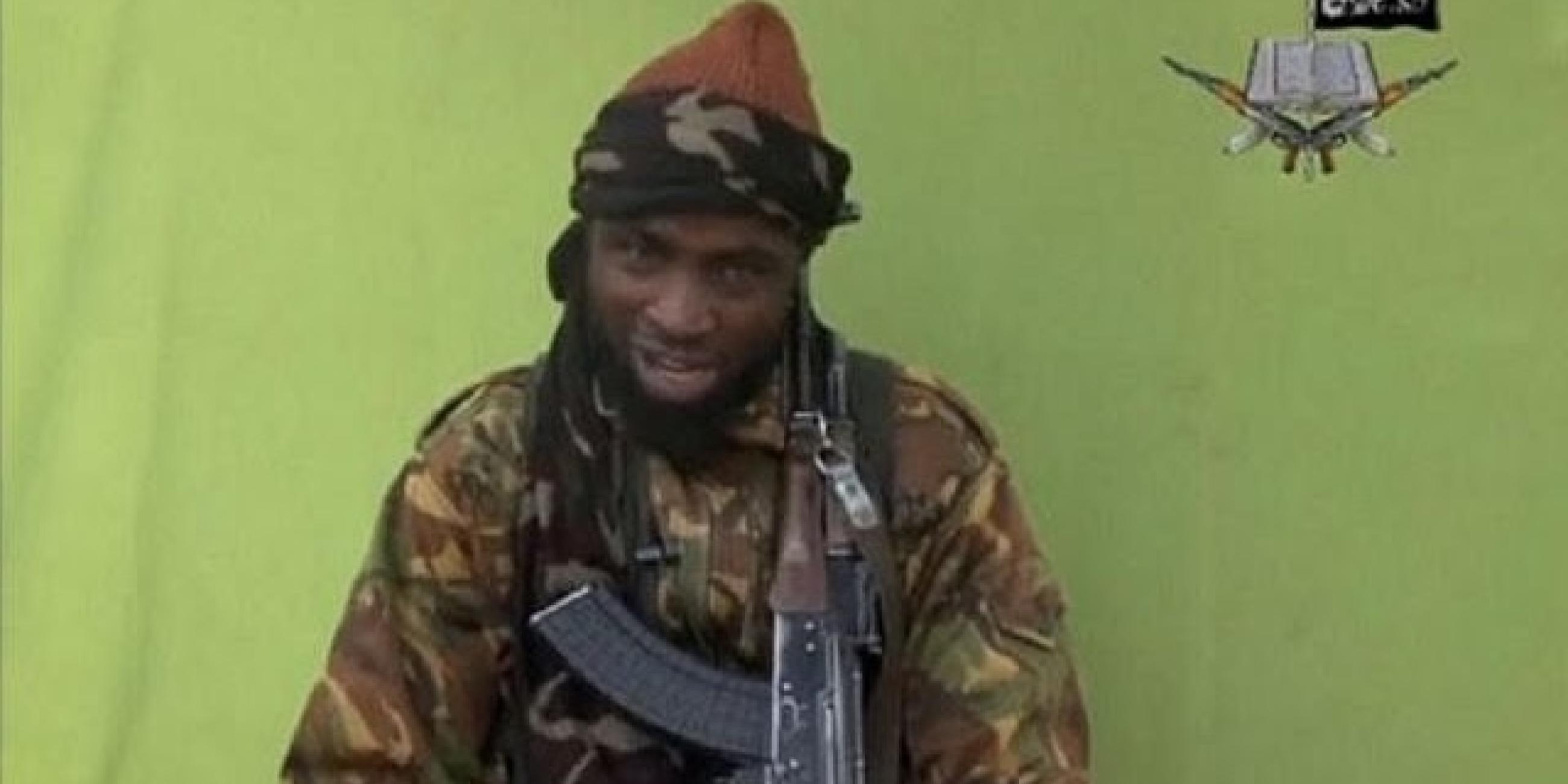
    Retired Major General Danjuma Ali-Keffi has disclosed how a covert Nigerian military intelligence unit, Operation Service Wide (OSW), weakened Boko Haram and engineered the events leading to Abubakar Shekau’s death. He credited the late Brig. Gen. Abdulrahman Kuliya, former Chief of Military Intelligence, for infiltrating terror networks and sparking the ISWAP–Boko Haram conflict that ended Shekau’s reign. Ali-Keffi detailed how political interference, intelligence leaks, halted operations, and the deaths of top officers—including Lt. Gen. Ibrahim Attahiru—nearly sabotaged the mission. He further alleged internal sabotage, plots against him, and complicity of powerful officials in rising banditry driven by illegal mining interests. His revelations shed light on high-stakes power struggles, covert operations, and deep-rooted security challenges in Nigeria’s fight against terrorism.
    Retired General Reveals Covert Nigerian Operation That Led to Boko Haram Leader Shekau’s Death Retired Major General Danjuma Ali-Keffi has disclosed how a covert Nigerian military intelligence unit, Operation Service Wide (OSW), weakened Boko Haram and engineered the events leading to Abubakar Shekau’s death. He credited the late Brig. Gen. Abdulrahman Kuliya, former Chief of Military Intelligence, for infiltrating terror networks and sparking the ISWAP–Boko Haram conflict that ended Shekau’s reign. Ali-Keffi detailed how political interference, intelligence leaks, halted operations, and the deaths of top officers—including Lt. Gen. Ibrahim Attahiru—nearly sabotaged the mission. He further alleged internal sabotage, plots against him, and complicity of powerful officials in rising banditry driven by illegal mining interests. His revelations shed light on high-stakes power struggles, covert operations, and deep-rooted security challenges in Nigeria’s fight against terrorism.
    0 Comentários ·0 Compartilhamentos ·470 Visualizações
Fintter https://fintter.com