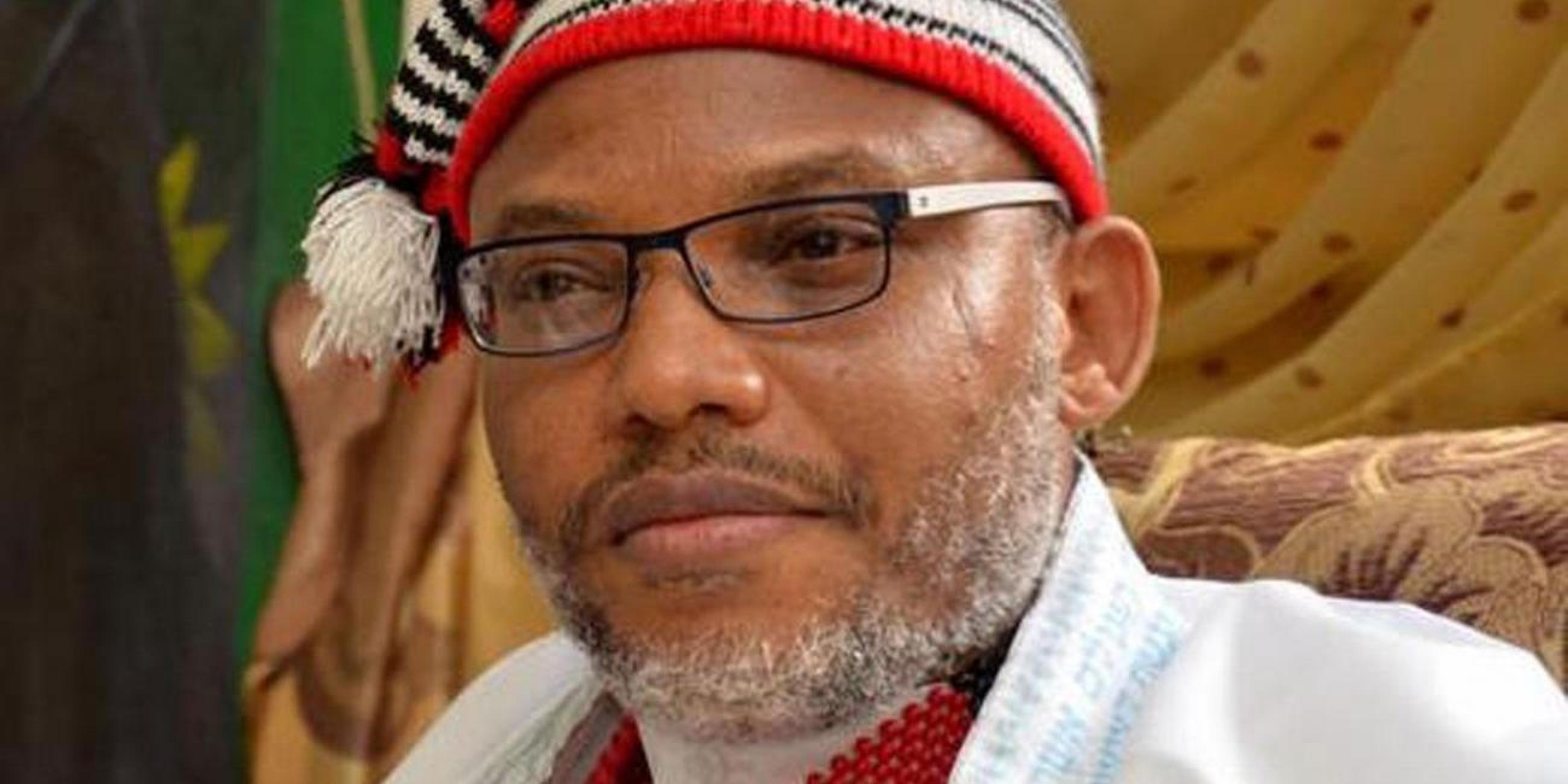
Is Nnamdi Kanu Being Illegally Detained? Nigerian Jewish Leader Visits IPOB Founder in Sokoto Prison, Rejects Terrorism Label and Demands His Immediate Release
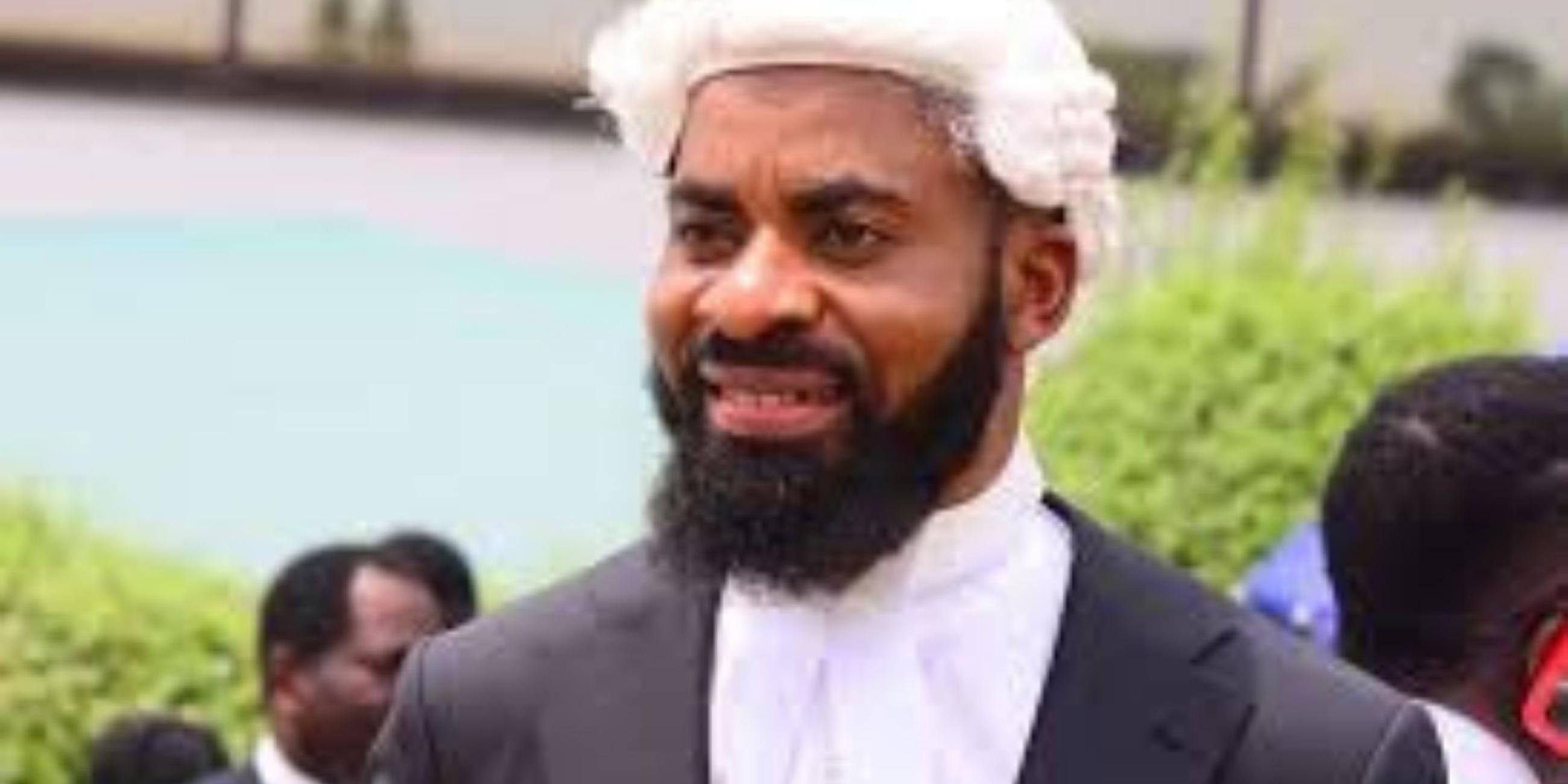
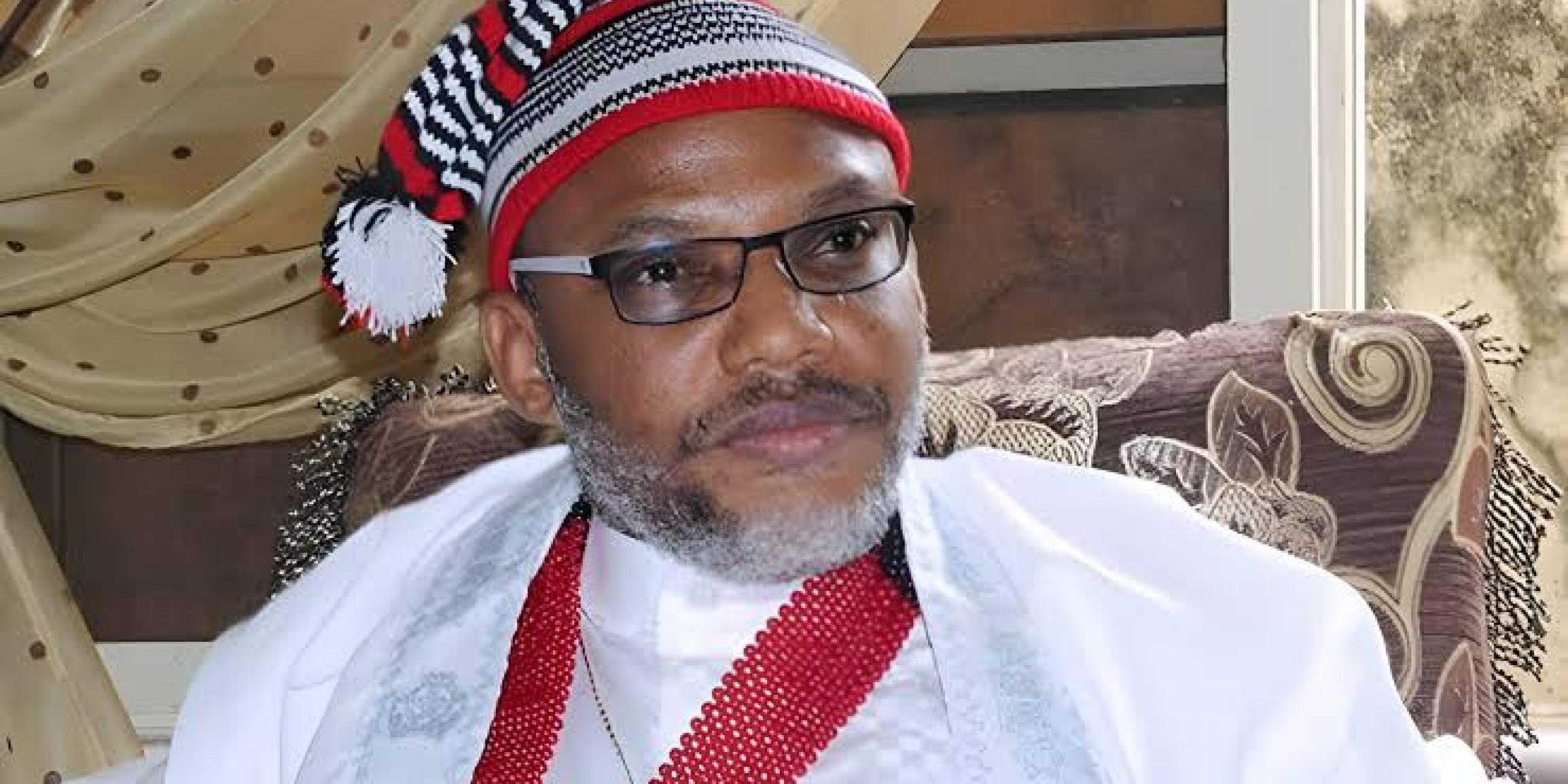
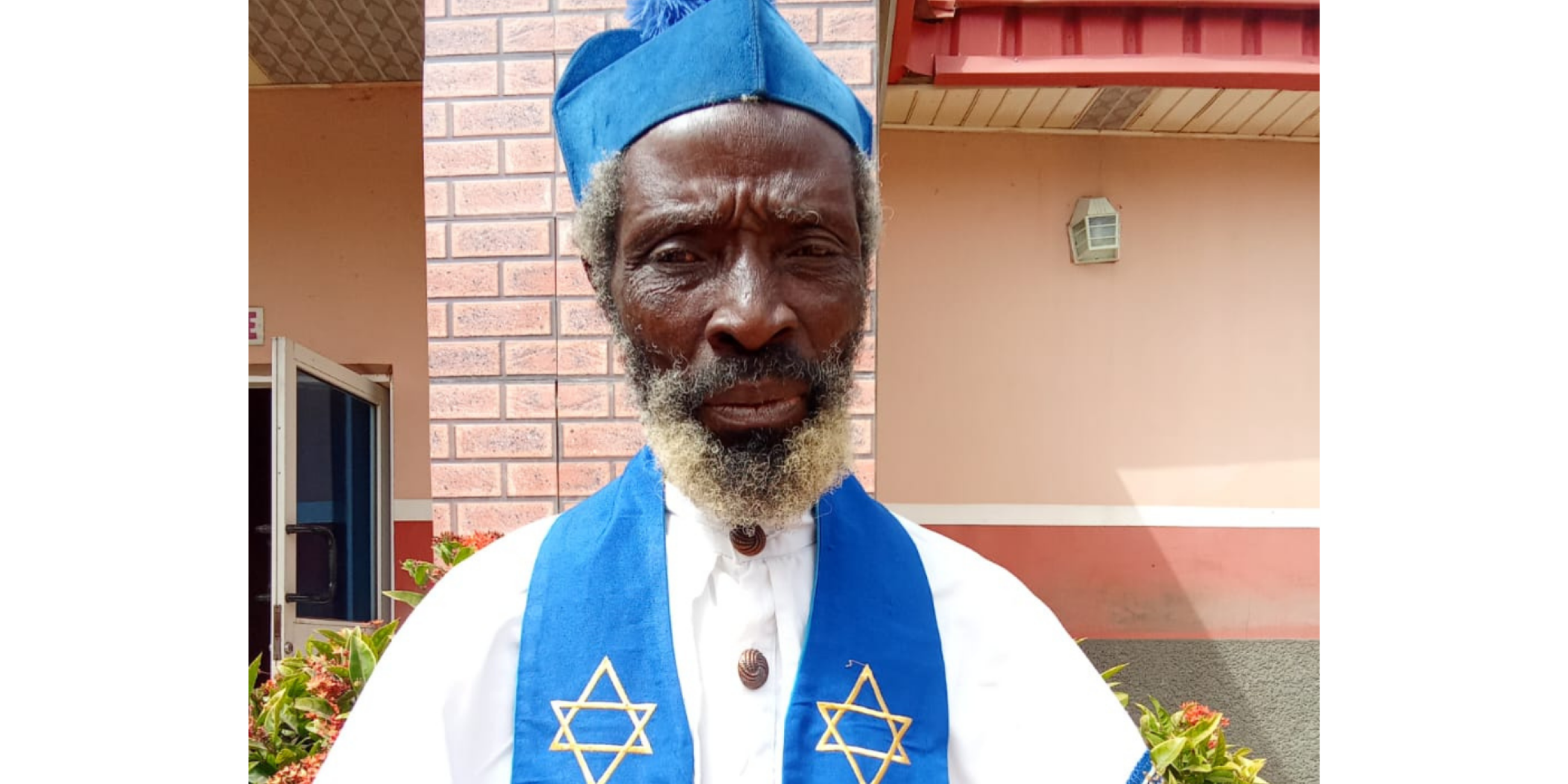
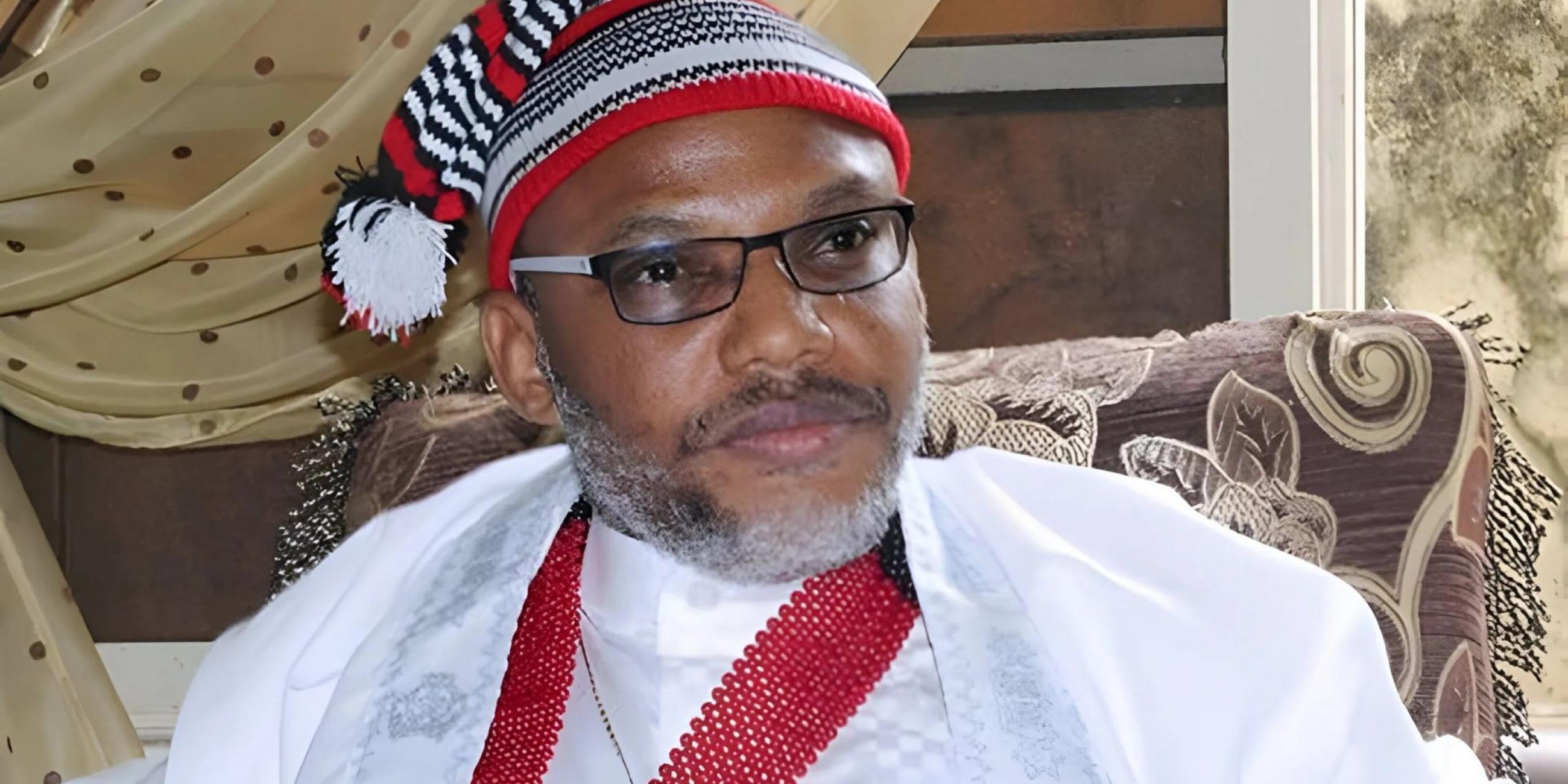
Is the continued detention of Mazi Nnamdi Kanu, leader of the Indigenous People of Biafra (IPOB), legally justified—or is it a violation of justice and human rights? This question has been reignited following a high-profile prison visit by Kohen Daniel Onuoha, a Nigerian Jewish cleric and spiritual leader of the Peace of Yahweh Synagogue and founder of Eastern Judaism, who met Kanu at the Sokoto Correctional Facility on January 10, 2026.
Describing the visit as an act of spiritual and moral solidarity, Onuoha said he was accompanied by his wife and representatives of Jewish congregations in Nigeria’s former Eastern Region, whom he said “faithfully observe the Ten Commandments.” According to him, the visit symbolised years of prayers and sacrifices by his community for Kanu’s freedom.
“For over five years, we have remained steadfast in daily sacrifices and prayers to Elohim without interruption,” Onuoha said, adding that the prison visit reaffirmed his commitment to justice and liberty.
During the visit, the cleric directly challenged the legal foundation of Kanu’s continued incarceration, urging the international community, legal experts, and human rights organisations to examine what he described as questionable legal grounds for the case. He argued that Kanu’s prosecution was based on a repealed law, making the detention unlawful.
Onuoha also rejected the designation of Kanu and IPOB as terrorists, insisting that neither the separatist leader nor the movement had committed violent acts. “Mazi Nnamdi Kanu is not a terrorist, and IPOB is not a terrorist organisation,” he declared, adding that Kanu’s ordeal stemmed from the peaceful exercise of self-determination and his public criticism of alleged abuses by political elites, foreign interests, and local power structures.
He further contended that speech alone cannot justify criminal conviction, stressing that verbal expressions or broadcasts without evidence of violence should not result in imprisonment. Calling for Kanu’s “immediate and unconditional release,” the Jewish leader said such action was necessary to uphold justice and the rule of law.
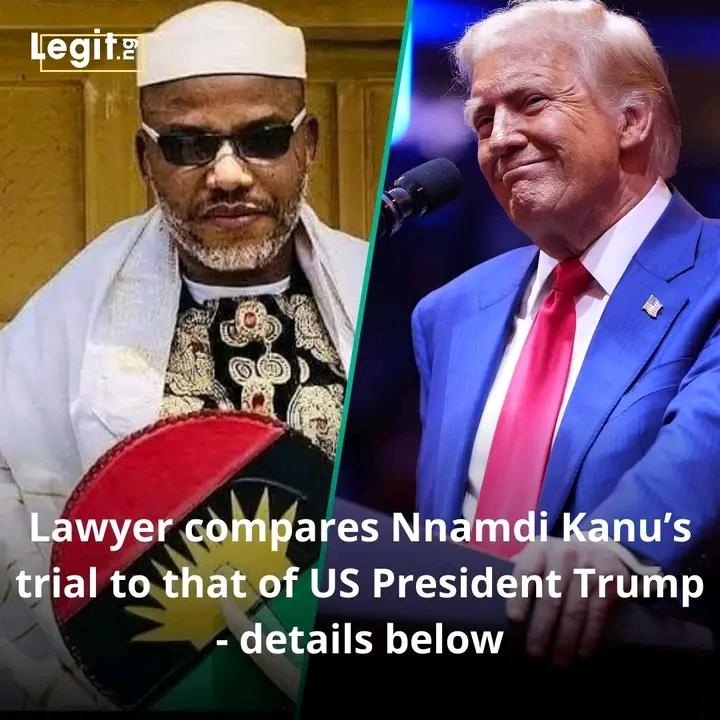
Beyond Kanu’s case, Onuoha appealed for broader international intervention, arguing that Biafrans continue to face marginalisation, oppression, and violence. He commended U.S. President Donald Trump for what he described as efforts to protect Christians in Nigeria and urged increased global pressure on Nigerian authorities over alleged human rights violations.
In his closing remarks, Onuoha called on Kanu’s supporters, Biafrans, Jews, and human rights advocates to remain peaceful, resilient, and steadfast, expressing confidence that justice would ultimately prevail.
The visit raises urgent questions: Is Nnamdi Kanu’s detention legally valid? Has the terrorism label been misapplied? And will international scrutiny finally force a reassessment of one of Nigeria’s most controversial political prosecutions?
Is Nnamdi Kanu Being Illegally Detained? Nigerian Jewish Leader Visits IPOB Founder in Sokoto Prison, Rejects Terrorism Label and Demands His Immediate Release
Is the continued detention of Mazi Nnamdi Kanu, leader of the Indigenous People of Biafra (IPOB), legally justified—or is it a violation of justice and human rights? This question has been reignited following a high-profile prison visit by Kohen Daniel Onuoha, a Nigerian Jewish cleric and spiritual leader of the Peace of Yahweh Synagogue and founder of Eastern Judaism, who met Kanu at the Sokoto Correctional Facility on January 10, 2026.
Describing the visit as an act of spiritual and moral solidarity, Onuoha said he was accompanied by his wife and representatives of Jewish congregations in Nigeria’s former Eastern Region, whom he said “faithfully observe the Ten Commandments.” According to him, the visit symbolised years of prayers and sacrifices by his community for Kanu’s freedom.
“For over five years, we have remained steadfast in daily sacrifices and prayers to Elohim without interruption,” Onuoha said, adding that the prison visit reaffirmed his commitment to justice and liberty.
During the visit, the cleric directly challenged the legal foundation of Kanu’s continued incarceration, urging the international community, legal experts, and human rights organisations to examine what he described as questionable legal grounds for the case. He argued that Kanu’s prosecution was based on a repealed law, making the detention unlawful.
Onuoha also rejected the designation of Kanu and IPOB as terrorists, insisting that neither the separatist leader nor the movement had committed violent acts. “Mazi Nnamdi Kanu is not a terrorist, and IPOB is not a terrorist organisation,” he declared, adding that Kanu’s ordeal stemmed from the peaceful exercise of self-determination and his public criticism of alleged abuses by political elites, foreign interests, and local power structures.
He further contended that speech alone cannot justify criminal conviction, stressing that verbal expressions or broadcasts without evidence of violence should not result in imprisonment. Calling for Kanu’s “immediate and unconditional release,” the Jewish leader said such action was necessary to uphold justice and the rule of law.
Beyond Kanu’s case, Onuoha appealed for broader international intervention, arguing that Biafrans continue to face marginalisation, oppression, and violence. He commended U.S. President Donald Trump for what he described as efforts to protect Christians in Nigeria and urged increased global pressure on Nigerian authorities over alleged human rights violations.
In his closing remarks, Onuoha called on Kanu’s supporters, Biafrans, Jews, and human rights advocates to remain peaceful, resilient, and steadfast, expressing confidence that justice would ultimately prevail.
The visit raises urgent questions: Is Nnamdi Kanu’s detention legally valid? Has the terrorism label been misapplied? And will international scrutiny finally force a reassessment of one of Nigeria’s most controversial political prosecutions?


 About
About