Is Peter Obi a ‘Political Traveller’ Gifted a Presidential Ticket? Why Labour Party VP Candidate Datti Baba-Ahmed Is Challenging Obi’s ADC Move and Declaring His Own 2027 Ambition
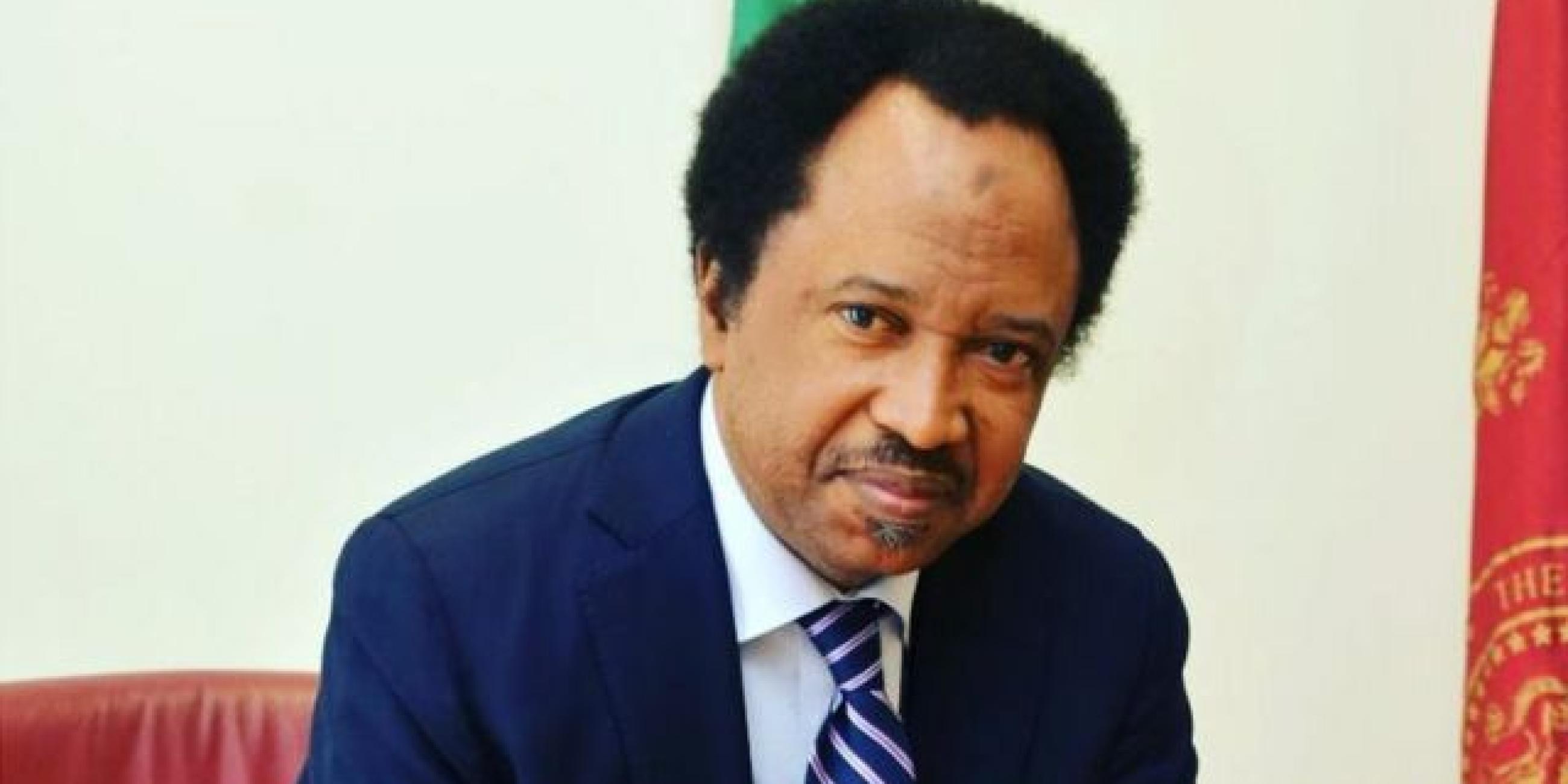
Former Labour Party vice-presidential candidate Yusuf Datti Baba-Ahmed has launched a pointed political broadside that appears directed at his former principal, Peter Obi, following Obi’s decision to join the African Democratic Congress (ADC) coalition. Without naming him directly, Baba-Ahmed described Obi and other defecting politicians as “political travellers” who were “gifted a presidential ticket,” igniting fresh debate over loyalty, leadership, and the future of Nigeria’s opposition ahead of 2027.
Speaking while declaring his intention to run for president, Baba-Ahmed insisted that he remains firmly within the Labour Party (LP), arguing that the party already “won a presidential election” and still represents a credible alternative to Nigeria’s dominant political blocs. He dismissed the ADC coalition as a gathering of “disgruntled politicians” who failed to properly challenge alleged constitutional breaches in the 2023 elections, questioning whether such alliances truly offer reform or merely recycle old power structures.
At the heart of his message was a bold economic promise: Baba-Ahmed said that by June 2027, salaries of public servants—especially security personnel and teachers—would be quadrupled, insisting that “Nigeria can afford it.” He framed this pledge as a moral obligation to workers often overlooked despite their critical role in national stability and development.
Positioning himself as a political outlier, Baba-Ahmed challenged rivals to produce “just one” major presidential aspirant who has never belonged to a ruling party. “I am that one,” he declared, stressing his independence and rejecting what he described as opportunistic movement between power centres. He added that he has no intention of joining any ruling party—except one he hopes to lead through the ballot.
The former LP vice-presidential candidate also pushed back against claims that defections are weakening the Labour Party, saying neither he nor the party is responsible. According to him, individuals welcomed into LP in 2022 “with a presidential ticket” merely continued their political journey elsewhere. He urged supporters to “use the truth” amid what he called increasingly hostile online narratives.
Recounting political history, Baba-Ahmed asserted that he aspired to the presidency before Peter Obi, citing events from 2018 when he contested in the PDP primaries and personally sought Obi’s support. While he spoke respectfully of Obi’s character, the implication was clear: leadership ambition, he argued, did not originate with his former running mate.
Baba-Ahmed also highlighted Labour Party’s achievements despite financial constraints and what he termed “an era of perfected electoral fraud,” pointing to the party’s electoral gains—one state governor, eight senators, and around 40 House of Representatives members—as proof of its growing national footprint.
The controversy now raises pressing political questions: Is Peter Obi abandoning the movement that propelled him in 2023? Does the ADC coalition represent a genuine opposition realignment or a gathering of familiar political actors? And can Datti Baba-Ahmed’s pledge of economic reform, party loyalty, and outsider status reshape Nigeria’s 2027 presidential race? As realignments continue, the Labour Party faces a defining moment over identity, leadership, and the path forward in Nigeria’s evolving political landscape.
Former Labour Party vice-presidential candidate Yusuf Datti Baba-Ahmed has launched a pointed political broadside that appears directed at his former principal, Peter Obi, following Obi’s decision to join the African Democratic Congress (ADC) coalition. Without naming him directly, Baba-Ahmed described Obi and other defecting politicians as “political travellers” who were “gifted a presidential ticket,” igniting fresh debate over loyalty, leadership, and the future of Nigeria’s opposition ahead of 2027.
Speaking while declaring his intention to run for president, Baba-Ahmed insisted that he remains firmly within the Labour Party (LP), arguing that the party already “won a presidential election” and still represents a credible alternative to Nigeria’s dominant political blocs. He dismissed the ADC coalition as a gathering of “disgruntled politicians” who failed to properly challenge alleged constitutional breaches in the 2023 elections, questioning whether such alliances truly offer reform or merely recycle old power structures.
At the heart of his message was a bold economic promise: Baba-Ahmed said that by June 2027, salaries of public servants—especially security personnel and teachers—would be quadrupled, insisting that “Nigeria can afford it.” He framed this pledge as a moral obligation to workers often overlooked despite their critical role in national stability and development.
Positioning himself as a political outlier, Baba-Ahmed challenged rivals to produce “just one” major presidential aspirant who has never belonged to a ruling party. “I am that one,” he declared, stressing his independence and rejecting what he described as opportunistic movement between power centres. He added that he has no intention of joining any ruling party—except one he hopes to lead through the ballot.
The former LP vice-presidential candidate also pushed back against claims that defections are weakening the Labour Party, saying neither he nor the party is responsible. According to him, individuals welcomed into LP in 2022 “with a presidential ticket” merely continued their political journey elsewhere. He urged supporters to “use the truth” amid what he called increasingly hostile online narratives.
Recounting political history, Baba-Ahmed asserted that he aspired to the presidency before Peter Obi, citing events from 2018 when he contested in the PDP primaries and personally sought Obi’s support. While he spoke respectfully of Obi’s character, the implication was clear: leadership ambition, he argued, did not originate with his former running mate.
Baba-Ahmed also highlighted Labour Party’s achievements despite financial constraints and what he termed “an era of perfected electoral fraud,” pointing to the party’s electoral gains—one state governor, eight senators, and around 40 House of Representatives members—as proof of its growing national footprint.
The controversy now raises pressing political questions: Is Peter Obi abandoning the movement that propelled him in 2023? Does the ADC coalition represent a genuine opposition realignment or a gathering of familiar political actors? And can Datti Baba-Ahmed’s pledge of economic reform, party loyalty, and outsider status reshape Nigeria’s 2027 presidential race? As realignments continue, the Labour Party faces a defining moment over identity, leadership, and the path forward in Nigeria’s evolving political landscape.
Is Peter Obi a ‘Political Traveller’ Gifted a Presidential Ticket? Why Labour Party VP Candidate Datti Baba-Ahmed Is Challenging Obi’s ADC Move and Declaring His Own 2027 Ambition
Former Labour Party vice-presidential candidate Yusuf Datti Baba-Ahmed has launched a pointed political broadside that appears directed at his former principal, Peter Obi, following Obi’s decision to join the African Democratic Congress (ADC) coalition. Without naming him directly, Baba-Ahmed described Obi and other defecting politicians as “political travellers” who were “gifted a presidential ticket,” igniting fresh debate over loyalty, leadership, and the future of Nigeria’s opposition ahead of 2027.
Speaking while declaring his intention to run for president, Baba-Ahmed insisted that he remains firmly within the Labour Party (LP), arguing that the party already “won a presidential election” and still represents a credible alternative to Nigeria’s dominant political blocs. He dismissed the ADC coalition as a gathering of “disgruntled politicians” who failed to properly challenge alleged constitutional breaches in the 2023 elections, questioning whether such alliances truly offer reform or merely recycle old power structures.
At the heart of his message was a bold economic promise: Baba-Ahmed said that by June 2027, salaries of public servants—especially security personnel and teachers—would be quadrupled, insisting that “Nigeria can afford it.” He framed this pledge as a moral obligation to workers often overlooked despite their critical role in national stability and development.
Positioning himself as a political outlier, Baba-Ahmed challenged rivals to produce “just one” major presidential aspirant who has never belonged to a ruling party. “I am that one,” he declared, stressing his independence and rejecting what he described as opportunistic movement between power centres. He added that he has no intention of joining any ruling party—except one he hopes to lead through the ballot.
The former LP vice-presidential candidate also pushed back against claims that defections are weakening the Labour Party, saying neither he nor the party is responsible. According to him, individuals welcomed into LP in 2022 “with a presidential ticket” merely continued their political journey elsewhere. He urged supporters to “use the truth” amid what he called increasingly hostile online narratives.
Recounting political history, Baba-Ahmed asserted that he aspired to the presidency before Peter Obi, citing events from 2018 when he contested in the PDP primaries and personally sought Obi’s support. While he spoke respectfully of Obi’s character, the implication was clear: leadership ambition, he argued, did not originate with his former running mate.
Baba-Ahmed also highlighted Labour Party’s achievements despite financial constraints and what he termed “an era of perfected electoral fraud,” pointing to the party’s electoral gains—one state governor, eight senators, and around 40 House of Representatives members—as proof of its growing national footprint.
The controversy now raises pressing political questions: Is Peter Obi abandoning the movement that propelled him in 2023? Does the ADC coalition represent a genuine opposition realignment or a gathering of familiar political actors? And can Datti Baba-Ahmed’s pledge of economic reform, party loyalty, and outsider status reshape Nigeria’s 2027 presidential race? As realignments continue, the Labour Party faces a defining moment over identity, leadership, and the path forward in Nigeria’s evolving political landscape.
0 Reacties
·0 aandelen
·54 Views