• Emir Sanusi returns to school as 200-level Law student in Kano.

    The Emir of Kano, Muhammadu Sanusi II, has started lectures at Northwest University, Kano, after enrolling as a 200-level law student. 

    Photos shared online show the monarch in class on Tuesday, Jan. 20, with other undergraduates. 
     
    The university offered Sanusi special admission into its Bachelor of Laws (LL.B) programme in Common and Sharia Law. 
     
    According to the institution, the admission was granted in recognition of his vast experience in governance, economics and public service. 

    Sanusi, a former governor of the Central Bank of Nigeria (CBN), is already a PhD. holder.….
    #fintternews
    Emir Sanusi returns to school as 200-level Law student in Kano. The Emir of Kano, Muhammadu Sanusi II, has started lectures at Northwest University, Kano, after enrolling as a 200-level law student.  Photos shared online show the monarch in class on Tuesday, Jan. 20, with other undergraduates.    The university offered Sanusi special admission into its Bachelor of Laws (LL.B) programme in Common and Sharia Law.    According to the institution, the admission was granted in recognition of his vast experience in governance, economics and public service.  Sanusi, a former governor of the Central Bank of Nigeria (CBN), is already a PhD. holder.…. #fintternews
    0 Comments ·0 Shares ·249 Views
  • Tinubu’s Aide Says “Oyo Empire Belongs to History” as Alaafin Urged to Embrace Modern Roles

    Amid debates over supremacy among Oyo State monarchs, Tinubu’s aide Temitope Ajayi stated that the Oyo Empire is history and urged the Alaafin to focus on modern leadership, peace, and development. The Olubadan of Ibadan, Alaafin of Oyo, and Soun of Ogbomosoland are set to rotate chairmanship of the State Council of Obas and Chiefs. However, the Alaafin’s Palace denied any consultation or endorsement of the rotational arrangement, sparking tension and public discussion about traditional authority in contemporary Yorubaland.

    #OyoEmpire #AlaafinOfOyo #TraditionalLeadership
    Tinubu’s Aide Says “Oyo Empire Belongs to History” as Alaafin Urged to Embrace Modern Roles Amid debates over supremacy among Oyo State monarchs, Tinubu’s aide Temitope Ajayi stated that the Oyo Empire is history and urged the Alaafin to focus on modern leadership, peace, and development. The Olubadan of Ibadan, Alaafin of Oyo, and Soun of Ogbomosoland are set to rotate chairmanship of the State Council of Obas and Chiefs. However, the Alaafin’s Palace denied any consultation or endorsement of the rotational arrangement, sparking tension and public discussion about traditional authority in contemporary Yorubaland. #OyoEmpire #AlaafinOfOyo #TraditionalLeadership
    like
    2
    · 0 Comments ·0 Shares ·214 Views
  • Delta Crisis: Abuja Businessman Alleges Monarch Plotting His Assassination Over Illegal Mining

    An Abuja-based businessman, Anthony Anamonye, has raised alarm over alleged threats to his life, accusing the traditional ruler of Ugboba in Delta State, Ezedinmbu Nkebakwu III, of plotting to kill him. Anamonye said the threats followed his exposure of alleged illegal coal mining involving the monarch and Mosra Energy Ltd. He claimed to have survived multiple assassination attempts in Abuja and Delta, accused vigilantes and some police officers of complicity, and called on security agencies and civil society to intervene.

    #DeltaState #HumanRights #NigeriaNews
    Delta Crisis: Abuja Businessman Alleges Monarch Plotting His Assassination Over Illegal Mining An Abuja-based businessman, Anthony Anamonye, has raised alarm over alleged threats to his life, accusing the traditional ruler of Ugboba in Delta State, Ezedinmbu Nkebakwu III, of plotting to kill him. Anamonye said the threats followed his exposure of alleged illegal coal mining involving the monarch and Mosra Energy Ltd. He claimed to have survived multiple assassination attempts in Abuja and Delta, accused vigilantes and some police officers of complicity, and called on security agencies and civil society to intervene. #DeltaState #HumanRights #NigeriaNews
    like
    1
    · 1 Comments ·0 Shares ·200 Views
  • Alaafin Absent as Oyo Governor Makinde Inaugurates Olubadan as Chairman of Council of Obas

    The Alaafin of Oyo, Oba Akeem Owoade, was notably absent as Governor Seyi Makinde inaugurated the Oyo State Council of Obas and Chiefs, appointing Olubadan of Ibadanland, Oba Rashidi Ladoja, as the inaugural chairman for a two-year term. The event, held at the House of Chiefs Hall, follows the 2025 amendments aimed at strengthening traditional institutions. Governor Makinde emphasized rotational chairmanship among the three top monarchs to promote unity and cooperation, while Oba Ladoja assured the public that the council’s focus is peace, safety, and progress for Oyo State residents.

    Alaafin Absent as Oyo Governor Makinde Inaugurates Olubadan as Chairman of Council of Obas The Alaafin of Oyo, Oba Akeem Owoade, was notably absent as Governor Seyi Makinde inaugurated the Oyo State Council of Obas and Chiefs, appointing Olubadan of Ibadanland, Oba Rashidi Ladoja, as the inaugural chairman for a two-year term. The event, held at the House of Chiefs Hall, follows the 2025 amendments aimed at strengthening traditional institutions. Governor Makinde emphasized rotational chairmanship among the three top monarchs to promote unity and cooperation, while Oba Ladoja assured the public that the council’s focus is peace, safety, and progress for Oyo State residents.
    0 Comments ·0 Shares ·124 Views
  • Lagos State Governor, Babajide Sanwo-Olu, has mourned the passing of the revered Oba of Badagry, Oba Babatunde Akran (Wheno Aholu Menu-Toyi I), who joined his ancestors at 89. The governor described his death as a significant loss to Badagry, Lagos State, and Nigeria, praising the late monarch’s nearly 49 years of dedicated service marked by wisdom, unity, and commitment to cultural preservation and development. Sanwo-Olu hailed Oba Akran as a stabilising force, a promoter of Badagry’s heritage and tourism, and a true advocate for progress. He extended condolences to the royal family and people of Badagry, urging them to immortalise the late Oba’s enduring legacy. The governor prayed for strength and comfort for all affected by the loss, noting that Oba Akran’s contributions will forever be remembered and cherished by his people.

    Lagos State Governor, Babajide Sanwo-Olu, has mourned the passing of the revered Oba of Badagry, Oba Babatunde Akran (Wheno Aholu Menu-Toyi I), who joined his ancestors at 89. The governor described his death as a significant loss to Badagry, Lagos State, and Nigeria, praising the late monarch’s nearly 49 years of dedicated service marked by wisdom, unity, and commitment to cultural preservation and development. Sanwo-Olu hailed Oba Akran as a stabilising force, a promoter of Badagry’s heritage and tourism, and a true advocate for progress. He extended condolences to the royal family and people of Badagry, urging them to immortalise the late Oba’s enduring legacy. The governor prayed for strength and comfort for all affected by the loss, noting that Oba Akran’s contributions will forever be remembered and cherished by his people.
    0 Comments ·0 Shares ·145 Views
  • President Tinubu Mourns Passing of Akran of Badagry at 89

    President Bola Tinubu has mourned the death of the Akran of Badagry, Oba Wheno Aholu Menu-Toyi I, who passed away at 89 after over 40 years on the throne. In a condolence message, Tinubu described the monarch as a custodian of history and a bridge between tradition and modern Nigerian society. The president praised Oba Menu-Toyi’s leadership for promoting peace, inclusiveness, and cultural cohesion in Badagry, highlighting his efforts to preserve the kingdom’s historical significance as a former slave port. Tinubu also recalled the late monarch’s professional life as a teacher and journalist before ascending the throne. He extended condolences to the Lagos State Government, Traditional Council, Badagry Council of Chiefs, and the people of Badagry, praying for strength for the royal family and residents during this period of mourning.

    President Tinubu Mourns Passing of Akran of Badagry at 89 President Bola Tinubu has mourned the death of the Akran of Badagry, Oba Wheno Aholu Menu-Toyi I, who passed away at 89 after over 40 years on the throne. In a condolence message, Tinubu described the monarch as a custodian of history and a bridge between tradition and modern Nigerian society. The president praised Oba Menu-Toyi’s leadership for promoting peace, inclusiveness, and cultural cohesion in Badagry, highlighting his efforts to preserve the kingdom’s historical significance as a former slave port. Tinubu also recalled the late monarch’s professional life as a teacher and journalist before ascending the throne. He extended condolences to the Lagos State Government, Traditional Council, Badagry Council of Chiefs, and the people of Badagry, praying for strength for the royal family and residents during this period of mourning.
    0 Comments ·0 Shares ·503 Views
  • Royal Wahala! 94 Princes, One Princess Jostle For Awujale Throne In Ogun

    Wahala don enter Ijebu land as no fewer than 94 princes and one princess from the Fusengbuwa ruling house have declared interest in the vacant Awujale of Ijebuland stool in Ogun State. The throne became vacant following the death of Oba Sikiru Adetona on July 13, 2025, after a historic 65-year reign. The aspirants emerged during a nomination meeting held at Bisrod Hall, GRA, Ijebu Ode, presided over by family leaders and observed by local government officials. Notable contenders include Giwa Abiodun Onanuga, Dr Kunle Hassan, and Otunba Fatai Arowolo, while the only female aspirant is Princess Oluwakemi Onanuga, a lawyer. Family head Otunba Abdulateef Owoyemi said the nomination process was peaceful and that the responsibility now rests with the kingmakers to choose the next monarch within a month. He added that all contestants had agreed to accept the final decision.

    Royal Wahala! 94 Princes, One Princess Jostle For Awujale Throne In Ogun Wahala don enter Ijebu land as no fewer than 94 princes and one princess from the Fusengbuwa ruling house have declared interest in the vacant Awujale of Ijebuland stool in Ogun State. The throne became vacant following the death of Oba Sikiru Adetona on July 13, 2025, after a historic 65-year reign. The aspirants emerged during a nomination meeting held at Bisrod Hall, GRA, Ijebu Ode, presided over by family leaders and observed by local government officials. Notable contenders include Giwa Abiodun Onanuga, Dr Kunle Hassan, and Otunba Fatai Arowolo, while the only female aspirant is Princess Oluwakemi Onanuga, a lawyer. Family head Otunba Abdulateef Owoyemi said the nomination process was peaceful and that the responsibility now rests with the kingmakers to choose the next monarch within a month. He added that all contestants had agreed to accept the final decision.
    0 Comments ·0 Shares ·278 Views
  • Wahala Don Set for Ipele! Youths Accuse Monarch of Hosting Gunmen Before Police Station Was Attacked

    Wahala don really set for Ipele town in Ondo State as angry youths have petitioned Governor Lucky Aiyedatiwa, accusing their traditional ruler, the Olupele of Ipele, Oba Samuel Oluwashola Adesanmi Daramola, of harbouring hooded gunmen who allegedly fired shots inside his palace just hours before the Ipele Police Station was attacked and burnt.

    In a strongly worded petition dated January 2026 and sent to the Governor’s Office, the concerned youths said they were alarmed by what they described as the monarch’s conduct, which they believe is threatening peace and security in the community.

    The youths first praised the state government for its intervention after the New Year’s Eve attack on the Ipele Police Station on December 31, 2025. But they warned that deeper issues within the town, allegedly linked to the palace, could make things worse if urgent action is not taken.

    According to the petition, the Olupele has barely stayed in Ipele since he was crowned over a year ago, frequently travelling to Lagos and the United Kingdom, where he lived before becoming king. The youths said this absence has weakened traditional leadership and damaged cooperation between the community and security agencies.

    They further alleged that the monarch is constantly at war with local youths and even elites in the diaspora, creating tension and slowing down the town’s socio-economic development. “Kabiyesi is not at peace with the majority of youths,” the petitioners claimed, adding that he often quarrels with people he sees as enemies.

    The youths also raised allegations of financial misconduct, accusing the monarch of removing or suspending chiefs without clear reasons and being overly interested in money matters. They cited a case where a ₦1 million donation meant for electricity restoration was allegedly diverted to a project that residents cannot verify.

    Market disputes were also mentioned. The petition said the Olupele was recently attacked at Joks Market after allegedly trying to take over revenue collection, a role normally handled by the local government. His agents were also accused of collecting money from tipper drivers, nearly leading to violent clashes.

    More disturbing allegations followed. The youths claimed that a young woman accused the monarch of impregnating her and pressuring her to abort the pregnancy, allegedly out of fear that his wife in the UK would react violently. They insisted that “cogent evidence is available.”

    But the most explosive accusation was about security. The youths alleged that the monarch parades armed men, fires gunshots inside his palace whenever he is in town, and has previously used gunmen to threaten residents. They said a matter involving these armed men is already under investigation at the office of the Assistant Inspector General of Police in Akure.

    They further claimed that during a palace party on the night of December 31, 2025, hooded gunmen were allegedly firing shots “at the pleasure of the kabiyesi.” Shockingly, about two hours later, armed men reportedly stormed and set the Ipele Police Station ablaze.

    To many in the town, the timing raised serious questions.

    The New Year’s Eve attack, carried out by about 20 to 30 gunmen using rifles and explosives, left the police station badly damaged and threw the community into panic. Residents fled their homes, church services were disrupted, and fear spread across Ipele, although no casualties were recorded.

    The youths described the monarch’s alleged actions as “unbecoming of a first-class Oba in Ondo State” and appealed to Governor Aiyedatiwa to urgently order a discreet but full-scale investigation into the matter. They also asked that the Olupele be cautioned to prevent further breakdown of law and order.

    The petition was signed by Ibrahim Japheth and Olorunfunmi Oladotun on behalf of the Concerned Youths of Ipele, with copies sent to the Ministry of Local Government and Chieftaincy Affairs, the police, DSS, and other security agencies.

    As Nigerians digest these shocking claims, one thing is clear:
    This matter no be small one. If even half of these allegations be true, then wahala don truly set for Ipele—and Ondo State government must act fast before things spoil pass this.
    Wahala Don Set for Ipele! Youths Accuse Monarch of Hosting Gunmen Before Police Station Was Attacked Wahala don really set for Ipele town in Ondo State as angry youths have petitioned Governor Lucky Aiyedatiwa, accusing their traditional ruler, the Olupele of Ipele, Oba Samuel Oluwashola Adesanmi Daramola, of harbouring hooded gunmen who allegedly fired shots inside his palace just hours before the Ipele Police Station was attacked and burnt. In a strongly worded petition dated January 2026 and sent to the Governor’s Office, the concerned youths said they were alarmed by what they described as the monarch’s conduct, which they believe is threatening peace and security in the community. The youths first praised the state government for its intervention after the New Year’s Eve attack on the Ipele Police Station on December 31, 2025. But they warned that deeper issues within the town, allegedly linked to the palace, could make things worse if urgent action is not taken. According to the petition, the Olupele has barely stayed in Ipele since he was crowned over a year ago, frequently travelling to Lagos and the United Kingdom, where he lived before becoming king. The youths said this absence has weakened traditional leadership and damaged cooperation between the community and security agencies. They further alleged that the monarch is constantly at war with local youths and even elites in the diaspora, creating tension and slowing down the town’s socio-economic development. “Kabiyesi is not at peace with the majority of youths,” the petitioners claimed, adding that he often quarrels with people he sees as enemies. The youths also raised allegations of financial misconduct, accusing the monarch of removing or suspending chiefs without clear reasons and being overly interested in money matters. They cited a case where a ₦1 million donation meant for electricity restoration was allegedly diverted to a project that residents cannot verify. Market disputes were also mentioned. The petition said the Olupele was recently attacked at Joks Market after allegedly trying to take over revenue collection, a role normally handled by the local government. His agents were also accused of collecting money from tipper drivers, nearly leading to violent clashes. More disturbing allegations followed. The youths claimed that a young woman accused the monarch of impregnating her and pressuring her to abort the pregnancy, allegedly out of fear that his wife in the UK would react violently. They insisted that “cogent evidence is available.” But the most explosive accusation was about security. The youths alleged that the monarch parades armed men, fires gunshots inside his palace whenever he is in town, and has previously used gunmen to threaten residents. They said a matter involving these armed men is already under investigation at the office of the Assistant Inspector General of Police in Akure. They further claimed that during a palace party on the night of December 31, 2025, hooded gunmen were allegedly firing shots “at the pleasure of the kabiyesi.” Shockingly, about two hours later, armed men reportedly stormed and set the Ipele Police Station ablaze. To many in the town, the timing raised serious questions. The New Year’s Eve attack, carried out by about 20 to 30 gunmen using rifles and explosives, left the police station badly damaged and threw the community into panic. Residents fled their homes, church services were disrupted, and fear spread across Ipele, although no casualties were recorded. The youths described the monarch’s alleged actions as “unbecoming of a first-class Oba in Ondo State” and appealed to Governor Aiyedatiwa to urgently order a discreet but full-scale investigation into the matter. They also asked that the Olupele be cautioned to prevent further breakdown of law and order. The petition was signed by Ibrahim Japheth and Olorunfunmi Oladotun on behalf of the Concerned Youths of Ipele, with copies sent to the Ministry of Local Government and Chieftaincy Affairs, the police, DSS, and other security agencies. As Nigerians digest these shocking claims, one thing is clear: This matter no be small one. If even half of these allegations be true, then wahala don truly set for Ipele—and Ondo State government must act fast before things spoil pass this.
    0 Comments ·0 Shares ·718 Views
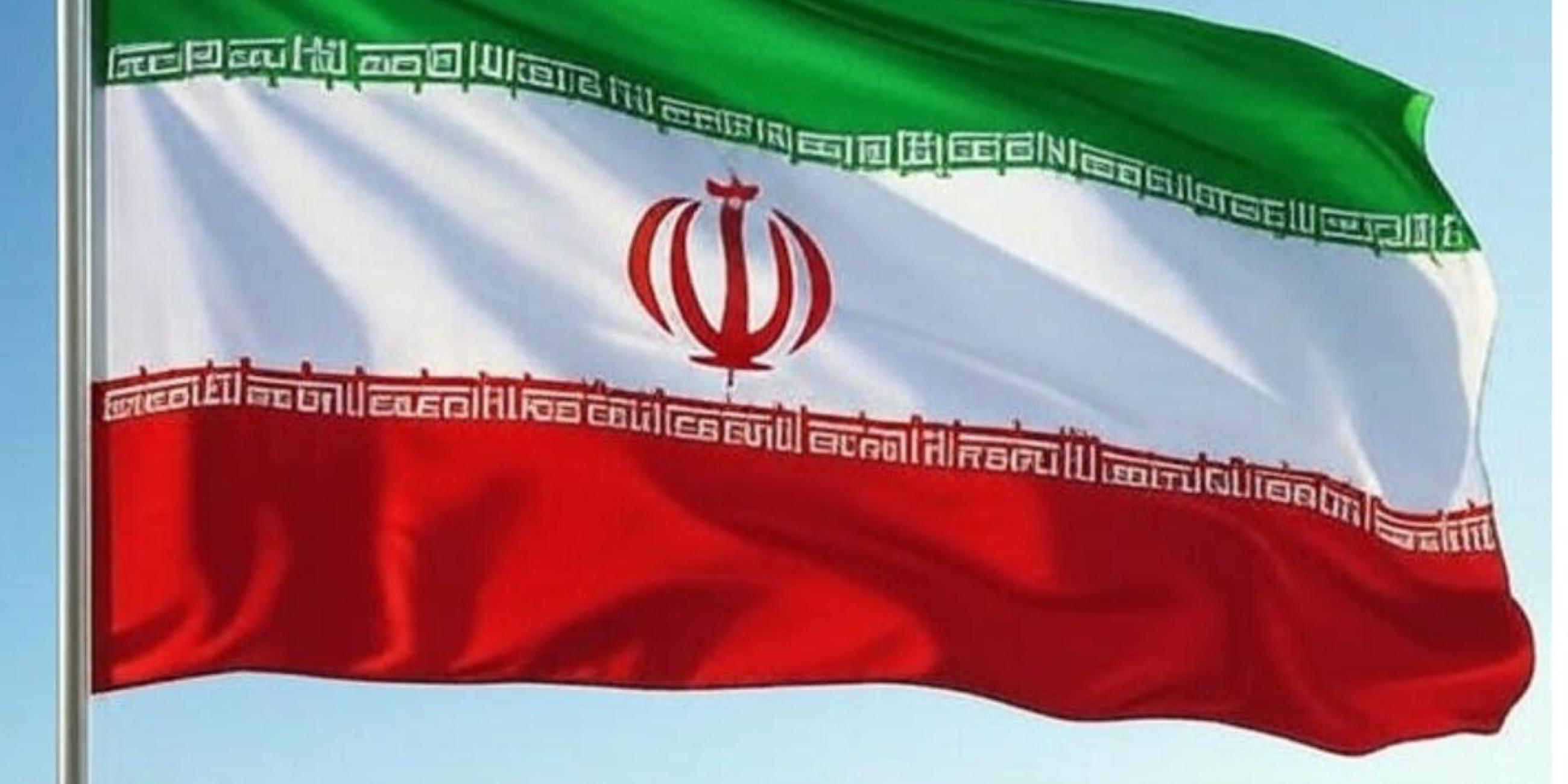
  • Is Iran’s Supreme Leader Blaming Protesters to Please Trump as Deadly Unrest, Internet Blackouts and Calls for Regime Change Shake Tehran?

    Iran’s Supreme Leader, Ayatollah Ali Khamenei, has accused anti-government protesters of “ruining their own streets to make the president of another country happy,” as nationwide unrest continues to grip Tehran and other major cities despite an unprecedented internet and telephone shutdown. His remarks come amid escalating demonstrations that began over economic hardship but have rapidly evolved into the most serious challenge to Iran’s leadership in years.

    Short videos circulating on social media before the blackout showed protesters chanting around bonfires, blocking roads, and leaving streets strewn with debris. Iranian state television later blamed the violence on “terrorist agents” backed by the United States and Israel, reporting unspecified “casualties” while offering few details. During a televised address, Khamenei warned of a hardline response, as crowds in the studio chanted “Death to America,” underscoring the regime’s narrative of foreign interference.

    According to analysts, the protests gained momentum after public appeals by exiled Crown Prince Reza Pahlavi, who urged Iranians to take to the streets at coordinated times. Holly Dagres of the Washington Institute for Near East Policy said the calls had a decisive impact, transforming scattered demonstrations into a nationwide movement aimed at toppling the Islamic Republic. Witnesses in Tehran reported chants of “Death to the dictator,” “Death to the Islamic Republic,” and slogans calling for the return of the Pahlavi monarchy.

    Pahlavi condemned the government’s decision to shut down communications, warning that cutting internet and landlines was intended to silence the protesters and prevent the world from seeing what was happening inside Iran. He urged international leaders to use “technical, financial, and diplomatic resources” to restore connectivity so that the voices of Iranians could be heard globally.

    Human rights groups report a growing toll. The U.S.-based Human Rights Activists News Agency says at least 42 people have been killed and more than 2,270 detained since the protests began. State media acknowledged that private vehicles, public transport, metro stations, and emergency vehicles had been set ablaze during demonstrations, reinforcing claims of widespread unrest.

    Former U.S. President Donald Trump has also weighed in, warning Tehran against violently suppressing peaceful protesters and threatening severe consequences if the crackdown continues. His comments have fueled speculation that Iran’s leadership is framing the protests as a foreign-backed campaign to delegitimize domestic dissent.

    As the internet blackout persists and security forces tighten their grip, questions remain: Are Iran’s leaders confronting a genuine popular uprising driven by economic despair and demands for freedom, or will the government succeed in recasting the movement as an externally orchestrated plot? With mounting deaths, mass arrests, and growing international attention, the unfolding crisis could redefine Iran’s political future.


    Is Iran’s Supreme Leader Blaming Protesters to Please Trump as Deadly Unrest, Internet Blackouts and Calls for Regime Change Shake Tehran? Iran’s Supreme Leader, Ayatollah Ali Khamenei, has accused anti-government protesters of “ruining their own streets to make the president of another country happy,” as nationwide unrest continues to grip Tehran and other major cities despite an unprecedented internet and telephone shutdown. His remarks come amid escalating demonstrations that began over economic hardship but have rapidly evolved into the most serious challenge to Iran’s leadership in years. Short videos circulating on social media before the blackout showed protesters chanting around bonfires, blocking roads, and leaving streets strewn with debris. Iranian state television later blamed the violence on “terrorist agents” backed by the United States and Israel, reporting unspecified “casualties” while offering few details. During a televised address, Khamenei warned of a hardline response, as crowds in the studio chanted “Death to America,” underscoring the regime’s narrative of foreign interference. According to analysts, the protests gained momentum after public appeals by exiled Crown Prince Reza Pahlavi, who urged Iranians to take to the streets at coordinated times. Holly Dagres of the Washington Institute for Near East Policy said the calls had a decisive impact, transforming scattered demonstrations into a nationwide movement aimed at toppling the Islamic Republic. Witnesses in Tehran reported chants of “Death to the dictator,” “Death to the Islamic Republic,” and slogans calling for the return of the Pahlavi monarchy. Pahlavi condemned the government’s decision to shut down communications, warning that cutting internet and landlines was intended to silence the protesters and prevent the world from seeing what was happening inside Iran. He urged international leaders to use “technical, financial, and diplomatic resources” to restore connectivity so that the voices of Iranians could be heard globally. Human rights groups report a growing toll. The U.S.-based Human Rights Activists News Agency says at least 42 people have been killed and more than 2,270 detained since the protests began. State media acknowledged that private vehicles, public transport, metro stations, and emergency vehicles had been set ablaze during demonstrations, reinforcing claims of widespread unrest. Former U.S. President Donald Trump has also weighed in, warning Tehran against violently suppressing peaceful protesters and threatening severe consequences if the crackdown continues. His comments have fueled speculation that Iran’s leadership is framing the protests as a foreign-backed campaign to delegitimize domestic dissent. As the internet blackout persists and security forces tighten their grip, questions remain: Are Iran’s leaders confronting a genuine popular uprising driven by economic despair and demands for freedom, or will the government succeed in recasting the movement as an externally orchestrated plot? With mounting deaths, mass arrests, and growing international attention, the unfolding crisis could redefine Iran’s political future.
    0 Comments ·0 Shares ·490 Views
  • Is Iran Facing a New Uprising? How Nationwide Protests, Internet Blackouts and Reza Pahlavi’s Call Are Challenging Khamenei’s Rule

    Iran was gripped by renewed nationwide protests on Thursday night as demonstrators poured into the streets of Tehran and other cities following a call for mass action by exiled crown prince Reza Pahlavi. Witnesses reported chanting from rooftops and in neighbourhoods, while authorities quickly moved to cut internet access and telephone lines, a tactic historically used ahead of harsh crackdowns.

    The demonstrations marked a significant escalation in unrest driven largely by economic hardship, currency collapse, and public anger at Iran’s political system. They also represented the first major test of whether Pahlavi—whose father was overthrown in the 1979 Islamic Revolution—could mobilise meaningful opposition inside the country. Protests had already erupted the previous day in cities and rural towns, with markets and bazaars closing in solidarity.

    According to the U.S.-based Human Rights Activists News Agency, at least 41 people have been killed and more than 2,270 detained since the protests began. Monitoring groups such as Cloudflare and NetBlocks reported widespread digital shutdowns, attributing them to government interference. Calls to Iran from abroad reportedly failed, a sign often preceding intensified security operations.

    Despite the scale of the unrest, the movement has remained largely leaderless, prompting debate over whether it can sustain momentum or force political change. Analysts note that previous protest waves faltered due to the absence of a unified leadership structure, as Iran’s security apparatus has historically arrested, exiled, or silenced potential opposition figures.

    At the appointed protest hour, chants echoed across Tehran: “Death to the dictator!” “Death to the Islamic Republic!” and slogans calling for the return of the monarchy. In a statement, Pahlavi urged Iranians to continue demonstrating, declaring that “the eyes of the world are upon you,” and warning authorities that repression would not go unnoticed internationally.

    Iranian officials have not publicly acknowledged the full scope of the unrest, though state-linked media confirmed casualties among security forces. Reports from the judiciary and semi-official outlets said police officers and Revolutionary Guard members were killed in separate attacks in provinces including Kermanshah, Chaharmahal and Bakhtiari, and Khorasan Razavi. Hard-line media also circulated warnings that security agencies could use drones to identify protesters.

    The unrest comes amid deepening economic strain. Following tighter sanctions and the aftermath of a brief war, Iran’s currency collapsed in December to about 1.4 million rials to the U.S. dollar, triggering renewed demonstrations and calls for an end to clerical rule. U.S. President Donald Trump warned that Washington would respond if peaceful protesters were violently repressed, a statement Iran’s Foreign Ministry dismissed as “hypocritical interference.”

    Meanwhile, Nobel Peace Prize laureate Narges Mohammadi remains imprisoned, with her family saying the protests echo earlier uprisings in 2009 and 2019, each demanding an end to what they describe as a “dictatorial religious regime.”

    As unrest spreads and communication blackouts deepen, pressing questions remain: Can these protests break the cycle of repression? Will Reza Pahlavi emerge as a unifying figure or remain symbolic? And is Iran approaching a turning point—or another crackdown? With anger rising and the government tightening control, the unfolding crisis is shaping up as one of the most serious challenges to Iran’s leadership in years.


    Is Iran Facing a New Uprising? How Nationwide Protests, Internet Blackouts and Reza Pahlavi’s Call Are Challenging Khamenei’s Rule Iran was gripped by renewed nationwide protests on Thursday night as demonstrators poured into the streets of Tehran and other cities following a call for mass action by exiled crown prince Reza Pahlavi. Witnesses reported chanting from rooftops and in neighbourhoods, while authorities quickly moved to cut internet access and telephone lines, a tactic historically used ahead of harsh crackdowns. The demonstrations marked a significant escalation in unrest driven largely by economic hardship, currency collapse, and public anger at Iran’s political system. They also represented the first major test of whether Pahlavi—whose father was overthrown in the 1979 Islamic Revolution—could mobilise meaningful opposition inside the country. Protests had already erupted the previous day in cities and rural towns, with markets and bazaars closing in solidarity. According to the U.S.-based Human Rights Activists News Agency, at least 41 people have been killed and more than 2,270 detained since the protests began. Monitoring groups such as Cloudflare and NetBlocks reported widespread digital shutdowns, attributing them to government interference. Calls to Iran from abroad reportedly failed, a sign often preceding intensified security operations. Despite the scale of the unrest, the movement has remained largely leaderless, prompting debate over whether it can sustain momentum or force political change. Analysts note that previous protest waves faltered due to the absence of a unified leadership structure, as Iran’s security apparatus has historically arrested, exiled, or silenced potential opposition figures. At the appointed protest hour, chants echoed across Tehran: “Death to the dictator!” “Death to the Islamic Republic!” and slogans calling for the return of the monarchy. In a statement, Pahlavi urged Iranians to continue demonstrating, declaring that “the eyes of the world are upon you,” and warning authorities that repression would not go unnoticed internationally. Iranian officials have not publicly acknowledged the full scope of the unrest, though state-linked media confirmed casualties among security forces. Reports from the judiciary and semi-official outlets said police officers and Revolutionary Guard members were killed in separate attacks in provinces including Kermanshah, Chaharmahal and Bakhtiari, and Khorasan Razavi. Hard-line media also circulated warnings that security agencies could use drones to identify protesters. The unrest comes amid deepening economic strain. Following tighter sanctions and the aftermath of a brief war, Iran’s currency collapsed in December to about 1.4 million rials to the U.S. dollar, triggering renewed demonstrations and calls for an end to clerical rule. U.S. President Donald Trump warned that Washington would respond if peaceful protesters were violently repressed, a statement Iran’s Foreign Ministry dismissed as “hypocritical interference.” Meanwhile, Nobel Peace Prize laureate Narges Mohammadi remains imprisoned, with her family saying the protests echo earlier uprisings in 2009 and 2019, each demanding an end to what they describe as a “dictatorial religious regime.” As unrest spreads and communication blackouts deepen, pressing questions remain: Can these protests break the cycle of repression? Will Reza Pahlavi emerge as a unifying figure or remain symbolic? And is Iran approaching a turning point—or another crackdown? With anger rising and the government tightening control, the unfolding crisis is shaping up as one of the most serious challenges to Iran’s leadership in years.
    0 Comments ·0 Shares ·472 Views
  • Who Is Responsible for Oworonshoki’s Death Traps? How Exposed Electric Cables From Illegal Demolitions Killed a Lagos Teen After Oba-Ordered Evictions

    How did a demolition exercise in Lagos turn into a deadly public hazard? And why were dangerous electric cables left exposed for months in a residential community?

    Another teenager has been electrocuted in Oworonshoki, Lagos State, after coming into contact with live electricity wires abandoned following what residents describe as illegal demolitions ordered by the Oloworo of Oworonshoki Kingdom, Oba Saliu Babatunde. The incident, which occurred on Thursday, has intensified outrage over the failure to remove or secure exposed cables after buildings were pulled down late last year.

    According to community members who spoke to SaharaReporters, the demolitions carried out in November 2025 left behind dangling electric wires and open power lines, effectively turning streets and former residential areas into death traps. Despite repeated complaints, the hazardous infrastructure was never cleared, ultimately leading to the fatal electrocution of a young resident. A photograph obtained at the scene reportedly shows the teenager lying lifeless on the ground.

    This latest death adds to a series of traumatic events linked to the demolition exercise. On November 25, 2025, SaharaReporters documented how two young girls returned from school to find their home allegedly burned down during the operation. In a widely circulated video, the children—one still in school uniform—described how their house was destroyed while their parents were at work, with no opportunity to retrieve personal belongings.

    Residents allege that police officers and local vigilantes known as “Madanwo” participated in the operation, acting on the monarch’s directives. Bystanders in the footage accused authorities of burning houses without notice, arresting residents during clashes, and ignoring claims that government had ordered a halt to forced demolitions in the area.

    Now, the fatal electrocution has raised urgent questions:
    Why were live electric cables left exposed for months?
    Who bears responsibility for clearing dangerous infrastructure after demolitions?
    And how many more lives must be lost before accountability is enforced?

    Community members insist the tragedy was preventable, arguing that basic safety measures—such as disconnecting power lines or fencing off hazardous areas—could have saved lives. The incident highlights a broader pattern of urban displacement, alleged abuse of authority, and neglect of public safety, especially in low-income communities affected by forced evictions.

    As families mourn the teenager’s death, residents continue to demand answers from traditional authorities, security agencies, and government officials. The Oworonshoki case has become a stark symbol of how demolition policies, when carried out without planning, oversight, or accountability, can turn vulnerable neighborhoods into deadly zones—raising a chilling question: is urban “development” in Lagos now coming at the cost of human life?
    Who Is Responsible for Oworonshoki’s Death Traps? How Exposed Electric Cables From Illegal Demolitions Killed a Lagos Teen After Oba-Ordered Evictions How did a demolition exercise in Lagos turn into a deadly public hazard? And why were dangerous electric cables left exposed for months in a residential community? Another teenager has been electrocuted in Oworonshoki, Lagos State, after coming into contact with live electricity wires abandoned following what residents describe as illegal demolitions ordered by the Oloworo of Oworonshoki Kingdom, Oba Saliu Babatunde. The incident, which occurred on Thursday, has intensified outrage over the failure to remove or secure exposed cables after buildings were pulled down late last year. According to community members who spoke to SaharaReporters, the demolitions carried out in November 2025 left behind dangling electric wires and open power lines, effectively turning streets and former residential areas into death traps. Despite repeated complaints, the hazardous infrastructure was never cleared, ultimately leading to the fatal electrocution of a young resident. A photograph obtained at the scene reportedly shows the teenager lying lifeless on the ground. This latest death adds to a series of traumatic events linked to the demolition exercise. On November 25, 2025, SaharaReporters documented how two young girls returned from school to find their home allegedly burned down during the operation. In a widely circulated video, the children—one still in school uniform—described how their house was destroyed while their parents were at work, with no opportunity to retrieve personal belongings. Residents allege that police officers and local vigilantes known as “Madanwo” participated in the operation, acting on the monarch’s directives. Bystanders in the footage accused authorities of burning houses without notice, arresting residents during clashes, and ignoring claims that government had ordered a halt to forced demolitions in the area. Now, the fatal electrocution has raised urgent questions: Why were live electric cables left exposed for months? Who bears responsibility for clearing dangerous infrastructure after demolitions? And how many more lives must be lost before accountability is enforced? Community members insist the tragedy was preventable, arguing that basic safety measures—such as disconnecting power lines or fencing off hazardous areas—could have saved lives. The incident highlights a broader pattern of urban displacement, alleged abuse of authority, and neglect of public safety, especially in low-income communities affected by forced evictions. As families mourn the teenager’s death, residents continue to demand answers from traditional authorities, security agencies, and government officials. The Oworonshoki case has become a stark symbol of how demolition policies, when carried out without planning, oversight, or accountability, can turn vulnerable neighborhoods into deadly zones—raising a chilling question: is urban “development” in Lagos now coming at the cost of human life?
    0 Comments ·0 Shares ·337 Views
  • Is Tinubu Failing Yoruba Land? Pan-Yoruba Group Slams President Over Insecurity, Kidnapped Monarchs and ‘Silence From Power

    Is Nigeria’s security crisis finally reaching a breaking point in Yoruba land—and is President Bola Ahmed Tinubu truly doing enough to stop it? These are the urgent questions being raised after a Pan-Yoruba socio-political group, Ìgbìnmó Májékóbájé Ilé-Yorùbá, publicly condemned the President over what it described as his “deafening silence” in the face of worsening insecurity across the South-West.

    The group’s outcry followed the shocking abduction of a Kwara State monarch, Oba S. Y. Olaonipekun, and his son, Olaolu, who were reportedly kidnapped by suspected terrorists in the Ile-Ire district. For many observers, the incident marks a dangerous escalation in Nigeria’s security crisis: when even traditional rulers—symbols of authority, culture, and community stability—are no longer safe, what hope remains for ordinary citizens?

    In a strongly worded statement signed by its Convener, Olusola Badero, and released through Home Director Princess Balogun, the group accused President Tinubu of abandoning his constitutional duty as the nation’s chief security officer. According to the group, violent attacks, kidnappings, and killings have spread across Yoruba communities with little visible federal response. They argued that while statements are often issued, concrete action has been painfully absent.

    The union alleged that forests and rural communities in parts of Kwara and the wider South-West have become safe havens for armed groups posing as herdsmen, whom they directly described as terrorists. It lamented what it called the humiliation of Yoruba traditional institutions, stressing that the kidnapping of monarchs was once unimaginable in the region’s history. Quoting a Yoruba proverb—“Oríadé kì í sùn tán” (Royalty does not sleep outside)—the group said the abduction of kings represents not only a security failure but also a deep cultural wound.

    Beyond insecurity, the group launched a broader political critique of President Tinubu’s leadership. They accused him of prioritising personal interests, political allies, and future elections over the immediate safety and welfare of citizens. They further criticised what they described as his frequent foreign trips, alleging that he enjoys public funds abroad while Nigerians face poverty, fear, collapsing healthcare, and deteriorating schools at home. For the group, this contrast symbolises a widening gap between those in power and the people they govern.

    The statement also targeted Kwara State Governor AbdulRahman AbdulRazaq, accusing the state government of failing to protect residents. The group demanded the immediate release of the abducted monarch and his son, as well as other kidnapped citizens, including workers from the Kwara State Ministry of Works.

    To underline what it sees as a pattern of lawlessness, the union recalled earlier incidents, including the killing of Segun Aremu, a retired army general and monarch (the Olúkòrò of Koro), and the abduction of Kamilu Salami, the Oníbàrà of Bayagan Ile, who reportedly spent weeks in captivity before regaining freedom. These cases, the group argued, show that the crisis is not isolated but systemic.

    Perhaps most striking is the group’s warning that continued political inaction could lead to long-term devastation: deserted villages, abandoned farmlands, and forests fully occupied by armed groups. They questioned how elections can even matter if citizens are no longer safe enough to live in their communities. “Who will be alive to vote,” they asked, “if our villages are deserted and our forests controlled by terrorists?”

    The union went further, calling on Yoruba people at home and in the diaspora to take collective responsibility for protecting their region, suggesting that reliance on political leaders who have “clearly failed” could invite even greater catastrophe.

    As this controversy unfolds, Nigerians are left with uncomfortable but necessary questions: Has the federal government lost control of internal security? Is President Tinubu doing enough to protect his own region? And what happens when traditional institutions—once seen as untouchable—become targets of violence?

    On Fintter, this story is more than breaking news; it is a national conversation about leadership, accountability, and survival. Are these criticisms justified, or are they politically motivated? Can Nigeria still reverse its security decline, or has the crisis reached a point of no return? The answers may shape not just the future of Yoruba land, but the fate of the entire nation.

    What do you think? Is Tinubu truly failing on security—or is the crisis beyond any single leader? Share your thoughts and join the debate on Fintter.

    Is Tinubu Failing Yoruba Land? Pan-Yoruba Group Slams President Over Insecurity, Kidnapped Monarchs and ‘Silence From Power Is Nigeria’s security crisis finally reaching a breaking point in Yoruba land—and is President Bola Ahmed Tinubu truly doing enough to stop it? These are the urgent questions being raised after a Pan-Yoruba socio-political group, Ìgbìnmó Májékóbájé Ilé-Yorùbá, publicly condemned the President over what it described as his “deafening silence” in the face of worsening insecurity across the South-West. The group’s outcry followed the shocking abduction of a Kwara State monarch, Oba S. Y. Olaonipekun, and his son, Olaolu, who were reportedly kidnapped by suspected terrorists in the Ile-Ire district. For many observers, the incident marks a dangerous escalation in Nigeria’s security crisis: when even traditional rulers—symbols of authority, culture, and community stability—are no longer safe, what hope remains for ordinary citizens? In a strongly worded statement signed by its Convener, Olusola Badero, and released through Home Director Princess Balogun, the group accused President Tinubu of abandoning his constitutional duty as the nation’s chief security officer. According to the group, violent attacks, kidnappings, and killings have spread across Yoruba communities with little visible federal response. They argued that while statements are often issued, concrete action has been painfully absent. The union alleged that forests and rural communities in parts of Kwara and the wider South-West have become safe havens for armed groups posing as herdsmen, whom they directly described as terrorists. It lamented what it called the humiliation of Yoruba traditional institutions, stressing that the kidnapping of monarchs was once unimaginable in the region’s history. Quoting a Yoruba proverb—“Oríadé kì í sùn tán” (Royalty does not sleep outside)—the group said the abduction of kings represents not only a security failure but also a deep cultural wound. Beyond insecurity, the group launched a broader political critique of President Tinubu’s leadership. They accused him of prioritising personal interests, political allies, and future elections over the immediate safety and welfare of citizens. They further criticised what they described as his frequent foreign trips, alleging that he enjoys public funds abroad while Nigerians face poverty, fear, collapsing healthcare, and deteriorating schools at home. For the group, this contrast symbolises a widening gap between those in power and the people they govern. The statement also targeted Kwara State Governor AbdulRahman AbdulRazaq, accusing the state government of failing to protect residents. The group demanded the immediate release of the abducted monarch and his son, as well as other kidnapped citizens, including workers from the Kwara State Ministry of Works. To underline what it sees as a pattern of lawlessness, the union recalled earlier incidents, including the killing of Segun Aremu, a retired army general and monarch (the Olúkòrò of Koro), and the abduction of Kamilu Salami, the Oníbàrà of Bayagan Ile, who reportedly spent weeks in captivity before regaining freedom. These cases, the group argued, show that the crisis is not isolated but systemic. Perhaps most striking is the group’s warning that continued political inaction could lead to long-term devastation: deserted villages, abandoned farmlands, and forests fully occupied by armed groups. They questioned how elections can even matter if citizens are no longer safe enough to live in their communities. “Who will be alive to vote,” they asked, “if our villages are deserted and our forests controlled by terrorists?” The union went further, calling on Yoruba people at home and in the diaspora to take collective responsibility for protecting their region, suggesting that reliance on political leaders who have “clearly failed” could invite even greater catastrophe. As this controversy unfolds, Nigerians are left with uncomfortable but necessary questions: Has the federal government lost control of internal security? Is President Tinubu doing enough to protect his own region? And what happens when traditional institutions—once seen as untouchable—become targets of violence? On Fintter, this story is more than breaking news; it is a national conversation about leadership, accountability, and survival. Are these criticisms justified, or are they politically motivated? Can Nigeria still reverse its security decline, or has the crisis reached a point of no return? The answers may shape not just the future of Yoruba land, but the fate of the entire nation. 💬 What do you think? Is Tinubu truly failing on security—or is the crisis beyond any single leader? Share your thoughts and join the debate on Fintter.
    0 Comments ·0 Shares ·621 Views
  • Olu of Warri’s Security Aide Blocks Female Executive’s Handshake Attempt During Lagos Visit, Sparking Social Media Debate

    During the Olu of Warri, Ogiame Atuwatse III’s visit to Lagos on January 6, 2026, a viral video captured a female executive attempting to shake the traditional ruler’s hand. The king’s security aide swiftly blocked the gesture, adhering to cultural protocol that prohibits direct physical contact with the monarch.
    The encounter took place at an airport lounge while the Olu of Warri was in Lagos for the Storytellers Conference at the Wole Soyinka Centre for Culture and Creative Arts. The aide acknowledged the executive with a nod, respecting tradition without physical contact.
    The video has sparked a heated debate on social media, with some praising the aide for upholding cultural etiquette, while others questioned the strictness of the protocol. Experts and netizens emphasized that many Nigerian cultures require subjects, especially women, to show deference through gestures such as bowing, kneeling, or prostrating rather than handshakes.
    The story also highlighted the Olu of Warri’s public engagements, including inspecting the Trans-Warri-Ode-Itsekiri Road and receiving BBNaija stars Kellyrae and Kassia, who honored him in Itsekiri-themed attire.
    Olu of Warri’s Security Aide Blocks Female Executive’s Handshake Attempt During Lagos Visit, Sparking Social Media Debate During the Olu of Warri, Ogiame Atuwatse III’s visit to Lagos on January 6, 2026, a viral video captured a female executive attempting to shake the traditional ruler’s hand. The king’s security aide swiftly blocked the gesture, adhering to cultural protocol that prohibits direct physical contact with the monarch. The encounter took place at an airport lounge while the Olu of Warri was in Lagos for the Storytellers Conference at the Wole Soyinka Centre for Culture and Creative Arts. The aide acknowledged the executive with a nod, respecting tradition without physical contact. The video has sparked a heated debate on social media, with some praising the aide for upholding cultural etiquette, while others questioned the strictness of the protocol. Experts and netizens emphasized that many Nigerian cultures require subjects, especially women, to show deference through gestures such as bowing, kneeling, or prostrating rather than handshakes. The story also highlighted the Olu of Warri’s public engagements, including inspecting the Trans-Warri-Ode-Itsekiri Road and receiving BBNaija stars Kellyrae and Kassia, who honored him in Itsekiri-themed attire.
    0 Comments ·0 Shares ·213 Views
  • Amahor Community in Edo Raises Alarm Over Alleged Illegal Occupation of Forest Reserve by Non-Indigenes, Accuses Palace and State Government of Inaction as Tension Threatens Violence

    Residents of Amahor community in Igueben Local Government Area of Edo State have raised serious concerns over what they describe as the illegal occupation of their forest reserve by non-indigenes, warning that the situation could degenerate into violence if the government fails to intervene urgently.

    According to a statement by Dr. Napoleon Oluokhae on behalf of Concerned Amahor Indigenes, outsiders allegedly settled deep inside the community’s forest without consent or due process, engaging in cocoa farming, Indian hemp cultivation, and other agricultural activities. The community claims the land was unlawfully leased, triggering anger and fear of long-term loss of ancestral land.

    Tensions reportedly worsened after an unauthorised access road was constructed into the forest reserve, heightening security concerns. The dispute has also created a rift between residents and the traditional ruler, HRH Zaiki Enadeghe Ehijie, whom indigenes accuse of allocating communal land without consultation, documentation, boundaries, or time limits. Oluokhae alleged the monarch admitted to receiving ₦4.5 million in connection with the allocation.

    Amahor residents said they have submitted petitions to the Nigeria Police, the Edo State Government, and security authorities, but claim investigations have stalled despite initial acknowledgment by the governor’s security adviser. They also cited state forestry regulations, noting that perennial crops are prohibited in government forest reserves, a position reportedly confirmed by the Area Forest Officer.

    The community fears that continued government inaction and what they describe as attempts to legitimise the occupation through repeated mediation meetings could lead to unrest. Residents have appealed directly to Governor Monday Okpebholo to enforce the law, evict the alleged illegal occupants, and prevent a breakdown of law and order. As of the time of reporting, neither the Edo State Government nor the palace had issued an official response.
    Amahor Community in Edo Raises Alarm Over Alleged Illegal Occupation of Forest Reserve by Non-Indigenes, Accuses Palace and State Government of Inaction as Tension Threatens Violence Residents of Amahor community in Igueben Local Government Area of Edo State have raised serious concerns over what they describe as the illegal occupation of their forest reserve by non-indigenes, warning that the situation could degenerate into violence if the government fails to intervene urgently. According to a statement by Dr. Napoleon Oluokhae on behalf of Concerned Amahor Indigenes, outsiders allegedly settled deep inside the community’s forest without consent or due process, engaging in cocoa farming, Indian hemp cultivation, and other agricultural activities. The community claims the land was unlawfully leased, triggering anger and fear of long-term loss of ancestral land. Tensions reportedly worsened after an unauthorised access road was constructed into the forest reserve, heightening security concerns. The dispute has also created a rift between residents and the traditional ruler, HRH Zaiki Enadeghe Ehijie, whom indigenes accuse of allocating communal land without consultation, documentation, boundaries, or time limits. Oluokhae alleged the monarch admitted to receiving ₦4.5 million in connection with the allocation. Amahor residents said they have submitted petitions to the Nigeria Police, the Edo State Government, and security authorities, but claim investigations have stalled despite initial acknowledgment by the governor’s security adviser. They also cited state forestry regulations, noting that perennial crops are prohibited in government forest reserves, a position reportedly confirmed by the Area Forest Officer. The community fears that continued government inaction and what they describe as attempts to legitimise the occupation through repeated mediation meetings could lead to unrest. Residents have appealed directly to Governor Monday Okpebholo to enforce the law, evict the alleged illegal occupants, and prevent a breakdown of law and order. As of the time of reporting, neither the Edo State Government nor the palace had issued an official response.
    0 Comments ·0 Shares ·248 Views
  • Terrorists Kidnap Four on Isanlu–Isin–Omu Aran Road in Kwara State, Residents Warned to Avoid Busy Kwara South Highway

    At least four travellers have been kidnapped by suspected terrorists along the Isanlu–Isin–Omu Aran Road in Kwara State. The early-morning attack occurred on a major highway linking communities in Kwara South and frequently used by commuters heading to Ilorin, the state capital.

    Sources said the armed assailants ambushed motorists, forced several vehicles to stop, and abducted their victims, while maintaining a strong presence in the area. As of the time of reporting, the Kwara State Police Command had not issued an official statement on the incident.

    Motorists have been advised to avoid the route and exercise extreme caution amid fears of further attacks. The incident adds to growing insecurity in Kwara South, following the recent abduction of the Aafin community monarch, Oba S.Y. Olaonipekun, and his son, during a separate attack that also left the queen consort injured.
    Terrorists Kidnap Four on Isanlu–Isin–Omu Aran Road in Kwara State, Residents Warned to Avoid Busy Kwara South Highway At least four travellers have been kidnapped by suspected terrorists along the Isanlu–Isin–Omu Aran Road in Kwara State. The early-morning attack occurred on a major highway linking communities in Kwara South and frequently used by commuters heading to Ilorin, the state capital. Sources said the armed assailants ambushed motorists, forced several vehicles to stop, and abducted their victims, while maintaining a strong presence in the area. As of the time of reporting, the Kwara State Police Command had not issued an official statement on the incident. Motorists have been advised to avoid the route and exercise extreme caution amid fears of further attacks. The incident adds to growing insecurity in Kwara South, following the recent abduction of the Aafin community monarch, Oba S.Y. Olaonipekun, and his son, during a separate attack that also left the queen consort injured.
    0 Comments ·0 Shares ·229 Views
  • Abductors Demand ₦450million Ransom for Kwara Monarch, NYSC Son and Eight Residents as Kidnappings Escalate in Ifelodun LGA

    Kidnappers who abducted the Oniwo of Aafin, Oba Simeon Olaonipekun, his son and eight other residents in Ifelodun Local Government Area of Kwara State have demanded a total ransom of ₦450 million for their release. The criminals are asking for ₦150 million for the monarch and his son, Olaolu, a serving NYSC member, while ₦300 million has been demanded for eight residents abducted from Adanla-Irese, near Igbaja. Family sources and the Kwara South Joint Community Security Watch Network confirmed that the abductors made contact with the victims’ families following the New Year’s Eve attack on the monarch’s palace, during which his wife was shot and injured. The twin abductions have intensified fears over worsening insecurity across Kwara South, with residents urging urgent government intervention, even as police say they are unaware of any ransom demands and insist security agencies are working to rescue the victims.
    Abductors Demand ₦450million Ransom for Kwara Monarch, NYSC Son and Eight Residents as Kidnappings Escalate in Ifelodun LGA Kidnappers who abducted the Oniwo of Aafin, Oba Simeon Olaonipekun, his son and eight other residents in Ifelodun Local Government Area of Kwara State have demanded a total ransom of ₦450 million for their release. The criminals are asking for ₦150 million for the monarch and his son, Olaolu, a serving NYSC member, while ₦300 million has been demanded for eight residents abducted from Adanla-Irese, near Igbaja. Family sources and the Kwara South Joint Community Security Watch Network confirmed that the abductors made contact with the victims’ families following the New Year’s Eve attack on the monarch’s palace, during which his wife was shot and injured. The twin abductions have intensified fears over worsening insecurity across Kwara South, with residents urging urgent government intervention, even as police say they are unaware of any ransom demands and insist security agencies are working to rescue the victims.
    0 Comments ·0 Shares ·331 Views
  • BREAKING: Gunmen Abduct Kwara Monarch and Son During New Year’s Eve Palace Attack in Ifelodun, Shoot Queen as Insecurity Worsens

    Gunmen suspected to be terrorists have abducted the monarch of Aafin Community, Oba S.Y. Olaonipekun, and his son, Olaolu, a serving National Youth Service Corps (NYSC) member, during a violent New Year’s Eve attack on the royal palace in Ile-Ire, Ifelodun Local Government Area of Kwara State. The incident occurred around 8:00pm on Wednesday, December 31, 2026, throwing the community into fear and panic.

    Eyewitnesses said the attackers stormed the palace at Aafin Ile-Ere, firing sporadically and breaking down doors to gain access. During the attack, the queen consort, Olori Felicia Olaonipekun, was shot in the arm but escaped abduction and was later rushed to the hospital for treatment.

    A palace source revealed that at least 10 family members and visitors were inside the palace at the time. The community’s vigilante group, with only two members on night duty, was unable to resist the heavily armed gunmen. The attackers reportedly focused solely on the palace and did not target other homes in the area.

    The abduction comes amid growing insecurity in Kwara South, recalling a recent case in which another monarch in Ifelodun Local Government Area was kidnapped and later released after a huge ransom was paid by community members. The latest incident has renewed concerns over the safety of traditional rulers and residents, as authorities are yet to announce any arrests or rescue efforts.
    BREAKING: Gunmen Abduct Kwara Monarch and Son During New Year’s Eve Palace Attack in Ifelodun, Shoot Queen as Insecurity Worsens Gunmen suspected to be terrorists have abducted the monarch of Aafin Community, Oba S.Y. Olaonipekun, and his son, Olaolu, a serving National Youth Service Corps (NYSC) member, during a violent New Year’s Eve attack on the royal palace in Ile-Ire, Ifelodun Local Government Area of Kwara State. The incident occurred around 8:00pm on Wednesday, December 31, 2026, throwing the community into fear and panic. Eyewitnesses said the attackers stormed the palace at Aafin Ile-Ere, firing sporadically and breaking down doors to gain access. During the attack, the queen consort, Olori Felicia Olaonipekun, was shot in the arm but escaped abduction and was later rushed to the hospital for treatment. A palace source revealed that at least 10 family members and visitors were inside the palace at the time. The community’s vigilante group, with only two members on night duty, was unable to resist the heavily armed gunmen. The attackers reportedly focused solely on the palace and did not target other homes in the area. The abduction comes amid growing insecurity in Kwara South, recalling a recent case in which another monarch in Ifelodun Local Government Area was kidnapped and later released after a huge ransom was paid by community members. The latest incident has renewed concerns over the safety of traditional rulers and residents, as authorities are yet to announce any arrests or rescue efforts.
    0 Comments ·0 Shares ·256 Views
  • Oba of Benin Denies Authorising Assault on Pedro Obaseki Amid Viral Video

    The Oba of Benin, Ewuare II, has denied authorising the brutal assault on Pedro Obaseki, cousin of former Edo State Governor Godwin Obaseki. The Benin Traditional Council clarified that the monarch, a peace-loving leader, had no involvement in the attack and condemned vigilantism. Pedro Obaseki was reportedly kidnapped, beaten, stripped, and forced to kneel at the palace by men claiming to act on behalf of the Oba, following his attendance at a London event for his cousin. The Council also urged youths and social media users to respect the law and verify information before sharing it online.

    #ObaOfBenin #PedroObaseki #BeninPalace #NigeriaNews #ViralVideo #TraditionalCouncil #AssaultDenial #EdoState
    Oba of Benin Denies Authorising Assault on Pedro Obaseki Amid Viral Video The Oba of Benin, Ewuare II, has denied authorising the brutal assault on Pedro Obaseki, cousin of former Edo State Governor Godwin Obaseki. The Benin Traditional Council clarified that the monarch, a peace-loving leader, had no involvement in the attack and condemned vigilantism. Pedro Obaseki was reportedly kidnapped, beaten, stripped, and forced to kneel at the palace by men claiming to act on behalf of the Oba, following his attendance at a London event for his cousin. The Council also urged youths and social media users to respect the law and verify information before sharing it online. #ObaOfBenin #PedroObaseki #BeninPalace #NigeriaNews #ViralVideo #TraditionalCouncil #AssaultDenial #EdoState
    0 Comments ·0 Shares ·282 Views
  • George Akume’s Wife Urges SGF to Return to Christianity Following Marriage to Queen Zaynab

    Mrs. Regina Akume, wife of Secretary to the Government of the Federation (SGF) Senator George Akume, has publicly urged her husband to return to Christianity, stating that his achievements were rooted in his Christian faith. Speaking at her son’s wedding reception in Makurdi, Benue State, she advised him not to abandon Christianity despite his recent marriage to Queen Zaynab Ngohemba-George Akume Dajoh. Queen Zaynab, formerly married to the Ooni of Ife, had previously confirmed the end of her 17-month marriage to the monarch. The statement by Mrs. Akume has sparked discussions across social media regarding faith, leadership, and family values.
    George Akume’s Wife Urges SGF to Return to Christianity Following Marriage to Queen Zaynab Mrs. Regina Akume, wife of Secretary to the Government of the Federation (SGF) Senator George Akume, has publicly urged her husband to return to Christianity, stating that his achievements were rooted in his Christian faith. Speaking at her son’s wedding reception in Makurdi, Benue State, she advised him not to abandon Christianity despite his recent marriage to Queen Zaynab Ngohemba-George Akume Dajoh. Queen Zaynab, formerly married to the Ooni of Ife, had previously confirmed the end of her 17-month marriage to the monarch. The statement by Mrs. Akume has sparked discussions across social media regarding faith, leadership, and family values.
    0 Comments ·0 Shares ·284 Views
  • Allwell Ademola: Details Emerge on Actress’ Sudden Death – Possible High Blood Pressure Speculated

    The Theatre Arts and Movie Practitioners Association of Nigeria (TAMPAN) has mourned the death of actress Allwell Ademola, who passed away on December 27, 2025, at age 43. Reports indicate that she suffered a cardiac arrest while being rushed to Ancilla Catholic Hospital in Agege after experiencing difficulty breathing. Despite being placed on oxygen, medical efforts could not revive her. Fans speculated that high blood pressure may have contributed to her sudden demise, while her final video, in which she expressed hope for 2025, resurfaced online, leaving many shocked at the abrupt deterioration of her health. Allwell Ademola’s death adds to the string of Nollywood losses in 2025, including actors Odira Nwobu, Monalisa Stephen, and Pat Ugwu.
    Allwell Ademola: Details Emerge on Actress’ Sudden Death – Possible High Blood Pressure Speculated The Theatre Arts and Movie Practitioners Association of Nigeria (TAMPAN) has mourned the death of actress Allwell Ademola, who passed away on December 27, 2025, at age 43. Reports indicate that she suffered a cardiac arrest while being rushed to Ancilla Catholic Hospital in Agege after experiencing difficulty breathing. Despite being placed on oxygen, medical efforts could not revive her. Fans speculated that high blood pressure may have contributed to her sudden demise, while her final video, in which she expressed hope for 2025, resurfaced online, leaving many shocked at the abrupt deterioration of her health. Allwell Ademola’s death adds to the string of Nollywood losses in 2025, including actors Odira Nwobu, Monalisa Stephen, and Pat Ugwu.
    0 Comments ·0 Shares ·240 Views
More Results
Fintter https://fintter.com