• Court Adjourns Suit Challenging NIS Spousal Consent Policy……


    A Federal High Court sitting in Ibadan has adjourned to February 24 the hearing of a suit challenging the Nigeria Immigration Service (NIS) policy that requires married women to obtain their husband’s consent before renewing international passports. The case questions the legality and constitutionality of the directive, with rights advocates arguing it discriminates against women. The court is expected to hear further arguments at the next sitting.

    Court Adjourns Suit Challenging NIS Spousal Consent Policy…… A Federal High Court sitting in Ibadan has adjourned to February 24 the hearing of a suit challenging the Nigeria Immigration Service (NIS) policy that requires married women to obtain their husband’s consent before renewing international passports. The case questions the legality and constitutionality of the directive, with rights advocates arguing it discriminates against women. The court is expected to hear further arguments at the next sitting.
    love
    1
    · 0 Commenti ·0 condivisioni ·1K Views
  • BREAKING: Libyan authorities have rescued 221 abducted migrants after raiding a human trafficking camp in the Kufra area of southeastern Libya.

    The migrants were freed from an underground prison, where they said they had been held for over two years in sub-human conditions. More than 10 victims in critical condition were rushed to hospital for urgent treatment.

    The operation was carried out jointly by the Directorate for Combating Illegal Migration (DCIM) and the Sabil al-Salam Border Protection Battalion.

    #BreakingNews #Libya #HumanTrafficking #Migrants #Africa #WorldNews
    🚨 BREAKING: Libyan authorities have rescued 221 abducted migrants after raiding a human trafficking camp in the Kufra area of southeastern Libya. The migrants were freed from an underground prison, where they said they had been held for over two years in sub-human conditions. More than 10 victims in critical condition were rushed to hospital for urgent treatment. The operation was carried out jointly by the Directorate for Combating Illegal Migration (DCIM) and the Sabil al-Salam Border Protection Battalion. #BreakingNews #Libya #HumanTrafficking #Migrants #Africa #WorldNews
    love
    1
    · 0 Commenti ·0 condivisioni ·766 Views
  • Ghana Arrests 53 Nigerians In Major Cybercrime Crackdown, Seizes Laptops, Phones, Guns

    Ghanaian authorities have arrested 53 Nigerians in a major intelligence-led operation targeting suspected cybercrime hubs across the Greater Accra Region. The coordinated raids, carried out by national security agencies and police, uncovered organised cybercrime centres in areas including East Legon Hills, Afienya, Kwabenya, Weija and Tuba. Nine suspects were arrested as alleged coordinators, while 44 others were rescued as victims of trafficking and cybercrime exploitation. Security operatives seized 62 laptops, 52 mobile phones and two pump-action guns. The suspects have been handed over to Ghana Immigration as investigations continue.

    #Cybercrime #GhanaNews #NigeriaGhana
    Ghana Arrests 53 Nigerians In Major Cybercrime Crackdown, Seizes Laptops, Phones, Guns Ghanaian authorities have arrested 53 Nigerians in a major intelligence-led operation targeting suspected cybercrime hubs across the Greater Accra Region. The coordinated raids, carried out by national security agencies and police, uncovered organised cybercrime centres in areas including East Legon Hills, Afienya, Kwabenya, Weija and Tuba. Nine suspects were arrested as alleged coordinators, while 44 others were rescued as victims of trafficking and cybercrime exploitation. Security operatives seized 62 laptops, 52 mobile phones and two pump-action guns. The suspects have been handed over to Ghana Immigration as investigations continue. #Cybercrime #GhanaNews #NigeriaGhana
    love
    2
    · 0 Commenti ·0 condivisioni ·1K Views
  • Rep. Jasmine Crockett accused ICE of "pure racism" and the Trump administration of being "domestic abusers" during a Congressional hearing about the actions of immigration agents in Minnesota on January 16. #JasmineCrockett #ICE #Immigration #Hearing
    Rep. Jasmine Crockett accused ICE of "pure racism" and the Trump administration of being "domestic abusers" during a Congressional hearing about the actions of immigration agents in Minnesota on January 16. #JasmineCrockett #ICE #Immigration #Hearing
    0 Commenti ·0 condivisioni ·661 Views
  • Rep. Jasmine Crockett accused ICE of "pure racism" and the Trump administration of being "domestic abusers" during a Congressional hearing about the actions of immigration agents in Minnesota on January 16. #JasmineCrockett #ICE #Immigration #Hearing
    Rep. Jasmine Crockett accused ICE of "pure racism" and the Trump administration of being "domestic abusers" during a Congressional hearing about the actions of immigration agents in Minnesota on January 16. #JasmineCrockett #ICE #Immigration #Hearing
    0 Commenti ·0 condivisioni ·634 Views
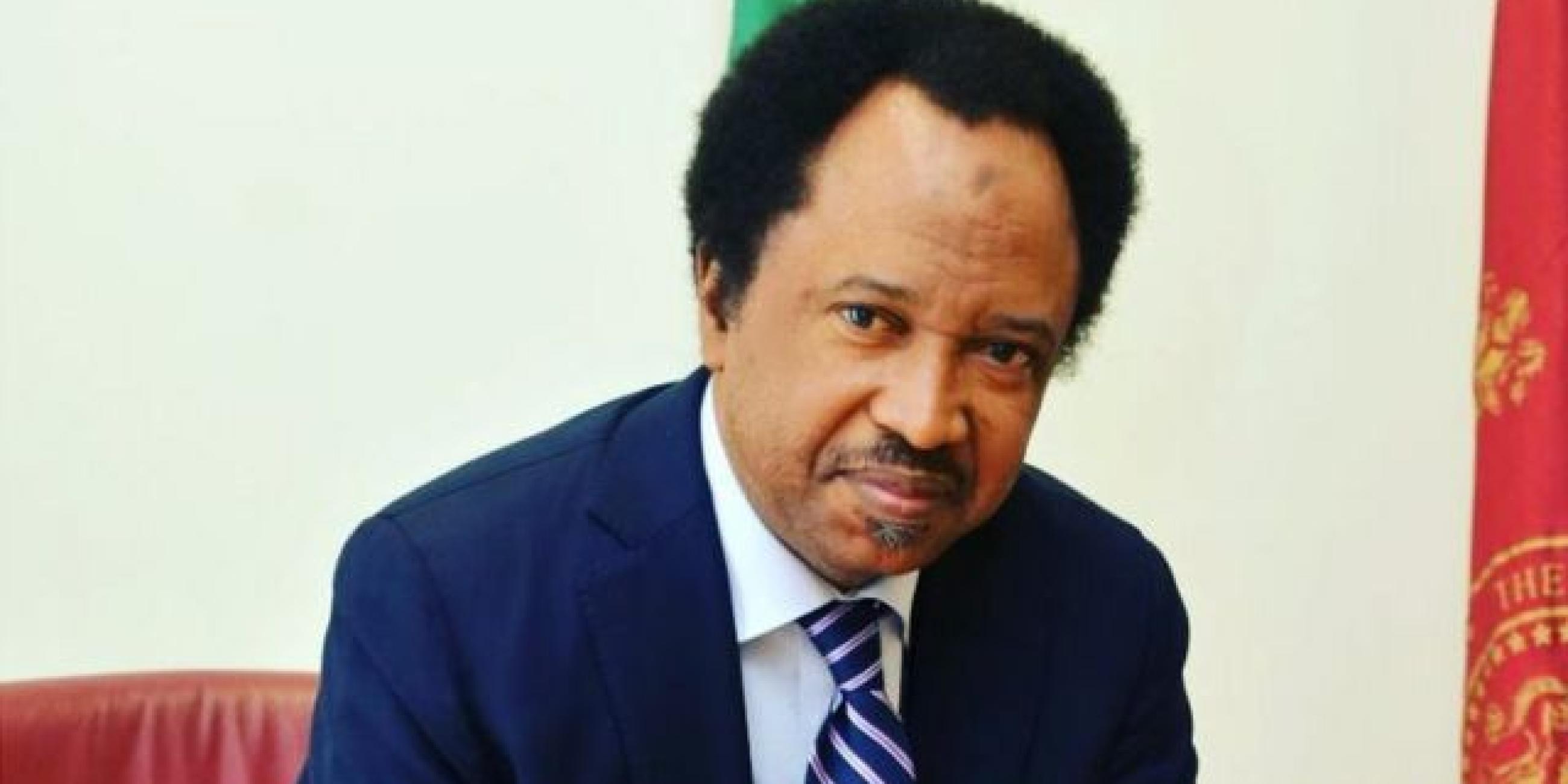
  • Shehu Sani Urges Northern Nigerians to Protect Themselves Amid Rising Banditry and Insecurity

    Former Senator Shehu Sani has urged citizens in Northern Nigeria to take security into their own hands amid persistent banditry and terrorism. Speaking during the launch of his books and stageplay in Abuja, Sani highlighted attacks by ISWAP, Boko Haram, and other armed groups, which have displaced millions, killed, and kidnapped civilians. He stressed community vigilance, accountability, and local intelligence as vital to dismantling criminal networks. His works also address irregular migration, human trafficking, and the need for African leaders to create local opportunities to curb youth exploitation abroad.
    Shehu Sani Urges Northern Nigerians to Protect Themselves Amid Rising Banditry and Insecurity Former Senator Shehu Sani has urged citizens in Northern Nigeria to take security into their own hands amid persistent banditry and terrorism. Speaking during the launch of his books and stageplay in Abuja, Sani highlighted attacks by ISWAP, Boko Haram, and other armed groups, which have displaced millions, killed, and kidnapped civilians. He stressed community vigilance, accountability, and local intelligence as vital to dismantling criminal networks. His works also address irregular migration, human trafficking, and the need for African leaders to create local opportunities to curb youth exploitation abroad.
    0 Commenti ·0 condivisioni ·990 Views
  • US Arrests Former Ghana MASLOC CEO Sedina Tamakloe-Attionu, Ex-Finance Minister Over Corruption and Immigration Violations

    US authorities have arrested former Ghana MASLOC CEO Sedina Tamakloe-Attionu and ex-Finance Minister Ken Ofori-Atta over alleged financial crimes and immigration violations. Tamakloe-Attionu, sentenced in absentia to 10 years for embezzlement and money laundering, fled Ghana in 2019 for medical reasons and never returned. She was detained in Nevada on January 6, 2026, following an extradition request submitted in July 2024. Ofori-Atta, detained in Virginia for overstaying his visa, faces 78 corruption-related charges in Ghana. Extradition proceedings are underway to bring both back to Ghana for trial or to serve their sentences.
    US Arrests Former Ghana MASLOC CEO Sedina Tamakloe-Attionu, Ex-Finance Minister Over Corruption and Immigration Violations US authorities have arrested former Ghana MASLOC CEO Sedina Tamakloe-Attionu and ex-Finance Minister Ken Ofori-Atta over alleged financial crimes and immigration violations. Tamakloe-Attionu, sentenced in absentia to 10 years for embezzlement and money laundering, fled Ghana in 2019 for medical reasons and never returned. She was detained in Nevada on January 6, 2026, following an extradition request submitted in July 2024. Ofori-Atta, detained in Virginia for overstaying his visa, faces 78 corruption-related charges in Ghana. Extradition proceedings are underway to bring both back to Ghana for trial or to serve their sentences.
    0 Commenti ·0 condivisioni ·626 Views
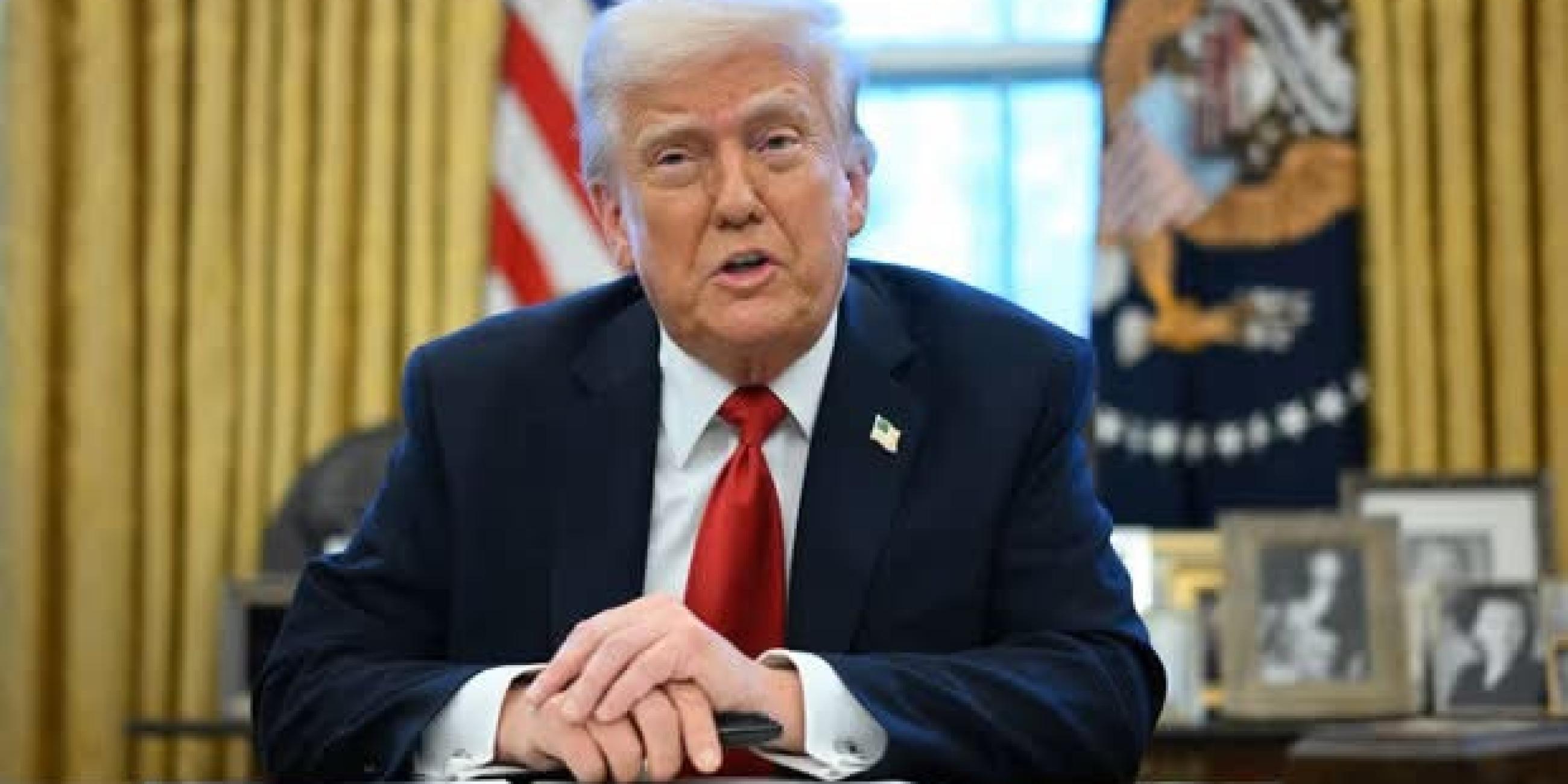
  • Trump Threatens Military Deployment to Minnesota Amid Anti-ICE Protests and Shootings

    President Donald Trump has threatened to invoke the Insurrection Act to deploy the military in Minnesota following escalating protests over federal immigration enforcement in Minneapolis. Tensions surged after ICE agents fatally shot U.S. citizen Renee Good, sparking demonstrations that spread to other cities. Additional incidents, including the shooting of a Venezuelan man, have intensified unrest. Thousands of armed federal officers patrol the streets amid accusations of excessive force. Trump blames Minnesota officials for failing to stop “agitators,” while state authorities accuse his administration of fueling violence, deepening the standoff.
    Trump Threatens Military Deployment to Minnesota Amid Anti-ICE Protests and Shootings President Donald Trump has threatened to invoke the Insurrection Act to deploy the military in Minnesota following escalating protests over federal immigration enforcement in Minneapolis. Tensions surged after ICE agents fatally shot U.S. citizen Renee Good, sparking demonstrations that spread to other cities. Additional incidents, including the shooting of a Venezuelan man, have intensified unrest. Thousands of armed federal officers patrol the streets amid accusations of excessive force. Trump blames Minnesota officials for failing to stop “agitators,” while state authorities accuse his administration of fueling violence, deepening the standoff.
    0 Commenti ·0 condivisioni ·679 Views
  • USA Freezes Visa Processing for Nigeria and 74 Other Countries

    The United States has suspended visa processing for Nigeria and 74 other nations, citing concerns over welfare dependence.

    #USVisa #NigeriaNews #TravelUpdate #VisaFreeze #BreakingNews #InternationalRelations #ImmigrationNews #GlobalUpdate
    🇺🇸 USA Freezes Visa Processing for Nigeria and 74 Other Countries 🇳🇬 The United States has suspended visa processing for Nigeria and 74 other nations, citing concerns over welfare dependence. #USVisa #NigeriaNews #TravelUpdate #VisaFreeze #BreakingNews #InternationalRelations #ImmigrationNews #GlobalUpdate
    0 Commenti ·0 condivisioni ·775 Views
  • NOA to Blow N252m to Teach Youths Say ‘No Japa Syndrome’ – Wahala or Opportunity?

    Omo, government dey serious oo! National Orientation Agency (NOA) don plan to spend N252 million to sensitise Nigerian youths against Japa Syndrome – the wahala wey make plenty young people dey run abroad for better life.

    According to the 2026 budget, the money go cover three locations: Kebbi State (N77m), Owan federal constituency (N140m), and Cross River’s Calabar municipal/Odukpani (N35m).

    This na part of bigger youth empowerment and sensitisation drive, wey also include drug abuse, FGM, domestic violence, and civic education. NOA talk say dem dey target reach 3 million Nigerians daily through awareness campaigns.

    Minister of Budget, Senator Atiku Bagudu, don beg youths to stop illegal migration, say government don arrange measures to empower them inside Naija.


    NOA to Blow N252m to Teach Youths Say ‘No Japa Syndrome’ – Wahala or Opportunity? Omo, government dey serious oo! National Orientation Agency (NOA) don plan to spend N252 million to sensitise Nigerian youths against Japa Syndrome – the wahala wey make plenty young people dey run abroad for better life. According to the 2026 budget, the money go cover three locations: Kebbi State (N77m), Owan federal constituency (N140m), and Cross River’s Calabar municipal/Odukpani (N35m). This na part of bigger youth empowerment and sensitisation drive, wey also include drug abuse, FGM, domestic violence, and civic education. NOA talk say dem dey target reach 3 million Nigerians daily through awareness campaigns. Minister of Budget, Senator Atiku Bagudu, don beg youths to stop illegal migration, say government don arrange measures to empower them inside Naija.
    0 Commenti ·0 condivisioni ·718 Views
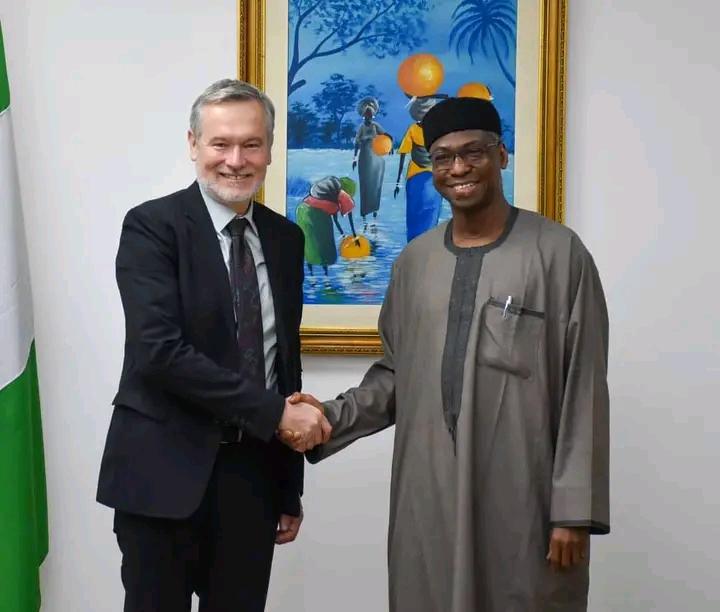
  • Another Tori oo! Nigeria, EU Ready to Tighten Relationship, Set Big 2026 Abuja Summit

    Nigeria and the European Union don agree to strengthen their strategic partnership, with a major ministerial summit scheduled for Abuja in March 2026. According to a statement by the Ministry of Foreign Affairs spokesperson, Kimibie Ebienfa, the decision follow high-level talks between Nigeria’s Permanent Secretary of Foreign Affairs, Ambassador Dunoma Umar Ahmed, and EU Ambassador, Gautier Mignot. Both sides agree say future cooperation go focus more on non-oil sectors like agriculture, digital economy and green innovation, as Nigeria dey look for ways to reduce dependence on crude oil. The EU also pledge continued support for counter-terrorism, Gulf of Guinea maritime security and tackling root causes of instability such as youth unemployment. Nigeria, on her part, call for stronger EU backing on climate adaptation and green technology. Dem also agree on balanced migration approach through skills partnerships under the EU “Global Gateway” initiative, aimed at boosting infrastructure, clean energy and youth development. Both parties express confidence say 2026 go be turning point for deeper cooperation. Wahala oo, Nigeria foreign partnership don enter new level.

    Another Tori oo! Nigeria, EU Ready to Tighten Relationship, Set Big 2026 Abuja Summit Nigeria and the European Union don agree to strengthen their strategic partnership, with a major ministerial summit scheduled for Abuja in March 2026. According to a statement by the Ministry of Foreign Affairs spokesperson, Kimibie Ebienfa, the decision follow high-level talks between Nigeria’s Permanent Secretary of Foreign Affairs, Ambassador Dunoma Umar Ahmed, and EU Ambassador, Gautier Mignot. Both sides agree say future cooperation go focus more on non-oil sectors like agriculture, digital economy and green innovation, as Nigeria dey look for ways to reduce dependence on crude oil. The EU also pledge continued support for counter-terrorism, Gulf of Guinea maritime security and tackling root causes of instability such as youth unemployment. Nigeria, on her part, call for stronger EU backing on climate adaptation and green technology. Dem also agree on balanced migration approach through skills partnerships under the EU “Global Gateway” initiative, aimed at boosting infrastructure, clean energy and youth development. Both parties express confidence say 2026 go be turning point for deeper cooperation. Wahala oo, Nigeria foreign partnership don enter new level.
    love
    1
    · 0 Commenti ·0 condivisioni ·742 Views
  • US Revokes 100,000 Visas Since Trump’s Return to Office

    The United States government says it has revoked about 100,000 visas since President Donald Trump returned to office, marking a sharp increase compared to the previous year.

    According to official figures, the number of visas revoked since Trump’s second inauguration on January 20, 2025, is about two and a half times higher than the total recorded in 2024, when former President Joe Biden was in office.

    Authorities have not provided a detailed breakdown of the affected visa categories but noted that the revocations are part of stricter immigration enforcement measures.
    US Revokes 100,000 Visas Since Trump’s Return to Office The United States government says it has revoked about 100,000 visas since President Donald Trump returned to office, marking a sharp increase compared to the previous year. According to official figures, the number of visas revoked since Trump’s second inauguration on January 20, 2025, is about two and a half times higher than the total recorded in 2024, when former President Joe Biden was in office. Authorities have not provided a detailed breakdown of the affected visa categories but noted that the revocations are part of stricter immigration enforcement measures.
    0 Commenti ·0 condivisioni ·489 Views
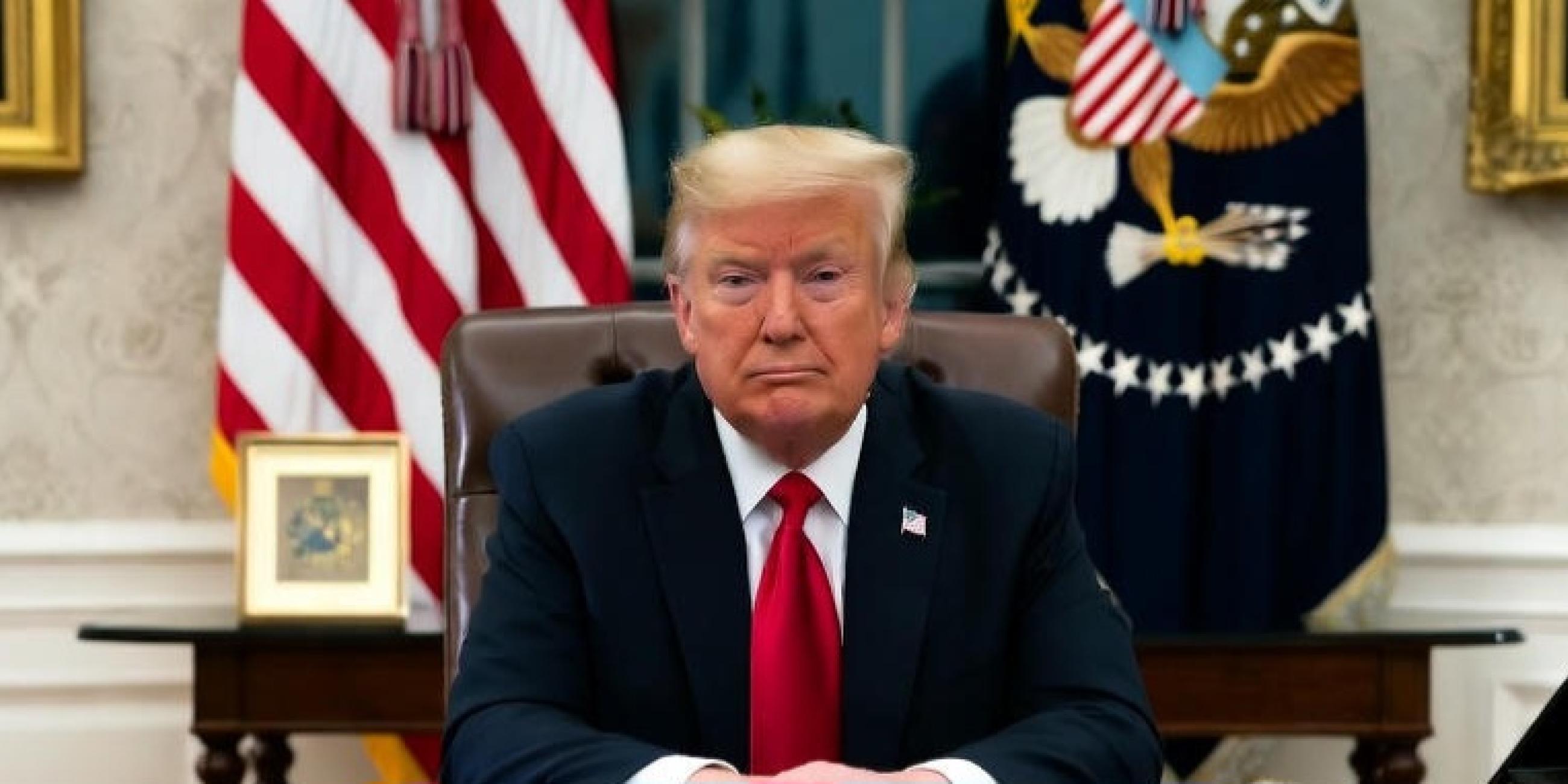
  • Trump Declares Emergency to Lock Down Venezuela’s Oil Funds in U.S. Treasury

    President Donald Trump has signed an executive order declaring a national emergency to block courts, creditors, and private parties from seizing Venezuelan oil revenue held in U.S. Treasury accounts.

    The White House said the funds—classified as Foreign Government Deposit Funds—are now fully protected from attachment, judgment, liens, or any form of legal action. The order also bans any transfer or use of the money unless explicitly authorised by the U.S. government.

    According to the administration, allowing the funds to be accessed would undermine U.S. foreign policy goals, weaken efforts to stabilise Venezuela, and threaten regional security. Officials linked the decision to concerns over illegal immigration, drug trafficking, and the influence of hostile foreign actors.

    The White House warned that losing control of the oil revenues could strengthen groups such as Iran and Hezbollah while crippling initiatives aimed at restoring political and economic stability in Venezuela and across the Western Hemisphere.

    The move forms part of Trump’s hardline “America First” approach to Venezuela. His administration has designated several criminal groups as terrorist organisations, imposed strict measures on oil shipments, and authorised aggressive action against narcotics networks operating in the region.

    Earlier on the same day, Trump met with top oil executives, revealing plans for large-scale U.S. investment in Venezuela’s energy sector. He said the deals could involve “hundreds of billions of dollars,” boost oil production, and drive prices down globally.

    The White House described the executive order as a strategic step to safeguard U.S. national security interests while maintaining control over Venezuela’s most critical financial asset.


    Trump Declares Emergency to Lock Down Venezuela’s Oil Funds in U.S. Treasury President Donald Trump has signed an executive order declaring a national emergency to block courts, creditors, and private parties from seizing Venezuelan oil revenue held in U.S. Treasury accounts. The White House said the funds—classified as Foreign Government Deposit Funds—are now fully protected from attachment, judgment, liens, or any form of legal action. The order also bans any transfer or use of the money unless explicitly authorised by the U.S. government. According to the administration, allowing the funds to be accessed would undermine U.S. foreign policy goals, weaken efforts to stabilise Venezuela, and threaten regional security. Officials linked the decision to concerns over illegal immigration, drug trafficking, and the influence of hostile foreign actors. The White House warned that losing control of the oil revenues could strengthen groups such as Iran and Hezbollah while crippling initiatives aimed at restoring political and economic stability in Venezuela and across the Western Hemisphere. The move forms part of Trump’s hardline “America First” approach to Venezuela. His administration has designated several criminal groups as terrorist organisations, imposed strict measures on oil shipments, and authorised aggressive action against narcotics networks operating in the region. Earlier on the same day, Trump met with top oil executives, revealing plans for large-scale U.S. investment in Venezuela’s energy sector. He said the deals could involve “hundreds of billions of dollars,” boost oil production, and drive prices down globally. The White House described the executive order as a strategic step to safeguard U.S. national security interests while maintaining control over Venezuela’s most critical financial asset.
    0 Commenti ·0 condivisioni ·1K Views
  • What Will 2026 Really Bring for Nigeria and the World? Azu Ishiekwene Predicts Power Shifts, Economic Strain, AI Disruption, 2027 Politics and Who Wins the World Cup

    Is 2026 a year of quiet recovery—or the beginning of deeper political, economic and global turbulence? And is Nigeria already slipping into the politics of 2027?

    In what he describes as possibly his final annual forecast, journalist and columnist Azu Ishiekwene delivers a sweeping, high-stakes outlook on Nigeria and the world, blending political prediction, economic analysis, technology trends and global power shifts. Known for earlier forecasts that accurately anticipated election outcomes and cabinet shake-ups, Ishiekwene argues that 2026 will be a year where politics collides head-on with harsh economic realities, leaving citizens caught between daily hardship and recycled political promises.

    He warns that Nigeria’s economy will remain under pressure, with tensions growing between tight monetary policy and rising demands for fiscal expansion in a pre-election year. Could divisions inside the Ministry of Finance undermine investor confidence? And will petrol prices remain stable around ₦850 per litre, as he suggests, only if oil output rises and NNPC escapes its heavy crude obligations?

    While cheaper fuel from the Dangote Refinery may offer temporary consumer relief, Ishiekwene predicts continued instability in electricity supply, pointing to a fragile transmission system that still requires massive investment. He also foresees President Bola Tinubu possibly unveiling private-sector-led reforms in power transmission involving major business players.

    But is Nigeria already entering the politics of 2027 in 2026?

    Ishiekwene argues that although early elections are unlikely, political realignments are accelerating. With multiple opposition governors defecting to the ruling APC, claims of a creeping one-party state are growing. Yet, he suggests the reality is more complex: a weakened opposition plagued by internal fractures, financial constraints and a lack of coherent alternatives.

    Turning to the emerging African Democratic Congress (ADC) coalition—uniting figures such as Atiku Abubakar, Peter Obi, Nasir El-Rufai, Rotimi Amaechi and Rabiu Kwankwaso—he raises a critical question: is ADC truly built to win in 2027, or merely to survive until 2031? He predicts Atiku will clinch the party’s ticket over Obi, with Obi likely offered the vice-presidential slot—potentially triggering backlash among “Obidients.” With limited grassroots reach and the enormous financial demands of a presidential campaign, Ishiekwene concludes that ADC may struggle to pose a serious challenge to the ruling party in the next election cycle.

    Beyond Nigeria, he paints 2026 as a year shaped by geopolitical rivalry, especially between Donald Trump’s America and Xi Jinping’s China, and by growing global unease over U.S. trade policies, immigration enforcement and economic nationalism. Could gold and non-dollar assets accelerate as the world quietly prepares for a less dollar-centric future?

    He also highlights the rapid evolution of artificial intelligence, warning that 2026 will mark a shift from basic generative AI to agentic, autonomous systems capable of independent action. As AI blurs the line between reality and fabrication, he predicts rising confusion, misinformation, and ethical challenges—ushering in what he calls the “Year of the Humanoid.”

    Even football is not spared his forecasting. With the 2026 FIFA World Cup approaching, Ishiekwene tips Spain to win, citing tactical depth and cohesion, while acknowledging Morocco as Africa’s strongest hope.

    Ultimately, the essay asks uncomfortable but urgent questions:
    Is Nigeria drifting toward political dominance by one party?
    Will economic reforms truly ease citizens’ burdens—or merely reshuffle the pressure?
    Can a fractured opposition reorganise in time?
    And in a world increasingly shaped by AI and geopolitical rivalry, where does Nigeria truly stand?

    For Ishiekwene, 2026 is not just another year—it is a crossroads where technology, politics, power and survival intersect, setting the tone for Nigeria’s future well beyond the next election.


    What Will 2026 Really Bring for Nigeria and the World? Azu Ishiekwene Predicts Power Shifts, Economic Strain, AI Disruption, 2027 Politics and Who Wins the World Cup Is 2026 a year of quiet recovery—or the beginning of deeper political, economic and global turbulence? And is Nigeria already slipping into the politics of 2027? In what he describes as possibly his final annual forecast, journalist and columnist Azu Ishiekwene delivers a sweeping, high-stakes outlook on Nigeria and the world, blending political prediction, economic analysis, technology trends and global power shifts. Known for earlier forecasts that accurately anticipated election outcomes and cabinet shake-ups, Ishiekwene argues that 2026 will be a year where politics collides head-on with harsh economic realities, leaving citizens caught between daily hardship and recycled political promises. He warns that Nigeria’s economy will remain under pressure, with tensions growing between tight monetary policy and rising demands for fiscal expansion in a pre-election year. Could divisions inside the Ministry of Finance undermine investor confidence? And will petrol prices remain stable around ₦850 per litre, as he suggests, only if oil output rises and NNPC escapes its heavy crude obligations? While cheaper fuel from the Dangote Refinery may offer temporary consumer relief, Ishiekwene predicts continued instability in electricity supply, pointing to a fragile transmission system that still requires massive investment. He also foresees President Bola Tinubu possibly unveiling private-sector-led reforms in power transmission involving major business players. But is Nigeria already entering the politics of 2027 in 2026? Ishiekwene argues that although early elections are unlikely, political realignments are accelerating. With multiple opposition governors defecting to the ruling APC, claims of a creeping one-party state are growing. Yet, he suggests the reality is more complex: a weakened opposition plagued by internal fractures, financial constraints and a lack of coherent alternatives. Turning to the emerging African Democratic Congress (ADC) coalition—uniting figures such as Atiku Abubakar, Peter Obi, Nasir El-Rufai, Rotimi Amaechi and Rabiu Kwankwaso—he raises a critical question: is ADC truly built to win in 2027, or merely to survive until 2031? He predicts Atiku will clinch the party’s ticket over Obi, with Obi likely offered the vice-presidential slot—potentially triggering backlash among “Obidients.” With limited grassroots reach and the enormous financial demands of a presidential campaign, Ishiekwene concludes that ADC may struggle to pose a serious challenge to the ruling party in the next election cycle. Beyond Nigeria, he paints 2026 as a year shaped by geopolitical rivalry, especially between Donald Trump’s America and Xi Jinping’s China, and by growing global unease over U.S. trade policies, immigration enforcement and economic nationalism. Could gold and non-dollar assets accelerate as the world quietly prepares for a less dollar-centric future? He also highlights the rapid evolution of artificial intelligence, warning that 2026 will mark a shift from basic generative AI to agentic, autonomous systems capable of independent action. As AI blurs the line between reality and fabrication, he predicts rising confusion, misinformation, and ethical challenges—ushering in what he calls the “Year of the Humanoid.” Even football is not spared his forecasting. With the 2026 FIFA World Cup approaching, Ishiekwene tips Spain to win, citing tactical depth and cohesion, while acknowledging Morocco as Africa’s strongest hope. Ultimately, the essay asks uncomfortable but urgent questions: Is Nigeria drifting toward political dominance by one party? Will economic reforms truly ease citizens’ burdens—or merely reshuffle the pressure? Can a fractured opposition reorganise in time? And in a world increasingly shaped by AI and geopolitical rivalry, where does Nigeria truly stand? For Ishiekwene, 2026 is not just another year—it is a crossroads where technology, politics, power and survival intersect, setting the tone for Nigeria’s future well beyond the next election.
    love
    1
    · 0 Commenti ·0 condivisioni ·2K Views
  • US Detains Ghana’s Former Finance Minister Ken Ofori-Atta on Corruption and Immigration Charges

    The United States Immigration and Customs Enforcement (ICE) has detained Ken Ofori-Atta, Ghana’s former finance minister, at a Virginia facility amid ongoing corruption allegations in his home country. Ofori-Atta, who served under former President Nana Akufo-Addo and oversaw controversial tax reforms and IMF negotiations, was declared a fugitive in February 2025 and formally charged in November 2025.

    His detention follows a medical stay in the United States for prostate cancer treatment, raising questions about his immigration status while seeking to extend his stay. ICE took him into custody primarily over immigration issues, although Ghanaian authorities seek his extradition in connection with corruption charges.

    The news has triggered mixed reactions from the public, with some calling for swift extradition to Ghana, while others highlight the role of ICE in managing overstayed visas and fugitive cases in the US. This high-profile detention underscores the intersection of international law, medical exemptions, and accountability for former public officials.

    #KenOforiAtta #USICE #GhanaPolitics #Corruption #ExtraditionNews #InternationalLaw

    US Detains Ghana’s Former Finance Minister Ken Ofori-Atta on Corruption and Immigration Charges The United States Immigration and Customs Enforcement (ICE) has detained Ken Ofori-Atta, Ghana’s former finance minister, at a Virginia facility amid ongoing corruption allegations in his home country. Ofori-Atta, who served under former President Nana Akufo-Addo and oversaw controversial tax reforms and IMF negotiations, was declared a fugitive in February 2025 and formally charged in November 2025. His detention follows a medical stay in the United States for prostate cancer treatment, raising questions about his immigration status while seeking to extend his stay. ICE took him into custody primarily over immigration issues, although Ghanaian authorities seek his extradition in connection with corruption charges. The news has triggered mixed reactions from the public, with some calling for swift extradition to Ghana, while others highlight the role of ICE in managing overstayed visas and fugitive cases in the US. This high-profile detention underscores the intersection of international law, medical exemptions, and accountability for former public officials. #KenOforiAtta #USICE #GhanaPolitics #Corruption #ExtraditionNews #InternationalLaw
    like
    1
    · 0 Commenti ·0 condivisioni ·831 Views
  • Former Ghana Finance Minister Ken Ofori-Atta Detained by U.S. Immigration Authorities Amid Pending Status Petition

    Ken Ofori-Atta, former Minister of Finance for Ghana, has been detained by U.S. Immigration and Customs Enforcement (ICE) as authorities review the status of his stay in the United States. The detention comes in the context of a pending petition for adjustment of status, a standard legal process that allows individuals to remain in the U.S. beyond their visa validity.

    Ofori-Atta’s legal team, Minkah-Premo, Osei-Bonsu, Bruce Cathline & Partners, confirmed that the former minister is cooperating fully with ICE, and they expressed confidence that the matter will be resolved expeditiously. ICE has not provided further comment, and there are no criminal allegations linked to the detention.

    The legal petition is a common procedure under U.S. immigration law, often used by individuals seeking to change or extend their residency status. Ofori-Atta, a high-profile former government official, is awaiting the formal resolution of this petition while complying with standard U.S. immigration processes.

    Authorities and his legal team have emphasized that Ofori-Atta is a law-abiding individual, and the detention does not imply wrongdoing. The case highlights the importance of legal procedures for foreign nationals residing in the United States and underscores that immigration reviews are separate from any allegations of criminal activity.

    This development has drawn attention due to Ofori-Atta’s prominent role in Ghana’s government and the broader implications of immigration status enforcement for high-profile individuals.


    Former Ghana Finance Minister Ken Ofori-Atta Detained by U.S. Immigration Authorities Amid Pending Status Petition Ken Ofori-Atta, former Minister of Finance for Ghana, has been detained by U.S. Immigration and Customs Enforcement (ICE) as authorities review the status of his stay in the United States. The detention comes in the context of a pending petition for adjustment of status, a standard legal process that allows individuals to remain in the U.S. beyond their visa validity. Ofori-Atta’s legal team, Minkah-Premo, Osei-Bonsu, Bruce Cathline & Partners, confirmed that the former minister is cooperating fully with ICE, and they expressed confidence that the matter will be resolved expeditiously. ICE has not provided further comment, and there are no criminal allegations linked to the detention. The legal petition is a common procedure under U.S. immigration law, often used by individuals seeking to change or extend their residency status. Ofori-Atta, a high-profile former government official, is awaiting the formal resolution of this petition while complying with standard U.S. immigration processes. Authorities and his legal team have emphasized that Ofori-Atta is a law-abiding individual, and the detention does not imply wrongdoing. The case highlights the importance of legal procedures for foreign nationals residing in the United States and underscores that immigration reviews are separate from any allegations of criminal activity. This development has drawn attention due to Ofori-Atta’s prominent role in Ghana’s government and the broader implications of immigration status enforcement for high-profile individuals.
    0 Commenti ·0 condivisioni ·395 Views
  • Was Deadly Force Justified? Why an ICE Agent Shot a Motorist in Minneapolis During Immigration Raids—and How This Killing Is Reigniting America’s Immigration and Police Brutality Debate

    Was the fatal shooting of a motorist by a federal immigration agent in Minneapolis an act of self-defence—or a troubling escalation in America’s immigration crackdown? And how far is the U.S. government willing to go in enforcing immigration laws under the Trump administration?

    An Immigration and Customs Enforcement (ICE) agent shot and killed a woman during a federal immigration operation in Minneapolis after authorities said she attempted to drive her vehicle into law enforcement officers. The incident occurred in a residential neighbourhood as ICE carried out what the Department of Homeland Security (DHS) described as “targeted operations” connected to an ongoing nationwide enforcement surge.

    According to DHS spokesperson Tricia McLaughlin, the confrontation unfolded after protesters reportedly surrounded officers at the scene. She alleged that the woman “weaponized her vehicle” in an attempt to run over federal agents—calling the act “domestic terrorism.” The woman was shot inside her car, but as of Wednesday evening, authorities had not released her identity or confirmed whether body-camera footage would be made public.

    Why is this incident causing such outrage? The killing comes amid a dramatic expansion of federal immigration enforcement in major U.S. cities. Just one day earlier, DHS announced the deployment of approximately 2,000 federal agents to Minneapolis and St. Paul as part of a sweeping crackdown linked in part to alleged fraud involving members of the Somali community. The announcement immediately heightened tensions in a region already sensitive to aggressive immigration operations.

    Following the shooting, crowds of protesters flooded the area, chanting “Shame! Shame! Shame!” and “ICE out of Minnesota!”—slogans that have echoed across other U.S. cities experiencing similar raids. Civil rights advocates and community leaders have called for an independent investigation, demanding transparency around the use of deadly force by federal officers during immigration operations.

    Minneapolis Mayor Jacob Frey strongly condemned the federal presence, accusing ICE of destabilising the city. “Immigration agents are causing chaos in our city,” he said, insisting that federal authorities leave Minnesota and affirming the city’s support for immigrant and refugee communities.

    What does this mean for immigration enforcement in America? The shooting is being widely seen as a turning point in an already polarising national debate over immigration, policing, and the militarisation of federal law enforcement. With Minneapolis now emerging as a flashpoint—alongside cities like Los Angeles and Chicago—the incident raises urgent questions: Are ICE operations becoming more dangerous for both officers and civilians? Is the use of lethal force becoming normalised in immigration enforcement? And will federal authorities face greater scrutiny or legal challenges over how these operations are conducted?

    As investigations loom and public anger grows, the Minneapolis shooting is likely to intensify political battles over immigration policy, civil rights, and the limits of federal power—reshaping how America confronts one of its most divisive issues in the years ahead.

    Was Deadly Force Justified? Why an ICE Agent Shot a Motorist in Minneapolis During Immigration Raids—and How This Killing Is Reigniting America’s Immigration and Police Brutality Debate Was the fatal shooting of a motorist by a federal immigration agent in Minneapolis an act of self-defence—or a troubling escalation in America’s immigration crackdown? And how far is the U.S. government willing to go in enforcing immigration laws under the Trump administration? An Immigration and Customs Enforcement (ICE) agent shot and killed a woman during a federal immigration operation in Minneapolis after authorities said she attempted to drive her vehicle into law enforcement officers. The incident occurred in a residential neighbourhood as ICE carried out what the Department of Homeland Security (DHS) described as “targeted operations” connected to an ongoing nationwide enforcement surge. According to DHS spokesperson Tricia McLaughlin, the confrontation unfolded after protesters reportedly surrounded officers at the scene. She alleged that the woman “weaponized her vehicle” in an attempt to run over federal agents—calling the act “domestic terrorism.” The woman was shot inside her car, but as of Wednesday evening, authorities had not released her identity or confirmed whether body-camera footage would be made public. Why is this incident causing such outrage? The killing comes amid a dramatic expansion of federal immigration enforcement in major U.S. cities. Just one day earlier, DHS announced the deployment of approximately 2,000 federal agents to Minneapolis and St. Paul as part of a sweeping crackdown linked in part to alleged fraud involving members of the Somali community. The announcement immediately heightened tensions in a region already sensitive to aggressive immigration operations. Following the shooting, crowds of protesters flooded the area, chanting “Shame! Shame! Shame!” and “ICE out of Minnesota!”—slogans that have echoed across other U.S. cities experiencing similar raids. Civil rights advocates and community leaders have called for an independent investigation, demanding transparency around the use of deadly force by federal officers during immigration operations. Minneapolis Mayor Jacob Frey strongly condemned the federal presence, accusing ICE of destabilising the city. “Immigration agents are causing chaos in our city,” he said, insisting that federal authorities leave Minnesota and affirming the city’s support for immigrant and refugee communities. What does this mean for immigration enforcement in America? The shooting is being widely seen as a turning point in an already polarising national debate over immigration, policing, and the militarisation of federal law enforcement. With Minneapolis now emerging as a flashpoint—alongside cities like Los Angeles and Chicago—the incident raises urgent questions: Are ICE operations becoming more dangerous for both officers and civilians? Is the use of lethal force becoming normalised in immigration enforcement? And will federal authorities face greater scrutiny or legal challenges over how these operations are conducted? As investigations loom and public anger grows, the Minneapolis shooting is likely to intensify political battles over immigration policy, civil rights, and the limits of federal power—reshaping how America confronts one of its most divisive issues in the years ahead.
    0 Commenti ·0 condivisioni ·886 Views
  • “US Imposes $15,000 Visa Bonds on Nigerians for Business and Tourist Travel – New Travel Restrictions Explained”

    The United States government has introduced stringent new visa requirements that may affect Nigerians and other nationals from high-risk countries seeking B1/B2 business and tourist visas. According to an official notice on the US Department of State website (Travel.State.Gov), applicants may now be required to post visa bonds of $5,000, $10,000, or $15,000, depending on individual circumstances assessed during visa interviews. Payment of the bond does not guarantee visa issuance, and any fees paid without a consular officer’s direction will not be refunded.
    This directive, effective January 21, 2026, for Nigeria, affects 38 countries worldwide, with 24 African nations included. Visa bonds act as financial guarantees for nationals from countries classified as high-risk, ensuring compliance with visa regulations and departure requirements. Applicants must submit the Department of Homeland Security Form I-352 and make payments via the US Treasury’s Pay.gov platform. Bond holders are also required to enter the US only through designated airports such as Boston Logan, JFK in New York, and Washington Dulles.
    The new restrictions follow a partial travel suspension imposed on Nigeria on December 16, 2025, due to security concerns linked to Boko Haram and Islamic State activities, alongside high visa overstay rates—5.56% for B1/B2 visas and 11.90% for student and exchange visas (F, M, and J categories). The US government emphasized that bonds are refundable only when a visa holder departs on time, does not travel before visa expiration, or is denied admission at a port of entry.
    This move is part of broader US efforts to tighten travel compliance for nationals from countries with security, immigration, or overstay concerns, highlighting the increasing scrutiny facing Nigerian travelers seeking entry to the United States.
    “US Imposes $15,000 Visa Bonds on Nigerians for Business and Tourist Travel – New Travel Restrictions Explained” The United States government has introduced stringent new visa requirements that may affect Nigerians and other nationals from high-risk countries seeking B1/B2 business and tourist visas. According to an official notice on the US Department of State website (Travel.State.Gov), applicants may now be required to post visa bonds of $5,000, $10,000, or $15,000, depending on individual circumstances assessed during visa interviews. Payment of the bond does not guarantee visa issuance, and any fees paid without a consular officer’s direction will not be refunded. This directive, effective January 21, 2026, for Nigeria, affects 38 countries worldwide, with 24 African nations included. Visa bonds act as financial guarantees for nationals from countries classified as high-risk, ensuring compliance with visa regulations and departure requirements. Applicants must submit the Department of Homeland Security Form I-352 and make payments via the US Treasury’s Pay.gov platform. Bond holders are also required to enter the US only through designated airports such as Boston Logan, JFK in New York, and Washington Dulles. The new restrictions follow a partial travel suspension imposed on Nigeria on December 16, 2025, due to security concerns linked to Boko Haram and Islamic State activities, alongside high visa overstay rates—5.56% for B1/B2 visas and 11.90% for student and exchange visas (F, M, and J categories). The US government emphasized that bonds are refundable only when a visa holder departs on time, does not travel before visa expiration, or is denied admission at a port of entry. This move is part of broader US efforts to tighten travel compliance for nationals from countries with security, immigration, or overstay concerns, highlighting the increasing scrutiny facing Nigerian travelers seeking entry to the United States.
    like
    1
    · 0 Commenti ·0 condivisioni ·593 Views
  • ADC Says Trump’s Action Against Venezuela’s Maduro Is a Warning to Illegitimate Governments, Slams Tinubu’s Silence as Embarrassing for Nigeria

    The African Democratic Congress (ADC) has described recent actions by the United States under President Donald Trump against Venezuelan President Nicolás Maduro and his wife as a strong warning to governments that lack legitimacy, urging Nigeria to draw lessons from the development. In a statement signed by its National Publicity Secretary, Bolaji Abdullahi, the party said the move sends “a strong message” to Nigeria and other countries where leadership is allegedly sustained by flawed elections and repression.

    While reaffirming its support for national sovereignty and non-interference as enshrined in the UN Charter, the ADC argued that these principles should not be used to shield tyranny, electoral fraud, and the denial of citizens’ right to choose their leaders. Citing the 2024 Venezuelan presidential election, the party noted widespread international condemnation over alleged fraud, repression, exclusion of opposition candidates, violent suppression of protests, and the use of state institutions against citizens—developments it said have driven mass migration and regional instability.

    The ADC acknowledged that U.S. intervention raises concerns under international law but maintained that the public celebrations within Venezuela reflect a deep legitimacy crisis for the Maduro government. The party also criticised the Tinubu administration’s silence, calling it “deeply embarrassing” and evidence that Nigeria has lost influence and moral authority on the global stage. It concluded that sovereignty must reflect the will of the people, not merely the survival of a regime, warning that “contrived mandates” and election rigging will no longer find safe haven.
    ADC Says Trump’s Action Against Venezuela’s Maduro Is a Warning to Illegitimate Governments, Slams Tinubu’s Silence as Embarrassing for Nigeria The African Democratic Congress (ADC) has described recent actions by the United States under President Donald Trump against Venezuelan President Nicolás Maduro and his wife as a strong warning to governments that lack legitimacy, urging Nigeria to draw lessons from the development. In a statement signed by its National Publicity Secretary, Bolaji Abdullahi, the party said the move sends “a strong message” to Nigeria and other countries where leadership is allegedly sustained by flawed elections and repression. While reaffirming its support for national sovereignty and non-interference as enshrined in the UN Charter, the ADC argued that these principles should not be used to shield tyranny, electoral fraud, and the denial of citizens’ right to choose their leaders. Citing the 2024 Venezuelan presidential election, the party noted widespread international condemnation over alleged fraud, repression, exclusion of opposition candidates, violent suppression of protests, and the use of state institutions against citizens—developments it said have driven mass migration and regional instability. The ADC acknowledged that U.S. intervention raises concerns under international law but maintained that the public celebrations within Venezuela reflect a deep legitimacy crisis for the Maduro government. The party also criticised the Tinubu administration’s silence, calling it “deeply embarrassing” and evidence that Nigeria has lost influence and moral authority on the global stage. It concluded that sovereignty must reflect the will of the people, not merely the survival of a regime, warning that “contrived mandates” and election rigging will no longer find safe haven.
    like
    1
    · 0 Commenti ·0 condivisioni ·678 Views
  • Afghan National Sentenced to 15 Years in U.S. Prison for Plotting 2024 Election Day ISIS Terror Attack

    Abdullah Haji Zada, an Afghan national and lawful U.S. permanent resident, has been sentenced to 15 years in federal prison for conspiring with the Islamic State of Iraq and Syria (ISIS) to carry out a violent attack targeting the 2024 U.S. Election Day. Authorities revealed that Zada attempted to acquire two AK-47-style rifles and roughly 500 rounds of ammunition, intending to use them in a mass-casualty attack designed to disrupt the democratic process.

    The investigation was conducted by U.S. Immigration and Customs Enforcement (ICE) Homeland Security Investigations (HSI), which used intelligence and counterterrorism monitoring to identify Zada, execute search warrants, seize evidence, and prevent the plot. U.S. officials emphasized that ISIS continues to encourage attacks on American soil, particularly around symbolic events such as national elections.

    Following the completion of his sentence, Zada will be handed over to ICE Enforcement and Removal Operations for deportation to Afghanistan. This case underscores ongoing U.S. efforts to safeguard electoral processes and prevent terrorist threats, highlighting the critical role of ICE HSI in dismantling transnational extremist networks.
    Afghan National Sentenced to 15 Years in U.S. Prison for Plotting 2024 Election Day ISIS Terror Attack Abdullah Haji Zada, an Afghan national and lawful U.S. permanent resident, has been sentenced to 15 years in federal prison for conspiring with the Islamic State of Iraq and Syria (ISIS) to carry out a violent attack targeting the 2024 U.S. Election Day. Authorities revealed that Zada attempted to acquire two AK-47-style rifles and roughly 500 rounds of ammunition, intending to use them in a mass-casualty attack designed to disrupt the democratic process. The investigation was conducted by U.S. Immigration and Customs Enforcement (ICE) Homeland Security Investigations (HSI), which used intelligence and counterterrorism monitoring to identify Zada, execute search warrants, seize evidence, and prevent the plot. U.S. officials emphasized that ISIS continues to encourage attacks on American soil, particularly around symbolic events such as national elections. Following the completion of his sentence, Zada will be handed over to ICE Enforcement and Removal Operations for deportation to Afghanistan. This case underscores ongoing U.S. efforts to safeguard electoral processes and prevent terrorist threats, highlighting the critical role of ICE HSI in dismantling transnational extremist networks.
    like
    1
    · 0 Commenti ·0 condivisioni ·767 Views
Pagine in Evidenza
Fintter https://fintter.com