• Wahala Don Set for Adamawa: Bachama Group Accuses Nigerian Army, Big Men of Backing Tchobo Militia to Grab Mineral Land

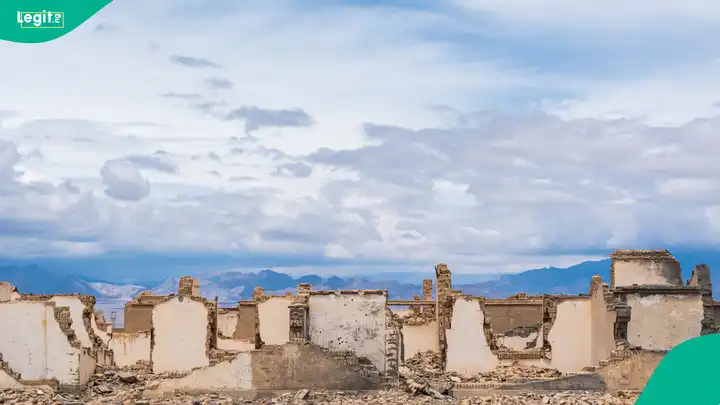
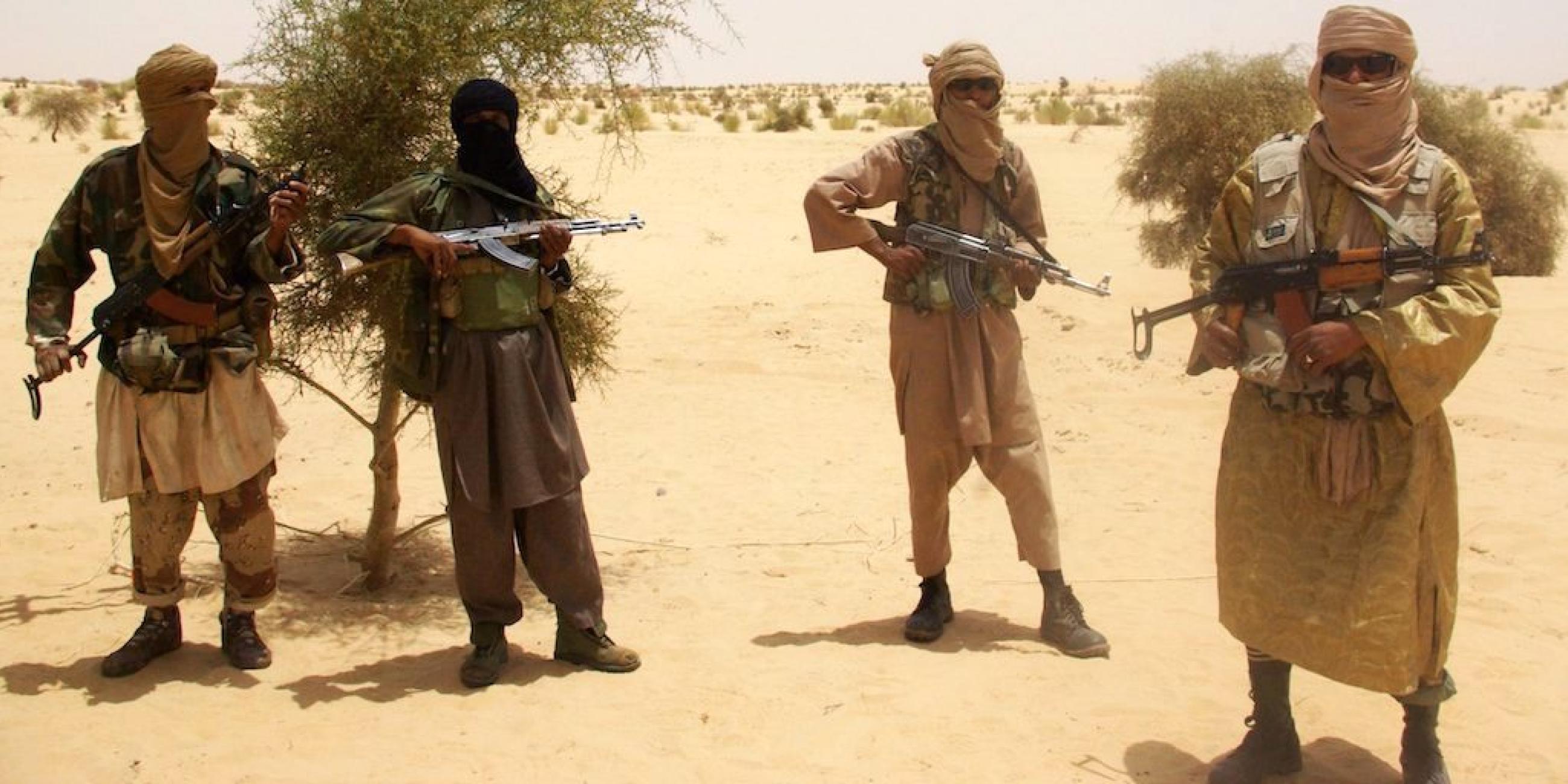
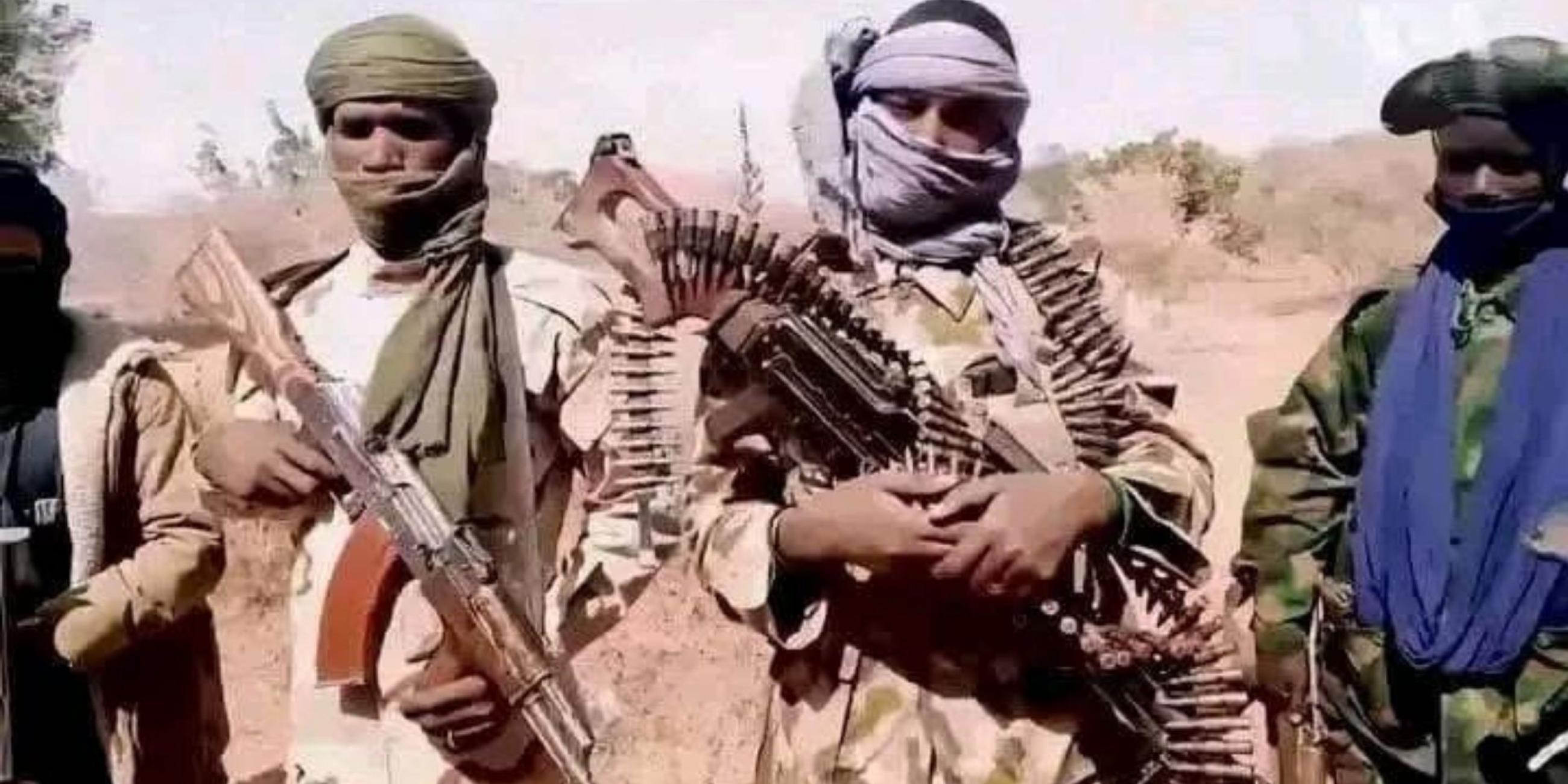
    Wahala don set for Adamawa State oo! Serious allegations don burst as Bachama militia group accuse the Nigerian military and powerful political big men of backing armed Tchobo militia to chase dem from their ancestral land – because of mineral wealth wey dey the area.

    According to Bachama leaders, this no be ordinary communal clash again. Dem talk say the fight don pass ethnic matter and don turn calculated land grab, where money, minerals and political interest don enter the matter.

    Dem say the crisis scatter well-well on July 7, 2025, when armed Tchobo fighters allegedly attack Bachama villages, kill innocent people without provocation. Bachama leaders insist say their people no retaliate, saying dem always try to remain on the defensive.

    When security forces later enter the area, Bachama people initially happy. But e no take long before dem begin cry say the deployment turn to “occupation in favour of our attackers.” As in, soldiers wey suppose protect everybody allegedly begin protect only one side.

    Wahala come rise again on December 8, 2025, when another attack allegedly happen. In a viral video, the Bachama group claim say while their youths try defend the community, soldiers allegedly intervene in a way wey lead to the killing of unarmed Bachama women wey gather dey pray for their men.

    Till today, dem say no serious investigation don come out, one full month after the incident.

    The group still talk about selective justice. Dem allege say two Bachama youths were arrested inside their bedrooms while sleeping, labeled as terrorists, and accused of keeping guns. As we speak, dem dey prison, waiting for trial.

    Meanwhile, according to the group, a Tchobo youth leader wey publicly issue threats and even call for the removal of the Hama Bachama (their paramount ruler) still dey walk free, untouched.

    “This is not accidental,” one Bachama leader talk. “The troops deployed here are compromised. They have taken sides and are protecting a tribal militia because powerful political actors want access to the mineral resources on our land.”

    Dem even question why soldiers – instead of mobile police wey dem usually use for communal crisis – were sent to the area. According to dem, this military presence don embolden armed militia, who now dey move freely with weapons while residents dey trapped inside their homes.

    Farmers no fit go farm. Families no fit work. Life don freeze. Meanwhile, armed men allegedly dey roam under the watch of security forces.

    According to Bachama leaders, the real plan be to intimidate and weaken their people until dem abandon the land, which dem believe say get valuable, untapped mineral deposits.

    “We are urging the Federal Government to withdraw these troops and stop this injustice,” the group said. “There can be no peace where security forces are seen as partners in exploitation.”

    Dem also call on the Adamawa State Government to release their arrested kinsmen within 48 hours, warning say if the detention continue while anger dey build, e fit ignite another round of violence.

    Police spokesman in the state, SP Suleiman Nguroje, confirm say two men don be charged to court over the conflict. But Bachama people insist say justice no dey balanced.

    SaharaReporters don previously report several times on the Bachama–Tchobo conflict, including allegations of village attacks, displacement, and claims of security bias. Observers don warn before say if elite interest and competition over land and minerals continue, the crisis fit turn full-blown humanitarian disaster.

    As e stand now, one thing clear:
    This no be ordinary communal clash again. Money, minerals, power don enter the matter. Wahala don set for Adamawa oo!


    Wahala Don Set for Adamawa: Bachama Group Accuses Nigerian Army, Big Men of Backing Tchobo Militia to Grab Mineral Land Wahala don set for Adamawa State oo! Serious allegations don burst as Bachama militia group accuse the Nigerian military and powerful political big men of backing armed Tchobo militia to chase dem from their ancestral land – because of mineral wealth wey dey the area. According to Bachama leaders, this no be ordinary communal clash again. Dem talk say the fight don pass ethnic matter and don turn calculated land grab, where money, minerals and political interest don enter the matter. Dem say the crisis scatter well-well on July 7, 2025, when armed Tchobo fighters allegedly attack Bachama villages, kill innocent people without provocation. Bachama leaders insist say their people no retaliate, saying dem always try to remain on the defensive. When security forces later enter the area, Bachama people initially happy. But e no take long before dem begin cry say the deployment turn to “occupation in favour of our attackers.” As in, soldiers wey suppose protect everybody allegedly begin protect only one side. Wahala come rise again on December 8, 2025, when another attack allegedly happen. In a viral video, the Bachama group claim say while their youths try defend the community, soldiers allegedly intervene in a way wey lead to the killing of unarmed Bachama women wey gather dey pray for their men. Till today, dem say no serious investigation don come out, one full month after the incident. The group still talk about selective justice. Dem allege say two Bachama youths were arrested inside their bedrooms while sleeping, labeled as terrorists, and accused of keeping guns. As we speak, dem dey prison, waiting for trial. Meanwhile, according to the group, a Tchobo youth leader wey publicly issue threats and even call for the removal of the Hama Bachama (their paramount ruler) still dey walk free, untouched. “This is not accidental,” one Bachama leader talk. “The troops deployed here are compromised. They have taken sides and are protecting a tribal militia because powerful political actors want access to the mineral resources on our land.” Dem even question why soldiers – instead of mobile police wey dem usually use for communal crisis – were sent to the area. According to dem, this military presence don embolden armed militia, who now dey move freely with weapons while residents dey trapped inside their homes. Farmers no fit go farm. Families no fit work. Life don freeze. Meanwhile, armed men allegedly dey roam under the watch of security forces. According to Bachama leaders, the real plan be to intimidate and weaken their people until dem abandon the land, which dem believe say get valuable, untapped mineral deposits. “We are urging the Federal Government to withdraw these troops and stop this injustice,” the group said. “There can be no peace where security forces are seen as partners in exploitation.” Dem also call on the Adamawa State Government to release their arrested kinsmen within 48 hours, warning say if the detention continue while anger dey build, e fit ignite another round of violence. Police spokesman in the state, SP Suleiman Nguroje, confirm say two men don be charged to court over the conflict. But Bachama people insist say justice no dey balanced. SaharaReporters don previously report several times on the Bachama–Tchobo conflict, including allegations of village attacks, displacement, and claims of security bias. Observers don warn before say if elite interest and competition over land and minerals continue, the crisis fit turn full-blown humanitarian disaster. As e stand now, one thing clear: This no be ordinary communal clash again. Money, minerals, power don enter the matter. Wahala don set for Adamawa oo!
    0 Comentários ·0 Compartilhamentos ·874 Visualizações
  • Nigerian Cuba Solidarity Group Condemns U.S. Raid in Venezuela That Killed 32 Cubans, Demands End to Sanctions and Release of Maduro

    The Nigeria Movement of Solidarity With Cuba (NMSC) has strongly condemned the United States’ military operation in Venezuela that reportedly led to the deaths of 32 Cuban nationals, describing the action as a violation of international law and an assault on national sovereignty.

    In a statement signed by labour activist Owei Lakemfa, the coalition said it stands in “deep condolence” with the Cuban people following the January 3 raid in Caracas, during which Venezuelan President Nicolás Maduro and his wife were captured. The Cuban government confirmed that those killed were members of its armed forces and intelligence services stationed in Venezuela.

    The Nigerian solidarity group accused Washington of engaging in “military aggression” and demanded the immediate release of President Maduro, respect for international law, and an end to what it called the United States’ pattern of “invasions of countries and territories.” Havana has since declared days of national mourning, praising the fallen for their “dignity and heroism” while denouncing the operation as state terrorism.

    Drawing on Cuba’s history of international solidarity, the NMSC cited the country’s role in anti-apartheid struggles in Africa, humanitarian missions across the globe, and its medical support during the COVID-19 pandemic as evidence of its commitment to global justice. The group also renewed calls for the lifting of long-standing U.S. sanctions on Cuba and demanded an end to punitive measures against Venezuela, warning that such policies inflict suffering on ordinary citizens.

    The incident has triggered widespread condemnation from labour organisations and political movements worldwide, with critics arguing that the raid represents a dangerous breach of sovereignty and the United Nations Charter.

    Nigerian Cuba Solidarity Group Condemns U.S. Raid in Venezuela That Killed 32 Cubans, Demands End to Sanctions and Release of Maduro The Nigeria Movement of Solidarity With Cuba (NMSC) has strongly condemned the United States’ military operation in Venezuela that reportedly led to the deaths of 32 Cuban nationals, describing the action as a violation of international law and an assault on national sovereignty. In a statement signed by labour activist Owei Lakemfa, the coalition said it stands in “deep condolence” with the Cuban people following the January 3 raid in Caracas, during which Venezuelan President Nicolás Maduro and his wife were captured. The Cuban government confirmed that those killed were members of its armed forces and intelligence services stationed in Venezuela. The Nigerian solidarity group accused Washington of engaging in “military aggression” and demanded the immediate release of President Maduro, respect for international law, and an end to what it called the United States’ pattern of “invasions of countries and territories.” Havana has since declared days of national mourning, praising the fallen for their “dignity and heroism” while denouncing the operation as state terrorism. Drawing on Cuba’s history of international solidarity, the NMSC cited the country’s role in anti-apartheid struggles in Africa, humanitarian missions across the globe, and its medical support during the COVID-19 pandemic as evidence of its commitment to global justice. The group also renewed calls for the lifting of long-standing U.S. sanctions on Cuba and demanded an end to punitive measures against Venezuela, warning that such policies inflict suffering on ordinary citizens. The incident has triggered widespread condemnation from labour organisations and political movements worldwide, with critics arguing that the raid represents a dangerous breach of sovereignty and the United Nations Charter.
    0 Comentários ·0 Compartilhamentos ·860 Visualizações
  • Is the U.S. Turning Its Back on the United Nations? Why UN Chief Guterres Regrets Trump’s Withdrawal From Dozens of Global Bodies and What It Means for World Governance

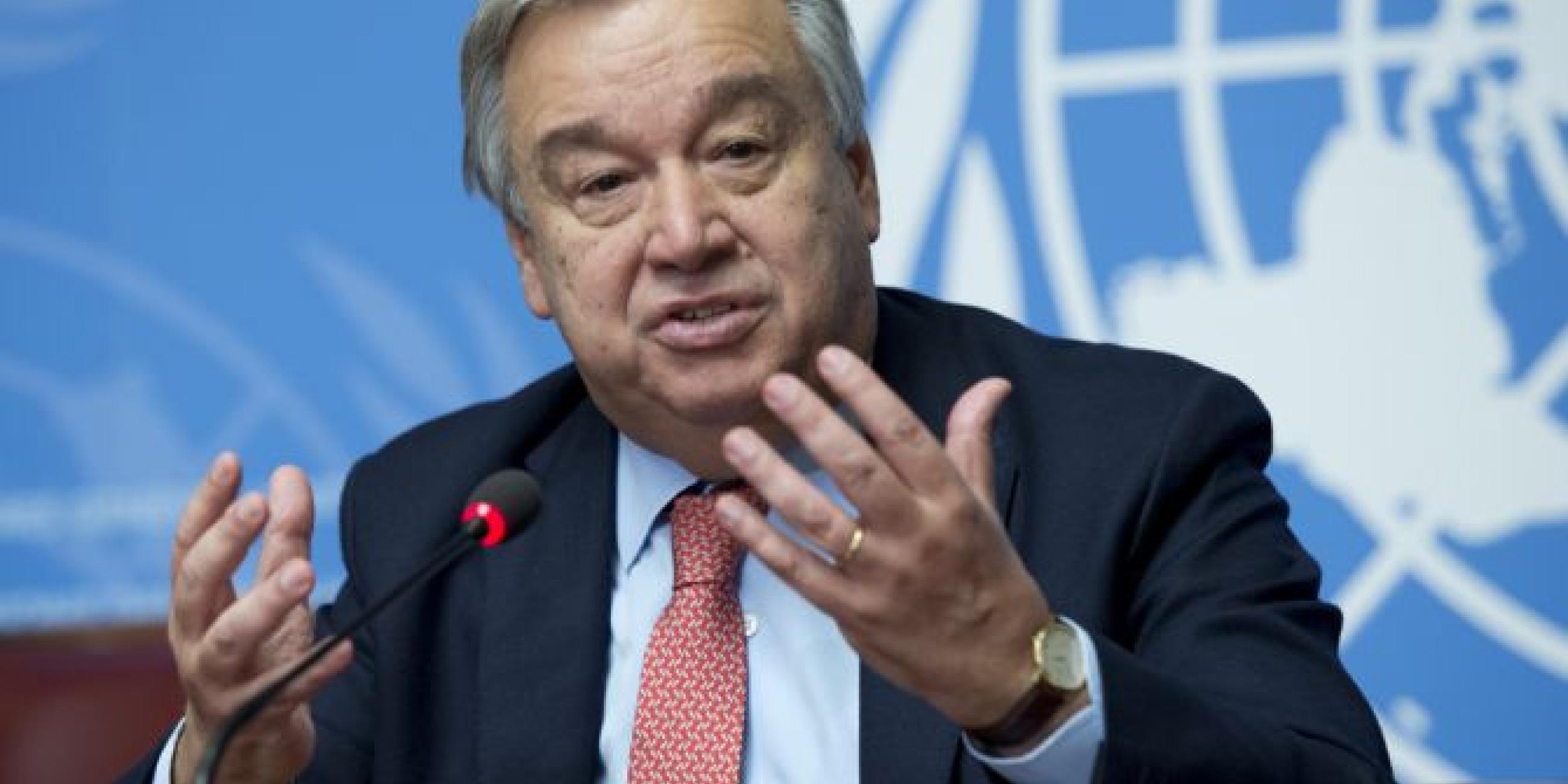
    United Nations Secretary-General Antonio Guterres has expressed strong regret over the United States’ decision to withdraw from multiple international organisations, warning that financial obligations to the UN remain legally binding under international law. The reaction follows a sweeping policy directive signed by U.S. President Donald Trump, ordering American withdrawal from 66 international bodies, including 31 United Nations entities and 35 non-UN organisations.

    In a statement delivered by UN Spokesman Stéphane Dujarric, the Secretary-General described the decision as “regrettable” and stressed that assessed contributions to the UN’s regular and peacekeeping budgets are mandatory under the UN Charter for all member states, including the United States. “Assessed contributions… are a legal obligation under the UN Charter,” Dujarric said, adding that all UN agencies would continue implementing their mandates despite political or financial challenges.

    While the UN statement did not specify which bodies would be affected or the immediate financial consequences, officials have long warned that funding shortfalls could undermine peacekeeping operations, humanitarian assistance, development programmes, and human-rights initiatives worldwide.

    The development stems from a Presidential Memorandum issued by Trump, declaring that continued U.S. participation in the listed organisations no longer serves American interests. The directive follows a comprehensive review ordered under Executive Order 14199 in February 2025, which assessed U.S. involvement in all international organisations, treaties, and conventions receiving American funding or support. After reviewing the findings with his Cabinet, Trump ordered federal agencies to take “immediate steps” to withdraw, where legally permissible.

    Among the non-UN organisations affected are bodies dealing with climate change, energy, environmental protection, democracy promotion, cybersecurity, and regional cooperation, including the Intergovernmental Panel on Climate Change (IPCC), the International Renewable Energy Agency (IRENA), the International Union for Conservation of Nature (IUCN), and the Freedom Online Coalition. The order also targets several security and justice-focused groups, such as the Global Counterterrorism Forum and the International Institute for Justice and the Rule of Law.

    On the UN side, the memorandum directs the United States to cease participation in or funding for multiple agencies and programmes, including UN Women, the UN Population Fund (UNFPA), UN Conference on Trade and Development (UNCTAD), the UN Framework Convention on Climate Change (UNFCCC), and offices focused on peacebuilding, development, oceans, water, international law, and human rights. It also affects entities such as the Peacebuilding Fund, UN Water, UN Oceans, and the UN University system.

    Despite the decision, the UN leadership insists its mission will continue. “All United Nations entities will go on with the implementation of their mandates as given by Member States,” the statement said, underscoring the organisation’s responsibility to people worldwide who rely on its work.

    The move has intensified global debate: Can the United States legally withdraw while still bound to financial obligations? Will UN programmes suffer operational setbacks? Does this signal a broader retreat from multilateralism—or a recalibration of U.S. foreign policy priorities? As the review process remains ongoing, with more organisations potentially targeted, the episode raises urgent questions about the future of international cooperation, global governance, and the stability of multilateral institutions.

    Is the U.S. Turning Its Back on the United Nations? Why UN Chief Guterres Regrets Trump’s Withdrawal From Dozens of Global Bodies and What It Means for World Governance United Nations Secretary-General Antonio Guterres has expressed strong regret over the United States’ decision to withdraw from multiple international organisations, warning that financial obligations to the UN remain legally binding under international law. The reaction follows a sweeping policy directive signed by U.S. President Donald Trump, ordering American withdrawal from 66 international bodies, including 31 United Nations entities and 35 non-UN organisations. In a statement delivered by UN Spokesman Stéphane Dujarric, the Secretary-General described the decision as “regrettable” and stressed that assessed contributions to the UN’s regular and peacekeeping budgets are mandatory under the UN Charter for all member states, including the United States. “Assessed contributions… are a legal obligation under the UN Charter,” Dujarric said, adding that all UN agencies would continue implementing their mandates despite political or financial challenges. While the UN statement did not specify which bodies would be affected or the immediate financial consequences, officials have long warned that funding shortfalls could undermine peacekeeping operations, humanitarian assistance, development programmes, and human-rights initiatives worldwide. The development stems from a Presidential Memorandum issued by Trump, declaring that continued U.S. participation in the listed organisations no longer serves American interests. The directive follows a comprehensive review ordered under Executive Order 14199 in February 2025, which assessed U.S. involvement in all international organisations, treaties, and conventions receiving American funding or support. After reviewing the findings with his Cabinet, Trump ordered federal agencies to take “immediate steps” to withdraw, where legally permissible. Among the non-UN organisations affected are bodies dealing with climate change, energy, environmental protection, democracy promotion, cybersecurity, and regional cooperation, including the Intergovernmental Panel on Climate Change (IPCC), the International Renewable Energy Agency (IRENA), the International Union for Conservation of Nature (IUCN), and the Freedom Online Coalition. The order also targets several security and justice-focused groups, such as the Global Counterterrorism Forum and the International Institute for Justice and the Rule of Law. On the UN side, the memorandum directs the United States to cease participation in or funding for multiple agencies and programmes, including UN Women, the UN Population Fund (UNFPA), UN Conference on Trade and Development (UNCTAD), the UN Framework Convention on Climate Change (UNFCCC), and offices focused on peacebuilding, development, oceans, water, international law, and human rights. It also affects entities such as the Peacebuilding Fund, UN Water, UN Oceans, and the UN University system. Despite the decision, the UN leadership insists its mission will continue. “All United Nations entities will go on with the implementation of their mandates as given by Member States,” the statement said, underscoring the organisation’s responsibility to people worldwide who rely on its work. The move has intensified global debate: Can the United States legally withdraw while still bound to financial obligations? Will UN programmes suffer operational setbacks? Does this signal a broader retreat from multilateralism—or a recalibration of U.S. foreign policy priorities? As the review process remains ongoing, with more organisations potentially targeted, the episode raises urgent questions about the future of international cooperation, global governance, and the stability of multilateral institutions.
    0 Comentários ·0 Compartilhamentos ·875 Visualizações
  • Why Did Nigeria Intervene in Benin Republic? How Diplomatic Pressure Secured the Release of Pastor Benjamin Egbaji Jailed for Alleged Rape After Two Years in Detention

    Why did the Nigerian government step in to secure the release of a pastor imprisoned abroad, and what role did diplomacy and humanitarian concerns play in his freedom?

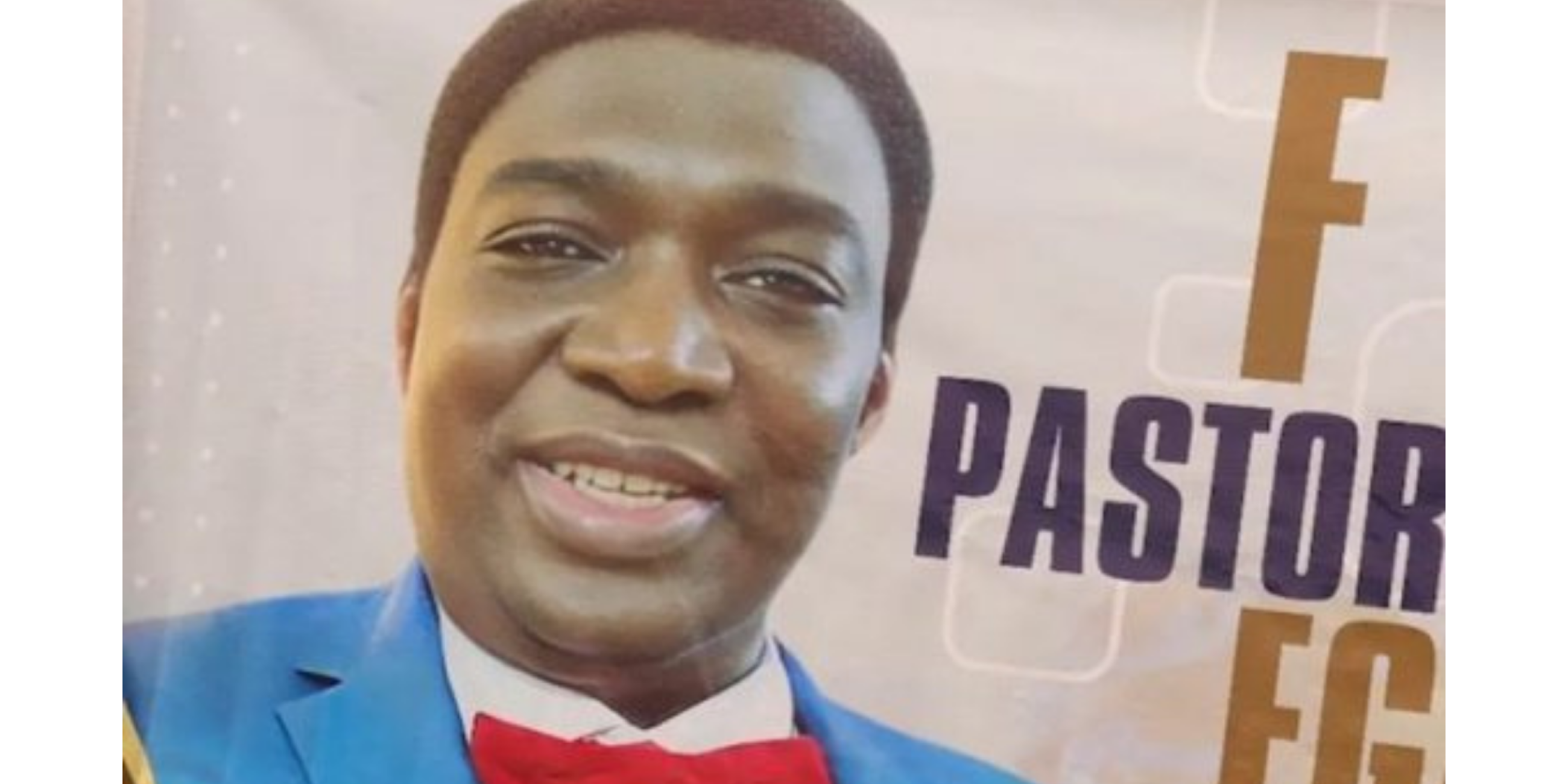
    The Federal Government of Nigeria has confirmed the release of Pastor Benjamin Egbaji, a Nigerian cleric and businessman from Cross River State who had been detained in the Republic of Benin for more than two years over alleged rape. His freedom, announced on January 8, 2026, followed a presidential pardon granted by Benin’s President, Patrice Talon, after sustained diplomatic intervention by Nigerian authorities.

    According to the Minister of State for Foreign Affairs, Ambassador Bianca Odumegwu-Ojukwu, Egbaji was released after what officials described as prolonged detention under “dehumanising conditions.” The amnesty that secured his freedom was formally gazetted on December 17, 2025, and took effect following high-level engagements between both governments.

    Official statements revealed that Egbaji had initially been held in a hospital in Cotonou before being transferred to prison as his health deteriorated. His case attracted widespread attention after a photograph showing him chained to a hospital bed circulated on social media, sparking public outrage and urgent calls for intervention.

    Odumegwu-Ojukwu disclosed that her office maintained consistent diplomatic pressure, including a personal visit to the detained pastor while he was hospitalised in August 2025. She described the release as the outcome of “determined diplomatic action,” adding that Nigeria’s foreign policy places the welfare of its citizens abroad at the centre of international engagement.

    “This release is the result of consistent and determined diplomatic action. We were deeply concerned by his condition and the circumstances of his detention,” the minister said, noting that although Egbaji is in high spirits, he requires extensive medical care after his prolonged incarceration.

    The Ministry of Foreign Affairs had earlier appealed to Beninese authorities to free the pastor on humanitarian grounds or allow him to serve any remaining sentence in Nigeria. The request followed a joint visit by Odumegwu-Ojukwu and Benin’s Foreign Affairs Minister, Olushegun Adjadi Bakari, during which Nigeria emphasized both Egbaji’s failing health and the long-standing diplomatic ties between the two countries.

    In official correspondence, Nigerian authorities cited the humanitarian imperative, stating that the cleric’s health had “deteriorated severely while in detention.” Ultimately, the Beninese government granted a presidential pardon, bringing an end to his imprisonment.

    The development raises critical questions:
    Was Egbaji’s release driven purely by humanitarian concerns?
    How much influence did diplomatic relations between Nigeria and Benin Republic play?
    And what does this case reveal about the treatment of foreign detainees and the protection of citizens abroad?

    While the allegations that led to his imprisonment remain a sensitive issue, the Nigerian government has framed the intervention as a matter of human rights, medical necessity, and diplomatic responsibility. The case has since become a reference point in discussions on how far governments should go to protect nationals facing detention overseas.

    Why Did Nigeria Intervene in Benin Republic? How Diplomatic Pressure Secured the Release of Pastor Benjamin Egbaji Jailed for Alleged Rape After Two Years in Detention Why did the Nigerian government step in to secure the release of a pastor imprisoned abroad, and what role did diplomacy and humanitarian concerns play in his freedom? The Federal Government of Nigeria has confirmed the release of Pastor Benjamin Egbaji, a Nigerian cleric and businessman from Cross River State who had been detained in the Republic of Benin for more than two years over alleged rape. His freedom, announced on January 8, 2026, followed a presidential pardon granted by Benin’s President, Patrice Talon, after sustained diplomatic intervention by Nigerian authorities. According to the Minister of State for Foreign Affairs, Ambassador Bianca Odumegwu-Ojukwu, Egbaji was released after what officials described as prolonged detention under “dehumanising conditions.” The amnesty that secured his freedom was formally gazetted on December 17, 2025, and took effect following high-level engagements between both governments. Official statements revealed that Egbaji had initially been held in a hospital in Cotonou before being transferred to prison as his health deteriorated. His case attracted widespread attention after a photograph showing him chained to a hospital bed circulated on social media, sparking public outrage and urgent calls for intervention. Odumegwu-Ojukwu disclosed that her office maintained consistent diplomatic pressure, including a personal visit to the detained pastor while he was hospitalised in August 2025. She described the release as the outcome of “determined diplomatic action,” adding that Nigeria’s foreign policy places the welfare of its citizens abroad at the centre of international engagement. “This release is the result of consistent and determined diplomatic action. We were deeply concerned by his condition and the circumstances of his detention,” the minister said, noting that although Egbaji is in high spirits, he requires extensive medical care after his prolonged incarceration. The Ministry of Foreign Affairs had earlier appealed to Beninese authorities to free the pastor on humanitarian grounds or allow him to serve any remaining sentence in Nigeria. The request followed a joint visit by Odumegwu-Ojukwu and Benin’s Foreign Affairs Minister, Olushegun Adjadi Bakari, during which Nigeria emphasized both Egbaji’s failing health and the long-standing diplomatic ties between the two countries. In official correspondence, Nigerian authorities cited the humanitarian imperative, stating that the cleric’s health had “deteriorated severely while in detention.” Ultimately, the Beninese government granted a presidential pardon, bringing an end to his imprisonment. The development raises critical questions: Was Egbaji’s release driven purely by humanitarian concerns? How much influence did diplomatic relations between Nigeria and Benin Republic play? And what does this case reveal about the treatment of foreign detainees and the protection of citizens abroad? While the allegations that led to his imprisonment remain a sensitive issue, the Nigerian government has framed the intervention as a matter of human rights, medical necessity, and diplomatic responsibility. The case has since become a reference point in discussions on how far governments should go to protect nationals facing detention overseas.
    0 Comentários ·0 Compartilhamentos ·526 Visualizações
  • “Burkina Faso Foils Assassination Plot Against Military Leader Traoré, Linked to Former Leader Damiba”

    Burkina Faso’s security services have successfully foiled a fresh assassination attempt targeting Captain Ibrahim Traoré, the country’s military leader, according to Security Minister Mahamadou Sana. The plot was allegedly orchestrated by Lieutenant Colonel Paul Henri Damiba, Traoré’s predecessor, who was ousted in September 2022. Authorities report that the plan involved not only assassinating Traoré but also launching attacks on strategic institutions and prominent civilian figures.
    Minister Sana added that the operation was financed from neighboring Ivory Coast, though neither Damiba nor Ivorian authorities have issued statements in response.
    Since assuming power in 2022, Traoré, 37, has faced multiple coup attempts and continues to deal with jihadist violence that has displaced millions across the country. Despite these challenges, Traoré maintains a measure of domestic support and has gained recognition across Africa. He is known for criticizing Western influence and advocating pan-Africanist ideas.
    In response to the foiled plot, Burkina Faso has tightened security around government installations and is monitoring border regions, particularly with Ivory Coast. This latest incident follows previous coup attempts, including one in April 2025, in which current and former soldiers planned attacks on the presidential palace and other key locations.
    The ongoing instability in Burkina Faso is compounded by jihadist attacks and a humanitarian crisis, affecting both national security and civilian safety. Authorities continue to investigate the foiled assassination attempt as part of broader efforts to protect the military leadership and maintain national stability.
    “Burkina Faso Foils Assassination Plot Against Military Leader Traoré, Linked to Former Leader Damiba” Burkina Faso’s security services have successfully foiled a fresh assassination attempt targeting Captain Ibrahim Traoré, the country’s military leader, according to Security Minister Mahamadou Sana. The plot was allegedly orchestrated by Lieutenant Colonel Paul Henri Damiba, Traoré’s predecessor, who was ousted in September 2022. Authorities report that the plan involved not only assassinating Traoré but also launching attacks on strategic institutions and prominent civilian figures. Minister Sana added that the operation was financed from neighboring Ivory Coast, though neither Damiba nor Ivorian authorities have issued statements in response. Since assuming power in 2022, Traoré, 37, has faced multiple coup attempts and continues to deal with jihadist violence that has displaced millions across the country. Despite these challenges, Traoré maintains a measure of domestic support and has gained recognition across Africa. He is known for criticizing Western influence and advocating pan-Africanist ideas. In response to the foiled plot, Burkina Faso has tightened security around government installations and is monitoring border regions, particularly with Ivory Coast. This latest incident follows previous coup attempts, including one in April 2025, in which current and former soldiers planned attacks on the presidential palace and other key locations. The ongoing instability in Burkina Faso is compounded by jihadist attacks and a humanitarian crisis, affecting both national security and civilian safety. Authorities continue to investigate the foiled assassination attempt as part of broader efforts to protect the military leadership and maintain national stability.
    0 Comentários ·0 Compartilhamentos ·465 Visualizações
  • “Sowore Accuses Global Powers of Exploiting Resource-Rich Countries Under Humanitarian Pretext: Venezuela Crisis Highlighted”

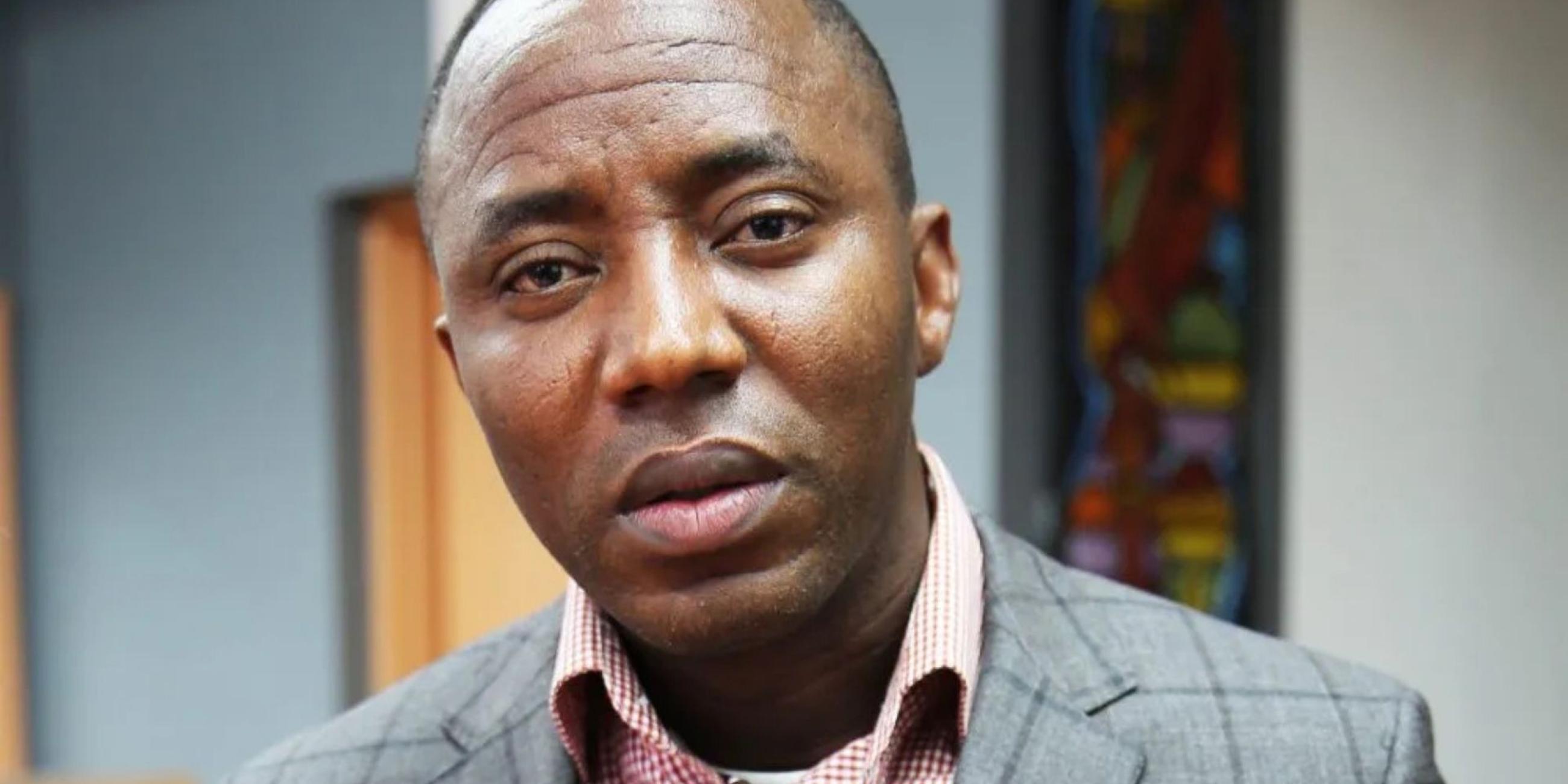
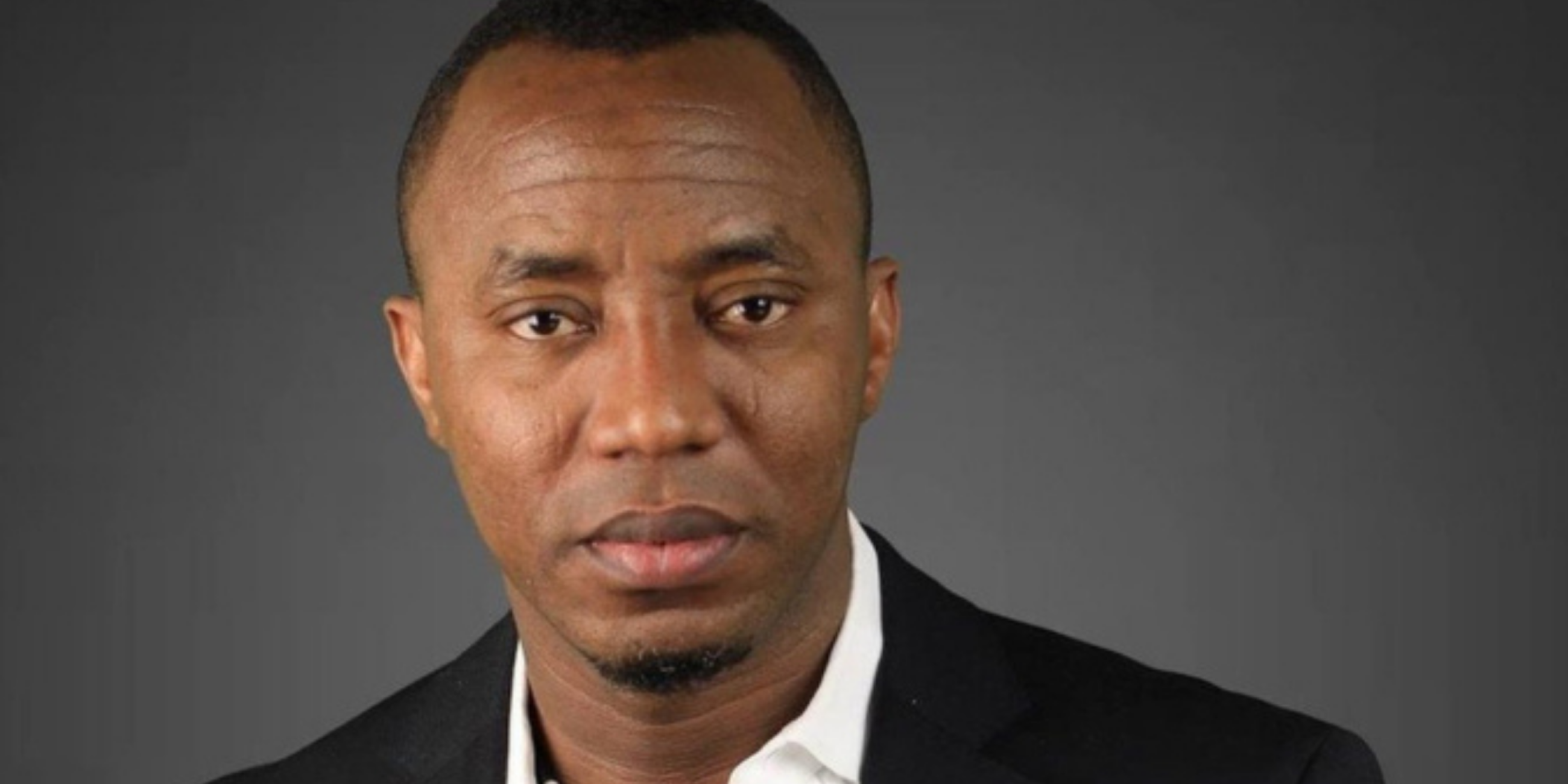
    Nigerian human rights activist and former presidential candidate Omoyele Sowore has sharply criticized the recent Venezuelan crisis, in which U.S. and allied forces reportedly captured President Nicolás Maduro and his wife. Writing on his X (formerly Twitter) account, Sowore described the operation as a violation of international law and Venezuela’s sovereignty, framing it as a pattern of global powers using humanitarian or security pretexts to intervene in resource-rich nations.
    Sowore contends that the official narrative of fighting drug cartels or promoting moral rescue is often a smokescreen for strategic and economic exploitation. He draws parallels to past interventions in Iraq and Libya, arguing that the true motives of foreign powers are resource extraction, destabilization, and maintaining global dominance, leaving affected countries perpetually poor and vulnerable.
    Criticizing former U.S. President Donald Trump, Sowore described him as “merely the latest rider of this global Trojan horse,” highlighting that while rhetoric changes, the machinery of exploitation remains consistent. Sowore emphasized that such interventions are tragic for humanity, as entire societies bear the cost while foreign powers profit under the guise of benevolence.
    His comments come amid widespread international condemnation of the Venezuelan operation, with several African governments and activist groups questioning the legality of such actions. Sowore’s critique reignites debate over foreign interventions, exposing the tension between humanitarian claims and underlying geopolitical and economic interests.
    “Sowore Accuses Global Powers of Exploiting Resource-Rich Countries Under Humanitarian Pretext: Venezuela Crisis Highlighted” Nigerian human rights activist and former presidential candidate Omoyele Sowore has sharply criticized the recent Venezuelan crisis, in which U.S. and allied forces reportedly captured President Nicolás Maduro and his wife. Writing on his X (formerly Twitter) account, Sowore described the operation as a violation of international law and Venezuela’s sovereignty, framing it as a pattern of global powers using humanitarian or security pretexts to intervene in resource-rich nations. Sowore contends that the official narrative of fighting drug cartels or promoting moral rescue is often a smokescreen for strategic and economic exploitation. He draws parallels to past interventions in Iraq and Libya, arguing that the true motives of foreign powers are resource extraction, destabilization, and maintaining global dominance, leaving affected countries perpetually poor and vulnerable. Criticizing former U.S. President Donald Trump, Sowore described him as “merely the latest rider of this global Trojan horse,” highlighting that while rhetoric changes, the machinery of exploitation remains consistent. Sowore emphasized that such interventions are tragic for humanity, as entire societies bear the cost while foreign powers profit under the guise of benevolence. His comments come amid widespread international condemnation of the Venezuelan operation, with several African governments and activist groups questioning the legality of such actions. Sowore’s critique reignites debate over foreign interventions, exposing the tension between humanitarian claims and underlying geopolitical and economic interests.
    0 Comentários ·0 Compartilhamentos ·509 Visualizações
  • Christians in Borno State Warned Not to Be Fooled by Governor Zulum’s Rhetoric on Religious Tolerance

    An opinion piece by Ishaya Malgwi warns Christians in Borno State against being swayed by Governor Babagana Umara Zulum’s public gestures promoting religious tolerance. Despite claims of harmony, Christians continue to face systemic marginalization under Zulum’s administration, including denial of Christian Religious Knowledge in schools, political exclusion, neglect of displaced persons, and restrictions on NGO aid in Christian communities.
    The article stresses that symbolic acts like sponsoring pilgrimages or visiting Christian refugees cannot substitute for meaningful policy changes. Advocates call for equal access to education, fair resettlement of displaced Christians, political representation, prompt payment of pensions, and unhindered humanitarian assistance.

    #BornoState #ChristianRights #ReligiousTolerance #GovernorZulum #NigeriaPolitics #HumanRights #ReligiousFreedom #IDPs #SocialJustice #NigeriaNews
    Christians in Borno State Warned Not to Be Fooled by Governor Zulum’s Rhetoric on Religious Tolerance An opinion piece by Ishaya Malgwi warns Christians in Borno State against being swayed by Governor Babagana Umara Zulum’s public gestures promoting religious tolerance. Despite claims of harmony, Christians continue to face systemic marginalization under Zulum’s administration, including denial of Christian Religious Knowledge in schools, political exclusion, neglect of displaced persons, and restrictions on NGO aid in Christian communities. The article stresses that symbolic acts like sponsoring pilgrimages or visiting Christian refugees cannot substitute for meaningful policy changes. Advocates call for equal access to education, fair resettlement of displaced Christians, political representation, prompt payment of pensions, and unhindered humanitarian assistance. #BornoState #ChristianRights #ReligiousTolerance #GovernorZulum #NigeriaPolitics #HumanRights #ReligiousFreedom #IDPs #SocialJustice #NigeriaNews
    0 Comentários ·0 Compartilhamentos ·1KB Visualizações
  • Borno State Fence Collapse Kills Five, Leaves One Injured in Jere LGA – Victims Evacuated to Maiduguri Hospital

    A tragic incident in Bintu Sugar, Jere Local Government Area of Borno State, claimed the lives of five residents and left one person injured after a fence collapsed on January 4, 2026, around 8:12 p.m. The victims — Hadiza Mohamed, Adamu Umar, Abdul Malik Usman, Abdullahi Usman, and Salamatu Mohammed Dibal — were residents of Gomari and were evacuated to the State Specialists Hospital in Maiduguri, where they were certified dead.
    The sole survivor, 16-year-old Ya’u Labaran, is receiving treatment at the hospital. Police confirmed the incident and stated that investigations are ongoing to determine the cause of the fence collapse. The deceased were released to their families for burial in accordance with Islamic rites.
    Borno State, located in northeastern Nigeria and sharing borders with Cameroon, Niger, and Chad, has a rich cultural heritage and a history of scholarship. Despite its challenges with insurgency and humanitarian crises, the state remains strategically important for regional trade and security.

    #BornoState #FenceCollapse #JereLGA #NigeriaTragedy #MaiduguriNews #AccidentReport #BreakingNewsNigeria #NigeriaNews
    Borno State Fence Collapse Kills Five, Leaves One Injured in Jere LGA – Victims Evacuated to Maiduguri Hospital A tragic incident in Bintu Sugar, Jere Local Government Area of Borno State, claimed the lives of five residents and left one person injured after a fence collapsed on January 4, 2026, around 8:12 p.m. The victims — Hadiza Mohamed, Adamu Umar, Abdul Malik Usman, Abdullahi Usman, and Salamatu Mohammed Dibal — were residents of Gomari and were evacuated to the State Specialists Hospital in Maiduguri, where they were certified dead. The sole survivor, 16-year-old Ya’u Labaran, is receiving treatment at the hospital. Police confirmed the incident and stated that investigations are ongoing to determine the cause of the fence collapse. The deceased were released to their families for burial in accordance with Islamic rites. Borno State, located in northeastern Nigeria and sharing borders with Cameroon, Niger, and Chad, has a rich cultural heritage and a history of scholarship. Despite its challenges with insurgency and humanitarian crises, the state remains strategically important for regional trade and security. #BornoState #FenceCollapse #JereLGA #NigeriaTragedy #MaiduguriNews #AccidentReport #BreakingNewsNigeria #NigeriaNews
    0 Comentários ·0 Compartilhamentos ·805 Visualizações
  • Terrorists Kill Two in Southern Kaduna, Abduct 32 Including Elderly Woman and Children in Fresh Wave of Attacks Across Sanga, Kauru, and Kajuru

    At least two residents have been killed and 32 others abducted in a renewed wave of terrorist attacks across Southern Kaduna, with victims including an elderly woman, children, and other vulnerable villagers. In Arak village, Sanga Local Government Area, bandits returned barely 48 hours after killing a man and another resident, abducting Mrs. Averik Arak and her granddaughter. Mrs. Arak had been mourning her son—killed in her presence—along with his wife and daughter, and was reportedly ill when the attackers struck again.

    Simultaneously, in Kajuru LGA, at least 15 villagers, mostly minors, were kidnapped from Unguwan Sarki Maro, while in Kadage village, Kauru LGA, 16 people were abducted and one person killed. A local source said more than 100 residents from seven surrounding villages in Kauru have been taken between December 1, 2025, and January 4, 2026, lamenting what he described as a media blackout on the escalating violence.

    The latest incidents follow previous deadly attacks in Kachia, where four members of a family were killed during an overnight raid, and residents reported that gunmen arrived in large numbers, injuring others who were rushed to hospital. Despite repeated assaults near major institutions and security formations, no official statement had been issued by the Kaduna State Police at the time of reporting.

    Southern Kaduna continues to face persistent banditry, killings, and mass kidnappings, prompting renewed calls from residents for stronger security measures by federal and state authorities to protect communities and curb the growing humanitarian crisis.
    Terrorists Kill Two in Southern Kaduna, Abduct 32 Including Elderly Woman and Children in Fresh Wave of Attacks Across Sanga, Kauru, and Kajuru At least two residents have been killed and 32 others abducted in a renewed wave of terrorist attacks across Southern Kaduna, with victims including an elderly woman, children, and other vulnerable villagers. In Arak village, Sanga Local Government Area, bandits returned barely 48 hours after killing a man and another resident, abducting Mrs. Averik Arak and her granddaughter. Mrs. Arak had been mourning her son—killed in her presence—along with his wife and daughter, and was reportedly ill when the attackers struck again. Simultaneously, in Kajuru LGA, at least 15 villagers, mostly minors, were kidnapped from Unguwan Sarki Maro, while in Kadage village, Kauru LGA, 16 people were abducted and one person killed. A local source said more than 100 residents from seven surrounding villages in Kauru have been taken between December 1, 2025, and January 4, 2026, lamenting what he described as a media blackout on the escalating violence. The latest incidents follow previous deadly attacks in Kachia, where four members of a family were killed during an overnight raid, and residents reported that gunmen arrived in large numbers, injuring others who were rushed to hospital. Despite repeated assaults near major institutions and security formations, no official statement had been issued by the Kaduna State Police at the time of reporting. Southern Kaduna continues to face persistent banditry, killings, and mass kidnappings, prompting renewed calls from residents for stronger security measures by federal and state authorities to protect communities and curb the growing humanitarian crisis.
    0 Comentários ·0 Compartilhamentos ·441 Visualizações
  • US Congressman Riley Moore Warns of Escalating Violence Against Christians in Nigeria, Cites ISIS ‘Convert or Die’ Threats and U.S.–Nigeria Security Cooperation

    U.S. Congressman Riley Moore has raised fresh alarm over what he describes as a worsening campaign of violence against Christian communities in Nigeria, citing threats from ISIS-linked groups demanding that Christians “convert or die.” Speaking on Newsmax TV, Moore said he visited Nigeria in December as part of a congressional delegation sent at the direction of President Donald Trump to assess security conditions and humanitarian needs.

    Moore recounted harrowing testimonies from internally displaced persons (IDPs), including women who witnessed the قتل of their children, families torn apart, and unborn babies killed. He said these accounts point to targeted religious persecution, not random criminal violence. According to him, extremist groups—such as ISIS-affiliated factions and Islamist militants active in Nigeria’s Middle Belt—are deliberately attacking churches, Christian villages, and IDP camps.

    The West Virginia lawmaker stated that U.S.–Nigeria security cooperation has intensified, claiming recent joint military actions, including a reported strike around Christmas, helped deter attacks during the holiday period. While some details of these operations have not been independently verified, Moore said discussions are ongoing to establish a broader strategic security framework to strengthen Nigeria’s military capacity, improve intelligence sharing, and close operational gaps.

    Rejecting explanations that attribute the violence mainly to climate change or land disputes, Moore argued that the rhetoric and actions of extremist groups clearly show a specific focus on Christian communities. He acknowledged that Nigerians of all backgrounds have suffered but insisted that Christians face targeted persecution.

    Human rights groups continue to document widespread insecurity in Nigeria involving Boko Haram, ISIS–West Africa Province (ISWAP), and armed militias, with debate persisting over the root causes of the violence. Moore said his conclusions are based on firsthand observations: “What is happening in Nigeria is Christian persecution,” he maintained, urging sustained international attention and support.
    US Congressman Riley Moore Warns of Escalating Violence Against Christians in Nigeria, Cites ISIS ‘Convert or Die’ Threats and U.S.–Nigeria Security Cooperation U.S. Congressman Riley Moore has raised fresh alarm over what he describes as a worsening campaign of violence against Christian communities in Nigeria, citing threats from ISIS-linked groups demanding that Christians “convert or die.” Speaking on Newsmax TV, Moore said he visited Nigeria in December as part of a congressional delegation sent at the direction of President Donald Trump to assess security conditions and humanitarian needs. Moore recounted harrowing testimonies from internally displaced persons (IDPs), including women who witnessed the قتل of their children, families torn apart, and unborn babies killed. He said these accounts point to targeted religious persecution, not random criminal violence. According to him, extremist groups—such as ISIS-affiliated factions and Islamist militants active in Nigeria’s Middle Belt—are deliberately attacking churches, Christian villages, and IDP camps. The West Virginia lawmaker stated that U.S.–Nigeria security cooperation has intensified, claiming recent joint military actions, including a reported strike around Christmas, helped deter attacks during the holiday period. While some details of these operations have not been independently verified, Moore said discussions are ongoing to establish a broader strategic security framework to strengthen Nigeria’s military capacity, improve intelligence sharing, and close operational gaps. Rejecting explanations that attribute the violence mainly to climate change or land disputes, Moore argued that the rhetoric and actions of extremist groups clearly show a specific focus on Christian communities. He acknowledged that Nigerians of all backgrounds have suffered but insisted that Christians face targeted persecution. Human rights groups continue to document widespread insecurity in Nigeria involving Boko Haram, ISIS–West Africa Province (ISWAP), and armed militias, with debate persisting over the root causes of the violence. Moore said his conclusions are based on firsthand observations: “What is happening in Nigeria is Christian persecution,” he maintained, urging sustained international attention and support.
    0 Comentários ·0 Compartilhamentos ·670 Visualizações
  • ‘I’m Left With Only the Clothes I Wore’: Survivor Recounts Niger State Terror Attack as Over 40 Killed and Many Abducted in Kasuwar Daji

    A survivor of the deadly terror attack in Kasuwar Daji, Borgu Local Government Area of Niger State, has narrated the harrowing ordeal that left over 40 people dead and many others abducted, including women, children, and the elderly. Mohammed Suleiman, one of the victims, said the attackers destroyed everything the community depended on for survival, leaving residents destitute and traumatised.

    Speaking in a video shared online, Suleiman revealed that farmlands, food stores, and harvested crops such as rice, maize, guinea corn, and sugar cane were completely burnt during the coordinated assault, which involved machetes, gunfire, and arson. He lamented that he was left with only the clothes he wore during the attack, with no footwear or personal belongings remaining.

    According to eyewitness accounts, the assailants, believed to have emerged from the Kainji Lake National Park forest, launched the attack in the late afternoon and continued into the night, setting homes, markets, and food reserves ablaze. Several villagers, including children and elderly residents, were reportedly rounded up and killed, while others were taken away by the attackers.

    Survivors say the community now faces severe food shortages, with nothing left to feed displaced children and families. Suleiman and other affected residents are appealing for urgent government intervention, calling for improved security, humanitarian assistance, and long-term solutions as fear and trauma continue to grip Kasuwar Daji and surrounding communities.
    ‘I’m Left With Only the Clothes I Wore’: Survivor Recounts Niger State Terror Attack as Over 40 Killed and Many Abducted in Kasuwar Daji A survivor of the deadly terror attack in Kasuwar Daji, Borgu Local Government Area of Niger State, has narrated the harrowing ordeal that left over 40 people dead and many others abducted, including women, children, and the elderly. Mohammed Suleiman, one of the victims, said the attackers destroyed everything the community depended on for survival, leaving residents destitute and traumatised. Speaking in a video shared online, Suleiman revealed that farmlands, food stores, and harvested crops such as rice, maize, guinea corn, and sugar cane were completely burnt during the coordinated assault, which involved machetes, gunfire, and arson. He lamented that he was left with only the clothes he wore during the attack, with no footwear or personal belongings remaining. According to eyewitness accounts, the assailants, believed to have emerged from the Kainji Lake National Park forest, launched the attack in the late afternoon and continued into the night, setting homes, markets, and food reserves ablaze. Several villagers, including children and elderly residents, were reportedly rounded up and killed, while others were taken away by the attackers. Survivors say the community now faces severe food shortages, with nothing left to feed displaced children and families. Suleiman and other affected residents are appealing for urgent government intervention, calling for improved security, humanitarian assistance, and long-term solutions as fear and trauma continue to grip Kasuwar Daji and surrounding communities.
    0 Comentários ·0 Compartilhamentos ·451 Visualizações
  • Somaliland Endorses U.S. Military Action in Venezuela, Says Intervention Could Restore Democracy

    The Government of the Republic of Somaliland has expressed support for the United States’ military intervention in Venezuela, describing it as a measured international effort aimed at restoring constitutional order and democratic legitimacy. In a statement issued on January 4, 2026, Somaliland said it aligns “in principle” with U.S.-led action carried out in coordination with regional and multilateral partners.

    According to Somaliland’s Ministry of Foreign Affairs, the intervention could help ease Venezuela’s worsening humanitarian crisis, counter transnational criminal networks, and support a peaceful, Venezuelan-led political transition rooted in sovereignty, accountability, and human rights. The government stressed that its position is guided by international norms and collective security considerations.

    The endorsement follows U.S. military strikes that led to the capture of Venezuelan President Nicolás Maduro and his wife, Cilia Flores. U.S. President Donald Trump described the operation as a major success and announced that Washington would oversee Venezuela’s affairs during a transition period. The intervention has sparked global reactions, drawing both support and sharp criticism amid concerns over sovereignty, human rights, and the future of international order.
    Somaliland Endorses U.S. Military Action in Venezuela, Says Intervention Could Restore Democracy The Government of the Republic of Somaliland has expressed support for the United States’ military intervention in Venezuela, describing it as a measured international effort aimed at restoring constitutional order and democratic legitimacy. In a statement issued on January 4, 2026, Somaliland said it aligns “in principle” with U.S.-led action carried out in coordination with regional and multilateral partners. According to Somaliland’s Ministry of Foreign Affairs, the intervention could help ease Venezuela’s worsening humanitarian crisis, counter transnational criminal networks, and support a peaceful, Venezuelan-led political transition rooted in sovereignty, accountability, and human rights. The government stressed that its position is guided by international norms and collective security considerations. The endorsement follows U.S. military strikes that led to the capture of Venezuelan President Nicolás Maduro and his wife, Cilia Flores. U.S. President Donald Trump described the operation as a major success and announced that Washington would oversee Venezuela’s affairs during a transition period. The intervention has sparked global reactions, drawing both support and sharp criticism amid concerns over sovereignty, human rights, and the future of international order.
    0 Comentários ·0 Compartilhamentos ·354 Visualizações
  • Omoyele Sowore Calls for Abolition of UN, Labels Global Body ‘Ineffective’ Following U.S. Military Action in Venezuela

    Nigerian activist and former presidential candidate Omoyele Sowore has called for the abolition of the United Nations, criticizing it as ineffective amid global conflicts and humanitarian crises. In a statement on X, Sowore described the UN as a “hollow institution” that has failed to maintain international peace and security, citing recent U.S. military actions in Venezuela as an example of the body’s impotence.

    He accused the UN of being compromised, unable to prevent aggression, war crimes, and abuses of power by influential nations. Sowore argued that the organization has lost its legitimacy and should be replaced with a new global coalition of nation-states capable of upholding justice, protecting humanity, and preventing tyranny. His remarks reflect growing skepticism toward multilateral institutions, particularly in the Global South.
    Omoyele Sowore Calls for Abolition of UN, Labels Global Body ‘Ineffective’ Following U.S. Military Action in Venezuela Nigerian activist and former presidential candidate Omoyele Sowore has called for the abolition of the United Nations, criticizing it as ineffective amid global conflicts and humanitarian crises. In a statement on X, Sowore described the UN as a “hollow institution” that has failed to maintain international peace and security, citing recent U.S. military actions in Venezuela as an example of the body’s impotence. He accused the UN of being compromised, unable to prevent aggression, war crimes, and abuses of power by influential nations. Sowore argued that the organization has lost its legitimacy and should be replaced with a new global coalition of nation-states capable of upholding justice, protecting humanity, and preventing tyranny. His remarks reflect growing skepticism toward multilateral institutions, particularly in the Global South.
    0 Comentários ·0 Compartilhamentos ·472 Visualizações
  • Terrorists Attack Kasuwa Daji Market in Niger State, Kill Over 40, Kidnap Women and Children

    Terrorists have carried out a deadly attack on Kasuwa Daji market along the Sokobara–Tunga Demo axis in Borgu Local Government Area of Niger State, killing more than 40 people and abducting an unknown number of women and children. The assault occurred on Saturday during market activities, plunging the rural community into chaos and fear.

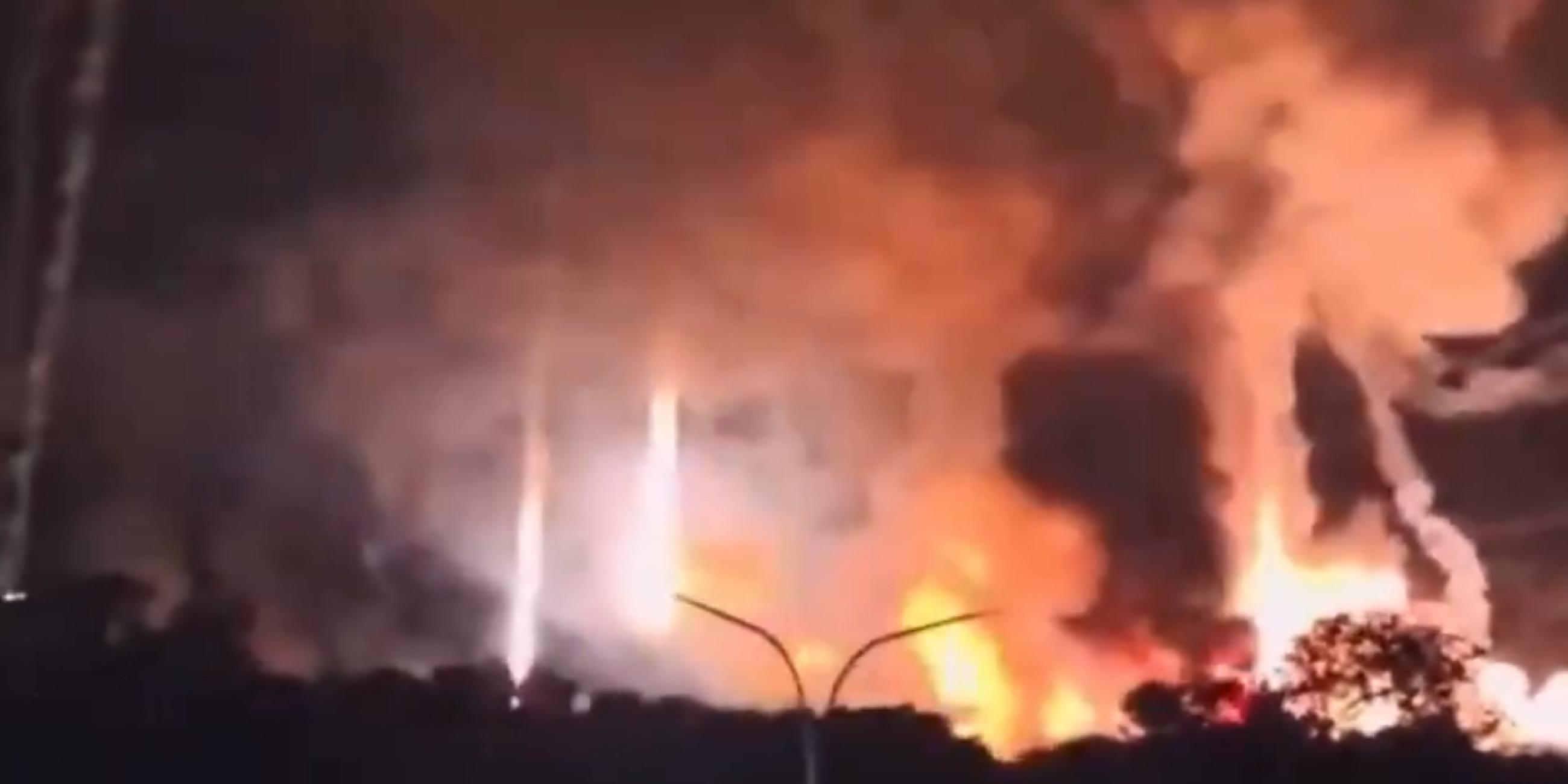
    Eyewitnesses described the attackers as rounding up victims, shooting some on the spot, tying others, and slaughtering them. Shops and nearby villages were set on fire, with thick smoke visible from neighbouring communities. Dozens of bodies were reportedly scattered around the market and surrounding areas, with more being discovered near bushes and water sources.

    Residents accused Nigerian security forces of failing to respond during and immediately after the massacre. Many locals have fled their homes, while those remaining are traumatised and uncertain about the fate of missing relatives. Community leaders are appealing urgently to the government for security deployment, humanitarian assistance, and intervention to prevent further attacks.

    The massacre underscores the continuing insecurity in rural Niger State and highlights persistent gaps in local protection against terrorist violence.
    Terrorists Attack Kasuwa Daji Market in Niger State, Kill Over 40, Kidnap Women and Children Terrorists have carried out a deadly attack on Kasuwa Daji market along the Sokobara–Tunga Demo axis in Borgu Local Government Area of Niger State, killing more than 40 people and abducting an unknown number of women and children. The assault occurred on Saturday during market activities, plunging the rural community into chaos and fear. Eyewitnesses described the attackers as rounding up victims, shooting some on the spot, tying others, and slaughtering them. Shops and nearby villages were set on fire, with thick smoke visible from neighbouring communities. Dozens of bodies were reportedly scattered around the market and surrounding areas, with more being discovered near bushes and water sources. Residents accused Nigerian security forces of failing to respond during and immediately after the massacre. Many locals have fled their homes, while those remaining are traumatised and uncertain about the fate of missing relatives. Community leaders are appealing urgently to the government for security deployment, humanitarian assistance, and intervention to prevent further attacks. The massacre underscores the continuing insecurity in rural Niger State and highlights persistent gaps in local protection against terrorist violence.
    0 Comentários ·0 Compartilhamentos ·387 Visualizações
  • World Council of Churches Urges EU to Impose Sanctions, Enforce Arms Embargo on Israel Over Gaza War and Alleged Violations Against Palestinians

    The World Council of Churches (WCC) has called on the European Union to impose sanctions and implement an arms embargo on Israel, citing what it described as a war of genocide in Gaza and continued violations against Palestinians in both Gaza and the occupied West Bank. The appeal was made amid growing international concern over the humanitarian situation in the Palestinian territories.

    In a statement reported by the Middle East Monitor, Iskandar Majlton, local coordinator of the Ecumenical Accompaniment Programme in Palestine and Israel under the WCC, said the council was deeply disturbed by the escalating cycle of violence and the immense human suffering it has caused. He stressed that the WCC’s position is firmly rooted in international law and human rights principles, condemning all attacks on civilians without exception.

    Majlton highlighted what he described as an unprecedented humanitarian disaster in the Gaza Strip, noting that thousands of civilians—mostly women and children—have been killed, while nearly the entire population has been displaced amid widespread destruction, hunger, and disease. He further argued that the ongoing violence did not begin in October 2023 but is the result of decades-long occupation, the prolonged blockade of Gaza, and systemic inequality faced by Palestinians.

    The WCC’s call adds to mounting global pressure on international bodies to take decisive action to address the conflict and uphold accountability under international law.
    World Council of Churches Urges EU to Impose Sanctions, Enforce Arms Embargo on Israel Over Gaza War and Alleged Violations Against Palestinians The World Council of Churches (WCC) has called on the European Union to impose sanctions and implement an arms embargo on Israel, citing what it described as a war of genocide in Gaza and continued violations against Palestinians in both Gaza and the occupied West Bank. The appeal was made amid growing international concern over the humanitarian situation in the Palestinian territories. In a statement reported by the Middle East Monitor, Iskandar Majlton, local coordinator of the Ecumenical Accompaniment Programme in Palestine and Israel under the WCC, said the council was deeply disturbed by the escalating cycle of violence and the immense human suffering it has caused. He stressed that the WCC’s position is firmly rooted in international law and human rights principles, condemning all attacks on civilians without exception. Majlton highlighted what he described as an unprecedented humanitarian disaster in the Gaza Strip, noting that thousands of civilians—mostly women and children—have been killed, while nearly the entire population has been displaced amid widespread destruction, hunger, and disease. He further argued that the ongoing violence did not begin in October 2023 but is the result of decades-long occupation, the prolonged blockade of Gaza, and systemic inequality faced by Palestinians. The WCC’s call adds to mounting global pressure on international bodies to take decisive action to address the conflict and uphold accountability under international law.
    0 Comentários ·0 Compartilhamentos ·522 Visualizações
  • Amnesty International Raises Alarm Over Human Rights After U.S. Capture of Venezuela’s President and Wife

    Amnesty International has expressed deep concern over the human rights and legal implications of the U.S. military action in Venezuela, which led to the capture of President Nicolás Maduro and his wife, Cilia Flores. The organization warned that the operation likely violates international law, including the United Nations Charter, and could trigger further human rights violations either through additional U.S. operations or retaliatory measures by Venezuelan authorities.

    Amnesty stressed the need for the U.S. to comply with international humanitarian law, uphold due process, and ensure humane treatment of all persons deprived of liberty. It also called on Venezuelan authorities to refrain from further repression and protect the rights of human rights defenders and political activists.

    The organization highlighted the broader danger to the rules-based global order, cautioning that such unilateral military actions risk normalizing international interventions driven by force and intimidation rather than law.

    #Venezuela #HumanRights #AmnestyInternational #Maduro #USMilitaryAction #InternationalLaw #UNCharter #CiviliansProtection
    Amnesty International Raises Alarm Over Human Rights After U.S. Capture of Venezuela’s President and Wife Amnesty International has expressed deep concern over the human rights and legal implications of the U.S. military action in Venezuela, which led to the capture of President Nicolás Maduro and his wife, Cilia Flores. The organization warned that the operation likely violates international law, including the United Nations Charter, and could trigger further human rights violations either through additional U.S. operations or retaliatory measures by Venezuelan authorities. Amnesty stressed the need for the U.S. to comply with international humanitarian law, uphold due process, and ensure humane treatment of all persons deprived of liberty. It also called on Venezuelan authorities to refrain from further repression and protect the rights of human rights defenders and political activists. The organization highlighted the broader danger to the rules-based global order, cautioning that such unilateral military actions risk normalizing international interventions driven by force and intimidation rather than law. #Venezuela #HumanRights #AmnestyInternational #Maduro #USMilitaryAction #InternationalLaw #UNCharter #CiviliansProtection
    0 Comentários ·0 Compartilhamentos ·512 Visualizações
  • ‘US Crossed An Unacceptable Line’ — Brazil Condemns American Military Attacks On Venezuela, Slams Capture Of President Maduro, Monitors Potential Refugee Influx

    Brazil has strongly condemned the United States’ military attack on Venezuela and the capture of President Nicolás Maduro, describing the action as a grave violation of international law and a dangerous precedent for global stability. President Luiz Inácio Lula da Silva said the US had crossed “an unacceptable line,” warning that the bombings and arrest of Venezuela’s leader undermine national sovereignty and threaten multilateralism.

    In a statement posted on X on January 3, 2026, Lula stressed that attacking countries in blatant disregard for international norms risks plunging the world into violence, chaos, and instability, where power overrides the rule of law. He called for a “vigorous” response from the United Nations while reaffirming Brazil’s long-standing opposition to the use of force and its commitment to dialogue and diplomacy.

    The condemnation followed coordinated US military operations that led to the removal of President Maduro, marking Washington’s most direct intervention in Latin America since the 1989 invasion of Panama. US President Donald Trump hailed the operation as a major success, praising it as a powerful demonstration of American military strength.

    Amid fears of regional fallout, Brazilian authorities convened an emergency cabinet meeting to assess the situation, with particular concern over a possible surge of Venezuelan refugees. Brazil’s foreign ministry said there had been no unusual movement along the border so far, noting that the country has hosted over 150,000 Venezuelan migrants since 2018 through ongoing humanitarian programmes.

    President Lula, who joined the emergency meeting virtually, reiterated that military intervention in Venezuela could trigger a humanitarian catastrophe and renewed Brazil’s offer to act as a mediator. Brazilian officials said they remain on high alert, closely monitoring developments while engaging diplomatically with Venezuelan authorities to prevent further escalation.
    ‘US Crossed An Unacceptable Line’ — Brazil Condemns American Military Attacks On Venezuela, Slams Capture Of President Maduro, Monitors Potential Refugee Influx Brazil has strongly condemned the United States’ military attack on Venezuela and the capture of President Nicolás Maduro, describing the action as a grave violation of international law and a dangerous precedent for global stability. President Luiz Inácio Lula da Silva said the US had crossed “an unacceptable line,” warning that the bombings and arrest of Venezuela’s leader undermine national sovereignty and threaten multilateralism. In a statement posted on X on January 3, 2026, Lula stressed that attacking countries in blatant disregard for international norms risks plunging the world into violence, chaos, and instability, where power overrides the rule of law. He called for a “vigorous” response from the United Nations while reaffirming Brazil’s long-standing opposition to the use of force and its commitment to dialogue and diplomacy. The condemnation followed coordinated US military operations that led to the removal of President Maduro, marking Washington’s most direct intervention in Latin America since the 1989 invasion of Panama. US President Donald Trump hailed the operation as a major success, praising it as a powerful demonstration of American military strength. Amid fears of regional fallout, Brazilian authorities convened an emergency cabinet meeting to assess the situation, with particular concern over a possible surge of Venezuelan refugees. Brazil’s foreign ministry said there had been no unusual movement along the border so far, noting that the country has hosted over 150,000 Venezuelan migrants since 2018 through ongoing humanitarian programmes. President Lula, who joined the emergency meeting virtually, reiterated that military intervention in Venezuela could trigger a humanitarian catastrophe and renewed Brazil’s offer to act as a mediator. Brazilian officials said they remain on high alert, closely monitoring developments while engaging diplomatically with Venezuelan authorities to prevent further escalation.
    love
    1
    · 1 Comentários ·0 Compartilhamentos ·431 Visualizações
  • Several Venezuelan Civilians and Combatants Killed in Aftermath of U.S. Military Airstrikes Targeting President Maduro

    Following U.S. airstrikes in Venezuela aimed at capturing President Nicolás Maduro and his wife, Cilia Flores, reports indicate multiple deaths and injuries among Venezuelan civilians and military personnel. The strikes, conducted on Saturday in Caracas and other areas, have escalated the country’s ongoing crises and triggered a state of emergency.

    The Venezuelan government condemned the operation as “imperialist aggression,” while international reactions have been divided, with some supporting Maduro’s removal and others decrying the attacks as violations of international law.

    Recent U.S. military actions, including maritime strikes targeting alleged narco-trafficking, have also resulted in civilian casualties, drawing scrutiny over legality and humanitarian impact. Venezuela continues to experience high violence rates, extrajudicial killings, and human rights concerns.
    Several Venezuelan Civilians and Combatants Killed in Aftermath of U.S. Military Airstrikes Targeting President Maduro Following U.S. airstrikes in Venezuela aimed at capturing President Nicolás Maduro and his wife, Cilia Flores, reports indicate multiple deaths and injuries among Venezuelan civilians and military personnel. The strikes, conducted on Saturday in Caracas and other areas, have escalated the country’s ongoing crises and triggered a state of emergency. The Venezuelan government condemned the operation as “imperialist aggression,” while international reactions have been divided, with some supporting Maduro’s removal and others decrying the attacks as violations of international law. Recent U.S. military actions, including maritime strikes targeting alleged narco-trafficking, have also resulted in civilian casualties, drawing scrutiny over legality and humanitarian impact. Venezuela continues to experience high violence rates, extrajudicial killings, and human rights concerns.
    0 Comentários ·0 Compartilhamentos ·376 Visualizações
  • Kogi Community in Mourning as Three Residents Die After Bandits’ Abduction Despite Ransom Payment, 30 Others Still Held Captive in Bunu Land

    Ayetoro-Kiri community in Kabba-Bunu Local Government Area of Kogi State has been plunged into grief following the death of three residents who were abducted by bandits, even after a ransom was painfully raised and paid through communal contributions. According to the community, seven abductees were released, but three were confirmed dead on arrival, while four others are hospitalised in critical condition. About 30 residents remain in captivity, with their fate unknown.

    The tragedy has sparked anger and despair across Bunu land, as residents accuse authorities of negligence and failure to provide adequate security. In a statement signed by community spokesperson David Ampitan, the people lamented that instead of rescuing victims or pursuing the kidnappers, government officials allegedly responded by tear-gassing and arresting peaceful protesters demanding action.

    Residents described the situation as a complete collapse of security governance, noting that communities have been deserted due to persistent killings and kidnappings. They appealed to the Federal Government and security agencies to urgently intervene, rescue those still held captive, restore security across the district, and hold accountable officials accused of ignoring the humanitarian crisis, insisting that “the lives of Bunu people matter.”
    Kogi Community in Mourning as Three Residents Die After Bandits’ Abduction Despite Ransom Payment, 30 Others Still Held Captive in Bunu Land Ayetoro-Kiri community in Kabba-Bunu Local Government Area of Kogi State has been plunged into grief following the death of three residents who were abducted by bandits, even after a ransom was painfully raised and paid through communal contributions. According to the community, seven abductees were released, but three were confirmed dead on arrival, while four others are hospitalised in critical condition. About 30 residents remain in captivity, with their fate unknown. The tragedy has sparked anger and despair across Bunu land, as residents accuse authorities of negligence and failure to provide adequate security. In a statement signed by community spokesperson David Ampitan, the people lamented that instead of rescuing victims or pursuing the kidnappers, government officials allegedly responded by tear-gassing and arresting peaceful protesters demanding action. Residents described the situation as a complete collapse of security governance, noting that communities have been deserted due to persistent killings and kidnappings. They appealed to the Federal Government and security agencies to urgently intervene, rescue those still held captive, restore security across the district, and hold accountable officials accused of ignoring the humanitarian crisis, insisting that “the lives of Bunu people matter.”
    0 Comentários ·0 Compartilhamentos ·381 Visualizações
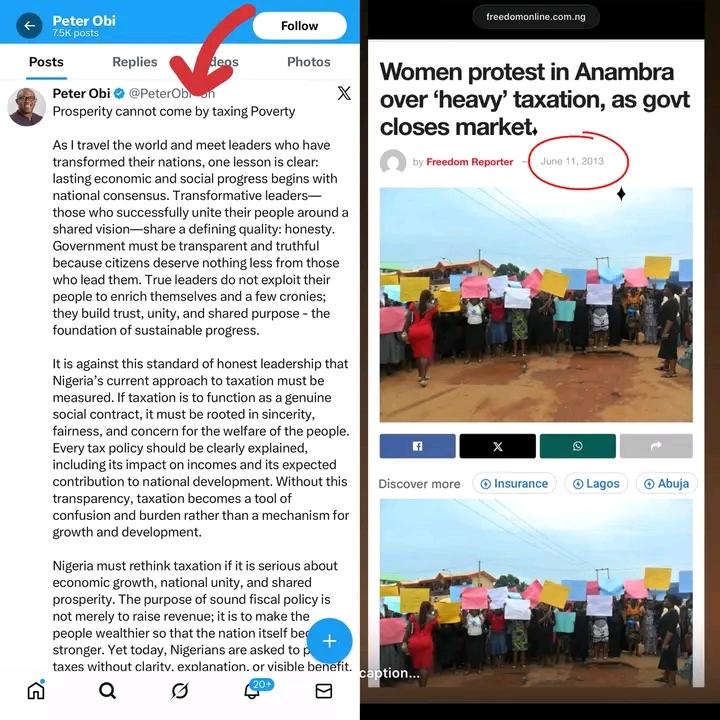
  • Peter Obi: The Man Who Taxed Poverty in Anambra

    Dear Peter Obi,

    Thank you for your thoughts on the Tax Reform Act, which came into force yesterday, which was New Year's Day. However, it seems you have forgotten the following historical facts.

    While you were the Governor of Anambra, poverty increased in the state, yet you imposed new and heavy taxes on the people of Anambra.

    Please fact-check me: The poverty rate in Anambra was 41.4% in 2003, before you, Obi took office, and rose to 53.7% by 2009, during your governorship, a 29.7% increase.

    Yet, despite the rise in poverty under your watch as Governor, on Tuesday, June 11, 2013, you imposed new and heavy taxes on Anambra markets, prompting traders in the state to protest.

    And again, please fact-check me.

    When 600 traders from Eke Awka Market protested and filed an appeal against you, you insisted that they must pay your new, heavy taxes.

    At that, they led another protest to the Anambra State House of Assembly, barricaded it, and prevented legislative business from proceeding.

    And all this was happening while you, Peter, dishonestly hid your own money in tax havens, as shown in the Pandora Papers of the International Consortium of Investigative Journalists.

    Therefore, I find it strange that you, who increased poverty in Anambra and also simultaneously increased taxes, are now accusing the Tinubu administration, which has added $57 billion to our economy, of taxing the poor.

    And just so you know, your allegations show that you haven't read the new tax laws, because in those legislations, Nigerians earning less than ₦800,000 will not be taxed.

    Meaning that under President Tinubu, those petty traders in Anambra that you taxed to near death would have a tax holiday.

    So, please, Peter, reread your post, and direct it at yourself, because it is all about you, the man who taxed poverty in Anambra!

    You were taxing poverty as Anambra Governor, but President Tinubu is tackling poverty as Nigeria's President.

    ~ Reno Omokri

    Gospeller. Deep Thinker. #TableShaker. #1Bestselling author of Facts Versus Fiction: The True Story of the Jonathan Years. Hodophile. Hollywood Magazine Humanitarian of the Year, 2019. Business Insider Influencer of the Year 2022. 21st Most Talked About Person in Africa, 2024.
    Peter Obi: The Man Who Taxed Poverty in Anambra Dear Peter Obi, Thank you for your thoughts on the Tax Reform Act, which came into force yesterday, which was New Year's Day. However, it seems you have forgotten the following historical facts. While you were the Governor of Anambra, poverty increased in the state, yet you imposed new and heavy taxes on the people of Anambra. Please fact-check me: The poverty rate in Anambra was 41.4% in 2003, before you, Obi took office, and rose to 53.7% by 2009, during your governorship, a 29.7% increase. Yet, despite the rise in poverty under your watch as Governor, on Tuesday, June 11, 2013, you imposed new and heavy taxes on Anambra markets, prompting traders in the state to protest. And again, please fact-check me. When 600 traders from Eke Awka Market protested and filed an appeal against you, you insisted that they must pay your new, heavy taxes. At that, they led another protest to the Anambra State House of Assembly, barricaded it, and prevented legislative business from proceeding. And all this was happening while you, Peter, dishonestly hid your own money in tax havens, as shown in the Pandora Papers of the International Consortium of Investigative Journalists. Therefore, I find it strange that you, who increased poverty in Anambra and also simultaneously increased taxes, are now accusing the Tinubu administration, which has added $57 billion to our economy, of taxing the poor. And just so you know, your allegations show that you haven't read the new tax laws, because in those legislations, Nigerians earning less than ₦800,000 will not be taxed. Meaning that under President Tinubu, those petty traders in Anambra that you taxed to near death would have a tax holiday. So, please, Peter, reread your post, and direct it at yourself, because it is all about you, the man who taxed poverty in Anambra! You were taxing poverty as Anambra Governor, but President Tinubu is tackling poverty as Nigeria's President. ~ Reno Omokri Gospeller. Deep Thinker. #TableShaker. #1Bestselling author of Facts Versus Fiction: The True Story of the Jonathan Years. Hodophile. Hollywood Magazine Humanitarian of the Year, 2019. Business Insider Influencer of the Year 2022. 21st Most Talked About Person in Africa, 2024.
    0 Comentários ·0 Compartilhamentos ·809 Visualizações
Páginas impulsionada
Fintter https://fintter.com