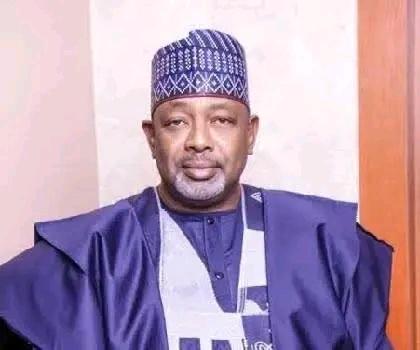
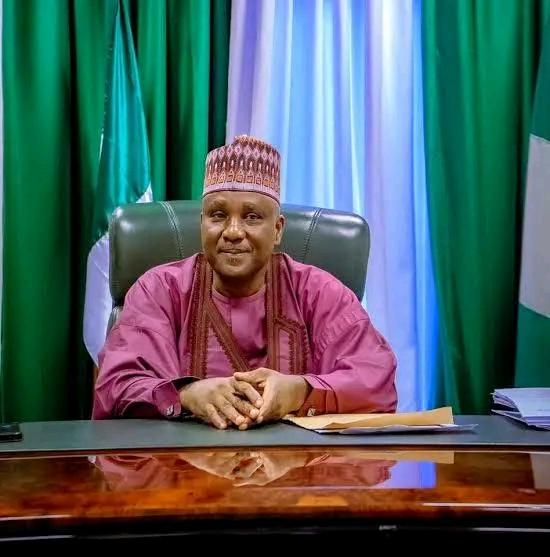
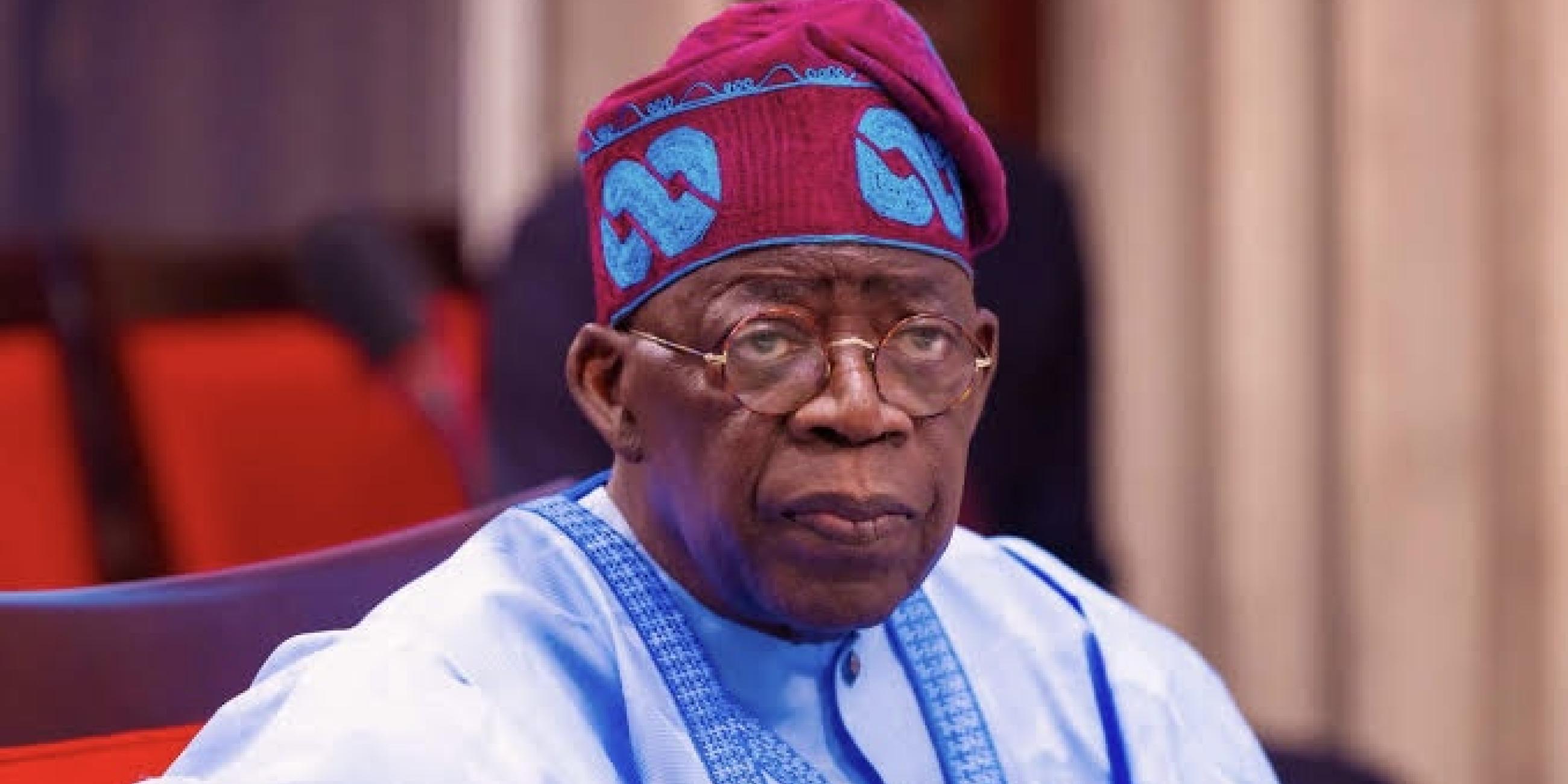
• Tinubu Hails Abubakar Kyari on Birthday, Praises Food Reforms

    President Bola Tinubu has congratulated Agriculture and Food Security Minister, Senator Abubakar Kyari, on his birthday, praising his leadership and reforms in Nigeria’s agriculture sector. Tinubu described Kyari as a seasoned statesman with years of service in the House of Representatives, Senate and APC leadership. He commended his push for mechanisation, stronger value chains and youth participation in farming. According to the president, these efforts have helped stabilise food prices, curb inflation and make agriculture more profitable. Tinubu prayed for Kyari’s strength to achieve food sufficiency.

    #Tinubu #AbubakarKyari #FoodSecurity
    Tinubu Hails Abubakar Kyari on Birthday, Praises Food Reforms President Bola Tinubu has congratulated Agriculture and Food Security Minister, Senator Abubakar Kyari, on his birthday, praising his leadership and reforms in Nigeria’s agriculture sector. Tinubu described Kyari as a seasoned statesman with years of service in the House of Representatives, Senate and APC leadership. He commended his push for mechanisation, stronger value chains and youth participation in farming. According to the president, these efforts have helped stabilise food prices, curb inflation and make agriculture more profitable. Tinubu prayed for Kyari’s strength to achieve food sufficiency. #Tinubu #AbubakarKyari #FoodSecurity
    like
    1
    · 0 Commentaires ·0 Parts ·2KB Vue
  • BREAKING: House of Representatives Criticizes Delay in Probe of $25M FIFA-CAF Grants to NFF

    The Nigerian House of Representatives has slammed the slow progress in investigating the $25 million FIFA-CAF grants allocated to the Nigeria Football Federation (NFF).

    #NFF #FIFA #CAF #NigeriaPolitics #BreakingNews #HouseOfReps #FootballNews #Transparency #NigeriaNews
    🚨 BREAKING: House of Representatives Criticizes Delay in Probe of $25M FIFA-CAF Grants to NFF The Nigerian House of Representatives has slammed the slow progress in investigating the $25 million FIFA-CAF grants allocated to the Nigeria Football Federation (NFF). #NFF #FIFA #CAF #NigeriaPolitics #BreakingNews #HouseOfReps #FootballNews #Transparency #NigeriaNews
    0 Commentaires ·0 Parts ·1KB Vue
  • Wahala Don Set Oo! Nigerian BEA Scholar in Hungary Faces Expulsion Over Unpaid $10,450 Allowance

    Wahala don really set for abroad oo! A Nigerian postgraduate student studying in Hungary under the Federal Government’s Bilateral Education Agreement (BEA) scholarship has raised alarm after spending over one year without receiving a single kobo of his approved allowances. Now, he is facing possible expulsion and homelessness because his residence permit is about to expire.

    The student, Oluwasegun Michael Ogundele of the University of Pannonia, has petitioned the House of Representatives Committee on Student Loans, Scholarships, and Higher Education Financing, crying out that since he resumed studies in September 2024, the Federal Scholarship Board (FSB) and the Federal Ministry of Education have failed to pay any of the funds promised under his scholarship.

    According to him, the agreement between the Nigerian and Hungarian governments clearly stated his entitlements, yet nothing has been paid till date. These include a $6,000 yearly allowance, $250 for warm clothing, $200 for health insurance, a N100,000 take-off grant, a $1,000 postgraduate research grant, and a return ticket to Nigeria. In total, the unpaid money now stands at $10,450.

    Ogundele said the situation has pushed him into serious hardship. For the past 18 months, he has survived only on a small monthly stipend of about €110 from Hungary’s Tempus Scholarship Foundation. He described his condition as one of illness, emotional trauma, and constant anxiety about basic survival.

    “My academic performance and mental health have suffered. I am constantly worried about how to eat, pay bills, and remain legal in this country,” he said.

    The wahala no end there. His programme is expected to finish by January 30, 2026, while his residence permit expires the very next day. Yet, he has no money to buy a ticket back to Nigeria. His passage allowance of $2,500, which should help him return home, has also not been paid.

    He further revealed that he has not taken up any paid job because scholarship rules forbid it. Still, despite obeying all conditions, the government has failed to honour its own agreement.

    In his petition, Ogundele begged the House Committee to urgently intervene and ensure immediate payment of all outstanding entitlements. He warned that his case is not isolated, stating that many Nigerian students abroad under the BEA scheme are suffering in silence. Some, according to him, have taken degrading jobs to survive, while others have reportedly died due to stress and untreated illnesses.

    “Many of us are being treated like beggars abroad. We are looked down upon, and it has destroyed our dignity as Nigerians. The suffering imposed on us is unimaginable,” he wrote.

    The matter has also drawn political attention. Former Vice President Atiku Abubakar recently accused the Tinubu administration of abandoning Nigerian students under the BEA programme, saying over 1,600 students abroad are owed stipends and have been left stranded.

    However, the Federal Government has denied abandoning students, stating that funding delays were due to fiscal constraints and that it remains committed to students already enrolled. The Ministry of Education also disclosed that no new bilateral scholarships were awarded in 2025, as Nigeria now claims it has enough local capacity to train students at home.

    But for students like Ogundele, policy explanations no dey stop hunger.

    As his deadline approaches and eviction looms, Nigerians are now asking: how can a government send students abroad in the name of national development, then leave them to suffer alone?

    One thing be sure: wahala don set oo for this BEA scholarship matter—and everybody dey watch how government go respond.
    Wahala Don Set Oo! Nigerian BEA Scholar in Hungary Faces Expulsion Over Unpaid $10,450 Allowance Wahala don really set for abroad oo! A Nigerian postgraduate student studying in Hungary under the Federal Government’s Bilateral Education Agreement (BEA) scholarship has raised alarm after spending over one year without receiving a single kobo of his approved allowances. Now, he is facing possible expulsion and homelessness because his residence permit is about to expire. The student, Oluwasegun Michael Ogundele of the University of Pannonia, has petitioned the House of Representatives Committee on Student Loans, Scholarships, and Higher Education Financing, crying out that since he resumed studies in September 2024, the Federal Scholarship Board (FSB) and the Federal Ministry of Education have failed to pay any of the funds promised under his scholarship. According to him, the agreement between the Nigerian and Hungarian governments clearly stated his entitlements, yet nothing has been paid till date. These include a $6,000 yearly allowance, $250 for warm clothing, $200 for health insurance, a N100,000 take-off grant, a $1,000 postgraduate research grant, and a return ticket to Nigeria. In total, the unpaid money now stands at $10,450. Ogundele said the situation has pushed him into serious hardship. For the past 18 months, he has survived only on a small monthly stipend of about €110 from Hungary’s Tempus Scholarship Foundation. He described his condition as one of illness, emotional trauma, and constant anxiety about basic survival. “My academic performance and mental health have suffered. I am constantly worried about how to eat, pay bills, and remain legal in this country,” he said. The wahala no end there. His programme is expected to finish by January 30, 2026, while his residence permit expires the very next day. Yet, he has no money to buy a ticket back to Nigeria. His passage allowance of $2,500, which should help him return home, has also not been paid. He further revealed that he has not taken up any paid job because scholarship rules forbid it. Still, despite obeying all conditions, the government has failed to honour its own agreement. In his petition, Ogundele begged the House Committee to urgently intervene and ensure immediate payment of all outstanding entitlements. He warned that his case is not isolated, stating that many Nigerian students abroad under the BEA scheme are suffering in silence. Some, according to him, have taken degrading jobs to survive, while others have reportedly died due to stress and untreated illnesses. “Many of us are being treated like beggars abroad. We are looked down upon, and it has destroyed our dignity as Nigerians. The suffering imposed on us is unimaginable,” he wrote. The matter has also drawn political attention. Former Vice President Atiku Abubakar recently accused the Tinubu administration of abandoning Nigerian students under the BEA programme, saying over 1,600 students abroad are owed stipends and have been left stranded. However, the Federal Government has denied abandoning students, stating that funding delays were due to fiscal constraints and that it remains committed to students already enrolled. The Ministry of Education also disclosed that no new bilateral scholarships were awarded in 2025, as Nigeria now claims it has enough local capacity to train students at home. But for students like Ogundele, policy explanations no dey stop hunger. As his deadline approaches and eviction looms, Nigerians are now asking: how can a government send students abroad in the name of national development, then leave them to suffer alone? One thing be sure: wahala don set oo for this BEA scholarship matter—and everybody dey watch how government go respond.
    like
    1
    · 0 Commentaires ·0 Parts ·3KB Vue
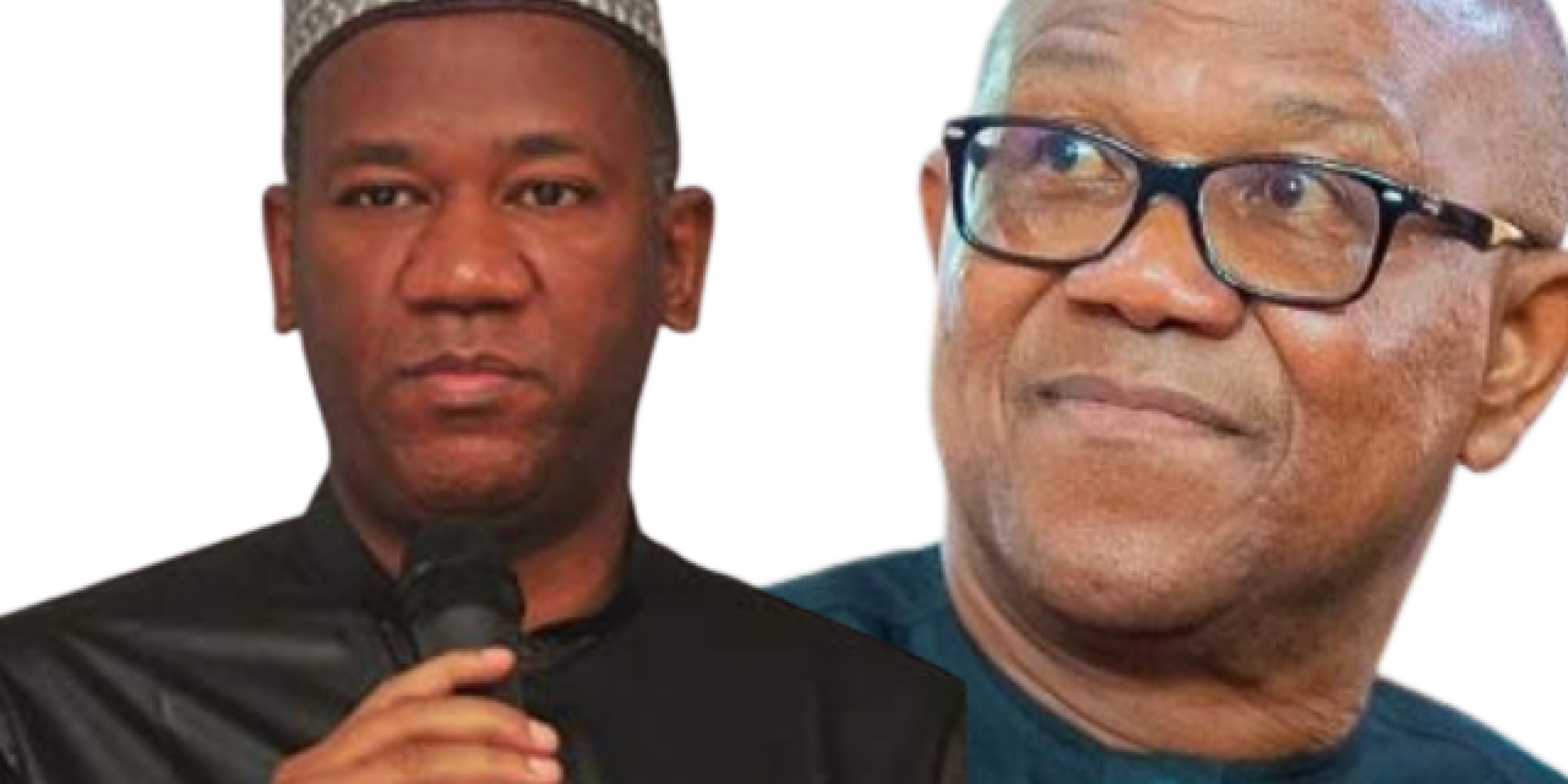
  • Is Peter Obi a ‘Political Traveller’ Gifted a Presidential Ticket? Why Labour Party VP Candidate Datti Baba-Ahmed Is Challenging Obi’s ADC Move and Declaring His Own 2027 Ambition

    Former Labour Party vice-presidential candidate Yusuf Datti Baba-Ahmed has launched a pointed political broadside that appears directed at his former principal, Peter Obi, following Obi’s decision to join the African Democratic Congress (ADC) coalition. Without naming him directly, Baba-Ahmed described Obi and other defecting politicians as “political travellers” who were “gifted a presidential ticket,” igniting fresh debate over loyalty, leadership, and the future of Nigeria’s opposition ahead of 2027.

    Speaking while declaring his intention to run for president, Baba-Ahmed insisted that he remains firmly within the Labour Party (LP), arguing that the party already “won a presidential election” and still represents a credible alternative to Nigeria’s dominant political blocs. He dismissed the ADC coalition as a gathering of “disgruntled politicians” who failed to properly challenge alleged constitutional breaches in the 2023 elections, questioning whether such alliances truly offer reform or merely recycle old power structures.

    At the heart of his message was a bold economic promise: Baba-Ahmed said that by June 2027, salaries of public servants—especially security personnel and teachers—would be quadrupled, insisting that “Nigeria can afford it.” He framed this pledge as a moral obligation to workers often overlooked despite their critical role in national stability and development.

    Positioning himself as a political outlier, Baba-Ahmed challenged rivals to produce “just one” major presidential aspirant who has never belonged to a ruling party. “I am that one,” he declared, stressing his independence and rejecting what he described as opportunistic movement between power centres. He added that he has no intention of joining any ruling party—except one he hopes to lead through the ballot.

    The former LP vice-presidential candidate also pushed back against claims that defections are weakening the Labour Party, saying neither he nor the party is responsible. According to him, individuals welcomed into LP in 2022 “with a presidential ticket” merely continued their political journey elsewhere. He urged supporters to “use the truth” amid what he called increasingly hostile online narratives.

    Recounting political history, Baba-Ahmed asserted that he aspired to the presidency before Peter Obi, citing events from 2018 when he contested in the PDP primaries and personally sought Obi’s support. While he spoke respectfully of Obi’s character, the implication was clear: leadership ambition, he argued, did not originate with his former running mate.

    Baba-Ahmed also highlighted Labour Party’s achievements despite financial constraints and what he termed “an era of perfected electoral fraud,” pointing to the party’s electoral gains—one state governor, eight senators, and around 40 House of Representatives members—as proof of its growing national footprint.

    The controversy now raises pressing political questions: Is Peter Obi abandoning the movement that propelled him in 2023? Does the ADC coalition represent a genuine opposition realignment or a gathering of familiar political actors? And can Datti Baba-Ahmed’s pledge of economic reform, party loyalty, and outsider status reshape Nigeria’s 2027 presidential race? As realignments continue, the Labour Party faces a defining moment over identity, leadership, and the path forward in Nigeria’s evolving political landscape.
    Is Peter Obi a ‘Political Traveller’ Gifted a Presidential Ticket? Why Labour Party VP Candidate Datti Baba-Ahmed Is Challenging Obi’s ADC Move and Declaring His Own 2027 Ambition Former Labour Party vice-presidential candidate Yusuf Datti Baba-Ahmed has launched a pointed political broadside that appears directed at his former principal, Peter Obi, following Obi’s decision to join the African Democratic Congress (ADC) coalition. Without naming him directly, Baba-Ahmed described Obi and other defecting politicians as “political travellers” who were “gifted a presidential ticket,” igniting fresh debate over loyalty, leadership, and the future of Nigeria’s opposition ahead of 2027. Speaking while declaring his intention to run for president, Baba-Ahmed insisted that he remains firmly within the Labour Party (LP), arguing that the party already “won a presidential election” and still represents a credible alternative to Nigeria’s dominant political blocs. He dismissed the ADC coalition as a gathering of “disgruntled politicians” who failed to properly challenge alleged constitutional breaches in the 2023 elections, questioning whether such alliances truly offer reform or merely recycle old power structures. At the heart of his message was a bold economic promise: Baba-Ahmed said that by June 2027, salaries of public servants—especially security personnel and teachers—would be quadrupled, insisting that “Nigeria can afford it.” He framed this pledge as a moral obligation to workers often overlooked despite their critical role in national stability and development. Positioning himself as a political outlier, Baba-Ahmed challenged rivals to produce “just one” major presidential aspirant who has never belonged to a ruling party. “I am that one,” he declared, stressing his independence and rejecting what he described as opportunistic movement between power centres. He added that he has no intention of joining any ruling party—except one he hopes to lead through the ballot. The former LP vice-presidential candidate also pushed back against claims that defections are weakening the Labour Party, saying neither he nor the party is responsible. According to him, individuals welcomed into LP in 2022 “with a presidential ticket” merely continued their political journey elsewhere. He urged supporters to “use the truth” amid what he called increasingly hostile online narratives. Recounting political history, Baba-Ahmed asserted that he aspired to the presidency before Peter Obi, citing events from 2018 when he contested in the PDP primaries and personally sought Obi’s support. While he spoke respectfully of Obi’s character, the implication was clear: leadership ambition, he argued, did not originate with his former running mate. Baba-Ahmed also highlighted Labour Party’s achievements despite financial constraints and what he termed “an era of perfected electoral fraud,” pointing to the party’s electoral gains—one state governor, eight senators, and around 40 House of Representatives members—as proof of its growing national footprint. The controversy now raises pressing political questions: Is Peter Obi abandoning the movement that propelled him in 2023? Does the ADC coalition represent a genuine opposition realignment or a gathering of familiar political actors? And can Datti Baba-Ahmed’s pledge of economic reform, party loyalty, and outsider status reshape Nigeria’s 2027 presidential race? As realignments continue, the Labour Party faces a defining moment over identity, leadership, and the path forward in Nigeria’s evolving political landscape.
    0 Commentaires ·0 Parts ·3KB Vue
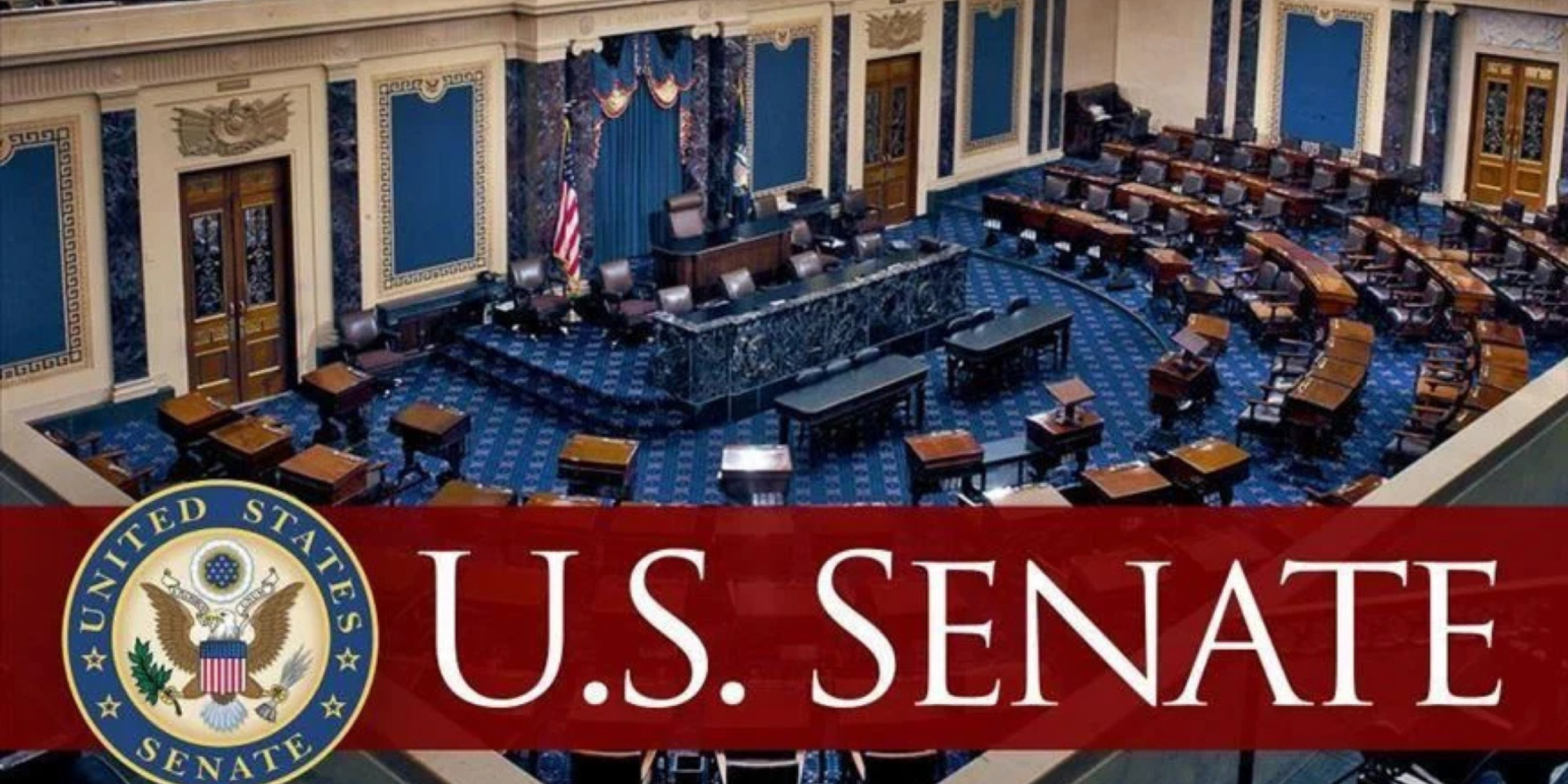
  • Is Congress Trying to Stop Trump’s War in Venezuela? Inside the US Senate Vote to Restrict Military Action

    The United States Senate has passed a War Powers resolution by a narrow 52–48 vote, seeking to restrict President Donald Trump’s military action in Venezuela and reassert Congress’s constitutional authority over the use of force abroad. The resolution reflects rising unease among lawmakers about the scope of presidential war powers and the legality of recent U.S. operations targeting the Venezuelan government.

    The move follows a dramatic escalation in U.S.–Venezuela relations, including reports that the Trump administration carried out an operation that abducted Venezuelan President Nicolás Maduro, an action said to have resulted in at least 100 deaths. The development triggered global reactions and reignited domestic debate over whether the president can deploy military force without explicit approval from Congress.

    Supporters of the resolution argue that it is designed to check executive overreach and prevent the United States from sliding into another open-ended foreign conflict. Senate Democratic Leader Chuck Schumer stated that the measure was intended to halt what he described as “military adventurism” and to restore Congress’s role as outlined in the U.S. Constitution. He criticized the administration’s foreign policy approach, warning that Americans do not want their resources—or lives—spent on wars without clear justification or accountability.

    Despite its passage in the Senate, the resolution now faces a major test in the House of Representatives, where approval is required before it can be sent to the president. Even if the House passes it, President Trump retains the power to veto the measure, meaning a two-thirds majority in both chambers would be necessary to override such a decision. Analysts note that while the resolution’s future is uncertain, its success in the Senate signals a renewed effort by lawmakers to challenge the expansion of presidential war-making authority.

    The vote highlights a broader constitutional question: Who truly controls America’s military actions abroad—the president or Congress? As tensions with Venezuela intensify and international scrutiny grows, the outcome of this legislative battle could shape not only U.S. policy toward Venezuela but also the balance of power between the executive and legislative branches.

    With political divisions deepening and global attention fixed on Washington, the coming House debate may determine whether Congress can effectively rein in the president’s authority—or whether Trump’s approach to Venezuela will continue unchecked.


    Is Congress Trying to Stop Trump’s War in Venezuela? Inside the US Senate Vote to Restrict Military Action The United States Senate has passed a War Powers resolution by a narrow 52–48 vote, seeking to restrict President Donald Trump’s military action in Venezuela and reassert Congress’s constitutional authority over the use of force abroad. The resolution reflects rising unease among lawmakers about the scope of presidential war powers and the legality of recent U.S. operations targeting the Venezuelan government. The move follows a dramatic escalation in U.S.–Venezuela relations, including reports that the Trump administration carried out an operation that abducted Venezuelan President Nicolás Maduro, an action said to have resulted in at least 100 deaths. The development triggered global reactions and reignited domestic debate over whether the president can deploy military force without explicit approval from Congress. Supporters of the resolution argue that it is designed to check executive overreach and prevent the United States from sliding into another open-ended foreign conflict. Senate Democratic Leader Chuck Schumer stated that the measure was intended to halt what he described as “military adventurism” and to restore Congress’s role as outlined in the U.S. Constitution. He criticized the administration’s foreign policy approach, warning that Americans do not want their resources—or lives—spent on wars without clear justification or accountability. Despite its passage in the Senate, the resolution now faces a major test in the House of Representatives, where approval is required before it can be sent to the president. Even if the House passes it, President Trump retains the power to veto the measure, meaning a two-thirds majority in both chambers would be necessary to override such a decision. Analysts note that while the resolution’s future is uncertain, its success in the Senate signals a renewed effort by lawmakers to challenge the expansion of presidential war-making authority. The vote highlights a broader constitutional question: Who truly controls America’s military actions abroad—the president or Congress? As tensions with Venezuela intensify and international scrutiny grows, the outcome of this legislative battle could shape not only U.S. policy toward Venezuela but also the balance of power between the executive and legislative branches. With political divisions deepening and global attention fixed on Washington, the coming House debate may determine whether Congress can effectively rein in the president’s authority—or whether Trump’s approach to Venezuela will continue unchecked.
    0 Commentaires ·0 Parts ·1KB Vue
  • Chinese Hacking Group ‘Salt Typhoon’ Breaches U.S. House Committee Emails

    A Chinese-linked hacking group, nicknamed Salt Typhoon, has reportedly compromised email systems used by staff members of several U.S. House of Representatives committees, including the House China Committee and panels overseeing foreign affairs, intelligence, and the armed services. The breach, detected in December, targeted committee aides, though it remains unclear whether lawmakers’ emails were accessed.

    The cyberattack is part of ongoing allegations of espionage linked to Chinese intelligence, which has previously been accused of intercepting communications involving U.S. politicians and officials. In response, Beijing has denied involvement, while U.S. authorities have imposed sanctions on individuals and companies allegedly connected to Salt Typhoon’s operations.

    The Federal Bureau of Investigation has declined to comment, and the White House and the targeted committees have yet to issue official statements. Cybersecurity experts note that U.S. lawmakers and staffers have frequently been targeted for espionage, with prior incidents reported in the Senate and among senior officials.

    Salt Typhoon’s alleged operations highlight persistent vulnerabilities in U.S. government digital communications and underscore the ongoing geopolitical tensions between the United States and China.

    Chinese Hacking Group ‘Salt Typhoon’ Breaches U.S. House Committee Emails A Chinese-linked hacking group, nicknamed Salt Typhoon, has reportedly compromised email systems used by staff members of several U.S. House of Representatives committees, including the House China Committee and panels overseeing foreign affairs, intelligence, and the armed services. The breach, detected in December, targeted committee aides, though it remains unclear whether lawmakers’ emails were accessed. The cyberattack is part of ongoing allegations of espionage linked to Chinese intelligence, which has previously been accused of intercepting communications involving U.S. politicians and officials. In response, Beijing has denied involvement, while U.S. authorities have imposed sanctions on individuals and companies allegedly connected to Salt Typhoon’s operations. The Federal Bureau of Investigation has declined to comment, and the White House and the targeted committees have yet to issue official statements. Cybersecurity experts note that U.S. lawmakers and staffers have frequently been targeted for espionage, with prior incidents reported in the Senate and among senior officials. Salt Typhoon’s alleged operations highlight persistent vulnerabilities in U.S. government digital communications and underscore the ongoing geopolitical tensions between the United States and China.
    0 Commentaires ·0 Parts ·2KB Vue
  • Are Nigeria’s New Tax Laws Unconstitutional? Why a Lawyer Is Suing the Federal Government Over Multiple Budgets, Fiscal Transparency, and the 2026 Tax Reforms

    Is Nigeria running its finances in violation of its own laws—and could the country’s new tax regime be declared unconstitutional? These are the questions now before the Federal High Court in Lagos following a landmark lawsuit filed by human rights lawyer, Mr. Tilewa Oyefeso.

    Oyefeso has dragged the Federal Government, the Senate President, the Speaker of the House of Representatives, the National Assembly, and the Attorney-General of the Federation to court, challenging what he describes as Nigeria’s “opaque and undisciplined fiscal regime.” At the heart of the case is the government’s practice of operating multiple federal budgets simultaneously and introducing new tax laws that he claims contradict both the Constitution and the Fiscal Responsibility Act (FRA) 2007.

    According to the suit, the Federal Government has extended capital components of the 2024 Appropriation Act into 2025 and 2026 while the 2025 budget is already in force—effectively running overlapping budgets. Oyefeso is asking the court to determine whether this practice complies with Nigeria’s Medium-Term Expenditure Framework (MTEF) and the unified annual budgeting system mandated by fiscal law.

    Why does this matter? The lawyer argues that overlapping budgets, supplementary appropriations, and extended capital projects undermine fiscal transparency, distort expenditure projections, and weaken the macroeconomic discipline the Fiscal Responsibility Act was designed to protect. He also accuses the government of failing to publish quarterly budget implementation reports within the legally required 30-day period—an omission he says makes it impossible for citizens to track public spending or hold authorities accountable.

    But the lawsuit goes beyond budgets. Oyefeso is also challenging four major tax laws scheduled to take effect from January 1, 2026: the Nigeria Tax Act 2025, the Nigeria Revenue Service (Establishment) Act 2025, the Joint Revenue Board of Nigeria (Establishment) Act 2025, and the Nigeria Tax Administration Act 2025.

    He contends that the new tax framework prioritises aggressive revenue generation without first ensuring compliance with constitutional limits on borrowing, deficit thresholds, fiscal accountability, and transparency. Citing Section 16 of the 1999 Constitution, which outlines Nigeria’s economic objectives, Oyefeso argues that fiscal and tax policies must promote social justice, equitable wealth distribution, macroeconomic stability, and the welfare of citizens—not merely expand government revenue.

    One of his key claims is that the reforms ignore the Fiscal Responsibility Act’s requirement that fiscal deficits should not exceed three per cent of GDP unless expressly approved by the National Assembly. By allegedly sidestepping these safeguards, he says, the new tax laws form part of a broader unconstitutional fiscal structure.

    Among the reliefs sought, Oyefeso is asking the court to declare the four tax laws unconstitutional, null, and void. He also wants an order of mandamus compelling the National Assembly to amend the Fiscal Responsibility Act to strengthen transparency, fiscal discipline, and prudent resource management. In addition, he seeks a perpetual injunction to halt the implementation of the new tax laws pending such amendments.

    What could this mean for Nigeria’s economy and governance? If the court upholds his arguments, the ruling could upend Nigeria’s 2026 tax framework, force reforms to budgetary practices, and redefine how fiscal responsibility is enforced under the Constitution.

    For now, the defendants have 30 days to respond, and the case is yet to be assigned to a judge. But the questions raised are already resonating nationwide: Is Nigeria violating its own fiscal laws? Are the new tax reforms legally sound? And will the courts finally impose transparency on how public funds are budgeted, spent, and taxed?
    Are Nigeria’s New Tax Laws Unconstitutional? Why a Lawyer Is Suing the Federal Government Over Multiple Budgets, Fiscal Transparency, and the 2026 Tax Reforms Is Nigeria running its finances in violation of its own laws—and could the country’s new tax regime be declared unconstitutional? These are the questions now before the Federal High Court in Lagos following a landmark lawsuit filed by human rights lawyer, Mr. Tilewa Oyefeso. Oyefeso has dragged the Federal Government, the Senate President, the Speaker of the House of Representatives, the National Assembly, and the Attorney-General of the Federation to court, challenging what he describes as Nigeria’s “opaque and undisciplined fiscal regime.” At the heart of the case is the government’s practice of operating multiple federal budgets simultaneously and introducing new tax laws that he claims contradict both the Constitution and the Fiscal Responsibility Act (FRA) 2007. According to the suit, the Federal Government has extended capital components of the 2024 Appropriation Act into 2025 and 2026 while the 2025 budget is already in force—effectively running overlapping budgets. Oyefeso is asking the court to determine whether this practice complies with Nigeria’s Medium-Term Expenditure Framework (MTEF) and the unified annual budgeting system mandated by fiscal law. Why does this matter? The lawyer argues that overlapping budgets, supplementary appropriations, and extended capital projects undermine fiscal transparency, distort expenditure projections, and weaken the macroeconomic discipline the Fiscal Responsibility Act was designed to protect. He also accuses the government of failing to publish quarterly budget implementation reports within the legally required 30-day period—an omission he says makes it impossible for citizens to track public spending or hold authorities accountable. But the lawsuit goes beyond budgets. Oyefeso is also challenging four major tax laws scheduled to take effect from January 1, 2026: the Nigeria Tax Act 2025, the Nigeria Revenue Service (Establishment) Act 2025, the Joint Revenue Board of Nigeria (Establishment) Act 2025, and the Nigeria Tax Administration Act 2025. He contends that the new tax framework prioritises aggressive revenue generation without first ensuring compliance with constitutional limits on borrowing, deficit thresholds, fiscal accountability, and transparency. Citing Section 16 of the 1999 Constitution, which outlines Nigeria’s economic objectives, Oyefeso argues that fiscal and tax policies must promote social justice, equitable wealth distribution, macroeconomic stability, and the welfare of citizens—not merely expand government revenue. One of his key claims is that the reforms ignore the Fiscal Responsibility Act’s requirement that fiscal deficits should not exceed three per cent of GDP unless expressly approved by the National Assembly. By allegedly sidestepping these safeguards, he says, the new tax laws form part of a broader unconstitutional fiscal structure. Among the reliefs sought, Oyefeso is asking the court to declare the four tax laws unconstitutional, null, and void. He also wants an order of mandamus compelling the National Assembly to amend the Fiscal Responsibility Act to strengthen transparency, fiscal discipline, and prudent resource management. In addition, he seeks a perpetual injunction to halt the implementation of the new tax laws pending such amendments. What could this mean for Nigeria’s economy and governance? If the court upholds his arguments, the ruling could upend Nigeria’s 2026 tax framework, force reforms to budgetary practices, and redefine how fiscal responsibility is enforced under the Constitution. For now, the defendants have 30 days to respond, and the case is yet to be assigned to a judge. But the questions raised are already resonating nationwide: Is Nigeria violating its own fiscal laws? Are the new tax reforms legally sound? And will the courts finally impose transparency on how public funds are budgeted, spent, and taxed?
    0 Commentaires ·0 Parts ·2KB Vue
  • House of Reps Member Ikenga Ugochinyere Defects from PDP to APP
    January 7, 2026 – Politics

    Ikenga Ugochinyere, representing Ideato North/Ideato South Federal Constituency in Imo State, has officially defected from the Peoples Democratic Party (PDP) to the Action Peoples Party (APP). He announced his decision on the floor of the House of Representatives on Wednesday.

    Ugochinyere, a vocal and influential lawmaker, had faced attempts by PDP officials at local and ward levels to expel him for alleged anti-party activities. However, the PDP National Working Committee (NWC) later nullified the expulsion, declaring it unconstitutional.

    The lawmaker’s defection delivers another setback to the PDP in Imo State and highlights ongoing internal tensions within the party.


    House of Reps Member Ikenga Ugochinyere Defects from PDP to APP January 7, 2026 – Politics Ikenga Ugochinyere, representing Ideato North/Ideato South Federal Constituency in Imo State, has officially defected from the Peoples Democratic Party (PDP) to the Action Peoples Party (APP). He announced his decision on the floor of the House of Representatives on Wednesday. Ugochinyere, a vocal and influential lawmaker, had faced attempts by PDP officials at local and ward levels to expel him for alleged anti-party activities. However, the PDP National Working Committee (NWC) later nullified the expulsion, declaring it unconstitutional. The lawmaker’s defection delivers another setback to the PDP in Imo State and highlights ongoing internal tensions within the party.
    0 Commentaires ·0 Parts ·1KB Vue
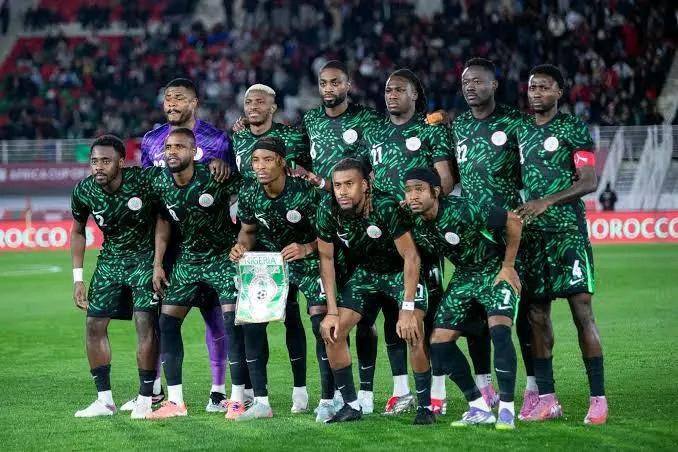
  • House Sports C'ttee Hails Super Eagles Victory Urges Them To Avoid Complacency

    ‎The House of Representatives Committee on Sports has urged the Super Eagles to remain focused and avoid complacency as they prepare for their quarterfinal match at the ongoing 2025 Africa Cup of Nations (AFCON).

    ‎Chairman of the Committee, Kabiru Amadu, in a statement applauding Nigeria’s emphatic 4–0 victory over Mozambique in Monday's Round of 16 encounter, stressed the importance of maintaining concentration on winning the trophy as the tournament enters its decisive stages.

    ‎The House Sports Committee commends the Super Eagles players and the technical crew for their composure and collective strength so far, which have seen goals produced from all departments of the team.

    ‎The Committee reaffirmed the support of the National Assembly and the Federal Government as the Super Eagles continue their quest for continental glory.
    House Sports C'ttee Hails Super Eagles Victory Urges Them To Avoid Complacency ‎ ‎The House of Representatives Committee on Sports has urged the Super Eagles to remain focused and avoid complacency as they prepare for their quarterfinal match at the ongoing 2025 Africa Cup of Nations (AFCON). ‎ ‎Chairman of the Committee, Kabiru Amadu, in a statement applauding Nigeria’s emphatic 4–0 victory over Mozambique in Monday's Round of 16 encounter, stressed the importance of maintaining concentration on winning the trophy as the tournament enters its decisive stages. ‎ ‎The House Sports Committee commends the Super Eagles players and the technical crew for their composure and collective strength so far, which have seen goals produced from all departments of the team. ‎ ‎The Committee reaffirmed the support of the National Assembly and the Federal Government as the Super Eagles continue their quest for continental glory.
    like
    1
    · 0 Commentaires ·0 Parts ·913 Vue
  • Nass Releases the Four Ceetified Tax Acts to Public

    ‎The National Assembly has released the four tax reform Acts duly signed into law by President Bola Tinubu for public record, verification and reference.

    ‎House Spokesman Akin Rotimi says the Senate President, Godswill Akpabio and Speaker, House of Representatives, Abbas Tajudeen, directed the immediate release of the Certified True Copies of the Acts, including the endorsement and assent pages signed by the President.

    ‎Rotimi says this is to dispel public concerns and allegations regarding purported alterations and the circulation of unauthorised and misleading versions of the laws.

    ‎The four Acts released are:
    ‎• The Nigeria Tax Act, 2025
    ‎• The Nigeria Tax Administration Act, 2025
    ‎• The National Revenue Service (Establishment) Act, 2025
    ‎• The Joint Revenue Board (Establishment) Act, 2025.

    ‎Rotimi further notes that parliament would remain vigilant and proactive in defending the integrity of its work, clarifying that the only authentic and authoritative versions of the four tax Acts are those certified and released by the National Assembly.
    Nass Releases the Four Ceetified Tax Acts to Public ‎ ‎The National Assembly has released the four tax reform Acts duly signed into law by President Bola Tinubu for public record, verification and reference. ‎ ‎House Spokesman Akin Rotimi says the Senate President, Godswill Akpabio and Speaker, House of Representatives, Abbas Tajudeen, directed the immediate release of the Certified True Copies of the Acts, including the endorsement and assent pages signed by the President. ‎ ‎Rotimi says this is to dispel public concerns and allegations regarding purported alterations and the circulation of unauthorised and misleading versions of the laws. ‎ ‎The four Acts released are: ‎• The Nigeria Tax Act, 2025 ‎• The Nigeria Tax Administration Act, 2025 ‎• The National Revenue Service (Establishment) Act, 2025 ‎• The Joint Revenue Board (Establishment) Act, 2025. ‎ ‎Rotimi further notes that parliament would remain vigilant and proactive in defending the integrity of its work, clarifying that the only authentic and authoritative versions of the four tax Acts are those certified and released by the National Assembly.
    Dislike
    1
    · 0 Commentaires ·0 Parts ·1KB Vue
  • EXCLUSIVE: FIRS Chairman Zach Adedeji Plans Lavish Dubai Birthday With Seyi Tinubu Amid Controversy Over Alleged Tax Law Alterations

    The Chairman of Nigeria’s Federal Inland Revenue Service (FIRS), Zach Adedeji, is reportedly planning a lavish birthday celebration in Dubai, United Arab Emirates, on January 6, 2026, despite mounting public outrage over alleged alterations to recently enacted tax laws. Multiple sources disclosed that the high-profile event is expected to attract influential political and business figures, including Seyi Tinubu, son of President Bola Tinubu.

    The planned celebration comes at a sensitive time, as Adedeji and the FIRS face intense scrutiny over claims that provisions of Nigeria’s new tax reform laws were altered after passage by the National Assembly, allegedly to benefit powerful interests. While the controversy continues, President Tinubu has insisted that the implementation of the tax reforms would proceed as scheduled from January 1, 2026, describing the changes as critical to resetting Nigeria’s fiscal framework rather than increasing taxes.

    Lawmakers, particularly from the House of Representatives minority caucus, have raised concerns about discrepancies between the versions of the tax laws debated and passed by parliament and those published in the Federal Gazette. In response, investigative committees have been set up to probe the alleged alterations, even as the federal government moves ahead with the rollout of the new tax regime.
    EXCLUSIVE: FIRS Chairman Zach Adedeji Plans Lavish Dubai Birthday With Seyi Tinubu Amid Controversy Over Alleged Tax Law Alterations The Chairman of Nigeria’s Federal Inland Revenue Service (FIRS), Zach Adedeji, is reportedly planning a lavish birthday celebration in Dubai, United Arab Emirates, on January 6, 2026, despite mounting public outrage over alleged alterations to recently enacted tax laws. Multiple sources disclosed that the high-profile event is expected to attract influential political and business figures, including Seyi Tinubu, son of President Bola Tinubu. The planned celebration comes at a sensitive time, as Adedeji and the FIRS face intense scrutiny over claims that provisions of Nigeria’s new tax reform laws were altered after passage by the National Assembly, allegedly to benefit powerful interests. While the controversy continues, President Tinubu has insisted that the implementation of the tax reforms would proceed as scheduled from January 1, 2026, describing the changes as critical to resetting Nigeria’s fiscal framework rather than increasing taxes. Lawmakers, particularly from the House of Representatives minority caucus, have raised concerns about discrepancies between the versions of the tax laws debated and passed by parliament and those published in the Federal Gazette. In response, investigative committees have been set up to probe the alleged alterations, even as the federal government moves ahead with the rollout of the new tax regime.
    Dislike
    1
    · 0 Commentaires ·0 Parts ·1KB Vue
  • House of Representatives Minority Caucus Launches Probe Into Alleged Alterations of Tinubu’s Tax Reform Laws After National Assembly Passage

    The House of Representatives Minority Caucus has constituted a seven-member fact-finding committee to investigate allegations that President Bola Tinubu’s newly assented tax reform laws were altered after being passed by the National Assembly. The committee, chaired by Afam Ogene, was formed following claims that the versions of the tax laws published in the official government gazette differ materially from the harmonised bills approved by both chambers. Despite earlier efforts by the House leadership to address the controversy, including ordering a re-gazetting of the harmonised laws, the Federal Government proceeded with implementing the new tax regime from January 1, 2026. Minority Leader Kingsley Chinda said the probe is aimed at ensuring accountability, protecting Nigerians’ interests, and uncovering the truth behind the alleged discrepancies, with the committee expected to submit its findings within seven days.
    House of Representatives Minority Caucus Launches Probe Into Alleged Alterations of Tinubu’s Tax Reform Laws After National Assembly Passage The House of Representatives Minority Caucus has constituted a seven-member fact-finding committee to investigate allegations that President Bola Tinubu’s newly assented tax reform laws were altered after being passed by the National Assembly. The committee, chaired by Afam Ogene, was formed following claims that the versions of the tax laws published in the official government gazette differ materially from the harmonised bills approved by both chambers. Despite earlier efforts by the House leadership to address the controversy, including ordering a re-gazetting of the harmonised laws, the Federal Government proceeded with implementing the new tax regime from January 1, 2026. Minority Leader Kingsley Chinda said the probe is aimed at ensuring accountability, protecting Nigerians’ interests, and uncovering the truth behind the alleged discrepancies, with the committee expected to submit its findings within seven days.
    0 Commentaires ·0 Parts ·718 Vue
  • Nigerian Students Set January 14 for Nationwide Mass Protest as NANS Moves to Resist Tinubu’s Controversial Tax Reform Laws Amid Growing Opposition

    The National Association of Nigerian Students (NANS) has fixed January 14, 2026, as a National Day of Action to stage a mass protest against the implementation of the President Bola Tinubu-led administration’s new tax laws, which came into effect on January 1, 2026. The student body has begun nationwide mobilisation, warning that it will lead large-scale demonstrations unless the government suspends the controversial Tax Reform Law.

    The planned protest comes amid increasing resistance to the new tax regime, following claims of discrepancies between the versions of the tax bills passed by the National Assembly and those later gazetted. Several stakeholders, including the Nigerian Bar Association (NBA), the Nigeria Labour Congress (NLC), and the minority caucus of the House of Representatives, have called on the federal government to halt the implementation pending clarification.

    Despite these concerns, President Tinubu has dismissed calls for suspension, insisting that no major issues have been identified to warrant stopping the reform process. Reacting to the government’s stance, NANS President Olushola Oladoja criticised the decision to proceed with enforcement while key issues remain unresolved, describing it as dismissive of public concerns and democratic engagement.

    Oladoja argued that enforcing the tax law without addressing widespread objections undermines transparency and public trust, particularly for policies that significantly affect ordinary Nigerians. He further faulted the Presidency for reaffirming the January 1 commencement date, saying it sidelines citizens most impacted by the reforms.

    As part of its action plan, NANS has instructed its structures nationwide to prepare for a peaceful protest in Abuja, with students expected to converge at the Unity Fountain and march to the Presidential Villa. The association is demanding an immediate suspension of the tax law’s implementation to allow for proper review and resolution of the alleged inconsistencies.

    NANS warned that failure to heed its demand could trigger sustained student-led protests across the country, adding to mounting pressure on the federal government over the contentious tax reforms.
    Nigerian Students Set January 14 for Nationwide Mass Protest as NANS Moves to Resist Tinubu’s Controversial Tax Reform Laws Amid Growing Opposition The National Association of Nigerian Students (NANS) has fixed January 14, 2026, as a National Day of Action to stage a mass protest against the implementation of the President Bola Tinubu-led administration’s new tax laws, which came into effect on January 1, 2026. The student body has begun nationwide mobilisation, warning that it will lead large-scale demonstrations unless the government suspends the controversial Tax Reform Law. The planned protest comes amid increasing resistance to the new tax regime, following claims of discrepancies between the versions of the tax bills passed by the National Assembly and those later gazetted. Several stakeholders, including the Nigerian Bar Association (NBA), the Nigeria Labour Congress (NLC), and the minority caucus of the House of Representatives, have called on the federal government to halt the implementation pending clarification. Despite these concerns, President Tinubu has dismissed calls for suspension, insisting that no major issues have been identified to warrant stopping the reform process. Reacting to the government’s stance, NANS President Olushola Oladoja criticised the decision to proceed with enforcement while key issues remain unresolved, describing it as dismissive of public concerns and democratic engagement. Oladoja argued that enforcing the tax law without addressing widespread objections undermines transparency and public trust, particularly for policies that significantly affect ordinary Nigerians. He further faulted the Presidency for reaffirming the January 1 commencement date, saying it sidelines citizens most impacted by the reforms. As part of its action plan, NANS has instructed its structures nationwide to prepare for a peaceful protest in Abuja, with students expected to converge at the Unity Fountain and march to the Presidential Villa. The association is demanding an immediate suspension of the tax law’s implementation to allow for proper review and resolution of the alleged inconsistencies. NANS warned that failure to heed its demand could trigger sustained student-led protests across the country, adding to mounting pressure on the federal government over the contentious tax reforms.
    0 Commentaires ·0 Parts ·1KB Vue
  • Speaker Abbas' New Year Message

    ‎Speaker of the House of Representatives, Abbas Tajudeen, has felicitated with Nigerians over the new year 2026, urging citizens to remain resolute, steadfast, and hopeful in the journey ahead.


    ‎The Speaker, in his New Year message through his Special Adviser on Media and Publicity, Musa Krishi, charged Nigerians to renew their hope in 2026 and continue to work together for the unity and progress of the nation.

    ‎Speaker Abbas noted that the outgoing year, 2025, though challenging, also recorded commendable strides in good governance and improvement in national security, as security agencies intensified their efforts to restore peace across the country.

    ‎Looking ahead, the Speaker reaffirmed the legislature’s commitment to enacting people-oriented laws that will further enhance economic stability, promote inclusiveness, and ensure the security and welfare of all Nigerians in line with the Renewed Hope Agenda of President Tinubu.

    ‎The Speaker wishes Nigerians a peaceful, productive, and hopeful New Year.

    Speaker Abbas' New Year Message ‎ ‎Speaker of the House of Representatives, Abbas Tajudeen, has felicitated with Nigerians over the new year 2026, urging citizens to remain resolute, steadfast, and hopeful in the journey ahead. ‎ ‎The Speaker, in his New Year message through his Special Adviser on Media and Publicity, Musa Krishi, charged Nigerians to renew their hope in 2026 and continue to work together for the unity and progress of the nation. ‎ ‎Speaker Abbas noted that the outgoing year, 2025, though challenging, also recorded commendable strides in good governance and improvement in national security, as security agencies intensified their efforts to restore peace across the country. ‎ ‎Looking ahead, the Speaker reaffirmed the legislature’s commitment to enacting people-oriented laws that will further enhance economic stability, promote inclusiveness, and ensure the security and welfare of all Nigerians in line with the Renewed Hope Agenda of President Tinubu. ‎ ‎The Speaker wishes Nigerians a peaceful, productive, and hopeful New Year. ‎ ‎
    0 Commentaires ·0 Parts ·780 Vue
  • Nigerian House of Representatives Proposes New Constitutional Law to Protect Pregnant Women on Death Row, Commute Death Sentence to Life Imprisonment

    The Nigerian House of Representatives has proposed a major constitutional amendment aimed at protecting pregnant women sentenced to death and safeguarding the lives of their unborn children. The proposal, adopted by the House Committee on Constitution Review chaired by Deputy Speaker Benjamin Kalu, seeks to amend Section 33 of the 1999 Constitution to ensure that any pregnant woman convicted of a capital offence is sentenced to life imprisonment instead of death.

    Under the proposed new subsection, courts would be required to commute death sentences once pregnancy is proven, recognising the unborn child’s right to life. Senior Advocate of Nigeria, Mike Ozekhome, praised the bill as humane and progressive, arguing that executing a pregnant woman amounts to the unjust killing of an innocent unborn child. He cited international human rights principles, U.S. constitutional arguments, and moral considerations in support of the amendment.

    Constitutional lawyer Abdul Mahmud also endorsed the proposal, describing it as a balanced effort to align criminal justice with evolving global human rights standards, while raising broader questions about the continued relevance of the death penalty in Nigeria.

    In addition, the House proposed a separate amendment to guarantee Nigerians’ right to a clean, safe, and healthy environment, including access to environmental information and accountability for pollution. The twin proposals reflect a broader legislative push toward human rights protection, environmental justice, and constitutional reform in Nigeria.
    Nigerian House of Representatives Proposes New Constitutional Law to Protect Pregnant Women on Death Row, Commute Death Sentence to Life Imprisonment The Nigerian House of Representatives has proposed a major constitutional amendment aimed at protecting pregnant women sentenced to death and safeguarding the lives of their unborn children. The proposal, adopted by the House Committee on Constitution Review chaired by Deputy Speaker Benjamin Kalu, seeks to amend Section 33 of the 1999 Constitution to ensure that any pregnant woman convicted of a capital offence is sentenced to life imprisonment instead of death. Under the proposed new subsection, courts would be required to commute death sentences once pregnancy is proven, recognising the unborn child’s right to life. Senior Advocate of Nigeria, Mike Ozekhome, praised the bill as humane and progressive, arguing that executing a pregnant woman amounts to the unjust killing of an innocent unborn child. He cited international human rights principles, U.S. constitutional arguments, and moral considerations in support of the amendment. Constitutional lawyer Abdul Mahmud also endorsed the proposal, describing it as a balanced effort to align criminal justice with evolving global human rights standards, while raising broader questions about the continued relevance of the death penalty in Nigeria. In addition, the House proposed a separate amendment to guarantee Nigerians’ right to a clean, safe, and healthy environment, including access to environmental information and accountability for pollution. The twin proposals reflect a broader legislative push toward human rights protection, environmental justice, and constitutional reform in Nigeria.
    0 Commentaires ·0 Parts ·1KB Vue
  • Tinubu Insists New Tax Laws Will Take Effect January 1, 2026 Despite Controversy Over Alleged Alterations, Urges Nigerians to Support Fiscal Reforms

    President Bola Tinubu has reaffirmed that Nigeria’s newly enacted tax laws will be implemented as scheduled from January 1, 2026, despite mounting controversy over claims that some provisions were altered after legislative approval. In a statement issued on December 30, 2025, Tinubu said the reforms—some of which already took effect on June 26, 2025—are critical to strengthening Nigeria’s fiscal framework and represent a “once-in-a-generation” opportunity to build a fair, competitive, and robust tax system. He stressed that the laws are not designed to increase taxes but to harmonise the system, reset fiscal structures, and strengthen the social contract.
    Addressing allegations that the gazetted versions of the laws differ from those passed by the National Assembly, the President acknowledged the public debate but dismissed calls for a suspension, stating that no substantial issue has been established to justify halting implementation. Tinubu assured Nigerians that his administration would work with the National Assembly to resolve any identified discrepancies in the public interest. The controversy, sparked by claims from a House of Representatives member, has drawn criticism from opposition figures, the Nigerian Bar Association, and civil society groups, prompting the House to set up a committee to review and re-gazette the tax reform laws while investigations continue.
    Tinubu Insists New Tax Laws Will Take Effect January 1, 2026 Despite Controversy Over Alleged Alterations, Urges Nigerians to Support Fiscal Reforms President Bola Tinubu has reaffirmed that Nigeria’s newly enacted tax laws will be implemented as scheduled from January 1, 2026, despite mounting controversy over claims that some provisions were altered after legislative approval. In a statement issued on December 30, 2025, Tinubu said the reforms—some of which already took effect on June 26, 2025—are critical to strengthening Nigeria’s fiscal framework and represent a “once-in-a-generation” opportunity to build a fair, competitive, and robust tax system. He stressed that the laws are not designed to increase taxes but to harmonise the system, reset fiscal structures, and strengthen the social contract. Addressing allegations that the gazetted versions of the laws differ from those passed by the National Assembly, the President acknowledged the public debate but dismissed calls for a suspension, stating that no substantial issue has been established to justify halting implementation. Tinubu assured Nigerians that his administration would work with the National Assembly to resolve any identified discrepancies in the public interest. The controversy, sparked by claims from a House of Representatives member, has drawn criticism from opposition figures, the Nigerian Bar Association, and civil society groups, prompting the House to set up a committee to review and re-gazette the tax reform laws while investigations continue.
    0 Commentaires ·0 Parts ·485 Vue
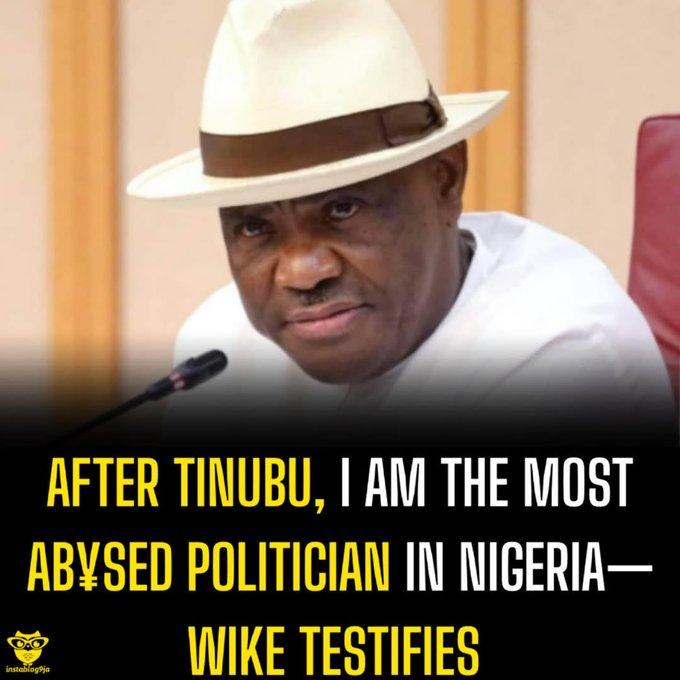
  • After Tinubu, I Am the Most Ab¥sed Politician in Nigeria — Wike Sets January 2026 Timeline for Rivers Politics

    Minister of the Federal Capital Territory, Nyesom Wike, has described himself as the most ab¥sed politician in Nigeria after President Bola Tinubu, while declaring that political activities in Rivers State will officially begin in January 2026.

    He spoke on Saturday at a thanksgiving service organised by former Deputy Speaker of the House of Representatives, Chibudom Nwuche, in Ochiba community, Ahoada East Local Government Area.

    The former Rivers State governor reaffirmed his unwavering loyalty to President Tinubu, stressing that he does not renege on agreements and remains committed to political decisions taken in good faith. He also thanked the people of Ahoada East and Ahoada West for their steadfast support over the years.

    Recalling the 2023 general elections, Wike praised residents for standing firm in support of Tinubu at a time many politicians were uncertain, noting that their resolve helped strengthen the President’s mandate in Rivers State.

    He appeared to criticise politicians who recently aligned with the ruling All Progressives Congress (APC), suggesting their support came too late. Wike emphasised the importance of honouring political agreements, warning that his camp would not be taken for granted as the next political cycle approaches. He added that frequent att@cks against him stem from his insistence on accountability and adherence to agreements, alleging that some politicians abuse him for personal gain.

    Earlier, Chibudom Nwuche commended Wike for his developmental contributions to the Ekpeye Kingdom, particularly the elevation of several traditional stools during his tenure as governor. He said Wike’s leadership positively impacted the people, earning him enduring loyalty across the area.
    After Tinubu, I Am the Most Ab¥sed Politician in Nigeria — Wike Sets January 2026 Timeline for Rivers Politics Minister of the Federal Capital Territory, Nyesom Wike, has described himself as the most ab¥sed politician in Nigeria after President Bola Tinubu, while declaring that political activities in Rivers State will officially begin in January 2026. He spoke on Saturday at a thanksgiving service organised by former Deputy Speaker of the House of Representatives, Chibudom Nwuche, in Ochiba community, Ahoada East Local Government Area. The former Rivers State governor reaffirmed his unwavering loyalty to President Tinubu, stressing that he does not renege on agreements and remains committed to political decisions taken in good faith. He also thanked the people of Ahoada East and Ahoada West for their steadfast support over the years. Recalling the 2023 general elections, Wike praised residents for standing firm in support of Tinubu at a time many politicians were uncertain, noting that their resolve helped strengthen the President’s mandate in Rivers State. He appeared to criticise politicians who recently aligned with the ruling All Progressives Congress (APC), suggesting their support came too late. Wike emphasised the importance of honouring political agreements, warning that his camp would not be taken for granted as the next political cycle approaches. He added that frequent att@cks against him stem from his insistence on accountability and adherence to agreements, alleging that some politicians abuse him for personal gain. Earlier, Chibudom Nwuche commended Wike for his developmental contributions to the Ekpeye Kingdom, particularly the elevation of several traditional stools during his tenure as governor. He said Wike’s leadership positively impacted the people, earning him enduring loyalty across the area.
    0 Commentaires ·0 Parts ·919 Vue
  • US Republican Lawmakers Praise Trump for Sokoto Airstrikes Against ISIS in Nigeria

    The Conference of Republican Lawmakers in the U.S. House of Representatives has commended former President Donald Trump for authorizing airstrikes against ISIS terrorists in Sokoto State, Nigeria. According to the lawmakers, the strikes were a decisive action against militants reportedly targeting Christians.
    Nigeria’s Foreign Affairs Minister, Yusuf Tuggar, emphasized that the airstrikes were a coordinated operation between Nigerian and U.S. authorities, highlighting that Nigeria supplied the intelligence for the mission. Tuggar stressed that the strikes were not aimed at any religion and were part of broader efforts to combat terrorism while safeguarding citizens in a multi-religious country.
    The U.S. Department of Defense confirmed multiple ISIS terrorists were killed in the strikes. President Trump framed the operation as part of his administration’s commitment to preventing radical Islamic terrorism from flourishing. Nigerian officials have rejected the religious framing of violence, noting that victims of terrorism include citizens of various faiths across the country.
    US Republican Lawmakers Praise Trump for Sokoto Airstrikes Against ISIS in Nigeria The Conference of Republican Lawmakers in the U.S. House of Representatives has commended former President Donald Trump for authorizing airstrikes against ISIS terrorists in Sokoto State, Nigeria. According to the lawmakers, the strikes were a decisive action against militants reportedly targeting Christians. Nigeria’s Foreign Affairs Minister, Yusuf Tuggar, emphasized that the airstrikes were a coordinated operation between Nigerian and U.S. authorities, highlighting that Nigeria supplied the intelligence for the mission. Tuggar stressed that the strikes were not aimed at any religion and were part of broader efforts to combat terrorism while safeguarding citizens in a multi-religious country. The U.S. Department of Defense confirmed multiple ISIS terrorists were killed in the strikes. President Trump framed the operation as part of his administration’s commitment to preventing radical Islamic terrorism from flourishing. Nigerian officials have rejected the religious framing of violence, noting that victims of terrorism include citizens of various faiths across the country.
    0 Commentaires ·0 Parts ·680 Vue
  • House of Representatives Probes Alleged Discrepancies in Nigeria’s 2025 Tax Laws Amid Public Outcry

    The Nigerian House of Representatives has launched an institutional review into alleged discrepancies between the 2025 tax reform bills passed by the National Assembly and the versions published in the Official Gazette. A seven-member Ad Hoc Committee, supported by other relevant committees and National Assembly management, is examining legislative and administrative procedures to identify any lapses or irregularities. The leadership of the National Assembly has directed that the Acts be re-gazetted and Certified True Copies issued to ensure accuracy and maintain the integrity of legislative records. The review follows scrutiny of the Nigeria Tax Act, 2025, Nigeria Tax Administration Act, 2025, Joint Revenue Board of Nigeria (Establishment) Act, 2025, and Nigeria Revenue Service (Establishment) Act, 2025.
    House of Representatives Probes Alleged Discrepancies in Nigeria’s 2025 Tax Laws Amid Public Outcry The Nigerian House of Representatives has launched an institutional review into alleged discrepancies between the 2025 tax reform bills passed by the National Assembly and the versions published in the Official Gazette. A seven-member Ad Hoc Committee, supported by other relevant committees and National Assembly management, is examining legislative and administrative procedures to identify any lapses or irregularities. The leadership of the National Assembly has directed that the Acts be re-gazetted and Certified True Copies issued to ensure accuracy and maintain the integrity of legislative records. The review follows scrutiny of the Nigeria Tax Act, 2025, Nigeria Tax Administration Act, 2025, Joint Revenue Board of Nigeria (Establishment) Act, 2025, and Nigeria Revenue Service (Establishment) Act, 2025.
    0 Commentaires ·0 Parts ·370 Vue
  • Six Zamfara Assembly Members Defect From PDP To APC, Strengthening Ruling Party’s Grip

    Six members of the Zamfara State House of Assembly have defected from the Peoples Democratic Party (PDP) to the ruling All Progressives Congress (APC), marking a significant shift in the political balance of the state legislature. The lawmakers, who were elected on the PDP platform, formally announced their defection, further consolidating the APC’s influence in Zamfara State.
    The defecting lawmakers are Hon. Muktar Nasir Kaura of Kaura North, Hon. Nasiru Abdullahi Maru representing Maru North, Hon. Amiru Ahmad Keta from Tsafe West, Hon. Bashar Aliyu Gummi of Gummi I Constituency, Barrister Bashir Abubakar Masama representing Bukkuyum North, and Hon. Bashir Bello of Bungudu West. Their exit alters the composition of the House and weakens the opposition PDP in the state.
    The development comes amid a broader wave of defections affecting the PDP at both state and national levels. SaharaReporters had earlier reported that the PDP was reduced to just two members in the Rivers State caucus of the House of Representatives after six federal lawmakers defected to the APC, citing unresolved internal crises and divisions within the opposition party.
    In the House of Representatives, Speaker Tajudeen Abbas attributed the defections to deep-seated political conflicts within the PDP, while the defecting lawmakers said the party’s internal instability had hindered their political ambitions. They declared their decision to align with President Bola Tinubu’s “Renewed Hope Agenda” under the APC.
    The Zamfara defections further underscore the growing challenges confronting the PDP as the APC continues to attract lawmakers across states, tightening its grip on legislative institutions and reshaping Nigeria’s political landscape ahead of future elections.
    Six Zamfara Assembly Members Defect From PDP To APC, Strengthening Ruling Party’s Grip Six members of the Zamfara State House of Assembly have defected from the Peoples Democratic Party (PDP) to the ruling All Progressives Congress (APC), marking a significant shift in the political balance of the state legislature. The lawmakers, who were elected on the PDP platform, formally announced their defection, further consolidating the APC’s influence in Zamfara State. The defecting lawmakers are Hon. Muktar Nasir Kaura of Kaura North, Hon. Nasiru Abdullahi Maru representing Maru North, Hon. Amiru Ahmad Keta from Tsafe West, Hon. Bashar Aliyu Gummi of Gummi I Constituency, Barrister Bashir Abubakar Masama representing Bukkuyum North, and Hon. Bashir Bello of Bungudu West. Their exit alters the composition of the House and weakens the opposition PDP in the state. The development comes amid a broader wave of defections affecting the PDP at both state and national levels. SaharaReporters had earlier reported that the PDP was reduced to just two members in the Rivers State caucus of the House of Representatives after six federal lawmakers defected to the APC, citing unresolved internal crises and divisions within the opposition party. In the House of Representatives, Speaker Tajudeen Abbas attributed the defections to deep-seated political conflicts within the PDP, while the defecting lawmakers said the party’s internal instability had hindered their political ambitions. They declared their decision to align with President Bola Tinubu’s “Renewed Hope Agenda” under the APC. The Zamfara defections further underscore the growing challenges confronting the PDP as the APC continues to attract lawmakers across states, tightening its grip on legislative institutions and reshaping Nigeria’s political landscape ahead of future elections.
    0 Commentaires ·0 Parts ·980 Vue
Plus de résultats
Fintter https://fintter.com