• Fans dragged Georgina Onuoha over her opinion about Davido’s father’s reaction to his son’s paternity saga. They lectured her on what she should have said.
    Fans dragged Georgina Onuoha over her opinion about Davido’s father’s reaction to his son’s paternity saga. They lectured her on what she should have said.
    love
    1
    · 0 التعليقات ·0 المشاركات ·382 مشاهدة
  • Fans reacted after seeing what Ayo Labinjoh said to Davido’s father about her daughter’s paternity. She lashed out at the businessman and his son.
    Fans reacted after seeing what Ayo Labinjoh said to Davido’s father about her daughter’s paternity. She lashed out at the businessman and his son.
    love
    1
    · 0 التعليقات ·0 المشاركات ·349 مشاهدة
  • Destiny Boy’s Childhood Friend FINALLY Speaks — Shocking Details About What Led to His Death

    Destiny Boy’s childhood friend, Big_Badda, has finally broken his silence and revealed what he claims led to the late singer’s tragic death.

    According to him, he has not been himself since receiving the heartbreaking distress call. The pain in his heart became too heavy, and he felt forced to speak his truth.

    He recalled that in early 2020, Destiny Boy visited his home in Lagos and opened up about his strong desire to rise fast in the music industry and gain global fame, even surpassing top stars like Davido, Wizkid, and Olamide. Big_Badda said he advised him to be patient and trust God’s timing, reminding him that success achieved the right way lasts longer.

    Sadly, Destiny Boy reportedly said he could no longer wait. Big_Badda admitted that as a close friend, he failed him. Instead of standing firm in his advice, he allowed himself to be carried away by Destiny Boy’s desperation and ambition.

    He revealed that Destiny Boy mentioned knowing a “baba” in Ogun State. According to him, they all agreed to follow Destiny Boy to meet the man, popularly known as Ikudaisi Osha, in Ijebu Ode, Ogun State. The baba allegedly agreed to perform a fame ritual and reportedly said Destiny Boy would be famous for five years, known worldwide, with his songs streamed globally.

    However, Big_Badda claimed that the consequences of the ritual were never explained to them.

    Tragically, he said he was later shocked when a close friend, singer Bolisco, called him early one morning to inform him that Destiny Boy was vomiting blood. He rushed to his house immediately, but sadly, before he arrived, Destiny Boy had already passed away.

    He ended by praying that Destiny Boy’s soul rests in perfect peace and that God, in His mercy, forgives him and grants him eternal rest in paradise
    🚨😭 Destiny Boy’s Childhood Friend FINALLY Speaks — Shocking Details About What Led to His Death 😭💔 Destiny Boy’s childhood friend, Big_Badda, has finally broken his silence and revealed what he claims led to the late singer’s tragic death. According to him, he has not been himself since receiving the heartbreaking distress call. The pain in his heart became too heavy, and he felt forced to speak his truth. He recalled that in early 2020, Destiny Boy visited his home in Lagos and opened up about his strong desire to rise fast in the music industry and gain global fame, even surpassing top stars like Davido, Wizkid, and Olamide. Big_Badda said he advised him to be patient and trust God’s timing, reminding him that success achieved the right way lasts longer. Sadly, Destiny Boy reportedly said he could no longer wait. Big_Badda admitted that as a close friend, he failed him. Instead of standing firm in his advice, he allowed himself to be carried away by Destiny Boy’s desperation and ambition. He revealed that Destiny Boy mentioned knowing a “baba” in Ogun State. According to him, they all agreed to follow Destiny Boy to meet the man, popularly known as Ikudaisi Osha, in Ijebu Ode, Ogun State. The baba allegedly agreed to perform a fame ritual and reportedly said Destiny Boy would be famous for five years, known worldwide, with his songs streamed globally. However, Big_Badda claimed that the consequences of the ritual were never explained to them. Tragically, he said he was later shocked when a close friend, singer Bolisco, called him early one morning to inform him that Destiny Boy was vomiting blood. He rushed to his house immediately, but sadly, before he arrived, Destiny Boy had already passed away. He ended by praying that Destiny Boy’s soul rests in perfect peace 🕊️ and that God, in His mercy, forgives him and grants him eternal rest in paradise 🙏
    0 التعليقات ·0 المشاركات ·983 مشاهدة
  • 2Baba’s Absence at Son’s Matriculation Sparks Online Buzz……

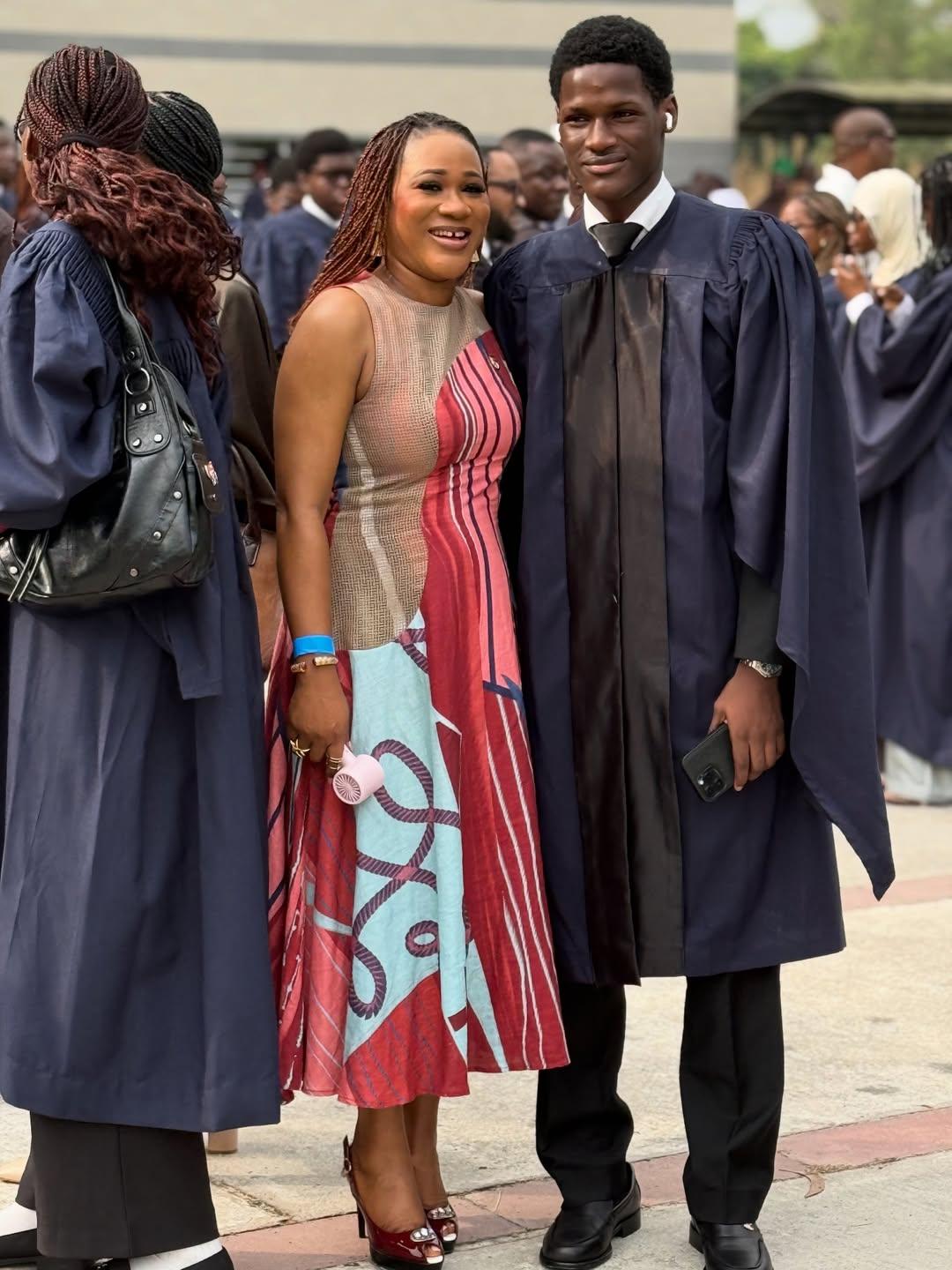
    Photos from the matriculation of Zion Idibia, son of music icon 2Baba, have taken over social media, drawing massive reactions from fans and celebrities. While many congratulated Zion on the milestone, attention quickly shifted to the absence of his famous father at the event. Fans flooded comment sections with questions, speculating on why the music legend was missing on such a special day for his son.#Fintternews

    2Baba’s Absence at Son’s Matriculation Sparks Online Buzz…… Photos from the matriculation of Zion Idibia, son of music icon 2Baba, have taken over social media, drawing massive reactions from fans and celebrities. While many congratulated Zion on the milestone, attention quickly shifted to the absence of his famous father at the event. Fans flooded comment sections with questions, speculating on why the music legend was missing on such a special day for his son.#Fintternews
    love
    2
    · 0 التعليقات ·0 المشاركات ·432 مشاهدة
  • Nollywood veteran Emeka Ike is furious after a viral video showing his son in a cosy setting with controversial personality Jaruma set social media buzzing. Video, details in comments.
    Nollywood veteran Emeka Ike is furious after a viral video showing his son in a cosy setting with controversial personality Jaruma set social media buzzing. Video, details in comments.
    0 التعليقات ·0 المشاركات ·406 مشاهدة
  • “Remove my name and picture immediately” — Actor Emeka Ike calls out Jaruma over video involving his son

    Veteran Nollywood actor Emeka Ike has publicly distanced himself from a viral video involving his son and popular sex therapist Jaruma.

    In a lengthy Instagram post, the actor expressed anger over his name and photo being linked to what he described as “disgusting” and indecent content, insisting he has nothing to do with Jaruma or her products.
    Emeka Ike also addressed his son directly, recounting how he once supported his education, planned a future abroad for him, and insisted he finish school before pursuing fame. He lamented that those plans were abandoned, saying he no longer recognises the person his son has become…..
    “Remove my name and picture immediately” — Actor Emeka Ike calls out Jaruma over video involving his son Veteran Nollywood actor Emeka Ike has publicly distanced himself from a viral video involving his son and popular sex therapist Jaruma. In a lengthy Instagram post, the actor expressed anger over his name and photo being linked to what he described as “disgusting” and indecent content, insisting he has nothing to do with Jaruma or her products. Emeka Ike also addressed his son directly, recounting how he once supported his education, planned a future abroad for him, and insisted he finish school before pursuing fame. He lamented that those plans were abandoned, saying he no longer recognises the person his son has become…..
    love
    1
    · 0 التعليقات ·0 المشاركات ·589 مشاهدة
  • “Remove My Name and Picture!” — Emeka Ike Slams Jaruma Over Viral Video

    Veteran Nollywood actor Emeka Ike has slammed popular sex therapist Jaruma after a viral video involving his son.

    In an Instagram post, Ike demanded the immediate removal of his name and photo, calling the content “disgusting” and insisting he has no connection with Jaruma or her products.

    He also addressed his son, lamenting that his plans for his education and future abroad were abandoned, saying he no longer recognizes the person his son has become. Ike added that his legal team is reviewing the matter to protect his reputation.
    #EmekaIke #Jaruma #NollywoodNews #ViralVideo #CelebrityDrama #ProtectingReputation #LegalAction #FamilyDrama
    “Remove My Name and Picture!” — Emeka Ike Slams Jaruma Over Viral Video Veteran Nollywood actor Emeka Ike has slammed popular sex therapist Jaruma after a viral video involving his son. In an Instagram post, Ike demanded the immediate removal of his name and photo, calling the content “disgusting” and insisting he has no connection with Jaruma or her products. He also addressed his son, lamenting that his plans for his education and future abroad were abandoned, saying he no longer recognizes the person his son has become. Ike added that his legal team is reviewing the matter to protect his reputation. #EmekaIke #Jaruma #NollywoodNews #ViralVideo #CelebrityDrama #ProtectingReputation #LegalAction #FamilyDrama
    love
    1
    · 0 التعليقات ·0 المشاركات ·991 مشاهدة
  • Supreme Court Revives ₦1.35bn Corruption Case Against Ex-Jigawa Gov Lamido, Orders Fresh Trial

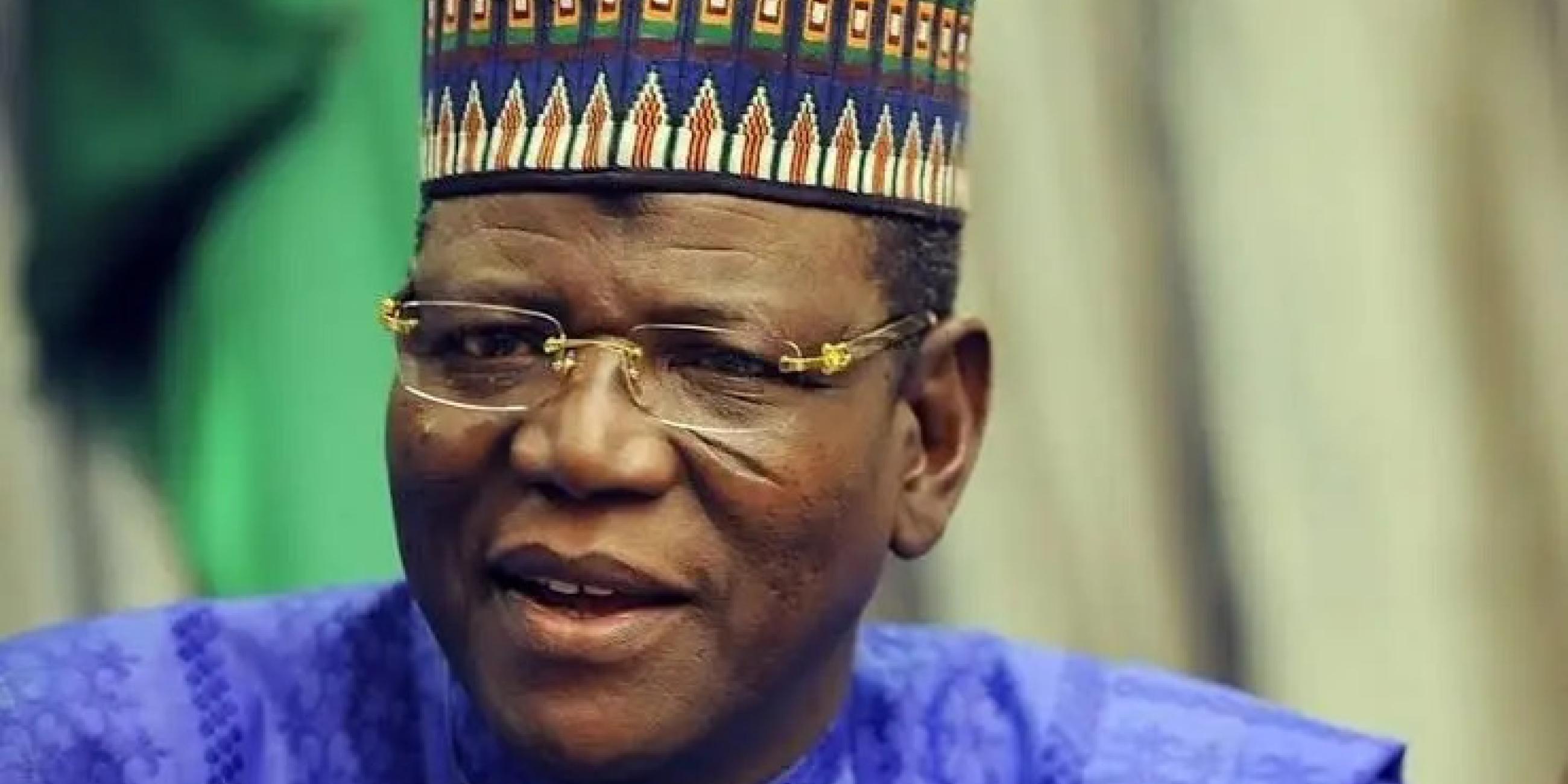
    The Supreme Court has overturned the Court of Appeal’s 2023 judgment that freed former Jigawa State governor Sule Lamido and his sons, Mustapha and Aminu, from ₦1.35 billion corruption charges. In a unanimous ruling, the apex court held that the EFCC’s appeal had merit and ordered the defendants to return to the Federal High Court to open their defence. Lamido is accused of laundering funds allegedly received as kickbacks from contractors during his tenure. The court ruled that sufficient evidence was presented and directed that the long-running trial be resumed and concluded.
    Supreme Court Revives ₦1.35bn Corruption Case Against Ex-Jigawa Gov Lamido, Orders Fresh Trial The Supreme Court has overturned the Court of Appeal’s 2023 judgment that freed former Jigawa State governor Sule Lamido and his sons, Mustapha and Aminu, from ₦1.35 billion corruption charges. In a unanimous ruling, the apex court held that the EFCC’s appeal had merit and ordered the defendants to return to the Federal High Court to open their defence. Lamido is accused of laundering funds allegedly received as kickbacks from contractors during his tenure. The court ruled that sufficient evidence was presented and directed that the long-running trial be resumed and concluded.
    0 التعليقات ·0 المشاركات ·897 مشاهدة
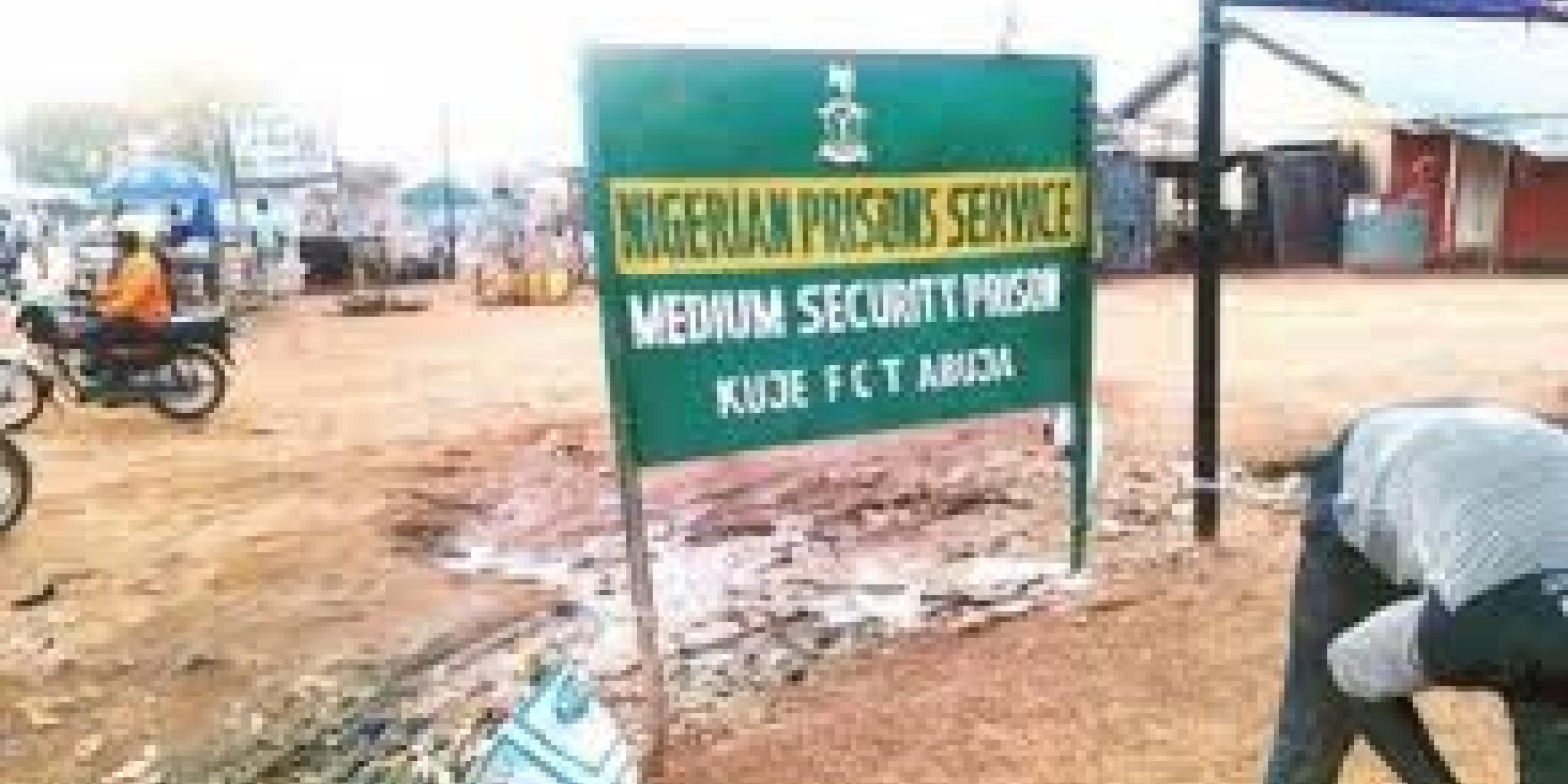
  • Malami Delays Bail as DSS Besiege Kuje Prison Over Terrorism Financing Probe – Inside the High-Stakes Showdown

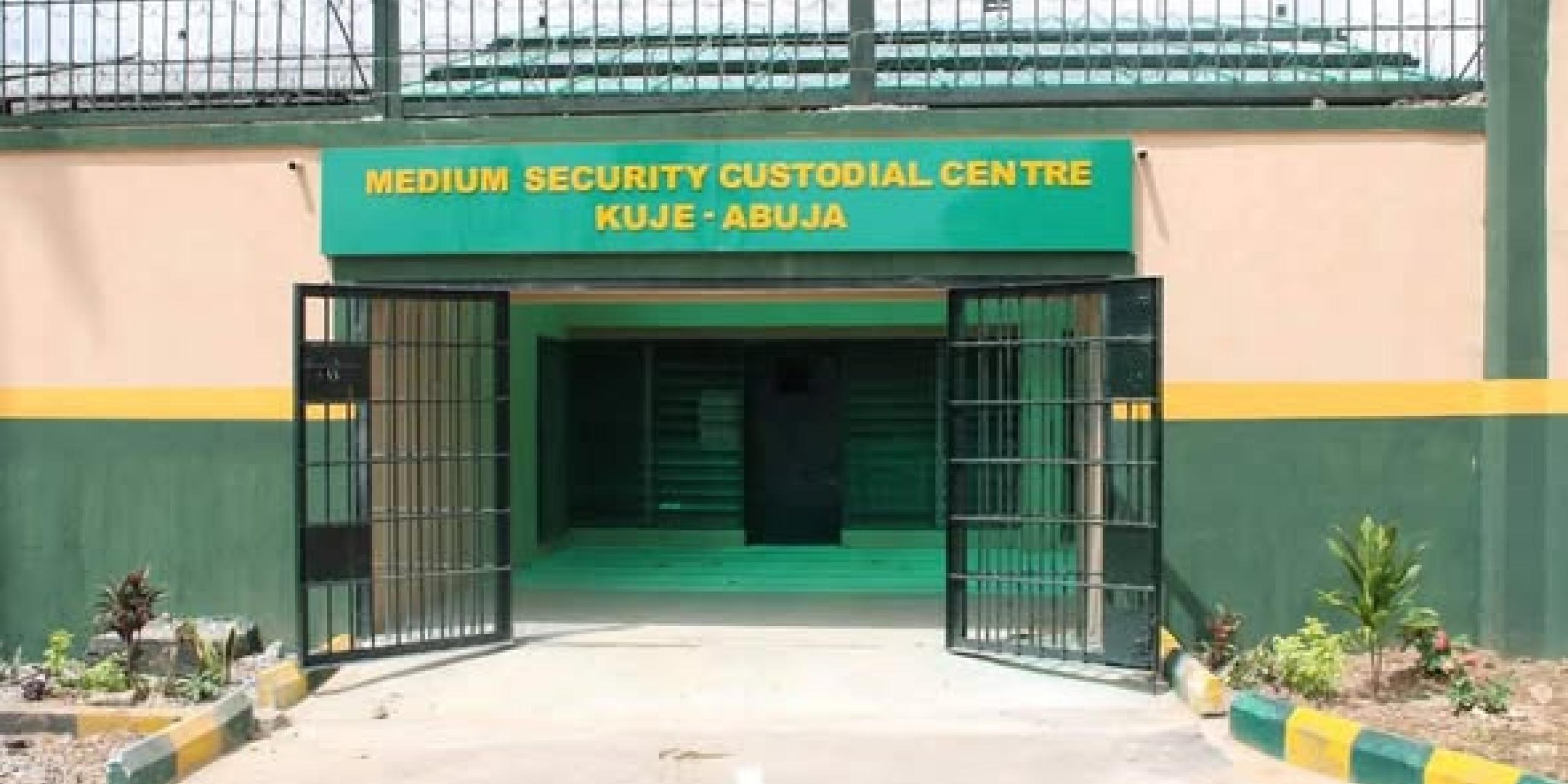
    Former Attorney General of the Federation, Abubakar Malami (SAN), has reportedly slowed the processing of his bail following a heavy deployment of Department of State Services (DSS) operatives at the Kuje Medium Security Custodial Centre (MSCC) in Abuja. Sources indicate that over 50 DSS officers established a perimeter around the prison, arriving in a convoy of approximately six Toyota Hilux vans, amid fears that Malami could be immediately rearrested in connection with an ongoing terrorism financing investigation.

    Malami, who was granted bail by the Federal High Court in Abuja in his N8.7 billion money laundering case, instructed his legal team to delay the release process, remaining in the VIP segregation cell of the prison, a section previously refurbished by former police intelligence chief Abba Kyari and known for housing high-profile detainees. His son, Abubakar Abdulaziz, and fourth wife, Hajia Bashir Asabe, remain at the facility, with Abdulaziz reportedly admitted to the prison clinic for observation after falling ill.

    The EFCC had arraigned Malami, Asabe, and Abdulaziz on a 16-count charge involving conspiracy, laundering, and concealment of unlawful proceeds totaling ₦8,713,923,759.49 under the Money Laundering (Prevention and Prohibition) Act, 2022. While terrorism financing is not part of the formal charges, security sources link ongoing investigations to Malami and other high-profile figures regarding the flow of Abacha loot recovered from Switzerland and the UK.

    Retired Army General Danjuma Ali-Keffi, former head of counter-terrorism Task Force Operation Service Wide (OSW), revealed that investigations into Boko Haram financiers exposed networks allegedly connected to senior military officers, top financial officials, and government figures, including Malami. Ali-Keffi claimed Malami interfered with these investigations by removing key prosecutors and influencing the release of certain suspects, actions that undermined anti-terrorism operations.

    This unfolding situation underscores heightened tensions between Nigerian law enforcement agencies and high-profile figures, highlighting the complex interplay of money laundering, terrorism financing probes, and political influence. Authorities remain on high alert as Malami’s legal maneuvering continues amid nationwide scrutiny of his activities.


    Malami Delays Bail as DSS Besiege Kuje Prison Over Terrorism Financing Probe – Inside the High-Stakes Showdown Former Attorney General of the Federation, Abubakar Malami (SAN), has reportedly slowed the processing of his bail following a heavy deployment of Department of State Services (DSS) operatives at the Kuje Medium Security Custodial Centre (MSCC) in Abuja. Sources indicate that over 50 DSS officers established a perimeter around the prison, arriving in a convoy of approximately six Toyota Hilux vans, amid fears that Malami could be immediately rearrested in connection with an ongoing terrorism financing investigation. Malami, who was granted bail by the Federal High Court in Abuja in his N8.7 billion money laundering case, instructed his legal team to delay the release process, remaining in the VIP segregation cell of the prison, a section previously refurbished by former police intelligence chief Abba Kyari and known for housing high-profile detainees. His son, Abubakar Abdulaziz, and fourth wife, Hajia Bashir Asabe, remain at the facility, with Abdulaziz reportedly admitted to the prison clinic for observation after falling ill. The EFCC had arraigned Malami, Asabe, and Abdulaziz on a 16-count charge involving conspiracy, laundering, and concealment of unlawful proceeds totaling ₦8,713,923,759.49 under the Money Laundering (Prevention and Prohibition) Act, 2022. While terrorism financing is not part of the formal charges, security sources link ongoing investigations to Malami and other high-profile figures regarding the flow of Abacha loot recovered from Switzerland and the UK. Retired Army General Danjuma Ali-Keffi, former head of counter-terrorism Task Force Operation Service Wide (OSW), revealed that investigations into Boko Haram financiers exposed networks allegedly connected to senior military officers, top financial officials, and government figures, including Malami. Ali-Keffi claimed Malami interfered with these investigations by removing key prosecutors and influencing the release of certain suspects, actions that undermined anti-terrorism operations. This unfolding situation underscores heightened tensions between Nigerian law enforcement agencies and high-profile figures, highlighting the complex interplay of money laundering, terrorism financing probes, and political influence. Authorities remain on high alert as Malami’s legal maneuvering continues amid nationwide scrutiny of his activities.
    0 التعليقات ·0 المشاركات ·879 مشاهدة
  • VDM Calls Out President Tinubu Over Failed Scholarship Promises to Nigerian Students in Morocco

    Nigerian activist Martins Vincent Otse, popularly known as Verydarkman (VDM), has publicly criticized President Bola Tinubu and his son, Seyi Tinubu, over the deteriorating conditions some Nigerian students are reportedly facing in Morocco. The students, granted scholarships by the Nigerian government, were promised full support including a $500 monthly allowance, and were allegedly instructed not to work while studying.

    In a video shared online, VDM revealed that some students have suffered serious consequences due to the government’s alleged failure to deliver on these promises. He claimed that one student died while another sustained a broken leg after attempting to work secretly to survive. He also highlighted the poor state of their accommodation, where up to five students were crammed into rooms meant for one, lacking electricity and proper study facilities.

    VDM warned that if students continue to be neglected, they may resort to cybercrime, which could negatively impact Nigeria’s international image. He also alleged that attempts by students to reach out to influencers and media houses were met with demands for money before their stories could be shared.

    The activist called on the government to intervene urgently and suggested that funds meant for students may have been embezzled. VDM’s video has received praise from fans who expressed outrage at the government’s inaction and applauded his advocacy for the students’ rights.

    This incident underscores ongoing concerns about government accountability in managing scholarship programs and protecting Nigerian students abroad, and it adds to VDM’s history of activism, which includes previous solo protests addressing national insecurity issues.

    VDM Calls Out President Tinubu Over Failed Scholarship Promises to Nigerian Students in Morocco Nigerian activist Martins Vincent Otse, popularly known as Verydarkman (VDM), has publicly criticized President Bola Tinubu and his son, Seyi Tinubu, over the deteriorating conditions some Nigerian students are reportedly facing in Morocco. The students, granted scholarships by the Nigerian government, were promised full support including a $500 monthly allowance, and were allegedly instructed not to work while studying. In a video shared online, VDM revealed that some students have suffered serious consequences due to the government’s alleged failure to deliver on these promises. He claimed that one student died while another sustained a broken leg after attempting to work secretly to survive. He also highlighted the poor state of their accommodation, where up to five students were crammed into rooms meant for one, lacking electricity and proper study facilities. VDM warned that if students continue to be neglected, they may resort to cybercrime, which could negatively impact Nigeria’s international image. He also alleged that attempts by students to reach out to influencers and media houses were met with demands for money before their stories could be shared. The activist called on the government to intervene urgently and suggested that funds meant for students may have been embezzled. VDM’s video has received praise from fans who expressed outrage at the government’s inaction and applauded his advocacy for the students’ rights. This incident underscores ongoing concerns about government accountability in managing scholarship programs and protecting Nigerian students abroad, and it adds to VDM’s history of activism, which includes previous solo protests addressing national insecurity issues.
    0 التعليقات ·0 المشاركات ·1كيلو بايت مشاهدة
  • DSS Deploys 50+ Operatives to Kuje Prison Amid Malami Bail in N8.7B Money Laundering Case

    The Department of State Services (DSS) has deployed more than 50 operatives to the Kuje Medium Security Custodial Centre (MSCC) in Abuja, following the granting of bail to former Attorney General of the Federation (AGF) Abubakar Malami. The deployment, which involved a convoy of six Toyota Hilux vans, reportedly aims to prevent Malami from evading ongoing investigations linked to terrorism financing, despite the Economic and Financial Crimes Commission (EFCC) charging him primarily with money laundering.

    Justice Emeka Nwite of the Federal High Court in Abuja granted Malami bail on Wednesday, January 8, 2026, with conditions including ₦500 million surety bonds, ownership of landed property in highbrow Abuja districts such as Asokoro, Maitama, or Gwarinpa, and deposit of travel documents with the court. Malami, his son Abdulaziz Malami, and his wife Bashir Asabe face a 16-count charge for allegedly laundering ₦8.7 billion. He was barred from leaving the country without prior court approval.

    Sources described a tense atmosphere at Kuje Prison, with DSS operatives taking strategic positions around the facility, monitoring all entries and exits, and enforcing heightened security measures. The intense deployment indicates the sensitive nature of the case and the perceived risks surrounding Malami’s custody.

    Background context reveals that Malami’s legal and financial activities have previously intersected with terrorism financing investigations under Operation Service Wide (OSW), led by retired Army General Danjuma Ali-Keffi. Launched in 2021, OSW sought to dismantle financial networks supporting Boko Haram. The operation identified alleged links between some high-profile Nigerians—including former Army Chiefs Tukur Yusuf Buratai and Faruk Yahaya, former CBN Governor Godwin Emefiele, and Malami—and suspects connected to terrorism financing.

    Ali-Keffi clarified that his revelations did not accuse Malami or others of terrorism financing but highlighted connections identified during investigations. He alleged that Malami interfered with OSW by removing a senior prosecution lawyer who refused to compromise on evidence against 48 terrorism financing suspects, potentially redirecting cases toward money laundering charges under the EFCC’s supervision.

    The DSS deployment at Kuje Prison, combined with strict bail conditions, underscores the high stakes surrounding Malami’s trial. The case exemplifies the intersection of corruption, terrorism financing, and accountability in Nigeria, with multiple agencies maintaining vigilance over proceedings involving senior political and security figures.

    DSS Deploys 50+ Operatives to Kuje Prison Amid Malami Bail in N8.7B Money Laundering Case The Department of State Services (DSS) has deployed more than 50 operatives to the Kuje Medium Security Custodial Centre (MSCC) in Abuja, following the granting of bail to former Attorney General of the Federation (AGF) Abubakar Malami. The deployment, which involved a convoy of six Toyota Hilux vans, reportedly aims to prevent Malami from evading ongoing investigations linked to terrorism financing, despite the Economic and Financial Crimes Commission (EFCC) charging him primarily with money laundering. Justice Emeka Nwite of the Federal High Court in Abuja granted Malami bail on Wednesday, January 8, 2026, with conditions including ₦500 million surety bonds, ownership of landed property in highbrow Abuja districts such as Asokoro, Maitama, or Gwarinpa, and deposit of travel documents with the court. Malami, his son Abdulaziz Malami, and his wife Bashir Asabe face a 16-count charge for allegedly laundering ₦8.7 billion. He was barred from leaving the country without prior court approval. Sources described a tense atmosphere at Kuje Prison, with DSS operatives taking strategic positions around the facility, monitoring all entries and exits, and enforcing heightened security measures. The intense deployment indicates the sensitive nature of the case and the perceived risks surrounding Malami’s custody. Background context reveals that Malami’s legal and financial activities have previously intersected with terrorism financing investigations under Operation Service Wide (OSW), led by retired Army General Danjuma Ali-Keffi. Launched in 2021, OSW sought to dismantle financial networks supporting Boko Haram. The operation identified alleged links between some high-profile Nigerians—including former Army Chiefs Tukur Yusuf Buratai and Faruk Yahaya, former CBN Governor Godwin Emefiele, and Malami—and suspects connected to terrorism financing. Ali-Keffi clarified that his revelations did not accuse Malami or others of terrorism financing but highlighted connections identified during investigations. He alleged that Malami interfered with OSW by removing a senior prosecution lawyer who refused to compromise on evidence against 48 terrorism financing suspects, potentially redirecting cases toward money laundering charges under the EFCC’s supervision. The DSS deployment at Kuje Prison, combined with strict bail conditions, underscores the high stakes surrounding Malami’s trial. The case exemplifies the intersection of corruption, terrorism financing, and accountability in Nigeria, with multiple agencies maintaining vigilance over proceedings involving senior political and security figures.
    0 التعليقات ·0 المشاركات ·815 مشاهدة
  • DSS Deploys 50+ Operatives to Kuje Prison Amid Abubakar Malami Bail in N8.7B Money Laundering Case

    The Department of State Services (DSS) has deployed over 50 operatives to Kuje Medium Security Custodial Centre (MSCC) in Abuja, placing the prison under heavy security following the bail granted to former Attorney General of the Federation (AGF) Abubakar Malami. The move is reportedly a precautionary measure to ensure Malami does not evade investigations related to terrorism financing, despite the fact that the charges filed by the Economic and Financial Crimes Commission (EFCC) focus on money laundering.

    Malami, currently remanded at Kuje Prison, was granted bail on Wednesday, January 8, 2026, by Justice Emeka Nwite of the Federal High Court in Abuja. Bail conditions include ₦500 million surety bonds, ownership of landed property in highbrow districts such as Asokoro, Maitama, or Gwarinpa, deposit of travel documents, and an absolute ban on leaving Nigeria without prior court permission. The bail hearing was part of a 16-count charge filed against Malami, his son Abdulaziz Malami, and his wife Bashir Asabe, collectively accused of laundering ₦8.7 billion.

    Sources describe a tense atmosphere at Kuje, with DSS operatives stationed strategically, monitoring all entries and exits, using approximately six Toyota Hilux vans to maintain control over the prison perimeter. The deployment highlights the critical nature of the ongoing investigation.

    Background reports indicate that Malami’s legal and financial activities have previously intersected with broader terrorism financing investigations led by retired Nigerian Army General Danjuma Ali-Keffi under Operation Service Wide (OSW). The operation, initiated in 2021, aimed to track financial networks linked to Boko Haram and uncovered alleged links between some high-profile officials—including former Army Chiefs Tukur Yusuf Buratai and Faruk Yahaya, as well as Malami and former CBN Governor Godwin Emefiele—and suspects arrested for terrorism financing.

    Ali-Keffi clarified that he was not accusing these officials of terrorism financing but stated that investigations revealed connections between them and some suspects. He also alleged that Malami had interfered with the OSW investigation by removing a senior prosecution lawyer who had resisted compromises on cases involving 48 terrorism financing suspects.

    The DSS deployment, combined with the stringent bail conditions, reflects the high stakes and sensitivity surrounding Malami’s ongoing trial and the broader investigations into the alleged misuse of funds tied to insurgent activities.

    The unfolding situation has drawn attention to the intersection of high-level corruption, terrorism financing, and law enforcement accountability in Nigeria, signaling the continued involvement of multiple agencies in overseeing cases with national security implications.
    DSS Deploys 50+ Operatives to Kuje Prison Amid Abubakar Malami Bail in N8.7B Money Laundering Case The Department of State Services (DSS) has deployed over 50 operatives to Kuje Medium Security Custodial Centre (MSCC) in Abuja, placing the prison under heavy security following the bail granted to former Attorney General of the Federation (AGF) Abubakar Malami. The move is reportedly a precautionary measure to ensure Malami does not evade investigations related to terrorism financing, despite the fact that the charges filed by the Economic and Financial Crimes Commission (EFCC) focus on money laundering. Malami, currently remanded at Kuje Prison, was granted bail on Wednesday, January 8, 2026, by Justice Emeka Nwite of the Federal High Court in Abuja. Bail conditions include ₦500 million surety bonds, ownership of landed property in highbrow districts such as Asokoro, Maitama, or Gwarinpa, deposit of travel documents, and an absolute ban on leaving Nigeria without prior court permission. The bail hearing was part of a 16-count charge filed against Malami, his son Abdulaziz Malami, and his wife Bashir Asabe, collectively accused of laundering ₦8.7 billion. Sources describe a tense atmosphere at Kuje, with DSS operatives stationed strategically, monitoring all entries and exits, using approximately six Toyota Hilux vans to maintain control over the prison perimeter. The deployment highlights the critical nature of the ongoing investigation. Background reports indicate that Malami’s legal and financial activities have previously intersected with broader terrorism financing investigations led by retired Nigerian Army General Danjuma Ali-Keffi under Operation Service Wide (OSW). The operation, initiated in 2021, aimed to track financial networks linked to Boko Haram and uncovered alleged links between some high-profile officials—including former Army Chiefs Tukur Yusuf Buratai and Faruk Yahaya, as well as Malami and former CBN Governor Godwin Emefiele—and suspects arrested for terrorism financing. Ali-Keffi clarified that he was not accusing these officials of terrorism financing but stated that investigations revealed connections between them and some suspects. He also alleged that Malami had interfered with the OSW investigation by removing a senior prosecution lawyer who had resisted compromises on cases involving 48 terrorism financing suspects. The DSS deployment, combined with the stringent bail conditions, reflects the high stakes and sensitivity surrounding Malami’s ongoing trial and the broader investigations into the alleged misuse of funds tied to insurgent activities. The unfolding situation has drawn attention to the intersection of high-level corruption, terrorism financing, and law enforcement accountability in Nigeria, signaling the continued involvement of multiple agencies in overseeing cases with national security implications.
    0 التعليقات ·0 المشاركات ·959 مشاهدة
  • How Did Ex-AGF Abubakar Malami, His Sons Amass 57 Luxury Homes, Hotels, University Assets Worth ₦213 Billion? Inside the EFCC Money Laundering Case, Court Forfeiture Order, and Full Property List Shaking Nigeria

    How did a former Attorney-General of the Federation and Minister of Justice allegedly acquire 57 high-value properties across Abuja, Kebbi, Kano, and Kaduna? What explains the sudden emergence of luxury hotels, vast landed estates, factories, schools, filling stations, shopping complexes, and an entire private university tied to Abubakar Malami (SAN) and his two sons? And why has a Federal High Court now ordered the interim forfeiture of assets valued at a staggering ₦213.2 billion?

    In a dramatic legal move that has reignited national debate on corruption and elite wealth in Nigeria, Justice Emeka Nwite of the Federal High Court, Abuja, granted an ex-parte application filed by the Economic and Financial Crimes Commission (EFCC), authorising the temporary seizure of 57 properties allegedly linked to Malami and his sons, Abdulaziz and Abiru-Rahman. The court ruled that the assets are reasonably suspected to be proceeds of unlawful activity and should be preserved pending full investigation and trial.

    What exactly did investigators uncover? The forfeited properties include luxury duplexes in Maitama and Asokoro, high-end hotels in Abuja and Kano, shopping malls, warehouses, petrol stations, plazas, and sprawling estates across Kebbi State. Among the most striking assets are massive institutional holdings under the “Rayhaan” brand: Rayhaan University with multiple sites reportedly worth tens of billions of naira, agro-allied factories with heavy machinery, staff quarters, mosques, media outlets, model academies, and large commercial hubs such as Azbir Arena and Zeennoor Hotel in Kano.

    Why are these properties raising alarm? According to the EFCC, the scale, speed, and structure of the acquisitions—many made while Malami served as Nigeria’s chief law officer—point to potential money laundering and abuse of office. Several assets were allegedly purchased at relatively low values and later upgraded into multi-billion-naira developments. Others are held through foundations, companies, and educational or religious fronts, prompting questions about whether public office was leveraged to build a vast private empire.

    What happens next? The interim forfeiture does not yet mean permanent confiscation. The court has ordered that the assets be preserved while legal proceedings continue. Interested parties may be invited to show cause why the properties should not be finally forfeited to the Federal Government. Meanwhile, civil society groups and anti-corruption advocates are asking: will this case mark a turning point in Nigeria’s fight against high-level corruption, or will it join the long list of stalled elite prosecutions?

    As Nigerians digest the full list of 57 properties—ranging from luxury residences and hotels to universities, factories, schools, filling stations, and commercial plazas—the central question remains: how did a public official and his immediate family come to control assets worth over ₦213 billion, and will the courts finally provide answers that restore public trust?

    How Did Ex-AGF Abubakar Malami, His Sons Amass 57 Luxury Homes, Hotels, University Assets Worth ₦213 Billion? Inside the EFCC Money Laundering Case, Court Forfeiture Order, and Full Property List Shaking Nigeria How did a former Attorney-General of the Federation and Minister of Justice allegedly acquire 57 high-value properties across Abuja, Kebbi, Kano, and Kaduna? What explains the sudden emergence of luxury hotels, vast landed estates, factories, schools, filling stations, shopping complexes, and an entire private university tied to Abubakar Malami (SAN) and his two sons? And why has a Federal High Court now ordered the interim forfeiture of assets valued at a staggering ₦213.2 billion? In a dramatic legal move that has reignited national debate on corruption and elite wealth in Nigeria, Justice Emeka Nwite of the Federal High Court, Abuja, granted an ex-parte application filed by the Economic and Financial Crimes Commission (EFCC), authorising the temporary seizure of 57 properties allegedly linked to Malami and his sons, Abdulaziz and Abiru-Rahman. The court ruled that the assets are reasonably suspected to be proceeds of unlawful activity and should be preserved pending full investigation and trial. What exactly did investigators uncover? The forfeited properties include luxury duplexes in Maitama and Asokoro, high-end hotels in Abuja and Kano, shopping malls, warehouses, petrol stations, plazas, and sprawling estates across Kebbi State. Among the most striking assets are massive institutional holdings under the “Rayhaan” brand: Rayhaan University with multiple sites reportedly worth tens of billions of naira, agro-allied factories with heavy machinery, staff quarters, mosques, media outlets, model academies, and large commercial hubs such as Azbir Arena and Zeennoor Hotel in Kano. Why are these properties raising alarm? According to the EFCC, the scale, speed, and structure of the acquisitions—many made while Malami served as Nigeria’s chief law officer—point to potential money laundering and abuse of office. Several assets were allegedly purchased at relatively low values and later upgraded into multi-billion-naira developments. Others are held through foundations, companies, and educational or religious fronts, prompting questions about whether public office was leveraged to build a vast private empire. What happens next? The interim forfeiture does not yet mean permanent confiscation. The court has ordered that the assets be preserved while legal proceedings continue. Interested parties may be invited to show cause why the properties should not be finally forfeited to the Federal Government. Meanwhile, civil society groups and anti-corruption advocates are asking: will this case mark a turning point in Nigeria’s fight against high-level corruption, or will it join the long list of stalled elite prosecutions? As Nigerians digest the full list of 57 properties—ranging from luxury residences and hotels to universities, factories, schools, filling stations, and commercial plazas—the central question remains: how did a public official and his immediate family come to control assets worth over ₦213 billion, and will the courts finally provide answers that restore public trust?
    0 التعليقات ·0 المشاركات ·777 مشاهدة
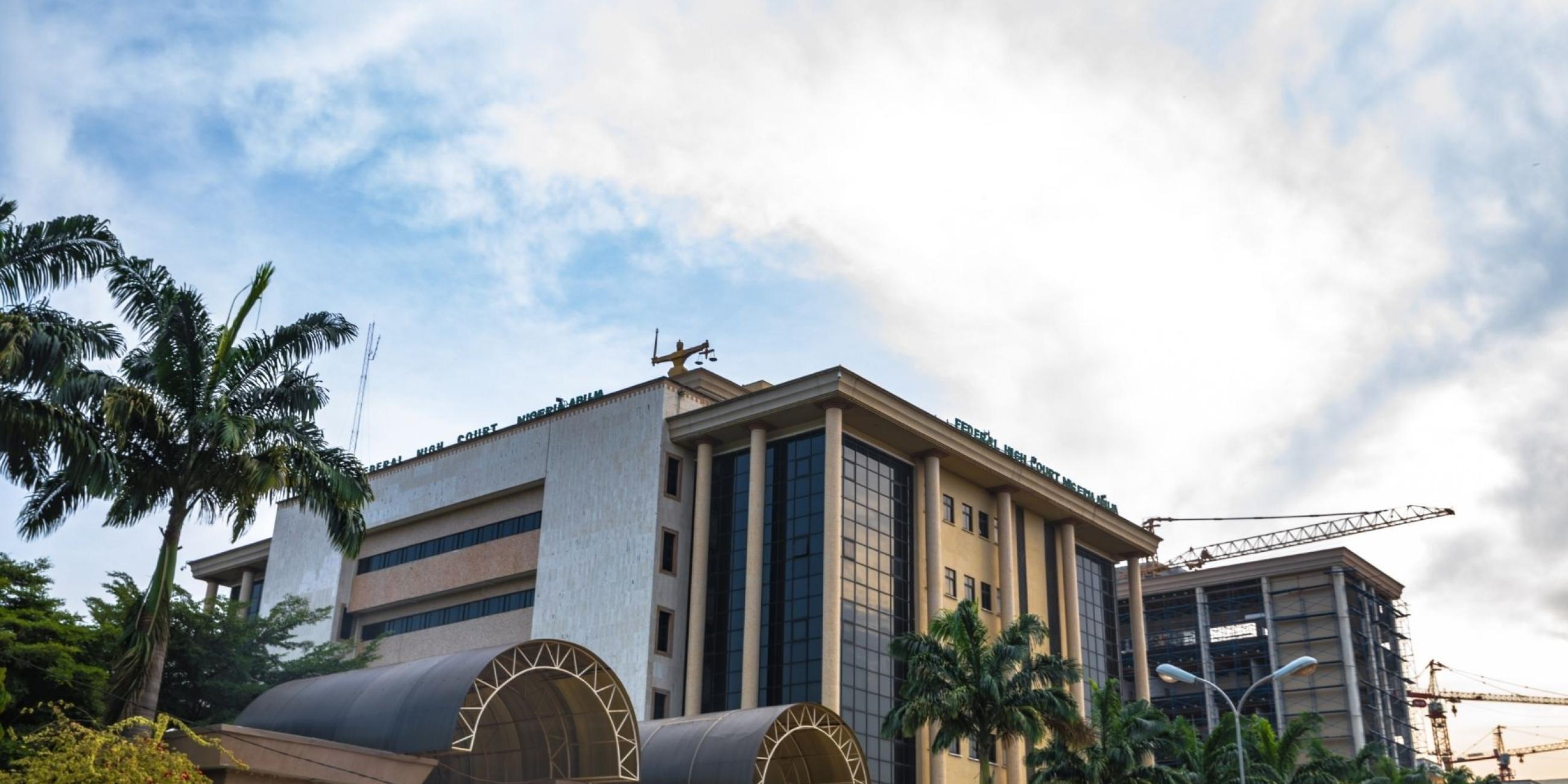
  • Don’t Approach Me To Bend The Law Judge Warns Lawyers In Ex-AGF Malami’s ₦8.7Billion Money Laundering Trial
    January 7, 2026 – Abuja

    Justice Emeka Nwite of the Federal High Court, Maitama, Abuja, issued a stern warning to lawyers and litigants involved in the high-profile trial of former Attorney General of the Federation (AGF) and Minister of Justice, Abubakar Malami, SAN, his wife Hajia Bashir Asabe, and their son, Abubakar Abdulaziz Malami. The case, instituted by the Economic and Financial Crimes Commission (EFCC), concerns alleged money laundering involving over ₦8.7 billion.

    Justice Nwite cautioned that any attempt to approach him for personal favours or undue influence would be resisted. “All judges are not the same. Irrespective of my familiarity with you, when I am dealing with any case, do not approach me. The law cannot be bent as far as this court is concerned,” he said, stressing that proper legal representation, not backdoor contacts, is the legitimate way for lawyers to serve clients. He further warned that attempts to compromise the court’s integrity or tarnish his name would be firmly dealt with, emphasizing, “I warned, I warned, and I warned!”

    The EFCC accused Malami, his wife, and son of conspiring to procure, disguise, conceal, and launder proceeds of unlawful activities, contrary to the Money Laundering (Prevention and Prohibition) Act, 2022. They face a 16-count charge involving conspiracy and multiple forms of money laundering.

    Among the allegations, the EFCC claimed that between July 2022 and June 2025, Malami and his son used Metropolitan Auto Tech Limited to conceal ₦1,014,848,500 lodged in a Sterling Bank account, funds allegedly known to be proceeds of unlawful activities. Another charge alleges that the trio conspired in September 2024 to disguise the origin of ₦1,049,173,926.13 paid through the Union Bank account of Meethaq Hotels Limited, Jabi. The agency also alleged that Malami and his son indirectly controlled ₦1,362,887,872.96 paid into the same company’s Union Bank savings account between November 2022 and October 2025.

    Earlier, Justice Nwite granted the defendants bail of ₦500 million each, with two sureties each. The sureties were required to submit affidavits of means.

    This trial has drawn attention not only because of the substantial sums involved but also due to Malami’s prominent former position as AGF and Minister of Justice, which amplified public scrutiny over corruption and the integrity of Nigeria’s judicial processes. Observers note the judge’s firm admonition reflects ongoing efforts to maintain judicial independence and prevent interference in politically sensitive cases.

    Malami’s legal team is expected to proceed with formal defense submissions while adhering strictly to court procedure. The EFCC, meanwhile, continues its investigation into the flow and management of the alleged laundered funds, signaling a prolonged and closely monitored trial. The outcome is likely to influence public discourse on accountability for top government officials, money laundering enforcement, and the integrity of Nigeria’s anti-graft agencies.
    Don’t Approach Me To Bend The Law Judge Warns Lawyers In Ex-AGF Malami’s ₦8.7Billion Money Laundering Trial January 7, 2026 – Abuja Justice Emeka Nwite of the Federal High Court, Maitama, Abuja, issued a stern warning to lawyers and litigants involved in the high-profile trial of former Attorney General of the Federation (AGF) and Minister of Justice, Abubakar Malami, SAN, his wife Hajia Bashir Asabe, and their son, Abubakar Abdulaziz Malami. The case, instituted by the Economic and Financial Crimes Commission (EFCC), concerns alleged money laundering involving over ₦8.7 billion. Justice Nwite cautioned that any attempt to approach him for personal favours or undue influence would be resisted. “All judges are not the same. Irrespective of my familiarity with you, when I am dealing with any case, do not approach me. The law cannot be bent as far as this court is concerned,” he said, stressing that proper legal representation, not backdoor contacts, is the legitimate way for lawyers to serve clients. He further warned that attempts to compromise the court’s integrity or tarnish his name would be firmly dealt with, emphasizing, “I warned, I warned, and I warned!” The EFCC accused Malami, his wife, and son of conspiring to procure, disguise, conceal, and launder proceeds of unlawful activities, contrary to the Money Laundering (Prevention and Prohibition) Act, 2022. They face a 16-count charge involving conspiracy and multiple forms of money laundering. Among the allegations, the EFCC claimed that between July 2022 and June 2025, Malami and his son used Metropolitan Auto Tech Limited to conceal ₦1,014,848,500 lodged in a Sterling Bank account, funds allegedly known to be proceeds of unlawful activities. Another charge alleges that the trio conspired in September 2024 to disguise the origin of ₦1,049,173,926.13 paid through the Union Bank account of Meethaq Hotels Limited, Jabi. The agency also alleged that Malami and his son indirectly controlled ₦1,362,887,872.96 paid into the same company’s Union Bank savings account between November 2022 and October 2025. Earlier, Justice Nwite granted the defendants bail of ₦500 million each, with two sureties each. The sureties were required to submit affidavits of means. This trial has drawn attention not only because of the substantial sums involved but also due to Malami’s prominent former position as AGF and Minister of Justice, which amplified public scrutiny over corruption and the integrity of Nigeria’s judicial processes. Observers note the judge’s firm admonition reflects ongoing efforts to maintain judicial independence and prevent interference in politically sensitive cases. Malami’s legal team is expected to proceed with formal defense submissions while adhering strictly to court procedure. The EFCC, meanwhile, continues its investigation into the flow and management of the alleged laundered funds, signaling a prolonged and closely monitored trial. The outcome is likely to influence public discourse on accountability for top government officials, money laundering enforcement, and the integrity of Nigeria’s anti-graft agencies.
    0 التعليقات ·0 المشاركات ·598 مشاهدة
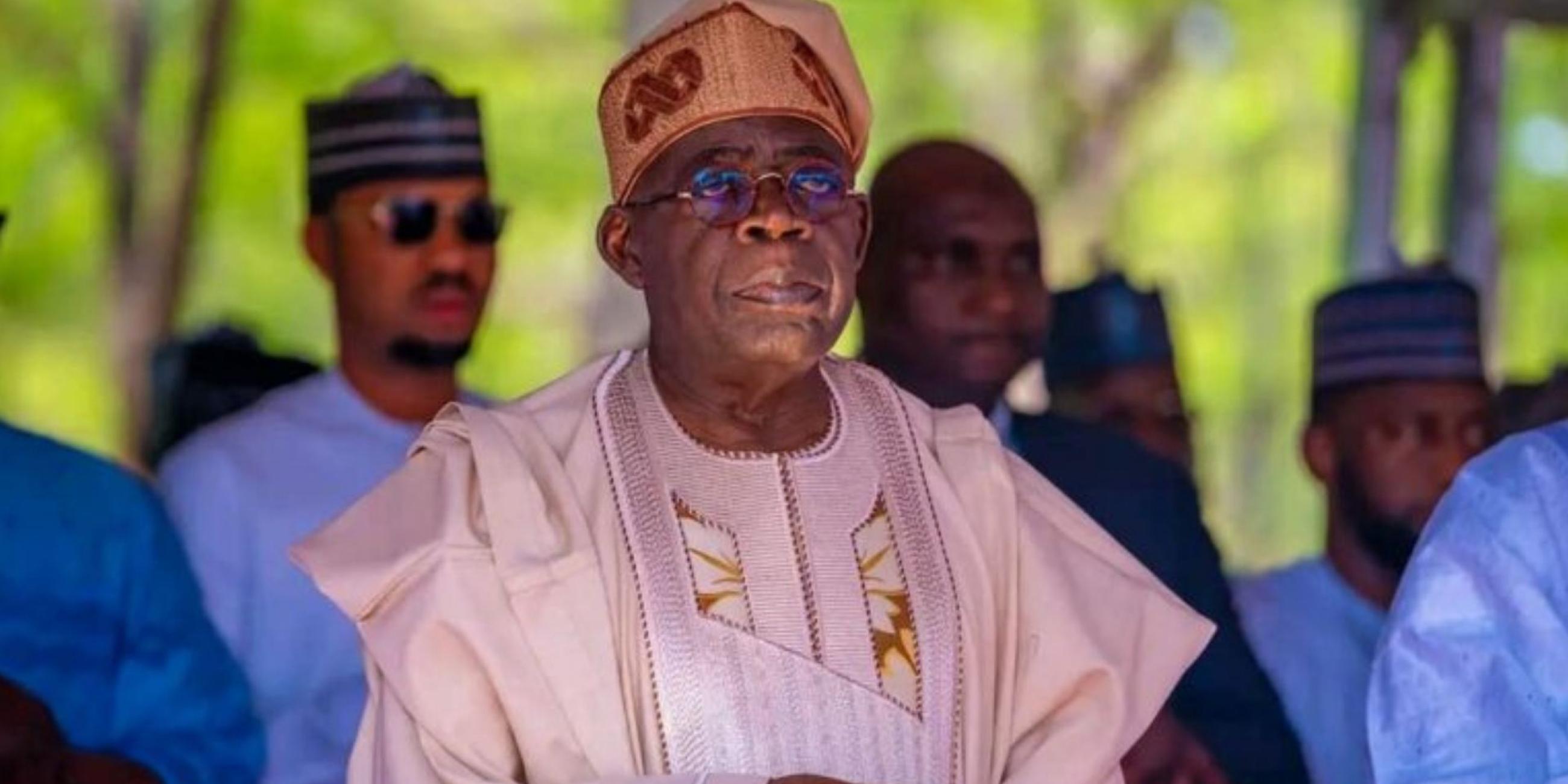
  • Is Tinubu Failing Yoruba Land? Pan-Yoruba Group Slams President Over Insecurity, Kidnapped Monarchs and ‘Silence From Power

    Is Nigeria’s security crisis finally reaching a breaking point in Yoruba land—and is President Bola Ahmed Tinubu truly doing enough to stop it? These are the urgent questions being raised after a Pan-Yoruba socio-political group, Ìgbìnmó Májékóbájé Ilé-Yorùbá, publicly condemned the President over what it described as his “deafening silence” in the face of worsening insecurity across the South-West.

    The group’s outcry followed the shocking abduction of a Kwara State monarch, Oba S. Y. Olaonipekun, and his son, Olaolu, who were reportedly kidnapped by suspected terrorists in the Ile-Ire district. For many observers, the incident marks a dangerous escalation in Nigeria’s security crisis: when even traditional rulers—symbols of authority, culture, and community stability—are no longer safe, what hope remains for ordinary citizens?

    In a strongly worded statement signed by its Convener, Olusola Badero, and released through Home Director Princess Balogun, the group accused President Tinubu of abandoning his constitutional duty as the nation’s chief security officer. According to the group, violent attacks, kidnappings, and killings have spread across Yoruba communities with little visible federal response. They argued that while statements are often issued, concrete action has been painfully absent.

    The union alleged that forests and rural communities in parts of Kwara and the wider South-West have become safe havens for armed groups posing as herdsmen, whom they directly described as terrorists. It lamented what it called the humiliation of Yoruba traditional institutions, stressing that the kidnapping of monarchs was once unimaginable in the region’s history. Quoting a Yoruba proverb—“Oríadé kì í sùn tán” (Royalty does not sleep outside)—the group said the abduction of kings represents not only a security failure but also a deep cultural wound.

    Beyond insecurity, the group launched a broader political critique of President Tinubu’s leadership. They accused him of prioritising personal interests, political allies, and future elections over the immediate safety and welfare of citizens. They further criticised what they described as his frequent foreign trips, alleging that he enjoys public funds abroad while Nigerians face poverty, fear, collapsing healthcare, and deteriorating schools at home. For the group, this contrast symbolises a widening gap between those in power and the people they govern.

    The statement also targeted Kwara State Governor AbdulRahman AbdulRazaq, accusing the state government of failing to protect residents. The group demanded the immediate release of the abducted monarch and his son, as well as other kidnapped citizens, including workers from the Kwara State Ministry of Works.

    To underline what it sees as a pattern of lawlessness, the union recalled earlier incidents, including the killing of Segun Aremu, a retired army general and monarch (the Olúkòrò of Koro), and the abduction of Kamilu Salami, the Oníbàrà of Bayagan Ile, who reportedly spent weeks in captivity before regaining freedom. These cases, the group argued, show that the crisis is not isolated but systemic.

    Perhaps most striking is the group’s warning that continued political inaction could lead to long-term devastation: deserted villages, abandoned farmlands, and forests fully occupied by armed groups. They questioned how elections can even matter if citizens are no longer safe enough to live in their communities. “Who will be alive to vote,” they asked, “if our villages are deserted and our forests controlled by terrorists?”

    The union went further, calling on Yoruba people at home and in the diaspora to take collective responsibility for protecting their region, suggesting that reliance on political leaders who have “clearly failed” could invite even greater catastrophe.

    As this controversy unfolds, Nigerians are left with uncomfortable but necessary questions: Has the federal government lost control of internal security? Is President Tinubu doing enough to protect his own region? And what happens when traditional institutions—once seen as untouchable—become targets of violence?

    On Fintter, this story is more than breaking news; it is a national conversation about leadership, accountability, and survival. Are these criticisms justified, or are they politically motivated? Can Nigeria still reverse its security decline, or has the crisis reached a point of no return? The answers may shape not just the future of Yoruba land, but the fate of the entire nation.

    What do you think? Is Tinubu truly failing on security—or is the crisis beyond any single leader? Share your thoughts and join the debate on Fintter.

    Is Tinubu Failing Yoruba Land? Pan-Yoruba Group Slams President Over Insecurity, Kidnapped Monarchs and ‘Silence From Power Is Nigeria’s security crisis finally reaching a breaking point in Yoruba land—and is President Bola Ahmed Tinubu truly doing enough to stop it? These are the urgent questions being raised after a Pan-Yoruba socio-political group, Ìgbìnmó Májékóbájé Ilé-Yorùbá, publicly condemned the President over what it described as his “deafening silence” in the face of worsening insecurity across the South-West. The group’s outcry followed the shocking abduction of a Kwara State monarch, Oba S. Y. Olaonipekun, and his son, Olaolu, who were reportedly kidnapped by suspected terrorists in the Ile-Ire district. For many observers, the incident marks a dangerous escalation in Nigeria’s security crisis: when even traditional rulers—symbols of authority, culture, and community stability—are no longer safe, what hope remains for ordinary citizens? In a strongly worded statement signed by its Convener, Olusola Badero, and released through Home Director Princess Balogun, the group accused President Tinubu of abandoning his constitutional duty as the nation’s chief security officer. According to the group, violent attacks, kidnappings, and killings have spread across Yoruba communities with little visible federal response. They argued that while statements are often issued, concrete action has been painfully absent. The union alleged that forests and rural communities in parts of Kwara and the wider South-West have become safe havens for armed groups posing as herdsmen, whom they directly described as terrorists. It lamented what it called the humiliation of Yoruba traditional institutions, stressing that the kidnapping of monarchs was once unimaginable in the region’s history. Quoting a Yoruba proverb—“Oríadé kì í sùn tán” (Royalty does not sleep outside)—the group said the abduction of kings represents not only a security failure but also a deep cultural wound. Beyond insecurity, the group launched a broader political critique of President Tinubu’s leadership. They accused him of prioritising personal interests, political allies, and future elections over the immediate safety and welfare of citizens. They further criticised what they described as his frequent foreign trips, alleging that he enjoys public funds abroad while Nigerians face poverty, fear, collapsing healthcare, and deteriorating schools at home. For the group, this contrast symbolises a widening gap between those in power and the people they govern. The statement also targeted Kwara State Governor AbdulRahman AbdulRazaq, accusing the state government of failing to protect residents. The group demanded the immediate release of the abducted monarch and his son, as well as other kidnapped citizens, including workers from the Kwara State Ministry of Works. To underline what it sees as a pattern of lawlessness, the union recalled earlier incidents, including the killing of Segun Aremu, a retired army general and monarch (the Olúkòrò of Koro), and the abduction of Kamilu Salami, the Oníbàrà of Bayagan Ile, who reportedly spent weeks in captivity before regaining freedom. These cases, the group argued, show that the crisis is not isolated but systemic. Perhaps most striking is the group’s warning that continued political inaction could lead to long-term devastation: deserted villages, abandoned farmlands, and forests fully occupied by armed groups. They questioned how elections can even matter if citizens are no longer safe enough to live in their communities. “Who will be alive to vote,” they asked, “if our villages are deserted and our forests controlled by terrorists?” The union went further, calling on Yoruba people at home and in the diaspora to take collective responsibility for protecting their region, suggesting that reliance on political leaders who have “clearly failed” could invite even greater catastrophe. As this controversy unfolds, Nigerians are left with uncomfortable but necessary questions: Has the federal government lost control of internal security? Is President Tinubu doing enough to protect his own region? And what happens when traditional institutions—once seen as untouchable—become targets of violence? On Fintter, this story is more than breaking news; it is a national conversation about leadership, accountability, and survival. Are these criticisms justified, or are they politically motivated? Can Nigeria still reverse its security decline, or has the crisis reached a point of no return? The answers may shape not just the future of Yoruba land, but the fate of the entire nation. 💬 What do you think? Is Tinubu truly failing on security—or is the crisis beyond any single leader? Share your thoughts and join the debate on Fintter.
    0 التعليقات ·0 المشاركات ·1كيلو بايت مشاهدة
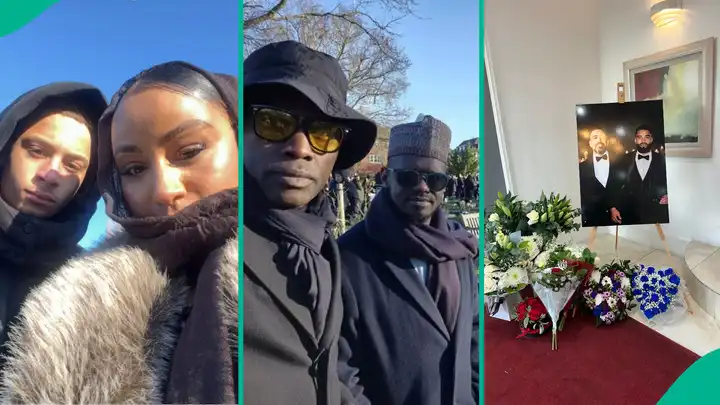
  • Anthony Joshua Attends Burial of Late Friends in London: Attendees Share Emotional Observations”

    The burial of Anthony Joshua’s close friends, Latif Ayodele and Sina Ghami, who tragically died in a car accident on December 29, 2025, in Ogun State, Nigeria, took place in London on January 4, 2026. Both men were key members of Joshua’s team—Ghami served as his strength and conditioning coach, while Ayodele was his personal trainer. The ceremony attracted friends, family, and associates, some of whom shared emotional observations and photos from the event on social media.
    Key highlights from attendees:
    UK-based attendee posts photo
    Nigerian Alistair Soyode attended the funeral and shared a photo on Facebook, describing Anthony Joshua’s behavior before the burial and providing insight into the kind of guests present.
    Lady shares unusual sight at gravesite
    A lady named Rebecca (@honeymck23) uploaded photos on Instagram, capturing something unusual above the graves of the deceased. Her post quickly gained attention, sparking discussions among fans and followers about the significance of the scene.
    Sina Ghami’s dog pays tribute
    TikTok user @max.millione2 filmed Ghami’s dog paying respects at his owner’s coffin, creating a heartfelt and viral moment online. Many reacted to the loyalty and emotional bond between the pet and the deceased.
    Latif Ayodele’s father shares reception video
    The father of Latif shared a rare video of the burial reception, providing a glimpse of guests and the atmosphere inside the indoor venue. He also reflected on his son’s legacy and how attendees reacted to the ceremony.
    The tragic deaths have also prompted discussions about Anthony Joshua’s future in boxing. His uncle, Adedamola Joshua, revealed that the boxer had shared with the family that he was considering retirement following the loss of his close associates, highlighting the personal impact the accident has had on him.
    The burial not only underscored the emotional support surrounding Anthony Joshua during this difficult period but also revealed the intimate moments and tributes that marked the ceremony. Observers noted the mix of sorrow, respect, and heartfelt gestures from friends, family, and fans who attended to honor the lives of Ayodele and Ghami.
    Anthony Joshua Attends Burial of Late Friends in London: Attendees Share Emotional Observations” The burial of Anthony Joshua’s close friends, Latif Ayodele and Sina Ghami, who tragically died in a car accident on December 29, 2025, in Ogun State, Nigeria, took place in London on January 4, 2026. Both men were key members of Joshua’s team—Ghami served as his strength and conditioning coach, while Ayodele was his personal trainer. The ceremony attracted friends, family, and associates, some of whom shared emotional observations and photos from the event on social media. Key highlights from attendees: UK-based attendee posts photo Nigerian Alistair Soyode attended the funeral and shared a photo on Facebook, describing Anthony Joshua’s behavior before the burial and providing insight into the kind of guests present. Lady shares unusual sight at gravesite A lady named Rebecca (@honeymck23) uploaded photos on Instagram, capturing something unusual above the graves of the deceased. Her post quickly gained attention, sparking discussions among fans and followers about the significance of the scene. Sina Ghami’s dog pays tribute TikTok user @max.millione2 filmed Ghami’s dog paying respects at his owner’s coffin, creating a heartfelt and viral moment online. Many reacted to the loyalty and emotional bond between the pet and the deceased. Latif Ayodele’s father shares reception video The father of Latif shared a rare video of the burial reception, providing a glimpse of guests and the atmosphere inside the indoor venue. He also reflected on his son’s legacy and how attendees reacted to the ceremony. The tragic deaths have also prompted discussions about Anthony Joshua’s future in boxing. His uncle, Adedamola Joshua, revealed that the boxer had shared with the family that he was considering retirement following the loss of his close associates, highlighting the personal impact the accident has had on him. The burial not only underscored the emotional support surrounding Anthony Joshua during this difficult period but also revealed the intimate moments and tributes that marked the ceremony. Observers noted the mix of sorrow, respect, and heartfelt gestures from friends, family, and fans who attended to honor the lives of Ayodele and Ghami.
    0 التعليقات ·0 المشاركات ·754 مشاهدة
  • Terrorists Kidnap Four on Isanlu–Isin–Omu Aran Road in Kwara State, Residents Warned to Avoid Busy Kwara South Highway

    At least four travellers have been kidnapped by suspected terrorists along the Isanlu–Isin–Omu Aran Road in Kwara State. The early-morning attack occurred on a major highway linking communities in Kwara South and frequently used by commuters heading to Ilorin, the state capital.

    Sources said the armed assailants ambushed motorists, forced several vehicles to stop, and abducted their victims, while maintaining a strong presence in the area. As of the time of reporting, the Kwara State Police Command had not issued an official statement on the incident.

    Motorists have been advised to avoid the route and exercise extreme caution amid fears of further attacks. The incident adds to growing insecurity in Kwara South, following the recent abduction of the Aafin community monarch, Oba S.Y. Olaonipekun, and his son, during a separate attack that also left the queen consort injured.
    Terrorists Kidnap Four on Isanlu–Isin–Omu Aran Road in Kwara State, Residents Warned to Avoid Busy Kwara South Highway At least four travellers have been kidnapped by suspected terrorists along the Isanlu–Isin–Omu Aran Road in Kwara State. The early-morning attack occurred on a major highway linking communities in Kwara South and frequently used by commuters heading to Ilorin, the state capital. Sources said the armed assailants ambushed motorists, forced several vehicles to stop, and abducted their victims, while maintaining a strong presence in the area. As of the time of reporting, the Kwara State Police Command had not issued an official statement on the incident. Motorists have been advised to avoid the route and exercise extreme caution amid fears of further attacks. The incident adds to growing insecurity in Kwara South, following the recent abduction of the Aafin community monarch, Oba S.Y. Olaonipekun, and his son, during a separate attack that also left the queen consort injured.
    like
    1
    · 0 التعليقات ·0 المشاركات ·361 مشاهدة
  • Abductors Demand ₦450million Ransom for Kwara Monarch, NYSC Son and Eight Residents as Kidnappings Escalate in Ifelodun LGA

    Kidnappers who abducted the Oniwo of Aafin, Oba Simeon Olaonipekun, his son and eight other residents in Ifelodun Local Government Area of Kwara State have demanded a total ransom of ₦450 million for their release. The criminals are asking for ₦150 million for the monarch and his son, Olaolu, a serving NYSC member, while ₦300 million has been demanded for eight residents abducted from Adanla-Irese, near Igbaja. Family sources and the Kwara South Joint Community Security Watch Network confirmed that the abductors made contact with the victims’ families following the New Year’s Eve attack on the monarch’s palace, during which his wife was shot and injured. The twin abductions have intensified fears over worsening insecurity across Kwara South, with residents urging urgent government intervention, even as police say they are unaware of any ransom demands and insist security agencies are working to rescue the victims.
    Abductors Demand ₦450million Ransom for Kwara Monarch, NYSC Son and Eight Residents as Kidnappings Escalate in Ifelodun LGA Kidnappers who abducted the Oniwo of Aafin, Oba Simeon Olaonipekun, his son and eight other residents in Ifelodun Local Government Area of Kwara State have demanded a total ransom of ₦450 million for their release. The criminals are asking for ₦150 million for the monarch and his son, Olaolu, a serving NYSC member, while ₦300 million has been demanded for eight residents abducted from Adanla-Irese, near Igbaja. Family sources and the Kwara South Joint Community Security Watch Network confirmed that the abductors made contact with the victims’ families following the New Year’s Eve attack on the monarch’s palace, during which his wife was shot and injured. The twin abductions have intensified fears over worsening insecurity across Kwara South, with residents urging urgent government intervention, even as police say they are unaware of any ransom demands and insist security agencies are working to rescue the victims.
    0 التعليقات ·0 المشاركات ·502 مشاهدة
  • Ex-AGF Malami, Son, Wife Remanded as Abuja Court Adjourns Bail Hearing to January 7

    A Federal High Court in Maitama, Abuja, on January 2, 2026, adjourned ruling on the bail applications of former Attorney-General of the Federation Abubakar Malami (SAN), his son Abubakar Abdulaziz Malami, and wife Hajia Bashir Asabe to January 7. The three were further remanded at Kuje Correctional Centre. They face 16-count charges of money laundering totaling ₦8.7 billion under the Money Laundering (Prevention and Prohibition) Act, 2022. The court adjourned after both defence and prosecution filed multiple affidavits, with the defence urging bail on liberal terms and the prosecution citing risks of witness interference and the need to study new filings. The judge assured that justice would be served promptly.
    Ex-AGF Malami, Son, Wife Remanded as Abuja Court Adjourns Bail Hearing to January 7 A Federal High Court in Maitama, Abuja, on January 2, 2026, adjourned ruling on the bail applications of former Attorney-General of the Federation Abubakar Malami (SAN), his son Abubakar Abdulaziz Malami, and wife Hajia Bashir Asabe to January 7. The three were further remanded at Kuje Correctional Centre. They face 16-count charges of money laundering totaling ₦8.7 billion under the Money Laundering (Prevention and Prohibition) Act, 2022. The court adjourned after both defence and prosecution filed multiple affidavits, with the defence urging bail on liberal terms and the prosecution citing risks of witness interference and the need to study new filings. The judge assured that justice would be served promptly.
    0 التعليقات ·0 المشاركات ·435 مشاهدة
  • Abuja Court Adjourns Former AGF Abubakar Malami’s Bail Hearing to January 7 Over ₦8.7 Billion Money Laundering Case

    The Federal High Court in Abuja has adjourned the bail hearing of former Attorney General of the Federation, Abubakar Malami, SAN, to January 7, 2026. Malami, currently remanded at Kuje Correctional Centre, faces alleged money laundering charges alongside his son, Abdulaziz Malami, SAN, and one of his wives, Bashir Asabe.

    The defendants are accused of laundering ₦8.7 billion through various accounts and corporate entities, using some of the funds to acquire multiple high-value properties in Abuja, Kano, and Birnin Kebbi. The EFCC alleges that the offences occurred between 2015 and 2025, largely during Malami’s tenure as Attorney General.

    The case, marked FHC/ABJ/CR/700/2025, includes allegations of concealing and retaining proceeds of unlawful activities, with the EFCC citing the Money Laundering (Prevention and Prohibition) Act, 2022. The court initially scheduled the hearing for January 2 but later adjourned it for procedural reasons.
    Abuja Court Adjourns Former AGF Abubakar Malami’s Bail Hearing to January 7 Over ₦8.7 Billion Money Laundering Case The Federal High Court in Abuja has adjourned the bail hearing of former Attorney General of the Federation, Abubakar Malami, SAN, to January 7, 2026. Malami, currently remanded at Kuje Correctional Centre, faces alleged money laundering charges alongside his son, Abdulaziz Malami, SAN, and one of his wives, Bashir Asabe. The defendants are accused of laundering ₦8.7 billion through various accounts and corporate entities, using some of the funds to acquire multiple high-value properties in Abuja, Kano, and Birnin Kebbi. The EFCC alleges that the offences occurred between 2015 and 2025, largely during Malami’s tenure as Attorney General. The case, marked FHC/ABJ/CR/700/2025, includes allegations of concealing and retaining proceeds of unlawful activities, with the EFCC citing the Money Laundering (Prevention and Prohibition) Act, 2022. The court initially scheduled the hearing for January 2 but later adjourned it for procedural reasons.
    0 التعليقات ·0 المشاركات ·513 مشاهدة
الصفحات المعززة
Fintter https://fintter.com