• JOHESU Asks Nigerians To Blame FG Over Healthcare Disruption

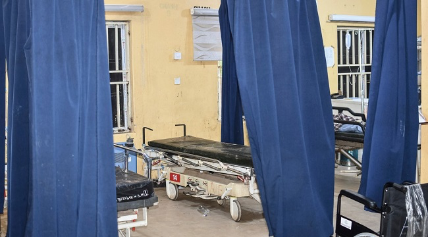
    The Joint Health Sector Union (JOHESU) has urged Nigerians to hold the Federal Government responsible for the hardship being experienced across the country’s healthcare system following its ongoing strike.

    According to the union, the strike became inevitable after the government failed to address longstanding demands despite several engagements. JOHESU recalled that President Bola Tinubu had, in 2023, assured the union that he would mandate the appropriate ministry, department, or agency to resolve the issues raised.

    However, the union lamented that no concrete action has been taken since then, leaving health workers with no option but to withdraw their services.

    JOHESU maintained that the suffering of patients and other Nigerians in need of medical attention could have been avoided if the Federal Government had honoured its commitments, stressing that responsibility for the disruption lies squarely with the authorities.

    #JOHESU #NigeriaHealthcare #FGResponsibility #HealthSectorCrisis
    JOHESU Asks Nigerians To Blame FG Over Healthcare Disruption The Joint Health Sector Union (JOHESU) has urged Nigerians to hold the Federal Government responsible for the hardship being experienced across the country’s healthcare system following its ongoing strike. According to the union, the strike became inevitable after the government failed to address longstanding demands despite several engagements. JOHESU recalled that President Bola Tinubu had, in 2023, assured the union that he would mandate the appropriate ministry, department, or agency to resolve the issues raised. However, the union lamented that no concrete action has been taken since then, leaving health workers with no option but to withdraw their services. JOHESU maintained that the suffering of patients and other Nigerians in need of medical attention could have been avoided if the Federal Government had honoured its commitments, stressing that responsibility for the disruption lies squarely with the authorities. #JOHESU #NigeriaHealthcare #FGResponsibility #HealthSectorCrisis
    0 Σχόλια ·0 Μοιράστηκε ·1χλμ. Views
  • Bioinformatics Services Market Performance: Key Metrics and Growth Analysis 2032
    The Bioinformatics Services Market has emerged as a cornerstone of modern life sciences, enabling researchers and healthcare organizations to extract actionable insights from vast and complex biological datasets. As genomics, proteomics, and personalized medicine continue to advance, the demand for specialized bioinformatics services is rising rapidly. In 2024, the market was valued at US$ 3,230.43 million and is expected to grow at a robust CAGR of 15.90% from 2025 to 2032, reflecting strong adoption across research, clinical, and commercial applications.


    https://analystviewmarketinsights.com/reports/report-highlight-bioinformatics-services-market
    Bioinformatics Services Market Performance: Key Metrics and Growth Analysis 2032 The Bioinformatics Services Market has emerged as a cornerstone of modern life sciences, enabling researchers and healthcare organizations to extract actionable insights from vast and complex biological datasets. As genomics, proteomics, and personalized medicine continue to advance, the demand for specialized bioinformatics services is rising rapidly. In 2024, the market was valued at US$ 3,230.43 million and is expected to grow at a robust CAGR of 15.90% from 2025 to 2032, reflecting strong adoption across research, clinical, and commercial applications. https://analystviewmarketinsights.com/reports/report-highlight-bioinformatics-services-market
    0 Σχόλια ·0 Μοιράστηκε ·585 Views
  • Lagos Government Investigates Death of Nine-Month-Old Twins Following Vaccination

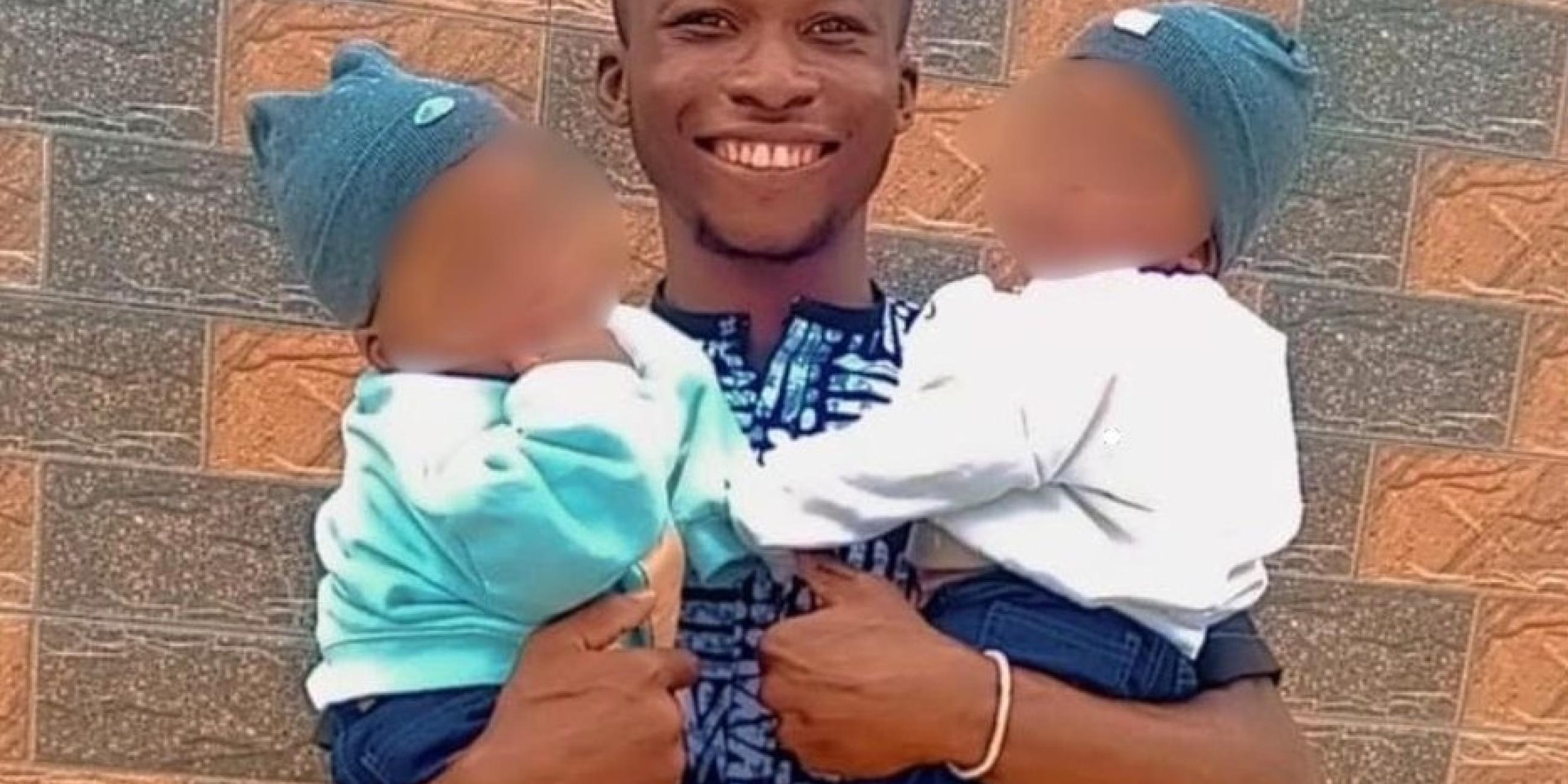
    The Lagos State government has launched an investigation into the deaths of nine-month-old twins, Testimony and Timothy Alozie, who reportedly died less than 24 hours after receiving routine immunisation. Their father, Samuel Alozie, shared videos online, raising public concern. Authorities have ordered a postmortem and are investigating the circumstances, while assuring cautious review of vaccine procedures to restore public confidence in primary healthcare delivery.


    #LagosHealth #VaccineSafety #NigeriaNews
    Lagos Government Investigates Death of Nine-Month-Old Twins Following Vaccination The Lagos State government has launched an investigation into the deaths of nine-month-old twins, Testimony and Timothy Alozie, who reportedly died less than 24 hours after receiving routine immunisation. Their father, Samuel Alozie, shared videos online, raising public concern. Authorities have ordered a postmortem and are investigating the circumstances, while assuring cautious review of vaccine procedures to restore public confidence in primary healthcare delivery. #LagosHealth #VaccineSafety #NigeriaNews
    0 Σχόλια ·0 Μοιράστηκε ·437 Views
  • Iberekodo Primary Health Centre in Ibeju-Lekki Faces Severe Neglect, Putting Residents at Risk

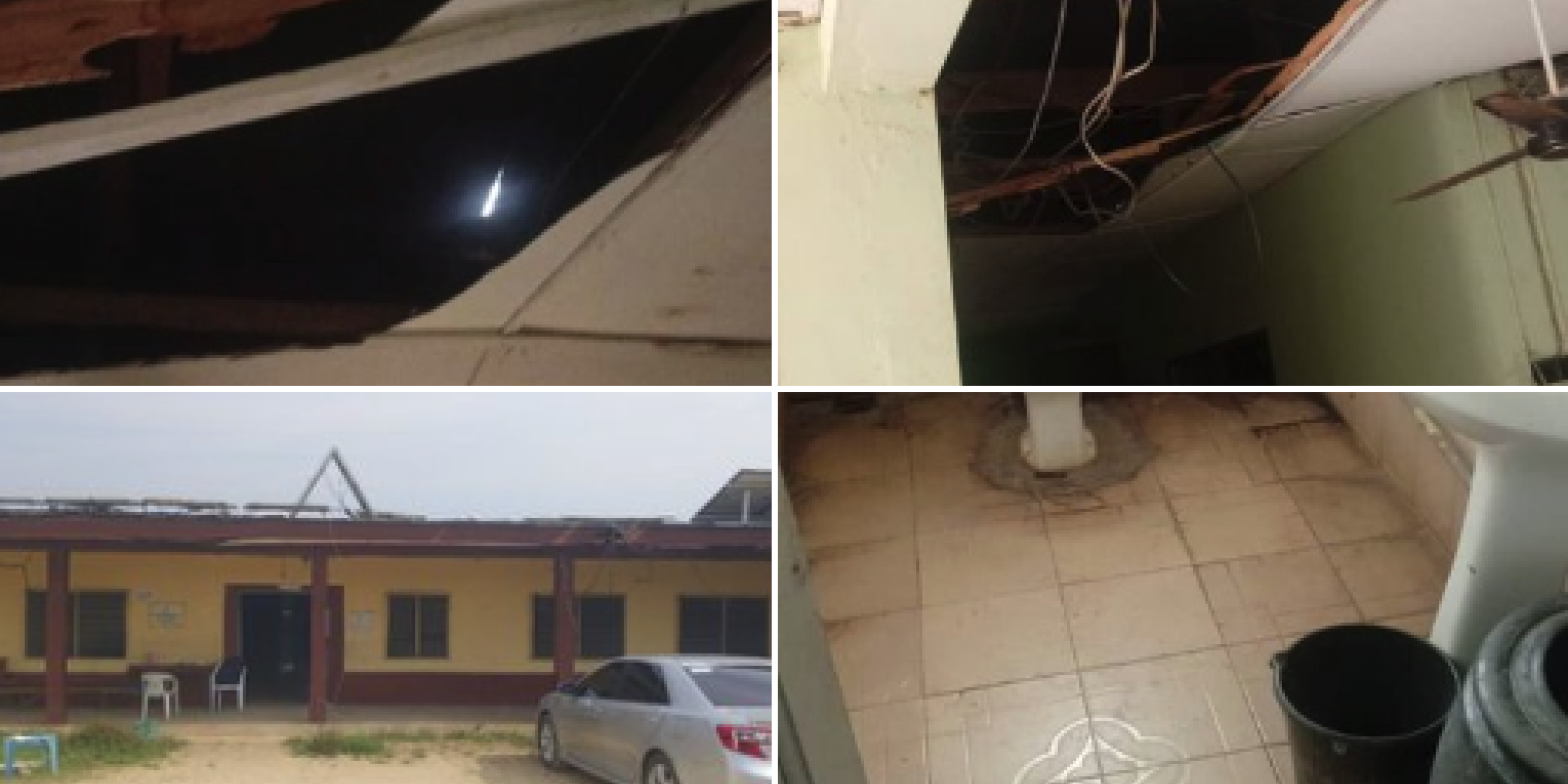
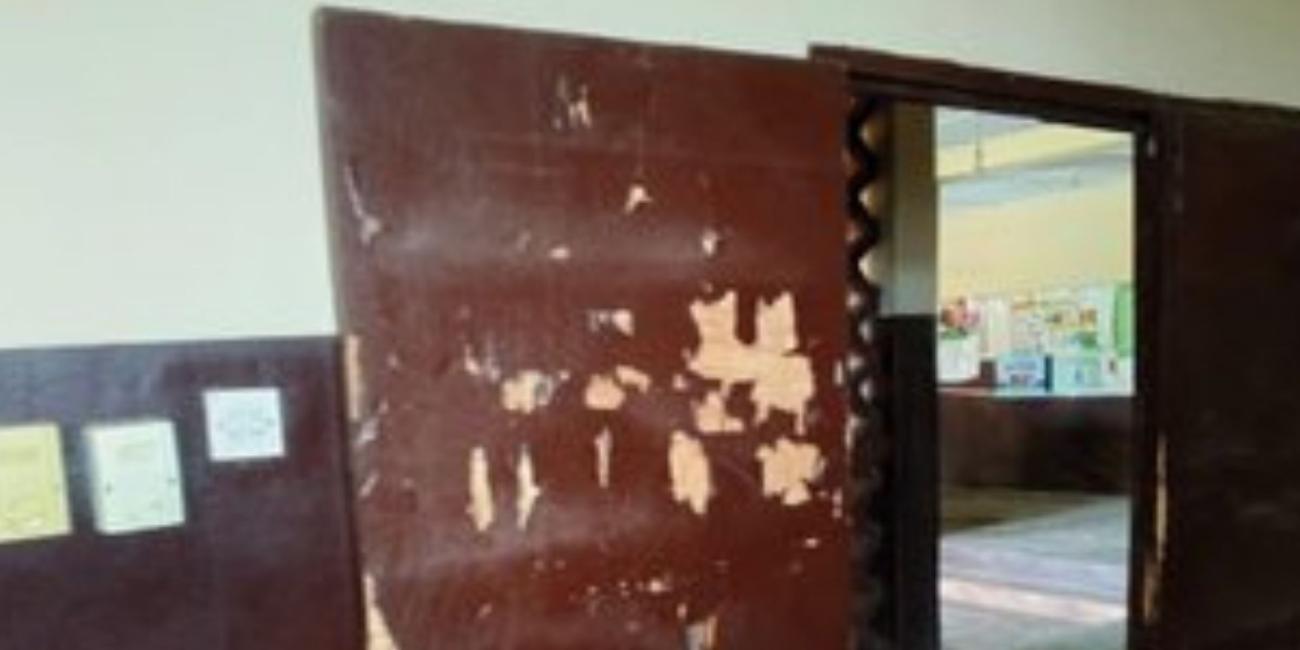
    Advocacy group Tracka has raised alarm over the deteriorating condition of Iberekodo Primary Health Centre (PHC) in Ibeju-Lekki, Lagos. The facility, serving thousands, reportedly has a broken roof, leaking ceilings, no running water, and non-functional medical equipment, making it unsafe for patients and staff. Pregnant women, children, and other vulnerable residents are particularly at risk. The group calls on Lagos State Government, the National Primary Healthcare Development Agency, and the Federal Ministry of Health to urgently renovate and equip the PHC.

    #LagosHealth #IberekodoPHC #PublicHealthNigeria
    Iberekodo Primary Health Centre in Ibeju-Lekki Faces Severe Neglect, Putting Residents at Risk Advocacy group Tracka has raised alarm over the deteriorating condition of Iberekodo Primary Health Centre (PHC) in Ibeju-Lekki, Lagos. The facility, serving thousands, reportedly has a broken roof, leaking ceilings, no running water, and non-functional medical equipment, making it unsafe for patients and staff. Pregnant women, children, and other vulnerable residents are particularly at risk. The group calls on Lagos State Government, the National Primary Healthcare Development Agency, and the Federal Ministry of Health to urgently renovate and equip the PHC. #LagosHealth #IberekodoPHC #PublicHealthNigeria
    love
    1
    · 0 Σχόλια ·0 Μοιράστηκε ·779 Views
  • Nigeria’s health system is not just underperforming — in many cases, it is dangerously broken.

    As I mourned my mother, I read about the tragic death of Nkanu, one of Chimamanda Ngozi Adichie’s twins. That news reopened wounds that were still raw. My late mother was also a twin, and the loss struck painfully close to home.

    This is no longer just grief. It is anger — and a demand to speak out.

    Over the years, my family and I have narrowly escaped medical disasters:
    • A wrong diagnosis that almost led to my young child undergoing an unnecessary, life-altering surgery.
    • My father’s near-death experience caused by poor coordination, faulty equipment, and a collapsed public hospital system.
    • My own escape from a dangerous misdiagnosis that could have placed me on insulin for life.
    • And finally, my mother’s last battle with cancer — marked not only by illness, but by avoidable pain, procedural neglect, and indignity.

    These experiences are not shared to attack individual hospitals or doctors, but to expose a systemic failure that continues to cost Nigerians their lives quietly and without accountability.

    Broken equipment, obsolete diagnostics, strikes, underpaid health workers, and weak regulation have turned hospitals into places of fear rather than healing. Meanwhile, our best doctors flee abroad, and ordinary Nigerians are left to gamble with their lives.

    Healthcare must be treated as critical national infrastructure — not a budgetary afterthought. Until government acts decisively and accountability is enforced, more families will continue to suffer in silence.

    Silence is no longer an option.

    #NigeriaHealthCrisis #Opinion #HealthcareInNigeria #MedicalNegligence #PatientSafety #HealthReform #NigeriaNews
    Nigeria’s health system is not just underperforming — in many cases, it is dangerously broken. As I mourned my mother, I read about the tragic death of Nkanu, one of Chimamanda Ngozi Adichie’s twins. That news reopened wounds that were still raw. My late mother was also a twin, and the loss struck painfully close to home. This is no longer just grief. It is anger — and a demand to speak out. Over the years, my family and I have narrowly escaped medical disasters: • A wrong diagnosis that almost led to my young child undergoing an unnecessary, life-altering surgery. • My father’s near-death experience caused by poor coordination, faulty equipment, and a collapsed public hospital system. • My own escape from a dangerous misdiagnosis that could have placed me on insulin for life. • And finally, my mother’s last battle with cancer — marked not only by illness, but by avoidable pain, procedural neglect, and indignity. These experiences are not shared to attack individual hospitals or doctors, but to expose a systemic failure that continues to cost Nigerians their lives quietly and without accountability. Broken equipment, obsolete diagnostics, strikes, underpaid health workers, and weak regulation have turned hospitals into places of fear rather than healing. Meanwhile, our best doctors flee abroad, and ordinary Nigerians are left to gamble with their lives. Healthcare must be treated as critical national infrastructure — not a budgetary afterthought. Until government acts decisively and accountability is enforced, more families will continue to suffer in silence. Silence is no longer an option. #NigeriaHealthCrisis #Opinion #HealthcareInNigeria #MedicalNegligence #PatientSafety #HealthReform #NigeriaNews
    0 Σχόλια ·0 Μοιράστηκε ·1χλμ. Views
  • Eredo PHC in Lagos Crumbles, Pregnant Women and Children Forced to Risky Journeys for Healthcare

    Residents of Eredo community, Epe, Lagos State, face a healthcare crisis as Ibowon Primary Health Centre deteriorates. With broken doors and windows, a damaged roof, unusable toilets, and missing medical equipment, the facility struggles to serve the growing population. Only one nurse and doctor are available. Pregnant women, children, the elderly, and chronically ill patients endure risky journeys for care. Civic tech group MonITNG urges Lagos State Government and federal authorities to urgently renovate, equip, and staff the PHC, stressing that access to quality primary healthcare is a basic human right.

    #LagosHealthCrisis #EredoPHC #NigeriaNews

    Eredo PHC in Lagos Crumbles, Pregnant Women and Children Forced to Risky Journeys for Healthcare Residents of Eredo community, Epe, Lagos State, face a healthcare crisis as Ibowon Primary Health Centre deteriorates. With broken doors and windows, a damaged roof, unusable toilets, and missing medical equipment, the facility struggles to serve the growing population. Only one nurse and doctor are available. Pregnant women, children, the elderly, and chronically ill patients endure risky journeys for care. Civic tech group MonITNG urges Lagos State Government and federal authorities to urgently renovate, equip, and staff the PHC, stressing that access to quality primary healthcare is a basic human right. #LagosHealthCrisis #EredoPHC #NigeriaNews
    love
    1
    · 0 Σχόλια ·0 Μοιράστηκε ·696 Views
  • FG Launches Recruitment of National Health Fellows to Strengthen Rural Healthcare in Nasarawa

    The Federal Government has commenced the recruitment of young medical professionals to serve as National Health Fellows, a presidential initiative aimed at fostering a new generation of leaders in the health sector.

    The program targets the selection of thirteen youths from the thirteen local government areas of Nasarawa State, with the goal of strengthening local capacity for health system reform and improving service delivery, particularly for rural communities.

    Implemented by the Federal Ministry of Health and Social Welfare, in collaboration with state health ministries and development partners, the National Health Fellows program seeks to equip young professionals with leadership and management skills in primary healthcare facilities across Nigeria’s 774 local government areas. Each local government area will host one health fellow.

    The current session focuses on selecting fellows for Nasarawa State, with the selection panel evaluating applicants on areas of competence that will enhance healthcare delivery in rural communities. The panel emphasizes that the recruitment process will be merit-based, ensuring fairness, transparency, and credibility.

    Selected fellows will serve for a one-year tenure, during which they will contribute to healthcare reforms and youth leadership development at both national and state levels.

    This initiative reflects the government’s commitment to developing youth leadership in the health sector while addressing critical gaps in rural healthcare delivery.

    FG Launches Recruitment of National Health Fellows to Strengthen Rural Healthcare in Nasarawa The Federal Government has commenced the recruitment of young medical professionals to serve as National Health Fellows, a presidential initiative aimed at fostering a new generation of leaders in the health sector. The program targets the selection of thirteen youths from the thirteen local government areas of Nasarawa State, with the goal of strengthening local capacity for health system reform and improving service delivery, particularly for rural communities. Implemented by the Federal Ministry of Health and Social Welfare, in collaboration with state health ministries and development partners, the National Health Fellows program seeks to equip young professionals with leadership and management skills in primary healthcare facilities across Nigeria’s 774 local government areas. Each local government area will host one health fellow. The current session focuses on selecting fellows for Nasarawa State, with the selection panel evaluating applicants on areas of competence that will enhance healthcare delivery in rural communities. The panel emphasizes that the recruitment process will be merit-based, ensuring fairness, transparency, and credibility. Selected fellows will serve for a one-year tenure, during which they will contribute to healthcare reforms and youth leadership development at both national and state levels. This initiative reflects the government’s commitment to developing youth leadership in the health sector while addressing critical gaps in rural healthcare delivery.
    0 Σχόλια ·0 Μοιράστηκε ·718 Views
  • Wahala Don Set Oo! Chimamanda Adichie’s Son Dies, Editors Demand Probe Into Alleged Lagos Hospital Negligence

    Wahala don really set for Nigeria’s healthcare system oo! Literary editors and public intellectuals are mourning the tragic death of Chimamanda Ngozi Adichie’s 21-month-old son, Nnamdi, while demanding a full and transparent investigation into what they describe as possible medical negligence at a Lagos hospital.

    Co-editors of Camouflage: Best of Contemporary Writing from Nigeria, Professors Nduka Otiono and Odoh Diego Okenyodo, described the loss as “profoundly shattering,” joining Nigerians at home and abroad in sympathising with the award-winning author and her husband, Dr. Ivara Esege.

    “Losing a child is a pain no parent should ever experience,” the editors said, expressing deep condolences and standing in solidarity with Adichie in what they called her darkest hour.

    The statement followed Adichie’s emotional public account in which she alleged that her son’s death on January 6, 2026, was avoidable and resulted from negligence during what should have been routine medical procedures at a Lagos-based hospital.

    Quoting her directly, the editors stated: “My son would be alive today if not for an incident at Euracare Hospital on January 6th.”

    This revelation has sparked nationwide outrage, with many Nigerians asking tough questions about the safety of hospitals and accountability in the country’s healthcare system.

    In response to the public outcry, the Lagos State Government has ordered an independent investigation into the incident, promising that anyone found responsible would face justice. The editors, however, insisted that the probe must not be cosmetic.

    “We urge that the investigation be thorough, transparent, and impartial. Every detail must be uncovered so that the truth emerges,” they said.

    But this tragedy, they warned, is not just about one family.

    According to Otiono and Okenyodo, the death of little Nnamdi exposes deeper, long-standing problems in Nigeria’s healthcare sector—ranging from weak accountability to delays in care and unethical practices. They referenced findings from an anti-corruption survey by TAP Initiative and Dataphyte, which highlighted how informal payments and systemic failures often compromise patient safety.

    While clarifying that they were not directly accusing the hospital of such practices, the editors stressed that Nigeria must confront the culture that allows negligence to thrive.

    “It is intolerable that any patient—child or adult—should be denied timely care or placed in danger due to failure, indifference, or greed,” the statement read.

    They called for:

    A comprehensive, independent investigation into all medical and administrative actions surrounding Nnamdi’s death.

    Public disclosure of findings, as promised by the Lagos State Government.

    Immediate reforms in hospital oversight, with strict sanctions for any healthcare worker found guilty of negligence.


    “The people of Lagos have the right to know what happened. If anyone is guilty—whether individual or institution—they must be held fully responsible,” they said.

    Beyond justice for Adichie’s family, the editors said the case should become a turning point for Nigeria.

    “This should catalyse nationwide action. Our hospitals must be places of care and compassion, not sites of preventable tragedy,” they added.

    Paying tribute to the late child, they expressed hope that his death would not be in vain, and that truth, accountability, and reform would emerge from the pain.

    As Nigerians continue to mourn with one of Africa’s most celebrated writers, one thing is clear: wahala don set oo. This case has opened a national conversation about patient safety, hospital accountability, and whether ordinary Nigerians—and even global figures—are truly safe in the country’s healthcare system.


    Wahala Don Set Oo! Chimamanda Adichie’s Son Dies, Editors Demand Probe Into Alleged Lagos Hospital Negligence Wahala don really set for Nigeria’s healthcare system oo! Literary editors and public intellectuals are mourning the tragic death of Chimamanda Ngozi Adichie’s 21-month-old son, Nnamdi, while demanding a full and transparent investigation into what they describe as possible medical negligence at a Lagos hospital. Co-editors of Camouflage: Best of Contemporary Writing from Nigeria, Professors Nduka Otiono and Odoh Diego Okenyodo, described the loss as “profoundly shattering,” joining Nigerians at home and abroad in sympathising with the award-winning author and her husband, Dr. Ivara Esege. “Losing a child is a pain no parent should ever experience,” the editors said, expressing deep condolences and standing in solidarity with Adichie in what they called her darkest hour. The statement followed Adichie’s emotional public account in which she alleged that her son’s death on January 6, 2026, was avoidable and resulted from negligence during what should have been routine medical procedures at a Lagos-based hospital. Quoting her directly, the editors stated: “My son would be alive today if not for an incident at Euracare Hospital on January 6th.” This revelation has sparked nationwide outrage, with many Nigerians asking tough questions about the safety of hospitals and accountability in the country’s healthcare system. In response to the public outcry, the Lagos State Government has ordered an independent investigation into the incident, promising that anyone found responsible would face justice. The editors, however, insisted that the probe must not be cosmetic. “We urge that the investigation be thorough, transparent, and impartial. Every detail must be uncovered so that the truth emerges,” they said. But this tragedy, they warned, is not just about one family. According to Otiono and Okenyodo, the death of little Nnamdi exposes deeper, long-standing problems in Nigeria’s healthcare sector—ranging from weak accountability to delays in care and unethical practices. They referenced findings from an anti-corruption survey by TAP Initiative and Dataphyte, which highlighted how informal payments and systemic failures often compromise patient safety. While clarifying that they were not directly accusing the hospital of such practices, the editors stressed that Nigeria must confront the culture that allows negligence to thrive. “It is intolerable that any patient—child or adult—should be denied timely care or placed in danger due to failure, indifference, or greed,” the statement read. They called for: A comprehensive, independent investigation into all medical and administrative actions surrounding Nnamdi’s death. Public disclosure of findings, as promised by the Lagos State Government. Immediate reforms in hospital oversight, with strict sanctions for any healthcare worker found guilty of negligence. “The people of Lagos have the right to know what happened. If anyone is guilty—whether individual or institution—they must be held fully responsible,” they said. Beyond justice for Adichie’s family, the editors said the case should become a turning point for Nigeria. “This should catalyse nationwide action. Our hospitals must be places of care and compassion, not sites of preventable tragedy,” they added. Paying tribute to the late child, they expressed hope that his death would not be in vain, and that truth, accountability, and reform would emerge from the pain. As Nigerians continue to mourn with one of Africa’s most celebrated writers, one thing is clear: wahala don set oo. This case has opened a national conversation about patient safety, hospital accountability, and whether ordinary Nigerians—and even global figures—are truly safe in the country’s healthcare system.
    0 Σχόλια ·0 Μοιράστηκε ·1χλμ. Views
  • Are Iran’s Hospitals Collapsing Under Protest Violence? Doctors Say Wards Are Overwhelmed as Death Toll Rises and Global Leaders Warn Tehran

    Are Iran’s healthcare systems being pushed to the brink as nationwide protests intensify? Medical workers in Tehran and other cities say hospitals are overwhelmed by a surge of injured protesters, many suffering gunshot wounds to the head and eyes, raising urgent questions about the state’s handling of civil unrest.

    According to doctors who contacted international media through satellite internet amid a near-total blackout, Tehran’s Farabi Hospital—one of the country’s main eye specialist centres—has entered crisis mode. Non-urgent surgeries have been suspended, emergency staff recalled, and facilities stretched beyond capacity. A medic in Shiraz reported that hospitals lack enough surgeons to cope with the growing number of casualties.

    Human rights organisations estimate that at least 50 protesters have been killed since demonstrations began on December 28, with more than 2,300 arrests nationwide. The Norway-based Iran Human Rights group says the death toll includes children, while families of victims continue to speak out despite heavy restrictions on media and internet access. With most foreign journalists barred and communications cut, verifying events inside Iran has become increasingly difficult.

    International pressure is mounting. The United Nations has expressed deep concern over the loss of life, stressing that citizens have the right to peaceful protest and that governments must protect that right. Leaders from France, the UK and Germany issued a joint statement urging Iranian authorities to allow freedom of expression and assembly without fear of reprisals. Meanwhile, the United States warned Tehran against further violence, while Iran accused Washington of fuelling what it called “subversive acts.”

    Iran’s Supreme Leader, Ayatollah Ali Khamenei, has remained defiant, declaring that the Islamic Republic will not retreat in the face of unrest and vowing to confront what he described as “destructive elements.” In contrast, opposition voices abroad, including Reza Pahlavi, son of Iran’s last shah, praised the protests and called for continued demonstrations.

    As hospitals struggle, internet blackouts deepen, and casualty numbers climb, the crisis raises urgent questions: Is Iran’s health system reaching a breaking point? Can the government contain the unrest without further bloodshed? And how will international pressure shape what happens next?


    Are Iran’s Hospitals Collapsing Under Protest Violence? Doctors Say Wards Are Overwhelmed as Death Toll Rises and Global Leaders Warn Tehran Are Iran’s healthcare systems being pushed to the brink as nationwide protests intensify? Medical workers in Tehran and other cities say hospitals are overwhelmed by a surge of injured protesters, many suffering gunshot wounds to the head and eyes, raising urgent questions about the state’s handling of civil unrest. According to doctors who contacted international media through satellite internet amid a near-total blackout, Tehran’s Farabi Hospital—one of the country’s main eye specialist centres—has entered crisis mode. Non-urgent surgeries have been suspended, emergency staff recalled, and facilities stretched beyond capacity. A medic in Shiraz reported that hospitals lack enough surgeons to cope with the growing number of casualties. Human rights organisations estimate that at least 50 protesters have been killed since demonstrations began on December 28, with more than 2,300 arrests nationwide. The Norway-based Iran Human Rights group says the death toll includes children, while families of victims continue to speak out despite heavy restrictions on media and internet access. With most foreign journalists barred and communications cut, verifying events inside Iran has become increasingly difficult. International pressure is mounting. The United Nations has expressed deep concern over the loss of life, stressing that citizens have the right to peaceful protest and that governments must protect that right. Leaders from France, the UK and Germany issued a joint statement urging Iranian authorities to allow freedom of expression and assembly without fear of reprisals. Meanwhile, the United States warned Tehran against further violence, while Iran accused Washington of fuelling what it called “subversive acts.” Iran’s Supreme Leader, Ayatollah Ali Khamenei, has remained defiant, declaring that the Islamic Republic will not retreat in the face of unrest and vowing to confront what he described as “destructive elements.” In contrast, opposition voices abroad, including Reza Pahlavi, son of Iran’s last shah, praised the protests and called for continued demonstrations. As hospitals struggle, internet blackouts deepen, and casualty numbers climb, the crisis raises urgent questions: Is Iran’s health system reaching a breaking point? Can the government contain the unrest without further bloodshed? And how will international pressure shape what happens next?
    0 Σχόλια ·0 Μοιράστηκε ·1χλμ. Views
  • Is Nigeria’s Health System Heading for Shutdown? JOHESU Orders Total Work Stoppage Over Tinubu Government’s ‘No Work, No Pay’ Policy

    Is Nigeria on the brink of another nationwide healthcare crisis? The Joint Health Sector Unions (JOHESU) has directed its members across federal health institutions to withdraw their services indefinitely, escalating its standoff with the Tinubu administration over a newly enforced “No Work, No Pay” directive from the Federal Ministry of Health.

    According to a statement issued by JOHESU leader Comrade Abubakar Sani Aminu, the policy was introduced without consultation or dialogue, a move the union describes as a direct violation of workers’ rights and collective bargaining principles. Why, the union asks, would the government impose such a far-reaching directive at a time when negotiations are still ongoing?

    JOHESU says hospital chief executives have been instructed to enforce the policy, which the union believes is a deliberate attempt to weaken organised labour and fracture solidarity among health workers. Aminu warned members that the directive represents “the final weapon” being deployed by the government to break the union’s resolve. Could this mark a turning point in labour relations within Nigeria’s health sector?

    In response, the union has ordered a total work stoppage, explicitly rejecting skeleton services, partial compliance, or compromise of any kind. “There should be no skeleton services, no attempt to help out, or compromise in any way,” the statement declared. JOHESU insists that only collective action can protect workers’ rights and prevent what it calls a dangerous precedent that could affect future industrial disputes.

    What does this mean for patients and public hospitals already struggling with limited resources? While the full impact on healthcare delivery remains uncertain, past JOHESU strikes have caused widespread disruptions across federal medical institutions, raising fears of another wave of service paralysis.

    The union has reaffirmed its commitment to what it describes as a fight for fair treatment, respect for dialogue, and protection of labour rights, urging members nationwide to remain united until its demands are addressed. As of the time of reporting, the Federal Ministry of Health has not issued an official response.

    Will the government reconsider its stance, or is Nigeria heading toward another prolonged healthcare shutdown? And in a sector where lives depend on continuity of care, who ultimately bears the cost of this policy standoff—workers, patients, or the state itself?

    Is Nigeria’s Health System Heading for Shutdown? JOHESU Orders Total Work Stoppage Over Tinubu Government’s ‘No Work, No Pay’ Policy Is Nigeria on the brink of another nationwide healthcare crisis? The Joint Health Sector Unions (JOHESU) has directed its members across federal health institutions to withdraw their services indefinitely, escalating its standoff with the Tinubu administration over a newly enforced “No Work, No Pay” directive from the Federal Ministry of Health. According to a statement issued by JOHESU leader Comrade Abubakar Sani Aminu, the policy was introduced without consultation or dialogue, a move the union describes as a direct violation of workers’ rights and collective bargaining principles. Why, the union asks, would the government impose such a far-reaching directive at a time when negotiations are still ongoing? JOHESU says hospital chief executives have been instructed to enforce the policy, which the union believes is a deliberate attempt to weaken organised labour and fracture solidarity among health workers. Aminu warned members that the directive represents “the final weapon” being deployed by the government to break the union’s resolve. Could this mark a turning point in labour relations within Nigeria’s health sector? In response, the union has ordered a total work stoppage, explicitly rejecting skeleton services, partial compliance, or compromise of any kind. “There should be no skeleton services, no attempt to help out, or compromise in any way,” the statement declared. JOHESU insists that only collective action can protect workers’ rights and prevent what it calls a dangerous precedent that could affect future industrial disputes. What does this mean for patients and public hospitals already struggling with limited resources? While the full impact on healthcare delivery remains uncertain, past JOHESU strikes have caused widespread disruptions across federal medical institutions, raising fears of another wave of service paralysis. The union has reaffirmed its commitment to what it describes as a fight for fair treatment, respect for dialogue, and protection of labour rights, urging members nationwide to remain united until its demands are addressed. As of the time of reporting, the Federal Ministry of Health has not issued an official response. Will the government reconsider its stance, or is Nigeria heading toward another prolonged healthcare shutdown? And in a sector where lives depend on continuity of care, who ultimately bears the cost of this policy standoff—workers, patients, or the state itself?
    0 Σχόλια ·0 Μοιράστηκε ·836 Views
  • Why Did a Nigerian Court Stop Resident Doctors’ Planned Nationwide Strike—Is the Tinubu Government Using Legal Power to Silence Protests Over Salaries, Welfare, and Broken Agreements?

    Is the Nigerian government turning to the courts to prevent another healthcare shutdown—and what does it mean for doctors’ rights to protest? The National Industrial Court in Abuja has issued an interim injunction restraining the National Association of Resident Doctors (NARD) and its members from embarking on any form of industrial action across the country.

    The order, delivered by Justice Emmanuel Danjuma Subilim, followed an ex parte application filed by the Federal Government through the Office of the Attorney General of the Federation and Minister of Justice, Lateef Fagbemi (SAN). The court barred resident doctors from calling, organizing, directing, or participating in strikes, work stoppages, go-slows, picketing, or any other actions capable of disrupting healthcare services nationwide.

    In addition, the court prohibited NARD from taking any steps preparatory to industrial action with effect from January 12, 2026, ruling that the injunction would remain in force pending the hearing and determination of the motion on notice, scheduled for January 21, 2026.

    The ruling comes just days after the association threatened a nationwide strike over unresolved grievances related to welfare, salaries, and working conditions. NARD accused the Bola Tinubu-led administration of failing to honor previous agreements, stating that signed memoranda had been “totally neglected, altered or half implemented,” while earlier gains had been “overtaken by events of the government’s own making.”

    The association maintained that it had exhausted all avenues of dialogue, saying it had engaged respectfully, called attention to the issues, sought advice, and appealed for implementation—yet received no meaningful response. Defending its members against public criticism, NARD rejected portrayals of resident doctors as unpatriotic agitators, insisting that doctors have not committed any wrongdoing by demanding better conditions for healthcare workers who form “the backbone of service delivery in Nigeria.”

    In a strongly worded statement, the group argued that its members were “experienced enough to understand that merit doesn’t fetch a lot in Nigeria” and “militant enough to agitate for our legitimate rights, including signed and agreed MoUs.”

    While the government’s legal move is aimed at preventing disruptions in essential medical services, it raises pressing questions: Is the court order protecting patients—or curtailing workers’ rights to protest unfair conditions? Can judicial intervention resolve deep-rooted problems in Nigeria’s healthcare system, or will it merely postpone a larger confrontation? As the case returns to court later in January, Nigerians will be watching closely to see whether dialogue replaces confrontation—or whether tensions between the government and resident doctors escalate further.


    Why Did a Nigerian Court Stop Resident Doctors’ Planned Nationwide Strike—Is the Tinubu Government Using Legal Power to Silence Protests Over Salaries, Welfare, and Broken Agreements? Is the Nigerian government turning to the courts to prevent another healthcare shutdown—and what does it mean for doctors’ rights to protest? The National Industrial Court in Abuja has issued an interim injunction restraining the National Association of Resident Doctors (NARD) and its members from embarking on any form of industrial action across the country. The order, delivered by Justice Emmanuel Danjuma Subilim, followed an ex parte application filed by the Federal Government through the Office of the Attorney General of the Federation and Minister of Justice, Lateef Fagbemi (SAN). The court barred resident doctors from calling, organizing, directing, or participating in strikes, work stoppages, go-slows, picketing, or any other actions capable of disrupting healthcare services nationwide. In addition, the court prohibited NARD from taking any steps preparatory to industrial action with effect from January 12, 2026, ruling that the injunction would remain in force pending the hearing and determination of the motion on notice, scheduled for January 21, 2026. The ruling comes just days after the association threatened a nationwide strike over unresolved grievances related to welfare, salaries, and working conditions. NARD accused the Bola Tinubu-led administration of failing to honor previous agreements, stating that signed memoranda had been “totally neglected, altered or half implemented,” while earlier gains had been “overtaken by events of the government’s own making.” The association maintained that it had exhausted all avenues of dialogue, saying it had engaged respectfully, called attention to the issues, sought advice, and appealed for implementation—yet received no meaningful response. Defending its members against public criticism, NARD rejected portrayals of resident doctors as unpatriotic agitators, insisting that doctors have not committed any wrongdoing by demanding better conditions for healthcare workers who form “the backbone of service delivery in Nigeria.” In a strongly worded statement, the group argued that its members were “experienced enough to understand that merit doesn’t fetch a lot in Nigeria” and “militant enough to agitate for our legitimate rights, including signed and agreed MoUs.” While the government’s legal move is aimed at preventing disruptions in essential medical services, it raises pressing questions: Is the court order protecting patients—or curtailing workers’ rights to protest unfair conditions? Can judicial intervention resolve deep-rooted problems in Nigeria’s healthcare system, or will it merely postpone a larger confrontation? As the case returns to court later in January, Nigerians will be watching closely to see whether dialogue replaces confrontation—or whether tensions between the government and resident doctors escalate further.
    0 Σχόλια ·0 Μοιράστηκε ·989 Views

  • Enugu Doctor Killed After Kidnapping and Shooting, Raising Alarm Over Medical Professionals’ Safety

    Dr. Andrew Orovwigho, a consultant neuro-psychiatrist at the Federal Neuro-Psychiatric Hospital, Enugu, has died following a harrowing sequence of attacks, highlighting growing security risks for medical professionals in Nigeria.

    According to reports, Dr. Orovwigho was first abducted on December 30, 2025, outside his residence and shot during the kidnapping. He was released by his captors on January 1, 2026, but tragically, he was attacked again shortly afterward. The assailants allegedly shot him a second time and abandoned him by the roadside.

    A passerby rushed him to a nearby hospital, where he succumbed to his injuries on January 2, 2026. Colleagues described Dr. Orovwigho as a dedicated mental health specialist committed to the care of vulnerable patients. His death has sent shockwaves through the medical community in Enugu and nationwide.

    Dr. Sunny Ken Okafor, Chairman of the Nigerian Medical Association, Enugu State chapter, confirmed the incident and said an emergency meeting of doctors had been scheduled to address the escalating threats to healthcare professionals. Many in the medical community have expressed concern that doctors and nurses are increasingly becoming targets of violent attacks, making their work environment highly dangerous.

    Tributes have poured in from colleagues, patients, and professional organizations, mourning what they describe as a devastating and preventable loss in the fight against mental health challenges in Nigeria.


    #NigeriaNews #DoctorsUnderThreat #EnuguTragedy”


    Enugu Doctor Killed After Kidnapping and Shooting, Raising Alarm Over Medical Professionals’ Safety Dr. Andrew Orovwigho, a consultant neuro-psychiatrist at the Federal Neuro-Psychiatric Hospital, Enugu, has died following a harrowing sequence of attacks, highlighting growing security risks for medical professionals in Nigeria. According to reports, Dr. Orovwigho was first abducted on December 30, 2025, outside his residence and shot during the kidnapping. He was released by his captors on January 1, 2026, but tragically, he was attacked again shortly afterward. The assailants allegedly shot him a second time and abandoned him by the roadside. A passerby rushed him to a nearby hospital, where he succumbed to his injuries on January 2, 2026. Colleagues described Dr. Orovwigho as a dedicated mental health specialist committed to the care of vulnerable patients. His death has sent shockwaves through the medical community in Enugu and nationwide. Dr. Sunny Ken Okafor, Chairman of the Nigerian Medical Association, Enugu State chapter, confirmed the incident and said an emergency meeting of doctors had been scheduled to address the escalating threats to healthcare professionals. Many in the medical community have expressed concern that doctors and nurses are increasingly becoming targets of violent attacks, making their work environment highly dangerous. Tributes have poured in from colleagues, patients, and professional organizations, mourning what they describe as a devastating and preventable loss in the fight against mental health challenges in Nigeria. #NigeriaNews #DoctorsUnderThreat #EnuguTragedy”
    0 Σχόλια ·0 Μοιράστηκε ·649 Views
  • Is Abuja Safe Anymore? NBA Raises Alarm Over Return of ‘One-Chance’ Killings After Murder of Nurse and Lawyer

    The Nigerian Bar Association (NBA) has raised a grave alarm over what it described as the disturbing return of “one-chance” criminal operations in Abuja following the brutal killing of two professionals in separate incidents across the Federal Capital Territory (FCT). In a statement signed by its President, Mazi Afam Osigwe, SAN, the association warned that insecurity is once again tightening its grip on Nigeria’s seat of power.

    According to the NBA, the victims were Ms. Chinemerem Pascalina Chuwumeziem, a nurse, and Princess Chigbo Mediatrix, a lawyer and former Treasurer of the NBA Abuja Branch. Both women were allegedly murdered after falling prey to criminals posing as commercial transport operators—an infamous tactic known locally as “one-chance.” Their bodies were later discovered in different parts of the city, sparking widespread fear among residents.

    The association described the killings as a chilling reminder of the growing vulnerability of Abuja residents, stressing that the victims were not faceless individuals but professionals who simply intended to return home safely from their daily engagements. The NBA said the incidents had plunged the capital into grief and exposed a dangerous deterioration in public safety.

    Condemning the attacks in the strongest terms, the NBA warned that the pattern of “one-chance” crimes could no longer be ignored. It stated that criminal gangs masquerading as transport operators have turned routine commuting into a life-threatening gamble, making ordinary citizens, workers, and professionals targets on the city’s roads.

    Osigwe described the killing of Princess Chigbo Mediatrix as particularly painful for the legal community, noting that she was a committed member of the Bar whom he knew personally. He said her death was not only a professional loss but a deeply personal blow, underscoring that lawyers—like all Nigerians—remain dangerously exposed in an environment where criminals operate with impunity.

    The NBA warned that the murders represent more than individual tragedies, arguing that they signal a broader erosion of security in the FCT. It stressed that when citizens cannot commute safely, when professionals are attacked in plain sight, and when criminal networks act unchecked in the nation’s capital, the foundations of social order are severely threatened.

    Calling for urgent action, the association urged the Minister of the Federal Capital Territory, the Nigeria Police Force, and other security agencies to treat the situation as a full-scale security emergency. It demanded immediate, visible, and coordinated measures to dismantle “one-chance” syndicates, including intensified intelligence gathering, surveillance, policing of transport corridors, and targeted operations against known criminal networks.

    The NBA also insisted on thorough, transparent, and time-bound investigations into the killings, warning that failure to deliver justice would deepen public fear and embolden criminal elements. It emphasized that justice must not only be promised but must be seen to be done, with perpetrators, collaborators, and enablers identified, arrested, and prosecuted.

    Reaffirming the state’s duty to protect lives, the association said citizens should not have to choose between earning a living and staying alive. It warned that Abuja must not become a hunting ground where criminals prey on the vulnerable while law enforcement appears distant or reactive.

    The NBA extended condolences to the families of the victims, the healthcare community, the NBA Abuja Branch, and residents of the FCT. The killings have reignited public debate over safety in Nigeria’s capital, raising urgent questions about urban security, policing, public transport safety, and government accountability in protecting citizens from organized street crime.

    Is Abuja Safe Anymore? NBA Raises Alarm Over Return of ‘One-Chance’ Killings After Murder of Nurse and Lawyer The Nigerian Bar Association (NBA) has raised a grave alarm over what it described as the disturbing return of “one-chance” criminal operations in Abuja following the brutal killing of two professionals in separate incidents across the Federal Capital Territory (FCT). In a statement signed by its President, Mazi Afam Osigwe, SAN, the association warned that insecurity is once again tightening its grip on Nigeria’s seat of power. According to the NBA, the victims were Ms. Chinemerem Pascalina Chuwumeziem, a nurse, and Princess Chigbo Mediatrix, a lawyer and former Treasurer of the NBA Abuja Branch. Both women were allegedly murdered after falling prey to criminals posing as commercial transport operators—an infamous tactic known locally as “one-chance.” Their bodies were later discovered in different parts of the city, sparking widespread fear among residents. The association described the killings as a chilling reminder of the growing vulnerability of Abuja residents, stressing that the victims were not faceless individuals but professionals who simply intended to return home safely from their daily engagements. The NBA said the incidents had plunged the capital into grief and exposed a dangerous deterioration in public safety. Condemning the attacks in the strongest terms, the NBA warned that the pattern of “one-chance” crimes could no longer be ignored. It stated that criminal gangs masquerading as transport operators have turned routine commuting into a life-threatening gamble, making ordinary citizens, workers, and professionals targets on the city’s roads. Osigwe described the killing of Princess Chigbo Mediatrix as particularly painful for the legal community, noting that she was a committed member of the Bar whom he knew personally. He said her death was not only a professional loss but a deeply personal blow, underscoring that lawyers—like all Nigerians—remain dangerously exposed in an environment where criminals operate with impunity. The NBA warned that the murders represent more than individual tragedies, arguing that they signal a broader erosion of security in the FCT. It stressed that when citizens cannot commute safely, when professionals are attacked in plain sight, and when criminal networks act unchecked in the nation’s capital, the foundations of social order are severely threatened. Calling for urgent action, the association urged the Minister of the Federal Capital Territory, the Nigeria Police Force, and other security agencies to treat the situation as a full-scale security emergency. It demanded immediate, visible, and coordinated measures to dismantle “one-chance” syndicates, including intensified intelligence gathering, surveillance, policing of transport corridors, and targeted operations against known criminal networks. The NBA also insisted on thorough, transparent, and time-bound investigations into the killings, warning that failure to deliver justice would deepen public fear and embolden criminal elements. It emphasized that justice must not only be promised but must be seen to be done, with perpetrators, collaborators, and enablers identified, arrested, and prosecuted. Reaffirming the state’s duty to protect lives, the association said citizens should not have to choose between earning a living and staying alive. It warned that Abuja must not become a hunting ground where criminals prey on the vulnerable while law enforcement appears distant or reactive. The NBA extended condolences to the families of the victims, the healthcare community, the NBA Abuja Branch, and residents of the FCT. The killings have reignited public debate over safety in Nigeria’s capital, raising urgent questions about urban security, policing, public transport safety, and government accountability in protecting citizens from organized street crime.
    0 Σχόλια ·0 Μοιράστηκε ·881 Views
  • Why Is Bayelsa Government House Budgeting ₦1.2 Billion for Foreign Trips, ₦500 Million for VIP Hosting, and ₦100 Million for Christmas Decorations in 2026 While Hospitals Remain Underfunded?

    Fresh scrutiny has been placed on the Bayelsa State Government following revelations from the 2026 budget estimates showing massive allocations for luxury and administrative spending at the Government House, even as critical public institutions, particularly the healthcare sector, remain severely underfunded.

    A review of the budget by SaharaReporters indicates that ₦100 million has been earmarked for Christmas decorations at the Government House alone. In addition, ₦500 million is allocated for hosting VIPs throughout the year, while an even more staggering ₦1.2 billion is budgeted for international travel by the Governor’s office in 2026.

    These figures have triggered public debate over priorities, especially in a state facing infrastructure gaps, rising cost of living, and fragile healthcare services.

    The spending plan appears even more controversial when placed beside Bayelsa’s health-sector allocations. Budget performance documents reveal that between January and September 2025, ₦401 million was spent on international medical trips, yet only ₦5.5 million was allocated to capital expenditure for the state-owned Niger Delta University Teaching Hospital (NDUTH) within the same period.

    A similar pattern was recorded in previous years. In 2024, the state reportedly spent ₦306 million on foreign medical treatment between January and September, while just ₦71 million went into capital projects at NDUTH, despite a total annual budget of ₦780 million for the hospital. In 2023 alone, Bayelsa reportedly spent ₦872.8 million on overseas medical care, reinforcing concerns that public funds are being channelled abroad instead of strengthening local health infrastructure.

    Critics argue that the 2026 allocations for foreign travel, VIP hospitality, and festive décor reflect a continued culture of elite comfort over public welfare. They say the government’s financial choices raise serious questions about governance priorities in a state where public hospitals struggle with outdated equipment, limited facilities, and underfunding.

    The controversy also revives earlier national debates on medical tourism by public officials. In 2022, lawmakers at the federal level attempted to amend the National Health Act 2014 with a bill proposing a ₦500 million fine or seven years’ imprisonment for public officers who fund overseas medical treatment with public resources. Although the bill failed after intense debate, its intent was clear: to force leaders to invest in Nigeria’s healthcare system rather than abandoning it.

    With Bayelsa’s 2026 budget now in focus, many citizens are asking whether the state government is prioritising public service or political comfort. Should billions be spent on foreign trips, VIP entertainment, and decorations while hospitals lack basic equipment and capital funding? And at what point does official spending become a symbol of misplaced priorities?

    As economic pressures mount and calls for fiscal responsibility grow louder, the Bayelsa budget has become a test case for accountability, transparency, and the true meaning of governance in a democracy.
    Why Is Bayelsa Government House Budgeting ₦1.2 Billion for Foreign Trips, ₦500 Million for VIP Hosting, and ₦100 Million for Christmas Decorations in 2026 While Hospitals Remain Underfunded? Fresh scrutiny has been placed on the Bayelsa State Government following revelations from the 2026 budget estimates showing massive allocations for luxury and administrative spending at the Government House, even as critical public institutions, particularly the healthcare sector, remain severely underfunded. A review of the budget by SaharaReporters indicates that ₦100 million has been earmarked for Christmas decorations at the Government House alone. In addition, ₦500 million is allocated for hosting VIPs throughout the year, while an even more staggering ₦1.2 billion is budgeted for international travel by the Governor’s office in 2026. These figures have triggered public debate over priorities, especially in a state facing infrastructure gaps, rising cost of living, and fragile healthcare services. The spending plan appears even more controversial when placed beside Bayelsa’s health-sector allocations. Budget performance documents reveal that between January and September 2025, ₦401 million was spent on international medical trips, yet only ₦5.5 million was allocated to capital expenditure for the state-owned Niger Delta University Teaching Hospital (NDUTH) within the same period. A similar pattern was recorded in previous years. In 2024, the state reportedly spent ₦306 million on foreign medical treatment between January and September, while just ₦71 million went into capital projects at NDUTH, despite a total annual budget of ₦780 million for the hospital. In 2023 alone, Bayelsa reportedly spent ₦872.8 million on overseas medical care, reinforcing concerns that public funds are being channelled abroad instead of strengthening local health infrastructure. Critics argue that the 2026 allocations for foreign travel, VIP hospitality, and festive décor reflect a continued culture of elite comfort over public welfare. They say the government’s financial choices raise serious questions about governance priorities in a state where public hospitals struggle with outdated equipment, limited facilities, and underfunding. The controversy also revives earlier national debates on medical tourism by public officials. In 2022, lawmakers at the federal level attempted to amend the National Health Act 2014 with a bill proposing a ₦500 million fine or seven years’ imprisonment for public officers who fund overseas medical treatment with public resources. Although the bill failed after intense debate, its intent was clear: to force leaders to invest in Nigeria’s healthcare system rather than abandoning it. With Bayelsa’s 2026 budget now in focus, many citizens are asking whether the state government is prioritising public service or political comfort. Should billions be spent on foreign trips, VIP entertainment, and decorations while hospitals lack basic equipment and capital funding? And at what point does official spending become a symbol of misplaced priorities? As economic pressures mount and calls for fiscal responsibility grow louder, the Bayelsa budget has become a test case for accountability, transparency, and the true meaning of governance in a democracy.
    like
    1
    · 0 Σχόλια ·0 Μοιράστηκε ·787 Views
  • Why Are Nigerian Nurses Being Forced to Do Cleaners’ Jobs? Are Hospital CMDs Exploiting Strikes to Intimidate Health Workers Across the Country?

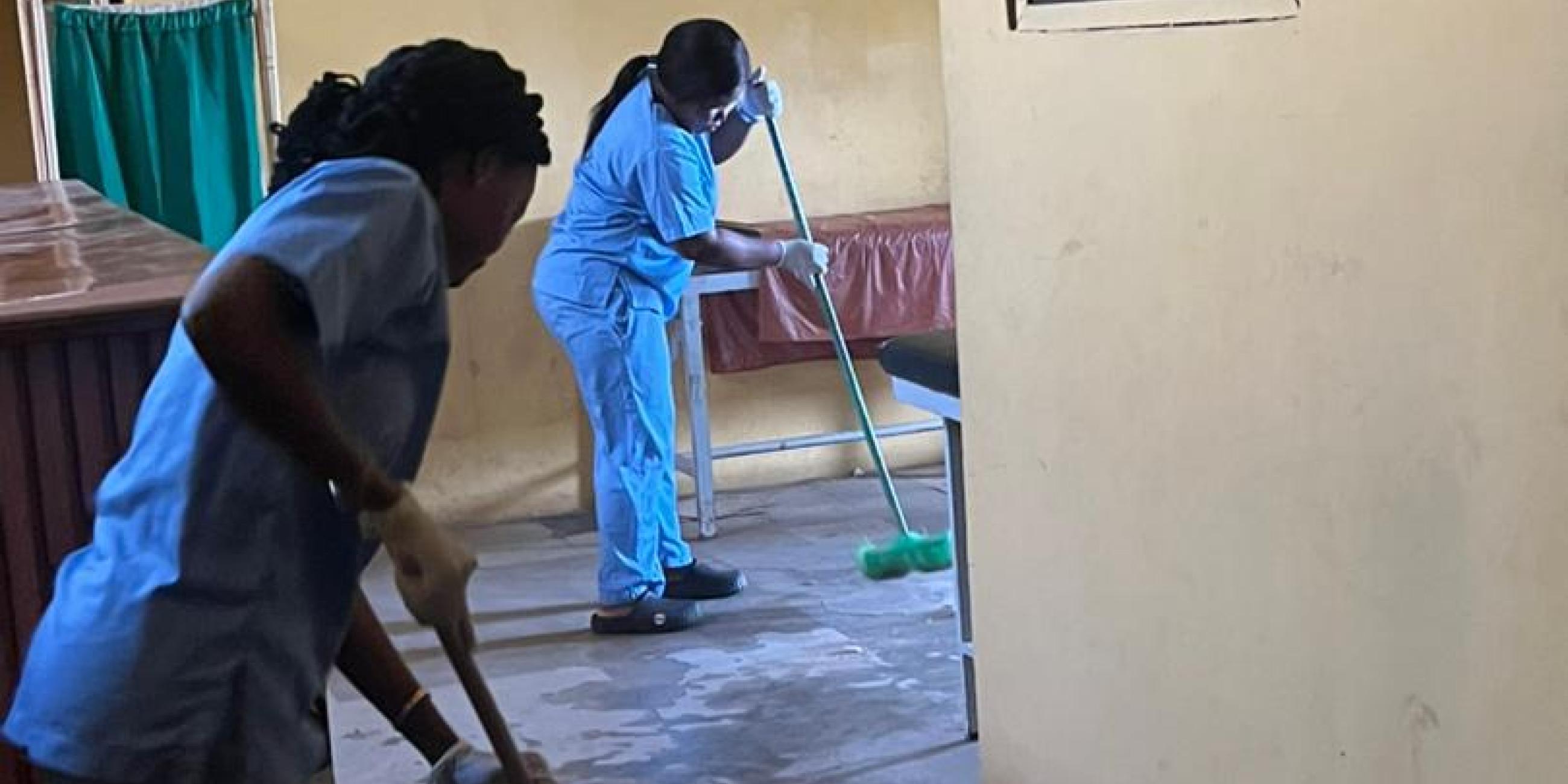
    A growing controversy is shaking Nigeria’s healthcare sector after the Elegant Nurses Forum accused hospital managements across the country of forcing nurses to perform cleaning and other menial duties, a practice the group describes as unethical, unlawful, and professionally degrading.

    In a press statement signed by Nurse Thomas Abiodun Olamide, the forum said it had received multiple complaints from health institutions nationwide, alleging that some Chief Medical Directors (CMDs) are exploiting the ongoing strike by hospital cleaners under the Joint Health Sector Unions (JOHESU) to compel nurses to take over sanitation work.

    According to the forum, this practice violates professional ethics, international best practices, and the legal framework governing nursing in Nigeria. It warned that compelling nurses to abandon clinical responsibilities for cleaning duties not only demeans the profession but also endangers patient safety and healthcare quality.

    The group disclosed that over ten days ago, nurses at the Federal Medical Centre (FMC), Makurdi, Benue State, formally complained of threats and coercion to assume cleaners’ duties. Similar complaints were later received from the Olabisi Onabanjo University Teaching Hospital (OOUTH), Sagamu, Ogun State, along with reports from other tertiary and secondary health facilities nationwide.

    The forum expressed particular concern over the leadership at OOUTH, alleging a persistent pattern of intimidation and harassment of nurses by the hospital’s CMD. According to the statement, nurses were reportedly threatened with job loss, with allegations that political connections were being used to exert pressure. The forum described this as a gross abuse of office, questioning the competence, temperament, and ethical standing of such leadership.

    It further alleged that political interference rather than merit has influenced some CMD appointments, warning that hospitals were being transformed into “tools of oppression” instead of institutions dedicated to patient-centred care.

    Emphasising the professional role of nurses, the forum stated that nurses are trained healthcare practitioners whose duties include patient care, disease prevention, health promotion, and clinical management—not sanitation. Forcing them into menial tasks, it said, devalues their expertise, undermines healthcare delivery, and weakens the entire system.

    In its demands, the Elegant Nurses Forum called for:

    Immediate cessation of all intimidation, threats, and coercion of nurses into non-nursing duties;

    Clear directives from federal and state health ministries prohibiting the assignment of cleaning or other unrelated tasks to nurses;

    Independent investigations and disciplinary action against erring CMDs and administrators;

    Protection of nurses from victimisation and harassment; and

    Transparent, merit-based appointments to hospital leadership positions free from political interference.


    The forum vowed it would not remain silent while nurses are treated as expendable labour and stripped of their professional identity. “Healthcare leadership must be about service, competence, and accountability—not intimidation, arrogance, and abuse of power,” the statement concluded.

    As the allegations spread across multiple states, the central question remains: are hospital authorities protecting patient care—or sacrificing professionalism for power?
    Why Are Nigerian Nurses Being Forced to Do Cleaners’ Jobs? Are Hospital CMDs Exploiting Strikes to Intimidate Health Workers Across the Country? A growing controversy is shaking Nigeria’s healthcare sector after the Elegant Nurses Forum accused hospital managements across the country of forcing nurses to perform cleaning and other menial duties, a practice the group describes as unethical, unlawful, and professionally degrading. In a press statement signed by Nurse Thomas Abiodun Olamide, the forum said it had received multiple complaints from health institutions nationwide, alleging that some Chief Medical Directors (CMDs) are exploiting the ongoing strike by hospital cleaners under the Joint Health Sector Unions (JOHESU) to compel nurses to take over sanitation work. According to the forum, this practice violates professional ethics, international best practices, and the legal framework governing nursing in Nigeria. It warned that compelling nurses to abandon clinical responsibilities for cleaning duties not only demeans the profession but also endangers patient safety and healthcare quality. The group disclosed that over ten days ago, nurses at the Federal Medical Centre (FMC), Makurdi, Benue State, formally complained of threats and coercion to assume cleaners’ duties. Similar complaints were later received from the Olabisi Onabanjo University Teaching Hospital (OOUTH), Sagamu, Ogun State, along with reports from other tertiary and secondary health facilities nationwide. The forum expressed particular concern over the leadership at OOUTH, alleging a persistent pattern of intimidation and harassment of nurses by the hospital’s CMD. According to the statement, nurses were reportedly threatened with job loss, with allegations that political connections were being used to exert pressure. The forum described this as a gross abuse of office, questioning the competence, temperament, and ethical standing of such leadership. It further alleged that political interference rather than merit has influenced some CMD appointments, warning that hospitals were being transformed into “tools of oppression” instead of institutions dedicated to patient-centred care. Emphasising the professional role of nurses, the forum stated that nurses are trained healthcare practitioners whose duties include patient care, disease prevention, health promotion, and clinical management—not sanitation. Forcing them into menial tasks, it said, devalues their expertise, undermines healthcare delivery, and weakens the entire system. In its demands, the Elegant Nurses Forum called for: Immediate cessation of all intimidation, threats, and coercion of nurses into non-nursing duties; Clear directives from federal and state health ministries prohibiting the assignment of cleaning or other unrelated tasks to nurses; Independent investigations and disciplinary action against erring CMDs and administrators; Protection of nurses from victimisation and harassment; and Transparent, merit-based appointments to hospital leadership positions free from political interference. The forum vowed it would not remain silent while nurses are treated as expendable labour and stripped of their professional identity. “Healthcare leadership must be about service, competence, and accountability—not intimidation, arrogance, and abuse of power,” the statement concluded. As the allegations spread across multiple states, the central question remains: are hospital authorities protecting patient care—or sacrificing professionalism for power?
    0 Σχόλια ·0 Μοιράστηκε ·971 Views
  • Ekiti Assembly to Spend ₦1.2 Billion on Chairs, Tables and Vehicles in 2026—While Key Ministries Get Zero Funding: Is This Governance or Misplaced Priorities?

    A review of the Ekiti State House of Assembly’s 2026 budget estimates by SaharaReporters has revealed a controversial plan to spend ₦1.2 billion on executive chairs, tables, cabinets and office furniture, despite the fact that ₦470 million was already spent on similar items in 2025. The proposed expenditure includes 700 executive chairs, 600 tables, 200 chamber tables, 100 cabinets, 50 office shelves and 12 chair sets, raising questions about fiscal responsibility and government priorities.

    In addition to furniture, the Assembly is seeking ₦800 million to procure three 2025 Toyota Land Cruiser Prado SUVs and 30 Toyota Corolla vehicles, further fueling concerns about luxury spending amid economic challenges facing the state.

    This development follows earlier revelations that ₦300 million was budgeted for the construction of a governor’s and deputy governor’s lodge in Asokoro, Abuja, even though ₦470 million had already been spent on similar projects between January and September 2025. Another contract worth ₦320 million was reportedly awarded for the construction of a guest house chalet within the Government House, allegedly to a permanent secretary, raising transparency concerns.

    While billions are allocated to official residences, vehicles and office furniture, a review of Ekiti State’s audited financial statements for 2024 shows that 35 government agencies received zero funding for capital projects, despite having a combined capital budget of ₦3.3 billion. Affected institutions include the Ministry of Education, Science and Technology, Ekiti State Pensions Board, Civil Service Commission, Housing Corporation, Fiscal Responsibility Commission, Office of Public Defender, Teaching Service Commission, University Teaching Hospital, and several others critical to governance, education, healthcare and public welfare.

    The report also highlights a troubling pattern in public procurement, with multiple contracts worth billions of naira reportedly awarded to individuals listed as “Permanent Secretary.” These include airport-related projects such as the ₦3.3 billion Instrument Landing System, electrification works, transformer installations, floodlight systems, and road extensions, along with smaller procurements like buses and motorcycles.

    Critics argue that the growing gap between lavish government spending and the chronic underfunding of essential agencies reflects a governance crisis. As calls for transparency, accountability and prudent use of public funds intensify, the question remains: Why are billions being committed to furniture, vehicles and government lodges while critical ministries and public institutions are left unfunded?

    This controversy has once again placed Ekiti State’s budgeting priorities under national scrutiny, raising fundamental concerns about public trust, fiscal discipline and whether state resources are truly being used in the best interest of citizens.


    Ekiti Assembly to Spend ₦1.2 Billion on Chairs, Tables and Vehicles in 2026—While Key Ministries Get Zero Funding: Is This Governance or Misplaced Priorities? A review of the Ekiti State House of Assembly’s 2026 budget estimates by SaharaReporters has revealed a controversial plan to spend ₦1.2 billion on executive chairs, tables, cabinets and office furniture, despite the fact that ₦470 million was already spent on similar items in 2025. The proposed expenditure includes 700 executive chairs, 600 tables, 200 chamber tables, 100 cabinets, 50 office shelves and 12 chair sets, raising questions about fiscal responsibility and government priorities. In addition to furniture, the Assembly is seeking ₦800 million to procure three 2025 Toyota Land Cruiser Prado SUVs and 30 Toyota Corolla vehicles, further fueling concerns about luxury spending amid economic challenges facing the state. This development follows earlier revelations that ₦300 million was budgeted for the construction of a governor’s and deputy governor’s lodge in Asokoro, Abuja, even though ₦470 million had already been spent on similar projects between January and September 2025. Another contract worth ₦320 million was reportedly awarded for the construction of a guest house chalet within the Government House, allegedly to a permanent secretary, raising transparency concerns. While billions are allocated to official residences, vehicles and office furniture, a review of Ekiti State’s audited financial statements for 2024 shows that 35 government agencies received zero funding for capital projects, despite having a combined capital budget of ₦3.3 billion. Affected institutions include the Ministry of Education, Science and Technology, Ekiti State Pensions Board, Civil Service Commission, Housing Corporation, Fiscal Responsibility Commission, Office of Public Defender, Teaching Service Commission, University Teaching Hospital, and several others critical to governance, education, healthcare and public welfare. The report also highlights a troubling pattern in public procurement, with multiple contracts worth billions of naira reportedly awarded to individuals listed as “Permanent Secretary.” These include airport-related projects such as the ₦3.3 billion Instrument Landing System, electrification works, transformer installations, floodlight systems, and road extensions, along with smaller procurements like buses and motorcycles. Critics argue that the growing gap between lavish government spending and the chronic underfunding of essential agencies reflects a governance crisis. As calls for transparency, accountability and prudent use of public funds intensify, the question remains: Why are billions being committed to furniture, vehicles and government lodges while critical ministries and public institutions are left unfunded? This controversy has once again placed Ekiti State’s budgeting priorities under national scrutiny, raising fundamental concerns about public trust, fiscal discipline and whether state resources are truly being used in the best interest of citizens.
    0 Σχόλια ·0 Μοιράστηκε ·731 Views
  • Is Tinubu Failing Yoruba Land? Pan-Yoruba Group Slams President Over Insecurity, Kidnapped Monarchs and ‘Silence From Power

    Is Nigeria’s security crisis finally reaching a breaking point in Yoruba land—and is President Bola Ahmed Tinubu truly doing enough to stop it? These are the urgent questions being raised after a Pan-Yoruba socio-political group, Ìgbìnmó Májékóbájé Ilé-Yorùbá, publicly condemned the President over what it described as his “deafening silence” in the face of worsening insecurity across the South-West.

    The group’s outcry followed the shocking abduction of a Kwara State monarch, Oba S. Y. Olaonipekun, and his son, Olaolu, who were reportedly kidnapped by suspected terrorists in the Ile-Ire district. For many observers, the incident marks a dangerous escalation in Nigeria’s security crisis: when even traditional rulers—symbols of authority, culture, and community stability—are no longer safe, what hope remains for ordinary citizens?

    In a strongly worded statement signed by its Convener, Olusola Badero, and released through Home Director Princess Balogun, the group accused President Tinubu of abandoning his constitutional duty as the nation’s chief security officer. According to the group, violent attacks, kidnappings, and killings have spread across Yoruba communities with little visible federal response. They argued that while statements are often issued, concrete action has been painfully absent.

    The union alleged that forests and rural communities in parts of Kwara and the wider South-West have become safe havens for armed groups posing as herdsmen, whom they directly described as terrorists. It lamented what it called the humiliation of Yoruba traditional institutions, stressing that the kidnapping of monarchs was once unimaginable in the region’s history. Quoting a Yoruba proverb—“Oríadé kì í sùn tán” (Royalty does not sleep outside)—the group said the abduction of kings represents not only a security failure but also a deep cultural wound.

    Beyond insecurity, the group launched a broader political critique of President Tinubu’s leadership. They accused him of prioritising personal interests, political allies, and future elections over the immediate safety and welfare of citizens. They further criticised what they described as his frequent foreign trips, alleging that he enjoys public funds abroad while Nigerians face poverty, fear, collapsing healthcare, and deteriorating schools at home. For the group, this contrast symbolises a widening gap between those in power and the people they govern.

    The statement also targeted Kwara State Governor AbdulRahman AbdulRazaq, accusing the state government of failing to protect residents. The group demanded the immediate release of the abducted monarch and his son, as well as other kidnapped citizens, including workers from the Kwara State Ministry of Works.

    To underline what it sees as a pattern of lawlessness, the union recalled earlier incidents, including the killing of Segun Aremu, a retired army general and monarch (the Olúkòrò of Koro), and the abduction of Kamilu Salami, the Oníbàrà of Bayagan Ile, who reportedly spent weeks in captivity before regaining freedom. These cases, the group argued, show that the crisis is not isolated but systemic.

    Perhaps most striking is the group’s warning that continued political inaction could lead to long-term devastation: deserted villages, abandoned farmlands, and forests fully occupied by armed groups. They questioned how elections can even matter if citizens are no longer safe enough to live in their communities. “Who will be alive to vote,” they asked, “if our villages are deserted and our forests controlled by terrorists?”

    The union went further, calling on Yoruba people at home and in the diaspora to take collective responsibility for protecting their region, suggesting that reliance on political leaders who have “clearly failed” could invite even greater catastrophe.

    As this controversy unfolds, Nigerians are left with uncomfortable but necessary questions: Has the federal government lost control of internal security? Is President Tinubu doing enough to protect his own region? And what happens when traditional institutions—once seen as untouchable—become targets of violence?

    On Fintter, this story is more than breaking news; it is a national conversation about leadership, accountability, and survival. Are these criticisms justified, or are they politically motivated? Can Nigeria still reverse its security decline, or has the crisis reached a point of no return? The answers may shape not just the future of Yoruba land, but the fate of the entire nation.

    What do you think? Is Tinubu truly failing on security—or is the crisis beyond any single leader? Share your thoughts and join the debate on Fintter.

    Is Tinubu Failing Yoruba Land? Pan-Yoruba Group Slams President Over Insecurity, Kidnapped Monarchs and ‘Silence From Power Is Nigeria’s security crisis finally reaching a breaking point in Yoruba land—and is President Bola Ahmed Tinubu truly doing enough to stop it? These are the urgent questions being raised after a Pan-Yoruba socio-political group, Ìgbìnmó Májékóbájé Ilé-Yorùbá, publicly condemned the President over what it described as his “deafening silence” in the face of worsening insecurity across the South-West. The group’s outcry followed the shocking abduction of a Kwara State monarch, Oba S. Y. Olaonipekun, and his son, Olaolu, who were reportedly kidnapped by suspected terrorists in the Ile-Ire district. For many observers, the incident marks a dangerous escalation in Nigeria’s security crisis: when even traditional rulers—symbols of authority, culture, and community stability—are no longer safe, what hope remains for ordinary citizens? In a strongly worded statement signed by its Convener, Olusola Badero, and released through Home Director Princess Balogun, the group accused President Tinubu of abandoning his constitutional duty as the nation’s chief security officer. According to the group, violent attacks, kidnappings, and killings have spread across Yoruba communities with little visible federal response. They argued that while statements are often issued, concrete action has been painfully absent. The union alleged that forests and rural communities in parts of Kwara and the wider South-West have become safe havens for armed groups posing as herdsmen, whom they directly described as terrorists. It lamented what it called the humiliation of Yoruba traditional institutions, stressing that the kidnapping of monarchs was once unimaginable in the region’s history. Quoting a Yoruba proverb—“Oríadé kì í sùn tán” (Royalty does not sleep outside)—the group said the abduction of kings represents not only a security failure but also a deep cultural wound. Beyond insecurity, the group launched a broader political critique of President Tinubu’s leadership. They accused him of prioritising personal interests, political allies, and future elections over the immediate safety and welfare of citizens. They further criticised what they described as his frequent foreign trips, alleging that he enjoys public funds abroad while Nigerians face poverty, fear, collapsing healthcare, and deteriorating schools at home. For the group, this contrast symbolises a widening gap between those in power and the people they govern. The statement also targeted Kwara State Governor AbdulRahman AbdulRazaq, accusing the state government of failing to protect residents. The group demanded the immediate release of the abducted monarch and his son, as well as other kidnapped citizens, including workers from the Kwara State Ministry of Works. To underline what it sees as a pattern of lawlessness, the union recalled earlier incidents, including the killing of Segun Aremu, a retired army general and monarch (the Olúkòrò of Koro), and the abduction of Kamilu Salami, the Oníbàrà of Bayagan Ile, who reportedly spent weeks in captivity before regaining freedom. These cases, the group argued, show that the crisis is not isolated but systemic. Perhaps most striking is the group’s warning that continued political inaction could lead to long-term devastation: deserted villages, abandoned farmlands, and forests fully occupied by armed groups. They questioned how elections can even matter if citizens are no longer safe enough to live in their communities. “Who will be alive to vote,” they asked, “if our villages are deserted and our forests controlled by terrorists?” The union went further, calling on Yoruba people at home and in the diaspora to take collective responsibility for protecting their region, suggesting that reliance on political leaders who have “clearly failed” could invite even greater catastrophe. As this controversy unfolds, Nigerians are left with uncomfortable but necessary questions: Has the federal government lost control of internal security? Is President Tinubu doing enough to protect his own region? And what happens when traditional institutions—once seen as untouchable—become targets of violence? On Fintter, this story is more than breaking news; it is a national conversation about leadership, accountability, and survival. Are these criticisms justified, or are they politically motivated? Can Nigeria still reverse its security decline, or has the crisis reached a point of no return? The answers may shape not just the future of Yoruba land, but the fate of the entire nation. 💬 What do you think? Is Tinubu truly failing on security—or is the crisis beyond any single leader? Share your thoughts and join the debate on Fintter.
    0 Σχόλια ·0 Μοιράστηκε ·1χλμ. Views
Fintter https://fintter.com