• Court Adjourns Suit Challenging NIS Spousal Consent Policy……


    A Federal High Court sitting in Ibadan has adjourned to February 24 the hearing of a suit challenging the Nigeria Immigration Service (NIS) policy that requires married women to obtain their husband’s consent before renewing international passports. The case questions the legality and constitutionality of the directive, with rights advocates arguing it discriminates against women. The court is expected to hear further arguments at the next sitting.

    Court Adjourns Suit Challenging NIS Spousal Consent Policy…… A Federal High Court sitting in Ibadan has adjourned to February 24 the hearing of a suit challenging the Nigeria Immigration Service (NIS) policy that requires married women to obtain their husband’s consent before renewing international passports. The case questions the legality and constitutionality of the directive, with rights advocates arguing it discriminates against women. The court is expected to hear further arguments at the next sitting.
    love
    1
    · 0 Comments ·0 Shares ·607 Views
  • Ex-Minister Saleh Mamman’s Trial Hits Snag as Court Rebukes Lawyer for “Time-Wasting Antics”

    The Federal High Court in Abuja slammed former Minister of Power Saleh Mamman’s lawyer, Temitayo Sonuyi, SAN, for attempting to delay proceedings in a N31 billion fraud trial. Mamman and seven others face nine-count charges including conspiracy, false pretence, and intent to defraud. Justice Maryann Anenih criticized the defense for procedural delays, insisting the trial must proceed while jurisdiction issues are addressed separately. The case has been adjourned to February and March 2026 for continuation.
    #SalehMamman #N31BillionFraud #CourtTrial
    Ex-Minister Saleh Mamman’s Trial Hits Snag as Court Rebukes Lawyer for “Time-Wasting Antics” The Federal High Court in Abuja slammed former Minister of Power Saleh Mamman’s lawyer, Temitayo Sonuyi, SAN, for attempting to delay proceedings in a N31 billion fraud trial. Mamman and seven others face nine-count charges including conspiracy, false pretence, and intent to defraud. Justice Maryann Anenih criticized the defense for procedural delays, insisting the trial must proceed while jurisdiction issues are addressed separately. The case has been adjourned to February and March 2026 for continuation. #SalehMamman #N31BillionFraud #CourtTrial
    love
    1
    · 0 Comments ·0 Shares ·459 Views
  • Alleged N31 Billion Fraud: Court Rebukes Saleh Mamman’s Counsel for “Time-Wasting” in Trial

    The Federal High Court in the Federal Capital Territory, Abuja, has accused the defence counsel of former Minister of Power, Saleh Mamman, of engaging in “time-wasting antics” during the ongoing trial.

    Justice Maryann Anenih made the remark while presiding over the case, which involves Mamman and seven others facing a nine-count charge of conspiracy, false pretence, and intent to defraud amounting to N31,070,541,349.64.

    The trial continues amid heightened scrutiny as the court seeks to ensure proceedings are conducted efficiently and without unnecessary delays.

    #SalehMamman #FraudTrial #N31Billion #JusticeInAction
    Alleged N31 Billion Fraud: Court Rebukes Saleh Mamman’s Counsel for “Time-Wasting” in Trial The Federal High Court in the Federal Capital Territory, Abuja, has accused the defence counsel of former Minister of Power, Saleh Mamman, of engaging in “time-wasting antics” during the ongoing trial. Justice Maryann Anenih made the remark while presiding over the case, which involves Mamman and seven others facing a nine-count charge of conspiracy, false pretence, and intent to defraud amounting to N31,070,541,349.64. The trial continues amid heightened scrutiny as the court seeks to ensure proceedings are conducted efficiently and without unnecessary delays. #SalehMamman #FraudTrial #N31Billion #JusticeInAction
    0 Comments ·0 Shares ·546 Views
  • Nigerian Govt Drops Meta & X as Defendants, Amends Cyberbullying Charges Against Sowore Over Tinubu Post

    The Nigerian government has amended criminal charges against activist and ex-presidential candidate Omoyele Sowore for cyberbullying President Bola Tinubu. Filed in December 2025 at the Federal High Court, the revised charge sheet now contains two counts, removing Meta and X (formerly Twitter) as co-defendants. Sowore is accused of posting on August 25, 2025, that Tinubu is a “criminal” and lied about ending corruption. The government alleges these posts were false and intended to cause public disorder. The case is ongoing before the Federal High Court in Abuja.

    #SoworeVsTinubu #CybercrimeNigeria #FGCourtCase
    Nigerian Govt Drops Meta & X as Defendants, Amends Cyberbullying Charges Against Sowore Over Tinubu Post The Nigerian government has amended criminal charges against activist and ex-presidential candidate Omoyele Sowore for cyberbullying President Bola Tinubu. Filed in December 2025 at the Federal High Court, the revised charge sheet now contains two counts, removing Meta and X (formerly Twitter) as co-defendants. Sowore is accused of posting on August 25, 2025, that Tinubu is a “criminal” and lied about ending corruption. The government alleges these posts were false and intended to cause public disorder. The case is ongoing before the Federal High Court in Abuja. #SoworeVsTinubu #CybercrimeNigeria #FGCourtCase
    love
    1
    · 0 Comments ·0 Shares ·585 Views
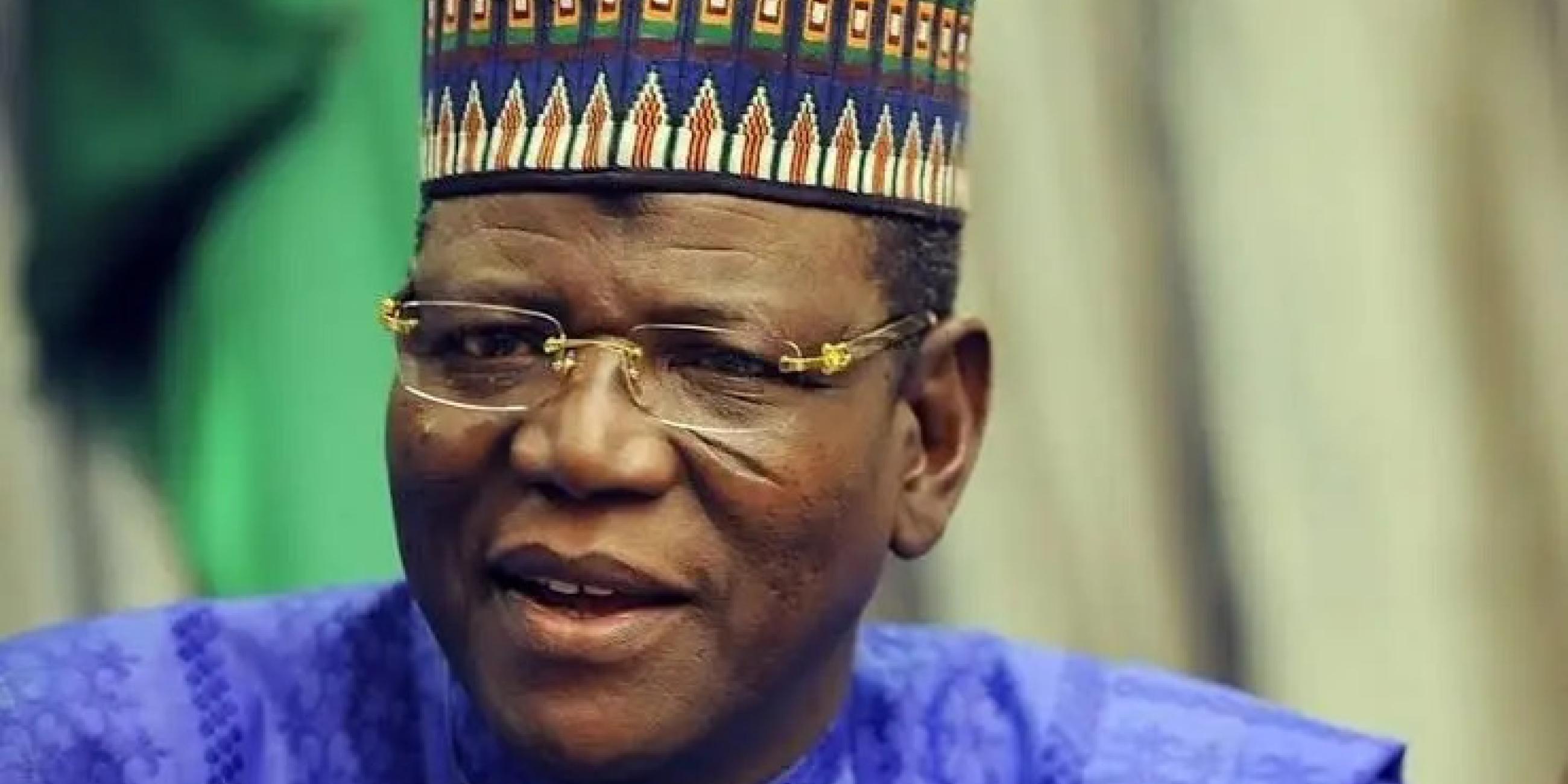
  • Supreme Court Revives ₦1.35bn Corruption Case Against Ex-Jigawa Gov Lamido, Orders Fresh Trial

    The Supreme Court has overturned the Court of Appeal’s 2023 judgment that freed former Jigawa State governor Sule Lamido and his sons, Mustapha and Aminu, from ₦1.35 billion corruption charges. In a unanimous ruling, the apex court held that the EFCC’s appeal had merit and ordered the defendants to return to the Federal High Court to open their defence. Lamido is accused of laundering funds allegedly received as kickbacks from contractors during his tenure. The court ruled that sufficient evidence was presented and directed that the long-running trial be resumed and concluded.
    Supreme Court Revives ₦1.35bn Corruption Case Against Ex-Jigawa Gov Lamido, Orders Fresh Trial The Supreme Court has overturned the Court of Appeal’s 2023 judgment that freed former Jigawa State governor Sule Lamido and his sons, Mustapha and Aminu, from ₦1.35 billion corruption charges. In a unanimous ruling, the apex court held that the EFCC’s appeal had merit and ordered the defendants to return to the Federal High Court to open their defence. Lamido is accused of laundering funds allegedly received as kickbacks from contractors during his tenure. The court ruled that sufficient evidence was presented and directed that the long-running trial be resumed and concluded.
    0 Comments ·0 Shares ·629 Views
  • Supreme Court Upholds Conviction of Ex-Jigawa Governor’s Son Over $40,000 Undeclared Cash

    The Supreme Court of Nigeria has dismissed the appeal of Aminu Sule Lamido, son of former Jigawa Governor Sule Lamido, affirming his conviction for failing to declare $40,000 in cash while leaving the country. The apex court ruled that lower courts properly evaluated evidence and applied the law. Aminu was first arrested in 2012 by EFCC at Kano Airport, having declared only $10,000 of the $50,000 in his possession. He was sentenced by the Federal High Court, and subsequent appeals to the Court of Appeal and now the Supreme Court were all dismissed, ending his long-running legal battle.
    Supreme Court Upholds Conviction of Ex-Jigawa Governor’s Son Over $40,000 Undeclared Cash The Supreme Court of Nigeria has dismissed the appeal of Aminu Sule Lamido, son of former Jigawa Governor Sule Lamido, affirming his conviction for failing to declare $40,000 in cash while leaving the country. The apex court ruled that lower courts properly evaluated evidence and applied the law. Aminu was first arrested in 2012 by EFCC at Kano Airport, having declared only $10,000 of the $50,000 in his possession. He was sentenced by the Federal High Court, and subsequent appeals to the Court of Appeal and now the Supreme Court were all dismissed, ending his long-running legal battle.
    0 Comments ·0 Shares ·389 Views
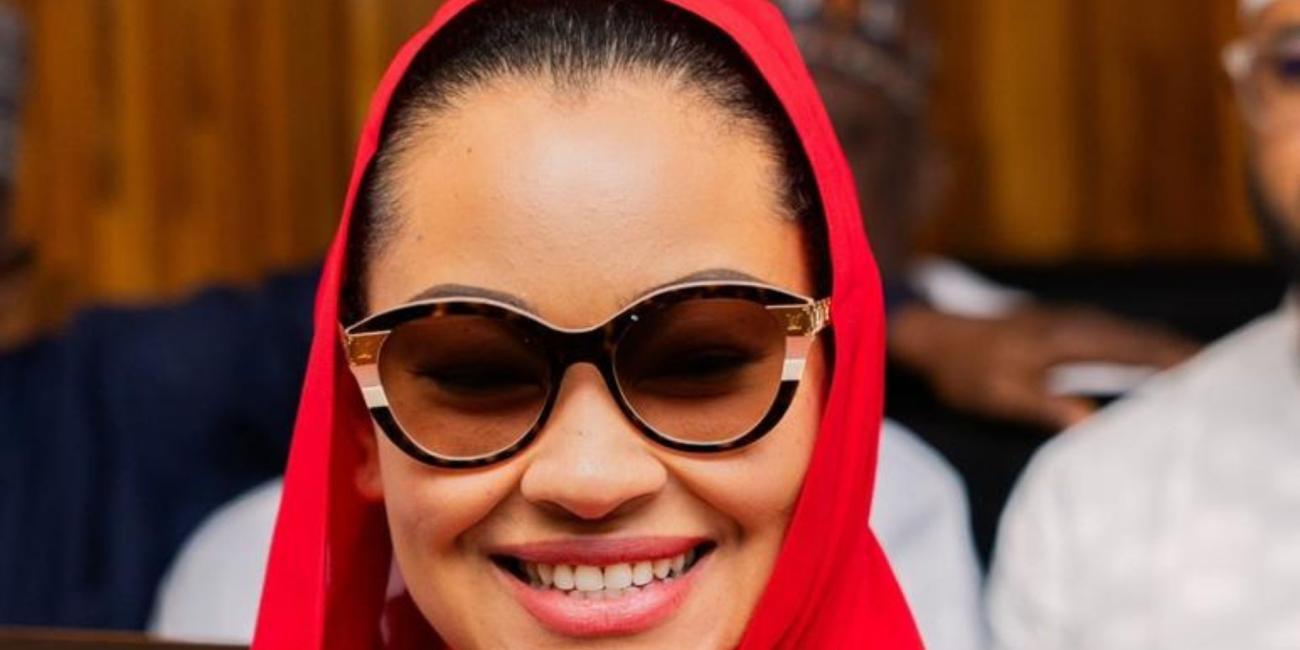
  • Nigerian Govt Withdraws Second Criminal Defamation Case Against Senator Akpoti-Uduaghan

    The Nigerian government has withdrawn the second criminal defamation case against Senator Natasha Akpoti-Uduaghan, ending a high-profile legal battle. Filed by the Office of the Attorney-General of the Federation, the charges stemmed from comments she made accusing former officials of plotting against her. The Federal High Court formally struck out the case, highlighting the need for restraint in prosecutorial powers. Senator Akpoti-Uduaghan hailed the decision as a vindication of democratic rights and freedom of expression.

    #NigeriaNews #FreeSpeech #AkpotiUduaghan


    Nigerian Govt Withdraws Second Criminal Defamation Case Against Senator Akpoti-Uduaghan The Nigerian government has withdrawn the second criminal defamation case against Senator Natasha Akpoti-Uduaghan, ending a high-profile legal battle. Filed by the Office of the Attorney-General of the Federation, the charges stemmed from comments she made accusing former officials of plotting against her. The Federal High Court formally struck out the case, highlighting the need for restraint in prosecutorial powers. Senator Akpoti-Uduaghan hailed the decision as a vindication of democratic rights and freedom of expression. #NigeriaNews #FreeSpeech #AkpotiUduaghan
    0 Comments ·0 Shares ·616 Views
  • Illegal Arrest: Court Tell Make Dem Serve IGP, AGF for Sowore N1.2bn Human Rights Case

    Federal High Court for Abuja don order make hearing notice reach Police IG, Kayode Egbetokun, and Attorney-General, Lateef Fagbemi, for human rights case wey activist Omoyele Sowore file. Sowore dey demand ₦1.2 billion, accuse police of illegal arrest, detention and assault.

    The matter start after police rearrest am for Kuje Magistrate Court on October 23, 2025, just after dem grant am bail, because of im involvement for #FreeNnamdiKanuNow protest. Sowore talk say im arrest over peaceful protest break im rights to freedom, movement and human dignity under Nigerian Constitution.

    Justice Umar order make dem properly serve the defendants and adjourn case till March 10, 2026 for hearing. Sowore lawyer, Abubakar Marshal, complain say none of the defendants show for court, accuse police of acting with impunity.

    Marshal insist say protest na legal right, say person wey no commit crime no suppose face arrest or detention. The suit seek ₦1bn punitive damages, ₦200m extra damages, public apology and retraction, stressing say the case no be only for Sowore but to protect Nigerians’ right to peaceful protest.
    Illegal Arrest: Court Tell Make Dem Serve IGP, AGF for Sowore N1.2bn Human Rights Case Federal High Court for Abuja don order make hearing notice reach Police IG, Kayode Egbetokun, and Attorney-General, Lateef Fagbemi, for human rights case wey activist Omoyele Sowore file. Sowore dey demand ₦1.2 billion, accuse police of illegal arrest, detention and assault. The matter start after police rearrest am for Kuje Magistrate Court on October 23, 2025, just after dem grant am bail, because of im involvement for #FreeNnamdiKanuNow protest. Sowore talk say im arrest over peaceful protest break im rights to freedom, movement and human dignity under Nigerian Constitution. Justice Umar order make dem properly serve the defendants and adjourn case till March 10, 2026 for hearing. Sowore lawyer, Abubakar Marshal, complain say none of the defendants show for court, accuse police of acting with impunity. Marshal insist say protest na legal right, say person wey no commit crime no suppose face arrest or detention. The suit seek ₦1bn punitive damages, ₦200m extra damages, public apology and retraction, stressing say the case no be only for Sowore but to protect Nigerians’ right to peaceful protest.
    love
    1
    · 0 Comments ·0 Shares ·477 Views
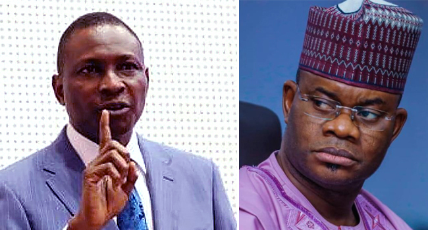
  • Yahaya Bello’s Case Still in Court — EFCC Chair Says “I’ve Done My Job”

    EFCC Chairman, Ola Olukoyede, says the prosecution of former Kogi State governor, Yahaya Bello, is already underway and firmly in the hands of the court.

    Recall that Olukoyede had publicly vowed in April 2024 to resign if Bello was not prosecuted. Responding to public criticism over the slow pace of the case, he insisted that the EFCC has fulfilled its mandate.

    “Is Yahaya Bello not being prosecuted? The case is in court. I have three cases against him. Am I the judge to decide conviction?” Olukoyede said during an interview on Channels TV.

    According to him, Bello has been investigated and charged, stressing that the EFCC cannot control court proceedings.

    Yahaya Bello is currently facing:
    • A 16-count charge over alleged N110bn property fraud
    • Another 19-count charge involving N80.2bn in fraud and money laundering

    Both cases are before the Federal High Court.

    The big question Nigerians are asking:
    If the EFCC has “done its work,” why is this case still dragging — and how long will justice really take?

    #YahayaBello #EFCC #NigeriaPolitics #CorruptionCases
    Yahaya Bello’s Case Still in Court — EFCC Chair Says “I’ve Done My Job” EFCC Chairman, Ola Olukoyede, says the prosecution of former Kogi State governor, Yahaya Bello, is already underway and firmly in the hands of the court. Recall that Olukoyede had publicly vowed in April 2024 to resign if Bello was not prosecuted. Responding to public criticism over the slow pace of the case, he insisted that the EFCC has fulfilled its mandate. “Is Yahaya Bello not being prosecuted? The case is in court. I have three cases against him. Am I the judge to decide conviction?” Olukoyede said during an interview on Channels TV. According to him, Bello has been investigated and charged, stressing that the EFCC cannot control court proceedings. Yahaya Bello is currently facing: • A 16-count charge over alleged N110bn property fraud • Another 19-count charge involving N80.2bn in fraud and money laundering Both cases are before the Federal High Court. The big question Nigerians are asking: If the EFCC has “done its work,” why is this case still dragging — and how long will justice really take? #YahayaBello #EFCC #NigeriaPolitics #CorruptionCases
    0 Comments ·0 Shares ·646 Views
  • Wahala Don Set for Judiciary! ‘Mr Justice Steppin’ Razor’ Drama Sparks Outrage Over Judges, Bribes and Malami Case

    Wahala don set for Nigeria judiciary as a fiery opinion by human rights lawyer Chidi Anselm Odinkalu don scatter the internet, exposing what many now call the rise of “Mr Justice Steppin’ Razor” inside Nigerian courts.

    The article, inspired by legendary reggae singer Peter Tosh’s song Steppin’ Razor, takes aim at judges who, instead of quietly doing their jobs, now mount the courtroom like a stage—boasting, threatening and performing toughness while serious allegations of bribery and influence quietly pass without action.

    According to Odinkalu, some judges in Nigeria are beginning to see themselves as untouchable strongmen—“dangerous judges”—who talk tough but refuse to use the powers the law has already given them to deal with corruption.

    The writer recalled how in August 2023, a senior judge, Justice Flora Azinge, publicly complained in court that lawyers had allegedly tried to bribe her with ₦10 million. Rather than naming the culprit, reporting the matter or punishing the offenders, she reportedly chose to issue public warnings and threats—without taking concrete action.

    Fast forward to this past week, and history appears to be repeating itself.

    At the Federal High Court in Abuja, Justice Polycarp Nwite, while ruling on the bail application of former Attorney-General of the Federation, Abubakar Malami, his wife and son over money laundering and corruption charges, reportedly declared himself “dangerous.” He warned lawyers not to approach him or attempt to influence his decisions, insisting that any such move would be “vehemently resisted.”

    But Odinkalu no gree.

    According to him, this kind of courtroom performance is nothing but noise if the judge refuses to take the legal steps available to him. Under Nigerian law and international judicial standards, judges are expected to be independent, impartial and firm. Any attempt to influence a judge is a crime—and there are clear options: report to the police, punish for contempt, refer lawyers for disciplinary action, or openly name and shame the offenders.

    Instead, the author says, some judges prefer drama to discipline.

    “This kind of talk without action,” Odinkalu argues, “does more harm than good. It makes the judiciary look weak, compromised and unserious.” In his words, a judge who complains about being approached but refuses to identify or sanction the culprits is not defending justice—he is advertising that he can be tested again.

    In the Malami case, the judge neither named the lawyers allegedly trying to influence him nor recused himself from the matter. To Odinkalu, that is a serious failure of judicial responsibility.

    For many Nigerians already frustrated with corruption, selective justice and political interference in the courts, this write-up only confirms their worst fears: say judges dey shout ‘I be dangerous’, but when e reach time to act, everywhere just go silent.

    As reactions continue online, one thing is clear—this is not just about one judge or one court case. It is about the credibility of Nigeria’s justice system itself.

    And as Nigerians would say:
    If judges dey fear to act, who go protect justice? Wahala don really set for this country judiciary.
    Wahala Don Set for Judiciary! ‘Mr Justice Steppin’ Razor’ Drama Sparks Outrage Over Judges, Bribes and Malami Case Wahala don set for Nigeria judiciary as a fiery opinion by human rights lawyer Chidi Anselm Odinkalu don scatter the internet, exposing what many now call the rise of “Mr Justice Steppin’ Razor” inside Nigerian courts. The article, inspired by legendary reggae singer Peter Tosh’s song Steppin’ Razor, takes aim at judges who, instead of quietly doing their jobs, now mount the courtroom like a stage—boasting, threatening and performing toughness while serious allegations of bribery and influence quietly pass without action. According to Odinkalu, some judges in Nigeria are beginning to see themselves as untouchable strongmen—“dangerous judges”—who talk tough but refuse to use the powers the law has already given them to deal with corruption. The writer recalled how in August 2023, a senior judge, Justice Flora Azinge, publicly complained in court that lawyers had allegedly tried to bribe her with ₦10 million. Rather than naming the culprit, reporting the matter or punishing the offenders, she reportedly chose to issue public warnings and threats—without taking concrete action. Fast forward to this past week, and history appears to be repeating itself. At the Federal High Court in Abuja, Justice Polycarp Nwite, while ruling on the bail application of former Attorney-General of the Federation, Abubakar Malami, his wife and son over money laundering and corruption charges, reportedly declared himself “dangerous.” He warned lawyers not to approach him or attempt to influence his decisions, insisting that any such move would be “vehemently resisted.” But Odinkalu no gree. According to him, this kind of courtroom performance is nothing but noise if the judge refuses to take the legal steps available to him. Under Nigerian law and international judicial standards, judges are expected to be independent, impartial and firm. Any attempt to influence a judge is a crime—and there are clear options: report to the police, punish for contempt, refer lawyers for disciplinary action, or openly name and shame the offenders. Instead, the author says, some judges prefer drama to discipline. “This kind of talk without action,” Odinkalu argues, “does more harm than good. It makes the judiciary look weak, compromised and unserious.” In his words, a judge who complains about being approached but refuses to identify or sanction the culprits is not defending justice—he is advertising that he can be tested again. In the Malami case, the judge neither named the lawyers allegedly trying to influence him nor recused himself from the matter. To Odinkalu, that is a serious failure of judicial responsibility. For many Nigerians already frustrated with corruption, selective justice and political interference in the courts, this write-up only confirms their worst fears: say judges dey shout ‘I be dangerous’, but when e reach time to act, everywhere just go silent. As reactions continue online, one thing is clear—this is not just about one judge or one court case. It is about the credibility of Nigeria’s justice system itself. And as Nigerians would say: If judges dey fear to act, who go protect justice? Wahala don really set for this country judiciary.
    0 Comments ·0 Shares ·751 Views
  • Wahala Don Dey Oo! SERAP Drag INEC to Court Over ₦55.9B “Vanished” for 2019 Elections

    Bros and sis, na serious gbege don show face! SERAP don sue INEC because ₦55.9 billion wey suppose buy smart card readers, ballot papers, and other election wahala materials for 2019 don disappear.

    Na the Federal High Court, Abuja, dem carry matter go last Friday (FHC/ABJ/CS/38/2026). SERAP dey yan say:

    Make INEC show us how dem spend the ₦55.9B

    Make dem drop contractor names, directors, and shareholders


    The Auditor-General don yan tori wey go make you open mouth:

    ₦5.3B for smart card readers—paid but no proof say dem deliver am

    ₦4.5B for ballot papers—no documentation

    ₦41B printing election papers—contractor eligibility? Zero

    ₦297M for 4 Land Cruisers—market price? Maximum N50M each. Who dey approve this?


    SERAP dey yan say: “If INEC no clean their hands, how dem go run free and fair election again? Na wah oo! Nigerians need answer sharp sharp!”

    Court no don fix date yet, but wahala don really dey oo, people dey vex, and social media go soon scatter


    Wahala Don Dey Oo! SERAP Drag INEC to Court Over ₦55.9B “Vanished” for 2019 Elections 😳💸 Bros and sis, na serious gbege don show face! SERAP don sue INEC because ₦55.9 billion wey suppose buy smart card readers, ballot papers, and other election wahala materials for 2019 don disappear. Na the Federal High Court, Abuja, dem carry matter go last Friday (FHC/ABJ/CS/38/2026). SERAP dey yan say: Make INEC show us how dem spend the ₦55.9B Make dem drop contractor names, directors, and shareholders The Auditor-General don yan tori wey go make you open mouth: ₦5.3B for smart card readers—paid but no proof say dem deliver am 😱 ₦4.5B for ballot papers—no documentation ₦41B printing election papers—contractor eligibility? Zero ₦297M for 4 Land Cruisers—market price? Maximum N50M each. Who dey approve this? 🤯 SERAP dey yan say: “If INEC no clean their hands, how dem go run free and fair election again? Na wah oo! Nigerians need answer sharp sharp!” Court no don fix date yet, but wahala don really dey oo, people dey vex, and social media go soon scatter 🔥💥
    0 Comments ·0 Shares ·656 Views
  • Is IGP Kayode Egbetokun Headed to Prison? Can Nigeria’s Police Chief Be Jailed for Defying Court Orders Over SARS Abduction and Disappearance of Lagos Resident?

    Is Nigeria’s top police officer facing imprisonment for ignoring a federal court? The Inspector-General of Police, Kayode Egbetokun, now risks being committed to Kuje Correctional Centre after allegedly refusing to comply with binding court orders concerning the abduction and disappearance of John Chukwuemeka Anozie, a Lagos resident taken from his Lekki home in June 2017.

    Legal action was initiated by Vincent Adodo, counsel to Anozie’s wife, who has filed contempt proceedings against the IGP for what he describes as persistent disobedience of a subsisting judgment of the Federal High Court, Abuja. The ruling, delivered on September 24, 2025 by Justice Binta Nyako, arose from a Freedom of Information (FOI) suit filed by Mrs. Nnenna Anozie after years of unanswered requests for investigation records relating to her husband’s disappearance.

    In its judgment, the court ordered the IGP—who failed to file any defence—to produce for prosecution former officers of the now-defunct Special Anti-Robbery Squad (SARS) from Akwuzu, Anambra State, accused of abducting Anozie. The court further awarded ₦2 million in damages against the IGP for refusing to release investigation reports and directed him to forward both the police investigation file and the legal opinion recommending prosecution to the Attorney General of the Federation.

    The judgment explicitly noted that police authorities had failed to prosecute the officers despite an internal legal opinion recommending criminal charges. Those listed include ASP Anthony Obiozor Ikechukwu, Sgt. Uzochukwu Emeana, John Eze, Oriole (aka T-Boy), and SP Sunday Okpe.

    Yet months after being served with the court order in October 2025, the IGP has allegedly neither prosecuted the officers nor paid the ₦2 million damages. In response, Anozie’s lawyer triggered enforcement by serving the police chief with Form 48 (Notice of Consequences of Disobedience) and Form 49 (Notice of Committal to Prison)—legal steps that can result in imprisonment for contempt of court.

    Court filings now show that Mrs. Anozie is seeking an order to commit the IGP to prison until he obeys the court by releasing certified investigation reports, transmitting the case file to the Attorney General, handing over the indicted officers for prosecution, and paying the damages awarded.

    The matter is scheduled for hearing on February 9, 2025, when the IGP is expected to “show cause” why he should not be jailed for contempt.

    Beyond the personal tragedy of a family still searching for answers after eight years, the case raises a larger constitutional question: Can Nigeria’s most powerful police officer be held personally accountable for disobeying court orders? The outcome could set a critical precedent for rule of law, police accountability, and victims’ access to justice in cases of alleged state abuse.

    As the hearing approaches, legal observers, human rights advocates, and the public are watching closely: Will the judiciary enforce its authority against the nation’s police chief—or will impunity prevail once again?
    Is IGP Kayode Egbetokun Headed to Prison? Can Nigeria’s Police Chief Be Jailed for Defying Court Orders Over SARS Abduction and Disappearance of Lagos Resident? Is Nigeria’s top police officer facing imprisonment for ignoring a federal court? The Inspector-General of Police, Kayode Egbetokun, now risks being committed to Kuje Correctional Centre after allegedly refusing to comply with binding court orders concerning the abduction and disappearance of John Chukwuemeka Anozie, a Lagos resident taken from his Lekki home in June 2017. Legal action was initiated by Vincent Adodo, counsel to Anozie’s wife, who has filed contempt proceedings against the IGP for what he describes as persistent disobedience of a subsisting judgment of the Federal High Court, Abuja. The ruling, delivered on September 24, 2025 by Justice Binta Nyako, arose from a Freedom of Information (FOI) suit filed by Mrs. Nnenna Anozie after years of unanswered requests for investigation records relating to her husband’s disappearance. In its judgment, the court ordered the IGP—who failed to file any defence—to produce for prosecution former officers of the now-defunct Special Anti-Robbery Squad (SARS) from Akwuzu, Anambra State, accused of abducting Anozie. The court further awarded ₦2 million in damages against the IGP for refusing to release investigation reports and directed him to forward both the police investigation file and the legal opinion recommending prosecution to the Attorney General of the Federation. The judgment explicitly noted that police authorities had failed to prosecute the officers despite an internal legal opinion recommending criminal charges. Those listed include ASP Anthony Obiozor Ikechukwu, Sgt. Uzochukwu Emeana, John Eze, Oriole (aka T-Boy), and SP Sunday Okpe. Yet months after being served with the court order in October 2025, the IGP has allegedly neither prosecuted the officers nor paid the ₦2 million damages. In response, Anozie’s lawyer triggered enforcement by serving the police chief with Form 48 (Notice of Consequences of Disobedience) and Form 49 (Notice of Committal to Prison)—legal steps that can result in imprisonment for contempt of court. Court filings now show that Mrs. Anozie is seeking an order to commit the IGP to prison until he obeys the court by releasing certified investigation reports, transmitting the case file to the Attorney General, handing over the indicted officers for prosecution, and paying the damages awarded. The matter is scheduled for hearing on February 9, 2025, when the IGP is expected to “show cause” why he should not be jailed for contempt. Beyond the personal tragedy of a family still searching for answers after eight years, the case raises a larger constitutional question: Can Nigeria’s most powerful police officer be held personally accountable for disobeying court orders? The outcome could set a critical precedent for rule of law, police accountability, and victims’ access to justice in cases of alleged state abuse. As the hearing approaches, legal observers, human rights advocates, and the public are watching closely: Will the judiciary enforce its authority against the nation’s police chief—or will impunity prevail once again?
    0 Comments ·0 Shares ·773 Views
  • Malami Delays Bail as DSS Besiege Kuje Prison Over Terrorism Financing Probe – Inside the High-Stakes Showdown

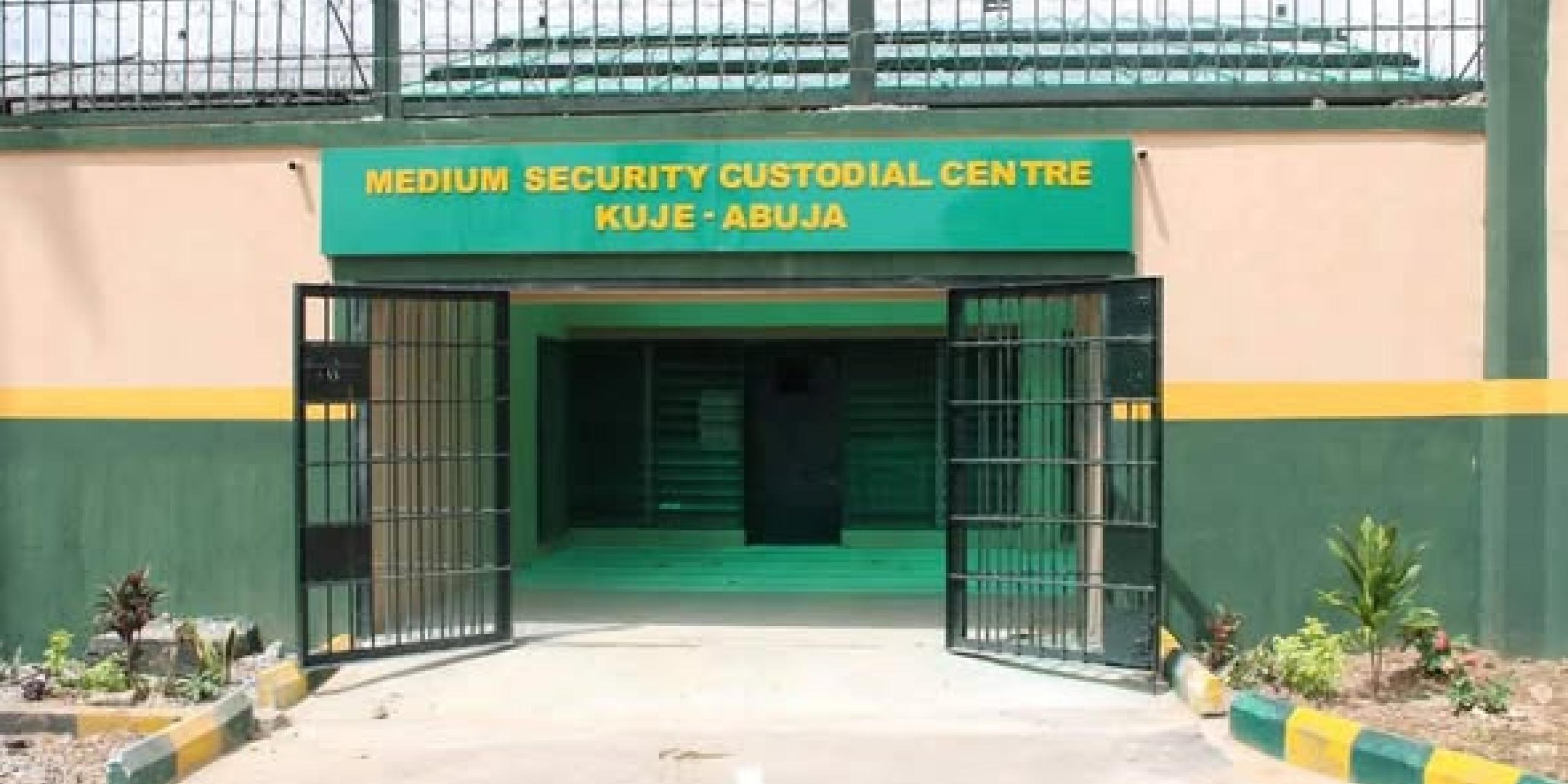
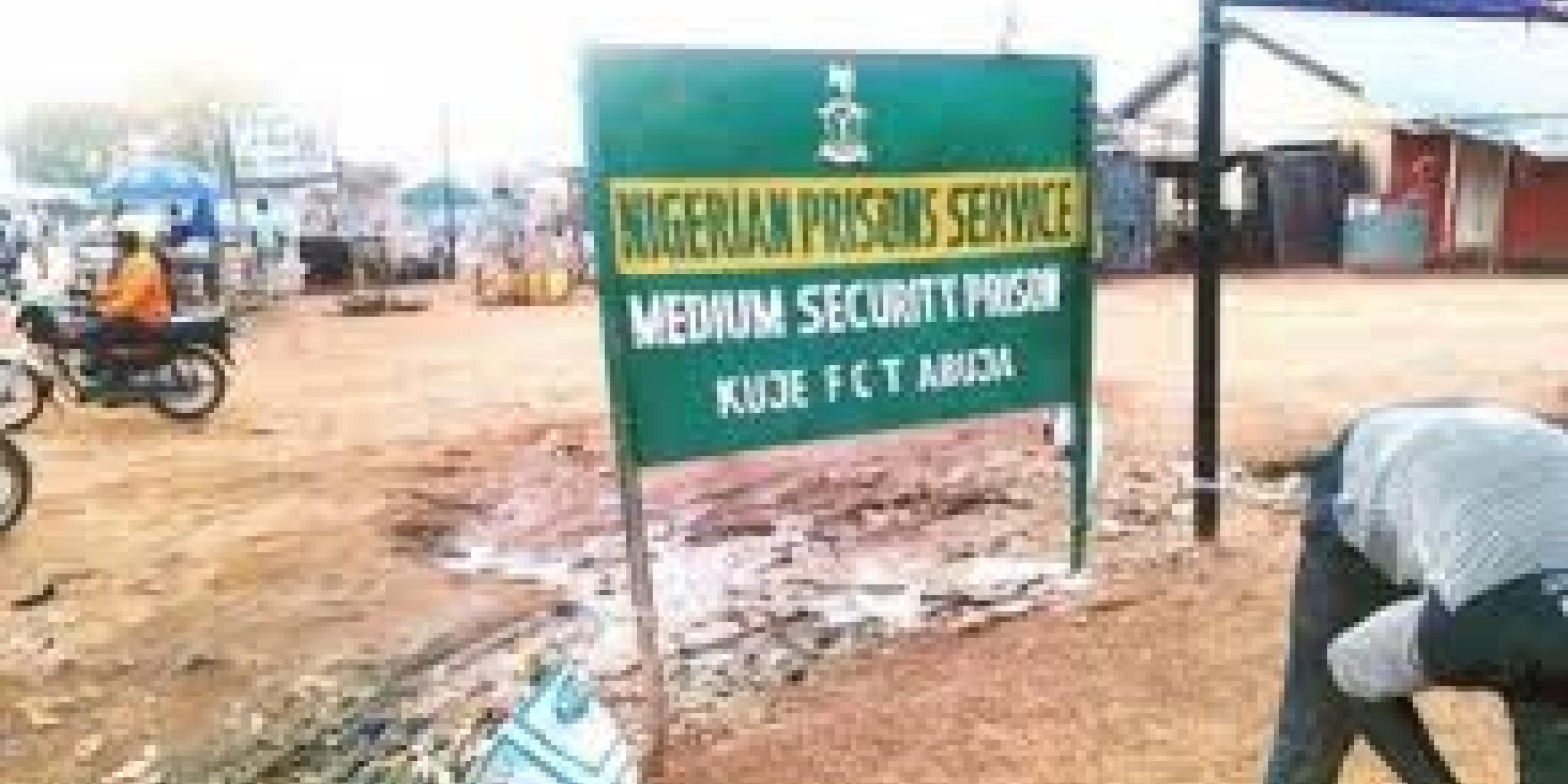
    Former Attorney General of the Federation, Abubakar Malami (SAN), has reportedly slowed the processing of his bail following a heavy deployment of Department of State Services (DSS) operatives at the Kuje Medium Security Custodial Centre (MSCC) in Abuja. Sources indicate that over 50 DSS officers established a perimeter around the prison, arriving in a convoy of approximately six Toyota Hilux vans, amid fears that Malami could be immediately rearrested in connection with an ongoing terrorism financing investigation.

    Malami, who was granted bail by the Federal High Court in Abuja in his N8.7 billion money laundering case, instructed his legal team to delay the release process, remaining in the VIP segregation cell of the prison, a section previously refurbished by former police intelligence chief Abba Kyari and known for housing high-profile detainees. His son, Abubakar Abdulaziz, and fourth wife, Hajia Bashir Asabe, remain at the facility, with Abdulaziz reportedly admitted to the prison clinic for observation after falling ill.

    The EFCC had arraigned Malami, Asabe, and Abdulaziz on a 16-count charge involving conspiracy, laundering, and concealment of unlawful proceeds totaling ₦8,713,923,759.49 under the Money Laundering (Prevention and Prohibition) Act, 2022. While terrorism financing is not part of the formal charges, security sources link ongoing investigations to Malami and other high-profile figures regarding the flow of Abacha loot recovered from Switzerland and the UK.

    Retired Army General Danjuma Ali-Keffi, former head of counter-terrorism Task Force Operation Service Wide (OSW), revealed that investigations into Boko Haram financiers exposed networks allegedly connected to senior military officers, top financial officials, and government figures, including Malami. Ali-Keffi claimed Malami interfered with these investigations by removing key prosecutors and influencing the release of certain suspects, actions that undermined anti-terrorism operations.

    This unfolding situation underscores heightened tensions between Nigerian law enforcement agencies and high-profile figures, highlighting the complex interplay of money laundering, terrorism financing probes, and political influence. Authorities remain on high alert as Malami’s legal maneuvering continues amid nationwide scrutiny of his activities.


    Malami Delays Bail as DSS Besiege Kuje Prison Over Terrorism Financing Probe – Inside the High-Stakes Showdown Former Attorney General of the Federation, Abubakar Malami (SAN), has reportedly slowed the processing of his bail following a heavy deployment of Department of State Services (DSS) operatives at the Kuje Medium Security Custodial Centre (MSCC) in Abuja. Sources indicate that over 50 DSS officers established a perimeter around the prison, arriving in a convoy of approximately six Toyota Hilux vans, amid fears that Malami could be immediately rearrested in connection with an ongoing terrorism financing investigation. Malami, who was granted bail by the Federal High Court in Abuja in his N8.7 billion money laundering case, instructed his legal team to delay the release process, remaining in the VIP segregation cell of the prison, a section previously refurbished by former police intelligence chief Abba Kyari and known for housing high-profile detainees. His son, Abubakar Abdulaziz, and fourth wife, Hajia Bashir Asabe, remain at the facility, with Abdulaziz reportedly admitted to the prison clinic for observation after falling ill. The EFCC had arraigned Malami, Asabe, and Abdulaziz on a 16-count charge involving conspiracy, laundering, and concealment of unlawful proceeds totaling ₦8,713,923,759.49 under the Money Laundering (Prevention and Prohibition) Act, 2022. While terrorism financing is not part of the formal charges, security sources link ongoing investigations to Malami and other high-profile figures regarding the flow of Abacha loot recovered from Switzerland and the UK. Retired Army General Danjuma Ali-Keffi, former head of counter-terrorism Task Force Operation Service Wide (OSW), revealed that investigations into Boko Haram financiers exposed networks allegedly connected to senior military officers, top financial officials, and government figures, including Malami. Ali-Keffi claimed Malami interfered with these investigations by removing key prosecutors and influencing the release of certain suspects, actions that undermined anti-terrorism operations. This unfolding situation underscores heightened tensions between Nigerian law enforcement agencies and high-profile figures, highlighting the complex interplay of money laundering, terrorism financing probes, and political influence. Authorities remain on high alert as Malami’s legal maneuvering continues amid nationwide scrutiny of his activities.
    0 Comments ·0 Shares ·684 Views
  • DSS Deploys 50+ Operatives to Kuje Prison Amid Malami Bail in N8.7B Money Laundering Case

    The Department of State Services (DSS) has deployed more than 50 operatives to the Kuje Medium Security Custodial Centre (MSCC) in Abuja, following the granting of bail to former Attorney General of the Federation (AGF) Abubakar Malami. The deployment, which involved a convoy of six Toyota Hilux vans, reportedly aims to prevent Malami from evading ongoing investigations linked to terrorism financing, despite the Economic and Financial Crimes Commission (EFCC) charging him primarily with money laundering.

    Justice Emeka Nwite of the Federal High Court in Abuja granted Malami bail on Wednesday, January 8, 2026, with conditions including ₦500 million surety bonds, ownership of landed property in highbrow Abuja districts such as Asokoro, Maitama, or Gwarinpa, and deposit of travel documents with the court. Malami, his son Abdulaziz Malami, and his wife Bashir Asabe face a 16-count charge for allegedly laundering ₦8.7 billion. He was barred from leaving the country without prior court approval.

    Sources described a tense atmosphere at Kuje Prison, with DSS operatives taking strategic positions around the facility, monitoring all entries and exits, and enforcing heightened security measures. The intense deployment indicates the sensitive nature of the case and the perceived risks surrounding Malami’s custody.

    Background context reveals that Malami’s legal and financial activities have previously intersected with terrorism financing investigations under Operation Service Wide (OSW), led by retired Army General Danjuma Ali-Keffi. Launched in 2021, OSW sought to dismantle financial networks supporting Boko Haram. The operation identified alleged links between some high-profile Nigerians—including former Army Chiefs Tukur Yusuf Buratai and Faruk Yahaya, former CBN Governor Godwin Emefiele, and Malami—and suspects connected to terrorism financing.

    Ali-Keffi clarified that his revelations did not accuse Malami or others of terrorism financing but highlighted connections identified during investigations. He alleged that Malami interfered with OSW by removing a senior prosecution lawyer who refused to compromise on evidence against 48 terrorism financing suspects, potentially redirecting cases toward money laundering charges under the EFCC’s supervision.

    The DSS deployment at Kuje Prison, combined with strict bail conditions, underscores the high stakes surrounding Malami’s trial. The case exemplifies the intersection of corruption, terrorism financing, and accountability in Nigeria, with multiple agencies maintaining vigilance over proceedings involving senior political and security figures.

    DSS Deploys 50+ Operatives to Kuje Prison Amid Malami Bail in N8.7B Money Laundering Case The Department of State Services (DSS) has deployed more than 50 operatives to the Kuje Medium Security Custodial Centre (MSCC) in Abuja, following the granting of bail to former Attorney General of the Federation (AGF) Abubakar Malami. The deployment, which involved a convoy of six Toyota Hilux vans, reportedly aims to prevent Malami from evading ongoing investigations linked to terrorism financing, despite the Economic and Financial Crimes Commission (EFCC) charging him primarily with money laundering. Justice Emeka Nwite of the Federal High Court in Abuja granted Malami bail on Wednesday, January 8, 2026, with conditions including ₦500 million surety bonds, ownership of landed property in highbrow Abuja districts such as Asokoro, Maitama, or Gwarinpa, and deposit of travel documents with the court. Malami, his son Abdulaziz Malami, and his wife Bashir Asabe face a 16-count charge for allegedly laundering ₦8.7 billion. He was barred from leaving the country without prior court approval. Sources described a tense atmosphere at Kuje Prison, with DSS operatives taking strategic positions around the facility, monitoring all entries and exits, and enforcing heightened security measures. The intense deployment indicates the sensitive nature of the case and the perceived risks surrounding Malami’s custody. Background context reveals that Malami’s legal and financial activities have previously intersected with terrorism financing investigations under Operation Service Wide (OSW), led by retired Army General Danjuma Ali-Keffi. Launched in 2021, OSW sought to dismantle financial networks supporting Boko Haram. The operation identified alleged links between some high-profile Nigerians—including former Army Chiefs Tukur Yusuf Buratai and Faruk Yahaya, former CBN Governor Godwin Emefiele, and Malami—and suspects connected to terrorism financing. Ali-Keffi clarified that his revelations did not accuse Malami or others of terrorism financing but highlighted connections identified during investigations. He alleged that Malami interfered with OSW by removing a senior prosecution lawyer who refused to compromise on evidence against 48 terrorism financing suspects, potentially redirecting cases toward money laundering charges under the EFCC’s supervision. The DSS deployment at Kuje Prison, combined with strict bail conditions, underscores the high stakes surrounding Malami’s trial. The case exemplifies the intersection of corruption, terrorism financing, and accountability in Nigeria, with multiple agencies maintaining vigilance over proceedings involving senior political and security figures.
    0 Comments ·0 Shares ·593 Views
  • DSS Deploys 50+ Operatives to Kuje Prison Amid Abubakar Malami Bail in N8.7B Money Laundering Case

    The Department of State Services (DSS) has deployed over 50 operatives to Kuje Medium Security Custodial Centre (MSCC) in Abuja, placing the prison under heavy security following the bail granted to former Attorney General of the Federation (AGF) Abubakar Malami. The move is reportedly a precautionary measure to ensure Malami does not evade investigations related to terrorism financing, despite the fact that the charges filed by the Economic and Financial Crimes Commission (EFCC) focus on money laundering.

    Malami, currently remanded at Kuje Prison, was granted bail on Wednesday, January 8, 2026, by Justice Emeka Nwite of the Federal High Court in Abuja. Bail conditions include ₦500 million surety bonds, ownership of landed property in highbrow districts such as Asokoro, Maitama, or Gwarinpa, deposit of travel documents, and an absolute ban on leaving Nigeria without prior court permission. The bail hearing was part of a 16-count charge filed against Malami, his son Abdulaziz Malami, and his wife Bashir Asabe, collectively accused of laundering ₦8.7 billion.

    Sources describe a tense atmosphere at Kuje, with DSS operatives stationed strategically, monitoring all entries and exits, using approximately six Toyota Hilux vans to maintain control over the prison perimeter. The deployment highlights the critical nature of the ongoing investigation.

    Background reports indicate that Malami’s legal and financial activities have previously intersected with broader terrorism financing investigations led by retired Nigerian Army General Danjuma Ali-Keffi under Operation Service Wide (OSW). The operation, initiated in 2021, aimed to track financial networks linked to Boko Haram and uncovered alleged links between some high-profile officials—including former Army Chiefs Tukur Yusuf Buratai and Faruk Yahaya, as well as Malami and former CBN Governor Godwin Emefiele—and suspects arrested for terrorism financing.

    Ali-Keffi clarified that he was not accusing these officials of terrorism financing but stated that investigations revealed connections between them and some suspects. He also alleged that Malami had interfered with the OSW investigation by removing a senior prosecution lawyer who had resisted compromises on cases involving 48 terrorism financing suspects.

    The DSS deployment, combined with the stringent bail conditions, reflects the high stakes and sensitivity surrounding Malami’s ongoing trial and the broader investigations into the alleged misuse of funds tied to insurgent activities.

    The unfolding situation has drawn attention to the intersection of high-level corruption, terrorism financing, and law enforcement accountability in Nigeria, signaling the continued involvement of multiple agencies in overseeing cases with national security implications.
    DSS Deploys 50+ Operatives to Kuje Prison Amid Abubakar Malami Bail in N8.7B Money Laundering Case The Department of State Services (DSS) has deployed over 50 operatives to Kuje Medium Security Custodial Centre (MSCC) in Abuja, placing the prison under heavy security following the bail granted to former Attorney General of the Federation (AGF) Abubakar Malami. The move is reportedly a precautionary measure to ensure Malami does not evade investigations related to terrorism financing, despite the fact that the charges filed by the Economic and Financial Crimes Commission (EFCC) focus on money laundering. Malami, currently remanded at Kuje Prison, was granted bail on Wednesday, January 8, 2026, by Justice Emeka Nwite of the Federal High Court in Abuja. Bail conditions include ₦500 million surety bonds, ownership of landed property in highbrow districts such as Asokoro, Maitama, or Gwarinpa, deposit of travel documents, and an absolute ban on leaving Nigeria without prior court permission. The bail hearing was part of a 16-count charge filed against Malami, his son Abdulaziz Malami, and his wife Bashir Asabe, collectively accused of laundering ₦8.7 billion. Sources describe a tense atmosphere at Kuje, with DSS operatives stationed strategically, monitoring all entries and exits, using approximately six Toyota Hilux vans to maintain control over the prison perimeter. The deployment highlights the critical nature of the ongoing investigation. Background reports indicate that Malami’s legal and financial activities have previously intersected with broader terrorism financing investigations led by retired Nigerian Army General Danjuma Ali-Keffi under Operation Service Wide (OSW). The operation, initiated in 2021, aimed to track financial networks linked to Boko Haram and uncovered alleged links between some high-profile officials—including former Army Chiefs Tukur Yusuf Buratai and Faruk Yahaya, as well as Malami and former CBN Governor Godwin Emefiele—and suspects arrested for terrorism financing. Ali-Keffi clarified that he was not accusing these officials of terrorism financing but stated that investigations revealed connections between them and some suspects. He also alleged that Malami had interfered with the OSW investigation by removing a senior prosecution lawyer who had resisted compromises on cases involving 48 terrorism financing suspects. The DSS deployment, combined with the stringent bail conditions, reflects the high stakes and sensitivity surrounding Malami’s ongoing trial and the broader investigations into the alleged misuse of funds tied to insurgent activities. The unfolding situation has drawn attention to the intersection of high-level corruption, terrorism financing, and law enforcement accountability in Nigeria, signaling the continued involvement of multiple agencies in overseeing cases with national security implications.
    0 Comments ·0 Shares ·688 Views
  • Are Nigeria’s New Tax Laws Unconstitutional? Why a Lawyer Is Suing the Federal Government Over Multiple Budgets, Fiscal Transparency, and the 2026 Tax Reforms

    Is Nigeria running its finances in violation of its own laws—and could the country’s new tax regime be declared unconstitutional? These are the questions now before the Federal High Court in Lagos following a landmark lawsuit filed by human rights lawyer, Mr. Tilewa Oyefeso.

    Oyefeso has dragged the Federal Government, the Senate President, the Speaker of the House of Representatives, the National Assembly, and the Attorney-General of the Federation to court, challenging what he describes as Nigeria’s “opaque and undisciplined fiscal regime.” At the heart of the case is the government’s practice of operating multiple federal budgets simultaneously and introducing new tax laws that he claims contradict both the Constitution and the Fiscal Responsibility Act (FRA) 2007.

    According to the suit, the Federal Government has extended capital components of the 2024 Appropriation Act into 2025 and 2026 while the 2025 budget is already in force—effectively running overlapping budgets. Oyefeso is asking the court to determine whether this practice complies with Nigeria’s Medium-Term Expenditure Framework (MTEF) and the unified annual budgeting system mandated by fiscal law.

    Why does this matter? The lawyer argues that overlapping budgets, supplementary appropriations, and extended capital projects undermine fiscal transparency, distort expenditure projections, and weaken the macroeconomic discipline the Fiscal Responsibility Act was designed to protect. He also accuses the government of failing to publish quarterly budget implementation reports within the legally required 30-day period—an omission he says makes it impossible for citizens to track public spending or hold authorities accountable.

    But the lawsuit goes beyond budgets. Oyefeso is also challenging four major tax laws scheduled to take effect from January 1, 2026: the Nigeria Tax Act 2025, the Nigeria Revenue Service (Establishment) Act 2025, the Joint Revenue Board of Nigeria (Establishment) Act 2025, and the Nigeria Tax Administration Act 2025.

    He contends that the new tax framework prioritises aggressive revenue generation without first ensuring compliance with constitutional limits on borrowing, deficit thresholds, fiscal accountability, and transparency. Citing Section 16 of the 1999 Constitution, which outlines Nigeria’s economic objectives, Oyefeso argues that fiscal and tax policies must promote social justice, equitable wealth distribution, macroeconomic stability, and the welfare of citizens—not merely expand government revenue.

    One of his key claims is that the reforms ignore the Fiscal Responsibility Act’s requirement that fiscal deficits should not exceed three per cent of GDP unless expressly approved by the National Assembly. By allegedly sidestepping these safeguards, he says, the new tax laws form part of a broader unconstitutional fiscal structure.

    Among the reliefs sought, Oyefeso is asking the court to declare the four tax laws unconstitutional, null, and void. He also wants an order of mandamus compelling the National Assembly to amend the Fiscal Responsibility Act to strengthen transparency, fiscal discipline, and prudent resource management. In addition, he seeks a perpetual injunction to halt the implementation of the new tax laws pending such amendments.

    What could this mean for Nigeria’s economy and governance? If the court upholds his arguments, the ruling could upend Nigeria’s 2026 tax framework, force reforms to budgetary practices, and redefine how fiscal responsibility is enforced under the Constitution.

    For now, the defendants have 30 days to respond, and the case is yet to be assigned to a judge. But the questions raised are already resonating nationwide: Is Nigeria violating its own fiscal laws? Are the new tax reforms legally sound? And will the courts finally impose transparency on how public funds are budgeted, spent, and taxed?
    Are Nigeria’s New Tax Laws Unconstitutional? Why a Lawyer Is Suing the Federal Government Over Multiple Budgets, Fiscal Transparency, and the 2026 Tax Reforms Is Nigeria running its finances in violation of its own laws—and could the country’s new tax regime be declared unconstitutional? These are the questions now before the Federal High Court in Lagos following a landmark lawsuit filed by human rights lawyer, Mr. Tilewa Oyefeso. Oyefeso has dragged the Federal Government, the Senate President, the Speaker of the House of Representatives, the National Assembly, and the Attorney-General of the Federation to court, challenging what he describes as Nigeria’s “opaque and undisciplined fiscal regime.” At the heart of the case is the government’s practice of operating multiple federal budgets simultaneously and introducing new tax laws that he claims contradict both the Constitution and the Fiscal Responsibility Act (FRA) 2007. According to the suit, the Federal Government has extended capital components of the 2024 Appropriation Act into 2025 and 2026 while the 2025 budget is already in force—effectively running overlapping budgets. Oyefeso is asking the court to determine whether this practice complies with Nigeria’s Medium-Term Expenditure Framework (MTEF) and the unified annual budgeting system mandated by fiscal law. Why does this matter? The lawyer argues that overlapping budgets, supplementary appropriations, and extended capital projects undermine fiscal transparency, distort expenditure projections, and weaken the macroeconomic discipline the Fiscal Responsibility Act was designed to protect. He also accuses the government of failing to publish quarterly budget implementation reports within the legally required 30-day period—an omission he says makes it impossible for citizens to track public spending or hold authorities accountable. But the lawsuit goes beyond budgets. Oyefeso is also challenging four major tax laws scheduled to take effect from January 1, 2026: the Nigeria Tax Act 2025, the Nigeria Revenue Service (Establishment) Act 2025, the Joint Revenue Board of Nigeria (Establishment) Act 2025, and the Nigeria Tax Administration Act 2025. He contends that the new tax framework prioritises aggressive revenue generation without first ensuring compliance with constitutional limits on borrowing, deficit thresholds, fiscal accountability, and transparency. Citing Section 16 of the 1999 Constitution, which outlines Nigeria’s economic objectives, Oyefeso argues that fiscal and tax policies must promote social justice, equitable wealth distribution, macroeconomic stability, and the welfare of citizens—not merely expand government revenue. One of his key claims is that the reforms ignore the Fiscal Responsibility Act’s requirement that fiscal deficits should not exceed three per cent of GDP unless expressly approved by the National Assembly. By allegedly sidestepping these safeguards, he says, the new tax laws form part of a broader unconstitutional fiscal structure. Among the reliefs sought, Oyefeso is asking the court to declare the four tax laws unconstitutional, null, and void. He also wants an order of mandamus compelling the National Assembly to amend the Fiscal Responsibility Act to strengthen transparency, fiscal discipline, and prudent resource management. In addition, he seeks a perpetual injunction to halt the implementation of the new tax laws pending such amendments. What could this mean for Nigeria’s economy and governance? If the court upholds his arguments, the ruling could upend Nigeria’s 2026 tax framework, force reforms to budgetary practices, and redefine how fiscal responsibility is enforced under the Constitution. For now, the defendants have 30 days to respond, and the case is yet to be assigned to a judge. But the questions raised are already resonating nationwide: Is Nigeria violating its own fiscal laws? Are the new tax reforms legally sound? And will the courts finally impose transparency on how public funds are budgeted, spent, and taxed?
    0 Comments ·0 Shares ·420 Views
  • Did Anyone Try to Bribe the Judge in Malami’s ₦8.7 Billion Money Laundering Trial? Why the Former AGF Is Denying Influence Claims, Accusing EFCC of a ‘Media Trial,’ and Insisting on Judicial Integrity

    Did anyone attempt to bribe or improperly influence the judge handling Abubakar Malami’s high-profile ₦8.7 billion money laundering case? Why did the former Attorney-General of the Federation feel compelled to issue a public denial? And is the Economic and Financial Crimes Commission (EFCC) conducting a legitimate prosecution—or, as Malami claims, waging a “media trial” aimed at damaging his reputation?

    Following a Federal High Court ruling in Maitama, Abuja, which granted bail to Malami, his wife, and their son, reports circulated suggesting that the presiding judge, Justice Emeka Nwite, had raised concerns about attempts to compromise the court. In response, Malami strongly rejected any insinuation that he—or anyone acting on his behalf—sought to influence the judge in any form.

    In a statement signed by his media aide, Mohammed Bello Doka, Malami described the allegation as “mischievous, false, and deliberately misleading.” He categorically stated that no member of his legal team, family, or associates approached or contemplated approaching the court for any favour. Any suggestion otherwise, he said, was reckless and intended to tarnish his public image.

    But what exactly did the judge say? According to Malami, Justice Nwite’s remarks were a routine judicial warning delivered to all counsel and litigants appearing before the court—not a statement directed at him or his co-defendants. He noted that the judge is known for consistently cautioning lawyers against any attempt to contact him outside formal proceedings, as part of his commitment to judicial probity.

    Why then did the controversy erupt? Malami accused the EFCC of “weaponising” a standard courtroom admonition and presenting it to the public as evidence of attempted interference. He argued that this narrative was crafted to prejudice public opinion and undermine due process rather than allow the case to be determined strictly on evidence.

    “The proper place to prove allegations is in the courtroom, not in the media,” Malami said, reiterating that neither he nor his family had offered any bribe or sought any special treatment. He maintained that he respects the sanctity of the judiciary, emphasising both his status as a Senior Advocate of Nigeria and his past role as the nation’s chief law officer.

    What is at stake? The case involves serious allegations of money laundering running into billions of naira against Malami, his wife, Hajia Bashir Asabe, and their son, Abubakar Abdulaziz Malami. During proceedings, Justice Nwite openly warned all parties not to attempt any personal approaches, stressing that legal representation—not backdoor contacts—is the only acceptable means of advocacy before his court.

    As the trial continues, a critical question remains for Nigerians: is this a straightforward judicial caution being misrepresented for headlines, or does the dispute reflect a deeper battle between a former top legal official and the country’s anti-graft agency over credibility, due process, and public perception?
    Did Anyone Try to Bribe the Judge in Malami’s ₦8.7 Billion Money Laundering Trial? Why the Former AGF Is Denying Influence Claims, Accusing EFCC of a ‘Media Trial,’ and Insisting on Judicial Integrity Did anyone attempt to bribe or improperly influence the judge handling Abubakar Malami’s high-profile ₦8.7 billion money laundering case? Why did the former Attorney-General of the Federation feel compelled to issue a public denial? And is the Economic and Financial Crimes Commission (EFCC) conducting a legitimate prosecution—or, as Malami claims, waging a “media trial” aimed at damaging his reputation? Following a Federal High Court ruling in Maitama, Abuja, which granted bail to Malami, his wife, and their son, reports circulated suggesting that the presiding judge, Justice Emeka Nwite, had raised concerns about attempts to compromise the court. In response, Malami strongly rejected any insinuation that he—or anyone acting on his behalf—sought to influence the judge in any form. In a statement signed by his media aide, Mohammed Bello Doka, Malami described the allegation as “mischievous, false, and deliberately misleading.” He categorically stated that no member of his legal team, family, or associates approached or contemplated approaching the court for any favour. Any suggestion otherwise, he said, was reckless and intended to tarnish his public image. But what exactly did the judge say? According to Malami, Justice Nwite’s remarks were a routine judicial warning delivered to all counsel and litigants appearing before the court—not a statement directed at him or his co-defendants. He noted that the judge is known for consistently cautioning lawyers against any attempt to contact him outside formal proceedings, as part of his commitment to judicial probity. Why then did the controversy erupt? Malami accused the EFCC of “weaponising” a standard courtroom admonition and presenting it to the public as evidence of attempted interference. He argued that this narrative was crafted to prejudice public opinion and undermine due process rather than allow the case to be determined strictly on evidence. “The proper place to prove allegations is in the courtroom, not in the media,” Malami said, reiterating that neither he nor his family had offered any bribe or sought any special treatment. He maintained that he respects the sanctity of the judiciary, emphasising both his status as a Senior Advocate of Nigeria and his past role as the nation’s chief law officer. What is at stake? The case involves serious allegations of money laundering running into billions of naira against Malami, his wife, Hajia Bashir Asabe, and their son, Abubakar Abdulaziz Malami. During proceedings, Justice Nwite openly warned all parties not to attempt any personal approaches, stressing that legal representation—not backdoor contacts—is the only acceptable means of advocacy before his court. As the trial continues, a critical question remains for Nigerians: is this a straightforward judicial caution being misrepresented for headlines, or does the dispute reflect a deeper battle between a former top legal official and the country’s anti-graft agency over credibility, due process, and public perception?
    0 Comments ·0 Shares ·456 Views
  • How Did Ex-AGF Abubakar Malami, His Sons Amass 57 Luxury Homes, Hotels, University Assets Worth ₦213 Billion? Inside the EFCC Money Laundering Case, Court Forfeiture Order, and Full Property List Shaking Nigeria

    How did a former Attorney-General of the Federation and Minister of Justice allegedly acquire 57 high-value properties across Abuja, Kebbi, Kano, and Kaduna? What explains the sudden emergence of luxury hotels, vast landed estates, factories, schools, filling stations, shopping complexes, and an entire private university tied to Abubakar Malami (SAN) and his two sons? And why has a Federal High Court now ordered the interim forfeiture of assets valued at a staggering ₦213.2 billion?

    In a dramatic legal move that has reignited national debate on corruption and elite wealth in Nigeria, Justice Emeka Nwite of the Federal High Court, Abuja, granted an ex-parte application filed by the Economic and Financial Crimes Commission (EFCC), authorising the temporary seizure of 57 properties allegedly linked to Malami and his sons, Abdulaziz and Abiru-Rahman. The court ruled that the assets are reasonably suspected to be proceeds of unlawful activity and should be preserved pending full investigation and trial.

    What exactly did investigators uncover? The forfeited properties include luxury duplexes in Maitama and Asokoro, high-end hotels in Abuja and Kano, shopping malls, warehouses, petrol stations, plazas, and sprawling estates across Kebbi State. Among the most striking assets are massive institutional holdings under the “Rayhaan” brand: Rayhaan University with multiple sites reportedly worth tens of billions of naira, agro-allied factories with heavy machinery, staff quarters, mosques, media outlets, model academies, and large commercial hubs such as Azbir Arena and Zeennoor Hotel in Kano.

    Why are these properties raising alarm? According to the EFCC, the scale, speed, and structure of the acquisitions—many made while Malami served as Nigeria’s chief law officer—point to potential money laundering and abuse of office. Several assets were allegedly purchased at relatively low values and later upgraded into multi-billion-naira developments. Others are held through foundations, companies, and educational or religious fronts, prompting questions about whether public office was leveraged to build a vast private empire.

    What happens next? The interim forfeiture does not yet mean permanent confiscation. The court has ordered that the assets be preserved while legal proceedings continue. Interested parties may be invited to show cause why the properties should not be finally forfeited to the Federal Government. Meanwhile, civil society groups and anti-corruption advocates are asking: will this case mark a turning point in Nigeria’s fight against high-level corruption, or will it join the long list of stalled elite prosecutions?

    As Nigerians digest the full list of 57 properties—ranging from luxury residences and hotels to universities, factories, schools, filling stations, and commercial plazas—the central question remains: how did a public official and his immediate family come to control assets worth over ₦213 billion, and will the courts finally provide answers that restore public trust?

    How Did Ex-AGF Abubakar Malami, His Sons Amass 57 Luxury Homes, Hotels, University Assets Worth ₦213 Billion? Inside the EFCC Money Laundering Case, Court Forfeiture Order, and Full Property List Shaking Nigeria How did a former Attorney-General of the Federation and Minister of Justice allegedly acquire 57 high-value properties across Abuja, Kebbi, Kano, and Kaduna? What explains the sudden emergence of luxury hotels, vast landed estates, factories, schools, filling stations, shopping complexes, and an entire private university tied to Abubakar Malami (SAN) and his two sons? And why has a Federal High Court now ordered the interim forfeiture of assets valued at a staggering ₦213.2 billion? In a dramatic legal move that has reignited national debate on corruption and elite wealth in Nigeria, Justice Emeka Nwite of the Federal High Court, Abuja, granted an ex-parte application filed by the Economic and Financial Crimes Commission (EFCC), authorising the temporary seizure of 57 properties allegedly linked to Malami and his sons, Abdulaziz and Abiru-Rahman. The court ruled that the assets are reasonably suspected to be proceeds of unlawful activity and should be preserved pending full investigation and trial. What exactly did investigators uncover? The forfeited properties include luxury duplexes in Maitama and Asokoro, high-end hotels in Abuja and Kano, shopping malls, warehouses, petrol stations, plazas, and sprawling estates across Kebbi State. Among the most striking assets are massive institutional holdings under the “Rayhaan” brand: Rayhaan University with multiple sites reportedly worth tens of billions of naira, agro-allied factories with heavy machinery, staff quarters, mosques, media outlets, model academies, and large commercial hubs such as Azbir Arena and Zeennoor Hotel in Kano. Why are these properties raising alarm? According to the EFCC, the scale, speed, and structure of the acquisitions—many made while Malami served as Nigeria’s chief law officer—point to potential money laundering and abuse of office. Several assets were allegedly purchased at relatively low values and later upgraded into multi-billion-naira developments. Others are held through foundations, companies, and educational or religious fronts, prompting questions about whether public office was leveraged to build a vast private empire. What happens next? The interim forfeiture does not yet mean permanent confiscation. The court has ordered that the assets be preserved while legal proceedings continue. Interested parties may be invited to show cause why the properties should not be finally forfeited to the Federal Government. Meanwhile, civil society groups and anti-corruption advocates are asking: will this case mark a turning point in Nigeria’s fight against high-level corruption, or will it join the long list of stalled elite prosecutions? As Nigerians digest the full list of 57 properties—ranging from luxury residences and hotels to universities, factories, schools, filling stations, and commercial plazas—the central question remains: how did a public official and his immediate family come to control assets worth over ₦213 billion, and will the courts finally provide answers that restore public trust?
    0 Comments ·0 Shares ·511 Views
  • EFCC Lawyer Okutepa Urges Sanctions After Alleged Attempts to Influence Malami Money Laundering Trial
    January 7, 2026 – Abuja, Nigeria

    Senior Advocate of Nigeria (SAN) Jibrin Samuel Okutepa, lead prosecuting counsel for the EFCC, has called for decisive sanctions—including “naming and shaming”—against any lawyer or litigant who attempts to improperly influence judges.

    The call follows Federal High Court Justice Emeka Nwite’s revelation that he had been privately approached to compromise proceedings in the ongoing N8.7 billion money laundering case involving former Attorney-General of the Federation Abubakar Malami (SAN), his wife Hajia Bashir Asabe, and their son Abubakar Abdulaziz.

    Okutepa emphasized:

    Ethical conduct must be upheld by all legal practitioners.

    Judicial officers should arrest anyone attempting to gain favors improperly.

    Such misconduct threatens the integrity of Nigeria’s justice system.


    Case Overview:

    The defendants face 16-count charges of money laundering between 2015–2025.

    Allegations include using multiple bank accounts and property acquisitions across Abuja, Kano, and Kebbi to conceal the origin of funds.

    One count alleges the family directed Metropolitan Auto Tech Ltd to conceal over ₦1 billion in a Sterling Bank account.

    57 properties have been placed under interim forfeiture pending trial.

    Malami has consistently denied the allegations and was granted ₦500 million bail.

    Trial is set to commence February 17, 2026.


    The situation has sparked widespread calls within the legal community for the Legal Practitioners Disciplinary Committee (LPDC) to investigate and sanction any lawyer found culpable. Social media reactions highlight concerns about the potential politicization of high-profile corruption trials.

    EFCC Lawyer Okutepa Urges Sanctions After Alleged Attempts to Influence Malami Money Laundering Trial January 7, 2026 – Abuja, Nigeria Senior Advocate of Nigeria (SAN) Jibrin Samuel Okutepa, lead prosecuting counsel for the EFCC, has called for decisive sanctions—including “naming and shaming”—against any lawyer or litigant who attempts to improperly influence judges. The call follows Federal High Court Justice Emeka Nwite’s revelation that he had been privately approached to compromise proceedings in the ongoing N8.7 billion money laundering case involving former Attorney-General of the Federation Abubakar Malami (SAN), his wife Hajia Bashir Asabe, and their son Abubakar Abdulaziz. Okutepa emphasized: Ethical conduct must be upheld by all legal practitioners. Judicial officers should arrest anyone attempting to gain favors improperly. Such misconduct threatens the integrity of Nigeria’s justice system. Case Overview: The defendants face 16-count charges of money laundering between 2015–2025. Allegations include using multiple bank accounts and property acquisitions across Abuja, Kano, and Kebbi to conceal the origin of funds. One count alleges the family directed Metropolitan Auto Tech Ltd to conceal over ₦1 billion in a Sterling Bank account. 57 properties have been placed under interim forfeiture pending trial. Malami has consistently denied the allegations and was granted ₦500 million bail. Trial is set to commence February 17, 2026. The situation has sparked widespread calls within the legal community for the Legal Practitioners Disciplinary Committee (LPDC) to investigate and sanction any lawyer found culpable. Social media reactions highlight concerns about the potential politicization of high-profile corruption trials.
    0 Comments ·0 Shares ·413 Views
  • BREAKING: Abuja Court Orders Interim Forfeiture of 57 Properties Linked to Former AGF Malami
    January 7, 2026 – Legal / Nigeria

    The Federal High Court in Abuja has ordered the interim forfeiture of 57 properties linked to former Attorney-General of the Federation, Abubakar Malami, SAN, following an ex-parte application by the EFCC.

    Justice Emeka Nwite granted the order, temporarily vesting control of the multi-billion-naira real estate assets in the Federal Government. The properties, spread across Abuja, Kebbi, Kano, and Kaduna, include luxury hotels, duplexes, plazas, warehouses, shopping units, and residential estates.

    The EFCC suspects these assets are proceeds of unlawful activities carried out between 2015 and 2025 during Malami’s tenure as AGF. The court has directed that the forfeiture order be published in a national newspaper to allow third parties to contest the action within 14 days.

    This interim forfeiture is linked to ongoing criminal proceedings against Malami, his wife, and son, who face a N8.7 billion money laundering charge. The EFCC alleges that they used bank accounts and extensive property acquisitions to conceal illicit funds.

    Malami has denied any wrongdoing and was granted N500 million bail.

    BREAKING: Abuja Court Orders Interim Forfeiture of 57 Properties Linked to Former AGF Malami January 7, 2026 – Legal / Nigeria The Federal High Court in Abuja has ordered the interim forfeiture of 57 properties linked to former Attorney-General of the Federation, Abubakar Malami, SAN, following an ex-parte application by the EFCC. Justice Emeka Nwite granted the order, temporarily vesting control of the multi-billion-naira real estate assets in the Federal Government. The properties, spread across Abuja, Kebbi, Kano, and Kaduna, include luxury hotels, duplexes, plazas, warehouses, shopping units, and residential estates. The EFCC suspects these assets are proceeds of unlawful activities carried out between 2015 and 2025 during Malami’s tenure as AGF. The court has directed that the forfeiture order be published in a national newspaper to allow third parties to contest the action within 14 days. This interim forfeiture is linked to ongoing criminal proceedings against Malami, his wife, and son, who face a N8.7 billion money laundering charge. The EFCC alleges that they used bank accounts and extensive property acquisitions to conceal illicit funds. Malami has denied any wrongdoing and was granted N500 million bail.
    0 Comments ·0 Shares ·543 Views
More Results
Fintter https://fintter.com