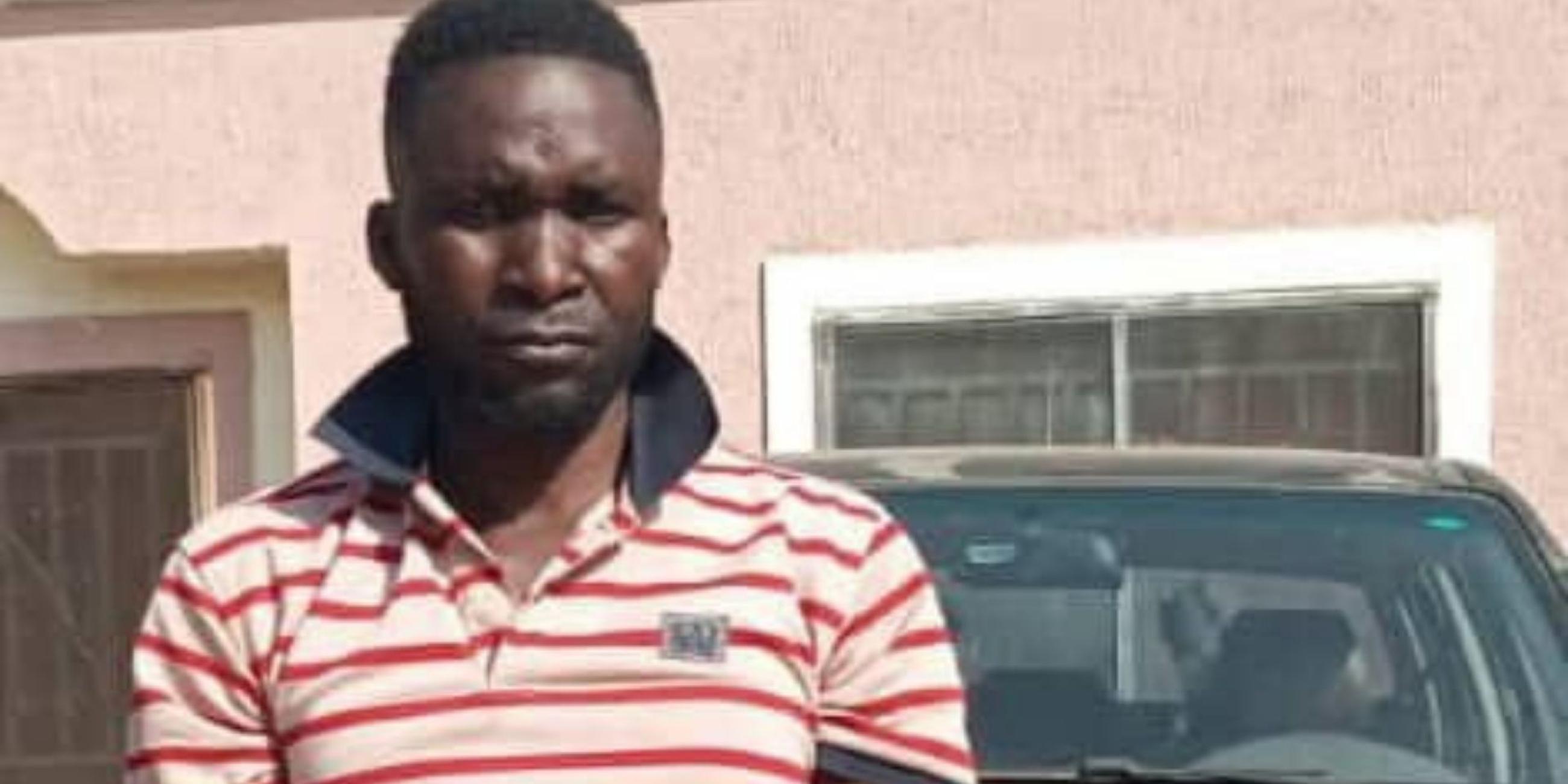
• The Court of Appeal in Ilorin, Kwara State, has upheld the death sentences of five men convicted for their roles in the 2018 Offa bank robbery.

    The appellate court dismissed their appeals, ruling that they lacked merit, and unanimously affirmed the earlier judgment of the Kwara State High Court, which sentenced the convicts to death by hanging.

    The decision was delivered by a three-member panel comprising Justices Ridwan Maiwada Abdullahi, Gabriel Kolawole, and Abdul Dogo.

    According to the Director of Public Prosecution, Mohammed Akande, the court confirmed the sentences against Niyi Ogundiran, Salawu Azeez, Ibikunle Ogunleye, Ayoade Akinnibosun, and Adeola Adeola Abraham.

    Despite the ruling, the convicts still retain the legal right to approach the Supreme Court for a final appeal.

    #Nigeria #OffaRobbery #CourtOfAppeal #Justice
    The Court of Appeal in Ilorin, Kwara State, has upheld the death sentences of five men convicted for their roles in the 2018 Offa bank robbery. The appellate court dismissed their appeals, ruling that they lacked merit, and unanimously affirmed the earlier judgment of the Kwara State High Court, which sentenced the convicts to death by hanging. The decision was delivered by a three-member panel comprising Justices Ridwan Maiwada Abdullahi, Gabriel Kolawole, and Abdul Dogo. According to the Director of Public Prosecution, Mohammed Akande, the court confirmed the sentences against Niyi Ogundiran, Salawu Azeez, Ibikunle Ogunleye, Ayoade Akinnibosun, and Adeola Adeola Abraham. Despite the ruling, the convicts still retain the legal right to approach the Supreme Court for a final appeal. #Nigeria #OffaRobbery #CourtOfAppeal #Justice
    love
    1
    · 0 Commentarios ·0 Acciones ·1K Views
  • The United States Africa Command (AFRICOM) has reaffirmed its commitment to stronger collaboration with the National Drug Law Enforcement Agency (NDLEA) in the fight against illicit drugs. A high-level US delegation led by Philip Esch, the US Drug Enforcement Administration’s Liaison to AFRICOM, met with NDLEA Chairman, Brig-Gen. Mohamed Buba Marwa (Rtd), praising the agency’s leadership and effectiveness. Esch described the partnership between NDLEA and the US-DEA as vital to the US government and expressed confidence in continued cooperation following the renewal of Marwa’s tenure. Another delegate, James Elseth, commended NDLEA’s international outlook, noting that its operations in Nigeria also enhance global security. He disclosed that two major support projects, alongside training programmes, were already underway. In response, Marwa thanked AFRICOM for its sustained assistance, attributing NDLEA’s successes to international partnerships and the support of the Tinubu administration. He called for further assistance, particularly in airport scanning equipment, digital forensic tools, detection devices, laboratory facilities, and sniffer dogs, stressing the growing link between drug trafficking and terrorism.

    The United States Africa Command (AFRICOM) has reaffirmed its commitment to stronger collaboration with the National Drug Law Enforcement Agency (NDLEA) in the fight against illicit drugs. A high-level US delegation led by Philip Esch, the US Drug Enforcement Administration’s Liaison to AFRICOM, met with NDLEA Chairman, Brig-Gen. Mohamed Buba Marwa (Rtd), praising the agency’s leadership and effectiveness. Esch described the partnership between NDLEA and the US-DEA as vital to the US government and expressed confidence in continued cooperation following the renewal of Marwa’s tenure. Another delegate, James Elseth, commended NDLEA’s international outlook, noting that its operations in Nigeria also enhance global security. He disclosed that two major support projects, alongside training programmes, were already underway. In response, Marwa thanked AFRICOM for its sustained assistance, attributing NDLEA’s successes to international partnerships and the support of the Tinubu administration. He called for further assistance, particularly in airport scanning equipment, digital forensic tools, detection devices, laboratory facilities, and sniffer dogs, stressing the growing link between drug trafficking and terrorism.
    love
    1
    · 0 Commentarios ·0 Acciones ·516 Views
  • Nigerian Research Institute to Spend N1.1B on Grinding & Welding Equipment to Empower Youths and Women in 2026

    The National Cereals Research Institute has revealed plans to spend ₦1.1 billion on grinding machines, welding equipment, mobile carts, and vulcanising machines in 2026. The initiative aims to empower youths and women in the Niger Delta States to start small businesses.

    In addition, the institute allocated ₦4.1 billion to supply grains to rural farmers in selected South-South communities, and another ₦4.9 billion to purchase grains for farmers nationwide. A further ₦350 million is earmarked for capacity building for grain producers in South-West Nigeria.

    The announcement comes amid concerns raised by civic watchdog MonITng, which previously criticized empowerment projects in Aguata Federal Constituency, Anambra State, as mismanaged and outdated, arguing that providing wheelbarrows, hoes, and cutlasses does not adequately equip youths for today’s economy.

    MonITng stressed that true empowerment should combine skills training (like welding, ICT, tailoring, or agro-processing) with meaningful tools, rather than handing out obsolete implements.

    At a time when nations invest in technology-driven agriculture and digital empowerment, spending millions on cutlasses and wheelbarrows is a waste of public funds,” the group said.


    The 2026 plan by the Cereals Research Institute reflects a shift towards more practical and business-oriented empowerment programs, aimed at giving Nigerians the tools to create sustainable livelihoods.


    Nigerian Research Institute to Spend N1.1B on Grinding & Welding Equipment to Empower Youths and Women in 2026 The National Cereals Research Institute has revealed plans to spend ₦1.1 billion on grinding machines, welding equipment, mobile carts, and vulcanising machines in 2026. The initiative aims to empower youths and women in the Niger Delta States to start small businesses. In addition, the institute allocated ₦4.1 billion to supply grains to rural farmers in selected South-South communities, and another ₦4.9 billion to purchase grains for farmers nationwide. A further ₦350 million is earmarked for capacity building for grain producers in South-West Nigeria. The announcement comes amid concerns raised by civic watchdog MonITng, which previously criticized empowerment projects in Aguata Federal Constituency, Anambra State, as mismanaged and outdated, arguing that providing wheelbarrows, hoes, and cutlasses does not adequately equip youths for today’s economy. MonITng stressed that true empowerment should combine skills training (like welding, ICT, tailoring, or agro-processing) with meaningful tools, rather than handing out obsolete implements. At a time when nations invest in technology-driven agriculture and digital empowerment, spending millions on cutlasses and wheelbarrows is a waste of public funds,” the group said. The 2026 plan by the Cereals Research Institute reflects a shift towards more practical and business-oriented empowerment programs, aimed at giving Nigerians the tools to create sustainable livelihoods.
    like
    1
    · 0 Commentarios ·0 Acciones ·875 Views
  • Carter Efe replies to his girlfriend's statement that they had sëgx three days Ago. He said 👇🏻
    “It is true Ella and I did doggÿ three days ago. When it reach your turn, if someone offers you doggÿ, don’t accept. Her friends said I have been be@tïng her since 2023, why didn’t they talk all these while. They should keep posting all the evidence they have including that VDM who doesn’t like me. I am waiting. I have never laid my hands on her. She said I didn’t allow her to work yet she has a hair business that I always promote for her.
    Last year January, I was at home cryiñg but God has been so good to me, He changed everything. You all don’t know why I became lean suddenly, I have not been happy for over a year because she left me and was still draggiñg me to come and pay ₦1 million school fees. Who will be with a girl that has other plans with another man. It was because she left me that I focused on Twitch just to make myself happy and God used Twitch to change my life. I can now send money to my mum conveniently. Is it a crimë for me to tell you I am no longer interested in you, why are you draggiñg me?” — Carter Efe.

    `~ Music Heads Africa
    Carter Efe replies to his girlfriend's statement that they had sëgx three days Ago. He said 👇🏻 “It is true Ella and I did doggÿ three days ago. When it reach your turn, if someone offers you doggÿ, don’t accept. Her friends said I have been be@tïng her since 2023, why didn’t they talk all these while. They should keep posting all the evidence they have including that VDM who doesn’t like me. I am waiting. I have never laid my hands on her. She said I didn’t allow her to work yet she has a hair business that I always promote for her. Last year January, I was at home cryiñg but God has been so good to me, He changed everything. You all don’t know why I became lean suddenly, I have not been happy for over a year because she left me and was still draggiñg me to come and pay ₦1 million school fees. Who will be with a girl that has other plans with another man. It was because she left me that I focused on Twitch just to make myself happy and God used Twitch to change my life. I can now send money to my mum conveniently. Is it a crimë for me to tell you I am no longer interested in you, why are you draggiñg me?” — Carter Efe. `~ Music Heads Africa
    0 Commentarios ·0 Acciones ·460 Views
  • Wahala Don Happen Oo! Resident Doctors Suspend Strike After Talks With FG, But Say Matter Never Finish

    Wahala don happen for Nigeria’s health sector as the Association of Resident Doctors (ARD) has suspended its planned nationwide strike earlier fixed for Monday, January 12, 2026. The decision followed fresh engagements with the Federal Government, with the North-Central caucus of the association announcing the suspension in the interest of patients while discussions continue. However, caucus leader, Dr Fanen Dogoh, stressed that the issues that led to the strike threat remain unresolved. The doctors had planned industrial action over the government’s failure to honour a Memorandum of Understanding with NARD. Key demands include the reinstatement of doctors sacked from Federal Teaching Hospital, Lokoja, over union activities, and payment of outstanding salaries and allowances, including 18 months’ arrears owed in institutions such as FTH Makurdi and UITH Ilorin. Other grievances include delayed entry salaries, unpaid promotion arrears and non-implementation of reviewed professional allowances. The association warned it may resume the strike if concrete action is not taken.

    Wahala Don Happen Oo! Resident Doctors Suspend Strike After Talks With FG, But Say Matter Never Finish Wahala don happen for Nigeria’s health sector as the Association of Resident Doctors (ARD) has suspended its planned nationwide strike earlier fixed for Monday, January 12, 2026. The decision followed fresh engagements with the Federal Government, with the North-Central caucus of the association announcing the suspension in the interest of patients while discussions continue. However, caucus leader, Dr Fanen Dogoh, stressed that the issues that led to the strike threat remain unresolved. The doctors had planned industrial action over the government’s failure to honour a Memorandum of Understanding with NARD. Key demands include the reinstatement of doctors sacked from Federal Teaching Hospital, Lokoja, over union activities, and payment of outstanding salaries and allowances, including 18 months’ arrears owed in institutions such as FTH Makurdi and UITH Ilorin. Other grievances include delayed entry salaries, unpaid promotion arrears and non-implementation of reviewed professional allowances. The association warned it may resume the strike if concrete action is not taken.
    love
    1
    · 0 Commentarios ·0 Acciones ·619 Views
  • Wahala Don Burst: Boko Haram Demands $300,000 Ransom for Ex-Borno LG Vice Chairman!

    Naija, wahala don show again for Borno State! A fresh video has emerged showing Hon. Hassan Biu Miringa, former Vice Chairman of Biu Local Government Area, and another unidentified man, kidnapped by Boko Haram/ISWAP terrorists. In the chilling footage, the abductees pleaded for urgent help, saying their captors demand a whopping $300,000 (about N428 million) for their release.

    The victims were reportedly abducted on December 17, 2025, while travelling from Miringa to Maiduguri. One of them said, “Alhamdulillah, we are alive. We are calling on the government and individuals to come to our rescue.”

    The video captures their direct appeal to Borno State Deputy Governor Umar Usman Kadafur and other prominent figures including Hon. Mukhtar Betara Aliyu, Hon. Sule Ali Rimi, Hon. Yakubu Gambo Kimba, and Alhaji Musa Dogo Biu, urging immediate intervention.

    According to reports, Boko Haram and its ISWAP faction continue to terrorize communities in Borno, carrying out abductions, ransom demands, and attacks despite ongoing military operations in the northeast.

    The abductees’ families and the people of Borno are now anxiously hoping for a swift rescue as this latest act of terrorism underscores the persistent insecurity in the region.

    Wahala don burst oo, Nigerians dey pray say these men go return safely to their families.


    Wahala Don Burst: Boko Haram Demands $300,000 Ransom for Ex-Borno LG Vice Chairman! Naija, wahala don show again for Borno State! A fresh video has emerged showing Hon. Hassan Biu Miringa, former Vice Chairman of Biu Local Government Area, and another unidentified man, kidnapped by Boko Haram/ISWAP terrorists. In the chilling footage, the abductees pleaded for urgent help, saying their captors demand a whopping $300,000 (about N428 million) for their release. The victims were reportedly abducted on December 17, 2025, while travelling from Miringa to Maiduguri. One of them said, “Alhamdulillah, we are alive. We are calling on the government and individuals to come to our rescue.” The video captures their direct appeal to Borno State Deputy Governor Umar Usman Kadafur and other prominent figures including Hon. Mukhtar Betara Aliyu, Hon. Sule Ali Rimi, Hon. Yakubu Gambo Kimba, and Alhaji Musa Dogo Biu, urging immediate intervention. According to reports, Boko Haram and its ISWAP faction continue to terrorize communities in Borno, carrying out abductions, ransom demands, and attacks despite ongoing military operations in the northeast. The abductees’ families and the people of Borno are now anxiously hoping for a swift rescue as this latest act of terrorism underscores the persistent insecurity in the region. Wahala don burst oo, Nigerians dey pray say these men go return safely to their families.
    0 Commentarios ·0 Acciones ·1K Views
  • Are Nigeria’s Airstrikes Finally Turning the Tide? Nigerian Air Force Bombs Terrorist Hideouts in Borno’s Timbuktu Triangle Under Operation Hadin Kai

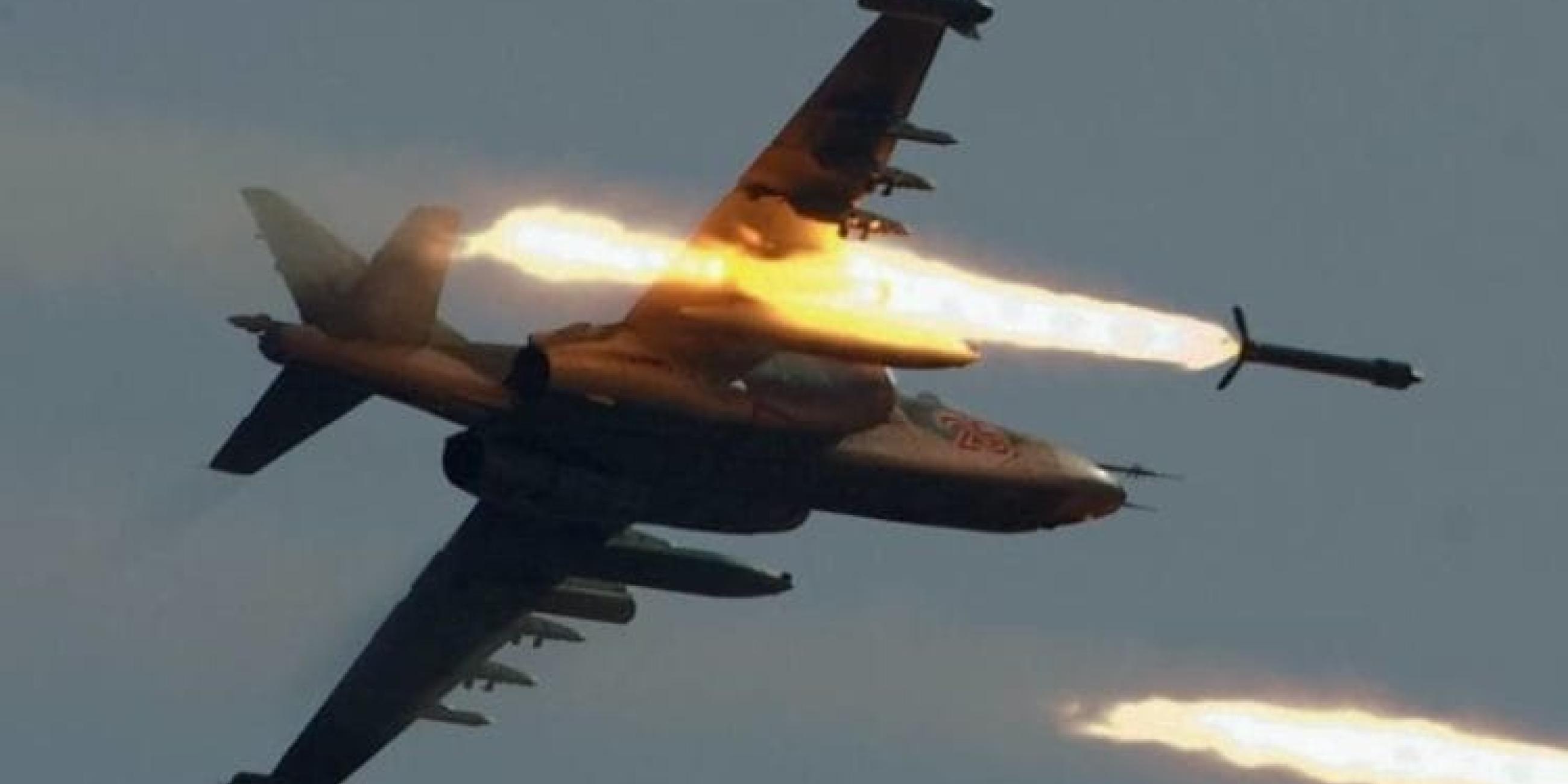
    Is Nigeria’s intensified air campaign beginning to weaken terrorist strongholds in the North-East? The Nigerian Air Force (NAF) has confirmed a major air interdiction operation targeting terrorist locations at AbbagaJiri in the Timbuktu Triangle of Borno State, carried out under the joint task force Operation Hadin Kai.

    According to a statement by the NAF Director of Public Relations and Information, Air Commodore Ehimen Ejodame, the mission followed multi-source intelligence that confirmed active terrorist presence, fortified structures, and concealed logistics facilities in the area. Based on this intelligence, NAF air assets were deployed for integrated surveillance and precision strikes on identified targets.

    The Air Force said the operation was carefully designed to degrade terrorist capabilities, deny them sanctuary, and shape the battlespace for advancing ground forces, while strictly adhering to rules of engagement and protecting non-combatants. Targeted structures believed to be used by terrorist elements were destroyed, while a follow-up strike neutralised armed fighters observed converging on the location.

    Speaking on the mission, the Chief of the Air Staff, Air Marshal Sunday Aneke, described the operation as evidence of the Air Force’s determination to deliver precise and decisive airpower in support of ground troops. He stated that NAF would continue to deny terrorists freedom of movement, hideouts, and logistics wherever they attempt to regroup.

    “Our operations are intelligence-led and carefully planned to achieve maximum impact on hostile elements while safeguarding innocent civilians,” Aneke said, reaffirming that pressure will be sustained until terrorist networks are completely dismantled. Ground troops who later advanced into the area reportedly confirmed the effectiveness of the airstrikes, validating the success of the joint air-land operation.

    The Borno operation follows a similar strike in December 2025, when NAF targeted bandit camps in Tsafe Local Government Area of Zamfara State under Operation Fansan Yamma, destroying positions linked to a notorious bandit leader, Kachalla Dogo Sule. Those strikes were also based on what NAF described as credible, multi-source intelligence.

    As Nigeria continues to battle insurgency and banditry across multiple regions, the latest operation raises key questions: Are precision airstrikes beginning to weaken terrorist networks? Can sustained intelligence-driven operations finally deny extremists safe havens? And will joint air-ground campaigns restore security to communities long terrorised by violence?

    Are Nigeria’s Airstrikes Finally Turning the Tide? Nigerian Air Force Bombs Terrorist Hideouts in Borno’s Timbuktu Triangle Under Operation Hadin Kai Is Nigeria’s intensified air campaign beginning to weaken terrorist strongholds in the North-East? The Nigerian Air Force (NAF) has confirmed a major air interdiction operation targeting terrorist locations at AbbagaJiri in the Timbuktu Triangle of Borno State, carried out under the joint task force Operation Hadin Kai. According to a statement by the NAF Director of Public Relations and Information, Air Commodore Ehimen Ejodame, the mission followed multi-source intelligence that confirmed active terrorist presence, fortified structures, and concealed logistics facilities in the area. Based on this intelligence, NAF air assets were deployed for integrated surveillance and precision strikes on identified targets. The Air Force said the operation was carefully designed to degrade terrorist capabilities, deny them sanctuary, and shape the battlespace for advancing ground forces, while strictly adhering to rules of engagement and protecting non-combatants. Targeted structures believed to be used by terrorist elements were destroyed, while a follow-up strike neutralised armed fighters observed converging on the location. Speaking on the mission, the Chief of the Air Staff, Air Marshal Sunday Aneke, described the operation as evidence of the Air Force’s determination to deliver precise and decisive airpower in support of ground troops. He stated that NAF would continue to deny terrorists freedom of movement, hideouts, and logistics wherever they attempt to regroup. “Our operations are intelligence-led and carefully planned to achieve maximum impact on hostile elements while safeguarding innocent civilians,” Aneke said, reaffirming that pressure will be sustained until terrorist networks are completely dismantled. Ground troops who later advanced into the area reportedly confirmed the effectiveness of the airstrikes, validating the success of the joint air-land operation. The Borno operation follows a similar strike in December 2025, when NAF targeted bandit camps in Tsafe Local Government Area of Zamfara State under Operation Fansan Yamma, destroying positions linked to a notorious bandit leader, Kachalla Dogo Sule. Those strikes were also based on what NAF described as credible, multi-source intelligence. As Nigeria continues to battle insurgency and banditry across multiple regions, the latest operation raises key questions: Are precision airstrikes beginning to weaken terrorist networks? Can sustained intelligence-driven operations finally deny extremists safe havens? And will joint air-ground campaigns restore security to communities long terrorised by violence?
    0 Commentarios ·0 Acciones ·1K Views


  • Why Did Uba Sani’s Campaign Director-General Quit APC for ADC? Does Prof Muhammad Sani Bello’s Resignation Signal a Growing Crack in Kaduna Politics Ahead of Future Elections?

    Is the All Progressives Congress (APC) beginning to lose key political figures in Kaduna State? That question has taken center stage following the resignation of Prof. Muhammad Sani Bello, the former Director-General of Governor Uba Sani’s 2023 Campaign Council, who has formally defected from the APC to the African Democratic Congress (ADC).

    Bello, a respected academic and former Commissioner of Education and Commissioner of Communications in Kaduna State, announced his decision in a resignation letter dated January 7, 2026, addressed to the APC Chairman of Dogarawa Ward, Sabon Gari Local Government Area. In the letter, he stated unequivocally: “This is to let you know of my decision to withdraw my membership of the APC with immediate effect.”

    Despite his exit, Bello maintained a diplomatic tone, expressing appreciation for his time in the party and describing his relationship with the APC as “mutually beneficial.” He concluded the letter with formal courtesies, signaling a calculated and orderly departure rather than a public confrontation.

    His defection is politically significant. Bello was not only a former commissioner but also a central strategist in Governor Uba Sani’s 2023 election victory, making his exit one of the most high-profile departures from the ruling party in Kaduna in recent times. Observers see the move as more than a routine party switch—it raises deeper questions about internal cohesion, loyalty, and ideological direction within the APC at the state level.

    Why did such a prominent figure abandon the ruling party for the ADC, a smaller but increasingly vocal opposition platform? While Bello did not publicly disclose his reasons beyond the formal resignation, analysts suggest the move may reflect growing dissatisfaction among some party elites, strategic realignment ahead of future elections, or concerns over political inclusion and governance style.

    The development also underscores the ADC’s quiet efforts to attract influential politicians, potentially reshaping opposition politics in Kaduna. With Bello’s credentials in governance, education, and communications, his presence could strengthen the ADC’s structure and messaging, especially in urban and intellectual circles.

    Politically, the defection fuels speculation about possible cracks within the APC’s power base in the state. Could more high-ranking members follow? Does this mark the beginning of a broader realignment ahead of upcoming electoral cycles? And what impact might this have on Governor Uba Sani’s political machinery?

    As Kaduna’s political landscape continues to evolve, Bello’s resignation from the APC and entry into the ADC signals a moment of uncertainty—and opportunity. Whether this move becomes a catalyst for wider shifts or remains an isolated defection will shape the balance of power in the state’s future political battles.


    Why Did Uba Sani’s Campaign Director-General Quit APC for ADC? Does Prof Muhammad Sani Bello’s Resignation Signal a Growing Crack in Kaduna Politics Ahead of Future Elections? Is the All Progressives Congress (APC) beginning to lose key political figures in Kaduna State? That question has taken center stage following the resignation of Prof. Muhammad Sani Bello, the former Director-General of Governor Uba Sani’s 2023 Campaign Council, who has formally defected from the APC to the African Democratic Congress (ADC). Bello, a respected academic and former Commissioner of Education and Commissioner of Communications in Kaduna State, announced his decision in a resignation letter dated January 7, 2026, addressed to the APC Chairman of Dogarawa Ward, Sabon Gari Local Government Area. In the letter, he stated unequivocally: “This is to let you know of my decision to withdraw my membership of the APC with immediate effect.” Despite his exit, Bello maintained a diplomatic tone, expressing appreciation for his time in the party and describing his relationship with the APC as “mutually beneficial.” He concluded the letter with formal courtesies, signaling a calculated and orderly departure rather than a public confrontation. His defection is politically significant. Bello was not only a former commissioner but also a central strategist in Governor Uba Sani’s 2023 election victory, making his exit one of the most high-profile departures from the ruling party in Kaduna in recent times. Observers see the move as more than a routine party switch—it raises deeper questions about internal cohesion, loyalty, and ideological direction within the APC at the state level. Why did such a prominent figure abandon the ruling party for the ADC, a smaller but increasingly vocal opposition platform? While Bello did not publicly disclose his reasons beyond the formal resignation, analysts suggest the move may reflect growing dissatisfaction among some party elites, strategic realignment ahead of future elections, or concerns over political inclusion and governance style. The development also underscores the ADC’s quiet efforts to attract influential politicians, potentially reshaping opposition politics in Kaduna. With Bello’s credentials in governance, education, and communications, his presence could strengthen the ADC’s structure and messaging, especially in urban and intellectual circles. Politically, the defection fuels speculation about possible cracks within the APC’s power base in the state. Could more high-ranking members follow? Does this mark the beginning of a broader realignment ahead of upcoming electoral cycles? And what impact might this have on Governor Uba Sani’s political machinery? As Kaduna’s political landscape continues to evolve, Bello’s resignation from the APC and entry into the ADC signals a moment of uncertainty—and opportunity. Whether this move becomes a catalyst for wider shifts or remains an isolated defection will shape the balance of power in the state’s future political battles.
    0 Commentarios ·0 Acciones ·872 Views
  • Is Superstition Holding Nigerian Communities Hostage? How Fear of ‘Poison,’ Rituals, and Dog Poop Is Fueling Paranoia, Poverty, and Exploitation – By Leo Igwe

    Is superstition silently destroying communities in Nigeria—and why are fear, paranoia, and ritual beliefs still shaping how people interpret illness, death, and misfortune?

    In this powerful and unsettling account, Leo Igwe recounts his return to his hometown in southeastern Nigeria after decades away, where he encountered what he describes as the toxic grip of superstition and irrational fear on everyday life. From the moment he arrived, Igwe says he witnessed how ordinary health issues were being interpreted as the work of unseen enemies using “poison,” spiritual attacks, or occult forces.

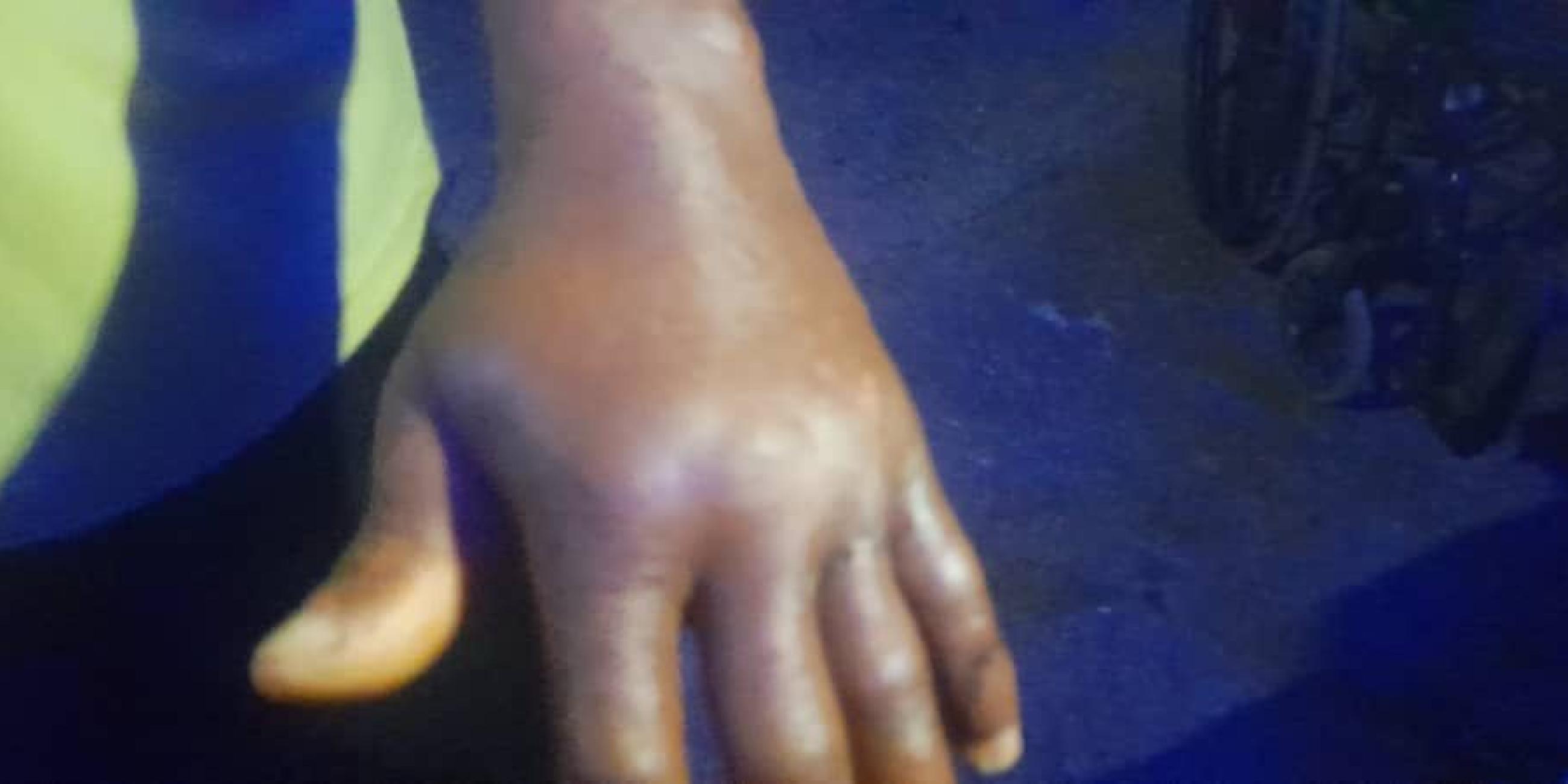
    A family housekeeper with a swollen hand claimed he had “picked up poison” while farming—an explanation widely accepted by community members, despite no one being able to describe what the poison was, how it worked, or where it came from. Rather than seeking medical help, the man was subjected to prayers, spiritual pressing, and ritual interventions, which only worsened the condition. For Igwe, this was a troubling reminder of how medical problems are often rebranded as spiritual attacks, delaying proper treatment and deepening fear.

    But why does this mindset persist? Igwe explains that in his community, no one is believed to die naturally. Death, illness, stroke, or paralysis are frequently attributed to enemies—often relatives or neighbors—who are accused of using occult means. Phrases like “they have killed him” or “they have finally gotten him” dominate conversations, reinforcing suspicion and tearing families apart. People live in constant fear that someone has planted spiritual “poisons” that they might step on or touch.

    Despite identifying as Christians, many residents, Igwe notes, move between churches, prophets, pastors, traditional priests, and ritual specialists. They pray to Jesus, invoke ancestors, hire “prayer warriors,” and perform sacrifices in an endless cycle of spiritual protection. But does this offer safety—or does it deepen exploitation? Igwe argues that this climate has created fertile ground for con artists, fake prophets, and self-styled spiritual practitioners who extract money in exchange for deliverance, exorcism, and supposed protection.

    One striking episode involved a roaming prayer man who went from house to house, collecting food or money after loud, theatrical prayers. In another home, Igwe witnessed a dramatic ritual in which sand was placed in people’s hands while God was commanded to “open doors,” even instructing someone to physically open the living room door to symbolize prosperity. To Igwe, this performance illustrated how faith is manipulated into spectacle while poverty remains unchanged.

    Perhaps the most disturbing moment came when a neighbor reported that dog feces found in their compound was not ordinary waste but a weapon of spiritual harm. The family believed it had been ritually placed to bring sickness or death—just as, they claimed, their parents had previously been killed. The response? Olive oil poured on it, urine used as a neutralizer, and the case escalated to village authorities. To Igwe, this episode captured how fear transforms harmless events into imagined threats, driving communities deeper into paranoia.

    Addressing a village meeting, Igwe warned of the dangerous consequences of baseless accusations, superstition, and occult blame, citing how such beliefs have destroyed families and communities across the region. He urged residents to free themselves from irrational fear and confront the social damage caused by suspicion, exploitation, and magical thinking.

    So what is the real cost of these beliefs? According to Igwe, communities trapped in superstition remain locked in poverty, fear, and manipulation, unable to address real health, economic, and social challenges. The essay ultimately asks a haunting question: Can communities break free from the cycle of fear before superstition consumes trust, development, and human dignity?

    Is Superstition Holding Nigerian Communities Hostage? How Fear of ‘Poison,’ Rituals, and Dog Poop Is Fueling Paranoia, Poverty, and Exploitation – By Leo Igwe Is superstition silently destroying communities in Nigeria—and why are fear, paranoia, and ritual beliefs still shaping how people interpret illness, death, and misfortune? In this powerful and unsettling account, Leo Igwe recounts his return to his hometown in southeastern Nigeria after decades away, where he encountered what he describes as the toxic grip of superstition and irrational fear on everyday life. From the moment he arrived, Igwe says he witnessed how ordinary health issues were being interpreted as the work of unseen enemies using “poison,” spiritual attacks, or occult forces. A family housekeeper with a swollen hand claimed he had “picked up poison” while farming—an explanation widely accepted by community members, despite no one being able to describe what the poison was, how it worked, or where it came from. Rather than seeking medical help, the man was subjected to prayers, spiritual pressing, and ritual interventions, which only worsened the condition. For Igwe, this was a troubling reminder of how medical problems are often rebranded as spiritual attacks, delaying proper treatment and deepening fear. But why does this mindset persist? Igwe explains that in his community, no one is believed to die naturally. Death, illness, stroke, or paralysis are frequently attributed to enemies—often relatives or neighbors—who are accused of using occult means. Phrases like “they have killed him” or “they have finally gotten him” dominate conversations, reinforcing suspicion and tearing families apart. People live in constant fear that someone has planted spiritual “poisons” that they might step on or touch. Despite identifying as Christians, many residents, Igwe notes, move between churches, prophets, pastors, traditional priests, and ritual specialists. They pray to Jesus, invoke ancestors, hire “prayer warriors,” and perform sacrifices in an endless cycle of spiritual protection. But does this offer safety—or does it deepen exploitation? Igwe argues that this climate has created fertile ground for con artists, fake prophets, and self-styled spiritual practitioners who extract money in exchange for deliverance, exorcism, and supposed protection. One striking episode involved a roaming prayer man who went from house to house, collecting food or money after loud, theatrical prayers. In another home, Igwe witnessed a dramatic ritual in which sand was placed in people’s hands while God was commanded to “open doors,” even instructing someone to physically open the living room door to symbolize prosperity. To Igwe, this performance illustrated how faith is manipulated into spectacle while poverty remains unchanged. Perhaps the most disturbing moment came when a neighbor reported that dog feces found in their compound was not ordinary waste but a weapon of spiritual harm. The family believed it had been ritually placed to bring sickness or death—just as, they claimed, their parents had previously been killed. The response? Olive oil poured on it, urine used as a neutralizer, and the case escalated to village authorities. To Igwe, this episode captured how fear transforms harmless events into imagined threats, driving communities deeper into paranoia. Addressing a village meeting, Igwe warned of the dangerous consequences of baseless accusations, superstition, and occult blame, citing how such beliefs have destroyed families and communities across the region. He urged residents to free themselves from irrational fear and confront the social damage caused by suspicion, exploitation, and magical thinking. So what is the real cost of these beliefs? According to Igwe, communities trapped in superstition remain locked in poverty, fear, and manipulation, unable to address real health, economic, and social challenges. The essay ultimately asks a haunting question: Can communities break free from the cycle of fear before superstition consumes trust, development, and human dignity?
    0 Commentarios ·0 Acciones ·1K Views
  • Anthony Joshua Attends Burial of Late Friends in London: Attendees Share Emotional Observations”

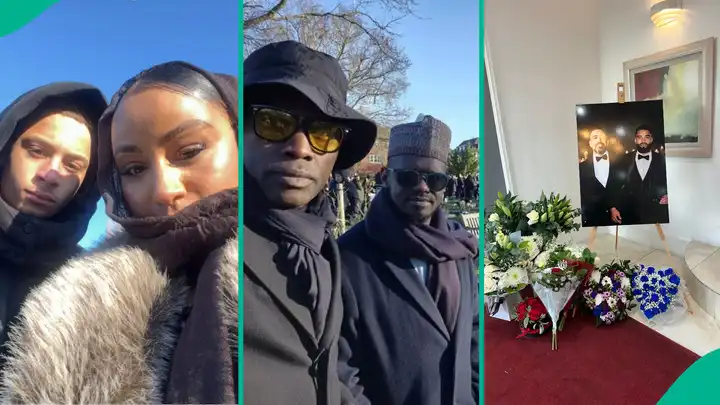
    The burial of Anthony Joshua’s close friends, Latif Ayodele and Sina Ghami, who tragically died in a car accident on December 29, 2025, in Ogun State, Nigeria, took place in London on January 4, 2026. Both men were key members of Joshua’s team—Ghami served as his strength and conditioning coach, while Ayodele was his personal trainer. The ceremony attracted friends, family, and associates, some of whom shared emotional observations and photos from the event on social media.
    Key highlights from attendees:
    UK-based attendee posts photo
    Nigerian Alistair Soyode attended the funeral and shared a photo on Facebook, describing Anthony Joshua’s behavior before the burial and providing insight into the kind of guests present.
    Lady shares unusual sight at gravesite
    A lady named Rebecca (@honeymck23) uploaded photos on Instagram, capturing something unusual above the graves of the deceased. Her post quickly gained attention, sparking discussions among fans and followers about the significance of the scene.
    Sina Ghami’s dog pays tribute
    TikTok user @max.millione2 filmed Ghami’s dog paying respects at his owner’s coffin, creating a heartfelt and viral moment online. Many reacted to the loyalty and emotional bond between the pet and the deceased.
    Latif Ayodele’s father shares reception video
    The father of Latif shared a rare video of the burial reception, providing a glimpse of guests and the atmosphere inside the indoor venue. He also reflected on his son’s legacy and how attendees reacted to the ceremony.
    The tragic deaths have also prompted discussions about Anthony Joshua’s future in boxing. His uncle, Adedamola Joshua, revealed that the boxer had shared with the family that he was considering retirement following the loss of his close associates, highlighting the personal impact the accident has had on him.
    The burial not only underscored the emotional support surrounding Anthony Joshua during this difficult period but also revealed the intimate moments and tributes that marked the ceremony. Observers noted the mix of sorrow, respect, and heartfelt gestures from friends, family, and fans who attended to honor the lives of Ayodele and Ghami.
    Anthony Joshua Attends Burial of Late Friends in London: Attendees Share Emotional Observations” The burial of Anthony Joshua’s close friends, Latif Ayodele and Sina Ghami, who tragically died in a car accident on December 29, 2025, in Ogun State, Nigeria, took place in London on January 4, 2026. Both men were key members of Joshua’s team—Ghami served as his strength and conditioning coach, while Ayodele was his personal trainer. The ceremony attracted friends, family, and associates, some of whom shared emotional observations and photos from the event on social media. Key highlights from attendees: UK-based attendee posts photo Nigerian Alistair Soyode attended the funeral and shared a photo on Facebook, describing Anthony Joshua’s behavior before the burial and providing insight into the kind of guests present. Lady shares unusual sight at gravesite A lady named Rebecca (@honeymck23) uploaded photos on Instagram, capturing something unusual above the graves of the deceased. Her post quickly gained attention, sparking discussions among fans and followers about the significance of the scene. Sina Ghami’s dog pays tribute TikTok user @max.millione2 filmed Ghami’s dog paying respects at his owner’s coffin, creating a heartfelt and viral moment online. Many reacted to the loyalty and emotional bond between the pet and the deceased. Latif Ayodele’s father shares reception video The father of Latif shared a rare video of the burial reception, providing a glimpse of guests and the atmosphere inside the indoor venue. He also reflected on his son’s legacy and how attendees reacted to the ceremony. The tragic deaths have also prompted discussions about Anthony Joshua’s future in boxing. His uncle, Adedamola Joshua, revealed that the boxer had shared with the family that he was considering retirement following the loss of his close associates, highlighting the personal impact the accident has had on him. The burial not only underscored the emotional support surrounding Anthony Joshua during this difficult period but also revealed the intimate moments and tributes that marked the ceremony. Observers noted the mix of sorrow, respect, and heartfelt gestures from friends, family, and fans who attended to honor the lives of Ayodele and Ghami.
    0 Commentarios ·0 Acciones ·749 Views
  • Geregu Power Ownership Changes: Femi Otedola Exits, Ma’am Energy Takes Control, Abdulaziz Yari Appointed Chairman

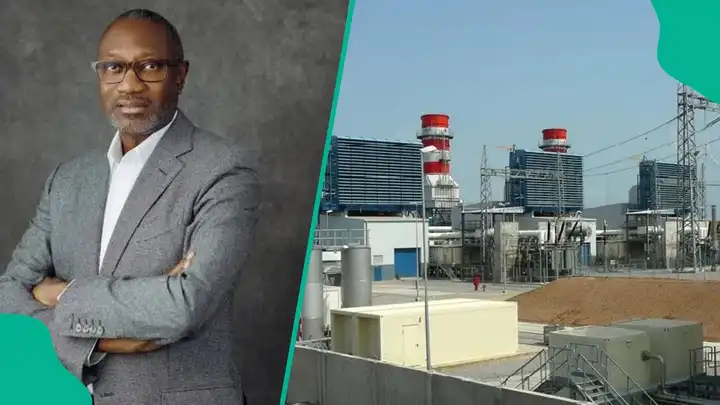
    Geregu Power has officially confirmed the sale of billionaire Femi Otedola’s controlling stake to Ma’am Energy Limited, signaling a major shift in the company’s leadership. The transaction involved 95% of Amperion Power’s shares—the vehicle through which Otedola held his stake—estimated at $750 million. Following the ownership change, Otedola, along with CEO Akin Akinfemiwa, deputy CEO Julius Omodayo Owotuga, and several non-executive directors, resigned from the board.

    Ma’am Energy, an Abuja-based energy solutions provider operating across power generation, oil and gas exploration, refining, and energy trading, is now the controlling entity. Four individuals hold significant control over the company: Abdulkarim Tsafe, Jari Jafar, Abdulaziz Yari, and Abdulaziz Ahmad, each with a 25% stake.

    Senator Abdulaziz Yari, son of the former Zamfara governor, has been appointed chairman of Geregu Power. Yari has an extensive political and educational background, including leadership and change certification from the London School of Economics and a master’s degree in Public Administration, Finance, and Investment Management from the University of Salford.

    The new board also includes seasoned professionals across finance, energy, and corporate management:

    Abdulkadeer Njiddah – Non-executive director, accounting and auditing expert

    Usman Mohammed – Independent non-executive director, former MD of Transmission Company of Nigeria

    Mohammed Jaafaru – Independent non-executive director, COO of Advance Link Petroleum

    Neka Adogu – Independent non-executive director, banking and wealth management expert

    Mahmud Magaji – Independent non-executive director, Senior Advocate of Nigeria with expertise in criminal law, aviation, and energy sector disputes


    This leadership overhaul comes after Otedola’s exit and marks a new phase for Geregu Power as Ma’am Energy assumes operational control and strategic direction.
    Geregu Power Ownership Changes: Femi Otedola Exits, Ma’am Energy Takes Control, Abdulaziz Yari Appointed Chairman Geregu Power has officially confirmed the sale of billionaire Femi Otedola’s controlling stake to Ma’am Energy Limited, signaling a major shift in the company’s leadership. The transaction involved 95% of Amperion Power’s shares—the vehicle through which Otedola held his stake—estimated at $750 million. Following the ownership change, Otedola, along with CEO Akin Akinfemiwa, deputy CEO Julius Omodayo Owotuga, and several non-executive directors, resigned from the board. Ma’am Energy, an Abuja-based energy solutions provider operating across power generation, oil and gas exploration, refining, and energy trading, is now the controlling entity. Four individuals hold significant control over the company: Abdulkarim Tsafe, Jari Jafar, Abdulaziz Yari, and Abdulaziz Ahmad, each with a 25% stake. Senator Abdulaziz Yari, son of the former Zamfara governor, has been appointed chairman of Geregu Power. Yari has an extensive political and educational background, including leadership and change certification from the London School of Economics and a master’s degree in Public Administration, Finance, and Investment Management from the University of Salford. The new board also includes seasoned professionals across finance, energy, and corporate management: Abdulkadeer Njiddah – Non-executive director, accounting and auditing expert Usman Mohammed – Independent non-executive director, former MD of Transmission Company of Nigeria Mohammed Jaafaru – Independent non-executive director, COO of Advance Link Petroleum Neka Adogu – Independent non-executive director, banking and wealth management expert Mahmud Magaji – Independent non-executive director, Senior Advocate of Nigeria with expertise in criminal law, aviation, and energy sector disputes This leadership overhaul comes after Otedola’s exit and marks a new phase for Geregu Power as Ma’am Energy assumes operational control and strategic direction.
    0 Commentarios ·0 Acciones ·558 Views
  • JUST IN Odogwu Burna Boy has once again proven that consistency pays. Over ₦42 billion reportedly earned from his album tour alone.

    No shortcuts. No signs of weakness. Just pure grind, global impact, and sold-out stages across continents.

    Congratulations to him — another African giant raising the bar higher for the culture.
    JUST IN‼️ Odogwu Burna Boy has once again proven that consistency pays. Over ₦42 billion reportedly earned from his album tour alone. No shortcuts. No signs of weakness. Just pure grind, global impact, and sold-out stages across continents. Congratulations to him — another African giant raising the bar higher for the culture. 🐐❣️
    like
    1
    · 0 Commentarios ·0 Acciones ·213 Views
  • Geregu Power Appoints Former Zamfara Governor Abdulaziz Yari as Chairman Following Femi Otedola’s Exit and N1.08 Trillion Stake Sale

    Geregu Power Plc has appointed former Zamfara State governor and senator, Abdulaziz Yari, as chairman following billionaire investor Femi Otedola’s resignation. The board changes were approved during a Monday meeting after Otedola sold his majority stake in the company for N1.08 trillion to MA’AM Energy Ltd. Several new non-executive and independent directors were also appointed, including Abdulkadeer Njiddah, Usman Mohammed, Mohammed Jaafaru, Neka Adogu, and legal expert Mahmud Magaji. The appointments reflect a major restructuring of Geregu Power’s leadership, as the company seeks to leverage the experience of seasoned professionals in finance, operations, and governance, while Otedola retains a minority stake.
    Geregu Power Appoints Former Zamfara Governor Abdulaziz Yari as Chairman Following Femi Otedola’s Exit and N1.08 Trillion Stake Sale Geregu Power Plc has appointed former Zamfara State governor and senator, Abdulaziz Yari, as chairman following billionaire investor Femi Otedola’s resignation. The board changes were approved during a Monday meeting after Otedola sold his majority stake in the company for N1.08 trillion to MA’AM Energy Ltd. Several new non-executive and independent directors were also appointed, including Abdulkadeer Njiddah, Usman Mohammed, Mohammed Jaafaru, Neka Adogu, and legal expert Mahmud Magaji. The appointments reflect a major restructuring of Geregu Power’s leadership, as the company seeks to leverage the experience of seasoned professionals in finance, operations, and governance, while Otedola retains a minority stake.
    0 Commentarios ·0 Acciones ·412 Views
  • Nigerian Military Confirms Airstrikes On Bandit Kingpin Kachalla Dogo Sule’s IED Camp In Zamfara

    The Nigerian military has confirmed launching coordinated airstrikes on the logistics and IED production camp of notorious bandit kingpin Kachalla Dogo Sule in Zamfara State. The operation, carried out by the Air Component of Operation FANSAN YAMMA, also targeted Turba Hill in Tsafe Local Government Area, a known hideout for armed groups responsible for killings and roadside bomb attacks. Military authorities said the strikes followed recent deadly IED incidents along the Dan Sadau–Magami axis and resulted in the destruction of key structures and the neutralisation of several bandits. While the Nigerian Air Force described the mission as a major blow to the terror network’s operational capacity, concerns remain about the long-term effectiveness of airstrikes without sustained ground security and community protection.
    Nigerian Military Confirms Airstrikes On Bandit Kingpin Kachalla Dogo Sule’s IED Camp In Zamfara The Nigerian military has confirmed launching coordinated airstrikes on the logistics and IED production camp of notorious bandit kingpin Kachalla Dogo Sule in Zamfara State. The operation, carried out by the Air Component of Operation FANSAN YAMMA, also targeted Turba Hill in Tsafe Local Government Area, a known hideout for armed groups responsible for killings and roadside bomb attacks. Military authorities said the strikes followed recent deadly IED incidents along the Dan Sadau–Magami axis and resulted in the destruction of key structures and the neutralisation of several bandits. While the Nigerian Air Force described the mission as a major blow to the terror network’s operational capacity, concerns remain about the long-term effectiveness of airstrikes without sustained ground security and community protection.
    0 Commentarios ·0 Acciones ·409 Views
  • Integrity Shock as ICPC Scores NNPC Zero, Ranks National Oil Company Bottom Despite Fresh Profits and Reform Claims

    Nigeria’s anti-corruption watchdog, the Independent Corrupt Practices and Other Related Offences Commission (ICPC), has rated the Nigerian National Petroleum Company Limited (NNPCL) zero in its 2025 Ethics and Integrity Compliance Scorecard, placing it last among 357 federal ministries, departments and agencies assessed nationwide. The report found that NNPCL failed across all four integrity pillars—management culture, financial management, administrative systems, and anti-corruption mechanisms—classifying the national oil company as a high-risk institution. The outcome has intensified concerns over governance, transparency and accountability in Nigeria’s oil and gas sector, especially given NNPCL’s recent claims of improved profitability.
    The ICPC report also revealed mixed results across petroleum regulators, with the Nigerian Upstream Petroleum Regulatory Commission (NUPRC) emerging as the top-performing agency, while the Nigerian Midstream and Downstream Petroleum Regulatory Commission (NMDPRA) recorded weak compliance. Overall, only about 14% of federal agencies achieved substantial compliance, prompting the ICPC to signal tougher enforcement actions against persistently non-compliant institutions. Analysts warn that NNPCL’s zero score poses reputational risks and could undermine public trust and investor confidence unless urgent governance reforms are implemented.
    Integrity Shock as ICPC Scores NNPC Zero, Ranks National Oil Company Bottom Despite Fresh Profits and Reform Claims Nigeria’s anti-corruption watchdog, the Independent Corrupt Practices and Other Related Offences Commission (ICPC), has rated the Nigerian National Petroleum Company Limited (NNPCL) zero in its 2025 Ethics and Integrity Compliance Scorecard, placing it last among 357 federal ministries, departments and agencies assessed nationwide. The report found that NNPCL failed across all four integrity pillars—management culture, financial management, administrative systems, and anti-corruption mechanisms—classifying the national oil company as a high-risk institution. The outcome has intensified concerns over governance, transparency and accountability in Nigeria’s oil and gas sector, especially given NNPCL’s recent claims of improved profitability. The ICPC report also revealed mixed results across petroleum regulators, with the Nigerian Upstream Petroleum Regulatory Commission (NUPRC) emerging as the top-performing agency, while the Nigerian Midstream and Downstream Petroleum Regulatory Commission (NMDPRA) recorded weak compliance. Overall, only about 14% of federal agencies achieved substantial compliance, prompting the ICPC to signal tougher enforcement actions against persistently non-compliant institutions. Analysts warn that NNPCL’s zero score poses reputational risks and could undermine public trust and investor confidence unless urgent governance reforms are implemented.
    like
    1
    · 0 Commentarios ·0 Acciones ·500 Views
  • Odogwu And Mr Integrity Combination: Burna Boy Donates ₦150M to VDM For Hospital And Prison Victims

    Afrobeats superstar Burna Boy has donated $100,000 (approximately ₦145–150 million) to social activist VeryDarkMan (VDM) for humanitarian efforts.

    The funds are split equally: $50,000 to settle outstanding medical bills for indigent patients in public hospitals, and $50,000 to pay fines and secure the release of inmates detained solely for inability to afford minor court imposed penalties (often as low as ₦30,000–₦300,000).

    In a widely shared video, VDM displayed the cash while sitting alongside Burna Boy. Later that day, the pair visited a prison facility in Lagos, taking $50,000 in an attempt to facilitate immediate releases.

    However, they were unable to free any prisoners on the spot, as the warden informed them that proper protocols must be followed.

    VDM announced plans to systematically collate data on eligible fined inmates across all 36 states (and the FCT) to ensure transparent and nationwide distribution of the funds. A similar process will be used for hospital bill settlements.
    Odogwu And Mr Integrity Combination: Burna Boy Donates ₦150M to VDM For Hospital And Prison Victims Afrobeats superstar Burna Boy has donated $100,000 (approximately ₦145–150 million) to social activist VeryDarkMan (VDM) for humanitarian efforts. The funds are split equally: $50,000 to settle outstanding medical bills for indigent patients in public hospitals, and $50,000 to pay fines and secure the release of inmates detained solely for inability to afford minor court imposed penalties (often as low as ₦30,000–₦300,000). In a widely shared video, VDM displayed the cash while sitting alongside Burna Boy. Later that day, the pair visited a prison facility in Lagos, taking $50,000 in an attempt to facilitate immediate releases. However, they were unable to free any prisoners on the spot, as the warden informed them that proper protocols must be followed. VDM announced plans to systematically collate data on eligible fined inmates across all 36 states (and the FCT) to ensure transparent and nationwide distribution of the funds. A similar process will be used for hospital bill settlements.
    0 Commentarios ·0 Acciones ·432 Views
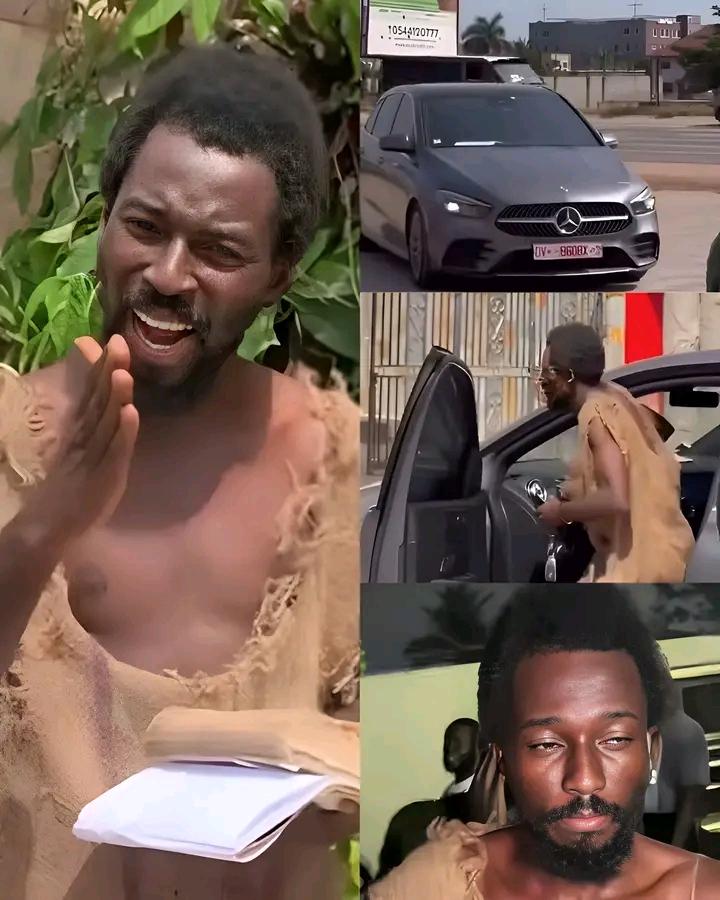
  • JUSTIN Ghanaian Prophet Eboh Noah predicted the world would end on December 25… Plot twist: the world didn’t end. His garage, however, got an upgrade.
    After allegedly collecting millions “to build the Ark,” Odogwu cruised into 2026 in a brand-new Mercedes-Benz—comfortably.
    The Ark? Pending.
    The Benz? Delivered, polished, registered.
    The Flood? Nowhere in sight. The Rapture? Also missing. Just receipts.
    Lesson? Faith is powerful—but blindly funding luxury lifestyles isn’t. African Christians, let’s think carefully.
    JUSTIN‼️ Ghanaian Prophet Eboh Noah predicted the world would end on December 25… Plot twist: the world didn’t end. 💔🤦‍♂️ His garage, however, got an upgrade. After allegedly collecting millions “to build the Ark,” Odogwu cruised into 2026 in a brand-new Mercedes-Benz—comfortably. The Ark? Pending. The Benz? Delivered, polished, registered. The Flood? Nowhere in sight. The Rapture? Also missing. Just receipts. 📝 Lesson? Faith is powerful—but blindly funding luxury lifestyles isn’t. African Christians, let’s think carefully. 🙏
    0 Commentarios ·0 Acciones ·367 Views
  • ICPC Must Uphold Justice, Fairness, and Rule of Law

    In this opinion piece, Muhammed Al-Ameen stresses the critical role of anti-corruption agencies like the Independent Corrupt Practices and Other Related Offences Commission (ICPC) in Nigeria’s fragile democracy. He argues that these institutions are vital to maintaining the integrity of the state, and their independence is non-negotiable.

    Independence and integrity of anti-graft agencies are essential; any political manipulation threatens democracy.

    ICPC under Dr. Musa Adamu Aliyu, SAN—a Senior Advocate of Nigeria—is increasingly seen as politically biased, ignoring court orders and engaging in selective justice.

    Senior Advocates are expected to uphold the law and serve as examples, but ICPC’s leadership has allegedly disregarded judicial processes, undermining public trust.

    Mishandling Aliko Dangote’s petition against Farouk Ahmed (NMDPRA), effectively defending the accused instead of conducting an impartial investigation.

    Ignoring an interim injunction by Kano State High Court protecting ALGON members from harassment.


    Such actions signal institutionalized lawlessness, where those knowledgeable of the law use it selectively for political purposes.


    Recommendations:

    Immediate intervention by the Legal Practitioners’ Privileges Committee (LPPC) regarding petitions against Dr. Aliyu.

    ICPC must comply with all outstanding court orders and rid itself of political interference.

    The Presidency and judiciary should ensure the ICPC functions as a neutral, accountable watchdog.


    Al-Ameen concludes that ICPC’s credibility and Nigeria’s democratic integrity are at stake. The agency must choose between strengthening the rule of law or becoming a tool for political vendettas.

    The piece calls for restoration of institutional sanity, fair enforcement of laws, and prioritizing the public’s interest over political expediency.
    ICPC Must Uphold Justice, Fairness, and Rule of Law In this opinion piece, Muhammed Al-Ameen stresses the critical role of anti-corruption agencies like the Independent Corrupt Practices and Other Related Offences Commission (ICPC) in Nigeria’s fragile democracy. He argues that these institutions are vital to maintaining the integrity of the state, and their independence is non-negotiable. Independence and integrity of anti-graft agencies are essential; any political manipulation threatens democracy. ICPC under Dr. Musa Adamu Aliyu, SAN—a Senior Advocate of Nigeria—is increasingly seen as politically biased, ignoring court orders and engaging in selective justice. Senior Advocates are expected to uphold the law and serve as examples, but ICPC’s leadership has allegedly disregarded judicial processes, undermining public trust. Mishandling Aliko Dangote’s petition against Farouk Ahmed (NMDPRA), effectively defending the accused instead of conducting an impartial investigation. Ignoring an interim injunction by Kano State High Court protecting ALGON members from harassment. Such actions signal institutionalized lawlessness, where those knowledgeable of the law use it selectively for political purposes. Recommendations: Immediate intervention by the Legal Practitioners’ Privileges Committee (LPPC) regarding petitions against Dr. Aliyu. ICPC must comply with all outstanding court orders and rid itself of political interference. The Presidency and judiciary should ensure the ICPC functions as a neutral, accountable watchdog. Al-Ameen concludes that ICPC’s credibility and Nigeria’s democratic integrity are at stake. The agency must choose between strengthening the rule of law or becoming a tool for political vendettas. The piece calls for restoration of institutional sanity, fair enforcement of laws, and prioritizing the public’s interest over political expediency.
    like
    1
    · 0 Commentarios ·0 Acciones ·470 Views
  • A civil society organisation, the Association of Legislative Drafting and Advocacy Practitioners (ALDRAP), has formally urged the Economic and Financial Crimes Commission (EFCC) to reject the Director-General of the Legal Aid Council of Nigeria as a surety in the ongoing corruption case involving former Attorney General of the Federation and Minister of Justice, Abubakar Malami (SAN).

    In a petition dated December 24, 2025, and addressed to the EFCC Chairman in Abuja, ALDRAP based its request on Section 167(1) of the Administration of Criminal Justice Act (ACJA), 2015, which clearly outlines who qualifies to stand as a surety in criminal proceedings. The group argued that the Director-General of the Legal Aid Council does not meet the statutory and ethical requirements required under the law.

    The petition, signed by ALDRAP’s Secretary, Dr. Tonye Clinton Jaja, cited the 2024 Anti-Corruption Index published by the Independent Corrupt Practices and Related Offences Commission (ICPC). According to the group, the Legal Aid Council of Nigeria was among federal government agencies that recorded a zero percent (0%) score in the ICPC’s ethics and integrity assessment for the year.

    ALDRAP stressed that this poor rating raises serious concerns about the integrity, credibility, and suitability of the Legal Aid Council’s leadership to act as a surety for a defendant facing serious corruption allegations. The group argued that allowing a public official whose institution failed to meet basic anti-corruption benchmarks to guarantee the bail of a former justice minister accused of massive financial crimes would undermine public confidence in the justice system.

    “The implication is that a person heading an institution that scored zero percent in the ICPC anti-corruption index cannot be considered fit and proper to stand as surety for Malami, who is himself undergoing investigation and prosecution for corruption-related offences,” the petition stated.

    ALDRAP further reminded the EFCC of its mandate as a watchdog against corruption and urged the commission to ensure that all bail conditions strictly comply with the law and ethical standards. The group noted that it was incorporated in 2017 under the Companies and Allied Matters Act (CAMA) and is committed to promoting adherence to the 1999 Constitution and other relevant laws governing public accountability.

    Meanwhile, the petition comes against the backdrop of serious criminal charges filed against Malami by the Federal Government. SaharaReporters had earlier reported that Malami is facing 16 counts bordering on money laundering, conspiracy, and unlawful acquisition of assets, alongside his son, Abubakar Abdulaziz Malami, and an associate, Hajia Bashir Asabe.

    According to court documents, prosecutors allege that Malami and his co-defendants used corporate fronts and proxies, including Metropolitan Auto Tech Limited, Rahamaniyya Properties Limited, and Meethaq Hotels Limited, to conceal and launder illicit funds while Malami served as Nigeria’s chief law officer. The alleged offences span nearly a decade, from 2015 to 2025, covering both his time in office and the period after.

    The charges detail multiple financial transactions involving billions of naira, including over ₦1 billion allegedly concealed through Sterling Bank accounts, large cash collaterals used to secure bank loans, and payments for luxury properties in Abuja, Kano, Birnin Kebbi, and other locations. Prosecutors claim that no fewer than 30 high-value properties worth about ₦212.8 billion were acquired using proceeds of unlawful activities.

    The government further alleges that Malami and his associates violated provisions of the Money Laundering (Prohibition) Act 2011 (as amended) and the Money Laundering (Prevention and Prohibition) Act 2022, through systematic concealment, conversion, and retention of illicit funds.

    Against this backdrop, ALDRAP has expressed confidence that the EFCC will give its petition urgent and favourable consideration, insisting that the integrity of the bail process must not be compromised in a case of such national significance. The group warned that allowing questionable sureties could weaken anti-corruption efforts and send the wrong message to Nigerians about accountability at the highest levels of government.
    A civil society organisation, the Association of Legislative Drafting and Advocacy Practitioners (ALDRAP), has formally urged the Economic and Financial Crimes Commission (EFCC) to reject the Director-General of the Legal Aid Council of Nigeria as a surety in the ongoing corruption case involving former Attorney General of the Federation and Minister of Justice, Abubakar Malami (SAN). In a petition dated December 24, 2025, and addressed to the EFCC Chairman in Abuja, ALDRAP based its request on Section 167(1) of the Administration of Criminal Justice Act (ACJA), 2015, which clearly outlines who qualifies to stand as a surety in criminal proceedings. The group argued that the Director-General of the Legal Aid Council does not meet the statutory and ethical requirements required under the law. The petition, signed by ALDRAP’s Secretary, Dr. Tonye Clinton Jaja, cited the 2024 Anti-Corruption Index published by the Independent Corrupt Practices and Related Offences Commission (ICPC). According to the group, the Legal Aid Council of Nigeria was among federal government agencies that recorded a zero percent (0%) score in the ICPC’s ethics and integrity assessment for the year. ALDRAP stressed that this poor rating raises serious concerns about the integrity, credibility, and suitability of the Legal Aid Council’s leadership to act as a surety for a defendant facing serious corruption allegations. The group argued that allowing a public official whose institution failed to meet basic anti-corruption benchmarks to guarantee the bail of a former justice minister accused of massive financial crimes would undermine public confidence in the justice system. “The implication is that a person heading an institution that scored zero percent in the ICPC anti-corruption index cannot be considered fit and proper to stand as surety for Malami, who is himself undergoing investigation and prosecution for corruption-related offences,” the petition stated. ALDRAP further reminded the EFCC of its mandate as a watchdog against corruption and urged the commission to ensure that all bail conditions strictly comply with the law and ethical standards. The group noted that it was incorporated in 2017 under the Companies and Allied Matters Act (CAMA) and is committed to promoting adherence to the 1999 Constitution and other relevant laws governing public accountability. Meanwhile, the petition comes against the backdrop of serious criminal charges filed against Malami by the Federal Government. SaharaReporters had earlier reported that Malami is facing 16 counts bordering on money laundering, conspiracy, and unlawful acquisition of assets, alongside his son, Abubakar Abdulaziz Malami, and an associate, Hajia Bashir Asabe. According to court documents, prosecutors allege that Malami and his co-defendants used corporate fronts and proxies, including Metropolitan Auto Tech Limited, Rahamaniyya Properties Limited, and Meethaq Hotels Limited, to conceal and launder illicit funds while Malami served as Nigeria’s chief law officer. The alleged offences span nearly a decade, from 2015 to 2025, covering both his time in office and the period after. The charges detail multiple financial transactions involving billions of naira, including over ₦1 billion allegedly concealed through Sterling Bank accounts, large cash collaterals used to secure bank loans, and payments for luxury properties in Abuja, Kano, Birnin Kebbi, and other locations. Prosecutors claim that no fewer than 30 high-value properties worth about ₦212.8 billion were acquired using proceeds of unlawful activities. The government further alleges that Malami and his associates violated provisions of the Money Laundering (Prohibition) Act 2011 (as amended) and the Money Laundering (Prevention and Prohibition) Act 2022, through systematic concealment, conversion, and retention of illicit funds. Against this backdrop, ALDRAP has expressed confidence that the EFCC will give its petition urgent and favourable consideration, insisting that the integrity of the bail process must not be compromised in a case of such national significance. The group warned that allowing questionable sureties could weaken anti-corruption efforts and send the wrong message to Nigerians about accountability at the highest levels of government.
    like
    1
    · 0 Commentarios ·0 Acciones ·524 Views
  • Nigerian Army Arrests Notorious Bandit Kingpin Fidelis Gayama in Benue–Taraba Border Operation

    The Nigerian Army has captured a high-profile bandit leader, Fidelis Gayama, during an intelligence-led operation in Vaase Community, Ukum Local Government Area, Benue State. Gayama, linked to multiple kidnappings and armed robberies along the Benue–Taraba axis, is reportedly associated with another wanted criminal, Aka Dogo. The arrest, carried out by troops of Forward Operating Base Wukari under Operation Whirl Stroke, is considered a major blow to criminal networks in the region. The suspect is now in military custody and will be handed over to authorities for investigation and prosecution. The Army urged residents to continue providing credible intelligence to aid ongoing security operations.
    Nigerian Army Arrests Notorious Bandit Kingpin Fidelis Gayama in Benue–Taraba Border Operation The Nigerian Army has captured a high-profile bandit leader, Fidelis Gayama, during an intelligence-led operation in Vaase Community, Ukum Local Government Area, Benue State. Gayama, linked to multiple kidnappings and armed robberies along the Benue–Taraba axis, is reportedly associated with another wanted criminal, Aka Dogo. The arrest, carried out by troops of Forward Operating Base Wukari under Operation Whirl Stroke, is considered a major blow to criminal networks in the region. The suspect is now in military custody and will be handed over to authorities for investigation and prosecution. The Army urged residents to continue providing credible intelligence to aid ongoing security operations.
    0 Commentarios ·0 Acciones ·564 Views
Resultados de la búsqueda
Fintter https://fintter.com