• Outrage as Maitama Remains in Darkness, Isaac Fayose Laments Power Failure …….

    Social commentator Isaac Fayose has raised concerns over persistent power outage in Maitama, Abuja’s most expensive and prestigious district. Fayose expressed frustration that despite the area’s elite status and high cost of living, residents have been left without electricity. He described the situation as unacceptable and reflective of deeper problems in Nigeria’s power sector. The complaint has sparked reactions online, with many Nigerians questioning how a top government and diplomatic area can suffer prolonged blackout while authorities remain silent.
    Outrage as Maitama Remains in Darkness, Isaac Fayose Laments Power Failure ……. Social commentator Isaac Fayose has raised concerns over persistent power outage in Maitama, Abuja’s most expensive and prestigious district. Fayose expressed frustration that despite the area’s elite status and high cost of living, residents have been left without electricity. He described the situation as unacceptable and reflective of deeper problems in Nigeria’s power sector. The complaint has sparked reactions online, with many Nigerians questioning how a top government and diplomatic area can suffer prolonged blackout while authorities remain silent.
    love
    2
    · 0 Commenti ·0 condivisioni ·2K Views ·0 Plays
  • Trump Sparks NATO Rift, Says “Time Has Come” to Act on Greenland as European Allies Push Back

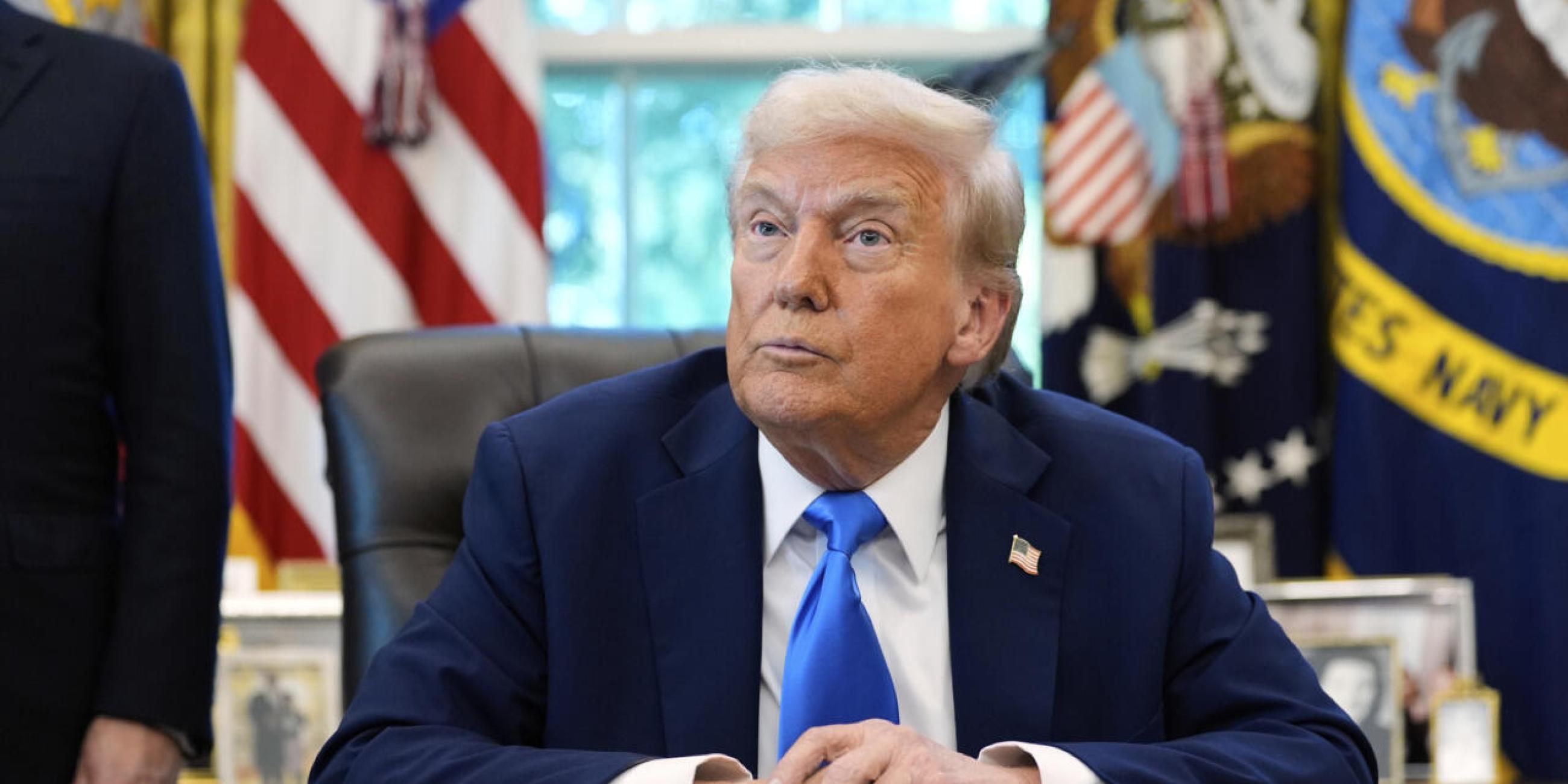
    U.S. President Donald Trump has reignited transatlantic tensions after declaring it is “time to act” on Greenland, accusing Denmark of failing to counter alleged Russian threats in the Arctic. Writing on Truth Social, Trump claimed NATO had warned Denmark for years over Greenland’s security. His remarks triggered a swift backlash from key European allies, including the UK, France and Germany, who issued a joint statement backing Denmark and Greenland. The allies reaffirmed respect for sovereignty, warned against economic pressure, and stressed that Arctic security must follow international norms, deepening diplomatic strain within NATO.

    #Trump #GreenlandCrisis #NATOTensions
    Trump Sparks NATO Rift, Says “Time Has Come” to Act on Greenland as European Allies Push Back U.S. President Donald Trump has reignited transatlantic tensions after declaring it is “time to act” on Greenland, accusing Denmark of failing to counter alleged Russian threats in the Arctic. Writing on Truth Social, Trump claimed NATO had warned Denmark for years over Greenland’s security. His remarks triggered a swift backlash from key European allies, including the UK, France and Germany, who issued a joint statement backing Denmark and Greenland. The allies reaffirmed respect for sovereignty, warned against economic pressure, and stressed that Arctic security must follow international norms, deepening diplomatic strain within NATO. #Trump #GreenlandCrisis #NATOTensions
    love
    1
    · 0 Commenti ·0 condivisioni ·4K Views
  • NATO Allies Deploy Troops to Greenland Amid Trump’s Push for U.S. Control

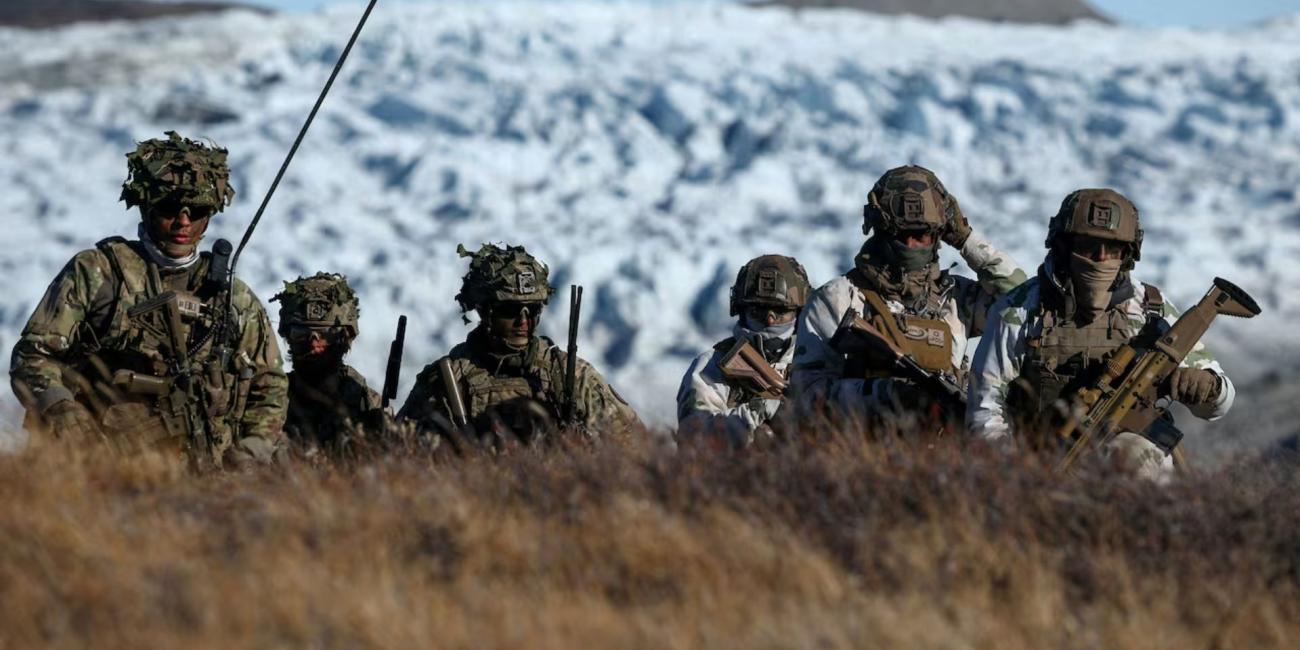
    Several NATO countries, including France, Germany, Sweden, and Norway, have deployed troops to Greenland under “Operation Arctic Endurance,” a joint exercise led by Denmark to strengthen Arctic security. The deployment comes amid former U.S. President Donald Trump’s renewed calls for American control of Greenland, citing national security and the risk of Russian and Chinese influence. Denmark and Greenland insist on maintaining sovereignty, while NATO allies aim to reassure the population. The situation has intensified diplomatic tensions, highlighting Greenland’s strategic importance in Arctic defense and global geopolitics.

    #GreenlandSecurity #NATOArctic #USPolitics


    NATO Allies Deploy Troops to Greenland Amid Trump’s Push for U.S. Control Several NATO countries, including France, Germany, Sweden, and Norway, have deployed troops to Greenland under “Operation Arctic Endurance,” a joint exercise led by Denmark to strengthen Arctic security. The deployment comes amid former U.S. President Donald Trump’s renewed calls for American control of Greenland, citing national security and the risk of Russian and Chinese influence. Denmark and Greenland insist on maintaining sovereignty, while NATO allies aim to reassure the population. The situation has intensified diplomatic tensions, highlighting Greenland’s strategic importance in Arctic defense and global geopolitics. #GreenlandSecurity #NATOArctic #USPolitics
    0 Commenti ·0 condivisioni ·3K Views
  • Nigeria Approves $9m US Lobbying Deal To Ease Tensions With Trump Administration Over Christian Killings, Insecurity, and Travel Restrictions

    The administration of President Bola Tinubu has approved a controversial $9 million lobbying contract with Washington-based DCI Group to persuade the Trump administration and key U.S. lawmakers that Nigeria is taking concrete action against insecurity, including the killings of Christians in northern Nigeria. U.S. Justice Department filings show an initial $4.5 million payment was made in December 2025, with another $4.5 million due by July 2026. The deal follows Trump’s redesignation of Nigeria as a “country of particular concern,” a partial U.S. travel ban, and a U.S. military airstrike in Sokoto targeting insurgent hideouts. The lobbying effort, facilitated by National Security Adviser Nuhu Ribadu through Aster Legal, aims to maintain U.S. support against jihadist groups and improve strained diplomatic relations. Additional outreach included a letter from Senate President Godswill Akpabio inviting U.S. lawmakers to visit Abuja. Analysts say the contract signals urgency by Tinubu’s government to reset ties with Washington.
    Nigeria Approves $9m US Lobbying Deal To Ease Tensions With Trump Administration Over Christian Killings, Insecurity, and Travel Restrictions The administration of President Bola Tinubu has approved a controversial $9 million lobbying contract with Washington-based DCI Group to persuade the Trump administration and key U.S. lawmakers that Nigeria is taking concrete action against insecurity, including the killings of Christians in northern Nigeria. U.S. Justice Department filings show an initial $4.5 million payment was made in December 2025, with another $4.5 million due by July 2026. The deal follows Trump’s redesignation of Nigeria as a “country of particular concern,” a partial U.S. travel ban, and a U.S. military airstrike in Sokoto targeting insurgent hideouts. The lobbying effort, facilitated by National Security Adviser Nuhu Ribadu through Aster Legal, aims to maintain U.S. support against jihadist groups and improve strained diplomatic relations. Additional outreach included a letter from Senate President Godswill Akpabio inviting U.S. lawmakers to visit Abuja. Analysts say the contract signals urgency by Tinubu’s government to reset ties with Washington.
    love
    1
    · 0 Commenti ·0 condivisioni ·2K Views
  • Trump Threatens Iran Over Deaths of Protesters, Keeps Military Options Open

    US President Donald Trump has strongly condemned the killing of thousands of protesters in Iran and warned that all options, including military action, remain on the table.

    In a statement posted by the US Department of State, Trump said that while protests are acceptable, the mass killings and executions reported in Iran are unacceptable.

    Press Secretary Karoline Leavitt confirmed that the administration is prioritising diplomacy but is also prepared to consider air strikes or other strong measures if the situation escalates. She noted that Iran’s private communications with US envoy Steve Witkoff show a different tone from their public statements, highlighting ongoing behind-the-scenes diplomatic contacts.

    Rights groups report that the death toll continues to rise, with access to information in Iran limited due to an internet shutdown. Trump indicated that Iran’s leaders requested a meeting, but action may be taken before any formal talks if the killings continue.

    The situation underscores rising tensions between Washington and Tehran, with the US emphasizing both human rights concerns and strategic readiness.

    Trump Threatens Iran Over Deaths of Protesters, Keeps Military Options Open US President Donald Trump has strongly condemned the killing of thousands of protesters in Iran and warned that all options, including military action, remain on the table. In a statement posted by the US Department of State, Trump said that while protests are acceptable, the mass killings and executions reported in Iran are unacceptable. Press Secretary Karoline Leavitt confirmed that the administration is prioritising diplomacy but is also prepared to consider air strikes or other strong measures if the situation escalates. She noted that Iran’s private communications with US envoy Steve Witkoff show a different tone from their public statements, highlighting ongoing behind-the-scenes diplomatic contacts. Rights groups report that the death toll continues to rise, with access to information in Iran limited due to an internet shutdown. Trump indicated that Iran’s leaders requested a meeting, but action may be taken before any formal talks if the killings continue. The situation underscores rising tensions between Washington and Tehran, with the US emphasizing both human rights concerns and strategic readiness.
    0 Commenti ·0 condivisioni ·2K Views
  • Trade Wahala Don Set! Trump Slam 25% Tariff On Any Country Wey Still Dey Do Business With Iran

    Global market don enter tension as former US President Donald Trump has announced a tough new economic move against Iran and any country still trading with Tehran. In a statement on his Truth social platform, Trump declared that any nation doing business with the Islamic Republic of Iran will now face a 25 percent tariff on all trade with the United States. According to him, the order takes effect immediately and is “final and conclusive.” The announcement, which has already sparked heavy reactions online, did not explain how the policy would be enforced or which countries would be directly affected. Trump, who previously pulled the US out of the Iran nuclear deal in 2018 and imposed heavy sanctions, is now pushing an even harder line. Analysts warn that such a blanket tariff could hit US allies and major economies that still maintain commercial ties with Iran, raising serious legal and diplomatic questions under international trade rules. As of now, the White House and US Treasury have not clarified whether the move is official policy or campaign talk, while Iran has yet to respond. One thing is clear: global trade wahala don start.

    Trade Wahala Don Set! Trump Slam 25% Tariff On Any Country Wey Still Dey Do Business With Iran Global market don enter tension as former US President Donald Trump has announced a tough new economic move against Iran and any country still trading with Tehran. In a statement on his Truth social platform, Trump declared that any nation doing business with the Islamic Republic of Iran will now face a 25 percent tariff on all trade with the United States. According to him, the order takes effect immediately and is “final and conclusive.” The announcement, which has already sparked heavy reactions online, did not explain how the policy would be enforced or which countries would be directly affected. Trump, who previously pulled the US out of the Iran nuclear deal in 2018 and imposed heavy sanctions, is now pushing an even harder line. Analysts warn that such a blanket tariff could hit US allies and major economies that still maintain commercial ties with Iran, raising serious legal and diplomatic questions under international trade rules. As of now, the White House and US Treasury have not clarified whether the move is official policy or campaign talk, while Iran has yet to respond. One thing is clear: global trade wahala don start.
    0 Commenti ·0 condivisioni ·2K Views
  • U.S. Warns Citizens to Flee Venezuela After Special Ops Capture of President Maduro

    The U.S. Embassy in Venezuela has issued a strong security alert, urging all American citizens to leave the country immediately amid growing threats from armed militias known as colectivos, who are reportedly setting up roadblocks to target U.S. citizens. The advisory reiterates longstanding travel warnings dating back to 2019, when the U.S. fully withdrew its diplomatic personnel from Caracas.

    The warning follows a major escalation in early January 2026: over 200 U.S. Special Operations forces raided Caracas in Operation Absolute Resolve, abducting President Nicolás Maduro and his wife, Cilia Flores, and transporting them to New York City. The raid reportedly killed dozens of Venezuelan security personnel and Cuban bodyguards.

    In Manhattan, Maduro and Flores face federal charges, including narco-terrorism and cocaine importation conspiracies, and have pleaded not guilty. Meanwhile, Venezuelan Vice President Delcy Rodríguez has been sworn in as acting president, denouncing the operation as an illegal "kidnapping."

    The U.S. administration, citing the war on drugs, has also signaled intentions to rebuild Venezuela’s energy sector and manage oil exports, with Secretary of State Marco Rubio mentioning an "oil quarantine" as leverage. Critics argue the operation primarily targets geopolitical and economic control rather than law enforcement.

    Americans in Venezuela are urged to check flight availability, communicate regularly with family abroad, and enroll in the STEP program to receive security updates, as the U.S. government is currently unable to provide routine or emergency assistance.

    The situation underscores Venezuela’s ongoing instability, including civil unrest, intermittent power outages, and heightened risks of crime and kidnapping.


    U.S. Warns Citizens to Flee Venezuela After Special Ops Capture of President Maduro The U.S. Embassy in Venezuela has issued a strong security alert, urging all American citizens to leave the country immediately amid growing threats from armed militias known as colectivos, who are reportedly setting up roadblocks to target U.S. citizens. The advisory reiterates longstanding travel warnings dating back to 2019, when the U.S. fully withdrew its diplomatic personnel from Caracas. The warning follows a major escalation in early January 2026: over 200 U.S. Special Operations forces raided Caracas in Operation Absolute Resolve, abducting President Nicolás Maduro and his wife, Cilia Flores, and transporting them to New York City. The raid reportedly killed dozens of Venezuelan security personnel and Cuban bodyguards. In Manhattan, Maduro and Flores face federal charges, including narco-terrorism and cocaine importation conspiracies, and have pleaded not guilty. Meanwhile, Venezuelan Vice President Delcy Rodríguez has been sworn in as acting president, denouncing the operation as an illegal "kidnapping." The U.S. administration, citing the war on drugs, has also signaled intentions to rebuild Venezuela’s energy sector and manage oil exports, with Secretary of State Marco Rubio mentioning an "oil quarantine" as leverage. Critics argue the operation primarily targets geopolitical and economic control rather than law enforcement. Americans in Venezuela are urged to check flight availability, communicate regularly with family abroad, and enroll in the STEP program to receive security updates, as the U.S. government is currently unable to provide routine or emergency assistance. The situation underscores Venezuela’s ongoing instability, including civil unrest, intermittent power outages, and heightened risks of crime and kidnapping.
    0 Commenti ·0 condivisioni ·2K Views
  • Pope Leo XIV Warns “War Is Back in Vogue,” Urges Global Leaders to Choose Dialogue Over Force

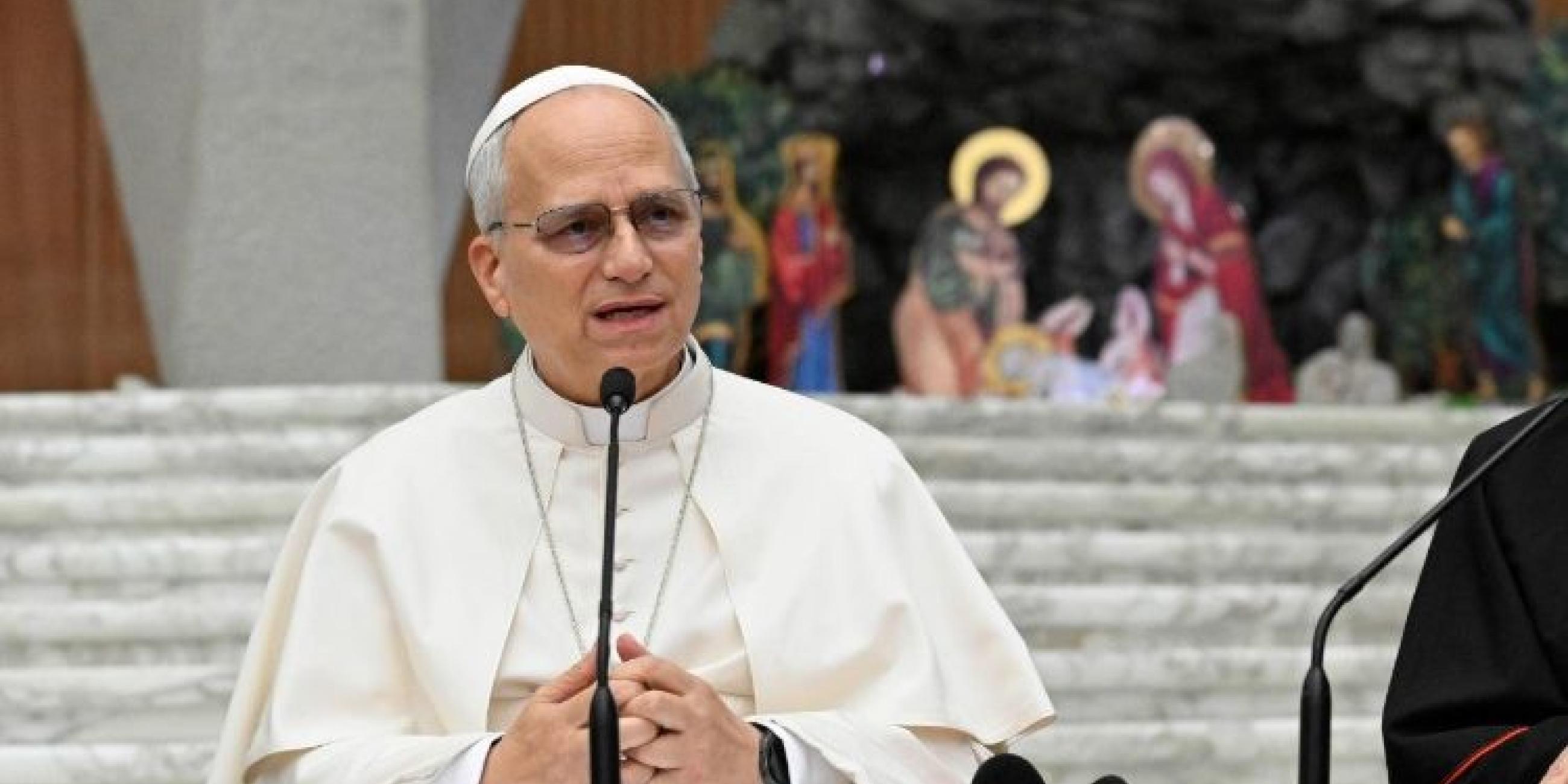
    In a blunt address to the Diplomatic Corps, Pope Leo XIV has warned that “war is back in vogue” as nations increasingly pursue peace through military force instead of diplomacy, justice, and dialogue. The pontiff expressed deep concern over rising geopolitical tensions, the erosion of multilateral institutions, and the growing culture of unilateralism, stressing that innocent civilians always bear the highest cost of armed conflicts.

    The Pope called on world leaders to embrace humility, dialogue, and compromise, emphasizing that lasting peace cannot be imposed by force but must be patiently built through justice, listening, and cooperation. He also highlighted the crucial role of global institutions in mediating conflicts, even as the world faces challenges like wars, displacement, economic inequality, and climate crises.

    Diplomats at the address described it as one of the strongest critiques of contemporary international politics by the Holy See, underscoring the Vatican’s role as a moral voice for peace. Pope Leo XIV concluded by urging leaders to resist the temptation of violence and “have the courage to choose peace, even when it is difficult.”


    Pope Leo XIV Warns “War Is Back in Vogue,” Urges Global Leaders to Choose Dialogue Over Force In a blunt address to the Diplomatic Corps, Pope Leo XIV has warned that “war is back in vogue” as nations increasingly pursue peace through military force instead of diplomacy, justice, and dialogue. The pontiff expressed deep concern over rising geopolitical tensions, the erosion of multilateral institutions, and the growing culture of unilateralism, stressing that innocent civilians always bear the highest cost of armed conflicts. The Pope called on world leaders to embrace humility, dialogue, and compromise, emphasizing that lasting peace cannot be imposed by force but must be patiently built through justice, listening, and cooperation. He also highlighted the crucial role of global institutions in mediating conflicts, even as the world faces challenges like wars, displacement, economic inequality, and climate crises. Diplomats at the address described it as one of the strongest critiques of contemporary international politics by the Holy See, underscoring the Vatican’s role as a moral voice for peace. Pope Leo XIV concluded by urging leaders to resist the temptation of violence and “have the courage to choose peace, even when it is difficult.”
    0 Commenti ·0 condivisioni ·2K Views
  • Why Are Nigerians Being Killed Abroad? Did New Year Violence in the UK and Canada Expose Growing Dangers for Nigerians in the Diaspora, as NiDCOM Mourns Two Victims?

    Are Nigerians in the diaspora becoming increasingly unsafe? The Nigerians in Diaspora Commission (NiDCOM) has expressed deep sorrow over the killing of two Nigerians in separate violent incidents in the United Kingdom and Canada in the early days of the new year, raising renewed concerns about the security of Nigerians living abroad.

    In a statement issued on behalf of the Commission’s Chairman and Chief Executive Officer, Abike Dabiri-Erewa, NiDCOM described the deaths as shocking and deeply troubling. The Commission noted that the incidents highlight growing fears over the vulnerability of Nigerians in foreign countries, even in societies often perceived as safer.

    Dabiri-Erewa extended heartfelt condolences to the families, friends, and loved ones of the victims, urging them to remain strong in the face of the tragic loss. While commending the prompt actions of the UK Metropolitan Police and the Toronto Police Service, she called for thorough, transparent, and timely investigations to ensure that those responsible are identified and brought to justice.

    According to reports, one of the victims, John Temitope Onetufo, a 23-year-old Nigerian, was fatally stabbed on New Year’s Eve in the Lewisham area of London. In a separate incident, Osemwengie Irorere, a 46-year-old Nigerian, was shot and killed at the Yorkdale GO Bus Terminal in Toronto, Canada, on Sunday, January 4. Both cases occurred within days of each other, amplifying anxiety within Nigerian communities abroad.

    NiDCOM further assured the public that it would work closely with the Nigerian High Commissions in the United Kingdom and Canada to provide all necessary support to the bereaved families, in line with the Commission’s mandate to safeguard the welfare and interests of Nigerians living outside the country.

    Beyond condolences, the tragedy has reignited a critical national conversation: Are existing diplomatic and consular protections enough to keep Nigerians abroad safe? Human rights advocates and diaspora groups argue that recurring reports of violent deaths, discrimination, and insecurity demand stronger international engagement, improved community policing partnerships, and better support systems for Nigerians facing risks overseas.

    As investigations continue, many Nigerians are asking whether these killings are isolated criminal acts—or part of a disturbing pattern affecting Africans and immigrants in Western societies. For families left behind and a diaspora already on edge, the pressing question remains: What more can be done to ensure that Nigerians seeking opportunity abroad do not pay the ultimate price?

    Why Are Nigerians Being Killed Abroad? Did New Year Violence in the UK and Canada Expose Growing Dangers for Nigerians in the Diaspora, as NiDCOM Mourns Two Victims? Are Nigerians in the diaspora becoming increasingly unsafe? The Nigerians in Diaspora Commission (NiDCOM) has expressed deep sorrow over the killing of two Nigerians in separate violent incidents in the United Kingdom and Canada in the early days of the new year, raising renewed concerns about the security of Nigerians living abroad. In a statement issued on behalf of the Commission’s Chairman and Chief Executive Officer, Abike Dabiri-Erewa, NiDCOM described the deaths as shocking and deeply troubling. The Commission noted that the incidents highlight growing fears over the vulnerability of Nigerians in foreign countries, even in societies often perceived as safer. Dabiri-Erewa extended heartfelt condolences to the families, friends, and loved ones of the victims, urging them to remain strong in the face of the tragic loss. While commending the prompt actions of the UK Metropolitan Police and the Toronto Police Service, she called for thorough, transparent, and timely investigations to ensure that those responsible are identified and brought to justice. According to reports, one of the victims, John Temitope Onetufo, a 23-year-old Nigerian, was fatally stabbed on New Year’s Eve in the Lewisham area of London. In a separate incident, Osemwengie Irorere, a 46-year-old Nigerian, was shot and killed at the Yorkdale GO Bus Terminal in Toronto, Canada, on Sunday, January 4. Both cases occurred within days of each other, amplifying anxiety within Nigerian communities abroad. NiDCOM further assured the public that it would work closely with the Nigerian High Commissions in the United Kingdom and Canada to provide all necessary support to the bereaved families, in line with the Commission’s mandate to safeguard the welfare and interests of Nigerians living outside the country. Beyond condolences, the tragedy has reignited a critical national conversation: Are existing diplomatic and consular protections enough to keep Nigerians abroad safe? Human rights advocates and diaspora groups argue that recurring reports of violent deaths, discrimination, and insecurity demand stronger international engagement, improved community policing partnerships, and better support systems for Nigerians facing risks overseas. As investigations continue, many Nigerians are asking whether these killings are isolated criminal acts—or part of a disturbing pattern affecting Africans and immigrants in Western societies. For families left behind and a diaspora already on edge, the pressing question remains: What more can be done to ensure that Nigerians seeking opportunity abroad do not pay the ultimate price?
    0 Commenti ·0 condivisioni ·3K Views
  • Why Is the UAE Cutting Scholarships for UK Universities? Is Fear of Islamist Radicalisation on British Campuses Redefining Emirati Foreign Policy, Student Mobility, and UK–Gulf Relations?

    Is the United Arab Emirates quietly reshaping global student mobility—and sending a political message to Britain in the process? The UAE has begun restricting state-funded scholarships for students seeking to study in the United Kingdom, citing concerns that some British university campuses are being influenced or “radicalised” by Islamist groups.

    Officials in Abu Dhabi confirmed to the Financial Times and The Times that federal funding for Emirati citizens planning to enrol in UK universities has been curtailed. The move reflects deepening unease within the UAE over what it views as the growing ideological presence of Islamist networks on British campuses, particularly those allegedly linked to the Muslim Brotherhood, which the UAE designates as a terrorist organisation.

    While the UAE has not imposed an outright ban on studying in the UK, the policy change marks a significant shift. Wealthier families can still send students abroad using private funds, and government scholarships remain available for studies in other countries. However, the restriction is already affecting numbers: UK student visa data show a sharp decline in Emirati enrolment, with only 213 UAE students granted UK study visas in the year ending September 2025—a 27% drop from the previous year and a 55% fall compared to 2022. This is particularly striking given that the Emirati student population in the UK had doubled between 2017 and 2024 to around 8,500 students, with major concentrations at institutions such as King’s College London, University College London, the University of Manchester, the University of Leeds, and the University of Central Lancashire.

    At the heart of the decision lies long-standing political tension between Abu Dhabi and London. The UAE has repeatedly urged Britain to ban the Muslim Brotherhood, a group it considers a security threat. However, successive UK governments have declined to proscribe the organisation. A 2014 inquiry ordered by then-Prime Minister David Cameron, led by former ambassador Sir John Jenkins, concluded that the Brotherhood’s beliefs were incompatible with British values but found insufficient legal grounds for a ban. More recently, Reform UK leader Nigel Farage has said he would proscribe the group if elected, underscoring how the issue has become embedded in British political debate.

    Concerns in Britain about alleged Islamist influence on university campuses have also fueled controversy. Student organisations have faced scrutiny for hosting speakers accused of promoting extremist ideologies, with critics warning that academic spaces may be vulnerable to ideological recruitment. For the UAE, which has previously jailed suspected Brotherhood members and strongly supported Egypt’s 2013 military ouster of President Mohammed Morsi, the presence of any perceived Brotherhood influence abroad is seen as a direct security risk.

    A Middle East expert quoted by The Times suggested that the Emirati leadership is “obsessed” with the Brotherhood, describing it as more of an ideological movement than a tightly organised group. According to the source, the scholarship restrictions function as a “warning shot” to students, signalling that engagement with Islamist networks abroad could carry consequences back home.

    Beyond education policy, the move raises broader geopolitical questions. Is the UAE using scholarships as a diplomatic lever to pressure the UK? Will other Gulf states follow suit? And what does this mean for Britain’s position as a global education hub, especially at a time when international student numbers are critical to university funding?

    As Emirati students increasingly turn to alternative destinations, the policy may reshape academic exchange, economic ties, and cultural diplomacy between the Gulf and the UK. More fundamentally, it highlights how security concerns, ideological conflict, and foreign policy priorities are now directly influencing where young people are allowed—or encouraged—to study abroad.


    Why Is the UAE Cutting Scholarships for UK Universities? Is Fear of Islamist Radicalisation on British Campuses Redefining Emirati Foreign Policy, Student Mobility, and UK–Gulf Relations? Is the United Arab Emirates quietly reshaping global student mobility—and sending a political message to Britain in the process? The UAE has begun restricting state-funded scholarships for students seeking to study in the United Kingdom, citing concerns that some British university campuses are being influenced or “radicalised” by Islamist groups. Officials in Abu Dhabi confirmed to the Financial Times and The Times that federal funding for Emirati citizens planning to enrol in UK universities has been curtailed. The move reflects deepening unease within the UAE over what it views as the growing ideological presence of Islamist networks on British campuses, particularly those allegedly linked to the Muslim Brotherhood, which the UAE designates as a terrorist organisation. While the UAE has not imposed an outright ban on studying in the UK, the policy change marks a significant shift. Wealthier families can still send students abroad using private funds, and government scholarships remain available for studies in other countries. However, the restriction is already affecting numbers: UK student visa data show a sharp decline in Emirati enrolment, with only 213 UAE students granted UK study visas in the year ending September 2025—a 27% drop from the previous year and a 55% fall compared to 2022. This is particularly striking given that the Emirati student population in the UK had doubled between 2017 and 2024 to around 8,500 students, with major concentrations at institutions such as King’s College London, University College London, the University of Manchester, the University of Leeds, and the University of Central Lancashire. At the heart of the decision lies long-standing political tension between Abu Dhabi and London. The UAE has repeatedly urged Britain to ban the Muslim Brotherhood, a group it considers a security threat. However, successive UK governments have declined to proscribe the organisation. A 2014 inquiry ordered by then-Prime Minister David Cameron, led by former ambassador Sir John Jenkins, concluded that the Brotherhood’s beliefs were incompatible with British values but found insufficient legal grounds for a ban. More recently, Reform UK leader Nigel Farage has said he would proscribe the group if elected, underscoring how the issue has become embedded in British political debate. Concerns in Britain about alleged Islamist influence on university campuses have also fueled controversy. Student organisations have faced scrutiny for hosting speakers accused of promoting extremist ideologies, with critics warning that academic spaces may be vulnerable to ideological recruitment. For the UAE, which has previously jailed suspected Brotherhood members and strongly supported Egypt’s 2013 military ouster of President Mohammed Morsi, the presence of any perceived Brotherhood influence abroad is seen as a direct security risk. A Middle East expert quoted by The Times suggested that the Emirati leadership is “obsessed” with the Brotherhood, describing it as more of an ideological movement than a tightly organised group. According to the source, the scholarship restrictions function as a “warning shot” to students, signalling that engagement with Islamist networks abroad could carry consequences back home. Beyond education policy, the move raises broader geopolitical questions. Is the UAE using scholarships as a diplomatic lever to pressure the UK? Will other Gulf states follow suit? And what does this mean for Britain’s position as a global education hub, especially at a time when international student numbers are critical to university funding? As Emirati students increasingly turn to alternative destinations, the policy may reshape academic exchange, economic ties, and cultural diplomacy between the Gulf and the UK. More fundamentally, it highlights how security concerns, ideological conflict, and foreign policy priorities are now directly influencing where young people are allowed—or encouraged—to study abroad.
    0 Commenti ·0 condivisioni ·2K Views


  • Why Did Uba Sani’s Campaign Director-General Quit APC for ADC? Does Prof Muhammad Sani Bello’s Resignation Signal a Growing Crack in Kaduna Politics Ahead of Future Elections?

    Is the All Progressives Congress (APC) beginning to lose key political figures in Kaduna State? That question has taken center stage following the resignation of Prof. Muhammad Sani Bello, the former Director-General of Governor Uba Sani’s 2023 Campaign Council, who has formally defected from the APC to the African Democratic Congress (ADC).

    Bello, a respected academic and former Commissioner of Education and Commissioner of Communications in Kaduna State, announced his decision in a resignation letter dated January 7, 2026, addressed to the APC Chairman of Dogarawa Ward, Sabon Gari Local Government Area. In the letter, he stated unequivocally: “This is to let you know of my decision to withdraw my membership of the APC with immediate effect.”

    Despite his exit, Bello maintained a diplomatic tone, expressing appreciation for his time in the party and describing his relationship with the APC as “mutually beneficial.” He concluded the letter with formal courtesies, signaling a calculated and orderly departure rather than a public confrontation.

    His defection is politically significant. Bello was not only a former commissioner but also a central strategist in Governor Uba Sani’s 2023 election victory, making his exit one of the most high-profile departures from the ruling party in Kaduna in recent times. Observers see the move as more than a routine party switch—it raises deeper questions about internal cohesion, loyalty, and ideological direction within the APC at the state level.

    Why did such a prominent figure abandon the ruling party for the ADC, a smaller but increasingly vocal opposition platform? While Bello did not publicly disclose his reasons beyond the formal resignation, analysts suggest the move may reflect growing dissatisfaction among some party elites, strategic realignment ahead of future elections, or concerns over political inclusion and governance style.

    The development also underscores the ADC’s quiet efforts to attract influential politicians, potentially reshaping opposition politics in Kaduna. With Bello’s credentials in governance, education, and communications, his presence could strengthen the ADC’s structure and messaging, especially in urban and intellectual circles.

    Politically, the defection fuels speculation about possible cracks within the APC’s power base in the state. Could more high-ranking members follow? Does this mark the beginning of a broader realignment ahead of upcoming electoral cycles? And what impact might this have on Governor Uba Sani’s political machinery?

    As Kaduna’s political landscape continues to evolve, Bello’s resignation from the APC and entry into the ADC signals a moment of uncertainty—and opportunity. Whether this move becomes a catalyst for wider shifts or remains an isolated defection will shape the balance of power in the state’s future political battles.


    Why Did Uba Sani’s Campaign Director-General Quit APC for ADC? Does Prof Muhammad Sani Bello’s Resignation Signal a Growing Crack in Kaduna Politics Ahead of Future Elections? Is the All Progressives Congress (APC) beginning to lose key political figures in Kaduna State? That question has taken center stage following the resignation of Prof. Muhammad Sani Bello, the former Director-General of Governor Uba Sani’s 2023 Campaign Council, who has formally defected from the APC to the African Democratic Congress (ADC). Bello, a respected academic and former Commissioner of Education and Commissioner of Communications in Kaduna State, announced his decision in a resignation letter dated January 7, 2026, addressed to the APC Chairman of Dogarawa Ward, Sabon Gari Local Government Area. In the letter, he stated unequivocally: “This is to let you know of my decision to withdraw my membership of the APC with immediate effect.” Despite his exit, Bello maintained a diplomatic tone, expressing appreciation for his time in the party and describing his relationship with the APC as “mutually beneficial.” He concluded the letter with formal courtesies, signaling a calculated and orderly departure rather than a public confrontation. His defection is politically significant. Bello was not only a former commissioner but also a central strategist in Governor Uba Sani’s 2023 election victory, making his exit one of the most high-profile departures from the ruling party in Kaduna in recent times. Observers see the move as more than a routine party switch—it raises deeper questions about internal cohesion, loyalty, and ideological direction within the APC at the state level. Why did such a prominent figure abandon the ruling party for the ADC, a smaller but increasingly vocal opposition platform? While Bello did not publicly disclose his reasons beyond the formal resignation, analysts suggest the move may reflect growing dissatisfaction among some party elites, strategic realignment ahead of future elections, or concerns over political inclusion and governance style. The development also underscores the ADC’s quiet efforts to attract influential politicians, potentially reshaping opposition politics in Kaduna. With Bello’s credentials in governance, education, and communications, his presence could strengthen the ADC’s structure and messaging, especially in urban and intellectual circles. Politically, the defection fuels speculation about possible cracks within the APC’s power base in the state. Could more high-ranking members follow? Does this mark the beginning of a broader realignment ahead of upcoming electoral cycles? And what impact might this have on Governor Uba Sani’s political machinery? As Kaduna’s political landscape continues to evolve, Bello’s resignation from the APC and entry into the ADC signals a moment of uncertainty—and opportunity. Whether this move becomes a catalyst for wider shifts or remains an isolated defection will shape the balance of power in the state’s future political battles.
    0 Commenti ·0 condivisioni ·2K Views
  • UK Shadow Foreign Secretary Priti Patel Urges Action Over Killing of Hindus in Bangladesh

    The UK Shadow Foreign Secretary, Rt Hon Priti Patel MP, has written to the U.K. Foreign Secretary raising alarm over the killing of at least six Hindus in Bangladesh within 18 days, calling the violence “unacceptable.”

    Patel requested details on the UK government’s actions over the past year, including monitoring and diplomatic engagement to protect Hindu communities. She also asked about recent contacts with Bangladeshi authorities, efforts to safeguard minorities, and the use of the UK’s diplomatic influence to bring stability in the region.

    Highlighting the interests of the UK diaspora with family in Bangladesh, Patel inquired whether the government will make a statement to the House of Commons regarding steps taken to address the surge in attacks on Hindu communities.

    The move follows prior parliamentary discussions, including an Urgent Question in December 2024, and emphasizes continued concern over religious minority protection in Bangladesh.


    #Bangladesh #ReligiousFreedom #HumanRights”
    UK Shadow Foreign Secretary Priti Patel Urges Action Over Killing of Hindus in Bangladesh The UK Shadow Foreign Secretary, Rt Hon Priti Patel MP, has written to the U.K. Foreign Secretary raising alarm over the killing of at least six Hindus in Bangladesh within 18 days, calling the violence “unacceptable.” Patel requested details on the UK government’s actions over the past year, including monitoring and diplomatic engagement to protect Hindu communities. She also asked about recent contacts with Bangladeshi authorities, efforts to safeguard minorities, and the use of the UK’s diplomatic influence to bring stability in the region. Highlighting the interests of the UK diaspora with family in Bangladesh, Patel inquired whether the government will make a statement to the House of Commons regarding steps taken to address the surge in attacks on Hindu communities. The move follows prior parliamentary discussions, including an Urgent Question in December 2024, and emphasizes continued concern over religious minority protection in Bangladesh. #Bangladesh #ReligiousFreedom #HumanRights”
    like
    1
    · 0 Commenti ·0 condivisioni ·2K Views
  • Is Iran’s Supreme Leader Blaming Protesters to Please Trump as Deadly Unrest, Internet Blackouts and Calls for Regime Change Shake Tehran?

    Iran’s Supreme Leader, Ayatollah Ali Khamenei, has accused anti-government protesters of “ruining their own streets to make the president of another country happy,” as nationwide unrest continues to grip Tehran and other major cities despite an unprecedented internet and telephone shutdown. His remarks come amid escalating demonstrations that began over economic hardship but have rapidly evolved into the most serious challenge to Iran’s leadership in years.

    Short videos circulating on social media before the blackout showed protesters chanting around bonfires, blocking roads, and leaving streets strewn with debris. Iranian state television later blamed the violence on “terrorist agents” backed by the United States and Israel, reporting unspecified “casualties” while offering few details. During a televised address, Khamenei warned of a hardline response, as crowds in the studio chanted “Death to America,” underscoring the regime’s narrative of foreign interference.

    According to analysts, the protests gained momentum after public appeals by exiled Crown Prince Reza Pahlavi, who urged Iranians to take to the streets at coordinated times. Holly Dagres of the Washington Institute for Near East Policy said the calls had a decisive impact, transforming scattered demonstrations into a nationwide movement aimed at toppling the Islamic Republic. Witnesses in Tehran reported chants of “Death to the dictator,” “Death to the Islamic Republic,” and slogans calling for the return of the Pahlavi monarchy.

    Pahlavi condemned the government’s decision to shut down communications, warning that cutting internet and landlines was intended to silence the protesters and prevent the world from seeing what was happening inside Iran. He urged international leaders to use “technical, financial, and diplomatic resources” to restore connectivity so that the voices of Iranians could be heard globally.

    Human rights groups report a growing toll. The U.S.-based Human Rights Activists News Agency says at least 42 people have been killed and more than 2,270 detained since the protests began. State media acknowledged that private vehicles, public transport, metro stations, and emergency vehicles had been set ablaze during demonstrations, reinforcing claims of widespread unrest.

    Former U.S. President Donald Trump has also weighed in, warning Tehran against violently suppressing peaceful protesters and threatening severe consequences if the crackdown continues. His comments have fueled speculation that Iran’s leadership is framing the protests as a foreign-backed campaign to delegitimize domestic dissent.

    As the internet blackout persists and security forces tighten their grip, questions remain: Are Iran’s leaders confronting a genuine popular uprising driven by economic despair and demands for freedom, or will the government succeed in recasting the movement as an externally orchestrated plot? With mounting deaths, mass arrests, and growing international attention, the unfolding crisis could redefine Iran’s political future.


    Is Iran’s Supreme Leader Blaming Protesters to Please Trump as Deadly Unrest, Internet Blackouts and Calls for Regime Change Shake Tehran? Iran’s Supreme Leader, Ayatollah Ali Khamenei, has accused anti-government protesters of “ruining their own streets to make the president of another country happy,” as nationwide unrest continues to grip Tehran and other major cities despite an unprecedented internet and telephone shutdown. His remarks come amid escalating demonstrations that began over economic hardship but have rapidly evolved into the most serious challenge to Iran’s leadership in years. Short videos circulating on social media before the blackout showed protesters chanting around bonfires, blocking roads, and leaving streets strewn with debris. Iranian state television later blamed the violence on “terrorist agents” backed by the United States and Israel, reporting unspecified “casualties” while offering few details. During a televised address, Khamenei warned of a hardline response, as crowds in the studio chanted “Death to America,” underscoring the regime’s narrative of foreign interference. According to analysts, the protests gained momentum after public appeals by exiled Crown Prince Reza Pahlavi, who urged Iranians to take to the streets at coordinated times. Holly Dagres of the Washington Institute for Near East Policy said the calls had a decisive impact, transforming scattered demonstrations into a nationwide movement aimed at toppling the Islamic Republic. Witnesses in Tehran reported chants of “Death to the dictator,” “Death to the Islamic Republic,” and slogans calling for the return of the Pahlavi monarchy. Pahlavi condemned the government’s decision to shut down communications, warning that cutting internet and landlines was intended to silence the protesters and prevent the world from seeing what was happening inside Iran. He urged international leaders to use “technical, financial, and diplomatic resources” to restore connectivity so that the voices of Iranians could be heard globally. Human rights groups report a growing toll. The U.S.-based Human Rights Activists News Agency says at least 42 people have been killed and more than 2,270 detained since the protests began. State media acknowledged that private vehicles, public transport, metro stations, and emergency vehicles had been set ablaze during demonstrations, reinforcing claims of widespread unrest. Former U.S. President Donald Trump has also weighed in, warning Tehran against violently suppressing peaceful protesters and threatening severe consequences if the crackdown continues. His comments have fueled speculation that Iran’s leadership is framing the protests as a foreign-backed campaign to delegitimize domestic dissent. As the internet blackout persists and security forces tighten their grip, questions remain: Are Iran’s leaders confronting a genuine popular uprising driven by economic despair and demands for freedom, or will the government succeed in recasting the movement as an externally orchestrated plot? With mounting deaths, mass arrests, and growing international attention, the unfolding crisis could redefine Iran’s political future.
    0 Commenti ·0 condivisioni ·3K Views
  • Why Is Tinubu Budgeting ₦6.1 Billion for Foreign Trips in 2026? What Nigeria’s Travel Spending Reveals About Presidential Priorities

    A review of Nigeria’s 2026 budget has revealed that President Bola Tinubu plans to spend ₦6.1 billion on foreign travels in the coming fiscal year, raising fresh questions about government priorities amid economic strain. The figure, listed under “State House operations – President,” also shows an additional ₦873 million earmarked for local travel. When combined with the Vice President’s projected foreign travel costs of ₦1.3 billion, total international trip spending by the Presidency in 2026 is expected to reach ₦7.4 billion.

    The budget breakdown comes as Nigerians continue to grapple with rising living costs and fiscal pressures. According to the documents, travel expenses remain a major component of State House spending, with another ₦375 million allocated for foodstuffs and catering materials alone. While the Presidency has not released a detailed justification for the travel budget, officials insist the trips are essential for diplomacy, investment, and international engagement.

    Recent movements by the President have already drawn public attention. President Tinubu recently departed Lagos for Europe before heading to Abu Dhabi at the invitation of UAE President Sheikh Mohamed bin Zayed Al Nahyan to attend the Abu Dhabi Sustainability Week Summit (ADSW 2026). The Presidency described the summit as a high-level global forum bringing together leaders from government, business, and civil society to discuss sustainable development. Officials also confirmed that the President would return to Nigeria after the event.

    However, critics argue that the scale of spending on foreign trips is difficult to justify, especially in light of past expenditure. Although comprehensive 2025 data is unavailable, records from the Open Treasury Portal show that in 2024 alone, the State House spent over ₦36.3 billion on international travel. This included ₦12.2 billion for “international travel and transport (training)” and ₦24.19 billion for “international travel and transport (others).” Local travel was even more costly, with ₦47 billion spent on training and other domestic trips. In total, travel expenses—both local and foreign—amounted to approximately ₦83 billion in 2024.

    Further reports revealed that between February and July 2024, the Presidency spent about ₦2.3 billion on foreign trips, while an additional ₦2.9 billion went toward foreign exchange for trips involving the President, Vice President, and First Lady across several countries. Payments running into hundreds of millions of naira were also recorded in individual months, fueling debate over transparency and fiscal discipline.

    Opposition figures, including former presidential candidate Peter Obi, have questioned the frequency and cost of the President’s travels. At the same time, government officials have defended the expenditure. Nigeria’s Minister of Foreign Affairs, Ambassador Yusuf Maitama Tuggar, has argued that the President should even travel more to advance Nigeria’s diplomatic and economic interests globally.

    With the 2026 budget now in focus, the key questions remain: Does the ₦6.1 billion allocation reflect necessary diplomacy or excessive spending? How does such expenditure align with Nigeria’s current economic challenges? And will the government provide clearer accountability for the rising cost of presidential travel? As public scrutiny intensifies, the debate over leadership priorities and fiscal responsibility is likely to continue.


    Why Is Tinubu Budgeting ₦6.1 Billion for Foreign Trips in 2026? What Nigeria’s Travel Spending Reveals About Presidential Priorities A review of Nigeria’s 2026 budget has revealed that President Bola Tinubu plans to spend ₦6.1 billion on foreign travels in the coming fiscal year, raising fresh questions about government priorities amid economic strain. The figure, listed under “State House operations – President,” also shows an additional ₦873 million earmarked for local travel. When combined with the Vice President’s projected foreign travel costs of ₦1.3 billion, total international trip spending by the Presidency in 2026 is expected to reach ₦7.4 billion. The budget breakdown comes as Nigerians continue to grapple with rising living costs and fiscal pressures. According to the documents, travel expenses remain a major component of State House spending, with another ₦375 million allocated for foodstuffs and catering materials alone. While the Presidency has not released a detailed justification for the travel budget, officials insist the trips are essential for diplomacy, investment, and international engagement. Recent movements by the President have already drawn public attention. President Tinubu recently departed Lagos for Europe before heading to Abu Dhabi at the invitation of UAE President Sheikh Mohamed bin Zayed Al Nahyan to attend the Abu Dhabi Sustainability Week Summit (ADSW 2026). The Presidency described the summit as a high-level global forum bringing together leaders from government, business, and civil society to discuss sustainable development. Officials also confirmed that the President would return to Nigeria after the event. However, critics argue that the scale of spending on foreign trips is difficult to justify, especially in light of past expenditure. Although comprehensive 2025 data is unavailable, records from the Open Treasury Portal show that in 2024 alone, the State House spent over ₦36.3 billion on international travel. This included ₦12.2 billion for “international travel and transport (training)” and ₦24.19 billion for “international travel and transport (others).” Local travel was even more costly, with ₦47 billion spent on training and other domestic trips. In total, travel expenses—both local and foreign—amounted to approximately ₦83 billion in 2024. Further reports revealed that between February and July 2024, the Presidency spent about ₦2.3 billion on foreign trips, while an additional ₦2.9 billion went toward foreign exchange for trips involving the President, Vice President, and First Lady across several countries. Payments running into hundreds of millions of naira were also recorded in individual months, fueling debate over transparency and fiscal discipline. Opposition figures, including former presidential candidate Peter Obi, have questioned the frequency and cost of the President’s travels. At the same time, government officials have defended the expenditure. Nigeria’s Minister of Foreign Affairs, Ambassador Yusuf Maitama Tuggar, has argued that the President should even travel more to advance Nigeria’s diplomatic and economic interests globally. With the 2026 budget now in focus, the key questions remain: Does the ₦6.1 billion allocation reflect necessary diplomacy or excessive spending? How does such expenditure align with Nigeria’s current economic challenges? And will the government provide clearer accountability for the rising cost of presidential travel? As public scrutiny intensifies, the debate over leadership priorities and fiscal responsibility is likely to continue.
    0 Commenti ·0 condivisioni ·3K Views
  • Will the U.S. Control Venezuela for Years? Trump Says Washington Will Oversee Venezuela’s Oil, Rebuild the Country and Decide Its Future After Maduro’s Removal

    Is the United States preparing to govern Venezuela for years, and will oil revenues determine the country’s political and economic future?

    U.S. President Donald Trump has said that Washington will take control of Venezuela and oversee its oil sector for a period that will extend far beyond a short-term transition. Speaking in a wide-ranging interview published on January 8, 2026, Trump indicated that American involvement in Venezuela would be long-term, with the country’s vast oil reserves at the center of U.S. strategy.

    When asked how long the United States would remain in control—whether for months, a year, or longer—Trump responded: “Only time will tell… I would say much longer.” The statement signals that U.S. oversight of Venezuela is not envisioned as a brief handover process but one that could last several years.

    Trump said the United States plans to rebuild Venezuela while exerting control over its most valuable resource, oil. “We will rebuild it in a very profitable way,” he said, following the January 3 operation in which U.S. forces seized President Nicolás Maduro. According to Trump, oil will play a central role in the rebuilding effort. “We’re going to be using oil, and we’re going to be taking oil. We’re getting oil prices down, and we’re going to be giving money to Venezuela, which they desperately need,” he stated.

    The president also confirmed that Washington is working closely with Venezuela’s interim government after Maduro’s removal, describing relations with interim president Delcy Rodríguez—a longtime ally and former vice president of Maduro—as cooperative. Trump further appeared to soften earlier rhetoric toward neighboring Colombia, inviting its leftist leader to Washington after previously criticizing him.

    The remarks come amid a broader shift in U.S.–Venezuela relations centered on energy and trade. Trump recently announced that Venezuela would use proceeds from a new oil agreement to purchase only American-made products, including agricultural goods, medicines, medical devices, and equipment for upgrading the country’s electricity grid and energy facilities. He portrayed the move as strengthening bilateral ties and positioning the United States as Venezuela’s principal commercial partner.

    Earlier reports also confirmed a deal allowing Venezuela to export $2 billion worth of crude oil to the United States—an agreement the administration described as a major diplomatic breakthrough. The arrangement is expected to divert Venezuelan oil away from China, ease production pressures, and mark a significant realignment in the region following months of heightened U.S. pressure on Caracas.

    But Trump’s comments raise major questions:
    Will U.S. control of Venezuela become a prolonged political and economic occupation?
    Who will ultimately decide how Venezuela’s oil wealth is managed and distributed?
    And can long-term foreign oversight deliver stability—or deepen regional tensions?

    As Washington places oil revenues at the heart of its strategy, the future of Venezuela appears increasingly tied to U.S. policy, energy markets, and geopolitical interests. Whether this approach leads to reconstruction or controversy, Trump’s statements make one thing clear: American involvement in Venezuela is not temporary, and the country’s oil will shape what comes next.


    Will the U.S. Control Venezuela for Years? Trump Says Washington Will Oversee Venezuela’s Oil, Rebuild the Country and Decide Its Future After Maduro’s Removal Is the United States preparing to govern Venezuela for years, and will oil revenues determine the country’s political and economic future? U.S. President Donald Trump has said that Washington will take control of Venezuela and oversee its oil sector for a period that will extend far beyond a short-term transition. Speaking in a wide-ranging interview published on January 8, 2026, Trump indicated that American involvement in Venezuela would be long-term, with the country’s vast oil reserves at the center of U.S. strategy. When asked how long the United States would remain in control—whether for months, a year, or longer—Trump responded: “Only time will tell… I would say much longer.” The statement signals that U.S. oversight of Venezuela is not envisioned as a brief handover process but one that could last several years. Trump said the United States plans to rebuild Venezuela while exerting control over its most valuable resource, oil. “We will rebuild it in a very profitable way,” he said, following the January 3 operation in which U.S. forces seized President Nicolás Maduro. According to Trump, oil will play a central role in the rebuilding effort. “We’re going to be using oil, and we’re going to be taking oil. We’re getting oil prices down, and we’re going to be giving money to Venezuela, which they desperately need,” he stated. The president also confirmed that Washington is working closely with Venezuela’s interim government after Maduro’s removal, describing relations with interim president Delcy Rodríguez—a longtime ally and former vice president of Maduro—as cooperative. Trump further appeared to soften earlier rhetoric toward neighboring Colombia, inviting its leftist leader to Washington after previously criticizing him. The remarks come amid a broader shift in U.S.–Venezuela relations centered on energy and trade. Trump recently announced that Venezuela would use proceeds from a new oil agreement to purchase only American-made products, including agricultural goods, medicines, medical devices, and equipment for upgrading the country’s electricity grid and energy facilities. He portrayed the move as strengthening bilateral ties and positioning the United States as Venezuela’s principal commercial partner. Earlier reports also confirmed a deal allowing Venezuela to export $2 billion worth of crude oil to the United States—an agreement the administration described as a major diplomatic breakthrough. The arrangement is expected to divert Venezuelan oil away from China, ease production pressures, and mark a significant realignment in the region following months of heightened U.S. pressure on Caracas. But Trump’s comments raise major questions: Will U.S. control of Venezuela become a prolonged political and economic occupation? Who will ultimately decide how Venezuela’s oil wealth is managed and distributed? And can long-term foreign oversight deliver stability—or deepen regional tensions? As Washington places oil revenues at the heart of its strategy, the future of Venezuela appears increasingly tied to U.S. policy, energy markets, and geopolitical interests. Whether this approach leads to reconstruction or controversy, Trump’s statements make one thing clear: American involvement in Venezuela is not temporary, and the country’s oil will shape what comes next.
    0 Commenti ·0 condivisioni ·2K Views
  • Why Did Nigeria Intervene in Benin Republic? How Diplomatic Pressure Secured the Release of Pastor Benjamin Egbaji Jailed for Alleged Rape After Two Years in Detention

    Why did the Nigerian government step in to secure the release of a pastor imprisoned abroad, and what role did diplomacy and humanitarian concerns play in his freedom?

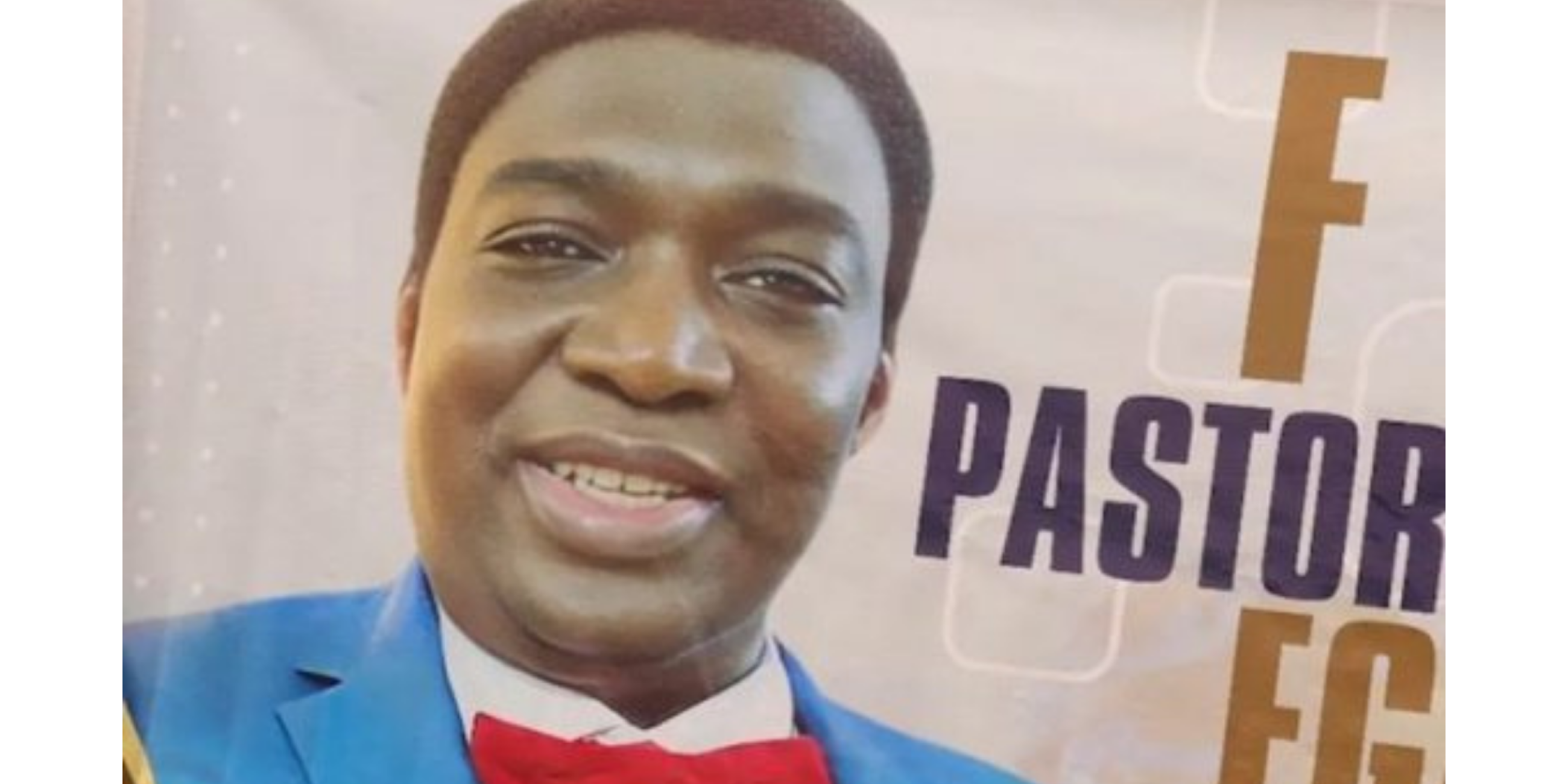
    The Federal Government of Nigeria has confirmed the release of Pastor Benjamin Egbaji, a Nigerian cleric and businessman from Cross River State who had been detained in the Republic of Benin for more than two years over alleged rape. His freedom, announced on January 8, 2026, followed a presidential pardon granted by Benin’s President, Patrice Talon, after sustained diplomatic intervention by Nigerian authorities.

    According to the Minister of State for Foreign Affairs, Ambassador Bianca Odumegwu-Ojukwu, Egbaji was released after what officials described as prolonged detention under “dehumanising conditions.” The amnesty that secured his freedom was formally gazetted on December 17, 2025, and took effect following high-level engagements between both governments.

    Official statements revealed that Egbaji had initially been held in a hospital in Cotonou before being transferred to prison as his health deteriorated. His case attracted widespread attention after a photograph showing him chained to a hospital bed circulated on social media, sparking public outrage and urgent calls for intervention.

    Odumegwu-Ojukwu disclosed that her office maintained consistent diplomatic pressure, including a personal visit to the detained pastor while he was hospitalised in August 2025. She described the release as the outcome of “determined diplomatic action,” adding that Nigeria’s foreign policy places the welfare of its citizens abroad at the centre of international engagement.

    “This release is the result of consistent and determined diplomatic action. We were deeply concerned by his condition and the circumstances of his detention,” the minister said, noting that although Egbaji is in high spirits, he requires extensive medical care after his prolonged incarceration.

    The Ministry of Foreign Affairs had earlier appealed to Beninese authorities to free the pastor on humanitarian grounds or allow him to serve any remaining sentence in Nigeria. The request followed a joint visit by Odumegwu-Ojukwu and Benin’s Foreign Affairs Minister, Olushegun Adjadi Bakari, during which Nigeria emphasized both Egbaji’s failing health and the long-standing diplomatic ties between the two countries.

    In official correspondence, Nigerian authorities cited the humanitarian imperative, stating that the cleric’s health had “deteriorated severely while in detention.” Ultimately, the Beninese government granted a presidential pardon, bringing an end to his imprisonment.

    The development raises critical questions:
    Was Egbaji’s release driven purely by humanitarian concerns?
    How much influence did diplomatic relations between Nigeria and Benin Republic play?
    And what does this case reveal about the treatment of foreign detainees and the protection of citizens abroad?

    While the allegations that led to his imprisonment remain a sensitive issue, the Nigerian government has framed the intervention as a matter of human rights, medical necessity, and diplomatic responsibility. The case has since become a reference point in discussions on how far governments should go to protect nationals facing detention overseas.

    Why Did Nigeria Intervene in Benin Republic? How Diplomatic Pressure Secured the Release of Pastor Benjamin Egbaji Jailed for Alleged Rape After Two Years in Detention Why did the Nigerian government step in to secure the release of a pastor imprisoned abroad, and what role did diplomacy and humanitarian concerns play in his freedom? The Federal Government of Nigeria has confirmed the release of Pastor Benjamin Egbaji, a Nigerian cleric and businessman from Cross River State who had been detained in the Republic of Benin for more than two years over alleged rape. His freedom, announced on January 8, 2026, followed a presidential pardon granted by Benin’s President, Patrice Talon, after sustained diplomatic intervention by Nigerian authorities. According to the Minister of State for Foreign Affairs, Ambassador Bianca Odumegwu-Ojukwu, Egbaji was released after what officials described as prolonged detention under “dehumanising conditions.” The amnesty that secured his freedom was formally gazetted on December 17, 2025, and took effect following high-level engagements between both governments. Official statements revealed that Egbaji had initially been held in a hospital in Cotonou before being transferred to prison as his health deteriorated. His case attracted widespread attention after a photograph showing him chained to a hospital bed circulated on social media, sparking public outrage and urgent calls for intervention. Odumegwu-Ojukwu disclosed that her office maintained consistent diplomatic pressure, including a personal visit to the detained pastor while he was hospitalised in August 2025. She described the release as the outcome of “determined diplomatic action,” adding that Nigeria’s foreign policy places the welfare of its citizens abroad at the centre of international engagement. “This release is the result of consistent and determined diplomatic action. We were deeply concerned by his condition and the circumstances of his detention,” the minister said, noting that although Egbaji is in high spirits, he requires extensive medical care after his prolonged incarceration. The Ministry of Foreign Affairs had earlier appealed to Beninese authorities to free the pastor on humanitarian grounds or allow him to serve any remaining sentence in Nigeria. The request followed a joint visit by Odumegwu-Ojukwu and Benin’s Foreign Affairs Minister, Olushegun Adjadi Bakari, during which Nigeria emphasized both Egbaji’s failing health and the long-standing diplomatic ties between the two countries. In official correspondence, Nigerian authorities cited the humanitarian imperative, stating that the cleric’s health had “deteriorated severely while in detention.” Ultimately, the Beninese government granted a presidential pardon, bringing an end to his imprisonment. The development raises critical questions: Was Egbaji’s release driven purely by humanitarian concerns? How much influence did diplomatic relations between Nigeria and Benin Republic play? And what does this case reveal about the treatment of foreign detainees and the protection of citizens abroad? While the allegations that led to his imprisonment remain a sensitive issue, the Nigerian government has framed the intervention as a matter of human rights, medical necessity, and diplomatic responsibility. The case has since become a reference point in discussions on how far governments should go to protect nationals facing detention overseas.
    0 Commenti ·0 condivisioni ·2K Views
  • US Seizes Oil Tanker Linked to Venezuela and Russia Over Sanctions Violation
    January 7, 2026 – International

    The United States has confirmed the seizure of an oil tanker accused of violating U.S. sanctions, marking a major enforcement action against vessels attempting to bypass American restrictions. The tanker, originally identified as M/V Bella 1, had been renamed Marinera and was operating under a Russian flag while sailing in the North Atlantic. Reports indicate that the vessel previously flew a Guyana flag before its re-registration under Russia.

    The U.S. European Command stated that the seizure was executed in coordination with multiple federal agencies, including the Department of Justice and the Department of Homeland Security. Tracking operations were supported by the U.S. Coast Guard cutter Munro. According to officials, the operation was carried out pursuant to a U.S. federal court warrant and reflects a “whole-of-government” approach to protecting U.S. interests and enforcing sanctions.

    “The seizure supports the President’s proclamation targeting sanctioned vessels that threaten security and stability in the Western Hemisphere,” the U.S. European Command noted. Officials emphasized that the action was carefully planned to avoid environmental damage and focused on recovering the tanker rather than sinking it.

    This operation follows recent diplomatic talks between U.S. and Venezuelan officials regarding potential exports of Venezuelan crude to American refineries along the Gulf Coast. U.S. refineries, which have historically processed Venezuela’s heavy crude, are reportedly capable of handling future imports once sanctions allow. Sources noted that the discussions come after years of restrictions that curtailed Venezuelan oil exports to the United States.

    The seizure also comes in the wake of a controversial U.S. military operation in Venezuela in early January 2026, which resulted in the capture of President Nicolás Maduro and his wife. The U.S. justified the operation by citing federal indictments accusing Maduro’s government of drug trafficking and narco-terrorism, alleging that the regime helped ship large quantities of cocaine into the United States. Following the operation, former President Donald Trump openly declared that the U.S. intended to take control of Venezuela’s oil industry, which he claimed was built with American investment and seized by Maduro.

    In his first public comments after being taken to the U.S., Maduro described himself as “kidnapped” and insisted on his innocence. The tanker seizure is seen as part of ongoing U.S. efforts to reassert influence over sanctioned energy exports and prevent regimes like Venezuela and Russia from profiting from illicit oil trade.

    Experts note that the operation highlights the strategic importance of maritime enforcement in the global energy market and underscores the U.S.’s commitment to sanctions enforcement. The tanker, part of what officials have described as a “shadow fleet” circumventing international regulations, was carefully monitored for weeks before the operation, demonstrating the complexity of tracking and intercepting high-value maritime targets.

    The U.S. emphasized that similar operations may continue against vessels suspected of violating sanctions, particularly those tied to sanctioned nations or illicit networks. The seizure reinforces the administration’s dual approach of diplomatic engagement and targeted enforcement to secure energy markets and uphold international sanctions.

    US Seizes Oil Tanker Linked to Venezuela and Russia Over Sanctions Violation January 7, 2026 – International The United States has confirmed the seizure of an oil tanker accused of violating U.S. sanctions, marking a major enforcement action against vessels attempting to bypass American restrictions. The tanker, originally identified as M/V Bella 1, had been renamed Marinera and was operating under a Russian flag while sailing in the North Atlantic. Reports indicate that the vessel previously flew a Guyana flag before its re-registration under Russia. The U.S. European Command stated that the seizure was executed in coordination with multiple federal agencies, including the Department of Justice and the Department of Homeland Security. Tracking operations were supported by the U.S. Coast Guard cutter Munro. According to officials, the operation was carried out pursuant to a U.S. federal court warrant and reflects a “whole-of-government” approach to protecting U.S. interests and enforcing sanctions. “The seizure supports the President’s proclamation targeting sanctioned vessels that threaten security and stability in the Western Hemisphere,” the U.S. European Command noted. Officials emphasized that the action was carefully planned to avoid environmental damage and focused on recovering the tanker rather than sinking it. This operation follows recent diplomatic talks between U.S. and Venezuelan officials regarding potential exports of Venezuelan crude to American refineries along the Gulf Coast. U.S. refineries, which have historically processed Venezuela’s heavy crude, are reportedly capable of handling future imports once sanctions allow. Sources noted that the discussions come after years of restrictions that curtailed Venezuelan oil exports to the United States. The seizure also comes in the wake of a controversial U.S. military operation in Venezuela in early January 2026, which resulted in the capture of President Nicolás Maduro and his wife. The U.S. justified the operation by citing federal indictments accusing Maduro’s government of drug trafficking and narco-terrorism, alleging that the regime helped ship large quantities of cocaine into the United States. Following the operation, former President Donald Trump openly declared that the U.S. intended to take control of Venezuela’s oil industry, which he claimed was built with American investment and seized by Maduro. In his first public comments after being taken to the U.S., Maduro described himself as “kidnapped” and insisted on his innocence. The tanker seizure is seen as part of ongoing U.S. efforts to reassert influence over sanctioned energy exports and prevent regimes like Venezuela and Russia from profiting from illicit oil trade. Experts note that the operation highlights the strategic importance of maritime enforcement in the global energy market and underscores the U.S.’s commitment to sanctions enforcement. The tanker, part of what officials have described as a “shadow fleet” circumventing international regulations, was carefully monitored for weeks before the operation, demonstrating the complexity of tracking and intercepting high-value maritime targets. The U.S. emphasized that similar operations may continue against vessels suspected of violating sanctions, particularly those tied to sanctioned nations or illicit networks. The seizure reinforces the administration’s dual approach of diplomatic engagement and targeted enforcement to secure energy markets and uphold international sanctions.
    0 Commenti ·0 condivisioni ·2K Views
  • ADC Criticizes Tinubu’s Silence on Venezuela Crisis, Warns Nigeria Has Lost Global Diplomatic Voice in International Affairs

    The African Democratic Congress (ADC) has condemned the Nigerian government under President Bola Tinubu for failing to publicly respond to recent political developments in Venezuela, describing the silence as a national embarrassment and a decline in Nigeria’s international influence.
    ADC National Publicity Secretary Bolaji Abdullahi said Nigeria’s absence from global conversations undermines its historic role as a leading diplomatic voice in Africa and West Africa. He contrasted the current administration’s inaction with past Nigerian leaders like Jaja Nwachukwu and Joseph Garba, who took firm stances on major international issues.
    Abdullahi further suggested that Nigeria’s reluctance to speak reflects internal vulnerabilities and a lack of moral courage, warning that the country’s diminished presence on the global stage is abnormal for its stature. The remarks follow outrage over the U.S. military’s capture of Venezuelan President Nicolás Maduro and his wife.
    ADC Criticizes Tinubu’s Silence on Venezuela Crisis, Warns Nigeria Has Lost Global Diplomatic Voice in International Affairs The African Democratic Congress (ADC) has condemned the Nigerian government under President Bola Tinubu for failing to publicly respond to recent political developments in Venezuela, describing the silence as a national embarrassment and a decline in Nigeria’s international influence. ADC National Publicity Secretary Bolaji Abdullahi said Nigeria’s absence from global conversations undermines its historic role as a leading diplomatic voice in Africa and West Africa. He contrasted the current administration’s inaction with past Nigerian leaders like Jaja Nwachukwu and Joseph Garba, who took firm stances on major international issues. Abdullahi further suggested that Nigeria’s reluctance to speak reflects internal vulnerabilities and a lack of moral courage, warning that the country’s diminished presence on the global stage is abnormal for its stature. The remarks follow outrage over the U.S. military’s capture of Venezuelan President Nicolás Maduro and his wife.
    like
    1
    · 0 Commenti ·0 condivisioni ·1K Views
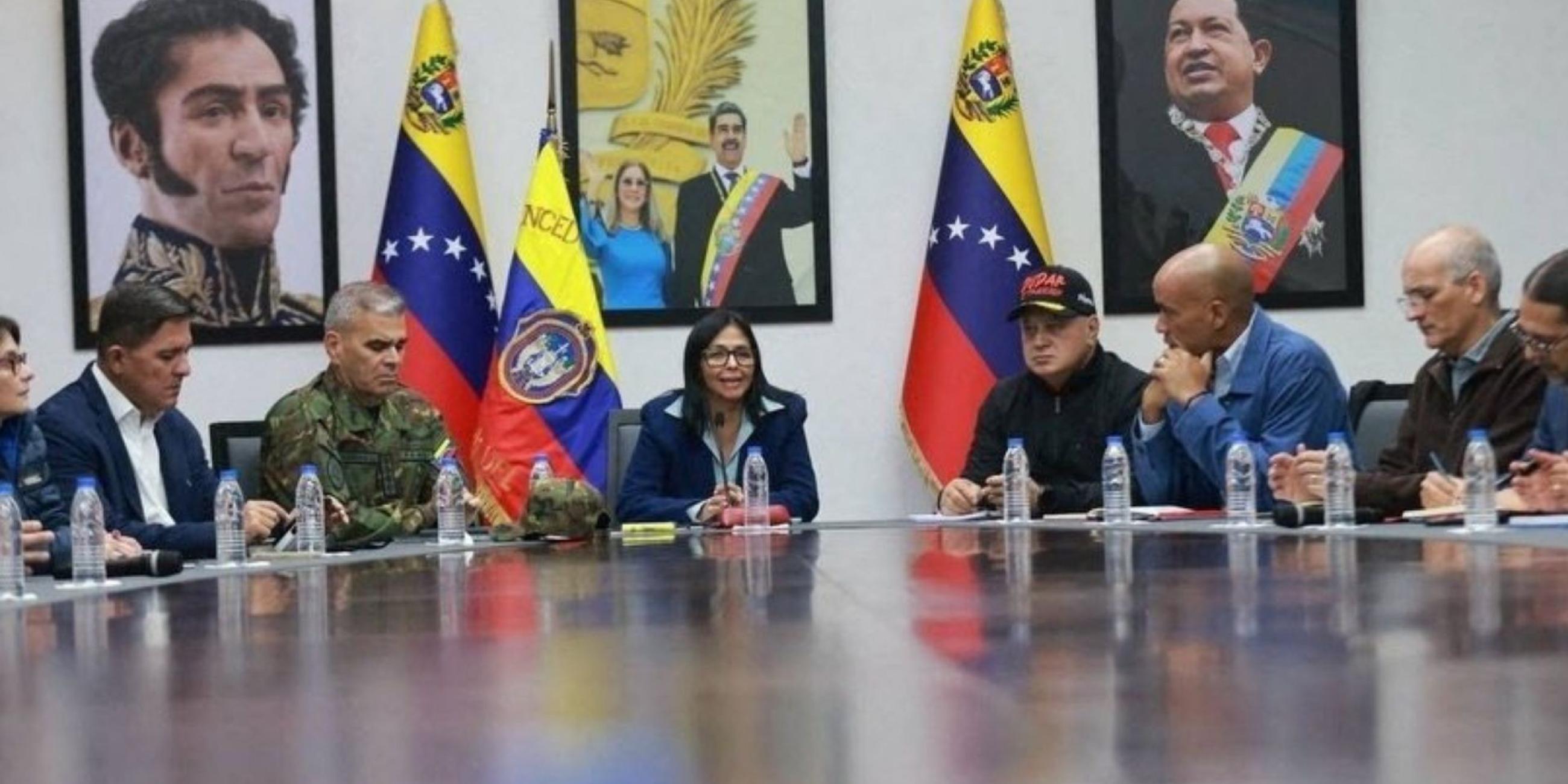
  • Delcy Rodriguez Sworn In as Interim President of Venezuela After US Capture of Nicolas Maduro and Wife, Signals Conditional Cooperation With Washington

    Venezuela’s former Vice President Delcy Rodriguez has been sworn in as interim president following the capture of President Nicolas Maduro and his wife, Cilia Flores, by United States forces. The swearing-in ceremony took place on Monday at the National Assembly in Caracas, drawing global attention amid rising diplomatic tensions and cautious signals of possible engagement with Washington, according to AFP.

    Rodriguez, who took the oath “in the name of all Venezuelans,” expressed sorrow over the detention of Maduro and Flores, describing them as “hostages in the United States.” While condemning the US operation, the National Assembly pledged full support for Rodriguez’s interim leadership. Lawmakers also re-elected her brother, Jorge Rodriguez, as parliamentary speaker, consolidating the family’s grip on both the executive and legislative arms of government.

    During the session, legislators chanted slogans linked to Maduro’s controversial 2024 re-election campaign, which was widely criticised by opposition groups and foreign governments, including the United States, as fraudulent. Senior lawmakers accused President Donald Trump of overstepping international norms, vowing to pursue all avenues to secure Maduro’s return to power.

    Venezuela’s Supreme Court authorised Rodriguez to assume the presidency in an acting capacity, a move later endorsed by the military. Maduro’s son, Nicolas Maduro Guerra, and the ruling United Socialist Party of Venezuela (PSUV) also threw their weight behind Rodriguez, insisting the country remains stable under her leadership. The PSUV and its allies currently control 256 of the 286 seats in parliament following elections boycotted by much of the opposition.

    Despite insisting that Maduro remains Venezuela’s “only legitimate president,” Rodriguez extended a conditional offer of cooperation to Washington, which has indicated willingness to work with Caracas if its demands on political reforms and oil access are met. However, Trump warned that Rodriguez could face consequences similar to or worse than Maduro’s if she failed to comply with US directives.

    The unfolding developments mark a dramatic turning point in Venezuela’s political crisis, deepening internal power consolidation while reshaping the country’s already strained relationship with the United States.
    Delcy Rodriguez Sworn In as Interim President of Venezuela After US Capture of Nicolas Maduro and Wife, Signals Conditional Cooperation With Washington Venezuela’s former Vice President Delcy Rodriguez has been sworn in as interim president following the capture of President Nicolas Maduro and his wife, Cilia Flores, by United States forces. The swearing-in ceremony took place on Monday at the National Assembly in Caracas, drawing global attention amid rising diplomatic tensions and cautious signals of possible engagement with Washington, according to AFP. Rodriguez, who took the oath “in the name of all Venezuelans,” expressed sorrow over the detention of Maduro and Flores, describing them as “hostages in the United States.” While condemning the US operation, the National Assembly pledged full support for Rodriguez’s interim leadership. Lawmakers also re-elected her brother, Jorge Rodriguez, as parliamentary speaker, consolidating the family’s grip on both the executive and legislative arms of government. During the session, legislators chanted slogans linked to Maduro’s controversial 2024 re-election campaign, which was widely criticised by opposition groups and foreign governments, including the United States, as fraudulent. Senior lawmakers accused President Donald Trump of overstepping international norms, vowing to pursue all avenues to secure Maduro’s return to power. Venezuela’s Supreme Court authorised Rodriguez to assume the presidency in an acting capacity, a move later endorsed by the military. Maduro’s son, Nicolas Maduro Guerra, and the ruling United Socialist Party of Venezuela (PSUV) also threw their weight behind Rodriguez, insisting the country remains stable under her leadership. The PSUV and its allies currently control 256 of the 286 seats in parliament following elections boycotted by much of the opposition. Despite insisting that Maduro remains Venezuela’s “only legitimate president,” Rodriguez extended a conditional offer of cooperation to Washington, which has indicated willingness to work with Caracas if its demands on political reforms and oil access are met. However, Trump warned that Rodriguez could face consequences similar to or worse than Maduro’s if she failed to comply with US directives. The unfolding developments mark a dramatic turning point in Venezuela’s political crisis, deepening internal power consolidation while reshaping the country’s already strained relationship with the United States.
    0 Commenti ·0 condivisioni ·2K Views
  • UN Chief António Guterres Warns Security Council of Escalating Venezuela Crisis After U.S. Military Operation, Cites Risks to Regional Stability and International Law

    United Nations Secretary-General António Guterres has warned the Security Council that recent U.S. military action in Venezuela could deepen instability, destabilise the wider region, and undermine the foundations of international law. Speaking through UN political affairs chief Rosemary DiCarlo at an emergency meeting, Guterres described the situation as “grave” following the 3 January U.S. operation that reportedly led to the capture and transfer of Venezuelan President Nicolás Maduro to the United States.

    According to the UN briefing, U.S. forces carried out operations across Caracas and several northern states, with the full extent of casualties still unclear. While U.S. President Donald Trump publicly acknowledged the strike, the Venezuelan government condemned the action as a violation of the UN Charter and a threat to international peace and security. At the time of the meeting, Maduro and his wife, Cilia Flores, were being held in New York to face serious criminal charges.

    Guterres stressed that the UN Charter prohibits the use of force against the territorial integrity or political independence of any state, warning that the precedent set by the operation could erode global norms. He also placed the crisis within Venezuela’s prolonged political, social, and economic turmoil, citing disputed elections, documented human rights violations, and the mass exodus of citizens. Urging restraint, dialogue, and diplomatic engagement, the UN chief called on all parties to respect sovereignty, human rights, and the rule of law, insisting that “the power of the law must prevail” as the international community seeks a peaceful path forward for Venezuela.
    UN Chief António Guterres Warns Security Council of Escalating Venezuela Crisis After U.S. Military Operation, Cites Risks to Regional Stability and International Law United Nations Secretary-General António Guterres has warned the Security Council that recent U.S. military action in Venezuela could deepen instability, destabilise the wider region, and undermine the foundations of international law. Speaking through UN political affairs chief Rosemary DiCarlo at an emergency meeting, Guterres described the situation as “grave” following the 3 January U.S. operation that reportedly led to the capture and transfer of Venezuelan President Nicolás Maduro to the United States. According to the UN briefing, U.S. forces carried out operations across Caracas and several northern states, with the full extent of casualties still unclear. While U.S. President Donald Trump publicly acknowledged the strike, the Venezuelan government condemned the action as a violation of the UN Charter and a threat to international peace and security. At the time of the meeting, Maduro and his wife, Cilia Flores, were being held in New York to face serious criminal charges. Guterres stressed that the UN Charter prohibits the use of force against the territorial integrity or political independence of any state, warning that the precedent set by the operation could erode global norms. He also placed the crisis within Venezuela’s prolonged political, social, and economic turmoil, citing disputed elections, documented human rights violations, and the mass exodus of citizens. Urging restraint, dialogue, and diplomatic engagement, the UN chief called on all parties to respect sovereignty, human rights, and the rule of law, insisting that “the power of the law must prevail” as the international community seeks a peaceful path forward for Venezuela.
    like
    1
    · 0 Commenti ·0 condivisioni ·1K Views
Pagine in Evidenza
Fintter https://fintter.com