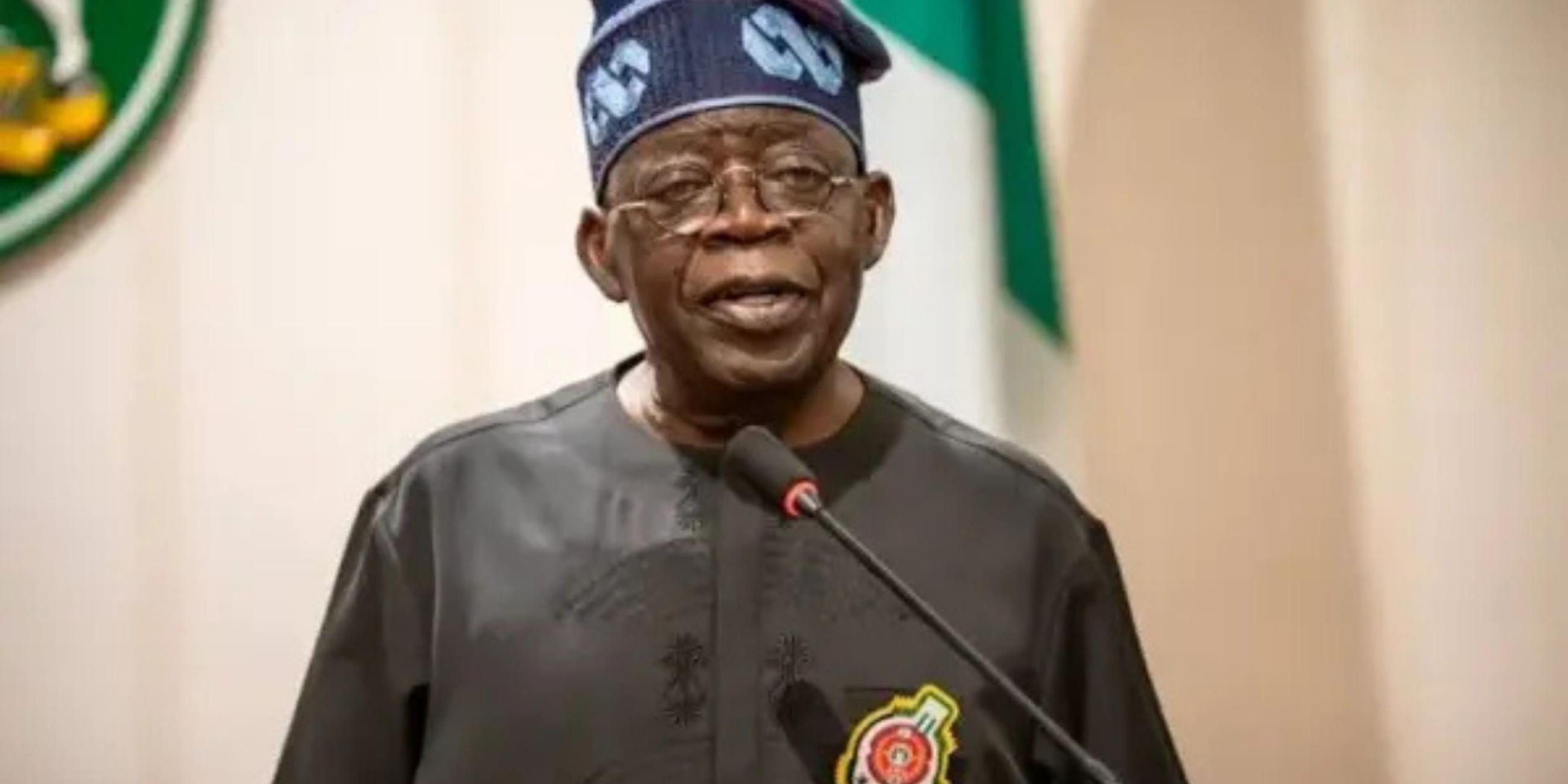
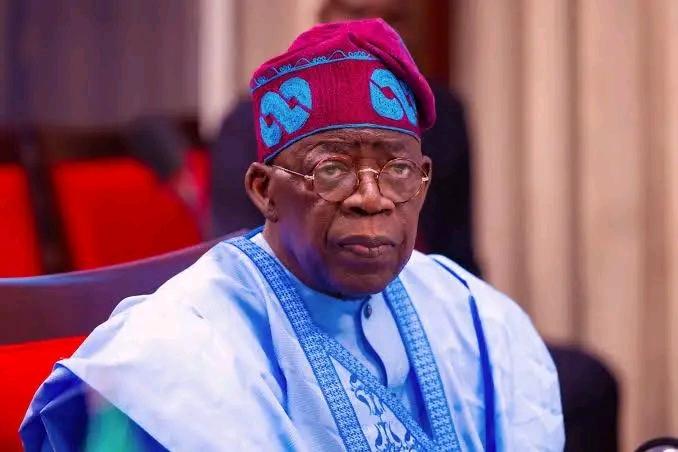
• BREAKING NEWS : Nigerian President Bola Ahmed Tinubu, who is on an official visit to Turkey, suddenly lost his balance and fell at the Presidential Complex, where he was welcomed with an official ceremony
    BREAKING NEWS : Nigerian President Bola Ahmed Tinubu, who is on an official visit to Turkey, suddenly lost his balance and fell at the Presidential Complex, where he was welcomed with an official ceremony
    love
    1
    · 0 Comentários ·0 Compartilhamentos ·2KB Visualizações
  • Mixed Reactions Trail Tiwa Savage’s Revelation About Living Next to President Tinubu……..

    Social media has been buzzing after singer Tiwa Savage revealed that she lives next to President Bola Ahmed Tinubu. A netizen reacted, saying, “Na why dem no go ever protest, dem dey wine and dine together,” sparking heated debate online. While some fans dismissed the comment as unnecessary, others questioned the relationship between celebrities and politicians. The revelation has since generated mixed reactions, with many Nigerians sharing differing views on celebrity influence and political neutrality.
    #fintternews
    Mixed Reactions Trail Tiwa Savage’s Revelation About Living Next to President Tinubu…….. Social media has been buzzing after singer Tiwa Savage revealed that she lives next to President Bola Ahmed Tinubu. A netizen reacted, saying, “Na why dem no go ever protest, dem dey wine and dine together,” sparking heated debate online. While some fans dismissed the comment as unnecessary, others questioned the relationship between celebrities and politicians. The revelation has since generated mixed reactions, with many Nigerians sharing differing views on celebrity influence and political neutrality. #fintternews
    love
    2
    · 3 Comentários ·0 Compartilhamentos ·2KB Visualizações
  • Yomi Fabiyi Takes “Justice for Mohbad” Protest to the Streets of U.S.…….

    Nollywood actor Yomi Fabiyi has taken the call for justice for late singer Mohbad to the streets of the United States. The actor was spotted protesting and demanding renewed action on the case. He publicly called on President Bola Ahmed Tinubu and the Inspector-General of Police to ensure that all suspects linked to Mohbad’s death are arrested and prosecuted. Fabiyi specifically mentioned Wunmi Aloba, Adura and some of the singer’s friends as persons of interest in the ongoing case.
    #fintternews
    Yomi Fabiyi Takes “Justice for Mohbad” Protest to the Streets of U.S.……. Nollywood actor Yomi Fabiyi has taken the call for justice for late singer Mohbad to the streets of the United States. The actor was spotted protesting and demanding renewed action on the case. He publicly called on President Bola Ahmed Tinubu and the Inspector-General of Police to ensure that all suspects linked to Mohbad’s death are arrested and prosecuted. Fabiyi specifically mentioned Wunmi Aloba, Adura and some of the singer’s friends as persons of interest in the ongoing case. #fintternews
    love
    1
    · 0 Comentários ·0 Compartilhamentos ·3KB Visualizações
  • PRESIDENT TINUBU RETURNS TO NIGERIA AFTER ABU DHABI TRIP……

    President Bola Ahmed Tinubu has returned to Nigeria after participating in the 2026 Abu Dhabi Sustainability Week (ADSW2026) alongside key ministers. According to a statement by his Special Adviser, Bayo Onanuga, Nigeria signed a Comprehensive Economic Partnership Agreement (CEPA) with the United Arab Emirates to deepen economic cooperation. The deal targets increased trade, investment, technology transfer, and collaboration in energy, infrastructure, agriculture, mining, and renewables. Tinubu also announced a Nigeria–UAE INVESTOPIA in Lagos this February and said Nigeria plans to mobilise up to $30bn yearly for climate and green industrial finance.
    #fintternews
    PRESIDENT TINUBU RETURNS TO NIGERIA AFTER ABU DHABI TRIP…… President Bola Ahmed Tinubu has returned to Nigeria after participating in the 2026 Abu Dhabi Sustainability Week (ADSW2026) alongside key ministers. According to a statement by his Special Adviser, Bayo Onanuga, Nigeria signed a Comprehensive Economic Partnership Agreement (CEPA) with the United Arab Emirates to deepen economic cooperation. The deal targets increased trade, investment, technology transfer, and collaboration in energy, infrastructure, agriculture, mining, and renewables. Tinubu also announced a Nigeria–UAE INVESTOPIA in Lagos this February and said Nigeria plans to mobilise up to $30bn yearly for climate and green industrial finance. #fintternews
    love
    2
    · 0 Comentários ·0 Compartilhamentos ·2KB Visualizações
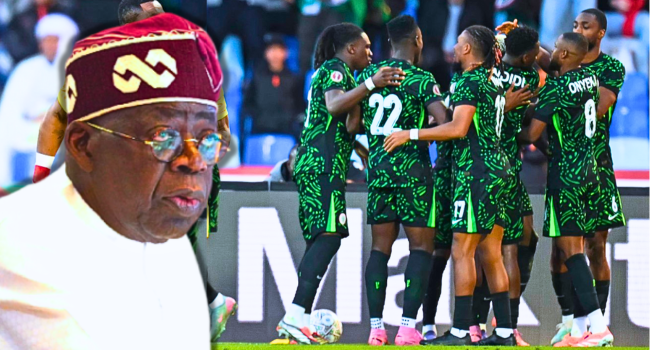
  • AFCON: Tinubu Praises Super Eagles After Quarter-Final Victory

    President Bola Ahmed Tinubu has commended the Super Eagles following their impressive quarter-final win at the ongoing Africa Cup of Nations (AFCON).

    Nigeria secured a place in the semi-finals with a commanding display at the Grand Stade de Marrakech, bringing an end to Algeria’s strong defensive run in the tournament.

    The victory has boosted national optimism as the Super Eagles continue their push for continental glory.
    AFCON: Tinubu Praises Super Eagles After Quarter-Final Victory President Bola Ahmed Tinubu has commended the Super Eagles following their impressive quarter-final win at the ongoing Africa Cup of Nations (AFCON). Nigeria secured a place in the semi-finals with a commanding display at the Grand Stade de Marrakech, bringing an end to Algeria’s strong defensive run in the tournament. The victory has boosted national optimism as the Super Eagles continue their push for continental glory.
    0 Comentários ·0 Compartilhamentos ·937 Visualizações
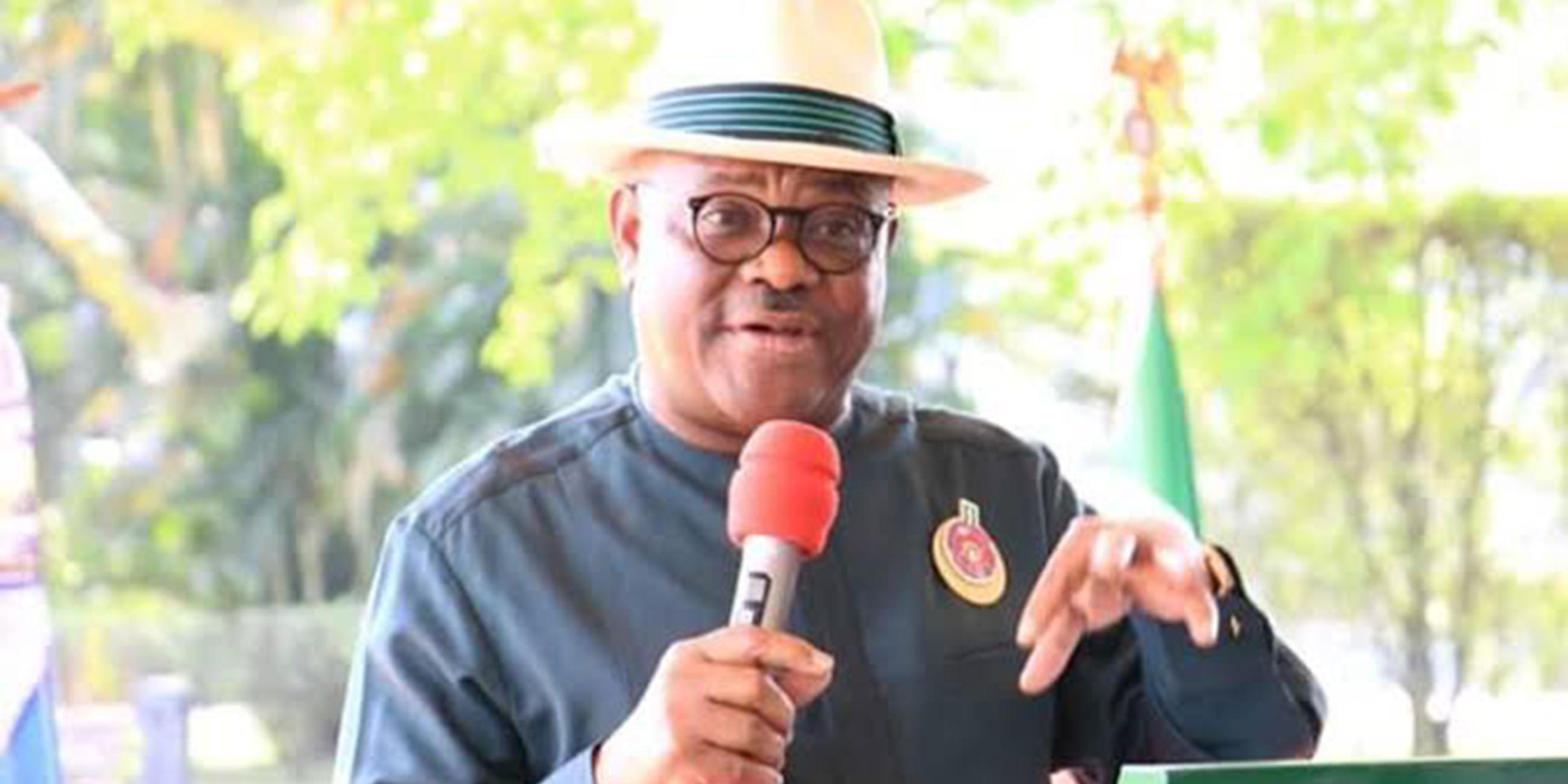
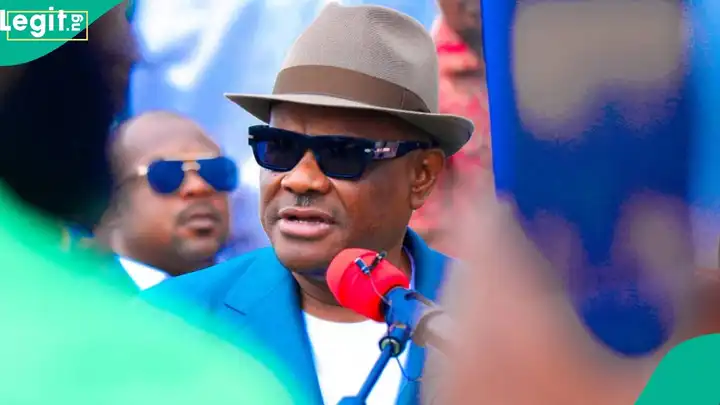
  • Can Anyone Really Push Wike Out of Rivers Politics? FCT Minister Boasts of Unshakable Control, Defies Rivals, and Says Only His Camp Truly Delivered Tinubu’s 2023 Victory

    Is Nyesom Wike still the most powerful political force in Rivers State, and can any group truly challenge his grip on the state’s politics? The Federal Capital Territory (FCT) Minister has answered that question with confidence, declaring that no political camp can push him or his loyalists out of Rivers State, despite threats, attacks, and growing opposition since the 2023 general elections.

    Speaking during a visit to the Port Harcourt City Local Government Area Secretariat, where he met party leaders, traditional rulers, women, and youth groups, Wike insisted that his political structure remains intact and battle-tested. “Nobody in this state can push us out. We have led this war since 2023 and we have never reneged,” he said, adding that his supporters had stood firm in the face of intense pressure.

    The former Rivers governor explained that his ongoing tour of the state’s 23 local government areas was both a show of appreciation to his supporters and a rallying call to maintain backing for President Bola Ahmed Tinubu ahead of the 2027 elections. According to Wike, Rivers State remains one of the President’s most dependable strongholds.

    “If there is one state the President knows he can go home and sleep with his two eyes closed, it is Rivers State,” he declared, arguing that his political camp paid the price for its early and unwavering commitment to Tinubu’s Renewed Hope agenda.

    Wike also fired back at politicians he accused of opportunism, claiming that those who failed to support Tinubu in 2023 are now attempting to take over the Renewed Hope movement. He dismissed such efforts as dishonest and bound to fail. Using a vivid metaphor, he said they were like people who contributed nothing to a meal but suddenly wanted to eat first once the food was ready.

    Describing Port Harcourt as a politically complex, cosmopolitan city, Wike said electoral victories there are particularly difficult, making any success significant. He further claimed that Rivers State is unique in its ability to bring leaders of the two major political parties together to work as a team—a strategy he said was central to Tinubu’s victory.

    “This is the only state where you can see the leadership of two major political parties working as a team,” he said, urging other states to emulate Rivers rather than resent it.

    While projecting strength, Wike also called for unity, humility, and responsive leadership within the state. “Leadership is not a birthright,” he warned, adding that good leaders must listen to the people and be willing to change when advised. He concluded by praising the Port Harcourt City council leadership for its cooperation and urged sustained unity to drive development.

    His bold remarks raise key political questions: Is Wike’s dominance in Rivers truly unbreakable? Are his rivals capable of mounting a serious challenge? And will Rivers remain a decisive power base for Tinubu as the 2027 elections approach?

    Can Anyone Really Push Wike Out of Rivers Politics? FCT Minister Boasts of Unshakable Control, Defies Rivals, and Says Only His Camp Truly Delivered Tinubu’s 2023 Victory Is Nyesom Wike still the most powerful political force in Rivers State, and can any group truly challenge his grip on the state’s politics? The Federal Capital Territory (FCT) Minister has answered that question with confidence, declaring that no political camp can push him or his loyalists out of Rivers State, despite threats, attacks, and growing opposition since the 2023 general elections. Speaking during a visit to the Port Harcourt City Local Government Area Secretariat, where he met party leaders, traditional rulers, women, and youth groups, Wike insisted that his political structure remains intact and battle-tested. “Nobody in this state can push us out. We have led this war since 2023 and we have never reneged,” he said, adding that his supporters had stood firm in the face of intense pressure. The former Rivers governor explained that his ongoing tour of the state’s 23 local government areas was both a show of appreciation to his supporters and a rallying call to maintain backing for President Bola Ahmed Tinubu ahead of the 2027 elections. According to Wike, Rivers State remains one of the President’s most dependable strongholds. “If there is one state the President knows he can go home and sleep with his two eyes closed, it is Rivers State,” he declared, arguing that his political camp paid the price for its early and unwavering commitment to Tinubu’s Renewed Hope agenda. Wike also fired back at politicians he accused of opportunism, claiming that those who failed to support Tinubu in 2023 are now attempting to take over the Renewed Hope movement. He dismissed such efforts as dishonest and bound to fail. Using a vivid metaphor, he said they were like people who contributed nothing to a meal but suddenly wanted to eat first once the food was ready. Describing Port Harcourt as a politically complex, cosmopolitan city, Wike said electoral victories there are particularly difficult, making any success significant. He further claimed that Rivers State is unique in its ability to bring leaders of the two major political parties together to work as a team—a strategy he said was central to Tinubu’s victory. “This is the only state where you can see the leadership of two major political parties working as a team,” he said, urging other states to emulate Rivers rather than resent it. While projecting strength, Wike also called for unity, humility, and responsive leadership within the state. “Leadership is not a birthright,” he warned, adding that good leaders must listen to the people and be willing to change when advised. He concluded by praising the Port Harcourt City council leadership for its cooperation and urged sustained unity to drive development. His bold remarks raise key political questions: Is Wike’s dominance in Rivers truly unbreakable? Are his rivals capable of mounting a serious challenge? And will Rivers remain a decisive power base for Tinubu as the 2027 elections approach?
    0 Comentários ·0 Compartilhamentos ·4KB Visualizações
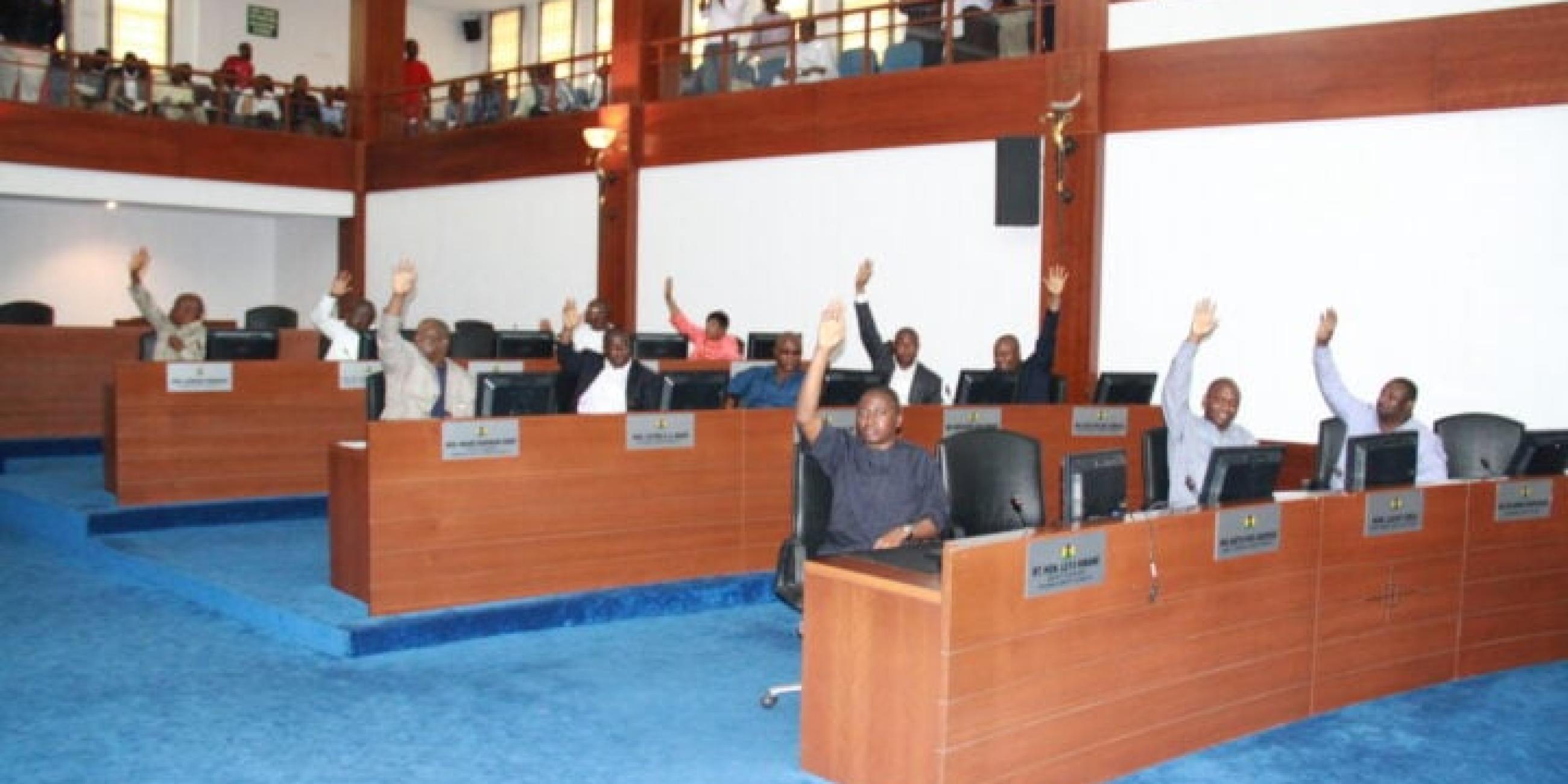
  • Is Democracy Under Threat in Rivers State? Pro-Democracy Group NDF Demands Recall of Lawmakers Over Impeachment Move Against Governor Fubara

    Is the impeachment attempt against Rivers State Governor Siminalayi Fubara a genuine constitutional process—or a politically driven effort that could destabilize the state? The Nigeria Democratic Front (NDF) has strongly condemned the move by some members of the Rivers State House of Assembly to impeach the governor and his deputy, describing it as anti-democratic, self-serving, and dangerous to political stability.

    In a statement signed by its National Coordinator, Ikenna Ellis-Ezenekwe, the pro-democracy group accused the lawmakers behind the impeachment proceedings of abandoning the interests of their constituents in favour of what it called personal political loyalty to the Minister of the Federal Capital Territory (FCT), Nyesom Wike. According to the NDF, the action represents a “shameful display of political thuggery” rather than a lawful attempt to uphold accountability.

    The group went further to call on political stakeholders within Rivers State and the All Progressives Congress (APC) to initiate a recall process against the lawmakers involved, arguing that their conduct shows they no longer represent the will of the people. “Their action clearly shows that they no longer represent their constituents but their political paymaster,” the statement declared.

    The NDF also alleged that the impeachment move is part of a broader attempt to plunge the oil-rich state into prolonged political instability for personal and factional gain. It urged residents of Rivers State to resist what it described as the politics of godfatherism, greed, and elite control, insisting that such practices undermine democratic governance and development.

    Expressing firm support for Governor Fubara, the group called on him to remain resolute and unyielding in the face of political pressure, asserting that the governor enjoys widespread public backing. “Rivers State is ready for people-oriented development, not Wike-oriented destruction,” the NDF said, maintaining that the current administration should not be intimidated by forces seeking to derail governance through legislative conflict.

    In a direct appeal to the federal government, the group urged President Bola Ahmed Tinubu to intervene by calling the FCT minister to order, warning that failure to do so could deepen political tensions and erode democratic stability in the state.

    As of the time of reporting, neither the Rivers State House of Assembly nor the FCT Minister, Nyesom Wike, had responded to the allegations.

    The unfolding crisis raises pressing questions: Is the impeachment move truly about accountability or about political control? Will Rivers lawmakers face recall from their constituents? And can democratic institutions withstand the growing influence of political godfatherism in Nigeria’s state politics?

    Is Democracy Under Threat in Rivers State? Pro-Democracy Group NDF Demands Recall of Lawmakers Over Impeachment Move Against Governor Fubara Is the impeachment attempt against Rivers State Governor Siminalayi Fubara a genuine constitutional process—or a politically driven effort that could destabilize the state? The Nigeria Democratic Front (NDF) has strongly condemned the move by some members of the Rivers State House of Assembly to impeach the governor and his deputy, describing it as anti-democratic, self-serving, and dangerous to political stability. In a statement signed by its National Coordinator, Ikenna Ellis-Ezenekwe, the pro-democracy group accused the lawmakers behind the impeachment proceedings of abandoning the interests of their constituents in favour of what it called personal political loyalty to the Minister of the Federal Capital Territory (FCT), Nyesom Wike. According to the NDF, the action represents a “shameful display of political thuggery” rather than a lawful attempt to uphold accountability. The group went further to call on political stakeholders within Rivers State and the All Progressives Congress (APC) to initiate a recall process against the lawmakers involved, arguing that their conduct shows they no longer represent the will of the people. “Their action clearly shows that they no longer represent their constituents but their political paymaster,” the statement declared. The NDF also alleged that the impeachment move is part of a broader attempt to plunge the oil-rich state into prolonged political instability for personal and factional gain. It urged residents of Rivers State to resist what it described as the politics of godfatherism, greed, and elite control, insisting that such practices undermine democratic governance and development. Expressing firm support for Governor Fubara, the group called on him to remain resolute and unyielding in the face of political pressure, asserting that the governor enjoys widespread public backing. “Rivers State is ready for people-oriented development, not Wike-oriented destruction,” the NDF said, maintaining that the current administration should not be intimidated by forces seeking to derail governance through legislative conflict. In a direct appeal to the federal government, the group urged President Bola Ahmed Tinubu to intervene by calling the FCT minister to order, warning that failure to do so could deepen political tensions and erode democratic stability in the state. As of the time of reporting, neither the Rivers State House of Assembly nor the FCT Minister, Nyesom Wike, had responded to the allegations. The unfolding crisis raises pressing questions: Is the impeachment move truly about accountability or about political control? Will Rivers lawmakers face recall from their constituents? And can democratic institutions withstand the growing influence of political godfatherism in Nigeria’s state politics?
    0 Comentários ·0 Compartilhamentos ·3KB Visualizações
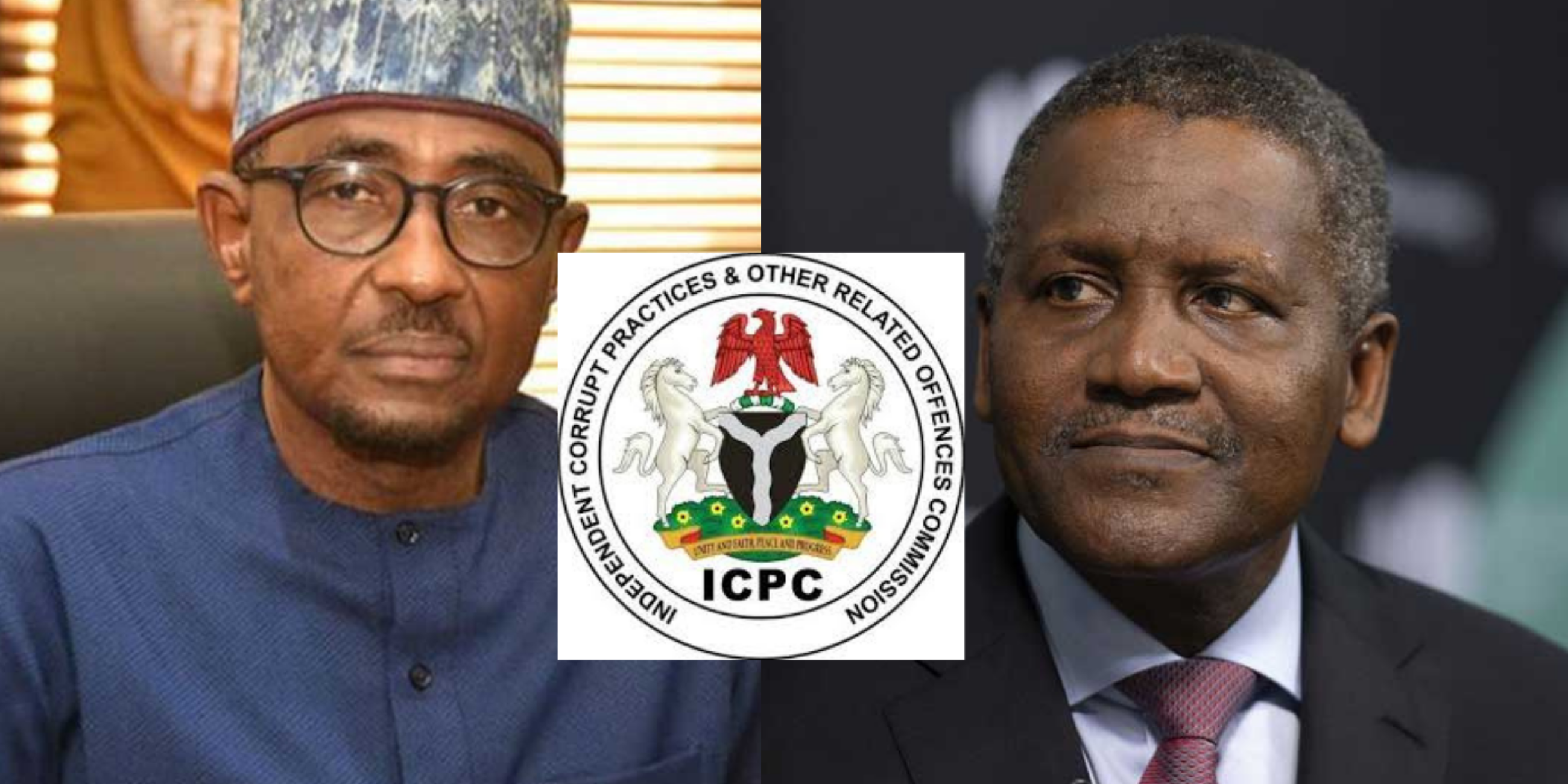
  • ICPC Rejects Dangote’s Petition Withdrawal, Continues Probe of Ex-NMDPRA Chief Farouk Ahmed

    The Independent Corrupt Practices and Other Related Offences Commission (ICPC) has confirmed that it will continue investigating allegations of corruption against Engineer Farouk Ahmed, the former Chief Executive Officer of the Nigerian Midstream and Downstream Petroleum Regulatory Authority (NMDPRA), despite the withdrawal of a petition by Africa’s richest man, Aliko Dangote.

    Dangote initially filed the petition in December 2025, accusing Ahmed of corruption, including the alleged misappropriation of public funds and spending approximately $5 million on his children’s education in Switzerland, despite lacking a verifiable lawful income to support such expenditure. The allegations sparked nationwide outrage and intensified scrutiny of Nigeria’s downstream petroleum sector.

    On January 5, 2026, Dangote’s legal team, led by Dr. O.J. Onoja, SAN, formally withdrew the petition, citing that another law enforcement agency had assumed responsibility for investigating the matter. However, the ICPC rejected the withdrawal, emphasizing that once a petition alleging corruption is received and an investigation commences, the process cannot be terminated at the discretion of the petitioner—particularly in cases of public interest and alleged abuse of office.

    In a press statement, ICPC spokesperson Okor Odey stressed that the commission’s investigation would proceed in line with its statutory mandate to ensure transparency, accountability, and the fight against corruption in Nigeria. The ICPC also highlighted that the inquiry serves the interest of the Nigerian people and cannot be halted simply because the petitioner withdraws.

    Following the accusations, Farouk Ahmed resigned from his position as NMDPRA Chief Executive, and President Bola Ahmed Tinubu appointed a successor. ICPC had earlier summoned Dangote to appear before a special panel of investigators in Abuja regarding his petition. Dangote had publicly criticized Ahmed’s alleged spending during a media briefing on December 14, 2025, highlighting the contrast between such expenditure and the economic struggles of ordinary Nigerians amid inflation and rising fuel prices.

    The ICPC’s decision to continue its probe underscores the agency’s commitment to holding public officials accountable, regardless of a petitioner’s withdrawal, and signals a robust approach to anti-corruption enforcement in Nigeria.

    ICPC Rejects Dangote’s Petition Withdrawal, Continues Probe of Ex-NMDPRA Chief Farouk Ahmed The Independent Corrupt Practices and Other Related Offences Commission (ICPC) has confirmed that it will continue investigating allegations of corruption against Engineer Farouk Ahmed, the former Chief Executive Officer of the Nigerian Midstream and Downstream Petroleum Regulatory Authority (NMDPRA), despite the withdrawal of a petition by Africa’s richest man, Aliko Dangote. Dangote initially filed the petition in December 2025, accusing Ahmed of corruption, including the alleged misappropriation of public funds and spending approximately $5 million on his children’s education in Switzerland, despite lacking a verifiable lawful income to support such expenditure. The allegations sparked nationwide outrage and intensified scrutiny of Nigeria’s downstream petroleum sector. On January 5, 2026, Dangote’s legal team, led by Dr. O.J. Onoja, SAN, formally withdrew the petition, citing that another law enforcement agency had assumed responsibility for investigating the matter. However, the ICPC rejected the withdrawal, emphasizing that once a petition alleging corruption is received and an investigation commences, the process cannot be terminated at the discretion of the petitioner—particularly in cases of public interest and alleged abuse of office. In a press statement, ICPC spokesperson Okor Odey stressed that the commission’s investigation would proceed in line with its statutory mandate to ensure transparency, accountability, and the fight against corruption in Nigeria. The ICPC also highlighted that the inquiry serves the interest of the Nigerian people and cannot be halted simply because the petitioner withdraws. Following the accusations, Farouk Ahmed resigned from his position as NMDPRA Chief Executive, and President Bola Ahmed Tinubu appointed a successor. ICPC had earlier summoned Dangote to appear before a special panel of investigators in Abuja regarding his petition. Dangote had publicly criticized Ahmed’s alleged spending during a media briefing on December 14, 2025, highlighting the contrast between such expenditure and the economic struggles of ordinary Nigerians amid inflation and rising fuel prices. The ICPC’s decision to continue its probe underscores the agency’s commitment to holding public officials accountable, regardless of a petitioner’s withdrawal, and signals a robust approach to anti-corruption enforcement in Nigeria.
    0 Comentários ·0 Compartilhamentos ·2KB Visualizações
  • Zamfara Govt Accuses Defence Minister Matawalle of Using NSA Office to Target Opposition Figures

    The Zamfara State Government has accused the Minister of State for Defence, Bello Matawalle, of allegedly using the Office of the National Security Adviser (NSA) to intimidate and harass opposition figures in the state. The claim was made in a press statement by Sulaiman Bala Idris, spokesperson for the Zamfara Governor, highlighting concerns over the politicisation of national security institutions.

    The government alleged that Saleem Abubakar, a Technical Assistant in the Zamfara Governor’s office, was abducted in Abuja by operatives linked to the NSA without an arrest warrant. According to the statement, Abubakar was moved between undisclosed locations, raising fears of a deliberate attempt to conceal his whereabouts.

    Zamfara officials described the alleged actions as a dangerous abuse of power and a threat to democratic norms, warning that such incidents could tarnish Nigeria’s democratic credentials and international reputation. The statement urged President Bola Ahmed Tinubu to intervene and ensure due process is followed, stressing that legal charges should be preferred over illegal abductions.

    The state government vowed to monitor the situation closely, promising to pursue justice and hold accountable any parties involved in what it termed federal impunity. This development has intensified debates around the intersection of politics and national security in Nigeria, highlighting rising concerns over the misuse of security agencies for political purposes.


    Zamfara Govt Accuses Defence Minister Matawalle of Using NSA Office to Target Opposition Figures The Zamfara State Government has accused the Minister of State for Defence, Bello Matawalle, of allegedly using the Office of the National Security Adviser (NSA) to intimidate and harass opposition figures in the state. The claim was made in a press statement by Sulaiman Bala Idris, spokesperson for the Zamfara Governor, highlighting concerns over the politicisation of national security institutions. The government alleged that Saleem Abubakar, a Technical Assistant in the Zamfara Governor’s office, was abducted in Abuja by operatives linked to the NSA without an arrest warrant. According to the statement, Abubakar was moved between undisclosed locations, raising fears of a deliberate attempt to conceal his whereabouts. Zamfara officials described the alleged actions as a dangerous abuse of power and a threat to democratic norms, warning that such incidents could tarnish Nigeria’s democratic credentials and international reputation. The statement urged President Bola Ahmed Tinubu to intervene and ensure due process is followed, stressing that legal charges should be preferred over illegal abductions. The state government vowed to monitor the situation closely, promising to pursue justice and hold accountable any parties involved in what it termed federal impunity. This development has intensified debates around the intersection of politics and national security in Nigeria, highlighting rising concerns over the misuse of security agencies for political purposes.
    0 Comentários ·0 Compartilhamentos ·2KB Visualizações
  • Tinubu’s Information Minister Suspends Aide Over Unauthorised 2027 Niger Election Write-Up
    January 7, 2026 – Politics

    Nigeria’s Minister of Information and National Orientation, Mohammed Idris Malagi, has suspended his aide, Sa’idu Enagi, for publishing an unauthorised political article discussing the 2027 Niger State governorship election. The write-up, titled “Malagi 2027”, circulated without the Minister’s approval, prompting the Ministry to clarify that it does not represent Malagi’s views.

    In a statement, Malagi’s Special Assistant on Media, Rabiu Ibrahim, urged the public to disregard the publication. He confirmed that Malagi had initiated an immediate investigation and disciplined the aide by issuing a suspension letter with immediate effect.

    The Ministry emphasized that Malagi maintains a positive relationship with Niger State Governor Mohammed Umaru Bago, highlighting that speculation about the 2027 elections could undermine their collaborative efforts for the state. Malagi remains focused on his federal responsibilities at the Ministry of Information.

    Prior to his ministerial appointment in August 2023 by President Bola Ahmed Tinubu, Malagi had contested the Niger State governorship under the All Progressives Congress (APC) but lost the primary to Umar Bago.
    Tinubu’s Information Minister Suspends Aide Over Unauthorised 2027 Niger Election Write-Up January 7, 2026 – Politics Nigeria’s Minister of Information and National Orientation, Mohammed Idris Malagi, has suspended his aide, Sa’idu Enagi, for publishing an unauthorised political article discussing the 2027 Niger State governorship election. The write-up, titled “Malagi 2027”, circulated without the Minister’s approval, prompting the Ministry to clarify that it does not represent Malagi’s views. In a statement, Malagi’s Special Assistant on Media, Rabiu Ibrahim, urged the public to disregard the publication. He confirmed that Malagi had initiated an immediate investigation and disciplined the aide by issuing a suspension letter with immediate effect. The Ministry emphasized that Malagi maintains a positive relationship with Niger State Governor Mohammed Umaru Bago, highlighting that speculation about the 2027 elections could undermine their collaborative efforts for the state. Malagi remains focused on his federal responsibilities at the Ministry of Information. Prior to his ministerial appointment in August 2023 by President Bola Ahmed Tinubu, Malagi had contested the Niger State governorship under the All Progressives Congress (APC) but lost the primary to Umar Bago.
    0 Comentários ·0 Compartilhamentos ·2KB Visualizações
  • Is Tinubu Failing Yoruba Land? Pan-Yoruba Group Slams President Over Insecurity, Kidnapped Monarchs and ‘Silence From Power

    Is Nigeria’s security crisis finally reaching a breaking point in Yoruba land—and is President Bola Ahmed Tinubu truly doing enough to stop it? These are the urgent questions being raised after a Pan-Yoruba socio-political group, Ìgbìnmó Májékóbájé Ilé-Yorùbá, publicly condemned the President over what it described as his “deafening silence” in the face of worsening insecurity across the South-West.

    The group’s outcry followed the shocking abduction of a Kwara State monarch, Oba S. Y. Olaonipekun, and his son, Olaolu, who were reportedly kidnapped by suspected terrorists in the Ile-Ire district. For many observers, the incident marks a dangerous escalation in Nigeria’s security crisis: when even traditional rulers—symbols of authority, culture, and community stability—are no longer safe, what hope remains for ordinary citizens?

    In a strongly worded statement signed by its Convener, Olusola Badero, and released through Home Director Princess Balogun, the group accused President Tinubu of abandoning his constitutional duty as the nation’s chief security officer. According to the group, violent attacks, kidnappings, and killings have spread across Yoruba communities with little visible federal response. They argued that while statements are often issued, concrete action has been painfully absent.

    The union alleged that forests and rural communities in parts of Kwara and the wider South-West have become safe havens for armed groups posing as herdsmen, whom they directly described as terrorists. It lamented what it called the humiliation of Yoruba traditional institutions, stressing that the kidnapping of monarchs was once unimaginable in the region’s history. Quoting a Yoruba proverb—“Oríadé kì í sùn tán” (Royalty does not sleep outside)—the group said the abduction of kings represents not only a security failure but also a deep cultural wound.

    Beyond insecurity, the group launched a broader political critique of President Tinubu’s leadership. They accused him of prioritising personal interests, political allies, and future elections over the immediate safety and welfare of citizens. They further criticised what they described as his frequent foreign trips, alleging that he enjoys public funds abroad while Nigerians face poverty, fear, collapsing healthcare, and deteriorating schools at home. For the group, this contrast symbolises a widening gap between those in power and the people they govern.

    The statement also targeted Kwara State Governor AbdulRahman AbdulRazaq, accusing the state government of failing to protect residents. The group demanded the immediate release of the abducted monarch and his son, as well as other kidnapped citizens, including workers from the Kwara State Ministry of Works.

    To underline what it sees as a pattern of lawlessness, the union recalled earlier incidents, including the killing of Segun Aremu, a retired army general and monarch (the Olúkòrò of Koro), and the abduction of Kamilu Salami, the Oníbàrà of Bayagan Ile, who reportedly spent weeks in captivity before regaining freedom. These cases, the group argued, show that the crisis is not isolated but systemic.

    Perhaps most striking is the group’s warning that continued political inaction could lead to long-term devastation: deserted villages, abandoned farmlands, and forests fully occupied by armed groups. They questioned how elections can even matter if citizens are no longer safe enough to live in their communities. “Who will be alive to vote,” they asked, “if our villages are deserted and our forests controlled by terrorists?”

    The union went further, calling on Yoruba people at home and in the diaspora to take collective responsibility for protecting their region, suggesting that reliance on political leaders who have “clearly failed” could invite even greater catastrophe.

    As this controversy unfolds, Nigerians are left with uncomfortable but necessary questions: Has the federal government lost control of internal security? Is President Tinubu doing enough to protect his own region? And what happens when traditional institutions—once seen as untouchable—become targets of violence?

    On Fintter, this story is more than breaking news; it is a national conversation about leadership, accountability, and survival. Are these criticisms justified, or are they politically motivated? Can Nigeria still reverse its security decline, or has the crisis reached a point of no return? The answers may shape not just the future of Yoruba land, but the fate of the entire nation.

    What do you think? Is Tinubu truly failing on security—or is the crisis beyond any single leader? Share your thoughts and join the debate on Fintter.

    Is Tinubu Failing Yoruba Land? Pan-Yoruba Group Slams President Over Insecurity, Kidnapped Monarchs and ‘Silence From Power Is Nigeria’s security crisis finally reaching a breaking point in Yoruba land—and is President Bola Ahmed Tinubu truly doing enough to stop it? These are the urgent questions being raised after a Pan-Yoruba socio-political group, Ìgbìnmó Májékóbájé Ilé-Yorùbá, publicly condemned the President over what it described as his “deafening silence” in the face of worsening insecurity across the South-West. The group’s outcry followed the shocking abduction of a Kwara State monarch, Oba S. Y. Olaonipekun, and his son, Olaolu, who were reportedly kidnapped by suspected terrorists in the Ile-Ire district. For many observers, the incident marks a dangerous escalation in Nigeria’s security crisis: when even traditional rulers—symbols of authority, culture, and community stability—are no longer safe, what hope remains for ordinary citizens? In a strongly worded statement signed by its Convener, Olusola Badero, and released through Home Director Princess Balogun, the group accused President Tinubu of abandoning his constitutional duty as the nation’s chief security officer. According to the group, violent attacks, kidnappings, and killings have spread across Yoruba communities with little visible federal response. They argued that while statements are often issued, concrete action has been painfully absent. The union alleged that forests and rural communities in parts of Kwara and the wider South-West have become safe havens for armed groups posing as herdsmen, whom they directly described as terrorists. It lamented what it called the humiliation of Yoruba traditional institutions, stressing that the kidnapping of monarchs was once unimaginable in the region’s history. Quoting a Yoruba proverb—“Oríadé kì í sùn tán” (Royalty does not sleep outside)—the group said the abduction of kings represents not only a security failure but also a deep cultural wound. Beyond insecurity, the group launched a broader political critique of President Tinubu’s leadership. They accused him of prioritising personal interests, political allies, and future elections over the immediate safety and welfare of citizens. They further criticised what they described as his frequent foreign trips, alleging that he enjoys public funds abroad while Nigerians face poverty, fear, collapsing healthcare, and deteriorating schools at home. For the group, this contrast symbolises a widening gap between those in power and the people they govern. The statement also targeted Kwara State Governor AbdulRahman AbdulRazaq, accusing the state government of failing to protect residents. The group demanded the immediate release of the abducted monarch and his son, as well as other kidnapped citizens, including workers from the Kwara State Ministry of Works. To underline what it sees as a pattern of lawlessness, the union recalled earlier incidents, including the killing of Segun Aremu, a retired army general and monarch (the Olúkòrò of Koro), and the abduction of Kamilu Salami, the Oníbàrà of Bayagan Ile, who reportedly spent weeks in captivity before regaining freedom. These cases, the group argued, show that the crisis is not isolated but systemic. Perhaps most striking is the group’s warning that continued political inaction could lead to long-term devastation: deserted villages, abandoned farmlands, and forests fully occupied by armed groups. They questioned how elections can even matter if citizens are no longer safe enough to live in their communities. “Who will be alive to vote,” they asked, “if our villages are deserted and our forests controlled by terrorists?” The union went further, calling on Yoruba people at home and in the diaspora to take collective responsibility for protecting their region, suggesting that reliance on political leaders who have “clearly failed” could invite even greater catastrophe. As this controversy unfolds, Nigerians are left with uncomfortable but necessary questions: Has the federal government lost control of internal security? Is President Tinubu doing enough to protect his own region? And what happens when traditional institutions—once seen as untouchable—become targets of violence? On Fintter, this story is more than breaking news; it is a national conversation about leadership, accountability, and survival. Are these criticisms justified, or are they politically motivated? Can Nigeria still reverse its security decline, or has the crisis reached a point of no return? The answers may shape not just the future of Yoruba land, but the fate of the entire nation. 💬 What do you think? Is Tinubu truly failing on security—or is the crisis beyond any single leader? Share your thoughts and join the debate on Fintter.
    0 Comentários ·0 Compartilhamentos ·3KB Visualizações
  • Broken Promise? Why Has Tinubu’s Government Failed to Give Ex-Corps Members the Jobs It Promised Since July? | Fintter

    Was the promise of “automatic employment” for ex-corps members a genuine commitment—or just another political announcement that has quietly faded away?

    Five months after President Bola Ahmed Tinubu’s administration publicly announced automatic employment, scholarships, and financial rewards for 210 honoured ex-corps members, the promised jobs are yet to materialise. What was once celebrated as a bold gesture of appreciation for young Nigerians who “went beyond the call of duty” has now become a painful reminder of unfulfilled government pledges.

    In a statement released by the National Youth Service Corps (NYSC) on July 29, the Tinubu government announced that 210 ex-corps members from the 2020–2023 service years would receive automatic employment in the Federal Civil Service, scholarships up to doctoral level within Nigeria, and cash awards of ₦250,000 each. Among them were individuals who had demonstrated exceptional service—and others who had suffered life-changing injuries while serving the nation.

    For many of the beneficiaries, the announcement was more than symbolic recognition. It represented hope, stability, and a long-awaited breakthrough after years of struggle, unemployment, and sacrifice. But today, that hope has turned into frustration, exhaustion, and a deep sense of betrayal.

    According to affected ex-corps members who spoke anonymously for fear of victimisation, no job placements have been made, no official communication has followed, and no clear explanation has been given by either the government or the NYSC. Although the promised cash award was reportedly paid, the most critical aspect of the pledge—automatic employment—remains unfulfilled.

    In October 2025, after public pressure intensified following investigative reports, the ex-corps members were invited to Abuja and instructed to submit documents for “urgent processing.” Many travelled long distances, spending scarce resources they could barely afford. Some arrived without accommodation or support, driven only by the hope that the long-promised jobs were finally becoming a reality.

    Yet, weeks turned into months—and no one contacted them again.

    One affected ex-corps member described borrowing money to make the trip, only to return home with nothing. Another said he slept in a religious centre, enduring discomfort and mosquito-infested nights, believing the government was finally about to fulfil its word. Instead, they were met with silence.

    Even more troubling are the stories of ex-corps members who sustained permanent injuries during national service. For them, the promise of government employment was not merely an opportunity—it was a lifeline. Many say private employers now reject them because of their disabilities. The government’s pledge had restored their sense of dignity and belonging, if only briefly.

    One injured ex-corps member said:
    “When they promised automatic employment, I believed there was still a place for me in this country despite my condition. Today, nobody has even called or sent an email.”

    The emotional toll has been devastating. Beneficiaries say the process left them financially drained, psychologically exhausted, and feeling used for public relations. What was once a moment of national praise has become a story of disappointment, neglect, and broken trust.

    The situation raises serious questions about government accountability, youth unemployment, and the credibility of public promises. If young Nigerians who risked their lives in service of the nation can be publicly honoured—and then quietly ignored—what message does that send to millions of other youths struggling for opportunity?

    Now, the affected ex-corps members are appealing directly to the federal government to redeem its word. They insist they do not want sympathy or publicity—they want action.

    As one of them put it:
    “We don’t want to be used as tools for government promotion. We only ask that the promises made to us be fulfilled.”


    ---

    Conversation Starters for Fintter Readers

    Should government promises come with legal consequences when they are not fulfilled?

    Is this another example of young Nigerians being used for political image-building?

    Why has there been no official explanation from the Presidency or the NYSC?

    What does this mean for trust in future government youth empowerment programmes?


    Join the discussion on Fintter:
    Do you believe the Tinubu administration will still honour this promise—or has it already been abandoned?


    Broken Promise? Why Has Tinubu’s Government Failed to Give Ex-Corps Members the Jobs It Promised Since July? | Fintter Was the promise of “automatic employment” for ex-corps members a genuine commitment—or just another political announcement that has quietly faded away? Five months after President Bola Ahmed Tinubu’s administration publicly announced automatic employment, scholarships, and financial rewards for 210 honoured ex-corps members, the promised jobs are yet to materialise. What was once celebrated as a bold gesture of appreciation for young Nigerians who “went beyond the call of duty” has now become a painful reminder of unfulfilled government pledges. In a statement released by the National Youth Service Corps (NYSC) on July 29, the Tinubu government announced that 210 ex-corps members from the 2020–2023 service years would receive automatic employment in the Federal Civil Service, scholarships up to doctoral level within Nigeria, and cash awards of ₦250,000 each. Among them were individuals who had demonstrated exceptional service—and others who had suffered life-changing injuries while serving the nation. For many of the beneficiaries, the announcement was more than symbolic recognition. It represented hope, stability, and a long-awaited breakthrough after years of struggle, unemployment, and sacrifice. But today, that hope has turned into frustration, exhaustion, and a deep sense of betrayal. According to affected ex-corps members who spoke anonymously for fear of victimisation, no job placements have been made, no official communication has followed, and no clear explanation has been given by either the government or the NYSC. Although the promised cash award was reportedly paid, the most critical aspect of the pledge—automatic employment—remains unfulfilled. In October 2025, after public pressure intensified following investigative reports, the ex-corps members were invited to Abuja and instructed to submit documents for “urgent processing.” Many travelled long distances, spending scarce resources they could barely afford. Some arrived without accommodation or support, driven only by the hope that the long-promised jobs were finally becoming a reality. Yet, weeks turned into months—and no one contacted them again. One affected ex-corps member described borrowing money to make the trip, only to return home with nothing. Another said he slept in a religious centre, enduring discomfort and mosquito-infested nights, believing the government was finally about to fulfil its word. Instead, they were met with silence. Even more troubling are the stories of ex-corps members who sustained permanent injuries during national service. For them, the promise of government employment was not merely an opportunity—it was a lifeline. Many say private employers now reject them because of their disabilities. The government’s pledge had restored their sense of dignity and belonging, if only briefly. One injured ex-corps member said: “When they promised automatic employment, I believed there was still a place for me in this country despite my condition. Today, nobody has even called or sent an email.” The emotional toll has been devastating. Beneficiaries say the process left them financially drained, psychologically exhausted, and feeling used for public relations. What was once a moment of national praise has become a story of disappointment, neglect, and broken trust. The situation raises serious questions about government accountability, youth unemployment, and the credibility of public promises. If young Nigerians who risked their lives in service of the nation can be publicly honoured—and then quietly ignored—what message does that send to millions of other youths struggling for opportunity? Now, the affected ex-corps members are appealing directly to the federal government to redeem its word. They insist they do not want sympathy or publicity—they want action. As one of them put it: “We don’t want to be used as tools for government promotion. We only ask that the promises made to us be fulfilled.” --- 💬 Conversation Starters for Fintter Readers Should government promises come with legal consequences when they are not fulfilled? Is this another example of young Nigerians being used for political image-building? Why has there been no official explanation from the Presidency or the NYSC? What does this mean for trust in future government youth empowerment programmes? 👉 Join the discussion on Fintter: Do you believe the Tinubu administration will still honour this promise—or has it already been abandoned?
    0 Comentários ·0 Compartilhamentos ·2KB Visualizações
  • First Lady Appreciates RHI Team For Sustained Support

    Nigeria's First Lady, Oluremi Tinubu extends heartfelt gratitude to Renewed Hope Initiative team across the country, led by Wife of the Vice President, Hajia Nana Shettima, First Ladies of States and RHI State Coordinators, Wives of federal legislators,ministers, service Chiefs, and other women leaders across the nation for their support to the initiative since the inception of this administration.

    In a personal message to begin the new year, the First Lady applauds their compassion, dedication, and readiness to act, noting that this has strengthened the collective efforts aimed at delivering the Renewed Hope Agenda of President Bola Ahmed Tinubu, and empowering all Nigerians, especially the most vulnerable, regardless of status or background.

    Wishing them a peaceful, productive, impactful and a prosperous 2026, the First Lady again appreciates all their efforts and partnership, while looking forward to continued support in 2026 and beyond.
    First Lady Appreciates RHI Team For Sustained Support Nigeria's First Lady, Oluremi Tinubu extends heartfelt gratitude to Renewed Hope Initiative team across the country, led by Wife of the Vice President, Hajia Nana Shettima, First Ladies of States and RHI State Coordinators, Wives of federal legislators,ministers, service Chiefs, and other women leaders across the nation for their support to the initiative since the inception of this administration. In a personal message to begin the new year, the First Lady applauds their compassion, dedication, and readiness to act, noting that this has strengthened the collective efforts aimed at delivering the Renewed Hope Agenda of President Bola Ahmed Tinubu, and empowering all Nigerians, especially the most vulnerable, regardless of status or background. Wishing them a peaceful, productive, impactful and a prosperous 2026, the First Lady again appreciates all their efforts and partnership, while looking forward to continued support in 2026 and beyond.
    0 Comentários ·0 Compartilhamentos ·909 Visualizações
  • Atiku Abubakar Refuses to Step Down from ADC Presidential Race, Calls Tinubu a ‘National Liability’ Ahead of 2027 Elections

    Former Vice President Atiku Abubakar has emphatically ruled out stepping aside from the African Democratic Congress (ADC) presidential race, accusing President Bola Ahmed Tinubu of attempting to weaken opposition parties and establish a de facto one-party state.
    In a statement issued through his media adviser, Paul Ibe, on January 7, 2026, Atiku dismissed calls for him to relinquish his ambition in favor of a southern candidate, describing such pressure as serving Tinubu’s interests rather than those of Nigerians.
    Atiku accused the APC-led government of punishing economic policies, shrinking democratic space, and systematically undermining opposition parties. He emphasized that the ADC is on a “national rescue mission” to restore democracy and build strong structures nationwide, and warned that no intimidation, manipulation, or sabotage would derail the party’s plans.
    He also referenced Peter Obi’s recent formal entry into the ADC as a sign of the ruling party’s fear of a united opposition, reinforcing his stance that if anyone should step aside in 2027, it should be President Tinubu.
    Atiku Abubakar Refuses to Step Down from ADC Presidential Race, Calls Tinubu a ‘National Liability’ Ahead of 2027 Elections Former Vice President Atiku Abubakar has emphatically ruled out stepping aside from the African Democratic Congress (ADC) presidential race, accusing President Bola Ahmed Tinubu of attempting to weaken opposition parties and establish a de facto one-party state. In a statement issued through his media adviser, Paul Ibe, on January 7, 2026, Atiku dismissed calls for him to relinquish his ambition in favor of a southern candidate, describing such pressure as serving Tinubu’s interests rather than those of Nigerians. Atiku accused the APC-led government of punishing economic policies, shrinking democratic space, and systematically undermining opposition parties. He emphasized that the ADC is on a “national rescue mission” to restore democracy and build strong structures nationwide, and warned that no intimidation, manipulation, or sabotage would derail the party’s plans. He also referenced Peter Obi’s recent formal entry into the ADC as a sign of the ruling party’s fear of a united opposition, reinforcing his stance that if anyone should step aside in 2027, it should be President Tinubu.
    like
    1
    · 0 Comentários ·0 Compartilhamentos ·2KB Visualizações
  • PRESIDENT TINUBU APPOINTS FIRST FEMALE DIRECTOR-GENERAL OF NIGERIAN LAW SCHOOL

    President Bola Ahmed Tinubu has approved the appointment of Dr Olugbemisola Titilayo Odusote as the director-general of the Nigerian Law School. The appointment takes effect on January 10, 2026, for a four-year term.

    A statement by Bayo Onanuga, Special Adviser to the President, Information & Strategy indicates that Dr Odusote, 57, is currently the Deputy Director-General and Head of the Lagos Campus and will become the first woman to lead the institution since its establishment in 1962.

    She will succeed the current Director-General, Professor Isa Hayatu Chiroma, whose tenure expires on January 9, 2026, after eight years of service.

    Titilayo Odusote obtained her LL.B. degree from Obafemi Awolowo University and was called to the Nigerian Bar in 1988. She holds an LL.M from the same university, specialising in company and commercial law. She later obtained a PhD in Law from the University of Surrey, in the United Kingdom, with research interests in Public Law and the administration of justice.

    She joined the law school in 2001 as a lecturer. Since then, she has served in various capacities, including as head of the academic department, director of academics, and head of campus.

    During her career at the law school, she was a visiting scholar at Nottingham Trent University in the UK for a short time.

    Odusote has published extensively in reputable local and international law journals and has presented papers at numerous legal education conferences. She also served on committees of the Council of Legal Education and the Nigerian Bar Association.

    As Director-General, Odusote will be responsible for the institution’s overall academic leadership, administrative management, and strategic direction across all campuses. She will also serve as the primary liaison between the school, the Council of Legal Education, the Body of Benchers, and the Nigerian Bar Association.
    PRESIDENT TINUBU APPOINTS FIRST FEMALE DIRECTOR-GENERAL OF NIGERIAN LAW SCHOOL President Bola Ahmed Tinubu has approved the appointment of Dr Olugbemisola Titilayo Odusote as the director-general of the Nigerian Law School. The appointment takes effect on January 10, 2026, for a four-year term. A statement by Bayo Onanuga, Special Adviser to the President, Information & Strategy indicates that Dr Odusote, 57, is currently the Deputy Director-General and Head of the Lagos Campus and will become the first woman to lead the institution since its establishment in 1962. She will succeed the current Director-General, Professor Isa Hayatu Chiroma, whose tenure expires on January 9, 2026, after eight years of service. Titilayo Odusote obtained her LL.B. degree from Obafemi Awolowo University and was called to the Nigerian Bar in 1988. She holds an LL.M from the same university, specialising in company and commercial law. She later obtained a PhD in Law from the University of Surrey, in the United Kingdom, with research interests in Public Law and the administration of justice. She joined the law school in 2001 as a lecturer. Since then, she has served in various capacities, including as head of the academic department, director of academics, and head of campus. During her career at the law school, she was a visiting scholar at Nottingham Trent University in the UK for a short time. Odusote has published extensively in reputable local and international law journals and has presented papers at numerous legal education conferences. She also served on committees of the Council of Legal Education and the Nigerian Bar Association. As Director-General, Odusote will be responsible for the institution’s overall academic leadership, administrative management, and strategic direction across all campuses. She will also serve as the primary liaison between the school, the Council of Legal Education, the Body of Benchers, and the Nigerian Bar Association.
    like
    2
    · 0 Comentários ·0 Compartilhamentos ·774 Visualizações
  • Breaking: FCT Minister Nyesom Wike Reaffirms Support for President Tinubu Amid Rivers APC Clash Ahead of 2027 Elections

    FCT Minister Nyesom Wike has declared his unwavering support for President Bola Ahmed Tinubu ahead of the 2027 general election, emphasizing that his political structure in Rivers State is fully committed to the President. Wike made the statement on January 6, 2026, during ongoing consultations across local government areas in Rivers State. His declaration comes amid a public clash with APC National Secretary Ajibola Basiru over party influence and local politics. Wike warned against interference in Rivers State, calling it a “no-go area” for outsiders. The tensions reflect deep divisions within the APC, particularly following Governor Siminalayi Fubara’s defection from the PDP to the ruling party. Despite these challenges, Wike affirmed that his loyalty to Tinubu remains non-negotiable, reinforcing his influence over grassroots structures in Rivers State as a key factor in the party’s electoral strategy.

    #NyesomWike #BolaTinubu #APC #RiversStatePolitics #2027Elections #PoliticalTensions #FCTMinister #NigeriaPolitics
    Breaking: FCT Minister Nyesom Wike Reaffirms Support for President Tinubu Amid Rivers APC Clash Ahead of 2027 Elections FCT Minister Nyesom Wike has declared his unwavering support for President Bola Ahmed Tinubu ahead of the 2027 general election, emphasizing that his political structure in Rivers State is fully committed to the President. Wike made the statement on January 6, 2026, during ongoing consultations across local government areas in Rivers State. His declaration comes amid a public clash with APC National Secretary Ajibola Basiru over party influence and local politics. Wike warned against interference in Rivers State, calling it a “no-go area” for outsiders. The tensions reflect deep divisions within the APC, particularly following Governor Siminalayi Fubara’s defection from the PDP to the ruling party. Despite these challenges, Wike affirmed that his loyalty to Tinubu remains non-negotiable, reinforcing his influence over grassroots structures in Rivers State as a key factor in the party’s electoral strategy. #NyesomWike #BolaTinubu #APC #RiversStatePolitics #2027Elections #PoliticalTensions #FCTMinister #NigeriaPolitics
    like
    1
    · 0 Comentários ·0 Compartilhamentos ·4KB Visualizações
  • President Tinubu Nominates Magnus Abe as NUPRC Chairman, Seeks Senate Confirmation for 21 Oil and Gas Board Members

    President Bola Ahmed Tinubu has submitted two letters to the Senate seeking confirmation of 21 nominees for boards of the Nigerian Upstream Petroleum Regulatory Commission (NUPRC) and the Nigerian Midstream and Downstream Petroleum Regulatory Authority (NMDPRA).

    For the NUPRC, former senator Magnus Abe is nominated as chairman. Other nominees include seven executive commissioners covering finance, exploration, production, and corporate services, along with non-executive commissioners and a secretary/legal adviser. Some members were previously appointed under Presidents Buhari and Tinubu, while others are new nominations.

    For the NMDPRA, Adegbite Ebiowei Adeniji, a lawyer with over 30 years in energy and natural resources, is nominated as chairman. The board also includes executive and non-executive members with expertise in finance, hydrocarbon, midstream and downstream infrastructure, and corporate administration.

    The Senate has been urged to expedite confirmation following recent CEO confirmations for both agencies. President Tinubu emphasized that all appointees must perform their regulatory duties professionally to strengthen oversight of Nigeria’s oil and gas sector.
    President Tinubu Nominates Magnus Abe as NUPRC Chairman, Seeks Senate Confirmation for 21 Oil and Gas Board Members President Bola Ahmed Tinubu has submitted two letters to the Senate seeking confirmation of 21 nominees for boards of the Nigerian Upstream Petroleum Regulatory Commission (NUPRC) and the Nigerian Midstream and Downstream Petroleum Regulatory Authority (NMDPRA). For the NUPRC, former senator Magnus Abe is nominated as chairman. Other nominees include seven executive commissioners covering finance, exploration, production, and corporate services, along with non-executive commissioners and a secretary/legal adviser. Some members were previously appointed under Presidents Buhari and Tinubu, while others are new nominations. For the NMDPRA, Adegbite Ebiowei Adeniji, a lawyer with over 30 years in energy and natural resources, is nominated as chairman. The board also includes executive and non-executive members with expertise in finance, hydrocarbon, midstream and downstream infrastructure, and corporate administration. The Senate has been urged to expedite confirmation following recent CEO confirmations for both agencies. President Tinubu emphasized that all appointees must perform their regulatory duties professionally to strengthen oversight of Nigeria’s oil and gas sector.
    0 Comentários ·0 Compartilhamentos ·1KB Visualizações
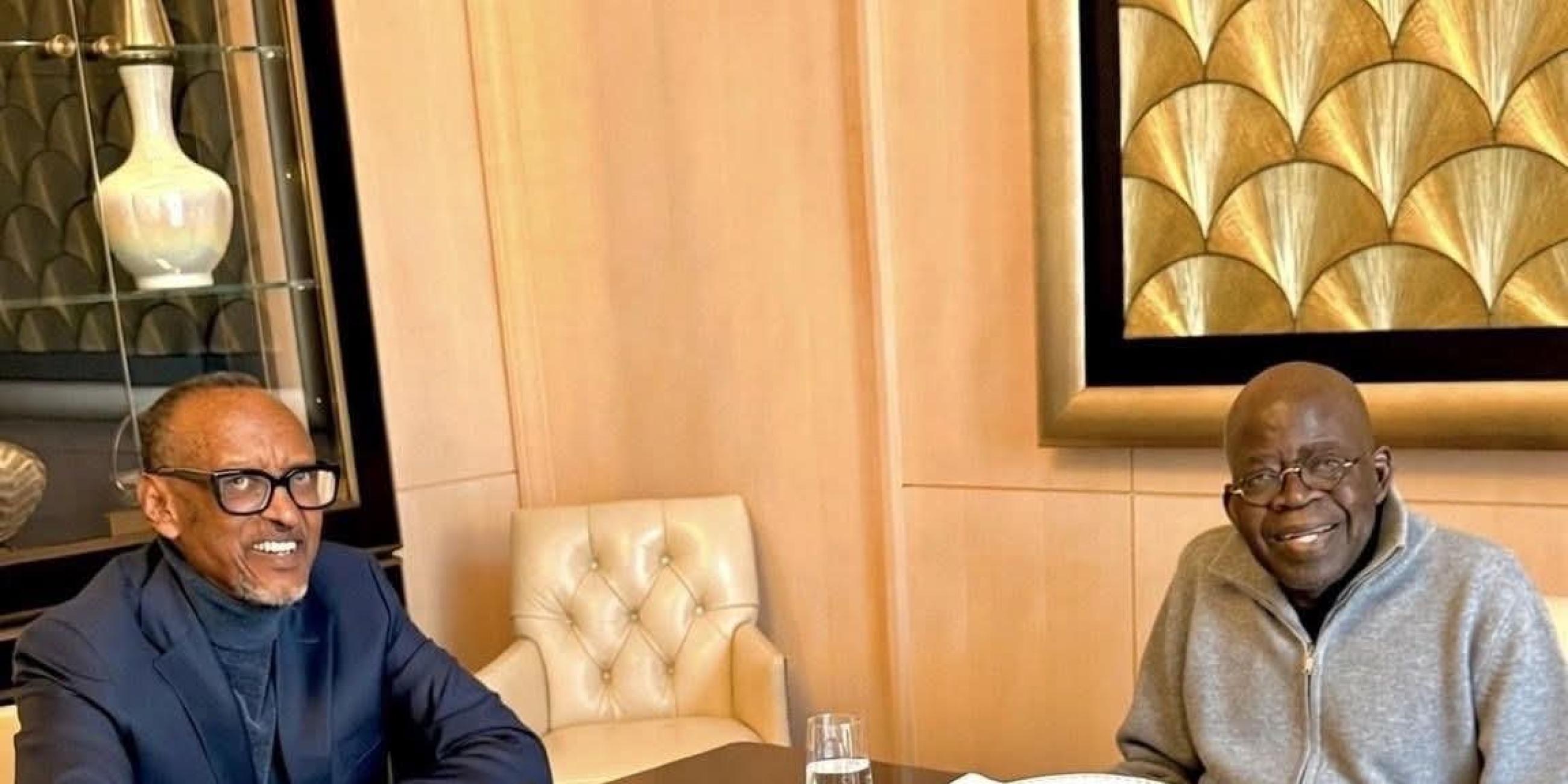
  • Presidency Clarifies Tinubu-Kagame Photo Was Enhanced, Not AI-Generated, Following Social Media Controversy

    The Nigerian Presidency has dismissed claims that a recently released photograph of President Bola Ahmed Tinubu with Rwandan President Paul Kagame in Paris was AI-generated. Temitope Ajayi, Senior Special Assistant to the President on Media and Publicity, explained that the photo’s poor quality, taken on a phone during the meeting, led to the misunderstanding.

    Ajayi clarified that the image was later enhanced using the AI-based editing tool Grok to improve clarity, not to create or fabricate the photograph. Both leaders had met for lunch in Paris and later joined French President Emmanuel Macron for dinner.

    The photograph, initially of low resolution, sparked social media speculation after the visible “Grok” watermark was detected. The Presidency emphasized that enhancing images for clarity does not constitute artificial generation.

    Topics: #Politics, #Nigeria, #Tinubu, #Rwanda, #InternationalRelations, #AITechnology.
    Presidency Clarifies Tinubu-Kagame Photo Was Enhanced, Not AI-Generated, Following Social Media Controversy The Nigerian Presidency has dismissed claims that a recently released photograph of President Bola Ahmed Tinubu with Rwandan President Paul Kagame in Paris was AI-generated. Temitope Ajayi, Senior Special Assistant to the President on Media and Publicity, explained that the photo’s poor quality, taken on a phone during the meeting, led to the misunderstanding. Ajayi clarified that the image was later enhanced using the AI-based editing tool Grok to improve clarity, not to create or fabricate the photograph. Both leaders had met for lunch in Paris and later joined French President Emmanuel Macron for dinner. The photograph, initially of low resolution, sparked social media speculation after the visible “Grok” watermark was detected. The Presidency emphasized that enhancing images for clarity does not constitute artificial generation. Topics: #Politics, #Nigeria, #Tinubu, #Rwanda, #InternationalRelations, #AITechnology.
    0 Comentários ·0 Compartilhamentos ·1KB Visualizações
  • Opinion: SKC Ogbonnia Exposes Tinubu’s Indifference to Nigeria’s Security Crisis Amid Trump Threat

    In a compelling opinion piece titled “Nigeria Is Dead”, political analyst Bayo Oluwasanmi and commentator SKC Ogbonnia criticize President Bola Ahmed Tinubu’s handling of Nigeria’s ongoing security crisis. The authors highlight widespread atrocities by Boko Haram, Fulani terrorists, and bandits, including reports of civilians witnessing family members being murdered.

    According to Ogbonnia, Tinubu prioritized politics over national security, focusing on propaganda, foreign trips, and protection of VIPs while neglecting citizens’ safety. The regime allegedly displayed complicity in the insurgency, with high-budget allocations failing to curb insecurity.

    The narrative shifted only after U.S. President Donald Trump threatened military action against Nigeria for failing to address terrorism effectively. Following Trump’s warning, Tinubu reportedly redirected resources, ordered redeployment of security personnel from VIP protection to national security duties, and initiated plans to tackle insurgent hideouts.

    Ogbonnia concludes that Tinubu’s prior inaction, political calculation, and indifference amount to a gross abuse of office, making his continued presidency an existential threat to Nigeria. The piece warns that without electoral reforms and accountability, the 2027 elections may favor Tinubu despite the country’s deep-seated crises.

    Author: SKC Ogbonnia, former APC Presidential Aspirant, Ugbo, Enugu State, Nigeria.
    Opinion: SKC Ogbonnia Exposes Tinubu’s Indifference to Nigeria’s Security Crisis Amid Trump Threat In a compelling opinion piece titled “Nigeria Is Dead”, political analyst Bayo Oluwasanmi and commentator SKC Ogbonnia criticize President Bola Ahmed Tinubu’s handling of Nigeria’s ongoing security crisis. The authors highlight widespread atrocities by Boko Haram, Fulani terrorists, and bandits, including reports of civilians witnessing family members being murdered. According to Ogbonnia, Tinubu prioritized politics over national security, focusing on propaganda, foreign trips, and protection of VIPs while neglecting citizens’ safety. The regime allegedly displayed complicity in the insurgency, with high-budget allocations failing to curb insecurity. The narrative shifted only after U.S. President Donald Trump threatened military action against Nigeria for failing to address terrorism effectively. Following Trump’s warning, Tinubu reportedly redirected resources, ordered redeployment of security personnel from VIP protection to national security duties, and initiated plans to tackle insurgent hideouts. Ogbonnia concludes that Tinubu’s prior inaction, political calculation, and indifference amount to a gross abuse of office, making his continued presidency an existential threat to Nigeria. The piece warns that without electoral reforms and accountability, the 2027 elections may favor Tinubu despite the country’s deep-seated crises. Author: SKC Ogbonnia, former APC Presidential Aspirant, Ugbo, Enugu State, Nigeria.
    0 Comentários ·0 Compartilhamentos ·2KB Visualizações
  • PRESIDENT TINUBU NOMINATES BOARD MEMBERS FOR NMDPRA, NUPRC, SEEKS SENATE CONFIRMATION

    President Bola Ahmed Tinubu has written two letters to the Senate, seeking confirmation of 21 nominees for the boards of the Nigerian Midstream and Downstream Petroleum Regulatory Authority (NMDPRA) and the Nigerian Upstream Petroleum Regulatory Commission (NUPRC).

    A statement by Bayo Onanuga, special Adviser to the President, Information & Strategy, indicates that in the first letter, President Tinubu nominated Senator Magnus Abe to serve as the NUPRC board chair. Abe, who represented Rivers South East in the Senate for two terms, is a former NNPC board member and current chairman of the National Agency of the Great Green Wall.

    Other nominees for the NUPRC board are Engineer Paul Yaro Jezhi, a former Trade Union Congress chairman in Kaduna, and Mr Sunday Adebayo Babalola, a former deputy director of the Department of Petroleum Resources (DPR), which was abolished by the PIA in 2021. Both men will serve as non-executive commissioners.

    President Tinubu also nominated executive commissioners to the board.

    They are: Muhammed Sabo Lamido, executive commissioner for finance; Mr Edu Inyang, executive commissioner for Exploration and Acreage; Justin Ezeala, executive commissioner for economic regulation and strategic planning; and Henry Darlington Oki, executive commissioner for Development and Production. Others are Indabawa Bashari Alka, executive commissioner for corporate services and administration; Mahmood Tijani, executive commissioner for health, safety and environment; and Ms Olayemi Adeboyejo, as secretary and legal adviser.

    Former President Buhari appointed Lamido and Adeboyejo in 2022, while President Tinubu appointed Alka in 2023. Inyang, Ezeala, the former managing director of Nigerian Gas Marketing Limited, Mahmood Tijani, Babalola and Jezhi are new appointees of President Tinubu.

    In his second letter to the Senate, President Tinubu nominated Mr Adegbite Ebiowei Adeniji, a lawyer, as chairman of the NMDPRA board. Adeniji has over 30 years of experience in energy and natural resources issues. He was a special technical adviser to the Minister of State for Petroleum on upstream and gas until 2018. He was a member of the Oil & Gas Policy team at the World Bank, which advised the Government of Nigeria on the reform and restructuring of the petroleum sector, including the development of the Strategic Gas Plan for Nigeria. He is currently the managing partner at ENR Advisory.

    President Tinubu also nominated Chief Kenneth Kobani and Mrs Asabe Ahmed as non-executive members. Kobani was a former minister of state for trade under President Jonathan and secretary to the government of Rivers State, under Nyesom Wike.

    Also nominated for confirmation are Abiodun Adeniji, executive director of finance; Francis Ogaree, executive director of hydrocarbon; Oluwole Adama, executive director of midstream and Downstream gas infrastructure; and Dr Mustapha Lamorde, executive director of Corporate Services and Administration. President Tinubu appointed Adama in 2024, while late President Buhari appointed Lamorde and Adeniji in 2021 and Ogaree in 2022

    Other members of the NMDPRA board, as proposed by President Tinubu, are Mr Yahaya Nasamu Yinusa, executive director, distribution systems; Adeyemi Murtala Aminu, executive director, corporate services; Ms Modie Ogechukwu, executive director, economic regulation and strategic planning; and Barrister Olawale Dawodu, as board secretary and legal adviser. Dawodu is an industry player and was, at a time, the Financial Reporting Manager at Exxon Nigerian subsidiaries.

    The President urged the Senate to approve the nominees expeditiously.

    The requests followed the recent appointment of chief executive officers for the two regulatory agencies. The Senate confirmed Oritsemeyiwa Eyesan as the chief executive officer (CEO) of the Nigerian Upstream Petroleum Regulatory Commission (NUPRC) and Engineer Saidu Aliyu Mohammed as CEO of NMDPRA.

    Mr President has charged all the appointees and nominees to discharge their duties and responsibilities professionally as regulators of the oil and gas sectors.
    PRESIDENT TINUBU NOMINATES BOARD MEMBERS FOR NMDPRA, NUPRC, SEEKS SENATE CONFIRMATION President Bola Ahmed Tinubu has written two letters to the Senate, seeking confirmation of 21 nominees for the boards of the Nigerian Midstream and Downstream Petroleum Regulatory Authority (NMDPRA) and the Nigerian Upstream Petroleum Regulatory Commission (NUPRC). A statement by Bayo Onanuga, special Adviser to the President, Information & Strategy, indicates that in the first letter, President Tinubu nominated Senator Magnus Abe to serve as the NUPRC board chair. Abe, who represented Rivers South East in the Senate for two terms, is a former NNPC board member and current chairman of the National Agency of the Great Green Wall. Other nominees for the NUPRC board are Engineer Paul Yaro Jezhi, a former Trade Union Congress chairman in Kaduna, and Mr Sunday Adebayo Babalola, a former deputy director of the Department of Petroleum Resources (DPR), which was abolished by the PIA in 2021. Both men will serve as non-executive commissioners. President Tinubu also nominated executive commissioners to the board. They are: Muhammed Sabo Lamido, executive commissioner for finance; Mr Edu Inyang, executive commissioner for Exploration and Acreage; Justin Ezeala, executive commissioner for economic regulation and strategic planning; and Henry Darlington Oki, executive commissioner for Development and Production. Others are Indabawa Bashari Alka, executive commissioner for corporate services and administration; Mahmood Tijani, executive commissioner for health, safety and environment; and Ms Olayemi Adeboyejo, as secretary and legal adviser. Former President Buhari appointed Lamido and Adeboyejo in 2022, while President Tinubu appointed Alka in 2023. Inyang, Ezeala, the former managing director of Nigerian Gas Marketing Limited, Mahmood Tijani, Babalola and Jezhi are new appointees of President Tinubu. In his second letter to the Senate, President Tinubu nominated Mr Adegbite Ebiowei Adeniji, a lawyer, as chairman of the NMDPRA board. Adeniji has over 30 years of experience in energy and natural resources issues. He was a special technical adviser to the Minister of State for Petroleum on upstream and gas until 2018. He was a member of the Oil & Gas Policy team at the World Bank, which advised the Government of Nigeria on the reform and restructuring of the petroleum sector, including the development of the Strategic Gas Plan for Nigeria. He is currently the managing partner at ENR Advisory. President Tinubu also nominated Chief Kenneth Kobani and Mrs Asabe Ahmed as non-executive members. Kobani was a former minister of state for trade under President Jonathan and secretary to the government of Rivers State, under Nyesom Wike. Also nominated for confirmation are Abiodun Adeniji, executive director of finance; Francis Ogaree, executive director of hydrocarbon; Oluwole Adama, executive director of midstream and Downstream gas infrastructure; and Dr Mustapha Lamorde, executive director of Corporate Services and Administration. President Tinubu appointed Adama in 2024, while late President Buhari appointed Lamorde and Adeniji in 2021 and Ogaree in 2022 Other members of the NMDPRA board, as proposed by President Tinubu, are Mr Yahaya Nasamu Yinusa, executive director, distribution systems; Adeyemi Murtala Aminu, executive director, corporate services; Ms Modie Ogechukwu, executive director, economic regulation and strategic planning; and Barrister Olawale Dawodu, as board secretary and legal adviser. Dawodu is an industry player and was, at a time, the Financial Reporting Manager at Exxon Nigerian subsidiaries. The President urged the Senate to approve the nominees expeditiously. The requests followed the recent appointment of chief executive officers for the two regulatory agencies. The Senate confirmed Oritsemeyiwa Eyesan as the chief executive officer (CEO) of the Nigerian Upstream Petroleum Regulatory Commission (NUPRC) and Engineer Saidu Aliyu Mohammed as CEO of NMDPRA. Mr President has charged all the appointees and nominees to discharge their duties and responsibilities professionally as regulators of the oil and gas sectors.
    like
    1
    · 0 Comentários ·0 Compartilhamentos ·2KB Visualizações
Páginas impulsionada
Fintter https://fintter.com