• According to the latest strategic research from The Insight Partners, the global RTD alcoholic beverages market size is projected to reach US$ 75.30 billion by 2031, up from a valuation of US$ 46.64 billion in 2024. This growth trajectory represents a robust CAGR of 7.1% during the forecast period of 2025–2031. As the market matures, the competitive landscape is being reshaped by aggressive "premiumization" and high-profile cross-category alliances.

    Download Sample PDF Copy at: https://www.theinsightpartners.com/sample/TIPRE00006545
    According to the latest strategic research from The Insight Partners, the global RTD alcoholic beverages market size is projected to reach US$ 75.30 billion by 2031, up from a valuation of US$ 46.64 billion in 2024. This growth trajectory represents a robust CAGR of 7.1% during the forecast period of 2025–2031. As the market matures, the competitive landscape is being reshaped by aggressive "premiumization" and high-profile cross-category alliances. Download Sample PDF Copy at: https://www.theinsightpartners.com/sample/TIPRE00006545
    www.theinsightpartners.com
    RTD Alcoholic Beverages market expected to surpass US$ 75.30 billion by 2031, growing at a CAGR of 7.1%. Explore growth insights & forecast. Request free sample.
    0 Comentários ·0 Compartilhamentos ·1KB Visualizações
  • BREAKING

    NAFDAC uncovers fake Goya oil factory and alcohol counterfeiting network in Lagos,
    warning Nigerians of severe public health dangers.
    BREAKING 🔥🔥🔥 NAFDAC uncovers fake Goya oil factory and alcohol counterfeiting network in Lagos, warning Nigerians of severe public health dangers.
    like
    love
    2
    · 0 Comentários ·0 Compartilhamentos ·2KB Visualizações


  • Nigerians spend over $1bn on beer in 9 months as brewers hit record sales …..

    Nigerians spent over $1 billion on beer within nine months as major brewers recorded record-breaking sales despite economic challenges. Industry reports show strong demand for alcoholic beverages, driven by population growth, festive seasons, and rising consumer spending on lifestyle products. The surge in sales has boosted revenues for leading brewing companies, even as inflation and high costs affect household budgets. Analysts say the trend highlights the resilience of Nigeria’s beer market and its continued appeal to consumers nationwide.
    #fintternews
    Nigerians spend over $1bn on beer in 9 months as brewers hit record sales ….. Nigerians spent over $1 billion on beer within nine months as major brewers recorded record-breaking sales despite economic challenges. Industry reports show strong demand for alcoholic beverages, driven by population growth, festive seasons, and rising consumer spending on lifestyle products. The surge in sales has boosted revenues for leading brewing companies, even as inflation and high costs affect household budgets. Analysts say the trend highlights the resilience of Nigeria’s beer market and its continued appeal to consumers nationwide. #fintternews
    love
    2
    · 0 Comentários ·0 Compartilhamentos ·3KB Visualizações
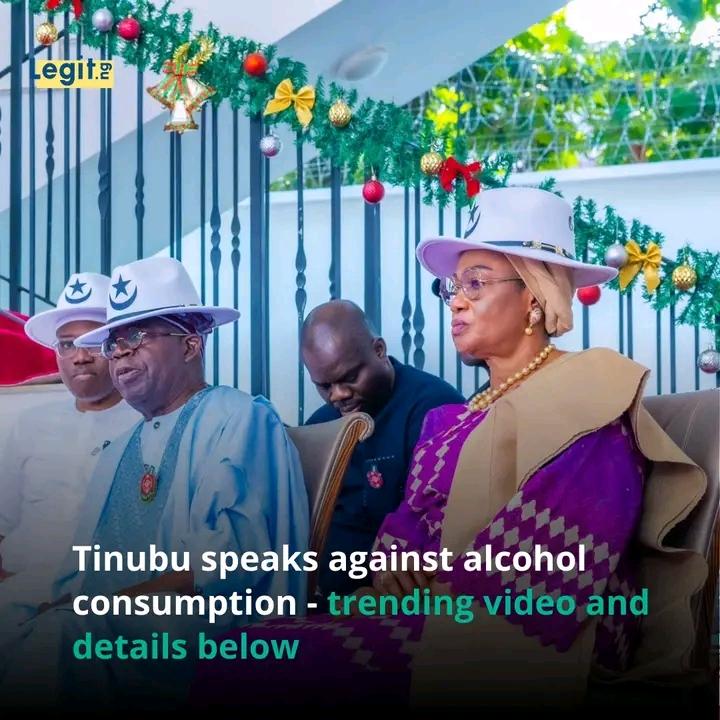
  • Tinubu Urges Nigerians to Avoid Alcohol During Eyo Festival 2025, Stresses Peaceful Celebrations

    President Bola Ahmed Tinubu has called on Nigerians, particularly participants of the upcoming Eyo Festival, to avoid alcohol and embrace peaceful celebrations. Speaking on Sunday, December 21, while receiving festival organizers at his Lagos residence, Tinubu emphasized the importance of unity, joy, and public safety during the December 27 festivities. The President urged festival adherents to celebrate responsibly, avoid actions that could endanger lives, and foster mutual respect. He offered prayers for Lagos and Nigeria while reiterating his administration’s commitment to tackling terrorism and banditry. The video of Tinubu’s remarks quickly went viral on social media, prompting widespread reactions. Many Nigerians praised the President’s advice as practical and responsible, noting that it encourages citizens to enjoy festivities safely and responsibly. The Ministry of Interior has also announced statutory public holidays for Christmas, Boxing Day, and New Year, allowing citizens to celebrate responsibly.
    Tinubu Urges Nigerians to Avoid Alcohol During Eyo Festival 2025, Stresses Peaceful Celebrations President Bola Ahmed Tinubu has called on Nigerians, particularly participants of the upcoming Eyo Festival, to avoid alcohol and embrace peaceful celebrations. Speaking on Sunday, December 21, while receiving festival organizers at his Lagos residence, Tinubu emphasized the importance of unity, joy, and public safety during the December 27 festivities. The President urged festival adherents to celebrate responsibly, avoid actions that could endanger lives, and foster mutual respect. He offered prayers for Lagos and Nigeria while reiterating his administration’s commitment to tackling terrorism and banditry. The video of Tinubu’s remarks quickly went viral on social media, prompting widespread reactions. Many Nigerians praised the President’s advice as practical and responsible, noting that it encourages citizens to enjoy festivities safely and responsibly. The Ministry of Interior has also announced statutory public holidays for Christmas, Boxing Day, and New Year, allowing citizens to celebrate responsibly.
    0 Comentários ·0 Compartilhamentos ·397 Visualizações
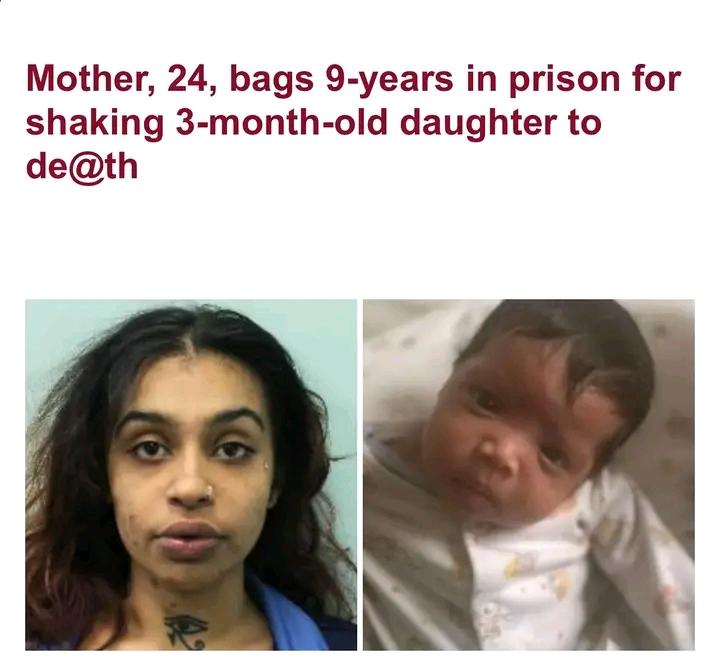
  • A young mother has been jailed for nine years for shaking her three-month-old daughter to de@th in the UK.

    According to Sky News, Nazli Merthoca, 24, gave birth to Kaylani Kalanzi prematurely, and the newborn had to spend 29 days in hospital before she was allowed home on 13 May 2024.

    Prosecutor Zoe Johnson KC told jurors that Merthoca was in a “mutually abusive relationship” with the child’s father, Herbert Kalanzi.

    The infant was on social services’ radar before she was even born, and had been placed on a child protection plan, the Old Bailey was told. Before they could take custody of the child, the parents had to demonstrate they were fit parents, with Mr Kalanzi agreeing to attend a fatherhood programme.

    But Ms Johnson said social services’ strategy was “doomed to fail” and the “ever-present risk” to Kaylani became a “fatal reality” on 8 July 2024.

    The couple called emergency services shortly before 10.30pm, saying Kaylani had stopped breathing, and requesting help at Merthoca’s grandmother’s flat in Homerton, east London, where they were staying at the time.

    When paramedics arrived, Merthoca failed to inform them that Kaylani had been violently shaken, causing bleeding to the brain, damage to her eyes, and fractures to her tibia and ribs, the court was told.

    Admitted with catastrophic brain injuries, as well as a broken leg and ribs, Kaylani d!ed in the hospital 15 days later.

    Merthoca became upset at being questioned about what happened, and claimed she was being blamed because of her “race and gender”, according to staff at Great Ormond Street Hospital.

    Ms Johnson said Merthoca had “lost her temper with the baby after an accumulation of factors” and also “challenged” social workers instead of accepting their help.

    Benjamin Aina KC, defending, told the court that his client had faced “a number of significant challenges” in her life.

    These included suffering physical abuse as a child and entering the care system when she was 12, where she started being “groomed by older men” and relying on cannabis and alcohol.

    He also told of her “grief” over Kaylani.
    A young mother has been jailed for nine years for shaking her three-month-old daughter to de@th in the UK. According to Sky News, Nazli Merthoca, 24, gave birth to Kaylani Kalanzi prematurely, and the newborn had to spend 29 days in hospital before she was allowed home on 13 May 2024. Prosecutor Zoe Johnson KC told jurors that Merthoca was in a “mutually abusive relationship” with the child’s father, Herbert Kalanzi. The infant was on social services’ radar before she was even born, and had been placed on a child protection plan, the Old Bailey was told. Before they could take custody of the child, the parents had to demonstrate they were fit parents, with Mr Kalanzi agreeing to attend a fatherhood programme. But Ms Johnson said social services’ strategy was “doomed to fail” and the “ever-present risk” to Kaylani became a “fatal reality” on 8 July 2024. The couple called emergency services shortly before 10.30pm, saying Kaylani had stopped breathing, and requesting help at Merthoca’s grandmother’s flat in Homerton, east London, where they were staying at the time. When paramedics arrived, Merthoca failed to inform them that Kaylani had been violently shaken, causing bleeding to the brain, damage to her eyes, and fractures to her tibia and ribs, the court was told. Admitted with catastrophic brain injuries, as well as a broken leg and ribs, Kaylani d!ed in the hospital 15 days later. Merthoca became upset at being questioned about what happened, and claimed she was being blamed because of her “race and gender”, according to staff at Great Ormond Street Hospital. Ms Johnson said Merthoca had “lost her temper with the baby after an accumulation of factors” and also “challenged” social workers instead of accepting their help. Benjamin Aina KC, defending, told the court that his client had faced “a number of significant challenges” in her life. These included suffering physical abuse as a child and entering the care system when she was 12, where she started being “groomed by older men” and relying on cannabis and alcohol. He also told of her “grief” over Kaylani.
    0 Comentários ·0 Compartilhamentos ·1KB Visualizações
  • SCARY SCENE: A California driver is accused of hitting a group of high school track runners, sending eight teenagers to the hospital. Anthony Alva-Palafox was taken into custody on suspicion of DUI for both alcohol and drugs. All of the teens are expected to survive.
    SCARY SCENE: A California driver is accused of hitting a group of high school track runners, sending eight teenagers to the hospital. Anthony Alva-Palafox was taken into custody on suspicion of DUI for both alcohol and drugs. All of the teens are expected to survive.
    0 Comentários ·0 Compartilhamentos ·451 Visualizações
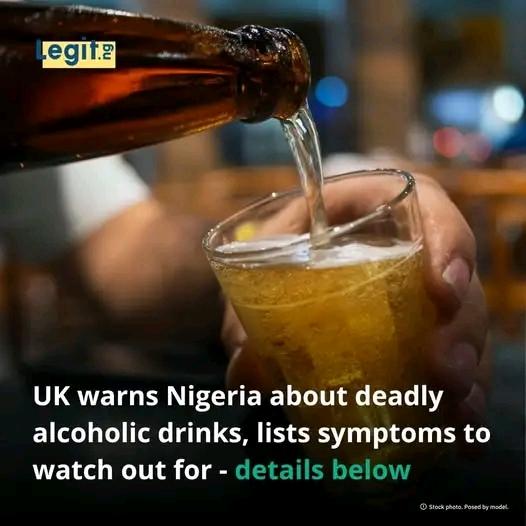
  • UK Issues Methanol Poisoning Warning to Nigerians Over Deadly Alcoholic Drinks

    The United Kingdom’s Foreign, Commonwealth & Development Office (FCDO) has warned Nigeria and several other countries about deadly methanol-laced alcoholic drinks, following reports of multiple deaths globally. Methanol, an industrial compound, becomes toxic when ingested, causing symptoms such as blurred vision, nausea, dizziness, and confusion, and can lead to coma, brain damage, or death. Travellers are advised to purchase only sealed beverages from licensed outlets and avoid homemade or unregulated alcohol. Health experts emphasize prompt medical attention for anyone showing symptoms after consuming alcohol.


    #MethanolPoisoning #AlcoholSafety #UKTravelAdvisory
    UK Issues Methanol Poisoning Warning to Nigerians Over Deadly Alcoholic Drinks The United Kingdom’s Foreign, Commonwealth & Development Office (FCDO) has warned Nigeria and several other countries about deadly methanol-laced alcoholic drinks, following reports of multiple deaths globally. Methanol, an industrial compound, becomes toxic when ingested, causing symptoms such as blurred vision, nausea, dizziness, and confusion, and can lead to coma, brain damage, or death. Travellers are advised to purchase only sealed beverages from licensed outlets and avoid homemade or unregulated alcohol. Health experts emphasize prompt medical attention for anyone showing symptoms after consuming alcohol. #MethanolPoisoning #AlcoholSafety #UKTravelAdvisory
    0 Comentários ·0 Compartilhamentos ·1KB Visualizações
  • Kano Seizes 4,920 Bottles of Beer, Hands Trucks to Hisbah for Destruction

    Kano State authorities have intercepted 4,920 bottles of beer after operatives of the Kano Road Traffic Agency (KAROTA) impounded three trucks transporting alcoholic beverages during a night operation. KAROTA’s Managing Director, Faisal Mahmud, said the seizure was part of their mandate to monitor suspicious movements and curb the circulation of intoxicants deemed harmful to public health. The confiscated trucks and goods were handed over to the Hisbah Board, whose Commander-General, Sheikh Aminu Daurawa, commended the vigilance of KAROTA officers. Hisbah officials stated that due process would precede the destruction of the items and reaffirmed continued collaboration to stop prohibited goods from entering the state.


    #KanoNews #HisbahOperations #AlcoholSeizure
    Kano Seizes 4,920 Bottles of Beer, Hands Trucks to Hisbah for Destruction Kano State authorities have intercepted 4,920 bottles of beer after operatives of the Kano Road Traffic Agency (KAROTA) impounded three trucks transporting alcoholic beverages during a night operation. KAROTA’s Managing Director, Faisal Mahmud, said the seizure was part of their mandate to monitor suspicious movements and curb the circulation of intoxicants deemed harmful to public health. The confiscated trucks and goods were handed over to the Hisbah Board, whose Commander-General, Sheikh Aminu Daurawa, commended the vigilance of KAROTA officers. Hisbah officials stated that due process would precede the destruction of the items and reaffirmed continued collaboration to stop prohibited goods from entering the state. #KanoNews #HisbahOperations #AlcoholSeizure
    0 Comentários ·0 Compartilhamentos ·1KB Visualizações
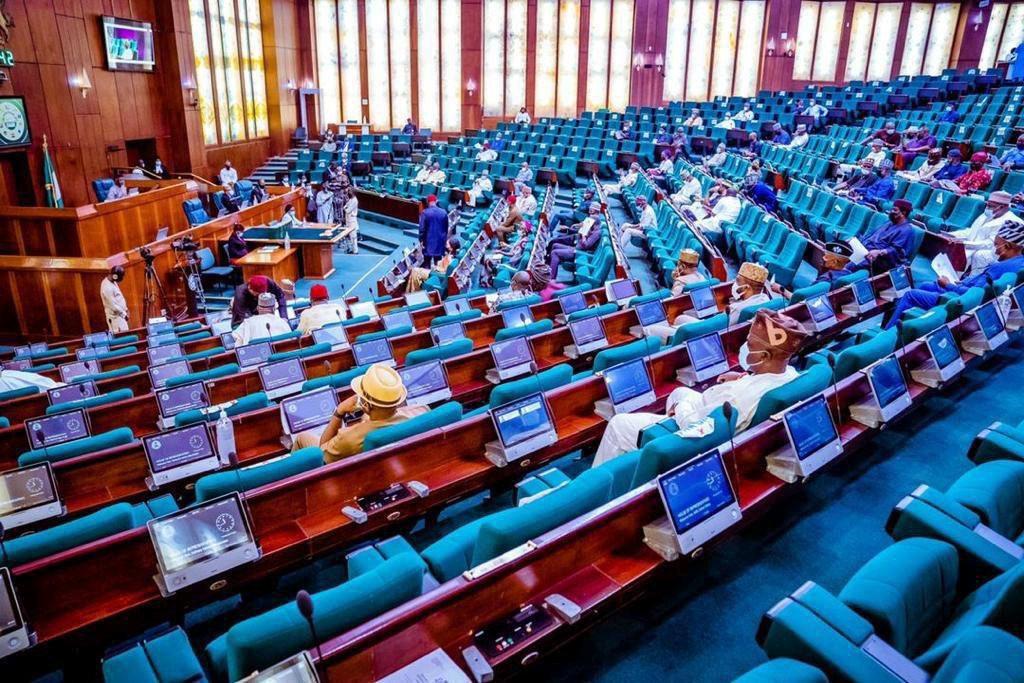
  • Reps To Organise Summit On Drug Abuse, Alcohol Misuse.

    Reps To Organise Summit On Drug Abuse, Alcohol Misuse

    The House of Representatives Ad-Hoc Committee investigating the rising cases of drug trafficking, alcohol, and substance abuse in Nigeria has announced plans to convene a multi-stakeholder conference in Lagos and Abuja to deliberate and gather public input on strategies to tackle the growing menace.

    He said the initiative was in response to mounting public concern over what he described as a “national emergency” that cuts across public health, youth safety, corporate accountability, and the integrity of Nigeria’s trade and regulatory systems.

    “Our mandate is clear. We are to investigate the conduct of companies operating within the drug, alcohol, and tobacco industries and ensure absolute compliance with Nigerian laws, regulations, and ethical obligations to the Nigerian people,” Adelegbe stated.

    According to him, the committee’s work will focus on key areas of national concern, including the increasing abuse of codeine-laced cough syrups, tramadol, and other controlled substances, as well as the unchecked production and sale of cheap spirit cocktails and illicit alcoholic beverages.

    The committee will also investigate the targeted marketing of alcohol and nicotine products to underage Nigerians, the circulation of fake and substandard drugs, corporate complicity, weak regulatory enforcement, and unethical market practices that endanger public health.

    Adelegbe emphasised that the committee’s work will prioritise human life and national interest above corporate profit, stressing that “The era of corporate recklessness, weak compliance, and regulatory compromise is over.”

    He listed the key laws and regulations guiding the investigation to include, “NAFDAC Act Cap N1 LFN 2004 – Product registration, safety, and standards; National Tobacco Control Act 2015 – Tobacco regulation and advertising; ARCON Act 2022 – Advertising standards and consumer protection; and FCCPC Act 2018 – Fair competition and consumer rights.”
    Reps To Organise Summit On Drug Abuse, Alcohol Misuse. Reps To Organise Summit On Drug Abuse, Alcohol Misuse The House of Representatives Ad-Hoc Committee investigating the rising cases of drug trafficking, alcohol, and substance abuse in Nigeria has announced plans to convene a multi-stakeholder conference in Lagos and Abuja to deliberate and gather public input on strategies to tackle the growing menace. He said the initiative was in response to mounting public concern over what he described as a “national emergency” that cuts across public health, youth safety, corporate accountability, and the integrity of Nigeria’s trade and regulatory systems. “Our mandate is clear. We are to investigate the conduct of companies operating within the drug, alcohol, and tobacco industries and ensure absolute compliance with Nigerian laws, regulations, and ethical obligations to the Nigerian people,” Adelegbe stated. According to him, the committee’s work will focus on key areas of national concern, including the increasing abuse of codeine-laced cough syrups, tramadol, and other controlled substances, as well as the unchecked production and sale of cheap spirit cocktails and illicit alcoholic beverages. The committee will also investigate the targeted marketing of alcohol and nicotine products to underage Nigerians, the circulation of fake and substandard drugs, corporate complicity, weak regulatory enforcement, and unethical market practices that endanger public health. Adelegbe emphasised that the committee’s work will prioritise human life and national interest above corporate profit, stressing that “The era of corporate recklessness, weak compliance, and regulatory compromise is over.” He listed the key laws and regulations guiding the investigation to include, “NAFDAC Act Cap N1 LFN 2004 – Product registration, safety, and standards; National Tobacco Control Act 2015 – Tobacco regulation and advertising; ARCON Act 2022 – Advertising standards and consumer protection; and FCCPC Act 2018 – Fair competition and consumer rights.”
    0 Comentários ·0 Compartilhamentos ·1KB Visualizações
  • Mixed reactions trail Nigerian government’s move to end sachet alcohol production.

    Since the idea of banning alcoholic drinks in sachets and small bottles in Nigeria was first mooted, certain Nigerians have not been comfortable with the idea.

    The idea was first mentioned in 2018 but due to the public outcry then, the Federal Ministry of Health, Federal Competition and Consumer Protection Commission, FCCPC, National Agency for Food and Drug Administration and Control, NAFDAC, and bodies like the Association of Food, Beverages and Tobacco Employers (AFBTE), came together and agreed to sign a five-year memorandum of understanding (MoU) to gradually phase out sachet and small-bottle alcoholic drinks.

    Ever since then, the government has shifted the implementation a couple of times.

    However, following the latest moves, reactions have continued to trail the idea.

    First, it was alleged that the manufacturers of these categories of drinks went into an intense lobby to ensure that the idea was buried but that didn’t happen as it kept coming on and on.

    What the manufacturers have been able to do was to have delayed the full implementation of the policy.

    However, last week, specifically on Tuesday, November 5, the Senate ordered NAFDAC not to extend the December 31 implementation deadline for the production of alcohol in sachets and small bottles.

    The resolution followed a motion of urgent national importance sponsored by Senator Asuquo Ekpenyong representing Cross River South at plenary session on Tuesday last week.

    Mixed reactions trail Nigerian government’s move to end sachet alcohol production. Since the idea of banning alcoholic drinks in sachets and small bottles in Nigeria was first mooted, certain Nigerians have not been comfortable with the idea. The idea was first mentioned in 2018 but due to the public outcry then, the Federal Ministry of Health, Federal Competition and Consumer Protection Commission, FCCPC, National Agency for Food and Drug Administration and Control, NAFDAC, and bodies like the Association of Food, Beverages and Tobacco Employers (AFBTE), came together and agreed to sign a five-year memorandum of understanding (MoU) to gradually phase out sachet and small-bottle alcoholic drinks. Ever since then, the government has shifted the implementation a couple of times. However, following the latest moves, reactions have continued to trail the idea. First, it was alleged that the manufacturers of these categories of drinks went into an intense lobby to ensure that the idea was buried but that didn’t happen as it kept coming on and on. What the manufacturers have been able to do was to have delayed the full implementation of the policy. However, last week, specifically on Tuesday, November 5, the Senate ordered NAFDAC not to extend the December 31 implementation deadline for the production of alcohol in sachets and small bottles. The resolution followed a motion of urgent national importance sponsored by Senator Asuquo Ekpenyong representing Cross River South at plenary session on Tuesday last week.
    0 Comentários ·0 Compartilhamentos ·884 Visualizações
  • NAFDAC to Enforce Ban on Small-Packaged Alcohol from January 2026.

    The National Agency for Food and Drug Administration and Control (NAFDAC) has announced a firm December 2025 deadline for the prohibition of alcoholic beverages sold in sachets and bottles under 200 millilitres, with full enforcement set to begin in January 2026.

    Prof. Mojisola Adeyeye, the agency’s Director-General, emphasized that there will be no further extensions of the ban, urging manufacturers, distributors, and retailers to comply fully.

    Supported by the Senate and the Federal Ministry of Health and Social Welfare, the ban aims to protect children, adolescents, and young adults from the harmful effects of alcohol abuse.

    Adeyeye highlighted that small, cheap, and easily concealable alcoholic drinks contribute to addiction and have fueled social vices, including road accidents, domestic violence, school dropouts, and other forms of insecurity. “This ban is protective, not punitive. The health of our nation, especially our children, is more important than short-term economic gain,” she stated.

    Prof. Adeyeye underscored that the ban aligns with Nigeria’s commitment to the World Health Organization’s Global Strategy to Reduce the Harmful Use of Alcohol. She also urged Nigerians to view the measure as a collective responsibility, emphasizing that alcohol misuse among children poses a long-term threat to the nation’s security and workforce.

    “The decision is grounded in science, public health, and national interest. Protecting our children and ensuring the stability of our future workforce is not just NAFDAC’s duty it is a responsibility for all Nigerians,” she concluded.
    NAFDAC to Enforce Ban on Small-Packaged Alcohol from January 2026. The National Agency for Food and Drug Administration and Control (NAFDAC) has announced a firm December 2025 deadline for the prohibition of alcoholic beverages sold in sachets and bottles under 200 millilitres, with full enforcement set to begin in January 2026. Prof. Mojisola Adeyeye, the agency’s Director-General, emphasized that there will be no further extensions of the ban, urging manufacturers, distributors, and retailers to comply fully. Supported by the Senate and the Federal Ministry of Health and Social Welfare, the ban aims to protect children, adolescents, and young adults from the harmful effects of alcohol abuse. Adeyeye highlighted that small, cheap, and easily concealable alcoholic drinks contribute to addiction and have fueled social vices, including road accidents, domestic violence, school dropouts, and other forms of insecurity. “This ban is protective, not punitive. The health of our nation, especially our children, is more important than short-term economic gain,” she stated. Prof. Adeyeye underscored that the ban aligns with Nigeria’s commitment to the World Health Organization’s Global Strategy to Reduce the Harmful Use of Alcohol. She also urged Nigerians to view the measure as a collective responsibility, emphasizing that alcohol misuse among children poses a long-term threat to the nation’s security and workforce. “The decision is grounded in science, public health, and national interest. Protecting our children and ensuring the stability of our future workforce is not just NAFDAC’s duty it is a responsibility for all Nigerians,” she concluded.
    0 Comentários ·0 Compartilhamentos ·1KB Visualizações
  • Senate Directs NAFDAC to Enforce Sachet Alcohol Ban Starting December 2025, Rejects Further Extensions.

    The Nigerian Senate has mandated the National Agency for Food and Drug Administration and Control (NAFDAC) and other regulatory agencies to begin strict enforcement of the ban on high-strength alcoholic beverages packaged in sachets from December 2025, with lawmakers explicitly ruling out any additional extensions beyond the existing moratorium.

    The directive came after the upper chamber adopted a motion sponsored by Senator Asuquo Ekpeyong, who highlighted the urgent need to end the phase-out of sachet-packaged alcohol without further delays.

    During plenary, Ekpeyong recounted how NAFDAC, aligning with global standards and following broad consultations with stakeholders, first announced a gradual ban on the importation, production, and sale of these products.

    In 2018, key players—including the Federal Ministry of Health, the Federal Competition and Consumer Protection Commission (FCCPC), NAFDAC, the Association of Food, Beverage & Tobacco Employers (AFBTE), and the Distillers and Blenders Association of Nigeria (DIBAN)—signed a five-year Memorandum of Understanding (MoU) to voluntarily eliminate the packaging format.

    The agreement was driven by growing concerns over the sachets’ low cost, easy portability, and appeal to vulnerable populations such as children, teenagers, commercial drivers, and low-income groups.

    Despite the original timeline, the Federal Government in 2024 granted manufacturers a one-year grace period to clear inventories and shift to alternative packaging, pushing the final deadline to December 2025.

    Ekpeyong, however, warned that some producers are now pressing for yet another postponement—a tactic he argued erodes regulatory credibility, endangers public health, and skews market competition.

    He pointed to mounting evidence linking sachet alcohol to youth addiction, traffic accidents, school attrition, domestic abuse, and broader societal problems.
    Senate Directs NAFDAC to Enforce Sachet Alcohol Ban Starting December 2025, Rejects Further Extensions. The Nigerian Senate has mandated the National Agency for Food and Drug Administration and Control (NAFDAC) and other regulatory agencies to begin strict enforcement of the ban on high-strength alcoholic beverages packaged in sachets from December 2025, with lawmakers explicitly ruling out any additional extensions beyond the existing moratorium. The directive came after the upper chamber adopted a motion sponsored by Senator Asuquo Ekpeyong, who highlighted the urgent need to end the phase-out of sachet-packaged alcohol without further delays. During plenary, Ekpeyong recounted how NAFDAC, aligning with global standards and following broad consultations with stakeholders, first announced a gradual ban on the importation, production, and sale of these products. In 2018, key players—including the Federal Ministry of Health, the Federal Competition and Consumer Protection Commission (FCCPC), NAFDAC, the Association of Food, Beverage & Tobacco Employers (AFBTE), and the Distillers and Blenders Association of Nigeria (DIBAN)—signed a five-year Memorandum of Understanding (MoU) to voluntarily eliminate the packaging format. The agreement was driven by growing concerns over the sachets’ low cost, easy portability, and appeal to vulnerable populations such as children, teenagers, commercial drivers, and low-income groups. Despite the original timeline, the Federal Government in 2024 granted manufacturers a one-year grace period to clear inventories and shift to alternative packaging, pushing the final deadline to December 2025. Ekpeyong, however, warned that some producers are now pressing for yet another postponement—a tactic he argued erodes regulatory credibility, endangers public health, and skews market competition. He pointed to mounting evidence linking sachet alcohol to youth addiction, traffic accidents, school attrition, domestic abuse, and broader societal problems.
    0 Comentários ·0 Compartilhamentos ·1KB Visualizações
  • UK Issues Fresh Travel Alert Over Fake Alcohol Risk in Nigeria, Seven Other Nations.

    The United Kingdom has issued a fresh travel advisory cautioning its citizens against the risk of methanol poisoning from counterfeit or contaminated alcoholic beverages in Nigeria and seven other countries.

    According to a report by the BBC on Tuesday, the UK Foreign Office updated its travel guidance to include Nigeria, Ecuador, Japan, Kenya, Mexico, Peru, Russia, and Uganda as countries with a high risk of methanol-related poisoning incidents involving British nationals.

    Previously, the list featured Thailand, Laos, Vietnam, Cambodia, Indonesia, Turkey, Costa Rica, and Fiji.

    The Foreign Office explained that methanol, a toxic industrial alcohol made from wood distillation, is sometimes illegally mixed with genuine spirit-based drinks and cocktails. Even in small quantities, it can be fatal.

    “Methanol is toxic even in small amounts. It can be found in products like antifreeze, fuel, and paint thinners,” the advisory stated.

    To stay safe, the UK warned its citizens to avoid consuming unlabelled, homemade, or streetside alcoholic drinks while travelling.
    “Avoid homemade or streetside alcohol. Don’t drink from unlabelled bottles. Local spirits or homemade alcohol are at high risk,” the Foreign Office advised.

    Travellers were also urged to stick to licensed liquor outlets, bars, and hotels, and to only consume sealed drinks with intact packaging. “Be cautious about spirits, cocktails, shots, and unusually cheap or free drinks,” the warning added, noting that pre-mixed cocktails served in buckets or jugs in tourist areas could be especially dangerous.
    UK Issues Fresh Travel Alert Over Fake Alcohol Risk in Nigeria, Seven Other Nations. The United Kingdom has issued a fresh travel advisory cautioning its citizens against the risk of methanol poisoning from counterfeit or contaminated alcoholic beverages in Nigeria and seven other countries. According to a report by the BBC on Tuesday, the UK Foreign Office updated its travel guidance to include Nigeria, Ecuador, Japan, Kenya, Mexico, Peru, Russia, and Uganda as countries with a high risk of methanol-related poisoning incidents involving British nationals. Previously, the list featured Thailand, Laos, Vietnam, Cambodia, Indonesia, Turkey, Costa Rica, and Fiji. The Foreign Office explained that methanol, a toxic industrial alcohol made from wood distillation, is sometimes illegally mixed with genuine spirit-based drinks and cocktails. Even in small quantities, it can be fatal. “Methanol is toxic even in small amounts. It can be found in products like antifreeze, fuel, and paint thinners,” the advisory stated. To stay safe, the UK warned its citizens to avoid consuming unlabelled, homemade, or streetside alcoholic drinks while travelling. “Avoid homemade or streetside alcohol. Don’t drink from unlabelled bottles. Local spirits or homemade alcohol are at high risk,” the Foreign Office advised. Travellers were also urged to stick to licensed liquor outlets, bars, and hotels, and to only consume sealed drinks with intact packaging. “Be cautious about spirits, cocktails, shots, and unusually cheap or free drinks,” the warning added, noting that pre-mixed cocktails served in buckets or jugs in tourist areas could be especially dangerous.
    0 Comentários ·0 Compartilhamentos ·2KB Visualizações
  • She wasn’t like this – Senator Nwoko finally opens up, accuses Regina Daniels of drug abuse.

    Senator Ned Nwoko has accused his actress wife, Regina Daniels, of engaging in drug and alcohol abuse, alleging that her actions have led to violence and destruction in their home.

    The lawmaker made the claims in a Facebook post on Sunday titled “REGINA’S UNPROVOKED CARNAGE AND RAMPAGE IN MY HOUSE AND IN MY ABSENCE.”

    According to Nwoko, Regina’s alleged struggle with substance abuse is the root of their marital problems.

    He stated that she must continue her rehabilitation program either in Asokoro or abroad, particularly in Jordan, where he believes she would not have access to drugs.

    The senator expressed fear for her safety if she failed to continue treatment, saying her current environment allows “unrestricted access to drugs.”

    Nwoko further alleged that Regina had recently assaulted three members of his staff and destroyed property, including vehicles and windows, without provocation.

    He claimed that while he took their son, Moon, to the hospital, chaos erupted at home, allegedly instigated by one of Regina’s supposed drug suppliers. He also accused her of threatening to kill a resident nurse for revealing her drug use.

    The post read: “REGINA’S UNPROVOKED CARNAGE AND RAMPAGE IN MY HOUSE AND IN MY ABSENCE,” Nwoko said: “Regina was not always like this. Her current battle with drugs and alcohol abuse is the root of our problem. She must continue her rehabilitation program, or I fear for her life and safety. Now she has moved to a place where she will have unrestricted access to drugs. I have other wives, and none will ever accuse me of violence. Regina is the violent one here, slapping and hitting 3 staff in the past 48 hours and destroying property, including cars and windows, for no just cause. The truth is, I have set a clear condition for her to accept rehab in Asokoro or outside Nigeria especially Jordan where she will not have access to drugs. A clear headed regina would have taken moon to the hospital but instead she even threatened to kill our resident nurse(for exposing her drugs abuse). While I took Moon to the hospital, a scene of chaos unfolded at home, orchestrated by Sammy, Regina’s main drug supplier. Another known supplier of drugs to Regina is the tiny evil devil called Ann.”
    She wasn’t like this – Senator Nwoko finally opens up, accuses Regina Daniels of drug abuse. Senator Ned Nwoko has accused his actress wife, Regina Daniels, of engaging in drug and alcohol abuse, alleging that her actions have led to violence and destruction in their home. The lawmaker made the claims in a Facebook post on Sunday titled “REGINA’S UNPROVOKED CARNAGE AND RAMPAGE IN MY HOUSE AND IN MY ABSENCE.” According to Nwoko, Regina’s alleged struggle with substance abuse is the root of their marital problems. He stated that she must continue her rehabilitation program either in Asokoro or abroad, particularly in Jordan, where he believes she would not have access to drugs. The senator expressed fear for her safety if she failed to continue treatment, saying her current environment allows “unrestricted access to drugs.” Nwoko further alleged that Regina had recently assaulted three members of his staff and destroyed property, including vehicles and windows, without provocation. He claimed that while he took their son, Moon, to the hospital, chaos erupted at home, allegedly instigated by one of Regina’s supposed drug suppliers. He also accused her of threatening to kill a resident nurse for revealing her drug use. The post read: “REGINA’S UNPROVOKED CARNAGE AND RAMPAGE IN MY HOUSE AND IN MY ABSENCE,” Nwoko said: “Regina was not always like this. Her current battle with drugs and alcohol abuse is the root of our problem. She must continue her rehabilitation program, or I fear for her life and safety. Now she has moved to a place where she will have unrestricted access to drugs. I have other wives, and none will ever accuse me of violence. Regina is the violent one here, slapping and hitting 3 staff in the past 48 hours and destroying property, including cars and windows, for no just cause. The truth is, I have set a clear condition for her to accept rehab in Asokoro or outside Nigeria especially Jordan where she will not have access to drugs. A clear headed regina would have taken moon to the hospital but instead she even threatened to kill our resident nurse(for exposing her drugs abuse). While I took Moon to the hospital, a scene of chaos unfolded at home, orchestrated by Sammy, Regina’s main drug supplier. Another known supplier of drugs to Regina is the tiny evil devil called Ann.”
    0 Comentários ·0 Compartilhamentos ·1KB Visualizações
  • Baddie deploys her alleged soldier boyfriend to deal with a hotel owner who accused her of being rude

    Tension erupted at Papalanto Bus Stop in Ewekoro Local Government Area of Ogun State on Saturday evening after two soldiers allegedly assaulted a hotelier during an argument that turned violent.

    Eyewitnesses said the incident occurred around 4:30 p.m. at the busy Papalanto Junction along Ilaro Road, where a heavy traffic gridlock had built up. The altercation reportedly began when a young woman selling alcoholic drinks at the junction got into a disagreement with the hotelier over the use of a section of the road.

    According to witnesses, the woman allegedly left the scene and returned shortly with two soldiers said to have come from the Alamala area of Abeokuta. The soldiers were accused of harassing and physically assaulting the hotelier, leaving him with internal ear injuries.
    Baddie deploys her alleged soldier boyfriend to deal with a hotel owner who accused her of being rude Tension erupted at Papalanto Bus Stop in Ewekoro Local Government Area of Ogun State on Saturday evening after two soldiers allegedly assaulted a hotelier during an argument that turned violent. Eyewitnesses said the incident occurred around 4:30 p.m. at the busy Papalanto Junction along Ilaro Road, where a heavy traffic gridlock had built up. The altercation reportedly began when a young woman selling alcoholic drinks at the junction got into a disagreement with the hotelier over the use of a section of the road. According to witnesses, the woman allegedly left the scene and returned shortly with two soldiers said to have come from the Alamala area of Abeokuta. The soldiers were accused of harassing and physically assaulting the hotelier, leaving him with internal ear injuries.
    0 Comentários ·0 Compartilhamentos ·1KB Visualizações
  • Married man kills lover for cheating on him in Plateau.

    A 51-year-old married man identified as Moses Abraham, has been arrested by the police in Jos, Plateau State, for beating his lover to death after catching her with another man.

    The incident which reportedly happened on Friday, occurred in the Legislative Quarters area of Jos, the state capital, when Abraham, a long distance tanker driver, went to visit the deceased whose name was given as Cecilia, to spend the night with her only to meet another man in the apartment he rented for her.

    According to an eyewitness who live in the same neighbourhood as the deceased, following the discovery of another man in his lover’s apartment, Abraham was said to have left and gone/to a nearby bar where he waited for the man to leave while taking some alcoholic liquors.

    The eyewitness said late in the night, the suspect, a father of five, went back to Cecilia’s apartment, locked the door and gave her the beating of her life, hitting her head on the wall several times, before finally using a stone to crush her skull.

    “From what we know, the man lives in Bidi-Bidi and is married with four children. The late woman, Cecilia, is separated from her husband and it was Abraham that rented the apartment for her while she runs a salon nearby,” the neighbour said.

    “What happened that led to the death of Cecilia, according to what Abraham said, was that he came to her place without informing her because he was told she used to bring home other men whenever he was out of town because he is a long distance tanker driver.

    “So on that Friday, he came and met a man in her apartment which caused the fight which ultimately led to her demise,” he stated.

    He added that after killing Cecilia, Abraham went to the nearby Nasarawa-Gwom police station to report the murder and turn himself in. He then led the police to Cecilia’s apartment where the corpse was evacuated and taken to a mortuary while Abraham was taken into custody.
    Married man kills lover for cheating on him in Plateau. A 51-year-old married man identified as Moses Abraham, has been arrested by the police in Jos, Plateau State, for beating his lover to death after catching her with another man. The incident which reportedly happened on Friday, occurred in the Legislative Quarters area of Jos, the state capital, when Abraham, a long distance tanker driver, went to visit the deceased whose name was given as Cecilia, to spend the night with her only to meet another man in the apartment he rented for her. According to an eyewitness who live in the same neighbourhood as the deceased, following the discovery of another man in his lover’s apartment, Abraham was said to have left and gone/to a nearby bar where he waited for the man to leave while taking some alcoholic liquors. The eyewitness said late in the night, the suspect, a father of five, went back to Cecilia’s apartment, locked the door and gave her the beating of her life, hitting her head on the wall several times, before finally using a stone to crush her skull. “From what we know, the man lives in Bidi-Bidi and is married with four children. The late woman, Cecilia, is separated from her husband and it was Abraham that rented the apartment for her while she runs a salon nearby,” the neighbour said. “What happened that led to the death of Cecilia, according to what Abraham said, was that he came to her place without informing her because he was told she used to bring home other men whenever he was out of town because he is a long distance tanker driver. “So on that Friday, he came and met a man in her apartment which caused the fight which ultimately led to her demise,” he stated. He added that after killing Cecilia, Abraham went to the nearby Nasarawa-Gwom police station to report the murder and turn himself in. He then led the police to Cecilia’s apartment where the corpse was evacuated and taken to a mortuary while Abraham was taken into custody.
    0 Comentários ·0 Compartilhamentos ·999 Visualizações
  • Many Feared Dead In U.S. Church Mass Shooting.

    A Sunday worship service descended into horror when a gunman opened fire at the Church of Jesus Christ of Latter-day Saints in Grand Blanc, Michigan, United States, leaving multiple people dead and the building engulfed in flames.

    Police confirmed multiple victims and said the suspected gunman was “down,” though it was unclear whether he had been killed or taken into custody.

    According to the BBC, the church building was reported to be “actively on fire,” and authorities urged residents to avoid the area.

    “There are multiple victims and the shooter is down. There is no threat to the public at this time,” the Grand Blanc Township Police Department announced on Facebook. They added that emergency crews are still working at the scene.

    Michigan Governor Gretchen Whitmer called the attack “unacceptable.”

    “My heart is breaking for the Grand Blanc community. Violence anywhere, especially in a place of worship, is unacceptable. I am grateful to the first responders who took action quickly,” he added.

    Attorney-General Pam Bondi said federal agencies, including the FBI and the Bureau of Alcohol, Tobacco, Firearms and Explosives (ATF), had been dispatched to assist in the investigation.

    “Such violence at a place of worship is heartbreaking and chilling. Please join me in praying for the victims of this terrible tragedy,” she posted on social media.
    Many Feared Dead In U.S. Church Mass Shooting. A Sunday worship service descended into horror when a gunman opened fire at the Church of Jesus Christ of Latter-day Saints in Grand Blanc, Michigan, United States, leaving multiple people dead and the building engulfed in flames. Police confirmed multiple victims and said the suspected gunman was “down,” though it was unclear whether he had been killed or taken into custody. According to the BBC, the church building was reported to be “actively on fire,” and authorities urged residents to avoid the area. “There are multiple victims and the shooter is down. There is no threat to the public at this time,” the Grand Blanc Township Police Department announced on Facebook. They added that emergency crews are still working at the scene. Michigan Governor Gretchen Whitmer called the attack “unacceptable.” “My heart is breaking for the Grand Blanc community. Violence anywhere, especially in a place of worship, is unacceptable. I am grateful to the first responders who took action quickly,” he added. Attorney-General Pam Bondi said federal agencies, including the FBI and the Bureau of Alcohol, Tobacco, Firearms and Explosives (ATF), had been dispatched to assist in the investigation. “Such violence at a place of worship is heartbreaking and chilling. Please join me in praying for the victims of this terrible tragedy,” she posted on social media.
    0 Comentários ·0 Compartilhamentos ·533 Visualizações
  • Even Small Amounts of Alcohol can cause Cancer, others — WHO warns.

    Research has confirmed that alcohol, even in small amounts, poses serious risks to health, raising the chances of heart disease, liver damage, depression, and several cancers. Experts stress that every glass carries consequences, but they also note that the body begins to heal almost immediately once drinking is reduced or stopped.

    Professor Debbie Shawcross, a liver specialist at King’s College Hospital, London, explained that “within the first few weeks there will be improvements in sleep quality, concentration, hydration and digestion. In the long term, blood pressure falls and the strain on the liver reduces.” Doctors add that whether one cuts down or quits entirely, the chances of living longer & healthier improve from day one.

    Alcohol impacts the body from head to toe. It dulls the brain instead of promoting natural sleep, irritates the stomach, raises blood pressure & fuels inflammation that can cause clots, heart attacks & strokes.

    Over time, it shrinks brain tissue, disrupts memory, lowers mood, and forces the liver into overdrive, creating fat deposits and scarring that may progress to cirrhosis and increase the risk of cancer.

    Yet the body is resilient. Within days of quitting, reflux and indigestion often ease, sleep deepens, and energy levels rise. Weeks later, blood pressure starts to drop, and in the following months, brain chemistry rebalances, boosting mood and clarity. Over the years, the risks of cirrhosis, heart disease, and cancer continue to decline.

    Although guidelines recommend no more than 14 units per week (around six pints of beer or 10 small glasses of wine), research shows even one drink weekly can raise cancer risk by 3%. A daily glass of wine increases breast cancer risk by 15%, while drinking two bottles of wine per week raises it by 27%.

    Alcohol remains one of the leading causes of preventable disease and premature death. The message from health authorities is clear: no amount of alcohol is safe, but every alcohol-free day gives the body a chance to recover and heal.
    Even Small Amounts of Alcohol can cause Cancer, others — WHO warns. Research has confirmed that alcohol, even in small amounts, poses serious risks to health, raising the chances of heart disease, liver damage, depression, and several cancers. Experts stress that every glass carries consequences, but they also note that the body begins to heal almost immediately once drinking is reduced or stopped. Professor Debbie Shawcross, a liver specialist at King’s College Hospital, London, explained that “within the first few weeks there will be improvements in sleep quality, concentration, hydration and digestion. In the long term, blood pressure falls and the strain on the liver reduces.” Doctors add that whether one cuts down or quits entirely, the chances of living longer & healthier improve from day one. Alcohol impacts the body from head to toe. It dulls the brain instead of promoting natural sleep, irritates the stomach, raises blood pressure & fuels inflammation that can cause clots, heart attacks & strokes. Over time, it shrinks brain tissue, disrupts memory, lowers mood, and forces the liver into overdrive, creating fat deposits and scarring that may progress to cirrhosis and increase the risk of cancer. Yet the body is resilient. Within days of quitting, reflux and indigestion often ease, sleep deepens, and energy levels rise. Weeks later, blood pressure starts to drop, and in the following months, brain chemistry rebalances, boosting mood and clarity. Over the years, the risks of cirrhosis, heart disease, and cancer continue to decline. Although guidelines recommend no more than 14 units per week (around six pints of beer or 10 small glasses of wine), research shows even one drink weekly can raise cancer risk by 3%. A daily glass of wine increases breast cancer risk by 15%, while drinking two bottles of wine per week raises it by 27%. Alcohol remains one of the leading causes of preventable disease and premature death. The message from health authorities is clear: no amount of alcohol is safe, but every alcohol-free day gives the body a chance to recover and heal.
    0 Comentários ·0 Compartilhamentos ·749 Visualizações
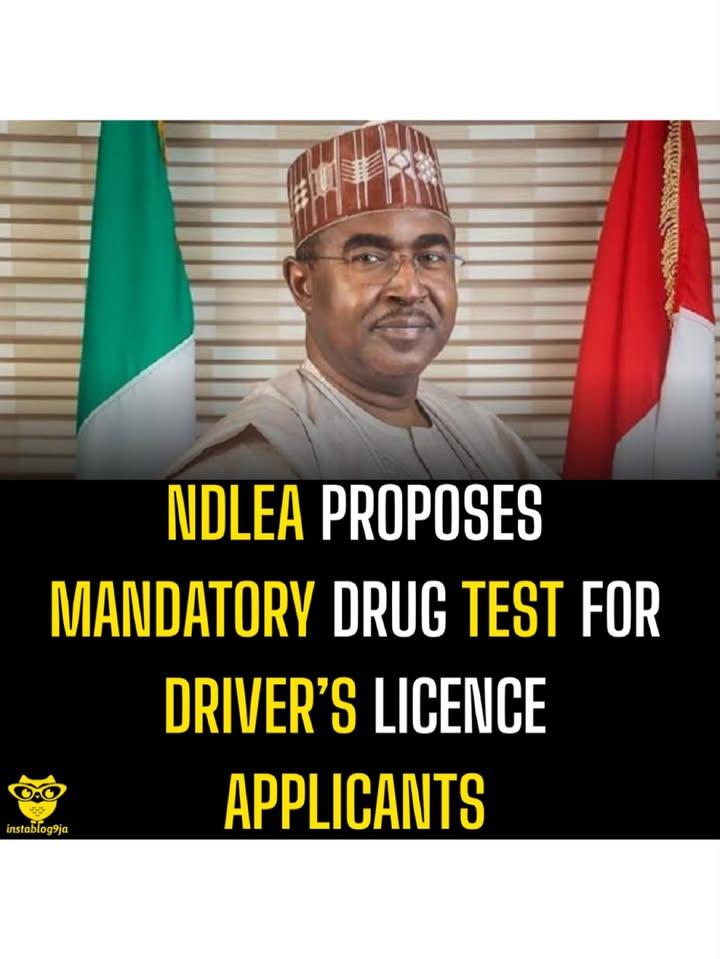
  • NDLEA Proposes Mandatory Drug Test for Driver’s Licence Applicants.

    The National Drug Law Enforcement Agency (NDLEA) has proposed mandatory drug integrity tests for individuals applying for driver’s licences as part of efforts to reduce dr¥g-related road accidents across Nigeria.

    NDLEA Chairman, retired Brig.-Gen. Buba Marwa, made this known in a goodwill message at the National Summit of the Special Marshals of the Federal Road Safety Corps (FRSC) on Wednesday in Abuja. He was represented by the Deputy Commandant General of Narcotics, Mr. Umoru Ambrose.

    Marwa described the NDLEA and FRSC as “partners in progress,” stressing that while the FRSC ensures road safety, the NDLEA tackles the root causes of crashes, including drug abuse. He noted that years of research have shown that substance abuse contributes significantly to road accidents.

    He revealed that both agencies are finalising a Memorandum of Understanding (MoU), with one of its key provisions being the introduction of drug tests for drivers. According to him, the NDLEA has already fulfilled its part of the agreement and is awaiting the FRSC’s input before full implementation.

    Marwa explained that the initiative would require drivers to undergo drug tests before applying for licences, while trained FRSC officials would also be able to conduct on-the-spot drug tests on highways. He added that the measure would serve as a deterrent to commercial drivers who abuse drugs or alcohol.

    The NDLEA boss further disclosed that the planned collaboration would allow FRSC and NDLEA operatives to jointly assess both drivers and passengers during road operations.

    “With this measure, FRSC and NDLEA officers will be able to conduct spot drug tests on highways. Once the process is concluded, the agency will move to full implementation,” Marwa assured.
    NDLEA Proposes Mandatory Drug Test for Driver’s Licence Applicants. The National Drug Law Enforcement Agency (NDLEA) has proposed mandatory drug integrity tests for individuals applying for driver’s licences as part of efforts to reduce dr¥g-related road accidents across Nigeria. NDLEA Chairman, retired Brig.-Gen. Buba Marwa, made this known in a goodwill message at the National Summit of the Special Marshals of the Federal Road Safety Corps (FRSC) on Wednesday in Abuja. He was represented by the Deputy Commandant General of Narcotics, Mr. Umoru Ambrose. Marwa described the NDLEA and FRSC as “partners in progress,” stressing that while the FRSC ensures road safety, the NDLEA tackles the root causes of crashes, including drug abuse. He noted that years of research have shown that substance abuse contributes significantly to road accidents. He revealed that both agencies are finalising a Memorandum of Understanding (MoU), with one of its key provisions being the introduction of drug tests for drivers. According to him, the NDLEA has already fulfilled its part of the agreement and is awaiting the FRSC’s input before full implementation. Marwa explained that the initiative would require drivers to undergo drug tests before applying for licences, while trained FRSC officials would also be able to conduct on-the-spot drug tests on highways. He added that the measure would serve as a deterrent to commercial drivers who abuse drugs or alcohol. The NDLEA boss further disclosed that the planned collaboration would allow FRSC and NDLEA operatives to jointly assess both drivers and passengers during road operations. “With this measure, FRSC and NDLEA officers will be able to conduct spot drug tests on highways. Once the process is concluded, the agency will move to full implementation,” Marwa assured.
    0 Comentários ·0 Compartilhamentos ·714 Visualizações
  • AMAC chairman’s aide, Yunusa, passes away after days of working out with a baddie at a hotel in Abuja

    Tragedy struck in the Karu-Jikwoyi area of Abuja as a 47-year-old man, Yunusa Ahmadu Yusuf, popularly known as Buhun Barkonun (AMAC), passed away during a hotel stay with a female companion.

    Yusuf, who served as the Federal Capital Territory’s Chief Advocate on Community Development, reportedly checked into the hotel with a woman identified as Ruth on Tuesday, September 8, 2025.

    Sources said that throughout his stay, he declined meals but consumed alcohol heavily. On the morning of the incident, Ruth, concerned about his condition, allegedly bought him an energy drink. Shortly after taking it, Yusuf collapsed into a coma.

    Despite frantic efforts by Ruth and the hotel staff to rush him to the hospital, he was pronounced dead on arrival.

    Authorities have since launched investigations to uncover the exact circumstances surrounding his sudden death.
    AMAC chairman’s aide, Yunusa, passes away after days of working out with a baddie at a hotel in Abuja Tragedy struck in the Karu-Jikwoyi area of Abuja as a 47-year-old man, Yunusa Ahmadu Yusuf, popularly known as Buhun Barkonun (AMAC), passed away during a hotel stay with a female companion. Yusuf, who served as the Federal Capital Territory’s Chief Advocate on Community Development, reportedly checked into the hotel with a woman identified as Ruth on Tuesday, September 8, 2025. Sources said that throughout his stay, he declined meals but consumed alcohol heavily. On the morning of the incident, Ruth, concerned about his condition, allegedly bought him an energy drink. Shortly after taking it, Yusuf collapsed into a coma. Despite frantic efforts by Ruth and the hotel staff to rush him to the hospital, he was pronounced dead on arrival. Authorities have since launched investigations to uncover the exact circumstances surrounding his sudden death.
    0 Comentários ·0 Compartilhamentos ·723 Visualizações
Páginas impulsionada
Fintter https://fintter.com