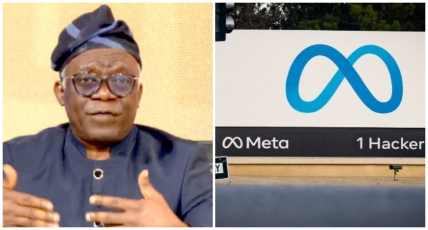
• BREAKING NEWS: Alleged Privacy Invasion: Lagos Court Rules In Falana’s Favour, Awards $25,000 Damages Against Meta

    A Lagos State High Court sitting at Tafawa Balewa Square has awarded $25,000 in damages in favour of renowned human rights lawyer Femi Falana (SAN) against Meta Platforms Inc., the U.S.-based tech giant owned by Mark Zuckerberg, over alleged invasion of privacy.

    In a judgment delivered on Tuesday, Justice Olalekan Oresanya held that Meta, as a global technology company that hosts and monetises content, owes a duty of care to individuals affected by materials published on its platform.

    Falana, through his lawyer Olumide Babalola, accused Meta of publishing motion images and a voice caption titled “AfriCare Health Centre” on Facebook, falsely suggesting that he was suffering from prostatitis. He argued that the publication violated his constitutional right to privacy under Section 37 of the 1999 Constitution, as well as provisions of the Nigeria Data Protection Act 2023.

    The court agreed that the publication amounted to an unlawful intrusion into Falana’s private life, despite his status as a public figure, and ruled in his favour in the $5 million suit.
    BREAKING NEWS: Alleged Privacy Invasion: Lagos Court Rules In Falana’s Favour, Awards $25,000 Damages Against Meta A Lagos State High Court sitting at Tafawa Balewa Square has awarded $25,000 in damages in favour of renowned human rights lawyer Femi Falana (SAN) against Meta Platforms Inc., the U.S.-based tech giant owned by Mark Zuckerberg, over alleged invasion of privacy. In a judgment delivered on Tuesday, Justice Olalekan Oresanya held that Meta, as a global technology company that hosts and monetises content, owes a duty of care to individuals affected by materials published on its platform. Falana, through his lawyer Olumide Babalola, accused Meta of publishing motion images and a voice caption titled “AfriCare Health Centre” on Facebook, falsely suggesting that he was suffering from prostatitis. He argued that the publication violated his constitutional right to privacy under Section 37 of the 1999 Constitution, as well as provisions of the Nigeria Data Protection Act 2023. The court agreed that the publication amounted to an unlawful intrusion into Falana’s private life, despite his status as a public figure, and ruled in his favour in the $5 million suit.
    0 Kommentare ·0 Geteilt ·3KB Ansichten
  • Edo Rights Group Accuses Uromi DPO of Harassing Activist, Demands Police Action

    The Edo State Civil Society Coalition for Human Rights has accused the Divisional Police Officer of Uromi Division, CSP Monday Agbon, of intimidation, abuse of office, and targeted harassment of activist Comrade General Henry Oziegbe.

    In a statement issued on Saturday, the coalition said Oziegbe, a known social justice advocate, has faced sustained reprisals allegedly linked to his criticism of police extortion and systemic injustice in Uromi.

    The group disclosed that multiple petitions had earlier been submitted to the Edo State Commissioner of Police, accusing the DPO of extortion, bribery, and abuse of authority. Rather than submit to investigation, the coalition alleged, the officer responded with threats, intimidation, and attempts to criminalise the activist.

    According to the statement, jointly signed by Coordinator Marxist Kola Edokpayi and Secretary-General Comrade Aghatise Raphael, the DPO allegedly threatened to fabricate charges against Oziegbe and later branded him a cultist—an accusation the coalition described as false, reckless, and dangerous.

    The coalition further claimed that following a directive from the Commissioner of Police to review one of the petitions, the DPO sought to use the Anti-Cultism Unit in Benin City to arrest Oziegbe. However, the unit reportedly declined after finding no factual or evidentiary basis for the allegations.

    “The Anti-Cultism Unit, acting with commendable professional integrity, refused to comply after establishing that the claims were entirely unfounded,” the group said.

    Describing Oziegbe as “a conscientious dissenter and defender of the oppressed,” the coalition argued that any attempt to arrest or detain him would amount to a violation of his constitutional rights. Citing Section 35 of the 1999 Constitution (as amended), it warned against arbitrary arrest, detention, or enforced disappearance.

    The group also stated that any harm or unlawful action against the activist would be held personally against the DPO and any officers involved.

    Consequently, the coalition called on the Inspector-General of Police, the Police Service Commission, the National Human Rights Commission, and other oversight bodies to intervene, investigate the allegations, and prevent what it described as a growing culture of impunity.

    “We will not capitulate. We will not be intimidated. An injury to one remains an injury to all,” the coalition declared.


    Edo Rights Group Accuses Uromi DPO of Harassing Activist, Demands Police Action The Edo State Civil Society Coalition for Human Rights has accused the Divisional Police Officer of Uromi Division, CSP Monday Agbon, of intimidation, abuse of office, and targeted harassment of activist Comrade General Henry Oziegbe. In a statement issued on Saturday, the coalition said Oziegbe, a known social justice advocate, has faced sustained reprisals allegedly linked to his criticism of police extortion and systemic injustice in Uromi. The group disclosed that multiple petitions had earlier been submitted to the Edo State Commissioner of Police, accusing the DPO of extortion, bribery, and abuse of authority. Rather than submit to investigation, the coalition alleged, the officer responded with threats, intimidation, and attempts to criminalise the activist. According to the statement, jointly signed by Coordinator Marxist Kola Edokpayi and Secretary-General Comrade Aghatise Raphael, the DPO allegedly threatened to fabricate charges against Oziegbe and later branded him a cultist—an accusation the coalition described as false, reckless, and dangerous. The coalition further claimed that following a directive from the Commissioner of Police to review one of the petitions, the DPO sought to use the Anti-Cultism Unit in Benin City to arrest Oziegbe. However, the unit reportedly declined after finding no factual or evidentiary basis for the allegations. “The Anti-Cultism Unit, acting with commendable professional integrity, refused to comply after establishing that the claims were entirely unfounded,” the group said. Describing Oziegbe as “a conscientious dissenter and defender of the oppressed,” the coalition argued that any attempt to arrest or detain him would amount to a violation of his constitutional rights. Citing Section 35 of the 1999 Constitution (as amended), it warned against arbitrary arrest, detention, or enforced disappearance. The group also stated that any harm or unlawful action against the activist would be held personally against the DPO and any officers involved. Consequently, the coalition called on the Inspector-General of Police, the Police Service Commission, the National Human Rights Commission, and other oversight bodies to intervene, investigate the allegations, and prevent what it described as a growing culture of impunity. “We will not capitulate. We will not be intimidated. An injury to one remains an injury to all,” the coalition declared.
    0 Kommentare ·0 Geteilt ·2KB Ansichten
  • Free Speech Under Threat in Kaduna? Zango-Kataf LGA Chairman Accused of Using Police to Detain Julius Tagwai Over Facebook Post, Residents Allege Abuse of Power

    Is freedom of expression being criminalised in Kaduna State? This question has sparked public outrage following the alleged arrest and detention of Julius Shehu Tagwai, a young resident of Zango-Kataf Local Government Area, over a Facebook post critical of the handling of Christmas welfare packages.

    According to community sources, Tagwai was invited to the Zonkwa Police Station on the evening of January 9, 2026, and went there voluntarily. However, residents claim that upon arrival, he was immediately taken into custody and detained without being informed of any specific offence. They allege that the arrest was carried out on the instruction of the Chairman of Zango-Kataf LGA, Mr. Bege Joseph Gaya, who was said to be the complainant.

    The Facebook post in question reportedly expressed disappointment over the alleged non-distribution of Christmas packages said to have been provided by the Kaduna State Government for residents. Community members insist the post was peaceful and amounted to nothing more than the exercise of the constitutional right to free expression.

    Matters reportedly escalated when Tagwai’s lawyer and younger brother arrived at the station to secure his release, only to be informed that he had already been transferred out of the division. The Divisional Police Officer allegedly disclosed that the transfer to the Kaduna State Police Headquarters was done on the instruction of the local government chairman.

    On January 10, Tagwai was moved to the state police headquarters. His legal counsel later claimed that after examining the police file, no formal written complaint or recognisable criminal offence had been documented against his client. The lawyer further alleged that Tagwai was denied access to his mobile phone, preventing him from contacting family or legal representatives and leaving relatives unaware of his whereabouts for hours.

    As of the time of reporting, Tagwai remained in police custody over an unspecified offence, triggering anger among residents who describe the incident as an abuse of political power and an attempt to intimidate critics and suppress dissent. Locals also referenced a similar recent arrest of another young man, Ayuba Black, raising fears of a growing pattern of targeting outspoken residents.

    Human rights advocates have warned that arresting a citizen over an opinion, denying communication, and holding a person without clear charges may violate Sections 34, 35, and 39 of the 1999 Constitution (as amended), which guarantee dignity of the human person, personal liberty, and freedom of expression.

    Residents are now calling on the Inspector-General of Police, the Police Service Commission, the National Human Rights Commission, and other oversight bodies to urgently investigate the matter and ensure accountability. Attempts to obtain responses from the local government chairman and the Kaduna State Police Command were unsuccessful at the time of filing this report.

    Free Speech Under Threat in Kaduna? Zango-Kataf LGA Chairman Accused of Using Police to Detain Julius Tagwai Over Facebook Post, Residents Allege Abuse of Power Is freedom of expression being criminalised in Kaduna State? This question has sparked public outrage following the alleged arrest and detention of Julius Shehu Tagwai, a young resident of Zango-Kataf Local Government Area, over a Facebook post critical of the handling of Christmas welfare packages. According to community sources, Tagwai was invited to the Zonkwa Police Station on the evening of January 9, 2026, and went there voluntarily. However, residents claim that upon arrival, he was immediately taken into custody and detained without being informed of any specific offence. They allege that the arrest was carried out on the instruction of the Chairman of Zango-Kataf LGA, Mr. Bege Joseph Gaya, who was said to be the complainant. The Facebook post in question reportedly expressed disappointment over the alleged non-distribution of Christmas packages said to have been provided by the Kaduna State Government for residents. Community members insist the post was peaceful and amounted to nothing more than the exercise of the constitutional right to free expression. Matters reportedly escalated when Tagwai’s lawyer and younger brother arrived at the station to secure his release, only to be informed that he had already been transferred out of the division. The Divisional Police Officer allegedly disclosed that the transfer to the Kaduna State Police Headquarters was done on the instruction of the local government chairman. On January 10, Tagwai was moved to the state police headquarters. His legal counsel later claimed that after examining the police file, no formal written complaint or recognisable criminal offence had been documented against his client. The lawyer further alleged that Tagwai was denied access to his mobile phone, preventing him from contacting family or legal representatives and leaving relatives unaware of his whereabouts for hours. As of the time of reporting, Tagwai remained in police custody over an unspecified offence, triggering anger among residents who describe the incident as an abuse of political power and an attempt to intimidate critics and suppress dissent. Locals also referenced a similar recent arrest of another young man, Ayuba Black, raising fears of a growing pattern of targeting outspoken residents. Human rights advocates have warned that arresting a citizen over an opinion, denying communication, and holding a person without clear charges may violate Sections 34, 35, and 39 of the 1999 Constitution (as amended), which guarantee dignity of the human person, personal liberty, and freedom of expression. Residents are now calling on the Inspector-General of Police, the Police Service Commission, the National Human Rights Commission, and other oversight bodies to urgently investigate the matter and ensure accountability. Attempts to obtain responses from the local government chairman and the Kaduna State Police Command were unsuccessful at the time of filing this report.
    0 Kommentare ·0 Geteilt ·3KB Ansichten
  • Bauchi Audit Exposes Universities, Polytechnics, Colleges, and Parastatals: How Did ₦Billions in Public Funds Go Unaccounted For, Why Were Revenues Unremitted, and Who Will Be Held Legally Responsible?

    How did institutions meant to uphold discipline, transparency, and public trust become hubs of financial disorder? An audit investigation by WikkiTimes reveals widespread financial mismanagement across Bauchi State’s universities, polytechnics, colleges, hospitals, agencies, and parastatals, raising urgent questions about accountability, oversight, and the future of public finance in the state.

    The Auditor-General’s report shows a consistent pattern: payments without documentation, unretired advances, missing revenue, inflated costs, forged or incomplete records, and expenditures without approval. These violations were not isolated to ministries or Government House—they extended deep into educational institutions and public agencies that are supposed to set standards in record-keeping, training, and ethical governance.

    At Sa’adu Zungur University, the state’s flagship institution, auditors recorded ₦63.5 million in payments without supporting documents, ₦12 million in unretired advances, ₦48 million in vouchers not presented for audit, ₦9.1 million in receipt discrepancies, ₦14.5 million in inflated diesel costs, and ₦84.2 million in unremitted tax deductions. Another ₦101 million was not posted to the cash book, making the trail of funds impossible to trace. An institution named after a symbol of moral discipline now stands accused of systemic financial indiscipline.

    At Abubakar Tatari Ali Polytechnic, auditors uncovered what they described as one of the most detailed cases of financial breakdown: ₦21.4 million in government revenue with no evidence of remittance, ₦13.4 million in undocumented payments, ₦15.1 million in vouchers withheld from audit, ₦28.6 million in store purchases not entered into ledgers, and multiple unretired advances and imprests. Additional red flags included ₦32.8 million in unauthorised payments, ₦5.7 million paid without documentation, and ₦5.2 million in soft loans without proof of recovery.

    Other institutions followed the same pattern. A.D. Rufa’i College of Legal Studies recorded millions in undocumented, unauthorised, and unacknowledged payments, alongside major store ledger discrepancies—echoing earlier reports of student exploitation. At the Bill and Melinda Gates College of Health Sciences, auditors flagged bank reconciliation gaps, voucher irregularities, and cash-book discrepancies. Health agencies, including the Specialist Hospital Board and Bauchi State Health Contributory Management Agency, were cited for diesel payments without retirement records and funds disbursed without approval.

    The audit further exposed revenue losses in parastatals. At Yankari Express Corporation, auditors recorded a staggering ₦165.5 million gap between revenue collected and bank lodgements, alongside missing vehicles, undocumented spare parts purchases, and multiple unsubmitted vouchers. At Yankari Game Reserve, findings included unauthorised payments, ghost beneficiaries, unaccounted revenue, undocumented diesel purchases, and unexplained bank withdrawals—suggesting deep-seated weaknesses in financial controls.

    Perhaps most alarming is what did not happen. According to the audit, missing vouchers remained missing, unremitted revenue was not accounted for, advances were not recovered, and disputed sums were not refunded. Explanations submitted by institutions failed to resolve the issues, leaving large portions of public funds in limbo.

    The report also outlines the legal consequences. Under the 1999 Constitution, all public spending must be authorised by law, with the Auditor-General empowered under Section 125 to refer violations to the House of Assembly. The ICPC Act criminalises abuse of office, while the EFCC Act classifies tax non-remittance and fund diversion as economic crimes—offences that remain prosecutable even after restitution.

    This investigation forces urgent questions: How did so many institutions operate for years without basic financial controls? Why were revenues collected but never remitted? Who authorised payments without records? And will the ICPC, EFCC, and lawmakers move from exposure to prosecution? As billions of naira remain unaccounted for, Bauchi’s audit report is no longer just a financial document—it is a test of whether public office will finally be matched with public accountability.

    Bauchi Audit Exposes Universities, Polytechnics, Colleges, and Parastatals: How Did ₦Billions in Public Funds Go Unaccounted For, Why Were Revenues Unremitted, and Who Will Be Held Legally Responsible? How did institutions meant to uphold discipline, transparency, and public trust become hubs of financial disorder? An audit investigation by WikkiTimes reveals widespread financial mismanagement across Bauchi State’s universities, polytechnics, colleges, hospitals, agencies, and parastatals, raising urgent questions about accountability, oversight, and the future of public finance in the state. The Auditor-General’s report shows a consistent pattern: payments without documentation, unretired advances, missing revenue, inflated costs, forged or incomplete records, and expenditures without approval. These violations were not isolated to ministries or Government House—they extended deep into educational institutions and public agencies that are supposed to set standards in record-keeping, training, and ethical governance. At Sa’adu Zungur University, the state’s flagship institution, auditors recorded ₦63.5 million in payments without supporting documents, ₦12 million in unretired advances, ₦48 million in vouchers not presented for audit, ₦9.1 million in receipt discrepancies, ₦14.5 million in inflated diesel costs, and ₦84.2 million in unremitted tax deductions. Another ₦101 million was not posted to the cash book, making the trail of funds impossible to trace. An institution named after a symbol of moral discipline now stands accused of systemic financial indiscipline. At Abubakar Tatari Ali Polytechnic, auditors uncovered what they described as one of the most detailed cases of financial breakdown: ₦21.4 million in government revenue with no evidence of remittance, ₦13.4 million in undocumented payments, ₦15.1 million in vouchers withheld from audit, ₦28.6 million in store purchases not entered into ledgers, and multiple unretired advances and imprests. Additional red flags included ₦32.8 million in unauthorised payments, ₦5.7 million paid without documentation, and ₦5.2 million in soft loans without proof of recovery. Other institutions followed the same pattern. A.D. Rufa’i College of Legal Studies recorded millions in undocumented, unauthorised, and unacknowledged payments, alongside major store ledger discrepancies—echoing earlier reports of student exploitation. At the Bill and Melinda Gates College of Health Sciences, auditors flagged bank reconciliation gaps, voucher irregularities, and cash-book discrepancies. Health agencies, including the Specialist Hospital Board and Bauchi State Health Contributory Management Agency, were cited for diesel payments without retirement records and funds disbursed without approval. The audit further exposed revenue losses in parastatals. At Yankari Express Corporation, auditors recorded a staggering ₦165.5 million gap between revenue collected and bank lodgements, alongside missing vehicles, undocumented spare parts purchases, and multiple unsubmitted vouchers. At Yankari Game Reserve, findings included unauthorised payments, ghost beneficiaries, unaccounted revenue, undocumented diesel purchases, and unexplained bank withdrawals—suggesting deep-seated weaknesses in financial controls. Perhaps most alarming is what did not happen. According to the audit, missing vouchers remained missing, unremitted revenue was not accounted for, advances were not recovered, and disputed sums were not refunded. Explanations submitted by institutions failed to resolve the issues, leaving large portions of public funds in limbo. The report also outlines the legal consequences. Under the 1999 Constitution, all public spending must be authorised by law, with the Auditor-General empowered under Section 125 to refer violations to the House of Assembly. The ICPC Act criminalises abuse of office, while the EFCC Act classifies tax non-remittance and fund diversion as economic crimes—offences that remain prosecutable even after restitution. This investigation forces urgent questions: How did so many institutions operate for years without basic financial controls? Why were revenues collected but never remitted? Who authorised payments without records? And will the ICPC, EFCC, and lawmakers move from exposure to prosecution? As billions of naira remain unaccounted for, Bauchi’s audit report is no longer just a financial document—it is a test of whether public office will finally be matched with public accountability.
    love
    1
    · 0 Kommentare ·0 Geteilt ·3KB Ansichten
  • Is Governor Fubara Really Facing Impeachment? Why Rivers Assembly Insists the Process Is Ongoing, Denies Suspension Reports, and Cites the Constitution

    Is the impeachment of Rivers State Governor Siminalayi Fubara actually underway—or has the process been quietly halted? The Rivers State House of Assembly has moved to clear the air, insisting that the impeachment proceedings against the governor and his deputy, Prof. Ngozi Nma Odu, are active, constitutional, and ongoing, despite widespread reports suggesting the exercise has been suspended.

    In a statement released on Friday and signed by Dr. Enemi Alabo George, Chairman of the House Committee on Information, Petitions and Complaints, the Assembly said the process formally began on Thursday, January 8, 2026, and is being conducted strictly in line with Section 188 of the 1999 Constitution of the Federal Republic of Nigeria (as amended).

    According to the lawmakers, two separate notices of allegations of gross misconduct have already been prepared and transmitted to Governor Fubara and Deputy Governor Odu by the Speaker of the House. The Assembly disclosed that it is now awaiting their formal responses, which is a mandatory step before proceeding to the next phase of the constitutional impeachment process.

    The House stressed that it is acting within its constitutional authority to check executive infractions and safeguard democratic governance in the state. It emphasized that the legislature is empowered by law to intervene where there are alleged violations by the governor, deputy governor, or any other state official.

    Dismissing reports that the process has been suspended, the Assembly accused unnamed individuals and media platforms of deliberately spreading false and misleading narratives aimed at confusing the public and creating tension between the House and citizens. Dr. George said such claims were designed to cause disaffection and undermine the credibility of the legislature.

    Calling on the public to disregard the reports, the House reaffirmed that the impeachment process remains “on track” and would not be derailed by what it described as blackmail, threats, or external pressure. The lawmakers vowed to remain focused on their constitutional responsibilities, insisting that they would not be intimidated by forces they believe do not have the best interests of Rivers State or Nigeria’s democracy at heart.

    At the same time, the Assembly expressed gratitude to residents of Rivers State for their prayers and support since the process began and thanked political leaders and stakeholders for their engagement. The statement concluded with a message of appreciation to “all democrats who believe in the Nigerian project.”

    As political tension continues to mount in the state, the key questions remain: Will the governor and his deputy respond to the allegations? Will the process advance to the investigative stage outlined in the Constitution—or could political negotiations alter the outcome? For now, the Rivers State House of Assembly says the impeachment of Governor Fubara is neither paused nor abandoned—and Nigerians are watching closely as the constitutional process unfolds.

    Is Governor Fubara Really Facing Impeachment? Why Rivers Assembly Insists the Process Is Ongoing, Denies Suspension Reports, and Cites the Constitution Is the impeachment of Rivers State Governor Siminalayi Fubara actually underway—or has the process been quietly halted? The Rivers State House of Assembly has moved to clear the air, insisting that the impeachment proceedings against the governor and his deputy, Prof. Ngozi Nma Odu, are active, constitutional, and ongoing, despite widespread reports suggesting the exercise has been suspended. In a statement released on Friday and signed by Dr. Enemi Alabo George, Chairman of the House Committee on Information, Petitions and Complaints, the Assembly said the process formally began on Thursday, January 8, 2026, and is being conducted strictly in line with Section 188 of the 1999 Constitution of the Federal Republic of Nigeria (as amended). According to the lawmakers, two separate notices of allegations of gross misconduct have already been prepared and transmitted to Governor Fubara and Deputy Governor Odu by the Speaker of the House. The Assembly disclosed that it is now awaiting their formal responses, which is a mandatory step before proceeding to the next phase of the constitutional impeachment process. The House stressed that it is acting within its constitutional authority to check executive infractions and safeguard democratic governance in the state. It emphasized that the legislature is empowered by law to intervene where there are alleged violations by the governor, deputy governor, or any other state official. Dismissing reports that the process has been suspended, the Assembly accused unnamed individuals and media platforms of deliberately spreading false and misleading narratives aimed at confusing the public and creating tension between the House and citizens. Dr. George said such claims were designed to cause disaffection and undermine the credibility of the legislature. Calling on the public to disregard the reports, the House reaffirmed that the impeachment process remains “on track” and would not be derailed by what it described as blackmail, threats, or external pressure. The lawmakers vowed to remain focused on their constitutional responsibilities, insisting that they would not be intimidated by forces they believe do not have the best interests of Rivers State or Nigeria’s democracy at heart. At the same time, the Assembly expressed gratitude to residents of Rivers State for their prayers and support since the process began and thanked political leaders and stakeholders for their engagement. The statement concluded with a message of appreciation to “all democrats who believe in the Nigerian project.” As political tension continues to mount in the state, the key questions remain: Will the governor and his deputy respond to the allegations? Will the process advance to the investigative stage outlined in the Constitution—or could political negotiations alter the outcome? For now, the Rivers State House of Assembly says the impeachment of Governor Fubara is neither paused nor abandoned—and Nigerians are watching closely as the constitutional process unfolds.
    0 Kommentare ·0 Geteilt ·2KB Ansichten
  • Did an Ondo DPO Assault a Lawyer at a Police Station? Why a Law Firm Has Petitioned the IGP and Police Service Commission Over Alleged Abuse of Power

    A Lagos- and Ondo-based law firm, Tope Temokun Chambers, has petitioned the Inspector-General of Police (IGP), the Police Service Commission (PSC), and other oversight bodies over allegations of assault, intimidation, abuse of office, and obstruction of justice involving the Divisional Police Officer (DPO) of Ore Division in Ondo State, Mr. Moses Adeduro.

    According to the petitions, the incident occurred on January 8, 2026, when one of the firm’s lawyers, Adedotun Emmanuel Adegoroye, Esq., accompanied a client—Mrs. Stella Oluwasegun, Managing Director of Niret Marketing Product Company Limited—to the Ore Divisional Police Station to formally report a case of alleged stealing and criminal conversion of company goods valued at about ₦20.4 million.

    The firm stated that the complaint followed the discovery that some employees of the company, allegedly acting in collaboration with a supplier’s staff and a driver, unlawfully removed and sold company goods. It added that some receivers of the allegedly stolen items had already been arrested prior to the visit.

    However, the law firm alleged that upon arrival at the police station, officers attempted to coerce the complainant into an informal settlement without first taking her statement or properly documenting the complaint. When their counsel reportedly objected and insisted on due process, he was directed to see the DPO.

    What happened next, according to the petition, escalated into intimidation and physical assault. The firm alleged that the DPO dismissed the presence of legal representation, reportedly stating that lawyers were not needed at the police station, and ordered that the lawyer be forcibly removed from his office. In the process, a police officer was said to have physically grabbed and ejected the lawyer.

    Tope Temokun Chambers described the alleged conduct as a grave abuse of office, an unlawful assault on a legal practitioner, and a deliberate attempt to obstruct justice. The firm argued that the actions violated multiple laws, including the 1999 Constitution (as amended), the Police Act and Regulations, and the Legal Practitioners Act, all of which guarantee citizens’ right to legal representation and protect lawyers in the lawful discharge of their duties.

    In its petitions, the firm demanded:

    An immediate and thorough investigation into the conduct of the DPO and other officers involved, with appropriate disciplinary measures if the allegations are proven;

    A formal written apology to the affected lawyer; and

    That the underlying criminal complaint be taken over by higher police authorities to ensure impartial investigation and public confidence.


    The firm further claimed it had been reliably informed of similar complaints of misconduct previously made against the same DPO, raising concerns about a possible pattern of abuse of authority.

    Emphasising that the petitions were filed in the interest of justice and professionalism, the firm stressed that lawyers must be allowed to perform their duties without fear of harassment, violence, or intimidation, urging authorities to act decisively to uphold the rule of law and restore confidence in the Nigeria Police Force.

    Did an Ondo DPO Assault a Lawyer at a Police Station? Why a Law Firm Has Petitioned the IGP and Police Service Commission Over Alleged Abuse of Power A Lagos- and Ondo-based law firm, Tope Temokun Chambers, has petitioned the Inspector-General of Police (IGP), the Police Service Commission (PSC), and other oversight bodies over allegations of assault, intimidation, abuse of office, and obstruction of justice involving the Divisional Police Officer (DPO) of Ore Division in Ondo State, Mr. Moses Adeduro. According to the petitions, the incident occurred on January 8, 2026, when one of the firm’s lawyers, Adedotun Emmanuel Adegoroye, Esq., accompanied a client—Mrs. Stella Oluwasegun, Managing Director of Niret Marketing Product Company Limited—to the Ore Divisional Police Station to formally report a case of alleged stealing and criminal conversion of company goods valued at about ₦20.4 million. The firm stated that the complaint followed the discovery that some employees of the company, allegedly acting in collaboration with a supplier’s staff and a driver, unlawfully removed and sold company goods. It added that some receivers of the allegedly stolen items had already been arrested prior to the visit. However, the law firm alleged that upon arrival at the police station, officers attempted to coerce the complainant into an informal settlement without first taking her statement or properly documenting the complaint. When their counsel reportedly objected and insisted on due process, he was directed to see the DPO. What happened next, according to the petition, escalated into intimidation and physical assault. The firm alleged that the DPO dismissed the presence of legal representation, reportedly stating that lawyers were not needed at the police station, and ordered that the lawyer be forcibly removed from his office. In the process, a police officer was said to have physically grabbed and ejected the lawyer. Tope Temokun Chambers described the alleged conduct as a grave abuse of office, an unlawful assault on a legal practitioner, and a deliberate attempt to obstruct justice. The firm argued that the actions violated multiple laws, including the 1999 Constitution (as amended), the Police Act and Regulations, and the Legal Practitioners Act, all of which guarantee citizens’ right to legal representation and protect lawyers in the lawful discharge of their duties. In its petitions, the firm demanded: An immediate and thorough investigation into the conduct of the DPO and other officers involved, with appropriate disciplinary measures if the allegations are proven; A formal written apology to the affected lawyer; and That the underlying criminal complaint be taken over by higher police authorities to ensure impartial investigation and public confidence. The firm further claimed it had been reliably informed of similar complaints of misconduct previously made against the same DPO, raising concerns about a possible pattern of abuse of authority. Emphasising that the petitions were filed in the interest of justice and professionalism, the firm stressed that lawyers must be allowed to perform their duties without fear of harassment, violence, or intimidation, urging authorities to act decisively to uphold the rule of law and restore confidence in the Nigeria Police Force.
    0 Kommentare ·0 Geteilt ·2KB Ansichten
  • Are Nigeria’s New Tax Laws Unconstitutional? Why a Lawyer Is Suing the Federal Government Over Multiple Budgets, Fiscal Transparency, and the 2026 Tax Reforms

    Is Nigeria running its finances in violation of its own laws—and could the country’s new tax regime be declared unconstitutional? These are the questions now before the Federal High Court in Lagos following a landmark lawsuit filed by human rights lawyer, Mr. Tilewa Oyefeso.

    Oyefeso has dragged the Federal Government, the Senate President, the Speaker of the House of Representatives, the National Assembly, and the Attorney-General of the Federation to court, challenging what he describes as Nigeria’s “opaque and undisciplined fiscal regime.” At the heart of the case is the government’s practice of operating multiple federal budgets simultaneously and introducing new tax laws that he claims contradict both the Constitution and the Fiscal Responsibility Act (FRA) 2007.

    According to the suit, the Federal Government has extended capital components of the 2024 Appropriation Act into 2025 and 2026 while the 2025 budget is already in force—effectively running overlapping budgets. Oyefeso is asking the court to determine whether this practice complies with Nigeria’s Medium-Term Expenditure Framework (MTEF) and the unified annual budgeting system mandated by fiscal law.

    Why does this matter? The lawyer argues that overlapping budgets, supplementary appropriations, and extended capital projects undermine fiscal transparency, distort expenditure projections, and weaken the macroeconomic discipline the Fiscal Responsibility Act was designed to protect. He also accuses the government of failing to publish quarterly budget implementation reports within the legally required 30-day period—an omission he says makes it impossible for citizens to track public spending or hold authorities accountable.

    But the lawsuit goes beyond budgets. Oyefeso is also challenging four major tax laws scheduled to take effect from January 1, 2026: the Nigeria Tax Act 2025, the Nigeria Revenue Service (Establishment) Act 2025, the Joint Revenue Board of Nigeria (Establishment) Act 2025, and the Nigeria Tax Administration Act 2025.

    He contends that the new tax framework prioritises aggressive revenue generation without first ensuring compliance with constitutional limits on borrowing, deficit thresholds, fiscal accountability, and transparency. Citing Section 16 of the 1999 Constitution, which outlines Nigeria’s economic objectives, Oyefeso argues that fiscal and tax policies must promote social justice, equitable wealth distribution, macroeconomic stability, and the welfare of citizens—not merely expand government revenue.

    One of his key claims is that the reforms ignore the Fiscal Responsibility Act’s requirement that fiscal deficits should not exceed three per cent of GDP unless expressly approved by the National Assembly. By allegedly sidestepping these safeguards, he says, the new tax laws form part of a broader unconstitutional fiscal structure.

    Among the reliefs sought, Oyefeso is asking the court to declare the four tax laws unconstitutional, null, and void. He also wants an order of mandamus compelling the National Assembly to amend the Fiscal Responsibility Act to strengthen transparency, fiscal discipline, and prudent resource management. In addition, he seeks a perpetual injunction to halt the implementation of the new tax laws pending such amendments.

    What could this mean for Nigeria’s economy and governance? If the court upholds his arguments, the ruling could upend Nigeria’s 2026 tax framework, force reforms to budgetary practices, and redefine how fiscal responsibility is enforced under the Constitution.

    For now, the defendants have 30 days to respond, and the case is yet to be assigned to a judge. But the questions raised are already resonating nationwide: Is Nigeria violating its own fiscal laws? Are the new tax reforms legally sound? And will the courts finally impose transparency on how public funds are budgeted, spent, and taxed?
    Are Nigeria’s New Tax Laws Unconstitutional? Why a Lawyer Is Suing the Federal Government Over Multiple Budgets, Fiscal Transparency, and the 2026 Tax Reforms Is Nigeria running its finances in violation of its own laws—and could the country’s new tax regime be declared unconstitutional? These are the questions now before the Federal High Court in Lagos following a landmark lawsuit filed by human rights lawyer, Mr. Tilewa Oyefeso. Oyefeso has dragged the Federal Government, the Senate President, the Speaker of the House of Representatives, the National Assembly, and the Attorney-General of the Federation to court, challenging what he describes as Nigeria’s “opaque and undisciplined fiscal regime.” At the heart of the case is the government’s practice of operating multiple federal budgets simultaneously and introducing new tax laws that he claims contradict both the Constitution and the Fiscal Responsibility Act (FRA) 2007. According to the suit, the Federal Government has extended capital components of the 2024 Appropriation Act into 2025 and 2026 while the 2025 budget is already in force—effectively running overlapping budgets. Oyefeso is asking the court to determine whether this practice complies with Nigeria’s Medium-Term Expenditure Framework (MTEF) and the unified annual budgeting system mandated by fiscal law. Why does this matter? The lawyer argues that overlapping budgets, supplementary appropriations, and extended capital projects undermine fiscal transparency, distort expenditure projections, and weaken the macroeconomic discipline the Fiscal Responsibility Act was designed to protect. He also accuses the government of failing to publish quarterly budget implementation reports within the legally required 30-day period—an omission he says makes it impossible for citizens to track public spending or hold authorities accountable. But the lawsuit goes beyond budgets. Oyefeso is also challenging four major tax laws scheduled to take effect from January 1, 2026: the Nigeria Tax Act 2025, the Nigeria Revenue Service (Establishment) Act 2025, the Joint Revenue Board of Nigeria (Establishment) Act 2025, and the Nigeria Tax Administration Act 2025. He contends that the new tax framework prioritises aggressive revenue generation without first ensuring compliance with constitutional limits on borrowing, deficit thresholds, fiscal accountability, and transparency. Citing Section 16 of the 1999 Constitution, which outlines Nigeria’s economic objectives, Oyefeso argues that fiscal and tax policies must promote social justice, equitable wealth distribution, macroeconomic stability, and the welfare of citizens—not merely expand government revenue. One of his key claims is that the reforms ignore the Fiscal Responsibility Act’s requirement that fiscal deficits should not exceed three per cent of GDP unless expressly approved by the National Assembly. By allegedly sidestepping these safeguards, he says, the new tax laws form part of a broader unconstitutional fiscal structure. Among the reliefs sought, Oyefeso is asking the court to declare the four tax laws unconstitutional, null, and void. He also wants an order of mandamus compelling the National Assembly to amend the Fiscal Responsibility Act to strengthen transparency, fiscal discipline, and prudent resource management. In addition, he seeks a perpetual injunction to halt the implementation of the new tax laws pending such amendments. What could this mean for Nigeria’s economy and governance? If the court upholds his arguments, the ruling could upend Nigeria’s 2026 tax framework, force reforms to budgetary practices, and redefine how fiscal responsibility is enforced under the Constitution. For now, the defendants have 30 days to respond, and the case is yet to be assigned to a judge. But the questions raised are already resonating nationwide: Is Nigeria violating its own fiscal laws? Are the new tax reforms legally sound? And will the courts finally impose transparency on how public funds are budgeted, spent, and taxed?
    0 Kommentare ·0 Geteilt ·2KB Ansichten
  • Nigerian House of Representatives Proposes New Constitutional Law to Protect Pregnant Women on Death Row, Commute Death Sentence to Life Imprisonment

    The Nigerian House of Representatives has proposed a major constitutional amendment aimed at protecting pregnant women sentenced to death and safeguarding the lives of their unborn children. The proposal, adopted by the House Committee on Constitution Review chaired by Deputy Speaker Benjamin Kalu, seeks to amend Section 33 of the 1999 Constitution to ensure that any pregnant woman convicted of a capital offence is sentenced to life imprisonment instead of death.

    Under the proposed new subsection, courts would be required to commute death sentences once pregnancy is proven, recognising the unborn child’s right to life. Senior Advocate of Nigeria, Mike Ozekhome, praised the bill as humane and progressive, arguing that executing a pregnant woman amounts to the unjust killing of an innocent unborn child. He cited international human rights principles, U.S. constitutional arguments, and moral considerations in support of the amendment.

    Constitutional lawyer Abdul Mahmud also endorsed the proposal, describing it as a balanced effort to align criminal justice with evolving global human rights standards, while raising broader questions about the continued relevance of the death penalty in Nigeria.

    In addition, the House proposed a separate amendment to guarantee Nigerians’ right to a clean, safe, and healthy environment, including access to environmental information and accountability for pollution. The twin proposals reflect a broader legislative push toward human rights protection, environmental justice, and constitutional reform in Nigeria.
    Nigerian House of Representatives Proposes New Constitutional Law to Protect Pregnant Women on Death Row, Commute Death Sentence to Life Imprisonment The Nigerian House of Representatives has proposed a major constitutional amendment aimed at protecting pregnant women sentenced to death and safeguarding the lives of their unborn children. The proposal, adopted by the House Committee on Constitution Review chaired by Deputy Speaker Benjamin Kalu, seeks to amend Section 33 of the 1999 Constitution to ensure that any pregnant woman convicted of a capital offence is sentenced to life imprisonment instead of death. Under the proposed new subsection, courts would be required to commute death sentences once pregnancy is proven, recognising the unborn child’s right to life. Senior Advocate of Nigeria, Mike Ozekhome, praised the bill as humane and progressive, arguing that executing a pregnant woman amounts to the unjust killing of an innocent unborn child. He cited international human rights principles, U.S. constitutional arguments, and moral considerations in support of the amendment. Constitutional lawyer Abdul Mahmud also endorsed the proposal, describing it as a balanced effort to align criminal justice with evolving global human rights standards, while raising broader questions about the continued relevance of the death penalty in Nigeria. In addition, the House proposed a separate amendment to guarantee Nigerians’ right to a clean, safe, and healthy environment, including access to environmental information and accountability for pollution. The twin proposals reflect a broader legislative push toward human rights protection, environmental justice, and constitutional reform in Nigeria.
    0 Kommentare ·0 Geteilt ·1KB Ansichten
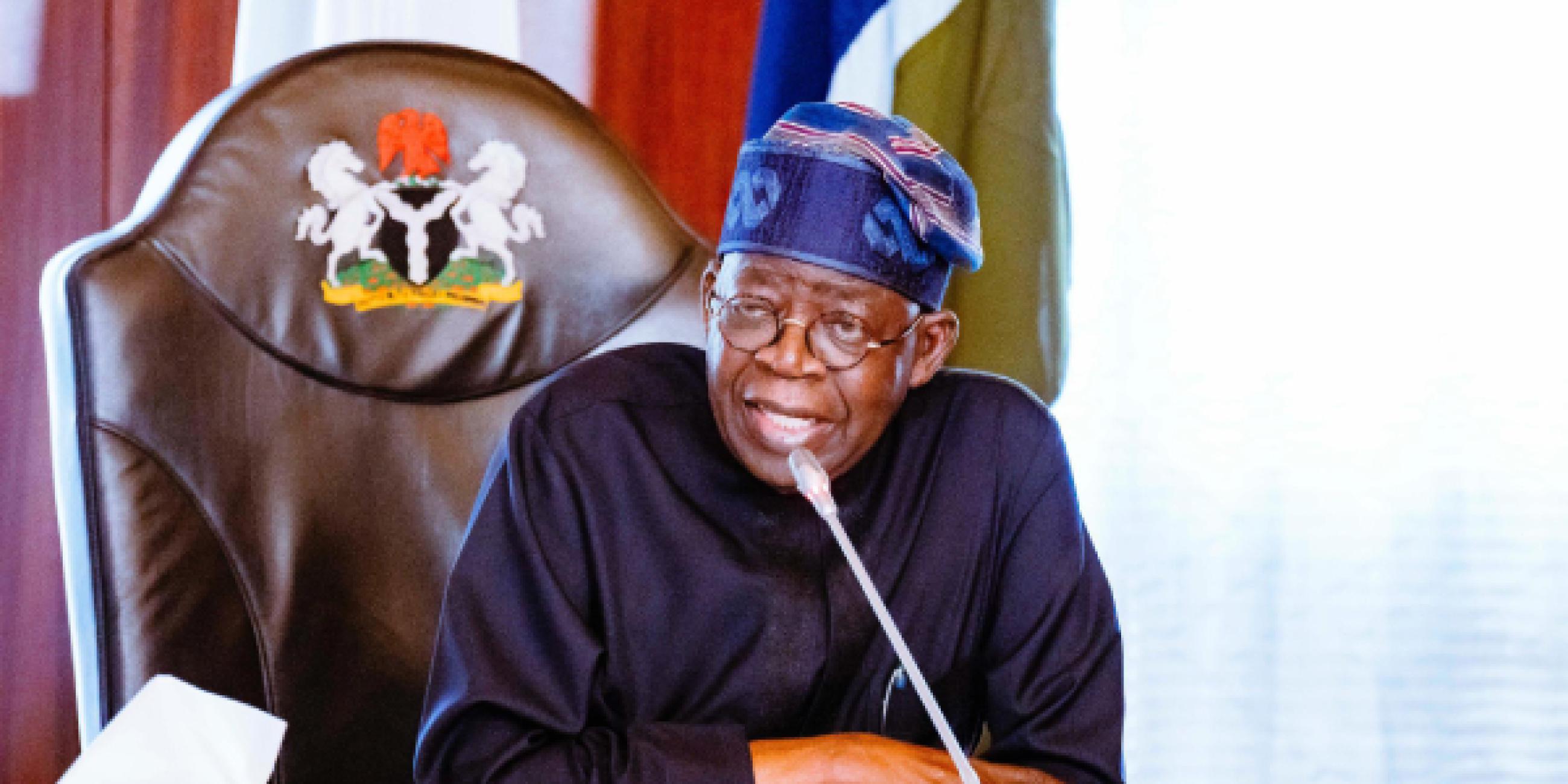
  • Tinubu Government Denies ‘ADP4VIP’ Plot to Arrest and Detain Opposition Figures, Calls Allegations Fake and Baseless Disinformation

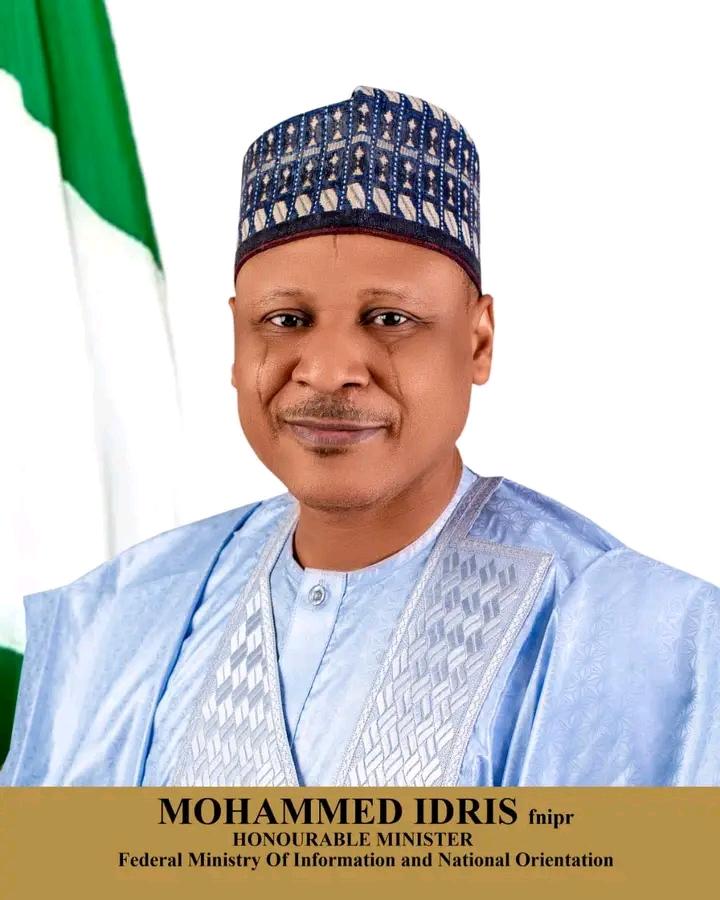
    The Federal Government has firmly denied allegations that it established a secret programme known as “ADP4VIP” to arrest, detain, or prosecute opposition politicians in Nigeria. In a statement issued on December 30, 2025, and signed by the Minister of Information and National Orientation, Mohammed Idris, the government described the claims as false, fabricated, and deliberately misleading. According to the government, the alleged programme—which purportedly involved a multi-agency task force comprising the EFCC, ICPC, and NFIU under the coordination of the Office of the National Security Adviser—does not exist. The administration said the forged document behind the claims was designed to portray lawful accountability as political persecution, particularly targeting members of the African Democratic Congress (ADC). Reaffirming President Bola Tinubu’s commitment to democracy, the rule of law, and constitutional freedoms, the government cited Section 40 of the 1999 Constitution, which guarantees freedom of association. It stressed that law enforcement and anti-corruption agencies operate independently and within legal boundaries. The government also warned Nigerians against the spread of misinformation and fake news as the 2027 general elections approach, cautioning that political actors may increasingly deploy disinformation for relevance. Despite accusations of a crackdown on opposition parties, the Tinubu administration insisted it remains focused on economic reforms, tackling insecurity, restoring investor confidence, and delivering measurable progress for Nigerians.
    Tinubu Government Denies ‘ADP4VIP’ Plot to Arrest and Detain Opposition Figures, Calls Allegations Fake and Baseless Disinformation The Federal Government has firmly denied allegations that it established a secret programme known as “ADP4VIP” to arrest, detain, or prosecute opposition politicians in Nigeria. In a statement issued on December 30, 2025, and signed by the Minister of Information and National Orientation, Mohammed Idris, the government described the claims as false, fabricated, and deliberately misleading. According to the government, the alleged programme—which purportedly involved a multi-agency task force comprising the EFCC, ICPC, and NFIU under the coordination of the Office of the National Security Adviser—does not exist. The administration said the forged document behind the claims was designed to portray lawful accountability as political persecution, particularly targeting members of the African Democratic Congress (ADC). Reaffirming President Bola Tinubu’s commitment to democracy, the rule of law, and constitutional freedoms, the government cited Section 40 of the 1999 Constitution, which guarantees freedom of association. It stressed that law enforcement and anti-corruption agencies operate independently and within legal boundaries. The government also warned Nigerians against the spread of misinformation and fake news as the 2027 general elections approach, cautioning that political actors may increasingly deploy disinformation for relevance. Despite accusations of a crackdown on opposition parties, the Tinubu administration insisted it remains focused on economic reforms, tackling insecurity, restoring investor confidence, and delivering measurable progress for Nigerians.
    0 Kommentare ·0 Geteilt ·1KB Ansichten
  • FG Reaffirms Unwavering Commitment to Rule of Law, Dismisses Fabricated Allegations of Targeting Opposition

    The Federal Government of Nigeria categorically states that it harbours no plans to unlawfully arrest, detain, or prosecute opposition figures. This clarification is in response to a fabricated document in circulation alleging the establishment of a non-existent multi-agency task force for a purported programme tagged “ADP4VIP” (Arrest, Detain, Prosecute for Very Important Persons).

    The baseless document falsely claims that a task force comprising the Economic and Financial Crimes Commission (EFCC), the Independent Corrupt Practices and Other Related Offences Commission (ICPC), and the Nigerian Financial Intelligence Unit (NFIU), coordinated by the Office of the National Security Adviser, aims to aggressively target prominent opposition figures without due process.

    The authors of this deliberate disinformation imprudently cite “multiple credible sources” to allege a planned “systematic weakening and neutralisation of opposition political activity,” particularly within the African Democratic Congress (ADC).

    The Federal Government wishes to state emphatically:

    1. There is no such programme as “ADP4VIP.”

    2. The administration of President Bola Ahmed Tinubu, GCFR, is firmly and successfully focused on its core agenda: implementing measurable economic reforms, defeating insecurity, expanding trade opportunities, and restoring investor confidence.

    3. The attempt by some opposition elements to frame lawful accountability as political targeting is a dangerous red herring designed to shield so-called VIPs from answering to our national laws and anti-corruption agencies.

    The Government underscores its foundational principles. Section 40 of the 1999 Constitution (as amended) guarantees every Nigerian the right to freely associate and assemble. President Tinubu swore an oath to uphold this Constitution and its protections, including the freedoms of association and religion. He is a democrat with considerable and positive footprints.

    Under President Tinubu's leadership, the Federal Government remains unwavering in its commitment to the rule of law, due process, and the independence of institutions. Nigeria is a constitutional democracy where law enforcement and judicial agencies are obligated to perform their duties professionally, without interference, and in the nation's best interest.

    Politicians and citizens are therefore enjoined to desist from engaging in disinformation, misinformation, and fake news, especially in an era where credibility is intrinsically linked to informational fidelity.

    With the 2027 general elections on the horizon, the public should anticipate an increase in fabricated narratives and political blackmail by actors who employ falsehood as a strategy for relevance. We urge all Nigerians to remain vigilant and to reject the politics of distortion and division.

    Every Nigerian retains the constitutional right to lawful association and political activity. Concurrently, our security and anti-corruption institutions retain the lawful mandate to operate in the nation's interest.

    As we draw the curtain on 2025 and step into a new year, this government will not be distracted by those invested in perpetual politicking. Nigerians deserve continuity, progress, and tangible results—and that is what the Tinubu Administration remains dedicated to delivering.

    Mohammed Idris, fnipr
    Honourable Minister of Information and National Orientation
    Federal Republic of Nigeria

    Tuesday, December 30, 2025.
    FG Reaffirms Unwavering Commitment to Rule of Law, Dismisses Fabricated Allegations of Targeting Opposition The Federal Government of Nigeria categorically states that it harbours no plans to unlawfully arrest, detain, or prosecute opposition figures. This clarification is in response to a fabricated document in circulation alleging the establishment of a non-existent multi-agency task force for a purported programme tagged “ADP4VIP” (Arrest, Detain, Prosecute for Very Important Persons). The baseless document falsely claims that a task force comprising the Economic and Financial Crimes Commission (EFCC), the Independent Corrupt Practices and Other Related Offences Commission (ICPC), and the Nigerian Financial Intelligence Unit (NFIU), coordinated by the Office of the National Security Adviser, aims to aggressively target prominent opposition figures without due process. The authors of this deliberate disinformation imprudently cite “multiple credible sources” to allege a planned “systematic weakening and neutralisation of opposition political activity,” particularly within the African Democratic Congress (ADC). The Federal Government wishes to state emphatically: 1. There is no such programme as “ADP4VIP.” 2. The administration of President Bola Ahmed Tinubu, GCFR, is firmly and successfully focused on its core agenda: implementing measurable economic reforms, defeating insecurity, expanding trade opportunities, and restoring investor confidence. 3. The attempt by some opposition elements to frame lawful accountability as political targeting is a dangerous red herring designed to shield so-called VIPs from answering to our national laws and anti-corruption agencies. The Government underscores its foundational principles. Section 40 of the 1999 Constitution (as amended) guarantees every Nigerian the right to freely associate and assemble. President Tinubu swore an oath to uphold this Constitution and its protections, including the freedoms of association and religion. He is a democrat with considerable and positive footprints. Under President Tinubu's leadership, the Federal Government remains unwavering in its commitment to the rule of law, due process, and the independence of institutions. Nigeria is a constitutional democracy where law enforcement and judicial agencies are obligated to perform their duties professionally, without interference, and in the nation's best interest. Politicians and citizens are therefore enjoined to desist from engaging in disinformation, misinformation, and fake news, especially in an era where credibility is intrinsically linked to informational fidelity. With the 2027 general elections on the horizon, the public should anticipate an increase in fabricated narratives and political blackmail by actors who employ falsehood as a strategy for relevance. We urge all Nigerians to remain vigilant and to reject the politics of distortion and division. Every Nigerian retains the constitutional right to lawful association and political activity. Concurrently, our security and anti-corruption institutions retain the lawful mandate to operate in the nation's interest. As we draw the curtain on 2025 and step into a new year, this government will not be distracted by those invested in perpetual politicking. Nigerians deserve continuity, progress, and tangible results—and that is what the Tinubu Administration remains dedicated to delivering. Mohammed Idris, fnipr Honourable Minister of Information and National Orientation Federal Republic of Nigeria Tuesday, December 30, 2025.
    0 Kommentare ·0 Geteilt ·2KB Ansichten
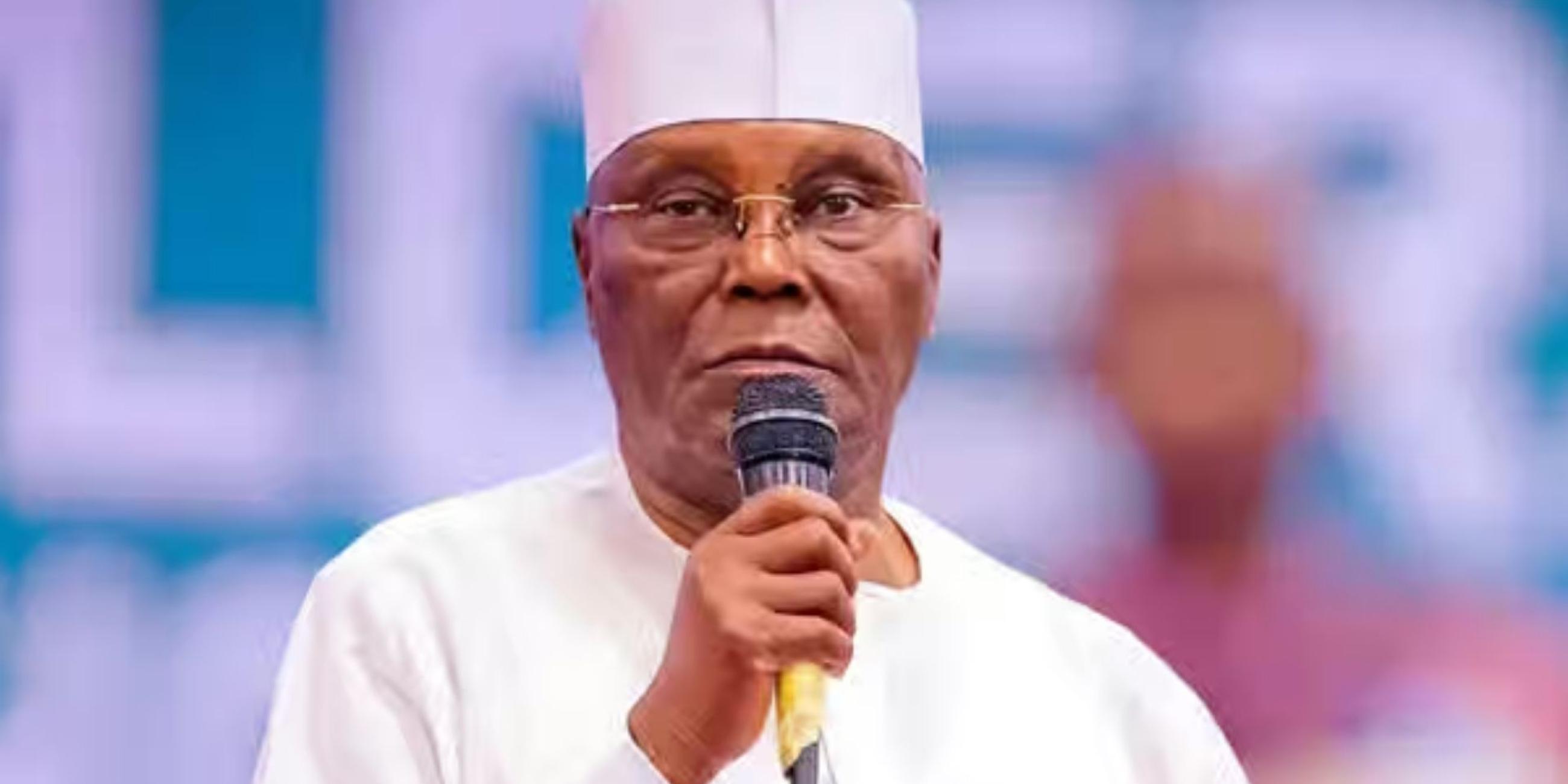
  • Alleged Forgery Of Tinubu’s Tax Reform Law Is Treason, Assault On Democracy — Atiku Alleges

    Former Vice President Atiku Abubakar has accused the Bola Tinubu administration of committing a “brazen act of treason” through alleged unauthorised alterations to the recently passed Tax Reform Law. In a statement issued by his media aide, Paul Ibe, Atiku claimed that key provisions were illegally inserted after the National Assembly had passed the bill, in violation of Sections 4 and 58 of the 1999 Constitution. He alleged that the changes granted excessive powers to tax authorities, imposed harsher financial burdens on citizens and businesses, and removed critical legislative oversight mechanisms. Atiku warned that the alleged forgery undermines constitutional democracy, due process and legislative supremacy, while worsening hardship for Nigerians already facing poverty and inflation. He called for the immediate suspension of the law’s implementation, legislative correction of the alleged alterations, judicial intervention to strike down unconstitutional provisions, and public resistance to what he described as an erosion of democratic governance.
    Alleged Forgery Of Tinubu’s Tax Reform Law Is Treason, Assault On Democracy — Atiku Alleges Former Vice President Atiku Abubakar has accused the Bola Tinubu administration of committing a “brazen act of treason” through alleged unauthorised alterations to the recently passed Tax Reform Law. In a statement issued by his media aide, Paul Ibe, Atiku claimed that key provisions were illegally inserted after the National Assembly had passed the bill, in violation of Sections 4 and 58 of the 1999 Constitution. He alleged that the changes granted excessive powers to tax authorities, imposed harsher financial burdens on citizens and businesses, and removed critical legislative oversight mechanisms. Atiku warned that the alleged forgery undermines constitutional democracy, due process and legislative supremacy, while worsening hardship for Nigerians already facing poverty and inflation. He called for the immediate suspension of the law’s implementation, legislative correction of the alleged alterations, judicial intervention to strike down unconstitutional provisions, and public resistance to what he described as an erosion of democratic governance.
    0 Kommentare ·0 Geteilt ·1KB Ansichten
  • A civil society organisation, the Association of Legislative Drafting and Advocacy Practitioners (ALDRAP), has formally urged the Economic and Financial Crimes Commission (EFCC) to reject the Director-General of the Legal Aid Council of Nigeria as a surety in the ongoing corruption case involving former Attorney General of the Federation and Minister of Justice, Abubakar Malami (SAN).

    In a petition dated December 24, 2025, and addressed to the EFCC Chairman in Abuja, ALDRAP based its request on Section 167(1) of the Administration of Criminal Justice Act (ACJA), 2015, which clearly outlines who qualifies to stand as a surety in criminal proceedings. The group argued that the Director-General of the Legal Aid Council does not meet the statutory and ethical requirements required under the law.

    The petition, signed by ALDRAP’s Secretary, Dr. Tonye Clinton Jaja, cited the 2024 Anti-Corruption Index published by the Independent Corrupt Practices and Related Offences Commission (ICPC). According to the group, the Legal Aid Council of Nigeria was among federal government agencies that recorded a zero percent (0%) score in the ICPC’s ethics and integrity assessment for the year.

    ALDRAP stressed that this poor rating raises serious concerns about the integrity, credibility, and suitability of the Legal Aid Council’s leadership to act as a surety for a defendant facing serious corruption allegations. The group argued that allowing a public official whose institution failed to meet basic anti-corruption benchmarks to guarantee the bail of a former justice minister accused of massive financial crimes would undermine public confidence in the justice system.

    “The implication is that a person heading an institution that scored zero percent in the ICPC anti-corruption index cannot be considered fit and proper to stand as surety for Malami, who is himself undergoing investigation and prosecution for corruption-related offences,” the petition stated.

    ALDRAP further reminded the EFCC of its mandate as a watchdog against corruption and urged the commission to ensure that all bail conditions strictly comply with the law and ethical standards. The group noted that it was incorporated in 2017 under the Companies and Allied Matters Act (CAMA) and is committed to promoting adherence to the 1999 Constitution and other relevant laws governing public accountability.

    Meanwhile, the petition comes against the backdrop of serious criminal charges filed against Malami by the Federal Government. SaharaReporters had earlier reported that Malami is facing 16 counts bordering on money laundering, conspiracy, and unlawful acquisition of assets, alongside his son, Abubakar Abdulaziz Malami, and an associate, Hajia Bashir Asabe.

    According to court documents, prosecutors allege that Malami and his co-defendants used corporate fronts and proxies, including Metropolitan Auto Tech Limited, Rahamaniyya Properties Limited, and Meethaq Hotels Limited, to conceal and launder illicit funds while Malami served as Nigeria’s chief law officer. The alleged offences span nearly a decade, from 2015 to 2025, covering both his time in office and the period after.

    The charges detail multiple financial transactions involving billions of naira, including over ₦1 billion allegedly concealed through Sterling Bank accounts, large cash collaterals used to secure bank loans, and payments for luxury properties in Abuja, Kano, Birnin Kebbi, and other locations. Prosecutors claim that no fewer than 30 high-value properties worth about ₦212.8 billion were acquired using proceeds of unlawful activities.

    The government further alleges that Malami and his associates violated provisions of the Money Laundering (Prohibition) Act 2011 (as amended) and the Money Laundering (Prevention and Prohibition) Act 2022, through systematic concealment, conversion, and retention of illicit funds.

    Against this backdrop, ALDRAP has expressed confidence that the EFCC will give its petition urgent and favourable consideration, insisting that the integrity of the bail process must not be compromised in a case of such national significance. The group warned that allowing questionable sureties could weaken anti-corruption efforts and send the wrong message to Nigerians about accountability at the highest levels of government.
    A civil society organisation, the Association of Legislative Drafting and Advocacy Practitioners (ALDRAP), has formally urged the Economic and Financial Crimes Commission (EFCC) to reject the Director-General of the Legal Aid Council of Nigeria as a surety in the ongoing corruption case involving former Attorney General of the Federation and Minister of Justice, Abubakar Malami (SAN). In a petition dated December 24, 2025, and addressed to the EFCC Chairman in Abuja, ALDRAP based its request on Section 167(1) of the Administration of Criminal Justice Act (ACJA), 2015, which clearly outlines who qualifies to stand as a surety in criminal proceedings. The group argued that the Director-General of the Legal Aid Council does not meet the statutory and ethical requirements required under the law. The petition, signed by ALDRAP’s Secretary, Dr. Tonye Clinton Jaja, cited the 2024 Anti-Corruption Index published by the Independent Corrupt Practices and Related Offences Commission (ICPC). According to the group, the Legal Aid Council of Nigeria was among federal government agencies that recorded a zero percent (0%) score in the ICPC’s ethics and integrity assessment for the year. ALDRAP stressed that this poor rating raises serious concerns about the integrity, credibility, and suitability of the Legal Aid Council’s leadership to act as a surety for a defendant facing serious corruption allegations. The group argued that allowing a public official whose institution failed to meet basic anti-corruption benchmarks to guarantee the bail of a former justice minister accused of massive financial crimes would undermine public confidence in the justice system. “The implication is that a person heading an institution that scored zero percent in the ICPC anti-corruption index cannot be considered fit and proper to stand as surety for Malami, who is himself undergoing investigation and prosecution for corruption-related offences,” the petition stated. ALDRAP further reminded the EFCC of its mandate as a watchdog against corruption and urged the commission to ensure that all bail conditions strictly comply with the law and ethical standards. The group noted that it was incorporated in 2017 under the Companies and Allied Matters Act (CAMA) and is committed to promoting adherence to the 1999 Constitution and other relevant laws governing public accountability. Meanwhile, the petition comes against the backdrop of serious criminal charges filed against Malami by the Federal Government. SaharaReporters had earlier reported that Malami is facing 16 counts bordering on money laundering, conspiracy, and unlawful acquisition of assets, alongside his son, Abubakar Abdulaziz Malami, and an associate, Hajia Bashir Asabe. According to court documents, prosecutors allege that Malami and his co-defendants used corporate fronts and proxies, including Metropolitan Auto Tech Limited, Rahamaniyya Properties Limited, and Meethaq Hotels Limited, to conceal and launder illicit funds while Malami served as Nigeria’s chief law officer. The alleged offences span nearly a decade, from 2015 to 2025, covering both his time in office and the period after. The charges detail multiple financial transactions involving billions of naira, including over ₦1 billion allegedly concealed through Sterling Bank accounts, large cash collaterals used to secure bank loans, and payments for luxury properties in Abuja, Kano, Birnin Kebbi, and other locations. Prosecutors claim that no fewer than 30 high-value properties worth about ₦212.8 billion were acquired using proceeds of unlawful activities. The government further alleges that Malami and his associates violated provisions of the Money Laundering (Prohibition) Act 2011 (as amended) and the Money Laundering (Prevention and Prohibition) Act 2022, through systematic concealment, conversion, and retention of illicit funds. Against this backdrop, ALDRAP has expressed confidence that the EFCC will give its petition urgent and favourable consideration, insisting that the integrity of the bail process must not be compromised in a case of such national significance. The group warned that allowing questionable sureties could weaken anti-corruption efforts and send the wrong message to Nigerians about accountability at the highest levels of government.
    like
    1
    · 0 Kommentare ·0 Geteilt ·1KB Ansichten
  • Officials Behind Alleged Alteration Of Nigerian Tax Reform Laws Must Be Prosecuted — CHRICED Warns Of Assault On Democracy, Demands Arrests

    The Resource Centre for Human Rights and Civic Education (CHRICED) has called for the immediate arrest and prosecution of all officials allegedly involved in the secret alteration of Nigeria’s tax reform laws after their passage by the National Assembly. The civil rights group described the alleged tampering as legislative forgery, a gross abuse of public trust, and a direct violation of Nigeria’s constitutional order.
    According to CHRICED, provisions contained in the gazetted versions of the tax laws were never debated or approved by lawmakers, including clauses granting tax authorities sweeping powers to seize funds without court orders, compel taxpayers to pay 20 per cent of disputed assessments before filing appeals, and mandate the use of the US dollar for tax computation. The organisation also alleged unauthorised alterations to petroleum income tax and value added tax provisions.
    Citing Section 58 of the 1999 Constitution, CHRICED warned that any post-passage alteration of legislation is illegal and undermines democracy, the rule of law, and investor confidence. While acknowledging the House of Representatives’ decision to set up an investigative committee, the group demanded an independent and transparent probe, suspension of the affected tax laws, full public disclosure of findings, and the prosecution of all culpable officials, regardless of status.
    Officials Behind Alleged Alteration Of Nigerian Tax Reform Laws Must Be Prosecuted — CHRICED Warns Of Assault On Democracy, Demands Arrests The Resource Centre for Human Rights and Civic Education (CHRICED) has called for the immediate arrest and prosecution of all officials allegedly involved in the secret alteration of Nigeria’s tax reform laws after their passage by the National Assembly. The civil rights group described the alleged tampering as legislative forgery, a gross abuse of public trust, and a direct violation of Nigeria’s constitutional order. According to CHRICED, provisions contained in the gazetted versions of the tax laws were never debated or approved by lawmakers, including clauses granting tax authorities sweeping powers to seize funds without court orders, compel taxpayers to pay 20 per cent of disputed assessments before filing appeals, and mandate the use of the US dollar for tax computation. The organisation also alleged unauthorised alterations to petroleum income tax and value added tax provisions. Citing Section 58 of the 1999 Constitution, CHRICED warned that any post-passage alteration of legislation is illegal and undermines democracy, the rule of law, and investor confidence. While acknowledging the House of Representatives’ decision to set up an investigative committee, the group demanded an independent and transparent probe, suspension of the affected tax laws, full public disclosure of findings, and the prosecution of all culpable officials, regardless of status.
    0 Kommentare ·0 Geteilt ·753 Ansichten
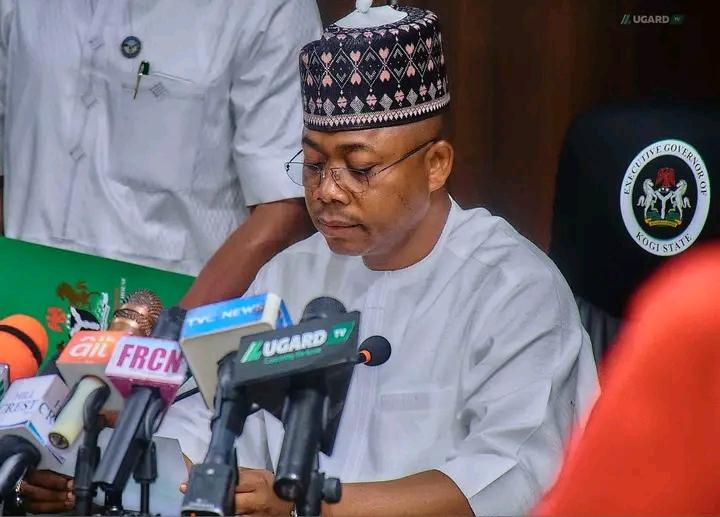
  • Gov. Ododo’s Executive Proclamation Not State of Emergency

    Kogi State Governor, Alhaji Ahmed Usman Ododo has clarified that his recent Executive Proclamation on security protocols in the state is not a declaration of a state of emergency but a set of necessary measures to enhance the security architecture to crackdown on criminals in all parts of the state.

    This was contained in a statement by the Special Adviser on Media to the Governor, Hon. Ismaila Isah, explaining that the proclamation is a lawful constitutional measure aimed at strengthening security coordination and protecting lives and property across Kogi State.

    Gov. Ododo emphasized that it is within his powers as the Chief Security Officer of the state under Section 14 subsection 2(b) of the 1999 Constitution of the Federal Republic of Nigeria (as amended).

    He noted that the proclamation seeks to enhance collaboration among security agencies without suspending constitutional rights or declaring a state of emergency.

    The Governor explained that the measures include verification of security operatives, mandatory identification checks, and prosecution of anyone aiding or abetting criminal elements such as bandits and terrorists.

    He also clarified that the proclamation aims to curb the rise of fake security personnel and improve the overall security architecture of Kogi State.

    He warned that individuals or organizations found supporting criminal activities will be treated as enemies of the state and prosecuted under applicable laws.

    The Governor further stressed that all properties used in the commission of such crimes shall be forfeited to the Kogi State Government.

    This, in addition to relevant constitutional provisions is backed by the Kogi State Anti-Kidnapping, Robbery and Terrorism Law of 2016, which empowers the state government to seize properties and assets used in the perpetration of violent crimes in any part of the state.

    The Governor expressed gratitude to security agencies for their efforts and reassured residents of his administration’s commitment to peace and security.

    Recalled that Governor Ododo on Tuesday rolled out a number of security protocols following the recovery of a large cache of weapons in the state by security agencies acting on intelligence.
    Gov. Ododo’s Executive Proclamation Not State of Emergency Kogi State Governor, Alhaji Ahmed Usman Ododo has clarified that his recent Executive Proclamation on security protocols in the state is not a declaration of a state of emergency but a set of necessary measures to enhance the security architecture to crackdown on criminals in all parts of the state. This was contained in a statement by the Special Adviser on Media to the Governor, Hon. Ismaila Isah, explaining that the proclamation is a lawful constitutional measure aimed at strengthening security coordination and protecting lives and property across Kogi State. Gov. Ododo emphasized that it is within his powers as the Chief Security Officer of the state under Section 14 subsection 2(b) of the 1999 Constitution of the Federal Republic of Nigeria (as amended). He noted that the proclamation seeks to enhance collaboration among security agencies without suspending constitutional rights or declaring a state of emergency. The Governor explained that the measures include verification of security operatives, mandatory identification checks, and prosecution of anyone aiding or abetting criminal elements such as bandits and terrorists. He also clarified that the proclamation aims to curb the rise of fake security personnel and improve the overall security architecture of Kogi State. He warned that individuals or organizations found supporting criminal activities will be treated as enemies of the state and prosecuted under applicable laws. The Governor further stressed that all properties used in the commission of such crimes shall be forfeited to the Kogi State Government. This, in addition to relevant constitutional provisions is backed by the Kogi State Anti-Kidnapping, Robbery and Terrorism Law of 2016, which empowers the state government to seize properties and assets used in the perpetration of violent crimes in any part of the state. The Governor expressed gratitude to security agencies for their efforts and reassured residents of his administration’s commitment to peace and security. Recalled that Governor Ododo on Tuesday rolled out a number of security protocols following the recovery of a large cache of weapons in the state by security agencies acting on intelligence.
    0 Kommentare ·0 Geteilt ·818 Ansichten
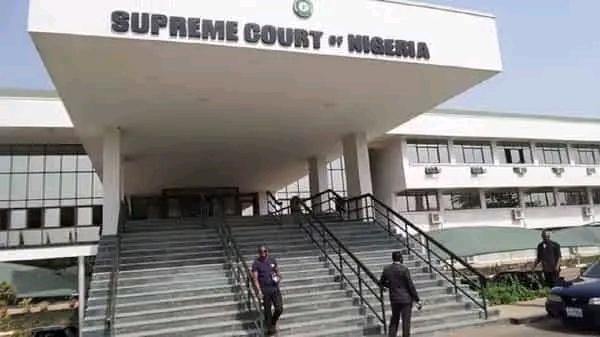
  • Supreme Court Did Not Approve Dissolution of Democratic Structures Under Emergency Rule — Falana Clarifies Judgment

    Human rights lawyer Femi Falana, SAN, has clarified that the Supreme Court did not endorse the dissolution or suspension of democratic structures during the declaration of emergency rule in any Nigerian state. Addressing widespread media misinterpretations, Falana explained that while the apex court dismissed the suit challenging emergency rule for lack of jurisdiction, it nevertheless considered the substance of the case. According to the leading judgment by Justice Mohammed Baba Idris, Section 305 of the 1999 Constitution does not grant the President the power to dissolve or displace elected executive or legislative institutions at the state level. Falana stressed that the ruling reaffirmed Nigeria’s commitment to federalism, separation of powers, and the constitutional autonomy of state governments.
    Supreme Court Did Not Approve Dissolution of Democratic Structures Under Emergency Rule — Falana Clarifies Judgment Human rights lawyer Femi Falana, SAN, has clarified that the Supreme Court did not endorse the dissolution or suspension of democratic structures during the declaration of emergency rule in any Nigerian state. Addressing widespread media misinterpretations, Falana explained that while the apex court dismissed the suit challenging emergency rule for lack of jurisdiction, it nevertheless considered the substance of the case. According to the leading judgment by Justice Mohammed Baba Idris, Section 305 of the 1999 Constitution does not grant the President the power to dissolve or displace elected executive or legislative institutions at the state level. Falana stressed that the ruling reaffirmed Nigeria’s commitment to federalism, separation of powers, and the constitutional autonomy of state governments.
    0 Kommentare ·0 Geteilt ·705 Ansichten
  • SUPREME COURT UPHOLDS PRESIDENT'S POWER TO DECLARE EMERGENCY RULE

    The supreme court has affirmed the president's constitutional authority to declare a state of emergency in a state threatened by breakdown of law and order, including the power to temporarily suspend elected officials as an extraordinary measure to restore stability.

    The seven-man panel of justices of the apex court gave the order in a 6 to 1 split decision on a suit filed by Adamawa state and 10 others challenging president Bola Tinubu's march 18, 2025 declaration of emergency rule in Rivers state.

    The declaration had led to the six-month suspension of the state's governor, deputy governor, and members of the house of assembly amid prolonged political crisis and security concerns.

    Although the court initially dismissed the suit on jurisdictional grounds, ruling that the plaintiffs failed to establish a sufficient cause of action invoking its original jurisdiction, it proceeded to address the substantive issues for clarity.

    In the lead judgment read by Justice Mohammed Idris, the court held that section 305 of the 1999 constitution (as amended) empowers the president with broad discretion to implement "Extraordinary measures" in an emergency situation to avert anarchy or restore public order.

    While the provision does not explicitly list permissible actions, the court interpreted it as permitting temporary suspensions of elected officials, provided such measures are time-limited and aimed at achieving normalcy.

    The lead verdict also states that "The president is vested with the responsibility to protect the federation, and this includes deploying necessary tools during crises where governance has collapsed,".

    In a dissenting verdict, Justice Obande Ogbuinya, who maintained that the president's emergency powers, though valid for declaration, do not extend to suspending democratically elected leaders such as governors, deputies, or lawmakers.
    He argued that such actions undermine federalism and the constitutional processes for removing elected officials.
    SUPREME COURT UPHOLDS PRESIDENT'S POWER TO DECLARE EMERGENCY RULE The supreme court has affirmed the president's constitutional authority to declare a state of emergency in a state threatened by breakdown of law and order, including the power to temporarily suspend elected officials as an extraordinary measure to restore stability. The seven-man panel of justices of the apex court gave the order in a 6 to 1 split decision on a suit filed by Adamawa state and 10 others challenging president Bola Tinubu's march 18, 2025 declaration of emergency rule in Rivers state. The declaration had led to the six-month suspension of the state's governor, deputy governor, and members of the house of assembly amid prolonged political crisis and security concerns. Although the court initially dismissed the suit on jurisdictional grounds, ruling that the plaintiffs failed to establish a sufficient cause of action invoking its original jurisdiction, it proceeded to address the substantive issues for clarity. In the lead judgment read by Justice Mohammed Idris, the court held that section 305 of the 1999 constitution (as amended) empowers the president with broad discretion to implement "Extraordinary measures" in an emergency situation to avert anarchy or restore public order. While the provision does not explicitly list permissible actions, the court interpreted it as permitting temporary suspensions of elected officials, provided such measures are time-limited and aimed at achieving normalcy. The lead verdict also states that "The president is vested with the responsibility to protect the federation, and this includes deploying necessary tools during crises where governance has collapsed,". In a dissenting verdict, Justice Obande Ogbuinya, who maintained that the president's emergency powers, though valid for declaration, do not extend to suspending democratically elected leaders such as governors, deputies, or lawmakers. He argued that such actions undermine federalism and the constitutional processes for removing elected officials.
    haha
    1
    · 0 Kommentare ·0 Geteilt ·875 Ansichten
  • Nigeria’s Constitution Is a Death Sentence for Igbo, ‘Indivisible Clause’ Is a Fraud — OYC President Igboayaka Calls for Self-Determination

    The National President of the Ohanaeze Youth Council (OYC), Comrade Igboayaka O. Igboayaka, has described Nigeria’s 1999 Constitution as fraudulent and anti-democratic, arguing that its “indivisible and indissoluble” clause amounts to a death sentence for the Igbo and other marginalized groups. In a strongly worded statement, he accused military juntas, political elites, and colonial interests of imposing a constitution that denies Nigerians their right to self-determination. Igboayaka said the clause violates international laws, fuels ethnic marginalization and violence, and called for its amendment or removal through a referendum or sovereign national conference to allow communities decide their political future.
    Nigeria’s Constitution Is a Death Sentence for Igbo, ‘Indivisible Clause’ Is a Fraud — OYC President Igboayaka Calls for Self-Determination The National President of the Ohanaeze Youth Council (OYC), Comrade Igboayaka O. Igboayaka, has described Nigeria’s 1999 Constitution as fraudulent and anti-democratic, arguing that its “indivisible and indissoluble” clause amounts to a death sentence for the Igbo and other marginalized groups. In a strongly worded statement, he accused military juntas, political elites, and colonial interests of imposing a constitution that denies Nigerians their right to self-determination. Igboayaka said the clause violates international laws, fuels ethnic marginalization and violence, and called for its amendment or removal through a referendum or sovereign national conference to allow communities decide their political future.
    0 Kommentare ·0 Geteilt ·726 Ansichten
  • 2027 Election: Former Lawmakers Ask Court to Deregister ADC Over Poor Electoral Performance

    A group of former federal lawmakers under the National Forum of Former Legislators (NFFL) has filed a suit at the Federal High Court in Abuja seeking the deregistration of the African Democratic Congress (ADC). The group alleged that the ADC failed to meet constitutional and Electoral Act requirements, including securing 25% of votes in any state during the last presidential election or winning any legislative seat in recent bye-elections. Citing Section 225A of the 1999 Constitution, they argued that the party lacks the statutory criteria to remain registered. This development comes as the ADC reportedly plans to receive new lawmakers ahead of 2027, even as coalition members like Peter Obi, Atiku Abubakar, Nasir El-Rufai, and Rotimi Amaechi continue efforts to build a united opposition against President Tinubu.
    2027 Election: Former Lawmakers Ask Court to Deregister ADC Over Poor Electoral Performance A group of former federal lawmakers under the National Forum of Former Legislators (NFFL) has filed a suit at the Federal High Court in Abuja seeking the deregistration of the African Democratic Congress (ADC). The group alleged that the ADC failed to meet constitutional and Electoral Act requirements, including securing 25% of votes in any state during the last presidential election or winning any legislative seat in recent bye-elections. Citing Section 225A of the 1999 Constitution, they argued that the party lacks the statutory criteria to remain registered. This development comes as the ADC reportedly plans to receive new lawmakers ahead of 2027, even as coalition members like Peter Obi, Atiku Abubakar, Nasir El-Rufai, and Rotimi Amaechi continue efforts to build a united opposition against President Tinubu.
    0 Kommentare ·0 Geteilt ·1KB Ansichten
  • Tinubu’s Benin Republic Intervention Is Unconstitutional and Impeachable — Lawyer Marshal Abubakar

    Human rights lawyer Marshal Abubakar has declared President Bola Tinubu’s deployment of Nigerian troops to Benin Republic after the December 7 coup an impeachable offence, arguing it violates Section 5(4)(b) of the 1999 Constitution. He said the President lacks the power to send armed forces on combat duty outside Nigeria without prior approval from the National Assembly, regardless of ECOWAS protocols. Abubakar stressed that emergency military action is only lawful when Nigeria itself faces imminent threat — not when intervening to defend another country. He also warned that ECOWAS treaties cannot supersede the Nigerian Constitution.
    Beyond the legal infractions, Abubakar expressed concern over rising coups across West Africa, linking them to corruption, weak institutions, insecurity, and leadership failures. He urged African leaders to restore public trust, strengthen democratic systems, and address governance collapse to prevent further military takeovers.


    #BeninIntervention

    #TinubuAdministration

    #ConstitutionalViolation

    Tinubu’s Benin Republic Intervention Is Unconstitutional and Impeachable — Lawyer Marshal Abubakar Human rights lawyer Marshal Abubakar has declared President Bola Tinubu’s deployment of Nigerian troops to Benin Republic after the December 7 coup an impeachable offence, arguing it violates Section 5(4)(b) of the 1999 Constitution. He said the President lacks the power to send armed forces on combat duty outside Nigeria without prior approval from the National Assembly, regardless of ECOWAS protocols. Abubakar stressed that emergency military action is only lawful when Nigeria itself faces imminent threat — not when intervening to defend another country. He also warned that ECOWAS treaties cannot supersede the Nigerian Constitution. Beyond the legal infractions, Abubakar expressed concern over rising coups across West Africa, linking them to corruption, weak institutions, insecurity, and leadership failures. He urged African leaders to restore public trust, strengthen democratic systems, and address governance collapse to prevent further military takeovers. #BeninIntervention #TinubuAdministration #ConstitutionalViolation
    like
    1
    · 0 Kommentare ·0 Geteilt ·1KB Ansichten
  • Supreme Court Slams Tinubu Government for Unlawful Seizure of Osun LG Funds, Faults State for Unauthorized Suit

    The Supreme Court has ruled that the Tinubu-led Federal Government acted illegally by withholding Osun State’s local government allocations amounting to ₦73.7 billion between March and August 2025. While condemning the FG for violating the 1999 Constitution, the Court also faulted the Osun State Attorney General for filing the suit without authorization from the 30 councils. Justice Mohammed Idris described the FG’s actions as unconstitutional and “indefensible,” insisting funds must be paid directly to LG accounts. A minority judgment, however, supported Osun’s right to sue. The decision comes amid ongoing legal battles and political tension over the February LG elections and an interim order stopping UBA from releasing the funds.
    Supreme Court Slams Tinubu Government for Unlawful Seizure of Osun LG Funds, Faults State for Unauthorized Suit The Supreme Court has ruled that the Tinubu-led Federal Government acted illegally by withholding Osun State’s local government allocations amounting to ₦73.7 billion between March and August 2025. While condemning the FG for violating the 1999 Constitution, the Court also faulted the Osun State Attorney General for filing the suit without authorization from the 30 councils. Justice Mohammed Idris described the FG’s actions as unconstitutional and “indefensible,” insisting funds must be paid directly to LG accounts. A minority judgment, however, supported Osun’s right to sue. The decision comes amid ongoing legal battles and political tension over the February LG elections and an interim order stopping UBA from releasing the funds.
    0 Kommentare ·0 Geteilt ·472 Ansichten
Weitere Ergebnisse
Fintter https://fintter.com