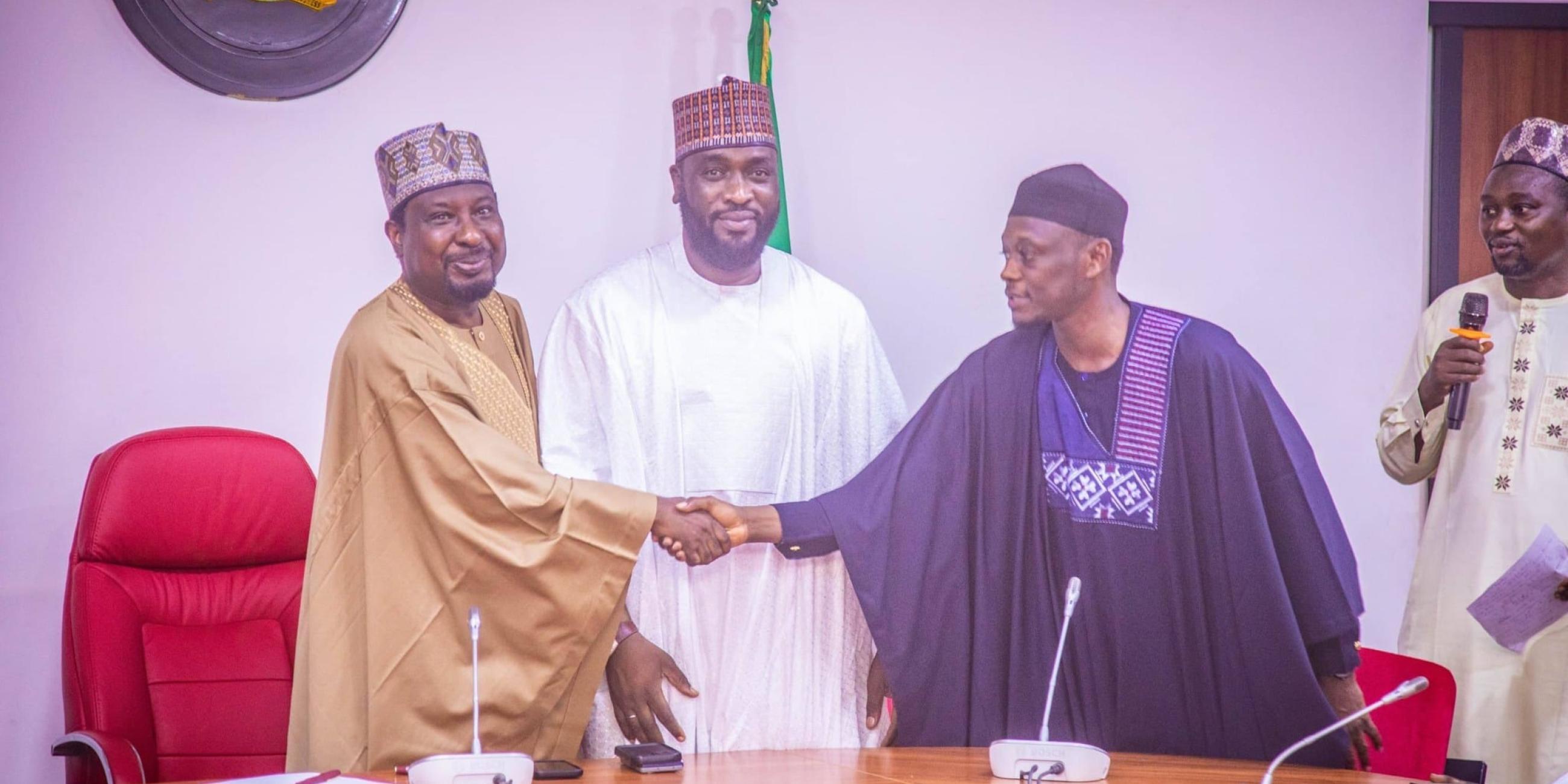
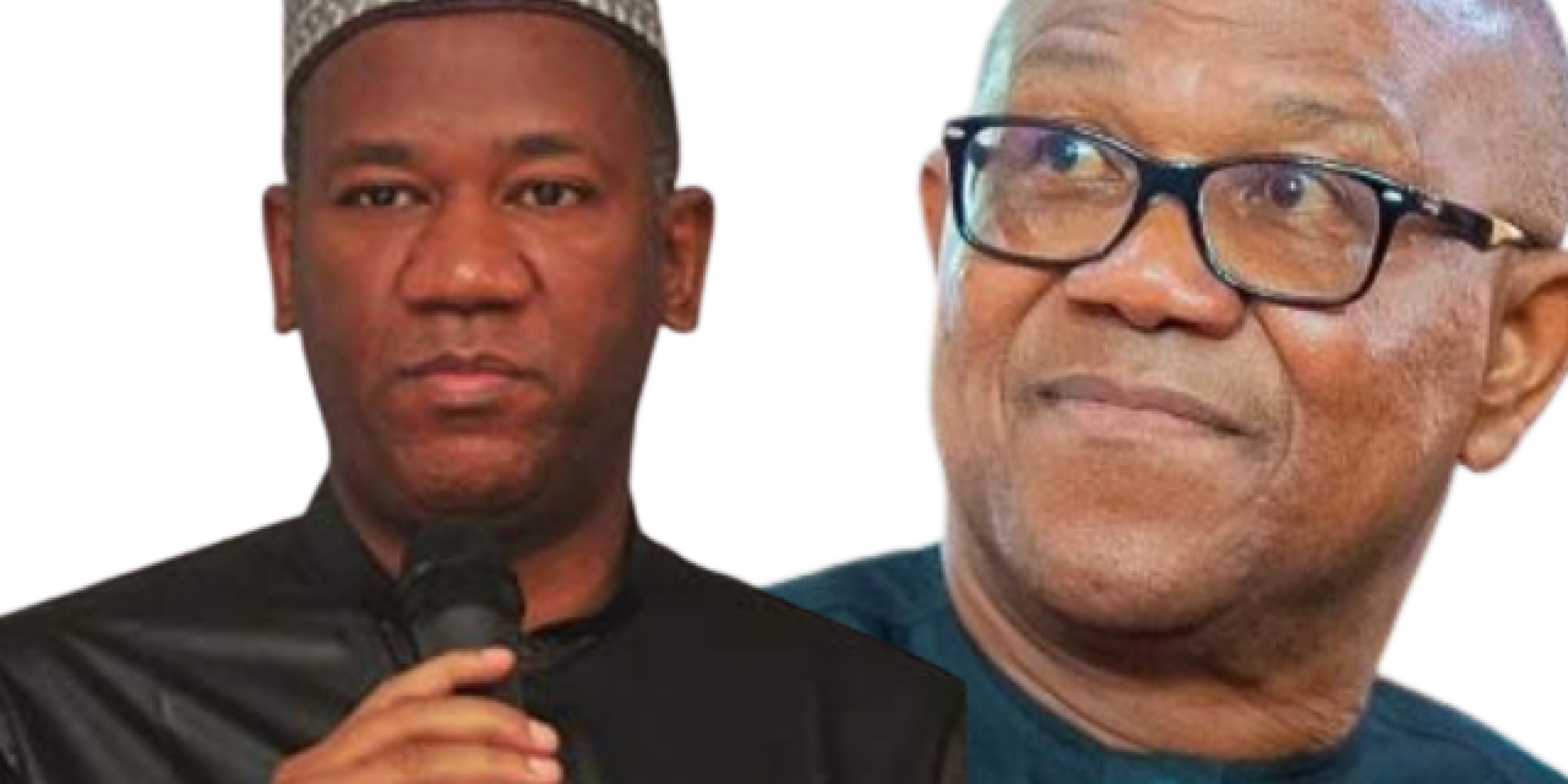
• Atiku Blames Senate Over Electoral Act Amendments, Warns 2027 Polls At Risk

    Former Vice President Atiku Abubakar has criticized the Senate for allegedly frustrating attempts to amend the Electoral Act 2022. He warned that continued delays in the amendment process could jeopardize the credibility of the 2027 general elections in Nigeria.

    The Electoral Act 2022, signed into law in February 2022, currently regulates the conduct of elections across the country.

    #AtikuAbubakar #ElectoralAct2022 #NigeriaElections #2027Polls
    Atiku Blames Senate Over Electoral Act Amendments, Warns 2027 Polls At Risk Former Vice President Atiku Abubakar has criticized the Senate for allegedly frustrating attempts to amend the Electoral Act 2022. He warned that continued delays in the amendment process could jeopardize the credibility of the 2027 general elections in Nigeria. The Electoral Act 2022, signed into law in February 2022, currently regulates the conduct of elections across the country. #AtikuAbubakar #ElectoralAct2022 #NigeriaElections #2027Polls
    love
    1
    · 0 Комментарии ·0 Поделились ·3Кб Просмотры
  • Debate Grows Over 21-Day Rule as Tinubu Remains Abroad, Shettima Sent to Guinea

    According to the interpretation of the 21-Day Rule in the Nigerian Constitution, President Bola Tinubu is expected to formally hand over to Vice President Kashim Shettima if he remains outside the country for 21 consecutive days.

    Tinubu travelled abroad on December 28, 2025. By January 17, 2026, his absence would amount to 21 days.

    However, on day 20 of his stay overseas, the President reportedly assigned Vice President Shettima to travel to Guinea. Observers argue that this move effectively creates a timing gap, allowing Tinubu additional room without triggering a formal handover.

    The development has since sparked debate among political watchers and constitutional analysts.
    Debate Grows Over 21-Day Rule as Tinubu Remains Abroad, Shettima Sent to Guinea According to the interpretation of the 21-Day Rule in the Nigerian Constitution, President Bola Tinubu is expected to formally hand over to Vice President Kashim Shettima if he remains outside the country for 21 consecutive days. Tinubu travelled abroad on December 28, 2025. By January 17, 2026, his absence would amount to 21 days. However, on day 20 of his stay overseas, the President reportedly assigned Vice President Shettima to travel to Guinea. Observers argue that this move effectively creates a timing gap, allowing Tinubu additional room without triggering a formal handover. The development has since sparked debate among political watchers and constitutional analysts. ✍️
    like
    love
    2
    · 0 Комментарии ·0 Поделились ·1Кб Просмотры ·4 Plays
  • Political Earthquake: Atiku’s Son, Abba Abubakar, Dumps PDP for APC, Backs Tinubu’s 2027 Re-Election

    Abba Abubakar, son of former Vice President Atiku Abubakar, has defected from the PDP to the ruling APC, declaring open support for President Bola Tinubu’s second-term bid in 2027. Announcing his move at the National Assembly, Abba described the decision as historic and personal, directing his political structure to join the APC and mobilise for Tinubu’s Renewed Hope Agenda. APC leaders hailed the defection as symbolic, saying it reflects confidence in Tinubu’s reforms and signals a new phase of “politics without borders.”
    Political Earthquake: Atiku’s Son, Abba Abubakar, Dumps PDP for APC, Backs Tinubu’s 2027 Re-Election Abba Abubakar, son of former Vice President Atiku Abubakar, has defected from the PDP to the ruling APC, declaring open support for President Bola Tinubu’s second-term bid in 2027. Announcing his move at the National Assembly, Abba described the decision as historic and personal, directing his political structure to join the APC and mobilise for Tinubu’s Renewed Hope Agenda. APC leaders hailed the defection as symbolic, saying it reflects confidence in Tinubu’s reforms and signals a new phase of “politics without borders.”
    0 Комментарии ·0 Поделились ·3Кб Просмотры
  • Wahala Don Set Oo! Nigerian BEA Scholar in Hungary Faces Expulsion Over Unpaid $10,450 Allowance

    Wahala don really set for abroad oo! A Nigerian postgraduate student studying in Hungary under the Federal Government’s Bilateral Education Agreement (BEA) scholarship has raised alarm after spending over one year without receiving a single kobo of his approved allowances. Now, he is facing possible expulsion and homelessness because his residence permit is about to expire.

    The student, Oluwasegun Michael Ogundele of the University of Pannonia, has petitioned the House of Representatives Committee on Student Loans, Scholarships, and Higher Education Financing, crying out that since he resumed studies in September 2024, the Federal Scholarship Board (FSB) and the Federal Ministry of Education have failed to pay any of the funds promised under his scholarship.

    According to him, the agreement between the Nigerian and Hungarian governments clearly stated his entitlements, yet nothing has been paid till date. These include a $6,000 yearly allowance, $250 for warm clothing, $200 for health insurance, a N100,000 take-off grant, a $1,000 postgraduate research grant, and a return ticket to Nigeria. In total, the unpaid money now stands at $10,450.

    Ogundele said the situation has pushed him into serious hardship. For the past 18 months, he has survived only on a small monthly stipend of about €110 from Hungary’s Tempus Scholarship Foundation. He described his condition as one of illness, emotional trauma, and constant anxiety about basic survival.

    “My academic performance and mental health have suffered. I am constantly worried about how to eat, pay bills, and remain legal in this country,” he said.

    The wahala no end there. His programme is expected to finish by January 30, 2026, while his residence permit expires the very next day. Yet, he has no money to buy a ticket back to Nigeria. His passage allowance of $2,500, which should help him return home, has also not been paid.

    He further revealed that he has not taken up any paid job because scholarship rules forbid it. Still, despite obeying all conditions, the government has failed to honour its own agreement.

    In his petition, Ogundele begged the House Committee to urgently intervene and ensure immediate payment of all outstanding entitlements. He warned that his case is not isolated, stating that many Nigerian students abroad under the BEA scheme are suffering in silence. Some, according to him, have taken degrading jobs to survive, while others have reportedly died due to stress and untreated illnesses.

    “Many of us are being treated like beggars abroad. We are looked down upon, and it has destroyed our dignity as Nigerians. The suffering imposed on us is unimaginable,” he wrote.

    The matter has also drawn political attention. Former Vice President Atiku Abubakar recently accused the Tinubu administration of abandoning Nigerian students under the BEA programme, saying over 1,600 students abroad are owed stipends and have been left stranded.

    However, the Federal Government has denied abandoning students, stating that funding delays were due to fiscal constraints and that it remains committed to students already enrolled. The Ministry of Education also disclosed that no new bilateral scholarships were awarded in 2025, as Nigeria now claims it has enough local capacity to train students at home.

    But for students like Ogundele, policy explanations no dey stop hunger.

    As his deadline approaches and eviction looms, Nigerians are now asking: how can a government send students abroad in the name of national development, then leave them to suffer alone?

    One thing be sure: wahala don set oo for this BEA scholarship matter—and everybody dey watch how government go respond.
    Wahala Don Set Oo! Nigerian BEA Scholar in Hungary Faces Expulsion Over Unpaid $10,450 Allowance Wahala don really set for abroad oo! A Nigerian postgraduate student studying in Hungary under the Federal Government’s Bilateral Education Agreement (BEA) scholarship has raised alarm after spending over one year without receiving a single kobo of his approved allowances. Now, he is facing possible expulsion and homelessness because his residence permit is about to expire. The student, Oluwasegun Michael Ogundele of the University of Pannonia, has petitioned the House of Representatives Committee on Student Loans, Scholarships, and Higher Education Financing, crying out that since he resumed studies in September 2024, the Federal Scholarship Board (FSB) and the Federal Ministry of Education have failed to pay any of the funds promised under his scholarship. According to him, the agreement between the Nigerian and Hungarian governments clearly stated his entitlements, yet nothing has been paid till date. These include a $6,000 yearly allowance, $250 for warm clothing, $200 for health insurance, a N100,000 take-off grant, a $1,000 postgraduate research grant, and a return ticket to Nigeria. In total, the unpaid money now stands at $10,450. Ogundele said the situation has pushed him into serious hardship. For the past 18 months, he has survived only on a small monthly stipend of about €110 from Hungary’s Tempus Scholarship Foundation. He described his condition as one of illness, emotional trauma, and constant anxiety about basic survival. “My academic performance and mental health have suffered. I am constantly worried about how to eat, pay bills, and remain legal in this country,” he said. The wahala no end there. His programme is expected to finish by January 30, 2026, while his residence permit expires the very next day. Yet, he has no money to buy a ticket back to Nigeria. His passage allowance of $2,500, which should help him return home, has also not been paid. He further revealed that he has not taken up any paid job because scholarship rules forbid it. Still, despite obeying all conditions, the government has failed to honour its own agreement. In his petition, Ogundele begged the House Committee to urgently intervene and ensure immediate payment of all outstanding entitlements. He warned that his case is not isolated, stating that many Nigerian students abroad under the BEA scheme are suffering in silence. Some, according to him, have taken degrading jobs to survive, while others have reportedly died due to stress and untreated illnesses. “Many of us are being treated like beggars abroad. We are looked down upon, and it has destroyed our dignity as Nigerians. The suffering imposed on us is unimaginable,” he wrote. The matter has also drawn political attention. Former Vice President Atiku Abubakar recently accused the Tinubu administration of abandoning Nigerian students under the BEA programme, saying over 1,600 students abroad are owed stipends and have been left stranded. However, the Federal Government has denied abandoning students, stating that funding delays were due to fiscal constraints and that it remains committed to students already enrolled. The Ministry of Education also disclosed that no new bilateral scholarships were awarded in 2025, as Nigeria now claims it has enough local capacity to train students at home. But for students like Ogundele, policy explanations no dey stop hunger. As his deadline approaches and eviction looms, Nigerians are now asking: how can a government send students abroad in the name of national development, then leave them to suffer alone? One thing be sure: wahala don set oo for this BEA scholarship matter—and everybody dey watch how government go respond.
    like
    1
    · 0 Комментарии ·0 Поделились ·3Кб Просмотры
  • U.S. Warns Citizens to Flee Venezuela After Special Ops Capture of President Maduro

    The U.S. Embassy in Venezuela has issued a strong security alert, urging all American citizens to leave the country immediately amid growing threats from armed militias known as colectivos, who are reportedly setting up roadblocks to target U.S. citizens. The advisory reiterates longstanding travel warnings dating back to 2019, when the U.S. fully withdrew its diplomatic personnel from Caracas.

    The warning follows a major escalation in early January 2026: over 200 U.S. Special Operations forces raided Caracas in Operation Absolute Resolve, abducting President Nicolás Maduro and his wife, Cilia Flores, and transporting them to New York City. The raid reportedly killed dozens of Venezuelan security personnel and Cuban bodyguards.

    In Manhattan, Maduro and Flores face federal charges, including narco-terrorism and cocaine importation conspiracies, and have pleaded not guilty. Meanwhile, Venezuelan Vice President Delcy Rodríguez has been sworn in as acting president, denouncing the operation as an illegal "kidnapping."

    The U.S. administration, citing the war on drugs, has also signaled intentions to rebuild Venezuela’s energy sector and manage oil exports, with Secretary of State Marco Rubio mentioning an "oil quarantine" as leverage. Critics argue the operation primarily targets geopolitical and economic control rather than law enforcement.

    Americans in Venezuela are urged to check flight availability, communicate regularly with family abroad, and enroll in the STEP program to receive security updates, as the U.S. government is currently unable to provide routine or emergency assistance.

    The situation underscores Venezuela’s ongoing instability, including civil unrest, intermittent power outages, and heightened risks of crime and kidnapping.


    U.S. Warns Citizens to Flee Venezuela After Special Ops Capture of President Maduro The U.S. Embassy in Venezuela has issued a strong security alert, urging all American citizens to leave the country immediately amid growing threats from armed militias known as colectivos, who are reportedly setting up roadblocks to target U.S. citizens. The advisory reiterates longstanding travel warnings dating back to 2019, when the U.S. fully withdrew its diplomatic personnel from Caracas. The warning follows a major escalation in early January 2026: over 200 U.S. Special Operations forces raided Caracas in Operation Absolute Resolve, abducting President Nicolás Maduro and his wife, Cilia Flores, and transporting them to New York City. The raid reportedly killed dozens of Venezuelan security personnel and Cuban bodyguards. In Manhattan, Maduro and Flores face federal charges, including narco-terrorism and cocaine importation conspiracies, and have pleaded not guilty. Meanwhile, Venezuelan Vice President Delcy Rodríguez has been sworn in as acting president, denouncing the operation as an illegal "kidnapping." The U.S. administration, citing the war on drugs, has also signaled intentions to rebuild Venezuela’s energy sector and manage oil exports, with Secretary of State Marco Rubio mentioning an "oil quarantine" as leverage. Critics argue the operation primarily targets geopolitical and economic control rather than law enforcement. Americans in Venezuela are urged to check flight availability, communicate regularly with family abroad, and enroll in the STEP program to receive security updates, as the U.S. government is currently unable to provide routine or emergency assistance. The situation underscores Venezuela’s ongoing instability, including civil unrest, intermittent power outages, and heightened risks of crime and kidnapping.
    0 Комментарии ·0 Поделились ·3Кб Просмотры
  • Nigeria Questions President Tinubu’s Whereabouts Amid Activist Sowore’s Demand for Clarity on Leadership, Public Absence Sparks Concern

    Concerns over President Bola Tinubu’s public absence have intensified as prominent activist and former presidential candidate Omoyele Sowore called on the government to clarify the president’s whereabouts. Sowore described Nigeria as effectively “operating without a president”, citing Tinubu’s extended absence from public engagements during a period of economic challenges, rising insecurity, and widespread public discontent.

    According to the Presidency, Tinubu departed Lagos for Europe to continue his end-of-year break ahead of an official trip to Abu Dhabi for the Abu Dhabi Sustainability Week Summit (ADSW 2026), where he is set to engage global leaders on sustainable development initiatives. Presidential aides confirmed he will return after the summit.

    The situation has drawn scrutiny over government transparency, leadership accountability, and budget allocations. Review of the 2026 Nigerian budget shows N6.1 billion earmarked for Tinubu’s international travels and N873 million for local travels, while Vice President Kashim Shettima plans to spend N1.3 billion on foreign trips, bringing the total for top leadership travel to N7.4 billion.

    Civil society groups and opposition figures echo Sowore’s call for clarity, insisting that Nigerians deserve reassurance about the president’s health, governance engagement, and leadership presence. The ongoing debate underscores concerns about executive transparency, fiscal responsibility, and citizen confidence in the highest office of Nigeria.
    Nigeria Questions President Tinubu’s Whereabouts Amid Activist Sowore’s Demand for Clarity on Leadership, Public Absence Sparks Concern Concerns over President Bola Tinubu’s public absence have intensified as prominent activist and former presidential candidate Omoyele Sowore called on the government to clarify the president’s whereabouts. Sowore described Nigeria as effectively “operating without a president”, citing Tinubu’s extended absence from public engagements during a period of economic challenges, rising insecurity, and widespread public discontent. According to the Presidency, Tinubu departed Lagos for Europe to continue his end-of-year break ahead of an official trip to Abu Dhabi for the Abu Dhabi Sustainability Week Summit (ADSW 2026), where he is set to engage global leaders on sustainable development initiatives. Presidential aides confirmed he will return after the summit. The situation has drawn scrutiny over government transparency, leadership accountability, and budget allocations. Review of the 2026 Nigerian budget shows N6.1 billion earmarked for Tinubu’s international travels and N873 million for local travels, while Vice President Kashim Shettima plans to spend N1.3 billion on foreign trips, bringing the total for top leadership travel to N7.4 billion. Civil society groups and opposition figures echo Sowore’s call for clarity, insisting that Nigerians deserve reassurance about the president’s health, governance engagement, and leadership presence. The ongoing debate underscores concerns about executive transparency, fiscal responsibility, and citizen confidence in the highest office of Nigeria.
    0 Комментарии ·0 Поделились ·4Кб Просмотры

  • Tinubu Govt Allocates N6B for Presidential Jet Engine Overhaul, N1.5B for Aviation Fuel in 2026 Budget

    The Tinubu-led Nigerian government has earmarked N6 billion for overhauling aircraft engines in the Presidential Air Fleet under the 2026 budget. A breakdown of the expenditure reveals that the presidential jet, 5N-FGW (Gulfstream G550), will cost N3.859 billion for engine overhaul, while two Falcon 7X aircraft will require N2.19 billion for maintenance.

    In addition, N1.2 billion is budgeted for general aircraft maintenance, and N1.5 billion is allocated for aviation fuel. Other allocations include N375 million for foodstuffs and catering supplies for presidential operations.

    The budget review also highlights planned travel expenses: President Bola Tinubu has set aside N6.1 billion for international trips, while Vice President Kashim Shettima plans to spend N1.3 billion on foreign travels, totaling N7.4 billion. The President is scheduled to attend the Abu Dhabi Sustainability Week Summit (ADSW 2026) following his European break.

    Historical data shows the Tinubu administration spent N36.3 billion on international travel in 2024 and significant sums on local transport, underscoring the continued high cost of State House operations.

    #NigeriaBudget2026 #Tinubu #PresidentialAirFleet”

    Tinubu Govt Allocates N6B for Presidential Jet Engine Overhaul, N1.5B for Aviation Fuel in 2026 Budget The Tinubu-led Nigerian government has earmarked N6 billion for overhauling aircraft engines in the Presidential Air Fleet under the 2026 budget. A breakdown of the expenditure reveals that the presidential jet, 5N-FGW (Gulfstream G550), will cost N3.859 billion for engine overhaul, while two Falcon 7X aircraft will require N2.19 billion for maintenance. In addition, N1.2 billion is budgeted for general aircraft maintenance, and N1.5 billion is allocated for aviation fuel. Other allocations include N375 million for foodstuffs and catering supplies for presidential operations. The budget review also highlights planned travel expenses: President Bola Tinubu has set aside N6.1 billion for international trips, while Vice President Kashim Shettima plans to spend N1.3 billion on foreign travels, totaling N7.4 billion. The President is scheduled to attend the Abu Dhabi Sustainability Week Summit (ADSW 2026) following his European break. Historical data shows the Tinubu administration spent N36.3 billion on international travel in 2024 and significant sums on local transport, underscoring the continued high cost of State House operations. #NigeriaBudget2026 #Tinubu #PresidentialAirFleet”
    0 Комментарии ·0 Поделились ·3Кб Просмотры
  • Datti Baba-Ahmed Mocks Atiku’s Endless Presidential Bids, Says ‘He’s Been Contesting Since My NYSC Days

    Labour Party’s former vice-presidential candidate, Senator Yusuf Datti Baba-Ahmed, has criticized former Vice President Atiku Abubakar for his unrelenting presidential ambitions, saying Nigeria urgently needs new and visionary leaders to move the country forward.

    Speaking in a recent interview, Datti recalled that Atiku had already been an aspirant when he was serving his National Youth Service Corps (NYSC), emphasizing that the former vice president has remained a serial contender in every election cycle without offering Nigerians tangible change.

    “When I was doing my NYSC, Baba Atiku was already an aspirant. In 2018, we contested primaries together. In 2023, I was a vice-presidential candidate elsewhere when his own vice president had left him. And now, in 2027 again,” Datti said, expressing frustration at the recycling of old political figures.

    He lamented that Nigeria’s political landscape has become hostile to genuine reformers and dominated by money politics, godfatherism, and unfulfilled promises that discourage competent citizens from participating.

    According to him, the nation is full of capable individuals ready to rebuild Nigeria, but the existing political structure prevents them from rising. “There are good Nigerians who can fix this country, but the system is treacherous and discouraging,” he stated.

    Datti reiterated his belief that a new generation of leaders is ready to take charge, urging Nigerians to rally behind fresh, credible leadership rather than recycling the same political elites.

    His remarks come amid speculation that Atiku, now linked with the African Democratic Congress (ADC), may once again contest the 2027 presidential election—his seventh bid since 1993.


    Datti Baba-Ahmed Mocks Atiku’s Endless Presidential Bids, Says ‘He’s Been Contesting Since My NYSC Days Labour Party’s former vice-presidential candidate, Senator Yusuf Datti Baba-Ahmed, has criticized former Vice President Atiku Abubakar for his unrelenting presidential ambitions, saying Nigeria urgently needs new and visionary leaders to move the country forward. Speaking in a recent interview, Datti recalled that Atiku had already been an aspirant when he was serving his National Youth Service Corps (NYSC), emphasizing that the former vice president has remained a serial contender in every election cycle without offering Nigerians tangible change. “When I was doing my NYSC, Baba Atiku was already an aspirant. In 2018, we contested primaries together. In 2023, I was a vice-presidential candidate elsewhere when his own vice president had left him. And now, in 2027 again,” Datti said, expressing frustration at the recycling of old political figures. He lamented that Nigeria’s political landscape has become hostile to genuine reformers and dominated by money politics, godfatherism, and unfulfilled promises that discourage competent citizens from participating. According to him, the nation is full of capable individuals ready to rebuild Nigeria, but the existing political structure prevents them from rising. “There are good Nigerians who can fix this country, but the system is treacherous and discouraging,” he stated. Datti reiterated his belief that a new generation of leaders is ready to take charge, urging Nigerians to rally behind fresh, credible leadership rather than recycling the same political elites. His remarks come amid speculation that Atiku, now linked with the African Democratic Congress (ADC), may once again contest the 2027 presidential election—his seventh bid since 1993.
    0 Комментарии ·0 Поделились ·2Кб Просмотры
  • Why Is Tinubu Budgeting ₦6.1 Billion for Foreign Trips in 2026? What Nigeria’s Travel Spending Reveals About Presidential Priorities

    A review of Nigeria’s 2026 budget has revealed that President Bola Tinubu plans to spend ₦6.1 billion on foreign travels in the coming fiscal year, raising fresh questions about government priorities amid economic strain. The figure, listed under “State House operations – President,” also shows an additional ₦873 million earmarked for local travel. When combined with the Vice President’s projected foreign travel costs of ₦1.3 billion, total international trip spending by the Presidency in 2026 is expected to reach ₦7.4 billion.

    The budget breakdown comes as Nigerians continue to grapple with rising living costs and fiscal pressures. According to the documents, travel expenses remain a major component of State House spending, with another ₦375 million allocated for foodstuffs and catering materials alone. While the Presidency has not released a detailed justification for the travel budget, officials insist the trips are essential for diplomacy, investment, and international engagement.

    Recent movements by the President have already drawn public attention. President Tinubu recently departed Lagos for Europe before heading to Abu Dhabi at the invitation of UAE President Sheikh Mohamed bin Zayed Al Nahyan to attend the Abu Dhabi Sustainability Week Summit (ADSW 2026). The Presidency described the summit as a high-level global forum bringing together leaders from government, business, and civil society to discuss sustainable development. Officials also confirmed that the President would return to Nigeria after the event.

    However, critics argue that the scale of spending on foreign trips is difficult to justify, especially in light of past expenditure. Although comprehensive 2025 data is unavailable, records from the Open Treasury Portal show that in 2024 alone, the State House spent over ₦36.3 billion on international travel. This included ₦12.2 billion for “international travel and transport (training)” and ₦24.19 billion for “international travel and transport (others).” Local travel was even more costly, with ₦47 billion spent on training and other domestic trips. In total, travel expenses—both local and foreign—amounted to approximately ₦83 billion in 2024.

    Further reports revealed that between February and July 2024, the Presidency spent about ₦2.3 billion on foreign trips, while an additional ₦2.9 billion went toward foreign exchange for trips involving the President, Vice President, and First Lady across several countries. Payments running into hundreds of millions of naira were also recorded in individual months, fueling debate over transparency and fiscal discipline.

    Opposition figures, including former presidential candidate Peter Obi, have questioned the frequency and cost of the President’s travels. At the same time, government officials have defended the expenditure. Nigeria’s Minister of Foreign Affairs, Ambassador Yusuf Maitama Tuggar, has argued that the President should even travel more to advance Nigeria’s diplomatic and economic interests globally.

    With the 2026 budget now in focus, the key questions remain: Does the ₦6.1 billion allocation reflect necessary diplomacy or excessive spending? How does such expenditure align with Nigeria’s current economic challenges? And will the government provide clearer accountability for the rising cost of presidential travel? As public scrutiny intensifies, the debate over leadership priorities and fiscal responsibility is likely to continue.


    Why Is Tinubu Budgeting ₦6.1 Billion for Foreign Trips in 2026? What Nigeria’s Travel Spending Reveals About Presidential Priorities A review of Nigeria’s 2026 budget has revealed that President Bola Tinubu plans to spend ₦6.1 billion on foreign travels in the coming fiscal year, raising fresh questions about government priorities amid economic strain. The figure, listed under “State House operations – President,” also shows an additional ₦873 million earmarked for local travel. When combined with the Vice President’s projected foreign travel costs of ₦1.3 billion, total international trip spending by the Presidency in 2026 is expected to reach ₦7.4 billion. The budget breakdown comes as Nigerians continue to grapple with rising living costs and fiscal pressures. According to the documents, travel expenses remain a major component of State House spending, with another ₦375 million allocated for foodstuffs and catering materials alone. While the Presidency has not released a detailed justification for the travel budget, officials insist the trips are essential for diplomacy, investment, and international engagement. Recent movements by the President have already drawn public attention. President Tinubu recently departed Lagos for Europe before heading to Abu Dhabi at the invitation of UAE President Sheikh Mohamed bin Zayed Al Nahyan to attend the Abu Dhabi Sustainability Week Summit (ADSW 2026). The Presidency described the summit as a high-level global forum bringing together leaders from government, business, and civil society to discuss sustainable development. Officials also confirmed that the President would return to Nigeria after the event. However, critics argue that the scale of spending on foreign trips is difficult to justify, especially in light of past expenditure. Although comprehensive 2025 data is unavailable, records from the Open Treasury Portal show that in 2024 alone, the State House spent over ₦36.3 billion on international travel. This included ₦12.2 billion for “international travel and transport (training)” and ₦24.19 billion for “international travel and transport (others).” Local travel was even more costly, with ₦47 billion spent on training and other domestic trips. In total, travel expenses—both local and foreign—amounted to approximately ₦83 billion in 2024. Further reports revealed that between February and July 2024, the Presidency spent about ₦2.3 billion on foreign trips, while an additional ₦2.9 billion went toward foreign exchange for trips involving the President, Vice President, and First Lady across several countries. Payments running into hundreds of millions of naira were also recorded in individual months, fueling debate over transparency and fiscal discipline. Opposition figures, including former presidential candidate Peter Obi, have questioned the frequency and cost of the President’s travels. At the same time, government officials have defended the expenditure. Nigeria’s Minister of Foreign Affairs, Ambassador Yusuf Maitama Tuggar, has argued that the President should even travel more to advance Nigeria’s diplomatic and economic interests globally. With the 2026 budget now in focus, the key questions remain: Does the ₦6.1 billion allocation reflect necessary diplomacy or excessive spending? How does such expenditure align with Nigeria’s current economic challenges? And will the government provide clearer accountability for the rising cost of presidential travel? As public scrutiny intensifies, the debate over leadership priorities and fiscal responsibility is likely to continue.
    0 Комментарии ·0 Поделились ·4Кб Просмотры
  • Is Peter Obi a ‘Political Traveller’ Gifted a Presidential Ticket? Why Labour Party VP Candidate Datti Baba-Ahmed Is Challenging Obi’s ADC Move and Declaring His Own 2027 Ambition

    Former Labour Party vice-presidential candidate Yusuf Datti Baba-Ahmed has launched a pointed political broadside that appears directed at his former principal, Peter Obi, following Obi’s decision to join the African Democratic Congress (ADC) coalition. Without naming him directly, Baba-Ahmed described Obi and other defecting politicians as “political travellers” who were “gifted a presidential ticket,” igniting fresh debate over loyalty, leadership, and the future of Nigeria’s opposition ahead of 2027.

    Speaking while declaring his intention to run for president, Baba-Ahmed insisted that he remains firmly within the Labour Party (LP), arguing that the party already “won a presidential election” and still represents a credible alternative to Nigeria’s dominant political blocs. He dismissed the ADC coalition as a gathering of “disgruntled politicians” who failed to properly challenge alleged constitutional breaches in the 2023 elections, questioning whether such alliances truly offer reform or merely recycle old power structures.

    At the heart of his message was a bold economic promise: Baba-Ahmed said that by June 2027, salaries of public servants—especially security personnel and teachers—would be quadrupled, insisting that “Nigeria can afford it.” He framed this pledge as a moral obligation to workers often overlooked despite their critical role in national stability and development.

    Positioning himself as a political outlier, Baba-Ahmed challenged rivals to produce “just one” major presidential aspirant who has never belonged to a ruling party. “I am that one,” he declared, stressing his independence and rejecting what he described as opportunistic movement between power centres. He added that he has no intention of joining any ruling party—except one he hopes to lead through the ballot.

    The former LP vice-presidential candidate also pushed back against claims that defections are weakening the Labour Party, saying neither he nor the party is responsible. According to him, individuals welcomed into LP in 2022 “with a presidential ticket” merely continued their political journey elsewhere. He urged supporters to “use the truth” amid what he called increasingly hostile online narratives.

    Recounting political history, Baba-Ahmed asserted that he aspired to the presidency before Peter Obi, citing events from 2018 when he contested in the PDP primaries and personally sought Obi’s support. While he spoke respectfully of Obi’s character, the implication was clear: leadership ambition, he argued, did not originate with his former running mate.

    Baba-Ahmed also highlighted Labour Party’s achievements despite financial constraints and what he termed “an era of perfected electoral fraud,” pointing to the party’s electoral gains—one state governor, eight senators, and around 40 House of Representatives members—as proof of its growing national footprint.

    The controversy now raises pressing political questions: Is Peter Obi abandoning the movement that propelled him in 2023? Does the ADC coalition represent a genuine opposition realignment or a gathering of familiar political actors? And can Datti Baba-Ahmed’s pledge of economic reform, party loyalty, and outsider status reshape Nigeria’s 2027 presidential race? As realignments continue, the Labour Party faces a defining moment over identity, leadership, and the path forward in Nigeria’s evolving political landscape.
    Is Peter Obi a ‘Political Traveller’ Gifted a Presidential Ticket? Why Labour Party VP Candidate Datti Baba-Ahmed Is Challenging Obi’s ADC Move and Declaring His Own 2027 Ambition Former Labour Party vice-presidential candidate Yusuf Datti Baba-Ahmed has launched a pointed political broadside that appears directed at his former principal, Peter Obi, following Obi’s decision to join the African Democratic Congress (ADC) coalition. Without naming him directly, Baba-Ahmed described Obi and other defecting politicians as “political travellers” who were “gifted a presidential ticket,” igniting fresh debate over loyalty, leadership, and the future of Nigeria’s opposition ahead of 2027. Speaking while declaring his intention to run for president, Baba-Ahmed insisted that he remains firmly within the Labour Party (LP), arguing that the party already “won a presidential election” and still represents a credible alternative to Nigeria’s dominant political blocs. He dismissed the ADC coalition as a gathering of “disgruntled politicians” who failed to properly challenge alleged constitutional breaches in the 2023 elections, questioning whether such alliances truly offer reform or merely recycle old power structures. At the heart of his message was a bold economic promise: Baba-Ahmed said that by June 2027, salaries of public servants—especially security personnel and teachers—would be quadrupled, insisting that “Nigeria can afford it.” He framed this pledge as a moral obligation to workers often overlooked despite their critical role in national stability and development. Positioning himself as a political outlier, Baba-Ahmed challenged rivals to produce “just one” major presidential aspirant who has never belonged to a ruling party. “I am that one,” he declared, stressing his independence and rejecting what he described as opportunistic movement between power centres. He added that he has no intention of joining any ruling party—except one he hopes to lead through the ballot. The former LP vice-presidential candidate also pushed back against claims that defections are weakening the Labour Party, saying neither he nor the party is responsible. According to him, individuals welcomed into LP in 2022 “with a presidential ticket” merely continued their political journey elsewhere. He urged supporters to “use the truth” amid what he called increasingly hostile online narratives. Recounting political history, Baba-Ahmed asserted that he aspired to the presidency before Peter Obi, citing events from 2018 when he contested in the PDP primaries and personally sought Obi’s support. While he spoke respectfully of Obi’s character, the implication was clear: leadership ambition, he argued, did not originate with his former running mate. Baba-Ahmed also highlighted Labour Party’s achievements despite financial constraints and what he termed “an era of perfected electoral fraud,” pointing to the party’s electoral gains—one state governor, eight senators, and around 40 House of Representatives members—as proof of its growing national footprint. The controversy now raises pressing political questions: Is Peter Obi abandoning the movement that propelled him in 2023? Does the ADC coalition represent a genuine opposition realignment or a gathering of familiar political actors? And can Datti Baba-Ahmed’s pledge of economic reform, party loyalty, and outsider status reshape Nigeria’s 2027 presidential race? As realignments continue, the Labour Party faces a defining moment over identity, leadership, and the path forward in Nigeria’s evolving political landscape.
    0 Комментарии ·0 Поделились ·4Кб Просмотры
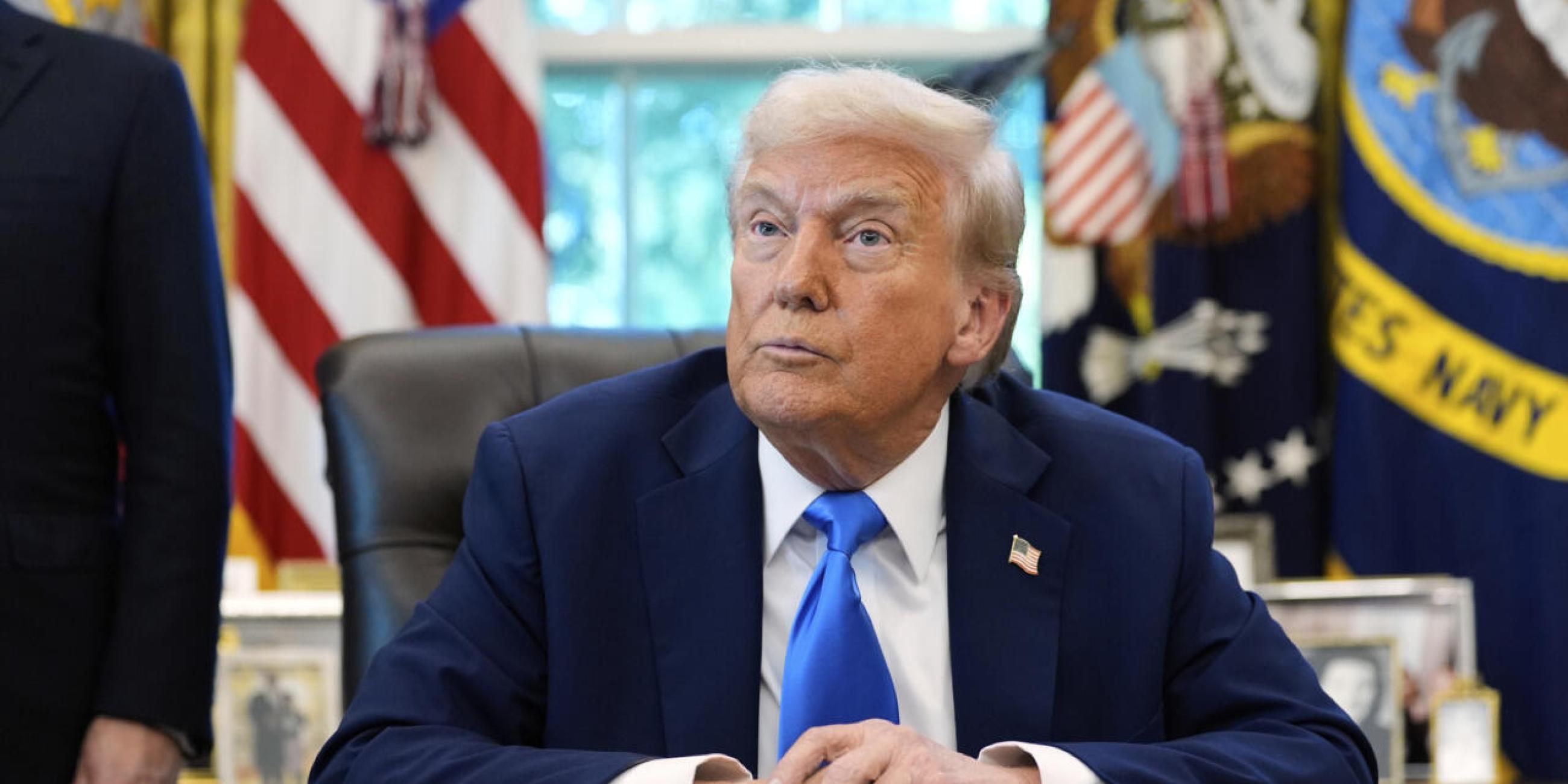
  • Will the U.S. Control Venezuela for Years? Trump Says Washington Will Oversee Venezuela’s Oil, Rebuild the Country and Decide Its Future After Maduro’s Removal

    Is the United States preparing to govern Venezuela for years, and will oil revenues determine the country’s political and economic future?

    U.S. President Donald Trump has said that Washington will take control of Venezuela and oversee its oil sector for a period that will extend far beyond a short-term transition. Speaking in a wide-ranging interview published on January 8, 2026, Trump indicated that American involvement in Venezuela would be long-term, with the country’s vast oil reserves at the center of U.S. strategy.

    When asked how long the United States would remain in control—whether for months, a year, or longer—Trump responded: “Only time will tell… I would say much longer.” The statement signals that U.S. oversight of Venezuela is not envisioned as a brief handover process but one that could last several years.

    Trump said the United States plans to rebuild Venezuela while exerting control over its most valuable resource, oil. “We will rebuild it in a very profitable way,” he said, following the January 3 operation in which U.S. forces seized President Nicolás Maduro. According to Trump, oil will play a central role in the rebuilding effort. “We’re going to be using oil, and we’re going to be taking oil. We’re getting oil prices down, and we’re going to be giving money to Venezuela, which they desperately need,” he stated.

    The president also confirmed that Washington is working closely with Venezuela’s interim government after Maduro’s removal, describing relations with interim president Delcy Rodríguez—a longtime ally and former vice president of Maduro—as cooperative. Trump further appeared to soften earlier rhetoric toward neighboring Colombia, inviting its leftist leader to Washington after previously criticizing him.

    The remarks come amid a broader shift in U.S.–Venezuela relations centered on energy and trade. Trump recently announced that Venezuela would use proceeds from a new oil agreement to purchase only American-made products, including agricultural goods, medicines, medical devices, and equipment for upgrading the country’s electricity grid and energy facilities. He portrayed the move as strengthening bilateral ties and positioning the United States as Venezuela’s principal commercial partner.

    Earlier reports also confirmed a deal allowing Venezuela to export $2 billion worth of crude oil to the United States—an agreement the administration described as a major diplomatic breakthrough. The arrangement is expected to divert Venezuelan oil away from China, ease production pressures, and mark a significant realignment in the region following months of heightened U.S. pressure on Caracas.

    But Trump’s comments raise major questions:
    Will U.S. control of Venezuela become a prolonged political and economic occupation?
    Who will ultimately decide how Venezuela’s oil wealth is managed and distributed?
    And can long-term foreign oversight deliver stability—or deepen regional tensions?

    As Washington places oil revenues at the heart of its strategy, the future of Venezuela appears increasingly tied to U.S. policy, energy markets, and geopolitical interests. Whether this approach leads to reconstruction or controversy, Trump’s statements make one thing clear: American involvement in Venezuela is not temporary, and the country’s oil will shape what comes next.


    Will the U.S. Control Venezuela for Years? Trump Says Washington Will Oversee Venezuela’s Oil, Rebuild the Country and Decide Its Future After Maduro’s Removal Is the United States preparing to govern Venezuela for years, and will oil revenues determine the country’s political and economic future? U.S. President Donald Trump has said that Washington will take control of Venezuela and oversee its oil sector for a period that will extend far beyond a short-term transition. Speaking in a wide-ranging interview published on January 8, 2026, Trump indicated that American involvement in Venezuela would be long-term, with the country’s vast oil reserves at the center of U.S. strategy. When asked how long the United States would remain in control—whether for months, a year, or longer—Trump responded: “Only time will tell… I would say much longer.” The statement signals that U.S. oversight of Venezuela is not envisioned as a brief handover process but one that could last several years. Trump said the United States plans to rebuild Venezuela while exerting control over its most valuable resource, oil. “We will rebuild it in a very profitable way,” he said, following the January 3 operation in which U.S. forces seized President Nicolás Maduro. According to Trump, oil will play a central role in the rebuilding effort. “We’re going to be using oil, and we’re going to be taking oil. We’re getting oil prices down, and we’re going to be giving money to Venezuela, which they desperately need,” he stated. The president also confirmed that Washington is working closely with Venezuela’s interim government after Maduro’s removal, describing relations with interim president Delcy Rodríguez—a longtime ally and former vice president of Maduro—as cooperative. Trump further appeared to soften earlier rhetoric toward neighboring Colombia, inviting its leftist leader to Washington after previously criticizing him. The remarks come amid a broader shift in U.S.–Venezuela relations centered on energy and trade. Trump recently announced that Venezuela would use proceeds from a new oil agreement to purchase only American-made products, including agricultural goods, medicines, medical devices, and equipment for upgrading the country’s electricity grid and energy facilities. He portrayed the move as strengthening bilateral ties and positioning the United States as Venezuela’s principal commercial partner. Earlier reports also confirmed a deal allowing Venezuela to export $2 billion worth of crude oil to the United States—an agreement the administration described as a major diplomatic breakthrough. The arrangement is expected to divert Venezuelan oil away from China, ease production pressures, and mark a significant realignment in the region following months of heightened U.S. pressure on Caracas. But Trump’s comments raise major questions: Will U.S. control of Venezuela become a prolonged political and economic occupation? Who will ultimately decide how Venezuela’s oil wealth is managed and distributed? And can long-term foreign oversight deliver stability—or deepen regional tensions? As Washington places oil revenues at the heart of its strategy, the future of Venezuela appears increasingly tied to U.S. policy, energy markets, and geopolitical interests. Whether this approach leads to reconstruction or controversy, Trump’s statements make one thing clear: American involvement in Venezuela is not temporary, and the country’s oil will shape what comes next.
    0 Комментарии ·0 Поделились ·3Кб Просмотры
  • What Will 2026 Really Bring for Nigeria and the World? Azu Ishiekwene Predicts Power Shifts, Economic Strain, AI Disruption, 2027 Politics and Who Wins the World Cup

    Is 2026 a year of quiet recovery—or the beginning of deeper political, economic and global turbulence? And is Nigeria already slipping into the politics of 2027?

    In what he describes as possibly his final annual forecast, journalist and columnist Azu Ishiekwene delivers a sweeping, high-stakes outlook on Nigeria and the world, blending political prediction, economic analysis, technology trends and global power shifts. Known for earlier forecasts that accurately anticipated election outcomes and cabinet shake-ups, Ishiekwene argues that 2026 will be a year where politics collides head-on with harsh economic realities, leaving citizens caught between daily hardship and recycled political promises.

    He warns that Nigeria’s economy will remain under pressure, with tensions growing between tight monetary policy and rising demands for fiscal expansion in a pre-election year. Could divisions inside the Ministry of Finance undermine investor confidence? And will petrol prices remain stable around ₦850 per litre, as he suggests, only if oil output rises and NNPC escapes its heavy crude obligations?

    While cheaper fuel from the Dangote Refinery may offer temporary consumer relief, Ishiekwene predicts continued instability in electricity supply, pointing to a fragile transmission system that still requires massive investment. He also foresees President Bola Tinubu possibly unveiling private-sector-led reforms in power transmission involving major business players.

    But is Nigeria already entering the politics of 2027 in 2026?

    Ishiekwene argues that although early elections are unlikely, political realignments are accelerating. With multiple opposition governors defecting to the ruling APC, claims of a creeping one-party state are growing. Yet, he suggests the reality is more complex: a weakened opposition plagued by internal fractures, financial constraints and a lack of coherent alternatives.

    Turning to the emerging African Democratic Congress (ADC) coalition—uniting figures such as Atiku Abubakar, Peter Obi, Nasir El-Rufai, Rotimi Amaechi and Rabiu Kwankwaso—he raises a critical question: is ADC truly built to win in 2027, or merely to survive until 2031? He predicts Atiku will clinch the party’s ticket over Obi, with Obi likely offered the vice-presidential slot—potentially triggering backlash among “Obidients.” With limited grassroots reach and the enormous financial demands of a presidential campaign, Ishiekwene concludes that ADC may struggle to pose a serious challenge to the ruling party in the next election cycle.

    Beyond Nigeria, he paints 2026 as a year shaped by geopolitical rivalry, especially between Donald Trump’s America and Xi Jinping’s China, and by growing global unease over U.S. trade policies, immigration enforcement and economic nationalism. Could gold and non-dollar assets accelerate as the world quietly prepares for a less dollar-centric future?

    He also highlights the rapid evolution of artificial intelligence, warning that 2026 will mark a shift from basic generative AI to agentic, autonomous systems capable of independent action. As AI blurs the line between reality and fabrication, he predicts rising confusion, misinformation, and ethical challenges—ushering in what he calls the “Year of the Humanoid.”

    Even football is not spared his forecasting. With the 2026 FIFA World Cup approaching, Ishiekwene tips Spain to win, citing tactical depth and cohesion, while acknowledging Morocco as Africa’s strongest hope.

    Ultimately, the essay asks uncomfortable but urgent questions:
    Is Nigeria drifting toward political dominance by one party?
    Will economic reforms truly ease citizens’ burdens—or merely reshuffle the pressure?
    Can a fractured opposition reorganise in time?
    And in a world increasingly shaped by AI and geopolitical rivalry, where does Nigeria truly stand?

    For Ishiekwene, 2026 is not just another year—it is a crossroads where technology, politics, power and survival intersect, setting the tone for Nigeria’s future well beyond the next election.


    What Will 2026 Really Bring for Nigeria and the World? Azu Ishiekwene Predicts Power Shifts, Economic Strain, AI Disruption, 2027 Politics and Who Wins the World Cup Is 2026 a year of quiet recovery—or the beginning of deeper political, economic and global turbulence? And is Nigeria already slipping into the politics of 2027? In what he describes as possibly his final annual forecast, journalist and columnist Azu Ishiekwene delivers a sweeping, high-stakes outlook on Nigeria and the world, blending political prediction, economic analysis, technology trends and global power shifts. Known for earlier forecasts that accurately anticipated election outcomes and cabinet shake-ups, Ishiekwene argues that 2026 will be a year where politics collides head-on with harsh economic realities, leaving citizens caught between daily hardship and recycled political promises. He warns that Nigeria’s economy will remain under pressure, with tensions growing between tight monetary policy and rising demands for fiscal expansion in a pre-election year. Could divisions inside the Ministry of Finance undermine investor confidence? And will petrol prices remain stable around ₦850 per litre, as he suggests, only if oil output rises and NNPC escapes its heavy crude obligations? While cheaper fuel from the Dangote Refinery may offer temporary consumer relief, Ishiekwene predicts continued instability in electricity supply, pointing to a fragile transmission system that still requires massive investment. He also foresees President Bola Tinubu possibly unveiling private-sector-led reforms in power transmission involving major business players. But is Nigeria already entering the politics of 2027 in 2026? Ishiekwene argues that although early elections are unlikely, political realignments are accelerating. With multiple opposition governors defecting to the ruling APC, claims of a creeping one-party state are growing. Yet, he suggests the reality is more complex: a weakened opposition plagued by internal fractures, financial constraints and a lack of coherent alternatives. Turning to the emerging African Democratic Congress (ADC) coalition—uniting figures such as Atiku Abubakar, Peter Obi, Nasir El-Rufai, Rotimi Amaechi and Rabiu Kwankwaso—he raises a critical question: is ADC truly built to win in 2027, or merely to survive until 2031? He predicts Atiku will clinch the party’s ticket over Obi, with Obi likely offered the vice-presidential slot—potentially triggering backlash among “Obidients.” With limited grassroots reach and the enormous financial demands of a presidential campaign, Ishiekwene concludes that ADC may struggle to pose a serious challenge to the ruling party in the next election cycle. Beyond Nigeria, he paints 2026 as a year shaped by geopolitical rivalry, especially between Donald Trump’s America and Xi Jinping’s China, and by growing global unease over U.S. trade policies, immigration enforcement and economic nationalism. Could gold and non-dollar assets accelerate as the world quietly prepares for a less dollar-centric future? He also highlights the rapid evolution of artificial intelligence, warning that 2026 will mark a shift from basic generative AI to agentic, autonomous systems capable of independent action. As AI blurs the line between reality and fabrication, he predicts rising confusion, misinformation, and ethical challenges—ushering in what he calls the “Year of the Humanoid.” Even football is not spared his forecasting. With the 2026 FIFA World Cup approaching, Ishiekwene tips Spain to win, citing tactical depth and cohesion, while acknowledging Morocco as Africa’s strongest hope. Ultimately, the essay asks uncomfortable but urgent questions: Is Nigeria drifting toward political dominance by one party? Will economic reforms truly ease citizens’ burdens—or merely reshuffle the pressure? Can a fractured opposition reorganise in time? And in a world increasingly shaped by AI and geopolitical rivalry, where does Nigeria truly stand? For Ishiekwene, 2026 is not just another year—it is a crossroads where technology, politics, power and survival intersect, setting the tone for Nigeria’s future well beyond the next election.
    love
    1
    · 0 Комментарии ·0 Поделились ·6Кб Просмотры
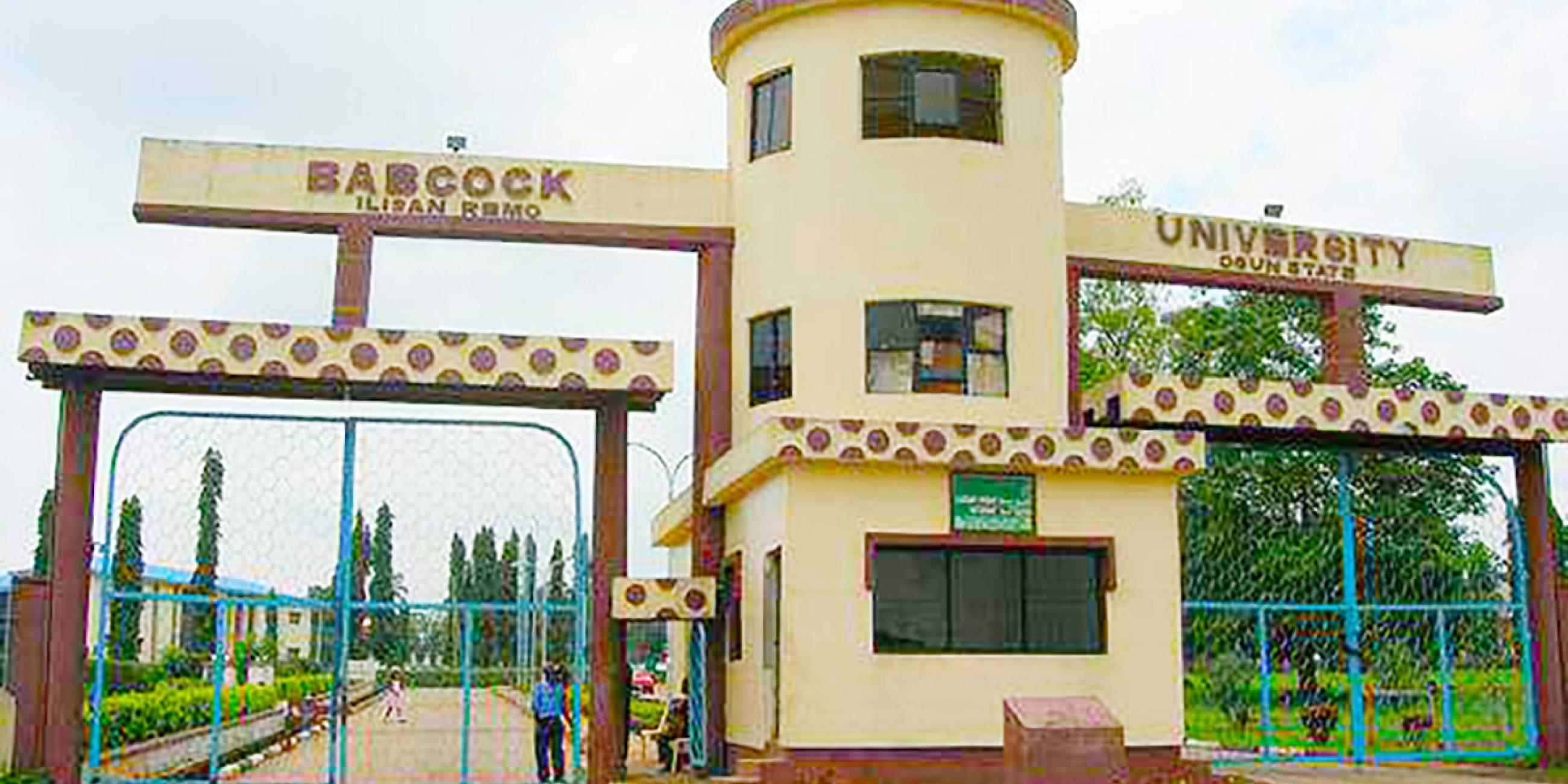
  • Babcock University Bans Beards, Dreadlocks, Body-Hugging Clothes, and ‘Hair-Pass’ Documents; Threatens Sanctions for Violations

    Babcock University has announced strict new grooming and dress code regulations for students, ahead of the upcoming academic examinations, warning that violations will attract disciplinary action. The university’s Vice President for Student Development, Olanivi Arije, stated that all so-called “hair passes” — documents allegedly permitting unapproved hairstyles — are now nullified and illegal. Students in possession of these passes are directed to discontinue their use immediately, as relying on them will result in investigation and sanctions.

    Under the revised regulations, male students are prohibited from wearing voluminous or unkempt hair, beards, or dreadlocks, while female students must avoid extreme, indecent, or inconsistent hairstyles. In addition, dress restrictions include body-hugging clothes, sleeveless tops, sagging or baggy trousers, walk-out wear, bubu, dansiki, joggers, and sportswear, which are not permitted on campus during certain periods. Tying scarves to official academic or corporate wear is also banned at designated times.

    The university emphasized that all students are expected to fully comply with these rules at the start of the second semester in January. The management stressed that excuses, appeals, or ignorance will not be entertained, and violators will face inevitable disciplinary consequences.

    This policy aims to enforce discipline, uniformity, and decorum on campus, ensuring that students maintain a professional and appropriate appearance during academic activities. The announcement has sparked discussion among students and social media users, some of whom expressed concern over the strictness of the rules, while others support the move as a step toward maintaining institutional standards.

    Babcock University’s move highlights the growing trend among educational institutions in Nigeria to regulate student grooming and dress codes, balancing individual expression with campus decorum and institutional expectations.


    Babcock University Bans Beards, Dreadlocks, Body-Hugging Clothes, and ‘Hair-Pass’ Documents; Threatens Sanctions for Violations Babcock University has announced strict new grooming and dress code regulations for students, ahead of the upcoming academic examinations, warning that violations will attract disciplinary action. The university’s Vice President for Student Development, Olanivi Arije, stated that all so-called “hair passes” — documents allegedly permitting unapproved hairstyles — are now nullified and illegal. Students in possession of these passes are directed to discontinue their use immediately, as relying on them will result in investigation and sanctions. Under the revised regulations, male students are prohibited from wearing voluminous or unkempt hair, beards, or dreadlocks, while female students must avoid extreme, indecent, or inconsistent hairstyles. In addition, dress restrictions include body-hugging clothes, sleeveless tops, sagging or baggy trousers, walk-out wear, bubu, dansiki, joggers, and sportswear, which are not permitted on campus during certain periods. Tying scarves to official academic or corporate wear is also banned at designated times. The university emphasized that all students are expected to fully comply with these rules at the start of the second semester in January. The management stressed that excuses, appeals, or ignorance will not be entertained, and violators will face inevitable disciplinary consequences. This policy aims to enforce discipline, uniformity, and decorum on campus, ensuring that students maintain a professional and appropriate appearance during academic activities. The announcement has sparked discussion among students and social media users, some of whom expressed concern over the strictness of the rules, while others support the move as a step toward maintaining institutional standards. Babcock University’s move highlights the growing trend among educational institutions in Nigeria to regulate student grooming and dress codes, balancing individual expression with campus decorum and institutional expectations.
    like
    1
    · 0 Комментарии ·0 Поделились ·706 Просмотры
  • Why Is Datti Baba-Ahmed Refusing to Follow Obi Out of Labour Party?
    As Nigeria looks toward the 2027 general elections, Senator Datti Baba-Ahmed has declared he will remain with the Labour Party, distancing himself from the political move made by his former running mate, Peter Obi.

    Baba-Ahmed, who was Obi’s vice-presidential candidate in the 2023 election, said he has no intention of leaving the Labour Party, insisting that loyalty and consistency matter in politics.

    Peter Obi recently exited the Labour Party and aligned with the African Democratic Congress (ADC), a coalition-backed platform aimed at challenging the ruling APC. However, Baba-Ahmed dismissed the ADC, describing its members as “disgruntled politicians” and questioning the credibility of the alliance.

    Speaking at the Labour Party’s national headquarters in Abuja, the former Kaduna North senator also signaled his readiness to play a role in fixing Nigeria ahead of 2027.

    Discussion Questions:

    Is Datti Baba-Ahmed right to stay with the Labour Party despite Obi’s exit?

    Does political loyalty matter more than strategy in Nigerian politics?

    Is the ADC a genuine alternative or just a coalition of unhappy politicians?

    Who stands a better chance in 2027: Labour Party loyalists or the new coalition?

    What do you think?
    Why Is Datti Baba-Ahmed Refusing to Follow Obi Out of Labour Party? As Nigeria looks toward the 2027 general elections, Senator Datti Baba-Ahmed has declared he will remain with the Labour Party, distancing himself from the political move made by his former running mate, Peter Obi. Baba-Ahmed, who was Obi’s vice-presidential candidate in the 2023 election, said he has no intention of leaving the Labour Party, insisting that loyalty and consistency matter in politics. Peter Obi recently exited the Labour Party and aligned with the African Democratic Congress (ADC), a coalition-backed platform aimed at challenging the ruling APC. However, Baba-Ahmed dismissed the ADC, describing its members as “disgruntled politicians” and questioning the credibility of the alliance. Speaking at the Labour Party’s national headquarters in Abuja, the former Kaduna North senator also signaled his readiness to play a role in fixing Nigeria ahead of 2027. Discussion Questions: Is Datti Baba-Ahmed right to stay with the Labour Party despite Obi’s exit? Does political loyalty matter more than strategy in Nigerian politics? Is the ADC a genuine alternative or just a coalition of unhappy politicians? Who stands a better chance in 2027: Labour Party loyalists or the new coalition? What do you think?
    0 Комментарии ·0 Поделились ·2Кб Просмотры
  • Can Datti Baba-Ahmed Really Replace Peter Obi? LP’s 2023 Running Mate Declares 2027 Presidential Ambition Amid Party Crisis

    Is a new political battle for Nigeria’s presidency already taking shape within the opposition—and could Senator Datti Baba-Ahmed be positioning himself as the next major contender? These are the questions dominating political discussions after the former Labour Party (LP) vice-presidential candidate in the 2023 election formally declared his intention to contest the 2027 presidency.

    Baba-Ahmed made the announcement at a rally at the Labour Party’s national secretariat in Abuja, at a time when the party is grappling with internal realignments following the high-profile exit of its 2023 presidential candidate, Peter Obi, to the African Democratic Congress (ADC). His declaration comes barely days after Obi’s departure, instantly igniting debate about the future direction of the Labour Party and the broader opposition ahead of the next general election.

    Addressing party members and supporters, Baba-Ahmed was quick to dismiss any suggestion that his ambition was a reaction to Obi’s political move. Instead, he insisted that his presidential aspiration predates his alliance with Obi, stressing that he was not “following anybody’s trajectory” or attempting to step into anyone’s political space. According to him, records clearly show that he had sought the presidency even before Obi entered the 2023 race.

    He recalled his participation in the 2018 presidential primaries of the Peoples Democratic Party (PDP) in Port Harcourt, noting that his eventual decision to serve as Obi’s running mate was driven by what he described as a rare opportunity for national unity rather than personal ambition. For Baba-Ahmed, aligning with Obi was not a surrender of his own political vision but a strategic choice aimed at offering Nigerians an alternative leadership model.

    Beyond ambition, his speech touched on sensitive but unavoidable themes in Nigerian politics—religion and ethnicity. Baba-Ahmed openly acknowledged his identity as a practising Muslim and a Hausa man, but maintained that the Nigerian Constitution guarantees every qualified citizen the right to seek elective office. According to him, his decision to run is rooted in what he described as a genuine desire to help rescue Nigeria from its many challenges, rather than sectional or personal interests.

    However, he also struck a cautious tone, emphasizing that he would respect due process within the Labour Party and the electoral framework. While affirming his intention, he stated that he would not formally pursue the ticket until the Independent National Electoral Commission (INEC) releases its timetable and the party leadership officially calls for aspirants. To him, this approach reflects both loyalty to party structures and adherence to democratic norms.

    His declaration has added a new layer of complexity to an already evolving opposition landscape. With Peter Obi now outside the Labour Party, questions are being raised about who will command the loyalty of the party’s grassroots supporters, many of whom were mobilized by the “Obidient” movement in 2023. Can Datti Baba-Ahmed inherit that momentum, or will the party struggle to redefine itself without its most visible figure?

    Reacting to the announcement, Labour Party National Chairman Julius Abure praised Baba-Ahmed for remaining within the party despite speculation that he might defect following Obi’s exit. For party loyalists, his decision to stay is being interpreted as a signal of continuity and internal stability. For critics, however, it raises deeper questions: does the Labour Party still have a unified ideological direction, or is it entering a phase of leadership contest and fragmentation?

    As 2027 approaches, Baba-Ahmed’s declaration invites broader national reflection. Is Nigeria’s opposition finally preparing early for the next election, or is this the beginning of another cycle of internal rivalry that could weaken alternative voices? Can Baba-Ahmed’s experience, ideology, and personal narrative convince Nigerians that he offers something fundamentally different from the political establishment? And perhaps most importantly, can he fill the vacuum left by Peter Obi’s departure—or will the Labour Party need a complete reinvention to remain politically relevant?

    On Fintter, this development is more than a headline. It is a conversation about leadership, loyalty, and the future of opposition politics in Nigeria. Is Datti Baba-Ahmed the natural successor within the Labour Party, or is his ambition likely to deepen internal divisions? Can he rally young voters and reform-minded citizens the way Obi once did?

    What do you think? Is Datti Baba-Ahmed the right figure to lead the Labour Party into 2027—or is the party losing its political identity? Share your views and join the debate on Fintter.

    Can Datti Baba-Ahmed Really Replace Peter Obi? LP’s 2023 Running Mate Declares 2027 Presidential Ambition Amid Party Crisis Is a new political battle for Nigeria’s presidency already taking shape within the opposition—and could Senator Datti Baba-Ahmed be positioning himself as the next major contender? These are the questions dominating political discussions after the former Labour Party (LP) vice-presidential candidate in the 2023 election formally declared his intention to contest the 2027 presidency. Baba-Ahmed made the announcement at a rally at the Labour Party’s national secretariat in Abuja, at a time when the party is grappling with internal realignments following the high-profile exit of its 2023 presidential candidate, Peter Obi, to the African Democratic Congress (ADC). His declaration comes barely days after Obi’s departure, instantly igniting debate about the future direction of the Labour Party and the broader opposition ahead of the next general election. Addressing party members and supporters, Baba-Ahmed was quick to dismiss any suggestion that his ambition was a reaction to Obi’s political move. Instead, he insisted that his presidential aspiration predates his alliance with Obi, stressing that he was not “following anybody’s trajectory” or attempting to step into anyone’s political space. According to him, records clearly show that he had sought the presidency even before Obi entered the 2023 race. He recalled his participation in the 2018 presidential primaries of the Peoples Democratic Party (PDP) in Port Harcourt, noting that his eventual decision to serve as Obi’s running mate was driven by what he described as a rare opportunity for national unity rather than personal ambition. For Baba-Ahmed, aligning with Obi was not a surrender of his own political vision but a strategic choice aimed at offering Nigerians an alternative leadership model. Beyond ambition, his speech touched on sensitive but unavoidable themes in Nigerian politics—religion and ethnicity. Baba-Ahmed openly acknowledged his identity as a practising Muslim and a Hausa man, but maintained that the Nigerian Constitution guarantees every qualified citizen the right to seek elective office. According to him, his decision to run is rooted in what he described as a genuine desire to help rescue Nigeria from its many challenges, rather than sectional or personal interests. However, he also struck a cautious tone, emphasizing that he would respect due process within the Labour Party and the electoral framework. While affirming his intention, he stated that he would not formally pursue the ticket until the Independent National Electoral Commission (INEC) releases its timetable and the party leadership officially calls for aspirants. To him, this approach reflects both loyalty to party structures and adherence to democratic norms. His declaration has added a new layer of complexity to an already evolving opposition landscape. With Peter Obi now outside the Labour Party, questions are being raised about who will command the loyalty of the party’s grassroots supporters, many of whom were mobilized by the “Obidient” movement in 2023. Can Datti Baba-Ahmed inherit that momentum, or will the party struggle to redefine itself without its most visible figure? Reacting to the announcement, Labour Party National Chairman Julius Abure praised Baba-Ahmed for remaining within the party despite speculation that he might defect following Obi’s exit. For party loyalists, his decision to stay is being interpreted as a signal of continuity and internal stability. For critics, however, it raises deeper questions: does the Labour Party still have a unified ideological direction, or is it entering a phase of leadership contest and fragmentation? As 2027 approaches, Baba-Ahmed’s declaration invites broader national reflection. Is Nigeria’s opposition finally preparing early for the next election, or is this the beginning of another cycle of internal rivalry that could weaken alternative voices? Can Baba-Ahmed’s experience, ideology, and personal narrative convince Nigerians that he offers something fundamentally different from the political establishment? And perhaps most importantly, can he fill the vacuum left by Peter Obi’s departure—or will the Labour Party need a complete reinvention to remain politically relevant? On Fintter, this development is more than a headline. It is a conversation about leadership, loyalty, and the future of opposition politics in Nigeria. Is Datti Baba-Ahmed the natural successor within the Labour Party, or is his ambition likely to deepen internal divisions? Can he rally young voters and reform-minded citizens the way Obi once did? 💬 What do you think? Is Datti Baba-Ahmed the right figure to lead the Labour Party into 2027—or is the party losing its political identity? Share your views and join the debate on Fintter.
    like
    1
    · 0 Комментарии ·0 Поделились ·4Кб Просмотры
  • PDP Plans Strategic Meetings with Peter Obi, Atiku, and Key Powerbrokers Ahead of 2027 Elections”

    The Peoples Democratic Party (PDP) has announced plans to engage with former presidential candidate Peter Obi, ex-Vice President Atiku Abubakar, and other influential political figures as part of its strategy to rebuild the party ahead of the 2027 general elections. The announcement was made by Emmanuel Ogidi, PDP South-South Chairman, during an interview on Channels Television on Wednesday.
    Ogidi revealed that the party has already begun consultations with key political actors, including former Presidents Olusegun Obasanjo and Ibrahim Babangida (IBB), to signal that the PDP remains relevant despite internal challenges. He stressed that meetings with Obi and Atiku, both former PDP stalwarts now aligned with other political platforms, are part of a deliberate effort to reconnect with major opposition figures.
    Peter Obi and Atiku Abubakar were previously PDP vice presidential and presidential candidates in the 2019 and 2023 elections, respectively. The outreach reflects the PDP’s commitment to unifying opposition voices and strengthening its democratic credentials.
    The PDP’s efforts coincide with ongoing preparations for off-season elections in Ekiti and Osun states, as well as the 2027 general elections. On Tuesday, the party’s National Working Committee (NWC) met with former President Goodluck Jonathan in Abuja. Led by National Chairman Tanimu Turaki, the delegation received Jonathan’s assurance of continued loyalty and active support for the PDP.
    Turaki described the former president’s commitment as “very reassuring and encouraging”, highlighting the PDP’s determination to reorganize, strengthen internal cohesion, and mobilize key political actors ahead of critical upcoming elections.
    The PDP’s outreach initiative is viewed as a strategic move to solidify its relevance in Nigeria’s political landscape, heal internal divisions, and present a united front against the ruling All Progressives Congress (APC) in the years leading up to the 2027 polls.
    PDP Plans Strategic Meetings with Peter Obi, Atiku, and Key Powerbrokers Ahead of 2027 Elections” The Peoples Democratic Party (PDP) has announced plans to engage with former presidential candidate Peter Obi, ex-Vice President Atiku Abubakar, and other influential political figures as part of its strategy to rebuild the party ahead of the 2027 general elections. The announcement was made by Emmanuel Ogidi, PDP South-South Chairman, during an interview on Channels Television on Wednesday. Ogidi revealed that the party has already begun consultations with key political actors, including former Presidents Olusegun Obasanjo and Ibrahim Babangida (IBB), to signal that the PDP remains relevant despite internal challenges. He stressed that meetings with Obi and Atiku, both former PDP stalwarts now aligned with other political platforms, are part of a deliberate effort to reconnect with major opposition figures. Peter Obi and Atiku Abubakar were previously PDP vice presidential and presidential candidates in the 2019 and 2023 elections, respectively. The outreach reflects the PDP’s commitment to unifying opposition voices and strengthening its democratic credentials. The PDP’s efforts coincide with ongoing preparations for off-season elections in Ekiti and Osun states, as well as the 2027 general elections. On Tuesday, the party’s National Working Committee (NWC) met with former President Goodluck Jonathan in Abuja. Led by National Chairman Tanimu Turaki, the delegation received Jonathan’s assurance of continued loyalty and active support for the PDP. Turaki described the former president’s commitment as “very reassuring and encouraging”, highlighting the PDP’s determination to reorganize, strengthen internal cohesion, and mobilize key political actors ahead of critical upcoming elections. The PDP’s outreach initiative is viewed as a strategic move to solidify its relevance in Nigeria’s political landscape, heal internal divisions, and present a united front against the ruling All Progressives Congress (APC) in the years leading up to the 2027 polls.
    like
    1
    · 0 Комментарии ·0 Поделились ·4Кб Просмотры
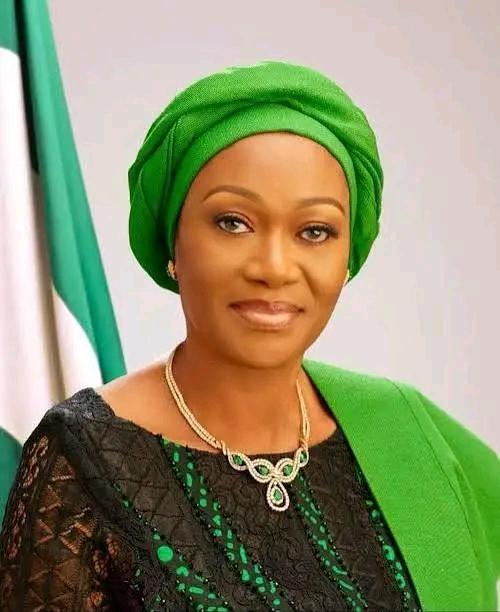
  • First Lady Appreciates RHI Team For Sustained Support

    Nigeria's First Lady, Oluremi Tinubu extends heartfelt gratitude to Renewed Hope Initiative team across the country, led by Wife of the Vice President, Hajia Nana Shettima, First Ladies of States and RHI State Coordinators, Wives of federal legislators,ministers, service Chiefs, and other women leaders across the nation for their support to the initiative since the inception of this administration.

    In a personal message to begin the new year, the First Lady applauds their compassion, dedication, and readiness to act, noting that this has strengthened the collective efforts aimed at delivering the Renewed Hope Agenda of President Bola Ahmed Tinubu, and empowering all Nigerians, especially the most vulnerable, regardless of status or background.

    Wishing them a peaceful, productive, impactful and a prosperous 2026, the First Lady again appreciates all their efforts and partnership, while looking forward to continued support in 2026 and beyond.
    First Lady Appreciates RHI Team For Sustained Support Nigeria's First Lady, Oluremi Tinubu extends heartfelt gratitude to Renewed Hope Initiative team across the country, led by Wife of the Vice President, Hajia Nana Shettima, First Ladies of States and RHI State Coordinators, Wives of federal legislators,ministers, service Chiefs, and other women leaders across the nation for their support to the initiative since the inception of this administration. In a personal message to begin the new year, the First Lady applauds their compassion, dedication, and readiness to act, noting that this has strengthened the collective efforts aimed at delivering the Renewed Hope Agenda of President Bola Ahmed Tinubu, and empowering all Nigerians, especially the most vulnerable, regardless of status or background. Wishing them a peaceful, productive, impactful and a prosperous 2026, the First Lady again appreciates all their efforts and partnership, while looking forward to continued support in 2026 and beyond.
    0 Комментарии ·0 Поделились ·1Кб Просмотры
  • Atiku Abubakar Refuses to Step Down from ADC Presidential Race, Calls Tinubu a ‘National Liability’ Ahead of 2027 Elections

    Former Vice President Atiku Abubakar has emphatically ruled out stepping aside from the African Democratic Congress (ADC) presidential race, accusing President Bola Ahmed Tinubu of attempting to weaken opposition parties and establish a de facto one-party state.
    In a statement issued through his media adviser, Paul Ibe, on January 7, 2026, Atiku dismissed calls for him to relinquish his ambition in favor of a southern candidate, describing such pressure as serving Tinubu’s interests rather than those of Nigerians.
    Atiku accused the APC-led government of punishing economic policies, shrinking democratic space, and systematically undermining opposition parties. He emphasized that the ADC is on a “national rescue mission” to restore democracy and build strong structures nationwide, and warned that no intimidation, manipulation, or sabotage would derail the party’s plans.
    He also referenced Peter Obi’s recent formal entry into the ADC as a sign of the ruling party’s fear of a united opposition, reinforcing his stance that if anyone should step aside in 2027, it should be President Tinubu.
    Atiku Abubakar Refuses to Step Down from ADC Presidential Race, Calls Tinubu a ‘National Liability’ Ahead of 2027 Elections Former Vice President Atiku Abubakar has emphatically ruled out stepping aside from the African Democratic Congress (ADC) presidential race, accusing President Bola Ahmed Tinubu of attempting to weaken opposition parties and establish a de facto one-party state. In a statement issued through his media adviser, Paul Ibe, on January 7, 2026, Atiku dismissed calls for him to relinquish his ambition in favor of a southern candidate, describing such pressure as serving Tinubu’s interests rather than those of Nigerians. Atiku accused the APC-led government of punishing economic policies, shrinking democratic space, and systematically undermining opposition parties. He emphasized that the ADC is on a “national rescue mission” to restore democracy and build strong structures nationwide, and warned that no intimidation, manipulation, or sabotage would derail the party’s plans. He also referenced Peter Obi’s recent formal entry into the ADC as a sign of the ruling party’s fear of a united opposition, reinforcing his stance that if anyone should step aside in 2027, it should be President Tinubu.
    like
    1
    · 0 Комментарии ·0 Поделились ·3Кб Просмотры
  • ADC Presidential Ticket: No one is stepping down- Atiku

    Amid the call by Obidients that presidential aspirants in the African Democratic Congress (ADC) should step down for Peter Obi, the former Vice President, Atiku Abubakar, has dismissed the notion, saying no aspirant will withdraw for another in the coalition.

    Atiku’s position was made known in a statement issued by his media aide, Paul Ibe, on Tuesday, January 6. Ibe issued the statement following recent comments by Obi’s allies, including Prof Pat Utomi and Aisha Yesufu, who have rejected the idea of Obi emerging as a Vice Presidential candidate in the coalition.

    Rejecting any suggestion that he should step aside, Atiku described such calls as dangerous to Nigeria’s democracy.

    “Any call — overt or covert — for Atiku to ‘step aside’ is a gift to authoritarian ambition and a betrayal of the Nigerian people,” the statement said.

    The former vice president also accused the Bola Tinubu-led administration of shrinking democratic space and deliberately weakening opposition parties in a bid to impose what he described as a “creeping, de facto one-party state.”

    “For nearly three years, Nigerians have endured one of the harshest periods in recent history — an era defined by punishing economic policies and shrinking democratic space,” the statement read, adding that the ruling All Progressives Congress (APC) had sought to eliminate political alternatives through systematic pressure on opposition forces.
    ADC Presidential Ticket: No one is stepping down- Atiku Amid the call by Obidients that presidential aspirants in the African Democratic Congress (ADC) should step down for Peter Obi, the former Vice President, Atiku Abubakar, has dismissed the notion, saying no aspirant will withdraw for another in the coalition. Atiku’s position was made known in a statement issued by his media aide, Paul Ibe, on Tuesday, January 6. Ibe issued the statement following recent comments by Obi’s allies, including Prof Pat Utomi and Aisha Yesufu, who have rejected the idea of Obi emerging as a Vice Presidential candidate in the coalition. Rejecting any suggestion that he should step aside, Atiku described such calls as dangerous to Nigeria’s democracy. “Any call — overt or covert — for Atiku to ‘step aside’ is a gift to authoritarian ambition and a betrayal of the Nigerian people,” the statement said. The former vice president also accused the Bola Tinubu-led administration of shrinking democratic space and deliberately weakening opposition parties in a bid to impose what he described as a “creeping, de facto one-party state.” “For nearly three years, Nigerians have endured one of the harshest periods in recent history — an era defined by punishing economic policies and shrinking democratic space,” the statement read, adding that the ruling All Progressives Congress (APC) had sought to eliminate political alternatives through systematic pressure on opposition forces.
    0 Комментарии ·0 Поделились ·2Кб Просмотры
  • Israeli Forces Raid Birzeit University in West Bank, Injure Palestinian Students with Live Ammunition and Tear Gas Amid International Law Concerns

    Israeli forces stormed Birzeit University in the occupied West Bank on January 6, 2026, wounding at least three Palestinian students with live gunfire and injuring dozens more with tear gas during the raid. The incursion disrupted academic activities for over 8,000 students, with university officials reporting damage to campus facilities, including the main gate, and the seizure of equipment belonging to student movements.
    Three students sustained gunshot wounds to the legs and were transferred to hospital by the Palestinian Red Crescent Society, while others suffered suffocation or minor injuries from the chaos. The university’s Vice President for Academic Affairs, Assem Khalil, was also detained during the operation.
    The Palestinian Ministry of Education condemned the raid as a violation of international law, emphasizing that attacks on universities constitute assaults on the right to education and the sanctity of academic institutions. The ministry urged international organizations, human rights groups, and media bodies to intervene and protect Palestinian higher education from repeated incursions.

    #BirzeitUniversity #WestBank #PalestinianStudents #IsraelRaid #EducationUnderAttack #InternationalLaw #OccupiedPalestine #TearGas #Gunfire #PalestinianEducation
    Israeli Forces Raid Birzeit University in West Bank, Injure Palestinian Students with Live Ammunition and Tear Gas Amid International Law Concerns Israeli forces stormed Birzeit University in the occupied West Bank on January 6, 2026, wounding at least three Palestinian students with live gunfire and injuring dozens more with tear gas during the raid. The incursion disrupted academic activities for over 8,000 students, with university officials reporting damage to campus facilities, including the main gate, and the seizure of equipment belonging to student movements. Three students sustained gunshot wounds to the legs and were transferred to hospital by the Palestinian Red Crescent Society, while others suffered suffocation or minor injuries from the chaos. The university’s Vice President for Academic Affairs, Assem Khalil, was also detained during the operation. The Palestinian Ministry of Education condemned the raid as a violation of international law, emphasizing that attacks on universities constitute assaults on the right to education and the sanctity of academic institutions. The ministry urged international organizations, human rights groups, and media bodies to intervene and protect Palestinian higher education from repeated incursions. #BirzeitUniversity #WestBank #PalestinianStudents #IsraelRaid #EducationUnderAttack #InternationalLaw #OccupiedPalestine #TearGas #Gunfire #PalestinianEducation
    like
    1
    · 0 Комментарии ·0 Поделились ·3Кб Просмотры
Расширенные страницы
Fintter https://fintter.com