• Can Anyone Really Push Wike Out of Rivers Politics? FCT Minister Boasts of Unshakable Control, Defies Rivals, and Says Only His Camp Truly Delivered Tinubu’s 2023 Victory

    Is Nyesom Wike still the most powerful political force in Rivers State, and can any group truly challenge his grip on the state’s politics? The Federal Capital Territory (FCT) Minister has answered that question with confidence, declaring that no political camp can push him or his loyalists out of Rivers State, despite threats, attacks, and growing opposition since the 2023 general elections.

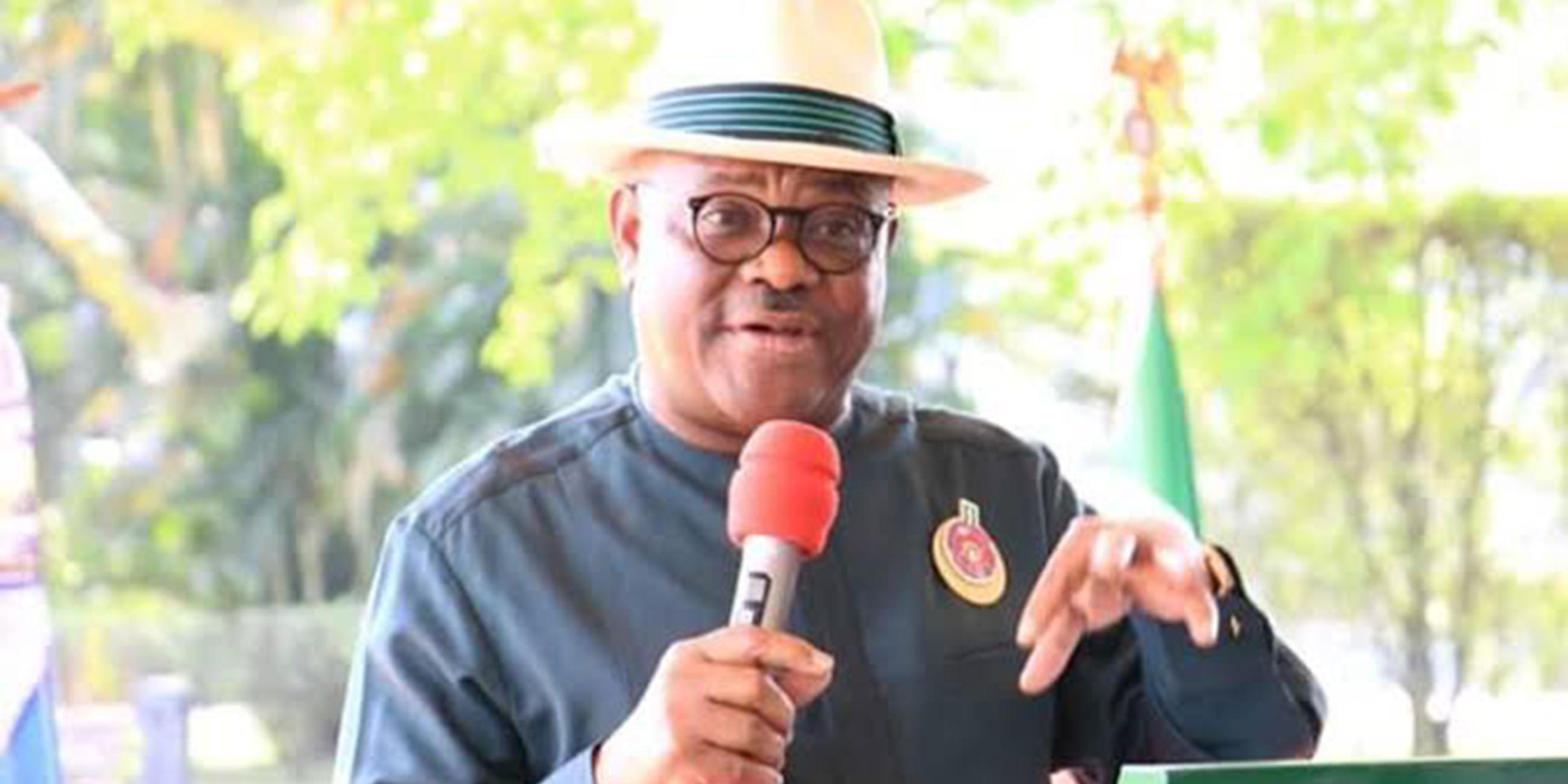
    Speaking during a visit to the Port Harcourt City Local Government Area Secretariat, where he met party leaders, traditional rulers, women, and youth groups, Wike insisted that his political structure remains intact and battle-tested. “Nobody in this state can push us out. We have led this war since 2023 and we have never reneged,” he said, adding that his supporters had stood firm in the face of intense pressure.

    The former Rivers governor explained that his ongoing tour of the state’s 23 local government areas was both a show of appreciation to his supporters and a rallying call to maintain backing for President Bola Ahmed Tinubu ahead of the 2027 elections. According to Wike, Rivers State remains one of the President’s most dependable strongholds.

    “If there is one state the President knows he can go home and sleep with his two eyes closed, it is Rivers State,” he declared, arguing that his political camp paid the price for its early and unwavering commitment to Tinubu’s Renewed Hope agenda.

    Wike also fired back at politicians he accused of opportunism, claiming that those who failed to support Tinubu in 2023 are now attempting to take over the Renewed Hope movement. He dismissed such efforts as dishonest and bound to fail. Using a vivid metaphor, he said they were like people who contributed nothing to a meal but suddenly wanted to eat first once the food was ready.

    Describing Port Harcourt as a politically complex, cosmopolitan city, Wike said electoral victories there are particularly difficult, making any success significant. He further claimed that Rivers State is unique in its ability to bring leaders of the two major political parties together to work as a team—a strategy he said was central to Tinubu’s victory.

    “This is the only state where you can see the leadership of two major political parties working as a team,” he said, urging other states to emulate Rivers rather than resent it.

    While projecting strength, Wike also called for unity, humility, and responsive leadership within the state. “Leadership is not a birthright,” he warned, adding that good leaders must listen to the people and be willing to change when advised. He concluded by praising the Port Harcourt City council leadership for its cooperation and urged sustained unity to drive development.

    His bold remarks raise key political questions: Is Wike’s dominance in Rivers truly unbreakable? Are his rivals capable of mounting a serious challenge? And will Rivers remain a decisive power base for Tinubu as the 2027 elections approach?
    Can Anyone Really Push Wike Out of Rivers Politics? FCT Minister Boasts of Unshakable Control, Defies Rivals, and Says Only His Camp Truly Delivered Tinubu’s 2023 Victory Is Nyesom Wike still the most powerful political force in Rivers State, and can any group truly challenge his grip on the state’s politics? The Federal Capital Territory (FCT) Minister has answered that question with confidence, declaring that no political camp can push him or his loyalists out of Rivers State, despite threats, attacks, and growing opposition since the 2023 general elections. Speaking during a visit to the Port Harcourt City Local Government Area Secretariat, where he met party leaders, traditional rulers, women, and youth groups, Wike insisted that his political structure remains intact and battle-tested. “Nobody in this state can push us out. We have led this war since 2023 and we have never reneged,” he said, adding that his supporters had stood firm in the face of intense pressure. The former Rivers governor explained that his ongoing tour of the state’s 23 local government areas was both a show of appreciation to his supporters and a rallying call to maintain backing for President Bola Ahmed Tinubu ahead of the 2027 elections. According to Wike, Rivers State remains one of the President’s most dependable strongholds. “If there is one state the President knows he can go home and sleep with his two eyes closed, it is Rivers State,” he declared, arguing that his political camp paid the price for its early and unwavering commitment to Tinubu’s Renewed Hope agenda. Wike also fired back at politicians he accused of opportunism, claiming that those who failed to support Tinubu in 2023 are now attempting to take over the Renewed Hope movement. He dismissed such efforts as dishonest and bound to fail. Using a vivid metaphor, he said they were like people who contributed nothing to a meal but suddenly wanted to eat first once the food was ready. Describing Port Harcourt as a politically complex, cosmopolitan city, Wike said electoral victories there are particularly difficult, making any success significant. He further claimed that Rivers State is unique in its ability to bring leaders of the two major political parties together to work as a team—a strategy he said was central to Tinubu’s victory. “This is the only state where you can see the leadership of two major political parties working as a team,” he said, urging other states to emulate Rivers rather than resent it. While projecting strength, Wike also called for unity, humility, and responsive leadership within the state. “Leadership is not a birthright,” he warned, adding that good leaders must listen to the people and be willing to change when advised. He concluded by praising the Port Harcourt City council leadership for its cooperation and urged sustained unity to drive development. His bold remarks raise key political questions: Is Wike’s dominance in Rivers truly unbreakable? Are his rivals capable of mounting a serious challenge? And will Rivers remain a decisive power base for Tinubu as the 2027 elections approach?
    0 Comentários ·0 Compartilhamentos ·5KB Visualizações

  • What Will Be the End of Nyesom Wike? Analysis of His Political Influence and Future Prospects”

    In this incisive opinion piece, Pelumi Olajengbesi, Esq., examines the political trajectory and future of Nyesom Wike, one of Nigeria’s most influential and polarizing politicians. Wike, formerly instrumental in shaping the emergence of President Tinubu, has long dominated Rivers State politics, pushing aside rivals and asserting a near-absolute influence over his political domain. His style, a combination of strategic brilliance, territorial control, and relentless confrontation, has both earned him admiration and created friction with allies and the opposition alike.
    Wike’s political approach has been defined by territorial command—he defines the political space, punishes disloyalty, and keeps opponents uncertain. This method proved highly effective when he fully controlled Rivers politics, yet the shifting political terrain has begun to challenge his authority. The analysis highlights that when his former protégé, Governor Fubara, aligned with the APC, Wike’s influence began to face constraints, illustrating that political power dependent on perception and intimidation can be fragile.
    Olajengbesi notes that Wike’s predicament is heightened by his dual position as both a useful ally and an outsider within the ruling party. While his support for Tinubu and his ability to destabilize opposition calculations have made him relevant at the federal level, his independence and confrontational style are increasingly perceived as a threat to party discipline and structure. As the ruling party prepares for the next political cycle, Wike’s influence risks erosion if it continues to undermine institutional hierarchy.
    The opinion piece predicts several possible outcomes for Wike: gradual isolation, where his access and influence diminish quietly; neutralisation, where he retains office but loses political leverage; or forced realignment, requiring him to fully submit to party structures, sacrificing the independence that has defined his political brand. However, Wike’s experience and strategic acumen suggest he may yet adapt, potentially transitioning from territorial dominance to coalition management, balancing influence with accommodation.
    Ultimately, Olajengbesi portrays Wike as a fascinating case study of power, strategy, and political survival, highlighting that his future depends not only on strength but on his capacity to navigate institutional politics without alienating the structures that sustain it. The piece underscores that in Nigerian politics, influence without institutional belonging is potent but precarious, and Wike’s next moves will determine whether his story ends in decline or reinvention.
    What Will Be the End of Nyesom Wike? Analysis of His Political Influence and Future Prospects” In this incisive opinion piece, Pelumi Olajengbesi, Esq., examines the political trajectory and future of Nyesom Wike, one of Nigeria’s most influential and polarizing politicians. Wike, formerly instrumental in shaping the emergence of President Tinubu, has long dominated Rivers State politics, pushing aside rivals and asserting a near-absolute influence over his political domain. His style, a combination of strategic brilliance, territorial control, and relentless confrontation, has both earned him admiration and created friction with allies and the opposition alike. Wike’s political approach has been defined by territorial command—he defines the political space, punishes disloyalty, and keeps opponents uncertain. This method proved highly effective when he fully controlled Rivers politics, yet the shifting political terrain has begun to challenge his authority. The analysis highlights that when his former protégé, Governor Fubara, aligned with the APC, Wike’s influence began to face constraints, illustrating that political power dependent on perception and intimidation can be fragile. Olajengbesi notes that Wike’s predicament is heightened by his dual position as both a useful ally and an outsider within the ruling party. While his support for Tinubu and his ability to destabilize opposition calculations have made him relevant at the federal level, his independence and confrontational style are increasingly perceived as a threat to party discipline and structure. As the ruling party prepares for the next political cycle, Wike’s influence risks erosion if it continues to undermine institutional hierarchy. The opinion piece predicts several possible outcomes for Wike: gradual isolation, where his access and influence diminish quietly; neutralisation, where he retains office but loses political leverage; or forced realignment, requiring him to fully submit to party structures, sacrificing the independence that has defined his political brand. However, Wike’s experience and strategic acumen suggest he may yet adapt, potentially transitioning from territorial dominance to coalition management, balancing influence with accommodation. Ultimately, Olajengbesi portrays Wike as a fascinating case study of power, strategy, and political survival, highlighting that his future depends not only on strength but on his capacity to navigate institutional politics without alienating the structures that sustain it. The piece underscores that in Nigerian politics, influence without institutional belonging is potent but precarious, and Wike’s next moves will determine whether his story ends in decline or reinvention.
    like
    1
    · 0 Comentários ·0 Compartilhamentos ·3KB Visualizações
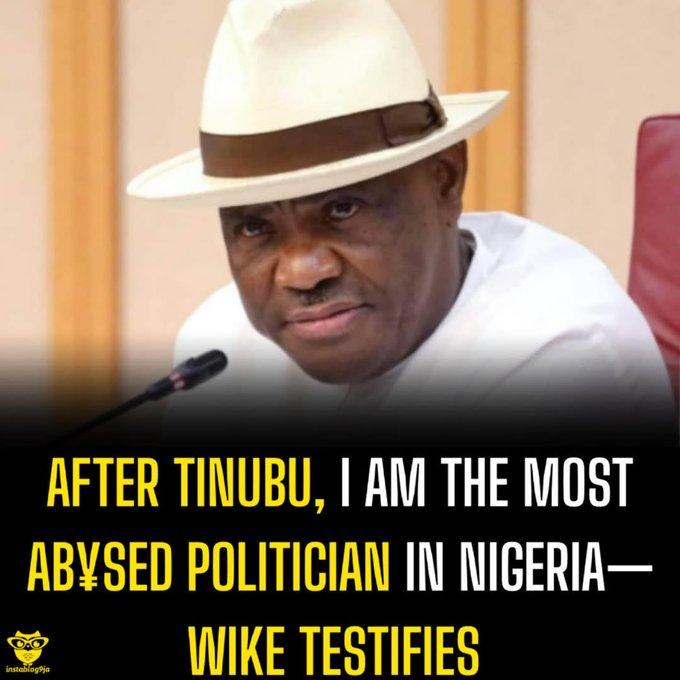
  • After Tinubu, I Am the Most Ab¥sed Politician in Nigeria — Wike Sets January 2026 Timeline for Rivers Politics

    Minister of the Federal Capital Territory, Nyesom Wike, has described himself as the most ab¥sed politician in Nigeria after President Bola Tinubu, while declaring that political activities in Rivers State will officially begin in January 2026.

    He spoke on Saturday at a thanksgiving service organised by former Deputy Speaker of the House of Representatives, Chibudom Nwuche, in Ochiba community, Ahoada East Local Government Area.

    The former Rivers State governor reaffirmed his unwavering loyalty to President Tinubu, stressing that he does not renege on agreements and remains committed to political decisions taken in good faith. He also thanked the people of Ahoada East and Ahoada West for their steadfast support over the years.

    Recalling the 2023 general elections, Wike praised residents for standing firm in support of Tinubu at a time many politicians were uncertain, noting that their resolve helped strengthen the President’s mandate in Rivers State.

    He appeared to criticise politicians who recently aligned with the ruling All Progressives Congress (APC), suggesting their support came too late. Wike emphasised the importance of honouring political agreements, warning that his camp would not be taken for granted as the next political cycle approaches. He added that frequent att@cks against him stem from his insistence on accountability and adherence to agreements, alleging that some politicians abuse him for personal gain.

    Earlier, Chibudom Nwuche commended Wike for his developmental contributions to the Ekpeye Kingdom, particularly the elevation of several traditional stools during his tenure as governor. He said Wike’s leadership positively impacted the people, earning him enduring loyalty across the area.
    After Tinubu, I Am the Most Ab¥sed Politician in Nigeria — Wike Sets January 2026 Timeline for Rivers Politics Minister of the Federal Capital Territory, Nyesom Wike, has described himself as the most ab¥sed politician in Nigeria after President Bola Tinubu, while declaring that political activities in Rivers State will officially begin in January 2026. He spoke on Saturday at a thanksgiving service organised by former Deputy Speaker of the House of Representatives, Chibudom Nwuche, in Ochiba community, Ahoada East Local Government Area. The former Rivers State governor reaffirmed his unwavering loyalty to President Tinubu, stressing that he does not renege on agreements and remains committed to political decisions taken in good faith. He also thanked the people of Ahoada East and Ahoada West for their steadfast support over the years. Recalling the 2023 general elections, Wike praised residents for standing firm in support of Tinubu at a time many politicians were uncertain, noting that their resolve helped strengthen the President’s mandate in Rivers State. He appeared to criticise politicians who recently aligned with the ruling All Progressives Congress (APC), suggesting their support came too late. Wike emphasised the importance of honouring political agreements, warning that his camp would not be taken for granted as the next political cycle approaches. He added that frequent att@cks against him stem from his insistence on accountability and adherence to agreements, alleging that some politicians abuse him for personal gain. Earlier, Chibudom Nwuche commended Wike for his developmental contributions to the Ekpeye Kingdom, particularly the elevation of several traditional stools during his tenure as governor. He said Wike’s leadership positively impacted the people, earning him enduring loyalty across the area.
    0 Comentários ·0 Compartilhamentos ·1KB Visualizações

  • Atiku Faults Tinubu Over Lifting of Governor Fubara’s Suspension

    Former Vice President of Nigeria, Atiku Abubakar, has criticized President Bola Ahmed Tinubu over the lifting of the suspension of Rivers State Governor, Simi Fubara, describing it as “nothing to celebrate.”

    In a statement posted on his verified Facebook page on Thursday, Atiku maintained that both the suspension and its reversal were unconstitutional.

    “Lifting the suspension of Governor Simi Fubara is nothing to cheer about,” he wrote.


    The former Vice President argued that the suspension of Fubara and the Rivers State House of Assembly, carried out six months ago, was illegal from the outset.

    “President Tinubu had no power to suspend a democratically elected governor and state lawmakers,” Atiku stressed, adding that the action reflected the “dictatorship of the Tinubu administration.”


    His remarks have since sparked wide-ranging reactions among his supporters and followers on social media, with many weighing in on the legality and political implications of the President’s intervention in Rivers politics.
    Atiku Faults Tinubu Over Lifting of Governor Fubara’s Suspension Former Vice President of Nigeria, Atiku Abubakar, has criticized President Bola Ahmed Tinubu over the lifting of the suspension of Rivers State Governor, Simi Fubara, describing it as “nothing to celebrate.” In a statement posted on his verified Facebook page on Thursday, Atiku maintained that both the suspension and its reversal were unconstitutional. “Lifting the suspension of Governor Simi Fubara is nothing to cheer about,” he wrote. The former Vice President argued that the suspension of Fubara and the Rivers State House of Assembly, carried out six months ago, was illegal from the outset. “President Tinubu had no power to suspend a democratically elected governor and state lawmakers,” Atiku stressed, adding that the action reflected the “dictatorship of the Tinubu administration.” His remarks have since sparked wide-ranging reactions among his supporters and followers on social media, with many weighing in on the legality and political implications of the President’s intervention in Rivers politics.
    0 Comentários ·0 Compartilhamentos ·626 Visualizações

  • Rivers Budget Controversy: Fubara Proposed ₦1.1trn, Ibas Pushed ₦1.8trn Approved by NASS – Tariah

    Former media aide to ex-Governor Nyesom Wike, Opunabo Inkor-Tariah, has raised alarm over alleged financial discrepancies in Rivers State under the six-month emergency rule, which is scheduled to expire on September 18, 2025.

    In an interview reported by Vanguard on Wednesday, Inkor-Tariah insisted that Sole Administrator Vice Admiral Ibok-Ete Ibas (rtd.) must provide a full account of how state funds were managed during the period.

    He revealed that while Governor Siminalayi Fubara had initially presented a budget of about ₦1.1 trillion, Admiral Ibas submitted a revised budget of nearly ₦1.8 trillion to the National Assembly—an increase of over ₦600 billion—which was swiftly approved.

    “Governor Fubara’s original budget was about ₦1.1 trillion, but Admiral Ibas presented a revised budget of nearly ₦1.8 trillion to the National Assembly, which was approved for spending during the emergency,” he stated.

    According to Inkor-Tariah, Rivers generates more than ₦20 billion monthly from internally generated revenue (IGR), yet there has been little visible development on the ground to justify such massive spending. He argued that Rivers people deserve transparency and accountability in how public funds are utilized.

    He further criticized the sidelining of Governor Fubara, describing him as a “ceremonial governor” with limited influence under the emergency arrangement.

    “The Assembly will come back, the local government chairmen are Wike’s men, while commissioners will come from Fubara. So, Fubara will come and remain like that,” he warned, suggesting that the governor’s power may remain curtailed even after the emergency ends.

    Inkor-Tariah dismissed Admiral Ibas’ claims of restoring peace, saying ordinary citizens, including youth corps members, insist that insecurity and hardship have worsened since Fubara’s suspension.

    He described the emergency rule as a political tactic rather than a genuine response to insecurity, arguing that it was designed to weaken Fubara and consolidate control for entrenched political interests.

    The former aide also maintained that political influence in Rivers is still firmly controlled by FCT Minister Nyesom Wike, who dominates both PDP and APC structures in the state. This, he noted, makes the 2027 elections a decisive moment for Rivers politics.

    Beyond Rivers, Inkor-Tariah said dissatisfaction with President Bola Tinubu’s administration is deepening nationwide. He warned that if grievances are not addressed, there could be a push for a united opposition front to challenge the ruling party in the 2027 general elections.
    Rivers Budget Controversy: Fubara Proposed ₦1.1trn, Ibas Pushed ₦1.8trn Approved by NASS – Tariah Former media aide to ex-Governor Nyesom Wike, Opunabo Inkor-Tariah, has raised alarm over alleged financial discrepancies in Rivers State under the six-month emergency rule, which is scheduled to expire on September 18, 2025. In an interview reported by Vanguard on Wednesday, Inkor-Tariah insisted that Sole Administrator Vice Admiral Ibok-Ete Ibas (rtd.) must provide a full account of how state funds were managed during the period. He revealed that while Governor Siminalayi Fubara had initially presented a budget of about ₦1.1 trillion, Admiral Ibas submitted a revised budget of nearly ₦1.8 trillion to the National Assembly—an increase of over ₦600 billion—which was swiftly approved. “Governor Fubara’s original budget was about ₦1.1 trillion, but Admiral Ibas presented a revised budget of nearly ₦1.8 trillion to the National Assembly, which was approved for spending during the emergency,” he stated. According to Inkor-Tariah, Rivers generates more than ₦20 billion monthly from internally generated revenue (IGR), yet there has been little visible development on the ground to justify such massive spending. He argued that Rivers people deserve transparency and accountability in how public funds are utilized. He further criticized the sidelining of Governor Fubara, describing him as a “ceremonial governor” with limited influence under the emergency arrangement. “The Assembly will come back, the local government chairmen are Wike’s men, while commissioners will come from Fubara. So, Fubara will come and remain like that,” he warned, suggesting that the governor’s power may remain curtailed even after the emergency ends. Inkor-Tariah dismissed Admiral Ibas’ claims of restoring peace, saying ordinary citizens, including youth corps members, insist that insecurity and hardship have worsened since Fubara’s suspension. He described the emergency rule as a political tactic rather than a genuine response to insecurity, arguing that it was designed to weaken Fubara and consolidate control for entrenched political interests. The former aide also maintained that political influence in Rivers is still firmly controlled by FCT Minister Nyesom Wike, who dominates both PDP and APC structures in the state. This, he noted, makes the 2027 elections a decisive moment for Rivers politics. Beyond Rivers, Inkor-Tariah said dissatisfaction with President Bola Tinubu’s administration is deepening nationwide. He warned that if grievances are not addressed, there could be a push for a united opposition front to challenge the ruling party in the 2027 general elections.
    0 Comentários ·0 Compartilhamentos ·3KB Visualizações
  • Rivers Politics: Ibas Reportedly Orders Handover Report for Governor Fubara Amid One-Term Speculation

    Reports from Rivers State suggest that former Chief of Naval Staff, Vice Admiral Ibok-Ete Ibas (rtd.), has allegedly instructed his close associates to begin preparing a comprehensive handover report for Governor Siminalayi Fubara.

    According to emerging details, the move is linked to political calculations that the emergency rule in Rivers State may not be extended, and that Fubara’s tenure could be limited to just one term.

    Ibas, who is currently on vacation, has long been seen as an influential power broker in the South-South. His reported directive is being interpreted not only as an administrative step but also as a political signal that Fubara’s time in office is already being measured.

    The political crisis in Rivers has deepened in the past year, following escalating tensions between Governor Fubara and his predecessor, Nyesom Wike, now the Minister of the Federal Capital Territory. The rift has drawn interventions from the Presidency and security agencies, sparking speculation about a possible extension of emergency rule. However, insiders linked to Ibas insist Abuja has no such plan, a stance that could further weaken Fubara’s grip on power.

    The suggestion that Fubara may be restricted to a single term has added another layer to Rivers’ tense political climate. While the governor insists he is committed to serving the people, critics argue that his battles with entrenched political interests have already damaged his re-election prospects for 2027.

    Analysts note that preparing a handover document this early in Fubara’s tenure could either be a show of foresight or a clear political message to both allies and rivals. It also raises the question of who might be positioned as Fubara’s successor, with factions in both the PDP and APC already maneuvering for dominance ahead of the next election cycle.

    For now, Ibas has not publicly commented on the matter, and his reported instructions remain unconfirmed. But the development underscores the perception that Rivers State is at a political crossroads, with decisions made today likely to shape not only Fubara’s fate but also the balance of power across the South-South region.
    Rivers Politics: Ibas Reportedly Orders Handover Report for Governor Fubara Amid One-Term Speculation Reports from Rivers State suggest that former Chief of Naval Staff, Vice Admiral Ibok-Ete Ibas (rtd.), has allegedly instructed his close associates to begin preparing a comprehensive handover report for Governor Siminalayi Fubara. According to emerging details, the move is linked to political calculations that the emergency rule in Rivers State may not be extended, and that Fubara’s tenure could be limited to just one term. Ibas, who is currently on vacation, has long been seen as an influential power broker in the South-South. His reported directive is being interpreted not only as an administrative step but also as a political signal that Fubara’s time in office is already being measured. The political crisis in Rivers has deepened in the past year, following escalating tensions between Governor Fubara and his predecessor, Nyesom Wike, now the Minister of the Federal Capital Territory. The rift has drawn interventions from the Presidency and security agencies, sparking speculation about a possible extension of emergency rule. However, insiders linked to Ibas insist Abuja has no such plan, a stance that could further weaken Fubara’s grip on power. The suggestion that Fubara may be restricted to a single term has added another layer to Rivers’ tense political climate. While the governor insists he is committed to serving the people, critics argue that his battles with entrenched political interests have already damaged his re-election prospects for 2027. Analysts note that preparing a handover document this early in Fubara’s tenure could either be a show of foresight or a clear political message to both allies and rivals. It also raises the question of who might be positioned as Fubara’s successor, with factions in both the PDP and APC already maneuvering for dominance ahead of the next election cycle. For now, Ibas has not publicly commented on the matter, and his reported instructions remain unconfirmed. But the development underscores the perception that Rivers State is at a political crossroads, with decisions made today likely to shape not only Fubara’s fate but also the balance of power across the South-South region.
    0 Comentários ·0 Compartilhamentos ·3KB Visualizações
Fintter https://fintter.com