• The Court of Appeal in Ilorin, Kwara State, has upheld the death sentences of five men convicted for their roles in the 2018 Offa bank robbery.

    The appellate court dismissed their appeals, ruling that they lacked merit, and unanimously affirmed the earlier judgment of the Kwara State High Court, which sentenced the convicts to death by hanging.

    The decision was delivered by a three-member panel comprising Justices Ridwan Maiwada Abdullahi, Gabriel Kolawole, and Abdul Dogo.

    According to the Director of Public Prosecution, Mohammed Akande, the court confirmed the sentences against Niyi Ogundiran, Salawu Azeez, Ibikunle Ogunleye, Ayoade Akinnibosun, and Adeola Adeola Abraham.

    Despite the ruling, the convicts still retain the legal right to approach the Supreme Court for a final appeal.

    #Nigeria #OffaRobbery #CourtOfAppeal #Justice
    The Court of Appeal in Ilorin, Kwara State, has upheld the death sentences of five men convicted for their roles in the 2018 Offa bank robbery. The appellate court dismissed their appeals, ruling that they lacked merit, and unanimously affirmed the earlier judgment of the Kwara State High Court, which sentenced the convicts to death by hanging. The decision was delivered by a three-member panel comprising Justices Ridwan Maiwada Abdullahi, Gabriel Kolawole, and Abdul Dogo. According to the Director of Public Prosecution, Mohammed Akande, the court confirmed the sentences against Niyi Ogundiran, Salawu Azeez, Ibikunle Ogunleye, Ayoade Akinnibosun, and Adeola Adeola Abraham. Despite the ruling, the convicts still retain the legal right to approach the Supreme Court for a final appeal. #Nigeria #OffaRobbery #CourtOfAppeal #Justice
    love
    1
    · 0 Reacties ·0 aandelen ·1K Views
  • AFCON 2025 Final: Morocco vs Senegal – Football, History, and Africa’s Political Legacy

    The AFCON 2025 final in Rabat on January 18 is more than a football match—it’s a journey through Africa’s sporting and political history. Morocco faces Senegal after avenging past semi-final losses to Cameroon and Nigeria. African football, once introduced by colonial powers, became a tool of resistance, nation-building, and pan-African identity, from clubs like Al Ahly in Egypt to the FLN team in Algeria. Morocco’s hosting symbolizes decades of football as a platform for culture, resistance, and unity, even as AFCON prepares to shift to a four-year cycle under FIFA’s schedule changes.


    #AFCON2025 #MoroccoVsSenegal #AfricanFootballHistory
    AFCON 2025 Final: Morocco vs Senegal – Football, History, and Africa’s Political Legacy The AFCON 2025 final in Rabat on January 18 is more than a football match—it’s a journey through Africa’s sporting and political history. Morocco faces Senegal after avenging past semi-final losses to Cameroon and Nigeria. African football, once introduced by colonial powers, became a tool of resistance, nation-building, and pan-African identity, from clubs like Al Ahly in Egypt to the FLN team in Algeria. Morocco’s hosting symbolizes decades of football as a platform for culture, resistance, and unity, even as AFCON prepares to shift to a four-year cycle under FIFA’s schedule changes. #AFCON2025 #MoroccoVsSenegal #AfricanFootballHistory
    love
    2
    · 0 Reacties ·0 aandelen ·625 Views
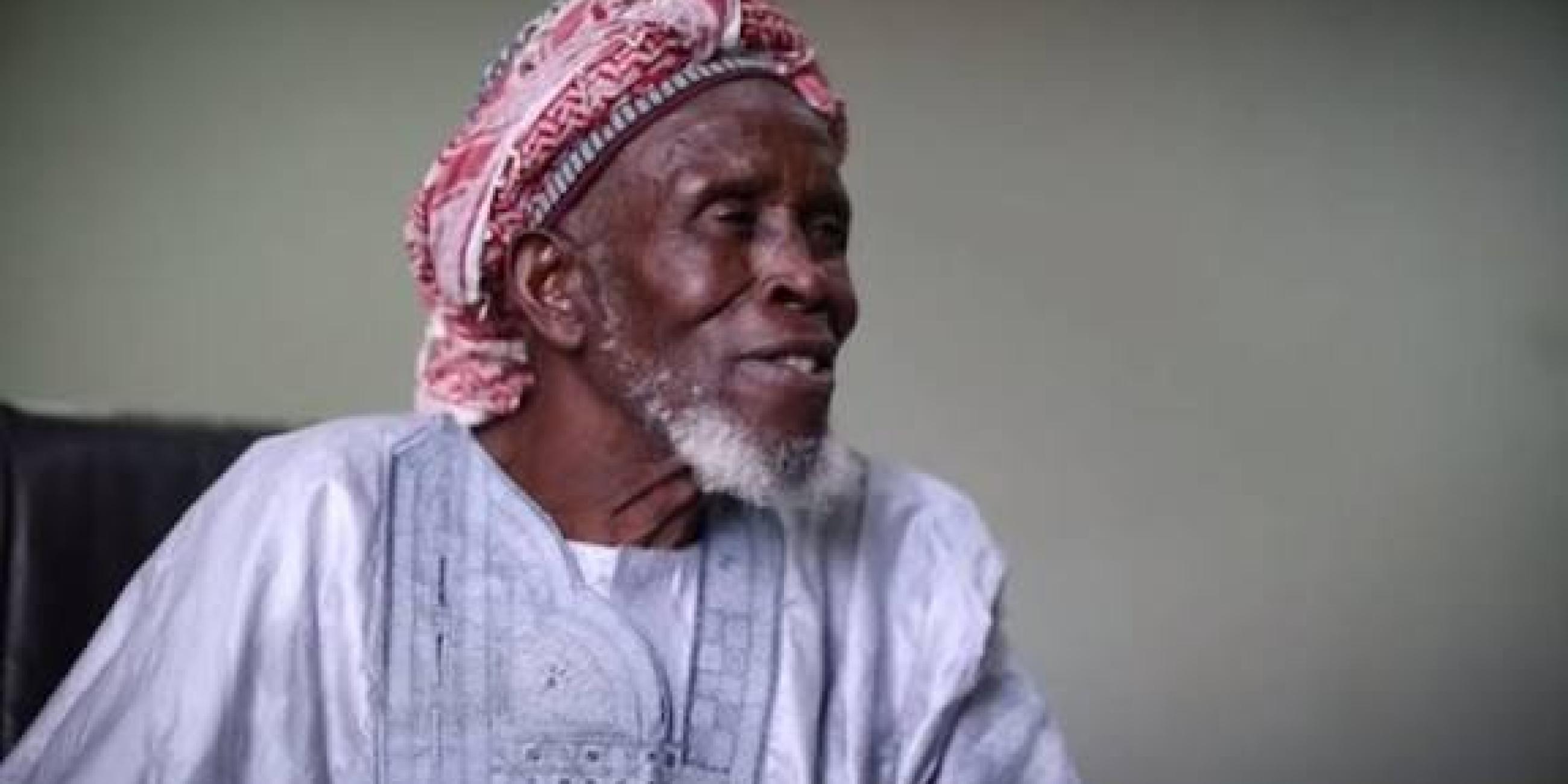
  • Chief Imam Abdullahi Abubakar, Hero Who Sheltered Christians During 2018 Plateau Killings, Dies at 92

    Chief Imam Abdullahi Abubakar of Nghar village, Barkin Ladi LGA, Plateau State, has died at 92. The cleric gained national and international recognition for courageously sheltering over 260 Christians during the deadly 2018 attacks, protecting them from armed assailants. Honoured with Nigeria’s Member of the Order of the Niger (MON) and the US International Religious Freedom Award, Abubakar became a symbol of interfaith unity and humanity. Plateau Governor Caleb Mutfwang described his death as a significant loss, urging residents to uphold his legacy of compassion, peace, and solidarity.
    Chief Imam Abdullahi Abubakar, Hero Who Sheltered Christians During 2018 Plateau Killings, Dies at 92 Chief Imam Abdullahi Abubakar of Nghar village, Barkin Ladi LGA, Plateau State, has died at 92. The cleric gained national and international recognition for courageously sheltering over 260 Christians during the deadly 2018 attacks, protecting them from armed assailants. Honoured with Nigeria’s Member of the Order of the Niger (MON) and the US International Religious Freedom Award, Abubakar became a symbol of interfaith unity and humanity. Plateau Governor Caleb Mutfwang described his death as a significant loss, urging residents to uphold his legacy of compassion, peace, and solidarity.
    1 Reacties ·0 aandelen ·720 Views
  • Man Wey Don Correct 18 Predictions Dey Forecast Super Eagles Go Whip Morocco for AFCON Semi-Final!

    A Sierra Leonean football predictor, Amadu Raheem Komba Gbandeh, wey sabi sabi predict matches, don give him own forecast for Nigeria vs Morocco AFCON 2025 semi-final. According to am, Morocco go score first, but Super Eagles go equalise, and after extra time, Nigeria go win sharply.

    Amadu also predicted Senegal go beat Egypt straight. Fans don dey react for social media, some agreeing, some dey give their own twist. His correct predictions don reach 18 matches so far, including Round of 16 and quarter-finals.

    Man Wey Don Correct 18 Predictions Dey Forecast Super Eagles Go Whip Morocco for AFCON Semi-Final! A Sierra Leonean football predictor, Amadu Raheem Komba Gbandeh, wey sabi sabi predict matches, don give him own forecast for Nigeria vs Morocco AFCON 2025 semi-final. According to am, Morocco go score first, but Super Eagles go equalise, and after extra time, Nigeria go win sharply. Amadu also predicted Senegal go beat Egypt straight. Fans don dey react for social media, some agreeing, some dey give their own twist. His correct predictions don reach 18 matches so far, including Round of 16 and quarter-finals.
    0 Reacties ·0 aandelen ·332 Views
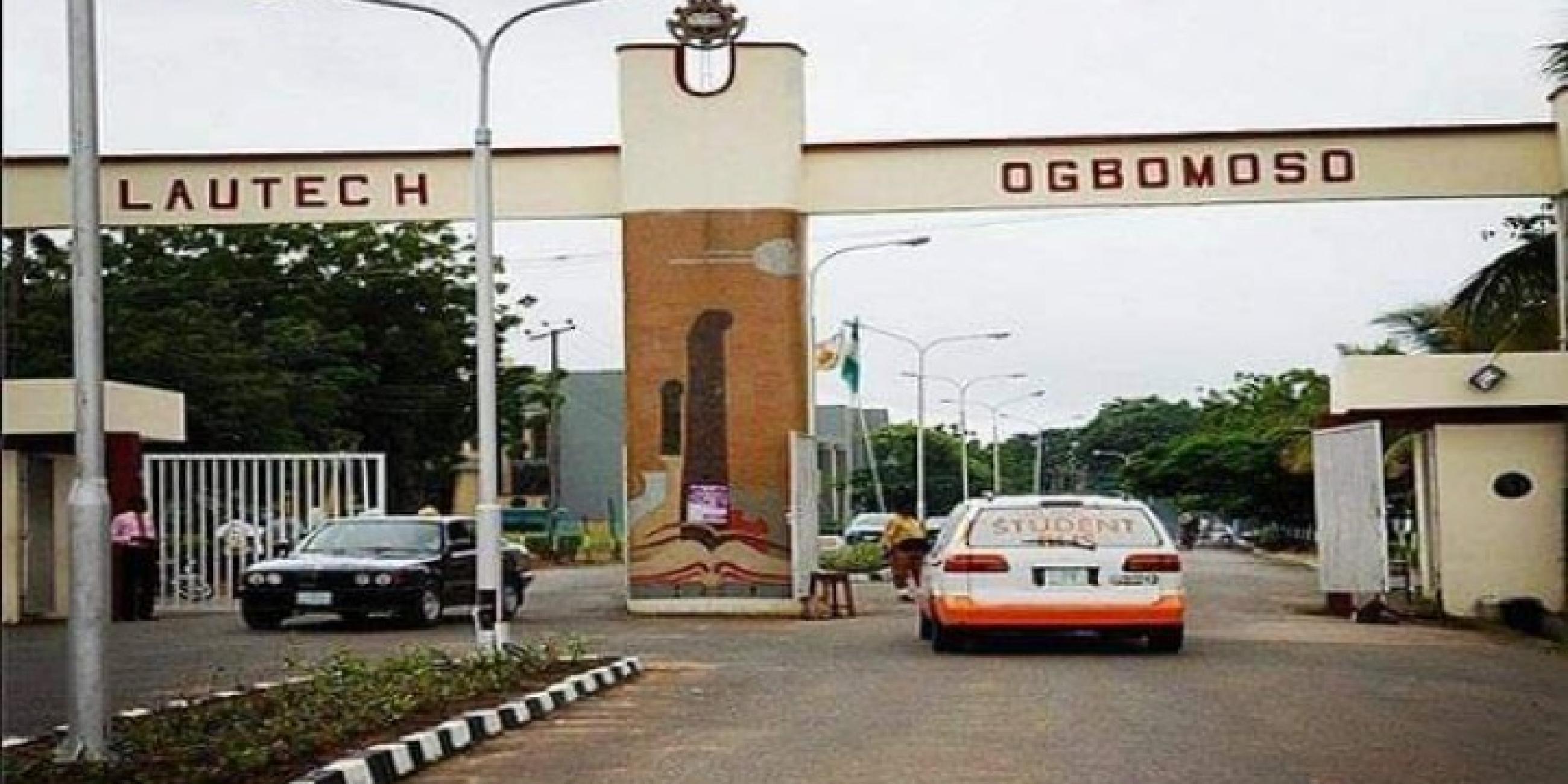
  • LAUTECH Nurses Drag EFCC, ICPC Over ₦18m Extortion, Withheld Results – SOS Petition

    Omo, wahala dey oo! Some concerned nurses from LAUTECH Open Learning don shout SOS to EFCC and ICPC over serious gbege. Dem claim say from 200 Level reach 500 Level, class executives dey collect huge levies for vague purposes, sometimes pay into personal accounts, without receipts or transparency.

    Dem talk say ₦18 million don vanish, some students been dey pay for projects, sports, entertainment, and final exams, but still results dey withheld. Some even get exemption letters, others dey suffer in academic limbo.

    Nurses demand full investigation, audit of all funds collected, protection for affected students, and immediate release of their results. Dem call am SOS – no more fear, no more intimidation.

    LAUTECH Nurses Drag EFCC, ICPC Over ₦18m Extortion, Withheld Results – SOS Petition Omo, wahala dey oo! Some concerned nurses from LAUTECH Open Learning don shout SOS to EFCC and ICPC over serious gbege. Dem claim say from 200 Level reach 500 Level, class executives dey collect huge levies for vague purposes, sometimes pay into personal accounts, without receipts or transparency. Dem talk say ₦18 million don vanish, some students been dey pay for projects, sports, entertainment, and final exams, but still results dey withheld. Some even get exemption letters, others dey suffer in academic limbo. Nurses demand full investigation, audit of all funds collected, protection for affected students, and immediate release of their results. Dem call am SOS – no more fear, no more intimidation.
    0 Reacties ·0 aandelen ·597 Views
  • Trade Wahala Don Set! Trump Slam 25% Tariff On Any Country Wey Still Dey Do Business With Iran

    Global market don enter tension as former US President Donald Trump has announced a tough new economic move against Iran and any country still trading with Tehran. In a statement on his Truth social platform, Trump declared that any nation doing business with the Islamic Republic of Iran will now face a 25 percent tariff on all trade with the United States. According to him, the order takes effect immediately and is “final and conclusive.” The announcement, which has already sparked heavy reactions online, did not explain how the policy would be enforced or which countries would be directly affected. Trump, who previously pulled the US out of the Iran nuclear deal in 2018 and imposed heavy sanctions, is now pushing an even harder line. Analysts warn that such a blanket tariff could hit US allies and major economies that still maintain commercial ties with Iran, raising serious legal and diplomatic questions under international trade rules. As of now, the White House and US Treasury have not clarified whether the move is official policy or campaign talk, while Iran has yet to respond. One thing is clear: global trade wahala don start.

    Trade Wahala Don Set! Trump Slam 25% Tariff On Any Country Wey Still Dey Do Business With Iran Global market don enter tension as former US President Donald Trump has announced a tough new economic move against Iran and any country still trading with Tehran. In a statement on his Truth social platform, Trump declared that any nation doing business with the Islamic Republic of Iran will now face a 25 percent tariff on all trade with the United States. According to him, the order takes effect immediately and is “final and conclusive.” The announcement, which has already sparked heavy reactions online, did not explain how the policy would be enforced or which countries would be directly affected. Trump, who previously pulled the US out of the Iran nuclear deal in 2018 and imposed heavy sanctions, is now pushing an even harder line. Analysts warn that such a blanket tariff could hit US allies and major economies that still maintain commercial ties with Iran, raising serious legal and diplomatic questions under international trade rules. As of now, the White House and US Treasury have not clarified whether the move is official policy or campaign talk, while Iran has yet to respond. One thing is clear: global trade wahala don start.
    0 Reacties ·0 aandelen ·726 Views
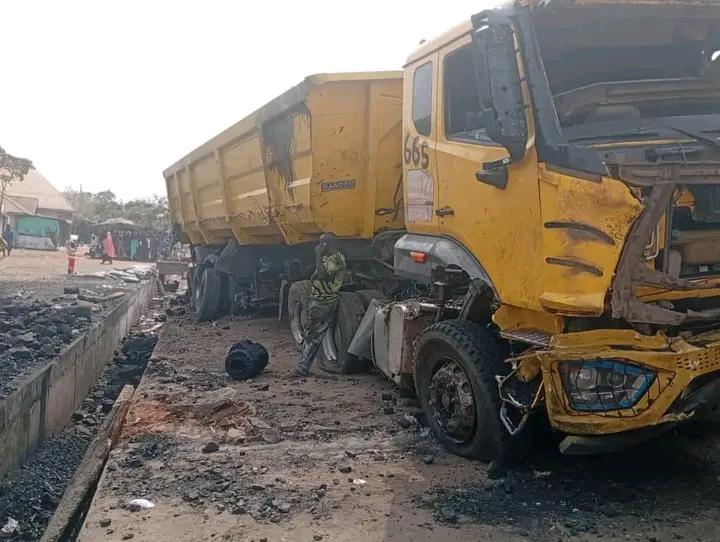
  • Wahala Don Set Oo! FRSC Confirms Deadly Crash As 12 People Die On Yangoji–Abuja Road

    Wahala don happen for the Yangoji–Abuja corridor as the Federal Road Safety Corps (FRSC) has confirmed a fatal multiple-vehicle crash that claimed 12 lives at Gada Biyu on Sunday, January 11, 2026. According to a statement by the Corps Public Education Officer, Segun Ogungbemide, the accident occurred around 11:45am and involved four vehicles: a commercial trailer carrying coal, a commercial bus, and two commercial cars. Preliminary findings indicate that speed violation and dangerous driving caused the crash. The truck driver was said to be driving above the legal speed limit, lost control and rammed into already parked vehicles, triggering the deadly collision. Out of 18 people involved, five died instantly at the scene, while seven others who were rescued and taken to hospital later succumbed to their injuries. Three victims sustained varying injuries and are currently receiving treatment.
    Wahala Don Set Oo! FRSC Confirms Deadly Crash As 12 People Die On Yangoji–Abuja Road Wahala don happen for the Yangoji–Abuja corridor as the Federal Road Safety Corps (FRSC) has confirmed a fatal multiple-vehicle crash that claimed 12 lives at Gada Biyu on Sunday, January 11, 2026. According to a statement by the Corps Public Education Officer, Segun Ogungbemide, the accident occurred around 11:45am and involved four vehicles: a commercial trailer carrying coal, a commercial bus, and two commercial cars. Preliminary findings indicate that speed violation and dangerous driving caused the crash. The truck driver was said to be driving above the legal speed limit, lost control and rammed into already parked vehicles, triggering the deadly collision. Out of 18 people involved, five died instantly at the scene, while seven others who were rescued and taken to hospital later succumbed to their injuries. Three victims sustained varying injuries and are currently receiving treatment.
    0 Reacties ·0 aandelen ·448 Views
  • Wahala Don Happen Oo! Resident Doctors Suspend Strike After Talks With FG, But Say Matter Never Finish

    Wahala don happen for Nigeria’s health sector as the Association of Resident Doctors (ARD) has suspended its planned nationwide strike earlier fixed for Monday, January 12, 2026. The decision followed fresh engagements with the Federal Government, with the North-Central caucus of the association announcing the suspension in the interest of patients while discussions continue. However, caucus leader, Dr Fanen Dogoh, stressed that the issues that led to the strike threat remain unresolved. The doctors had planned industrial action over the government’s failure to honour a Memorandum of Understanding with NARD. Key demands include the reinstatement of doctors sacked from Federal Teaching Hospital, Lokoja, over union activities, and payment of outstanding salaries and allowances, including 18 months’ arrears owed in institutions such as FTH Makurdi and UITH Ilorin. Other grievances include delayed entry salaries, unpaid promotion arrears and non-implementation of reviewed professional allowances. The association warned it may resume the strike if concrete action is not taken.

    Wahala Don Happen Oo! Resident Doctors Suspend Strike After Talks With FG, But Say Matter Never Finish Wahala don happen for Nigeria’s health sector as the Association of Resident Doctors (ARD) has suspended its planned nationwide strike earlier fixed for Monday, January 12, 2026. The decision followed fresh engagements with the Federal Government, with the North-Central caucus of the association announcing the suspension in the interest of patients while discussions continue. However, caucus leader, Dr Fanen Dogoh, stressed that the issues that led to the strike threat remain unresolved. The doctors had planned industrial action over the government’s failure to honour a Memorandum of Understanding with NARD. Key demands include the reinstatement of doctors sacked from Federal Teaching Hospital, Lokoja, over union activities, and payment of outstanding salaries and allowances, including 18 months’ arrears owed in institutions such as FTH Makurdi and UITH Ilorin. Other grievances include delayed entry salaries, unpaid promotion arrears and non-implementation of reviewed professional allowances. The association warned it may resume the strike if concrete action is not taken.
    0 Reacties ·0 aandelen ·524 Views
  • Wahala Don Set Oo! Nigerian BEA Scholar in Hungary Faces Expulsion Over Unpaid $10,450 Allowance

    Wahala don really set for abroad oo! A Nigerian postgraduate student studying in Hungary under the Federal Government’s Bilateral Education Agreement (BEA) scholarship has raised alarm after spending over one year without receiving a single kobo of his approved allowances. Now, he is facing possible expulsion and homelessness because his residence permit is about to expire.

    The student, Oluwasegun Michael Ogundele of the University of Pannonia, has petitioned the House of Representatives Committee on Student Loans, Scholarships, and Higher Education Financing, crying out that since he resumed studies in September 2024, the Federal Scholarship Board (FSB) and the Federal Ministry of Education have failed to pay any of the funds promised under his scholarship.

    According to him, the agreement between the Nigerian and Hungarian governments clearly stated his entitlements, yet nothing has been paid till date. These include a $6,000 yearly allowance, $250 for warm clothing, $200 for health insurance, a N100,000 take-off grant, a $1,000 postgraduate research grant, and a return ticket to Nigeria. In total, the unpaid money now stands at $10,450.

    Ogundele said the situation has pushed him into serious hardship. For the past 18 months, he has survived only on a small monthly stipend of about €110 from Hungary’s Tempus Scholarship Foundation. He described his condition as one of illness, emotional trauma, and constant anxiety about basic survival.

    “My academic performance and mental health have suffered. I am constantly worried about how to eat, pay bills, and remain legal in this country,” he said.

    The wahala no end there. His programme is expected to finish by January 30, 2026, while his residence permit expires the very next day. Yet, he has no money to buy a ticket back to Nigeria. His passage allowance of $2,500, which should help him return home, has also not been paid.

    He further revealed that he has not taken up any paid job because scholarship rules forbid it. Still, despite obeying all conditions, the government has failed to honour its own agreement.

    In his petition, Ogundele begged the House Committee to urgently intervene and ensure immediate payment of all outstanding entitlements. He warned that his case is not isolated, stating that many Nigerian students abroad under the BEA scheme are suffering in silence. Some, according to him, have taken degrading jobs to survive, while others have reportedly died due to stress and untreated illnesses.

    “Many of us are being treated like beggars abroad. We are looked down upon, and it has destroyed our dignity as Nigerians. The suffering imposed on us is unimaginable,” he wrote.

    The matter has also drawn political attention. Former Vice President Atiku Abubakar recently accused the Tinubu administration of abandoning Nigerian students under the BEA programme, saying over 1,600 students abroad are owed stipends and have been left stranded.

    However, the Federal Government has denied abandoning students, stating that funding delays were due to fiscal constraints and that it remains committed to students already enrolled. The Ministry of Education also disclosed that no new bilateral scholarships were awarded in 2025, as Nigeria now claims it has enough local capacity to train students at home.

    But for students like Ogundele, policy explanations no dey stop hunger.

    As his deadline approaches and eviction looms, Nigerians are now asking: how can a government send students abroad in the name of national development, then leave them to suffer alone?

    One thing be sure: wahala don set oo for this BEA scholarship matter—and everybody dey watch how government go respond.
    Wahala Don Set Oo! Nigerian BEA Scholar in Hungary Faces Expulsion Over Unpaid $10,450 Allowance Wahala don really set for abroad oo! A Nigerian postgraduate student studying in Hungary under the Federal Government’s Bilateral Education Agreement (BEA) scholarship has raised alarm after spending over one year without receiving a single kobo of his approved allowances. Now, he is facing possible expulsion and homelessness because his residence permit is about to expire. The student, Oluwasegun Michael Ogundele of the University of Pannonia, has petitioned the House of Representatives Committee on Student Loans, Scholarships, and Higher Education Financing, crying out that since he resumed studies in September 2024, the Federal Scholarship Board (FSB) and the Federal Ministry of Education have failed to pay any of the funds promised under his scholarship. According to him, the agreement between the Nigerian and Hungarian governments clearly stated his entitlements, yet nothing has been paid till date. These include a $6,000 yearly allowance, $250 for warm clothing, $200 for health insurance, a N100,000 take-off grant, a $1,000 postgraduate research grant, and a return ticket to Nigeria. In total, the unpaid money now stands at $10,450. Ogundele said the situation has pushed him into serious hardship. For the past 18 months, he has survived only on a small monthly stipend of about €110 from Hungary’s Tempus Scholarship Foundation. He described his condition as one of illness, emotional trauma, and constant anxiety about basic survival. “My academic performance and mental health have suffered. I am constantly worried about how to eat, pay bills, and remain legal in this country,” he said. The wahala no end there. His programme is expected to finish by January 30, 2026, while his residence permit expires the very next day. Yet, he has no money to buy a ticket back to Nigeria. His passage allowance of $2,500, which should help him return home, has also not been paid. He further revealed that he has not taken up any paid job because scholarship rules forbid it. Still, despite obeying all conditions, the government has failed to honour its own agreement. In his petition, Ogundele begged the House Committee to urgently intervene and ensure immediate payment of all outstanding entitlements. He warned that his case is not isolated, stating that many Nigerian students abroad under the BEA scheme are suffering in silence. Some, according to him, have taken degrading jobs to survive, while others have reportedly died due to stress and untreated illnesses. “Many of us are being treated like beggars abroad. We are looked down upon, and it has destroyed our dignity as Nigerians. The suffering imposed on us is unimaginable,” he wrote. The matter has also drawn political attention. Former Vice President Atiku Abubakar recently accused the Tinubu administration of abandoning Nigerian students under the BEA programme, saying over 1,600 students abroad are owed stipends and have been left stranded. However, the Federal Government has denied abandoning students, stating that funding delays were due to fiscal constraints and that it remains committed to students already enrolled. The Ministry of Education also disclosed that no new bilateral scholarships were awarded in 2025, as Nigeria now claims it has enough local capacity to train students at home. But for students like Ogundele, policy explanations no dey stop hunger. As his deadline approaches and eviction looms, Nigerians are now asking: how can a government send students abroad in the name of national development, then leave them to suffer alone? One thing be sure: wahala don set oo for this BEA scholarship matter—and everybody dey watch how government go respond.
    0 Reacties ·0 aandelen ·984 Views
  • Why Did the Trump Administration Freeze $129 Million in USDA Funds to Minnesota and Minneapolis Over Fraud Allegations, and Who Is Accountable for the Feeding Our Future Scandal?

    The Trump administration has taken decisive action against Minnesota and Minneapolis, suspending over $129 million in USDA federal funding amid allegations of “widespread and systemic fraud.” U.S. Secretary of Agriculture Brooke L. Rollins cited repeated failures in federal program oversight, including mismanagement of programs like Child and Adult Care Food Program (CACFP), Summer Food Service Program (SFSP), and the Supplemental Nutrition Assistance Program (SNAP).

    The decision follows revelations from the Feeding Our Future scandal, in which a Minneapolis nonprofit allegedly defrauded taxpayers of nearly $250 million intended to feed children during the COVID-19 pandemic. Rollins described the fraud as “industrial-scale”, involving 78 defendants charged in what the Department of Justice calls the largest COVID-19 fraud scheme in the U.S.

    In her letter to Minnesota Governor Tim Walz and Minneapolis Mayor Jacob Frey, Rollins highlighted additional alleged abuses in the Paycheck Protection Program, housing assistance schemes, and SNAP misreporting. Officials who resisted federal oversight and challenged USDA directives were also called out for enabling continued fraud.

    As a result, all active and future USDA awards to Minnesota and Minneapolis—totaling $129.18 million—are suspended immediately. Authorities have 30 days to provide detailed payment justifications; failure to comply could extend the suspension. Rollins emphasized that this action represents the administration’s zero-tolerance policy on fraud, waste, and abuse, protecting American taxpayers and ensuring funds reach those who need them.

    This unprecedented suspension raises urgent questions: How did fraud reach such scale in Minnesota’s federal programs? Who is responsible for oversight failures? Will federal authorities enforce accountability, and how will affected programs recover? The frozen funds underscore a growing national focus on transparency, stewardship, and integrity in public funding.


    Why Did the Trump Administration Freeze $129 Million in USDA Funds to Minnesota and Minneapolis Over Fraud Allegations, and Who Is Accountable for the Feeding Our Future Scandal? The Trump administration has taken decisive action against Minnesota and Minneapolis, suspending over $129 million in USDA federal funding amid allegations of “widespread and systemic fraud.” U.S. Secretary of Agriculture Brooke L. Rollins cited repeated failures in federal program oversight, including mismanagement of programs like Child and Adult Care Food Program (CACFP), Summer Food Service Program (SFSP), and the Supplemental Nutrition Assistance Program (SNAP). The decision follows revelations from the Feeding Our Future scandal, in which a Minneapolis nonprofit allegedly defrauded taxpayers of nearly $250 million intended to feed children during the COVID-19 pandemic. Rollins described the fraud as “industrial-scale”, involving 78 defendants charged in what the Department of Justice calls the largest COVID-19 fraud scheme in the U.S. In her letter to Minnesota Governor Tim Walz and Minneapolis Mayor Jacob Frey, Rollins highlighted additional alleged abuses in the Paycheck Protection Program, housing assistance schemes, and SNAP misreporting. Officials who resisted federal oversight and challenged USDA directives were also called out for enabling continued fraud. As a result, all active and future USDA awards to Minnesota and Minneapolis—totaling $129.18 million—are suspended immediately. Authorities have 30 days to provide detailed payment justifications; failure to comply could extend the suspension. Rollins emphasized that this action represents the administration’s zero-tolerance policy on fraud, waste, and abuse, protecting American taxpayers and ensuring funds reach those who need them. This unprecedented suspension raises urgent questions: How did fraud reach such scale in Minnesota’s federal programs? Who is responsible for oversight failures? Will federal authorities enforce accountability, and how will affected programs recover? The frozen funds underscore a growing national focus on transparency, stewardship, and integrity in public funding.
    0 Reacties ·0 aandelen ·844 Views
  • UK Shadow Foreign Secretary Priti Patel Urges Action Over Killing of Hindus in Bangladesh

    The UK Shadow Foreign Secretary, Rt Hon Priti Patel MP, has written to the U.K. Foreign Secretary raising alarm over the killing of at least six Hindus in Bangladesh within 18 days, calling the violence “unacceptable.”

    Patel requested details on the UK government’s actions over the past year, including monitoring and diplomatic engagement to protect Hindu communities. She also asked about recent contacts with Bangladeshi authorities, efforts to safeguard minorities, and the use of the UK’s diplomatic influence to bring stability in the region.

    Highlighting the interests of the UK diaspora with family in Bangladesh, Patel inquired whether the government will make a statement to the House of Commons regarding steps taken to address the surge in attacks on Hindu communities.

    The move follows prior parliamentary discussions, including an Urgent Question in December 2024, and emphasizes continued concern over religious minority protection in Bangladesh.


    #Bangladesh #ReligiousFreedom #HumanRights”
    UK Shadow Foreign Secretary Priti Patel Urges Action Over Killing of Hindus in Bangladesh The UK Shadow Foreign Secretary, Rt Hon Priti Patel MP, has written to the U.K. Foreign Secretary raising alarm over the killing of at least six Hindus in Bangladesh within 18 days, calling the violence “unacceptable.” Patel requested details on the UK government’s actions over the past year, including monitoring and diplomatic engagement to protect Hindu communities. She also asked about recent contacts with Bangladeshi authorities, efforts to safeguard minorities, and the use of the UK’s diplomatic influence to bring stability in the region. Highlighting the interests of the UK diaspora with family in Bangladesh, Patel inquired whether the government will make a statement to the House of Commons regarding steps taken to address the surge in attacks on Hindu communities. The move follows prior parliamentary discussions, including an Urgent Question in December 2024, and emphasizes continued concern over religious minority protection in Bangladesh. #Bangladesh #ReligiousFreedom #HumanRights”
    0 Reacties ·0 aandelen ·701 Views
  • Why Is the Tinubu Presidency Planning to Spend N3.3 Billion on Vehicles and N115 Million on Tyres in 2026 Amid Calls for Government Prudence?

    A review of Nigeria’s 2026 budget reveals that the Tinubu Presidency intends to spend N3.3 billion on vehicle procurement and replacements, with N115 million specifically allocated for tyres. According to the budget proposal, N2.5 billion is earmarked for the acquisition of State House operational vehicles, while N758 million is designated for replacing SUVs. Tyres for bullet-proof vehicles, ambulances, SUVs, and other operational vehicles are budgeted at N115 million, though comparisons with 2025 spending are difficult due to incomplete public data.

    In 2025, N3.6 billion was set aside for operational vehicle purchases, and another N1 billion for SUV replacements. Reports from the Govspend public payments portal reveal that in 2024, the Presidency spent N366 million on tyres over three days, highlighting continued high expenditures on State House vehicles. Notably, N5.1 billion was spent on vehicle procurement between August 18 and September 9, 2024, including N3.4 billion for sixteen Toyota Prado vehicles and N1.7 billion for ten Toyota Camry V4 models, implying costs of N212 million per Prado.

    This ongoing spending on SUVs and operational vehicles comes amid growing calls for fiscal prudence and transparency in government resource management. Analysts and civil society groups have raised concerns over the prioritization of luxurious vehicle procurement in a period of economic challenges, especially when compared to other critical areas of national expenditure.

    The 2026 budget allocations for State House vehicles and tyres underscore a continued trend of heavy expenditure on presidential mobility and security infrastructure, reflecting both operational needs and ongoing debate over cost-effectiveness and accountability in Nigeria’s federal spending.


    #TinubuBudget #NigeriaSpending #StateHouseVehicles

    Why Is the Tinubu Presidency Planning to Spend N3.3 Billion on Vehicles and N115 Million on Tyres in 2026 Amid Calls for Government Prudence? A review of Nigeria’s 2026 budget reveals that the Tinubu Presidency intends to spend N3.3 billion on vehicle procurement and replacements, with N115 million specifically allocated for tyres. According to the budget proposal, N2.5 billion is earmarked for the acquisition of State House operational vehicles, while N758 million is designated for replacing SUVs. Tyres for bullet-proof vehicles, ambulances, SUVs, and other operational vehicles are budgeted at N115 million, though comparisons with 2025 spending are difficult due to incomplete public data. In 2025, N3.6 billion was set aside for operational vehicle purchases, and another N1 billion for SUV replacements. Reports from the Govspend public payments portal reveal that in 2024, the Presidency spent N366 million on tyres over three days, highlighting continued high expenditures on State House vehicles. Notably, N5.1 billion was spent on vehicle procurement between August 18 and September 9, 2024, including N3.4 billion for sixteen Toyota Prado vehicles and N1.7 billion for ten Toyota Camry V4 models, implying costs of N212 million per Prado. This ongoing spending on SUVs and operational vehicles comes amid growing calls for fiscal prudence and transparency in government resource management. Analysts and civil society groups have raised concerns over the prioritization of luxurious vehicle procurement in a period of economic challenges, especially when compared to other critical areas of national expenditure. The 2026 budget allocations for State House vehicles and tyres underscore a continued trend of heavy expenditure on presidential mobility and security infrastructure, reflecting both operational needs and ongoing debate over cost-effectiveness and accountability in Nigeria’s federal spending. #TinubuBudget #NigeriaSpending #StateHouseVehicles
    0 Reacties ·0 aandelen ·595 Views
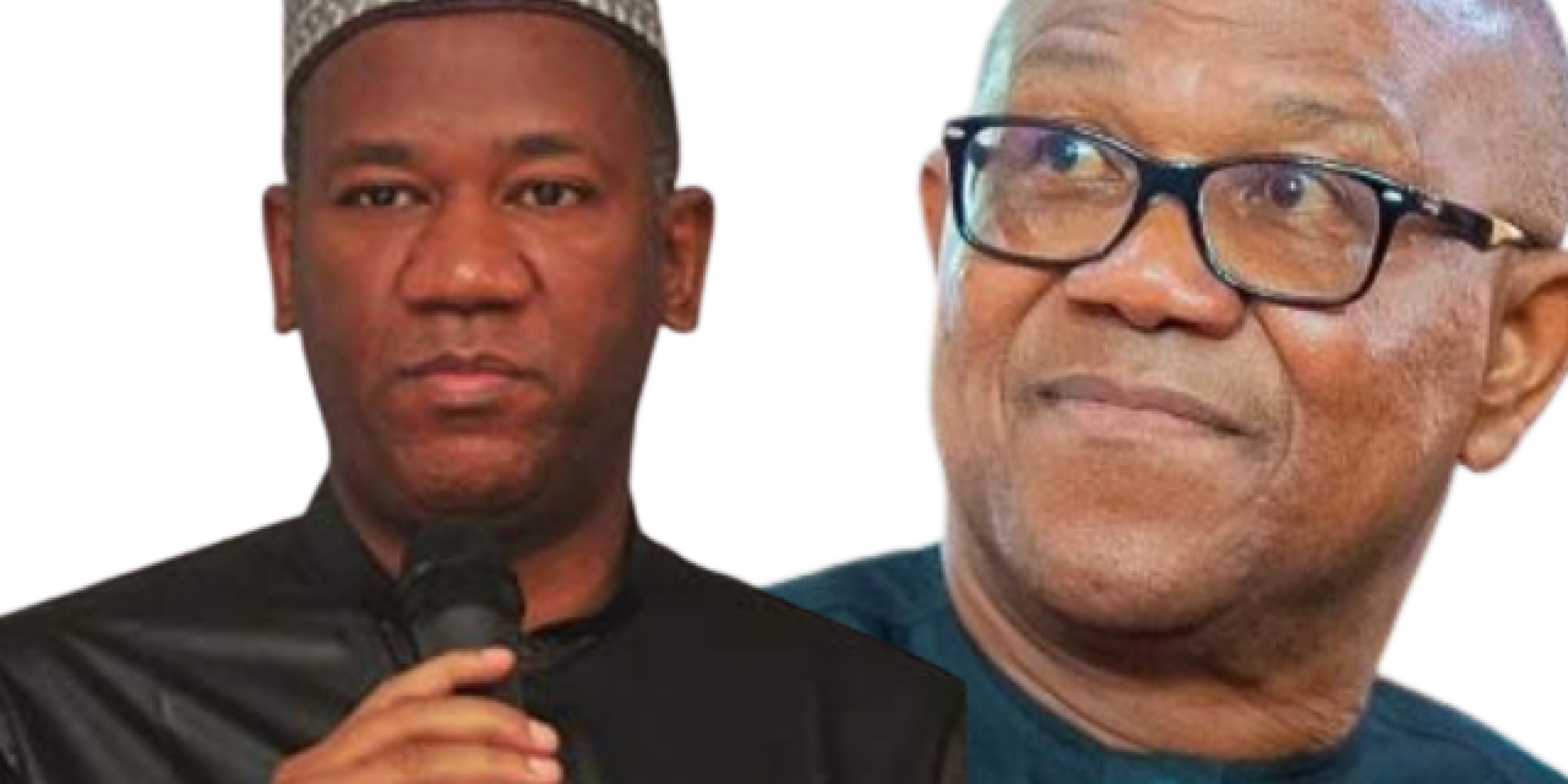
  • Is Peter Obi a ‘Political Traveller’ Gifted a Presidential Ticket? Why Labour Party VP Candidate Datti Baba-Ahmed Is Challenging Obi’s ADC Move and Declaring His Own 2027 Ambition

    Former Labour Party vice-presidential candidate Yusuf Datti Baba-Ahmed has launched a pointed political broadside that appears directed at his former principal, Peter Obi, following Obi’s decision to join the African Democratic Congress (ADC) coalition. Without naming him directly, Baba-Ahmed described Obi and other defecting politicians as “political travellers” who were “gifted a presidential ticket,” igniting fresh debate over loyalty, leadership, and the future of Nigeria’s opposition ahead of 2027.

    Speaking while declaring his intention to run for president, Baba-Ahmed insisted that he remains firmly within the Labour Party (LP), arguing that the party already “won a presidential election” and still represents a credible alternative to Nigeria’s dominant political blocs. He dismissed the ADC coalition as a gathering of “disgruntled politicians” who failed to properly challenge alleged constitutional breaches in the 2023 elections, questioning whether such alliances truly offer reform or merely recycle old power structures.

    At the heart of his message was a bold economic promise: Baba-Ahmed said that by June 2027, salaries of public servants—especially security personnel and teachers—would be quadrupled, insisting that “Nigeria can afford it.” He framed this pledge as a moral obligation to workers often overlooked despite their critical role in national stability and development.

    Positioning himself as a political outlier, Baba-Ahmed challenged rivals to produce “just one” major presidential aspirant who has never belonged to a ruling party. “I am that one,” he declared, stressing his independence and rejecting what he described as opportunistic movement between power centres. He added that he has no intention of joining any ruling party—except one he hopes to lead through the ballot.

    The former LP vice-presidential candidate also pushed back against claims that defections are weakening the Labour Party, saying neither he nor the party is responsible. According to him, individuals welcomed into LP in 2022 “with a presidential ticket” merely continued their political journey elsewhere. He urged supporters to “use the truth” amid what he called increasingly hostile online narratives.

    Recounting political history, Baba-Ahmed asserted that he aspired to the presidency before Peter Obi, citing events from 2018 when he contested in the PDP primaries and personally sought Obi’s support. While he spoke respectfully of Obi’s character, the implication was clear: leadership ambition, he argued, did not originate with his former running mate.

    Baba-Ahmed also highlighted Labour Party’s achievements despite financial constraints and what he termed “an era of perfected electoral fraud,” pointing to the party’s electoral gains—one state governor, eight senators, and around 40 House of Representatives members—as proof of its growing national footprint.

    The controversy now raises pressing political questions: Is Peter Obi abandoning the movement that propelled him in 2023? Does the ADC coalition represent a genuine opposition realignment or a gathering of familiar political actors? And can Datti Baba-Ahmed’s pledge of economic reform, party loyalty, and outsider status reshape Nigeria’s 2027 presidential race? As realignments continue, the Labour Party faces a defining moment over identity, leadership, and the path forward in Nigeria’s evolving political landscape.
    Is Peter Obi a ‘Political Traveller’ Gifted a Presidential Ticket? Why Labour Party VP Candidate Datti Baba-Ahmed Is Challenging Obi’s ADC Move and Declaring His Own 2027 Ambition Former Labour Party vice-presidential candidate Yusuf Datti Baba-Ahmed has launched a pointed political broadside that appears directed at his former principal, Peter Obi, following Obi’s decision to join the African Democratic Congress (ADC) coalition. Without naming him directly, Baba-Ahmed described Obi and other defecting politicians as “political travellers” who were “gifted a presidential ticket,” igniting fresh debate over loyalty, leadership, and the future of Nigeria’s opposition ahead of 2027. Speaking while declaring his intention to run for president, Baba-Ahmed insisted that he remains firmly within the Labour Party (LP), arguing that the party already “won a presidential election” and still represents a credible alternative to Nigeria’s dominant political blocs. He dismissed the ADC coalition as a gathering of “disgruntled politicians” who failed to properly challenge alleged constitutional breaches in the 2023 elections, questioning whether such alliances truly offer reform or merely recycle old power structures. At the heart of his message was a bold economic promise: Baba-Ahmed said that by June 2027, salaries of public servants—especially security personnel and teachers—would be quadrupled, insisting that “Nigeria can afford it.” He framed this pledge as a moral obligation to workers often overlooked despite their critical role in national stability and development. Positioning himself as a political outlier, Baba-Ahmed challenged rivals to produce “just one” major presidential aspirant who has never belonged to a ruling party. “I am that one,” he declared, stressing his independence and rejecting what he described as opportunistic movement between power centres. He added that he has no intention of joining any ruling party—except one he hopes to lead through the ballot. The former LP vice-presidential candidate also pushed back against claims that defections are weakening the Labour Party, saying neither he nor the party is responsible. According to him, individuals welcomed into LP in 2022 “with a presidential ticket” merely continued their political journey elsewhere. He urged supporters to “use the truth” amid what he called increasingly hostile online narratives. Recounting political history, Baba-Ahmed asserted that he aspired to the presidency before Peter Obi, citing events from 2018 when he contested in the PDP primaries and personally sought Obi’s support. While he spoke respectfully of Obi’s character, the implication was clear: leadership ambition, he argued, did not originate with his former running mate. Baba-Ahmed also highlighted Labour Party’s achievements despite financial constraints and what he termed “an era of perfected electoral fraud,” pointing to the party’s electoral gains—one state governor, eight senators, and around 40 House of Representatives members—as proof of its growing national footprint. The controversy now raises pressing political questions: Is Peter Obi abandoning the movement that propelled him in 2023? Does the ADC coalition represent a genuine opposition realignment or a gathering of familiar political actors? And can Datti Baba-Ahmed’s pledge of economic reform, party loyalty, and outsider status reshape Nigeria’s 2027 presidential race? As realignments continue, the Labour Party faces a defining moment over identity, leadership, and the path forward in Nigeria’s evolving political landscape.
    0 Reacties ·0 aandelen ·985 Views
  • Can Datti Baba-Ahmed Really Replace Peter Obi? LP’s 2023 Running Mate Declares 2027 Presidential Ambition Amid Party Crisis

    Is a new political battle for Nigeria’s presidency already taking shape within the opposition—and could Senator Datti Baba-Ahmed be positioning himself as the next major contender? These are the questions dominating political discussions after the former Labour Party (LP) vice-presidential candidate in the 2023 election formally declared his intention to contest the 2027 presidency.

    Baba-Ahmed made the announcement at a rally at the Labour Party’s national secretariat in Abuja, at a time when the party is grappling with internal realignments following the high-profile exit of its 2023 presidential candidate, Peter Obi, to the African Democratic Congress (ADC). His declaration comes barely days after Obi’s departure, instantly igniting debate about the future direction of the Labour Party and the broader opposition ahead of the next general election.

    Addressing party members and supporters, Baba-Ahmed was quick to dismiss any suggestion that his ambition was a reaction to Obi’s political move. Instead, he insisted that his presidential aspiration predates his alliance with Obi, stressing that he was not “following anybody’s trajectory” or attempting to step into anyone’s political space. According to him, records clearly show that he had sought the presidency even before Obi entered the 2023 race.

    He recalled his participation in the 2018 presidential primaries of the Peoples Democratic Party (PDP) in Port Harcourt, noting that his eventual decision to serve as Obi’s running mate was driven by what he described as a rare opportunity for national unity rather than personal ambition. For Baba-Ahmed, aligning with Obi was not a surrender of his own political vision but a strategic choice aimed at offering Nigerians an alternative leadership model.

    Beyond ambition, his speech touched on sensitive but unavoidable themes in Nigerian politics—religion and ethnicity. Baba-Ahmed openly acknowledged his identity as a practising Muslim and a Hausa man, but maintained that the Nigerian Constitution guarantees every qualified citizen the right to seek elective office. According to him, his decision to run is rooted in what he described as a genuine desire to help rescue Nigeria from its many challenges, rather than sectional or personal interests.

    However, he also struck a cautious tone, emphasizing that he would respect due process within the Labour Party and the electoral framework. While affirming his intention, he stated that he would not formally pursue the ticket until the Independent National Electoral Commission (INEC) releases its timetable and the party leadership officially calls for aspirants. To him, this approach reflects both loyalty to party structures and adherence to democratic norms.

    His declaration has added a new layer of complexity to an already evolving opposition landscape. With Peter Obi now outside the Labour Party, questions are being raised about who will command the loyalty of the party’s grassroots supporters, many of whom were mobilized by the “Obidient” movement in 2023. Can Datti Baba-Ahmed inherit that momentum, or will the party struggle to redefine itself without its most visible figure?

    Reacting to the announcement, Labour Party National Chairman Julius Abure praised Baba-Ahmed for remaining within the party despite speculation that he might defect following Obi’s exit. For party loyalists, his decision to stay is being interpreted as a signal of continuity and internal stability. For critics, however, it raises deeper questions: does the Labour Party still have a unified ideological direction, or is it entering a phase of leadership contest and fragmentation?

    As 2027 approaches, Baba-Ahmed’s declaration invites broader national reflection. Is Nigeria’s opposition finally preparing early for the next election, or is this the beginning of another cycle of internal rivalry that could weaken alternative voices? Can Baba-Ahmed’s experience, ideology, and personal narrative convince Nigerians that he offers something fundamentally different from the political establishment? And perhaps most importantly, can he fill the vacuum left by Peter Obi’s departure—or will the Labour Party need a complete reinvention to remain politically relevant?

    On Fintter, this development is more than a headline. It is a conversation about leadership, loyalty, and the future of opposition politics in Nigeria. Is Datti Baba-Ahmed the natural successor within the Labour Party, or is his ambition likely to deepen internal divisions? Can he rally young voters and reform-minded citizens the way Obi once did?

    What do you think? Is Datti Baba-Ahmed the right figure to lead the Labour Party into 2027—or is the party losing its political identity? Share your views and join the debate on Fintter.

    Can Datti Baba-Ahmed Really Replace Peter Obi? LP’s 2023 Running Mate Declares 2027 Presidential Ambition Amid Party Crisis Is a new political battle for Nigeria’s presidency already taking shape within the opposition—and could Senator Datti Baba-Ahmed be positioning himself as the next major contender? These are the questions dominating political discussions after the former Labour Party (LP) vice-presidential candidate in the 2023 election formally declared his intention to contest the 2027 presidency. Baba-Ahmed made the announcement at a rally at the Labour Party’s national secretariat in Abuja, at a time when the party is grappling with internal realignments following the high-profile exit of its 2023 presidential candidate, Peter Obi, to the African Democratic Congress (ADC). His declaration comes barely days after Obi’s departure, instantly igniting debate about the future direction of the Labour Party and the broader opposition ahead of the next general election. Addressing party members and supporters, Baba-Ahmed was quick to dismiss any suggestion that his ambition was a reaction to Obi’s political move. Instead, he insisted that his presidential aspiration predates his alliance with Obi, stressing that he was not “following anybody’s trajectory” or attempting to step into anyone’s political space. According to him, records clearly show that he had sought the presidency even before Obi entered the 2023 race. He recalled his participation in the 2018 presidential primaries of the Peoples Democratic Party (PDP) in Port Harcourt, noting that his eventual decision to serve as Obi’s running mate was driven by what he described as a rare opportunity for national unity rather than personal ambition. For Baba-Ahmed, aligning with Obi was not a surrender of his own political vision but a strategic choice aimed at offering Nigerians an alternative leadership model. Beyond ambition, his speech touched on sensitive but unavoidable themes in Nigerian politics—religion and ethnicity. Baba-Ahmed openly acknowledged his identity as a practising Muslim and a Hausa man, but maintained that the Nigerian Constitution guarantees every qualified citizen the right to seek elective office. According to him, his decision to run is rooted in what he described as a genuine desire to help rescue Nigeria from its many challenges, rather than sectional or personal interests. However, he also struck a cautious tone, emphasizing that he would respect due process within the Labour Party and the electoral framework. While affirming his intention, he stated that he would not formally pursue the ticket until the Independent National Electoral Commission (INEC) releases its timetable and the party leadership officially calls for aspirants. To him, this approach reflects both loyalty to party structures and adherence to democratic norms. His declaration has added a new layer of complexity to an already evolving opposition landscape. With Peter Obi now outside the Labour Party, questions are being raised about who will command the loyalty of the party’s grassroots supporters, many of whom were mobilized by the “Obidient” movement in 2023. Can Datti Baba-Ahmed inherit that momentum, or will the party struggle to redefine itself without its most visible figure? Reacting to the announcement, Labour Party National Chairman Julius Abure praised Baba-Ahmed for remaining within the party despite speculation that he might defect following Obi’s exit. For party loyalists, his decision to stay is being interpreted as a signal of continuity and internal stability. For critics, however, it raises deeper questions: does the Labour Party still have a unified ideological direction, or is it entering a phase of leadership contest and fragmentation? As 2027 approaches, Baba-Ahmed’s declaration invites broader national reflection. Is Nigeria’s opposition finally preparing early for the next election, or is this the beginning of another cycle of internal rivalry that could weaken alternative voices? Can Baba-Ahmed’s experience, ideology, and personal narrative convince Nigerians that he offers something fundamentally different from the political establishment? And perhaps most importantly, can he fill the vacuum left by Peter Obi’s departure—or will the Labour Party need a complete reinvention to remain politically relevant? On Fintter, this development is more than a headline. It is a conversation about leadership, loyalty, and the future of opposition politics in Nigeria. Is Datti Baba-Ahmed the natural successor within the Labour Party, or is his ambition likely to deepen internal divisions? Can he rally young voters and reform-minded citizens the way Obi once did? 💬 What do you think? Is Datti Baba-Ahmed the right figure to lead the Labour Party into 2027—or is the party losing its political identity? Share your views and join the debate on Fintter.
    0 Reacties ·0 aandelen ·923 Views
  • Did a Pastor Use Police and Courts to Silence a Worker? Ex-Husband’s Shocking Claims Against Apostle Chikere Nwafor | Fintter

    Can a religious leader allegedly use the police and the courts to keep a poor church worker behind bars—and get away with it?

    A disturbing set of allegations has emerged against Apostle Chikere Nwafor, founder of Heaven’s Gateway Ministries in Lagos, after her ex-husband, Mr. Martin Ogbulu, accused her of orchestrating the arrest, prosecution, and continued imprisonment of a longtime church caretaker, Mr. Alfred Morris Oyawari.

    According to Ogbulu, Alfred—who had overseen the church’s building projects, houses, and properties since 2018—has been languishing in Ikoyi Prison since April 2025 over allegations of missing building materials. The ex-husband insists the accusations were fabricated and driven by fear that Alfred might later sue the cleric for wrongful treatment.

    A Caretaker, Not a Criminal?

    Ogbulu describes Alfred as a loyal, humble worker who managed church construction and supervised contractors for years, often while both he and Apostle Chikere were outside Nigeria during the COVID-19 period. Despite the heavy responsibility placed on him, Alfred reportedly earned only ₦40,000 per month.

    He even volunteered to live alone on the church’s three-acre property in Ibeju-Lekki, near Amen Estate—an isolated area where no one else was willing to stay. From there, he acted as caretaker, site supervisor, and the main link between the church leadership and contractors.

    So how did such a worker end up in prison?

    “She Said She Had Locked Him Up”

    Ogbulu claims that in April 2025, Apostle Chikere informed him that Alfred had been arrested because some items allegedly went missing from the construction site. Even if there had been an issue, he questioned the moral basis of criminal prosecution by a religious leader.

    > “Even if it was him, what are you preaching? Are you not preaching forgiveness?” he asked.
    “You bundled a man who looked after your building from 2018 to 2025, locked him up, and took him to court.”


    Since then, Alfred’s case has reportedly been repeatedly adjourned, leaving him stuck in detention.

    Alleged Police Pressure and a Chilling Condition

    In one of the most troubling claims, Ogbulu alleged that the police demanded that Alfred’s relatives sign an undertaking promising that Alfred would never sue Apostle Chikere for wrongful detention as a condition for his release.

    According to him, the Investigating Police Officer handling the case allegedly said that “madam” was giving instructions, and that Alfred’s family must agree not to take legal action if he were freed.

    Ogbulu says he agreed in desperation—because Alfred is poor and has no means to fight the system.

    “He Calls Her From Prison, Begging for Mercy”

    Ogbulu revealed that Alfred occasionally gets access to a phone in prison and uses it to beg Apostle Chikere for forgiveness, calling her “Mummy” and pleading to be released.

    > “Seeing Alfred in prison breaks my heart,” he said.
    “This young man has begged her countless times, even from inside prison.”


    He further described Alfred’s family as extremely poor, saying his father—a retired security officer from a riverine community—lacks the resources to pursue legal action.

    Pattern of Abuse or Isolated Case?

    Beyond Alfred’s ordeal, Ogbulu alleged a broader pattern of intimidation within the church, recounting incidents in which members were allegedly humiliated or physically confronted, only to later be appeased with money.

    He warned that Alfred’s case might be one of many involving vulnerable Nigerians who allegedly fall victim to abuse of power within religious and law-enforcement structures.

    > “Can you imagine how many other people are languishing in jail that nobody knows about?”


    Silence From Those Accused

    When contacted for a response, Apostle Chikere Nwafor reportedly said she would “get back,” but did not. Attempts to reach the police officer allegedly in charge of the case were also unsuccessful.

    This leaves the public with unsettling questions about justice, power, and accountability in Nigeria’s criminal justice system.


    ---

    Questions for Fintter Readers

    Can a religious leader legally influence police and courts this way?

    Should clerics be held to a higher moral and legal standard?

    If these claims are true, what does it say about justice for the poor in Nigeria?

    How many similar cases go unnoticed because victims lack money or influence?


    Join the conversation on Fintter:
    Is this a case of religious authority abusing state power—or is there another side to the story we are not being told?
    Did a Pastor Use Police and Courts to Silence a Worker? Ex-Husband’s Shocking Claims Against Apostle Chikere Nwafor | Fintter Can a religious leader allegedly use the police and the courts to keep a poor church worker behind bars—and get away with it? A disturbing set of allegations has emerged against Apostle Chikere Nwafor, founder of Heaven’s Gateway Ministries in Lagos, after her ex-husband, Mr. Martin Ogbulu, accused her of orchestrating the arrest, prosecution, and continued imprisonment of a longtime church caretaker, Mr. Alfred Morris Oyawari. According to Ogbulu, Alfred—who had overseen the church’s building projects, houses, and properties since 2018—has been languishing in Ikoyi Prison since April 2025 over allegations of missing building materials. The ex-husband insists the accusations were fabricated and driven by fear that Alfred might later sue the cleric for wrongful treatment. A Caretaker, Not a Criminal? Ogbulu describes Alfred as a loyal, humble worker who managed church construction and supervised contractors for years, often while both he and Apostle Chikere were outside Nigeria during the COVID-19 period. Despite the heavy responsibility placed on him, Alfred reportedly earned only ₦40,000 per month. He even volunteered to live alone on the church’s three-acre property in Ibeju-Lekki, near Amen Estate—an isolated area where no one else was willing to stay. From there, he acted as caretaker, site supervisor, and the main link between the church leadership and contractors. So how did such a worker end up in prison? “She Said She Had Locked Him Up” Ogbulu claims that in April 2025, Apostle Chikere informed him that Alfred had been arrested because some items allegedly went missing from the construction site. Even if there had been an issue, he questioned the moral basis of criminal prosecution by a religious leader. > “Even if it was him, what are you preaching? Are you not preaching forgiveness?” he asked. “You bundled a man who looked after your building from 2018 to 2025, locked him up, and took him to court.” Since then, Alfred’s case has reportedly been repeatedly adjourned, leaving him stuck in detention. Alleged Police Pressure and a Chilling Condition In one of the most troubling claims, Ogbulu alleged that the police demanded that Alfred’s relatives sign an undertaking promising that Alfred would never sue Apostle Chikere for wrongful detention as a condition for his release. According to him, the Investigating Police Officer handling the case allegedly said that “madam” was giving instructions, and that Alfred’s family must agree not to take legal action if he were freed. Ogbulu says he agreed in desperation—because Alfred is poor and has no means to fight the system. “He Calls Her From Prison, Begging for Mercy” Ogbulu revealed that Alfred occasionally gets access to a phone in prison and uses it to beg Apostle Chikere for forgiveness, calling her “Mummy” and pleading to be released. > “Seeing Alfred in prison breaks my heart,” he said. “This young man has begged her countless times, even from inside prison.” He further described Alfred’s family as extremely poor, saying his father—a retired security officer from a riverine community—lacks the resources to pursue legal action. Pattern of Abuse or Isolated Case? Beyond Alfred’s ordeal, Ogbulu alleged a broader pattern of intimidation within the church, recounting incidents in which members were allegedly humiliated or physically confronted, only to later be appeased with money. He warned that Alfred’s case might be one of many involving vulnerable Nigerians who allegedly fall victim to abuse of power within religious and law-enforcement structures. > “Can you imagine how many other people are languishing in jail that nobody knows about?” Silence From Those Accused When contacted for a response, Apostle Chikere Nwafor reportedly said she would “get back,” but did not. Attempts to reach the police officer allegedly in charge of the case were also unsuccessful. This leaves the public with unsettling questions about justice, power, and accountability in Nigeria’s criminal justice system. --- 💬 Questions for Fintter Readers Can a religious leader legally influence police and courts this way? Should clerics be held to a higher moral and legal standard? If these claims are true, what does it say about justice for the poor in Nigeria? How many similar cases go unnoticed because victims lack money or influence? 👉 Join the conversation on Fintter: Is this a case of religious authority abusing state power—or is there another side to the story we are not being told?
    0 Reacties ·0 aandelen ·512 Views
  • Was Justice Denied? Why Is Inspector Oboh Still Detained After Being Cleared of Murder Charges in Rivers State? | Fintter

    Was justice truly served in the case of Inspector Hycenth Oboh—or is this another troubling example of power, politics, and abuse within Nigeria’s law enforcement system?
    In a case that is raising serious constitutional and human rights concerns, Inspector Hycenth Oboh, a serving police officer attached to the Rivers State Commissioner for Energy and Natural Resources, has allegedly been illegally detained for over 18 months without trial, court order, or lawful disciplinary sanction. His prolonged detention follows a tragic shooting incident that occurred on June 18, 2024, at the Eberi-Omuma Local Government Council Secretariat, where two people were killed during a crossfire.
    What makes this case particularly controversial is that Inspector Oboh was reportedly discharged and acquitted during an internal police disciplinary process in August 2024. Despite this, he has remained in custody at the State Criminal Investigation Department (SCID) in Port Harcourt—raising urgent questions about the rule of law, police accountability, and respect for constitutional rights in Nigeria.
    According to sources, Oboh was initially arrested alongside 11 other officers and subjected to investigations by the Homicide Department. They were later tried under the Police Act and Regulations on three counts: discreditable conduct, unlawful exercise of authority, and destruction of government property through the alleged waste of ammunition. All officers pleaded not guilty. Oboh, in particular, denied firing any weapon and reportedly presented medical evidence showing exposure to teargas.
    The internal proceedings reportedly ended with eight officers, including Oboh, being cleared of all charges. However, in a twist that has left many observers baffled, the Rivers State Police Command allegedly ordered a second disciplinary trial without presenting new evidence. While six officers were later dismissed and five released, Inspector Oboh alone was kept in detention, with no official explanation, court arraignment, or detention order.
    Even more disturbing are allegations of political interference. Sources claim that a serving federal lawmaker, Hon. Kelechi Nwogu, who represents Etche/Omuma Federal Constituency, may have influenced senior police officials to ensure Oboh remains detained—allegedly to prevent him from testifying or being fully investigated. Although these claims have not been independently verified and the lawmaker has yet to respond, they deepen public concern about whether the case is being driven by justice or by political interests.
    Beyond the legal questions, the human cost is devastating. Reports indicate that Oboh’s prolonged detention has destroyed his family life, with his wife reportedly leaving with their children due to lack of support. Paradoxically, despite being held over a murder investigation, he is said to have continued receiving his salary, further highlighting contradictions in how the case is being handled.
    Human rights advocates argue that this situation represents a clear violation of constitutional rights, particularly the rights to liberty and fair hearing. As one advocate put it: “You cannot acquit a man, detain him endlessly, and still call it justice. This is a dangerous abuse of power.”
    As of now, there is no known court order, no formal charge, and no legal justification for Inspector Oboh’s continued detention. Calls are growing louder for either his immediate release or for authorities to arraign him before a competent court if credible evidence exists.
    What Do You Think? (Comment Hooks for Fintter)
    If an officer is cleared internally, can the police legally keep him locked up without a court order?
    Is this a case of justice delayed, or justice deliberately denied?
    Could political influence be overriding due process in this matter?
    Should Nigeria reform how police disciplinary actions and criminal prosecutions are handled?
    Join the conversation on Fintter:
    Is Inspector Oboh a victim of systemic abuse—or are there facts the public still doesn’t know?
    Was Justice Denied? Why Is Inspector Oboh Still Detained After Being Cleared of Murder Charges in Rivers State? | Fintter Was justice truly served in the case of Inspector Hycenth Oboh—or is this another troubling example of power, politics, and abuse within Nigeria’s law enforcement system? In a case that is raising serious constitutional and human rights concerns, Inspector Hycenth Oboh, a serving police officer attached to the Rivers State Commissioner for Energy and Natural Resources, has allegedly been illegally detained for over 18 months without trial, court order, or lawful disciplinary sanction. His prolonged detention follows a tragic shooting incident that occurred on June 18, 2024, at the Eberi-Omuma Local Government Council Secretariat, where two people were killed during a crossfire. What makes this case particularly controversial is that Inspector Oboh was reportedly discharged and acquitted during an internal police disciplinary process in August 2024. Despite this, he has remained in custody at the State Criminal Investigation Department (SCID) in Port Harcourt—raising urgent questions about the rule of law, police accountability, and respect for constitutional rights in Nigeria. According to sources, Oboh was initially arrested alongside 11 other officers and subjected to investigations by the Homicide Department. They were later tried under the Police Act and Regulations on three counts: discreditable conduct, unlawful exercise of authority, and destruction of government property through the alleged waste of ammunition. All officers pleaded not guilty. Oboh, in particular, denied firing any weapon and reportedly presented medical evidence showing exposure to teargas. The internal proceedings reportedly ended with eight officers, including Oboh, being cleared of all charges. However, in a twist that has left many observers baffled, the Rivers State Police Command allegedly ordered a second disciplinary trial without presenting new evidence. While six officers were later dismissed and five released, Inspector Oboh alone was kept in detention, with no official explanation, court arraignment, or detention order. Even more disturbing are allegations of political interference. Sources claim that a serving federal lawmaker, Hon. Kelechi Nwogu, who represents Etche/Omuma Federal Constituency, may have influenced senior police officials to ensure Oboh remains detained—allegedly to prevent him from testifying or being fully investigated. Although these claims have not been independently verified and the lawmaker has yet to respond, they deepen public concern about whether the case is being driven by justice or by political interests. Beyond the legal questions, the human cost is devastating. Reports indicate that Oboh’s prolonged detention has destroyed his family life, with his wife reportedly leaving with their children due to lack of support. Paradoxically, despite being held over a murder investigation, he is said to have continued receiving his salary, further highlighting contradictions in how the case is being handled. Human rights advocates argue that this situation represents a clear violation of constitutional rights, particularly the rights to liberty and fair hearing. As one advocate put it: “You cannot acquit a man, detain him endlessly, and still call it justice. This is a dangerous abuse of power.” As of now, there is no known court order, no formal charge, and no legal justification for Inspector Oboh’s continued detention. Calls are growing louder for either his immediate release or for authorities to arraign him before a competent court if credible evidence exists. 💬 What Do You Think? (Comment Hooks for Fintter) If an officer is cleared internally, can the police legally keep him locked up without a court order? Is this a case of justice delayed, or justice deliberately denied? Could political influence be overriding due process in this matter? Should Nigeria reform how police disciplinary actions and criminal prosecutions are handled? 👉 Join the conversation on Fintter: Is Inspector Oboh a victim of systemic abuse—or are there facts the public still doesn’t know?
    0 Reacties ·0 aandelen ·625 Views
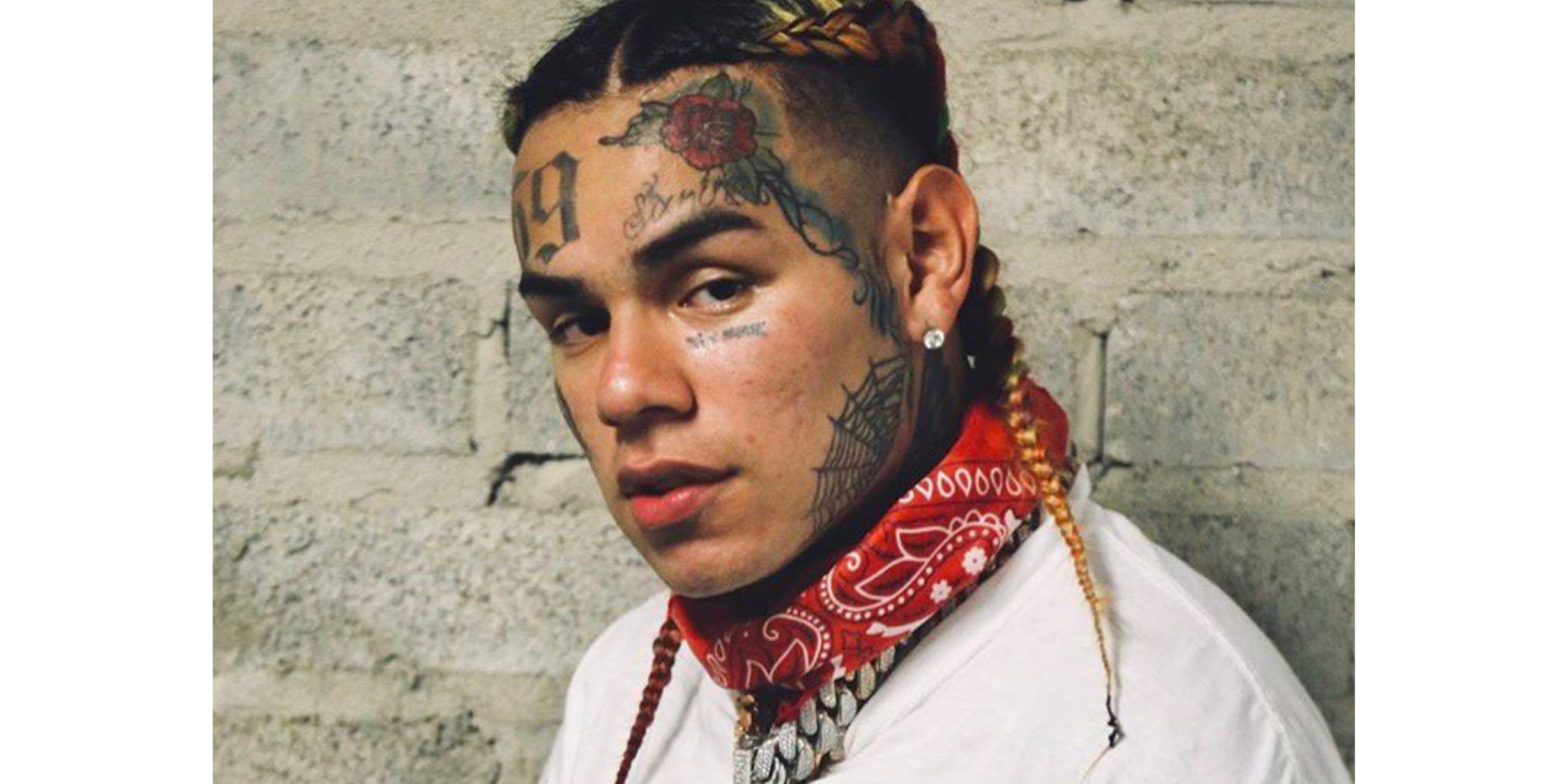
  • American Rapper Tekashi 6ix9ine Turns Himself In to Begin Three-Month Prison Sentence for Supervised Release Violations Amid Social Media Livestream Frenzy

    American rapper Daniel Hernandez, professionally known as Tekashi 6ix9ine, surrendered on January 6, 2026, to begin serving a three-month federal prison sentence for multiple violations of his supervised release. The rapper reported to the Metropolitan Detention Center in Brooklyn, New York, following a media-filled farewell, livestreamed by popular influencer Adin Ross, capturing his final moments as a free man.
    The latest sentence stems from Hernandez’s prior legal troubles, including a 2018 racketeering (RICO) conviction linked to the Nine Trey Gangsta Bloods. In March 2025, authorities discovered cocaine and MDMA at his South Florida residence, leading to a guilty plea for drug possession. Additional violations, including an assault at a Palm Beach County mall, contributed to the prison term.
    This marks 6ix9ine’s second incarceration in just over a year for supervised release breaches, following a six-week prison sentence in November 2024 for unauthorized travel, missed drug tests, and positive methamphetamine tests. Ahead of surrender, 6ix9ine’s social media activity, including removing his court-ordered ankle monitor with the help of influencers, sparked widespread attention. The rapper expressed gratitude to fans, captioning his farewell post, “Thank you guys so much see you in 3 months,” as he began his roughly 90-day sentence.
    American Rapper Tekashi 6ix9ine Turns Himself In to Begin Three-Month Prison Sentence for Supervised Release Violations Amid Social Media Livestream Frenzy American rapper Daniel Hernandez, professionally known as Tekashi 6ix9ine, surrendered on January 6, 2026, to begin serving a three-month federal prison sentence for multiple violations of his supervised release. The rapper reported to the Metropolitan Detention Center in Brooklyn, New York, following a media-filled farewell, livestreamed by popular influencer Adin Ross, capturing his final moments as a free man. The latest sentence stems from Hernandez’s prior legal troubles, including a 2018 racketeering (RICO) conviction linked to the Nine Trey Gangsta Bloods. In March 2025, authorities discovered cocaine and MDMA at his South Florida residence, leading to a guilty plea for drug possession. Additional violations, including an assault at a Palm Beach County mall, contributed to the prison term. This marks 6ix9ine’s second incarceration in just over a year for supervised release breaches, following a six-week prison sentence in November 2024 for unauthorized travel, missed drug tests, and positive methamphetamine tests. Ahead of surrender, 6ix9ine’s social media activity, including removing his court-ordered ankle monitor with the help of influencers, sparked widespread attention. The rapper expressed gratitude to fans, captioning his farewell post, “Thank you guys so much see you in 3 months,” as he began his roughly 90-day sentence.
    0 Reacties ·0 aandelen ·583 Views
  • ‘US Crossed An Unacceptable Line’ — Brazil Condemns American Military Attacks On Venezuela, Slams Capture Of President Maduro, Monitors Potential Refugee Influx

    Brazil has strongly condemned the United States’ military attack on Venezuela and the capture of President Nicolás Maduro, describing the action as a grave violation of international law and a dangerous precedent for global stability. President Luiz Inácio Lula da Silva said the US had crossed “an unacceptable line,” warning that the bombings and arrest of Venezuela’s leader undermine national sovereignty and threaten multilateralism.

    In a statement posted on X on January 3, 2026, Lula stressed that attacking countries in blatant disregard for international norms risks plunging the world into violence, chaos, and instability, where power overrides the rule of law. He called for a “vigorous” response from the United Nations while reaffirming Brazil’s long-standing opposition to the use of force and its commitment to dialogue and diplomacy.

    The condemnation followed coordinated US military operations that led to the removal of President Maduro, marking Washington’s most direct intervention in Latin America since the 1989 invasion of Panama. US President Donald Trump hailed the operation as a major success, praising it as a powerful demonstration of American military strength.

    Amid fears of regional fallout, Brazilian authorities convened an emergency cabinet meeting to assess the situation, with particular concern over a possible surge of Venezuelan refugees. Brazil’s foreign ministry said there had been no unusual movement along the border so far, noting that the country has hosted over 150,000 Venezuelan migrants since 2018 through ongoing humanitarian programmes.

    President Lula, who joined the emergency meeting virtually, reiterated that military intervention in Venezuela could trigger a humanitarian catastrophe and renewed Brazil’s offer to act as a mediator. Brazilian officials said they remain on high alert, closely monitoring developments while engaging diplomatically with Venezuelan authorities to prevent further escalation.
    ‘US Crossed An Unacceptable Line’ — Brazil Condemns American Military Attacks On Venezuela, Slams Capture Of President Maduro, Monitors Potential Refugee Influx Brazil has strongly condemned the United States’ military attack on Venezuela and the capture of President Nicolás Maduro, describing the action as a grave violation of international law and a dangerous precedent for global stability. President Luiz Inácio Lula da Silva said the US had crossed “an unacceptable line,” warning that the bombings and arrest of Venezuela’s leader undermine national sovereignty and threaten multilateralism. In a statement posted on X on January 3, 2026, Lula stressed that attacking countries in blatant disregard for international norms risks plunging the world into violence, chaos, and instability, where power overrides the rule of law. He called for a “vigorous” response from the United Nations while reaffirming Brazil’s long-standing opposition to the use of force and its commitment to dialogue and diplomacy. The condemnation followed coordinated US military operations that led to the removal of President Maduro, marking Washington’s most direct intervention in Latin America since the 1989 invasion of Panama. US President Donald Trump hailed the operation as a major success, praising it as a powerful demonstration of American military strength. Amid fears of regional fallout, Brazilian authorities convened an emergency cabinet meeting to assess the situation, with particular concern over a possible surge of Venezuelan refugees. Brazil’s foreign ministry said there had been no unusual movement along the border so far, noting that the country has hosted over 150,000 Venezuelan migrants since 2018 through ongoing humanitarian programmes. President Lula, who joined the emergency meeting virtually, reiterated that military intervention in Venezuela could trigger a humanitarian catastrophe and renewed Brazil’s offer to act as a mediator. Brazilian officials said they remain on high alert, closely monitoring developments while engaging diplomatically with Venezuelan authorities to prevent further escalation.
    love
    1
    · 1 Reacties ·0 aandelen ·531 Views
  • 18 Persons Including Children Confirmed Dead in Tragic Jigawa Road Crash After Tyre Burst Sparks Multiple-Vehicle Collision on Dutse–Kwanar Babaldu Highway

    At least 18 people, including children, have been confirmed dead following a devastating road traffic accident along the Dutse–Kwanar Babaldu highway in Jigawa State. The fatal crash occurred on Tuesday and involved three vehicles, according to the Federal Road Safety Corps (FRSC).

    Preliminary reports indicate that a Volkswagen bus conveying passengers suffered a sudden tyre burst while in motion, causing the driver to lose control and collide with an oncoming vehicle. Moments later, a truck rammed into both vehicles, crushing them and leading to massive casualties.

    The Jigawa State FRSC Sector Commander, Umar Matazu, confirmed that the victims included male and female adults as well as children. Emergency responders and security personnel were quickly deployed to rescue survivors, evacuate the injured to nearby hospitals, and recover the bodies of the deceased.

    Following the tragedy, the FRSC urged motorists to ensure proper vehicle maintenance, particularly tyre safety, and to obey speed limits to prevent avoidable road accidents. The incident has once again highlighted the deadly consequences of poor vehicle condition and road safety lapses on Nigerian highways.
    18 Persons Including Children Confirmed Dead in Tragic Jigawa Road Crash After Tyre Burst Sparks Multiple-Vehicle Collision on Dutse–Kwanar Babaldu Highway At least 18 people, including children, have been confirmed dead following a devastating road traffic accident along the Dutse–Kwanar Babaldu highway in Jigawa State. The fatal crash occurred on Tuesday and involved three vehicles, according to the Federal Road Safety Corps (FRSC). Preliminary reports indicate that a Volkswagen bus conveying passengers suffered a sudden tyre burst while in motion, causing the driver to lose control and collide with an oncoming vehicle. Moments later, a truck rammed into both vehicles, crushing them and leading to massive casualties. The Jigawa State FRSC Sector Commander, Umar Matazu, confirmed that the victims included male and female adults as well as children. Emergency responders and security personnel were quickly deployed to rescue survivors, evacuate the injured to nearby hospitals, and recover the bodies of the deceased. Following the tragedy, the FRSC urged motorists to ensure proper vehicle maintenance, particularly tyre safety, and to obey speed limits to prevent avoidable road accidents. The incident has once again highlighted the deadly consequences of poor vehicle condition and road safety lapses on Nigerian highways.
    0 Reacties ·0 aandelen ·300 Views
  • Pastor Chris Okafor’s Alleged Ex-Wife Agnes Bessem Okafor Accuses Him of Abuse, Reveals Marital Secrets Online

    Agnes Bessem Okafor, who claims to be Pastor Chris Okafor’s former wife, has gone public with allegations against the preacher. In an emotional Instagram live session, she stated that she married him at 18 and had four children with him. Agnes accused the pastor of emotional abuse, fraud, and exploiting her youth, revealing that he hid a previous marriage certificate from her. She criticized his public apologies as attempts to gain sympathy while denying responsibility. The revelations follow similar allegations by actress Doris Ogala, sparking wide discussions online about the pastor’s conduct.
    Pastor Chris Okafor’s Alleged Ex-Wife Agnes Bessem Okafor Accuses Him of Abuse, Reveals Marital Secrets Online Agnes Bessem Okafor, who claims to be Pastor Chris Okafor’s former wife, has gone public with allegations against the preacher. In an emotional Instagram live session, she stated that she married him at 18 and had four children with him. Agnes accused the pastor of emotional abuse, fraud, and exploiting her youth, revealing that he hid a previous marriage certificate from her. She criticized his public apologies as attempts to gain sympathy while denying responsibility. The revelations follow similar allegations by actress Doris Ogala, sparking wide discussions online about the pastor’s conduct.
    0 Reacties ·0 aandelen ·351 Views
Zoekresultaten
fintter https://fintter.com