Sobre
Sobre
Idi Amin: The Rise and Fall of Uganda’s Most Feared Leader
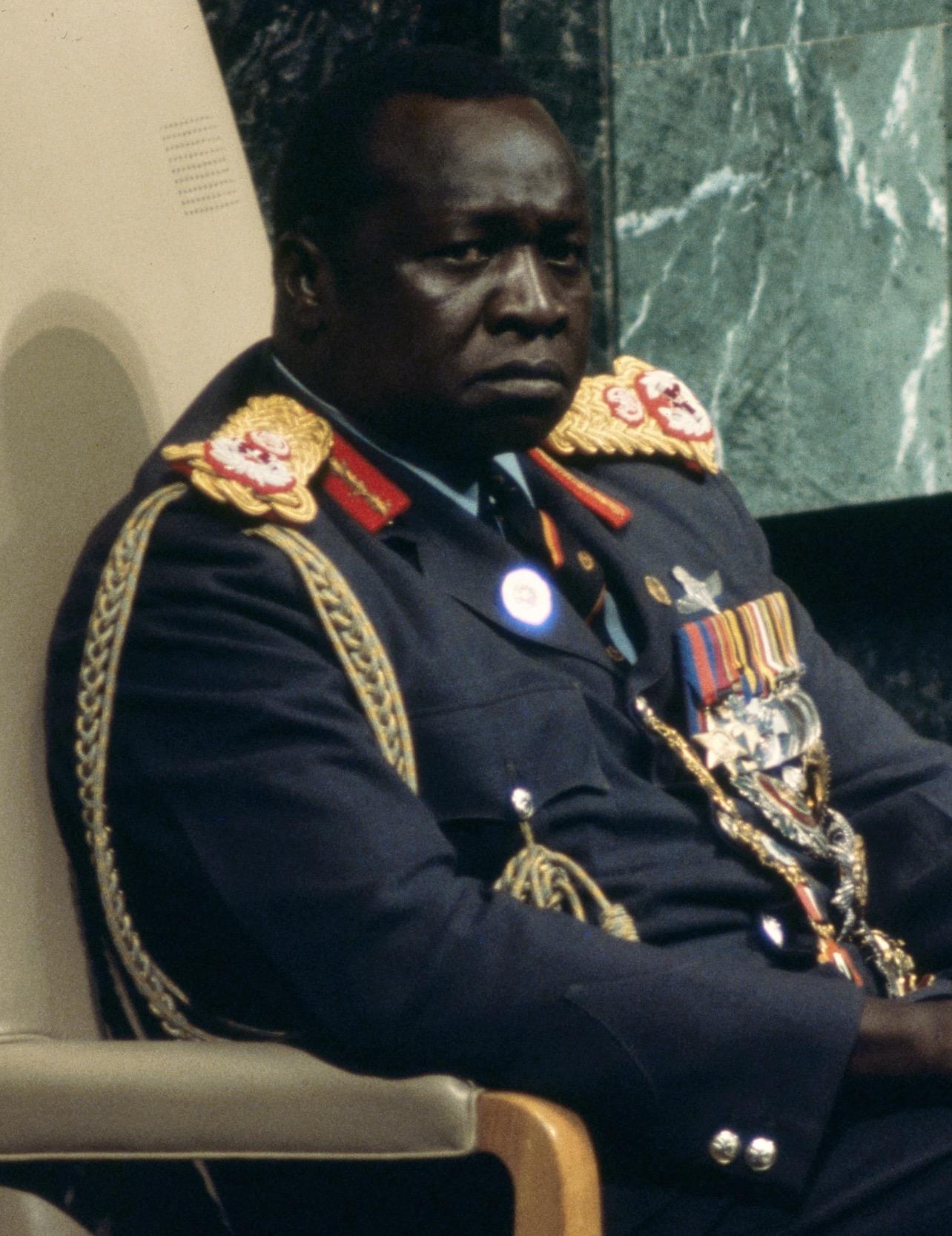
Idi Amin
Introduction
Idi Amin remains one of the most talked-about leaders in African history. His story is a mix of power, fear, ambition, and controversy. From a simple beginning to becoming Uganda’s ruler, his life shows how leadership can shape a nation for better or worse.
Early Life
Idi Amin was born around 1925 in Koboko, a small town in northwestern Uganda. He grew up in a poor family and had little formal education. Life was difficult, and like many young boys at the time, he had to find his own path early.
He was known to be physically strong and athletic. These qualities later helped him gain attention and opportunities, especially in the military.
Military Career
Amin joined the British colonial army, known as the King’s African Rifles. This was during a time when Uganda was still under British rule.
He quickly rose through the ranks because of his strength, discipline, and bold personality. He took part in military operations in East Africa and gained experience that would later shape his leadership style.
After Uganda gained independence in 1962, Amin remained in the army and continued to rise. Eventually, he became one of the top military officers in the country.
Rise to Power
In 1971, while President Milton Obote was out of the country, Idi Amin carried out a military coup. He took control of the government and declared himself the leader of Uganda.
At first, many Ugandans welcomed him. They hoped he would bring change and stability. Amin presented himself as a man of the people and promised to improve the country.
Rule and Leadership Style
Idi Amin ruled Uganda from 1971 to 1979. His leadership style was strict and often unpredictable.
One of his most famous actions was the expulsion of Asians (mainly Indians) from Uganda in 1972. He claimed this would give more economic power to Ugandans. However, it caused serious damage to the country’s economy.
His government became known for fear and control. Many people who opposed him disappeared or were killed. Over time, his rule turned into a dictatorship marked by violence and human rights abuses.
International Relations
Amin’s relationships with other countries were unstable. At times, he was friendly with Western nations, but later he turned against them.
He built connections with countries like Libya and the Soviet Union. His leadership often brought Uganda into global attention, but not always in a positive way.
Fall from Power
In 1978, Idi Amin made a major mistake by invading Tanzania. This led to a war between Uganda and Tanzania.
Tanzanian forces, along with Ugandan exiles, fought back and defeated Amin’s army. In 1979, he was forced to flee the country.
This marked the end of his rule.
Life in Exile
After leaving Uganda, Idi Amin went into exile. He first stayed in Libya and later moved to Saudi Arabia.
He lived there quietly for the rest of his life, far from the power he once held. He died in 2003.
Legacy
Idi Amin’s legacy is complex and controversial. Some remember him for his boldness and strong leadership style. However, many remember the fear, violence, and economic problems that happened during his rule.
His story is often used as an example of how power, when misused, can harm a nation and its people.
Conclusion
The life of Idi Amin is a powerful story of rise and fall. From a young boy with little education to a military leader and then president, his journey is unforgettable.
It reminds us that leadership is not just about power but about responsibility, justice, and the well-being of the people.

Categorias
Leia mais
Now is the time to pop that big question. You'll be terrified when you go matching rings shopping! The majority of people only buy matching relationship jewelry once, if they are lucky. However, there is some insider knowledge that can make it a daunting process. A journey as unique as your love story is the process of shopping for an engagement ring. It's an exciting adventure, a symbol...

The National Opposition Coalition Group, has formally applied to the Independent National Electoral Commission, INEC, for the registration of a new political party, the All Democratic Alliance, ADA. The opposition coalition is led by former Vice President Atiku Abubakar and ex-Kaduna State Governor, Nasir El-Rufai. The coalition’s application dated June 19, was acknowledged by INEC on...

Yakubu Gowon Yakubu Gowon is a Nigerian military officer and statesman who served as Nigeria’s Head of State from 1966 to 1975. He became one of the most important figures in Nigerian history because he led the country during the Nigerian Civil War and played a major role in preserving Nigeria’s unity. Yakubu Gowon was born on October 19, 1934, in Kanke, Plateau State,...
Xian Lim Xian Lim is a Filipino actor, singer, television host, model, and filmmaker known for his versatility and strong presence in Philippine entertainment. Born Alexander Xian Cruz Lim Uy on July 12, 1989, in San Francisco, California, United States, he became one of the most recognizable actors in Filipino television and film. Early Life and Background Xian Lim was born in...

Lola Shoneyin: There are writers who simply tell stories, and there are writers who disturb silence. The life of Lola Shoneyin belongs firmly in the second category. She did not grow up dreaming of controversy, but she grew up in a country where certain truths were whispered behind closed doors. When she finally began to write, she chose not to whisper. Her voice became bold, playful,...