Σχετικά
Samuel Oshoffa The Humble Carpenter Who Built a Spiritual Movement
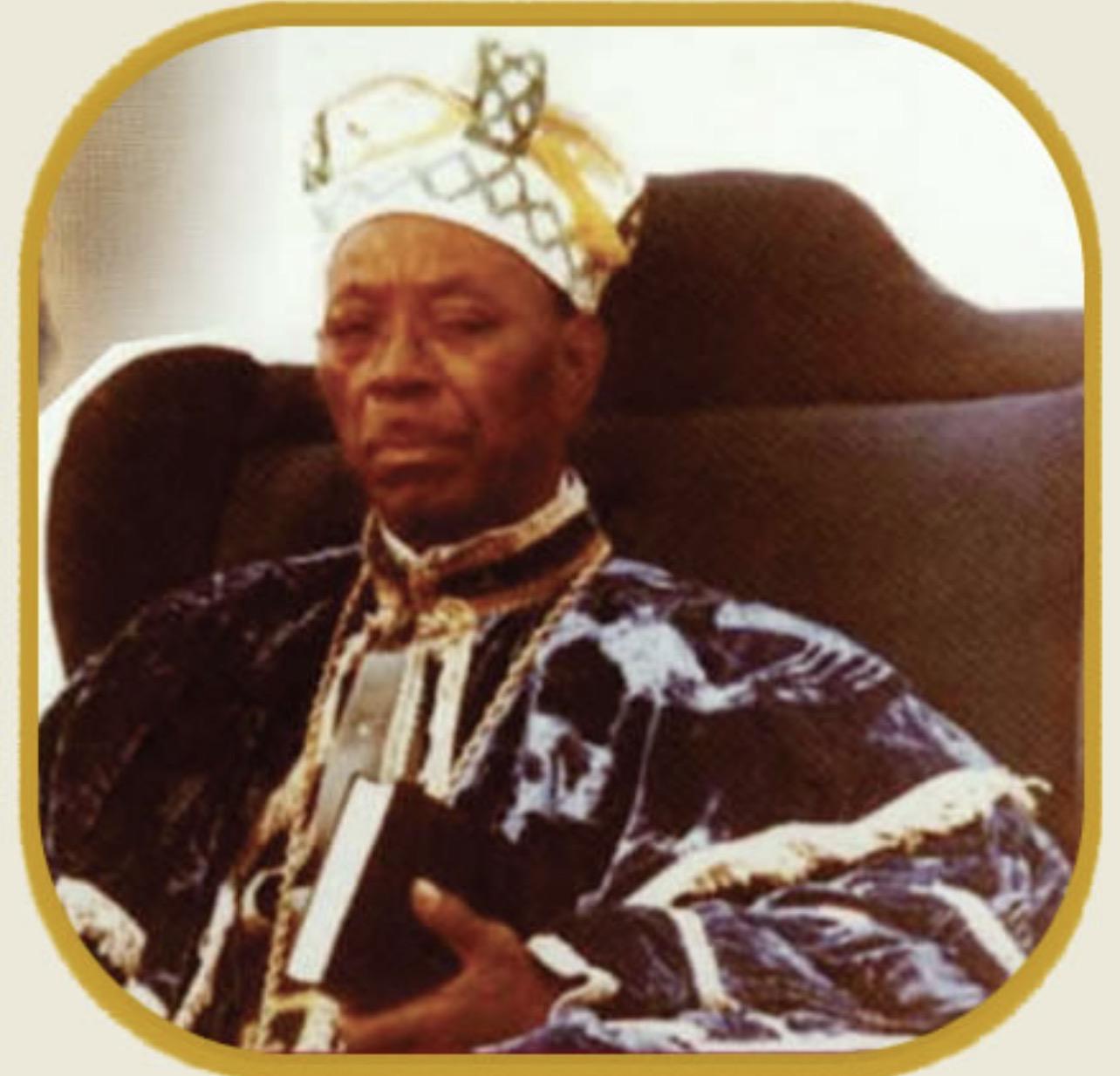
Samuel Oshoffa
Introduction
In the quiet rhythm of a simple life, a man once walked the forests as a carpenter and trader, unaware that destiny was preparing him for something far greater. That man was Samuel Oshoffa a humble Nigerian whose spiritual encounter would lead to the birth of one of Africa’s most recognized white garment churches, the Celestial Church of Christ.
His story is not just about religion, but about faith, obedience, and a calling that changed lives across generations.
Early Life
Samuel Oshoffa was born on May 18, 1909, in Porto-Novo, in present-day Benin Republic. He was born into a modest family and grew up in a peaceful environment shaped by both traditional beliefs and Christian influence.
From a young age, Oshoffa learned the value of hard work. He was not raised in wealth or privilege, but in discipline and humility. These early experiences shaped the man he would later become.
Education and Early Work
Oshoffa did not have access to advanced formal education, but he learned practical skills that would sustain him. He became a carpenter and later a timber trader.
His work often took him deep into forests, where he spent long periods alone. Unknown to him, those quiet moments in nature were preparing him spiritually for a life-changing encounter.
The Spiritual Encounter
In 1947, everything changed.
While on a timber expedition in the forest, Oshoffa reportedly got lost for several days. During this time, he experienced a powerful spiritual encounter. He later described seeing visions, hearing divine messages, and being called by God.
When he eventually returned, he was no longer the same man.
This moment marked the beginning of his spiritual mission.
The Birth of the Celestial Church
After his encounter, Oshoffa began to pray for people and many reported healing and miracles. His reputation grew quickly.
Soon, he founded the Celestial Church of Christ in 1947.
The church introduced unique practices:
• Members wore white garments symbolizing purity
• Worship included prophetic messages
• Strong emphasis on prayer, visions, and healing
What started as a small gathering quickly grew into a movement that spread across Nigeria, Benin, and beyond.
Growth and Influence
The church expanded rapidly across West Africa and later into Europe and other parts of the world.
Oshoffa became widely respected as a spiritual leader. People from different backgrounds came to him seeking healing, guidance, and hope.
His leadership style was calm but firm, rooted in faith and discipline. He built a structure that allowed the church to grow while maintaining its identity.
Challenges and Controversies
Like many great movements, Oshoffa’s journey was not without challenges.
There were criticisms and misunderstandings about the practices of the church. Some questioned the emphasis on visions and prophetic messages.
Despite this, Oshoffa remained focused on his mission. He continued to lead with conviction, believing strongly in the divine calling he received.
Personal Life
Samuel Oshoffa lived a disciplined and spiritual life. He was known for his simplicity, humility, and dedication to God’s work.
He did not seek fame or wealth. Instead, he focused on service, prayer, and guiding his followers.
Death and Legacy
Samuel Oshoffa passed away on September 10, 1985.
Even after his death, his legacy continues to live on through the Celestial Church of Christ, which remains active worldwide.
Millions of people still follow the teachings and traditions he established.
Conclusion
The story of Samuel Oshoffa is a reminder that greatness can come from the most unexpected places.
From a simple carpenter to a global spiritual leader, his journey shows the power of faith and obedience.
His life continues to inspire those who believe that one moment of divine encounter can change everything.

Κατηγορίες
Διαβάζω περισσότερα
Adebayo Salami In the early days of Nigerian entertainment, before “Nollywood” became a global word, the industry was powered by travelling theatre and raw talent. That was the world Adebayo Salami stepped into as a young boy—long before millions would know him by the name Oga Bello. A boy with a gift for performance Adebayo Salami was born on 9 May in Lagos (most...

Afrobeats superstar David Adeleke, popularly known as Davido, has officially cancelled his upcoming concert at Tottenham Hotspur Stadium in London, originally slated for July 3, 2025, citing major organisational challenges. In a statement shared via his Instagram story on Saturday, Davido revealed that despite strong ticket sales and overwhelming support from fans, he was forced to withdraw due...

Ice Prince Ice Prince, born Panshak Henry Zamani on October 30, 1986, is a Nigerian rapper, songwriter, and actor widely regarded as one of the pioneers of modern Nigerian hip-hop. Known for his smooth flow, lyrical depth, and genre-blending sound, he rose to fame in the late 2000s and became a major force in Afrobeats and African rap music. Early Life and Background Ice Prince...

Sheikh Nuruddeen Lemu Early Life and Background Nuruddeen Lemu was born into a respected Muslim family in Nigeria. From a young age, he was surrounded by Islamic teachings, discipline, and a strong culture of learning. Growing up, he showed deep curiosity about religion, life, and purpose. His early environment helped shape his calm personality and passion for guiding others....
My name is Blessing, and for a long time, I thought suffering was normal. I got married at twenty-two, full of dreams and hope. My husband, Kunle, was charming when we were dating. He promised me heaven on earth. My parents were poor, so when he came with confidence and small gifts, they believed he would take good care of me. I believed it too. The beatings started three months after our...