


 Environ
Abune Mathias The Humble Shepherd Who Led Ethiopia Through Faith and Trials
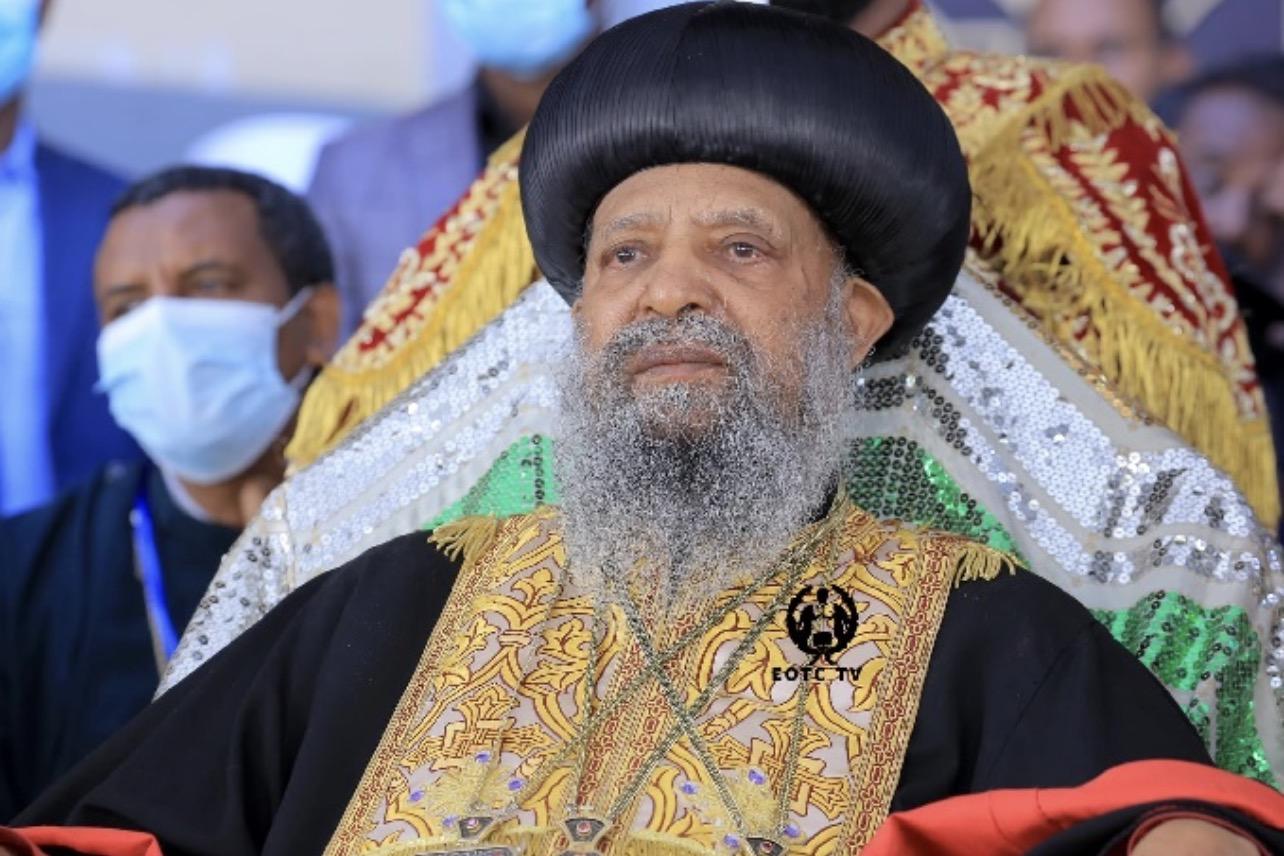
Abune Mathias
Early Life
Abune Mathias was born in Ethiopia, in a time when life was simple but not easy. He grew up in a deeply religious environment where faith shaped everyday life. As a young boy, he was quiet, thoughtful, and drawn to spiritual things.
From an early age, he spent time in church, learning prayers and traditions. While other children played, he often sat with elders, listening to stories about faith, sacrifice, and service. Those moments slowly shaped his future.
His family believed in discipline and humility, and these values stayed with him for life. Even as a child, people could see something different in him a calm spirit and a deep sense of purpose.
Calling to the Church
As he grew older, Abune Mathias felt a strong calling to serve God. He joined the Ethiopian Orthodox Church and began his journey as a monk.
Life in the monastery was not easy. It required fasting, prayer, and complete dedication. But he embraced it with joy. He spent long hours studying religious texts and serving others quietly.
Through years of devotion, he gained respect among church leaders. His wisdom and patience stood out. He was not loud or proud he led by example.
Eventually, he rose through the ranks of the church, becoming a bishop and later an archbishop. His journey was not rushed it was built slowly through discipline and faith.
Years of Struggle and Exile
Ethiopia went through difficult political times, and the church was not left untouched. During these years, Abune Mathias faced hardship and was forced into exile.
Living far from home was painful, but he did not lose his faith. Instead, he continued to serve, guiding Ethiopian communities abroad and keeping hope alive.
These years shaped him deeply. He learned patience, endurance, and forgiveness. While others grew bitter, he remained calm and prayerful.
Exile did not break him it prepared him.
Becoming Patriarch
In 2013, after many years of service, Abune Mathias was chosen as the Patriarch of the Ethiopian Orthodox Church. This was one of the highest spiritual positions in Ethiopia.
His election brought hope to many people. The church had been divided, and the nation was facing challenges. People believed he could bring unity.
As Patriarch, he focused on peace, reconciliation, and spiritual guidance. He encouraged forgiveness and called on people to come together despite their differences.
His leadership was gentle but firm. He spoke less, but his words carried weight.
Leadership in Difficult Times
During his time as Patriarch, Ethiopia faced serious conflicts and tensions. These were not easy moments for any leader.
Abune Mathias stood as a voice of peace. He called for unity and urged leaders to protect lives. At times, he spoke openly about suffering, showing courage even when it was risky.
His leadership was not about power it was about responsibility. He carried the pain of his people and continued to pray for healing and peace.
Many saw him not just as a religious leader, but as a moral voice for the nation.
Legacy and Impact
Abune Mathias is remembered as a humble and peaceful leader. He did not seek attention, but his actions spoke loudly.
He showed that true leadership comes from service, not control. His life teaches patience, faith, and the importance of standing for truth even in difficult times.
Through years of struggle, exile, and leadership, he remained steady. He never lost his calm spirit or his belief in peace.
His story is not just about religion it is about resilience, humility, and hope.
Sources
• Ethiopian Orthodox Tewahedo Church official records
• BBC News reports on Ethiopian church leadership
• Al Jazeera coverage on Ethiopia religious leadership and conflict
• Encyclopaedia Britannica (Ethiopian Orthodox Church leadership history)

Catégories
Lire la suite
Everyone feared Ajànàkú. His shrine sat at the edge of the village where the forest thickened and the air smelled of burnt herbs and old secrets. People came to him for protection, power, luck—and revenge. He never failed them, and that was the problem. Power had made his heart dry. When Kunle, a trader from a neighboring town, visited Ajànàkú...
Ronke Odunsanya Ronke Odunsanya is a Nigerian actress, producer, and entrepreneur best known for her roles in Yoruba-language films and Nollywood productions. Popularly called “Flakky Ididowo,” she rose to fame through her vibrant performances and has remained a recognizable face in the industry. Early Life and Background Ronke Odunsanya was born on May 3, 1979, in...

Agbalumo Fruit Importance Agbalumo is a popular tropical fruit widely eaten in Nigeria and other parts of West Africa. The fruit has a sweet and slightly sour taste and is highly valued for its nutritional and health benefits. 1. Rich in Vitamin C Agbalumo contains a high amount of Vitamin C, which helps strengthen the immune system. It helps the body fight infections, colds, and...

The Ogun State Ministry of Justice has announced plans to prosecute popular TikToker Ademola Abiodun, known as DJ Chicken, for multiple reckless driving incidents. According to the Ministry, on November 1, 2025, in Sagamu, DJ Chicken crashed into two motorcycles, seriously injuring both a rider and a female passenger. He allegedly attempted to flee the scene without remorse, prompting...

Kareem Adepoju (Baba Wande) Kareem Adepoju, widely known by his stage name Baba Wande, is one of the most respected veterans in the Yoruba theatre and film industry. With a career that spans several decades, he is celebrated for his powerful storytelling, deep cultural expression, and strong command of the Yoruba language. Baba Wande belongs to the generation of performers who laid the...

