About
About
The Native Doctor’s Blood
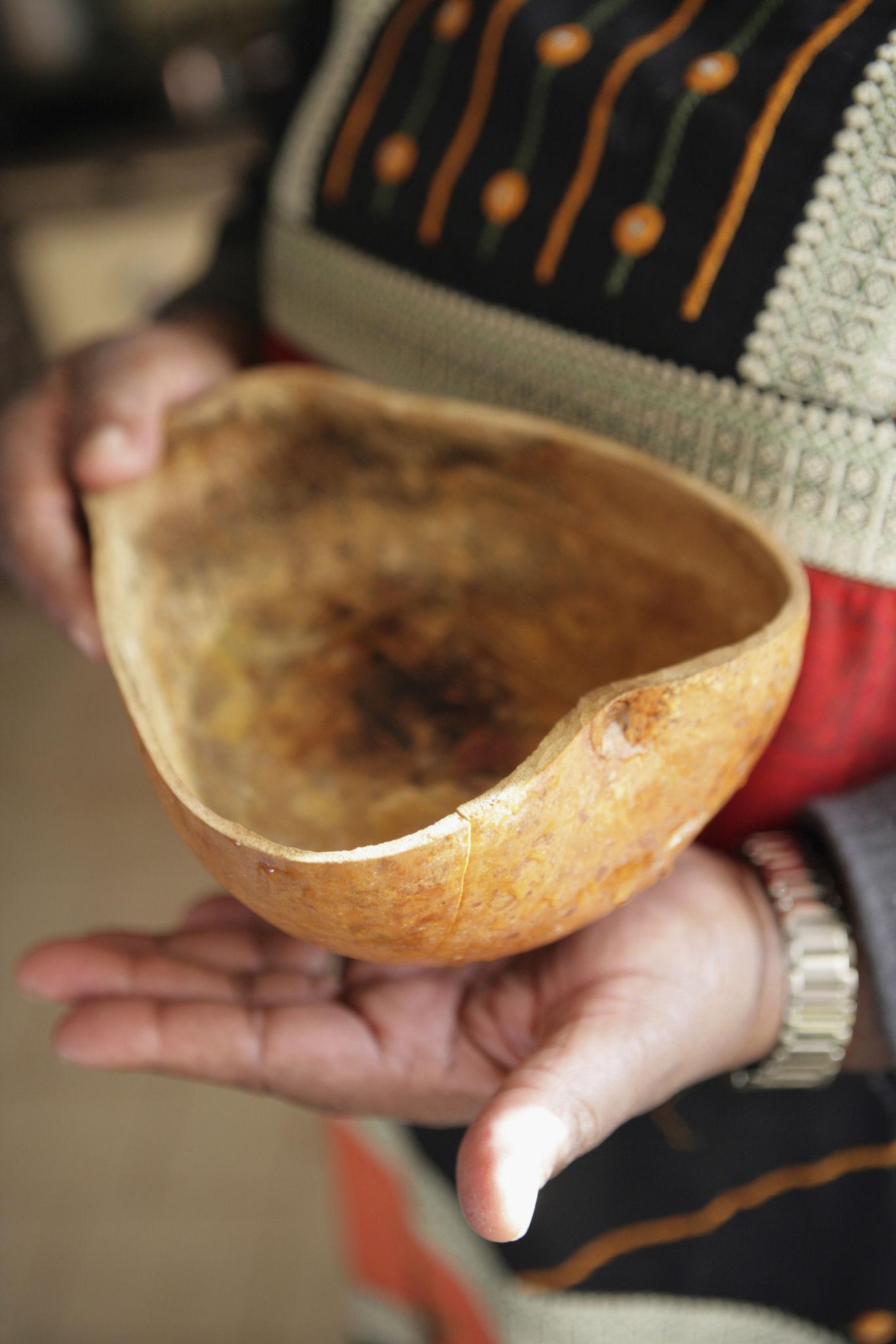
Everyone feared Ajànàkú.
His shrine sat at the edge of the village where the forest thickened and the air smelled of burnt herbs and old secrets. People came to him for protection, power, luck—and revenge. He never failed them, and that was the problem. Power had made his heart dry.
When Kunle, a trader from a neighboring town, visited Ajànàkú to test his famous protection charm, the native doctor laughed.
“My medicine cannot kill,” Ajànàkú boasted. “It only obeys me.”
Kunle smiled. “Words are easy. Proof is better.”
Ajànàkú’s eyes darkened. Pride burned hotter than wisdom. To prove his power, he prepared a meal inside the shrine—yam mixed with herbs, poison hidden like a whisper. He called his young son, Sẹ̀gun, and sat him beside Kunle.
They would eat from the same plate.
“If my son eats it,” Ajànàkú said, “how can you fear?”
The drums were silent as they ate.
Minutes passed. Sweat formed on Sẹ̀gun’s face. His hands began to shake. Kunle felt nothing—no pain, no fire in his chest. Then Sẹ̀gun collapsed, foam at his mouth, eyes wide with confusion.
Ajànàkú screamed.
The poison had obeyed—but not the way he promised.
The villagers rushed in. Ajànàkú tried to chant, tried to reverse the spell, but the shrine stayed quiet. His son died on the cold earth where sacrifices were usually made.
Kunle stood up.
That was when the truth broke open.
“The medicine didn’t spare me because it’s safe,” Kunle said calmly. “It spared me because it was never meant for outsiders.”
He revealed what Ajànàkú had hidden for years: the shrine fed on bloodline power. The herbs worked only when mixed with the life of his own family—sons, daughters, ancestors. Every ritual had cost him a piece of his blood.
The protection people bought was paid for by his children.
The villagers froze.
Ajànàkú fell to the ground, clawing at the soil. His greed had finally demanded a price too high. That night, the shrine lost its voice. The herbs turned useless. The forest rejected him.
By morning, the villagers burned the shrine.
Ajànàkú was left alive—but powerless, carrying the weight of his son’s blood on his hands. Kunle left without a word.
In the end, the shrine did not kill Ajànàkú.
Karma did something worse.
It made him live.

Categories
Read More
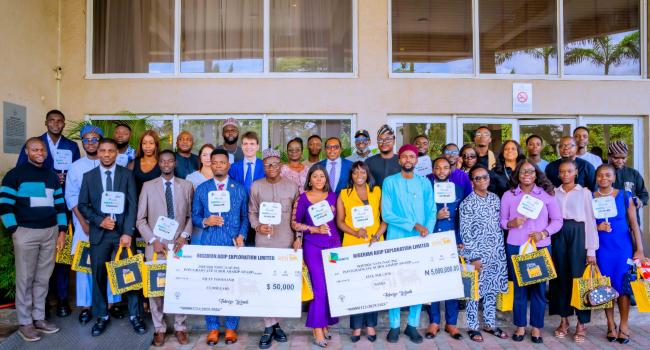
Eni’s subsidiary, Nigerian Agip Exploration Limited (NAE), in partnership with the Nigerian National Petroleum Company Limited (NNPCL), has awarded scholarships to 30 Nigerian graduates for postgraduate studies in Nigerian and international universities under its 2025/2026 Scholarship Awards Scheme. According to company spokesperson Folu Olapade, 10 beneficiaries will study abroad, while...
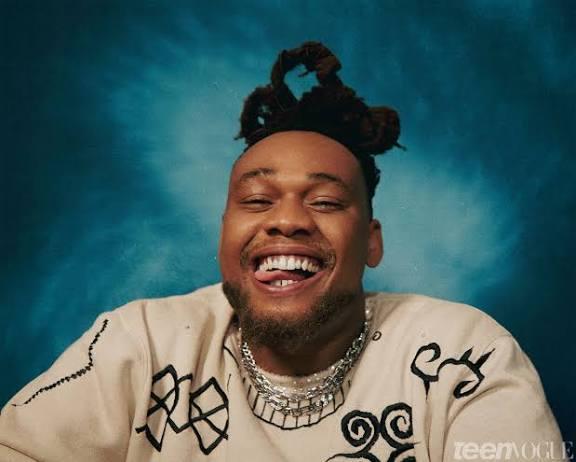
BNXN BNXN, formerly known as Buju, is a Nigerian singer and songwriter celebrated for his smooth vocals, emotive songwriting, and seamless blend of Afrobeats, dancehall, and R and B. His real name is Daniel Benson, and he was born on May 14, 1997, in Lagos State, Nigeria. He grew up in a culturally vibrant environment that shaped his love for music from an early age. ...
Ibrahim Badamasi Babangida In the ancient town of Minna in present day Niger State, on August 17, 1941, a boy was born into a modest Muslim family. His name was Ibrahim Badamasi Babangida. No one could have predicted that the quiet child from the Nupe heartland would grow up to become one of the most powerful and controversial leaders in Nigeria’s history. Ibrahim...
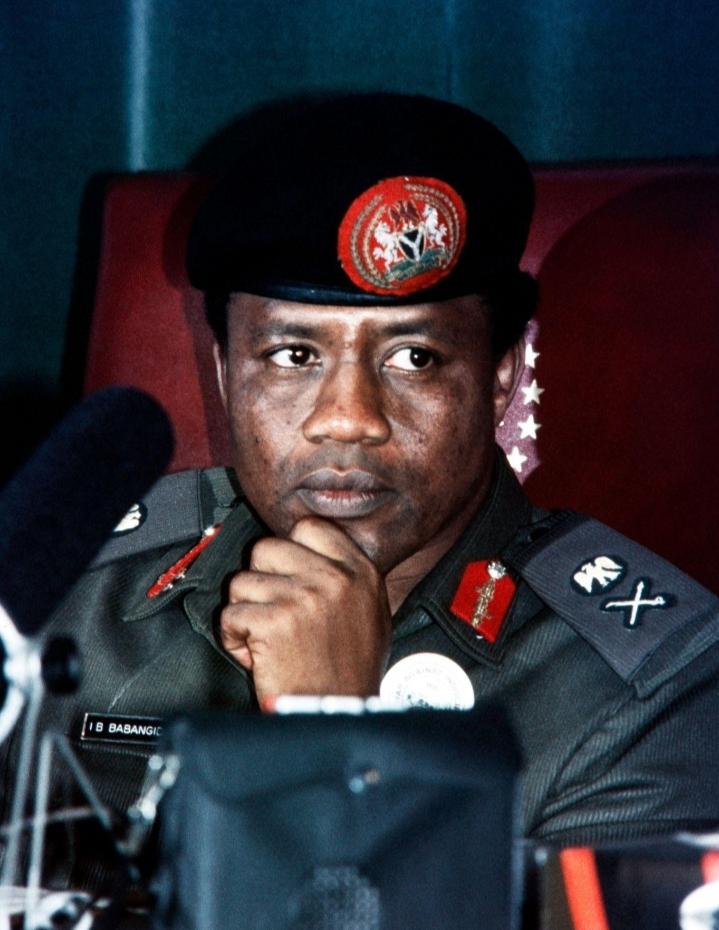
David Ibiyeomie David Ibiyeomie is a Nigerian pastor, author, and televangelist best known as the founder and presiding pastor of Salvation Ministries, headquartered in Port Harcourt, Rivers State. Public biographies place his birth on 21 October 1962 and identify him as an indigene of Bolo Town in Ogu/Bolo Local Government Area of Rivers State. Early Life and Background David Ibiyeomie was...
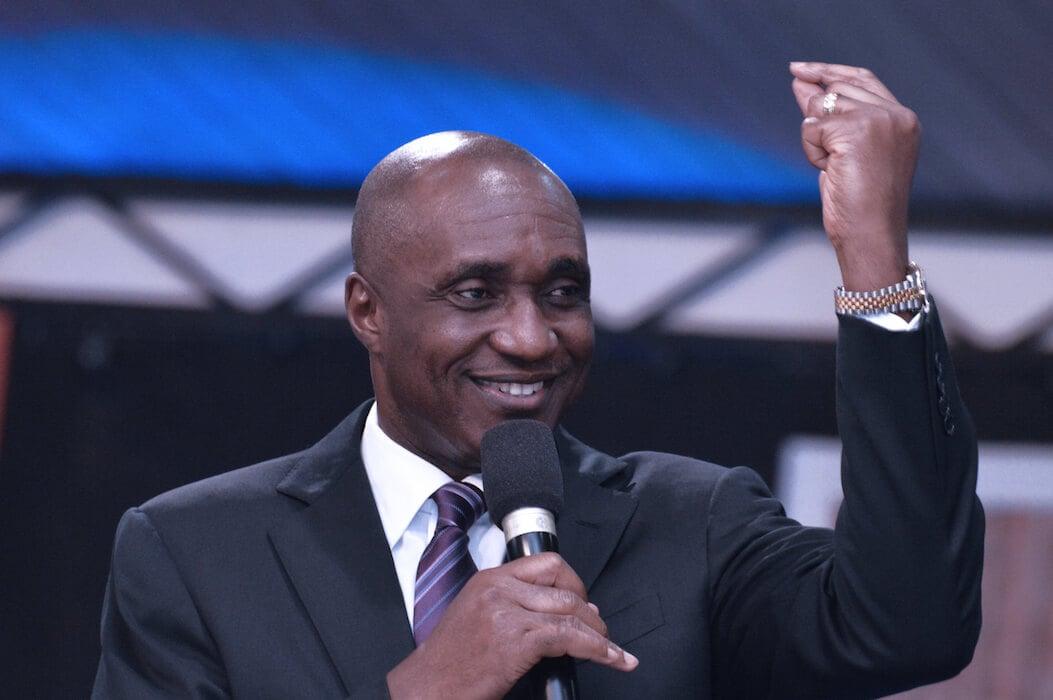
Femi Otedola is one of Nigeria’s most prominent businessmen and investors. Known for his strategic investments in energy and finance, he has built a reputation as a bold entrepreneur who understands timing, market cycles, and long term value creation. Early Life and Background Femi Otedola was born on November 4, 1962, in Ibadan, Oyo State, Nigeria. He comes from a respected family....