Ahmad Baba al Timbukti The Scholar Who Defended Knowledge and Faith in Timbuktu
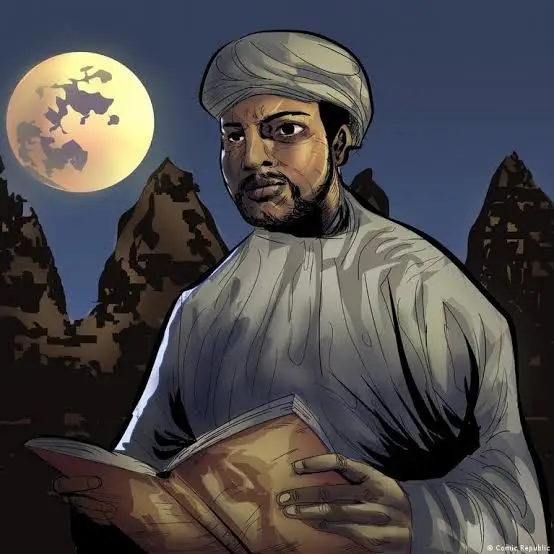
Ahmad Baba al Timbukti
Early Life
Ahmad Baba al-Timbukti was born in 1556 in the famous city of Timbuktu, a place known across Africa and the world as a center of learning and knowledge.
He grew up in a family of scholars. From a young age, books were part of his life. His father and teachers trained him in Islamic studies, law, and literature.
Unlike many children, Ahmad Baba did not just memorize lessons. He loved to understand deeply. He asked questions, read widely, and spent long hours studying.
As he grew older, people began to notice his intelligence and calm nature. It was clear that he was destined to become a great scholar.
Education and Rise as a Scholar
Ahmad Baba studied at the famous Sankore University in Timbuktu. This was one of the greatest centers of learning in Africa at that time.
He mastered many subjects including Islamic law, grammar, history, and philosophy.
But what made him special was not just knowledge. It was how he used it. He taught students, wrote books, and guided leaders with wisdom.
Soon, he became one of the most respected scholars in Timbuktu. People from different regions came to learn from him.
He believed that knowledge was a responsibility, not just a gift.
The Moroccan Invasion and Exile
In 1591, everything changed. The army of Morocco invaded Timbuktu.
The peaceful city of scholars was thrown into chaos. Many leaders and intellectuals were targeted.
Ahmad Baba was arrested because of his influence and strong voice. He was taken far away from his home to Morocco as a prisoner.
This was a painful moment in his life. He lost his freedom, his city, and many of his books.
But even in exile, he did not lose his spirit.
Life in Exile
While in Morocco, Ahmad Baba continued to teach and write.
Even though he was far from Timbuktu, students gathered around him. His reputation had already spread.
He wrote several important books during this time, including works on Islamic law and justice.
One of his strongest beliefs was about freedom. He spoke against the unjust treatment of people and defended the dignity of Africans.
His voice became even stronger in exile.
Return to Timbuktu
After many years, Ahmad Baba was finally allowed to return home.
When he came back to Timbuktu, he found a city that had changed. But his presence brought hope again.
He resumed teaching and continued writing. People once again gathered around him to learn.
Despite everything he went through, he remained humble and focused on knowledge.
Legacy and Impact
Ahmad Baba wrote more than 40 books in his lifetime. His works covered law, ethics, and society.
He became a symbol of knowledge, courage, and resilience.
Today, he is remembered as one of the greatest scholars in African history. His life shows that knowledge can survive even in difficult times.
His story is not just about books. It is about standing firm for truth, even when the world changes around you.
Conclusion
The life of Ahmad Baba is a powerful reminder that knowledge is strength.
From Timbuktu to exile and back again, he never stopped learning, teaching, and speaking the truth.
His legacy still lives on in the history of Africa and in the hearts of those who value wisdom.
Sources:
• Hunwick, John O. Timbuktu and the Songhay Empire
• Encyclopaedia Britannica Ahmad Baba al-Timbukti
• African Studies Review publications on Timbuktu manuscripts

الأقسام
إقرأ المزيد
the Mississippi River The Mississippi River is one of the most important rivers in the world and the second-longest river in North America. Stretching about 2,340 miles (3,770 km), it flows from Lake Itasca in Minnesota down to the Gulf of Mexico. For thousands of years, it has shaped civilizations, powered economies, inspired writers, and defined American history. Ancient Beginnings...

I was twenty-one when my stepmother told me to pack a small bag and dress nicely. She smiled too much, the way people do when they’re lying. My father had been dead for years, and she reminded me often that I was a burden she no longer wished to carry. She owed money dangerous money. When the black cars stopped in front of the house, I understood everything too late. The man who stepped...

Igwe Nnaemeka Alfred Achebe In the bustling commercial city of Onitsha, where markets hum with relentless trade and the River Niger flows with quiet authority, there stands a throne older than colonial maps. It is the throne of the Obi of Onitsha, one of the most respected traditional institutions in Igboland. Upon that throne sits Nnaemeka Alfred Achebe, a monarch whose life journey...

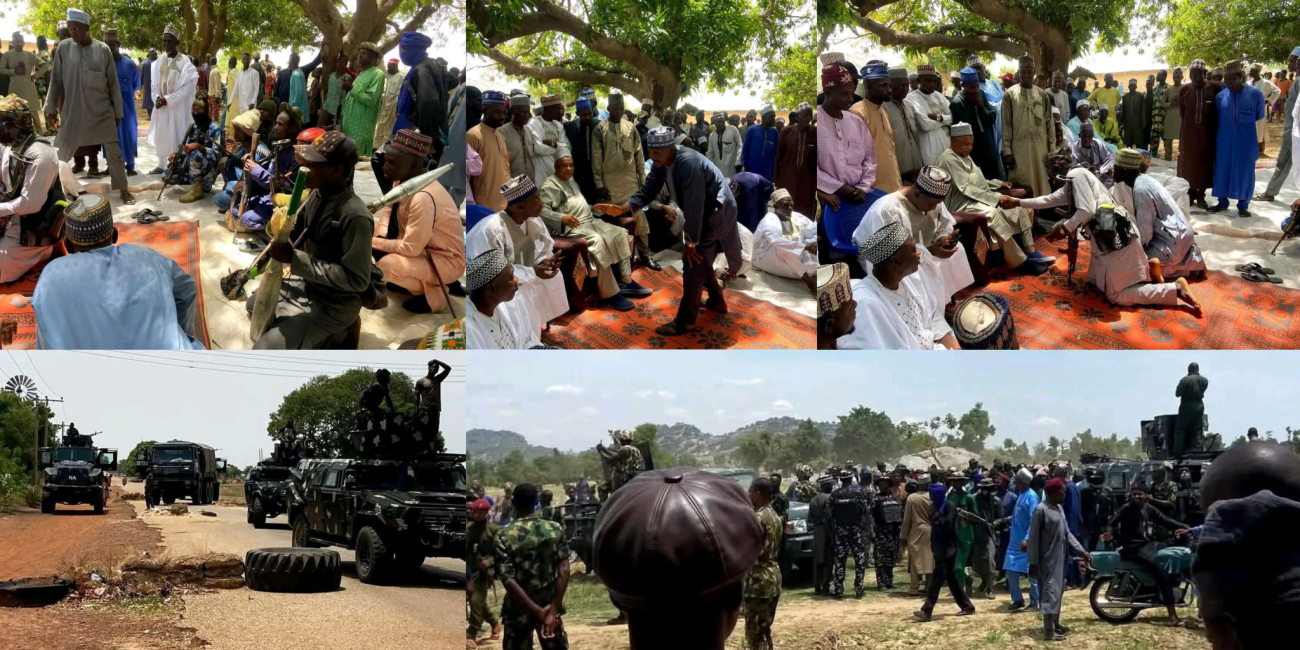
Despite being declared wanted by security forces, notorious bandits leader Ado Aleru resurfaced publicly in Danmusa Local Government Area of Katsina State, where he led a so-called peace meeting attended by Nigerian Army personnel, community leaders, and factions of armed bandit groups. The meeting aimed to foster peaceful coexistence between Fulani herders and other local communities. Aleru,...
Lolo 1 Lolo 1, whose real name is Omotunde Adebowale-David, is a Nigerian comedian, actress, radio personality, and media host known for her vibrant personality and strong voice in entertainment and social issues. She became widely recognized for her role as Adaku in the popular TV series Jenifa’s Diary. Early Life and Background Lolo 1 was born on April 27, 1977, in Lagos State,...