Sobre
Sobre
Julius Nyerere The Teacher Who Led Tanzania to Freedom
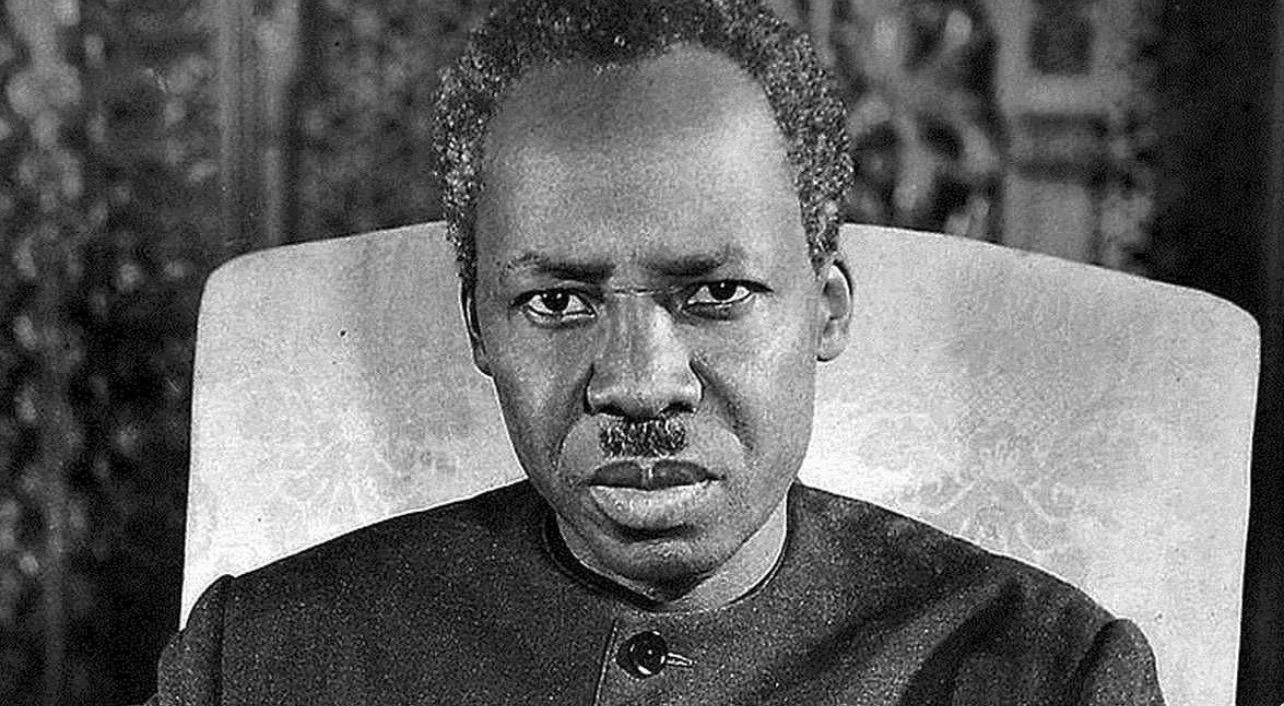
Julius Nyerere
Early Life and Background
Julius Kambarage Nyerere was born on April 13, 1922, in a small village called Butiama in present day Tanzania. He was born into a humble family, and his father was a local chief of the Zanaki people.
Growing up, Nyerere lived a simple village life. He helped with farming, herding cattle, and learning the traditions of his people. Even as a child, he showed signs of intelligence and leadership. People around him noticed that he was calm, thoughtful, and always eager to learn.
Education
Nyerere began his education at a local mission school. He later attended Tabora Government School, one of the best schools in the country at the time.
Because of his brilliance, he was given the opportunity to study abroad. He went to the University of Edinburgh in Scotland, becoming one of the first Tanzanians to study there.
While studying, he learned about politics, history, and the struggles of other nations for freedom. These experiences shaped his thinking and prepared him for leadership.
Beginning of His Political Journey
After returning to Tanzania, Nyerere worked as a teacher. This earned him the nickname “Mwalimu,” which means “teacher” in Swahili.
However, he soon became deeply involved in politics. At that time, Tanzania, then called Tanganyika, was under British colonial rule. Nyerere believed his people deserved freedom and self governance.
He joined the Tanganyika African National Union and quickly became its leader. Through peaceful speeches and strong ideas, he united people from different tribes and regions under one common goal, independence.
Fight for Independence
Nyerere’s approach to freedom was different from many others. He believed in peaceful resistance rather than violence.
He spoke across the country, encouraging unity and hope. His words inspired many people, and soon the movement for independence became stronger.
In 1961, Tanganyika gained independence from British rule. It was a historic moment, and Nyerere became the first Prime Minister of the country.
Becoming President
In 1964, Tanganyika united with Zanzibar to form Tanzania. Julius Nyerere became the first President of the new nation.
As a leader, he focused on building a united country. Tanzania had many tribes, but Nyerere worked hard to ensure that everyone saw themselves as one people.
He promoted the use of Swahili as a national language to strengthen unity and communication.
His Vision for Tanzania
Nyerere believed that Africa should develop in its own way. He introduced a system called Ujamaa, which means familyhood.
This system focused on equality, cooperation, and sharing resources among communities. Villages worked together, and the government provided basic services like education and healthcare.
Although Ujamaa had good intentions, it faced many challenges. The economy struggled, and not all policies worked as planned.
Still, Nyerere remained committed to fairness, unity, and reducing inequality.
Leadership Style and Character
Julius Nyerere was known for his honesty and simplicity. Unlike many leaders, he did not seek wealth or luxury.
He lived a modest life and was respected not just in Tanzania, but across Africa and the world. Many saw him as a wise and principled leader.
He also supported other African countries in their fight for independence, making him a key figure in African history.
Stepping Down from Power
In 1985, Nyerere made a rare decision. He stepped down from power willingly, becoming one of the few African leaders to do so peacefully.
Even after leaving office, he continued to advise leaders and contribute to national and continental issues.
Legacy
Julius Nyerere passed away on October 14, 1999. His legacy remains strong in Tanzania and beyond.
He is remembered as the father of the nation, a teacher, and a leader who valued unity and peace.
Today, many Tanzanians still respect his vision of a united and equal society. His life story continues to inspire generations across Africa.

Categorias
Leia mais
Doguwa In the heart of a land where the wind whispered stories through ancient trees and the rivers carried memories of generations, there lived a figure whose name would one day echo far beyond his village. His name was Doguwa. Doguwa was not born into greatness. He came into the world in a small settlement surrounded by thick forests and rugged hills, a place where survival was...
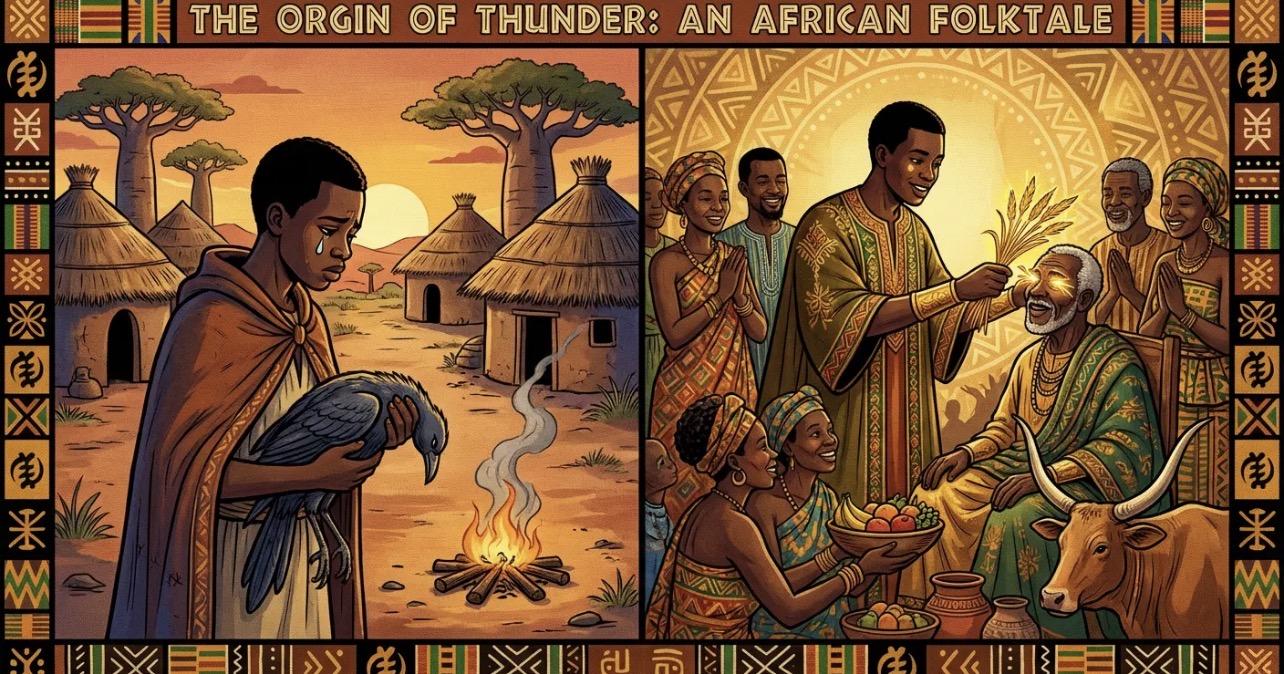
Skuki Skuki did not rise quietly through the Nigerian music industry. They burst in with energy, slang, dance moves, and unapologetic party vibes. At a time when Afrobeats was evolving and the club scene was expanding rapidly, Skuki positioned themselves as the life of the party. But before the flashing lights, wild stage performances, and catchy anthems, there were two brothers with a...

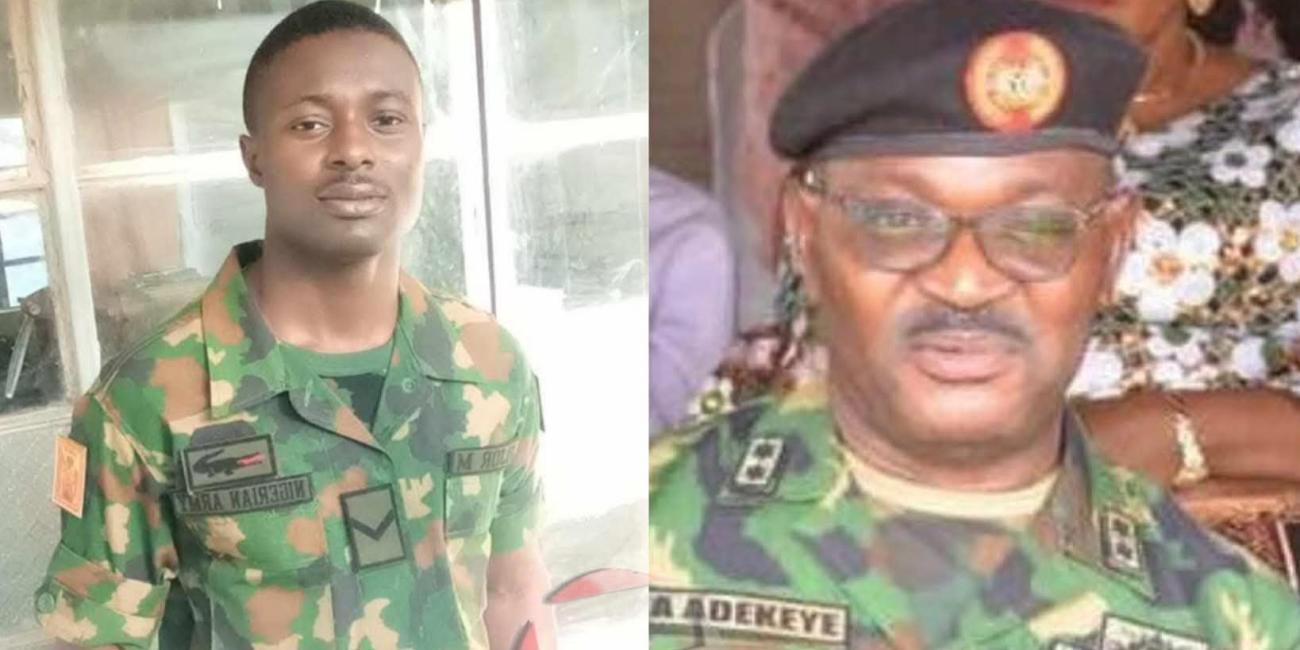
A former Nigerian Army officer, Michael Jojor, has accused Major General A.A. Adekeye, former Commandant of the Nigerian Army Armour School (NAAS), of orchestrating his unlawful demotion, detention, and eventual resignation from the military. Jojor, who joined the Army in June 2016 as part of the 75RRI, claims he was officially posted to 6 Division Garrison, Port Harcourt, but was later...
The United States has unveiled a 20-point peace roadmap aimed at ending the war in Gaza and setting a path toward lasting stability between Israelis and Palestinians. Here’s what the plan actually includes 👇 🕊️ Phase 1: Ceasefire & Hostage Release A full ceasefire begins, followed by phased hostage and prisoner exchanges. Israeli military operations would pause while...
There was a time I realized I was no longer scared of Kunle and that realization terrified me more than the bruises ever did. Fear had once kept me careful. It made me cautious with my words, slow with my movements. But after months of fighting, fear grew tired. It hardened into anger. I woke up angry. I slept angry. I carried rage like a second skin, tight and suffocating. Kunle...